 Ask ChatGPT
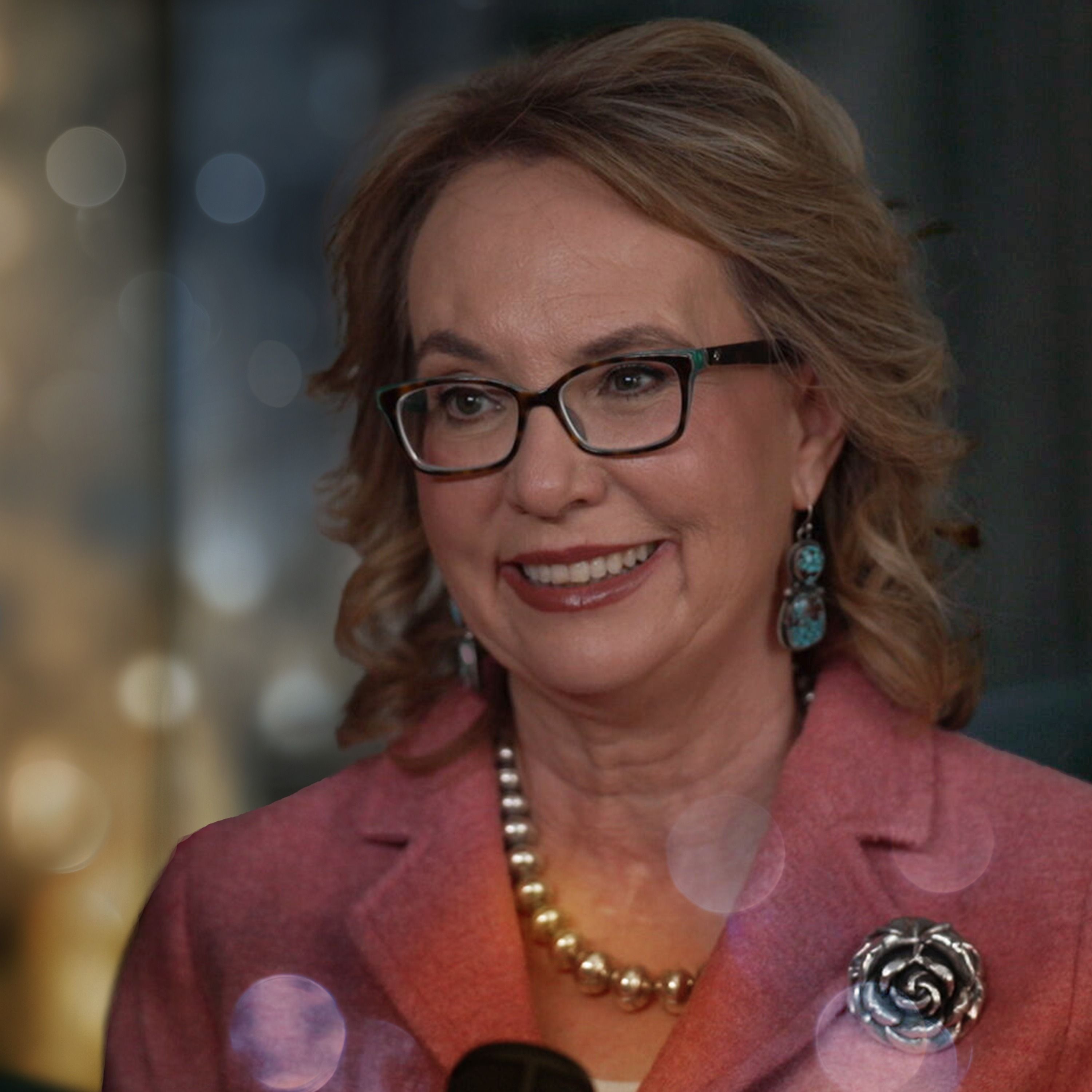
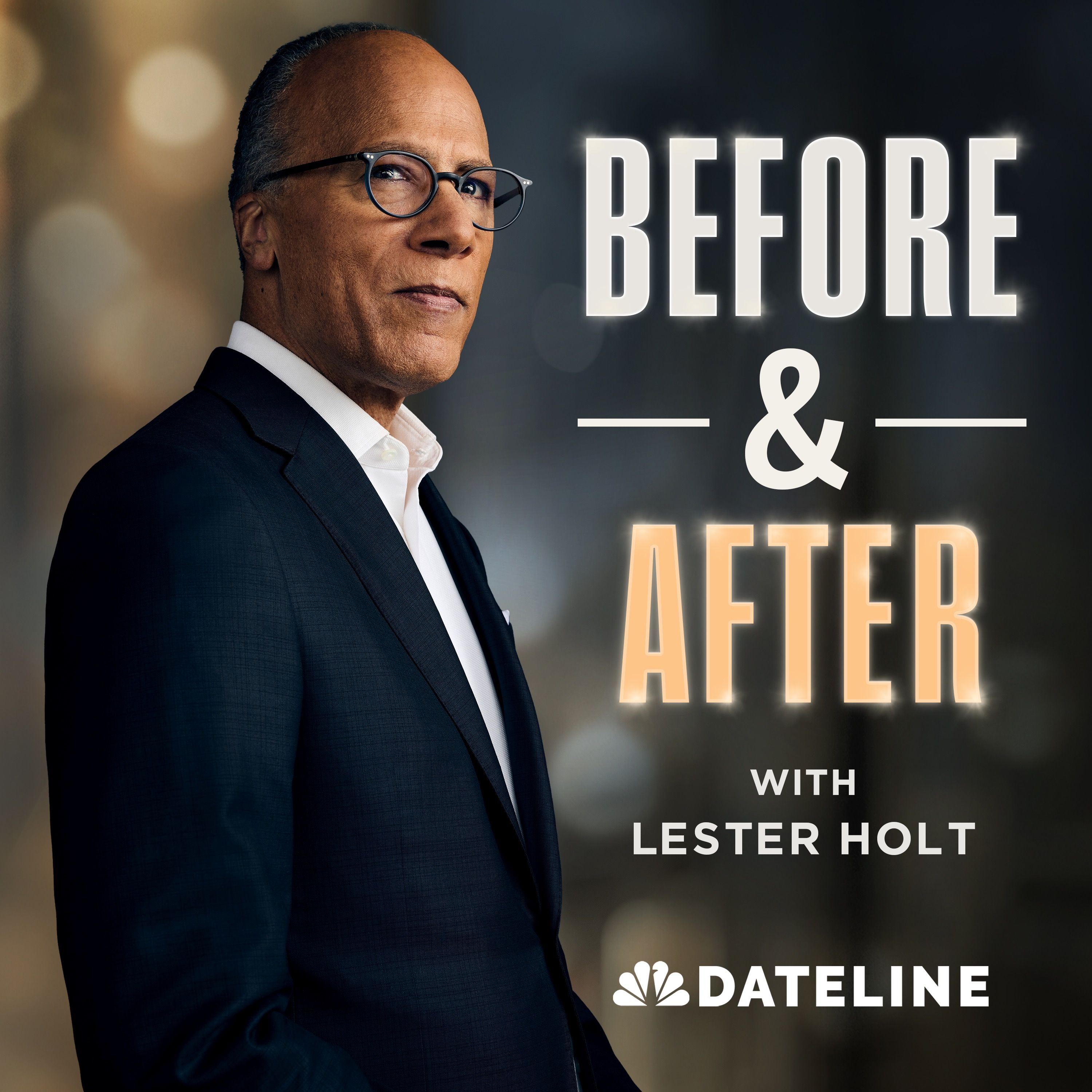

Episode topic: Colin Kaepernick explains the “before and after” of his 2016 national-anthem protest, arguing it was the result of years of lived racial identity and study, and describing how it affected his NFL career and activism afterward.
Colin Kaepernick, former NFL quarterback; star at the University of Nevada (twice Offensive Player of the Year); drafted by the San Francisco 49ers in 2011; led the team to the Super Bowl in 2013. He later wrote The Perilous Fight and founded Know Your Rights Camp. (Host not fully identified in transcript.)
The knee protest targeted police violence and systemic oppression; he says NFL teams avoided him despite his ability to play. He alleges collusion/blackballing and filed a grievance; he settled in 2019 but wasn’t made whole. He says Jay-Z’s Roc Nation deal with the NFL sidelined him and used him, though Nike’s support helped shift “bad for business” narratives.
tied to a rose tree as a child while kids called him a racial slur; protests included jersey burning and death threats/bomb calls; Seahawks workout canceled after they asked him to stop protesting; Eric Reid suggested taking a knee; Know Your Rights Camp launched after Mario Woods’ killing; independent autopsy work for Nolan Wells.
Written by AI. May contain mistakes.
Kaepernick discusses his absence from the public eye and intentional speaking.
“It's been 10 years since you famously took that knee.”
Exploration of Kaepernick's struggle with his identity and race.
“Thinking that this was just a moment in time.”
Kaepernick shares his family's experience with his race and identity.
“you very quickly know and realize I'm different and I'm black.”
A childhood experience that impacted Kaepernick's understanding of race.
“They let me know where they thought my lineage originally was from, just based upon what they could gather at that point in time.”
Kaepernick reflects on the awareness he gained from his experiences.
“came down for dinner, and acted like it didn't happen because I didn't have confidence in what the response would be in me telling them that and the implications of it.”
Discussion on the complexities of cultural identity and assimilation.
“community, and constantly having to have these battles.”
Kaepernick talks about the influences that shaped his understanding of race.
“saying, yes, I love you, but I disagree with you on these things.”
Kaepernick describes the social context leading up to his protest.
“A lot of that history, I was not taught growing up.”
Kaepernick recounts how he decided to take a knee during the anthem.
“All of us have to look ourselves in the mirror.”
Kaepernick recounts the backlash he faced from fans and media for his protests.
“All right, back to your podcast, playlist, or whatever's keeping you going today.”
Kaepernick reflects on the NFL's response to his protests and subsequent blackballing.
“It stopped being about sports a long time ago.”
Discussion of Kaepernick's legal battles with the NFL regarding his blackballing.
“I filed a grievance against the NFL for blackballing me.”
Colin Kaepernick reflects on his time in the NFL and the impact of Jay-Z's deal.
“By 2019, Colin Kaepernick had been out of the NFL for two years, and one of the biggest names to first support him, Jay-Z made a deal with the NFL that Kaepernick didn't see coming.”
Kaepernick discusses Nike's pivotal role in supporting his movement and the Dream Crazy campaign.
“And what we saw come out that the next day was that, hey, we're past kneeling.”
Kaepernick details the founding and initiatives of the Know Your Rights Camp.
“In October of 2016, we'd launched our first Know Your Rights Camp in Oakland.”
Kaepernick shares his thoughts on being a father and the legacy of his activism.
“NFL Commissioner Roger Goodell has publicly rejected the notion that Colin Kaepernick was blackballed, saying teams make their own roster decisions and that he would welcome Kaepernick's return to the league.”
Discover the NFL's substantial contributions to social justice initiatives.
“In a statement, the NFL said its support of social justice programs has reached thousands of national and grassroots partners backed by more than$575 million in contributions.”
Learn about Jeremy Renner's near-death experience and his surprising perspective.

Get the gist, explore an idea or ask about something said.
 Claude
On Before & After with Lester Holt, what are the key points of this episode?
Searching your listeningAutomatic transcript. May contain errors.
0:00Chicago land. Get ready to laugh. Comedian Gary Owen is bringing his no filter laugh out loud comedy to Hammond's Horseshoe Casino. Saturday, December 12th. I was a cop in the Navy, too. I was a great cop for you guys. I was terrible for the Navy. I just let everybody go. You've seen him on stage, on screen and online. Now catch him live for one night only. Tickets are on sale now at Horseshoe Casino, all Ticketmaster outlets and Ticketmaster.com. Play smart. Must be 21 or older to gamble or attend events. At Lowe's, this Veterans Day and every day, military members, veterans, and their spouses get automatic MyLowe's Rewards Silver Status benefits, plus 10 % off eligible purchases with no annual limit.
0:43It's one way we honor and give back to those who have served and still do. Learn more and verify now at lowes.com slash military. 10 % discount can't be combined with another offer. Exclusions, terms, and conditions apply. Loyalty programs subject to terms and conditions. Details at lowes.com slash terms. Subject to change. Everybody feels like they know the story. Oh, yeah, that was a guy that took the knee, and it was a controversy, and he couldn't get a job. Yeah. End of story. It's interesting because people just look at individual moments, and oftentimes I don't think they look at the totality of it.
1:16There are moments that divide a life into before and after. For Colin Kaepernick, that moment came on a football field. A star player at the University of Nevada, he was twice named Offensive Player of the Year. In 2011, Kaepernick was drafted by the San Francisco 49ers, and he soon landed an endorsement deal with Nike. He led his team to the Super Bowl in 2013, then back to the NFC Championship the following season. But on September 1, 2016, during a preseason game against the San Diego Chargers, Kaepernick took a knee during the National Anthem. His protest against racial injustice and police violence instantly turned Kaepernick into one of the most polarizing figures in American sports history.
2:08To some, a symbol of justice and courage. To others, anger and division. Now, Colin Kaepernick has written a book called The Perilous Fight about how his decision pushed him off the field and from the game he loved. For the first time in a decade, he is talking in detail about what led to that pivotal moment about his before and after. Here is my conversation with Colin Kaepernick.
2:40It's been 10 years since you famously took that knee. We haven't heard much from you over the last 10 years. Why is that? I try to be very intentional of when I'm speaking and why I'm speaking. And I've heard a lot of the feedback of, you're not talking enough. I'll say on the flip side of that, early in 2016, coming on the back of the protest, it was like, well, why are you talking so much? I also wanted to make sure that I was creating space for other people and other leaders to be able to step into some of these areas. So it's not a singular voice trying to drive a conversation. What's the one thing that you think people get wrong when they try to understand your story?
3:28Thinking that this was just a moment in time. It is years and years of lived experience, years of educating myself. Can we talk a little bit about your identity? And by that, I mean, you're very clear about this in the book that there was a struggle in your life about your blackness. And I hate saying that, but it's been used against me as well. So I think it's something maybe many of us have encountered. Yeah. Being adopted into a white family. you very quickly know and realize I'm different and I'm black. Did your own family, your mother, your father, did they struggle with dealing with your blackness and how comfortable they would be with you expressing yourself?
4:15I would say I think they did. It doesn't come from a malicious space. I know my parents love me. My parents also are both from Wisconsin, moved to California, and they adopted a little black boy. And when it comes to black culture, like they did not have the exposure there. And there were things that they did, I think were amazing. I had a little, my buddy doll that was a little black boy. And one of the early defining moments of this is a project of coloring, coloring my family and drawing my family and coloring the rest of my family yellow, color myself brown. I knew from the time I was five years and younger that I was black and my family was white.
5:04So I had pieces like that growing up that I was like, they let me know I was adopted early on. That wasn't a question. They let me know where they thought my lineage originally was from, just based upon what they could gather at that point in time. So those things all existed. There was an experience you had when you were eight that you detail in the book about some of the neighborhood kids. Can you share that? Yeah. So to give some context, think about Turlock, California, the 90s. Predominantly white community, very agricultural, spent most of my days outside playing, running around the neighborhood.
5:42I had a brother who was 10 years older than me. So I was always chasing after sports and things that he was doing. So we were outside playing in the street. Starts to get dark. The street lights are getting closer to come on. And it's like, oh, I better get home. So streets start scattering. I'm coming around the block. And I see a few of the kids that we had just been playing with. I went to go see, like, hey, what are y 'all doing? Can we keep playing? And during that, the kids grabbed me. They tied me to a rose tree. and I just remember the moment of like them laughing like they were having a good time.
6:28Them calling me nigger is part of that. And the only thing that stopped them was a neighbor who was driving by and said, hey, what are y 'all doing? And the kids stopped and scattered. the neighbor didn't even get out of his car or stop just kind of rolled by and kept going was able to get get myself free and I remember just just running home as fast as I could and I also remember the moment of stopping at my doorstep before walking in the house and having to gather myself and say I can't tell my parents. So I ran upstairs, showered, got myself together, came down for dinner, and acted like it didn't happen because I didn't have confidence in what the response would be in me telling them that and the implications of it.
7:32Did you even understand the implications of it? I don't think I understood. At eight years old, I don't think I understood it explicitly. For me, what that moment really solidified was the awareness that I have to have in being in spaces like this is different than what it looks like for other people. And from that point forward, that awareness is always there. Growing up Black in a white family, in a predominantly white community, and constantly having to have these battles. But you learn to be able to make sure that you're navigating those situations in a way that keeps you safe and a way that you're able to move forward.
8:13You remind me of a story in my own life. My wife is white. And we were at a dinner party one night and she was like nine months pregnant. And someone asked very innocently, like, so are you going to raise him white or black? It's like, what are you talking about? Yeah. Now the part that becomes more difficult as you're growing is not only am I black as far as skin tone and genetics, but culture comes with that. And parts of culture that you identify and resonate with that, those come into question constantly. And that may be music, that may be clothing, that may be the people you look up to. In the book, I talk about the influence of Allen Iverson, Randy Moss, and these being people that, to me were the epitome of blackness because they were unapologetic about it.
9:09And when people questioned them and pushed them on it, it was like, no, this is who I am. You have to accept me as who I am. And to me, you get to make that decision of, are you going to be true to who you are and how you view yourself and what that trajectory is? Or ultimately, do you assimilate. And we see that show up in relation to how I want my hair, the music I'm listening to, the friends I have. All of those things become part of this. And for me, there becomes a realization of, yes, we're family. We love each other. There's also differences within us. and we have to be okay with those differences.
9:58And that may mean we do things differently. We like different things. We're a support different things. But being able to carry that forward and to me, going back to that identity piece, being comfortable and confident in that, saying, yes, I love you, but I disagree with you on these things. And I think that is part, as I went through my journey, I had to become more and more comfortable with. And that's in my relation to my family, but it also comes into relation to society. This wasn't a singular moment. It wasn't you just woke up one day and said, I'm going to take a knee. There were a lot of areas growing up that I wasn't exposed to, that I had to learn as I got older and inform myself around.
10:41That ultimately led to the moment of taking a knee. One of the turning points there was reading the autobiography of Malcolm X, reading Frantz Fanon and Wretched of the Earth, Black Skin, White Mask, Huey Newton's Revolutionary Suicide, reading Angela Davis and going down this lineage of Black scholars and Black revolutionaries that had a different vision for what the country could be and what it looked like for us to thrive. A lot of that history, I was not taught growing up. And especially growing up in Central California, there's not a large black population there, which also means there weren't a lot of those conversations that were just happening within the community.
11:23And for me, that was something I had to grow and develop as far as that knowledge around it. We're at Levi's Stadium in Santa Clara as the Texans face the San Francisco 49ers. It's August of 2016, first preseason game. Yeah. What was your mindset then? Think about the context of August 2016. And for me, we had come off of Mike Brown being killed. We've seen Tamir Rice. The summer of 2016, we have Alton Sterling, Philando Castile, all killed on camera, very visibly. And for me, it was a moment of, well, how do we see all of this? And what action can we take? All of us have to look ourselves in the mirror.
12:07Well, what did you do to try to change it? So the context of thinking about that first moment of not standing for the Star Spangled Banner, for me, originally, it was, I don't believe in what this represents in relation to our community. Nobody even noticed the first one you took the seat, sitting on a Gatorade bucket. Yeah. It escaped any attention. Yes. It wasn't until the third week that I had been doing it that Steve Weisher, a reporter from NFL Network, came and asked me about it after the game. And that conversation, I was very honest with him about why I was doing that. This morning, the spotlight on football star Colin Kaepernick or taking a stand by refusing to stand.
12:54The San Francisco 49ers quarterback remaining seated during the playing of the national anthem at three preseason games. What were you hoping to achieve with the protests? To collectively move us forward as a society. Very specifically, fighting against police killing black folks, but also looking at systemic oppression holistically to get society thinking and moving in the direction of addressing these issues to create a better society. We have to do something different, and there has to be motion and momentum and movement around that. Point, time, and he's hit. Intercepted. That's the safety, Eric Reid.
13:37Eric Reid was our first-round draft pick out of LSU, was a safety, had a great relationship with him. He came and sat down with me. And we talked for about three hours. And he was like, I see what you're trying to accomplish. I'm from Baton Rouge. Alton Sterling was just killed in Baton Rouge. He was like, my dad drives down that street. It was very close to home for him. And he believed we should be doing something too. And he said, what if we take the approach of taking a knee? We can be up front. We can be there with the rest of the team. We can still make it known what our goals and objectives are as part of this.
14:17And the idea of taking a knee came directly from Eric Reid.
14:27As the national anthem filled the stadium, Colin Kaepernick took a knee and got an earful. When you finally took that knee, what was the feeling? Were you looking out into the crowd and seeing their reaction? Where was your head? I had a few different thoughts. Was thinking about all the people before me and the sacrifices that they had made. How far they were willing to go. Whether that's the Montgomery bus boycotts. Whether that's Rosa Parks. Whether that's Malcolm X. Whether that's MLK. Whether that's the Black Panthers. we saw people willing to go extraordinary lengths because they believed that we could be better and they believed that we could bring about rights and equity and justice for everyone and create a society that would do that.
15:23And to think about the sacrifices that people before us had made, if they're willing to go that far, how far should we be willing to go? What is the cost and the expense of doing nothing? To me, the implication is, are you going to be silent because of potential repercussions, or are you going to do the things that you know are right and can help move us forward? You decided you were all in. You have to be. When we come back, he knew taking a knee could cost him. He had no idea how high the price would be.
16:09Good enough. Two words that have never changed the world. And yet, when it comes to payments, businesses settle for good enough all the time. Adyen believes your financial technology should do more than work today. It should make more possible tomorrow. That's why we built one platform designed to grow with your business across markets. Because good enough only gets you so far. Go long with Adian.
17:04because your time is for you, not migraine. Don't take if allergic to NERTECH ODT. Allergic reactions can occur even days after use. Get help right away for trouble breathing, rash, swelling of face, mouth, tongue, or throat. High blood pressure and Raynon syndrome can occur. Get help for high blood pressure, numbness, coolness, pain, or color changes in fingers and toes. Common side effect is nausea. For full prescribing information, call 1-833-4-NERTECH or visit nertech.com. All right, back to your podcast, playlist, or whatever's keeping you going today.
18:04outlets, and Ticketmaster.com. Play smart. Must be 20 or older to gamble or attend events.
18:16Colin Kaepernick continued to take a knee throughout the 2016 season. Other players began to join him, and the reaction across America came quickly. I got to see this show up in so many different ways. I got to see different cities respond differently to me. We went to Buffalo, New York, saw people light my jersey on fire and throw it in front of our bus as we're pulling in for the game. I saw people with shirts that they were selling that had me within the scope of a sniper rifle. I also saw down in San Diego, the first time we took a knee, a black woman who had to sign Kaepernick for president.
18:56You described people burning your jersey in protests of your stand. What did it feel like to be the brunt of such anger and real-life death threats? It was very real. There was a lot of hate and anger that came my way. His position now causing backlash from angry fans on Twitter. People die every single day defending that flag that you refuse to stand for, and I won't stand for that. This man is setting his Kaepernick jersey on fire. Move to Canada. There were death threats that came my way. We had people try to send bombs to our house. Like, we got those phone calls. My lawyers got those phone calls.
19:38And there is a realization of, OK, I have to move differently through the world right now. I wasn't going to let them stop me or us from doing that work and moving forward. Wouldn't you love to see one of these NFL owners when somebody disrespects our flag to say, get that son of a bitch off the field right now. Out. He's fired. He's fired. Yeah, I mean, there were those voices that said you were un-American. Do you love America? I don't look at love of countries. I love people and I want to see people thrive. That's not just in the U.S. I want to see people across the world thrive. I don't want to thrive here at the expense of everyone else around the world.
20:27We collectively are in a place where we should be able to thrive together, and we should be building towards that together. Colin Kaepernick is warming up with his teammates. He is expected to kneel once again and protest to what he says are social injustices to African Americans. So 2017, after the 2016 season, the 49ers brought in a new coach and a new GM, Kyle Shanahan and John Lynch. I sat down with both of them and they told me, hey, we've seen your career. We've watched your film. You look great. We're going in a different direction though. And we're going to cut you. We can't tell you when we're going to cut you, but we're going to cut you or you can opt out of your contract now and get ahead of it.
21:14So I chose to opt out of my contract. so I had the longest period of time possible to be able to find another team to be with for the upcoming season. Now, how that's been positioned more broadly is, well, you opted out of your contract. You didn't want to be in San Francisco. That was your choice. And that narrative was pervasive and has been pervasive for a very long time. But it's disingenuous to say, oh, you opted out of the contract. You made that choice. They had already given me the decision of what they were doing. For me, I was just trying to position myself to have the best opportunity to find another team to be able to play with as quickly as possible.
21:55At some point, the Seahawks say, come on up. We want to take a look at you, work out. So the Seahawks are interesting because they said, hey, we want to bring them up for a workout. So we had lined things up to go up for a workout. And before I got on my flight to go to Seattle for that workout, they had called my agent and said, before he gets on the plane, can you tell us, will he commit to stop protesting before he comes out here? I said, no, I'm not committing to that. Canceled the flight, canceled the workout, and never moved forward from there. It stopped being about sports a long time ago.
22:32It stopped being about sports a long time ago. And the part that is fascinating to me is when we talk about the NFL and you listen to them talk about it, a lot of the narrative that they push is the NFL is a meritocracy. We are only basing our decisions on the merit of, can you help us win? So when it comes to the conversation of, do I have the ability to play in the NFL? Can I be successful in leading a team? Those are things that coaches, GMs, even owners within the NFL know that I can do and have said I could do. So if it's not about my playing ability, then what is the reason that you won't hire me?
23:18And that becomes very obvious on the back of the protest. The narrative more broadly coming from the NFL was I was bad for business. And that's why they weren't hiring me. In that process, my jersey had gone to number one as far as a seller. So don't let the facts get in the way. Don't let the facts get in the way. Despite taking the 49ers to the Super Bowl in 2013, Kaepernick is unable to find a job in the NFL. I think similar to my life trajectory, you have a culmination of moments that get you to a point that's like, this actually is an illogical pattern. And for me, having played in a Super Bowl, the following year, having gone back to the NFC championship to have been very successful in the NFL and then not be able to find a single team that would take me at any position, that just doesn't add up.
24:12You were expecting some blowback, but was losing your career something you imagined? It is something that because of history, I have mentally prepared for that as a potential outcome. It is a big financial implication. at the same time, if we step back and look at, like, what is our purpose here? Is it just to make the most money possible? What's your assessment as far as what actions you should be taking? My opinion, that becomes a very easy one. We need to be fighting for people to be able to thrive, to be able to make sure that they live. Because if it was just, hey, I'm going to get mine, I would have never protested.
24:53I would have never took a D. I would have never done those things. There was an article today that NFL owners don't want to pick him up because they don't want to get a nasty tweet from Donald Trump. The conversation about blackballing continued. And at that point in time, people were boycotting the NFL. They were not supporting the NFL. There was a players-owners meeting in 2017. I think the opportunity with the NFL was, hey, we're going to try to create an organization to be able to stop the protests and make it look like we're doing work directly in the community and supporting this to make the conversation around blackballing Holland.
25:36go away. We need someone to give us cover and they need to be from the black community. They came to you first to become the face of social justice at the league. They did, which I would say was probably one of the most baffling conversations I've had is having an organization that is blackballing you come to you and say, yeah, we're not going going to give you your career back on the field, but will you be the face of our social justice initiatives across the NFL? Bit of a head scratcher. Very much a head scratcher. Now, what I will say is there's a significant financial offer as part of that.
26:18And this goes back to some of the conversation of, are we doing things for personal gain or are we doing things that are right that we think are going to move us forward. And I just don't think we should be doing things that are performative. And I was not going to be the face of that. I filed a grievance against the NFL for blackballing me. That's a collusion. Collusion. What happened with the collusion suit? So we had gone through the full process. We had deposed everybody. We had gotten discovery, ultimately came to a settlement agreement at the beginning of 2019. That is directly in relation to damages for keeping me out of the NFL.
27:02Now, as part of that, I can continue to pursue employment within the NFL. I can say what I want about the NFL. The actual legal process of going through the grievance, that process is confidential. Did it make you whole financially? No. No. When we come back, Jay-Z had been one of Colin Kaepernick's most prominent supporters. Then came a move that would drive them apart.
27:51I was a cop in the Navy, too. I was a great cop for you guys. I was terrible for the Navy. I just let everybody go. You've seen him on stage, on screen, and online. Now catch him live for one night only. Tickets are on sale now at Horseshoe Casino, all Ticketmaster outlets, and Ticketmaster.com. Play smart. Must be 21 or older to gamble or attend events. You know, Kevin, sometimes I feel like computers are the only thing around here that are getting smarter. Yeah, my model hasn't had an update in a while. But that changes now. We think that we can smarten these listeners up about all things related to this crazy new future.
28:23Welcome to Machine Gods, a new NPR podcast that will be your guide to the AI future. Twice a week, we're going to help you get smarter about AI so you know what's real, what's hype, and what you should probably install on your phone. Listen to Machine Gods from NPR on the NPR app or wherever you get your podcasts. I'm Livy Dunn, All-American gymnast and Viore athlete. When you travel and train as much as I do, you find happiness where you are. On the mat or on the sand, movement and comfort are essential. That's why I live in Performance Joggers by Biore. Made from DreamNet fabric that's made of 89 % recycled materials.
29:01Effortlessly soft and made to move as much as I do. My happiness starts here, in the softest joggers on the planet. Get 20 % off your first purchase at biore.com slash libby. That's v-u-o-r-i dot com slash l-i-v-v-y. Exclusions apply. Not only will you receive 20 % off your first purchase, but enjoy free shipping on U.S. orders over$75 and free returns. Go to viore.com slash Libby and discover the full versatility of Viore clothing. Exclusions apply. Visit the website for full terms and conditions.
29:37By 2019, Colin Kaepernick had been out of the NFL for two years, and one of the biggest names to first support him, Jay-Z made a deal with the NFL that Kaepernick didn't see coming. How much do you miss football? Oh, I very much miss football. Think about the last time I stepped on the field. That was 20 plus years of work and dedication to get to that place. And being able to step on a field with your teammates, knowing the work that you all put in together, being in the huddle, being in the locker room together, the sacrifices that you make together, legitimately the blood, sweat, and tears, the pain, the early mornings, the late nights, all of those moments.
30:29And you are working towards this goal of we're trying to be the best in the world at what we do. So I very much miss it. I still, to this day, I still wake up. I train every morning. I prepare. You do a full workout every morning? Every morning. Wake up at 4.30, do my workout, and then get the rest of my day done. Is there any world in which you put on a uniform again? There's a great question that we should ask the NFL owners. The game of football I love. The NFL, the politics, the power structure, I don't love. At one point, Jay-Z wore your jersey at Saturday Night Live. Ladies and gentlemen, Jay-Z!
31:12Did you talk to him about that? I tried to. Was unsuccessful getting on a phone call or having a meeting with him after that. You thought it was a gesture that was worth meeting. Initially, it was a gesture that I just wanted to say thank you for. And he rocked this custom Colin Kaepernick jersey. He did make an official political statement to say he's going to stand by Colin Kaepernick. thinking about the moments during that time period, there was a lot of controversy and conversation of like, hey, what does it mean if we say we support Colin? What does it mean if we say we support the protest?
31:52I tried to make sure I was very intentional and try to say thank you to everybody who was doing it because that was critically important to continue to move the movement forward and also let people know like the work they're doing is seen and appreciated. So I'd had communication with him through email back and forth, a little bit texting as well. And he'd asked multiple times, like, would love to get on a call, would love to meet, and just would not do that. That then led to the second act of this, which was Jay-Z doing the deal with the NFL. Jay-Z's company, Roc Nation, now advising the league on entertainment, including the Super Bowl halftime show, and consulting for the league's activism campaign Inspire Change.
32:39It had been a couple years at that point that I had tried to be in touch with him and have a conversation with Jay-Z. And the first time that I got a call from him and got on the phone was after he signed the deal with the NFL. And for me, I just shared, hey, I don't agree with what you're doing. I have the insights because we've deposed the NFL owners I've sat in on these depositions. We've seen all the discovery and documentation. I can tell you exactly what they're trying to accomplish. And they're using you in this process. I don't agree with what you're doing. Just keep my name out of it.
33:20And what we saw come out that the next day was that, hey, we're past kneeling. We're moving on from this. I think we've passed kneeling. I think it's time to go into actionable items. Colin's whole thing was to bring attention to social injustice. So to be clear, I'm not minimizing that part of it. He was kneeling to bring attention to injustice. Now, how do we address that injustice? What do we do next, right? So we should millions and millions of people, or we get stuck on Colin not having a job. To me, it was disappointing to see someone with influence take a position that he knew was going to be detrimental to me personally.
34:10Well, he sang about you not long ago at a Yankee Stadium concert. The captain here, my buddy took a check. I ain't even mad at him. But along with that check, got a sign of non-disparagement. I'm the one they can't control. J.Z. sings about this non-disparagement clause. Did you ever sign one? No. Even within this conversation, you can see I'm very free in talking about the NFL and their issues and shortcomings. You're not holding back. No, there's nothing that stops me from talking about the NFL, the work they've done or haven't done. J.Z. saying, I'm the one they can't control. How did you feel about that?
34:49And my perspective on that is I think he got a lot of backlash for the deal he did with the NFL. People were turning down the Super Bowl halftime show in support of the protest. And the NFL had a significant issue on their hands. And he came in and said, I'll solve your problem for you. I'll help the protest go away. I'll help get artists for the halftime show. So now, as part of that, a significant portion of the population said, oh, you sold us out. Calling a dream crazy is not an insult. It's a compliment. Nike was in a point of decision about the future and its relationship with you, ultimately decided to stick with you.
35:40How important was that? Nike was incredibly pivotal. And what came out of that was the Dream Crazy campaign with Nike in 2018. It completely killed this narrative of, oh, you're bad for business. That pivotal moment changed the direction of a lot of the conversation that was happening. Because they were the first major company to come out and support me and support a movement in this way. This is the part of the interview where I would normally say, you know, any regrets. But I'm not hearing any regrets from you. No, I don't have regrets in relation to what I've done. I look at everything as learning opportunities and how we continue to push and build forward.
36:29We are here because of Colin Kaepernick's advocacy. Colin knows his rights, and he wants us to know our rights as well. Prior to the protest ever starting, we were building Know Your Rights Camp. In October of 2016, we'd launched our first Know Your Rights Camp in Oakland. And the founding of it and the idea of it came on the heels of Mario Woods being killed in San Francisco. I called my wife, then girlfriend, and it's like, we have to do something. like what can we do to try to create an environment where we make it home safely and that is what kicked off know your rights and we started planning organizing around it what resources do we need how do we build out the structure around it how do we effectively organize within communities so resources around financial self-defense and literacy technology, education, holistic health, both relation to mental health as well as physical health.
37:42How do you get resources when you live in a food desert? We've done work across the country. We've done work internationally, making sure that communities know their history, know their legal rights in relation to that. I've gotten to work with and build with phenomenal people across the country across the world with the work that we're doing. Organizations like the Lower East Side Girls Club. We've worked with organizations on immigration, on food security. We've done work with incarcerated folks. We also launched an autopsy initiative to be able to give free second autopsies, independent autopsies, to families who have lost loved ones.
38:22You did that quite recently. Most recently, we did this for Nolan Wells. The independent autopsy that Nolan Wells' family commission with the help of Colin Kaepernick was released. If we can have direct impact on families and communities that make them better, there's no regrets within that. The knee, we can call it that, it's 2016, coming up here on 10 years. How has America changed in those 10 years? Man, that's a phenomenal question. I think there's been a lot of phenomenal work done to be able to move things forward. I think there has been equally a significant amount of work done to resist a more equitable future and fair future and better country.
39:08Over the last 10 years, I've also had a lot of people that originally were like, I did not like you. I didn't believe in what you were doing. And I've seen what you've done over the last 10 years and how you've approached it. and you've actually changed my mind on this. I was wrong about this. And to me, those become incredibly powerful moments. And I've seen that show up across the country as well. You have a daughter? I have a coming up on four-year-old daughter. What are you going to tell her about this period in your life when she's obviously old enough to understand? It's very interesting.
39:45So we just finished moving. And as part of that, we had some of our artwork and stuff. and she found the Time Magazine cover as part of it. And this is just in the last few weeks. And she took it in her room and was like, no, I want this in my room. We tried to be like, oh, it's going to go in this other room. She was like, no, it's in my room. And you're on the cover of this? On the cover, taking a knee. And what's interesting, she was like, well, Bubba, what are you doing? And had to start having that conversation with her. she's not even four years old and was fascinating this little girl I love this little girl she is she is so fierce and so loving but she sees the cover and down to the detail she's like oh Bubba why like why are you doing this and she's taking a knee doing it and I'm sitting here thinking like, oh man, baby girl, you're already picking up on some of this, but there's so much more that I'm going to have to share and prepare her for.
41:00And part of that is responsibility as a father of implications for her because she is my daughter that she never asked for, that I'm going going to have to prepare her for. And I think the responsibility that comes with that, one, I take that very seriously, but two, I feel a sense of urgency around that. And the other part, because she is so fierce, I'm also, I'm excited to see where she goes in life and what she accomplishes and things she's passionate about because I get to see the moments of that show up with her already. And she's not even four years old. That's beautiful, man. It really is.
41:43And I want to thank you for coming by. It was great talking to you, man. One final note. NFL Commissioner Roger Goodell has publicly rejected the notion that Colin Kaepernick was blackballed, saying teams make their own roster decisions and that he would welcome Kaepernick's return to the league. In a statement, the NFL said its support of social justice programs has reached thousands of national and grassroots partners backed by more than$575 million in contributions. Next time on Before and After. What's it like to die? Actor Jeremy Renner was clearing snow from his driveway on New Year's Day in 2023 when he slipped beneath the tracks of the 14 ,000-pound snowcat he was operating.
42:36Renner was crushed and almost died, breaking nearly 40 bones in 100 places. In our conversation, I was surprised to hear him say he wouldn't change a thing about the experience. I'm glad it happened. One of the greatest things happened to me on that day when I got ran over. The greatest thing happened. Whoa, whoa, whoa, back up. The greatest thing? Yeah, yeah, absolutely. I'm blown away. I'm really blown away to hear you say that. Because I'm proud of, like, where I'm at and where I've become. That's next time.
43:34the executive producer, and Liz Cole is senior executive producer.
43:50Chicagoland, get ready to laugh. Comedian Gary Owen is bringing his no-filter laugh-out-loud comedy to Hammond's Horseshoe Casino, Saturday, December 12th. I was a cop in the Navy, too. I was a great cop for you guys. I was terrible for the Navy. I just let everybody go. You've seen him on stage, on screen, and online. Now catch him live for one night only. Tickets are on sale now at Horseshoe Casino, all Ticketmaster outlets, and Ticketmaster.com. Play smart. Must be 21 or older to gamble or attend events.
The former San Francisco 49ers quarterback talks about his decision to take a knee during the national anthem and the unexpected consequences that changed his life.
Hosted by Simplecast, an AdsWizz company. See pcm.adswizz.com for information about our collection and use of personal data for advertising.