
In short
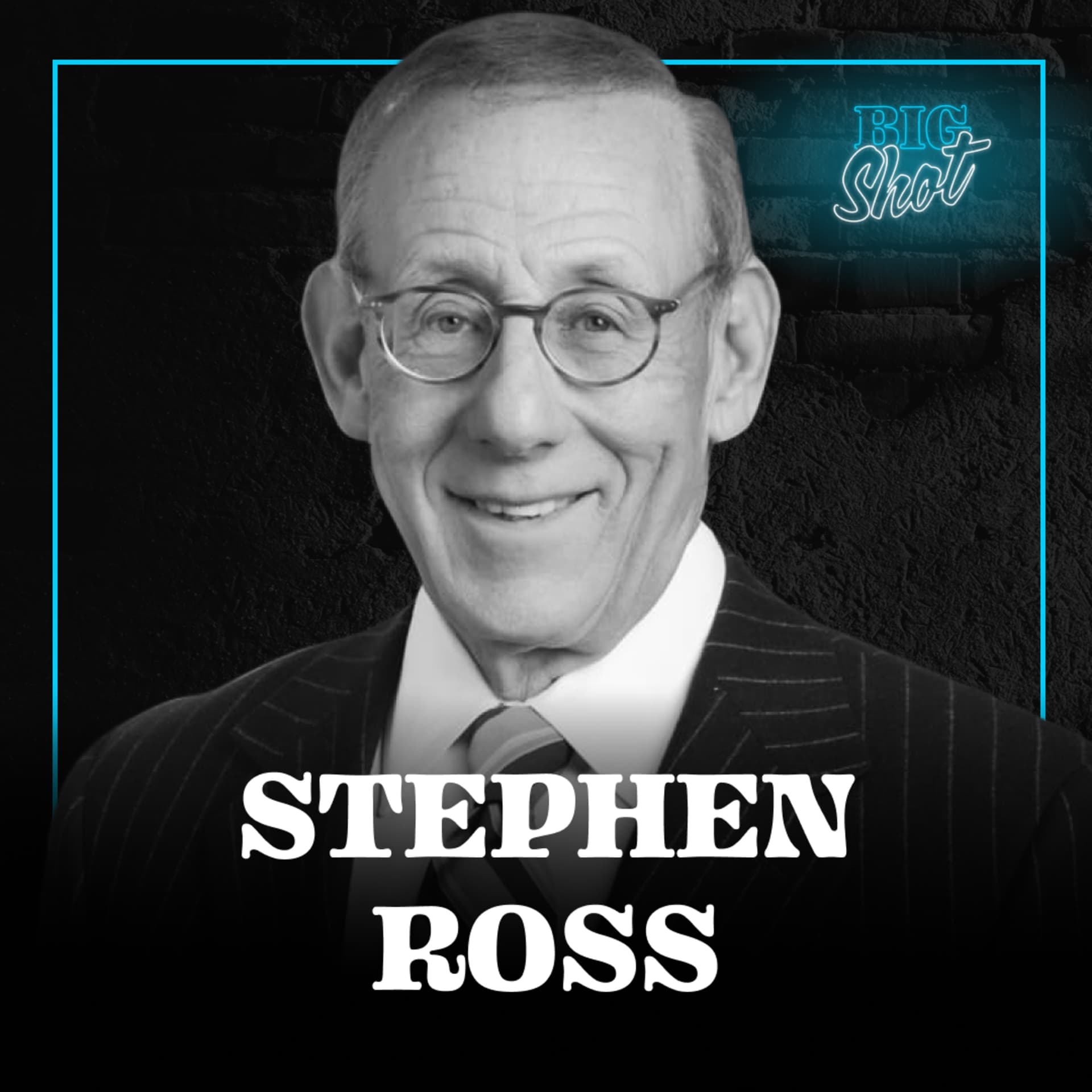
Steve Ross, founder of Related Companies, recounts how he built a real-estate empire by combining government-subsidized affordable housing with tax-shelter financing, then scaling into mixed-use megaprojects like CityPlace, Hudson Yards, and major sports/entertainment assets. A central theme is saying “no” to a $10B offer to buy the Miami Dolphins, F1 Miami, and Hard Rock Stadium, because he’s focused on building the next projects.
Guests (who’s on the episode)
The episode is a long-form interview with Steve Ross (84). The other speaker is the host/interviewer (unnamed in the transcript excerpt), who asks questions and occasionally adds commentary.
Guest background (Steve Ross)
Born in Detroit (1940); mother’s family immigrated from Russia; father from Poland. Built over $10B in real estate development, including Time Warner Center and Hudson Yards. Owns the Miami Dolphins and brought F1 to Miami.
Key claims
Ross says his grandfather’s immigrant story and emphasis on “your word” shaped his ethics and giving. He argues he never wanted partners “on equal footing,” preferring full control. He describes being fired twice (Laird, then Bear Stearns) as a turning point. He says he built Related by syndicating tax-shelter losses tied to FHA/HUD affordable housing, using fees and later expanding into debt and conventional real estate.
Notable examples
Ellis Island immigrant grandfather; a bank loan story where the banker lends after reviewing his “word”; early affordable-housing syndication using FHA/Great Society programs; CityPlace held for 25 years despite losses until it became a “30-year overnight success”; Hudson Yards built over rail yards; Ross’s $10B “no” offer; Cleveland Clinic and Vanderbilt expansion in West Palm Beach.
Written by AI. May contain mistakes. Listen to the episode to check what was said.
Chapters
Tap a time to open that second in VOSteve Ross's Early Life
2:28 to 2:44
Exploring Steve Ross's background and childhood in Detroit.
“We're trying to figure out how, you know, a kid from Detroit, born in 1940, your mother was, your mother's family were immigrants from Russia.”
Family Influence and Values
2:45 to 5:18
Discussion on the entrepreneurial spirit of Ross's family and his grandfather's influence.
“My mother and her sister, they lived up above us.”
Grandfather's Immigrant Journey
5:19 to 9:29
Details about Ross's grandfather's immigrant story and entrepreneurial journey.
“Wasn't really looking for fame and fortune.”
Building a Business Legacy
9:30 to 12:04
How Ross's grandfather established a successful business and the lessons learned.
“And that's what really made him the pipeline from the refinery.”
The Impact of Family on Business
12:05 to 14:01
Exploration of the complex relationships within Ross's family and their impact on his career.
“I mean, we'll get to the giving pledge later on.”
Family Dynamics and Early Influences
14:01 to 16:49
Discover the complexities of family relationships and early entrepreneurial influences.
“I mean, the irony, of course, is that if he would have maybe gotten into business with your uncle, he could have made stuff your uncle could have commercialized him.”
Educational Journey and Early Struggles
16:50 to 19:34
Explore the challenges faced in education and the transition to a new environment.
“I mean, I grew up, you know, it wasn't like I grew up with riches or, you know, it was just a good Midwestern lifestyle that was, you know, the emphasis was not about money.”
Turning Academic Challenges into Success
19:35 to 22:29
Learn how overcoming academic struggles led to a drive for success.
“I mean I was never they didn't have no gifted classes or anything and I did well in classes that I liked and I I was probably somewhat lazy in those days.”
The Path to Law School and Beyond
22:30 to 25:55
Uncover the motivations and decisions leading to law school and entrepreneurship.
“I mean, you went from being a horrible student to a very good student, right?”
Firing as a Catalyst for Change
25:56 to 28:07
Understand how getting fired propelled a journey into entrepreneurship.
“And I've never really had to go out and raise or listen to somebody.”
Show all 38 chapters
The Early Days: Launching a New Venture
28:07 to 34:40
Learn about Stephen Ross's journey in starting his company and the challenges he faced.
“So when I first started, I was making$25 ,000 a year.”
From Brokering to Development
34:40 to 39:59
Discover how Stephen transitioned from a broker to a developer in the real estate market.
“took where things were and created ideas and companies around trends and, you know, trying to.”
New York: The Best Place to Start
39:59 to 42:00
Stephen shares insights on why New York remains a prime location for business success.
“But they'll listen to you and give you maybe a short period of time.”
Expanding into Affordable Housing
42:00 to 43:20
Learn how Stephen Ross transitioned from equity to debt in real estate.
“providing equity for affordable housing.”
Talent Spotting and Creating Partnerships
43:20 to 45:50
Discover Stephen's insights on finding talent and fostering partnerships.
“you know i mean from 1972 yeah when i really started because the first year i was looking for capital in 71 and didn't really start a project and then incorporate in 72.”
Staying Active and Passionate at 85
45:50 to 47:20
Explore Stephen's philosophy on work and life at an advanced age.
“So therefore, you're looking for people also who have that passion for it.”
The Love for Real Estate Development
47:20 to 48:20
Understand Stephen's passion for real estate and impactful projects.
“When did you fall in love with real estate development?”
The Story of Hudson Yards
48:20 to 50:10
Learn about the transformative project of Hudson Yards and its impact.
“Tell us a story of how that happened, why that happened.”
Responsibility and Long-Term Vision
50:10 to 52:50
Hear how Stephen maintained a long-term vision for his projects and community.
“For 25 years you took that loss, but you held onto it because of responsibility to this city.”
Navigating Challenges in Development
52:50 to 56:00
Discover the challenges Stephen faced during the development of Hudson Yards.
“People always talk about all the natural disasters, but they're all...”
Episode Discussion
56:00 to 1:10:01
“which was Merle Lynch and I don't know exactly remember which ones.”
The Journey to Buying the Dolphins
1:10:01 to 1:12:47
Learn about Stephen Ross's journey to acquiring the Miami Dolphins amidst the financial crisis.
“We were building up an apartment, a great condo, and I was going to take the top floor.”
Strategic Financial Moves Pre-Crisis
1:12:48 to 1:14:54
Discover the strategic financial decisions Ross made before the global financial crisis to secure liquidity.
“See, one thing I learned from my uncle, back in around 2008 and all that, before the financial crisis, we were bound in liquidity in this country, in the world.”
Owning an NFL Team: A Business Perspective
1:14:55 to 1:17:06
Explore Ross's views on owning an NFL team and the financial implications of such a venture.
“Did you think about, is this going to be a good investment or was the Dolphins a passion play for you?”
The Impact of Formula One on Miami
1:17:07 to 1:19:16
Learn how Formula One racing has influenced Miami's economy and social scene.
“When you first brought it here, was it if you're going to be the supporter, the promoter of South Florida, we need to have F1?”
Philanthropy and Community Responsibility
1:19:17 to 1:22:10
Hear about Ross's philanthropic efforts and his commitment to community impact.
“I mean, you've given to the arts, education, hospitals, racial equality.”
Cultural Impact of Jewish Entrepreneurs
1:22:11 to 1:24:00
Discuss the historical context and resilience of Jewish entrepreneurs in business.
“The cities, you know, I have such a large impact in the city and own so much, you know, what we're doing, that I can decide to do it in either the right way or the wrong way.”
Roots and Community Values
1:24:00 to 1:25:10
Discussion on the importance of community and personal roots in shaping values.
“think that still lies within you know it's part of our roots you know and how you want to take care of others and your community, you know, it's more than just about you.”
Looking Forward in Life and Business
1:25:10 to 1:26:39
Exploration of maintaining a forward-looking mindset in business and life.
“I mean, you know, it's not like going to a closing, you know, I'm on to the next job.”
Raising Kids with Values
1:26:39 to 1:29:29
Insights on instilling values in children through quality time and relationship.
“But as you mentioned that, you got to think about that.”
Success Beyond Business
1:29:29 to 1:31:26
Steve Ross reflects on the significance of family ties and personal success.
“I assume yours are much older than six years old, eight years old.”
The Evolution of Business Relationships
1:31:26 to 1:32:50
Examination of how personal relationships in business have changed over time.
“I live in Montreal, as I said to you, and there's this amazing French expression that I heard with the joie de vivre, joy of life.”
Staying True to Values
1:32:50 to 1:37:45
Discussion on maintaining personal values in professional success and relationships.
“That was probably the nicest thing ever.”
Value in Relationships
1:37:45 to 1:38:01
Steve Ross shares the importance of valuing people in business and personal life.
“Time Warner Center in New York City, at the end of it, when you were fully leased, you went and bought a Porsche for the designer.”
Value of People in Business
1:38:01 to 1:39:20
Learn about the importance of valuing people and fostering good relationships in business.
“So you went out and bought him a Porsche because you were so happy with the results.”
Perspective on Ownership and Community
1:39:21 to 1:40:34
Explore the broader impact of owning a sports team and its responsibilities towards the community.
“Always looking forward, always optimistic.”
Broad Impact and Experiences
1:40:35 to 1:41:11
Discover how diverse experiences contribute to a holistic understanding of business.
“One of the things that I said to you on the way in that really struck me, I mean, you're talking now about being able to see things broadly in the entire ecosystem.”
Authenticity and Personal Growth
1:41:16 to 1:41:59
Understand the significance of authenticity and personal growth in achieving success.
“I mean, life's not where you go from box to box, you put them together.”
Transcript
Automatic transcript. May contain errors.0:00I'm speechless. You're speechless. You're never speechless. Yeah. So let me ask you a question. You ever think about like your like number, your whatever some people call it, the magic number. Like someone gives you a call and says, I'm going to give you this amount of money to sell everything. To sell everything you have and walk away. And I think, I don't know if you have a number. I got a number. It was a lot less than what Steve Ross got on. Well, here's a guy who gets a phone call. Yeah. Like, less than a year ago, someone calls and says, I'm going to give you just over$10 billion in cash to buy the Dolphins, to buy F1 Miami, and to buy the Hard Rock Stadium.
0:36$10 billion. $10 billion with a B. Yeah. And what does this guy say? He says, no, not for me. We ask him why. He says, I didn't even consider it. Why would I do that? Yeah. This is a guy who has this insatiable hunger to grow and build. It was an amazing interview. Steve Ross is 84 years old, he's just getting started. It's unbelievable. It's unbelievable. Yeah, I mean, just getting started is exactly the right way to put it. You know, we tried to talk about, and this is a guy that built like the Time Warner Center. He built Hudson Yard from like idea to Hudson Yard. Over$10 billion of real estate developed by Steve Ross.
1:09And he didn't even want to talk about those old projects because he just wanted to talk about what he's working on right now, the next project. And he talks about how he thinks about business, how he thinks about doing good. It was an incredible interview. He talks about life. I mean, he's got just such incredible values and he talks about where those came from. And his just ability to focus in the moment and how he thinks about these complex real estate projects. And long term, like long, you know, everyone talks about being long term thinkers. He is a long term thinker. And I also love the idea, I love the fact that he has this, I referred to it in the interview, as like the joie de vivre.
1:43He's so excited about what he's doing. Right? Like, I think part of being happy is getting really excited by the things that you're working on. And he is so excited by the things he's working on, so much so that he doesn't even really care about$10 billion. I mean, most 84-year-olds are playing shuffleboard. Steve Ross is about to build a city. It was an incredible interview. You're going to love this one. We go deep. Ladies and gentlemen, Steve Ross.
2:27Let me start with this. We're trying to figure out how, you know, a kid from Detroit, born in 1940, your mother was, your mother's family were immigrants from Russia. Your dad was from Poland. How does a guy from, kid from Detroit end up building a Time Warner Center? Got some yards, city place, owning the Miami Dolphins, bringing F1 to Miami. so we want to start all the way back at your childhood um what was was it like growing up in the ross house i mean it's very typical american family i mean you have shabbas dinners pardon shabbas dinners we had dinners almost every night it's better okay at six o 'clock okay you know my father came home for dinner uh something i never did yeah but uh yeah it started there But we lived in a two-family house.
3:19My mother and her sister, they lived up above us. And so the family was always very close. And my grandfather and my grandparents had three daughters, and one lived above us and the other one a half a block away. So a very small family. Yeah. And you guys were very entrepreneurial. I mean, your uncle was in business. Your dad was in business. Did you guys talk a lot of business at the table? Not at all. Interesting. Really. Politics? Yeah, politics. And my father always was lecturing me. So about, you know, whatever it was, you know, he was an inventor. And I think he spent a lot of he'd go back to the office at night, you know, and inventing things.
4:13he was very bright and creative he wasn't a great businessman as it as I turned out I mean I didn't know at that time and but he was he was very bright he had only like a third grade education so he's mostly self-taught and the things that he did it wasn't a real social guy you know spent a lot of time working I guess he had a good work ethic but I guess that's where I got it from but my mother's my mother's side was you know in business and my grandfather was very successful he probably had as much impact on my life and as anybody was my grandfather because they half the year they live with my aunt above us and then they live in Florida of the other half.
5:08And he was a Russian immigrant, is that right? He was a Russian immigrant. And what did you learn from him exactly? Probably I learned more from him than anybody. I mean, he was just a very honest, straightforward guy. Wasn't really looking for fame and fortune. Just always did the right thing. And he would always emphasize the most important thing you have is your word. and the way his story of how he grew his business had a real impact in my life. And, I mean, I was very, very close with him. What did he do? What was his business? He came here as an immigrant when he was 17, and he married somebody who was an orphan who had enough money to send him to America.
5:58and he said he would send for her as soon as he had enough money. Within a year, he sent for her. Good for him. And then he invited, I guess he had a relatively large family, I think four or five brothers and sisters, and he invited them all to come. One came to come here. and then he had family in New Jersey and he went there he landed I guess at the island, what's it called? Ellis Island? Ellis Island. He said he spent one night in New York City and down were all these homes where everybody lived and he said he couldn't stand that he went out to visit his relatives they offered to keep him and he didn't know the language.
6:52I mean, think of this, 17 years old, and he was a peddler. I mean, it's hard to peddle something if you don't even know the language. But I guess he learned the language. He ended up several years later in a place called, where was it, in Ohio, small town in Ohio. and he set up a general store there which led to that and he became the wealthiest guy in town and then he would make these mortgages to people or lend them money and he lost all his money during the depression and then went to Detroit. From there he I guess he's being the bigger city and And so he started a new business. I mean, he didn't have a business.
7:48So, I mean, the great story he tells me was he went to the bank in Detroit, the National Bank of Detroit, and he asked them to borrow money to buy a business that he had found that he thought he'd be successful with. And the banker said, that's great. You know, we hear you. Let me see your financial statement. He said, if I show you my financial statement, you'll never lend me the money. So he said, well, why? You know, he said, just check me out. I know how to make money. I'm good for my word. And they did that. He came back. And he said, come. And they said to him, if we lend you money for a different business that we've taken over, would you be interested?
8:34He said, if I think I can make money. so he analyzed that business he said it took a couple months he came back he said it was reclaiming crankcase oil I mean he knows nothing about this business he knows nothing about this finds an engineer to tell him you know I mean even even the name of the business sounds kind of right reclaiming crankcase oil I don't even know what it is even today it almost doesn't matter It didn't matter. So he said, came back and he said, yes, I'd be interested in that. And they gave him the business and I guess set him up in the business because what were they going to do with it?
9:18And he then created the largest independent oil refinery in the Midwest. This is during the boom of cars. Well, I guess, you know, I mean, it was after the Depression. Right. So it was between there and World War I. Yeah. you know and then and he had built I remember as a kid so this is a 1944 45 46 he'd take me out to the refinery and it was really interesting I mean I love the smell of it yeah and I couldn't wait to go out there with him his walk around but then that's how my uncle when he graduated school from Ohio State. He came in, worked for my grandfather, and then grew the business, handling the sales and what have you, got a pipeline from the refinery to Ford Motor, dealt with Henry Ford, which was supposedly then to be anti-Semitic.
10:21And that's what really made him the pipeline from the refinery. Plus he was selling heating oil to all these different companies. It was like a business that a lot of Jewish guys had small heating oil companies. But they got all the oil from him. And then my uncle came in and he did two things. While he was there though, he consolidated and started buying all these small heating oil companies, I mean heating oil, and then he wanted to get into gasoline. And he went to...my grandfather really couldn't afford or wasn't sophisticated, as my uncle would say, to then take the oil refinery and take it up the cracking plant to make it gasoline.
11:26So my uncle went out and found someone to back him. In doing that portion, they used my grandfather's refinery, which they expanded for the gasoline company. Then about 1950, my uncle bought my grandfather out. Wow. And all this because your grandfather went to the bank and said, I need a loan. And they said, we're not going to give you a loan directly, but if you take over this company, maybe we'll do it. He pivoted. Yeah. And I guess then the character of him showed. Reputation also. I'm very curious about your uncle. I mean, doing business as a Jew with Henry Ford in those days, I mean, that's remarkable.
12:08He was a notorious anti-Semite. right how did he approach that I have no idea right you know I mean I'm a young kid I don't ever tell you never talked about that relationship with him one of his best friends became Henry Ford the second and they were very close personal friends after that you know so but I mean I just you know I accepted it you know the way way it was yeah right but it's but the character my grandfather was always that he would give to charity you know and not looking for the recognition right because it was the right thing to do you know yeah and that obviously instilled a sense of I mean you know a lot of people when we spoke to about you they talk about you know a lot of people talk about Tecumma Lum as being something that they want to embrace make the world better but But your reputation, Steve, is that people see you and actually do it, that you actually have always been given.
13:10You always give. I mean, we'll get to the giving pledge later on. But did that come from your grandfather, that sense of community, that sense of if you do well, you give back? Yeah, I guess it came from my grandfather to start with, you know, and I guess, you know, my uncle. Yeah. I guess it came from him as well. I mean, I'd listen to him. And, you know, I was always, my grandmother would always talk about my grandfather. You started by telling us you guys never talked business at the dinner table. And yet here you have your grandfather, rags to riches story, your uncle, a huge player in business.
13:48You know, how could that be? I mean, business was their whole lives. Did your dad not see it the same way? I mean, he wasn't as a businessman. An inventor is not a businessman. Yeah, right. It's more of a scientist. Yeah, it's a scientist. More of the creative side of things. I mean, the irony, of course, is that if he would have maybe gotten into business with your uncle, he could have made stuff your uncle could have commercialized him. It would have been great, but he and my uncle never got along. They didn't, okay. My uncle was always, people always were going to my uncle, as I can recall, asking for things.
14:19And Max would always say no to anything. I mean, I know when I went to him and my father would say to him, told me, never expect anything from your uncle. He's not going to be there. But you went to him at some point and you asked him to help you with school. He paid your master's, didn't he? No, I think he, I mean, yes. The answer is yes, but he came and volunteered to me. Without you asking? Right. And why would he do that? I think he knew the economic situation of me, of our family. Like we get his, he'd give us his used cars, you know. Having a very rich uncle that everybody knew, you know.
15:06So they all assumed that we were rich. But you weren't. But I weren't. We had no money. I mean, virtually. It's actually almost harder that way because people assume you're wealthy and you're not. And looking back at it. so it really instilled within me you know if he can do it I can do it so it was it was a great thing and he wasn't there for me because he was always traveling it wasn't like that what I the greatest thing about him is that he owned the gasoline company which was there and they sponsored all the sports events and I was a sports fan so I had the best seats for the baseball football hockey amazing and I got him free and he had no he didn't have it we had a child his wife had died early and she was sick and my cousin went to school in st.
16:02Louis to a boarding school and she was young for two years she lived with us but anyway so he was it was always I could call his office anytime and ask for the tickets. So I had the best tickets for every sporting event that didn't cost me any money. So that was a fun thing. That's pretty good. Yeah, you must have been a very popular kid at that stage. Well, I mean, I don't know if it was popular, but I mean, you know, it was enjoyable. It was enjoyable. Young man's dream. Yeah, you don't think of it that way. Kids don't think of it that. Yeah, you know, it's interesting, though. You had all this entrepreneurial success around you, but if you sort of think about your kind of early, you know, your teenage years, your early 20s, And you got kind of hyper-educated.
16:43I mean, you went pretty deep on, I mean, to law school. You got a master's. Why did you do that, given you had so much entrepreneurial influence around you? I didn't know what I was. I mean, I grew up, you know, it wasn't like I grew up with riches or, you know, it was just a good Midwestern lifestyle that was, you know, the emphasis was not about money. You know, it was, you know, sports. It was just, you know, it's a great place to grow up in Michigan. And then I believe your father had to go run the hotel, right? His father's hotel and you guys had no. No, no, no. What happened was, I mean, he had a kind of, he had invented the coffee vending machine and he had big aspirations.
17:30He had some, you know, some good years. So like a coffee vending machine, like you see in a hospital, for example? Well, you put in money and then a couple of coffee. It's a big idea. It was a big idea. It was a big idea. It was a big idea. And I mean, just to show you, he was probably the first person to do it. And he was offered by Vendo, which became a huge company and other companies, you know, wanted to do it. I mean, he had no manufacturing capabilities and he would use one company offered him a great deal, but then went bankrupt. And that was the end of it. So what he thought he would be very successful didn't happen.
18:10And by then, people had figured out he had copyrights or patents. He didn't really get paid for that. And so at that point in time, my grandfather was sick. I had a hotel in Florida and my father went down there to really look after the hotel and kind of it was a It was at that point one of the best hotels in Miami Beach Wow so they built the fountain It was only 150 rooms, but it was very very Martinique was it called Martinique? Martinique, yeah. Do you remember spending time there? Oh, yeah a lot of time. Was that fun? Yeah, it was great. I mean, you know your grandfather and your father's managed in the hotel and it was great you know, it was a good spot.
18:59Then they built the Fontainebleau and Eden Rock. And, you know, Miami Beach really saw the changes that were occurring in Miami Beach. It wasn't a place I really wanted to go to because it was like all New Yorkers and I'm from Michigan. And trust me, there's a difference. Big difference. Yeah. You know, there's a big difference. So back to sort of the education stuff. You said you weren't sure what you wanted to do. did you think about sort of going to university and then going to law school sort of optionality? Well I mean no actually when I was in school we moved to Florida. I mean you know you don't know how good a student you were.
19:36I mean I was never they didn't have no gifted classes or anything and I did well in classes that I liked and I I was probably somewhat lazy in those days. Most good entrepreneurs have some laziness. At least my father would accuse me of that. You know, and what can you say? But I would go to, when I got to Florida, I mean, I hated there. I hated moving there. I mean, they moved me in April, Easter time of my freshman year in high school. I mean, you can't think of a worse time to enter a high school that you don't know one person. You know, and so they thought I would adjust to it because my sister, they kept back.
20:22because I always got along with people well and I didn't have but I said why'd you do that you know yeah I could and I I instantly hated the play I didn't know anybody so you're not gonna yeah you know and so and they're all New Yorkers and they were all different than I knew they were different than I was I didn't know the difference till I got back then people that were Miami were from New York pretty much every yeah just about everybody yeah New York Brooklyn you know and all that so i mean i and i really did poorly in school i mean i wanted i didn't want to go back for the 10th grade so i you know went and looked at a military school spent two days there i said no i don't want this either so i i um jewish kids don't do great military schools what i've what i've noticed not so it doesn't i don't take orders very well i mean that's one thing i don't do it Most don't do football either, though, but you seem very into that, right?
21:15You know, I love sports, you know, so we played it. So, but anyway, so I went to school and had terrible grades. I mean, teachers told me I'm wasting my time, told my parents they're wasting their time sending me to college. You know, I mean, that's how bad a student I was. And then I only got accepted to the University of Florida because they had state exams. and if you got above a certain score, they had to accept you. And then they tell you when you're there. I mean, you knew it before you got there. But the speech is, look on your left, look on your right. The person sitting next to you won't be here next year.
21:54That's a famous McGill one. You know, they fail. Harvard team. They flunk out two-thirds. But they flunk out. They were great on the curve. Two-thirds of the freshmen. So they accept everybody and then weed out. They did then. Yeah. University of Florida is a great school. Yeah. So, I mean, and I was, I couldn't even rush in the fraternity, be on the books, because I had such bad grades in getting into school. I mean, I ended up doing very well, and I transferred to Michigan. How was that? How was Michigan? I always wanted to go to Michigan. It was always my dream, you know. and so I guess I guess you know so I didn't have any really something that was really pushing me or any goals or anything I had no idea what I wanted to do I was good with numbers I like business you know what I mean so I mean when I was in college I majored in accounting I mean you know I can only imagine myself being an accountant yeah right what was what was the the moment for you?
22:56I mean, you went from being a horrible student to a very good student, right? Was there something along the way? What clicked for you? Well, I mean, first of all, I knew I had nothing. You know, I didn't have any business. I didn't know anything. You know, one in life does want to become successful. I mean, I could see it with my uncle. It's not that I didn't grow up, you know, looking at it as, you know, from afar and wanting that success. So, and, you know, I wasn't going to get it. I wasn't going to inherit anything. So it was, I mean, obviously the drive is something that was uncovered, or at least I grew.
23:36So I had no, I mean, even today, I had no idea I could even have dreamt where I am today. And I bet your uncle could never have dreamt that either. No, I mean, you know, it's funny. He didn't know one of the first good student of Smart. I have no idea what he thought. You know what I mean? He probably had a little guilt because of his family, you know, and he was always traveling, always really, he would think the family came second, you know, and he probably did. but it's something that I would go to a lot of these dinners where he's being honored and hearing him speak and what he stood for and all that so I mean he was like a role model but nothing but he wasn't a mentor that was telling me or I would go to for advice it was more from afar yeah you You know, and but instilling within me, you know, I guess sometimes you don't know what's really driving you.
24:40I mean, we don't know ourselves oftentimes as well as we think we do. Or, you know, certain people are gifted and know what they want to be. And they just, you know, go down that path or their parents instilled it within them so early that they know where they're going. Yeah. I had no idea where I was going. Although there was drive. I mean, there was ambition. You know, if you sort of follow your, you know, you go back to sort of college, you go to Florida, then to Michigan, you then end up, you know, going to law school and eventually actually becoming a... I didn't know what I wanted to do.
25:10Yeah. But still, most people, I mean, I went to law school also to become an entrepreneur. I didn't know what I wanted to do either. I knew I wanted to be an entrepreneur. Someone told me that law school would be like finishing school for entrepreneurs. But I didn't... He was even more specific. He went into tax law. But I had no big reason. So why? Yeah. Why? I mean, they had this thing called the Vietnam War. Right. We've heard about it. And if you were 26 years old, you got deferred. And I didn't want to really go in the Army. I didn't believe in the war. Back to being told what to do. Right.
25:42I guess I don't do well. Let me tell you. If I could probably look back at it and think. Sure. What I don't do well is being told what to do. That's right. And I've been fortunate. I mean, ever since I started the business, I've never really had a partner. And I've never really had to go out and raise or listen to somebody. Wait, you've never had a partner? I've had partners in deals. Right. And I had partners of guys who worked for me. But I had 100 % of the control from the day I started, and I still do today, and always had the one vote. That's so rare. Yeah, why? the size of the projects you've done.
26:22Did you think about that right at the start? Like, I don't want partners. No, not really. It just happened. But I mean, I guess I like making decisions and I want to do things my way, you know. And the more people that really are, you know, if you have confidence in what you're doing and you're trying to really be best in class, you don't want to be compromising, you know. I mean, at least you'll make the compromise. Yeah, but that takes a lot of sort of self-awareness, but also a lot of courage that you can make those decisions on your own. Well, I mean, I guess it was probably, you know, having the vision to see what the opportunities were and what the alternatives were.
27:04And I started the business from the standpoint when I saw, I got fired. Yeah, so you got fired from Bear Stearns. Twice. Twice. Twice, twice. You guys know you. Yeah, yeah. From Laird. Yeah, so Laredy got fired. Then he got fired from Paris Stearns. That probably was the greatest. And you've said this, I think. In our research, we found it. You've said that getting fired was actually one of the best things to ever happen to you. Yeah, I mean, you know, there I knew I wasn't going to go get another job. I didn't know where. I didn't. I was living in New York, you know, and I, you know, I didn't want to go back to Detroit.
27:40I mean, I had my law degrees. I didn't want to practice law, and I didn't know what I was going to do. I said, hey, I want to stay in New York. I was loving New York. I told my mother, well, until I find something, maybe I'll drive a cab or something. I never got to that point. So then I guess confidence, success breeds success. So when I first started, I was making$25 ,000 a year. you know and I the first year I went out and I first I read up I wrote up a business plan that was unique to how I would set up with a company and I mean let's just set the set stage here so it's 1972 I think you already started the company you've been fired twice what do you say I mean I got fired in in Thanksgiving the week before Thanksgiving in 1970 okay so I need to you get fired why did you set up this company what was the what did that original business plan even look like what happened what happened was i was working i guess the company at laird and then also at bear stearns i had kind of studied um and i would see what was where i thought ideas were good were direction things were going and what would be an idea that was unique you know at that point in time.
29:07So I kind of had this idea, and I found two guys that I had met that this was dealing with FHA insurance for building apartments, you know, for subsidized housing, it was called in those days. They had just passed the Johnson, the Great Society programs of Lyndon Johnson. This was in an effort to give more people homes. Yeah, right. They said at that point in time, I remember there was 26 million and Americans that didn't have livable housing, if you'll call it that. And so, and then they set up these programs. And so seeing that as an opportunity in the government subsidies, I kind of found two guys who did the processing for the subsidy programs.
30:03and then knowing being a tax lawyer this was these were being sold as tax shelters which I had done when I was a tax lawyer so then I saw that you to develop it you really made your money though in development so but you had to have another source of income so syndicating being a tax lawyer the tax shelters to wealthy investors so I thought putting all this together and doing the mortgage processing all within one company. It was all diversified. Different people were doing all different parts. That's a hell of a combination. I got to see if I got this straight just for our listeners too. So you took advantage, you built affordable housing, got the tax credits, and then you sold those to major developers, or you became a luxury developer on your own as well?
30:56I did well. No, my idea was to start a company. I had no money. Right. Okay. By selling the tax losses, if you call it, to wealthy investors, which was allowed then under the code, and knowing and having done that, done the projections and understood all the underlying rules and regulations, I was able to put together an offering brochure to sell those losses. so but the best thing is then and I also knew to be a developer that's where the real money was it was it was so cyclical you you had to have another source of income and I didn't know anything about development so I didn't know that you know and knew the programs that there was no risk on the real estate side if you could build if you could build the jobs and if you could get them.
Read the full transcript
31:52And then I saw the fact is, and what people wanted was this social, they wanted something you shouldn't be able to tell the difference between subsidized housing, affordable housing, and market rate. People want to be proud of where they live. They didn't want to feel like they were living in government. Social issues that they could go with. I mean, that was probably just a feeling of, you know, it was just natural. But at the start, you're basically a broker. Like, you're not building anything. You have no money. So you're buying the losses and selling them to... Well, at the same time, at the same time, so I had this idea of putting this all in one company, and I found these two guys.
32:28That I was, when Bear Stearns, I really found them at Laird. I took it with me to Bear Stearns. I got them to agree to put in $3 million into this company, and I'd worked on it, and they liked the idea, but I hated the guy I was working for. He had a total inferiority complex, and therefore the way he satisfied that was making people who work for them feel inferior. He told you what to do. No, not telling you what to do, but just letting you know that he's the boss and that you don't know anything. Right. So you were happy to move on from that. So, I mean, no, I got it approved, this deal. I got it approved to Bear Stearns.
33:12And then I'm sitting in a meeting where they approved of the commitment meeting. and then the guy who I'd worked with who was senior to me but not not a partner he said well who's going to watch after this the partner there did and this other guy who I worked with is Steve he's the one who put together who knows it the guy said I don't have any confidence in Steve so I but I knew I mean I couldn't stand this guy I mean I could tell stories about what how and why this guy was really bad. And that night before, I knew that if this got accepted, I'd be staying and working for this guy. And I knew I couldn't do that.
33:54I just knew I couldn't do that. And he made it easy for you. When he said to me, hey, I don't have any confidence in Steve, I said, fuck you. I got no confidence in you in the meeting. Well, I got called into his office the next morning, and I was given my release. And you were fired. I was fired. Did you ever call him years later? No, I never saw the guy again. Never, yeah. You know, and, you know, I mean, you know, it's funny how later on the senior partners and how I was successful. And even Henry Kravis, who's office was next to me, we laugh about it. Oh, that's funny. Of course. KKR, yeah.
34:31Now I can laugh about it. Sure. I mean, at that point in time, well, you know. So let's go back here. So then I got this job from a friend of mine who knew that I had these, I kind of created, took where things were and created ideas and companies around trends and, you know, trying to. And so that's why I got hired by Bear Stearns right after. I didn't even have to look for a job. You had it right away. Yeah, but then I didn't realize this guy who I was working for. Yeah. So you started this company. What's the first couple of years like of Related? What's that like? Well, I had no money. Yeah.
35:06So I had to go out and do things. And, well, I was making$25 ,000 salary at Bear Stearns. And the first year, I first wrote a paper. I was going to do my vision of what I saw this company should be. I was going to go out and I was going to raise$3 million. Was it called related at that point? No. Okay. And then I was going to go out and have offices in all these geographical cities along the East Coast where there was need for, you know, what they called subsidized housing. And I arranged in every place because it was then handled locally by the different FHA offices or HUD offices. So I had 10 offices and I found 10 guys who were great at what they're doing.
35:56put them together and then we were going to do in New York the mortgage financing because that can be done centrally and then get into development with each office and I'd put that together and but so people love the idea of putting it together but then I'd go out and raise some money and they say have you ever done this no have you ever run a company no no yeah I mean do you have any money Do I have any money? No. I'm 30 years old. And so he said, it's a great idea, but if you come back and show you've done it. So I finally gave up on the idea. One guy offered me 10 % of the company that put up$3 million.
36:37And I said, hey, what's left? I got to take care of all these people. And I'm not going to work for 10%. The time I get diluted, I'm going to need more money. That's not why I'm setting up. So what do you do? So I just went out and I syndicated some other people's projects. I found developers, which I'd met, and selling a tax shelter, and I got fees from that. But you weren't building equity at this point. No, I was living. Yeah, you were living, yeah. The first thing in life, let me tell you, you always look to take care of yourself, the fundamental needs of what you have. There, it was like paying for rent and being able to stay in New York.
37:18To eat. Yeah, so the first year I tied up some land, and I also was syndicated several other people's projects. So I made$150 ,000 in cash the first year. Pretty good. So instead of going back and saying, hey, look, I've done this, I said, hey, this is too good. I'll just bootstrap it. I'll own 100%, you know, and I don't have time. Plus, I don't have time to go out and raise the money because I'm working, you know. Right. And would you say syndicate, you were helping them get their tax shelters in affordable housing? No, no. In other words, syndicate, I go to developers. They want to bring in investors.
37:59So I would make them offers that I would then go out and find the investors to buy those tax shelters. I mean, you're almost an investment banker at that point. Yeah, you would hustle up the funds. Yeah, but I was lucky like there was a fellow that was at Coopers and Liebrand that I worked for in Detroit. And we had Ford Motor Company as an investor, I mean, as a client. And we had a lot of other super wealthy. And that's where I learned how to do these. And I learned the business, you know, doing the projections of what the tax losses were. so they he gave he believed in me you know and uh got me these investors that cost me nothing and then i'm then i met somebody in new york who had heard about it i mean that just out of nowhere and he started putting his clients into my deals and so i built up a stream and a reputation i I mean, the great thing about New York is that, you know, you think that you've got to be knowing everybody.
39:06It's a lot easier to make money in New York than any other place because people will always listen to you if you have an idea. They may not give you a lot of time, but if they believe in you, people are there to make money. That's why everybody is there, you know, and they'll say that. And so I found that even memory said that's the hardest place is a jungle. If you ever want to start anything, the best place is New York. Do you think that's still the case today? Yeah, probably. I mean, today there's still more money there than anywhere else. Sure, of course. People are always looking to put it out.
39:38That's why it's a money center. And it runs counter, though, to the expression, if you can make it there, you can make it anywhere. It's perceived to be the most difficult market. It's actually, if you can make it there, what I do do. It is true. Well, I would think. I always said that. If I make it there, I always said that. But to me, starting something, if you've got something to say, and there's so many bright people, they're not going to waste their time. But they'll listen to you and give you maybe a short period of time. But if you do have something that's unique, you know, I think it's probably the best place.
40:11Right. And people are straightforward. It's a quick feedback loop. Yeah, right. Well, they'll cut you loose. I mean, they have five other people waiting for them. Like I went to Detroit after law school. So, I mean, I wanted to be, at that point, I wanted to be successful. I kind of found out, hey, I was driven, right? And so, because I thought I had all these great contacts in Detroit. And everywhere I went, oh, this is Max Fisher's nephew. This is Max Fisher. And I got sick of being introduced to whoever I was as Max Fisher's nephew. That's the reason I left Detroit, to go to New York. And in New York, you were Stephen Ross.
40:47Nobody. Nobody knew me. That's right. Right, but you like that you can create your own reputation, your own brand. Well, yeah, but I mean, you're right. I mean, I thought, you know, you don't want to go through life. That's right. And if I was successful, it would only be because of him. Yeah, right. How do you take this deal, basically a deal brokering business and turn it into affordable housing development? Well, I mean, it wasn't that. I mean, it was like the purpose in life was to build and be in the real estate development business. Right. But I had to learn the business. and you want to learn the business and you could see all the business cycles that occurred.
41:23Yeah. And they were much more frequent in those times. So it was something that when you started a business, especially in real estate, you wanted to make sure you could withstand those business cycles. Yeah. So in knowing you had to have other sources of income. So I used what I knew as in terms of being a so-called syndicator or selling of tax shelters, which then becomes the selling of investments. I took that as a way of getting income and doing it for other people's projects. So I became one of the largest syndicators providing equity for affordable housing. Then I got into the debt business and we became the largest provider of debt for these affordable multifamily projects.
42:15So it was always expanding you know the envelope yep constantly and and knowing i guess it was my add or whatever i'd go into an area um like affordable housing and and then i wanted to go into multiple into conventional multi-family housing condos so i would set up a division or somebody to do it with it's just like one division it was one person and we'd i'd learn that business and then that person would run that business and i go into another business and so like we're probably today the only company that is involved in every aspect of real estate and we're involved in every aspect of financing and all these other different businesses that go with it and that's why the name related everything is related it takes incredible patience yeah it's not patience it takes age it takes time i mean i'm not almost 85 for nothing yeah but you but you had a vision right out of the gate where you wanted to develop and how many years do you actually develop i was developing you know i mean from 1972 yeah when i really started because the first year i was looking for capital in 71 and didn't really start a project and then incorporate in 72.
43:35But in 71, I was looking for the money for most of the year and then just made some money because I had to, you know, $10 ,000 would only go so far, you know, the rent was only$275 a month. So I could afford that. When you started these divisions, for example, You obviously put people in charge and you say, hey, you go do that. How do you think about looking for talent? How do you spot potential? Because that's a big risk for you. I guess it was probably more intuitive. I mean, I always was looking for smart people and hearing, always listening to other people. Hey, that guy's really smart. That guy's really good.
44:13And listening to him. And then I was able to attract people by giving them a percentage. You made them rich. Yeah, Rich gave them, showing them there was opportunity. Like two guys I hired, both of them became super rich, you know, one a billionaire or something. And he took the ideas of what I had. I mean, you could talk to him today. He said, hey, I learned everything. Does that make you proud? Yeah, I like seeing people succeed. Me too, yeah. I mean, that's why I think you attract people because you don't look at them as workers. You look at them as partners and you work together as a team.
44:52I think the most important thing today is working together with people as a team, you know, as opposed to reporting style. Yeah. You know, and being involved with them and understanding them, you know. And I mean, I spent so much time working that, you know, you want to like the people that you work with. And you want bright people who are incentivized, you know, who want to succeed and want to be best in class. Which is interesting because you never had partners in terms of on equal footing, but you made people that work for you work with you and made them partners. Yeah, you worked as a team.
45:28That's what you're looking for. Right. And they did well. I mean, I've made a lot of people that work for me, you know, a lot of millionaires. I mean, some billionaires, you know. So it's. That's incredible. But I think, you know, it's how you look at people, you know. I mean, I love what I'm doing and I have the passion for it. So therefore, you're looking for people also who have that passion for it. But they're good people. I mean, the most important thing is you're dealing with good people. It's not just all about the money. Yeah. Well, it's interesting. You know, when we sat down here today, I made a joke to you and I said, you know, I'm looking around your office here.
46:06You're going to be 85 in a few months. Most people at 85 are sort of downshifting and turning it down. You just started a brand new company recently. Right. Why? Why would you start a brand new company, 85 years old? I mean, I don't believe you ever want to be in a position where you wake up in the morning and you're wondering what you're going to do. You know, I mean, what more is keeping your mind active, growing? You know, you're not getting ready to die. And why should you put yourself in that position? I mean. But that speaks to life not work. But it makes you, but it keeps you alive. You understand.
46:40It's the healthiest thing for you, too, probably. Do you have friends that have gone the other way and you've seen it? I live down here in Palm Beach. Most people, I mean, they call themselves working. I mean, they work at the golf club. Well, I mean, golf, you know, you can only play so much. You know, and actually the less you play, the worse you are. And therefore, my golf game has never been as bad as it is today. I mean, I used to be a decent golfer. Now I don't. Now you don't have the time. I don't have any time for it, you know. Unbelievable. So, but I mean, when you're doing something you like and you're good at it, you're going to want to continue it, right?
47:22Yeah. I mean, people enjoy success. Yeah. When did you fall in love with real estate development? I mean, it's the creative aspect and the impact in life. It's tangible. You can look at it and it impacts everything. You can impact, you know, things around you and the type of projects. So, I mean, at this stage, I want to do impactful projects. And so what I'm doing down here now, you know, it's probably the most impactful things I could do. I mean, yeah, I built Hudson Yards. You know, I went from affordable housing and kept on growing and, you know, because in life you don't want to go backwards.
48:02You want to continue to grow and learn. I mean, learning and doing things is probably the greatest gift you could possibly have. If you like what you're doing, let's talk about Hudson Yards because, you know, that really changed the landscape of Manhattan. I mean, that really played a role in altering what Manhattan would be sort of before and after. Tell us a story of how that happened, why that happened. Well, I mean, I mean, probably the most transformative one. I mean, I saw the benefits of mixed use development. OK. Mixed use being residential, retail, office. Yeah, all together. All together.
48:40you know hotels together um and also the the one trend that you know that you want between resiliency and uh congestion what people are trying to get away from and just the future in in doing mixed use type of projects you know live work and play yeah you know so this project here was the first when we did the city place it was too far ahead of my time i when i was in high school in south florida i used to come to city place uh and and even at that point this is in the 90s it was it was um it was a very unique project it was very unique we're way ahead of our time the market wasn't ready for it it was too seasonal down here yeah if you came here uh in april december oh yeah through probably march yeah in beginning of april it was great yeah but then after that it was just so seasonal the retailers couldn't make it and they started we had great great retailers to start you you held on to it all this time yeah i felt an obligation i thought i'd build something it was like an attractive nuisance you know an attractive nuisance you know because it it couldn't make it economically so i didn't want to lose it i hadn't given a project back to a lender you know and never have wow so um and i felt an obligation to the city because this was really an area that would have if it would have gotten into somebody else's hands people buy foreclosed distressed real estate responsibility to a city just to say the thing is not something that's very common from a developer most developers their main objective is profit you were actually you held on to an asset that didn't necessarily make a lot of money right until i lost No, no, I took a huge loss for 25 years.
50:35For 25 years you took that loss, but you held onto it because of responsibility to this city. Right. That's kind of unbelievable. But you know what? It's funny how life pays you back. I mean, right now, this is the hottest spot and probably the best real estate in this country. Yeah. I mean, and what's happening here today, you know, and what we're doing. Right. It is the best location. And since I paid for it all, I didn't borrow money to keep it around. It's all upside. That's written off all that money. It's like I have no money in the deal other than what mortgages I owe on the existing buildings.
51:12Now it's a 30-year overnight success. Exactly. Exactly the way to state it. I mean, I'm able to do things because I don't have any land costs. It's right in the middle. And we're starting, you can't see out the window here. We're starting to have a groundbreaking tomorrow for a man square foot office building. Wow. You know, I mean, to think of in West Palm Beach, that you're starting a man square foot office building is incredible. You know, and it's 60 percent pre-leased. Wow. And I believe you've made a deal with the Cleveland Clinic and Vanderbilt. Do I have it right? Well, Vanderbilt's a different is a school.
51:50Right. Even just back to sort of that responsibility. You know, Dave mentioned Cleveland Clinic. You spent your own money to help move and create a Cleveland Clinic down here. You spent your own money to bring a Vanderbilt sort of offshoot down here. What is it about this particular place in the world, West Palm Beach, Palm Beach, that you connect to? What I see, what I saw was that this world is changing. We're going through change like we've never before. It's like going from the second industrial revolution to the third. Every segment of the world, communication, transportation, you name it, is changing.
52:29So it changes this opportunity. And you can just see the political changes that are occurring in this country. And so Florida is probably, if not the best, it's a business state. Yeah, it's a recipient of all of it. But it hasn't really gotten a lot of business here, even though it's such a great business state because there's no income taxes here. They love business.
52:59It's unions. It's open shop. So you don't have to really... Weather's not too shabby. Weather's not too bad. And so, you know, and then you compare. People always talk about all the natural disasters, but they're all... Yeah, you have it everywhere. They have it everywhere today. Everybody's, you know, and today because we had all these hurricanes, you know, the codes and here are stricter than anywhere else. And typically today with the building codes, the worst we really suffer is, well, it's flooding. But therefore you put your utilities above grade, you know, way above grade. So you don't have that issue.
53:43So between the wind with Category 5 building codes that really protect you, what are you going to have? You're going to have a lot of broken trees. Which would you replant, yeah. And in Florida, they grow fast. So it's not easy. I want to go back, though, to Hudson Yards in particular and sort of this concept of work, play, and live, and this concept of mixed use. Hudson Yards, what was it before? I mean, it was yards, right? Yeah, it was a wasteland. Yeah, that's right. It was a wasteland. But just to set the stage for what was at stake here, I mean, I believe this was very strategically important for Bloomberg and Dan Doktoroff, right?
54:25I mean, this was an important project for the city. Right, but it was going to be where they had the Olympic Stadium on one half of the yards. Right, so it's going to be the Olympic Stadium there. It's all below it. It's still all rail yards. Interesting. It's not like they went anywhere. We've built above the rail yard. you know there. So Wednesday Olympics, the Olympic Stadium was no longer going to be built. Is that when you got involved and said, hey. They then had an RFP for that. And then. And you lost it. I mean, yeah. I lost it initially. We had, we were, everybody thought we were going to win it because I had News Corp who was going to take the space.
55:03The day before the bids were due, I got a phone call from News Corp that they weren't going to go forward. So our plan was going in Monday morning, I hear Sunday night. They're not there. What do you do? So we lost. I mean, I couldn't do anything. And then I get a phone call. I guess that was 2000 and... I can go 2008 I guess, just before the crash. The crash. And then the crash occurred after but the people slowed down, they pulled out and then so Tishman Spire won it. And then in about April of that year they pulled out. Why? Why? Because you can start feeling the economic strain and I guess their tenants pulled out, which was Merle Lynch and I don't know exactly remember which ones.
56:13So then I got a phone call, would I still be interested? And I mean the crash hadn't occurred yet. So I said yes. and then by the time so um they were very anxious they said we don't want to go out to bid again but we can go back to the original bidders and so we were the only one of the original bidders that still had an interest wow so i said to them send me the papers that you already approved and i'll tell you if i can live with those papers so i had the benefit of already what was negotiated it. Perfect. And then I was able to then, you know, change what I wanted to, but at least I had a starting point.
56:58Amazing. I mean, this is one of the biggest financial crashes ever, right? Yeah, but that hadn't occurred yet. Oh, it hadn't. Yeah. Prior. Well, I mean, history parties, you know, you basically got it because you're the last man standing. Right. Exactly. Yeah, you could, that's a good way, you know, whatever. And so you end up getting, what do you think at that point? are you are you excited by this are you excited but i knew you know hey when you build something like that i'm always looking forward to it yeah i mean i i think i always have lived in with the idea that the more impactful jobs you're doing you know more exciting it is you know and you're learning and you're you're creating a real reason for what you're doing so i mean yeah but that's why you know that was great and I did that but now I mean what I'm doing now has never been done before which what's what I'm doing down here in Florida why is it so different I'm looking at the whole county and I'm and I really believe this will become the most important place in America you know going forward because Florida is such a great business state yeah number one and and And the fact is the change occurring, businesses don't want to, like, what's our biggest industry going forward?
58:18It's all tech-oriented, right? Yeah. And they don't want to start firms in California anymore because of the rules and regulations. And 15 % tax is off the top. Yeah. And dealing with a kind of government that is not really pro-business. Yeah. So we're in the country, Texas is taking advantage, Austin, the Pacific. Austin, Dallas is going like crazy. But to me, that's like a foreign country. People like Florida. Everybody's had a good experience. Everyone's been here. Everybody's been here, but it liked it. They left, but it's never been a business thing. And if you look at it, South Florida is totally different than the rest of Florida.
59:00And so the growth, the rest of Florida is like back offices, tourism, a little defense, you know, over in Cape Canaveral with the space industry. But South Florida has really gotten to be very expensive, very crowded because more people are here, higher income levels in South Florida, higher educational levels in South Florida. And so... So your hobby project is effectively to make South Florida this incredible magnet for talent. That's what I see. You're building a city. I mean, I'm taking a county and you saw the growth of what the impact was in Silicon Valley. You know, and if you look at the analogy between San Francisco and Silicon Valley, I mean, you had all the money in San Francisco and you had Stanford University.
59:51And it started the whole tech business from those two places with the U.S. Defense Department really supplying the need for technology. technology. Silicon chips, yeah. Right. And that started in what we see today. All right. So, and then if you look at that, the same thing here. So we went out, when I looked at this place, living here and knowing how the world was changing, I looked at it. Well, why this has all the advantages, but what doesn't it have that would preclude it from happening? So I said, and I looked at it, it had to have education. It had to have hospitals. It had to have recreation.
1:00:34So just to start with, so we started dealing with all the infrastructure. I had to bring a hospital. So I went out and I found Cleveland Clinic. Not a hospital, the hospital. Well, I had to have a brand. I wanted people to take notice of it by the brands that we were attracting the best. That's right. So we got Cleveland Clinic. So you bring Cleveland Clinic down. You need education. You bring Vanderbilt down. I bring Vanderbilt here. Right. So and they're bringing their graduate business, engineering, you know, innovation, you know, schools here. How about a conversation with Vanderbilt and say, we want you to build a, you know, a campus and self-assive campus?
1:01:12Well, it's not. I mean, it's the first to be a thousand students. Yeah, it's all graduate. Yeah. But we heard they were looking, you know, Miami was trying to attract somebody. But Miami, and the reason why it's Palm Beach County is that when you look and you see South Florida being different than the rest of the state, and then you say, well, okay, that's Miami, Dade County, Broward, and Palm Beach counties. All right. So Miami, having went to school, knowing Miami, been down there, obviously, you know. Long time. Dolphins, you know, and all that. It can't be Miami. It's so congested. It's the world's most exciting city because it has a different culture than the country.
1:01:54But it still has no room for growth. I mean, if you go there, there's not a city probably in the country that has as much congestion as it does. And it's a fun place. But you can't bring big companies there. Broward County is very small, fully built out almost. It'll densify by tearing things down and making them bigger. And then you have Palm Beach County. It's the largest county in the state. In fact, it's the largest county east of the Mississippi. Wow. And Miami-Dade has 2.7 million people. Broward County has 2 million. And there's 1.5 here in Palm Beach. Biggest land and smallest population.
1:02:39And it has the wealth. And then you look at it, it has the wealthiest place in America, in the world, this time of year, right here in Palm Beach. You have this big vision to build effectively a major enhancement to the city of West Palm. What are some of the lessons you learned? I mean, you specialize in complex real estate projects, Hudson Yards, Time Warner Center. What are some of the lessons that you learned on those massive complex projects? I know you have to, first of all, to attract people. You have to have the infrastructure to handle it. So that's what we spent the last three years, two years, even since COVID, when I saw the possibilities, you know, of getting the hospital, getting the schools, getting the K-12, we've got to get a great private K-12 and have, you know, other charter schools backed up, you know, education is so important to grow companies here.
1:03:31So we worked and then dealing with the city and everybody is looking at Miami. We see the opportunities here and not Miami. And so, you know, it was like a blank slate, if you will. I mean, there were a lot of developers of residential, but we're the only ones that are really building offices and, you know, mixed use projects. But also knowing I have to deliver, which I started, in affordable housing. So I have to be able to do that. So we've created a venture with the largest developer or builder in the country that can build affordable housing for this county. So we're looking at every little detail.
1:04:16But how do you have the wherewithal to this? Dave's question, we studied the Time Warner Center, which we built in 2004. We studied Hudson Yards. We studied some of the stuff you've done in Shanghai and Dubai. These build periods are so long. There's so many, you know, at every single, I'm sure on a weekly basis, there's someone that tells you you can't do something. Right. How do you sort of, how do you not lose momentum? How do you not lose? You have a lot of projects going at the same time. Right. Yeah. So it's all process. Right. But aren't you sort of whack-a-mole-ing? Well, it's all process.
1:04:47Tell us about that. I mean, you know, it's first of all, I think you're going to start with the attitude that, you know, it's not how much money you're making. It's what's in the interest of the community and listening to what is needed. Yeah. I think that's probably if there's any one thing that's separated me from other developers, because I started with no money. So I won in public competitions. I had to go because I couldn't afford to carry land. That's what breaks. Everybody is carrying land because there's no income to come in in bad times. So I had to win. And the best way was to win it through public competitions when the cities or states or whatever were putting out RFPs for development proposals.
1:05:38So, I mean, I probably won, when I first started business, over 90 % of those. Without the experience and with the money. That's how I won, like, in New York back in 1971, 72, Riverwalk. you know, or something, no, it was 76. Was that your first big break? I won it, but then it was never built. I spent, well, then it cost me$5 million. I got, I brought in a partner, Cadillac Fairview, which was then the largest developer. Connected with the Brofman family. Yeah, right, Brofman. Leo Kohlberg, I think. Right, yes. Yeah. And so I won it with them as a partner. It would have been the largest, you know, mixed-use project in New York.
1:06:24so and I spent five years getting it approved they went through a transformation I ended up with a project I lost it I didn't sue the city everybody said you have a lawsuit against the city and I said hey I'm going to do business here I'm not going to you know do well in the long run by suing the city so I didn't sue the city even though to then at that point it was a lot of money but you know it's like you want to do the right thing you know and real estate is a great thing because it's something that you can look at you know and always say hey what impact it has and you want to keep managing the project and and you know you want to be proud of what you're doing for sure I mean there's a little bit of don'ts with the small stuff's also that you sort of you you talk about I mean you could have sued the city you didn't because you had a much longer-term vision.
1:07:17If you're projecting a 20 or 30-year horizon or 50-year horizon on every project, you are going to out-compete everybody who's short-term focused. Yeah, I have a long-term focus. Yeah, really long-term. But the reason you're able to do that is you're working on enough projects. Yeah, it's easy. You have to. There's always a project. There's always something to be doing. Yeah, right. It's easier said than done. That's right. Well, I mean, I was fortunate, you know, and that was just the, you know, I guess my mindset and my game plan. Yeah. You know, so I had a game plan, you know, of how to do it in my own mind.
1:07:52And, you know, like you said, I didn't have to go out and convince partners, I mean, to do it. But they all bought in. I mean, you know, you work with people. You don't tell them what to do. You bring them along. But you just lost five million bucks. And this was supposed to be your first big break. I mean, yes, you have a long-term vision. But, like, where did you go from there? No, because I was making enough money on my other side. On your other stuff, too. That you're able to. On your syndicating and your... Yeah, yeah. And developing at that point, I'd become a decent-sized developer. Got it.
1:08:23Okay. So, you know, I have to ask, we're sitting here, obviously, in your office here in Palm Beach, in West Palm Beach, and in 2008, you know, recession's coming. Maybe you see it. Maybe you're not sure what's going to happen. Most people are taken by surprise by the financial crisis. But you did something that I think for David and I, and I think all the entrepreneurs that are watching, it's quite remarkable, which is that you ended up buying a football team. Now, just to be clear, I mean, you're someone who played football. You've loved sports your whole life. You didn't have a lot of money growing up.
1:08:59That move, that decision to buy a professional sports team, to me, that's like, you know, we don't have royalty in America. What we have is sports team owners. Right. I don't know if there's royalty. But it's our version of that here in North America. But middle-class Jewish kid from Detroit working his butt off for decades decides in 2008, I'm going to buy the Miami Dolphins. What's that like? How did that happen? I mean, one, people said, well, why'd you do it? I said, because I could afford it. So, I mean, that was a simple answer. Yeah, that's a very kind way of saying, because I could. You know, right.
1:09:39Yeah. But, I mean, I always loved it, and I wanted to have a team, and I had done some work for the NFL in deciding. They had asked me to do a study where they should put a stadium in Los Angeles. And I got to meet Roger Goodell, and he calls me one day, and I was thinking of actually moving to California. We had an office there. We were building up an apartment, a great condo, and I was going to take the top floor. So but anyway, he calls me asked me if Miami Dolphins were for sale if I'd be interested And I said, you know think about it, you know, we talked a little bit Have you thought about that before was that something on your mind?
1:10:20Well, it was about owning a team But only two but not the Dolphins. Yeah, okay, I didn't know they were for sale or anything. Yeah, you had a few Run-ins with different sports teams. I think a were you tried to buy a couple Yeah, I tried to buy the Patriots when they were for sale. Yeah, you know and I owned a team in the USFL because I saw the fact that I could probably end up, I read the lawsuit, and I thought they would win when I read the lawsuit. They did win, but they only got a dollar. But you read the lawsuit? Yeah, someone brought it to me and said, hey, you should, you know, he was trying for me to put money into the Houston, I forget what they were called.
1:10:58anyway and so I it cost me a million half dollars to pay the players and I ended up with the team for free because I read the lawsuit and I thought they were going to win this antitrust suit so you know and they did win it but I was going to move it to New York and because both teams were playing in New Jersey and I was going to play in New York and figured I'd move it there and that's where I met Donald Trump and he wanted to be partners because he owned the New Jersey generals in the USFL and so we tried to merge never happened but but that was your way and you thought to the NFL ultimately yeah well I thought it was gonna win that lawsuit okay you know I own a team really cheap yeah I gambled a million and a half dollars turned out to be I had three million invested I got back two million of the three man when they did win the lawsuit because you got it was an antitrust suit and you get treble damages plus your legal fees and my legal fees brought back two million dollars okay that's right so that was that's pretty good yeah so roger goodell is talking to you so and then he asked me to call to see if i'd be interested in buying the dolphins because wayne heisinger was was going to sell it so i said uh that i let me think about it then before i hung up he said yeah you know what i'll buy it you know You said that?
1:12:24On the phone? Yeah. At the end of the call, I'll buy it? Yeah, no, rather. Yeah, I want to buy it. Okay. You know, it was that, you know, I mean, it was impetuous, but, you know. But this is in the middle of the financial crisis. Yeah, it's 2008. No, it was in the middle. I mean, it was like a year before. Okay. Okay. Okay. It was a year before. But I had done two things that I think that I could see. See, one thing I learned from my uncle, back in around 2008 and all that, before the financial crisis, we were bound in liquidity in this country, in the world. And I said, this can't last forever.
1:13:04and I remembered waking up one night you know saying and doing that I know my uncle told me that when there was oil everywhere he made a long-term contract with Ohio Oil which became Marathon that they'd supply him as crude so he would always have crude oil. Wow and he locked it in when there was a lot available. There's a lot available. There's not always going to be liquidity I said, how am I going to get liquidity? Because it's not going to last forever. And so I sold a piece of the company, and I pocketed about a billion and a half dollars. Cash? Cash. Who'd you sell to? To three of the, no, to four of the funds in Middle Eastern funds.
1:13:56Okay. Sovereign wealth funds. Sovereign wealth funds, yeah. Okay. So you pocketed a billion and a half cash. selling a piece of the company. Got it. But none of the company went in the company. None of the money went in the company at all. I took it all out and I had the money in which to buy the football team. And also you did that year before the global crisis. Right, yeah. I mean, great move. It was a great move. Great move. Was the company okay during the global financial crisis? Yeah, because, yes. You had enough liquidity in your project? Oh, yeah, yeah, yeah, yeah. By then, I mean, you know, I started coming in 72.
1:14:30That's 2000. I sold it. It had a valuation then of about$5.5 billion. And I sold 25 % of the company. But I took it all out. You took it all out. Yeah. None of it stayed. I didn't need it for the company. That's right. The company's in good finance. Yeah, they went steep. Which meant that when Roger Goodell offers you the Dolphins, you got money for it. Right. I had money. Did you think about, is this going to be a good investment or was the Dolphins a passion play for you? How did you think about it? I said, you know, because it wasn't simultaneous. You know, so I always said, no one's ever lost money buying an NFL team.
1:15:12You know, ever, you know, I don't know. If you did, you had to be, something had you wrong with you. Yeah, although some of the prices people are paying now for it, maybe eventually. Well, I hope not. I hope not, yeah. There's one asset that keeps rising. Yeah, I mean, although I heard a story that you were offered a year ago, less than a year ago, over$10 billion for the Dolphins, the stadium, the Hard Rock Stadium, and Miami F1. And you said no. Right. I mean,$10 billion, pretty good. It's a lot of liquidity. A lot of money. It's a lot of money, but it's a lot of tax. Did you consider that when someone offered you$10 billion?
1:15:47You didn't consider it? No. So why no to that, but yes to selling part of related in 2000? Then I look at it now, where the world is and interest rates rising and not knowing, I mean, the franchise is making money. And with higher interest rates, why would I want to borrow money, be on the hook for it from that standpoint, when I could sell an interest in the team, keep 100 % control, I mean, in the way that we're bringing in the private equity and the rights that the league gave them to having the ability to invest was giving away very little. So, I mean, it was almost like free money. I control 100%, you know, and I felt this is a good time, especially in my life, and seeing the opportunity in Florida here, I thought I could do better with that money, investing in what we're doing here, then I gave up nothing.
1:16:54So I still own 85 % of the team. And you were able to do some really cool things with it. I'm really able to do some cool things. I mean, F1 is also interesting. I mean, F1 obviously has had global notoriety for a long time, but this is the first year that F1 came to Miami. Right. This will be our third year. Third year now. When you first brought it here, was it if you're going to be the supporter, the promoter of South Florida, we need to have F1? Why did that even... I felt you have... First of all, owning a football team, it's not just owning the football team. It's owning like a utility in that city.
1:17:30You know, you have a responsibility. And bringing the city together, it's great for the city, economic development opportunities and everything else. It was great for my business, owning a football team. There's a perception of being an owner of an NFL, as you mentioned, you know. So it's been it was very positive from a business standpoint, but also, you know, having the ability to have the impact on the city in doing things, both in times of crisis. When, you know, we had the pandemic, we sponsored food programs for the surrounding neighborhoods. You know, we gave out a thousand meals a day for a year, you know, in doing that.
1:18:13We've been there for every time there's been a crisis in Miami. We're there for that. And then building, like we kept the Miami Open tennis tournament there when it was going to leave for South America or Orlando when they couldn't really grow and had to leave Key Biscayne. So I went to them and said, hey, we can do it here. And I had to prove to them I could do it there, which led to the Formula One, you know, at our track. Did you think it'd be that big? I mean, I've heard estimates that the Formula One race effectively brings in as much money as an entire season of professional sports. Yes, that's true.
1:18:50Yeah. It is true? Yeah, we get more money from those three days of selling tickets than we get for the whole Miami Dolphins season. What is it about F1? New, exciting? Don't ask me. Yeah. I mean, you own it. I own it. I mean, people love it. It's a great party. It's a great party. It's a great party, and it brings out everybody. Yeah. Everybody wants to be at that party. Yeah, it's true. In Miami, especially Miami. Yeah, it's a great event. Steve, we'd be remiss if we didn't talk about your incredible philanthropy. I mean, you've given to the arts, education, hospitals, racial equality. Talk to us about some of your passions.
1:19:27I mean, the giving pledge as well. Yeah, the giving pledge. It's one thing to make it. It's another thing to say, I'm going to give the majority of it away. I guess that goes back to, you know, my family, my upbringing, my grandfather, my uncle, you know, listening to that. And I guess when you grow up in something like that, you know, it becomes a part of you at the same time. Yeah. What was the messaging around that early on? Pardon? What was the messaging around giving back early on? I mean, I just, you know, I kind of grew up with that. I always heard that, you know, from my grandfather, my uncle, you know.
1:20:03And I thought it was admirable. And I said, gee, I'd love to be in that position. Right. So if I'm ever in that position, it was something that was just probably expected of me. Or I didn't really do it because it was expected of me. I felt it was very natural. It was something ingrained. I mean, you've given almost half a billion dollars to your alma mater, University of Michigan. It's unbelievable. Hey, it's a good thing I'm in a position to be able to do it. Right. It certainly has an effect on my lifestyle, you know, what I'm doing and everything. So I think that's... But there is this beautiful thing about, you know, I mentioned Tikumalam, which when we spoke to some of your friends, they mentioned that you really subscribed to this thing of like, you leave the world better than you found it.
1:20:46There is one thing to make it. It's another category to give it away. And especially because in some ways, Steve, you sort of combine both philanthropy and business together. I mean, I'm not really sure whether or not, you know, related Ross is actually, I mean, obviously you make money here but it also feels like this is also for the community like i said you know you want to do impactful things in life if you go through life once you want to leave your mark yeah right so i mean doing something impactful and that's good i mean makes you feel good sure steve why do you think you're so successful why yeah i work hard i don't think You got to start there.
1:21:28It doesn't happen. And you got to live it and you got to want it. You still want it now as much as you did, I think, when you were a kid. Yeah, but the answer is yes. I mean, right now I'm probably more possessed and wanting to succeed because I'm doing something so unique. And if I do something, I want it to be the best in class, the best in the world. And I mean, I think one of the reasons I'm in the position here, I don't need the money. You know, my kids don't need the money. Your grandkids don't need the money. I mean, this is multi-generational wealth. Yeah, but doing something here and why it's exciting, because I'm going to do it in a manner, in a style that's not been done.
1:22:13The cities, you know, I have such a large impact in the city and own so much, you know, what we're doing, that I can decide to do it in either the right way or the wrong way. And I want this to be the best in class. And that's a great feeling. It's a great feeling. To want to do something that is so best in class and be so proud of it, I think is, I mean, the best entrepreneurs I know all do it because they really love it. They're something that they believe in so deeply in their heart that they're willing to run through walls for it. I do want to ask you a question about, I think about, you know, Uncle Max, your Uncle Max.
1:22:52And I think about his story and then sort of how it trends, you know, how it translated to your own ambition. One of the things that David and I explore with Big Shot is this fascinating connection between Jews and entrepreneurship and Jews and success. We are 15 million people on the planet, yet we are disproportionately successful. Dave and I always say that we stand on the shoulders of those that came before us, but those are Jewish entrepreneurs. That's who inspired us to build our own companies. Why do you think Jews have been so successful despite effectively at every turn something really bad happens to us?
1:23:32People don't like us. People don't want us to succeed. What's the story here? I mean, it probably goes back, if you look back to the discrimination against Jews, almost forever. Yeah, forever. you know and wherever they were that's right you know and it followed them right i mean i mean the good in the old days they'd stay together yeah and helped each other i mean when you look back now that's certainly changed now you know as the world's kind of homogenized you know itself but i think that still lies within you know it's part of our roots you know and how you want to take care of others and your community, you know, it's more than just about you.
1:24:15Yeah. Yeah. It is remarkable. And especially because you see these people, I mean, most of us, even David and I, who are a little bit younger than you, we're only a couple of generations away from being. A little bit. I'll buy as many years off as I can. But it's true, you know, like even for us, you know, we're all just a few generations away from being poor immigrants here. Right. And yet look at the lives, the success of the industries, the business we've built. And I think part of it, you're right, is because of the anti-Semitism. Part of it is also because we all had our own version of Uncle Max, who we saw.
1:24:49We're like, it makes it possible. And looking forward, too, I mean, one of the things that I find so remarkable about you, Steve, is, you know, here you've accomplished all of these things. Time Warner, Hudson Yards. We didn't talk that much about those projects. You're looking forward. We talked about the new stuff, right? We're talking about the new stuff. We sort of yada-yada over the Time Warner Center. We yada-yada over the Time Warner. Yeah, I'm always looking forward. Yeah. I mean, you know, it's not like going to a closing, you know, I'm on to the next job. Yeah, right. You probably don't have closing dinners.
1:25:20We keep trying to take you back to 2008, the pandemic, and Hudson Yards, and the shifting from retail into office, and all these difficult things, challenges you had along the way. But your mind is on building West Palm. Yeah, well, you've got to focus on what's present. You don't live in the past. Yeah, right. You know, it's always what's forward. How do you think about, you know, Dave and I are parents. We both have kids that we're raising, younger kids now. How do you think about raising kids? How do you think about instilling them the values that your father, your mother, your grandfather, your uncle instilling you?
1:25:56How do you teach your kids about? I mean, I have two daughters. I do too. I have two daughters. You know, and they're great kids. I mean, they're totally untitled. They both started their own businesses. They didn't want to come in my business. And they're both doing well. And, you know, and people say, how are your kids? So, you know, so down to earth and untitled. And, you know, I'm proud of them, but I think it's the time you spend with them. You know, just like you don't even know how you're impacting kids. I mean, that's parents, I don't think really realize how you treat your kids, how it impacts them.
1:26:45I've never studied that. But as you mentioned that, you got to think about that. And so it's not like all of a sudden you start paying attention at a certain age or you do celebrate certain things. It's a constant relationship you have and how they look at you. Yeah. You know, how did you balance that when they were when they were growing up in terms of because, I mean, you know, You still work a lot. I worked, like I looked at this, I lived in New York. I don't think, I mean, I can't count the amount of times during the weekdays that I had dinner with them. For everybody in New York, I rationalized it, everybody in New York was going home, getting on their trains, and they never were home in time for dinners to have dinner with their kids.
1:27:31So what I did, I took my kids to school every day when they were young. okay and so and then just just the idea you know of you can create relationships even though you're working your ass out wow you know you you can create relationships and and they'll respect you you know and they see what you're doing kids really yeah they're very aware they're very you probably got great quality time every morning on the way to school right with your daughters right you know yeah and so i mean you know and then to this day we spend a lot of time together amazing um you know you know what's funny it's like we grew up with my with my aunt and uncle living right above yeah that's right yeah so um my daughters without me saying anything to them we all have apartments in the same building in the area you do really yeah just like you had i never told them to right at all never but just like when you were growing up that's right the The furniture's nicer, the building's nicer, but the setup's the same.
1:28:34Right, right. I mean, it's mishmuchah, it's family. Right, right. And they wanted to be there, that's the best part. So without even ever telling them this, or even asking them, this is what they wanted. Think about that. It's remarkable. So you ask, you know, Jews, how do things pass down and how is it? Why are we that way? I don't know, because there's so many things that people pick up along the way that you're not even aware of. you know that's the only reason you could say that yeah well i mean look without talking about it right yeah we're we're much more aware than we think we are yeah well it's remarkable i mean your grandfather basically slept on a park bench in new york when he came to the country and then you end up building a big swamp and yet and yet not much changes about shabbat dinner right yeah or even the fact that your daughters without even asking them i mean i have two i have two daughters also.
1:29:29Mine are six and eight. I assume yours are much older than six years old, eight years old. That's right. But I can tell you what an incredible feeling it would be if one day my daughters want to be closer to my wife and I. They want to move into the same building by choice. I mean, that to me is real success. You've had from the Miami Dolphins to Related, to Related Ross, to all the incredible things you've done. I mean, the entire city skyline of New York City, whether it's Time Warner or it's Hudson Yards, has been changed by Steve Ross. And yet, at the end of the day, the most important, impactful demonstration of your success is your kids want to spend more time with you, which is earned and not given.
1:30:11Right. You know, I mean, yeah. And that's what you're... What's meaningful? That's right. Really. I mean, those are the more meaningful things, right? Do you think about that more now at your age than you did when you were in your 40s, let's say? no I mean you know I mean I mean I didn't have kids till I was 46 and 49 okay so I because I got married later yeah I've made up for it with a number of wives you know I didn't know what I was missing you know I got married first time 40 okay um and I'm about to get married again you know now which is amazing but but the kids still were important. That's incredible.
1:30:56Steve, just to go back for business for one sec, I got to ask, of all these projects, I mean, you mentioned that the great thing about real estate development is there. You get to see it after. As you go back and you reflect on all these incredible things that you've done, do you have a favorite of your projects that you look at and you're like, I did them? The next one. The next one. It's always the next one. I mean, that actually could be the title of this episode. The next one. It's the next one. I mean, I thought we'd have so many notes about Hudson Yards and all these things. But you just want to talk about the next thing.
1:31:25I'm like a tax actor. I live in Montreal, as I said to you, and there's this amazing French expression that I heard with the joie de vivre, joy of life. I love joie de vivre. And what I find so fascinating about incredible entrepreneurs is that we have it more than most people do. That everything feels like a canvas for creativity and for building and for learning. The fact that you're doing it, you know, you did it when you were in your 20s. You're doing it in your 80s now. I don't think you're going to stop doing it. No, no. It's amazing. But most people are able to not look, well, the good ones are able to not look back on their failures and keep going.
1:32:04The great ones, it seems, don't even look back on their successes. I mean, I've never looked at it that way, but I would say that's probably true. I don't look back at it, you know. I mean, that was done. That's the past. You know, you got to worry about the future. you know and what you're doing and concentrating on that you know and not and i think you also you know you can't consciously always worry about preserving what you have yeah you got to be taking chances and then looking forward you know because that's what life's about that's how we grew up you know and when you lose you lose you move on that's right you know what would um what would uncle max say if he was sitting in the room now with you at this stage 84 years old about to get married uh young man like you well i mean i mean i always respected him and he's probably had as much influence as anybody what would he say about the best the nicest thing he ever said to me he said i should have picked you as a partner you know and brought you in the business i mean this is you know when he was older and away from it because you know he didn't really do that you know and there was there wasn't any kind of relationship with that like he yeah you know um but it wasn't you know it's we're cut from the same cloth because it wasn't i love you or i'm sorry no you should have made you a partner i should have made you a partner to us i totally get it yeah we it's the highest level of praise yeah right yeah we get it we get it he said with Your creativity might miss me.
1:33:36Imagine what we could have done. Imagine. Imagine. You know, so I mean, you know. That's good. That was probably the nicest thing ever. That's amazing. That's amazing. Did your parents get a chance to see your success? Yes. I mean, yes. I mean, where I am today and where I was then, it's still. It's different. But I was successful. I mean, once I started business and all that, I mean, I've had my downs. I remember when I went, you know, in the early 90s with the real estate depression, the worst probably of all time, and I owed the banks God knows how much money, and I had to, you know, I paid them back everything.
1:34:21But I think the way I treated them allowed me to survive, and they made sure, you know, I survived. What was that like? Like, I mean, you gloss over it, but it was like a three, four, five-year period. Yeah, I mean, that was true. That was the worst depression for real estate in the country ever. Yeah. You know, the savings and loan crisis and all that. The banks had no liquidity and they were calling all their loans and everything. But I think, I mean, I look back at it and I'm proud to say is I did things for the banks that I learned from my grandfather. and I think they were there for me, you know, to making sure that I survived.
1:35:05Wow. Is that a policy or a practice that you think continues over time? Because that sort of insinuates a little bit of a personal relationship and it does seem to me that, especially with things like AI, you know, coming into banking and... It's going to have a real impact. I mean, because... Less relationships. Yeah, less relationships. You know, I mean, the world, I mean, it's pretty frightening when you start looking about this and where the jobs are going to come from. What are we going to be doing? I mean, everything we're doing now is to de-emphasize the individual. Yeah. You know, and, you know, sure, we're talking about doing things that have never been done before, but everything is, I mean, don't worry about it, there'll be something else.
1:35:49But I don't know where all these jobs are going to come from, how people are going to really find things to really keep themselves have meaning. You know, I mean, you know, what's that going to be like? Well, it's like, you know, go back to the bank, your conversation in the bank around 1970, where they said, look, we don't really know you, but we have something. Or even your uncle, actually, when he went to the bank and got money, he said, look, ask around, ask her about my reputation. That becomes more objective, more transactional now. Less about the people, more about, okay, here's your score.
1:36:22It's binary, yes or no. I mean, that's a common big shot story we saw with Larry Silverstein, I mean, where the banks did business on a handshake, where that went away a long time ago, right? Could your uncle have done what he did nowadays in the same way? I mean, no, I mean, we're so sophisticated today and people are looking, you know, with their computers, they look at the files, they look at the, you know, they don't want to know the individual. Right. You know, I mean, because how do you, I mean, we're a bigger world. There's more people today. So it's harder to really understand people. What would you do today as a young Steve Ross to somebody who's listening, who looks up to you and is thinking of following your footsteps?
1:37:05How would you approach it today? How would I? Yeah. The same. The same. I mean, the fact is, I mean, I learned a certain way. Yeah. You know, and I mean, there's certain basics that, you know, how you treat people to start with. you just hope people are the same. I mean, you know, you're disappointed when you've done something for somebody and then when they turn on you or something like that. You know, I don't think your values should change no matter how successful you are, you know, or how you look and treat people. I mean, the way you treat people, and maybe we'll sort of end on this because we want to be respectful of your time.
1:37:44We heard a story that when you were building Time Warner Center in New York City, at the end of it, when you were fully leased, you went and bought a Porsche for the designer. Right. For the architect. For the architect. Wait, wait, wait. Yes. Who was it? David Childs. David Childs. Okay. Famous architect. Famous. Yeah, he was a great architect. So you went out and bought him a Porsche because you were so happy with the results. You also talk about, when we were sitting down here, all the people that work at your companies, both here at Related Ross, but also just related companies, the people that have done really well, millionaires, a couple billionaires were created because of these companies.
1:38:25There is a real sense that ultimately you do value people in a way that is remarkable, that the people that do well by you, you do well by them. And I think that's the reason why so many amazing people want to be around you, want to work for you. And I don't think that's so common. Well, yeah, that's what you got to do what you think works best for you. You know, you can't judge by what way other people treat people or what they do or, you know, what their values are. Shouldn't change your values. And, you know, I think you are what you are and you should stay, you know, true to the core. Yeah.
1:39:01I mean, we've interviewed all these amazing people for Big Shot. Big Shot is a celebration of the greatest Jewish entrepreneurs. And Steve, you're at the top of our list. But the way, it's true, but the way that you do it, it's not just the what you've done, which is remarkable. The how that you've done, the through line about character, about community, about the people. Always looking forward. Always looking forward, always optimistic. I mean, even now, like, I mean, you know, I feel like we can talk for hours with you about all things you're excited by. To have that joie de vivre, to have that sense of giving back.
1:39:31I mean, you know, you referred to a couple of these projects almost like utility projects. Now, I think what you mean by that, I mean, the way I take it is utilities are there to support the people that live there. I said what was utility was like owning a Miami Dolphins. That's right. But most people don't look at it that way. Because the community is dependent upon you. But most people don't look at it that way. It's so much bigger than you. To believe that you spent all that money to create a utility for other people is a very uncommon way to do business. Also, it's been a great benefit to me at the same time, recognizing the fact that you own a team and the doors that opens at the same time allows me to do things that I couldn't otherwise do.
1:40:13Yeah. You know, I think owning the team. And I don't think most people in sports recognize the fact of what it is. I mean, people look at things very narrowly, you know, and you've got to look at things much broader. and how other people see it, you know, and not just the way you might see it. But you've got to. Yeah. One of the things that I said to you on the way in that really struck me, I mean, you're talking now about being able to see things broadly in the entire ecosystem. For most guests, we get about three to four pages of notes. For Steve Ross, we got nine to ten. What? Nine to ten pages of notes.
1:40:51And, you know, I think it speaks to this incredible, I mean, you've done so much. You've had such a big impact on the world. You've had such broad sense of experiences. I mean, it's just remarkable. And I don't think maybe you realize, or maybe you do, do you draw on all of these different experiences to be able to create a sense of the whole and the broadness in the ecosystem? I mean, life's not where you go from box to box, you put them together. It's your core, what you are and how you act. you know if you're true and people see you as true you want to be looked at as a real person you know i mean you know no different than it goes it's just the way i'm fortunate enough i've been very fortunate i've worked my i've worked hard and you know it's i guess you know whatever the makeup is of ever how i am it's how i got there so you you want to maximize what you got yeah you know we'll let you go because it's been this has been an amazing uh couple of couple of hours together.
1:41:55Thank you for being on this little perch of ours. You've been so fun for us. Thank you. You are an incredibly inspiring entrepreneur and we mean that. And thank you for being on Big Show. Thank you. Appreciate your time. It's been interesting. Thank you. Thanks so much, Steve. Thank you.
From the publisher
In this episode of Big Shot, Harley and David sit down with Stephen Ross—real estate titan, Miami Dolphins owner, and the visionary behind Hudson Yards, CityPlace, and more—for a rare look inside his extraordinary life.
From growing up in a two-family house in Detroit to transforming New York’s Hudson Yards and Miami’s CityPlace, Stephen’s story is deeply shaped by the Jewish entrepreneurial legacy. Inspired by his grandfather, a Russian immigrant who built the largest independent oil refinery in the Midwest, and his uncle Max Fisher, a renowned businessman and philanthropist, Stephen saw early what was possible through grit, vision, and belief.
He shares how getting fired set him on the path to starting his own business, why he’s now building infrastructure in Palm Beach County to create South Florida’s next “Silicon Valley,” and the stories behind owning the Miami Dolphins and bringing Formula 1 racing to Miami.
We discuss the following:
• How his grandfather built the largest independent oil refinery in the Midwest
• Why getting fired was the best thing that ever happened to him
• Why he believes New York is still the best place to start anything
• Why he held onto CityPlace through years of losses—and how it finally paid off
• His $1.5B asset sale before the 2008 crash
• The infrastructure he’s bringing to Palm Beach County to build a new “Silicon Valley”
• Why he sold 1.5 billion worth of assets before the financial crisis of 2008
• The story behind purchasing the Miami Dolphins
• Why he turned down a $10B offer for the Dolphins, Hard Rock Stadium, and F1
• How daily school drop-offs helped Stephen build a lasting bond with his daughters
• His perspective on Jewish excellence in entrepreneurship and philanthropy
• His advice for young entrepreneurs
• And much more!
—
In This Episode We Cover:
(00:00) Intro
(02:47) Stephen’s childhood in Detroit
(05:15) Lessons and inspiration from his grandfather and uncle
(17:00) Stephen’s rocky start in Florida and struggles in school
(22:35) How Stephen got into the University of Michigan and became a good student
(27:13) How getting fired sparked his first business
(34:40) Early business goals and the fundraising hurdles that led to bootstrapping
(41:10) Stephen’s diversification strategy
(44:01) How Stephen found great people to work with
(47:30) What Stephen loves about the real estate business
(49:12) Why the 90s market wasn’t ready for CityPlace
(54:12) The story behind Hudson Yards and the Olympic stadium that fell through
(57:50) Why Stephen says his latest project will be the most impactful
(1:04:15) How to maintain momentum while building large projects
(1:08:32) What it was like buying the Miami Dolphins
(1:17:05) Why he brought F1 to Miami
(1:19:25) Stephen’s philanthropy and why giving back is important
(1:23:40) What drives Jewish excellence in business and giving
(1:26:00) How he built and maintained a relationship with his daughters
(1:34:00) How he survived a tough time in the 90s
(1:35:37) AI's impact on the future
(1:37:10) Advice for young entrepreneurs and how he values relationships
—
Where To Find Big Shot:
• Website: https://www.bigshot.show/
• YouTube: https://www.youtube.com/@bigshotpodcast
• TikTok: https://www.tiktok.com/@bigshotshow
• Instagram: https://www.instagram.com/bigshotshow/
• Harley Finkelstein: https://twitter.com/harleyf
• David Segal: https://twitter.com/tea_maverick
• Production and Marketing: https://penname.co