Ask ChatGPT

 Blamo!
14 Sep 2026 · 49m · 22 chapters
Why “rock star” style looks effortless but is actually culturally coded and deliberately constructed; how rebellion, excess, and platform-driven visibility shape music personas, from Beatles haircuts to glam metal, punk, hip-hop, and modern TikTok/MTV dynamics.
Nate Sloan and Charlie Harding, hosts of Switch on Pop. Sloan is a music educator/professor focused on early popular American music and jazz; Harding is a music educator and critic who co-runs the show. They also discuss producer “2 Hollis” (hyperpop, genre-defying electronic with aggressive lyrics; linked to Tortoise).
Rock star style is contextual and changes by era; it’s more about attitude (countercultural rebellion) than a single outfit. “Effortless” cool is often purposeful dishevelment. Rock stardom has often been coded as male/white, even when its visual language comes from women, queer people, and Black/POC.
Bob Dylan’s hat; Beatles mop-top origin; glam metal hair/MTV; Kiss makeup; Janelle Monáe’s geometric suits; Weezer’s Buddy Holly reference; Trey Anastasio’s long-running recognizable look; John Mayer’s Visvim/Goro’s style; gear/pedal fashion (Chase Bliss, ZVEX).
Written by AI. May contain mistakes.
Discussion on wardrobe changes and the desire to embody a rock star's aesthetic.
“I swear I said that and you're like, oh yeah, I know exactly what that is.”
Jeremy welcomes guests Nate Sloan and Charlie Harding, discussing their show and success.
“We are two audio people that happen to make it into video and we're still figuring out how to like, you know, do our hair and set up our camera properly.”
Exploration of how producing a music podcast has changed their listening habits.
“And how lucky are we to be in that position?”
Discussion on the inherently subjective nature of music and personal preferences.
“And, you know, on the music side is not correct, but there's an energy from it that I'm so in love with that it completely overwhelms everything else.”
Exploration of what constitutes rock star style, its evolution, and cultural significance.
“We plan on publishing a story about this for our 500th episode of our show coming up in October.”
Discussion on how rock star style reflects rebellion against cultural norms.
“A lot of people already know what that is and what that looks like.”
Examining how different artists challenge and redefine the concept of rock star style.
“So I feel like if I was pressed to create some overarching archetype of the rock star, it would be, you know, like excess to some degree.”
Analyzing the Beatles' influence on rock star aesthetics and their cultural impact.
“It's trying to be just a little bit edgy.”
Explore the constructed image of rock stars and the contrast between their public persona and personal authenticity.
“And I think of I think of her as a rock star, even though her image was about, you know, being an Android character.”
Discuss the shift in music presentation from glam rock to punk and hip-hop, highlighting how image influences perception.
“They fell in a puddle and came out of the storm.”
Analyze how artists like Weezer represent a cultural response and the interaction between music and style.
“The answer would almost always be no, because every artist is a response to their culture at their moment.”
Explore the interplay between punk rock culture and its influence on contemporary fashion designers.
“I don't I don't I don't like to have to pretend to be this like hyper masculine machismo that that some heavy music that wants in its culture.”
Discuss the appeal and challenges of living a musician's life in today's world.
“And then you get to that city, you do three things with influencers, then a radio thing, and then you basically have a moment to grab a bite of food, and then you're back to soundcheck.”
Analyze the complexities of rising fame and the cultural backlash faced by artists.
“Maybe there was a commercial that was actually his full music video.”
Delve into John Mayer's influence on menswear and the cultural significance of style.
“So that way, the different forms of elitism and beef can just shake hands.”
Discover the unique culture surrounding guitar pedals and their connection to music and fashion.
“When I used to live in Los Angeles, I was once at a very sort of she-she Hollywood party.”
Discussing how guitar pedal aesthetics drive consumer interest and sales.
“They even hired as one of their staff members a YouTuber who had been doing pedal demos of other people of all pedals and they hired this guy.”
Exploring the hosts' experiences with Irish whistles and ukuleles during lockdown.
Discussion about the importance of community in sharing music gear experiences.
“I have a uke that I mess around with, but I just play like Beirut songs.”
Nate shares insights on the significance of curation in both fashion and music gear.
“I mean, this pod started from a message board essentially, you know, I mean it like well over a decade ago and it was easier to just try to have these conversations with people.”
Hosts discuss their fashion choices and the brands they prefer.
Sharing recent music purchases and recommendations of artists.
“I think they stem from like 70s surf culture and all summer long.”

Get the gist, explore an idea or ask about something said.
 Claude
On Blamo!, what are the key points of this episode?
Searching your listeningAutomatic transcript. May contain errors.
0:05Hey folks, it's Jeremy Kirkland. You're listening to Blamo. How are you doing? Oh man, it's good to be here. We had a little bit of a time off and we're back. We're back in that cool autumn breeze or I don't know. It's the one we're at least dreaming about. I don't know if you're like me, but a lot of us right now, listeners, the crew, the blam fam, the folks in the slack, we're all in the middle of transitioning our summer wardrobes into fall, right? So you're pulling out, you're going through the closet, you're asking yourself, does this still fit? You're like, you know, and then you put it on and you look in the mirror and you're like, man, maybe this shrunk.
0:48you're like i mean that's that's the way it is with me right now i'm like what how did all my uh how do my pants my jeans shrink in in a plastic container you're like no man no i'm growing i don't know what i'm figuring it out it's fine don't worry um but it's fun you know still every time i get dressed i'm always like i just kind of want to look like uh you know like like a rock star that is a rock star on stage, but not a rock star off stage. Do you know what I'm talking about? I swear I said that and you're like, oh yeah, I know exactly what that is. You see him off stage, he's walking around, you're like, that's a normal guy.
1:27On stage you're like, oh shoot, rock star. Yeah, well, good thing my guests this week are Nate Sloan and Charlie Harding, the hosts of Switch on Pop. Look, I've wanted to have these guys on for a while because, as you know, I have lots of musicians on the show. I love music. I come from music. I probably care about it more than clothes. I'm sorry. I do. It's the only true art form. Uh-oh, shots. I don't mean it like that. But I love the way these guys talk about music. They get incredibly nerdy about why a song works, but they also understand all the cultural stuff happening around it. So I brought them on.
2:02I wanted to ask them like, hey, what makes a rock star look like a rock star? What what is it about Bob Dylan, the Beatles, Mayer, Miles Davis, all those people, when you look at them and you're like, yeah, that's a rock star. And how much of it is effortless and how much of it is manufactured? So we get into all of that. And this was a great episode. I'm so excited. We talk about Weezer and Trey Anastasio. We talk about Visbam. We talk about John Mayer. We talk about all this stuff. So it's a fun one. I'm excited you're here. Let's get into it. gentlemen thank you so much for joining uh how you guys doing doing great fabulous yeah and by the way congrats on the success of the show and now you guys are you're on tv as well as just in my ears streaming on netflix yeah some pop is everywhere now it's exciting it's pretty cool yeah i still can't believe they let us on there i i have to check sometimes to make sure it's really happening i worry you're about to be our checks and balance i mean for someone who knows so much about fashion and culture.
3:05We are two audio people that happen to make it into video and we're still figuring out how to like, you know, do our hair and set up our camera properly. Well, as you can see, my office behind me looks like a shit show. We got, I don't know, we got a blanket over there. I don't know. That is, by the way, that's my music chair. So I sit in that chair and I'll listen to records. And the big thing is I try to stay, there's a safe distance between me and the chair. So if I get the thought to like Google something or research something, I can't do it because I got to stay in the chair. And so that way I'm forced to listen to a record or anything with just the record.
3:42You know, I can hold the record, but I can't do anything else. That is some great disciplined listening. Yeah, I love that. I'm trying. Like, I'm sure you guys deal with this too now where it's like so many people watch what they're listening to or, you know, But it's like this passive watching where the browser is pinned. You know what I mean? It's one of the great privileges of our job breaking down music every week is that we are contractually obligated to listen with undivided attention to a song, sometimes multiple times in a row, and think really hard about it. And it's not a luxury. It's something we have to do.
4:21And how lucky are we to be in that position? in. Well, I mean, that being said, I mean, before we dive in, like has switched on pop, has that changed how you listen to music? Like, like when you put on a record, do you like, hold on, I gotta I gotta go into, you know, SOP mode here? I feel like probably 10 years ago, there was maybe let me put on the critical listening years. Now I feel like I just listen with a lot of different modalities at once. And what I mean is like, you know, I want to make sure that I'm paying attention to the lyrics, the melody, the harmony, the rhythm, the timbre, the production choices, the people.
4:53And I feel like as you learn to listen more deeply to music, all of those ways of listening start to be available all at once rather than something you have. Like I used to have to listen all the way through just listening to the drums and then listening all the way through just listening to the lyrics. I still have to listen multiple times to feel like I really understand the song, but I feel like I have this sort of like wider lens of listening that is available to me. Yeah, I would say it's changed the way I listen in a positive way in that it's opened my ears to a lot of genres and styles that prior to doing the podcast, I would have dismissed or not taken seriously and, uh, being forced to listen to them and think critically about, you know, whether it's bubblegum pop or, you know, commercial country music or, uh, gen alpha EDM.
5:38Uh, you know, I, I, I have to figure out why people care about it. And it's, it's made me a more engaged and open listener, which has been really cool. He'd like to think that he's less curmudgeonly, but jury's a lot. Don't you think, well, for me, I'll say this for me, I'm not projecting to you, but I feel like liking music is like a form of stubbornness because there's certain stuff that I absolutely love that sonically is probably incorrect. And, you know, on the music side is not correct, but there's an energy from it that I'm so in love with that it completely overwhelms everything else. Yeah, there's no correct or incorrect in music.
6:23Music is inherently a subjective or maybe even intersubjective art form. It's about all of its relations and how we relate to it personally, but also socially to all the other people who've listened to it and created that music. But you can listen however you want. We have a feeling that there actually is no bad music. We plan on publishing a story about this for our 500th episode of our show coming up in October. That doesn't mean there are things that don't irk me. There's things that I don't enjoy, but it's only because it's my tendencies, the things that I have learned to like and dislike.
6:53And when it's your job to listen professionally, I feel like there is that, as Nate was saying, the sort of more open listening where you suspend judgment and you try to understand why is this loved socially by other people? And that's a very different style of listening that ends up, you end up on the other side with some uh you know being exposed to this work eventually you end up liking things you didn't think you're gonna like yeah what's what was like you know the last thing you heard where you know maybe it was a genre or a band or whatever that you probably would have written off pre-switched on pop and you put it on and you were like shit i think this is good to hollis too hot it's so funny i was just gonna say the same thing to hollis are you are you familiar jeremy no no no no what is this uh charlie can you can you uh Introduce To Hollis.
7:38To Hollis is a young producer making sort of late stage hyperpop. Really making, I think, genre defying electronic music that draws on hip hop, dance, industrial sounds. The music can be a bit ADD at times. Lyrically, it's aggressive. Sonically, it is not smooth. and yet it has a way of just like addling the brain in this really wonderful way that I have grown to love it it's not for us and that's the digit 2 number 2 lowercase all lowercase Hollis no space and you'll be I think interested to learn Jeremy that 2 Hollis is also the progeny of one of the members of Tortoise oh shoot which don't ask me which one because I can't recall but they're all the same person at the same time It's all one tortoise, turtles all the way down.
8:33You know, one of the big things I wanted to talk to you guys about as you guys being this, the music experts here is more of like, I think a lot of times if you listen to a record or if you're talking to someone and you say like, oh, this person looks like a rock star or like that's like rock star style. A lot of people already know what that is and what that looks like. But how did we figure out who that was before we understood it? Like what defines rock star style? Yeah. I mean, it's an ever-changing thing. I think that's what's so compelling about it is how connected it is to different eras of popular culture, just in the same way that you can hear a gated snare drum and you immediately think like, oh, 1980s, Phil Collins.
9:17And in the same way you see like, you know, a glam metal glam rock outfit and and like, you know, dyed huge dyed red hair. And you're immediately like, oh, you know, 1980s Whitesnake, whatever. It's style. Style and sound are so connected to certain time and a certain like socio political moment. So I feel like if I was pressed to create some overarching archetype of the rock star, it would be, you know, like excess to some degree. Like even with, you know, I don't know, the Beatles or something. It's like there's some of the what defines a rock star is they've removed themselves from, you know, the grind of ordinary life in some way.
10:05So there's something sort of like excessive and even unnecessary about how they style themselves, which sets them apart from the humdrum ordinary existence that most of us, you know, civilians have to endure every day. Yeah, because the style of the rock star, it is always changing, as Nate points out, like here I am arriving today and my flannel. And if my hair were longer and unkept, you might think, wow, he's from Seattle in the 1990s when grunge completely stepped over all of that hair metal style that went out of vogue very quickly as soon as grunge became the new thing. And so the idea of who the rock star is, you know, exactly what they're wearing, that's going to change.
10:47I think of rock star. The rock star style is defined almost more by attitude than it is by any one particular thing that you can put on your body. Yeah. Could you give me an example? Rebellion. It is about being countercultural. It's about trying to push against norms. It's trying to be just a little bit edgy. If right now, you know, the mainstream culture is to put your hair one way, the rock star is going to do the opposite. Yeah. In the 50s, having a beard was countercultural. That's not the case now, but at the time it was. Today, maybe having a face tattoo would be an equivalent, I guess, in the sense that it sets you apart and would make it a little bit harder for you to get a job at an office somewhere.
11:35so so yeah i suppose it's contextual depending on what the what the norms of the time are but the rock star has to rebel against those like charlie said yeah i mean i um have worked with a handful of designers and a lot of times you know um designers will have like this giant sort of mood board right so think like a big bulletin board with a lot of different pictures and images and there's always one that photo of miles davis with his leg over the chair you know when he's He's sitting on the chair backwards and his legs over it. I think Apple used it at one point. Gap used it for khakis, which I'm sure Miles Davis is rolling over in his grave when he's just like, it was never about my pants.
12:15But I feel like so many people will try to look to these types of individuals. Yeah, like you were saying, they're removed from everyday life. I mean, that was so well said. But I think there's a purity there into which, you know, it doesn't feel manufactured. And, you know, like Hedy Slimane, who's like, he basically changed Dior and he was a, but for him, his muse at the time was like Pete Doherty. This is like when Pete Doherty was probably not sober and was with Kate Moss. And, you know, I think Baby Shambles was happening. And then obviously Libertines was going on. And there was this just obsession of the skinniest jeans, you know the hat that's kind of falling off the head to be honest now if you saw a person walk up to you like that you'd be like oh okay this dude like went to hot topic you know it's probably not something we would look at and be like i want to be that guy but you know it it was the the attitude of the of the entire time i think one thing that stands out to me is how much uh Rock star, I think, often can be codified as male, as white.
13:30And so often the clothing choices that might be made or the hairstyle choices that are coming from rock stardom are coming from women, from queer folks, from black folks, people of color. I mean, I think of, you know, if you go back to 2010s, when everybody in Brooklyn looked like they were dressed up in Portlandia. Oh, I was there. One of the great rock stars of the time would be like Janelle Monae, who is wearing these super bright, colorful suits, super geometric. It is the exact opposite of what's going on when everybody's pickling in their, you know, torn jeans. She's doing the opposite. And I think of I think of her as a rock star, even though her image was about, you know, being an Android character.
14:11There was this sort of sci fi characteristic to what she was doing. And so in some ways, the content and the image might not look like what we think of when you think of, I don't know, Aerosmith. But absolutely, the way that she dresses is rock stardom. It is rebellious. It is countercultural. And it's really driving what's going to come. Yeah. That's so interesting. I mean, it makes me think. I'm going to mention the Beatles about a thousand times in this conversation. Please. You know, when they introduced their famous mop tops, you know, that everyone was so agog about it was because they're.
14:41I'm so sorry I don't remember her name but they had a friend a French uh woman who who was like this is what all the you know kids in Paris are doing and she literally just gave them that haircut and then all of a sudden you know that that like catapulted them to a new level of fame um and then and then yeah let's try mentioning you know queer queer people their manager Brian Epstein was the one who's like hey we're gonna dress you in in matching suits and uh that's gonna be your your look and and you know it's easy to this is right so this is such an interesting thing about the rock star too it's like everything about the rock star oozes authenticity and coolness but it's so manufactured and it's so and it's so deliberate and manufactured and and every you know sequin is like you know carefully placed to create that feeling of effortlessly being cool yeah i mean there's a an italian word called spreczatura which during like the 2010s everyone was obsessed with and it basically translates to purposeful dishevelment and everyone was obsessed uh the people who are like in that whole crew were like people like me where it's like you you wear your tie but you're the the skinnier blade is longer than the wider blade and you know then you you might have your belt a little bit offset yeah what else did and yeah we do he wore his watch over his shirt cuff instead of like underneath it's funny too because some of these things like if you write them down you're like this is awful but if you see and yelly you're like oh and he still to this day is like the godfather of italian style but all of the things you know were done on purpose i mean there's photos of him changing his tie blade to make it look like he doesn't care you know and i mean this is that he was the you know the chairman of fiat i mean he's kind of has a bit of a colored past for depending on how you want to look at it you know, making different deals with people.
16:34But it was like this love and obsession. And I always think about like Bob Dylan, right? Because I think Bob Dylan is this artist that everyone knows a ton about. There's a gajillion interviews. There's like a billion books on him. I mean, I'm obviously exaggerating here, but there's so much stuff about him, but you don't really know. Yeah. All right. So when he was doing Hurricane, how much time do you take to pick out that hat? you know this whole idea of visual effortful effortlessness i think has a lot of mirrors in pop music that like the pop song is this really highly constructed three minute object where someone is pouring out their heart in a way that's supposed to feel like oh they're just saying it directly to me it's coming from their journal and yet it's all mapped to melodic rhythm It's mapped to rhyme.
17:24It is married to some very thought out melody. And yet so often when we receive a song, it just feels natural, like it came from that person. And so I think a lot of the rock star persona is that person that is secretly a tryhard, but the public image of that tryhardness is, I don't care. This just happened. Yeah. I mean, I think like, you know, it's funny because earlier you were saying like a lot of this stuff is, you know, earlier. yeah it's manufactured you know with the beatles but then at some point something switches where all of a sudden we don't think it was like what is the accomplishment that the artist or musician you know what did wu-tang do to make us be like holy shit these guys really know what they're doing you know what what was that thing and i like still to this day i'm like okay like was it revolver for the beatles you know where they're just like fuck it we're playing the song backwards like we're you know i i still to this day like wonder i mean i think for our our our moment is deeply influenced by hip-hop like you said um punk you know which and these and these were styles that emerged as sort of in in the 80s and 90s as like antidotes in a way to some of the over production and over commercialization of of popular music and i mentioned glam rock earlier And I think that's like such an interesting example where that's actually less there's less of an illusion of of effortlessness with because it's like, obviously, Kiss didn't just, you know, like accidentally paint their faces.
18:58They fell in a puddle and came out of the storm. Yeah, they clearly spent a really long time. And I have this. This is one of my favorite books. It's called American Hair Metal. Can't get enough. Shout out to Feral House Publishers. who do a lot of cool music books. And it's just like the whole thing is just like incredible photos of 1980s glam rockers. Oh, yeah. And it's so and it's like it is it is different than what we were talking about in the sense that it's so clearly just so deliberate and painstaking how they're presenting themselves with these incredible, you know, giant like permed hair and makeup and insane outfits.
19:40but then I think there's like this counter reaction to that over the course of the 80s and 90s where punk artists and hip-hop artists are like wait this is too like too constructed and we need to present an image of a musician that's like not spending all their time putting on makeup but it's like you know more focused on creating their art or something like that yeah I mean I always wonder like what would it be like if um I don't know Paul Simon like Simon and Garfunkel were like trying to have these characters you know I mean because those arguably they're probably the dorkiest looking people of that time who were as successful as they were and I say that as a person who I actually think Paul Simon's style is like pretty great especially with like the Mets hat and the t-shirt and the you know the jacket this is more like Graceland era but like there's you know it in one way it's like is there a certain style where if you see that you know how the music's gonna sound?
20:35I mean, because when you see Kiss or Gore, Gore is a great example, because I mean, what the hell is happening there? Charlie and I both are music educators as well, and we're in a really cool position where we actually get to work with artists and songwriters, and something we always tell our students is like, you're rightly, right now, you're really focused on how do I make the best song? How do I how do I like perform it really well? How do I make it as technically perfect as I can? But once you've done that, then you need to think about like how you're presenting yourself. And you don't, and you don't need to like go crazy, but you really, if you just roll up on stage and like have not thought about, you know, what I'm going to wear, what my band is going to wear, how we're going to talk to the audience, like what we're going to say in between songs, like you're leaving a lot on the table in in in how you can make an impression on an audience and again it doesn't have to be a lot you don't have to be like so here's the story of this song which started when i was a child it's like you but you just like need to think about how am i going to introduce the song what am i going to wear how's it going to look how are we all going to present ourselves um and yeah because it is it's not it's inseparable from sound with sound we never just listen in a vacuum.
21:56We are always listening with our eyes. Like, honestly, there's always some like visual cue that, that we take in when we listen. This is what we can learn from those hair metal artists. You know, hair metal takes off at the time of the launch of MTV. And all of a sudden the entire economics of music shifts that the first exposure is not the radio anymore. It's the video that people see. And there was a reason to be sensationalist. Yeah. There's a reason why you go on to TikTok Instagram, the first thing you see is someone like zoom in really quickly because he's just saying, grab your attention.
22:29We live in a really intense war for attention right now. It's not something that I like, but it is a reality. And so you have to figure out what image represents your visual. I think the really good thing though right now is that there isn't any one dominant visual that you have to conform to that. I think of a, I had a student who made music that was really kind of for like the outdoor hiker persona, like music, gorp music. Okay. And it's beautiful. I mean, it like, it feels like you're walking in a pine forest and that's great because there is a place for that. There are people, there's an audience for that.
23:07There's a visual for that. There's an entire iconography and symbol symbolism that can exist around that sound and it can create its own fashion. So I think that that's maybe one of the inspiring things about existing in our current war for attention. But we have to learn from the hair metal folks that the way that we receive our music is probably coming from platforms that are not first actually listening. Not everybody has their listening chair like Jeremy. Wait, hold on a second. Okay, before you send that DM or text that friend, I know what you're thinking. You're ready to buy your first serious watch.
23:38Or in other cases, maybe your fourth or your fifth. But look, man, it's hard out there. It really is. from this dealer or that store that wants the purchase history or whatever. I mean, you're just, I don't know, you're almost ready to walk away from the whole game. But fear not, my friends, check out Bezel. Bezel is the trusted marketplace for buying and selling your next luxury watch with expert in-house authentication on every purchase. With over 18 ,000 watches listed right now, as of the time I'm recording this, from a mix of professional dealers to private sellers, you're just going to find what you're looking for.
24:14But wait, wait, I know. You're like, Jeremy, I'm sorry. They don't have that ex-Rolex or that insane Omega. Well, reach out to them. Bezel has a real team of real people. Just create an account and be connected with a private client advisor, and they will guide you through the entire process, every step. Once you decide on your watch, it's overnighted to Bezel HQ, where their in-house team of experts authenticate it, and then it's on your way to you. If anything is amiss, the watch is not listed correctly, whatever it is, they'll let you know, the buyer know, and the offer to refund you, or source you a new one at a similar price.
24:48That's pretty good, right? This has been part of the Bezel ethos since launch. I've even spoke to the founders about it. And now you can make an offer on a watch, buy it outright, or bid it at auction. Bezel is the highest rated watch marketplace out there. Even Trustpilot shows Bezel is 4.9 out of 5 stars with rave reviews. Okay, okay, you're still on the fence? Dig into the Blamo feed yourself and listen to my chat with the bezel co-founders and well see for yourself but you got this i believe in you visit get bezel.com and buy and sell your next luxury watch that's get bezel.com get bezel.com
25:29it's well i mean and it's funny too because i try to stay optimistic in this but i'm like okay would weezer have ever popped off if they came out now where it's like the blue album is arguably I think one of the greatest albums in history and the album cover is great now because we've seen it and they keep doing it but like rivers cuomo is a nerd and like it was before we thought nerd style was cool and all those guys like you know and pre the rentals and everything like it's just you're like I don't know like did rico uh rico casick from the cars like did he sign off on this like what what's I don't know I think Jeremy the reality is like if you took any of the best artists in history and said, would they succeed today?
26:11The answer would almost always be no, because every artist is a response to their culture at their moment. And that is why they are great artists. It's like, I don't know what the world is going to be like in 20 years. Hopefully it's still going. And, uh, you know, whatever the culture is like the artists that are excellent, they're going to have, they have got their tendrils out in the culture. They know how to respond to it and make something from it. And, and that's why the Beatles wouldn't be successful today because their music is not in response to our current culture. I love that you mentioned Weezer because it does on one hand, I do think they were kind of anti style in a lot of ways, you know, for sure.
26:50And yet at the same time, like one of their first big hits was Buddy Holly. And it's kind of commenting directly on the fact that he wears these like old school horn rimmed glasses and looks like Buddy Holly. And so they're also kind of leaning into that to a degree as well in their music. Yeah, no, that's a good point. yeah i mean because i remember seeing well i had the tape and i was just like and because this is what it was 94 or i think because this is right around the time where it's like the other stuff that's coming out on dgc or geffen or whatever was like mud honey um you know there was kind of a a weird sort of you know because i often think you know like you were saying like charlie with like the um yes it was a response to like what was happening of the time but was there also a band And, you know, that was, they were responding to, that was huge.
27:38You know, when you think of a lot of the punk stuff, like it was great because everyone was obsessed with Saturday Night Fever and they were like, fuck disco. Yes. And, you know, here you go. And our style looks different. Our music is different. And we're not these people. It's heavy music for soft boys. You know, soft boys need heavy music too. Gorp core. Yeah. It's true. I'm one of them. I like heavy music. I'm a bit of a soft boy. I don't I don't I don't like to have to pretend to be this like hyper masculine machismo that that some heavy music that wants in its culture. Weezer created a lane for a certain person.
28:21And I think that's a big part of the reason why they have such a dedicated audience still today and young people still being drawn to their music. yeah i mean i don't know how much you guys have like heard this goofy theory but so many of the most famous like american designers right now all have roots in i'm air quoting punk rock from people like brendan bobbinsine who was the creative director of supreme he now uh he went and came over uh was running j crew men's he also runs noah he's not a j crew men's anymore just as noah but for him a lot of his stuff is in you know i grew up listening to punk rock i went to hard oh and also hardcore more hardcore than punk rock they're like oh i went to hardcore shows aaron levine who was kind of the like uh he was the designer for abercrombie and fitch was the designer for amelian door you know has his own eponymous label now and all those guys are like yeah man i was all about you know uh fugazi and hardcore right and everyone was and they still they're like yeah man gorilla biscuits and i'm into all this stuff and it's funny because i mean the irony of like yeah but you you make things and you sell them and that's fine i i buy them and i like them and i think you're good at it but there is this line that's woven through so many of like the newer american designers and it's this background or obsession with hardcore why why do you think that is it makes plenty of sense i mean if if rock and roll was about rebelliousness then punk rock amps that up and is all about being fundamentally contrarian.
30:02And I think, as you pointed out earlier, a lot of great fashion is contrarian. It is the thing that is like, whoa, what is happening? You have to grab someone's attention like that. And it has to not be the thing that other people like doing. As soon as a punk band becomes popular, the real punk audience leaves the punk band, just like fashion. It has to keep on moving. Yeah, damn. I mean, I still listen to Dismemberment Plan. as one should. But yeah, I think there's definitely that thing in there, where it is funny, right? Because, you know, I would go to some of these shows, and, you know, you were like, because also I think in Menswear, there's a very strong form of community, where a lot of people, you know, say they're friends with each other, and usually are, and they all hang out together, and they all have a cortado, and they all do those things, yet to their other friends, or to like the general public, they're like, well, I'm different.
30:54I dress this way. even even me like i still i would you know when i think of who i want to be and who i want to look like it's usually more of a musician than like a guy you know or and but then when i'm going and i'm hanging out with all my friends we all look the same and you know the air one bottle is like the oversized size right but you're like fuck you man anti-corporate i'll take a 12 bottle of water please yeah i mean yeah that is a an irony we all or a dissonance i guess that we we all you know sort of have to have to live with and in different ways being existing in a moment of late stage capitalism i suppose yeah i get why we admire being a rock star though you know to be a musician is to live a pretty alternative life you don't have a nine to five your friends are really interesting people who also don't have nine to fives you are traveling the world you're incredibly cultured in that way uh nothing is holding you down you know it really emanates a lot of sort of core american ideals of absolute freedom and you're rich and attractive and desired you know those things must be nice too i guess yeah no that's a that's a good point i do think there's uh yeah i mean there's i mean you have it you have it made i mean the freedom i think is the bigger thing you touched on because a lot of these people are self-employed you know or they they don't they're their own boss yeah and that that essence and they they get to they curate their own vibes and yet these people work incredibly hard oh absolutely right it is uh you know you think about oh wow you just like do a two-hour show that's your job oh yeah yeah you're doing a 3 p.m load in you know you're there at the show until one two o 'clock in the morning you're then often hopping on a bus sleeping on the bus getting to your next location even even at a really high level.
32:45And then you get to that city, you do three things with influencers, then a radio thing, and then you basically have a moment to grab a bite of food, and then you're back to soundcheck. It doesn't stop. And somehow you're also expected to have constant engagement with your fans. You're going to be in a place where you need to create the next thing so that you stay relevant. It's actually a very demanding job, and that way also very American, because maybe you don't have a boss, but uh you can't ever stop working because the whole thing could fall apart and it's incredibly precarious yeah ouch you're no you're exactly right i mean i feel like uh because now there's like this bit of backlash on the kind of menswear people uh against uh whom i actually i just heard his music for the first time i was like this is okay oh noah noah khan oh what's i'm not familiar with the the noah khan backlash i mean it's more like twitter and reddit and i think it's more like people being frustrated that he appears to be like infallible oh yeah i recently on switch on pop called him the uh the prince of new england yeah if you want to see him at fenway like get in line for the next decade because he really has taken over being one of the most important cultural forces of new england singing about you know his home state of vermont and you know i remember when he put out maybe was it for the Super Bowl or the Grammys?
34:08Maybe there was a commercial that was actually his full music video. I believe it was the Grammys. And the music video is basically like a beat up old Volvo driving around New England in the winter and going to a gas station. And I was like, dude, like, get rid of like, stop following me like that. Like that is my life. It's incredibly boring. Nobody needs to be seen that way. And in fact, a lot of people who live in New England feel very seen by that. And like with anyone, when you rise to that level of stardom, there's going to be a backlash. Yeah. I mean, I really I mean, I'm sure he's doing fine, but like I really he's very he's wonderful.
34:45I've interviewed him. I think he's a very self-aware musician. He really understands the unique place that he holds as someone who started in the world of pop music. Probably why his music is so successful. So he learned the L.A. pop writing thing. And then kind of on a whim, he's like, I got this COVID record I'm putting out. It sounds like what I heard growing up as a kid. And he really understands that he's writing this line between pop Americana, indie folk, whatever you might want to call it, and like real folk music that he's a lot of the things he's drawing on come from places that might have deeper traditions.
35:17And it's pretty careful about trying to claim any ownership or position in those spaces because folk music, like any older traditional genre has people who are real gatekeepers and want to say who is in and who is not in. I found him to be very thoughtful on this topic. There needs to be like a Trey Anastasio Noah thing. So that way, the different forms of elitism and beef can just shake hands. I've got beef. I've got beef. Here it is. When I was in high school, I really liked fish. Now, this is why I'm not deeply into menswear. And the entire time I was into fish, I was certain that Trey Anastasio was a Burlington, and vermont guy but little did i know that he was living on the upper west side the entire time yeah and that vermont is you know he's from vermont and you know he has this studio there but he's a new yorker it's true he is he is so wait are you still anti-trey no he's great yeah i mean it talk about style like how many people on earth can be instantly recognized for the style of their guitar it's like him and jerry the language doc or whatever yeah wow yeah talk about a bob too i mean the the trainastasio bob i don't i think he's had the same haircut for uh solidly 40 years i know i know it's like he must have been very early on any type of uh hair supplements or something because i don't know how you're that old and still have just luscious incredible locks that just moves in the the perfect sway as like your guitar solo he's doing he's doing it right something's working for him yeah he had his own like glow up with um i don't you know people had thought he had a stylist trey is just shopping on his own and he's wearing like wife and he's wearing um like corridor invisvim invisvim is like very you know high-end artisanal japanese uh you know they make uh you know boots that are all hand sewn and like made in japan and very limited drops and natural dyed and so it fits in the you know trey world but it's also like these are $2 ,500 boots and they look like you know you got him at a but everyone's like yeah dude Trey Anastasia is a menswear guy now like I get DMs from people like gotta get Trey and ask him about this fit you know and it's just like he's on his own journey sounds like he might be listening to Blamo hey Trey we'll see I'm taking notes VizVim I gotta write that down definitely check out VizVim I mean but like on the VizVim thing somewhat related or unrelated the person who really popularized that on the menswear like side or more like modern side was john mayer i don't know if you so which by the way he took from eric clapton so eric clapton in most cases is the source for the the trickle down of coolness from watches to john mayer um no way and yeah yeah because i mean they some some form of mentorship where he turned them on to watches but then turned them on to goros which i don't know if you've ever seen mayor will wear these like long necklaces that have these like feather tips and like feather pendants that are only available in one place in shibuya in in tokyo um and you know you have to wait in line to get them it's very hard to get but mayor doesn't wait in line for them i promise you of course not neither does clafton you're you're really you're really solidifying uh a core you're helping me understand a core memory right now.
38:40When I used to live in Los Angeles, I was once at a very sort of she-she Hollywood party. It was a formal party after the Oscars. And John Mayer walks in. Everybody's like in black tie and gowns. And John Mayer looks like he's a space cowboy. He's got some crazy boots. He's wearing a trench coat. And immediately, all these very fashionable men walk over to him. And clearly, they're having a conversation about, well this you're supposed to be a black tie but look what you're doing you know it's that is that's rock and roll that's that's punk rock it was and it was all visvam which he you know clapped and turned him on to and you know visvam is like you know and it's funny now because so much of i love to follow the like weird undercurrents of reddit and like music and menswear sort of style where people are like hey you know have you noticed that mayor doesn't wear visvam anymore you know Was there a falling out?
39:34Was there this? But a lot of these folks, they're these kind of ambassadors of culture outside of music. John Mayer, he's a very well-known person, even just in watches. His watch collection is, I don't know, probably worth$100 million. Wow. Whoa. I study his pedalboard collection, which is not nearly as valuable, but it is highly watched over. yeah and i mean but i think too like with with you know music and style and all these things like everyone loves to just sit and analyze all the stuff about them where like i don't know what you're talking about i would never do such a thing well exactly right i mean you're just like well okay you know i mean i had never heard of pete cornish uh for ages and pete cornish apparently is a nothing cable maker and he also makes like pedals and he's this british guy and you know if you're like a real head and you're wealthy because it's the barrier to entry is pretty high you're like oh i got pete cornish cables oh i got pete cornish you know they're all handmade it's signed by him they basically look like junction boxes but the big thing is he's done all the back line for you know mccartney um so sir paul is rocking pete cornish and like that just sets the standard for all these, in most cases, they're just really wealthy people who are bored and looking for things to spend their money on.
41:00Because if you're, you know, probably a touring musician and you're not Noah Kahn or whatever, you may not be throwing down on a quarter inch cable. For people who are less clothing fashion oriented, once you go into gear fashion, it gets deep. There are pedals that go in and out of fashion. There are these boutique pedals that people will wait in line for seven years for and pay thousands of dollars on the used market if they can't reach them otherwise um there is an entire sort of fashion of sound that goes in and out of vogue every two or three years um have i fallen down those rabbit holes no comment absolutely uh would you like a z vex pedal or something i've had i've had z vex fuzzes of course i own way too many chase bliss pedals uh who do who chase bliss has um gone direct consumer.
41:50They are fantastic pedal manufacturer who now do drops of exclusive pedals. There's only a thousand of them. I mean, it's sneaker culture. Wow. Yeah. That's interesting. They even hired as one of their staff members a YouTuber who had been doing pedal demos of other people of all pedals and they hired this guy. His name is, he goes by Nobs and makes beautiful videos to highlight all of the weird sounds that you can make with from this pedal maker who are known particularly for kind of uh shoegazy outlandish new creative soundscapes and they hired a youtuber because they knew that the the visual fashion of guitar pedals was what actually drove sales such that they no longer even sell in stores they just sell them on their own yeah because are they are they hand painted because i remember i have like a ringtone modulator from zvex and the big thing is it was also you know hand painted numbered all that other stuff they don't they don't do the hand-painted i do have some hand-painted guitar pedals i have a delay pedal from uh jam pedals in the style of mondrian uh so i yeah i've gone deep but uh no they just do really nice silk screened you know short run things nate are you a gearhead no i mean the closest i get is like i'm really into irish penny whistles and uh he's not lying welcome to the show all right you can you can go deep into the uh irish penny whistle uh do you travel with one uh uh that's a controversial subject within my household yeah uh recently i've i've because the the whistle is so um loud i have been getting into ukulele culture uh because you can you can it's also very portable but you can play it very quietly which is an advantage compared to the piercing tones of the irish tin whistle can i ask where where the irish whistle thing came from like that seems like a very deep rabbit hole yeah it was i can tell you exactly where i came from i did a uh a tour in scotland with with our friend uh gideon irving and uh we i heard this instrument that i'd never heard before which was the like actually it was like what was called a low whistle which is like a really big tid whistle and it has this like deep kind of really luscious tone and i was like that's cool um someday i'm gonna learn that and then when covid happened and we were all locked down i was like here's my chance to learn how to do this and so i ordered one uh from uh like a music store folk music store in minnesota and uh i when my whole when my wife and and dog and child were all stuck inside they had to listen to me learn how to play this thing and it almost drove our family apart but it was very beneficial for my mental health and that's uh That's my preferred form of gear now.
44:39Oh, yeah. I have a uke that I mess around with, but I just play like Beirut songs. He's nice. I don't know. Yeah. Which is like, that's the only that or maybe like Erlandoy or Why Does Boy Live stuff where, you know, you just goof around with those. I actually really love Nate's ukulele playing. Nate is first a professor largely, I mean, of early popular American music, but largely jazz. He's an amazing jazz pianist. And so his approach to ukulele is learning jazz. not learning you know you're sort of like folk things or so he plays these like pretty complicated chords that i have no i'm a string player i grew up playing guitar i have no idea what he's doing on this instrument and it's really beautiful oh well it's just like you know with with i'll try and thread these all together because just like with fashion or music it's like part of what's fun about becoming a gearhead whether it's pedals or or you know instruments is like finding these communities and talking about it and sharing them and like going and being as people being like oh have you tried this new, you know, ukulele tuning or heard this?
45:39And you're like, oh, I got to check this out. No, no, no. You know, it's, um, it's, it's all about the community of it. Really. I think at the end of the day, it's being, it's, it's, it's like being able to share that with, with people who, who care about the same things that you do. I mean, this pod started from a message board essentially, you know, I mean it like well over a decade ago and it was easier to just try to have these conversations with people. And I mean, cause yeah, everybody, and it's also I think especially with podcasts and message boards and all these things where you know there's a bit of like am I sane you know that you're you know you're kind of temp checking these things we're like yeah is it normal to maybe have 12 different navy jackets that I have to also own because the truth is I also need a new navy jacket you know I mean like and I feel like that that overlap happens quite a bit but uh Charlie what were you gonna say One thing I've learned from Nate about fashion is the importance of curation.
46:34Now, first of all, fashionably, in terms of clothing, Nate is a very fashionable person. It has been ever since I've known him back in college days. And his fashion also adjusts depending on where he lives, just slightly, but there's always a sort of core, very fashionable, intelligent man. However, on the gear side, he is a he's a very strict curator. I think I would probably say that's because you're a pianist. And when you were a kid in New York City, lugging around a Rhodes piano onto the subway was incredibly unpleasant. And so from a musical perspective, I feel like Nate is like, give me a piano and I will play it and I am going to be happy.
47:14Don't give me more stuff. I once even like as a gift when he was finishing his PhD, I was like, I'd like to buy you the synthesizer. He's like, no, no, no, absolutely not. Like, I don't want more stuff. This is the stuff I love. I love playing the piano. He loves his beautiful clothes. It turns out he loves these Irish tin whistles, but like piano, he's set. You know, I think that's part about part of being a fashionable person is you have to have a perspective. You have to curate. And so if you are actually always into everything, you're into nothing. Ouch, but true. Wow. It's not I'm very moved by that.
47:44I feel like I need to say something nice about Charlie right now you don't have to oh this is great i love watching people gas each other up go for it and yet uh i can't think of anything so uh so yeah maybe maybe next next time on the pod mate where do you shop where do you get your clothes i well you mentioned corridor i i rock corridor i like i like them a lot um there's i mean this is very random i'm gonna shout out i went to our friend steve hall who lives in ann arbor michigan took me to his friend's store in ann arbor michigan called today which is like an incredible men's store and i got a lot of cool stuff there um so today clothing like uh yeah yeah yeah yeah great shop um and uh and then just i mean like levi's and uh and some j crew for sure and some vintage stuff he has to you know nate has a really interesting persona to thread which is like professor phd uh podcast music journalist jazz musician all three of that's why you need a little bit of today a little bit of j crew you know yeah you got it you got to have some elbow patches in there to fulfill the professorial part of the i know we got it we got to get you a nice uh tweed blazer man yeah yeah that's yeah you got it you got to have it especially if you're if you're playing the piano you're playing keys i don't know what about you charlie what's your where are you buying stuff uh unfortunately patagonia oh dear lord help someone help me with the patagonia is great i'm wearing patagonia baggies right now great the pata hey they're they're shorts i i'm you know men's shorts, that's a whole thing, whole conversation.
49:13They have the absolute best. I think they stem from like 70s surf culture and all summer long. That's what I'm rocking. Oh, geez. That's great. Yeah, that's good stuff. Last question. What is the last record you guys bought? Ooh. Wax, please. That would be the, there's this guitarist in LA called Jeff Parker, also another former member of Tortoise. It's all coming back to Tortoise and Magdor today. his his quartet is just called the the quartet and they're like if LA fixture and they have a new album that I'm not remembering the name of but I have it and it's amazing I love everything they do they're awesome Jeff Parker quartet I probably have to shout out arch iris the the composers of the music on switched on pop Jossie Adams and Zach Tenario are just two of the more talented musicians on the planet.
50:08They make wildly creative music. They do a lot of collaborations. They have an amazing residency that they do called Glass Hill in Los Angeles that everybody should go to. And so I think a recent Arc Iris record, probably I tomorrow. Yeah, shout out. Hell yeah. Love it. Gents, thank you so, so much for your time. Really, really appreciate you guys. This was so much fun. Thanks for having us. Yeah, no, this is great. So fun. Thanks, man. Bye.
50:37do
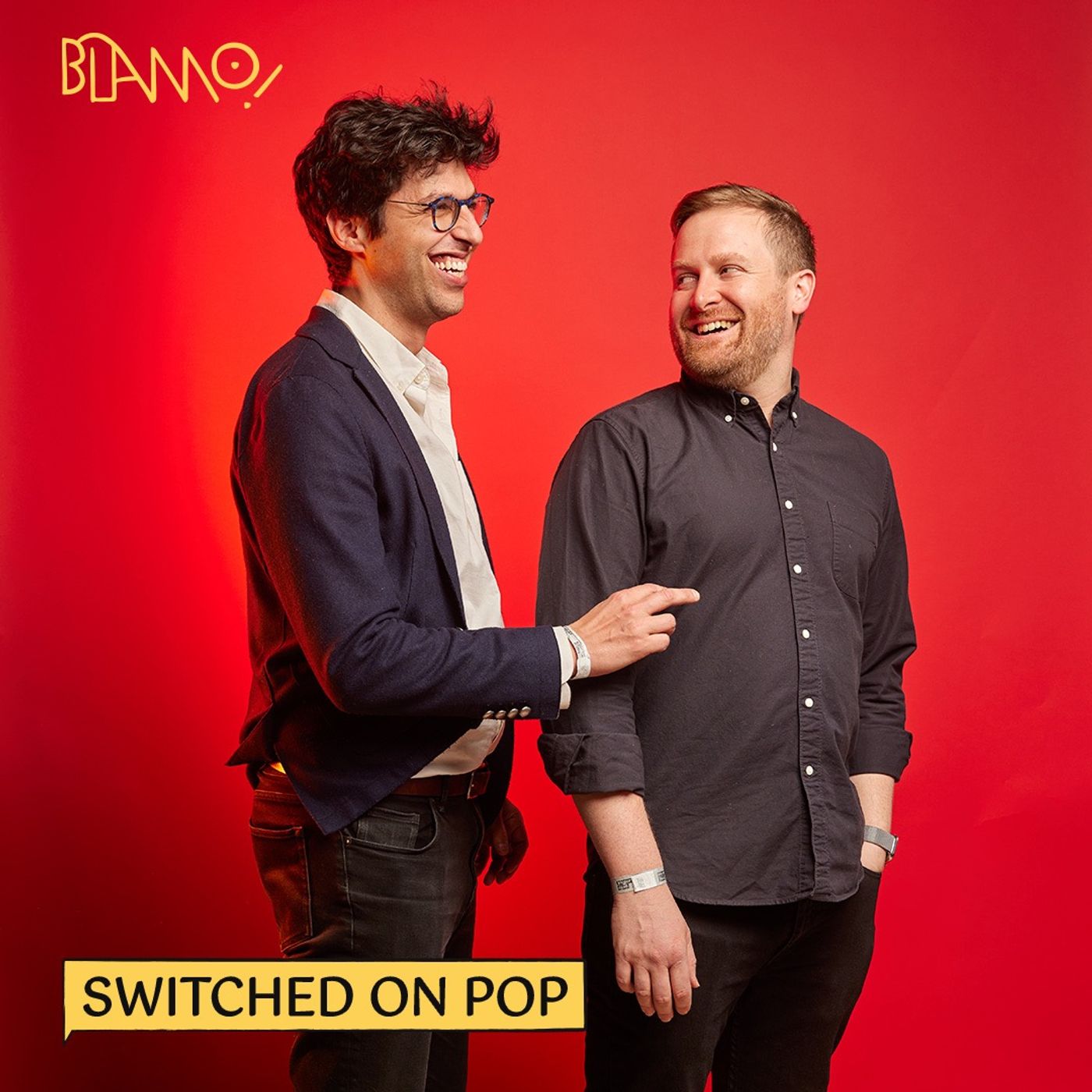
Nate Sloan and Charlie Harding are the co-hosts of Switched on Pop, the acclaimed podcast that breaks down the making and meaning of popular music.
They join Jeremy to talk about the relationship between music and style, why we instinctively know what a “rock star” looks like, and how rebellion, authenticity, and a little bit of careful manufacturing create the people we think of as effortlessly cool.
They get into The Beatles, Bob Dylan, Weezer, punk and hardcore’s influence on menswear, John Mayer and Visvim, Trey Anastasio’s style evolution, the strange similarities between guitar pedals and fashion, and why developing taste might ultimately be an act of curation.
Plus: Irish penny whistles, Patagonia Baggies, and the eternal question of whether any of us actually need another navy jacket (always).
*
Sponsored by Bezel - the trusted marketplace for buying and selling your next luxury watch
Hosted by Simplecast, an AdsWizz company. See pcm.adswizz.com for information about our collection and use of personal data for advertising.