 Ask ChatGPT


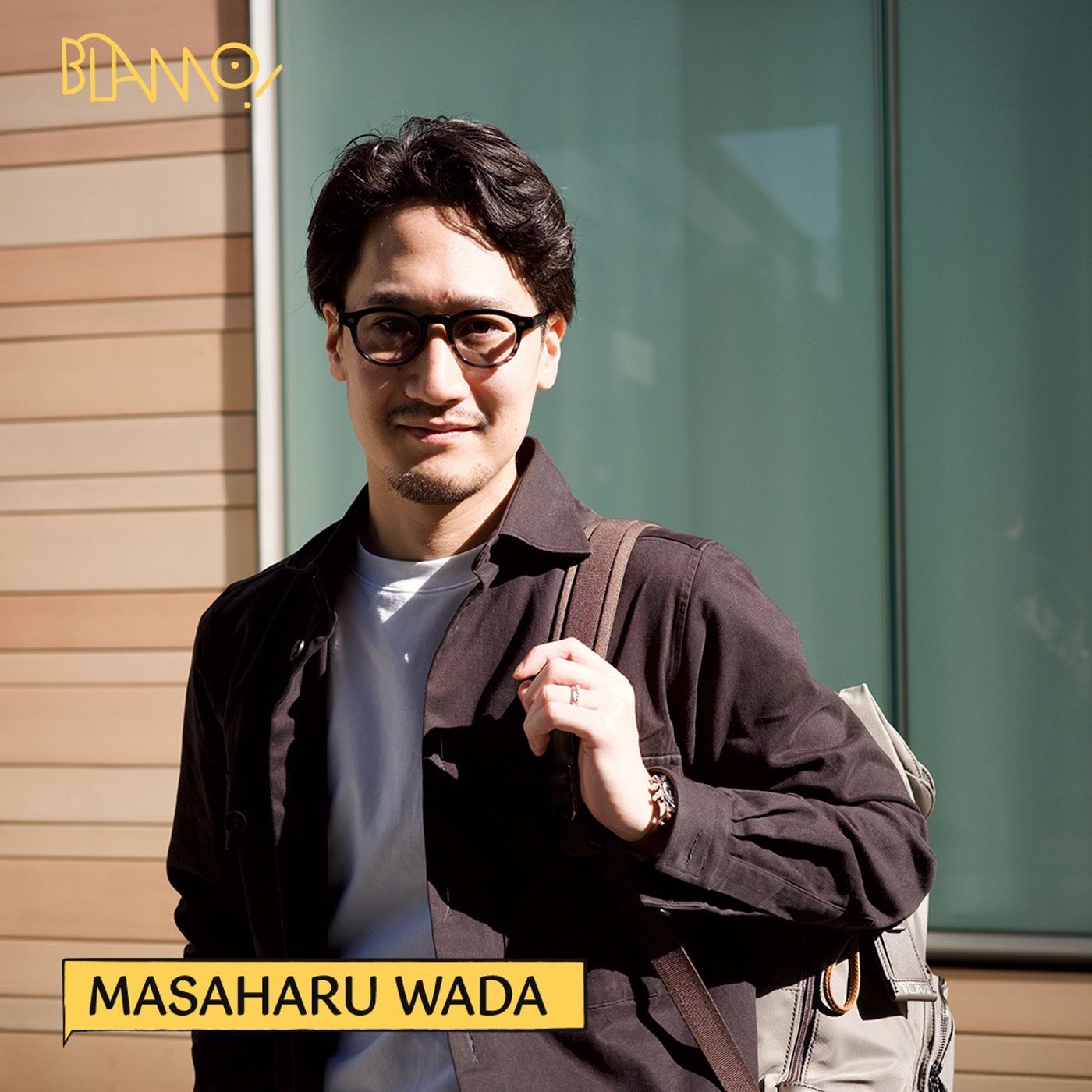
Masaharu Wada (Hodinkee Japan) discusses how Japanese watch collecting and shopping work, why Japanese curation shapes taste, and how independent Japanese watchmakers appeal to collectors. He also explains his own collecting philosophy—moving from “iconic” models to collecting memories and relationships—plus stories like his grandfather’s Rolex and how watches helped him connect with family.
Masaharu Wada is Japanese, raised in Japan after being born in Sydney. He worked in tech (product management for iPhone/Android apps) and started a watch blog in 2017 while still employed. He became the first employee of Hodinkee Japan after being recruited via LinkedIn/Instagram. He’s known for English-language coverage and community-building.
Japanese collecting is strongly taste- and curation-driven; collectors learn “the rules” before breaking them (especially with independents). Owning everything isn’t necessary—experiencing others’ watches can make you a better collector. Brand prices and limited availability often reflect production capacity and watchmaker scarcity.
Rolex Submariner Date as his first watch; his early “iconic” collection (e.g., Lange & Söhne 15500ST, Royal Oak 41, Lange 1 yellow gold). He highlights Japanese independents like Otsuka Lotec, Kikuchi Nakagawa (Reference 96-inspired), and Atsuka Lodek; mentions Gaku (metronome prototype) and Tokyo Precision’s role. Personal story: his grandfather’s 34mm Rolex Oyster Perpetual Date, traced to Zurich (Bucherer/Bayer) despite missing box/papers.
Written by AI. May contain mistakes.
Masaharu Wada shares his origins, upbringing, and early experiences with watches.
“So I was born in Sydney because my dad and my mom met there and got married and I was born.”
Discussion on the unique cultural aspects of Tokyo and the sense of community, as well as personal reflections on living there.
“And so five member of family moved to Ho Chi Minh City.”
Masaharu recounts his transition from tech to the watch industry, including his blog and the decision to join Houdinki Japan.
“that's I think that's why the you know people say Japanese are polite but we try to just have space a little bit yeah And so you work for Harinki Japan.”
The conversation wraps up with Masaharu discussing the founding of Houdinki Japan and his journey leading to that point.
“And so I, you know, I had a meeting with my CEO of a previous company.”
Learn about Masaharu Wada's path to joining Hodinkee Japan and his perspective on the Japanese watch media landscape.
Explore the evolving culture of watch collecting and the importance of community over ownership.
“yeah so he's more skilled and he has more knowledge about the industry so I was like okay this is gonna be a strong team and then you know a month later Stephen Poverin yeah and Enri came to Tokyo Oh my God, yeah.”
Explore the evolving culture of watch collecting and the importance of community over ownership.
Understand how Masaharu Wada acts as a bridge between Japanese watch collectors and the global community.
“So I was checking DM and then there was like Mark Cho.”
Explore how collecting watches reflects personal growth and cultural appreciation.
“That's why we care about one category, but we care about all the details that differentiate with the others.”
Understand the distinct approach of Japanese watch shops compared to their American counterparts.
“I mean, I think there's so much also respect of the past, but also, you know, and look, I'm making a generalization right here.”
Learn about the innovative approaches of Japanese independent watchmakers and their distinct styles.
“which I love and I think you know also watches are so general right they all do more or less the same thing.”
Delve into the pricing strategies of Japanese watchmakers and the cultural perceptions surrounding them.
“I feel like, if anything, when people hear that, they're like, yeah, I can understand that.”
Examine the current market trends for watches and the accessibility challenges faced by small Japanese brands.
“I feel like if you're a person who starts to get into watches, the first thing you use to distinguish a brand is whether or not their movement is in-house.”
Explore the increasing difficulty of acquiring Japanese watches and the impact of wealth on collectors.
“like, you know, Resheep Reshepe, Simone Brett, Burneron, you know, which, I don't remember how much that watch was when it came out, but the Mirage was like, Pretty expensive.”
Discuss the evolution of watch collecting from iconic pieces to personal memories and relationships.
“So, I bought Otsuka Lotec number 7.5 because when I was at Switzerland for the first time, I think it was 2023, and I was at Omega Museum in Biel.”
Uncover the journey of finding the origins of a grandfather's watch and the significance of that history.
“Book Killer, they treated me super nicely.”
Learn how Masaharu Wada views watches as a means of connecting with people and memories.
“and the lady was like checking everything, going back and forth.”
Discover Masaharu's perspective on tourism and his openness to connect with visitors.
“So watches, you know, it just tells the time.”

Get the gist, explore an idea or ask about something said.
 Claude
On Blamo!, what are the key points of this episode?
Searching your listeningAutomatic transcript. May contain errors.
0:07Hey folks, it's Jeremy Kirkland. You're listening to Blammo. I am back. I'm back from Tokyo and I'm very happy to be back. I got some, came back with a slew of pods, some fresh clothes and some hot takes. But very happy to be back fighting the jet lag, kind of dealing with it. But you know, it's good. It's good. but it's good. It's good. It's good to be back. I recorded this one in Tokyo with Masaharu Wada of Houdinki, Japan. And if you've spent any time getting into Japanese watches, you've probably come across Masa's work. Masa started out working in tech and writing a watch blog on the side.
0:48You guys remember watch blogs? Now they're just outlets and publications or sub stacks or whatever you want to call them. But Masa eventually became Houdinki, Japan's first employee. So we talk about that. We talk about what makes shopping and collecting in Japan so special, because man, it really is. It's just the best. But we also talk about some of the independent watchmakers we've all been obsessing over. Hello, Atsuka Lodek. But I wanted to talk to him about his own collection. How do you decide what stays? What do you sell? Because I think the thing is, and I'm going to sidebar on an intro here, which, surprise, welcome to Wham-O.
1:28people's personal collections I think should be a great representation of themselves right and I'm talking about clothing I'm talking about watches I'm talking about music you don't just want to have something that looks like generic tick the boxes you know what I mean and so I feel like I can always spot a real collector when they're into something that maybe you don't understand yet right? And I think Masa is just one of those guys. So it was great. He also talked to me about his grandfather's Rolex and how watches helped him get closer to his dad, which is a great story. But it's all in there.
2:04Very excited to bring this to you. Let's get to it. Where are you from originally? So I was born in Sydney because my dad and my mom met there and got married and I was born. But I came back to Tokyo when I was a year old. Okay. So. Yeah. So you're like raised here. Would you consider yourself? I'm Japanese. Yeah. Yes. And then when I was in high school, because my dad worked in a Toyota importing exporting company. Yeah. He used to travel a lot. but then right after we got the house in Nagoya the company told him to move to Vietnam because you know it's like a hostage because he bought the house he can't just quit a job so the company was sending him to Vietnam well we already had a house in Yokohama but that was second house and then I always wanted to learn with different nationality students.
3:14So I asked him, can we go together? And then all family, I have two younger sisters. And so five member of family moved to Ho Chi Minh City. And then I went to international school. That's where I learned how to speak English. Oh, okay. Yeah. Because it's really difficult to communicate with Japanese in English, right? Yeah. That I'm aware of. Yeah. you you you almost come to tokyo like every year so yeah trying to i i absolutely love tokyo and love japan my knowledge of japanese is i'm trying to take i'm doing some like little classes to try to just improve it and it's obviously not growing that much so i'll understand like every like maybe third or yeah i don't know fifth word so i'm like oh they said that's to go there or to move that you know and with that i was telling my wife it's also like kind of lonely in this sense because you're here and you hear tons of people communicating and talking yes but you don't understand any of it however a lot of signs have english on them yes so i feel like i'm like almost being tricked in a bit because i'm like oh my brain's reading this stuff and it's reading english And it's like, well, then obviously you must hear English.
4:33Yeah, yeah. And then all of a sudden I'm like, oh. And so I was walking through Aoyama and I saw this little art gallery. Yes. And I think, you know, there's so much like beauty and things made by hand here. And I go in this art gallery and it's this amazing, I didn't know who she was, this Japanese illustrator. And I'm like looking at all the art and I like started crying. And I was like looking at this and I mean, I got very emotional. and the gallery guy comes out you know and he was like hey and i'm just like i mean it wasn't like loud weeping right but i'm like you know i'm sniffling and they're just photos of like people being together and like holding hands and stuff and when i see tokyo i like you see the fact that also so many people there's like there's a dependence on each other you know and the juxtaposition of seeing that around but also like kind of almost not being a part of that it's a little bit triggering for me but I love it and I absolutely love this country and it's amazing and also everybody takes care of their shit here yeah I mean because Tokyo is so dense like so many people I mean like somebody said McDonald's in Tokyo the size of seat is smaller than like cow lining up at the farm oh okay okay so like that's also why you know people from outside of Japan says people in Tokyo is so polite but actually we are trying to have space because you know physically it's so tight yeah so we try to you know respect the space at least our like you know heart yeah yeah yeah that's I think that's why the you know people say Japanese are polite but we try to just have space a little bit yeah And so you work for Harinki Japan.
6:32Yes, exactly. And how did that happen? How did you get into watches? Yeah, so I used to work in the tech industry. There's a messenger called Line. It's a WhatsApp messenger for Japan, right? And also advertisement agency's Cyber Agent, which is one of the biggest. and so I started writing about watches but not try to become journalists. Yeah, so just like as a hobby. Well, I used to work for like, you know, as a product manager for iPhone application, Android application, so mobile apps. But then my company told me to do like web services. Okay. I didn't know anything about like, you know, how to build a website and those stuff.
7:19I'm not a, you know, engineer, but I have to understand about it. So I decided to start my own blog. Yeah. I was like, okay, I'm going to learn from this blog. And then I was like, okay, what should I write about? And then already I was, you know, kind of like collecting watches. So, okay, maybe watches because it's fun. Yeah. I know. I want to spend more time about watches. So I just started writing. No SEOs, like no like technical anything. I just write about watches because I love. And then I started my blog around like 2017. And I opened like February. And then next month, still, there was Basel War.
8:05Oh, yeah, Basel. Yeah, exactly. So, so many news and so many things to write about. So, after I finished all the work, I was still at the office writing about watches. Oh my god. And then... Because you're doing this while you have the other job. Yes, exactly. It was just a learning process and also a hobby. And then I got so many page views. And I was like, okay, this is something I can make money out of. Yeah, I mean, you had said that you were already into watches. What got you into watches before? So I was, right after I graduated from my university, I joined this tech startup, ID startup.
8:54And I was working almost 24-7. I was always at the office. Is that normal? No. Okay. It was crazy. Because I was a new graduate. I was one of the guys who makes tons of money through iPhone apps. Right. And with so much responsibility, so I was staying. But I was also enjoying it. And then I didn't have time to spend money, literally. Yeah. So I was checking my bank account. The numbers goes up. But I was always at the office. That seems like a nice problem. Yeah, but only in the morning I go back to my house and get a shower and get changed. and then come back to the office. And then, you know, I keep doing that.
9:47And one day, my boss was like wearing a really nice watch. What do you have on? That was Cartier Carrebro du Cartier. It's already discontinued. Very classic, a little bit sportier Cartier watch. Yeah. And I was like, wow, what is that? And he was like, hey, this is Cartier watch. and you know when i was in university i already kind of into watches but i didn't have uh any money but now i don't have time but you're like yo i got some money exactly and he was like you know uh masa why don't you get uh your you a nice watch or maybe a car because you said you want to have a nice car and then i was like hey maybe i should get a audi uh tt because it's small right and it's really practical for Tokyo.
10:40An Audi TT. Well, actually, you know, you're right. I agree. I think it would be practical for Tokyo. Yeah, maybe in the US. I know some people said Audi TT is for like ladies or whatever. No, it's just a sports car. Yeah. I definitely wouldn't say it's feminine in any way. Okay. Yeah, go ahead. Yeah. And then, but then I realized, wait, I'm always at the office. I'm not going back to my house, but I'm still paying a lot of rent. and I don't want to spend more money on the parking lot. Yeah. And first of all, I don't have time to drive. So I was like, okay, maybe a watch. Buy watches over cars.
11:16Exactly, exactly. Because I realized, if I wear it all the time, when I'm like super tired, like midnight, looking at the PC monitor, I just look at my watch and then maybe, okay, this is kind of like a trophy. Yeah, yeah, yeah. So I started doing some research and my first watch was Rolex Submariner Date. Yep. Great first watch. Great first watch. And that time I started reading about watches online. And also because I can't read English, I started reading Houdinki. Oh, okay. Yeah. Yeah. I mean, many roads start and lead back to Houdinki. Yes. And so you get your watch, you're getting into watches, and then you're essentially working so much that you need to kind of have a hobby.
12:10You start this watch blog, you get some action, and then you're like, I think I'm going to do this? Yeah. So actually, I was like, okay, maybe I can help my friends who already started their company, and then I can write about watches, and then I can be a freelancer. so I decided to quit my job I feel like that's not as normal that's totally not normal especially for an individual in Japan exactly but if I stay in tech industry I can't go to Switzerland to see what's happening there that's true so I decided to quit did you talk to anyone before you quit or were you just like I'm doing this I talked to some people what did they say they said Well, if you stay in tech industry, you won't be able to see everything.
13:03So they're like, yeah, go for it. That's cool. That's good. Yeah. Yeah. And so I, you know, I had a meeting with my CEO of a previous company. I said, okay, I'm going to quit. And then that company usually hates people quitting. But he was like, okay, there's nothing I can help you to do like watches in this company. So it's okay. You can leave. oh okay you know he was like you know shogunai oh right right right wow yeah yeah yeah and then that night i was uh you know reading hodinki as always and on the top um section they said we are launching hodinki japan so damn so that i mean it was kind of uh it was like fate exactly yeah but i was because my blog was kind of like respecting hodinki so i was like oh damn oh yeah i think i'm in the trouble but i already told my ceo i'm gonna quit so i wasn't planning to join hodinke yeah and then uh so maybe a few days later i saw you know i was checking linkedin and there was a post uh the hearse japan is taking care of hodinke japan and hearse japan is like posting uh we're hiring and you applied and got it huh i didn't apply i just clicked the like button and then next day the hr uh reached me out hey wada-san if you're interested in joining hodinki japan uh would you like to you know uh have a coffee and then i didn't reply like you know right after and then a few days later uh the ceo of hearst reached me out on instagram oh because i was you know already posting a lot of stuff on instagram i was still writing blog so he was like okay maybe this guy and it's like he speaks english well and also i i'll say this because you're not saying it like you your blog and and your outlet at the time like it had a following yes you know you you weren't you were already a known person i i hope so but you know uh back in the day uh there were a website for watches like you know big uh me uh watch media in japan like chronos yeah still japanese market was like depending heavily on print magazine that's why i was kind of like you know niche but rare but you know if you want to know about watches my website was one of the website it was and i think also too i mean and kind of what like masas on speaking at for listeners i think from my perspective japan uh i would say like it doesn't really known for like shaking things up per se so there was still a lot of maybe priority on traditional outlets in the sense of like print and print first and you know so how did you feel essentially when you're kind of you're like yeah but I'm going this other route and like I believe this is more the future more people you know accessing things on their phones and I mean and now right we're talking about this and it's like well no duh but for many people even when i was like trying to do this podcast yes people like you're going to talk to people about like well hello like you know these things are visual like how is and i'm like that's okay you know but so you felt like you were you could do this yeah so you know like i i studied uh commerce and like importing sporting at university yeah but i jumped into tech industry because you know i was so obsessed with iphone so i believed in the you know like mobile phone like future like yeah internet yeah so i was like okay uh and also i was in uh uh like tech uh like startups and tech uh like big you know company so i believed in you know internet and also like you know because of my uh blog uh some people i met offline they say hey i read your article and you know my friend and i had a big discussion because of your article i was like okay my article is not just information but you know uh building not building but you know it's like a community right like starting community yeah so i was like okay and also like i don't make tons of money but i was still buying watches and then i realized i can't own all the watches that i like but if my friend bought it, I'm also happy.
17:32Watch collecting was also community and internet. It was the best way to connect. I think another thing you're talking about too is for many people especially collectors. Owning the watch, having it is the point. I feel like, I'm not belittling anyone, but when you're I feel like you can become a better collector when you don't have to own it. When you can experience other people owning it and you know you see it and touch i mean i'll say this there's a lot of people who love urwork yes urwork is very cool yeah i can appreciate urwork i can talk about it but i don't need to own it and some people are like no that's wrong you have to own it's like actually no like because you you can't really own everything exactly and the best collections have like conviction you know what I mean and so that's great that you were figuring that out early many people have to spend a lot of money exactly and also Hodinkee was very different from traditional Japanese watch media Hodinkee was telling story and also like you know like video like talking watches yeah it didn't exist in Japan really because Japanese collectors they want to hide their face oh right right Right.
18:54Yeah. Which makes sense. Yeah. So I really, you know, I was a big fan of Inky and then they reached me out from different, you know, way through LinkedIn and Instagram. I was like, okay, maybe this is something. Yeah. So I decided to meet them. And I was like really not sure because one of the guy was wearing Apple Watch and one other guy was like 30 minutes late to the meeting. So I was like, okay, are these guys, you know, like doing this for sure? You're taking this seriously? You're late? Then you're wearing an Apple Watch? Points deducted. Yeah. But then they were just, you know, like in a management, you know, layer.
19:37And so I had a conversation with the CEO and I was like, okay. And also, you know, doing blog was really difficult at one point because nowadays, you know, influencers are big. and all those individuals had access to the brands. But when I was doing it, I also made a media kit for my blog to talk to the brands. But, you know, most of the brands are like, you know, who is this guy? Right. When it's like you need to be a legacy outlet, you know, you need to be a strong brand name. Exactly. Yeah. Yeah. So I didn't have a lot of access. Well, thankfully, some brands will like, you know, reach me out or, you know, like doing collaboration but I was okay maybe if I joined Hodinkee it would open a lot of doors yeah that's why I decided to join even though you know those folks didn't it seems like they don't care about watches I care about watches and I was the employee number one hey yeah and then right after a month later our chief editor Yusek Kiguchi yeah Sekiguchi-san joined and we were like I was like okay okay we're doing this because you's a watch guy you's also the watch guy well he was in the watch publication for I don't know maybe about 10 years maybe yeah so he's more skilled and he has more knowledge about the industry so I was like okay this is gonna be a strong team and then you know a month later Stephen Poverin yeah and Enri came to Tokyo Oh my God, yeah.
21:20And the rest is history, I think. That's great. Yeah, I forgot. Because Steven was, he was very, very early. I mean, I think Pulverin was maybe employee two. Yeah. And then Will. Yes. You know, and look, I'm not a person who feels like the best days already happened. I mean, as a person who I've known Ben for years, I've known those guys. And obviously, Steven Pulverin is not Hoodinky anymore. Will is not Hoodinky anymore. They're all doing their own thing. but um you know especially i think like watch collectors there's so much like it's almost like you if you're going to be a watch collector you got to kind of like complain yes you know where people like man i miss i miss when hudinki was like this or i miss when this and you're like yeah but things change you know we don't we don't really consume media the way we used to there's many places are now video first yes and also and i think this is the thing you had a big lead on You have writing that has like an empathetic connection in the sense that they're connecting, like people are connecting with Masasan and your journey at collecting and then learning at the same time versus, I would say, not to make fun of previous watch outlets.
22:36It was more like just sharing a press release. Yes, yes. You know? Yeah. And so like what made you feel like earlier on that you could talk more about yourself? So this is also like a publishing culture in Japan. Yeah. Chief editor is like a god. Okay. And Sekiguchi-san, everybody knows Sekiguchi-san. Yeah. But me, I'm just a random guy from tech industry. Okay. Writing blog, like which all the big brands never cared about. Sure. okay and so i was like okay i'm i'm nobody i'm mr nobody so i decided to post uh more stuff on social media yeah and luckily i can speak a little bit of english so i decided to you know uh get connected to the the people and also was like iguchi-san uh didn't start from like watch collector yeah but i was so i was keep meeting uh all the people if anyone asked me to meet uh through instagram dm i say i say yes oh wow so i almost met everybody that's why i think some people was like hey if you're going to tokyo uh there's a guy called wada yeah wada and meet that guy and wait wait hold on a second okay before you send that dm or text that friend I know what you're thinking.
24:01You're ready to buy your first serious watch, or in other cases, maybe your fourth or your fifth. But look, man, it's hard out there. It really is. From this dealer or that store that wants the purchase history or whatever. I mean, you're just, I don't know, you're almost ready to walk away from the whole game. But fear not, my friends. Check out Bezel. Bezel is the trusted marketplace for buying and selling your next luxury watch with expert in-house authentication on every purchase. With over 18 ,000 watches listed right now, as of the time I'm recording this, from a mix of professional dealers to private sellers, you're just going to find what you're looking for.
24:39But wait, wait, I know. You're like, Jeremy, I'm sorry. They don't have that ex-Rolex or that insane Omega. Well, reach out to them. Bezel has a real team of real people. Just create an account and be connected with a private client advisor and they will guide you through the entire process every step. Once you decide on your watch, it's overnighted to Bezel HQ where their in-house team of experts authenticate it and then it's on your way to you. If anything is amiss, the watch is not listed correctly, whatever it is, they'll let you know, the buyer know, and the offer to refund you or source you a new one at a similar price.
25:13That's pretty good, right? This has been part of the Bezel ethos since launch. I've even spoke to the founders about it. And now you can make an offer on a watch, buy it outright, or bid it at auction. Bezel is the highest rated watch marketplace out there. Even Trustpilot shows Bezel is 4.9 out of 5 stars with rave reviews. Okay, okay, you're still on the fence? Dig into the Blamo feed yourself and listen to my chat with the Bezel co-founders and, well, see for yourself. But you got this. I believe in you. Visit getbezel.com and buy and sell your next luxury watch. That's getbezel.com. Getbezel.com.
25:55One of the cool guys was Mark Cho. Oh, Mark. Mark was like... Hey, Mark. He's probably listening right now. Yeah, maybe. He was like... So I was checking DM and then there was like Mark Cho. I was like, okay, wow. The guy who was on the Hodinkee podcast reached me out. I was like, wow this is cool and then mark also introduced me to a lot of collectors and important people and also ben ben climber is also introducing a lot of people who are coming to tokyo usually like a vip people yeah to me so i'm keep meeting those people and also like i'm meeting all the japanese collectors now i have daughter so i can't meet everybody yeah but i'm still trying to do you're kind of becoming you know and i'll say this you're the you're the sort of gateway to like folks who don't know japan and japan watchmaking and and japanese like collecting yes because i think you know and earlier we were talking japan if you are into collecting things clothes watches cars fill in the blank so many roads come back to japan yes why why do you think that is you know so for watch um for watches um there's so many great vintage watch shops and also everyone says like conditions of watches in japan is insane and you know those are those everything is true but my um perspective i think people appreciate um about japanese curating so for example for clothing there's Beams United Arrows you know those shops like a curator right and then because this is just my opinion but because Japan everyone looks the same not like US okay right I mean like and also like our culture like we go to school we learn but we learn like you know not like in the US like you know we have so much discussion debate no We learn Japanese.
28:01That's why we care about one category, but we care about all the details that differentiate with the others. For example, like denim, what's a cut, what's a bitch, and for tailing, the size of the lapel. We learn so much from Italy or British, and we try to make it as a database and try to understand what's the difference so we can look a little different. And also we can discuss how different we are and we can go deeper and deeper. Okay. So I'm kind of saying this back to you to make sure I understand right. Essentially, you're saying so much of your culture is about the study of things. But I think a lot of, for me, my experience, so much of my growth as I became an adult and what I became more focused on was how can I learn about myself in it?
29:00And that was through like, okay, personal style, right? Like, well, it's great. I know that British tailoring is done this way. I know that, but like, who am I in that? So it sounds like you're also, you know, with watch collecting, you're learning all these things now so you can make a decision of what, how you want to be yourself. Yes, exactly. And also each vintage shops has different taste. that's very true yeah so if you wanna you know buy like nice Batek like Car Trava go to you know On Behalf John Nagayama yeah there's something like that so and like people just appreciate you know the curation yes that each shop makes and you know if you if you look at the beams they have so many genres right like beams plus beams yeah so many right So I think this is the thing that all the people outside of Japan says, wow, Japan is so interesting.
30:04The watches are really nice. And I think that's why we have taste. Yeah, I agree. I mean, I think there's so much also respect of the past, but also, you know, and look, I'm making a generalization right here. But to try it just for the example, say in the United States, you have a watch shop and it's like, well, we're going to have everything you want. and it may not even be what the what the owner has but okay you like this watch you like this watch you like all these things here it is it's all here and we're the only shop for you and in japan they're like we have this exact thing yes you're like well i'm looking for this and they're like okay go goodbye and i think for me i love that because i want you know also the bigger thing that's happening is many brands and stores and people that I know who are Japanese and have Japanese brands, they don't look at other brands as competition.
31:00Exactly. Which that is, on the American side, that's not really normal. You know, again, there's kind of an umbrella of grace in this conversation. But like, there's so much competition in, at least in like retail, you know, this, you know, we're going to grow, but we're going to grow by like beating these guys. And I feel like, you know, every experience I've had in Japan, but also, you know, working with Mark Cho and the Armory and Ring Jacket and all these other brands, they never looked at other stores or other brands as like a threat, you know? Yes. It was like, they're different and good for them.
31:36They're doing it this way and we're doing it this way. And that, I think, still like surprises many people. Okay. But I think that's totally normal in Japan. And it's great. I kind of wish more people were like that. Because also, the other thing that, you know, you and I aren't really saying, but I'll say too, those brands respect brands. Shellman respects other watch shops. Yes, yes. Which is, you know, not as normal as what you'd imagine. Exactly. so you know luckily because i'm working as a well i don't know if i should say i'm a journalist or not but uh as a you know writing about watches uh you're a journalist it's okay yeah you're good yeah um so i have a chance to meet all the people yeah and that's why i can see all the differences yeah and also i can meet all the japanese independents if i if i if i say hey um i'm I'm Maura I want to meet you guys and then they will say yeah like sure sure come yeah and that's that's happened to like everybody like not only me but if they ask they'll be happy to meet and so I think Japan is like you know like people say polite and everything but we just accept everything yeah yeah it's okay to be different which I love and I think you know also watches are so general right they all do more or less the same thing.
33:06They tell the time. But there's such a variety in that. And to kind of get a little bit deeper, right now I feel like for people who are collecting watches, there's you have big brands like Rolex and Patek Philippe and the Swatch Group LVMH and a lot of all those brands but now there's a big love and obsession with Japanese watch companies like Neo Hida Yes. Is it Kikuchi Nakagawa? Kikuchi Nakagawa. You know, and these people who are making their own version of a watch, and people are, especially in the States, obsessed over it. So like, just from your perspective, what do you think is the allure?
33:52I think because, you know, like we learn so much, right? And then we understand. you know you have to break the rule you have to learn the rule first so maybe most of the japanese are like you know trying to you know understand the rule and also like in society we follow the rule but yeah those independents are like you know okay we must have the rule and we're going to break it now and then they're doing their own stuff that's really uh different and interesting and also because it's japanese it's really different from the us yeah and also switzerland yeah Yeah, very different than Switzerland.
34:32I mean, because, you know, correct me if I'm wrong, like Kikuchi Nakagawa, they're essentially making a version of the Reference 96. Exactly. Which for listeners, the Reference 96 is Patek Philippe Galatrava. It's very small. What's it like, 31? Yeah, something like that. Yeah, it's very small. Yeah, I mean, the average watch size you're buying now is like, what, like 40? 40. So getting smaller, so maybe like 39. But yeah, still. So, but it's small. And it's also a piece, I think that Reference 96 was like in the 30s, right? I mean, so that, to launch a brand recently, and your focus is on an object that's near 100 years old, and then do your own take on it.
35:12I feel like, if anything, when people hear that, they're like, yeah, I can understand that. You're understanding it more because people in Japan have created that standard. And also like brands like Otsuka Lotec. yeah which is on the polar opposite end of the spectrum exactly so jiro-san the founder he was a product designer not the watchmaker but he bought you know small CNC machine and he put it in his kitchen and he was like wondering you know he was a car designer also but he was like okay with this CNC machine I can't make I can't build a car it's you know it's not beautiful that but He was like, okay, what should I make?
35:54And he was like, okay, oh, the mechanical object, which, you know, works as an object. He was like, okay, maybe I'm going to make a watch. He started making watches. Because Otsuko Lodek is like, I don't know, he's kind of like the MB &F of Japan. Yeah, sort of like that. You know, because all those watches, they're very strange. Different way of telling time. They're so beautiful. Yes. And, you know, what's cool about that is because also, like even like Hida, Kikuchi Nakagawa, Tsukulodek, they're not super expensive compared to, you know, what's happening in Switzerland. you know and so that because that's another thing too on how some of these Japanese brands price their objects you know and like why say Hida could charge $300 ,000 for a watch right why don't they do that well first of all Yang is weak so okay it's much less expensive from I think US perspective maybe but they want to be I'm not saying you know Switzerland is not but I think they want to be right.
37:07So, for example, Otsuka Low-Tech was much, much cheaper before because Jiro-san was making all the parts by his hands. Which usually would make the watch cost more. Exactly, yeah. But he was like, you know, not really from the watch industry. So he was like, okay. Also, he's super humble. And then when he like re... not rebrand, but he make it more like widely open. He didn't want to make it crazily expensive because if he done that like all the other collector who collect used to collect from the past will feel like oh why yeah and also Hida-san knows about the industry for so long so he he's used at Jorn right yes he used to work for the Jorn he was working at the importing exporting company and he was taking care of Bashron Reggae like so many you know brands yeah and so he knew about the structure so he didn't go too crazy he knew you know what's right but although he knew it when I wrote about Naoya Hida I don't know how many years ago but and then my article published in US everybody on the comment section was like hey this is too expensive really?
38:23yeah because his movement is not in-house and his style is blah blah blah but all the you know reaction from Japan was totally different it was like okay finally Hida-san is making his dream watch and he's taking care of these tiny bits on you know engraving and the case proportion and even the edge of the the case shape and all the stuff and we understand so no one really you know complained about the price we were appreciate appreciating about what it is well you mentioned one thing someone criticizing a watch brand because of whether or not the movement wasn't in-house. I feel like if you're a person who starts to get into watches, the first thing you use to distinguish a brand is whether or not their movement is in-house.
39:13For listeners, an in-house movement is essentially a watch movement, the insides of a watch. The engine. Yeah, the engine, right? That is completely developed by the company that's selling you the watch. But I think more, or now more than ever, I don't think that matters as much. And I'm, you know, but I feel like if you're getting into watches, that's like, yeah, well, I don't like that brand because their movements are not in-house. It's like, who, like, excuse my language, like, who fucking cares? Like, is it really, really that big of a deal? Because everything else that you're seeing, experiencing, you know, is impeccable, especially on the Hida side.
39:52Yes. So, like, I mean, how do we as push back on this? I mean, you know, Hida-san had more than, I don't know, like 30 years of experience probably. And then... It wasn't just like a Salida off-the-shelf sort of thing, right? Exactly. And those experience, I can't buy it. But if I buy Hida-san's watch, I can appreciate it. Yeah. So, you know, well, some people want to get, you know, hyper-complicated movement. That's okay. That's also taste. Yeah. So, yeah, like you mentioned before, like we pretty much appreciate every brand that exists. you know well Hidasan's brand is you know fine Otsuka Lotec is super interesting you know and yeah there's so many brands coming out still like Gaku it's a new brand they haven't launched anything yet they they actually showed a prototype it has a metronome oh hell yeah yeah and he was a drummer okay and then I had the Seiko metronome watch yeah that was also cool that is also cool but Gaku is making everything mechanically wow yeah And he's, I don't know, like 20-something.
40:59He's super young. That's wild. And he is under the company Tokyo Precision, which is Asaoka-san, the company. And I really like that company because he is telling everybody, if you want to make your own brand, pitch it. And if we accept, you can launch it. So there's a... Is this the like watch company Japanese Y Combinator sort of thing? Probably. but they are also making you know Krono Tokyo Otsuka Rotek is also under that company right so you know Saoka-san is also trying to expand the Japanese watch culture more widely broadly yeah that's so great yeah I mean and so with all these you know things in mind where right now we're in this weird state of watches in the sense that you know you have company brands like Jorn which are the most expensive they've ever been.
41:56Yes. Then you have all these people who are obsessed with independence, like, you know, Resheep Reshepe, Simone Brett, Burneron, you know, which, I don't remember how much that watch was when it came out, but the Mirage was like, Pretty expensive. Yeah, but now, I mean, $300 ,000, you have this, you know, there's an Otsugulodek right now on, I think it's on Loop This. Yes. And it's like, Oh yeah. close to$13 ,000. So, it feels like everything is like just hard to get. True. Do you think that's on purpose? Do you like, or what do you, what do you think? One thing about Otsuko Lottex, they only sell it in Japan, right?
42:36Yeah. But because that company is small, they can't have capacity to ship everything internationally. Yeah. Actually, that's the simple reason why they are only sitting in Japan. Yeah. And they're doing raffles because they don't have a lot of capacity to produce a lot of watches like Seiko. so that's also one thing there's nothing to do about it until they grow up yeah and I think especially if you're into watches you know as you grow in your watch collecting unfortunately it becomes pretty affluent right there's a more and more expensive yes and so now you're dealing with people who have a lot of money who are not used to hearing no right and because like that starts to happen and you're like what do you mean I can't get it?
43:26Why isn't this company just get it together? And it's like you know because I don't think there's anyone Ratsuko Lodek that's like yeah let's next step we need to make you know 100 ,000 watches so everyone can get one. Why do you think that is? I think they don't want to burn everything so fast. Yeah. And I think they're comfortable with what it is right now. Yeah. I appreciate by Japanese collector first and then you know all the international collectors are also interested in but they are trying like you know they try to you know make it bigger but they're just not that fast enough yeah first of all you know there's not many watchmakers in Japan that there's a I think only a few watchmaking school in Japan yeah one in Tokyo one in Omi so every watch company is struggling getting new watchmakers.
44:27And also, for example, there's a guy called Kikuno-san. Masahiro Kikuno. He's one of the members of HCI. It's an independent watchmaking association in Switzerland. He is making one watch per year. Oh, God. I mean, that's awesome. That's good for him. And I imagine, it's like, I can make this watch and my year is paid for. Yeah, one or two. And also, he's an educator at watchmaking school. Okay. So he's not really like, you know, hey, I want to be super rich. He's like just, you know, enjoying his life, making everything by his hands, even like small pinion or screw. So he's making all the parts by hand too.
45:13Yes. Whoa. But then he is a little different these days. because he's teaching at school. You know, all the students have time limit until graduate. Okay, yeah. So he wasn't thinking about using CNC machine, but he was like, okay, I have to educate these students. And if I teach everything making by hands, some students cannot complete the watch. So he bought CNC machine at home, he tested. and now, you know, his students can make what is faster. And he was believing in making everything by hands, but he changed his mind a little bit. Now he is using CNC a little bit. And then he's making, that was a minute repeater, tourbillon, chronograph.
46:06It's like every box. Yeah, exactly. Because he has CNC machine, he can make it. That's... So he is also like, you know, evolved because of someone else. Sure, sure. And there was Tokyo Watch Week a few days ago. Yeah, yeah, yeah. And he was there and he was showing us, hey, I invented new escapement. It's like a heart of the watch. And he said, I asked him, is this possible because of the CNC machine? He said, I can actually make it by my hands, but by using CNC machine, he can prototyping and testing much faster. So, I asked him, you know, was it a good thing? Because you were believing in making everything by hands, but now you're using this, you know, automated machine.
46:57What do you think? And he said, it's okay. That's, I mean, that's kind of great. And what's funny is it's a CNC machine is still, it's not totally automated, you know? This isn't like a person being like, oh, I'm 3D printing and I'm AI, you know, all this stuff. I mean, it's still somewhat labor intensive. Yes, yes. Yeah. So, yeah. I really like, you know, my watch collecting is also affected by a lot of people. Yeah. I was collecting all the iconic watches, like Alanganzone, Alanganwan. Oh, yeah. First of all, I started with a Lodic Subminer. Yep. And I have all my big AeroLog, all those, you know, iconic watches.
47:40Nice. Yeah. Was it like a 15202? No, not 15202, but 15500ST. Yeah, shit, that's great. So I keep buying, but because I wanted to learn about watches, learning from iconic watches, I think it's really important. That's why my early career and also before joining this industry, I also have to master the rules. I also have to know what's the standard. That's why I kept collecting all those iconic watches. But now, I'm in a situation, I'm more like collecting memories and relationships. Okay. So, I bought Otsuka Lotec number 7.5 because when I was at Switzerland for the first time, I think it was 2023, and I was at Omega Museum in Biel.
48:35Yeah. So, pretty far away from Geneva. Yeah, yeah, yeah. And then, I was like walking around, I was like, oh, that? guy looks familiar and that was Jiro Katayama the founder of Otuka Lotec oh whoa I didn't know I'm gonna meet Japanese guy and the watchmaker in Switzerland yeah randomly and I said hey hello nice to meet you um I know you you know from you know like like long time and he was also the same and then he showed me the watch on the number 7.5 that's why I joined the ruffle and I couldn't get it for the first time but second time I was lucky I got it you know what's crazy is also in that story you meet you actually meet the watchmaker yes you guys you know some some form of kinship happens and you still have to just try to get the watch like everyone else exactly sometimes much easier but i didn't want it to you know cheat no i i think that's great yeah you know i don't i don't think that would be the you know maybe the route many other people try to go to but i think that's also i mean i don't know i feel like that's that's japanese watchmaking there You're like, yeah, well, but you still got to follow the rules.
49:42Yeah, exactly. We love following the rules. Yeah. So, you know, with the watches that you have, have you sold any? Are you feeling like... Yes, because I don't have unlimited money. Yeah, okay. So I sold like, you know, Rolex Datejust or Explorer and a few other watches to get something different. Yeah. And now, you know, I already have those iconic watches. And I want to move on to maybe, I still don't own any Hida-san's watch, but I really want to. Because he started the company around, I joined the industry. So I really want to get his watch. And Hida-san was one of the first guys I met from the industry.
50:27We had a dinner together with the other collector. So there's a lot of, you know, relationship and memory. Yeah. And now, you know, there's so many interesting independent brands. and I'm friends with a lot of watchmakers. But the difficult thing is I can't sell watches that easily because brands know that I own that watch. So for example, I really, really love a Lange & Zona, Lange 1. Yeah. That was one of the dream watches. Which Lange 1 do you have? The yellow gold. Okay, classic. The first generation. Yes, classic one. And then I was like, okay, maybe I'm going to sell this. I don't want to, but I have to.
51:07And then a few days later, Lange team reached me out. Hey, Wadasan, we want to invite you to the Glacute and to see the manufacturer. I was like, oh. Now, I mean, to be honest, they didn't say bring your Lange, right? They didn't say it, but they knew that I owned the watch. Who cares? Exactly. But I was like, okay, if I'm going to the manufacturer, I want to wear my Lange 1. That's polite. And that's also a problem because if I were longer wanted to manufacture, there's more memories with the watch. Oh, right. Yeah. So now it's even more difficult to get rid of. Exactly. Yeah. That's happening to me so many times.
51:48Like Royal Oak. Well, 41 millimeter, it's a little too big. Well, although I got it when I joined the Hodinkee and, you know, Hodinkee corporate color is gray. I got the gray dial and I actually worn it at the wedding party. and my wife has a tiny Royal Oak. But my excuse was like, okay, my dad is also a watch guy. He owns 37 millimeter white Royal Oak. In the future, that's going to be mine. Yeah. So it's okay to let it go, the gray, a little chunky 41 millimeter Royal Oak. But then AP team was like, hey, Wada-san, can we invite you to the AP Social Club? I was like, oh no. I mean, I get it. because you're all as a person in the industry versus just because you're a person that's part of the industry you're covering it and you're also a personality in that industry yeah and so yeah i get it yeah and also that you know i told you that the editor-in-chief is like a god so all the brands when they try to invite someone it has to be the chief editor but because my i have well like some followers on instagram and i have my youtube video account and yeah i do a lot of stuff.
53:03So some brands are like, you know, oh, no, no, no, not chief editor. We want Wadasan. So that's happening. Uh-oh. A lot. So like, you know, people in the Japanese watch like media, like industry, they're like, you know, Wadasan is different. Wadasan has a lot of followers. He speaks English and he gets invitation from the brands. I'm super happy, but now, I mean, you know, more difficult situation. Yeah. I mean, do you have any certain watch that you like no matter what you'll never ever sell it? So there are some watch first my grandpa's Rolex Oyster Perpetual Date Oh Yeah That's 34mm right? That's 34mm Yeah It's really small Great size You know my my grandfather used to live in Germany Oh From 1960 to 1963 Okay That was the time before Japanese government opened everybody okay you guys can travel around the world you needed special permission from the government and he stationed there and he went to Zurich to buy that watch and you know he passed away when I was like I don't know like teenager and that watch went to my dad and then you know my dad and I were not that close together but after we found out we are both watch guys we meet very often and my dad was like, okay, this is grandpa's watch.
54:33And he gave it to me. Do you wear it? I wear it sometimes. Okay, yeah. And no box and papers. Who cares? No records. Who cares? But my dad heard that, you know, grandpa got it from shop in Zurich. So I decided to go to Zurich. Wait, wait, wait. Okay, okay, keep going. And you know, because Hida-san is super knowledgeable, I asked Hida-san, I'm thinking about going to Zurich after the Watch's Wonders. where do you think it's a shop and he was like okay back in those days uh you know uh there's some um like bayern and uh bukeller like and some other shops were carrying lolex so maybe you should go to those jobs and then um i have you know there was my friends uh who used to live in japan uh now he's working for Book Killer.
55:25And I contacted him. Hey, I want you to find this serial number so I don't have to wait too much time. So I sent it. And then I also reached out to Bayer. Yeah. And hello, I'm Masa from Harinki, Japan. This is my serial number. I mean, all the story I told. And then I went there. Book Killer, they treated me super nicely. They told me all the stuff. And, you know, my grandpa didn't have books and papers, but he had a map of Zurich from back in the day. So I showed it and had a conversation. It wasn't from there, but then I went to Bayer and the lady was like checking everything, going back and forth.
56:04I was like, okay, did you find it? She said, I found the one watch, but the last digit of the serial number was different, but it went to the guy from Japan. So I was like, this is before. These were all written by hand, right? There's no computer automation stuff. Exactly. People would make their sevens a certain way. Yeah, yeah, yeah. So I was like, okay, I don't know, but I'm going to believe that Bayer was a shop that my grandpa actually bought from. I'm going to decide it. I'm going to, you know, believe it. I mean, the odds seem very much in your favor. Yes. You know. Because not many Japanese are traveling around the world.
56:44Correct. So must be. Because it was obviously the same watch model too, right? Exactly. Yeah. Dude, it's got to be it. It should be. Some type of penmanship error. You know, if all the numbers were correct, I could get the new certificate. But I couldn't because, you know, the number didn't match. Oh, come on. I know, but I was like, okay. You know, like, watch brought me to this industry and connected me so many people, not only people who are making watches, but, you know, selling watches. And also the collectors who are getting watches. but i wasn't i didn't know much about my grandpa but i walk around the city i you know the guys at the book care took me to the the restaurant which existed from that era and you know i met so many nice people including you and you know watches are first of all like i joined this industry because watches are my you know like passion and watch itself was super interesting but more and more i spend in this industry actually people are more interesting right yeah yeah so So I'm collecting, you know, memories and relationship that is a form of watches.
57:56Yeah. Oh, that's beautiful. Yeah. Oh, my God, man. You just told the one story that made having the box and paper is important. Because I was like, who cares? He doesn't need it. And you're like, but. It's like, that is incredible. Yeah. Wow. So watches, you know, it just tells the time. Yeah. But not only tell the time, but, you know, you spend together. And, you know, I feel like I'm having the happiest job in the world. First of all, I don't have to, you know, make watches. It's too difficult for me. And I just, you know, shout out to the Lord. Hey, there's a cool Japanese guy making cool watches.
58:37And then people get excited, right? And also like, you know, the big brands' watches, you know, I introduced to the collectors. And then maybe that guy bought a watch. but that watch won't last in that generation, but maybe next and next, next generation. So I'm like involved with this really important decision of the one person's life. Yeah. Well, and you're growing on your own, right? Yes. And even, you know, that's so wonderfully Japanese of you to think about how you're serving the other person, but also you're on your own, right? You're also serving yourself. Yeah. So that's amazing. Yeah.
59:14Thank you. Thank you. This was a great pod. Thank you so much for coming on. Before we wrap, is there anything you want to add or mention that I didn't ask? You know, these days, there's so many tourists. Uh-oh. But I love it. Okay, good. So please come more and just send me DMs. Yeah. And if I have time, I will just come out and take you guys around. So, yeah. You know, like, asking is free. And, you know, I'm Japanese, but I'm super okay with, you know, people asking me a lot of stuff well don't ask him ask me do you sell this or like don't send me the link of like you know hey we can make a counterfeit watches i'm not interested in that and no i'll say this for you uh you are not going to go or authorize anyone's watches of whether or not it's real or not exactly yeah you don't want to do that i don't want to do that either so um yeah just come to japan it's really fun and yeah meet me if you have time yeah thank you thank you so much thank you very much alright see ya
1:00:20alright that's it for this episode thanks so much for hanging out support the people making good stuff wear what you like enjoy yourself I'll talk to you next week
Masaharu “Masa” Wada of Hodinkee Japan joins Jeremy in Tokyo to talk watches, Japanese taste, and finding your people.
Masa shares how a watch blog led him out of tech and into Hodinkee Japan, why Japan’s best shops have such a distinct point of view, and what makes independent watchmakers like Naoya Hida, Kikuchi Nakagawa, and Otsuka Lotec so compelling.
They also discuss appreciating watches you’ll never own, getting past the obsession with in-house movements, and the trouble with selling a watch once it has a story.
Plus, his grandfather’s Rolex, a trip to Zurich, and how collecting brought Masa closer to his dad.
*
Sponsored by Bezel - the trusted marketplace for buying and selling your next luxury watch
Hosted by Simplecast, an AdsWizz company. See pcm.adswizz.com for information about our collection and use of personal data for advertising.