 Ask ChatGPT



Seiji McCarthy, a Japanese-American bespoke shoemaker, discusses his path from the NBA to handcrafting made-to-order/bespoke shoes in Japan, why bespoke takes ~150 hours and ~3 years to book, and how craftsmanship changes empathy, spirituality, and the way people should “wear to get value.” He also covers fit vs look, trial fittings, shoe repairs, and the emotional experience of making objects by hand.
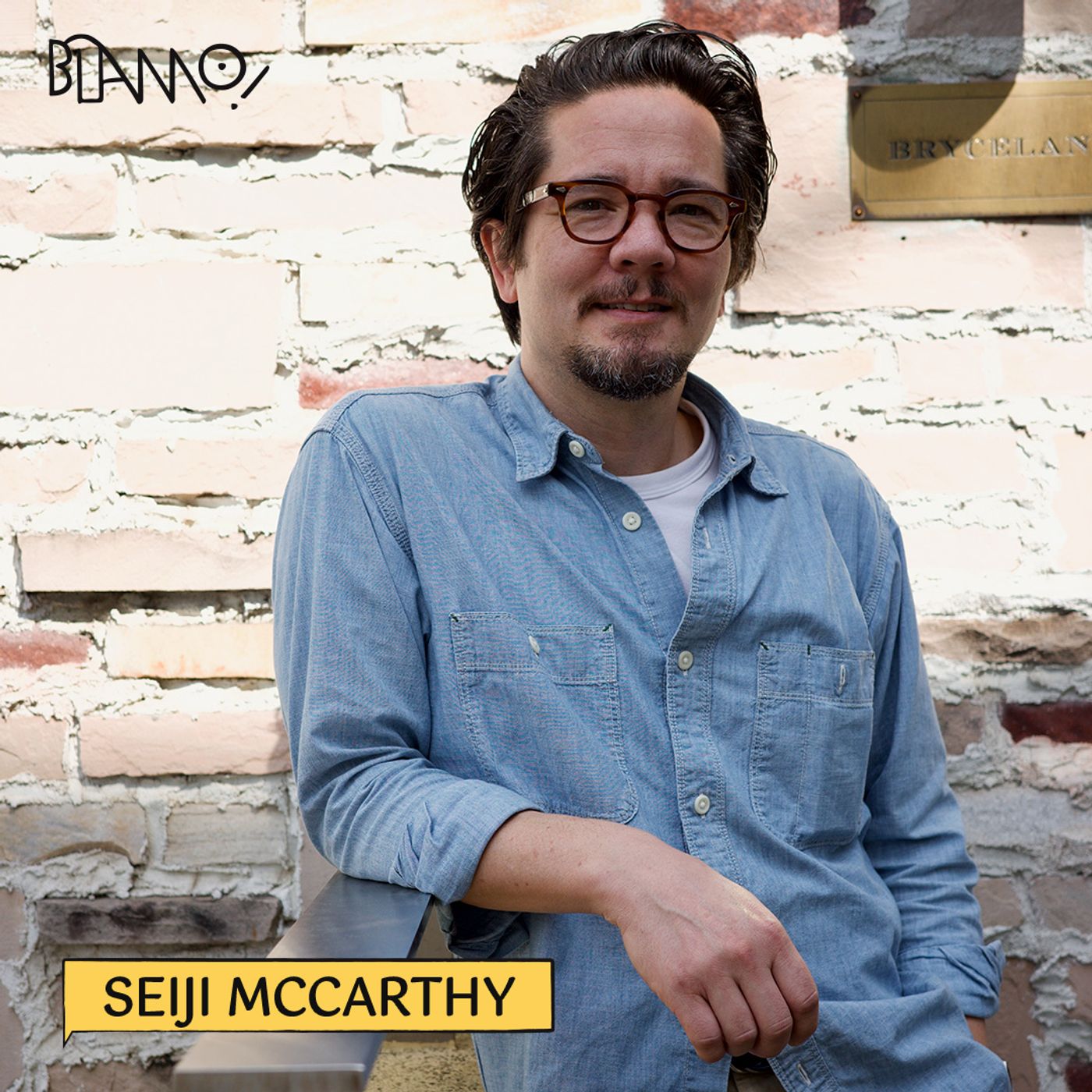
Seiji McCarthy is a bespoke shoemaker based in Japan (Omotesando/Jingu-mae area). He’s half Japanese, grew up in the U.S., taught English in Japan at 22, later returned to shoemaking. He previously worked for the NBA (including in-game experience consulting and Olympics work in Beijing).
Japan made him appreciate American style; bespoke expectations are “sky high” and require millimeter-level adjustments; bespoke shoes should be “beaters” and repaired, not shelf-kept; craftsmanship slows life down and supports a Taoist “flow” mindset.
A full-strap loafer design inspired by Alden/Edward Green; a trial fitting mock-up worn 15–30 minutes; repairing worn shoes by changing soles; his father’s death-related emotional moment in an art gallery.
Written by AI. May contain mistakes.
The hosts discuss the ambiance of Seiji's workshop and his approach to shoemaking.
“We're here in, are we in Omotesando Hills or Jingu Mai?”
Seiji discusses the demand for his bespoke shoes and the creative process behind them.
“What's the wait list now to get your shoes?”
Seiji shares his journey from teaching in Japan to becoming a bespoke shoemaker.
“I know there are other people, but I feel like, you know, you've really put, you know, Tokyo shoemaker, Japanese shoemaking on the map.”
Seiji recounts his experience working for the NBA and attending the Olympics.
“And I'd studied international relations.”
Seiji reflects on the transition from corporate life at the NBA to becoming a craftsman.
“So I was like, okay, I did this and it was really, I mean, I watched every Team USA game from basically a corner of the court.”
Learn the benefits of being a craftsman versus working in a corporate environment.
“It's like when you're a craftsman, you're making stuff with your own hand, like life opens up.”
Discover the journey of starting a shoe company and the challenges faced.
“And I think people like stuff that's made for them, but they don't often appreciate the amount of time that goes into it.”
Understand the travel schedule and logistics for a bespoke shoe business.
“Yeah, because it's funny because the last time I was in Japan, you were in the States.”
Learn the differences between bespoke and made-to-measure shoe options.
“they're used to the process of what it means to order bespoke.”
Explore the high expectations customers have for bespoke footwear.
“And to be honest, sometimes that happens.”
Learn how fit and aesthetics play a crucial role in shoe design.
“And you're like, well, yeah, you know, sometimes you might want to start with this because how do you wear your loafers?”
Understand how bespoke shoe making fosters empathy for customers' lives.
Exploration of how personal experiences shape empathy in the footwear business.
“Or, you know, has that made you maybe sympathetic to different parts of people's lives?”
Discussion on the importance of wearing and enjoying expensive shoes as daily drivers.
“And if you aren't happy, I am miserable.”
Conversation on the fear of damaging valuable possessions and the emotional connection to them.
“worn through, you'll repair it, change the soles and all that?”
Insight into how wear and tear can enhance the character and aesthetic of items like shoes and watches.
“trying to enjoy the things that i've worked so hard for and it's it's difficult but also we talked about this, we're like, there's a part of a family of origin where I didn't come from a lot.”
In-depth look at the meticulous process and time commitment involved in creating bespoke shoes.
“See, I don't even watch this, so I don't even know what that means.”
Discussion on how handmade items reflect the maker's personality and the emotional resonance they carry.
“But you work so hard to get that fit right that you want to keep making shoes for that person.”
Explore the deep emotional connections and reflections involved in craftsmanship and art.
“well, go to that other maker maybe because they're going to do it better.”
Discuss the intersection of philosophy, spirituality, and craftsmanship and how it shapes life.
“And I just like, kind of felt like really emotional and weird.”
Learn about the psychological and physical benefits of creating with your hands.
“And the philosophy that I responded to the most was Taoism.”
Understand the importance of personal relationships in the process of creating and appreciating art.
“Maybe that was Ethan who said that, but yeah, it's true.”
Delve into the role of music in life and its connection to personal experiences and craftsmanship.
“is like when you make things, like that's your offering to the heavens or to whatever, to existence.”
Explore how music influences emotions and daily life.
“but they're made for creating this holographic warm sound.”
Discuss personal favorite records and their emotional significance.
“I mean, for me, music is kind of like where I came from and I keep accidentally going back to.”
Dive into discussions about specific Beatles albums and songs.
“my mom gifted me those records back she had them like restored and she gave them to me so like now listening to those records.”
Share touching stories about personal memories connected to songs.
“Or your favorite Beatles album right now?”
Reflect on the profound effects of music on memory and consciousness.
“By the way, I said before that as a Beatles fan, I remembered every single lyric and then I just couldn't pull up a lyric.”

Get the gist, explore an idea or ask about something said.
 Claude
On Blamo!, what are the key points of this episode?
Searching your listeningAutomatic transcript. May contain errors.
0:04Blake Scott: Hey folks, it's Jeremy Kirkland. You're listening to Blamo. Hello. Good day. How's everybody doing? I am slowly recovering. Kind of rough. Not gonna lie. I woke up in the middle of the night early Saturday morning. And I was like, man, I was like, did I eat something? What's going on? My stomach hurts. I'm feeling gross. I thought, I don't know. know, maybe it was food poisoning or something. And then these like slow waves of pain came and peaked and went. And I was like, oh my God, I'm having, I'm passing kidney stones again. Cause I've done this before and it sucks. It's the worst thing in the world.
0:45Blake Scott: I swear I wouldn't wish it upon my worst enemy. Um, it was awful, but I'm on the mend. I'm doing better. Um, yeah. Kidney stones are no joke. And before you, you know, DM me and be like, oh, are you drinking water? Are you eating healthy? I'm doing all the things. It's not the stones that I didn't drink enough water. I'm good. I walk around with a Yeti, you know, strapped to my arm. I drink, I drink water like crazy. So look out. I'm good. Anyway. Glad to be back. New pod this week with Seiji McCarthy. I don't know if you know who he is. If you don't, you're about to. um seiji is a incredible japanese american bespoke shoemaker um and i've talked a bit about his stuff before he's actually been on the dye workwear podcast um but seiji is he's a genius but he the cool thing is he makes bespoke shoes that look like kind of classic american stompers if you know what I mean.
1:50Blake Scott: But there's a lot of elegance to it. You can click the links and check out his stuff. But Seiji spends around 150 hours making each pair of shoes. So wear them. And man, we talk about it. We talk about his path working from the NBA to making bespoke footwear and why it took moving to Japan to appreciate the American style he grew up with. We also get into making things by hand, being precious with the stuff we love. Hello, I'm that idiot that buys something really nice and then I keep it in my closet because I'm too scared to wear it because I'm worried I'm going to mess it up. And then I end up wearing the same thing I wear over and over again.
2:23Blake Scott: And it's not even that good. But then I'm buying all these other things. Yeah, that's me. And we also talk about what happens when you reach your dream job and realize maybe you want something else. Plus, we talk about jazz, Beatles. I mean, look, it's not a Blamo episode unless we talk about the Beatles, right? It's all in there. So glad you're here. Let's go.
2:42Blake Scott: We're here in, are we in Omotesando Hills or Jingu Mai?
2:46Seiji McCarthy: We're in Jingu Mai. Omotesando Hills is the shopping complex that's right nearby. But the area is Omotesando. Okay.
2:55Blake Scott: Yeah, yeah. And we're in your amazing atelier.
2:58Seiji McCarthy: Thank you.
2:59Blake Scott: This is, can I say I like the fact that, one, a little spider just came down.
3:04Seiji McCarthy: There are spiders everywhere in this workshop. It's kind of beautiful.
3:07Blake Scott: I love that the fact that I came here, what, maybe a year, two years ago, I don't know, with our mutual friend, Jeff Hilliard. And it looked the exact same as it does now. And I say this with love and admiration, because you make the most simple, elegant, classic footwear that really doesn't ever need to be changed. That's very generous of you, thank you. I mean that. And so I love the fact that this place kind of feels a little bit like a home. We do hear cozy.
3:40Seiji McCarthy: Yeah. Yeah, we haven't made new sample models because we're just a bit busy, but there are definitely in the same vein, the same style kind of shoes. There are probably five or six shoes that I also really want to make to kind of keep things updated, keep going. Just haven't gotten around to it yet, but hopefully soon.
3:59Blake Scott: Yeah, and you're, I mean, let's knock this out at the beginning. What's the wait list now to get your shoes? For bespoke, it's about three years. Oh my God.
4:12Seiji McCarthy: Let me just do a quick plug. We often do hear unsolicited, it was worth the wait. I'm sure. Yeah, don't worry. I mean, I've seen many of your,
4:22Blake Scott: well, not many. I've maybe seen like six different people who have your stuff. And your shoe, and I'll let you explain, obviously, but every time I see it, it's like a little bit British, a little bit American, but there's a sleekness to it. And maybe that's the counter or the narrow counter that you have or what, but they're just, yeah, I can't always put my finger on it, but when I see it, I'm like, oh shit, dude, dude's got a pair of Sedgis on.
4:47Seiji McCarthy: Yeah, that's, I mean, to be honest, I think if you make anything and people can recognize or you've developed some kind of house style, I think that's, any maker is very flattered to hear that. And what you just said, that is spot on. I mean, that's exactly, started shoes, making British style shoes, learned in London first, but moved more towards a personal style of American style footwear, but maybe with the touch of the kind of British refinement to it. So yeah, I mean, that's spot on.
5:16Blake Scott: Yeah. I mean, for me, I've always been the most attracted to, you know, what it's like a low vamp loafer, that guy in the middle right there. And did you make a model for Brycelens or was that just, you know, because Ethan has one that's like in his shop.
5:32Seiji McCarthy: Yeah, that's, so the one that is in the workshop is the left and the right is in Ethan's workshop. Yeah. Along with two other shoes. Yeah. So basically, Ethan used to wear an Alden full strap a lot. Yeah. In cordovan. And he'd had it for years and years and years. And it was kind of dying. Mm-hmm. And I was thinking, okay, what loafer do I want to make? And I've worn tassel loafers. I like tassel loafers. We make tassel loafers. The full strap for me is this great combination of casual plus elegant, which is what we aspire to. and so we looked at his shoes you know Edward Green does them as well a lot of British makers do it as well so it's pretty much what you said it's kind of that if you kind of took Alden and Edward Green kind of the low vamp of the American Alden with the bit of the curve on the strap and a bit more I don't want to say refinement because that's not the right word yeah but that sensibility with a curved strap and a raised leg and things like that.
6:33Seiji McCarthy: So what you said before is, I mean, that shoe is a personification of that.
6:38Blake Scott: Yeah. And like, out of curiosity, I mean, because for many people, you're still very new to them. But for folks in the industry, you're kind of, you know, I feel like there's Kutusan and you. I know there are other people, but I feel like, you know, you've really put, you know, Tokyo shoemaker, Japanese shoemaking on the map. How much of this was a part of the plan?
7:00Seiji McCarthy: I would say it wasn't part of the plan at all because I didn't even think I was going to come to Japan originally. Because you're not from Japan, right? No, I'm half Japanese, but I grew up in the States, came here when I was 22 to teach English, then left for a long time. Came back when I was 40. And before that, I was in Europe. And I thought I was going to be a shoemaker in Europe. I was living in Berlin, which is not a great market for what we do, to be honest. Okay. but um life kind of fell apart and i was like okay i've been learning shoemaker on my own but didn't really see a future there i was what do i do and then my mentor uh hiroyana yamachi who really is a pioneer of japanese shoemaking along with yo and people like that he said come to japan uh try and do business here i'll incubate you for six months you can be in my workshop i'll help you out with all the prep um so he offered that and i had nothing going on at the time in Berlin.
7:51Seiji McCarthy: And so I just came over here, landed June 1st of 2015, then kind of hit the ground running. And then, like I said, I was based in Europe. I was really doing a British style kind of shoe because I don't know if you have this as well, but whatever country you're from, you don't really respect or like what that country does as much as what other countries are doing.
8:11Blake Scott: You're like, no, the best stuff's over there. Yeah. And then you meet - Graces always green on the other side. Always greener.
8:15Seiji McCarthy: And then, so I never, to be honest, I mean, of course I grew up in the 80s. I was just dripping, you know, decked out Ralph Lauren. That was, you know, that was what I think it was preppy for us, right? Yeah. Yeah. But coming to Japan, meeting people like Ethan, just getting a sense of the appreciation for Americana here, that really is what led to what I'm doing now. It took coming to Japan to appreciate American style. And so it wasn't really part of the plan. Yeah.
8:44Blake Scott: I mean, because also even before this, you worked for the NBA? Yes. Which, can you explain that real quick?
8:51Seiji McCarthy: Sure. So basically, if I go way back, I went to the same high school as Kobe Bryant. Hell yeah. Yeah, he was pretty good even back then. And my dad had a job at St. Joe's University in Philadelphia, which is where the 76ers would practice. So I'm kind of old. So Charles Barkley would be there. So basketball, even though I played soccer, I'm like 5 '6", 5 '7", on a good day. So basketball wasn't my sport, but I really liked it a lot and was a big fan. And then, you know, just always a fan, college, always watching. And then when things got serious and it was kind of time to think about what kind of job I wanted to do, I was like, well, I spend like an hour or two a day watching NBA highlights.
9:34Seiji McCarthy: Like, why don't I apply for a job at the NBA, which at that time was getting quite international. And I'd studied international relations. And so I was like, yeah, let's try this. And then my high school buddy who was teammates with Kobe, I remember I was like, he works at the NBA. So I gave him a phone call and he said, hey, good timing. I'm leaving my job. Come interview for my job. Got back from Europe. Took a train, I think the next day, to New York, you know, bright lights, big city. Didn't get the job. Came back to Philadelphia where my parents are. Sat around in my t-shirt and my underwear eating pints of ice cream for about six months.
10:06Seiji McCarthy: Oh, nice. And then the phone call came. Hey, you didn't get the first job, but there's another job. How about that? So I took that. Yeah. So that's how I started working for the MBA.
10:15Blake Scott: What were you doing for the MBA? In the beginning, so there was an in-house consultant group to the teams.
10:20Seiji McCarthy: It was called Team Marketing and Business Operations. So in the very beginning, I was doing, have you seen the movie Office Space? Yeah. The TPS reports? Yeah. Not kidding you. My job was doing TPP reports. Okay. And it was about as interesting and fun as that movie portrays. Nice. And then I kind of got, I was like, I need to get out of here. I need to do something. So I talked to my bosses, and they're like, look, there's this other group over the river in Secaucus. I was in the NBA kind of corporate headquarters in New York. Then NBA Entertainment, which is just as big, is in New Jersey, and that's where they have the studios and everything.
10:58Seiji McCarthy: Yeah, that's where they watch the referees.
11:00Blake Scott: Yeah, the referees, and they'll do replays and stuff. Tons of stuff going on.
11:03Seiji McCarthy: They do some shows over there. And so I said, look, there's this group that's aligned with what we do. They go to the teams, and they consult with them on the in-game experience. Okay. So do you want to do that? I said, not really, but I mean, sure. Anything's better than TPP reports. And so I started working with them. And basically, I'd go to the teams along with other consultants. And I was kind of managing this process. But you basically go to the arena, watch a game. And from the fan perspective, you kind of evaluate things. Like, how's the music? How's the in-game? How's the entertainment?
11:38Seiji McCarthy: How's the dance team? How's the mascot? God? What is this doing to make me want to come back? And then you'd meet with the executives the next day, kind of go over it. So I did that for about two years. And then the lucky thing about that was they would send a person from that group to the Olympics because the NBA basically helped produce that in-game experience at the Olympics because the commissioner was very interested in kind of promoting... David Stern. David Stern at the time was very interested in promoting the NBA experience, not just the on-court product, but what goes on around it. And so I got sent over to Beijing for the Olympics, which was like, holy shit.
12:17Seiji McCarthy: Yeah, my dream when I was studying international nations was, I want to work at the Olympics or a World Cup. And so being in that group, even though if you'd asked me what kind of job you want to do, I'd be like, I want to be in the international group. They're doing the business deals and stuff. But being in that game experience group actually allowed me to work at the Olympics. and then I did. So it happened? It happened. It happened. Holy shit. Okay. It happened, but if I'm being honest, it was a pretty deflating experience because you work so hard to get to a goal and then you get there and then it turns out if you don't love the work itself, no goal is really going to be that redeeming or give you that sense of fulfillment because you've gotta actually like the work.
13:01Seiji McCarthy: So I was like, okay, I did this and it was really, I mean, I watched every Team USA game from basically a corner of the court. My job, yeah, it was, I mean, it was a great job in terms of like being like an ice cream, you know, taste tester or something like that, you know, and as an NBA fan, it was tremendous. But the actual work was, you know, spreadsheets, you know, interacting between the organizing committee and the NBA. It was office work. And so I did it and I'm very grateful to the NBA for giving me amazing experiences, but I'm like, this is not what I want to do. I want to make stuff.
13:33Seiji McCarthy: And so that was the kind of, that led into the shoemaking.
13:36Blake Scott: That, I mean, that's such a pivot. I mean, it's like a practical 180 because you're going from like helping create things that are, the goal is to make it as universal as possible, right? And now you, I mean, you really go so far where essentially like every product that's coming out of here is for a specific individual.
13:54Seiji McCarthy: Yeah.
13:56Blake Scott: Yeah, I mean... And you're making it with your hands.
13:58Seiji McCarthy: Yeah. It's kind of like being craftsman is like a much smaller life, but a much bigger world. It's like when you're a craftsman, you're making stuff with your own hand, like life opens up. You kind of see things from much less... Because when you're working for a company, you're like, oh yeah, I'm flying to LA, or I'm doing this, and I'm in the mix, and stuff like that. When you're a craftsman, you're puttering away in your little workshop. so it's much smaller in terms of like you're not in the mix but life opens up a lot because you can see things a lot more because you're not in that frothy you know kind of scene you're on your own kind of digesting things and I much prefer this life I gotta say.
14:39Blake Scott: Well yeah I mean thankfully because that's where you are now.
14:42Seiji McCarthy: Yeah now I'm stuck.
14:44Blake Scott: I mean let's let's talk a little bit about that so you start the shoe company about 10 years ago and you know from then I'm kind of curious because you don't, obviously, the only training you had was more on the making side, right? Yes. Because I see this a lot, especially from my time when I worked at the Armory, the overlap of high-quality bespoke makers and artisans, and then the business of explaining that to people whom, I would still argue today that it's still very new and unfamiliar to the average person of purchasing something made by someone else for that specific person now. And I think people like stuff that's made for them, but they don't often appreciate the amount of time that goes into it.
15:34Blake Scott: I mean, which is why at the very beginning, I'd ask like, oh, it takes three years to get it. You know, I mean, that's quite the hurdle. And yet your books are still pretty full.
15:44Seiji McCarthy: Yeah, I mean, I'm always amazed that people are willing to wait that long. it's very flattering I'm grateful because how many people work
15:56Blake Scott: for you total
15:57Seiji McCarthy: we've got three in addition to me there's three people downstairs right now two people who are we call them bottom makers which is basically you assemble the shoe around the last the last is the wooden form that the shoe is built on then there's one person doing the pattern making which is the upper part of the shoe. What's the design of that? What's the proportions? What's the construction of it? And then we have, we ask two people who are outside the workshop to sew the uppers together. Right. And I'm doing the last making and the design and all the other little things that it takes to run a business.
16:36Blake Scott: Like on average, and I apologize for some of these questions because I'm sure you get them all the time, but just for listeners, like how many shoes do you make on average a year?
16:44Seiji McCarthy: Um, I would say if, so let's say in six months of things are, because one of the guys just recently joined, but I think you can make as a team of like, let's say we're four plus the two people probably make like 70, 70, 80
17:00Blake Scott: pairs of shoes a year. And you're going on the road and you're getting, you know, a year's worth of orders every, you know, in like single trunk shows. Um, yeah, but we don't go very often. Yeah. Yeah, because it's funny because the last time I was in Japan, you were in the States. Yeah. Because I was like, oh, I'm going to come by. Because you go to, what are the places you visit right now? You go to LA.
17:21Seiji McCarthy: Yeah, we're going to LA for the first time. Okay. New York. Yep. Basically post up at Jake's place in New York. Jake Muser. Yeah. For like a week. Because New York is great for not only taking orders, but I've got family there. I've got friends there. Yeah. so watch a few games do it during NBA season I actually checked the Knicks schedule they're not there during that time I'd love to see the Knicks game now my friend's got great great seats and for a while he's like do you want to go I'm like nah nah I'd love to go this year go to a Nets game yes yeah that's true that's true so New York for about a week and then San Francisco for about two days and then LA for about three days
18:05Blake Scott: okay and are you traveling to Europe at all
18:08Seiji McCarthy: no but I mean definitely in the future ideally it would be New York, San Francisco, maybe LA. Plus, you know, once in all, hey, let's go, let's go to Chicago. Let's go to, you know, um, wherever. Um, and then, um, St. Louis. Um, and then, uh, it'd be great though to be like New York, London and Hong Kong. And that's for business of course, but it's also because I haven't lived in Hong Kong, but you know, my buddy Ethan's in Hong Kong. Um, these are places I want to go to and that we do have like a strong reception from. So I want to keep it kind of manageable.
18:44Blake Scott: Yeah, I think there are also places where it's, I imagine people that are ordering from you, they're used to the process of what it means to order bespoke. Because a big thing I want to also unpack with you is the disconnect and experience of what it means to order something that's made for you. And I think a lot of times when people think, oh, this was made for me, there's this, like it becomes like synonymous with perfection. Yes. And it's not really the process. I'm curious if you could kind of discuss that a bit.
19:17Seiji McCarthy: Yeah, they're definitely with Bespoke. So we do made to order, made to measure and Bespoke. So made to order is basically kind of, we don't adjust the fit, it's design customization. Made to measure is design plus fit customization.
19:30Blake Scott: Hey, my pinky toe's hitting, my arch needs a bit more support, et cetera. Yeah.
19:35Seiji McCarthy: Bespoke, yeah, is what you're talking about. It's really that customized, elastinist made just for you. A pattern is made just for you. The whole thing is made just for you. And, you know, you deliver a lot of, I mean, I do think our, the people who order from us do seem to be quite satisfied and that's great. Oh yeah, for sure. So I'm very happy about that. But what you're saying is true. The expectation for what Bespoke is, is so high because I guess there aren't really people making things like you don't get much stuff made just for you. So when you do, you're like, this is going to be, I'm going to wear this and it is going to just be above and beyond what a shoe has been before.
20:17Seiji McCarthy: And to be honest, sometimes that happens. We like to make shoes that are comfy right off the bat, et cetera, et cetera. But yeah, I think in the beginning, especially in Japan, it's like every stitch. And we still, this is why it takes so long to train people, which is why it takes so long to make the shoes. we do want everything to be just, I don't even want to say perfect. It's like, there's, I gave it, you know, the college try. Then there's like, I went above and beyond. Then there's like, I've been fanatical about trying to make this the absolute, like, you know, you've got that job, you've got that presentation, you just got to nail it.
20:51Seiji McCarthy: We're like that basically switched on every moment, like every day. Yeah. So we try our, our absolute best. And then, you know, it's always a nervous moment. Like, you know, the person comes in, they try the shoes on, and guess what? We're human. A lot of people try the shoes on and they'll order another pair right there. But like there's times where you're like, oh, that could have been better. Oh, you know what? That could have been better. You're saying that or they're saying that? I'm saying it. Yeah. I think even if the client was thinking it, they probably wouldn't say it right there. But definitely, you know, because sometimes with shoemaking, we're talking about like literally like a millimeter or two millimeters on the last will affect like how something works.
21:38Seiji McCarthy: And so that's why we do a trial fitting, et cetera. But, you know, that trial fitting is a mock-up shoe. You wear it for like 15, 30 minutes. If you've had that shoe, you know, you're wearing it like that first day or like that first week, there's things that we won't have maybe noticed. So the expectations are sky high. We work, I would like to think we work even harder than like that person is expecting. So we usually are pretty happy with how the people feel about their shoes.
22:06Blake Scott: Well, and also, and this is something that I repeat to tons of other people, which I give credit to you for you saying it, is you were like how people discuss how something fits, especially in footwear. Like if I say, oh, that fits, but say you look at it, and you're like, no, it doesn't. But my understanding of fit, you know, and your understanding, you know, or in this case, the customer or you can be different things, where especially, you know, because I remember the first time I was here, I was like, man, I really want to get a loafer. And you're like, well, yeah, you know, sometimes you might want to start with this because how do you wear your loafers?
22:40Blake Scott: I like to kind of slip them on and slip them off. I kind of wear things a little bit sloppy, you know, and already right there, there is a potential, you know, difficulty of understanding. I don't even know what the right thing would be because of how each person understands what fit is. Exactly. You know, and also now many people like myself, you know, I have what my, my, my arches are kind of collapsed. So they fall in. And so because of that, I wear a lot of running shoes. Yep. And so for me, my idea of like a comfy shoe is essentially like some sort of foam running, you know, arch support thing.
23:16Seiji McCarthy: Yep.
23:16Blake Scott: You know, and so all these different variables are coming and entering the picture where someone like they want to get a pair of shoes and they expect it's going to, you know, be like a hoka. Yes. Yes. I think we don't get that so much.
23:27Seiji McCarthy: That's good. Because a lot of the people who come to us basically want to wear these kind of shoes. Right. Obviously. But I will say, so for example, so if you're a maker of something, like let's say if you're making a jacket, like a suit jacket or an odd jacket, collar gap would be a bad thing, right? Correct. So the mouth of the shoe where you put your foot in, you don't want gaping there, right? You want it to be like hugging the foot, you know? But there are people with very, very, not strange feet, but like they have very particular feet. Sometimes if you make a shoe to be like, no, if you're a maker, there shouldn't be any kind of gaping.
24:09Seiji McCarthy: Like everything should just be like, you know, form fitting. The shoe can look kind of weird. You know what I mean? Sure. So you'll look, you'll make a shoe and like, yes, from the kind of standards of there's nothing technically wrong with this shoe. Right.
24:22Blake Scott: But does it look cool? Right, because these are essentially supposed to look like things that are really, really classic that are all more or less, they look the same even though everyone's feet are different. They should look good. Yeah.
24:33Seiji McCarthy: So there is definitely a balance of, okay, the fit versus like how they look. So I'd say if you deliver a shoe that like it fits really well, fitting really well means the shoe moves with you as you walk. It's not like flopping in and out unless you like that, which is fine. The shoe fits really well. There's no, there's no pain points, right? There's no like, this is fine, but like my pinky toe is getting smashed. Like none of that. Yeah. So get rid of all the pain points. The shoe is walking with you and it kind of feels like you're being wrapped in like good, sturdy, like material that's kind of giving you support.
25:05Seiji McCarthy: That's what you aim for. Now it should, but it should also look good. So like, if you get like the fit, like I hate to do numbers, but if you get the fit, like Like 100%, but the looks because of that are like 60%. I don't think the person's going to be happy. So you're always kind of doing that. And then you're always kind of playing that game of, you know, thinking about what does the person want? So I'd say, yeah, the expectations are sky high. How do you meet those? How do you do all that balancing? And that's where experience comes in. Because I'm pretty sure in the beginning, I was like, nope, if there's any kind of gaping, if there's any kind of thing, that's not like a technically, because I was so focused on the technical aspects.
25:39Seiji McCarthy: Whereas now it's like I've done it not a long time, but I've done it long enough where I'm like, there are, this is, you got to look at the whole picture. How are they wearing the shoes? Does the shoe look good? You know, how do they like it? So I'd say all that time spent on the technical stuff is still there, but now we're complimenting it also with, okay, like style.
25:58Blake Scott: Cause you want to make people like feel good and look good in their shoes. That's like as important. Wait, hold on a second. I am in the middle of auctioning a watch of mine off on bezel. Just a few more minutes left. Look, yes, your favorite site to buy and sell luxury timepieces of all the heavy hitters from Rolex and Lange and Cartier. I could go on and on and on. They also let you auction your own watch on their incredibly safe and secure marketplace. After the auction ends, I'm just going to ship my watch to them with the prepaid label they gave me and boom, your boy's going to get some money in his account to, well, in my case, buy another watch, but I'm not here to discuss that part.
26:37Blake Scott: I am trying to tell you why I use bezel to buy and sell and now auction all my favorite watches. Check it out. Well, I mean, finish the pod first, but Hey, look, I get it. If you want to hit that pause button. So visit get bezel.com and get nuts with your next favorite time piece. That's get bezel.com shop. The nearly 25 ,000 luxury watches on there and rest assured your purchases are authenticated by bezel's team of experts. And if they, uh, if there's something on there, you're not seeing, you want that ultra rare long a or that CPCP Cartier, just hit up their concierge and they will source it for you.
27:15Blake Scott: They're real people and they'll talk to you and they'll find that dream watch for you. So visit get bezel.com that's get bezel.com. All right. All right. Back to the show.
27:28Blake Scott: important right yeah i mean how much because of so much of this is like a one-to-one experience right and they when people are ordering bespoke footwear they're talking with you right yes so like how much of that has affected how you relate to people i mean do you feel like you've grown in empathy for individuals or other people's like situations in their life based on the fact that you're meeting so many different people all the time and, you know, asking questions that are somewhat personal about their life and how they, you know, has that made you be like, oh, we're all more of the same? Or, you know, has that made you maybe sympathetic to different parts of people's lives?
28:06Blake Scott: Or maybe you feel like a stronger kinship with others?
28:09Seiji McCarthy: I think so. I think I never thought about it, but I think it does because you really do have to listen. And so, and you got to take your time. You got to learn about people. And that's, I mean, it's like your bedside, manor. Yeah, it's your bedside manner. And it's the most fun part of the job is, I mean, I don't know what it is. Who knows how our personalities are formed? I'm guessing somewhere between the ages of what and whatnot, you have these formative experiences and they kind of mold you. I like to make people, I'm a people pleaser. I'm sure it can be a difficult SOB as well. But all I really want to do is make you happy.
28:47Blake Scott: It's like you order shoes.
28:49Seiji McCarthy: All I want to do is for you to like have enjoyed the process, even though it takes so long and to love your shoes. Like, and if we did that, like I'm, that's the, that's the only thing that like, you know, is like, that's why I do this job. And if you aren't happy, I am miserable.
29:06Blake Scott: Oh, welcome to the show. Yeah.
29:09Seiji McCarthy: Which, um, luckily like it doesn't happen that often, you know, but like, you know, there's always like, there could be, you know, times I don't think it happens,
29:17Blake Scott: but no I mean yeah and I wasn't trying to like set you up for that sort of thing but I do feel like when you're in something as especially like footwear is different than clothes it's so different than clothes because also you know a lot of these shoes you're gonna wear a lot and you're gonna wear I mean versus you know I've ordered suits and stuff from people and you're like oh I need this for one thing yeah I need this for a wedding I need this for some type of event yeah versus these things that you know for lack of a better term become these like daily drivers Yeah.
29:46Seiji McCarthy: I mean, we, we, I mean, we tell people basically like, I know this is, you know, it's, it's, this is an expensive thing that we make, but we're like, we want these to be your beaters. Like we want you to not even be thinking about it and just put them on.
29:57Blake Scott: Oh, that's crazy.
30:00Seiji McCarthy: Well, because there's kind of two ways of looking at it, right? You're like, this is so, I guess it's like with watches though, right? As well. It's like, oh wait, this is so expensive that like, I'm only going to like bust it out, like on that, you know, special occasion. or it's like, this is so expensive. In order to get like my, the value out of it, I need to wear it like all the time. And guess what? Like if it hits like a doorknob or something like that, it's like patina, you know? Because I'm not looking to resell it. I'm looking to just like get my value from it. So yeah, that's why it's like, we really want people to wear the shoes.
30:29Seiji McCarthy: Like when we get shoes back and it's like, they've been just like worn through and then we repair them. Like that's the best. That's what we want. We don't want them looking pristine.
30:36Blake Scott: You repair people's shoes? Yeah. If someone comes in and they've worn your shoes for years. Yeah. worn through, you'll repair it, change the soles and all that? Yeah, I mean, that's a there's a charge for it. Right.
30:48Seiji McCarthy: But yeah, we want them
30:49Blake Scott: to do that. So yeah, we want people to get
30:52Seiji McCarthy: their value from
30:55Blake Scott: the shoe. I am the king of ordering really nice expensive things, saving for years. I get it and then I receive it and then I place it in a special corner and I never wear it because I'm terrified and I'm like, it cost me this much. I saved for years. I did this and this. I'm like, I can't do it. I can't, you know, but yeah, you're right. Like you want to, you know, okay, the watch I'm wearing is a very special, important watch to me. And on the way here, on the plane, I dropped my passport like in between the seat and I went to get it and somehow my wrist dinged this like whatever metal thing like frame of the seat and I heard it and I was like, fuck!
31:37Blake Scott: fuck you know and i'm on an an a flight so i'm already like you know surrounded by a lot of other japanese people and i am like fuck i just screamed literally yeah i screamed f bomb pretty loud and people like looking over at me like what the hell just happened to this but yeah i'm i'm very precious with my things and i am trying to get better at that i'm really trying to enjoy the things that i've worked so hard for and it's it's difficult but also we talked about this, we're like, there's a part of a family of origin where I didn't come from a lot. I was secure in the sense that we had food, clean water and stuff, which is a level of wealth as a whole.
32:16Blake Scott: But things that maybe were not essential, I didn't receive so freely. And I have no ill will towards that, but it makes me very precious and terrified of things that are
32:28Seiji McCarthy: nice yeah no i mean i i mean imagine if you bought like a vintage porsche like you say like you're like you grew up as a kid like watching that porsche commercial and you're like oh man i'm gonna get a like a porsche you know three five six like it's just all i want that's all i want and you get it i mean parking lots oh yeah so i totally get that um and i don't think like a dent on a porsche is like patina yeah so like i totally get it um i think shoes are different shoes are like, I mean, I don't like, so like, if you like look at like the Oscars or something like that, and it looks like they're wearing like these outfits, like they've never worn them before, you know, maybe they have, but, um, everything looks better worn in.
33:05Seiji McCarthy: Yeah. Um, it just looks better. Like those, that, that like black patent leather shoe with like crazy, like, um, like it's not fitting your feet and you're wearing it for like, for the first time at like this huge celebration. It's like, that's not like, like, you know, I don't want to say, you know, guys in the forties would, but like, if you look back, I'm sure that, you know, Cary Grant or whatever was going to the Oscars and he was wearing the same shoes, you know, probably every year. And it looked better and better because he was relaxed. He was, you know, and so we really want, we love it when we get the shoes back and, um, you know, there's aging on it.
33:36Seiji McCarthy: Like there's, and like we work with the cordovan and stuff like that, which ages fantastically. Um, but I, I can relate to what you're saying because I, you know, for my, I just turned 50 and I was like, you know, you,
33:46Blake Scott: you want to get a nice watch, right? Like it's a, it's a thing. This is not it. that is a very nice watch that you wear I love this, this is a watch the cheapest watch I have is the one I wear the most
33:56Seiji McCarthy: you know, it's a really nice watch and I know exactly what you're talking about, it's like I get nervous, I mean I do get nervous
34:05Blake Scott: Did you get it? I got it Can you share what it is?
34:09Seiji McCarthy: Yeah, it's a Patek Kalatrava I think the reference is 2460, it's like a 31 mil from the 50s, super classic time only Post-96, all that, yeah. See, I don't even watch this, so I don't even know what that means.
34:23Blake Scott: Okay, so the reference 96 is like the first Kalatrava style, which was like this very small wristwatch. I think it's like 30.5 millimeters. Okay. They're extremely popular and valuable in Japan.
34:34Seiji McCarthy: Okay.
34:35Blake Scott: So you went and got this watch, and you're not wearing it right now, but have you worn it? I've worn it like,
34:42Seiji McCarthy: I want to say I wear it like once a month, and then when I have something to kind of like... you know, if I'm wearing like a jacket and a tie or whatever, definitely wear it. It's a, it's a dress watch.
34:53Blake Scott: Yeah.
34:54Seiji McCarthy: Um,
34:55Blake Scott: but like,
34:55Seiji McCarthy: I probably should be wearing it more often. Um, and I think as I get older, I probably will, because I think as you get older, you also just care less about the little, you know, dings and what, cause, and I'm not looking to resell the watch. Like it's, it's, well, you got it for your birthday. I got it for, it's from, it's, you know, maybe I'll like give it to my daughter or something, you know, but it's like, um, or son-in-law. But like, it's um i i totally i totally get what you're talking about if i was wearing it on the plane and i reached down and i heard that noise i'd just be like this day is bad i mean a bad day i
35:29Blake Scott: have looked at the ding right here on the lug yeah every fucking day but let me let me take a
35:34Seiji McCarthy: look at it for one second no no no just like as it is on your okay there it is it's right there
35:38Blake Scott: yeah like i see nothing like like when you pointed it out you know what i mean so yeah i think with
35:43Seiji McCarthy: the shoes it's like that as well or with anything it's like um you know you don't want to wear like something white and you get spaghetti. That doesn't look good. But I think things that are worn in, they do look better. And I really, I think bespoke shoes have had this image, especially since Instagram, where it's like this, it's like that Porsche, or it's like this thing. It's so beautiful that don't even look at it, you know what I mean? Or only look at it, and then put it up on a high shelf and just admire the craftsmanship. I want you to get your value out of it. I want you to like wear it a lot.
36:18Seiji McCarthy: If you, if you don't, I'm not happy. I spent, I spent 150 hours making that. Holy shit. You know what I mean? It's like, so like do a favor to me and like wear it. Yeah. 150 hours. For a first pair of bespoke, I can break it. I can break down the kind of like time, but I'd say about 150 hours. And that's first thing you do is, you know, you measure up a person, then you make the last. Yeah. So making the last is like, you know, it could be like, let's say 12 or 12 hours or something like that, maybe more. Then you got to make a pattern for it, like a new design. Let's say that's like 12 hours.
36:52Seiji McCarthy: Then you got to make a trial fitting shoe, which is taking that pattern, cutting out the pieces of leather, stitching them together. That's like, say, that's a day. Let's just go days. That's another day. Then you got to build the shoe, which means you take that upper, put it over, you know, the last. Then you got to like put an insole, stitch it together. That's like two days. I don't know how many days right now, but something like five or, you know. Then you do the trial fitting. If the trial fitting goes incredibly well and there's nothing to adjust, then you start making like, then you make the final upper, which is like another day.
37:20Seiji McCarthy: Then like there's the making part of it, which is like five days or six days. If the first trial fitting goes well, but there's like little things to adjust, you're going to adjust the last, which is a few, like it's probably a day. Then you're going to adjust the pattern, which is another day. Then you're going to make a new trial fitting shoe, which again is making a mock-up shoe. That's a day. then putting it together is two days, then person wears it again. So like when you, when you think of it this way, like you can see how it's like 150 hours. And if the first with bespoke, if you do one trial fitting and that's, this is what we aim for, which is why we take pretty extensive measurements.
37:56Seiji McCarthy: If that goes well, like, okay, maybe you're talking about 120, you know, but like there are people, let's say the feet are difficult or I just didn't, you know, I didn't anticipate a kind of tendency of how they walk or something like that. You could do three trial fittings for the first pair. Then hopefully the client or the person, yeah, I don't like to say client. I don't like to say patron either, but the person who ordered the shoe, they're so happy that they order more. Then the next pair is not going to take that long. But you work so hard to get that fit right that you want to keep making shoes for that person.
38:27Seiji McCarthy: Right.
38:28Blake Scott: I mean, that's a lot of time, especially time like anti-efficiency. yeah which you know i i feel like for many people that's so much of the allure too when it's it's made by hand but i also think made by hand and this kind of goes back a little bit of what we were talking about where this obsession with perfection when we look at the things that are made by hand so like great example i um was with a friend of mine we were at the noguchi sort of uh it's like not it's like half museum half showroom and uh i think akrai or ikari whatever who was is the Japanese individual, forgive me if I'm mispronouncing it, who has made these, the lantern style objects that he was inspired by.
39:13Blake Scott: And while we're there, they're showing, this is like a history of these lamps and how they've changed. And then you can see some of the objects for purchase on the other side. And then you look at one, you're like, man, that doesn't look correct. It's kind of weird. And I'm like, no, but my eye keeps drawing to that one. And I'm like, you see these other ones. and like, man, this looks great. But you're like, it looks a little stale. And then I keep looking at the other one and I was like, which one's this? And they're like, oh, this one's 100 % made by hand.
39:42Seiji McCarthy: And I was like, oh.
39:45Blake Scott: It's like, and you can see how, you know, because they're using bamboo and it's like very, very, very, very thin versus like a wire that's underneath. And so it's like a very thin bamboo thing that's tied around the end and you see how it affects the light output from it. And now I sound so trite or silly, but there's this beauty of this object that gives you light. And it's just a hair different than these other things which look almost sanitized. And that for me clicked more than many things have in a while where I'm like, oh God. I almost bought it. I mean, it was a little outside what I could afford, but it made sense.
40:28Blake Scott: and it was just so and I'm like oh that's perfect the fact that I keep coming back to it trying to kind of understand it
40:36Seiji McCarthy: I mean picking up on that it's like we so there's technical skill which is very important and if you don't have that you're not going anywhere but
40:46Blake Scott: we basically
40:47Seiji McCarthy: so if you're making stuff your tendencies as a maker will be imparted into that object so if you're right handed versus left handed if you come from you know this kind of place versus that kind of place. So whatever you make is kind of like your offering, or it's like a reflection of who you are. So I think when you, you know, saw that object, you're kind of like, I'm not saying you can see the person who made it, but you're responding to something which is made by a person. And like that person is kind of reflected in that object or transmitted through that object. So basically it's almost like, it's like getting to know people.
41:24Seiji McCarthy: Like the world is interesting because there are like all kinds of different people. Like if everyone was like a perfect person, that would be very frictionless, weird, sterile kind of place to inhabit. But it is that little bit of friction. It is that, oh, this person has this kind of like, you could say in a bad way, like this kind of like fault. And that's why the things look this way. So we really want, I think any maker, you want people to respond to like what you're putting out there, like your, let's say tendencies, your vision, your whatever. because like, for example, you could ask me to make a certain kind of shoe.
41:58Seiji McCarthy: Let's say, hey, make a shoe like this other maker. And first of all, I'd be like, well, go to that other maker maybe because they're going to do it better. But even if I tried, I'm not that person. It's very hard for me to like replicate or like force myself to, because people will say things about our shoes like, oh, like I noticed your toe walls are like high. Like, why did you do that? I'm like, oh, like I thought, I thought for me that was like the most elegant toe shape. You know, it's like, I wasn't trying to make it look like, boxy. To me, that is elegant. And so, yeah, it's like, when you're making stuff, I just think you want people to respond to, it's you, it's not you, but it's the human part of it.
42:38Seiji McCarthy: That's what you want them to respond to. You don't really want people to be like, your stitches are the cleanest I've ever seen. It's like a robot did it.
42:45Blake Scott: You're like, oh, thanks. Do you think this stuff also messes with spirituality. In what way? I feel like, so I'll say this. I was, the last time I was here, or the first time I was here, my dad was dying. I remember that. Sorry about that. It's okay. And while I was here in a meeting, I got, you know, I usually, I'll kind of keep my phone away, but my phone kept blowing up and I was getting missed calls from my brother. And I was like,
43:20Seiji McCarthy: what the fuck?
43:20Blake Scott: You know? And so I, and he's like, call me now. And he was like, dad's dying. And I walked past that place that I was at,
43:28Seiji McCarthy: which was near here the other day.
43:31Blake Scott: And I was like, oh, that was the text that I, you know, I was there when I got the call that my dad was dying. And I just like, kind of felt like really emotional and weird. And then, you know, I kept walking and then there was this art gallery and I was like, hey, look an art gallery, whatever. And I walked in there and I saw all these really just beautiful pictures and paintings that were all made by hand. And I was just looking at them. there was no one else in the gallery and i just started fucking crying yeah man like and i was like a bit like seeing these things you know this art that's an expression of a person and it's made by the person and then it's saying something to me and yes it's an object and yes this person is making it to also they want to make a living they want to you know there so there is a level of that in it but it was like the experience of seeing a part of someone's world and seeing a part of a person's message that they're sharing with me and they're also making it to freely give yeah it was like i was just super emotional i mean that sounds like an incredible moment well i'm grateful for the moment yeah it was i'm very grateful for it but i i mean it was like a level of like crying that i hadn't done in a long time and it was really weird but i was grateful for it i mean
44:42Seiji McCarthy: crying to me i mean like i said i turned 50 recently i mean i i'll cry at the drop of a hat and just do the same. Life is beautiful, man. It's like, hey, we're here. We're here on this planet right now. What are the chances? We get all this amazingness in front of us. It's just like, I mean, a lot of bad stuff going on too, but it's amazing.
45:00Blake Scott: It's true. If that doesn't move you, get moved. But when you're, I'm curious how your own, and I'm not asking for you to speak about a bunch of religious things. You can if you want, but how has that affected your own understanding of spirituality when you're constantly creating?
45:19Seiji McCarthy: So I'll say two things. Well, I'll start with this. I actually studied philosophy and religious studies in college. Oh, wow. So I've always been interested in this kind of stuff. And the philosophy that I responded to the most was Taoism. And within Taoism, I think a lot of people are familiar with Lao Tzu, which is like the way of water. Yeah, yeah, yeah. stuff there's another guy who is a bit after lao so his name is juanza and he was like this like he wasn't like nietzsche but he was just this you read his stuff it's like wild poetry about um it's it's daoism so it's about going with the flow essentially but the examples the exemplars of this kind of approach to life that he advocated were craftsmen now when i was studying that it didn't, it didn't, I says, oh, craftsmanship, that's what I want to do.
46:12Seiji McCarthy: No, that's, it was just like, I love this philosophy. I'm really responding to it. And then this, a lot of, so basically what I studied in college was, was ethics, but it's not the ethics of like, this is good, this is bad. It's what is, what are, what are different conceptions of the good life? And what does it mean to live a good life? And so Juwanza, this book that I responded to the most, the exemplars were craftsmen. And like I said, I just responded to the philosophy, not the craftsman part. But now being a craftsman and working with objects, and like I said, this smaller life, bigger world, you're working, okay, this is an animal that was killed.
46:49Seiji McCarthy: I'm making it into a shoe. I'm grateful. I'm grateful to that animal. You're working with other people who are trying their best. You're trying to make people happy. You're very concentrated. you're not kind of getting you're not looking at emails and stuff all day you're kind of concentrated in this i've always tried to get to this flow state i've never gotten it but if i ever do get there i'll be so happy but um this kind of like if you do craftsmanship i feel like life slows down in a really good way and so let's say for example if you're like this high-powered exec which is awesome by the way too on different structure different folks but let's say you're in a car and you're, you know, driving to the airport or whatever, or, and you're like, you'll, you know, you're, you're on a road, you'll see some trees to you.
47:34Seiji McCarthy: Those trees are like, that's green. That's like a color. If you're kind of slowed down and you look at that tree, like, you know, sitting on that bench after like a day of, you know, let's say making things or whatever, you're like, that is a living organism reaching up to the sun, which is its nourishment. That thing is alive in front of me. You know what I mean? Yeah. It's such a different, like, that's what it just i do think to your point i really do think it impacts your way of being in the world
48:02Blake Scott: appreciating what's going on in the world um and it slows you down yeah a friend of mine goes to a pretty fancy school and one of the he's doing a postdoc and the postdoc is um is about essentially like the lifespan of people who make things and you know i've i want to make sure i say this without butchering how he's, but more or less the thing that he's trying to unpack and explore this longer study is when we as humans are creating things with our hands and we're making things, there's a level of prolonged life that's happening from that because there's an aspect of control because you're in control of helping make this and you're doing it versus, say, we're sitting sedentary at a desk all day and we're responding to what's in front of us, the emails, the objects, the stimulants you know especially with like social media the constant change it's like the dopamine boom boom boom boom boom ping ping yeah and he was like you know because it started where he was like yeah he's like why are all these tailors they're just like still making things at this age and they're still really good at it and in fact they're getting better and better and in most cases the older you get the worse you become yes some of these things and so it's like why is this dude in his 80s you know still making these suits and he's better than he's ever been you know and so he that was like the the main question that he was trying to unpack and so he's doing this huge study and he's got like 10 people that are part of it now he's trying to do all these studies with different people about who make things and how it is actually good for yourself and good for and it's not let me be clear it's not to make things to sell and create a business yeah you should make stuff with your hands you should draw paint sew stitch make a meal yeah cook yeah you know things that uh you know because he was like and now more than ever so much of anything we want we can kind of instantly get you have a question you can ask an ai you have this it's just there's no struggle for an answer yeah or no you know so he's like
50:03Seiji McCarthy: it's nullifying the joys of of creation yeah you know and i think about that a ton especially while
50:10Blake Scott: i'm here and also in a culture where makers and you would explain this too where like makers are elevated over merchants.
50:16Seiji McCarthy: Yeah. Maybe that was Ethan who said that, but yeah, it's true. Like traditionally, yeah. I mean, you, you, you talked about kind of like the social net and stuff. Yeah.
50:24Blake Scott: Yeah.
50:25Seiji McCarthy: Like if you put someone in solitary confinement, I think the lack of human touch as well as the lack of like stimulus, like that's what gets people just like, they go berserk. There's no, there's nothing to like ground you or like to kind of like, you have to feel something against you to like know your existence, right? Like you got to push. And then there's something that pushes back to be like, okay, I'm here, I exist. If you're just moving your hand and it's never touching anything, it's like, okay, what is going on? So our world is becoming so frictionless, right? It does not make people happy.
50:55Seiji McCarthy: You don't want crazy friction, but friction is what makes things like, it's like talking to that maker, having to suss out what things are. It's like, it's making that meal, like, you know, of course it takes more time and effort, but like, it's getting like into the dirt that like gives you that feeling of like, I'm alive in this moment. I'm here. And I think we're really just moving more and more towards this. There's just no friction. We're optimizing everything to go smoothly. And to be honest, I think we're happier when there is some kind of interaction with people and you're feeding ideas off each other.
51:31Seiji McCarthy: Most times things are better when there's input and feedback. And so we moved into a house recently, a new house, and you know, you got to figure out how to, you know, design it and stuff like that. And of course you're like, well, that mid-century piece will look good and da-da-da-da-da. And like already like, you know, people who are kind of in this field, you're like, well, vintage is better. And a lot of times it is, to be honest, it's better materials. But like vintage is already kind of better than like the same object that's like being reproduced now. But like getting stuff made by someone is like another level.
52:03Seiji McCarthy: Cause like, you know, I've got this chair in my workshop. I'm like, I I know the guy who, you know, the chair, the chair was fine, but the cushions, like I think someone had been smoking cigarettes in them for like 40 years. Oh, wow. So like, I need to get new cushions and a new, you know, I need to get this upholstered. And I was like looking around, I couldn't find anyone. And then there's this like 70, I didn't know he was 75, but there's a 75 year old dude who like, you got to take this little like tram shuttle, like to get to him. And I'm talking to him and like, I go to his shop and it's just like, you know, just chairs and cushions and stuff everywhere and bamboo and stuff.
52:36Seiji McCarthy: And I'm like, oh yeah, can you do this? He's like, yeah, sure. And I'm like, how old are you? And he's like, 75. I'm like, wow, you're still doing it. He's like, yeah, of course. And just knowing that guy made those cushions, it's better. It's not friction. I like the contact. Of course, I like that clean sofa we bought that looks great and it's the perfect height and everything like that. And I love sitting in it or whatever, but it's the little things. It's the suits I have that I know the people who made it. Not only do I like what they do, like I know, I like it more that they made it. I'm not looking if it's perfect.
53:11Seiji McCarthy: I just, I like them. I like what they do. That's their offering kind of like to like, like as a maker, that's what we do. Like I think Rick Rubin said it, is like when you make things, like that's your offering to the heavens or to whatever, to existence.
53:23Blake Scott: Yeah.
53:24Seiji McCarthy: And I just like stuff that, you know, like if you made like a doodle today and like on a cocktail nap and while we're talking, I'd be like, that's cool. Maybe you stick it somewhere. It just reminds you, hey, that day. So I think that's why we want, as makers, that's why you want people coming to you. It's like, not because it's perfection, but because, hey, I'm Seiji. I make shoes. Hey, I'm John. I do this. Oh, it's nice to meet you. Great. I love what you do. Well, that sounds pretty cool, too. Da-da-da-da-da. You know, that's what we like to do.
53:53Blake Scott: Yeah, I mean, because there's records all over the wall here. Mm-mm. You know, I mean, they're all jazz records, but there are also records where you know okay we got Monk, Davis, Bill Evans people who there's not much of overlap with these dudes styles you know I'm curious how much music has been a part of your life and how you think about things oh man music is life like look making shoes is great if you can make music like do you play? I mean there's a guitar over your shoulder
54:22Seiji McCarthy: yeah I mean I grew up playing instruments what'd you play? I had to play the violin when I was a kid and you know I was pretty good at it but I was like By the way, I listen to a lot of classic music now, but growing up, that was just not my jam. But in this new house, we got a stereo finally, my first stereo in probably 35 years. So Flex, what's the stereo? It's a tube amp, custom made by a guy, Komatsu-san, who makes vacuum tube amps in Japan. So I go to this place, I get coffee all the time, and I'm like, the music in here sounds good. It sounds kind of warm, sounds kind of lush. or I'd go to one of those jazz cafes where you listen to records.
55:02Seiji McCarthy: I'm like, why do I feel like when I close my eyes, I can like, oh, the drummer's there, the guitar player's there, the trumpet guy's there. And they're like, yeah, it's a tube amp. Tube amps basically make music sound very warm and present. And so I was like, all right, this jazz, I was like, where did you get this amp? And he's like, oh, this guy, Komatsu-san, makes it. So he gave me the phone number. I called him up and he's like, comes over to the house. I'm like, this is the kind of music I listen to. You know, I told him mostly because like I've got a speaker in the workshop for like something with like maybe beats to like keep me going, you know.
55:35Seiji McCarthy: But like the one in the living room is like, it'll be jazz, it'll be blues, mostly acoustic, classic, stuff like that. And so I told him this is the kind of music I listen to. And he's like, great, I'll set it up. So he made a custom amp. And then I've got some Sansui, they're SP 2005. They're like basically, they're called like kabuki speakers. They're not bookshelf, they're floor speakers, right? Yeah, the floor speakers. Yeah, I know what you're talking about, actually. They're basically, they're not the craziest speakers, but they're made for creating this holographic warm sound. So when I go home now, I'll listen to music that I've been listening to my whole life on MP3s or on your headphones, and the music is breathing, and it's alive, and the sound is separated, and it's such an immersive, alive experience.
56:21Seiji McCarthy: And I'm like, someone asked me, have you been listening to any new music recently? and like kind of i've been listening to the music i've been listening forever in a it sounds completely different um so music is like we have music on all the time at home um and that's everything like a lot of the reason i've got the jazz guys here is because um those guys actually those albums are are great but they're probably not my favorite albums from those guys but
56:45Blake Scott: they're dressed pretty well on these album covers oh yeah that's also true um like if it was monk
56:50Seiji McCarthy: it would be like solo monk. If it was Miles, it'd be like kind of blue. So if it was Lee Morgan, it'd be like Sidewinder or something like that. But music is like, I think music informs
57:03Blake Scott: so much of what we do.
57:04Seiji McCarthy: It's like music is the rhythm, the pulse, it's like the sonic resonance of your life. It feeds you emotionally. So yeah, style and music, I think it'd be strange to me to meet someone who's interested in expressions of style, whether it's clothes or whatever and not be into music.
57:21Blake Scott: Yeah. I mean, I agree. I mean, for me, music is kind of like where I came from and I keep accidentally going back to. Yeah. I mean, I play music, you know, I studied music for a bit. My dad was in a band.
57:34Seiji McCarthy: Yeah.
57:35Blake Scott: Yeah. And we, and I play music now at home for the kids, but I just like, I mean, I just noodle, you know, but like, you know, playing like Jim Croce or whatever stuff.
57:44Seiji McCarthy: Yeah.
57:45Blake Scott: And, um, it's cool to see how, you know, If I'm having a bad day, there's a couple records I'll put on, and I'm just like, it's over. It's so much better. What are some records that you keep coming back to?
58:01Seiji McCarthy: So, okay, because I got that stereo system, it's got a record player. So I was like, okay, what do I want to listen to on records? That's like the... So, you know, of course, I got some jazz standards and stuff like that. I actually started listening to Charlie Parker a bit more recently. Oh, whoa, okay. So John Coltrane is amazing. He's kind of meditative, kind of pulsate. He's really hard driving. Charlie Parker, not in his real life, but his music is just so warm and effusive and bubbly. It gives me a really good feeling. So I grew up listening to my mom's Beatles records. She grew up in the 60s.
58:41Seiji McCarthy: So in our living room at home as a kid, I grew basically from age like 7 or 8 to like age 10 I like just those albums just everyday nonstop like every single word of every single Beatles song like every like just religiously and so my mom gifted me those records back she had them like restored and she gave them to me so like now listening to those records. Do you go mono or do you They are mono because they're the original I think stereo I don't know
59:13Blake Scott: was it like Pepper was like stereo? Pepper was stereo.
59:16Seiji McCarthy: But like, I don't know about Revolver, but... Revolver was mono.
59:20Blake Scott: Yeah. And they did a stereo release of it. Yeah.
59:22Seiji McCarthy: So they are mono. I do prefer mono, but like it's hard to get. That's real head if you prefer mono. Yeah. Well, mono is just, it's a bigger sound.
59:31Blake Scott: It's a more powerful sound. Yeah. No, I mean, you're right. Like, are you like a person, not to kind of dig a little bit deeper on that. Are you a person where it's like, I want to understand what the artist was thinking and what they heard when they make it. Because a lot of people like certain Beatles records because it's like, yeah, that's the mix that they signed off on. But even Paul McCartney now has been like, well, but that was the best of what was there. And he was like, if there was this and this available, yeah, we would have used that and signed off on it. Because he kind of pushes back a little bit on people that kind of over-glamorize a very specific point in time.
1:00:08Blake Scott: But I'm still like, yeah, but that was when the magic happened.
1:00:12Seiji McCarthy: yeah it's true um yeah i mean um it's i always do like hearing um the different takes so like you
1:00:20Blake Scott: know like the beatles they they the new rubber soul thing just came out like they still put up
1:00:25Seiji McCarthy: an album like every year um so like yeah you'll hear version you know take 13 take 17 of like that song you're like okay i get why the one that they put out originally was the one yeah yeah do
1:00:37Blake Scott: you know that song tomorrow never knows absolutely so like you hear the other versions of that you're
1:00:41Seiji McCarthy: maybe just because that song is so impactful, you're like, these other versions are like, that's not really, you know. So I totally, I think they said it themselves, their editing was great. They really knew how to choose which ones kind of popped. But yeah, I think I do like hearing the different takes of the things that we put on the pedestal when you hear the other versions, because maybe you'll like the other version more. So yeah, but I don't get too nerdy into a lot of stuff. I like what I like, but I don't think I have an otaku bent to me. So with music, if I could get mono, I'll get it.
1:01:19But I'm not going to stress too much about it.
1:01:23Blake Scott: What's your favorite Beatles album? Or your favorite Beatles album right now? Because everyone's like, well, it's different.
1:01:27Seiji McCarthy: It has to be Pepper because it's a journey. It's like those good jazz albums. You start out listening as one person, and by the end of it, you're a different person because it's taking you through, you know, this, like, and especially, you know, Pepper's so psychedelic. Yeah. You know, like a day in the life. Like, I mean, that's, that's like, if we send music to the aliens, like, that's probably going to be on there. I think it is. Yeah. On that golden record. Okay. There you go. What's your favorite Beatles song?
1:01:59Blake Scott: Favorite Beatles song? That'd be super hard. You? Do you have one? Well, right now, it's She Came It Through the Bathroom Window. Okay. Which is, I think it's all of them at their peak form. Yeah. Like that George Harrison guitar riff he plays, which is almost like someone singing across it.
1:02:18Seiji McCarthy: It was like, she came in through the bathroom window.
1:02:20Blake Scott: And then it's like, he just plays this. It doesn't fit in the song. You know, like George Harrison's guitar part on that. Paul McCartney's bass is, because he talks about it too. He plays very melodic bass. It doesn't really make sense. Yeah. Because he wasn't really a bass player. He's a guitar player. Yeah. You know, and... Also, the length of that song is perfect. And the harmonies, and some of this stuff, it's like, I just obsessed and studied and read all these notes, and then I read how it was recorded and where they were when they did it, and what was George Martin's notes on it. And their harmonies in between the song.
1:02:56Blake Scott: And then also, the fact that it's him singing about how his house was robbed. Oh, wow. you know i mean it was when uh basically when a beatles fan yeah came in and uh you know that she came through the bathroom window protected by a silver spoon it was a rich kid you know um that's cool but the the line of she could steal but she could not rob yeah fuck it's so good
1:03:20Seiji McCarthy: yeah i think the favorite song like depends on like you know whatever um i know that um so like oh which is your favorite beetle whatever it's like that can probably change as well yeah although I'm probably like, no, it's them together. That's the whole point. But there was like, you know that song, I Will? Yeah. Like, who knows? So I remember I was singing that to my baby girl. So she kind of just started talking and like, I can't recall the lyric exactly right now, but like, you know,
1:03:49Blake Scott: it's like calling it like, who knows?
1:03:50Seiji McCarthy: I'm not.
1:03:51Blake Scott: You know, I love you still. If I waited a lonely lifetime, if you want me to, I will. If you want me to.
1:03:55Seiji McCarthy: And it's like, it's like, call out, like, tell me your name, you know? Yeah. Because I've loved you forever. just tell me your name and i remember listening that and yeah i didn't catch your name yeah but it never really mattered i will love you all the same yeah and then tau my little girl says tau my name is tau oh and i was just like this moment's too sweet i'm gonna break down right now um so like that holds a memory right there but um if i had to say just like okay song day in the life if like you know there's that desert island discs um yeah so like i bring that album but like day in the life for me is like because it's paul and john like totally different mashing two songs together shouldn't work um that song is emotional um so i'd i'm gonna go day in the life yeah i
1:04:40Blake Scott: think too you know for me i started to love the songs more and certain songs i never liked that really started to like when i was like oh this was going on yeah these were kids and they were learning how to be adults yeah and they were you know there's pain there's grief you know and it's It's great.
1:04:58Seiji McCarthy: By the way, I said before that as a Beatles fan, I remembered every single lyric and then I just couldn't pull up a lyric.
1:05:03Blake Scott: Well, it's also, you're on a microphone. It's buried in different parts of your brain. I know what you're talking about.
1:05:08Seiji McCarthy: But it's a cool thing about music too. It's like, if you hear the music, you will recall it. Yeah. And it's like that weird non-cerebral muscle memory thing that music does. My grandma passed away at 105, right? And the last five years, really not there. You play her music from when she was a kid. She lights up. she's there. She's singing. It's like that is, if you had to give it just a concrete example, this is what music,
1:05:32Blake Scott: it brings people alive. Oh,
1:05:34Seiji McCarthy: you know,
1:05:35Blake Scott: so good. Thank you. Thank you so much for this. This was great. Thank you. All right. See ya.
1:05:43Blake Scott: All right. That's it for this episode. Thanks so much for hanging out. Support the people making good stuff. Wear what you like. Enjoy yourself. I'll talk to you next week.
Seiji McCarthy spent roughly 150 hours making your shoes. Please wear them.
This week on Blamo!, I’m in Tokyo at Seiji’s atelier talking about his path from working for the NBA to making bespoke footwear—and why it took moving to Japan to appreciate the American style he grew up with.
We get into making things by hand, being precious with the stuff we love, and what happens when you reach your dream job and realize you want something else.
Plus, jazz, the Beatles, and a stereo that made his favorite records feel new again.
*
Sponsored by Bezel - the trusted marketplace for buying and selling your next luxury watch
Hosted by Simplecast, an AdsWizz company. See pcm.adswizz.com for information about our collection and use of personal data for advertising.