In short
Podcast Notes: Bred To Lead | Ep.034 From Conformity to Innovation: Rebuild Leadership and Systems
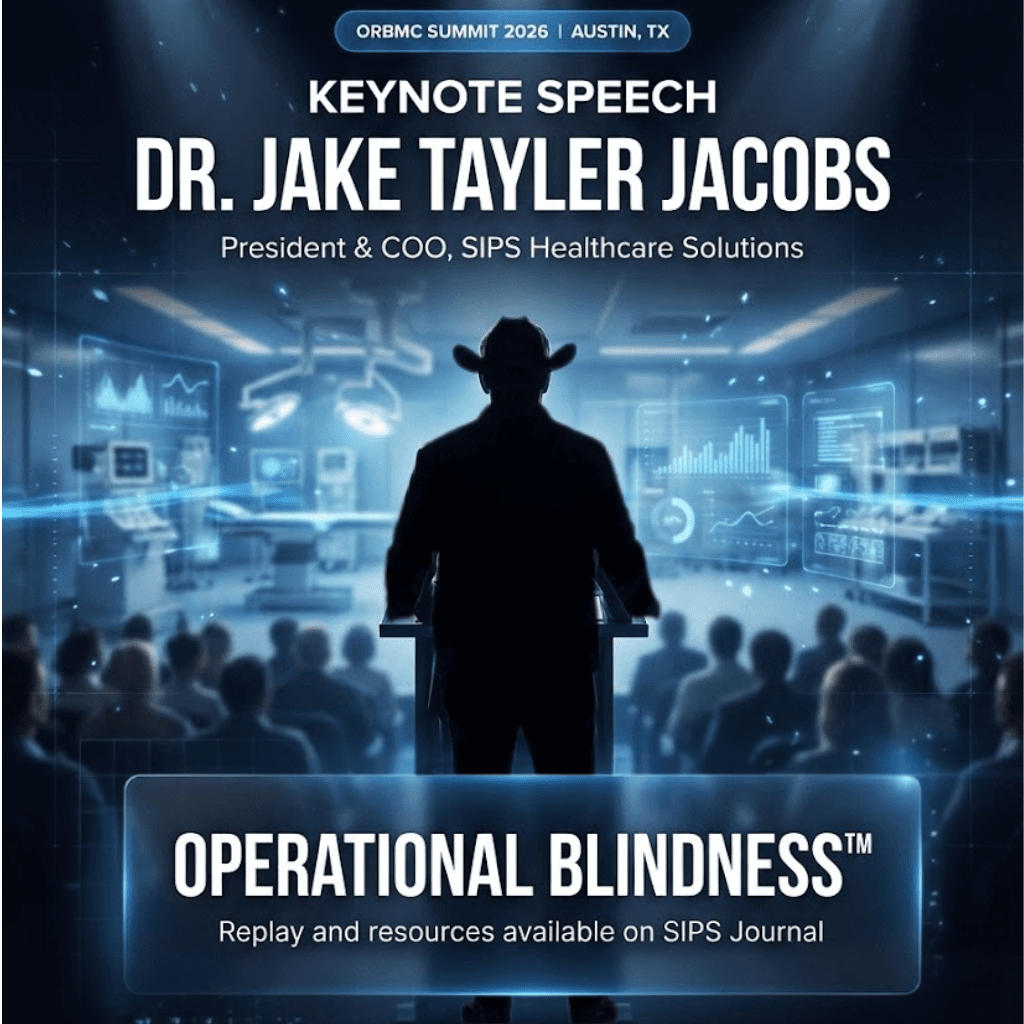
Overview In this episode of Bred To Lead hosted by Dr. Jake Tayler Jacobs, the focus is on challenging traditional norms within organizations, particularly in healthcare, to foster innovation and drive progress. The episode introduces the concept of "operational blindness" and discusses the consequences of conformity on leadership effectiveness and organizational growth. Dr. Jacobs outlines five principles for innovation-driven leadership.
Key Concepts
The Leadership Paradigm
- Bred to Lead vs. Born to Lead:
- Leadership is not an innate trait but a skill developed through experience and intentional growth.
- The idea that leaders are "born" perpetuates the myth of exclusivity in leadership roles.
Conformity vs. Innovation
- Danger of Tradition:
- The phrase "we've always done it this way" is a barrier to innovation and can lead to organizational decay.
- Organizations that cling to outdated traditions often become irrelevant.
- Operational Blindness:
- Many leaders are aware of their organization's inefficiencies but lack the tools or willingness to address them.
- Traditional structures can create silos, preventing cohesive organizational functioning.
Five Principles for Innovation-Driven Leadership
- Question Everything:
- Leaders must challenge existing norms. Tradition should justify its existence, not innovation.
- Prioritize Impact Over Optics:
- Focus on genuine improvement rather than merely appearing progressive.
- Change should enhance effectiveness and better serve the organization.
- Build a Coalition:
- Change cannot be achieved alone. Leaders should gather support from like-minded individuals to initiate transformation.
- Success in small initiatives can create momentum for larger changes.
- Make Failure Safe:
- Innovation requires experimentation, and organizations should cultivate an environment where failures are learning opportunities rather than reasons for punishment.
- Lead with Evidence:
- Decisions should be backed by data and proven results, not just vision.
- Presenting concrete evidence can help challenge traditional practices.
Challenges and Strategies
- Resistance to Change:
- Organizations often face pushback when attempting to innovate. Leaders must be prepared to confront this resistance.
- The Cost of Conformity:
- Conformity stunts growth and innovation, making it essential for leaders to encourage adaptability.
- Finding Solutions:
- Leaders are encouraged to identify unquestioned traditions within their organizations and seek to redesign them.
Conclusion Dr. Jacobs emphasizes that true leadership entails questioning the status quo and being courageous in the face of traditional norms. The episode encourages listeners to take action by identifying traditions that inhibit progress and to embrace the discomfort that comes with leading change. The challenge for listeners is to find one tradition in their organization that everyone accepts but nobody questions, and begin the process of redesigning it.
Call to Action
- Join the transformative journey of leadership by engaging with the concepts discussed in this episode.
- Listeners are invited to share the episode and contribute to building organizations that evolve beyond outdated traditions.
Additional Information
- Website: For more resources, visit [Bred to Lead](https://bredtolead.com).
- Upcoming Events: Look out for the new book "Operational Blindness" and the community events organized by Dr. Jacobs.
---
This markdown summary provides a clear, structured outline of the podcast episode's key ideas and encourages further engagement with the content.
Written by AI. May contain mistakes. Listen to the episode to check what was said.
Chapters
Tap a time to open that second in VOThe Threat of Tradition to Innovation
0:45 to 1:47
Discussing how traditional practices hinder innovation in organizations.
“Because tradition without evolution is just slow death with better branding.”
Navigating Operational Blindness
1:47 to 3:06
Exploring the concept of operational blindness and its impact on leadership.
“I think it's very important as we begin to digest the information that we're going to talk about this episode and moving forward in the season.”
Challenges in Healthcare Leadership
3:06 to 4:28
Addressing leadership struggles due to outdated systems in healthcare.
“And honestly, I just believe that we actually don't lack quality leaders.”
The Role of Data in Decision Making
4:28 to 5:54
Examining how leaders can effectively utilize data for better decision-making.
“So our organizations have to get stronger, smarter, faster.”
Understanding Tradition's Impact
5:54 to 7:20
Analyzing the effects of tradition on organizational performance and change.
“And in last week, we were talking about these scales of change.”
Identifying and Overcoming Traditions
7:20 to 9:14
Strategies to identify harmful traditions and promote effective change.
“If you're new to a bread to lead pod class, this is bread to lead.”
Long-Term Erosion vs. Immediate Failure
9:14 to 14:01
Understanding how organizations erode over time due to adherence to outdated practices.
“he had no technical experience with running a tech-driven company or even technology itself, but he understood people, organizations, and processes, which is much more like me coming into healthcare.”
The Erosion of Tradition in Industries
14:01 to 20:23
Discover the gradual decline of organizations due to outdated traditions and resistance to change.
“What big companies or what big spaces in the industries or subset of industry and your market that you're in eroded in painfully slow?”
The Cost of Conformity in Organizations
22:06 to 28:00
Explore the dangers of conformity and its impact on organizational growth and innovation.
“Segment two, we're going to be talking about the cost of conformity.”
The Need for Adaptability in Leadership
28:00 to 30:20
Learn why adaptability is crucial in modern organizational leadership.
“When you build your hard systems for stability, but the environment requires adaptability.”
Show all 16 chapters
Principles of Innovation and Leadership
30:20 to 34:20
Discover five key principles for fostering innovation in leadership.
“I want to talk about with you about what it takes to break that tradition trap.”
Creating a Culture of Innovation
34:20 to 37:30
Understand the importance of a culture that encourages experimentation and learning from failure.
“but you also have the ability to get other people involved prior to the yes that you need from them.”
Navigating Resistance in Leadership
39:58 to 42:01
Explore how to confront resistance when leading innovation in traditional industries.
“Okay, now let's go back to the segment, segment, the last segment.”
The Choice Between Conformity and Innovation
42:01 to 43:34
Explore the dichotomy between conforming to tradition and embracing innovation.
“But I also built something that works, something that truly transforms organization, something that creates better outcomes for people doing the work.”
Identifying and Challenging Traditions
43:34 to 44:26
Learn how to identify unchallenged traditions and the importance of questioning them.
“You don't have to burn everything down, but you do have to be willing to rebuild what's broken.”
Building a Coalition for Change
44:35 to 45:40
Understand the significance of finding a supportive group for innovative change.
“For the aspiring leaders, stop waiting for permission to innovate.”
Transcript
Automatic transcript. May contain errors.0:00Bridge Builders, welcome back to bread to lead the pie class that's built to create phenomenal leaders. Last week, we talked about scaling, surviving mode within organizational structure and how to know where you are today. We're talking about what you do when you get to certain levels of leadership, because here's the deal. What I've discovered over the last decade and turnaround is that the biggest threat to innovation isn't incompetence, it's actually tradition. The phrase we've always done it this way has destroyed more organizations than any competitor ever could or would. And the industries that pride themselves on tradition, they're the ones that start deteriorating at the fastest rate known to man.
0:52Because tradition without evolution is just slow death with better branding. And today we're talking about leading with gumption, having the courage to be different, daring to challenge what everyone else accepts, not for the sake of being disruptive, but for the sake of building something that actually works. Something that doesn't just survive, but thrives. Because as we know, leadership is the software systems are the hardware and innovation is what happens when you refuse to let tradition write your future. Let's go bridge builders.
1:47I think it's very important as we begin to digest the information that we're going to talk about this episode and moving forward in the season. I just have a couple of things I'm just excited about our operational system is officially going to be in five facilities starting the quarter there's a lot of legacy technologies and systems that are slowly beginning to start moving out of the space because innovation is needed and in this space and time we're dealing with this this this this split leadership the pool of leaders or leadership i just let's call it the leadership hustle, for lack of better words, where you have leaders who want to drive innovation, but they don't have signability.
2:38You have certain leaders that do have signing ability, and they're just trying to keep it as smooth and easy to get to retirement. So you have like this thing, and then there's a bunch of people in between. And one of the biggest concepts that we're bringing to light this year is operational blindness. Because, you know, after talking with so many leaders, being in hospitals, talking with executives, I'm beginning to realize that everybody kind of understands the metrics or the reasons why they're underperforming. They just don't have the full solution. And then the second thing is when it comes to leadership and really pushing something through, a lot of leaders lack the ability of follow through, meaning I start this initiative to create change and I drive that change regardless of what happens.
3:22And so we're dealing with this space. And honestly, I just believe that we actually don't lack quality leaders. We don't lack quality clinicians. What we are, what we're struggling is actually putting ourselves in the best position to win just because of these old traditional isms that don't mean anything. You know, we have these silos of like cliques within in the organizational structure of healthcare. And some of you may see it in your own businesses in different industries. But in my business, my industry currently healthcare, there's a lot of silos of departments that kind of work against each other, but not because they want to, but because the systems are so disenfranchised, it causes like this chasm of confusion while everybody's, you know, feel like they're doing the right thing.
4:12It's kind of like your own world and you do your part and everybody else has to do theirs or else. And it doesn't really work as we're talking about moving forward with innovation in this space. We're dealing with, you know, a huge shortage when it comes to staffing all across the board in health care. So our organizations have to get stronger, smarter, faster. And I'm excited to announce that our system is going into facilities. We've released the operational system in a couple of hospitals last year, and our technology is now following those facilities. And I'm excited to say, you know, we have hospital departments operating with less FTE.
4:50Actually, they cut down even more, and they're operating in so much better workflow with a lot more optimized efficiency modeling. And the goal and the thing that we found out with this concept that we that we termed operational blindness that we'll be bringing. And you actually can go to our site, SipsHealthcare.com, click blogs and you can see our white paper there. I believe I put it on my LinkedIn, too. But yes, operational blindness, our newest book, Operational Blindness, is coming out to this. That's bringing to terms why organizations are inefficient. A lot of reasons these leaders are putting in these positions to have full responsibility for departments that they don't truly have full control over because there's so many, many mechanisms that are kind of in the way of them running their business.
5:42And then two, we're operating in a new world running on old systems and we have to start to mature those systems so we give our leaders an opportunity to succeed. And in last week, we were talking about these scales of change. And the truth is, it's hard to actually get to the scale of change if we're still operating with blindness. More than ever, leaders have access to more data more than ever. The problem is that these leaders don't have the proper tools and systems to be able to know how to compute that data to get it to some type of resolve or result. And I think that's the biggest thing that we have to pay attention to, because actually leaders are a lot more fearful of making decisions with all of this data than they ever have before without data.
6:35Because data has been so like it is the future or is all the end all be all. But properly and rightfully interpreted data is important for making a decision, but just getting clunky data for the sake of it. That's kind of what we're doing. And we see organizations because, you know, technology has priced themselves crazy within the health care space for whatever reason. But we see these organizations actually buying these, you know, small little tools and trinkets to try to help them consume that data and make better decisions. But it's just it's just making these sub departments even more disenfranchised.
7:16And those are the things that we have to kind of fix. And we'll be talking about a lot of these those things in this podcast. class. If you're new to a bread to lead pod class, this is bread to lead. This is not a podcast. It's a podcast class with the objective that you learn something that you can go apply into your organization, your career. Now I am currently in the business of healthcare. And so I'll have a lot of business or organizational references to the business I am in. However, you can get this business advice that I'm giving you and provide it to whatever industry that you're in. But we're really talking about truly, truly building optimal organizations and driving change in leadership.
7:53So if you're listening to me for the first time, pen, paper, pad is great. Or even screenshotting the time that you listen to a good point that you want to come back to. I think it's very important that the context of this and then those that have been listening, thank you for helping us stay in the top 15 in the business category as far as ranking. And then when it comes to the monthly Rankins. Thank you all for that, for helping us stay there. Obviously it is working and you're doing well. Yes. Our newest book, operational blindness is coming out pretty soon. You all that are familiar with me.
8:26I like to write a white paper in a book every year, especially if there's a real need that I feel like that the voice or some type of content needs to go out. So if you're interested in that book, we'll be talking about it soon on how you can be able to get it for actually for free. So we'll talk about those things in a little bit. So let's get to segment one. But I think it's important because one in the book, Operational Blindness, I make a lot of references to who says elephants can't dance. And it's a book written by Lewis Gertzner, who actually just passed. And he was the executive that turned around the American great IBM.
9:07and where IBM was in the 90s is kind of where healthcare as a whole is right now. And when Lewis came into IBM or came into the company, he had no technical experience with running a tech-driven company or even technology itself, but he understood people, organizations, and processes, which is much more like me coming into healthcare. And one of the biggest things he did was get rid of these sage old traditions that cause more harm than they actually do. And what we found out, what we find about traditions, some of them are good, but most of them are just to keep carrying on those people that are underperforming.
9:46So you kind of create these isms of survival. And what happens if you kind of think about it within an organizational structure, as people are developing and growing, most organizations, your best talent either promotes up or they promote out. And who kind of stays within the organizations are those that do enough to get by or they're not as prominent as far as talent. Now, I'm not saying that people that spend 10, 15, 20, 30 years in one place doesn't have talent. What I am saying is that a lot of the isms and the culture and the myths or the sacred cows that hold organizations together, the fact that we've always done something this way, a lot of times it's being controlled by people in the organization that just have been there the longest through survival, not necessarily the longest through performance.
10:35And I think that's very important for us to understand and ask ourselves, where are we getting this tradition from? And is it a tradition of those that have burned a path that created true change where I am? Or is this a tradition from somebody who's been in the organization the longest, but has never been a top performer? And I think it's very important for us to understand what that looks like so that we can realize where, you know, how we need to operate. And of course, you have top performers who are the exception. However, when it comes to really, really, really asking ourselves, how do we come to our decision making models?
11:14We really have to ask ourselves, where did this decision making model come from? Which which takes us to a system rooted concept or construct. I have to go figure out what's going on at the system level. Yes, the symptom is my team is frustrated. Yes, the symptom is my leadership isn't communicating. Yes, the symptom is the OR is not talking to SPD. Yes, the system is we can't get materials management to be on the same page with us and EVS. Yes, that's the symptom. But systematically, who put what processes or developments in place on the railroad that we're running on? and we have to think about it like when we're coming into an organization or we're really looking at an organization, I like to look at it like I'm looking at a railroad, right?
11:59And I have this new beautiful train that I want to put on the train tracks on this railroad. However, if I never change the destination or the journey of that railroad, it doesn't matter what beautiful train I put on the tracks is going to end up in the same exact place that the other trains did before. So when I'm systematically looking at an organization, we have to ask ourselves before we move anything forward, where did we get this tradition from? Who created these systems? Who made this a rule? And is that person, somebody still in the organization or is this somebody that got fired, that left, that was underperformer, but we got comfortable running on this way that we keep underperforming?
12:42What we realize is that organizations have the wrong metrics. And a lot of those metrics, policies, procedures, SOPs, and things that were put in place were put in place by people that you wouldn't even follow today. So I want to tell you what tradition really is. Tradition is the comfortable lie we tell ourselves when we're too afraid to change. It's the shield we hide behind when someone suggests a better way, and we don't want to admit we've been doing it all wrong. It's the excuse we use to avoid the hard work of redesigning what's broken. Though we always have done it this way. Translation is, I don't want to think about whether there is a better way, because that may mean that my way is either outdated or it's never worked in the first place.
13:31Or this is how the industry works. The translation for that is, I'm afraid to be the one who does it differently. If it's not broke, don't fix it. The translation for that is I can't see that it's breaking because I'm not willing to look. This is this is something. Let's let's park here for a second. A lot of us do this with our finances. If I don't look at my account, if I don't go talk to that person, if I don't have that hard conversation, it would just kind of fix itself. If it's if it's not broken, don't fix it. But it's literally hanging on a hinge. like these are things that we have to address and here's the pattern that i've seen industries built on tradition don't fail overnight they erode painfully and slowly and we're looking at the cause the the cosmos the cause and effect excuse me i said cosmos we're looking at the cause and effect of slow painful erosion in our organizations in our industries right now in health care specifically, but if you're listening from different industries, I want you to really pay attention.
14:39What big companies or what big spaces in the industries or subset of industry and your market that you're in eroded in painfully slow? This is where we are. And first, what happens when you know that an organization or an industry is eroding slowly, painfully and slowly is first they stop attracting young talent because young talent doesn't want to join something that feels stuck in the past so we're like man we have a shortage there is a shortage in health care because the way that we recruit and present health care is that of the past and it doesn't attract these new age group of generations regardless of age it doesn't attract them because it makes it look like we're not moving forward then the next thing that happens in an industry.
15:29You stop retaining the best talent because the best people get frustrated by resistance to change. So when I'm going into an organization, I want to know how many best people have left here. And a lot of times the best people get pushed out by the ordinary producers. It's frustrating because people that have the ability want change in their paces faster. There are paces. Let's just get it done. Let's not sit on it. So the first way, you know, an industry or your organization or your own companies eroding is it when you stop being able to attract high quality young talent. The second thing you stop being able to retain the best people.
16:09The third thing you stop innovating because innovation requires questioning assumptions and tradition is built on protecting them. So it's hard to accept new innovation because innovation brings a light to all of the things that you did just because of tradition. So tradition protects it. Innovation questions it. And finally, that industry, that subset, that company, that business becomes irrelevant, not because they didn't work hard, but because they worked hard at preserving what should have evolved. And tradition isn't inherently bad, of course. Tradition that refuses to evolve is what's fatal.
16:56Tradition's okay, but tradition that doesn't evolve is fatal. Perfect example for those that like sports. If a team won championships in football, running the football without wide receivers, back in the day, they would have won a bunch of championships. but today you have to be able to throw the ball as well as run it back in the day if you had a six and eleven six foot eleven seven foot center or power forward you just throw it to them and they can square at any time today in the nba point guards are 610 and 611 so that approach doesn't work anymore the tradition of working as a team making taking the easy shot can stay the same But the way in which we operate the game, the game plan, the program has to change as the market or the industry is changing.
17:53That's what we're talking about when tradition isn't inherently bad. Tradition, showing up on time, having a chipper attitude, loving what you do, being being joyful at that tradition, having a progression program where people that come in entry levels can progress through your organization. that's a great tradition to have. A tradition that refuses to evolve that becomes fatal is when we've been doing something one way and you're seeing it start to slow down in that way. We have to change. For an example, if you got the majority of your intern staff from high schools and junior colleges for 40, 50 years and over the last 10 years, it's not the same anymore.
18:36You can't stay with that tradition because that's not where your market is anymore. You have to find out where they are so that you can start attracting them to you. But then if I don't look at my tradition, how are we recruiting them? How are we showing them the future? How are we getting the best and brightest minds in healthcare? What are we doing to be able to retain them? If that doesn't change, we're going to continue to deal with the erosion of talent in our industry. And it goes back to the organizations that are still clinging to the, this is the way we've always done it. They're not stable.
19:11They're stagnant. Instability and stagnation look the same, but they're actually different. Stagnation says, hey, let's not change anything. Let's not breathe. Let's just kind of keep things afloat. You know, we'll make it work or what we do. Let's not do more. Let's not do less. Let's just do enough. Let's do enough to pass our CMS regulatory tours. Let's do our best to make sure that we're doing the best job we can staying in the gray areas of following our regulatory standards. Let's do the best job we can at patient care. That's that is that is. Stagnation stable is we're growing, developing and progressing at a pace we can afford to go at.
19:59that's what that's what stable looks like versus stagnant because stagnant things rot naturally stagnant things rot so we have to make sure that we're being stable in the way that we make decisions but not stagnant and never making one that helps the organization and I think that's very important right now we're going to do a little bit of a commercial break for those organizations that are knowing, you know that you have good leadership, you know that you have people that work hard, but something just seems to not work right. This is why you have to reach out to sibshealthcare.com. Let us hear what you're going through and how our operating systems, Thoroughby Design, can not only help you run your department, but also monitor it with our preventative maintenance and our preventative care technology that allows for the supervisor to know that there's a technology that prohibits and mitigates mistakes before they happen.
21:01One of the biggest things that we have to understand is that human behavior is almost measurable. You can pretty much count with a clock how many times somebody is going to make the same mistakes. And it looks the same. You know these things. So our technology understands human behavior and we prohibit a lot of mistakes that happen that typically causes most of the effects with an organization. So look into that. If you haven't got any of our books, Bread to Lead, Built to Bleed, or now our new book that's coming out, Operational Blindness, please be on the lookout for that link coming out soon.
21:33But go to Amazon and go and pick out a book and purchase a book. And for you and your team, Bread to Lead helps you with foundational leadership, Built to bleed, exposes SPD managers to the operational business side of SPD and operational blindness, talks to the executive about what to do to keep these mistakes from continuously happening and having the hospital lose money. Okay. Commercials are over. Let's get back to the pod class. Segment two, we're going to be talking about the cost of conformity. And I want to share with you a story. About five years ago, I walked into an organization that had been operating the same for about 30 years.
22:19Same processes, same hierarchy, same assumptions about what worked because it worked in the past. And on paper, it looked fine. They were profitable. They had loyal clients. They had longevity, but underneath they were dying. And their turnover was accelerating. Their margins were shrinking. Their reputation was shifting from established to outdated. And when I suggested changes, workflow designs, technology upgrades, cultural shifts, I got the same response for leadership. That's not how we do things here. So I asked a simple question. How does that work for you and why am I here? If you brought me in because you know that something's wrong, but the paper, it looks good.
22:58If your response is going to be that's not how we do things here. How is that working for you and what am I doing? there was nothing but silence and I let them sit in that silence because they knew they could feel it the slow decline the talented people leaving the opportunity slipping away and the notion to keep blaming COVID or other places or other things having that ability to blame it is leaving now the board executives are being expected to figure it out. But admitting it, that things were slipping, admitting that they've been wrong. And tradition doesn't allow for being wrong. Tradition demands conformity and conformity at even the cost of the hospital, the organization, or the business.
23:56And conformity of just staying stagnant, let's just keep what we have here. You never can keep it. You either grow it or it kills off. And that conformity, there's a cost in it. It's called the cost of innovation. That conformity, there's a cost in it. It's called the cost of growth. That conformity, there's a cost in it. It's called the cost of relevance. And eventually the cost will eventually be survival where every decision that is made could keep the doors to the business open or close it. And here's what most leaders don't understand. Conformity feels safe, but it's the most dangerous position that you can take.
24:42Because while you're conforming, the world is changing. And when you finally decide to adapt, you're so far behind that you can't catch up. That's why scripture says to be in the world, but not of it. Yes, I'm here operating, but I'm not so indoctrinated in the culture of conformity that I can't see that we need change. I'm in the world, like I understand the language, the lingo, those things, but I'm not so conformed in it where I can't see that things are getting out of hand. And the organizations that thrive aren't the ones that conform. They're the ones that dare to be different, not recklessly, but intentionally.
25:21So let's really diagnose this tradition trap, like where the real hardware software check is, like organizationally. And here's where the tradition trap happens. It's where you have organizational structures that were designed decades ago that don't reflect how work actually happens today. Hardware problems. The traditional trap comes from processes that were built from a different era that never updated. The tradition trap comes from systems that prioritize control over agility. The tradition trap comes from infrastructure that makes change, change harder than staying the same. That's when you know that you're stuck in a tradition.
26:07And those softer software problems, the leadership problems, when leaders who built their career on the tradition and see innovation as a threat. The leader that had that's grown and matriculated and promoted in the industry or methodology of tradition that has been proven not to be the most efficient or or a proper way to run the organization in today's time. When innovation for transparency and openness and growth is present, those are the leaders who decline innovation. Because now if if we have technology that can really read behaviors. And truly show work throughput, you no longer can hide around the manual scribbled in numbers that you write or being able to blame something for not working.
27:04now you have to actually add value to the organization that you're in that's a threat to them the tradition trap when it comes to the soft wear side of it the the leader side the cultural side is culture punishes failure so nobody risks trying anything new if i build an organization that punishes you for trying to make something better or i'm punishing you for failure and don't have coaching build-up moments, people will be scared to try anything, and they'll rather just keep their job than to try to make the organization better. Teams that have learned helplessness, they stopped suggesting improvements because they got shut down too many times.
27:48If every time you're coming up with a way to make the organization better and it keeps getting shut down, people feel helpless. That's where your organization is. And decision-makers who confuse longevity with effectiveness. and we've been doing this for a while, or we got to see this thing out, you know very quickly, especially when you're running an organization the size of hospitals or the size of midsize business and up, you know if something's going to work in the long run or not. You know it. You just know it. And here's the disconnect. When you build your hard systems for stability, but the environment requires adaptability.
28:28Healthcare changes every day. Every organization, especially today's times, is evolving at a faster rate. We have to understand that, listen, yes, the intention of what was created maybe brought stability for some time. But adaptability is required now. We have to relook at our system. that soft where that soft skill problem is when we built a culture or tradition it was programmed for preservation to preserve what's good it's almost coveting the successes of the past while denying the successes of the future because we are resisting transformation and change that's that's really what tradition and culture is i am preserving the wins of the past and not accepting the changes of the future that will help us win in the future the changes we have to make today to help us win the future i'm i'm embracing the past so we build culture and tradition on the past but in order to have a better future i have to change today our systems our structures and even create new traditions and culture to be able to have successes in the future It's why it's very important.
29:45Very important. Because tradition says we have to protect it. Innovation says we have to build what we need. And most organizations are just running on outdated systems. That's incompatible with the hardware the future requires. So the hard question is, is our infrastructure flexible enough to support innovation? And the softer question to ask is, do our leaders have the courage to challenge tradition? And most organizations fail both checks. And that's why industries built on tradition are deteriorating. OK, now I said all that to say. I want to talk about with you about what it takes to break that tradition trap.
30:36What does it take to cut through the noise? I'm going to keep it straight. I'm going to keep it straight with you. It takes gumption, audacity, the willingness to be different when everyone else is comfortable being the same. It takes your ability to say, hey, this is the type of organization I want to see if I was here 10, 15 years and building that regardless if you're going to be there or not. Here are the five principles of innovation and leadership. Principle one, question everything. Just because something has been done a certain way doesn't mean it should continue. Start asking why. Why this process?
Read the full transcript
31:19Why this structure? Why this policy? And if the answer is because this is how we've always done it, you found something that needs to evolve. Tradition should have to justify itself, not justifying innovation. Tradition should justify why it needs to stay the same. And it needs to be more than just we've been doing it this way. So the first principle of innovative leadership or innovation in leadership is question everything. The second principle in innovation and leadership is prioritize impact over optics. Innovation isn't about looking cutting edge. It's about delivering better results. Don't change for the sake of change.
32:00Change for the sake of improvement. Ask this question. Does this make us more effective? Does this serve our people better? And does this position us for the future? If the answer is yes, do it. Even if it makes people uncomfortable, if the answer is yes to those questions. If it is no, then you won't. I look at innovation and change very simple. When I'm looking at, Being an innovative leader, I don't care about optics because optics always catch up to impact. But impact never follows optics. Optics follows impact. The third principle of innovation and leadership is you have to build a coalition of the willing.
32:51You cannot innovate alone. You can't wait for everyone to agree either. You need to find the people who see what you see, the ones who are frustrated by the status quo, the ones willing to take risk and build your coalition. Start small. Prove the concept. Let success create momentum. You don't need a unanimous buy in. You need enough believers to demonstrate that it works and you start with what you have and you create that change and you present that change to your leadership team. If they don't budge again, you change what you have with what you have and you present that change to your leadership team and you keep bringing them the change until they give you what you need to make the big change.
33:31A lot of times leaders are not saying yes because they want to see if it really truly means something to you. Will you get it done with what you have? And will you keep coming to me to make to make me feel like this is really worth it? That's what it takes. And truly being a leader is galvanizing people together so that you all believe in the same thing. That's what leadership is. And a lot of you go to your leadership team to get signatures alone. When you grow, when you go with a coalition of people that you got to buy in, especially if they're your neighboring departments, that they're backing you on what you need because it helps even make them better.
34:10it shows the leadership that not only can you get buy-in from your organization, but it also shows the leaders that not only do you have that process, but you also have the ability to get other people involved prior to the yes that you need from them. Because that's the thing. Once you get the leader to say yes, then now they have to go back and get the approval of all the other departments that will be affected by. But if you get that approval first, you're talking with them, you're building with them, you're dream casting with them. When that leader knows you already have the other yeses that you need, it's a lot easier for them to support you with that innovation.
34:48Always build a coalition. The fourth principle of being having innovation and leadership is you need to make failure safe. Innovation requires experimentation. Experimentation requires failure. If your culture punishes failure, you'll never innovate. So creating environments where people can test ideas without risking their careers, where learning from failure is celebrated, not hidden. That organization typically innovates faster than anyone that ever fails. And the organization that innovates faster aren't the ones that never fail. They're the ones that fail forward. When you see innovation and change and re-inditions of something, it's always started from something else.
35:35There's a prototype of something that became something that became something that became something that became the final product. But having an organization where you actually encourage the innovation and the change and trying to see what works and what doesn't work within limitations, it does absolutely create an environment that everyone would just say is undeniable. OK, and then the fifth principle of what's required for innovation and leadership is always lead with evidence, not just vision. And let me tell you something. This fifth principle are for all of the leaders out there right now.
36:10Listen to me very closely. If you want to lead and be an innovative leader, please understand this last principle. Lead with evidence, not just vision. Yes, vision is important, but data is undeniable. When you challenge tradition, bring proof, pilot programs, case studies, metrics that show the old way isn't working and the new way does. Tradition relies on emotion, comfort, familiarity, nostalgia. Innovation relies on results. show the results and tradition loses its power. This is exactly why the frameworks we've built are evidence-based. We don't ask organizations to innovate on faith. We show them data, the outcomes, and the ROI.
37:00We prove that there's a better way. And then we give them tools to build it because gumption without systems is just chaos. But gumption with systems, now that's transformation. And a lot of leaders have gumption, want to, pride. They're proud of trying to push change, but you don't have the evidence to present that change will work in that facility. So if you're dealing in an organization that struggles with conformity and tradition and they don't want to accept change, bring the evidence. So other hospitals and other industries that couldn't attract younger talent, how it affected that organization.
37:42show other hospitals and other businesses and industries that if they could not keep their top talent and they always promoted out what happened to that organization. Show them other organizations and other industries where if you didn't have a true development plan. That people end up leaving. Show them other organizations and other health care facilities that how culture of the mediocre is what creates the environment of the hospital. because if top performers are leaving, younger people aren't coming. The people that just kind of glue, keep things together, not saying that they're not hard workers.
38:22What we're saying is that typically the most high performing tactician promote out or they promote up. But the meat of the frontline workers control the culture. And if I have a high tenure of frontline folks that aren't scaled for top performance, typically they're the average performers. They're there to work. They make like their job. They may love their job, but they have other things outside of work that has their attention. They have other things that they specialize in, other things they study on the side, other things they want to become greater or better parents for. And most of them may just work there just to take care of their family.
39:05If they could just take care of their family without working, they wouldn't even show up. Those are the people creating your culture. This is why you have to be careful and question all things that are considered traditional. Because that tradition could be the hinge that's causing operational blindness. Going into the last segment, I want you to make sure that you know that our operational blindness is coming up. and in June, June 26th, we have a golf tournament here in Dallas, Texas. You can go to scrubball.org and get you a ticket to come to our golf tournament or get you a couple of tickets and build a team.
39:42The money that we raise with Scrubball is to be able to help continue to give scholarships and opportunities to youth, young adults that are trying to get in health care and can't afford to get certified or can't afford basic education. We raise money every year so that we can continue to give, support, and add value to the organizations that we love most. Okay, now let's go back to the segment, segment, the last segment. Now, after you have that gumption and you understand you have to have data and systems, let me park here. Again, data alone doesn't make people better. The interpretation of the data is what makes people better.
40:17But if people don't know how to interpret the data because they have the wrong metrics or the wrong outlook, they're going to get the wrong results. So yes, numbers can lie to you if you don't know how to use the formulas for yourself. Okay. So after that gumption and after that pace, as innovation and leadership, what you have to understand is that, listen, you got to have the courage to be different and be okay to stand alone, especially when you know you're right. Now, leading with some pizzazz and a little bit of touch, a little bit of I'm not playing, we need change, but I'm accepting. You have to be acceptable to create change.
40:58Now, that's why scripture says to be in the world. I got to know what makes people accept people, but not of the world means I don't let your behaviors dictate how I move. So let me be direct with you. If you want to lead innovation in a traditional industry, you're going to face resistance. People will call you reckless, naive, disrespectful of legacy. They'll tell you to wait your turn, to pay your dues, to prove yourself by conforming first. Let me tell you something. Don't. Because here's the truth. The people defending traditions aren't defending what works. They're defending what's comfortable.
41:39And comfort is the enemy of progress. I built my career on being different, on challenging assumptions, on refusing to accept that this is just how it's been done. Those are not sufficient answers for me. And it cost me. I lost opportunities. I made people feel uncomfortable. I was told I was too aggressive, too bold, too unwilling to play the game. But I also built something that works, something that truly transforms organization, something that creates better outcomes for people doing the work. And a decade plus later, the traditionalists who resist it are either retired or irrelevant, while the innovators are leading industries.
42:22You have a choice. You can conform, play it safe, preserve tradition, and watch your organization slowly become obsolete. Or you can lead with gumption, challenge the status quo, build something better, and create an industry where people actually want to grow and excel. Not despite the resistance, but because of it. Because resistant means you're onto something. And if everyone agrees with you, You're probably not innovating. You're just following because innovation happens at the edge of comfort. And leadership is what you get is what gets you there. So your leadership is what gets you to the edge.
43:01But innovation happens right there on the edge of comfort. Leadership pushes you out of your comfort zone. And innovation happens right on that edge, right outside of comfort. That's where innovation starts. because here's what I need you to understand. Tradition is not the same as principle. Principles are timeless. Tradition is just what we got used to. And the organizations that confuse the two are the ones that are dying painfully and slowly while calling it stability. You don't have to burn everything down, but you do have to be willing to rebuild what's broken. You don't have to be reckless, But you do have to be brave because the industries that pride themselves on tradition, they need innovators more than anyone.
43:50They need people willing to say this isn't working anymore. They need people willing to design something better. They need people with enough gumption to lead change, even when it's uncomfortable. Leadership is the software. Systems are the hardware. And innovation is what happens when you refuse to let tradition write your code. So here's the challenge this week. Leaders. Identify one tradition in your organization that everyone accepts, but nobody questions. And ask why. And if you can't get a good answer, start redesigning something beautiful. I want to tell you something. If I'm going to present the problem, I also need to present the solution.
44:31And if you don't have it, call us at Sims Healthcare. We have it for you. For the aspiring leaders, stop waiting for permission to innovate. Find one process, one workflow, one assumption and improve it. Then show people the result. So if you can't get the answer, change something. Then prove why they need to lean on you for your decisions because they can see a piece of it. For my visionaries, find your coalition. You're not the only one who sees what needs to change. Build with people who are ready. Don't wait for people who aren't. the tradition trap only holds you if you let it break free i am your host this is bread to lead this is episode 34 35 of season three and next week we're going to start building on the concept of operational blindness and we're probably going to start next week doing a podcast it's going to be pod class like a book club version until we can get through the book operational blindness because I think it's very important for us to talk through that book and work some stuff out I think it'll be great and remember you've got we've got some exclusive masterclass content this season that you don't want to miss so you go ahead to bread to lead dot com and join our community and get access so you can know what's going on you can be in the know follow me on LinkedIn Dr.
45:58Jake Taylor Jacobs T-A-Y-L-E-R-J-C-O-B-S just like on the podcast Subscribe. Share this with someone who's tired of hearing we've always done it this way. And let's start building organizations that evolve. And I just want to leave you with this. Listen, leadership is hard. Innovation is even harder. Getting people to buy in is the most difficult thing in the world. However, go to the places that want you, not the places you want to get in. There are organizations out here that are waiting for someone like you to show up. The question is, are you willing to be uncomfortable to be able to put yourself in a position to be great and prove that your concept works.
46:33So if it doesn't work where you are, there's somebody else where it will work. Love you. There's nothing you can do about it. Talk to you all next week. I don't take the lead.
46:45I don't take the lead.
46:51Since the age of 12, I've been about my father's business at the age of 30. He sent me to his venue.
From the publisher
In this episode Dr. Jake Tayler Jacobs challenges organizations especially in healthcare to stop letting tradition block progress. He explains "operational blindness," why conformity kills innovation, and how leaders must pair courage (gumption) with evidence and systems to drive real change.
Listeners will learn five principles for innovation-driven leadership: question everything, prioritize impact over optics, build a coalition, make failure safe, and lead with evidence. Practical steps and a call to action close the episode: identify one unquestioned tradition and begin redesigning it.