In short
Podcast Summary: Bred To Lead | With Dr. Jake Tayler Jacobs
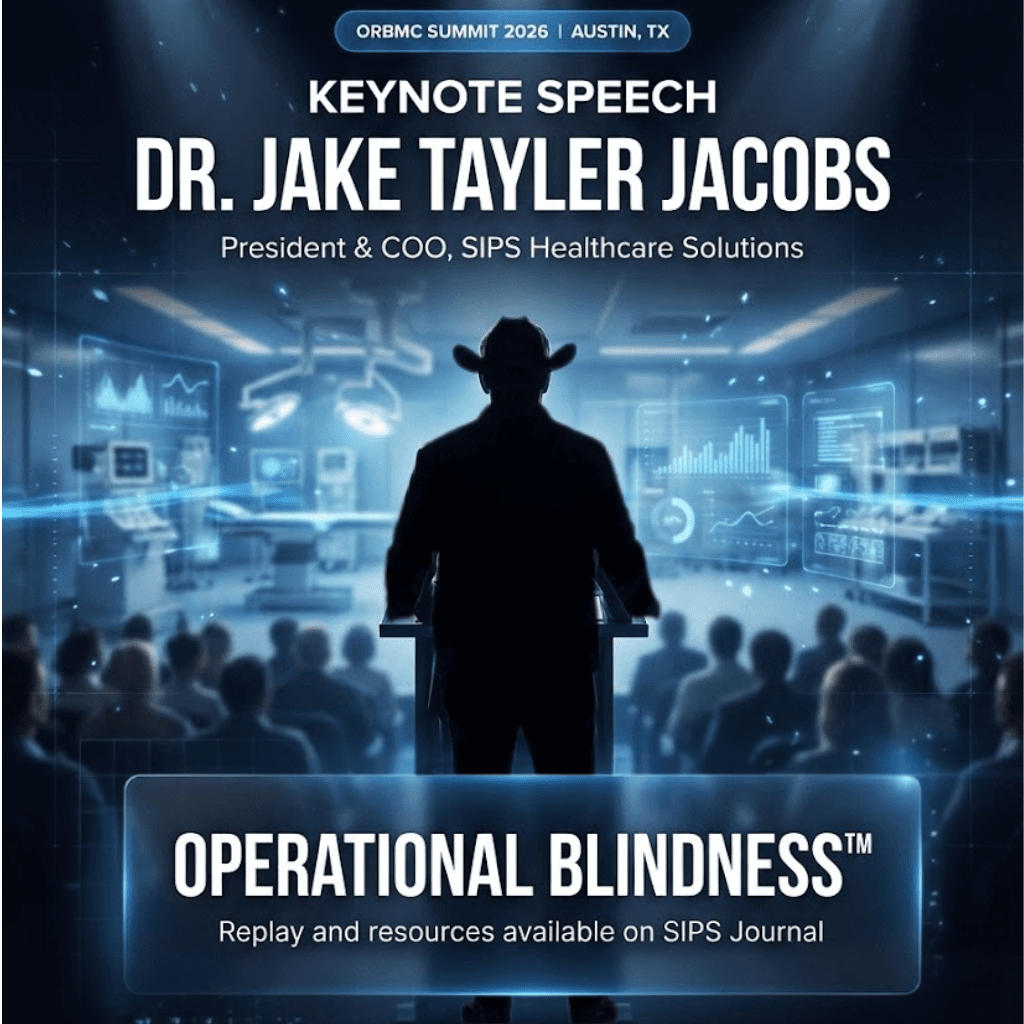
Podcast Overview Title: Bred To Lead | With Dr. Jake Tayler Jacobs Episode: Ep. 039 The Dance Begins: Curing Operational Blindness in Healthcare Description: This episode discusses Dr. Jacobs' new book, *Operational Blindness*, focusing on systemic issues in healthcare that inhibit effective operations and leadership. It aims to provide insights into overcoming these challenges by transforming measurement systems and improving organizational effectiveness.
---
Key Concepts
- Leadership Development
- Bred to Lead Philosophy:
- Leadership is cultivated through experiences, challenges, and intentional growth rather than innate qualities.
- Emphasizes the importance of resilience and personal development in becoming a leader.
- Operational Blindness
- Definition:
- A systemic condition where leaders cannot see dysfunction within their operations due to ineffective measurement, reporting, and feedback mechanisms.
- Symptoms:
- Disconnect between departmental metrics and organizational outcomes.
- Leaders are unaware of the limitations of their visibility and the inefficiencies in their operations.
- Transformation in Healthcare
- Vision of Change:
- A proactive SPD (Sterile Processing Department) that understands its impact on surgical outcomes and cost efficiency.
- Improved trust between surgical teams and SPD, leading to better operational performance.
- Case Studies:
- Examples of hospital departments (Maria and David) that faced operational blindness, illustrating the gap between perceived performance and actual effectiveness.
---
Discussion Highlights
The Importance of Systemic Change
- Curing Operational Blindness:
- Changing the system, not just focusing on personnel changes, is crucial for addressing systemic issues.
- Metrics should track outcomes rather than activities to provide a clearer picture of performance.
Creating Visibility
- Connecting Upstream and Downstream:
- Establishing feedback loops and robust reporting structures allows teams to understand the impact of their actions on overall performance.
Diagnostic Questions for Organizations
- Key Questions to Evaluate Operational Blindness:
- Can upstream functions articulate their impact on downstream outcomes?
- Are measurement systems focused on activity or outcomes?
- Do systemic feedback loops exist between interdependent functions?
- Is there a tendency to blame individuals rather than examining systems when issues arise?
- Has leadership been replaced multiple times without sustained improvement?
Framework for Improvement
- Sterile By Design:
- A framework developed to address operational blindness by implementing systemic changes that enhance visibility and performance.
- Actionable Strategies:
- Employing systems that connect upstream activity to downstream outcomes.
- Changing measurement systems to prioritize what truly matters for organizational success.
---
Conclusion Dr. Jake Tayler Jacobs emphasizes the need for healthcare leaders and organizations to recognize and address operational blindness. By focusing on systemic changes and fostering a culture of transparency and accountability, leaders can unlock their full potential and drive meaningful transformation in their organizations.
For further resources, visit [BredtoLead.com](https://bredtolead.com).
---
Future Episodes Continue to follow the *Bred to Lead* series for more insights on leadership, operational excellence, and personal growth strategies in various industries.
Written by AI. May contain mistakes. Listen to the episode to check what was said.
Chapters
Tap a time to open that second in VOUnderstanding Operational Blindness
0:45 to 4:20
Explore the systemic issues in healthcare and the concept of operational blindness.
“And if you cannot afford the actual book right now, things are just tight right now.”
The Dance Begins: Transformational Insights
4:50 to 9:00
Insight into how organizational transformation can occur through understanding operational issues.
“And today we're just bringing it all together.”
Case Studies: Maria and David
9:00 to 14:00
Learn from case studies illustrating operational blindness in healthcare leadership.
“Picture the CFO who can finally trace costs to root causes.”
Transforming Healthcare Operations
14:00 to 17:39
Learn how visibility into costs and processes can transform healthcare organizations.
“Because the upstream constraint has been relieved.”
Understanding Operational Blindness
17:56 to 28:05
Explore the systemic nature of operational blindness and its implications.
“Several elements of this definition are important.”
Historical Insights into Healthcare Structure
28:05 to 29:19
Learn about the military's influence on the structure of modern healthcare.
Understanding Operational Blindness in Leadership
29:20 to 30:36
Explore how leaders can be blind to operational issues despite having skills.
“The new body set that you put on that car is still a 1920 Camaro.”
The Limitations of Data and Metrics
30:37 to 33:15
Discover the pitfalls of relying solely on metrics without context.
Feedback Mechanisms and System Learning
33:16 to 35:43
Understand the importance of feedback mechanisms for system improvement.
“The measurement system creates the frame.”
The Cycle of Dysfunction in Organizations
35:44 to 37:45
Analyze how dysfunction perpetuates itself within organizations over time.
Show all 15 chapters
Introducing the Operational Blindness Index
37:46 to 39:03
Learn about the Operational Blindness Index and its findings on healthcare operations.
“They stop questioning what veterans stopped questioning years ago.”
Identifying Operational Blindness: Key Questions
39:04 to 42:00
Explore critical questions to recognize operational blindness in any organization.
“Can IT infrastructure tell you how their investments affect application performance?”
Understanding Operational Blindness
42:00 to 45:08
Learn about the concept of operational blindness and its systemic nature.
“Therefore, we now have a governing loop.”
Introducing Sterile by Design
45:08 to 45:50
Discover how Sterile by Design addresses operational blindness in healthcare.
“Sterile by Design is our operating system that we built specifically to cure operational blindness.”
Personal Reflection
46:34 to 46:50
Dr. Jake shares a personal story about his journey in healthcare.
Transcript
Automatic transcript. May contain errors.0:00Bridge Builders, before we get started today, I have an announcement. Operational blindness. The book is officially out. I'm super excited about it. This book right here is our best work. here at Sips Healthcare. We talk about why healthcare leaders can't see what's costing a million dollars and how to fix it and how the industry currently right now is not dealing with a people issue. We're dealing with a system issue. We're having a hard time keeping our best people. If our most tenured talent are aging out and we continuously deal with shortages, there has to be a systemic root problem and not just what we're visibly seeing.
0:43We're not just seeing a shortage We're seeing something else That we believe that In operational blindness We're going to talk about Just a little sub-sector Of the healthcare space And we hope that it can be a value add To anyone that is watching Or listening So you can go to Breadtolead.com Forward slash blind Breadtolead.com Forward slash blind So you can get a copy of this book And if you find us live We're speaking on stage somewhere You invite us to your chapter or we're talking to you one-on-one, some of you also are awarded a free copy of Operational Blindness if you're out and about. And if you cannot afford the actual book right now, things are just tight right now.
1:24What I would encourage you to do, I would encourage you to just listen to this free podcast. There's so many valuable points that we pull out, and I use the podcast as a microphone to the book that was actually written. And if you're newer to leadership, Bread to Lead is a great book to start with. If you're newer to SPD Management, Leadership, Built to Bleed is the next great book. This is actually my, I believe, like 11th or 12th book that I've written. You go to Amazon, you'll always see it. And so I know some of you that are listening, you're not in healthcare. So this book, Operational Blindness, is great for healthcare.
2:06However, there are nuggets that you can pull from it that doesn't necessarily cater to your industry because there are some things that are healthcare specific. But there are lots of things that you can pull from. And I know that there are tons of listeners that are listening that are not in healthcare, but you engage with the bridge builders every single week. And some of you are in manufacturing, you're in tech, you run a logistics company or professional services firm. You found this podcast because you care about leadership and operational excellence. You might be wondering, is this book for you?
2:39What I will tell you is this book does use health care specific studies as a case study because that's my current world that I'm in. That's where we're spending a lot of our time. However, I need you to know those that are listening that don't know me. I'm a I'm an operational turnaround specialist and reengineering inefficient systems and operational structures. some of the things that bring me the most joy and um and operational blindness the condition that we we we we tailored and that we named is in every organization all over the country so those are things that uh you know you can you can purchase to be able to support and i'm excited about that and and today we're going into you know pretty much two things The last couple of episodes we talked about all types of stuff As far as the diagnosis And the first thing of today I'm going to be painting you a picture of what transformation looks like And what becomes possible when you can Dream outside of the condition that you're in And then the second point I'm going to give you a formal definition The precise clinical diagnosis Of exactly what operational blindness is It's going to be the vision then it's going to be precision then next until then i will see you all because i'm happy to be back on bread to leave let's get it i don't take the lead i don't take the lead
4:20since the age of 12 i've been about my father's business at the age of 30 he sent me to his Welcome back Bridge Builders. I am your host Dr. Jake Taylor Jacobs and yes I am excited that you are around and you're back again. In case you don't know this is episode 39 season three. This is the Read and Teach series from my newest book Operational Blindness which just launched. It's available on breadtolead.com forward slash blind. This is what I'm reading as we're going through this series so let me catch you up episode 35 we were talking about the ibm lesson of luke erzner and how he proved um that elephants can dance uh that stuck organizations can transform and that if you change the system and not just the people um you can see a transformation in organization that most people dream of and then um then we went on to episode 36 where we talked about the healthcare parallel we showed how spd is the upstream constraint everyone ignores and name the conditions operational blindness episode 37 we talked about the dangerous comfort of invisible beliefs and why the beliefs um you don't know are the ones that are actually controlling you and we talked about um episode 38 um the beliefs that bind for specific beliefs that are chaining health organizations and leaders in every organization to dysfunction.
5:54And today we're just bringing it all together. What does the future look like when we break free? And what exactly is the condition you're breaking free from? So let's get into it. I want to start off by addressing something directly. Some of you are drowning right now. You're listening to this podcast because you're looking for a lifeline. You're exhausted. You're frustrated. You're wondering if anything will ever change. Maybe you're an SPD director. You can't understand why your hard work never seems to be enough. Maybe you're an OR director, tired of managing workarounds for problems you didn't create.
6:39Maybe you're a COO who's invested in efficiency initiatives that keep hitting the same ceiling. And maybe, you know, you're a plant manager, maybe you're a CTO. Whatever your role, whatever your industry, if you're stuck, if you keep hitting that same wall, I want you to know something. It's not your fault. You've been operating inside of a system that makes success impossible. responsible you've been measured on things that don't reflect your real impact you've been held accountable for outcomes that you couldn't see or control and that's not a personal failing that's a system failing but here's the other side of the coin now that you know it's a system problem you have a responsibility you can't just throw up your hands and say it's the system while continuing to operate the same way once you see the cage you have to work to escape it and today's episode is about what escape looks like and what exactly you're escaping from and i'm gonna read uh to you a section in the book that's called the dance begins it starts on page 30 i'm gonna read from page 30 to page 32.
7:59And the dance begins, it says, let me return to that hospital conference room where we started. Picture the CFO with unexplained cost overruns, the COO fielding complaints from surgical services, the CNO worried about quality metrics, the SPD director offering explanations that explain nothing. Now picture something different. Picture an SPD leader who can see downstream impact, who knows exactly how the department's operations affect our efficiency, surgical outcomes and organizational costs. Picture a team that operates proactively rather than reactively, anticipating needs instead of responding to crisis.
8:43Picture a department that speaks the language of outcomes, not activities, that can translate what they do in terms the C-suite understands and values. Picture the surgeon who stops hoarding instruments because they trust the system to deliver. Picture the CFO who can finally trace costs to root causes. Picture the CNO who sees quality risk declining instead of accumulating. This isn't a fantasy. it's what's possible when operational blindness is cured and everyone told Gerstner that IBM was too far gone to save everyone told him the culture was too entrenched the bureaucracy too thick and the problems too deep everyone said elephants can't dance well Lou Gerstner proved them wrong and your hospital can prove them wrong too let's begin
9:40what is operational blindness I want to tell you about two SPD directors I've worked with I'll call them Maria and David the stories illustrate something important about the problem we're trying to solve Maria ran the sterile processing department of a 400 bed regional medical center she had been in the role for eight years Her team respected her. Her metrics were solid. And when I first met her, she walked me through her operation with obvious pride. The turnaround times, the productivity numbers, the process improvements she had implemented over the years by any conventional measure. She was doing her job well.
10:23Then I spent a day in the OR. What I saw didn't match what Maria had shown me. Cases were delayed, waiting for instruments. Surgeons had personal stashes of equipment they've accumulated because they didn't trust the system. Circulating nurses spent a significant amount of time hunting down missing items, and the OR director was frustrated. And when I asked about the relationship with SPD, she just shook her head. They tell us everything is fine, she said. The numbers look good, but we're struggling every day. When I shared these observations with Maria, she was genuinely surprised. not defensive surprise she had no idea the dysfunction i witnessed in the or simply didn't appear on any report she received or any dashboard she monitored from where she sat the operations was working david's situation was a bit different and the details but identical in the pattern he directed spd at a large academic medical center a complex operation with high volume and manning surgeons.
11:30David was sharp, experienced, and genuinely committed to excellence. His department had invested in new technology, implemented learning processes, and tracked dozen metrics. And yet the CFO kept asking why instruments' costs were climbing. The quality team kept flagging near-miss events. The surgical services leadership kept complaining about reliability. David had all the answers for it. Staffing challenges, physician behavior, supply chain issues, volume growth, but the answer never seemed to resolve the problem. When I analyzed this operation, I found the same thing I found with Maria, a profound disconnect between what the department could see and what the organization was experiencing.
12:14David's metrics measured activity. The organization's pain came from the outcome, and there was no bridge between them. Maria and David weren't bad leaders. They weren't lazy or incompetent or dishonest. They were experienced professionals doing their best inside a system that kept them blind to their own impact. They couldn't fix what they couldn't see. And they couldn't see what the system didn't show. This is operational blindness. And once you understand it, you will see it everywhere.
12:51I want to expand on What you just heard What transformation actually looks like I painted a picture in that section
13:08But I want to be more vivid I want you to imagine an SPD leader who can answer with data whether the OR got what it needed yesterday. Not we process 400 trays. But we achieve 97 % first case readiness contributed to zero instrument-related delays and supported 52 surgical cases with 99.8 % tray accuracy. That's a different conversation. That's outcome language. That's visibility. Imagine a surgical services team that actually trusts the SPD. The surgeon who used to hoard instruments in their office, they stopped because they don't need to. The system delivers what they need when they need it. The OR director who used to spend half their day managing workarounds, they're focused on strategic initiatives now.
14:03Because the upstream constraint has been relieved. I want you to imagine a CFO who can trace costs to their root causes. the instrument replacement budget that used to be a mystery now there's data showing exactly why those costs are climbing and what operational changes would reduce them the premium labor that used to be just how things are now there's visibility into what's structural and um and what's needed to be addressed immediately imagine the cno who sleeps better the quality risk that used to accumulate invisibly. Now they're surfaced early, addressed systematically, and prevented rather than caught.
14:45The near misses that used to go unreported. Now there's a culture where reporting drives improvement. This isn't fantasy. I want to be clear about it. What I just described isn't fantasy. It's not motivation or vision designed to make you feel good. It's real. And it's happening. in healthcare organizations right now. I've built these operations. We've seen these transformations. The same people who are struggling become successful. The same departments that were failing become reliable. The same relationships that were adversarial become collaborative. Nothing magical happened. The system changed.
15:25And I want to pull you back to the universal principle here because this applies far beyond healthcare. Every organization has some version of this story. Manufacturing, imagine a plant manager who can finally see how upstream production decisions affect downstream quality metrics, who stops getting blamed for defects that originated three steps early in the process. And technology, imagine the infrastructure team that can demonstrate with data how reliability investments prevented outages. That would have cost the company millions. Who moves from call center to strategic enabler and the leadership box.
16:11And professional services. Imagine back office operations team that can show exactly how their processes accelerate or constrain client delivery. Who gets investment instead of cuts because their value is finally visible. In retail, imagine the supply chain team that can connect their inventory decisions to same store sales performance, who stops being squeezed for efficiency and starts being optimized for revenue impact. The specifics vary. The principle is constant. When you make the invisible visible, everything changes. When upstream functions can see their downstream impact and communicate the impact in terms leadership understands, they stop being overhead and they become strategic.
17:04When leadership can see the true cost of underinvestment, not just the line item savings, but the downstream consequences, they make different decisions. When the system enables success instead of guaranteeing failure, the same people produce different outcomes. that's the dance that's what becomes possible now
17:32what I just described was destination but you need the map to get there and that's what the book provides
17:43it's not just a diagnosis it's the complete framework the cost the cost quantification the transformation methodology the road specific playbook that's what this book does go to breadtolead.com or slash blind
18:07the second portion that I want to read of the book is pages 33 through 35
18:19And then 33 to 35 It's the formal definition It says let me be precise about what I mean by operational blindness Because precision matters When you're naming a problem that most people don't know exists Operational blindness is a systemic condition In which leaders cannot see the dysfunction in their own operations because the measurement systems, reporting structures, and feedback mechanisms they rely on do not surface them. Several elements of this definition are important. First, it's systemic. Operational blindness isn't a person failing or a personal failing. It's not about individual incompetence or lack of effort.
19:06It emerges from the structure of the operation itself, from how information flows, what gets measured, and what gets reported. You can replace every person in the department and still have operational blindness if the system remains unchanged. The leaders affected by operational blindness, this is the second definition, especially with visibility and capability, is that the leaders affected by operational blindness often have the skills, experience, and motivation to fix problems. If only they could see them. The limitation isn't their ability to act, it's their ability to perceive. they're making decisions in the dark they don't even know that the lights are off third it operates through measurement systems what you measure shapes what you see what you see shapes what you manage and if your measurements are disconnected from outcomes that matter you optimize for things that don't matter while critical problems go unaddressed the metrics to become a kind of camouflage making dysfunction invisible by directing attention elsewhere fourth is self-perpetuating because leaders can't see the dysfunction they don't know what to fix and how to fix it because they don't fix it it persists and because it persists it becomes normal because it becomes normal it stops registering as a problem even when its effects are felt through the organization the blindness sustains itself it's almost like you're having a headache but you've been having the same headache for a decade at first it was an issue you wanted to fix when you didn't fix it the right way or using the remedy that you thought will work you just figured that you'll just live with a headache for the rest of your life versus going to get an expert and figuring out what's going on and fixing that problem you live with a headache for the remainder of your life without even knowing what triggers it it's exactly what this is and this is why operational blindness is so dangerous it's so difficult to address it's not a crisis that announces itself it's a slow leak that everyone gets used to the organization adapts to the dysfunction rather than fixing it and the adaption itself makes the dysfunction harder to see
21:23all right let's break this down piece by piece the form of definition the formal definition of operational blindness is a systemic condition in which leaders cannot see the dysfunction in their own operations because the measurement systems reporting structures and feedback mechanisms they rely on do not surface it so we talk about the systemic conditions which is element one it's talking about how operational blindness isn't a personal failing It's not about individual incompetence or lack of effort. It emerges from the structure of the operation itself, from how information flows, what gets measured and what gets reported.
22:12And this is critical and crucial. You can replace every person in the department and still have operational blindness if the system remains unchanged. I've watched the organizations literally cycle through directors, cycle through consultants cycle through technology implementation cycle through technicians cycle through supervisors cycle through chief executives and end up right where they started because they kept trying to fix people and replace people and remove people but nobody actually said wait a minute our system is still the same so it's producing brokenness because our system was built in broken parts
23:02and people come and go but if the system is broken the outcome remains broken regardless of who's operating within it
23:15and let me make this universal in any organization manufacturing tech services retail healthcare you'll find functions where leadership has cycled through managers repeatedly and nothing improves the instinct is to say we keep hiring the wrong people or people aren't the same anymore the reality is usually we keep putting people in the same broken system systemic means the problem is the architecture not the individual and the issue that we're dealing with in health care is that we're just throwing people into broken systems and wondering why they're even coming out broken i want my leader to do more but i have nothing to actually give them to help them do more they just need to already have more from broken system to broken system to broken system and everyone's just plugging the little spark of little successes you're having you're taking these little sparks and you're just putting it together with missing parts imagine putting a car together with all different parts that don't even fit each other does the car drive yes it drives does it stop yes it stops but all those parts are built to actually work together no but it's okay because this is something that we've always done
24:36and these are the issues that we deal with in organizations in every industry where we stop trying to find the truth because we want to stand on our version of the truth that fits our narrative of our story of our position versus allowing the truth to say hey what may have worked in the past doesn't work in today's time so it's okay to evolve and get better yes your idea was a great idea 10 years ago three years ago two years ago but when the idea or the truth changes the facts change so do you as a leader what i believed in a decade ago after evolution of engineering and process improvement and and in system um and system manipulation you begin to realize with the more data sets you have the more you can get actual truth and the more truth you have the more efficient and productive you can become at the thing that you do but if I don't have any progression in that stage or in that phase and I'm staying 20 years ago today you're the bottleneck of your organization you're causing the harm and the concern and no I guess I'm saying people first systems always I'm saying people first yes I'm not saying that people don't need development what I am saying is that if your organization has no development structure from beginning to end to actually improve your organizational growth or your actual people in your organization it's kind of funny it's funny that
26:21it seems as though when you're farming farmers care more about the well-being of their animals than just the output of the work that they can do for them but if we go into the workforce we say hey man I pay you to do your job yes you're paying them to do the job but the extra additive is that you as an executive as a leader you're also paying extra investing and also the future of that person you're paying them for the job they're doing now the investment is in the growth that they'll have in your organization for later the investment in your people never stop the problem is is that there are leaders in every organization i've ever been to in every industry that i've been to that says hey i pay you for your job so do your job so you want to pay somebody for their job but they have to invest in their own future but you want them to take the investment of their own future and put it in your organization when you put nothing into them that's what a development pathway says it says hey i'm invested in your future i'm paying you for today but i'm investing in you staying so i need to develop you i need to curate you and i need to show you that within our organizational structure we do have room for you and even if you don't have a position for them you can have development for them at least while they're there can they get everything that they can get this is the big piece systemically that we're missing because historically health care has used of the military um as as a big piece of their their recruitment meal mule so a lot of people that were in health care came from the military so they naturally had order structure and system but you forget that somebody invested in that development someone invested in those skill sets someone invested in those soft development skills that are needed that brought structure to health care because historically health care didn't have systemic or systematic structure until the military came back the uh the vets came back from the military and nurses and surgeons and a lot of the surgeries we know today actually were founded and created on the battlefield of war so they brought those mechanisms to the hospital system thus making the hospital system a revenue driver i.e 60 to 70 percent of revenue of hospitals are made up of surgeries surgeries that were created in in things that were built or the industry that was created from being at war
29:04so knowing that history now we can understand okay we're we're outdated our system our system is outdated and that is what that's the solution that we're bringing health care we're saying hey We have such great talent here. But has anyone just actually looked at the system? It doesn't matter. The new body set that you put on that car is still a 1920 Camaro. You can put the new kit on a 1920 Camaro. It's still going to drive like a 1920 Camaro.
29:43in element two the leaders cannot see this function this is about visibility and capability the leaders affected by operational blindness often have skills experience and motivation to fix problems if only they could see them the limitation isn't their ability to act it's their ability to perceive think about it like this you may have a brilliant SPD director or a talented plant manager a skilled IT leader that knows how to solve the problem they've done it before they want to succeed but they're making decisions in the dark they don't even know that the lights are off because they've been in the dark their entire life like my brother has been blind since birth literally my little brother has been blind since birth he has never seen a light a day so he doesn't know how to operate in the night or the day so when the lights are off and he's making decisions he doesn't even know that the lights are off because his lights have always been off do you all get it so a lot of leaders are are being asked to make decisions based on the the darkness that they're already used to so so so so they see what the measurement system shows them and they manage whatever is seen whatever is in the darkness that they're used to you create the metrics around that and because those metrics are disconnected from outcomes that matter they optimize for the wrong things while critical problems go unaddressed and here's what makes this so insidious the leaders don't know that they can't see they they think they're seeing clearly they have dashboards they have reports they have data um but what they don't have is the connection between what they are measuring and what the organization actually is experiencing they're measuring activity the organization is experiencing outcomes the gap between them is blindness like for an example it's kind of like um in sports in the nba right people that have played ball you know the feel of a game you know the look of a player you can see it because you you were you were you you you played in those shoes but you have people that are really great at analytics that have that brought analytics to the game of basketball and those analytics yes it does work but it doesn't tell you the full story the analytics yes if i'm measuring wingspan and speed gaps and in closing gaps and where I shoot best on on what days yes that has an element to it but the data the true read of that data is what I'm physically seeing
32:28it's kind of like the data can show you you have a star but only a feeling can let you know if that person can feel stardom like I can look at data and say oh this guy should be a star but when I look and I feel them when I and I think about the magnetic pull it's not that of a star it's the exact same thing data can only show you data based on the data that you want to see not on the measurements that that need to be seen so it's all subjective and your data can be subjective based on what you choose to see but it doesn't mean what you choose to see is the right data that you should be looking at so you have the measurements you have the systems you have the reporting strokes you have the feedback mechanisms and these are all the the machineries of blindness the measurement system determines what you track what you measure shapes how what you see what you see shapes what you manage and if you if you measure turnaround time but you're but not readiness you're optimized for turnaround time even if faster processing of the wrong things makes readiness worse if you measure output per labor hour but not downstream impact you're optimizing for speed even if speed creates quality problems that cost more than efficiency gains if you measure cost per transaction but not value enabled you cut costs you'll cut costs even if those costs reduce value that exceed the savings.
34:04The measurement system creates the frame. Everything outside of the frame now becomes invisible. That's why we have to be careful even what we measure. When we talk about reporting structures, the reporting structure determines what information flows where, who sees what, what gets elevated and what gets buried. And if SPD reports through operations while surgical service reports through clinical, there is no structural connection. The information doesn't flow between them. The upstream can't even see the downstream and the downstream can't see the upstream. If the IT reports through finance while product reports through the CEO, there's a structural gap.
34:48IT becomes a cost to be minimized rather than enabler to be optimized because the CEO is not seeing both sides. the reporting structure creates information silos and what happens in one silo it stays invisible to the other unless the other wants to interpret or want to include now if you talk about the feedback mechanisms feedback mechanisms determine whether systems learn does surgical services have a way to provide systemic feedback to spd about their experience not complaints when things go wrong systematic data about what's working and what isn't does the customer facing team have a way to provide systemic feedback to the back office about how their processes affect customer experience if the feedback loop doesn't exist the system can't learn it can't adapt and it can't improve the absence of feedback mechanisms is itself a form of blindness you're not just unable to see the problem you're unable to see whether the solutions are working so we talk about technology AI algorithms that read and talk back to each other and get smarter well what does the algorithm of AI mimic it mimics humans it mimics biology it mimics how things can duplicate itself one to another so our feedback mechanism doesn't have to start with technology our feedback mechanisms can start with process and systems that hold everyone accountable to these feedback mechanisms to get smarter and the only thing different about technology versus humans is that technology doesn't get frustrated when technology forces itself to get smarter because it read new data it fixes the data it recodes it retrains itself now it operates on new data with the human component humans get frustrated when there's a course correction or new data that states that what we've been doing is no longer the most efficient or the best way so we need to counsel those things humans say hey I've been doing it this way even with this new data this way works best for me so I refuse to get better and thus the conflict happens there that's the only difference between technology and humans but the humans that can actually progress and process like technology your system becomes technology without the electronics that's what I'm trying to tell you technology doesn't make elect electronics are what make technology technology is built through people that's why we say people first systems always so now we have a self-perpetuating system that doesn't know how to fix itself so dysfunction that begets dysfunction that begets dysfunction that happens over and over again and that's exactly how blindness sustains itself so if we think about those implications the organization adapts to the dysfunction rather than fixing it the workarounds become standard operating procedure and firefighting becomes the job complaints becomes the background noise new employees join and learn how things work here They absorb the dysfunction as normal.
38:10They stop questioning what veterans stopped questioning years ago. And the system perpetuates itself across generations of employees. The beliefs are hardened. The assumptions calcify. The blindness deepens. And this is why operational blindness is so dangerous. It doesn't announce itself. It doesn't create visible crisis. It's slow leaks that every it's a slow leak that everyone gets used to until the bid and building floods and there's mold everywhere. and this is the thing that we have to see and have to understand so if you want to look at some of the reports that we've done um our newest and latest report is our operational blindness index where we um personally 101 a surveyed 189 periopileters and i think that you will be surprised about the report that we received about how many hospitals were actually operating in the blind go to sipshealthcare.com forward slash obi 10 sipshealthcare.com forward slash obi 10 to get access to that report so um here's the teaching part and here's the application across all industries i want you to pull this i want you to take this i want you to mull it away and this is how to spot operational blindness in any organization before i close i want to give you something that you can actually use i got you i got you five questions five questions first question can your upstream functions tell you with data how their work affects downstream outcomes can spd tell you how their operations affects or efficiency Can manufacturing tell you how production decisions affect quality, customer quality scores?
40:06Can IT infrastructure tell you how their investments affect application performance? If the answer is no, if the upstream can only report on their internal activity, you have a visibility gap. Question two, do your measurement systems track activity or outcomes? Are you measuring turnaround times or readiness? Are you measuring output volume or customer impact? Are you measuring cost per transaction or value creation? If you primarily measuring activity, you're probably optimizing for the wrong things. Because if you can't just look at someone's activity and then decide based on activity that they're a value enabler.
40:53when somebody can stay busy 40 hours a week and that makes you happy because you're looking at productivity but they created no new value for the company they just appease your productivity log this is why it's very important to be careful what you pay attention to will be what you measure and what you measure will be what you manage what you manage will be what you have to grow question number three do systemic feedback loops exist between interdepartment functions interdependent function the surgical services provide regular structure feedback to spd not just complaints but data and how does spd receive it does customer success teams provide regular input to product development product development not just escalation or patterns and how do they receive it the sales provide systemic feedback to operations about what's affecting those close rates and how is it received if feedback is ad hoc as i want to or complaint driven or absent the system can't learn itself you have to build a culture that's okay with short being short sometimes because that's what makes the system get better what i always state problems create new policies that we can now govern and regulate so if a problem is new and we don't have a policy or process for it, I can now put a process together for it and a policy to regulate the process.
Read the full transcript
42:21Therefore, we now have a governing loop. Now we're protected on that end. What was once a liability is now a legal strength. Question four, when things go wrong, do you look for people to blame or systems to fix? When the OR is pressured with SPD, do you fire the director or do you examine the measurement systems? when production quality drops do you retain the workers or redesign the process when it projects fail do you blame the team or do you investigate the structural constraints and if your instinct is to blame people you're probably missing systems yeah you're probably missing system problems and the last question how many times have you replaced leadership in a function without seeing sustained improvement.
43:08If you cycle through multiple directors, managers of EPs, and the outcomes stay the same, you don't have a people problem. You have a system problem. The people keep changing. The system stays the same and the results stay the same. That's the clearest diagnostic indicator of operational blindness. Right there. People keep changing. The system stays the same, but the result is the same. so if the people change and the system that has stayed the same the entire time and i keep getting the same results odds are it's not the people it's the system fix the system new people same results so your system is what produces your same results not people but here's the good news i want you to take this away operational blindness is common it's pervasive it exists in organizations across every industry, but it's also curable.
44:09You can build visibility systems. You can connect upstream activity to downstream outcomes. You can change measurement systems to track what actually matters. You can create feedback loops to enable organizational learning. You can structure reporting relationships to bridge information silos. You can challenge the beliefs that have calcified over years. The elephant can dance, bridge builders. but first you have to see the chains and when you can see the chains that's holding you back and holding your organization back you're going to realize you're tied to a small stake and you can just pull it apart you can do that okay so now that you have a vision of what transformation looks like You have the definition of exactly what operational blindness is.
45:05The question now becomes, how do you actually cure it? And that's what Sterile by Design is. Sterile by Design is our operating system that we built specifically to cure operational blindness. It addresses every element of the definition. It's systemic. It changes the system, not just the people. It creates visibility, connecting upstream operations to downstream outcomes. It builds measurement systems that track what matters. It establishes feedback mechanisms that enable learning. It breaks the self-perpetuating cycle by surfacing what's been invisible. We've implemented it across healthcare organizations, and the principle applies beyond healthcare, but specifically for the OR and Stero Processing Department.
45:50If you want to see a demo of what this looks like and you're running a hospital that has a surgical department, please go to cibshealthcare.com forward slash demo let's talk about what the operational blindness has cost your organization and what it would look like to cure it everyone this is Dr. Jake of Bread to Lead the business of healthcare and we're talking about operational blindness today and we pulled a little bit out the book I hope you took some of these nuggets this is a podcast not a podcast our whole purpose is to educate and train you not to just entertain you most importantly i love you there's absolute nothing you can do about it and i'll see you on the baby make show peace i don't take the leave
46:39i don't take the leave
46:45since the age of 12 i've been about my father's business at the age of 30 he sent me to his
From the publisher
This episode launches the author’s new book, Operational Blindness, and reads key sections that show what transformation looks like when hospitals stop treating symptoms and fix systems. It paints a vision where sterile processing connects to OR outcomes, surgeons stop hoarding instruments, and executives can trace costs to root causes.
It also gives a precise definition of operational blindness — a systemic condition caused by measurement, reporting, and feedback failures — and offers diagnostic questions and a roadmap (Sterile By Design) for curing it so upstream teams become strategic value creators instead of hidden overhead.