Ask ChatGPT
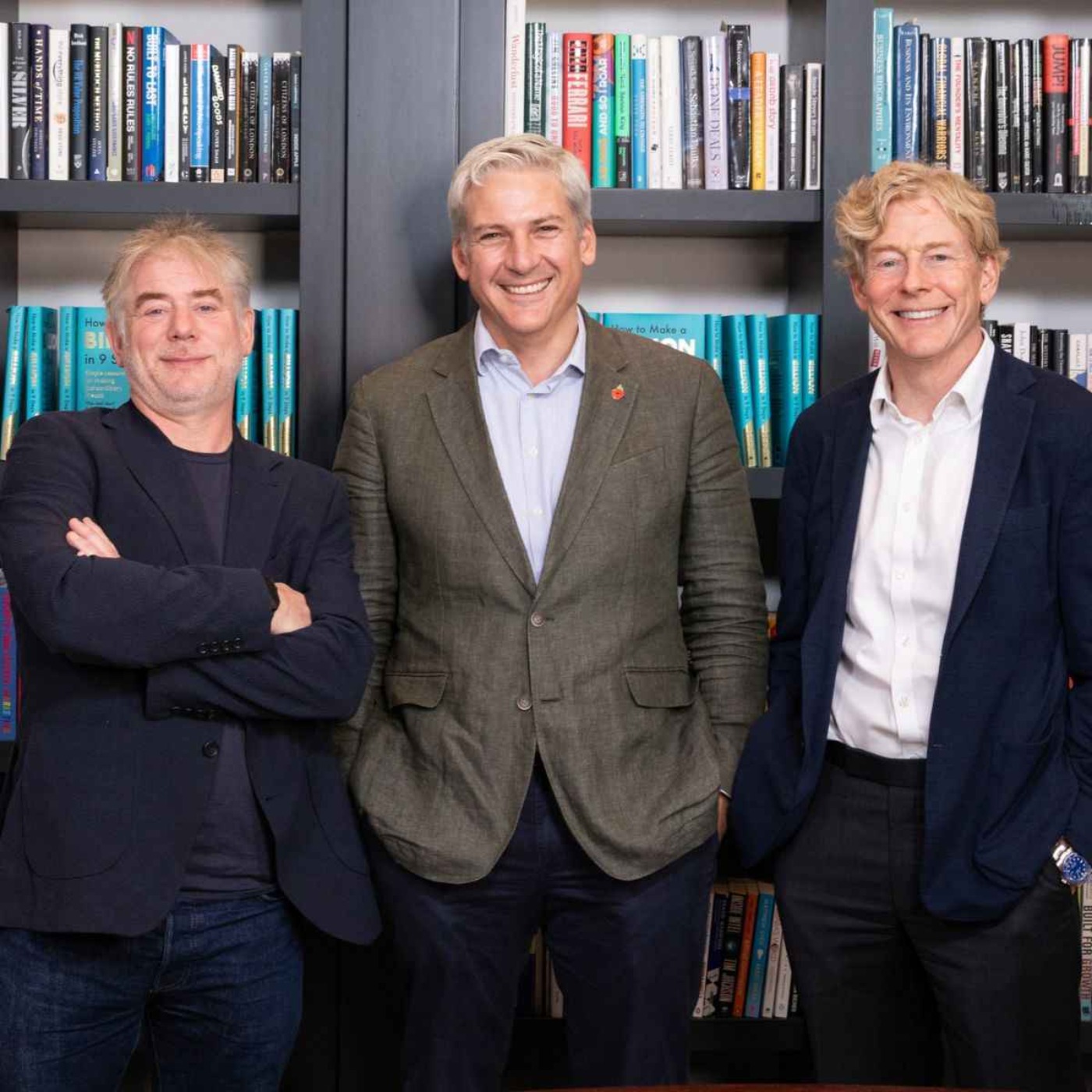
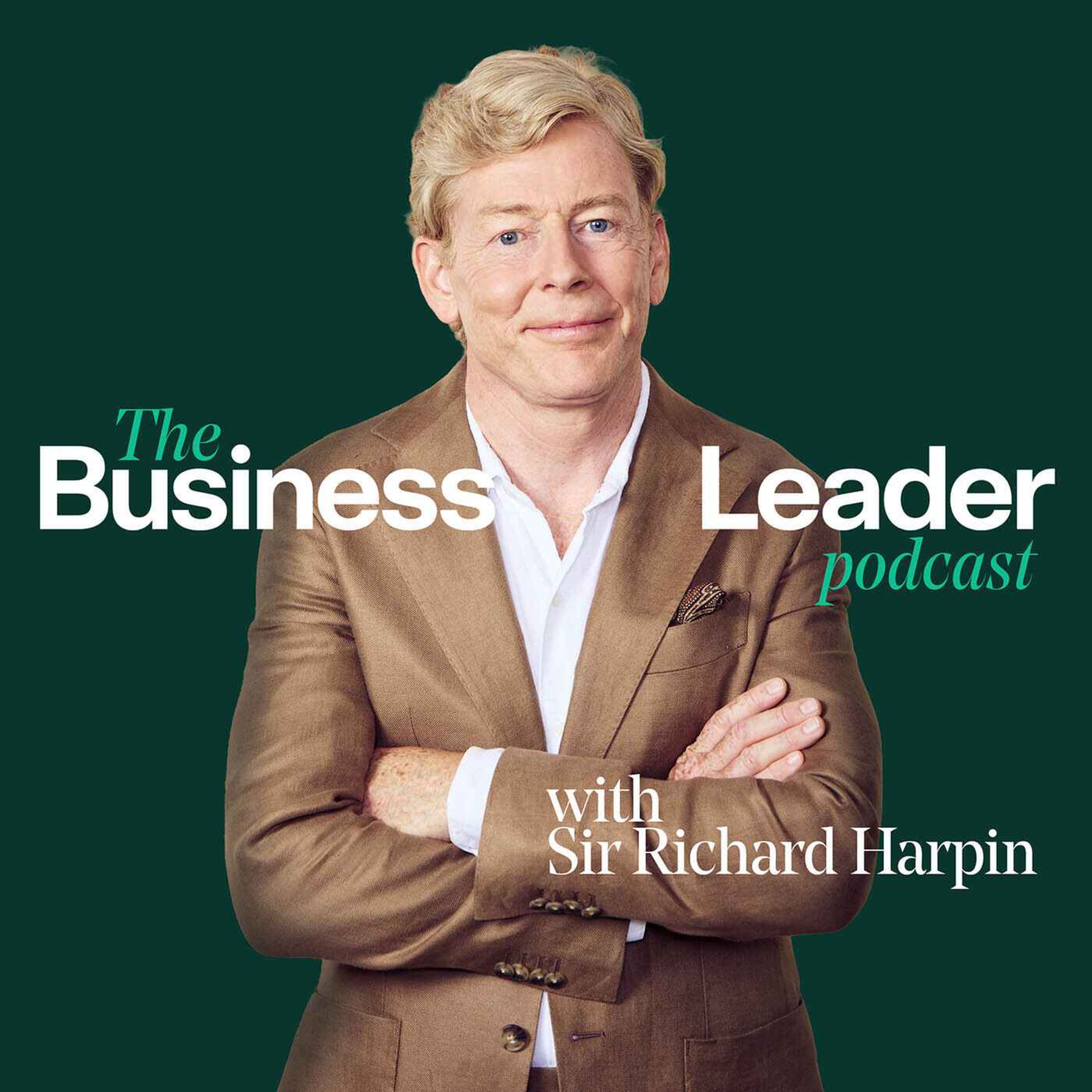
 The Business Leader Podcast with Sir Richard Harpin
18 Dec 2025 · 39m

Written by AI. May contain mistakes.

Get the gist, explore an idea or ask about something said.
 Claude
On The Business Leader Podcast with Sir Richard Harpin, what are the key points of this episode?
Searching your listeningAutomatic transcript. May contain errors.
0:00This is Britain's growth moment. Do you want to be part of it? On 26th of March, 750 of the UK's most ambitious founders, CEOs and investors will gather in London to shape the future of mid-sized business. The company's driving our nation's success. The Business Leader Summit 2026 isn't just another conference. It's a day built around the three forces that define growth, ambition, policy and capital. And as one of our valued podcast listeners, you can be there in person. To secure a discounted ticket, visit the events section of our business leader website and use this code. BL podcast, all one word, all uppercase.
0:41We look forward to seeing you there. During the height of your playing career, there's almost like a David Beckham spotlight that was on you. But then you kind of fall out of love with rugby a little bit. I thought to myself, if I'm 28 and I stop playing rugby, what the hell am I going to do for a living? I played for the Barbarians and that actually reignited my love for rugby. I was really lucky. I had a very good friend of mine who reached out and said, come on, man, I watched you playing recently. You know you're better than this level. What are you going to do? And because I started training, I was more confident.
1:12It gave us an opportunity to get back to South Africa. On my second week of training, I'm driving to training and the radio talk show host said, should Bob's consent come and play for the Sharks? And not one person said yes. I think it created a huge motivation for me. I told myself I was going back to win the World Cup. Hello and welcome to the Business Leader Podcast. I'm Josh Dornbrack and today we are very happy to be joined by Bob Skinstad. He played over 40 times for South Africa and was a key member of the Springboks World Cup winning squad in 2007. Today he is a partner at challenger consultancy, Elixir.
1:44We talk lessons from his playing days, his career in veg capital, leadership and much more. Please enjoy our conversation with Bob Skinstad. Bob, thank you so much for joining us on the podcast today. before we get into the meat and bones of the interview I want to just start by saying you know I grew up in southern Africa and you're an incredibly humble guy and you know I guess for a little bit of context for the listener and the viewer during the height of your playing career there's almost like a David Beckham spotlight that was on you you were on the front covers and back pages of all the newspapers all the magazines there was constant coverage and scrutiny and that's that's a lot to take as a young man when you reflect on those days Do you look at them favorably to, you know, kind of hone your character?
2:26Or how do you reflect? Well, first of all, thanks for having me. I mean, it's great to be here. I think I look back very fondly basically because it was such an uncertain time. Like, you know, rugby hadn't been professional at all. Then there was a global sort of swing because there were some big economic levers around World Cups and those kind of things. And South Africa had been marginalized. as a sporting country because of political upheaval. And I say this quite openly and honestly, like rugby was not a vocation when I grew up. You couldn't do it for a living. You could play rugby, but every rugby player that I knew had another job, did something else.
3:09He might have got some money in an envelope in his boot after a win or something like that. But rugby was fully amateur. Money was held by the unions. etc etc and i suppose that sort of broke the the sort of mold a little bit and then because of that they were looking for heroes poster boys whatever it is and and a whole bunch of us were thrown into the limelight so it was it was it was difficult um but it was quite heady and and you know you sort of 21 and you traveling the world playing a game for a living that you couldn't have done you know two three years before so there's a huge amount of enjoyment in that as well yeah exactly and in your formative years the springboks aren't even playing competitively like you said so you know that there's there's a lot of layers there and i guess if we go back to kind of the beginning you're born in rhodesia which is obviously now uh zimbabwe you then travel down to south africa with your family and stuff like that you end up in the durban area case at end shall we say um what were those kind of formative years like for you well i mean i look back now, we've got so many stories about that kind of stuff.
4:15I wouldn't want to bore you with all of them, but like, you know, my dad was a qualified GP running a, um, basically a division of a hospital, um, after having served in a war of zero of his own making, um, he'd gone up to a satellite university, Birmingham university had a satellite in, in what was Salisbury and become Harari. And then, you know, post-war, all the individuals who'd been involved were kicked out of the country. So in a, I think it was a Peugeot 404 and an envelope of as much money as he could draw from the bank, he, you know, headed south to South Africa. I must say back to South Africa because he was born in South Africa.
4:59So he'd gone up north to study, met my mum there and she'd come over with her family from Ireland. So proper immigrant status in that part of the world. But then South Africa was definitely coming out of a difficult period, apartheid, some highlights from me growing up, things like the Rubicon speech, huge upheaval in terms of political unacceptance of any of our sporting teams, You know, 1981 tour flower bomb tests, 86 cavaliers taking their careers in their own hands and coming to South Africa because they wanted to play their old rivals. I mean, some amazing things which sort of peppered our formative years, you know.
5:46And then because South Africa was such a stable place in terms of the white elite, I was very lucky to go to great schools, to be in a very safe environment, et cetera. But, you know, we didn't know any better. We didn't know, you know, how separatist that was. And then, you know, I was at school in 1992. Nelson Mandela came out of prison and basically reaccepted the rest of the country. You know, I mean, he could have turned around and done a whole lot of things and people would have hailed him as a hero, you know, rebel leader. But he turned around and said, well, we need to reconcile. We need to, you know, build a future together.
6:24that and so i think back to a lot of that and think to myself i've lived through an incredible time in in sort of human existence and very lucky for all of that yeah no absolutely and then the game specifically talking about rugby the game goes professional 95 you mentioned you didn't even know that it was a vocation um because it wasn't back in those days do you remember a moment where you're like this this could actually happen i could actually make this well so i've always been I've always been quite ambitious. So I was playing quite good rugby for a guy my age at a small school, Hilton College.
6:58We sort of played above our station in terms of results. We only had, I think, 480 kids or whatever it is. So we had a good-ish side. And if we played well together, we got some good results. So I then played for the local provincial team, and I wrote off letters to all because I wanted to have another experience. You know, where could I either go to another school, if they had maybe a post-matric project or something like that. I finished school very, very young, turned 17 in post-matric. So I certainly wasn't going to be a guy who didn't want to experience things. And I wrote off letters. Eventually I got accepted into Stellenbosch.
7:41If I did various subjects in post-matric at my own school, Hilton, they accepted that. It was great. we did A-levels instead of matric again. You know, in South Africa, they call it a narmatric, but it's just a repeat basically. So we did A-levels, which was great because then I did, you know, things which I would do for university. And then I went to Stellenbosch University, which really opened my eyes. And Stellenbosch was probably the best, like unprofessional slash semi-professional environment because a lot of kids were on bursaries, fee assistance, you know, that kind of thing. it was an environment which was so competitive that it just helps to sharpen the blade.
8:20You know, I mean, I played in my residence team. I mean, I had four guys who'd played South African schools, you know, including a great mate of mine. He played hooker in the team that I'd played the year before. And we were like, I didn't know you were going to Stellenbosch. And he was like, I didn't know you were going to Stellenbosch. Well, we didn't speak to each other because we were English, I was African. And now we're best mates. So I was really lucky to go. Simonsberg was the residence that I went to. Stellenbosch, super proud of that. I've got a daughter at Stellenbosch now. I do look back on some of the hardships, but I also think that if I just mashed it all together, I was incredibly lucky to have that as a stepping stone.
8:59Yeah, exactly. And then you kind of make your way into this incredible Stormers team, the men in black, those iconic black shirts. And then eventually you work your way up into the Springbok team a few years later. So Western Provence and then the Stormers, that was great. We were a young team. We had to sort of basically rekindle. We'd had a couple of linears despite having some decent players. And we were a whole bunch of young pups who came through and, you know, from Robbie Fleck to Louis Kuhn, Joachie Fulion, Percy Montgomery, Kornay Kruger. These were all guys who ended up going on and having fantastic careers, but we sort of all arrived at the same time.
9:34And then a lot of us sort of broke into the greater Springbok environment and Springbok squad in what was quite a settled environment at that stage. So it was quite tough, I won't lie. As a young player, I was probably the first one who, I'm two years younger than Percy Montgomery, so of my age that sort of broke into that environment. And, you know, there wasn't really a lot of room for new players. We look at Henry Pollock playing now and there's a lot of old players grumbling and, you know, the young kids love it. I wouldn't like myself to Henry Pollock in terms of skill level because he's flipping amazing.
10:07But I was certainly a guy who was happy to talk to referees, travel internationally, learn and sing other countries' anthems. I mean, I had an Irish mum. My dad was South African-Scandinavian. Why would I not want to travel the world? So I don't think it went down that well with the senior players in the team. And quite a few of them were settled. And a lot of those settled ones were loose forwards. I guess also, you know, coming back to what you mentioned about the Afrikaans and the English, that is in those days in South Africa, there was a definite divide. So you've almost got cliques on top of cliques, right?
10:39Because you've got these old established players, but you've also got this English versus Afrikaans versus, but you know, there's a little bit of a rivalry there. And, you know, that must be a tricky environment to come into and to kind of embrace. Oh, of course. I mean, I think I was ready for it and I was sort of pre-warned because Stellenbosch is a very Afrikaans place. So our residents, Simonsberg, we brought a whole lot of guys down from Natal and we brought a lot of relationships among us. We'd played rugby together. We knew each other. Our schools are quite sort of good. We had a lot of boarding schools, so they're really good about, you know, you stay after matches, you meet other kids, you create relationships.
11:24You might even have friends in other schools. We're going to stay with them for the weekend because you're a boarder, you know. So we had about 20 or 30 of us who went down to our residence and started, I think, probably flexing our elbows a little bit. But now, 30 years later, I go to a golf day once a year called the Buren Brit where we play against the Afrikaans guys who are our best friends. You know what I mean? And unless you break that mould, what are you going to do? You're just going to hate somebody for something that he never did? Yeah, exactly. And that's how I always thought about it.
11:52So when we got into the Springboks, we had to wait a little while, but then we started to get a bit more ascendancy and the results on the field proved it. And we were lucky enough to play with those guys. But at the time, it was difficult, you know? Yeah, absolutely. And then if we move it forward a little bit, you win the Tri-Nations in 1998. and I guess for a little bit of context just around this kind of time outside of rugby are you looking at any kind of business opportunities are you working I know obviously you're professional but you seem like the kind of person who's not going to sit on no the funny thing is I never stopped working so so I I never completed my degree that's my biggest regret I'm definitely going to do that I've got my eye on a few things right now probably more sport related but I basically you know at the end of my second year at Stellenbosch we'd come through everything and they were like okay now you're a professional rugby player and I was like what does that mean and they were like well you move out of digs with your six mates and your barbecue in the backyard and your and your weekly briars and beers and you stay in a place with other rugby players and you're going to play for us so it was like it was almost snatched away from us and then I think because of my natural curiosity and stuff I wanted to work I had I had sort of I wouldn't say friends in high places but because we'd started doing stuff with the team sponsors came on board and they were like, oh, who are the players that have got, you know, an aptitude to work?
13:11Why don't you come and spend a couple of days a week in the office? I did quite a lot of time at an ad agency in town. I met the owner and they eventually got bought out by Ogilvy and Mather, but they were Wrightford, Searle, Tripp and Macon. And I met Mr. Wrightford, Bob Wrightford. And we did a couple of sort of internships and those kinds of things. Then I started buying little businesses, got into the hospitality game. We did restaurants. I did a collaboration with a bunch of people from Durban who had a great franchise called Billy the Bums. So always had jobs, always subscribed to overseas business magazines, always, I mean, things like Fast Company Magazine.
13:49I think I was the second or third subscriber from South Africa to Fast Company. And, you know, they actually waived some of the international delivery fees because they were like, what's going on? And now they've got a local franchise, you know, which is great in South Africa. So I think always interested in in business and brands and that kind of thing. And that led to, you know, working later at Saatchi and Saatchi and enjoying myself in that environment. Was there ever any kind of conflict between the more corporate side, should we say, and the playing days? You know, the funny thing is it was so new that people allowed us to get away with stuff, you know, and I'm not going to lie, it really helped.
14:26When we did the rebrand of the Stormers, we appointed an agency, but we could pay them half because we had about 10 of the players who were keen to help, you know. So we did things like all the PR. We had relationships with the newspapers. We did all the Tupperware parties because we worked out that ladies bought more tickets than men did. Men bought one ticket for them and their mate. Ladies bought a ticket for the whole family. So we had a multiplier effect. So we had Tupperware parties and took all the ladies and we took Percy Montgomery's top off and paraded him around. And everyone was giving us money to buy season tickets.
14:58And then we broke world records with season tickets. So a lot of it was trial and error, but some really smart people around us. I got a very good friend of mine, Bradley George, to come aboard, and Gary Gold, actually, who's coached around the world. They formed the commercial team. There was no commercial team before that because there was no commercials, you know, and they did an amazing job. You know, Bradley went off. Well, Gary has coached all around the world. He's an amazingly accomplished coach. And Brad went off, worked for Goldman Sachs, then was at Investec, and is in 91. I mean, you know, like a global leader in that space.
15:33So we had real access to quality people. Absolutely. And then, you know, 99, you get selected for the World Cup squad. You yourself are quite, you know, critical of yourself in that time when you reflect on those days because you were effectively chosen over an outgoing captain. It's a complicated situation, as I always say. You're saying this like you sound like a Sharks fan, Jeff. I am a Sharks fan. There we go, for my sins. But, you know, when Gary Teichman, who is an absolute legend. And a hero of mine. Yeah, exactly. And I suppose there's another little layer to that, right? Because you're watching him in your formative rugby days.
16:09Absolutely. And now you're replacing him and the press is going crazy because they're like, why is this youngster who sticks his tongue out when he scores tries? You know, why is he there? I mean, again, coming back to that first question I had. Well, don't forget, I'd also had a car crash. Exactly, yeah. I guess, could you tell for a little bit of context about the car crash? Yeah, so I was, exactly. So we were flying high, Stormers were playing well. We were all fully engaged. Alan Solomons was head coach. He's a great coach, Solly. And to be honest, I think we had the perfect mix of the new form of discipline in rugby plus enjoyment.
16:44We were sort of, like I said earlier, young, enthusiastic. It was a new pathway. We were given enough leeway to be expressive in our playing, but we were quite serious about being effective. And we had an amazing season. We accumulated the most points ever in Super Rugby. We topped the log and we played the Crusaders. I had a scuffle with one of the Crusaders players, Justin Marshall, who, Marshall is a mate of mine now. And we've been through this. Him and I have been through this. In fact, we discussed it when we were in Auckland the other day. And he remembers exactly the same thing as I did.
17:15So, you know, for any naysayers or bullshit artists who want to try and create another story, please go for it. But, you know, Marshall would sit here with me. and we had maybe too many beers and laughed about it in Auckland together. He was really disappointed because we'd given them a hiding. We beat them by 40 points at Newlands. And this is a dominant Crusaders team. No, I mean the Crusaders are the most dominant team in all of rugby and we were a nobody team. We were sort of young. Anyway, Marshy and the team went into their change room and basically had a massive fine session and they said, listen, we're chopping everything now.
17:51We start on Monday and we're going to make the finals. This is what we need to do. We're going to make the finals. But tonight you're going to sit with your mates and be angry and sad about that. Have a few beers in the change room. And then when we're done, we'll go out. And then they went to a pub in Cape Town, which I'd opened for them because it was Sunday night. And I'd got a friend of mine to say, look, and they usually closed on a Sunday. And I said, no, Crusaders are in town. Like these are my rugby heroes. You know, Todd Blackhead, I'm not playing against him. And I grew up like watching him play.
18:19Reuben Thorne. I mean, these incredible players. And Marshy had a bit to drink, and he insulted my girlfriend at the time, who's now my wife, and I stormed out. And I'd probably had a couple of extra beers or whatever it is, but I stormed out of the pub. I mean, I thought of physically taking him on at the time, but I had both of my brothers and my girlfriend with me. So I said to her, you drive my brothers home. I'll see you at home. and I drove and I had a very fast car at the time, a Ford Falcon XR6, stupidest idea of my agent at the time to give me a car like that because I'm not very good at cars or driving and I'm not really a fast car kind of guy and it was raining and I drove across the Claremont Bridge and skidded out of control and then I went into the, the front of the car went into the concrete side of the bridge and I lifted my legs up, you know, almost natural reaction and I got a grade three and a grade two posterior cruciate ligament injury in both knees at one time.
19:22And there was a whole bunch of things that went on. I was on a 6.30 flight to Joburg to go and do a fundraiser for Hansi Kronier's foundation, fell off the stairs to the plane and I realized there was something really wrong because my leg was so loose. Anyway, physio confirmed that that night and then we had to tell Solly and everybody. Then I tried to recover as quick as possible because we had a World Cup later that year. And I wasn't fully recovered, but Nick Mallet took me to pre-season training. By then it was about four months, I think, three and a half to four months. So I'd had a lot of recovery time, but it was a huge injury.
20:07And I wasn't in good enough condition to be there. I don't think. But at the same time, and I've said this a number of times, I didn't say, don't pick me, but I didn't say, I need to be picked. I was like, well, you need to make that decision because I can't sit here and go, I've looked at a Rugby World Cup and not given it a go, but I also can't make a decision for you. Anyway, and they made the decision. They left out Gary Teichman as the captain, which I think they were going to do anyway, but potentially for me as a leader, a year later, they accelerated it and they made US 20 Vestas and the captain.
20:42Now, as soon as you start hedging bets in sport, in life, in anything, you're on a slippery slope because, you know, it's a bit like that saying, you know, burn the boats and you'll take the island. But if you're like, oh, we'll be okay if this, if that. So they effectively used me as a replacement for Andre Fenter. They wanted to play me with Tashman, but then they weren't sure of Tashman and the leadership if I was around. So I think it was, and you talk about like cataclysmic, you know, we lost in the semifinal and we won the playoff match. So we came third in the World Cup and people say it was the biggest disaster of South African rugby in recent times.
21:20So there's your context. You know, you come third in a World Cup against the Australian team who would have beaten anyone on their day. Tim Horan was man of the match in our semifinal and he was absolutely outstanding. And we came third and yes, I do feel it was a disappointment. And then, you know, we kind of fast forward a little bit. You kind of play again for the Stormers, you move up to the Cats, and then, you know, you don't make the 2003 World Cup. And then you kind of move over to play a little bit in Newport for the Dragons. But then you kind of fall out of love with rugby a little bit and you kind of semi-retire.
21:55Tell me a little bit about those. No, I fully retired. I mean, I didn't, I went to the Dragons. I loved it. And I made loads of friends. In fact, at the Wales game, now I bumped into some of those friends. It was fantastic, you know. I look back at it, you know, they forgot to register me for European rugby. So I sort of played. We were playing what was a top 14 championship team there. But, you know, we beat Munster at home, you know, in Tom and Park. We did well against Leinster. We were a challenging side and suddenly I wasn't involved in the Heineken Cup. And I was like, you know, what the hell am I doing this?
22:28Also, Wales is a great place, great people. But Newport's a little bit depressing. And I was sort of sitting with my fiancé and I said to her, this is really not like where I want to be. So I jumped out. I said, because I thought to myself, if I'm 28 and I stop playing rugby, what the hell am I going to do for a living? Because I've been so detached from that. And we moved back to London. I lived with a friend of mine, probably like, you know, the overseas tripping, you know, on a couch. and I started work at Saatchi and Saatchi. So I played amateur rugby for two years. I played at Richmond. Richmond had been dropped all the way down with some financial misconduct issues.
23:11And so we just played, I think we were in like London Division 2 South or something. And then I just, I was really lucky. I had a very good friend of mine who reached out and said, come on, man, I watched you playing recently. You know you're better than this level. What are you going to do? And he's an amazing guy. I've mentioned him a number of times, and he's also a physio. So he said, I'll train with you, and let's see if we can get you fit enough. And because I started training, I was more confident to play. I played for the Barbarians, and that actually reignited my love for rugby. I mean, you know, I had Brian O'Driscoll at Inside Centre, Tane Randall, Malcolm O 'Kelly, you know, Shane Horgan, Christian Cullen.
23:54I mean, just incredible players all around the team. and I suddenly thought, you know, shit, if I can make it here, I'm sure I'll be okay trying in South Africa and it gave us an opportunity to get back to South Africa. My wife was pregnant at the time and we got a reach out from the Sharks so I went back and played and the rest is history there because of playing in South Africa, I could then qualify and they needed an old slow-loose forward to be part of the team in 2007. Yeah, so when you go back and you join the Sharks, Do you have even a half an eye on the fact that it's a World Cup year?
24:28Or are you just like, we'll see what happens. I'm back home. I'm in the sun. You know, what is your mindset? No, I told myself I was going back to win the World Cup. Okay. Yeah, I've still got all my old diary notes about it. I mean, because, you know, if you don't aim for the stars, you don't even flip and clear the trees type thing, you know. And I didn't know how, but I knew that if I got into good physical condition, and I looked around me, the guys were equal age. A couple of youngsters, Brad Barrett was there. They laughed. I dusted off my old boots from four years before. They were like, you need to go down to the Adidas store and upgrade there, my mate.
25:00And they were teasing me about those kind of things. But I worked really, really hard off the field in the gym and that kind of thing. I dropped a lot of weight or a lot of fat, built up a lot of muscle, created an environment where I could carry the ball for the sharks and the books. And they needed someone a little bit like that who had some leadership. You know, John Smith said to me, look, I can't play all the games, but if I can talk to you, if someone can play a midweek game or someone can come off the bench if there's an injury or whatever it is and he knows what's going on in my head, which I was always able to connect with those kind of guys.
25:30It was difficult with me. You know, Jake had coached me as a youngster. He had a few guys that he liked above me. There were a few injuries. He sort of conceded to having me part of it and then conceded that that was a good thing. So it was good. We've got a great relationship now and we actually built a relationship at the time because I think he saw that the second half of my career was more about what everybody else was doing and how could I help. I was like, are you joking? I'm back at a World Cup. I'm like, I'm not going to do anything except have fun and help people and do that stuff. And it was much less about just me.
26:04Yeah, no, exactly. And I just want to come back to when you joined the Sharks because again, as a Sharks fan, I very vividly remember that season. Mentally, you're coming back into this environment, but you've also got a lot of people, the press, people who are kind of tapping in like where's this guy been like he's not been playing rugby now he's just been parachuted in there's a lot of stuff going on in the media that again that's a difficult thing but is that where you as a sports person go like well you guys are just challenging me i'll show you so on my second week of training i'm driving to training and the radio talk show host said should bobskin said come and play for the sharks and not one person said yes and i listened to that the whole way to work and you know what it's probably the best thing that happened to me but then i thought you know what expletive insert expletive here i'm not going to but you know um got two words for you and it's not bon voyage and um and i'm gonna make it work yeah you know so i i spent a lot of time i made a lot of friends here because i spent a lot of time in the gym i spent a lot of time in the rehab environment with the physios making sure that i was i was looking after my body and i think that was the catalyst to being able to you know become part of that team and start.
27:17I mean, we went through the season. We played really, really well. The Bulls beat us by one point in the final, and they were an amazing team. They went on and had three super rugby wins in a row. No, I think it created a huge motivation for me, particularly because everything I've always been about is warming to people who get told they can't do it. Yeah, no, absolutely. And, you know, your career, your playing career kind of culminates in this brilliant World Cup victory in 2007. And then, you know, what do you do then? This is almost your second bite at the retirement sherry. What's your next move after you hang up your boots?
27:55Well, I mean, to be honest, it took me a while to hang up my boots. I had enjoyed going back into rugby very much. I really wanted to do something overseas. And I sort of flirted with going to France for a while. I flirted with going to Japan. But eventually I decided, you know, actually, what am I going to do? I'm going to have an okay to good salary internationally, but no roots in South Africa. And I decided to head back to South Africa and I started looking around for businesses to be part of. I'd done some work at a distribution business and I'd been a marketing director there. And then I bumped into a friend of mine who had been at Stellenbosch with me, and he founded a company called Knife Capital.
28:45And Knife Capital is probably the – I would say the first preeminent sort of venture capital firm in South Africa that were concentrating mainly on pure venture capital. And it spawned out of Mark Shuttleworth, the entrepreneur who sold his business, Thought Consulting, and he sold it to Verisign. And it was basically an online authentication of websites, et cetera, for a huge number. And he put money back into, I think he called it eSquared Ventures or something. So like an ecosystem or an environment in Africa that was empowering young entrepreneurs. And these guys spun out of that and bought back the venture studio business or the venture capital and studio business.
29:27And I say studio because they had a program called Grindstone, you know, sharpen the knife type thing. So if you want to be an entrepreneurial business having a go, you come in a bit like you see in Silicon Valley. You know, guys will cut you a small check of 100 grand to spend a year with them verifying what your business can look like. And then, you know, exactly. I joined them, worked in the business for a while, and then became a partner with them. and we realized that although the business was thriving and we had some fantastic exits, and it's all credit to them. They were outstanding at what they do, but they offshored a lot of businesses.
30:04So they were RAND funded and then they sold in dollars and pounds. And that was the model. The problem with that model was that we didn't have a big enough presence in the pound and dollar-based economies to be telling people about our little business from South Africa. As soon as you say, oh, we've got a business in Stellenbosch, people are like, where? Wine. Yeah, exactly. And the American guys are like, hey, I love this Africa story, but I don't invest any further south than San Jose. Like what's going on? So we had to internationalize and we had to sort of shore up the amount of money that we had that wasn't tied up in the EIS funds.
30:38in South Africa. It's called Section 12J of the Southern Revenue Services Act. And I came back to London. So end of 2015, we had a first couple of meetings and we sold half of our GP to a family office over here. And then I came over to manage that. And then it went really well over here, had a couple of years with some good exits. The businesses could then expand internationally. We We raised money in this part of the world. And then in COVID, I think, you know, a lot of those kind of businesses, particularly with the market softening and stuff like, you know, it's a hard thing to tell people to take risks anyway, even in good times.
31:24But when it's bad times, so tell me about your African ventures. You know what I mean? It really wasn't an easy thing. And our chairman got a little bit sick and moved down to Cornwall. So I was doing a couple of hundred mile commute twice a week, which eventually after 18, 19 months eventually got to me. And so we agreed to part ways because we had a sunset clause in one of the funds. The timing worked. So I could leave as a GP but remained as an LP in that fund, which has been fantastic and they've done a great job. And then I joined Alexa, you know, a consultancy that also had venture capital clients, private equity clients, broadcast clients, you know, and I'd been doing broadcasting in rugby on the weekends.
32:10So it was just a confluence of events. And I think they took a bit of a punt on me and so did I. But it's been amazing. It's been one of the best. In fact, returning to what we were talking about, the leadership and team, we've just recently had a partner's quarterly, which is we do a quarterly get-together. And one of the partners said to me, you know what, I'm back around the table as if I'm with my rowing or my rugby mates from uni. And I actually echoed that. I said to him, that's when you know you've got the right people around the table. And that's how it feels now. I mean, we work hard.
32:45We're certainly not lax in terms of sharpening the knife if needed, but I think it's a great working environment, yeah. What kind of size businesses are you working with? Look, I mean, gold clients for us are a million dollars plus in terms of the revenue we generate, but they would probably be in the half billion and more. I mean, we do do a lot of work with really big businesses where we might only do a small part of the, they might have five or six suppliers in our space, but we would specialize in the area where they see us as the expert. And we are seeing that. We're seeing market segmentation.
33:23You can't be all things to all people. The interesting thing about our business is that we were listed on AIM to create some liquidity to basically start acquiring the businesses that could do the things that us and our clients agreed strategically would be good for their business. So then what we could do is we could say, well, we can directly quote against you. We can also start doing some work around that space beforehand. I mean, things like data and analytics. Five, six years ago, we bought a data and analytics business. An AI business spun out of that business five years ago. We waited three and a half years.
33:59We bought them a year and a half ago. And that business is integrated into ours now. We see the market and everyone's like, oh, have you got an AI solution? We're like, well, hang on. Do you even use it? What is your adoption like? So we do it internally and we actually create thought leadership around it because we've actually rolled up our sleeves and said, okay, well, we created – I mean, I love it. They were teaching all of us at the Partners Courtly the areas where you need to lead your client. So someone spun up – they vibe-coded a solution around the table. I'm like, are you joking? I mean, most of us are getting in trouble because of a cyber environment and we've got to go back and learn all the protocols, et cetera, before we even engage with a client.
34:47But actually in our environment now, we're leading ourselves. You know what I mean? So you feel so much more comfortable when you lead with a client. And I think the guys who spun Alexa up out of nothing, out of a garden table 14 years ago, have really led with integrity in that space. It's like, look, we're not going to do anything for our clients that we are not tweaking and testing. We're not going to chuck heads into chairs and take a profit off the top, but we are going to make a difference. And, you know, we're going to we talk about, you know, hashtag make should happen because you want your clients to be at the cutting edge of business, you know.
35:24Yeah, absolutely. We're going to finish with a couple of quickfire questions for you. So you're going to host a dinner party featuring five leaders from the world of sport, business, music, dead, alive, fictional, whatever. Who would you pick? Sure. That's quite an interesting one. Okay, so I think I'm going to bring in five people, some of which I've interacted with already, some of which I know. So I'm going to bring back my late father because I miss him. And he was an amazing example to me and our family. and he could entertain anyone who was very good at the braai and he loved the braai. That's always good.
36:01So we're going to have a braai. We're going to be very South African. We're going to have a braai and my dad's going to be braying. Yeah, so we'll start at 2 o 'clock. We'll actually eat at 10. Exactly. And I'll probably be sent off to get him a beer while he talks a story to someone. Then I'm going to invite Rulof Boerter. Rulof has become a very good friend of mine, had an amazing journey with PayPal and then into Sequoia. He's on to his next thing now, but I know that he loves food and good wine, et cetera. So he'll be highly entertained. And he'll tell us a lot about what's happening in AI in the future.
36:34I'm sure he's got a few stories. Yeah, exactly. And then I'm going to bring Nelson Mandela because I've had lunch with Nelson Mandela. Someone you've had lunch with. Yeah, exactly. And he also, he'd get a little sweet wine actually, half a glass of sweet wine for lunch and something meaty. So probably put in his order early. Just pause on that one. Sorry. Did you say that he had a little bit of a flirt with your wife? He did. Yeah, yeah. He was a scallywag. No, I mean, I was trying to get a word in Edgway's about sport, and he was asking Debs where she was from and the kids, and he was so good with people.
37:08I mean, he could have had a conversation with anyone, you know, princes to paupers. And that was his unique charm, you know. He could win you over. And then I think, actually, we're going to go with Rossi Erasmus because Rossi and I had famously played for the same position. We had clashes as players. We buried hatchets. I was a journalist. He was a coach. And I think he's just gone on with the most incredible aplomb as a coach and a leader and a sort of an innovative, how do you say, like representative of what's possible. And I know he also likes a bra. And he likes a story. I'm noticing a lot of things here.
37:50Loves the story. So he would come along. And then, you know what? I'll just go with a good friend of mine, Justin Kemp, the cricketer, because he can get on with anyone. He's been all around the world. I love my fishing. I fished with him. He's become an amazing, flippant fisherman. He's done incredibly well with the Namibia cricket team. He's currently their coach now. He's got Gary Kirsten on to help him. And he's made a huge success of that. but he also can't wait to get back to take me and my mates fly fishing with him. And he's a fantastic guy. Their setup, upstream fly fishing, actually takes people all over the world.
38:29It's the best group of people. Yeah, that's my five. It's a bit male-oriented, I'm sorry. And is my wife allowed to come with me? I might get in trouble. We'll allow us six. We'll allow us six. Thank you. Final question for you, another tricky one. What's one fact about you that we can't find online? hmm um but you can't find online about me now and i'm not going to make any other admissions to it until i'm find i'm good enough at it but i'm currently training for a triathlon there we go that is joining richie mccall and those well i think those guys are too they're too fit and strong for me i'm just going to do a little one and and then see if i can survive yeah absolutely uh bob thank you so much for your time if people want to find out kind of more about Alexia and yourself, how do they do that?
39:12The easiest thing is either follow, you know, myself on LinkedIn. I post regularly about stuff that's going on in my life and Alexia have got a great presence online, websites all there, please, you know, interact with me. I've got a really good environment where we, I've actually, I mean, you know, not only a guest and customer wise, we've had so many interactions. We say, oh, you know, thank you for reaching out, come and join us at a conference or an unconference or something like that. So everybody is really welcome to reach out straight to me online now. You've been listening to the Business Leader Podcast.
39:51For more business masterclasses and case studies, please check out businessleader.co.uk.
40:04The Business Leader Summit 2026 is set to be bigger, bolder and more ambitious than ever. Don't just watch Britain's growth story unfold, be part of it. Secure your ticket today by visiting the events section of the Business Leader website and using the code BLPODCAST, all uppercase. It's your chance to join the leaders who are shaping the future of business. Thank you.
Hosted on Acast. See acast.com/privacy for more information.