Ask ChatGPT
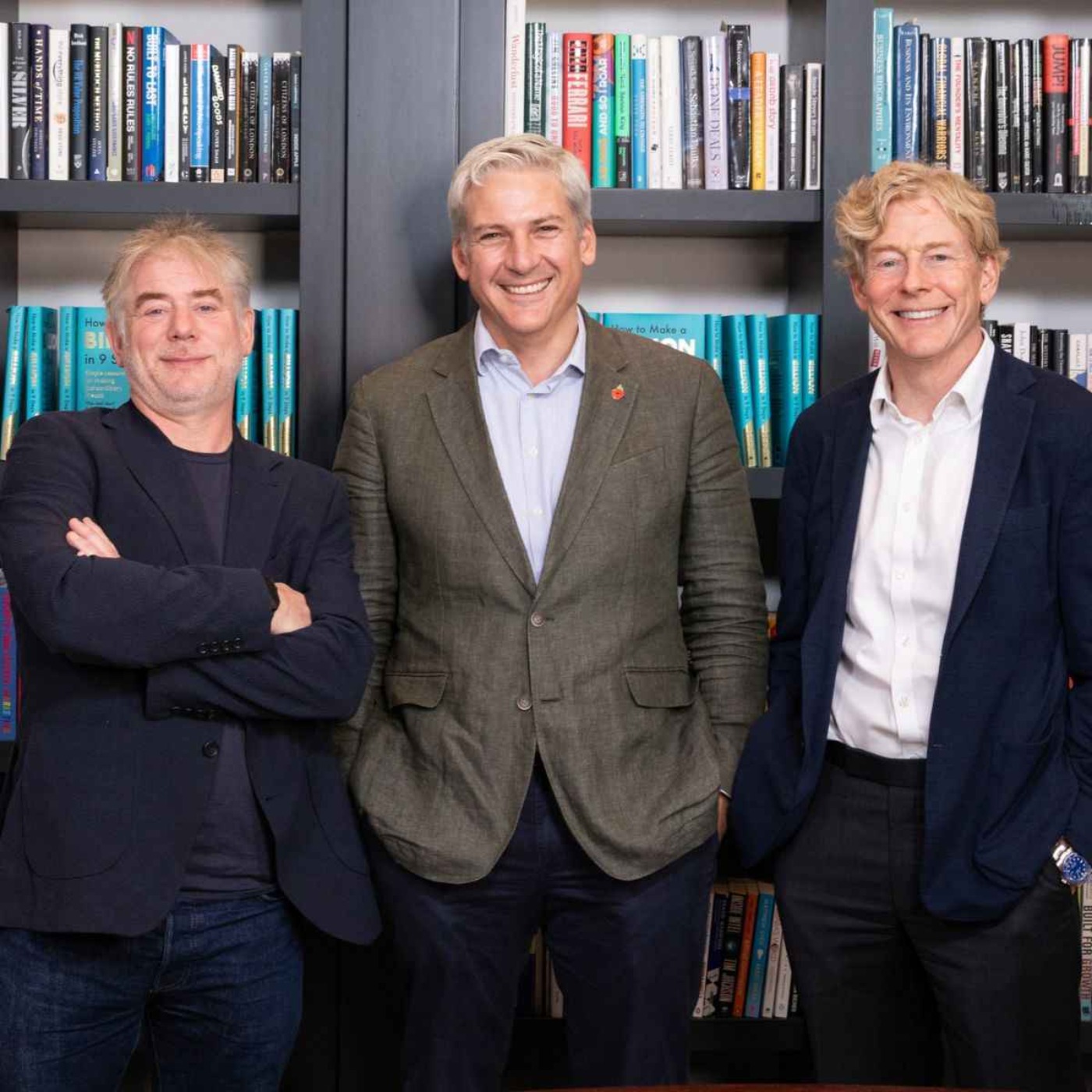
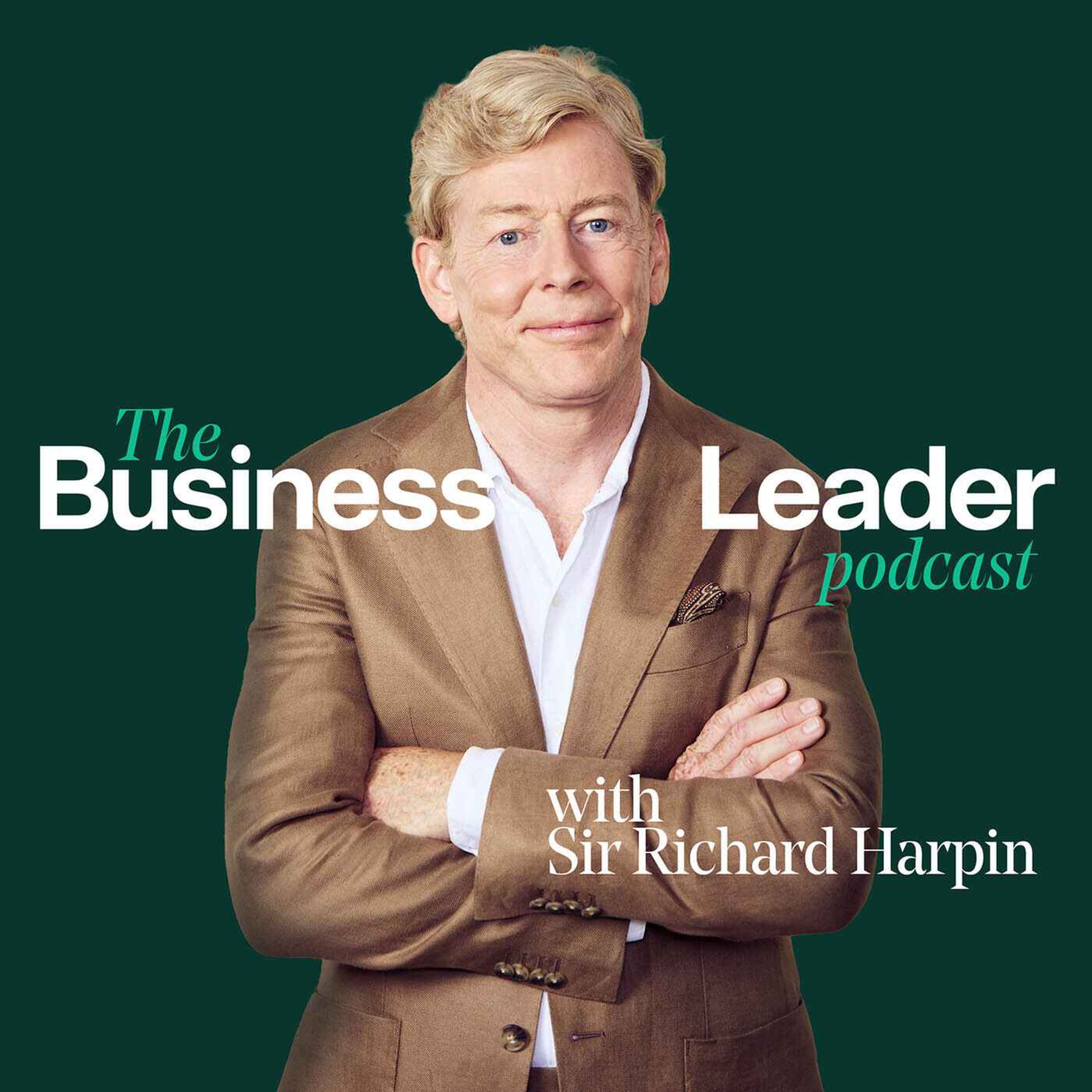
 The Business Leader Podcast with Sir Richard Harpin
11 Aug 2026 · 37m · 17 chapters
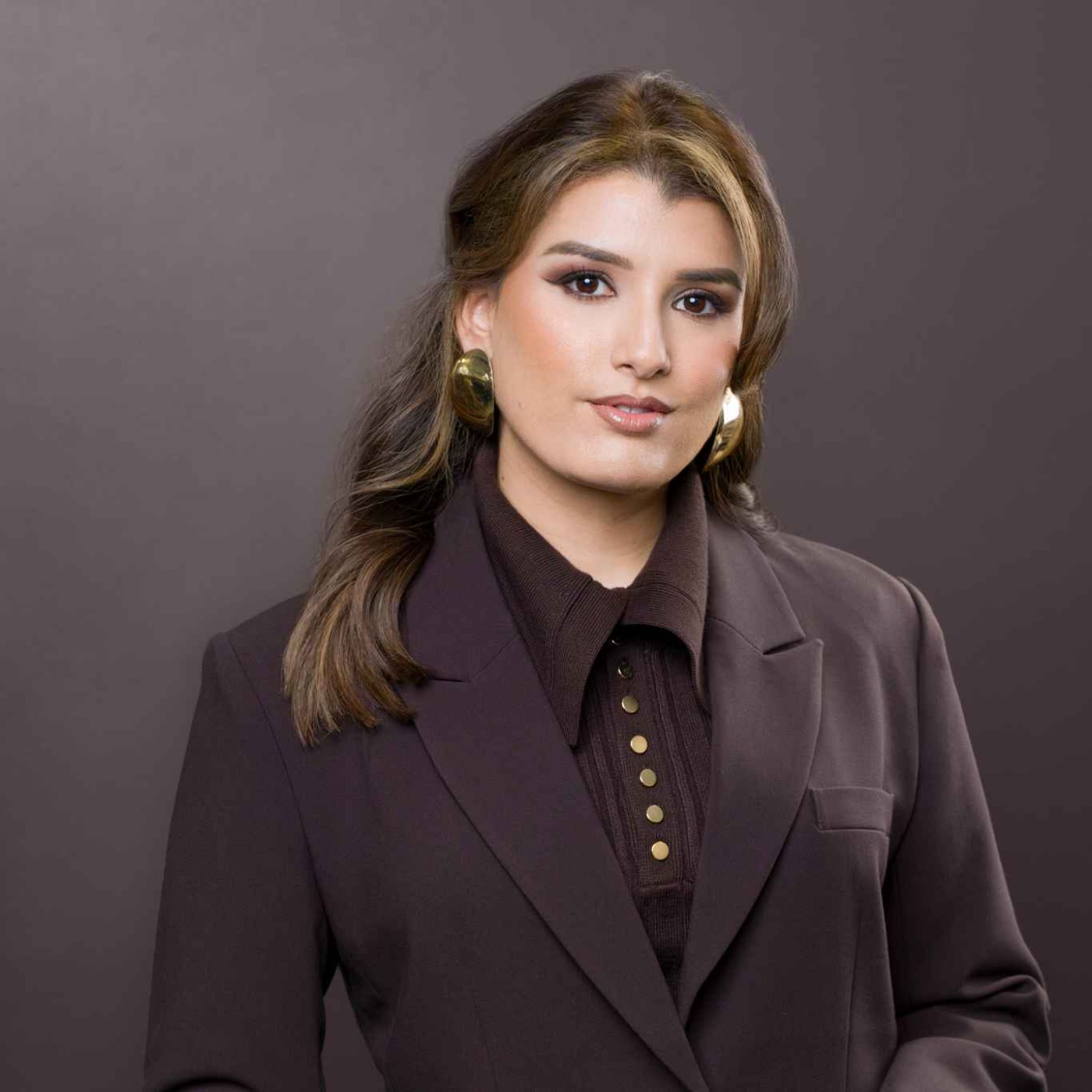
How Memma Bridgen, a former police officer, co-founded Birmingham fuel-and-fleet card provider The Fuel Store and scaled it from scratch to £100m+ revenue using disciplined focus, end-to-end customer journey management, and proprietary fraud/usage tech.
Memma Bridgen is co-founder of The Fuel Store with her husband Jamie (mechanical engineer/entrepreneur). She previously worked in the police, including a covert operation, and says it shaped her leadership style. Jamie’s father, Peace Bridgen, is on the board. Their tech team includes “JB,” who built Fuel AI/Fraud Guard.
Fuel is the second-largest fleet cost after wages; the fuel card market is cutthroat and largely unregulated; growth requires mandate discipline, prioritization, and not overengineering products/processes. Sales must target the right decision makers (procurement/FDs/CEOs) via telesales.
Cold-calling script discipline; customer targeting from ~2,000 to 200,000 litres/week (SME cap); Fuel AI detects anomalies/fraudulent usage; Fraud Guard supports transaction/behavior monitoring; they paused diversification ideas (e.g., leasing/insurance) to stay focused.
Written by AI. May contain mistakes.
Discover how Mehma and Jamie Bridgen identified a gap in the fuel industry and launched their business.
“Jamie and I were sort of in jobs at the time, and Jamie, my husband, has always been very entrepreneurial.”
Understand the challenges and competitive landscape of the fuel card market.
“So we very much did start with investment from the get-go.”
Learn about the sales approach and how The Fuel Store won its first customers.
“for coaching, peer-to-peer forums and exclusive learning events.”
Explore the principles and practices that helped scale The Fuel Store to £100 million.
“So again, a lot of it's to do with what is that mandate?”
Discuss how fluctuating fuel prices and tech innovations affect the business.
“We talked a little bit earlier about the big variation in the price of fuel.”
Learn about Fuel AI and Fraud Guard and their roles in the business.
“that was down to jb um he's very much the the you know the the brain and the tech behind the business and that was part of that whole, you know, do we diversify and do we start to grow some arms and legs?”
Explore the growth potential of Fuel Store within the UK fuel market.
“Is this a business that one day can be grown internationally or is there a lot of roadway to growth left in the UK?”
Discover how previous police experience shaped leadership skills.
“Did that have any lessons in leadership?”
Hear about the challenges and decisions made during the career shift.
“So that is quite a quick turning department.”
Understand the process and importance of hiring an external CEO for growth.
“It was something that Jamie and I were discussing for a good six to eight months.”
Reflect on mistakes made and lessons learned during the business journey.
“Yeah it's a card-based business essentially.”
Gain insights on how to successfully scale a business to reach new revenue milestones.
“Other tips that you would give to entrepreneurs and chief execs that are scaling their business today and perhaps they're at 10 or 15 million of revenue and want to break that magic 100 million barrier?”
Learn about the crucial decisions and challenges faced during early business growth.
“So I think that's when it came in to decide whether you want it to be a lifestyle business or an actual.”
Hear insights on leading in a male-driven industry and overcoming intimidation.
“I think the fuel industry is predominantly a male-driven industry.”
Discover the thought process behind moving from operational roles to non-executive positions.
“What was the thinking and planning behind that?”
Explore the lessons learned from personal experiences in growth and mentorship.
“At the moment, I've got a number of clients and I'm sort of very selective as well, just because I want to know, you know, yes, I could help startups.”
Understand effective sales strategies that helped achieve significant customer loyalty.
“journey or podcasts or anything else that you learned from?”

Get the gist, explore an idea or ask about something said.
 Claude
On The Business Leader Podcast with Sir Richard Harpin, what are the key points of this episode?
Searching your listeningAutomatic transcript. May contain errors.
0:01We almost sort of got a little bit stuck as to how to move forward. You know, we had to do this to allow the new CEO to steer the ship. We never really thought about getting to 100 million. I know that sounds cliche, but we just thought about focusing. It really is not to go after flashing lights and not to over-engineer your process. Mistakes are how you learn and how you actually grow and know what didn't work. I think it's common for when you try and move quicker than you can manage. The police was everything that I am today, so it was very sort of high stakes, fast-moving, no room for error, and I was only 22.
0:37You are going to miss things. You're going to miss holidays, you're going to miss having fun, going out for a simple dinner. We've reached a cap of what we can do now. Fuel, it's the second biggest cost in any fleet business after wages. It powers the lorries that stock our supermarkets, the vans that deliver our parcels, and the machinery that builds our homes. And yet for decades, the industry that supplies it has barely changed. Memma Bridgen is a co-founder of The Fuel Store, a Birmingham-based company that offers small and medium businesses fuel card services to bring down the cost of fuel and monitor its usage.
1:16Starting from scratch alongside her husband Jamie, she's helped build a business turning over more than£100 million with proprietary technology, a landmark partnership, and a team culture that refuses to use the word sales rep. Her approach to leadership, branding, and growth is anything but conventional. Memma, big welcome to the Business Leader podcast. How did the Fuel Store come about? So, yeah, it's a funny story, really. Jamie and I were sort of in jobs at the time, and Jamie, my husband, has always been very entrepreneurial. It wasn't my husband at the time. And, you know, he's always thinking of ways he can improve something.
1:58So for Jamie, it was his father, Peace Bridgen, who resides on the board as well. He, you know, always used to come home talking about it. As you do, listen to your old man talking about work. And he sort of identified a gap and thought, I think I can change the way this industry works. Streamline it, make it more efficient, sort of system heavy. I'd just talk about the fuel card product, and I think it also includes fleet management services. Yes. So we are a fuel and fleet solutions provider. So the fuel card, you know, it's primarily you can get your diesel and unleaded. There's also things like truck wash, M6 toll, you know, sort of like everything you need in your pocket type thing.
2:44So that's the fuel card itself. It's very much like a bank, we say, you know, like you have a number of credit cards, debit cards. It's something that you do need in your pocket. And you also offer energy services as well as fuel, do you? Yes. So the idea with the fuel store was to diversify into the one-stop shop for fuel and fleet needs. However, that took a lot longer than we anticipated when we started out. It was very much fuel for at least seven years of that. But again, it's a lot of mandate scoping and making sure we're ready. So, yeah, we do. We have got an electrification card as well, and that services that side of the market.
3:27And it's almost like if you need it, we're there. And is it a really competitive market? Oh, Richard, it absolutely is. It's the most cutthroat industry. It's a commodity. So if we think about it, you need it. So therefore, you can get it from pretty much anywhere. And that's the difficulty in the fuel card market. It's like a dog eat dog. It's also unregulated, which people may not know. So you've almost got to sort of try and formalise it yourself. And that's very difficult when a customer knows that the power is in their control, really. And how do you beat your competitors? What's your unique selling points?
4:05So this is where, you know, it's a collective team effort. It's making sure that you're looking at the end-to-end customer journey, not just the initial let's get a customer who needs fuel. There's a lot that takes off after that. You know, things that sites don't always go well, driver behavior, actually trying to get your drivers of 60 plus potentially, if you have a fleet, to do what you ask them to do with the card that you're using. So we can look at usage history. We can see how drivers behaving. And, you know, it's also just commercializing it and understanding what is fuel to that customer.
4:44I mean, it's the second biggest spend after wages. So you've got to try and see it that way. And with the cost of fuel obviously going up and being pretty high at the moment. Yes. I mean, we're seeing a nice decline at the minute with tensions sort of easing. At the start of, I think, I've got to get my facts right, but I think somewhere around April, we had like$120 per barrel. We're sort of back to the$80 mark, which is kind of normal now. So the volatility was, yeah, that's where we're pretty crazy at the times. Looking back, the business is 10 years old. Yes. And did it need funding originally?
5:22Yes. So we very much did start with investment from the get-go. And, you know, it was our first sort of injection into the business. And we did it the very difficult way of getting an office, getting a couple of staff, and then having to make the thing work. So it's a very sort of commercialised look to the business. So you've got to try and entice that type of stuff as well. And that was with external investment or family and friends? Family as well as external. And what would be your tip for any business that is in those early days that's looking to raise investment? So make sure you have a very soundproof mandate.
6:06And I love that word. Anyone who knows me knows it. You've got to understand what it is you're trying to achieve. And then make sure you do have that conviction to see it through. So there's got to be a whole sort of, as you know, the business plan, not just an idea. So ensure you know what the pain that you're solving is. And you've outlined the trajectory to get to that. So you've taken on a few staff. How did you then win your first fuel card customers? This is really, really good memory, actually. We sort of did the whole script. It's cold calling. So for all the cold callers out there, it's an amazingly difficult job.
6:44On doors or telesales? No, it's telesales, Richard. It's still that today. Even though there's AI, which we can get into, but it's still primarily you're selling fuel by the leader. And there's got to be a real conviction in that from the minute you pick up the phone. And who are your telesales people speaking to? Is that the chief exec or the finance director? Well, this is it. As we know in sales, you've got to speak to the right category of customer, the right decision maker. So that's up to the team, which is a very difficult job to get to that decision maker. And that is really exactly the part of being able to succeed or not in this industry.
7:22You could quite easily just speak to the wrong person and do that for several weeks. So it's training to understand how do you sound on the money from the very start of the call. So, yeah, it's really your procurement guys in a business, your FDs, people who make decisions.
7:43I'm Richard Harpin, a Yorkshireman who sold my company, HomeServe, for£4 billion. And this is the Business Leader podcast, where we look at the stories and strategies behind modern businesses. I'm passionate about helping British businesses scale and succeed. I think it's the key to unlocking Britain's economic growth. Founders and CEOs of mid-sized companies can be members of the business leader community for coaching, peer-to-peer forums and exclusive learning events. So do get involved. Sign up to our weekly newsletter at businessleader.co.uk slash newsletters. It's free and it helps us grow the community.
8:25And has the sales effort changed over time as the business has grown and you've taken on more business customers? The sales methodology and the tactic has to remain the same. because really if you overcomplicate or overengineer it, you do end up going off the beaten track. But obviously there's a lot of advancements come in, data, analysing, that sort of thing. But very much the way in which you sell is the same. And roughly how many customers do you have today? Around 9 ,000, 10 ,000 customers. Yeah, I mean, that's the difficulty though because it moves so quickly that you are having to see which ones of those are actually active and using your cards.
9:11And the range of customers would be what sort of size are these businesses that are using your service? I mean, we do have a little bit of a cap as we learnt as we went along, not to take too small of a customer, but sort of anything from around 2 ,000 litres per week to 200 ,000 litres per week. But we are the SME market, so we don't want to sort of go into bunkering, which is where you get your real sort of, you know, big tankers that really do on their own yards. And those would be for very large customers. Yeah. So there's that sort of SME size that we're going after. And good to know that you've remained disciplined on customer targeting.
9:49I love the name. How did that come about? The fuel stall. Well, actually, we laugh. We think it's not very sort of, you know, innovative. it's quite the fuel store um i think it was jamie uh and i think his dad to be fair my father-in-law that thought that sounds like a good name so definitely not a credit to me there could there be a store are there any stores no i mean this is what people often uh mistake us for like a drink because you've got the fuel drinks now that i've got stores and things so maybe there's a name change in the future uh but for right now the customers know us and it's built a culture we're going to stay as we are for a little bit i would i would stick with the name okay that's good okay car phone warehouse yeah didn't sell car phones for for long did they before they became personal mobile phones and i don't think they had a warehouse they had a range of stores so this is it yeah okay good to know you have succeeded with that with jamie your husband and the management team in growing the business from zero to 100 million that's real scaling what were the secrets in doing that for other entrepreneurs that are looking to achieve the same level of scaling it really is not to go after flashing lights and not to uh over-engineer your process it is a process like anything getting dressed in the morning you know driving your car to work it's the same thing it's monotonous so i think it's discipline uh which you know jamie and i have always had with what we want our team to achieve and they're on board with that.
11:26So again, a lot of it's to do with what is that mandate? It's clear. How are we measuring the results to that mandate? That's a set of clear metrics as well. And then just having that governing sort of framework to make sure everybody has the support. So it was very much that kind of culture that was built. Open door, when you're scaling, you don't want to be shutting the door on questions and innovation, although the innovation does potentially have to be sort of stopped at times just to keep a very narrow focus. So I'd say that's the... Yeah, what would be an example of an innovation that you had to put on hold so that you remain focused?
12:05Just, you know, there's different products you could go into. So if you think we have fuel cards, you could go into, well, we did do AdBlue, but that's a requirement now. But, you know, I don't know, changing your brand or changing the way the card looks, or these are things that are not really going to change the dial and you know trying to do leasing or insurance for the cars as well because you think you know if you need to fill up fuel you'll need to think about your insurance and your leasing and but really you know that takes a lot of time away from the the core. How does a an entrepreneur or a chief exec decide between whether a product or service should fit within the portfolio of the business or whether it is two steps removed and should be on the not to do list you think really good point uh richard not to do is really important and saying no um it's got to serve your your you know your revenue essentially so if you know how your business model works if there's anything that diverts uh you know traffic away from that so even if it's attention of your your team um you know time of training which is a really big part of the business you've got to train people a lot of the time uh you know those are the things that you know are going to be two years or five years down the line.
13:20It's just, again, knowing your mandate. We talked a little bit earlier about the big variation in the price of fuel. How does that affect the economics of the business? Massively. You know, there's always a phrase I go by that when America sneezes, the whole world catches a cold. So you've got to be ready to catch that cold. And it can happen, you know, when you're waking up in the morning and you've got a nice sort of easy day or you say easy in entrepreneurship it never is uh and then it just goes totally on its head so um it the geopolitical events really do they send tremors you know almost to anyone in this market um so you have to keep an eye you built some proprietary tech fuel ai and fraud guard yes that was down to jb um he's very much the the you know the the brain and the tech behind the business and that was part of that whole, you know, do we diversify and do we start to grow some arms and legs?
14:21And AI is such a big thing that, you know, he almost felt like it was a necessity to show that advancement in the business. What do the two of those products actually do? Oh, no, you're testing me. So Fuel AI is really like, you know, it's a predictive tool in a sense. It can help you understand what your drivers are doing, any anomalies in usage patterns, that sort of thing. And therefore, you can sort of understand what might be happening. So this would be fraudulent use of fuel or throwing up their own cars rather than company vehicles or whatever. Precisely. Yeah, precisely. Fraud guard is the same?
14:56That's the same part of it or different? So fraud guard is that one, sorry. And fuel AI is more about your transactions and understanding the landscape of your driver behaviour and usage. Is this a business that one day can be grown internationally or is there a lot of roadway to growth left in the UK? There is a lot of roadway to take over market share here and I think that's the point of not being too greedy. I know we've been 10 years and people might think, well, that's time to start looking at global scale, but it's a model that really works in the UK market and then you will have to pivot for a global landscape.
15:38So I don't think it's on the cards just yet. We're quite happy to stay in our lane and I think in your lane is really important in this industry. More growth to come in the UK and any idea what sort of market share that you have today? Yeah, so around 42 billion for fuel goes through commercially and around 8 billion of that is through fuel cards and we're sort of the fuel store and the reseller market is where we sit so if you think about commercial fuel 42 billion fuel card market 8 billion resellers like ourselves probably about two percent of that so plenty of scope for growth there is yeah and it's very competitive so you are sort of taking from one another as well um but yeah there's i mean i think what was the last stat richard maybe maybe but enlighten me on how many new businesses are formulated every year I think I looked at it last four or five years ago as half a million.
16:33So, you know, you've got that to go after because people need fleets. They need to get around. Now, Memma, you worked for the police before you joined the business and co-founded it. Did that have any lessons in leadership? Massively, yes. The police was, whether I knew it or not at the time, was everything that I am today. It was such a disciplined, governed environment. And I was also part of a covert operation that wasn't going to be there for a long time. It was formulated just to achieve an objective at the time. So it was very sort of high stakes, fast moving, no room for error. And I was only 22.
17:18So I think that taught me how to be a leader and how to, even if you don't know, show that you know. and I was in proximity to chiefs and very high-ranking police personnel. Any shock to the system in making that transition into business at the time, looking back? Yeah, I mean, it's funny how we started because I was in the police. I was happy. Jamie was also in a job. He was a mechanical engineer on sort of the diagrams and that precision. And he just said, I'm going to do this. I'm going to do it. and I was like okay and then I actually decided to take a leave from the job I was in and I was there four years I was going places and I thought I can see that this needs manpower like everything and so it was the decision of mine actually in the end to support Jamie and it was a shock yes initially I really enjoyed my time what I was doing.
18:17Great to see that the business is based in Birmingham in the West Midlands, close to where HomeServe was headquartered. Is it tough to grow a business outside of London or not? It's been difficult with staffing and recruitment. I think London is the hub. And, you know, if you could get into London, it probably would be your best solution. But it's very, very expensive, of course. So that's kind of sort of how we went about going to Birmingham is because we needed the footfall. we needed people to be able to just get on you know off a train or drive in and have 100 car parks to choose from you know so it's been tough in in the landscape of what most companies would say probably to to retain staff in this this day and age working from home that sort of thing how big is the team today are they all based in birmingham yes so we do have remote working but everybody does come into the office sort of like three four days a week um probably around 60 um But that fluctuates because it's telesales as well.
19:19So that is quite a quick turning department. Is there an argument, do you think, to say that businesses that are based in the regions should still have a very small shared London office for any of the capabilities that are difficult to find in the regions or not required? I mean, if you can master somebody working from home, then the theory is you don't really need to be in an office. But I think with the type of environment that is tele-sales, you do need that hub and that collaboration. I don't think it's required, really. I think we've sustained all the landscape changes post-COVID, pre-COVID, and we're still sort of there in the same office and the business is doing well.
20:02You've been with the business and seen through the setup phase, the scale up phase, getting it to that hundred million of revenue. How has the team changed over that period? Yeah, we've seen some amazing growth in the team. Some of them are still with us from very, very early doors. So they know the mechanisms of the business. I think that the biggest change we've seen is formulating the sort of director level of the business. And that's when it felt, you know, wow, OK, we really are growing. And, you know, as we sit here today, we have a whole C-suite in place, CEO, you know, CFO, COO, MD, you know, so it's very governed and a serious thing.
20:48So I think the layers below saw the most change for that, you know, with what's required of them and having to step up essentially to, you know, to keep moving and swimming in the quick lane. The big one there is bringing in a external CEO and to take over from Jamie, who I think had that role previously as the co-founder and your husband. Yes. Did that take a lot of courage for him to hire his replacement and just talk a little bit about the process? Of course. It was something that Jamie and I were discussing for a good six to eight months. I think we've reached a cap that we can what we can do now.
21:27A lot of the startup was entrepreneurial, trial and error, you know, working to what we knew worked best. And then you reach this level and you think we are we almost sort of got a little bit stuck as to how to move forward. And I think we were both quite sort of sophisticated and mature in handling that, you know, we had to do this. So I also came out of the business operationally, which was a big, big, big change. and Jamie went to MD to allow the new CEO to steer the ship with him. So I think, no, it was his choice, I think, calculated. How did you both find that person and what was their background and how long have they been in the business for now?
22:08Yeah, the person's great, very well experienced to take us to the next level and has that level of experience that we don't have and has brought a new sort of dimension to the business in its sort of governance a little bit. We've stepped up a little bit more than what Jamie and I could provide. I think we were, of course, governance and discipline, but we had a little bit of that sort of fun and flexibility because it was also pre-COVID. So we did a lot of stuff in the office and had a lot of yoga in the office and ice cream and things like that because a lot of the generation was younger at the time as well.
22:49But now, like I say, we have direct to C-suite. It's just up the ante a lot. But the person is a great fit. There's a lot of preliminary sort of discussions. Do they come from within the industry or not? No, no, which is good. We always think that it's good to get somebody from out in who can learn the ropes. But with any parallel skills or what was their, where did they work previously? Yeah, I mean, it's parallel skills in the sense of, you know, an ex-bank headed up ex-Barclay Card Europe and there's a lot of understanding of the acquisition market and where we've got to go for moving company in that direction.
23:29A card-based business. Yeah it's a card-based business essentially. And were they hired with a headhunter or from somebody that you and Jamie knew? It was all sort of known to the board if you will and the company has experienced that person before in a role prior to the fuel store, which felt it was a good fit to bring them in. Looking back so far in those 10 years, what are the one or two mistakes that were made in the business and any learnings coming from that? Definitely. Mistakes are how you learn and how you actually grow and know what didn't work. um I think it's when we try to really move out of that single narrow lane which we did so well and then you just want more of the pie and you think let's go and go after that and I think there was a time when there was so many different mandates and studies and people doing different things and you think this is what you're supposed to be doing you know and it's it's I think it's common for when you try and move quicker than you can manage infrastructure needs to be there too resources need to be there so it was very disciplined in governance until you start to sort of do that and then you know you bring it back so we're back to where we know works now um so those were too many ideas and not enough prioritization precisely and you you know you see that change in the the way that the business can move to what you know how it works you know how well you can do.
25:03So that was a learning. Other tips that you would give to entrepreneurs and chief execs that are scaling their business today and perhaps they're at 10 or 15 million of revenue and want to break that magic 100 million barrier? I mean, yes, because we remember being there and thinking we never really thought about getting to 100 million. I know that sounds cliche but we just thought about focusing and if you saw us at that time you know we sort of shut out the world so I think that's one advice um don't go after the the normal everyday things you know you are going to miss things you're going to miss holidays you're going to miss um you know having fun going out for a simple dinner because at the time you've got to get your head down and you it's a mindset thing so I think for me it's also what I'm doing now in my strategic advisories to coach the mind to know how to stay disciplined and that takes a lot of you know saying no is it possible to have a balanced life in the early stages of founding a business or not it's difficult because you are all in always for everything that it needs but then again we had children in the in the time too so obviously you know I wanted to become a mummy and Jamie and me to have a family.
26:20So that was important. So I guess we did balance. We just sort of winged it, as you do. Everyone knows that you just wing it. So you can. And I think that's if you stayed governance and disciplined on what needs to keep the thing ticking when you're not there. Does it make it more difficult being in business with your husband? It was challenging towards the end. We worked so well together at the start and everybody would vouch for that who's still with us and who's come and gone to you know through the doors we were a real team because what Jamie couldn't do I could what I couldn't do Jamie could and that's the that's the magic sort of you know formula um but I think at the end when um things just got a little bit sort of we need to do this we need to that and then the decisions fell on us it was just it was just a little bit difficult plus obviously having children um you know you can't really do everything and for me being a mum was very important and they're still really little.
27:15Did you map out formally the responsibilities of who does what or was that sort of informally agreed? We were informal at the start and then we formally, you know, were very good to formalise it ourselves because the board didn't come in until the latter years. So we were really good ourselves, to be honest, in keeping in our lane. But that's something Jamie's very good at. you know he he he has an eye for everything and if things start to sort of go off then it would just be a nod to me to say stay where you know and I'll stay where I know because you know you're responsible for so many people who are watching and thinking is this is this real is this serious so yeah we were we were good at that and where in the journey do you think you should have proper board meetings and hire non-exec directors and when did when did that happen for you I think when And we really rapidly grew, you know, and quicker than we probably could handle in terms of we knew we needed the right financial discipline and measure in the business.
28:19So I think that's when it came in to decide whether you want it to be a lifestyle business or an actual. We don't like to say corporate because that's the culture we've built is so much not that, if that makes sense. It is a corporate engine, but there's an art in not having to do that. with your employees and your team. So I think just knowing how to be in the boardroom where the decisions are made, but then when you're leading is a different face, if that makes sense. So I would say when you realise your financials are heavy, get a board. And that was how long ago for the fuel store? Four years maybe.
28:59So you were six years in. Yeah, six years where we could just sort of manage it. And Jamie, you know, managed it all on his own, which is remarkable. I tell him that still today that you did that and such a cash flow as we know is king for businesses and he did that diligently. I think the fuel industry is predominantly a male-driven industry. Was that difficult for you as a woman? No, I mean when I started out I was 10 years to where I am now so I know it was different but now I think it's where I'm most comfortable. I've just led a lot of sort of male senior figures most of my time at the fuel store.
29:45You know, I started out with that kind of relationship with who I managed and I think it, and then the police was very much, you know, that as well. Chiefs were predominantly male. So I think I've just been accustomed to that and I didn't find it difficult, no. I know that sounds maybe a little bit, But I don't feel intimidated by that. And what would your advice for other women who want to lead a business be? For me, it's how you represent yourself. I know it sounds cliche, but again, it's the basics. I'm a basics person. Sit with a posture, you know, use your eye contact. Speak less if you need to.
30:22Don't overcompensate. I'm going to sit up in my chair a bit now then and I'm listening. And it just throws off the scent a little bit sometimes for when, you know, you have a room of men. and, you know, male counterparts. And you've just got to know how to handle that situation because that's not the differentiating factor. What's different is if you do know what you're bringing to the table or not. But that's got to be able to be portrayed properly. And that's where most times people can, you know, fail at that. So just know your point and make sure you make it as quick as you can. You've now moved into a non-exec role.
30:59What was the thinking and planning behind that? So I was in the non-exec role for two years prior to this. I haven't moved now. So I've actually sort of already had that for two, maybe three years, whilst I was still operational as CCO. And that was all sort of decided by the board to have Jamie CEO, me CCO, and then an ed. So it all kind of went towards the plan that we always knew would come. So now it's great to not be operational and have that responsibility and still be an ed, lead from the top it's great and so what does your working week look like now so i've been out of operations for about seven to eight months so i took a bit of a hiatus in in work life um focus on my children uh you know just started to cook lots and jamie was a very lucky man coming home to meals all the time and just having a little bit of that break before rushing into the next thing i mean i'm still very much strategically aligned to the business as you know we have board meetings every so often through the year and now it's helping clients I've got a client meeting after yourself today so it's it's moving well in in sort of six months and what else might the future for you look like so I'd like to really help lead the next generation of leaders and with that I mean you know 0 to 100 million there are blocks in which we can compartmentalize that and so you talk to founders that at the start of that stage or sort of midway to that stage and I just feel having lived that experience from bottom to top there's a lot I can bring in that and I've sort of started to segment that down in my in my own time and really think about those chapters that form that.
32:44How about training as a business coach? I did it at INSEAD back in 2023 thought it would help me in my transition from founder and CEO of HomeServe into a non-exec chairman role and ultimately to help other businesses that I'm helping to scale, particularly where I'm investing in them. I'd love to do that. Yeah, that would be a formal route. At the moment, I've got a number of clients and I'm sort of very selective as well, just because I want to know, you know, yes, I could help startups. Yes, I could help the ones that are sort of touching 50 60 million but I'm quite selective and I'm learning as well in this new phase as to you know do I like the founders and you know it's a bit like Dragon's Den I feel I've had that quite a few times now but yes I'd love to be a formal sort of business coach get some accolades behind that.
33:38Did you or Jamie have coaches or mentors along the way? We didn't really I know that sounds crazy but I think that was the beauty in what we did we did it our way um and less voices meant more of what we wanted to to bring to life so yes of course we've had a lot of um you know nothing comes from without help we've had people to talk to um and and great associates in the in the industry but actually a lot of it just came from pure stubbornness as to what we wanted to work and knowing what you know now could you have could you have accelerated that scale up growth do you think if you'd had a coach or mentor early on potentially I'm not saying you can't learn we're definitely not one of those but we haven't had a formal coach or mentor neither of us I just think being stubbornly stuck to what you know works did work for us and we saw sharp growth was there a book that you you read that helped you along the journey or podcasts or anything else that you learned from?
34:44Of course, Richard, yourself, you know, always don't take an idea and reinvent it. Just it's already there when we are very, very crowded in this industry. So just make sure you know what that sort of current is and just build upon that building blocks to better it. For me, I was very much leading the sort of sales and revenue engine for the business and it was robin fielder if you've heard of robin fielder um no so he's a you know sales sort of coach uh and it's widening the gap um sort of outsell your competition is his official official title of his book and it's very simple you have an idea you have a problem you're trying to sell to the customer but before you present the solution you've got to enlarge that problem so that they feel the missing out if they don't take your solution.
35:35So it's quite simple, but it's clever, especially in a commodity-based business. You know, it's always, well, I can get that from there. Why worry about your card? And did that genuinely help sign those thousands of fuel card customers that you have today? It did, Richard. I mean, I remember I started out on the phones and I was always, always on the floor ringing and I had a lot of clients myself and they're still with us today which is one of my proudest moments because they it's a very fickle industry uh when I used to train I used to say customers will fall out of love with you very quickly um you know they're going to flirt and they're going to have a number of partners um so how do you get yourself cozy with them you know and they still love that analogy just get cozy in bed with your client I know that sounds crazy but that is the analogy of, you know, how you then do that is you have to take the problem, you have to enlarge it, and then you prevent the solution.
36:31And in that is where you have the customer become fearful, they remember you, there's pressure, conviction. And that's exactly my opinion, how, you know, we formulated that strategy to really go to a zero to a hundred. Memma, thank you so much. Really enjoyed it. Thank you very much, Richard. Thanks for listening. Please do rate us and subscribe. And make sure to sign up to our weekly newsletter at businessleader.co.uk slash newsletters. With more people on board Business Leader, we can have better conversations and inspire the UK's next wave of business leaders.
Mehma Bridgen co-founded The Fuel Store with her husband Jamie after leaving the police force — where she was working on a covert operation at just 22. Starting with nothing but cold calling and a small Birmingham office, she helped build a fuel card and fleet management business turning over more than £100 million. Bridgen talks to the host of the Business Leader Podcast, Sir Richard Harpin, about scaling a business from zero — the discipline, the mistakes, the moment they knew they needed an external CEO, her sales philosophy, and what working with your spouse is really like when the pressure mounts.
Subscribe to the Business Leader Podcast for weekly entrepreneur stories from founders and CEOs who’ve built and scaled great businesses. Join the Business Leader community for coaching, peer to peer forums and exclusive learning events. Sign up to our free weekly newsletter at businessleader.co.uk/newsletters.
Business Leader is a membership community for ambitious CEOs and founders of mid-sized UK companies, designed to help them grow with purpose through strategic support, peer-to-peer learning, expert coaching, and high-impact events. Sign up for our Business Leader newsletter here.
Hosted on Acast. See acast.com/privacy for more information.