
 Ask ChatGPT


 The Business Leader Podcast with Sir Richard Harpin
2 Jun 2026 · 38m · 19 chapters
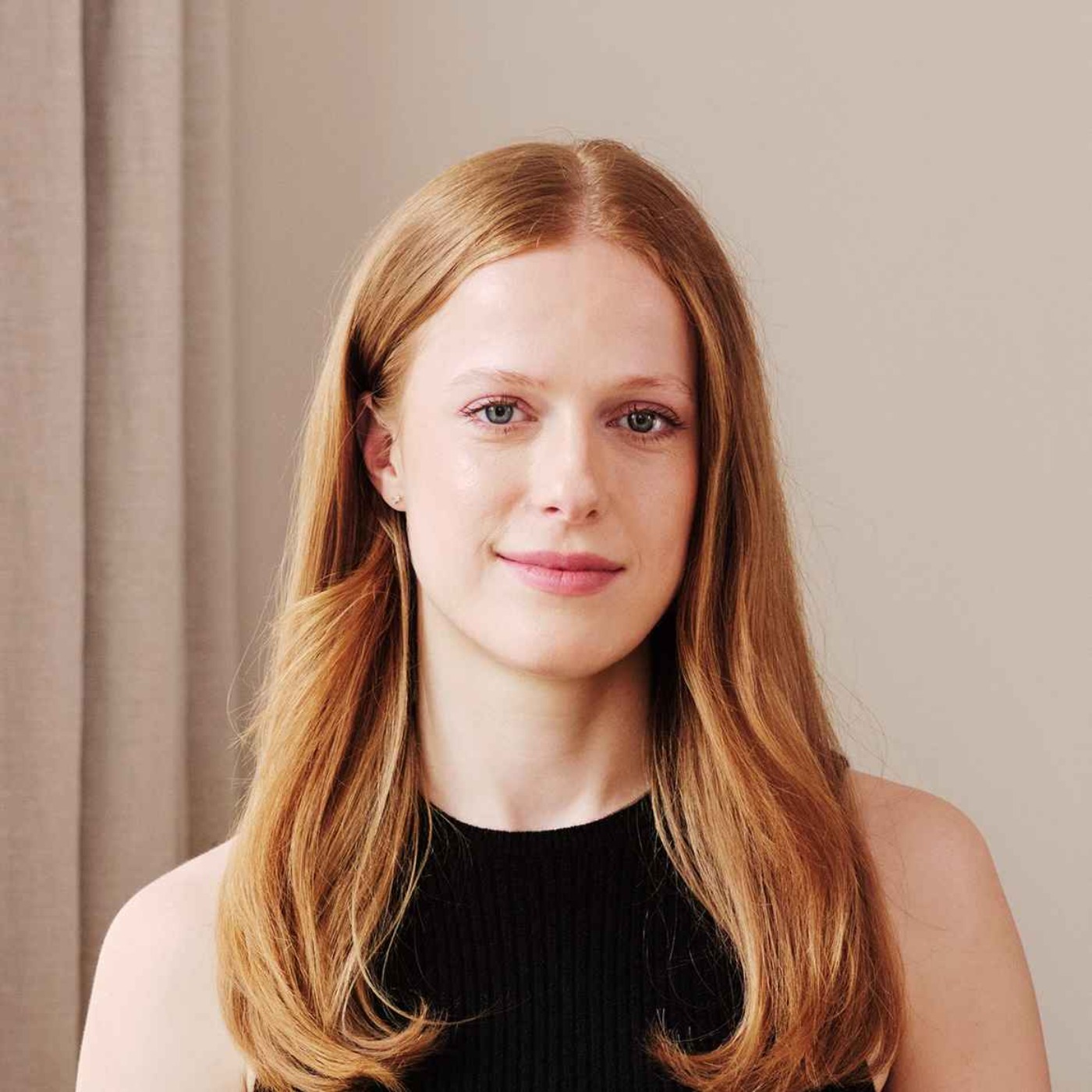
How Humble Crumble (started as a £3,000 side hustle selling crumble at London markets in 2018) scaled into multiple London stores, using customer feedback, pivots during COVID, and a viral product moment.
Kim Innes, founder of Humble Crumble. Early self-employment via tutoring (economics, English, science) and a tutoring agency; later worked in food startup Grub Club. Her partner (fiancé/now CEO) previously co-founded Chai Guys and brings commercial/hospitality experience.
Social media was “100%” the biggest growth driver. The Lean Startup approach—launch the smallest version, test, iterate—guided product decisions. During COVID, empty supermarket shelves led her to pivot into supplying baking ingredients to the local community. A monthly special pumpkin crumble went viral after Time Out picked it up.
She removed apple crumble for a year, then reintroduced it after customers demanded it (55% want apple crumble and custard). Prince William and Princess Catherine visited to make crumbles and film content.
Written by AI. May contain mistakes.
Kim shares her early entrepreneurial experiences and influences.
“Often great businesses are born out of simple ideas.”
Discussing the inspiration behind Humble Crumble and its unique business model.
Kim recounts the launch of Humble Crumble and the early challenges faced.
“from my marketing job and i was living in london and then i started it there but then had to move in with my parents because I didn't have a job.”
The impact of the pandemic on Kim's business and her pivot to community bakery supply.
“So I was at this point where I was like, I'd lost my job.”
Kim discusses refining her offerings and understanding customer preferences.
“The simplest of ideas and listening to customers.”
The story of how a pumpkin crumble special went viral and helped grow the brand.
“Did you know in those first three days that it was going to be successful though?”
Kim explains her approach to pricing and adapting based on customer reactions.
“and the Crumble Place specifically existed, which was sort of always the problem I'd had before where it was a new concept so no one knew what it was and they were always really confused.”
Learn how branding choices affect product visibility and marketing.
“So the only piece of branding on there was the supplier of my spoon.”
Kim explains her approach to pricing and adapting based on customer reactions.
“I have to try and branch out in different ways.”
Discuss the approach to opening new locations and potential markets.
“Because we have opened up a pop-up in Vista Village and actually operationally it's been somewhat of a challenge to be far away from the business.”
Learn about the complexities of entering supermarket chains.
“That would be how we would be able to survive if it didn't work.”
Explore the factors influencing the decision to seek investment.
“But that's something you're working on and I'm sure you'll find a way to crack that.”
Discuss the dynamics of bringing in a new CEO within a family business.
“He understands like all the different departments within a business.”
Discover how social media can drive virality and brand recognition.
“How important has social media been to the growth of the business so far?”
Learn the importance of branding and customer feedback in business.
Explore the limits of product development in the crumble market.
Understand how to build a successful team and the importance of roles.
“how you've managed to recruit them in and how important that is.”
Reflect on management lessons learned through mistakes and team feedback.
“Looking back so far Kim what are the what are the biggest mistakes that you've made?”
Discover strategies for scaling a business and future aspirations.
“I think it would have been nice to try and capture a bit more of the earlier customer.”

Get the gist, explore an idea or ask about something said.
 Claude
On The Business Leader Podcast with Sir Richard Harpin, what are the key points of this episode?
Searching your listeningAutomatic transcript. May contain errors.
0:02I applied and got in and opened and then three days later it was the pandemic. All these shelves are empty, loads of people are trying to do baking. My suppliers, they've got all these flowers, they've got these eggs, they've got this milk, they have no one to give it to. And so I basically became a bakery supplier to the local community. Pumpkin special that I made, that went viral. Time Out picked it up and suddenly a lot of people figured out that Humble Crumble and a crumble place specifically existed. I didn't put apple crumble on my menu for a year. Now I know that like 55 % of our customers want apple crumble and custard.
0:40Prince William and Princess Catherine are coming and they want to make crumbles with you. And also we want you to film it.
0:49Often great businesses are born out of simple ideas. Today's guest is Kim Innes, founder of Humble Crumble, the fast-growing dessert brand that has transformed a traditional British comfort food into one of the UK's most talked-about businesses. What began in 2018 as a£3 ,000 side hustle selling crumble at London markets has grown into a profitable company with locations across the capital, a large social media following and recently some royal assistants serving customers. But behind the viral dessert is a much deeper founder and scale-up story. Kim, great to have you on the Business Leader podcast.
1:34Were you entrepreneurial in your early childhood? I would say so. I grew up in a kind of secluded area in between a village and a town. And I decided my first job was going to be cleaning. So I was a cleaner for my local neighbours. and instead of earning maybe like I think the living wage national wage at the time was around four pounds an hour I was earning 10 and I think I did this from the age of like 14 15 and during that time period I was being tutored in some of my subjects for school and I saw how much money my tutors were making and so as soon as I got my GCSEs I started tutoring people in to do their GCSEs and then I was earning 20 pounds an hour and then when I went to...
2:18In which subjects? In economics, English and science and then when I went to university I also decided to take that another step further and I did a tutoring agency so I got other A-level and GCSE students so I would then take a cut of their of their hourly rates so I would say I have always been a self-employed pretty much there's been one period in my life for about a year where I was employed and I really didn't like it so where did that entrepreneurial streak come from do you think I actually think it's because I have four older siblings and I think I've always been quite observant of them and one of my siblings uh Bob he is about seven years older than me he actually trained to be a mechanic and in his evenings he would come home from his mechanic job and he would do side jobs for like local people and I could just see him like building and building and building this like side business and then after about a year he decided to turn it full-time and I think I could just see him standing outside because he'd do outside of my parents' driveway in like all different types of weather just really working quite hard and building this business up and it was quite inspiring to me.
3:34He was also talking about businesses from a young age as well like his friends were thinking about starting a pizza business they tried all the experimenting in my parents kitchen and they were talking about selling pizza by the slice rather than the whole thing I think it just must have been a very busy kitchen so if he was making pizza and you were making crumble yeah I would make crumble maybe once a week for my family um for our like family dinner um but it was a fun time when we were all experimenting but I think yeah he put the idea of running a business into my head as a possibility and being able to see it from start you see all these big businesses that have these crazy turnovers and stuff you often don't think about where they began and often it's just like it starts with an idea and then it starts with the first step and that first step can sometimes be really small and humble crumble did literally begin in your parents kitchen did it it did kind of begin there i was actually i was made redundant from my marketing job and i was living in london and then i started it there but then had to move in with my parents because I didn't have a job.
4:38But I guess I've always been making crumbles from my parents' kitchen. So I would say, yes, it has. And talk a bit more about the business model and how it's developed. I was 21 when I had the idea of Humble Crumble. I was studying in Brighton. I was walking down the North Lanes and I saw an ice cream shop in the middle of winter and they just didn't have any customers. And this ice cream shop was normally super busy in the summer so it was such a strange thing to me that a business would have such like peaks and troughs so I was standing outside and I was looking at it and thinking what is the opposite of ice cream what could they do in the winter what would be hot it was a nice hot dessert and because I've always made crumble for my family I was like they should be making crumble and then I was thinking well I love crumble maybe I could do this and so I went home and I did lots of research to see is there a crumble place because I was thinking it's either like a really bad idea in the sense that someone's tried it and like the model doesn't work and so it's failed or it's a genuine gap in the market and I kind of always thought it was the first one but I couldn't see any evidence of someone doing it in the way that I thought of doing it which would mimic the ice cream model which is individual portions.
5:46I looked into the costs of starting a cafe and I was very quickly turned off by the idea of starting one. Because of the high costs? Because of the high costs I mean you've obviously got rent you've got to employ people you've got to buy equipment I also couldn't believe that business rates was a thing I couldn't I was like how do you expect people to pay rent plus like a tax on rent um and then you've got VAT and all these things and I just looked at it and I was like this is way too much I can't do this and but the idea for Humble Crumble was in my head I'd already named it I'd already kind of gotten a little logo ready but I just parked it I was thinking I've just finished university I've just decided to stop doing my tutoring agency which I actually found like good source of income but I found it a bit lonely and tiring to do so I decided I didn't want to pursue that and I thought let me just take a year where I can figure out what I want to do so I did a ski season I really didn't enjoy that and then I came back to London and I did I worked for a food startup called Grub Club and they're a supper club ticketing platform which then got acquired by a larger business and I lost my job.
6:57So I was at this point where I was like, I'd lost my job. I've kind of had two experiences of working for a company. I haven't really enjoyed them. I'd been in London. I'd seen all these street food markets and thought maybe I could take Humble Crumble, the idea, strip it right back and just see if anyone wants to buy a crumble. And I took this from The Lean Startup. It's a very famous book. I'm sure you know it. Yeah, and just talk about some of the advice that is in that book. Essentially, you don't know what your customers will want. It's very hard for you to create a business plan if you've not tested anything.
7:30So you should put out the smallest version of your idea, the cheapest version of your idea in front of potential customers and get feedback from it. And 99 % of the time, they will want something different. And so don't waste your time on that business plan. Put your time in, putting something out there and getting the feedback and then tweaking your product and then getting more feedback and then tweaking in this constant loop of testing and retesting and feedback, etc. And so that's exactly what I did. And I launched on the 4th of May 2018 in Primrose Hill Farmers Market with alcohol infused crumbles, actually, because I thought crumble and alcohol are two things that British people love.
8:08Let's put them together. it turned out that no one really wanted that on a Saturday morning at 11am and I think that would be one of the earliest lessons I learned it took me a while to learn it actually was that you kind of have to give people what they want even if you think what they want might be slightly different so I didn't put apple crumble on my menu for a year because I thought it's kind of the most simple of the crumbles I want them to try something really interesting with lots of depth and flavour but now I know that like 55 % of our customers want apple crumble and custard so you've got to give them what they want.
8:42The simplest of ideas and listening to customers. Listening to customers I mean there was literally one day where I was like okay I'm going to put apple crumble on the menu tomorrow and then like instantly I was getting sales whereas before I wasn't getting many sales people would be walking past me like I'm not sure I want this like rhubarb crumble which is one of my favorites I'm like how do you not want rhubarb crumble? I kind of went to the markets for a period of two years where I wasn't I wasn't doing it full time because it was really hard to find a space. I then got the opportunity to do a two month pop up along the river and that was like my first moment where I was like let me see if I can actually make this into a seven day a week business.
9:17We actually do really well there and one of the traders there said why don't you go to Spittlefields I think I'll do really well in Spittlefields. So I just followed his advice I applied and got in and opened and then three days later it was the pandemic. So my first like one-year contract that I wanted to have. I got three days into it before having to shut. I'm Richard Harpin, a Yorkshireman who sold my company, HomeServe, for£4 billion. And this is the Business Leader podcast, where we look at the stories and strategies behind modern businesses. I'm passionate about helping British businesses scale and succeed.
9:53I think it's the key to unlocking Britain's economic growth. In the meantime, please click on the follow button. It's just one click, it's free and it helps us grow the community. With more people on board Business Leader, we can have better conversations and inspire the UK's next wave of business leaders. Did you know in those first three days that it was going to be successful though? No, because actually I think London had already started to empty at that point. It was a challenging time mentally. I was thinking I've made a real big mistake and I've got this year-long contract. They're going to ask me for rent and I don't have the money to pay for it.
10:34They actually ended up forgiving the rent during COVID, which was very nice. I pivoted at that point to, I almost had like two days of a pandemic where I didn't know what I was going to do. And then I had this thought when I went into the supermarket that all these shelves are empty. Loads of people are trying to do baking. My suppliers, they're not salsa accredited. They can't get into the supermarkets, but they've got all these flowers. They've got these eggs. they've got this milk they have no one to give it to and so I just put out something on a Facebook community said does anyone want these products and so I basically during the lockdowns became a bakery supplier to the local community so I was very much fully employed during COVID and I remember thinking this business was like instantly successful and I was struggling a lot with Humble Crumble and I was like man maybe I should just be a delivery like supplier things opened up again I managed to go back to Spittlefields, the market was completely dead.
11:28The market had decided to try and incentivize everyone to stay there and open. And so they weren't charging rent and they were saying, just keep open. And I decided to change my business model then, which was... Another pivot? Another pivot. I was previously making everything in a commercial kitchen one day a week and then bringing it to the market to sell and I realised that just the cost would be too high plus I was standing seven days a week in the market without any customers and just twiddling my thumbs and I thought I may as well just use my time well so I bought a second-hand oven I bought the fridges mixers and I started making every single part of the crumble in a two by two meter wooden stall in front of everybody and therefore it becomes theatre and then it becomes theatre and also So crumble topping baking is the most amazing smell.
12:19It filled the entire market and people would tell, they'd come and be like, I've been trying to find where this smells coming from. It's from you. And I was like, amazing. This is going to keep pumping out this butter smell. I also decided to really focus on how can I bring people to the market. During my time as a trader on different food markets around London, I would ask other traders like what's worked for them, what's not worked for them. And one of them said to me that monthly specials really worked. It wasn't necessarily what sold the most, but it really brought people down and gave them awareness of her brand.
12:50And so I started doing monthly specials. And about the third special in was a pumpkin special that I made. So it was a miniature pumpkin. And inside was a use of filling to make a crumble and then use the outside as the cup. So it was a zero waste crumble. And that went viral. Time out picked it up. and suddenly a lot of people figured out that Humble Crumble and the Crumble Place specifically existed, which was sort of always the problem I'd had before where it was a new concept so no one knew what it was and they were always really confused. Suddenly I think because people were at home, they had a lot of time and they could see it, they'd figured it out.
13:28That sort of started the snowball effect of lots of people coming and not necessarily buying the pumpkin crumble but buying a rhubarb crumble, buying an apple crumble and then sharing it with people being like, once we can go out again, let's go get a crumble. Also, we were in an open air market so we could actually stay open so people could come when you couldn't go to restaurants. So we got the London crowd that was still here and also outside of London, it really spread quite far. So I haven't really got any regrets if I would do something differently is my pumpkin crumble was not branded at all because it was a pumpkin.
14:00So the only piece of branding on there was the supplier of my spoon. And how could you have branded it? I served it in a tray. I could have branded the tray. I could have also gotten a branding mark. I could have done that on the outside of the pumpkin. I could have done many things, an edible piece of branding that I put on top, just something that said humble crumble. But I mean, the product was the marketing. It got people really interested and everyone was tagging us anyway, so people could find out about it. So you were learning a lot from customers. How did you decide what was the right price for the products?
14:32Lots of trial and error. And so I think when I first started my price point was too high and I had that feedback from customers like this is quite a lot for a crumble I think it was like nine ten pounds I was asking again at the traders I was like what do you think I was like I think this is like I'm not really selling many so I'm struggling with the idea of putting my price down and they said make it bigger so that's one of the things I did I made it bigger and then I also restructured the way the menu was so that you could have more choice so you didn't have to pay for all the things if you didn't want to yeah it was an iterative thing for sure three or four years ago my fiancee came on board to help with running the business and he's very very commercially minded so he actually kind of introduced to me the idea of like what a healthy profit margin should be and so our pricing's also been factored in by figuring out how much does it cost us to make a crumble and then what our margin should be on top and he was already in the catering and hospitality business yes he runs a business called we co-founded a business called chai guys and he was in spitalfields market so we met during this pandemic time when there were no customers in the market so whilst the early pricing was done a lot from feedback i also had to take the actual commercial advice of like this needs to be a business that makes sense financially and what's the role for online and having an omni-channel business as well as being out there with pop-up stands i would like humble crumble to remain being the leader in in crumbles and i think that there's actually a really big gap in the market for crumbles um in supermarkets but also there's there's a fear around having one business model and you know what if there's another pandemic you know we've got five bakeries at the moment if they all shut what what happens whereas before the business wasn't really a thing and then it grew in the pandemic so we're much more leveraged now so um there's that fear of being like I can't just rely solely on one business model.
16:28I have to try and branch out in different ways. And even before getting into supermarkets, you've expanded the number of locations and the big bit of news is that you're opening near Selfridges. Yes, yeah, we're hopefully opening in June or July. But yeah, we're opening on James Street, which will be our fifth permanent location. We have a pop-up in Vista Village as well. And what will that look like inside? Oh, it's going to be really fun. We make a point to make sure that all of our bakeries have a different design, so they each have their own identity. So this one's going to be more browns and yellows, and it's going to have some nice arches, because it's something that kind of features across our branding.
17:11It's going to have a really nice sash window where you can kind of collect, because we have online collections where you can collect online and just get it from the window rather than having to join the queue. I'm very excited for it. What's the potential in the UK? Could you see 50 or 100 outlets? And what's the spot on right retail model, do you think, for Humble Crumble? I think that's the challenge we're trying to figure out at the moment, actually. Maybe I'm too precious about the brand and think this is something really, really special. So it should stay like smaller. And if you expand, does it become less special?
17:46But then at the same time, I think if there's a demand for it, I think we'll try and meet the demand. I think there could be a humble crumble in every major city in the UK. But one of the things we're trying to figure out actually at the moment is do we go to the US? Do we go to New York and keep our bakeries London and New York? Because we have opened up a pop-up in Vista Village and actually operationally it's been somewhat of a challenge to be far away from the business. whereas in London with having four bakeries at the moment if for instance a milk doesn't milk doesn't come in one day to one of the locations the others will courier over more ingredients and so they kind of help run each other the head office being further away from a location has proven a bit challenging which you know maybe is the argument not to open in New York because it's maybe further away but I feel like it's maybe easier to open up with a team there I'd be curious to know what your thoughts are crack the UK in a bigger way first prove out the online model of selling just the crumble online.
18:46Once you've done that, then think about can you take the business international? But my advice would always be try an international country which is closer to home before rushing across the Atlantic a long way away and very expensive to operate and hire people in the US. That is true. It is like about three times as expensive in the US and New York specifically than London. And to be fair, the advice that you've given is pretty much the advice we've heard from everyone, which is go after the low-hanging fruit, which is the UK. People here understand what a crumble is. They actually don't understand what a crumble is in America.
19:25They think it's a cookie. And then also, yeah, make sure you've got broad enough shoulders to be able to weather it completely failing. We were looking into opening up maybe with an investor. That would be how we would be able to survive if it didn't work. Do you publish your ingredients? So is there a way that you could generate online business and encouraging more home cooking, but using your rum crumble topping as a way to generate online sales from your hot in-store sales? That's an area that we're trying to grow at the moment. And with that, we're just like figuring out what the right packaging sizes are for the consumer.
20:03because our current packaging is actually a lot larger than people need. And then creating like recipes and stuff that people can use at home. People really are enjoying our crumble topping pouches because it's so easy. It sounds like a plug and it is, I guess, but you can make a crumble in like a minute and there's no mess. It's just amazing. What about the opportunity to get your crumble mix into supermarkets? That's something that we're exploring at the moment. I'd really like that to happen. We're in talks with some supermarkets at the moment but one of the things we're struggling with is manufacturing because we need to have different accreditations than we do in our bakeries and it's been a challenge to find the right manufacturer.
20:50One of the things we've learned is that manufacturers can be very specific so they will maybe mix something but they won't bake it, they'll bake it but they won't pack it and so you could end up having to try and find three different manufacturers for one product and given that the product is like butter, flour, sugar and salt that seems like quite excessive and also we try and be environmentally conscious so to try and send it to three different places before it's even on the shelf. It's a lot of food miles. But that's something you're working on and I'm sure you'll find a way to crack that. Yeah if you have any manufacturing contacts let me know.
21:22I will do. You mentioned earlier getting an investor, is that something that you will do at some stage? We've had so many requests to invest in Humble Crumble, which is a really privileged position to be in. We just haven't needed it so far. Because the business is profitable now? The business is profitable. We've just always used retained earnings to open new sites. Plus, we've used asset finance. So we've taken out loans where we can. And so it hasn't made sense to take on investment. And I think the only reason when we would take on investment is if there were maybe three or four sites that were really good, because with our business model at the moment, location is so important.
22:06And so these really great location premises can come up very infrequently. And also there's a lot of competition on them. So there often isn't that opportunity where you have four amazing locations that you need to open at once, in which case then we wouldn't have enough cash to open and we would need to take on investment. but then potentially as well we're looking into as I said the retail supermarkets and that is a completely different business model to what we're operating at the moment and should that go really well and we think okay actually we'd like to build out three or four different SKUs then maybe we probably would take on have to take on investment.
22:41Management of the business you met your boyfriend and now fiancé while you were operating in the market and he now has become your chief exec. Yes, he has. I think that's fairly recent. It happened last year. How's it going? It's going really, really well. I guess I describe myself as an accidental CEO. I wanted to start a crumble cafe and went to street food to try and figure out the business model and the business model kind of took a life of its own. I could run the business because I have done it. I had done it for seven years, but I just didn't think it was where I was getting my most enjoyment.
23:19I think I'm more of a creative person. I kind of think of myself more as an inventor than like a CEO. Whereas my partner, he's really good at the commercials of business, running a business. He understands like all the different departments within a business. Because he's done it before. Because he's done it before, but also because I think he's just that person. I think he's that person you think about who's like really driven really good communicator like really creative understands finances I think genuinely think he would be an amazing CEO for like any company and so it's just lucky that I met I met him and trust him and he can take over and run the business but he's doing a really good job and I think my team as well our team they prefer having him as a CEO than they do having me as a CEO which is obviously a sign of a good decision does it make it much harder to switch off is um uh is crumble talk pillow talk or we yeah we talk about work all the time um and I think especially since I've stepped away from being CEO I feel like I've accepted that more because I probably would like to have less um shop talk at home but he's running two companies he's also been investing at investing raising money for his his his company try guys so he's been working really hard and long hours and so we've been like talking about it so much and the business is so much at home but we're also both really interested in business and like fascinated by it so it's not it's not like a chore it's just sometimes you're like i'd like to talk about something else but it's it's a privilege to be fair and at some point will he need to make a decision between running one business or the other rather than trying to juggle both?
25:03Maybe. I actually think that the businesses could work really well together. I think given that they're both in hospitality, they're in the same locations in Covent Garden and Spitalfields. I think there's a way in which you could structure it as like it's a restaurant group and he's the CEO of his restaurant group and I think it would potentially be easier to run. To be fair, with him stepping in as CEO, it's always been a trial for both of us to see if it works and so far it's working but But yeah, nothing stays the same forever. What's your tip to any other entrepreneur in bringing in their replacement, bringing in a CEO?
25:36If you really wanted to get a CEO, then you need to be talking to lots of people, as many people as possible. And the same thing with any hiring process. You need to be hiring slowly and really getting to know who they are before making an offer. Because we're still a small business, a small hospitality business, when a CEO could earn a lot more in a different industry, potentially. So I think it's a hard thing and I'm just very lucky that he was able to take over and he was a very good fit. How important has social media been to the growth of the business so far? It's made the business. So it's been 100 % the most important thing.
26:14Yeah, we went viral on there and it was the thing that allowed people to find Humble Crumble. It's the biggest source of marketing and actually, to be fair, it's the only source of marketing we've really done. Social media is very different now than it was in 2020, 21 when we went viral. But I'd still say it's equally as important for businesses to be having a social media presence. And what would be your tips to others in terms of how they go viral? Everyone wants to know how you go viral. And I feel like it's the same thing about when people ask you, like, how do I be authentic? Like, you can't ask someone, you can't like strategize authenticity.
26:49My answer to that would probably be try and be authentic. I was just experimenting with something that I was really interested in and the idea caught on. From a practical standpoint, being consistent on social media would be the number one tip for that, and I was never very good at that, and so I hired in someone to do it. So I'd had two years of someone doing regular posts, talking about what the product was, so that when we did go viral, there was more to see and more to understand. It was never engineered to be viral, it just kind of went viral. You had a recent viral moment when you had some very famous visitors that came and helped you cook crumble.
27:26Yeah, so if you can get the Prince and Princess of Wales to come down and make your product, you will go viral. And if you can film it, it still is the most mind-blowing thing that's ever happened to me, to be honest. I feel like so many things aligned that day. Borough Market asked me to come down to Borough in the morning. They didn't tell me why. I arrived and I decided to bring my social media videographer down because we needed to do some product shots anyway and so we were just moving a photo shoot from the afternoon to the morning so he was there with his equipment and then we arrived and it was a royal team being like Prince William and Princess Catherine are coming and they want to make crumbles with you and also we want you to film it like we love your social media we love what you do so they were like we'll film it from the outside you film it from the inside and we can collaborate on stuff so it was just kind of crazy that they they even though we didn't have any warning about it we were able to actually capitalize on the moment and they were really lovely what about any other tips on how you build a recognized brand first i would say make sure you have a logo i think that's the most simple thing but i think having a logo is very important as i said when we went viral and getting it on the pumpkin and getting on the pumpkin exactly like having some visual identity creating that and actually when I started humble crumble I didn't know what that visual identity would be I had a black and white logo I didn't have any colors with it because I didn't understand the business and as I was running the business I started adding colors that I could see my customers were being drawn to and one of them was pink so when we post on social media people would like it more if we had a pink background you know people would point to a pink menu that we had and say that was really nice and so pink became part of our branding strategy but I would say I'd say start running your business and again speaking to customers getting the feedback and learning about what your customers want from you and from your business and then I would say once you have that information you can then go to a branding agency and say I know more about my business this is what my customers like this is what I like can we try and merge that together and what's the what's the limit to product development we talked a bit about how you've developed the range and that adding alcohol didn't work and you pivoted away from that where would be the limit to other desserts do you think is in stepping outside of crumble for or is it uh you've got to stick with crumble and that is the um that's the limit i think crumble is our limit i don't think it's limiting i think there's a lot you could do with crumble and i think it's good to own like a product category and really focus on that i think if we wanted to get into other desserts we could maybe create a separate humble brand that would be you know humble chocolate pudding I didn't expect this when I started the business just how much British people love crumble and how culturally significant it is and it's you know lots of studies that have been done it's the number one dessert in the UK it's people's favorite dessert is a crumble so it's been actually a relatively untapped market for product innovation and I think that's where we've come in and we've just we've given you yes your apple crumble and custard but we've also made you know tiramisu crumble we've made a lemon meringue crumble we've really like tried to make crumble really interesting and fun so you can have your classic but you can also try something different and i think we're making it exciting more exciting and i just think when you think about you know am i limited just by crumble there are so many other desserts out there that you can make hybrid versions of.
30:59Let's talk a bit about the team that you've got within the business and how you've managed to recruit them in and how important that is. Our head office team is relatively lean at the moment and it's been lean since the beginning, which is maybe something where we should have made more time to make it a bit bulkier because actually I think we need more people in our head office and we're hiring for that now. But our head of operations is was employee number one at Humble Crumble she started in the two by two meter wooden stall in Spitalfields and quickly became manager and then I realized that she was really really quite talented at this and I offered her a role in operations especially as I was like this business is very popular I need help to try and build out the operations of the business then we've got the rest of the team have actually just become from Crumble artists themselves they've all worked in the bakeries started in the bakeries and then just done really well have asked to do extra things you know ask lots of questions and asked to be given opportunities so they've come in involved on the product quality and the again the operations and then obviously my partner is ceo we're hiring for a marketing role so if anyone's interested it's a very fun company to do stuff with um but i'm currently product and marketing head office is a team of five but out of how many in total in the business today?
32:2590, yeah. So it's relatively small, which was, we really want to build that out. We were actually just signed for an eight person office in the anticipation of three more hires. What do you think it takes to be a successful founder? What's got you to where you are today? I think just trying stuff rather than planning it. I think getting it out there. Again, I'm just parroting the Lean Startup, but getting your product out there, getting feedback, tweaking it, tweak again product, et cetera, get it out there again is the most important thing and I know so many people who have said to me I want to start a business and they've spent so much time just like perfecting little bits here and there here and then never launching the business and you know a friend of mine once wanted to run a start like a vegan food delivery business and I was with Humble Crumble going to a place called Vegan Nights and I said why don't you just stand outside Humble Crumble and ask people what they want and she was like no i won't do that i can't do that it's not ready yet and i was like but you're learning you're learning about your customer you don't know what they want so the idea of you have your business is probably wrong you need your customers to tell you what your business should be and they won't necessarily know what that is but if you put something in front of them they'll give you feedback on it how do we encourage more female founders in this country i think visibility is a big thing um there's a fantastic community called buy women built which i think they put a sticker on products that have been built by women and i the whole idea around that is that a little girl could be in a supermarket and pick up a box of cereal and say oh this was built by women perhaps I could do that too.
33:57I think visibility is a big thing there's a funding gap as well between men and women I think it's something like women only get two percent of all VC funding I guess valuing women a bit higher is probably how we do that too I don't know how to solve that problem though. Looking back so far Kim what are the what are the biggest mistakes that you've made? I think the entire process of running a company has felt uncomfortable because I think I'm always in a position where I'm not always sure what I'm supposed to be doing. But I guess you have to accept that you make decisions and they might be wrong.
34:30I think one of the decisions that I made, which was maybe a naive decision, was I read something about Google, that Google founders having a really candid relationship with each other about being like, no, I think that idea is rubbish. I don't like that to each other rather than being like yes like let's do that and I remember telling some people on my team like you should say no to me you should say no to me and I think that they took that too literally and I'd come up with an idea and they'd be like no come up with an idea no and I was a bit demoralizing so I think that's the one thing I would have maybe taken that a bit less literally but in many ways I'd have liked my team and home serve to have said no to me more often because I'm definitely a fox idea every day and it is about trying to be really focused and have a simple business model no I completely agree with you and I think it's good that people said no I just think sometimes when you're hiring really young people they think they just want you just say no to them the whole time and then other things I guess the whole like the branding point I made before um we also went if I if I could go back in time when we went viral and like the years following that because we had a virality for quite a sustained period of time like I'd say like four four or five years I would have actually hired a marketing person because I think I was like oh it's going so well we've got queues out the door like we know what we're doing in this area I don't think I fully understood what the value of having somebody coming in and like creating systems and like email flows and all these different things and capturing the data and stuff on your customers and I think whilst we've had such a good amount of visibility and name recognition.
36:09I think it would have been nice to try and capture a bit more of the earlier customer. And what stopped you hiring that marketing person earlier? I think fear around affordability of hiring somebody and I think just naivety potentially. What does a next chapter look like and any thoughts that the business will ever be sold? Next chapter I think is trying to figure out if we're expanding within the UK or overseas and then also the retail line we just want to really understand that business model and build that out so those would be the two focuses in terms of selling the business who knows I didn't start it with the intention of selling it some days are harder than others and some days are great and some days aren't so but there's I do think there's a world in which there's other things I'd like to do and so I could maybe see selling a stake in the business maybe not the whole thing and finally kim what would be your couple of tips for founders that are trying to scale a business today that that you've learned from i would say if you want to scale a business you need to have a simple business model really focus on what is doing well for your business hiring in people that are better than you at everything and And also projecting where your business will be in six months time, a year's time and trying to hire for them now rather than when you need them.
37:38Kim, thank you very much.
37:43You've been listening to me, Richard Harpin, in conversation with Kim Innes of Humble Crumble on the Business Leader podcast. Please do rate us and subscribe and make sure to visit our business leader website, businessleader.co.uk. to sign up for our weekly newsletter and find out opportunities for your business.
Kim Innes, the founder of the dessert brand Humble Crumble, recounts her extraordinary business journey to Sir Richard Harpin. It begins with tough shifts at a vendor's stall in Spitalfields market in east London and ends with a chain of successful shops devoted to her product, the fruit crumble pudding. She didn't get it right at first in the market stall, she explains. She was too fixated on exotic flavours and she hadn't yet started to cook live on site, creating those appetising aromas. She also had to learn, as a small brand, how to leverage social media though a series of posts that went viral. These cooked up huge demand and people began to seek her out, including the Royal Family. Though looking back, she thinks she could have approached it in a smarter way. She also shares with Harpin her plans for the future, which include a possible move into retail environments like supermarkets.
Business Leader is a membership community for ambitious CEOs and founders of mid-sized UK companies, designed to help them grow with purpose through strategic support, peer-to-peer learning, expert coaching, and high-impact events. Join the Business Leader community here and sign up for our newsletter here.
Hosted on Acast. See acast.com/privacy for more information.


