Ask ChatGPT
 The Business Leader Podcast with Sir Richard Harpin
17 Jul 2025 · 57m

In this episode of the Business Leader Podcast, Richard Harpin converses with Steve Hewitt, former CEO of Gymshark, as part of a series exploring Harpin's nine steps to building a billion-pound business. The discussion revolves around three pivotal steps:
Written by AI. May contain mistakes.

Get the gist, explore an idea or ask about something said.
 Claude
On The Business Leader Podcast with Sir Richard Harpin, what are the key points of this episode?
Searching your listeningAutomatic transcript. May contain errors.
0:00This is Britain's growth moment. Do you want to be part of it? On 26th of March, 750 of the UK's most ambitious founders, CEOs and investors will gather in London to shape the future of mid-sized business. The company's driving our nation's success. The Business Leader Summit 2026 isn't just another conference. It's a day built around the three forces that define growth, ambition, policy and capital. And as one of our valued podcast listeners, you can be there in person. To secure a discounted ticket, visit the events section of our business leader website and use this code. BL podcast, all one word, all uppercase.
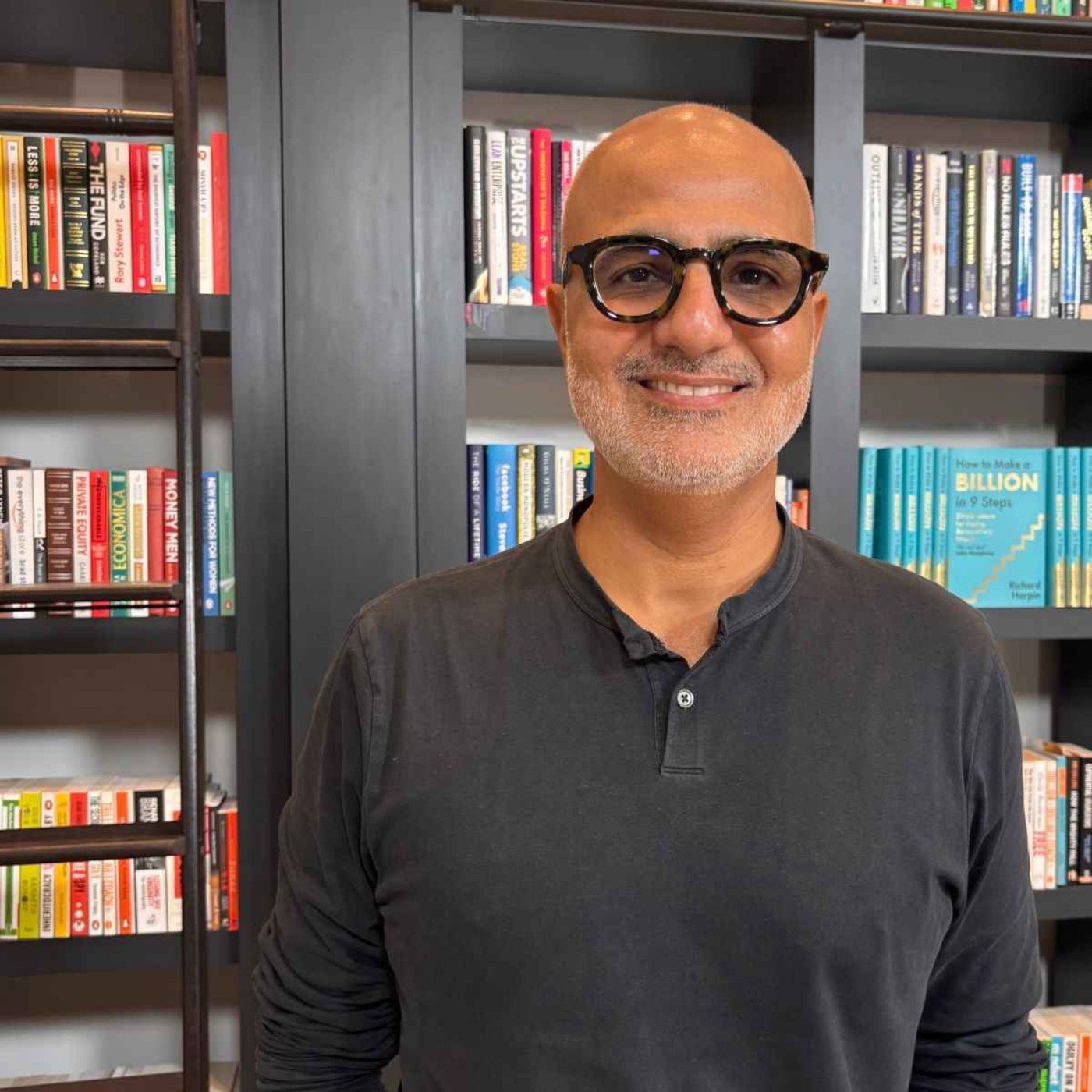
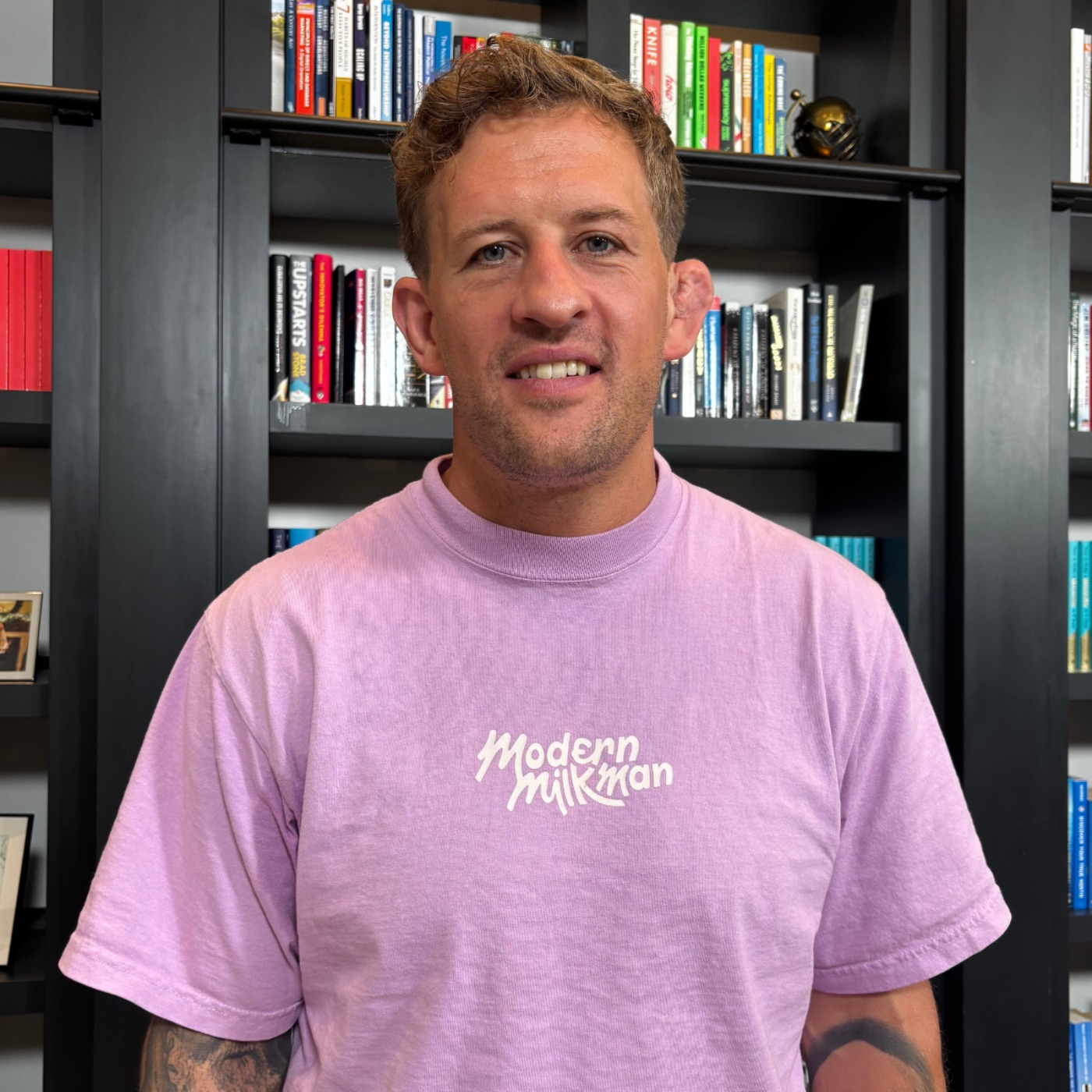
0:41We look forward to seeing you there. The product actually wasn't that great, if I'm being honest. Did you sell out? We sold out within hours. There was an eight hour long queue to get in the doors. In Miami, we found that they either wanted to go to the beach at 4pm or smoke dope. Hello and welcome to How to Make a Billion in Nine Steps with Richard Harpin, where we explore how to build a successful business. I'm Graham Roddick, and I'm delighted to be joined by Richard, and for this episode, Steve Hewitt. Steve is the former chief executive of Gymshark, the clothing brand. After leaving Gymshark, he launched We Are For Now, where he helps promising businesses scale up into big companies.
1:20He's also the chairman of Passenger Clothing, where he is a co-investor with Richard's investment firm, Gross Partner. In this episode, we're going to be looking at three more of the steps that Richard has identified as being pivotal for building a business. They are bricks and clicks and paper, hire your replacement and go global with locals. So Richard, we'll start with bricks, clicks and paper. Could you please explain to everyone bricks, clicks and paper? Yeah, so this is step number four, bricks and clicks and paper. And it might sound a bit weird in a digital age because surely today is all about digital marketing.
1:57But actually, many companies have stopped doing direct mail and therefore that those that keep doing it get a bigger share of the doormat. And if I look back to HomeServe, then of our 8 million members, I would say 7 million of those came from direct mail shops. And they work as well today as they ever did in the last five or 10 years. And so really important. and I'll perhaps give one other example, and that is CheckerTrade. Can anybody sing us the jingle? But hopefully everybody knows the jingle. And that's an online marketplace for finding a local trade that's been vetted and checked. Most people don't know that one of the magic bits of marketing is that we put an A4 folded leaflet through 16 million doors in 300 different versions for every 50 ,000 households.
2:59And in that leaflet, there are about 150 track telephone numbers, call a trade across all different types of categories. But what it does is 15 % of our 60 million web visits a year are prompted by that bit of paper going through somebody's door that prompts them to go online. so a great example of paper generating clicks so steve i was wondering in um uh in gymshark did you ever run did you ever use paper at all or many catalogues or anything like that we we didn't actually and it's a your example is a really good one because actually you you think about paper in this day and age um as something that would be as you said old hat and actually you've just used that example in a really disruptive way which which effectively converts and monetizes um when when i met um the young guys i mean i i got involved in gym shock when it was well seven seven people four million pounds um you know in that sector not gym shock was never a sports brand but if you reference sports brands in that in that industry the the nikes adidas who i actually work for reebok who i actually worked for prior to gymshark um the way that they had built their models were we're going to build the biggest product range um and the way we get that to market is by really um uh being reliant on way too many retailers who actually don't really care too much about your brand not not certainly in the same way that you do and effectively trying to get in as many doors in as many locations across the globe and that's how actually those brands traditionally built their businesses um and to a degree still do um gym shock ben francis when he was 19 and a half years old he hadn't shaved at that point i'm not even sure ben's still shaving actually and if he's if he's listened to this he will he will smile at that because me and him have that joke uh uh a long for a long time um but i think the way that they looked at the market was was actually we can build a community through a sort of a slightly different way of doing it so it's probably their version of of paper which was actually building an online community via youtube and they did that through um some relatively influential youtubers american-based youtubers there's about six or seven of them who had a relatively decent following in compared to their standards it wouldn't be a huge following but those guys had a cult following and when those guys went out to their community if they said actually this is a brand to back whether it be a nutrition brand whether it be a fitness apparel brand those that community sort of effectively followed them so um so actually when i look back um you know ben uh and lewis actually is the co-founder probably didn't know what they didn't know but they were true pioneers and actually understanding that they had to look at the way that they were going to bring this product to market in a very different way they really perfected the influencer and ambassador model didn't they and others have copied that and copying is good we know but um maybe it's never too late and uh you uh you still keep in touch with ben as i do and shouldn't we be going to him and saying well uh you're doing all that clever stuff now why don't you do some extra basic stuff and I'm a great believer in looking at other examples and Charles Tyrwhitt, the menswear business I get those catalogues through my door about at least one a month White Company, Sweaty Betty and I think it's criminal that when the particularly the first order of Gymshark clothing arrives in a customer's home expectation of opening the box trying it on and they think wow this is great i want to buy some more gym shark kits yeah and having a mini recycle catalog in the box saying you bought this but how about one or two of those other items yeah isn't it a trick he's missing i think so i think it's it's all about testing and learning isn't it so you know the best brands in the world are the ones who actually test and learn and and understand what works what doesn't work but you know yeah like i don't think there's any one route to market if you look at the way that brands now in organizations grow they do that off sort of three growth leaders they do that off geography which is probably we'll come on to that that's probably the most complex but also the most scalable to his channel which is exactly what we're talking about here how you how you connect with that consumer and i think actually if i go back to the original conversations with the guys um they were like we can build this into a you know multi-billion dollar turnover brand but but purely being based online i think actually what Jim Shark have found is that you can do that relatively well and you can do that actually relatively cost effectively well but there's a point where only one channel isolation will actually only get you to a certain ceiling and yes you're now starting to see the brand now reach out to open its own doors and and run big community events and and maybe as you said maybe the maybe the paper bit is missing actually and we're going to come on and talk about uh doors and bricks But the other example might be we've talked about paper to clicks, but the other way around is clicks to paper.
8:22So there must be a lot of people that go to the Gymshark website or passenger clothing that we're jointly invested in and they have a look at the range there. They get distracted. They put in the details, but they don't click and complete the order. And what those businesses should be doing is saying, we've data captured the customer details uh we sort of know what they're about to order but it didn't complete we'll send them a personalized one-page direct mail shot saying i think this was what you were trying to order would you like to do it and it's a direct mail shot in the post yeah great conversion tool actually you're right especially with passenger actually where you've got a a community you know uh you know not too dissimilar to gym shop but in the uh the sector of outdoors and escapism.
9:12And actually, you're right, some of the people in that community actually online doesn't quite work in the same way. So I think for me, it would be, again, back to being disruptive test and learning, saying, right, if the conversion percentage on the website is at, you know, a good converting website these days is probably three, three plus percent, certainly in the UK. Actually, if I was to add that on as an additional offer, can that change that three percent to something else or do I get a new customer that I would never have got before? Yes and I guess people ask well if I buy into clicks to paper where would I go?
9:50Yeah and actually we've got one of our business leader members that runs a business called Paper Planes and that's exactly what they do. So it's not just about sort of copying somebody else's idea but who can I then get to execute it. Yeah and it's a really good challenge that Richard I think even seeing the the optics on average basket you know what what's the difference between somebody just purely hitting that site online converting at you know whatever the average basket is there does that change when actually you hit them in a different way with a different feeling and and almost a different customer journey experience it can make a big difference of profitability can't it just getting that average order value up and three items rather than two could make all the difference Like 100%, yeah.
10:34Let's, you touched on doors. And this is about omni-channel model being really important, not single channel. And I would call that bricks. Yeah. But just talk about how Gymshark sort of first got into, I think, the first doors were sort of pop-up events and so on. And then it must have been a pretty brave move to open that first store in Regent Street. Yeah, big, big, big outlay of, certainly capital outlay. But let me just rewind a little bit first. So again, it goes back to actually Gymshark starting, building its sort of, I guess, its community through those online ambassadors and influencers, which in today's language is old hat and is actually pretty expensive and sometimes doesn't actually look that authentic.
11:23But back in 2013, 14, those guys were the true pioneers of that, certainly within the fitness industry. um i think uh the the the the experience that gym shark had is as i said earlier is online just purely having a store with some product on it will only take you so far and actually what you what we found with the gym shark we sort of deemed that consumer as the social native so somebody between 18 and 30 sweet spot was sort of 23 24 year old female male into the gym where their sort of life sort of collides with sort of that digital experience however even that consumer wants something more so even before we thought about region street it was about it was always about how can we how can we think with a disruptive mindset so if the rest of the industry is doing this they're zagging how can we zig and vice versa the the first ever um store we i say store the first ever more of an event we did was more about meeting, greeting some of these online YouTubers, getting some time with Ben, understanding actually how the brand was built, you know, what its purpose was.
12:34And actually back then, like having product of that event was an afterthought. In fact, actually we did it really badly, like terribly. Because first and foremost, it was about re-engaging and reinforcing this community build. But the mats have to work. So those even putting on a small pop-up event evening in Birmingham where, you know, the home city of Gymshark, that actually becomes expensive. And especially when we then took that to the next step, we took it out to LA, we took it out to New York, we took it out to Melbourne, Sydney, right across the world. That actually becomes a hell of an effort.
13:08And I think what we found is there's an opportunity. You talk about actually, you know, using platforms to show product off. You know, product is king. we actually found out over time that yes people of course want to come in and meet you and spend time in terms of the community building the purpose but they also fundamentally want to buy some product yeah they want to see the product so how did you sort of how did you introduce the product at those events and how did you display it terribly initially um we had a guy called mitch healy and his uh his team we called him sort of the retail team and mitch sort of then was again thinking about even the way that a store a general store works in terms of footfall so when they left that event they almost had to walk through the store and as i said we didn't do it very very well initially we that team became really really good um at um bringing a retail product life experience to uh to sort of to its maximum we also had to test and learn so we had to have a little bit of let's call it ironing out the creases before we invested in such a huge store i mean it's one of it's our flagship store at region street um and huge footfall so when you go to that sort of expense you've got to get it right first time um if i take you back to probably the best example of an event we did it was uh in new york it was on lower mercer street in manhattan which is a very famous street in new york and we did a collaboration with a influencer called nicky blackett so we launched off real full ever full product events um in a store with a collaborator called nicky and when we opened the store we we marketed it through social media um we we marketed it through word of mouth it was a february day there was ice i remember there's chunks of ice on the road it was that cold and we had a kilometer long line to get a queue to get into the store and the product actually wasn't that great if i'm being honest but because we'd done it in a such a disruptive way and brought product to the to the helm in terms of her stamp on it with together with gymshark it just flew so and so there were people there with credit card machines and we were selling all that product did you sell out we saw that within hours so the challenge was is it was a two-day event um and we were thinking i I remember the sat in the morning, even Nikki talked.
15:33I remember even her words going, I'm not sure there's anybody going to turn up for this, right? We literally spent no money on marketing it. And there was an eight-hour-long queue to get on the door. So with the challenge we had, we were out of stock of certainly all of the key commercial pieces and sizes within the first few hours. So we learned that if we were going to... Now, good from a demand point of view, because humans are always like something they can't get a hold of. But it was also a missed opportunity in terms of actually monetizing. And I'm telling you now that for a fact that event lost money from a one-off single event.
16:09But the learnings that we took from that really helped us think about actually that store rollout, certainly starting with Regent Street. And I guess having the courage to do that investment in the Regent Street store. And I love retail. And if I hadn't done Home Serve, I'd have definitely been a retailer. And it takes me, this conversation takes me back to when I was 15 years old, Steve. and I was running a mail-order fishing tackle business. Love fishing, Richard. And while I was still at school, I tied the flies for fly fishing and sold the fly tying materials to other fly tires. Once a year, National Game Fair, 100 ,000 fishermen would turn up and in year one, I only broke even because everything was everywhere.
16:54There was no displays. Second year, I thought, right, we've got to be organised. lots of display cards pricing guns so every item was priced special offer leaflets and sort of tried to become a retailer and you learn all the time don't you? How many years did it take you to be profitable with that? Made money in the second year from those three days at the game fair and then made a lot of money in the third year so you learn over time taking that experience and then making it better Yeah, it's about, as I said, knocking at the wrinkles when you iron, right? And again, back to the Regency store.
17:33When we built the Regency and created that, of course it was a product hub where people could try on. And the conversion, as you well know, conversion rates in the store and retail are always going to be far superior than they are online. Ben and mine Gymshark is still a real powerhouse online business at this point. but we felt that actually AOV went up, frequency of buy went up, all of the KKPIs were phenomenal. The biggest reason we invested into Regent Street wasn't just also for that particular one store. You get 85 million footfall through Regent Street every single year internationally and Gymshark is sold to customers in about 180 countries.
18:15So it was also about them sending their message back to their own countries when they went back home and capturing data. So back to sort of, you know, data capture earlier, is how can I use that data to understand the halo effect that this store has? So, for example, did they go into the store and buy into a customised, it could be a Gymshark London range, but love it so much that actually when they do go back to online, they actually know exactly what fits in terms of what size and what colour they like and don't like. But this is the flagship store model, so it doesn't need to make money in its own right necessarily.
18:54It's a brand builder. It's building the brand, building the credibility of the product. And could you get any evidence that it was driving the online sales or the conversion rate because you'd now got the flagship store, you put a great picture of it online and helped the credibility of the brand? All about Halo. And I remember speaking to Kenny Wilson at Dr. Martens about this, And he talked about one of Dr. Martin's key pillars in their strategy was to build out lots of stores, get a lot of engagement with the customer, turn them on, turn them off, real qualitative rather than just quantitative.
19:32And then understanding the epicenter of that store, what does that do for e-commerce sales in that region? Yeah. And they did a great job. I mean, Dr. Martens in recent years have hit headwinds like most consumer good brands, but they proved that model out. That really, really worked. So for me, I think it's more than just opening a store and having some footfall through it. People having a great experience. It's about actually how can you think about that commercially to get a effectively build a longer LTV relationship with your customer. So if that's bricks and clicks and paper, Richard, tell us about hire your replacement.
20:11I think that's a really scary step number five for any entrepreneur. Yeah. And I was, if I cast my mind back, I was seven years into HomeServe when I... What year was this? This would have been about the year 2000. Right. And hired a guy that I brought in as business development director in the UK, helping me sign up all these water utilities on our affinity partner model. And after a year, I thought, do you know what? I think he could do a better job at being the MD of Home Serve UK when we were only a UK business than me. So I called Jonathan King into my office and said, congratulations, you're promoted.
21:00I'm giving you my job. And I made myself redundant. He said, fantastic, a big leap of faith and I will not let you down. What it meant was I could work on the business rather than in the business. And it meant I could start thinking about, I wonder whether HomeServe would work in a foreign country, knowing that I got a great guy that was going to focus on continuing to grow the UK business, delivering the level of service that we were proud of, and I could think about new growth opportunities. Yeah. Love that. Love that. So it took me seven or eight years before I got the courage to do that. I think there's somebody that we know, Steve, that he was only three years into his business.
21:50He set up his particular business in 2012. And he had the courage after only three years to bring in an amazing chief exec to run his business. and I think we both know who that is, Ben Francis of Gymshark. Yep. And you were that chief exec that came in to run his business. Tell us sort of, everybody would be intrigued to know, how did that sort of happen and then tell us a story from there. Yeah, you know what, great, great question. And I've definitely got more grey hairs as a result and I'm sure Ben's got a few as well now. But no, you know what, it was great. when I first met Ben he was and you know he probably wouldn't disagree with this he was a little bit a little bit arrogant you know this this was a you know for me 19 year old kid who had done a who was a true pioneer by the way you know as I said earlier they they'd built a community that no other brand had done in the same way that they were doing it so in terms of like disrupting the consumer base how they're connecting the consumer I was not going to add to be honest i wasn't going to add much value at all um but also at 19 and 20 the one thing he realized i think really quickly is you don't know what you don't know um but you have to fail along the way to realize that um and people say to me like what what were the defining moments of gym shot people say to me the defining moment of gym shot was when we got unicorn status in you know five years ago in september september 2020 it's like unicorn status at gym shot wasn't was just wasn't a thing it was never on the radar the defining moment at Gymshark was Black Friday 2015 where um we had a you know we had done a really good job of building this community there's a bit of a frenzy on the website probably too good a job to be fair and our plan A to execute that campaign was not a very good plan A in fact most brands when you go into an event like that actually need a really good plan B seed as I said plan A was was was pretty ropey and all the systems imploded and Ben had gone from this everything I touched turns to gold founder stroke CEO to I'm losing sleep he hadn't slept for two weeks like we we it took us six to nine months to sort out customers complaints it was it completely changed the business affected something like 30 % of the customer base overnight.
24:21And he came to me and said, I don't want to do this anymore. And I said to him, I said, right, I'm going to ask you one question. It's a really important question. I said, do you want to be the biggest fitness brand in Bromsgrove, Bromsgrove being a little town, lovely little town in the Midlands, or do you want to be a true global brand? And I said, and he said, why do you ask that? I said, because the answer to that will dictate where we go next. And he said, what do you mean? I said, well, if we're going to become a lifestyle fitness apparel brand in Bromsgrove. That's absolutely fine. There's lots of great lifestyle businesses out there.
24:52No problem at all. But at that point, you definitely don't need me. And you definitely don't need people who have got maybe a few more years of experience. But if you want to be a true global brand, then we're going to have, guess what we're going to have to do, Ben? We're going to have to bring in people who are way more experienced than you in areas where you think you're God, right? You try and tell that to a 20, 21 year old now who is, as I said everything he touches turned to gold um and he was like I want to be the British answer that Nike is to the US that Adidas is to Germany that Lulu is to Canada and I said okay well well now that's what we have to do um and I said to him so he said so he went let's do it and I said there's some rules around this Ben uh and there's a couple of rules and I said you may not like them and he went what are they I said the first rule is you never get to play your majority shareholder card it's pretty difficult like not many people will tell majority shareholders to do that yeah because there's always a little bit of ego where there's majority shareholding and two he's the founder like this is his baby right so um you can never play your founder card either so if you're going to want to do this a lot of founders do this they delegate that authority but then they forget to do the most important part which is trust and trusting is letting people fail along the way um so he was he was like no no i am i am i'm a hundred percent in so anybody that's an entrepreneur that's got the courage to hire their replacement to take on a ceo needs to establish the ground rules how's it going to work between the two of them otherwise it's not going to be successful is it constant calm so i'm a big believer in we i think a lot of founders actually get to the point where they naturally are the founder and the CEO, I think they naturally find that actually that there's sometimes better CEOs and a founder, as you said with HomeServe, I actually think founders are better not actually being necessarily in the weeds, but strategically thinking about keeping that organisation and that brand ahead of everybody else.
26:55I was a rubbish chief exec. I did it for a long time, but actually I learned that having hired my first MD of the UK, then that's the magic model and hire great chief execs for each of the countries that we then went into. And that was a magic formula. Yeah, absolutely. And I look back with Ben and, as I said, he's a 20, 21-year-old. I'm pretty competitive. He's pretty competitive. And I look back at, if I'd have been his age, would I have done what he did? Like, it takes a real brave decision to do that. Yeah, great to have that courage. And I think in Portra & Gamble, we had a recruitment saying which was, has done, can do, will do.
27:39And I think the important thing, Stephen, for everybody to realise, you were a proven MD chief exec. So you'd made the leap as commercial director from Reebok Europe into a couple of MD chief exec roles. And you know what you learn? You learn by making lots of mistakes. I always look at people's learning as an MD CEO. You go on a journey of we all Google stuff. We then put that into practice. But actually, the real learning is actually about making mistakes and failing really quickly. And I think the other thing that founders or entrepreneurs listen to this, I spend a lot of time with founders in that SME world, a lot.
28:18And probably the one biggest challenge that I see as a common ingredient is their ability to go, you know what if i'm going to delegate this responsibility and bring somebody in then i have to trust so and when i say trust i don't just mean we're you know we're gonna we're gonna um exchange a couple of emails and i'm gonna keep you up to i'm talking about vulnerability trust here so me and ben were completely different backgrounds completely different age brackets um he understood the consumer way better than me uh but i understood how to build a business probably better than just because of years of experience but the trust that we had was unbreakable and then i think it's the what were the measures of success and i think i would say two things one is that um five years after you came in the business was worth that magic unicorn billion pounds not dollars yeah proper money yeah and then secondly that gym shark got there without needing any uh a fundraise We built a business from£5 million turnover in 2014 to£500 million six, seven years later with no external funding, no debt facility, and it was just a real great organic model.
29:39So one of the things that Gymshaw gets talked about, and rightly so, is its ability to really engage people on its purpose, but also then sync its audience with a sort of a really laser-focused view. And when you get that right, you just get an unbelievable great brand position. All the best brands in the world are the ones who are phenomenal at building brand positioning and being really relatable. And we were obsessed with that community build. What people didn't see externally is we were just as obsessed on the business model. Because I will say, if you want to go and do the nice things as a brand, the mats have to work.
30:15So that involves not only profit, but also working, especially in an inventory-based business, working capital. Yeah, all the stock. And I think it was about having a very tight operating plan because you knew how to do it. You'd done it before. Or anybody else, a founder, sort of trying to learn as they go, would have ordered too much stock or not enough. Cash flow tied up. Better bring in an investor earlier. So I think that was the key measure of success. Absolutely. We also operated, albeit we're a private company, we operated a little bit like a public company would do. where we absolutely had a, I mean, we built a phenomenal North Star based on four buckets over 36 months.
30:59And we sort of continue looking at those milestones across those 36 months. But the way that we fundamentally run the numbers is we ran the numbers on a quarterly basis, just like a public company would do with a chair holders. So, and we did that, of course, internally from a commerce perspective where we, you know, we also incentivize people financially with an uncapped quarterly bonus programme where, you know, we built a phenomenal environment. I am obsessed with people's environment. But also a pat on the back does not pay the mortgage. So you've got to get the balance right of building the right environment, but also making sure that people, I'm going to smile here, Sunday night at Gymshark had to feel like Christmas Eve.
31:41So when Monday morning came, nobody thought, you know, that whole British, I'm going to be really British here. We live our lives where we get to Sunday night, we've had a great weekend, and we get that dread of, oh, I've got to go to work tomorrow. And most people go on a Monday morning, and guess what they do? They wish their lives away to a Friday, and they repeat that for 52 weeks of the year for 45, 50 years of their working life. And we're like, we're not building this rocket ship in that way. We're going to build this rocket ship in a way where it's a bit of a movement. And my goodness me, we had such a good environment where people actually, I remember seeing people go off on their holidays, but the following day they were in lunch, and I was like, are you not supposed to have a holiday?
32:23We had FOMO. We wanted to talk about the business. And it comes down to, back to where we started, I think it's about employing people who are better than me. And it all sounds easy, but quite often, in an entrepreneur hiring their replacement, it can go wrong, can't it? And six or 12 months in, realise that not working, maybe the entrepreneur hired somebody from two bigger company they then bring in management consultants a whole team of people to do their work and it's not the right cultural fit you've got to get that sort of somebody i think with an entrepreneurial mentality but has the experience of being able to operate the blueprint and really make it work otherwise it becomes just a transactional relationship.
33:10And also, I think it's the blend of absolutely employing. So if I look at the C-suite I built at Gymshark when I was CEO, every single one of those people in those lanes were far more qualified and better. I say far more qualified, not necessarily based on years of experience. I'll give you an example of a young guy who started out in customer service at Gymshark, a guy called Niren Chana, who ended up becoming the chief commercial officer. And he is now running one of probably the most impressive lifestyle apparel brands in Adenora, Manchester. Like, I met him as a young lad. He was like a sponge.
33:53He listened, understood people, understood business models, understood how to commercialise an operation. And now he's CEO of one of the fastest growing businesses in the UK. So I think it's a blend of employing people better with you, bringing some grey hair, making sure that's not transactional, and also blending in where you give some of the more spirited, younger members of people who have got phenomenal opportunities ahead of themselves. Now, I think the most unusual thing about this story is 2021, Ben called you into his office, and I'm joking here, in Alan Sugar's language, he said, Steve, you're fired.
34:33Now, that wasn't reality, was it? Because you then moved up to executive chairman, stayed on as non-exec. But Ben unusually wanted to take the reins back. He said, Steve has taught me everything I need to know about becoming a chief exec. Maybe not everything, but yeah. Normally, only take the reins back when it's not working. It was working phenomenally well between the two of you. But just tell us a bit about that story and what happened. You know, it goes back to, you know, I think you have to freshen up the dressing room occasionally. And I think you have to start with yourself. So when I first got involved in GS, I promised Ben and his dad, Steve, who's still a very good friend of mine, that I would help them get the business to 100 million.
35:18But it was so much fun that actually when we got to 100 million, it wasn't never about the numbers. It was actually about the journey. And it's not necessarily about the journey. It's about who's on the journey with you. That counts, I think. so when we got to 2021 we were like now surpassing 500 million and we had 1200 people employed across five offices across four continents and i was and what we had done with ben is we had um uh specifically put him into all of the functions over the last sort of the prior 24 months so actually he understood how finance work he understood how like he's a he's a very smart guy Ben.
35:53It doesn't take him very long to get it. But by the time we got to 2021, he actually became this super generalist. So he wasn't just good in one area where he first started. And I was like, listen, Ben, I think we need a new CEO. I don't think it's me anymore. I think I've got us to where I think I can get us to. And he said, well, who's the next CEO? I said, I think it's you. And he was like, really? And I was like, we have molded you. We've prepped you for the last 24 four months and and of course you're going to make mistakes you're you're still young as you know even when you're old or older you still make mistakes but I think I think you're ready um and he was like absolutely let's let's let's go and do this and I said and I left him with one I remember sending him an email but there was one thing that I put in the email in capital letters and and I said as a CEO you are always on like most people talk about work-life balance these days and you know switching off and that's important as a ceo i don't think you can ever switch off so i said as long as you are understanding that that's the role and that's what you're signing up to then you know then go for it and and make sure that the people that you look after they're they're in your charge right so it's not the other way around and and you know ben is a um you know he's a super humble individual and um you know what there's not most people would have gone let's just go and find a new CEO somewhere else and he was like no let's go and do it yeah great so I think the the summary would be uh for anybody listening that an entrepreneur thinking should I bring in a CEO is have the courage to do it I know that you came in sort of personal contact not via a headhunter yeah but if if somebody hasn't got a personal contact of somebody that thinks oh they'd make a great chief exec I think also need to have the courage to go to a headhunter yeah and also spend some you know we talk about you know headhunters spend some real time referencing that person not just in terms of their ability to the to do the job but does act but does actually the personality fit and doesn't mean to say the personality has to be same but but is there a is there a yin and yang because if you're employing somebody who's exactly the same with you you're probably going to get the same result um the last just to reinforce what i said earlier young founders especially or young entrepreneurs is do not hire somebody to be the ceo or the md and then not trust do not delegate or trust it's delegate and trust otherwise it will not work step six richard is go global with locals which is all about international expansion tell us about that yeah so um uh go global with locals and um if i look back my uh entrepreneurial entrepreneurial dream was around, I thought one day I'll go to America, I'll copy a business idea and bring it back to little UK and make it happen here.
38:50And many businesses start in the US before they come to the UK. And so when I went to the US for the first time, traveling there as part the home serve and um east coast or west coast uh this was uh well this was 2001 right and this was east coast and um uh utility home assistance cover just didn't exist i thought wow fantastic i can conquer america uh it's going to be really straightforward america is five times the size of the UK. So what am I going to do? I'm going to send that UK chief exec that did a really good job over here, call them back into my office and say, this time promoted again and you're off to America.
39:38And they accepted. And then let's set up in Miami because that's where our insurer and claims handling operation were. I'm a Yorkshireman and a bit tight in my money and didn't want the cost of a separate office, so we rented an office in Matt Frey Assistants' call centre and soon learnt two big learnings. Number one, be in the right place in America. And I think for British businesses, much better to be East Coast between Boston, New York, Washington, D.C. Five-hour time difference. And then you also recruit really good Americans. In Miami, we found that they either wanted to go to the beach at 4 p.m.
40:29or smoke dope. And if you want a serious business, you need serious career Americans. And then the other bit that I got wrong was Americans buy from Americans. and if you've got a Brit, however good they are, and mine was fantastic, that it's going to be slower than hiring a great American. So wind the clock forward seven years. We set up in America in 2003, got to 2010, and we're doing okay. The business made in 2010$10 million of annual profit, but we hadn't signed enough utilities on the same model as the UK. And because we were now an hour north from New York in Norwalk, Connecticut, opened up a whole new catchment of great Americans, hired a guy called Tom Roosin.
41:24And he's still with HomeServe today, 15 years later. And guess what? HomeServe North America made$250 million annual profit last year. How did that compare to the UK? Better? Much better, bigger country. and that became the jewel in the crown of HomeServe Group. So that was sort of the learning on Go Global with locals. But tell me about the American adventure with Gymshark and also about other international development. Yeah, you know what? Turbulent is probably the way that I would summarise this. And again, you know, you make mistakes. As I talked about earlier, you make mistakes as a CEO. So definitely made a few mistakes, It's not too dissimilar to the ones that you've just talked about, actually, with HomeServe there.
42:13Gymshark, because of the American YouTube influencer sort of community, we'd actually built up a U.S. business relatively well with a bit of pull, to be honest. You know, really organic business, online sales from effectively a U.K. website, from a U.K. distribution center into America. So it was a sort of virtual business. you didn't have any real physical presence there yeah i mean again if i go back to my reebok and adidas days it you know there was borders like you had retailers who had exclusive territories and you know that's how you work that organization uh and that that segmentation plan from a from a distribution point of view gymshark being an e-com brand um and actually being a social media e-com brand actually no no borders really apart from dealing with duties and and and more the back end in terms of the logistics side but generally from a front end no limitations there's a challenge with that which means that you can hit way too many countries way too quickly and the danger of sort of trying to be everything to everyone means that your brand becomes less relatable so if i go back to where we started with the the plan was always to dominate our own home backyard here in the uk especially sort of birmingham and then sort of key cities from there the us was initially probably just an afterthought but obviously as you said 320 million people the land of opportunity in our 50 odd states um we actually found that when we launched a new product the actual pull from an npd perspective was really good and high converting probably because of the ambassadors and it influences that and the community that we were building there.
43:57So we got to a point where the US business quickly, we're sort of now, we've gone from like 5 to 13 mil, 13 to 42. We're now hitting£100 million a year annual sales. Tell us again what year that was. So how many years in before America? So we're talking 2014 would have been 5 million, 2015, you know, 8, 9. So, yeah, in that 2015 to 18 sort of period. But quite quickly, we recognized that the US was like 30, 35 percent of the business, which was, you know, in our sector was almost unheard of. So we then started to think about actually how do we execute the US? And what we worked out that, and I'm going to smile here, us Brits, we think we understand America because we've been to Florida for a weekend or maybe a couple of weeks, should I say.
44:55in the Disneyland parks. We might have been New York shopping with our partners, so we think we understand New York. And we might have miserably tried surfing on the West Coast, especially Yorkshiremen, by the way. And the reality is we don't understand anything about their culture. And people look at America as just one big country. It's not. If you look at the regional cultural differences in the US, there's six defined different regional cultures. The West Coast is very different to East. Chicago is very, very different to Texas. Texas is very different to Florida. So the way that even your brand locally shows up there has to have that local accent.
45:37And what we found is we were never going to be able to scale the US with the ambition we wanted to being just based out of the UK and effectively employing a lot of British people who thought they understood America. So we decided to actually open an office. Sorry, we decided to go out and find a general manager, which we did. A guy called Peter Archie, who was a phenomenal guy I'd worked with for many, many years. And we had done a load of work on which city we went to. We went to Denver. and the reason we went to Denver, Colorado is the second most sought after city to live in for young professionals and we thought that was important when we built out the American team to understand our brand.
46:25To your point earlier though, what you find with Denver, Colorado is that the time, five hours New York to seven hours in Colorado, you think that's only two hours. That's enormous when you've got a UK HQ to deal with. So straight away, the American team that we built from one person to sort of 10, 20 relatively quickly, we're saying, you know what? I don't really want to get up at four o 'clock in the morning because the product team in the UK only can do the call at like 11am. And the UK product team were like, I'm not staying till after 6pm at night because I'm on my own time zone. So it's interesting you talk about time zone.
46:58Time zone is one of the biggest challenges. So I agree with you. Actually, if you're going to set up in the US, you know, probably start with the East Coast. And bear in mind, we had our sourcing office. One of the sourcing offices was in Hong Kong. So Hong Kong to Denver, that time lag is very, very different. But I think if you want to build a brand that is going to be really relatable and authentic with the American audience, you can't do it with just a British set of eyeballs. We took it to the full extent, and probably one of my learnings, we went from one person to 120 people. Based physically on the ground in the US.
47:34And that was too many. We did that too quickly. And when did you hire a US general manager or MD? So MG General Manager, to be fair, was our first hire. But looking back now, we probably felt that at the time, we felt we needed to have a US presence across every single function. The reality is, as long as you apply your core ingredients from what effectively turns on the customer in the first place and apply a local accent to that. More the front of the house stuff. And you've got somebody who understands the local marketing and regulations and those bits. Yeah, but even just simple things from a commercial point of view.
48:16So a men's jogger, one of the key categories for Gymshock, a men's jogger does not resonate in the US. A men's pant resonates in the US. So that's simple. We think that it's the same language, don't we? English and American, and it's absolutely not. That's a great example. What happens when you change that one word to the sales? Conversion smashes through the roof, right? look i mean look at the three of us right we're we're british based or european based we wear navy we wear gray we wear white new york you go so you go to california like the guys there are wearing yellow and red you don't want to see much yellow and red even in london you're not going to see much yellow and red today right and it's a sunny day so it's actually applying the corn ingredients that work in terms of brand uh proposition and product proposition but applying a local lens what i wouldn't do and this was my fault it was nobody else's fault is go from one to 120 people you do not need to do that you need that local flavor who have always got that local set of eyeballs and then how did america fit with international development in other countries and hiring general managers there yeah i think um i mean the america i mean again one of the things that i would uh throw caution to is is if you're going to hire an american team they are very driven and buy money and like the mats have to work for them as well so where you have compensation packages here in in europe they don't stack up in the same way so for example sweat equity here most people sort of shy away from or don't quite like giving a piece of the pie away in the us if you want that that big hitter who's actually going to scale your business really quickly they're probably not even going to take a second interview if there's not skin in the game so make sure that you incentivize them so i think the mindset from an american gm leadership team perspective is probably slightly different to the way it is and it's hard isn't it to have the courage to um an american that would be like for like the same as the brit uh need to pay them between two and three times way more expensive way more expensive i remember um having the courage that my chief exec in the US was earning more than me and I was running the whole of the group, but thought, well, it's worth it because that's going to make the big difference.
50:44We've got to hire somebody that's fantastic and it worked. Well, the GM eventually that we ended up landing on in the US ended up becoming one of the most well-paid people in the organisation. And we were very honest and open about that because actually that's just the territory, that's just the culture, that's just the environment. So certainly don't shy away from that would be my advice. The other thing, thinking about just international expansion full stop, not just the US, is this. I would try and also keep your business model from a geo perspective as simple as possible for as long as possible.
51:20So certainly with British-based founders and entrepreneurs, the US is the big thing. It's the shiny new penny. It's the thing that's going to capital that business. And sometimes it will, sometimes it won't. there's some great examples of where that works and where that hasn't worked um my view is is make sure you get the blueprint right in your home market make sure you iron out those creases make sure that you understand so when you do go it doesn't become super so timing is one of the big questions isn't it is when do you go into a new country and i think many businesses do it too quickly and as you say they haven't got their their home business sorted out yeah how can they possibly do it successfully in another country.
52:01So I guess it's about don't wait until the UK is ground to a halt in terms of growth, but don't go too early and then make sure that you've got somebody on the ground that's taken over the running of the UK. Otherwise, it's going to slow down if the founders then out prospecting in a new country before they then hire a local. 100 and and especially with the u.s don't look at the u.s as one big country especially with consumer goods inventory-based business or brands is go with the key city approach you don't have to go after there's lots of big cities in the u.s with lots of populations go after two or three cities but like passenger you know justin and john and and the guys have done a phenomenal job of building epi like their whole view is let's build epicenters and let's then get that ripple effect but let's focus on the epicenter and i think you just get a much bigger bang for your buck when reticule was a great example of that they said we're not going into brazil we're going into sao paulo yeah and then we're going into rio and their model was going and buying local rat catching pest control businesses but they didn't go into the whole country yep they just bought locally and that was a model that really worked.
53:18Another thing as well is I again I work with a lot of different brands in the UK some phenomenally fast-growing brands who should be super proud of what they've built you also don't have to apply the same model that you've applied to your UK business. I was going to ask you this question and I get asked in my growth workshops every week that entrepreneurs come to that are turning over more than three million and they're thinking when do I do international and we've talked about that but how much of the model should you be prepared to change in going into a new country depends on what the end goal is for me and the measure of success that we talked about earlier so um I won't end the brand because it'd be disrespectful and they're doing a phenomenal job um but this brand is uh now a 40 million pound turnover business it's four or five years old their strategy in the in the UK is to effectively own the customer data.
54:15So they do that through e-com and they do that through their own stores or certainly concessions within retailers. So they own the data. And 20 % of that is then utilizing strategic retailers to effectively showcase their product to sell it through. When they went into the US, they completely flipped that and actually put 80 % of their business model behind one big strategic retailer who just dominates the US in that segment. And 20 % of that comes through in that market now comes through this e-com where you've got the full global range. And the mixture of both those strategies together in terms of that omni-channel approach, but different by GL, is that they're smashing it.
54:59So you don't also always have to apply the exact same blueprint. Maybe that's the exception. I would say that maybe change 10 or 15 % of the model, the minimum possible, because if one day a business is in 20 countries and if it was 25 % different in every country, that's going to be a recipe for complexity and disaster, isn't it? Back to keeping the business model simple, right? change the minimum and i guess with passenger clothing the biggest single thing is um americans are um bigger sizes yeah yeah as i said bigger sizes um color color palette doesn't always work um you know sometimes you can actually have your brand position too cheap so we think here in the in the uk that you know very sensitive price positioning actually if it's too cheap in the us the us market looks and goes it mustn't be any good in terms of quality so even your price positioning can tweak in certain categories great point don't just look at exchange rates and um vary the pricing which is what most people do ask the customer what they're prepared to pay and do some research because you could well get a big premium in america yeah absolutely so i think the summary for me in terms of like thinking about how a brand should internationalize is absolutely dominate your home market i say dominate that doesn't mean to say you've hit the ceiling i don't mean that as in dominate the understanding of what you where your blueprint works and doesn't work, and then apply those core ingredients with local lenses to then scale with a local advocate, your brand in that particular territory.
56:34And have the courage to pay what it takes to get a great local to run your business on the ground. I'm smiling at that because most founders and entrepreneurs do not want to do that. And you have to do it, right? So you have to do it. You've got to. It's why get investment if you need to do it, but you shouldn't open a new country on a shoestring, should you? Yeah, and again, founders, entrepreneurs sometimes don't like sharing the success in terms of growth shares or EMI shares, depending on which way you want to do it. There's nothing like that. Relate them to growth hurdles. Incentivise them on hitting growth hurdles, whether that's revenue or ideally a combination of revenue and both profitability, because you'll motivate them and the business wins at the same time as well.
57:18But also make sure that the relationship, it goes back to the founder-CEO relationship, just make sure that they also understand the values of the business, the values of you as a founder, and make sure that they're sinking and it's not just a transactional relationship, because that will not work either. Richard, Steve, it's been absolutely fascinating and a privilege to hear you both talk about those three steps today. So thank you, Richard. And Steve, thank you very much. Guys, thank you very much for having me. It's been a real privilege. Thank you, guys. You've been listening to How to Make a Billion in Nine Steps with Richard Harpin.
57:54Our producer is Lucy McPhee. To find out more about Richard's nine steps and how to build a successful business, you can find his book, How to Make a Billion in Nine Steps, online at Amazon or any good bookshop now. The Business Leader Summit 2026 is set to be bigger, bolder and more ambitious than ever. Don't just watch Britain's growth story unfold, be part of it. Secure your ticket today by visiting the events section of the Business Leader website and using the code BLPODCAST, all uppercase. It's your chance to join the leaders who are shaping the future of business.
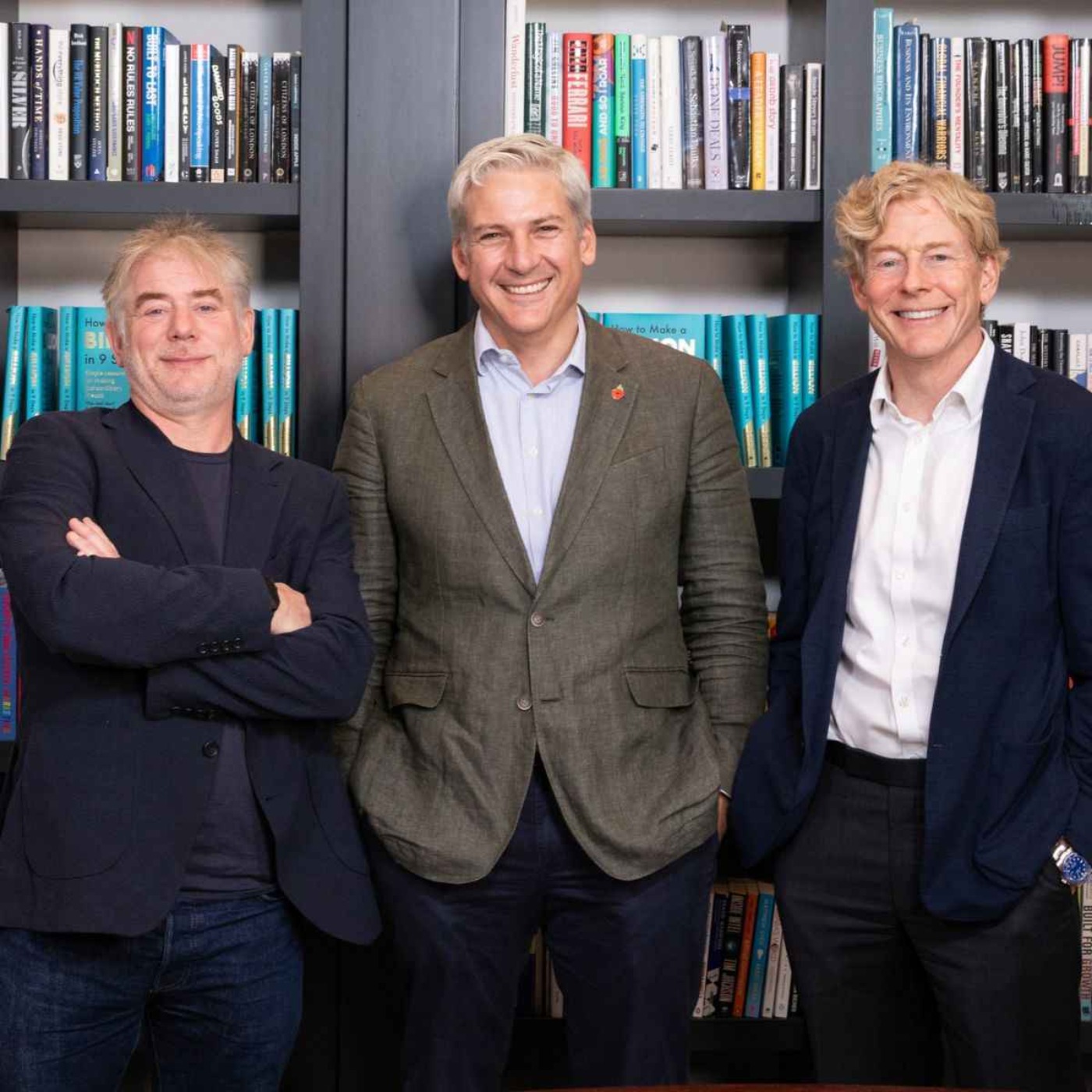
In this new podcast series, Richard Harpin, who built Homeserve into a £4.1bn business, explores his nine steps to building a billion-pound business. In episode two, Richard speaks with Steve Hewitt, the former chief executive of Gymshark, about three of his steps. These steps are:
-Bricks, clicks and paper
-Hire your replacement
-Go global with locals
To find out more about Richard’s nine steps and how to build a successful business you can buy the book How to Make a Billion in 9 Steps at Amazon here:
https://www.amazon.co.uk/How-Make-Billion-Nine-Steps/dp/0349445389
You can subscribe to this new series via the links below:
Apple:
https://podcasts.apple.com/gb/podcast/how-to-make-a-billion-in-9-steps-with-richard-harpin/id1825363917
Spotify:
https://open.spotify.com/show/5aPBAfRKnqW8A2kN44X37w
This is a Business Leader podcast hosted by Graham Ruddick and produced by Lucy McPhee. Filmed at Spiritland studios in London
Hosted on Acast. See acast.com/privacy for more information.