Ask ChatGPT
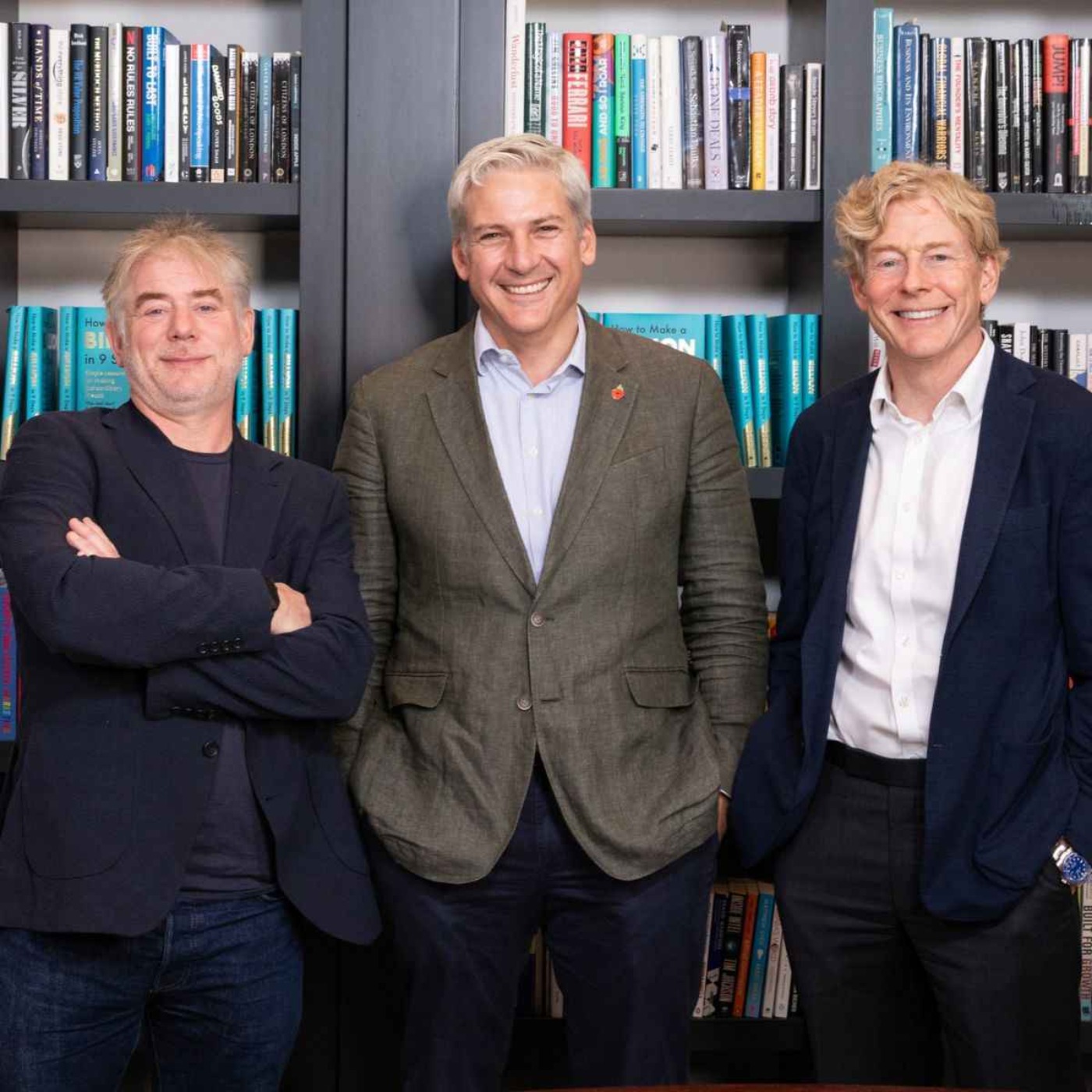
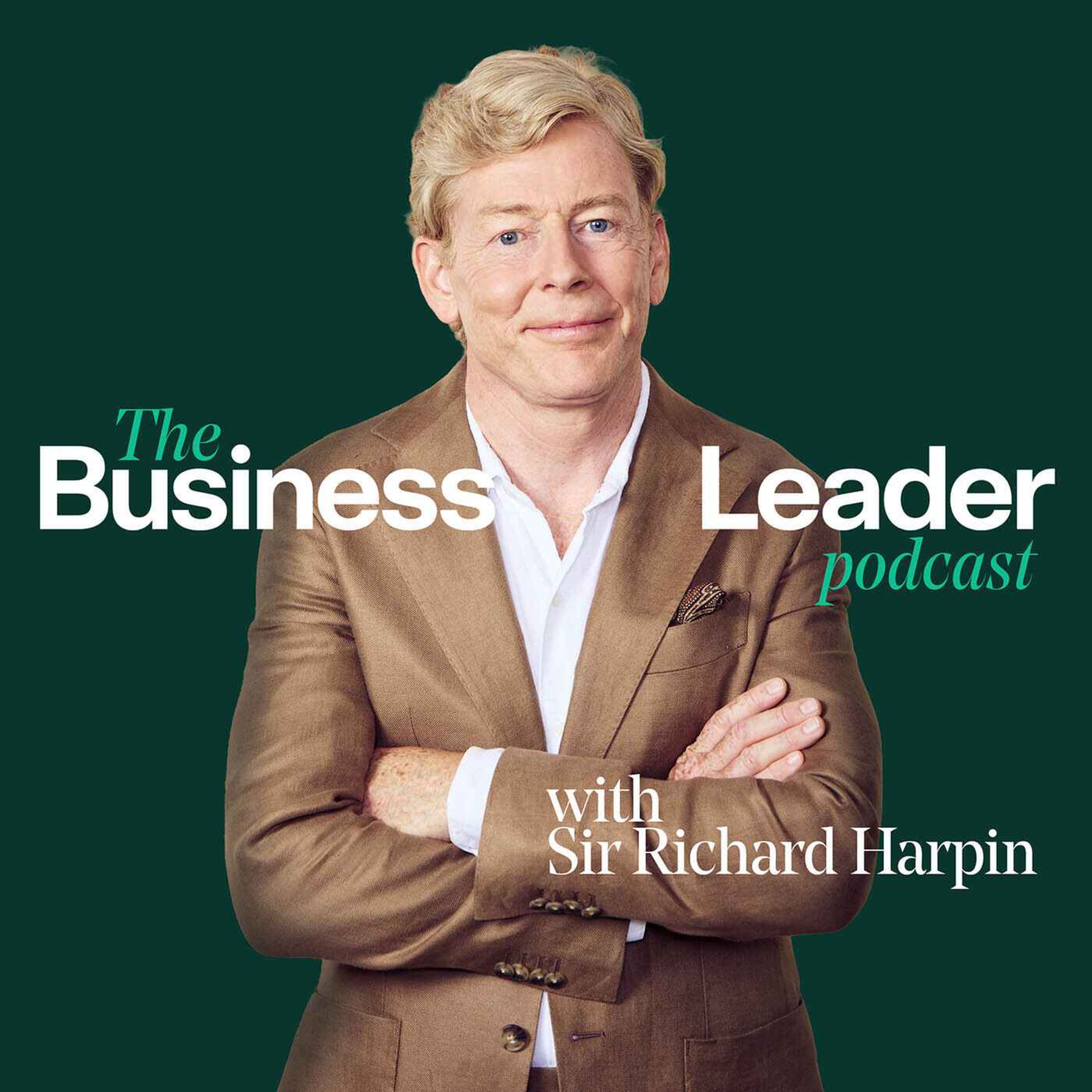
 The Business Leader Podcast with Sir Richard Harpin
29 Sep 2026 · 42m · 17 chapters
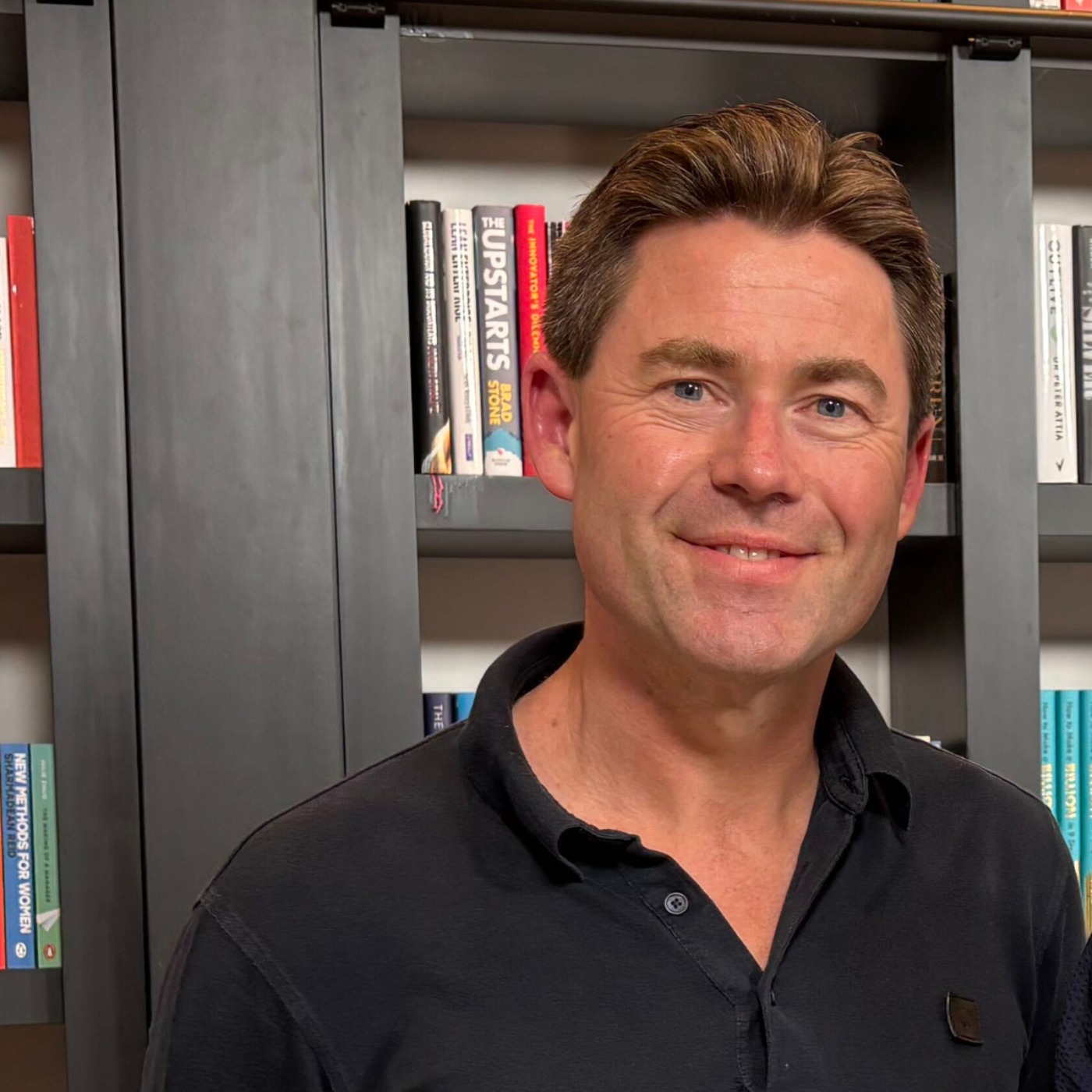
Trustpilot CEO Adrian Blair discusses how online trust is built and defended amid AI-driven search, misinformation crises, and the need to scale profitably. He argues Trustpilot reviews are a key data source for AI summaries and “answer engine optimization” (AEO), and that AI also helps detect suspicious review patterns. He describes Trustpilot’s review verification window, transparency approach to disputes, and how the company responded to a period of false claims that briefly hit the stock.
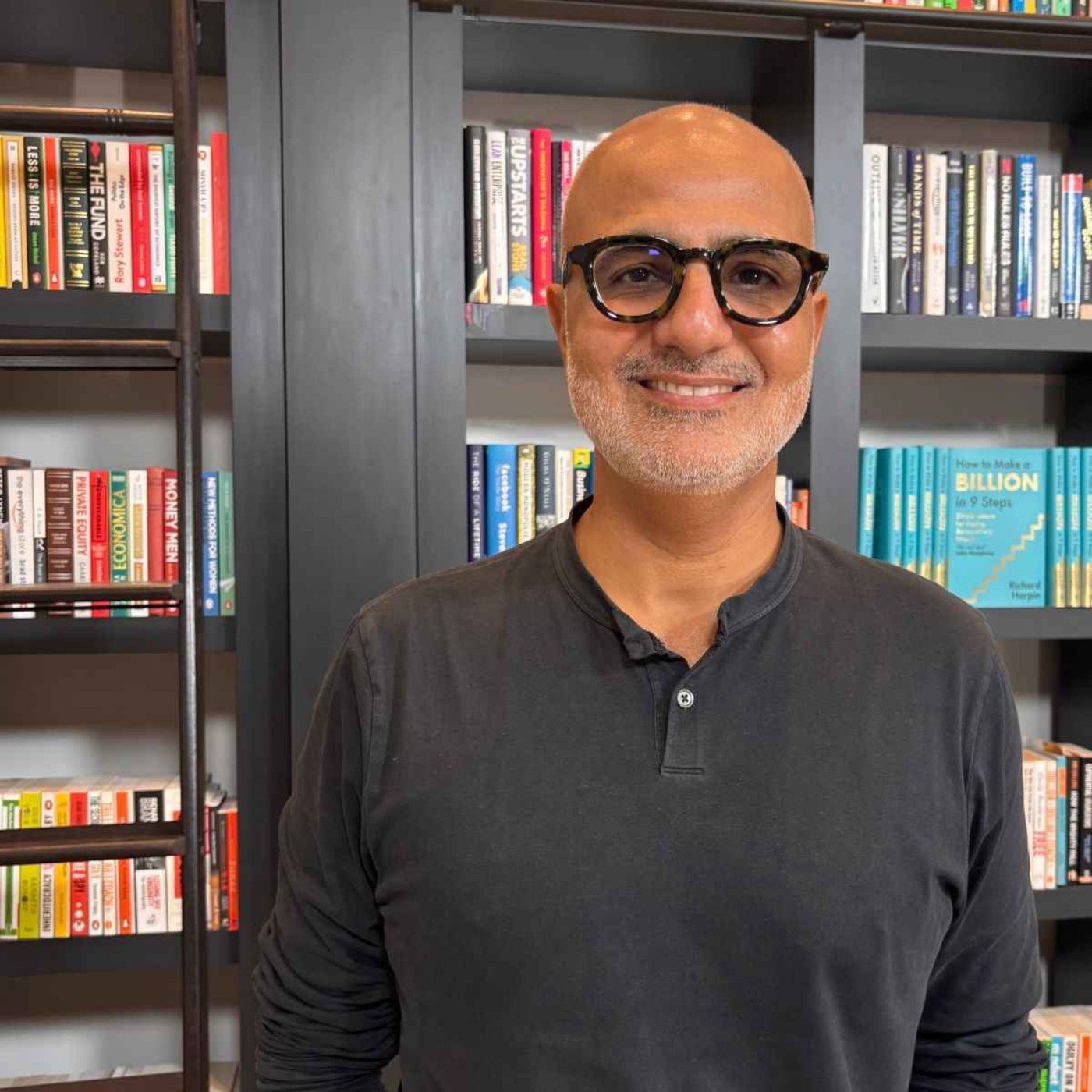
Adrian Blair is CEO of Trustpilot (since Sept 2023). Previously COO at Just Eat (7 years; led sales/ops/data; helped drive major growth) and CEO at Dext (Receipt Bank) using ML/AI for bookkeeping.
Trust is the base ingredient of business success; Trustpilot has gross margins of 83% and targets 30% EBITDA margin by 2030; AI is net positive for safety and productivity.
Trustpilot gets ~200,000 reviews/day; AI embeds Trustpilot reviews into LLM outputs; a “capital markets day” on trust after misinformation; companies can reply to reviews instead of Trustpilot fact-checking every claim.
Written by AI. May contain mistakes.
Adrian Blair discusses his transition from Just Eat to Trustpilot.
“You're making decisions that matter to a lot of people.”
Adrian Blair shares his experiences and insights from his time at Just Eat.
“Do you want to start by just telling us a bit about the Just Eat journey?”
Explore how company culture drove success at Just Eat.
“So a lot of this development was kind of after that time.”
Discussion on missed opportunities and changes needed at Just Eat post-2018.
“Well, I think the most important thing is not realising the extent of change that needed to happen and the pace at which it needed to happen.”
Adrian talks about taking over as CEO of Trustpilot and the support from the founder.
“I'm Richard Harpin, a Yorkshireman who sold my company, HomeServe, for£4 billion.”
Adrian emphasizes the importance of trust in business and its impact on success.
“What did Trustpilot look like on the first day when you joined back in September 23?”
Learn why trust is the foundational element for business success.
“And the reason they say that is, you know, without trust, nobody wants to work for you.”
Discover how Trustpilot differentiates itself from competitors like Amazon and Google.
“When you arrived at Trustpilot, I think the business had posted an EBITDA loss in the previous year, right through to your forecast for EBITDA margin going to 25 % and then 30 % by 2030.”
Explore Trustpilot's financial goals and how AI is enhancing productivity.
“Whatever our current state is, I'm not happy.”
Understand how AI is being leveraged to improve customer experience and business growth.
“You've very successfully enabled embedding of Trustpilot reviews into AI summaries.”
Learn how Trustpilot managed a crisis involving misinformation about the company.
“So we consistently see AI internally as the way we help our people get more work done and take off from the drudgery or the frustrating parts out of their job.”
Learn how to handle business crises effectively and turn them into opportunities.
“I think we did a very strong job of that rebuttal, you know, within a day of the, you know, very factually inaccurate thing going out.”
Discover the importance of transparency in building trust with customers.
“So we have a window of a couple of hours before anything actually hits our site.”
Gain insights on effective hiring strategies and avoiding common pitfalls.
“And what we find is with trust, you know, it's not perfection that builds trust, actually.”
Learn how to assess candidates effectively by understanding their backgrounds.
Explore how influential people can shape your career and decision-making.
“Who's the person that's shaped your career the most?”
Get actionable advice for mid-sized business leaders on scaling effectively.
“Looking back on a really successful career, Adrian, so far, what are your three top tips for mid-sized chief execs or founders that want to scale the businesses in the way that you have?”

Get the gist, explore an idea or ask about something said.
 Claude
On The Business Leader Podcast with Sir Richard Harpin, what are the key points of this episode?
Searching your listeningAutomatic transcript. May contain errors.
0:00It was undoubtedly a tough period. I hadn't been in a situation like this before where suddenly, you know, there's basically a lot of lies about your company put out there. We get about 200 ,000 reviews every day submitted to the platform. AI needs to get its opinions from somewhere. You know, you will ask AI to recommend something. How is the AI meant to know? Well, it reads Trustpilot reviews. The question I'm always asking myself, it's not are we good or bad, it's are we getting better or worse. This is the Business Leader Podcast with me, Sir Richard Harpin. Every business now lives or dies by what people say about it online.
0:38Today's guest runs a platform that's become the arbiter of that trust at a moment when AI is rewriting how people search and decide. Adrian Blair is the CEO of Trustpilot, one of the world's most talked about consumer brands. Since he took over in 2023, profits have surged, but so has scrutiny. So how do you lead a company whose whole currency is trust right when trust is under attack? The Business Leader podcast is sponsored by RBC Wealth Management. You're making decisions that matter to a lot of people. But what about your ideas? Ideas for what you want your money to do. ideas that need the time and advice they've never been given at rbc wealth management with over a hundred years of expertise our advisors build plans around your ideas not just your assets ideas happen here talk to us at rbc wealth management capital and any income from it is at risk adrian blair welcome to the business leader podcast you made your name at just eat and were there for seven years before joining Trustpilot in September 23 as the chief exec.
1:54Do you want to start by just telling us a bit about the Just Eat journey? Of course yeah I mean it was it was an extraordinary time so I was hired as chief operating officer I was hired out of Spotify so this was considered a slightly eccentric thing to do to leave this sexy music business and go and sell kebabs with a startup founded in Denmark. But what I could sense immediately was this was a startup with a massive growth opportunity ahead of it. I was born in Newcastle, and we eat a lot of takeaway up in that part of the world. So I had a sort of inherent sense of how big the takeaway market was, although some of it at the time was sort of unofficial.
2:33So you couldn't find any official stats to tell you that. So I thought this is a huge opportunity. It's obviously I'd I spent a lot of time earlier in my career at Google, so it was pretty obvious to me that the whole thing was better done online and was going to move in that direction. And this was the startup that was completely focused on that opportunity. And literally, how big was it at the time of joining? It was about 25, 30 million. We'd raised our Series A. We were just about to raise our Series B. It was that sort of scale. It had already internationalized out of Denmark into the UK.
3:04and as you say you know I was there for seven years running all of the sales teams operations teams data teams by the end it was something like 70 percent of the total headcount of the company but I think the thing that sticks with me is just the the impact that we had over those years you know the impact on I think first and foremost about our actual customers the takeaway restaurant our owners they would probably have struggled to compete in a kind of digital economy against the big chains we were paying by the end something like three billion dollars a year into their bank accounts so you were digitizing them that you're effectively doing their marketing and i think you provided a terminal didn't you all of that all of that yeah so we were helping them to grow and to thrive based on technology because you know we had skills obviously they didn't And they were doing the kind of really hard part that we certainly couldn't have done.
4:01And cleverly avoiding having to get involved in the logistics of delivery at that point. Yeah, cleverly for most of the time, I think probably not so cleverly towards the end, because that's where the industry ultimately moved. I left the business early 2018. So a lot of this development was kind of after that time. But of course, the whole business now is really about logistics and first party, which has turned it into quite a low gross margin business but back in those days we were a very very high margin like 90 gross margin digital um digital platform but i i think what sticks with me is just the impact on the restaurant owners it's the impact of on the people because we had the most extraordinary culture at just eat a lot of people would look back on that and say you know that was the best place that ever worked um in what way how do you sort of how do you define that culture so we did it quite consciously um in the early days of startup we thought we thought about our values we thought about how we wanted to kind of propagate those through through everything that we did and then we really did stick to that and the thing um the thing that we always um had sort of drilled into us at just eat was that ultimately values in a company are about behaviors of the people at the top um and unless you know from the chief exec down everybody's actually doing the things and living the things that you say you believe in then it's all just a lot of hot air and I think we were very very good at just eat at walking the walk and actually doing the things we said.
5:32Were there a few other things that propelled the business from startup to FTSE 100 by the time you left? So I think the key things were the culture and the focus that we had so we actually didn't raise the most capital we certainly didn't have the best technology I would say through that time but we had this extraordinary culture you know once a year we would get the entire company globally into the same place physically and have this world party as we called it that was an incredibly energizing thing it really felt like being on a great sports team or something like that so we had incredibly motivated energized people around the world and we reinforced that that sort of high energy sports team like culture and in all sorts of ways But the other thing is we knew where the value creation happened in that business and we were relentlessly focused on those things.
6:24Which was where? Which was basically get restaurant supply. So have all the folks locally in whatever town or village the person lived in that they wanted to order from and have top of mind brand awareness. So make sure that when you thought, who am I going to order with tonight, you thought of us first. And we became very good at this. And then you had all the supply. And if you've got a supply, then the demand will follow so long as people know your brand. Exactly. And every bit of supply, every restaurant is actually a beacon of your brand, potentially, if you put stickers on their window and all the rest, that then reinforces further demand.
7:02So I spent a lot of time as COO making sure that people were focusing on those things and measuring those things rather than doing all of the other interesting ideas that often come into people's minds. And I think that's, you know, a lot of I think it's one of the points you make in your book is the importance of saying no and having a sort of do not do list as well as a do do list. And I think that was a key ingredient of our success. Is there one thing that Justy should have done in the period since you left that they didn't do to their detriment, would you say? Well, I think the most important thing is not realising the extent of change that needed to happen and the pace at which it needed to happen.
7:47So, you know, it's been through two different changes of ownership since I left the business. It's now in the hands of process who I think are fantastic and really, really get it. But I think, you know, if I look back to sort of 2017, 2018, it was kind of obvious the way this whole thing was going. And I think the business could have been much more kind of decisive and quick about driving that change. I'm Richard Harpin, a Yorkshireman who sold my company, HomeServe, for£4 billion. And this is the Business Leader podcast, where we look at the stories and strategies behind modern businesses. I'm passionate about helping British businesses scale and succeed.
8:26I think it's the key to unlocking Britain's economic growth. Founders and CEOs of mid-sized companies can be members of the Business Leader community for coaching, peer-to-peer forums and exclusive learning events. So do get involved. Sign up to our weekly newsletter at businessleader.co.uk slash newsletters. It's free and it helps us grow the community. You left Just Eat and next you went to Dext. Yes, so I replaced the founder, Alexis Prenn, as the CEO of a business that at the time was called Receipt Bank. And over the three years that I was there, we changed a lot of things. It was essentially using machine learning or, you know, they would now call it AI to help people do bookkeeping way more efficiently.
9:19We actually had an extraordinary product and a big opportunity around the world. And it was also there about taking over from the original founder. What's the learning there if you're a chief exec coming into a business and there's a founder alongside? Well, so I think I've done this twice now, you know, Dext and now it's Trustpilot where I replaced the founder in 2023. I think I would say, you know, for any non-founder CEO, there's a couple of important things. and you know Tim Cook just stepped down from Apple he's like the ultimate success story that all of us non-founder CEOs tend to look up to but I think one of the key things is you've got to kind of respect and almost revere the founder because they're the one who had the you know the guts and the energy and the vision to actually get this thing going so you know I've I trust part i go out of my way to um to praise our founder peter mulman um the the vision that he has and still has for the business you know i think the founders gut kind of vision of for everything the company can become is something that you've just got to um you just got to learn from and and imbibe so i think that that that's an important piece of it but often as a as a non - founder CEO you're brought in to bring more discipline into the business so you've got to have the courage of your convictions to do things differently from how the founder would have done them and you know often that involves having more focus having more kind of commercial rigor around how business operates.
10:58And the Trustpilot founder had been in the business running it for 16 years before you join. Exactly, for its whole existence. What's the advice for a founder like him? What should they do to make it work when they're hiring their replacement? Well, I think Peter set a very high bar here. I think he handled it about as well as I can imagine it being handled. What Peter has done is, first of all, given me complete autonomy, So not try to get involved or second guess or, you know, confuse people in any way about who's actually in charge. I can't imagine how that must feel for a founder to sort of hand your baby over like that and let someone else get on with it.
11:45He was staying as a non-exec on the board, but without an executive role. With no executive role. And, you know, just on a human level, that that must be a very hard thing to do. But then what Peter's done, even beyond that, is he's just been incredibly supportive. You know, he's always been there for me whenever I have a question or, you know, need some guidance or advice. And he's been there, you know, behind the scenes, often backing me up if there's something difficult going on. And I've just found that, you know, a CEO job is lonely. And having someone there who's literally done the same job, who's completely supportive and backing me up has just been amazing.
12:23What did Trustpilot look like on the first day when you joined back in September 23? Well, it looked like a business with the most extraordinary potential. I mean, the reason I'd come in was I'd been a Trustpilot customer already, you know, as a consumer, as a person writing reviews, reading reviews, but also as a business. You know, at Dext, we had a Trustpilot rating of 4.7. I actually wrote an email just as I was leaving Dext quoting our Trustpilot score and saying I'd like that to be my epitaph as CEO, the fact that customers love our product so much, with no idea of course at the time that I was ever going to go and work for Trustpilot.
13:06But I saw this business with the most extraordinary potential because if you think about trust it matters to every company, it doesn't matter what industry you're in or what country you're in so I saw a business with a massive massive opportunity um but with a need to have a bit more focus and discipline about how it executed against that opportunity and and that's kind of what I've been doing over the um over the last three years how important is trust and is it something tangible and I think you have a chief trust officer that's right that's right yeah so So it's certainly not something tangible.
13:40I mean, it lives in every individual. You know, only Richard can know who Richard trusts and nobody can buy that or sell that. That's just a very personal thing to you. But the reason it's so important to business and, you know, when I talk to other CEOs, they often say, you know, not only is it important for our business, it's actually the most important thing. And the reason they say that is, you know, without trust, nobody wants to work for you. Nobody wants to be your customer. Nobody wants to invest in you. So it is when you think about it, it is actually the sort of base ingredient of any kind of business success.
14:19So trust would be number one. What then sits above that that's also important in that buying experience, would you say? Well, I guess in a business, you've got to have some understanding of your customer, right? You've got to have a product that they actually want to buy. You've got to be delivering a service that they appreciate. And if you do that successfully, then it all starts to reinforce itself. People recommend you to their friends. And that's the best way to grow any business, right? It's word of mouth. It's people talking about you and saying they had a great experience. So in a sense, those things all come together in the Trustpilot product because what is Trustpilot doing?
14:59It's the world's largest open customer feedback platform. So people are leaving feedback on Trustpilot about the businesses that they've used. And that is that sort of word of mouth recommendation in action that's helping a lot of the businesses on Trustpilot. Who sits there below Trustpilot? Is that sort of Amazon reviews and Google reviews or who do you see as your competitors? So we don't directly have competitors. And I know that sounds like a strange thing to say, because, you know, we're both used to businesses where you have quite intense competition. But what I mean by that is we're doing something quite different.
15:37You know, if you think about Amazon, you know, which which you mentioned, amazing products, but it is what it is, right? You buy things from Amazon, and you see reviews of the things that you've bought. If I want to leave a review of Amazon, I don't do that on Amazon. I leave a review of the specific toaster on Amazon. So we're doing something quite different from Amazon. And likewise, you think about Google. Well, Google, the product really is Google Maps. That's the thing. The reason Google has reviews, and I worked at Google for six years, is it makes Maps a better product. So Google, it's all about reviews of the specific location on a map.
16:16If you think about a business like HomeServe, I don't find HomeServe on a map, right, unless I walk in directions to the headquarters to meet the CEO or something. If I want to review HomeServe, what do I do? I get a Trustpilot, and that's where I review it. So we occupy a space that really nobody else does, and that's why I think we've actually got a very important responsibility to do what we do well. When you arrived at Trustpilot, I think the business had posted an EBITDA loss in the previous year, right through to your forecast for EBITDA margin going to 25 % and then 30 % by 2030. Some incredible numbers there.
17:01We've set out very clear margin guidance. We've delivered, as you say, very strong progression of a loss in 2022, the year before I came in, 15%, 15.6 % last year. And we're making very, very good progress towards that 30 % long term target. I think what makes that possible is that we are inherently a high margin digital business. We have gross margins of 83%. The one promise I always make to all our investors is I will never hire delivery drivers. So this isn't like Just Eat where it goes from a high margin business to a much lower gross margin business as they go into logistics. There is definitely no need for us to go into logistics.
17:46So we have that potential to be a very, very high margin business. The balance we obviously have to achieve is we're also going after an incredibly exciting, very, very large opportunity. So we have to get the pace of that progression right so that we're doing justice to the long term growth. And what are the couple of things that will get that margin from, I think, 16 percent today up to 30 percent over the coming years? So a couple of things. So one is we're using AI internally very, very significantly. and our developers, particularly using Claude to write code, we are just becoming more productive as a result of AI.
18:30I think secondly, it's also that we are moving our commercial focus up market towards what we call enterprise customers, the largest businesses in the world, many of whom are now using Trustpilot. And it is just inherently the economics of serving customers at that level is just inherently more attractive. That's where the money is. What sort of, of the countries that you're in, what sort of percentage of enterprise customers will you have today, do you think? So we're still very, very low in terms of penetration. I mean, you know, in the UK, we estimate we're sort of 5 % penetrated into the market.
19:06In the US, which is our second biggest market globally, we're well under 1%. So we have a huge amount, a huge amount of headroom. Although, you know, we are used by a lot of very large brands already. While we're talking about the numbers, then some investors talk about the rule of 40 and you are now in that category. Just talk about that. So I think it's somewhat arbitrary. I think, you know, you've got to look at each business on its own terms. I'm actually less interested generally in where are we on an arbitrary benchmark. Mark, the question I'm always asking myself, I'm sure it was the same back when you were a CEO, is it's not are we good or bad?
19:50It's are we getting better or worse? We've got to be getting better. Whatever our current state is, I'm not happy. I want it to be better than it is. And we've got to have clear targets for as we've done, you know, with margin progression for how we intend to get better. So that's always what I'm focused on. But you have achieved that bit. And the rule of 40, for those that don't know, is revenue growth rate and added to the EBITDA margin. Yeah, I mean, we're pushing up towards that. We're not quite there yet. But as I say, the key thing for me is the kind of consistency of progression. And basically what I said when I took on the role, what I said to investors is, you know, I'm going to bring strategic clarity, strong execution and growing profitability.
20:37And that's kind of what we've reinforced in the years since I arrived. What's really helping that both on the kind of customer demand side and also on the internal execution side is AI, which has just been an extraordinary thing for our business. How international is Trustpilot? The business was set up in Copenhagen in Denmark, listed in London, which was great to see. How's the revenue split between different territories today? So we're about 40 % UK, 20 % US, our second biggest market. And the remaining 40 is mainly Western Europe. But also, you know, we have businesses in, we have an office in Melbourne, Australia that serves Asia and other parts of the world.
21:25So we've actually got paying customers in more than 100 countries globally. It's an incredibly internationalizable business. And the challenge that creates is always one of focus. And we have four focus markets, as we call them, the UK, US, Germany and Italy. So that's where most of our sort of incremental growth is coming out of. And you're a digital business, but you still have physical offices in those four countries? Yeah, we do. Correct. And some more besides, actually, we've got an office in the Netherlands, in Melbourne, as I say. And I think when you get to a certain point in the market, you want to be able to physically meet your customers.
22:09If you're dealing with a big German bank or a big French travel company or whatever it might be, you really need to be out there on the ground spending time with their teams and helping them to get the most out of our products. And you're hiring local Germans and local people in those territories, are you? We do that. And just generally, the culture at Trustpilot is incredibly international. It's one of the reasons I'm so happy there. I've always worked in these sort of very international contexts. And, you know, if you walk through our headquarters, which is in Copenhagen, you will hear a lot of different languages being spoken around the corridors.
22:50So, yes, we have an incredibly international team. But in your US office, for example, you would have sales and account management people, but you wouldn't have a full team covering technology as well. That's correct. Yeah. So technology is a huge amount is actually out of Denmark, out of our headquarters in Copenhagen. But mainly in local markets, it's go to market teams rather than full stack. AI could have been a big threat to the business. It has been to many digital businesses. You've very successfully enabled embedding of Trustpilot reviews into AI summaries. That's right. Yeah. So, you know, one source at the beginning this year said we were the fifth most cited domain on the planet.
23:42I think number one was Reddit, you know, Wikipedia, people like that. So we're right up there as one of the most cited domains. And I think the reason for that is that AI needs to get its opinions from somewhere. You know, you will ask AI to recommend something. How is the AI meant to know? Well, it reads Trustpilot reviews. It looks at what millions of other people have said. We are delighted about that because we see our job as being not to kind of hoard people's feedback and not let people look at it. We see our job as being to make it heard. So to amplify the voices that are being expressed on Trustpilot through whatever channels we can find.
24:24So we love LLMs for that reason. And we've seen our customers increasingly seeing us as a key part of what they call their AEO strategy, their answer engine optimization strategy. everyone's thinking now how are we going to show up on chat gpt or claude or gemini where you know before we had to think about seo and what we do genuine human feedback on customer experience is just best practice it's it's seen as you know the sort of standard way that the companies optimize that so it's gone from being you know um something that is very useful to something that is absolutely essential and turned a what could have been a threat into a big growth opportunity absolutely is there any any risks that you foresee in ai in the future well i mean we're all mindful of you know and the sort of scare stories of what it can do and the thing we're always incredibly vigilant about at trust pilot is the content on the on the site itself so you know we We get about 200 ,000 reviews every day submitted to the platform.
25:37We have to make sure we trust what's coming on. And we have to be very aware of any risks AI could pose on that front. The good news is that AI is helping the kind of defensive aspect of this much more than it's helping the offensive aspects, meaning that the teams we employ who are in charge of safety and making sure that we can trust the content on the platform are being hugely helped by AI tooling and AI models that just get better and better at spotting suspicious patterns in the data. So AI has definitely been a net positive for us. How many people in the business today and where will that go in the future and how many of those future jobs will not need to be hired because you can use AI?
26:26This is a question all businesses are facing right now. So we employ just over a thousand people. That number is increasing and, you know, it's increased since AI came along. So we consistently see AI internally as the way we help our people get more work done and take off from the drudgery or the frustrating parts out of their job. I would say we've definitely grown headcount less quickly than we would have done had it not been for AI. But on the flip side, you know, I see AI, as we've been discussing, it creates huge growth opportunities for the business ultimately. And if your business is going to grow more, then ultimately there are going to be jobs that come with that.
27:09So, you know, overall, I'm seeing a lot more kind of ultimately job creation from AI than job destruction. You already see that in a number of people employed looking after data centers, hundreds of billions being invested in the kind of AI build out. That is a huge job creator in the economies where it's happening. Every business can face its problems. I think there's a difficult period at the end of last year when there's some misinformation about campaigns against non-paying members or non-paying businesses. how did you how did you handle that and come through it because i think at one point the stock was down about 30 percent before it recovered that's right yeah so it was it was undoubtedly a tough period um you know we we um i hadn't been in a situation like this before where suddenly you know there's basically a lot of lies about your company um put out there um that you You know, you very, very, very quickly have to rebut and, you know, get the truth in front of people before all the lies kind of take hold.
28:19I think we did a very strong job of that rebuttal, you know, within a day of the, you know, very factually inaccurate thing going out. you actually the thing I find curious is on their website in order to read it you have to agree to a statement that says it isn't true so so they kind of they kind of force you to agree yourself that these are not statements of fact before you actually read any of it but we had to get our rebuttal out and I think we did a good job of getting a very detailed rebuttal out very quickly and that as you say led to a pretty quick recovery but I think always in these things as as CEO even when it wasn't you know it's based on a lot of lies you always have to look for what are the learnings what are the opportunities we're going to take out of this right never let a good crisis go to waste as it were one things we did earlier this year is we did a whole capital markets day just on the theme of trust so we invited um key investors um people that cover the company journalists in and we had all the people that senior people who work on this stuff internally talking about their work and how we actually operate and i reflect now looking back on it you know maybe we wouldn't have done something like that previously um but that was an opportunity for us to get out there on the record here's all the things that we do to preserve trust and the truth is you know it runs through our culture at trust pilot like a stick of rock it's something we're all incredibly passionate about inside the company and i think that was an opportunity to kind of show some of that passion externally well there's some other learnings so any business going through a a mini crisis i think your biggest learning was get onto it and sort it out right away any other couple of learnings coming out of that i think the kind of comms that we went on to do like the event that i described there's no reason why we couldn't have done that sort of thing you know a year prior or two years prior um so i would say you know if other ceos are listening think in a more sophisticated way maybe than you do at the moment about risk and risks to your business and then think okay if this thing happened or if this thing blew up that we think is a risk what would we wish we had done um what would we wish today that we're done about it um if that were ever to happen and then do that thing and that could have been doing the capital markets day stuff earlier and um uh i was staggered to see that you get 200 ,000 reviews a day yeah huge amount and a key part of that is the the two-hour verification well Well, that's right.
31:11So we have a window of a couple of hours before anything actually hits our site. That's really for two reasons. It's partly because it makes it very hard to spam us with millions of things if you have to wait two hours for everyone to go through. So it's partly a defensive thing in itself, the fact that we have that window. And it's also, of course, an opportunity for us to run a lot of our models over what has come in before we actually put it live in front of a user. And what level of confidence have you got when you go live with that review that it is genuine? So we've got very high confidence or it wouldn't go live.
31:49What we have a very kind of explicit thing on our page saying, of course, is we're not fact checking every single review. So if I go on to Trustpilot and say this thing happened with HomeServe, we can't as Trustpilot go and fact check whether that was actually your experience. But we do the next best thing, which is we give the company for free an opportunity to give their perspective as well. So the company can reply saying, actually, that wasn't what happened. Here's what did happen in practice. And what we find is with trust, you know, it's not perfection that builds trust, actually. It's transparency.
32:24It's being honest about things. And when people see a company acknowledging its mistakes, getting into a sort of transparent dialogue with someone in public about what happened, that in itself helps to build trust. You've been in the business now for three years as chief exec and feels like you're really enjoying it and going to be there for many years to come. What were the next two or three years going to look like for Trustpilot, do you think? So it's going to be a really exciting time. I mean, we've done more product innovation for Trustpilot in 2026 than in any prior year. We've got a whole load of new releases coming up in just a few weeks.
33:06The exciting thing is the roadmap of all the things that are coming up that we want to do for our customers. And what we basically see is if you dive deep into this problem space of AI and what can it do to help build trust between people and businesses, there's all kinds of things that we think will be possible in the future that aren't possible today and that's the stuff that you know really gets gets me up in the morning looking back so far what do you think adrian have been your biggest mistakes and greatest learnings so if i if i look back i think i think anyone who's managed people for a long time will immediately think of hiring and you know anyone honest will say that they've hired they you know if they've been doing it for a long time they've probably hired some good people but it's probably gone wrong sometimes as well so I reflect a lot on that and if I ever feel I've got a hiring decision wrong I'm quite analytical about what went wrong and why do I think I got it wrong one thing I noticed in the early days actually when I was at Just Eat and hiring a lot internationally is there was a huge correlation between hiring mistakes and people who I hadn't met in person and I thought you know physically um I want to meet every single person who I'm going to hire in future so that's what you know one tip I certainly give to your listeners is don't you can screen virtually um but don't make a decision unless you've actually so you're going to meet them what are the other what are the other two or three tips on hiring on hiring um I think you've it partly depends on what level you're hiring at but if i think of senior hiring i think you've got to look for a combination of um you've got to find intelligent people smart people but also people who are relentlessly honest about the truth um sometimes what smart people do is they use their intelligence to be a bit complicated in how they position things instead of just calling a spade a spade and you really want people who can do both and the other thing i find at a senior level is you've got to have people who have energy but you've also got to have people who've got huge resilience because whatever business you're in you're going to have a lot of very tough days you're going to have a lot of very big challenges and you're hiring people who you want to be there for five years plus not people who will sort of shrivel and want to leave after six months so it requires huge energy every day but also resilience to just keep at it day after day after Have you got a few killer interview questions that you use in order to glean those characteristics, resilience and energy?
35:43killer questions but I like to genuinely understand the person who I'm sitting with so and for me that starts with I almost always start interviews actually by talking about the early life I just want to hear a bit about you know where did this person grow up who are they and you often find that part of the conversation will suddenly tell you things about a person that that, you know, help later stuff to make a lot more sense. It's more just about understanding the person because what you've got to do in any kind of hiring situation is just take the full picture and understand as much as you can with all its kind of, you know, warts and all and then say, is this a better fit for the profile I've got for the needs of this role than the alternatives?
36:35Because, you know, it's not about good and bad. It's about, is this the best possible person for this role right now? So it often means there isn't a sort of right or wrong. It's more you're trying to build up the full picture. It's almost like painting by numbers. You know, you're trying to sort of fill in the picture of who this person is so that you can make that kind of assessment properly. Who's the person that's shaped your career the most? Oh, that's a great question. I mean, I think of a couple. someone I think you know as well David Buttress, he was my manager, my boss, CEO of Just Eat for five of the seven years that I was there we had fantastic relationships, I learnt a lot we're very different people, very different I learnt a huge amount from just kind of watching David In what way were you different and complimentary?
37:26Well he he's a Welsh rugby nut I think he would describe himself as I'm not Welsh and I know nothing about rugby he'd only ever worked for Coke before he joined Just Eat I had gone to these elite universities and gone to Google so I was very much a sort of digital technology person he'd come into it from a completely different background basically I realised pretty quickly that what he had done was in many ways far more useful for running a business like Just Eat than anything I had done. And I had to adapt and learn from that. And actually, I think if I hadn't, I probably wouldn't have been so successful over the next few years.
38:11So that was a huge learning experience for me. Just, you know, those years working with David and seeing how he showed up as a leader as well and, you know, learned a huge amount from him. Who else? I would say, you know, one thing I was asked about recently was who actually placed a bet on you in your younger days. You know, we've all got those people who, when maybe they shouldn't have done, you know, just sort of had confidence in us. And, you know, I think of someone called Will Harding, who originally hired me into Ask Jeeves, which was my first like digital job. I mean, I had. Was that before or after Google?
38:53It was before. It was right before. So we were the number one search engine in the UK. No one had even heard of Google at this time. And I was in consulting. I had really no idea what I wanted to do. But Will hired me into this business. And that's really what took me into tech and, you know, ultimately Google and all the things that are followed. But it was Will just seeing something in me and sort of placing that bet that I guess in that sense changed my life. Looking back on a really successful career, Adrian, so far, what are your three top tips for mid-sized chief execs or founders that want to scale the businesses in the way that you have?
39:39I would say in no particular order, number one, hire well. Everyone says it, but they say it because it's true. So hire well. I would say number two, be ambitious. I think part of the problem we have in the UK is people are just not as, don't have as much kind of punchy long term ambition for their businesses as people in the US often do. so you know be ambitious for your for your thing and what you're doing and then third understand what drives success in your business and eliminate distractions from that so you know in the way that we i was describing just eat you know we focused on a couple of things and to the exclusion of everything else like really really focus on on what creates value in your in your particular business.
40:33Really enjoyed that Adrian, thank you so much. Thank you very much indeed. What fantastic learnings from Adrian Blair, Chief Executive of Trustpilot, how you take over from a founder and what are the killer questions and the things that you need to look for when you're interviewing senior people. Thanks for joining us, please do rate us and subscribe and make sure to sign up to our weekly newsletter at businessleader.co.uk slash newsletters. With more people on board Business Leader, we can have better conversations and inspire the UK's next wave of business leaders. You're making decisions that matter to a lot of people.
41:15But what about your ideas? Ideas for what you want your money to do. Ideas that need the time and advice they've never been given. At RBC Wealth Management, with over 100 years of expertise, our advisors build plans around your ideas, not just your assets. Ideas happen here. Talk to us at RBC Wealth Management. Capital and any income from it is at risk.
Adrian Blair talks to Sir Richard Harpin about taking over from Trustpilot's founder in 2023 and how discipline turned a loss-making EBITDA position into a business now targeting 30% margins by 2030. Drawing on lessons from Just Eat and running Dext as a non-founder CEO, Blair reflects on what it takes to succeed a founder — respecting their ambition while building on the culture they left behind. He explains how Trustpilot has become one of the biggest beneficiaries of the AI search era and why "genuine human feedback" has become essential to AI answer-engine strategies. Blair also lives by the mantra "never let a good crisis go to waste": he rebuilt confidence after a short-seller report wiped 30% off the share price in a single day, and he shares his hiring philosophy for senior teams — including why you should always meet a candidate in person before hiring them.
Subscribe to the Business Leader Podcast for weekly entrepreneur stories from founders and CEOs who’ve built and scaled great businesses. Join the Business Leader community for coaching, peer to peer forums and exclusive learning events. Sign up to our free weekly newsletter at businessleader.co.uk/newsletters.
Business Leader is a membership community for ambitious CEOs and founders of mid-sized UK companies, designed to help them grow with purpose through strategic support, peer-to-peer learning, expert coaching, and high-impact events. Sign up for our Business Leader newsletter here.
Hosted on Acast. See acast.com/privacy for more information.