Ask ChatGPT
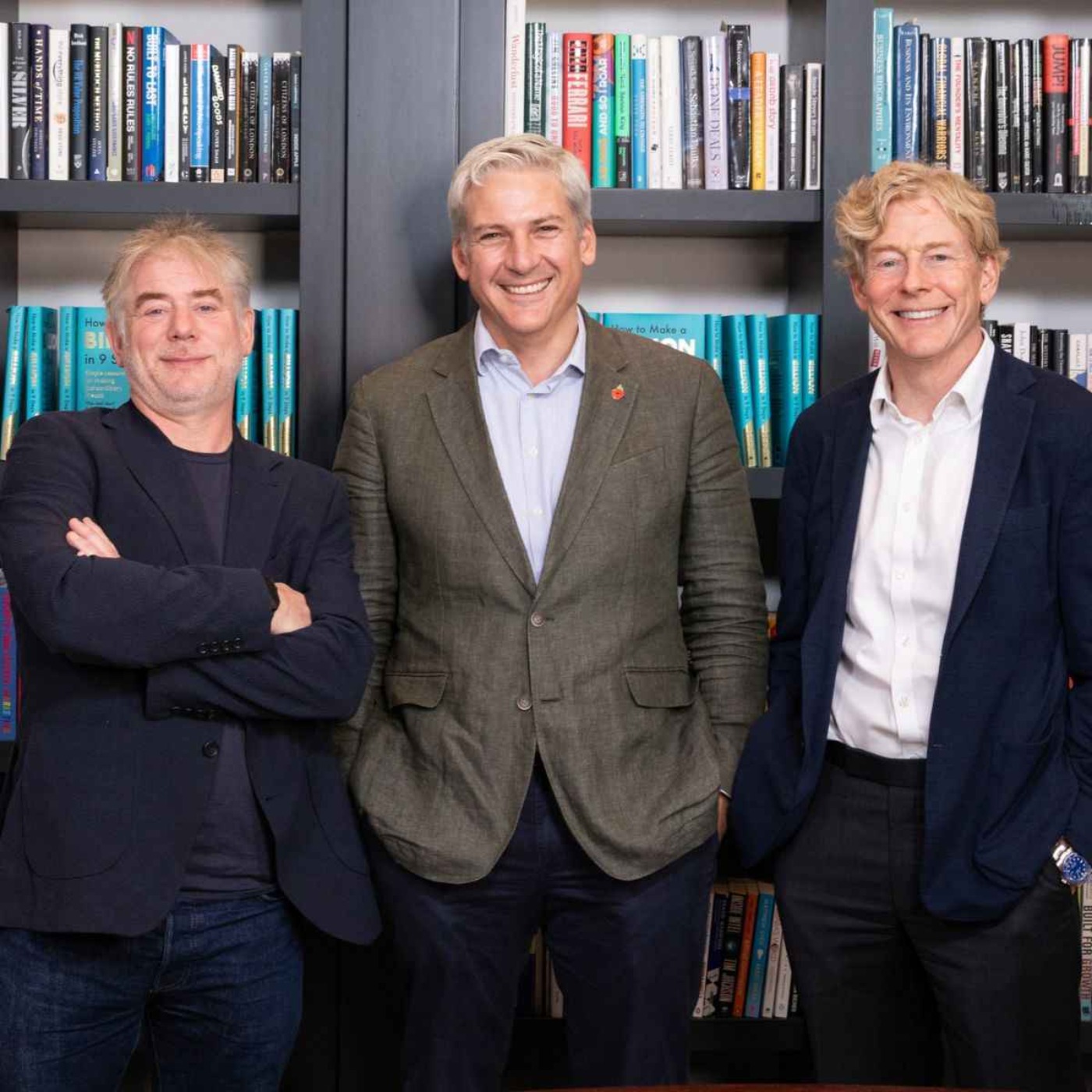
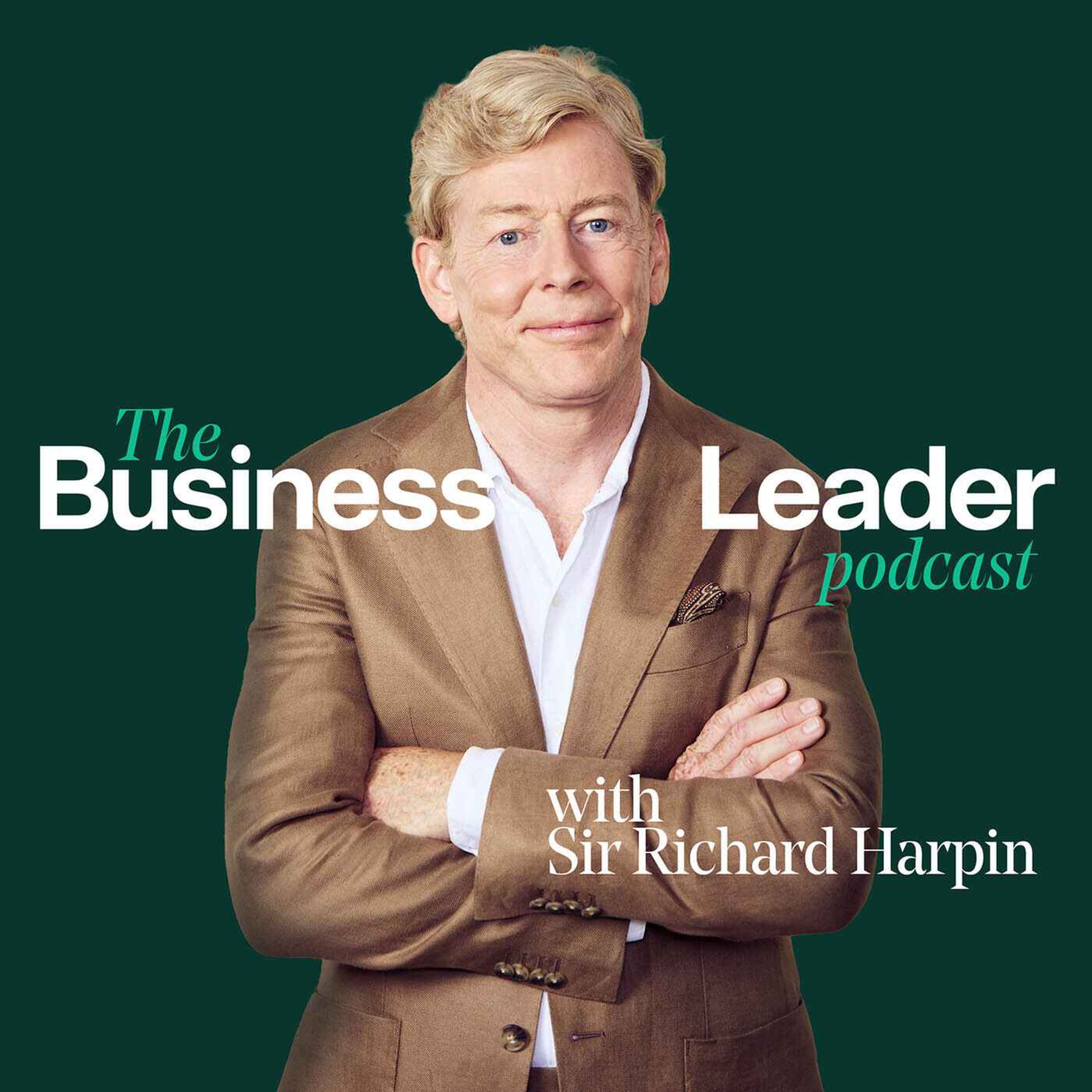
 The Business Leader Podcast with Sir Richard Harpin
30 Jun 2026 · 46m · 25 chapters

Nadine Merabi’s rise from self-taught dressmaker to a ~£40m fashion brand, built on early wholesale success (Selfridges), pivoting during COVID, and using social/influencer momentum plus omnichannel retail.
Nadine Merabi is a Manchester-based fashion founder; she played England hockey at a high level, then moved into events/networking before quitting her job at 29 to start sewing. She built the brand from an Argos sewing machine and online tutorials. She has ~18 staff during COVID and later expanded to a leadership/board structure.
She sells “confidence,” not just outfits. Early wholesale orders were fulfilled without patterns; a £10k loan funded stock. COVID killed occasionwear, so she pivoted to silk satin “Darcy” pajamas and more accessible pieces. Influencers collaborated without fees early on, later returning for paid partnerships. Omnichannel expansion includes Selfridges (UK), Nordstrom and Revolve (US), plus pop-ups and stores.
Selfridges took 80/110/60 units with a 60-day delivery; she learned sewing via Ask Jeeves/YouTube-era searches; she cites tags of Kate Moss/Rita Ora, and Ronaldo’s wife wearing Darcy pajamas.
Written by AI. May contain mistakes.
Nadine shares how her experience as a hockey player shaped her business mindset.
“And you were a hockey player for England for quite a long time.”
Nadine discusses the impact of her father's death and her journey of self-discovery.
“but, you know, you hit a ceiling and then you kind of need to keep working, keep trying.”
Nadine describes how her love for fashion emerged through life experiences and social events.
“I was a bit lost, I'll be honest with you.”
Nadine recounts her decision to pursue fashion design full-time and her initial struggles.
Nadine explains how her creations boost women's confidence and her vision for the brand.
“I need to put everything into it so I went the next day I bought a sewing machine from Argos I went to the local haberdashery store.”
Nadine shares the story of how she landed her first major retail deal with Selfridges.
“And when did you know it was going to become a proper business and you'd sold a number of these dresses?”
Nadine discusses the hurdles she faced during the launch of her fashion brand in Selfridges.
“So I'd actually only been, I say designing, I don't even think I was designing.”
Learn how collaboration can arise from competition in business.
Discover the challenges faced during the launch at Selfridges.
“So, but what was brilliant about that stage was I got to understand every part of the business.”
Understand the impact of COVID-19 on a fashion business and the pivot to new products.
“I got to understand what was needed from each element from the ground up.”
Learn how the pandemic inspired new product lines, including pajamas.
“And actually, before COVID, all my designs were quite dressy.”
Explore how influencer marketing shaped the brand's growth without upfront costs.
“Very important, especially at the time in which we launched.”
Find out how strategic partnerships enhanced brand visibility in the US.
“And, you know, we weren't selling a pair of socks or a T-shirt.”
Learn about the significance of pop-up stores for market entry and testing.
Understand how physical presence in retail can enhance consumer trust.
Explore the brand's plans for future stores in London and beyond.
“And could you have more stores in other parts of the country or it's just those couple of flagships in London?”
Learn about the challenges and strategies of scaling a fashion brand internationally.
“And I actually think Paris would be a next step for us because we've recently, I think it was six months ago, we only opened our EU website.”
Explore how to manage strategic retail partnerships and maintain brand integrity.
“I feel like there's so much possibility, there's so much room for growth still.”
Understand the evolution of team dynamics as a business grows and the importance of expert hires.
“first six years there wasn't a management team um it was you yes me and a small group of um kind of, they were like multitaskers.”
Discover the process and considerations of hiring a new CEO and building a board.
“And I think you're planning to bring in a new CEO?”
Hear insights on managing work-life balance as a female entrepreneur with family responsibilities.
Learn about the challenges and mistakes made during a period of rapid business growth.
“supportive of the business of um my dream and enabling that to enabling me to have the time to make that happen where do you see the business in five or ten years time and might you ever sell this?”
Explore how to turn business mistakes into learning opportunities and maintain a positive mindset.
“Don't lose your culture and don't grow ahead of your leadership capabilities.”
Learn how to react positively to mistakes and turn challenges into opportunities.
Discover the importance of self-belief and community support for women in business.
“more female entrepreneurs in this country?”

Get the gist, explore an idea or ask about something said.
 Claude
On The Business Leader Podcast with Sir Richard Harpin, what are the key points of this episode?
Searching your listeningAutomatic transcript. May contain errors.
0:02I was 29. I don't want to be a 30-year-old party girl. The next day from that, I literally just quit my job. I bought a sewing machine from Argos. I went home and I was like, I don't even know how you sew. I'd got an email from Selfridge's head office saying oh can you um come and show us your collection they went away they came back and they said um right Nadine we'll um we'll take 80 of these 110 of these 60 of these when can you deliver them I I literally have just cut out freehand and I didn't even have patterns I didn't even know how to buy a roll of fabric at this point if I'm ever going to blag it in life now is the time to blag this one year we grew 800 it was absolute chaos I was so stressed I was so you know unhappy I remember at the end of the year in January when we sat down to set our goals they were like right what's your growth goals and I was I actually don't want to grow.
1:01I can make a woman smile that I've never met, I might never meet, but I can actually really change her life. That's what I like my superpower is. You've probably seen her clothes on Claudia Winkleman on the Traitors TV show like millions of viewers, but do you know the name behind them? Nadine Morabi built a£40 million fashion brand from a 250 pound sewing machine and an online tutorial. Her clothes are now worn on red carpets on both sides of the Atlantic. She has a London store and New York is next. Nadine, great to have you on the Business Leader podcast. And you were a hockey player for England for quite a long time.
1:49What did that do to teach you about business? Did it help? Yeah, I mean, obviously, people would say sport and business are very different, but there's very kind of, you know, when you're playing any sport at a high level, you have to be super disciplined. You need, you know, a lot of resilience. And also you need to learn how to face setbacks as well. You know, sometimes you're chosen for the European Championships and then one year all of a sudden you're not. And it's like your whole world is ended and you're, you know, 15, 16 years old. And it's like, how do you cope with that kind of rejection and disappointment at that age?
2:22so I think yeah it you know obviously the the team um effort with it all the the culture the working together having fun together I think that's helped a lot with social skills throughout the years but I definitely think that to achieve at a high level you need real discipline and you know as a young girl growing up when all my friends are going out partying on a Saturday night and I'm having to kind of stay in because I've got training or a game the next day, it's actually quite, you know, it actually shows real kind of discipline and commitment to the goal in which you're trying to achieve. And resilience and persistence as well, do you think?
3:03Yeah, definitely. I think you can't, skill gets you a certain way in life, it really does, but, you know, you hit a ceiling and then you kind of need to keep working, keep trying. So I definitely think that you need that resilience to, you know, play at such a high level. and then your uh your dad died just as you were going to university and what uh what impact did that have so at the time it didn't really have any impact because I just decided I'm just going to put it to the back of my mind not think about it and I'll just say he's gone on holiday um I was I'd just turned 18 and it was a lot to cope with and then I went to uni I actually did my first year at uni and I was a bit like why am I here what am I doing and I think sometimes with the education system you get kind of put into something where people say what do you want to be at the age of 18 and you're like I don't know and I wasn't very academic I really wasn't I'm I wasn't um high high achieving in in any of my kind of academic work but I got like a scholarship to Bath University through my hockey and that was just the path that I went um I think you know it It was really difficult at the time.
4:11And so after year one, I came back to Manchester and I think it just hit me and I was like, OK, I can't cope with this. And I ended up leaving uni at that point. I was a bit lost, I'll be honest with you. And he did have an influence on your fashion and design ability, didn't he? Definitely did. But this is maybe 10 years on now where I actually feel that he did have this influence on me. I think since from the moment of his death I had like 10 years of working out who I was what I was doing you know yes I played international hockey for 10 years but it wasn't necessarily a choice it was just this is the the route you go down because you're good at it so I spent the next 10 years working out what it was I liked what I wanted to do trying everything went and became a ski instructor and went you know traveling and what I really liked to do was kind of network and so I would go and get a bar I had a bar job um in the centre of Manchester and I remember I was like everyone wanted to be behind the bar and you're only young you know everyone wanted to be the one that was serving everyone because it looked the coolest job and I was like actually I want to be the glass collector and they're like why do you want to be the glass collector and I'm like because you get to chat to people you get to network you get to find out who people are and I think at that stage I was like it's not just about kind of what you're doing and what you know it is about who you know as well.
5:37And then so what was the what was the prompt to get you into fashion? After hockey and after I'd gone traveling and obviously living a teen not a teenage life but a young girl's life where I was going out partying now because I'd spent so many years not doing anything so I had some fun I traveled around and then I actually got into events which wasn't actually a decision it was more a business decision in the sense of we got the opportunity to hire a venue set up an event on Facebook which was free hire a DJ and then you just basically created an event said that everyone was going made sure everyone went and charged 20 pounds to be on the guest list and it to enter the doors and so I did that for four five years how big were these events they were like you'd probably get like 500 people in and out through the night um it was actually really good i really really enjoyed it but again i felt like it had a shelf life it probably wasn't the healthiest um stage of my life because i was going out late at night i was you know you know you'd be partying and things like that so it was really good it was great for networking it served its purpose at the time and what it did do it kind of put me on to the next stage which was fashion so I was going out to these events and all of a sudden I was like what can I wear and you know I didn't have three thousand two thousand pounds to go and spend on an outfit I also don't really even if I did have that I probably wouldn't have spent it anyway and also I was like but I don't want to wear something from the high street that everyone's wearing everything just felt quite bland and plain so I just thought it can't be that hard to just make a dress so I started just like altering my own clothes and making them different or turning a little skirt into a top or something like that so a lot of it was just kind of testing trying you know just experimenting at first and people coming up to me and being like oh my god that top's lovely and I was like it was actually a skirt but no one knows that and so I just thought you know what I'm just gonna I'm just gonna make a dress it can't be that hard so it was at that point where I was 29 and I was a bit lost again found myself lost again I was like what am I doing I can't I don't want to be a 30 year old party girl and so the next day from that I literally just quit my job and I thought if I'm going to do this if I'm going to do this one thing I need to put everything into it so I went the next day I bought a sewing machine from Argos I went to the local haberdashery store.
8:10I went home and I got loads of little like offcuts of fabrics which I thought was amazing. I was like oh my god you can buy this and you can buy this. I went home and I set up my sewing machine and I was like I don't know how you sew. I'm not that great at reading something as you'll probably know when I asked you to do your book on an audiobook. So I wasn't great at reading so I opened my laptop and I went on to, it wasn't YouTube at the time this is showing my age now it was ask jeeves at the time so i went on to ask jeeves and i said how do you thread this brother 232 sewing machine so all these youtube videos started coming up and all of a sudden i'm like oh my god this is amazing so i spend the next kind of month in my bedroom just learning these techniques learning how to sew i would just freehand cut things out on the floor i don't know how or why but i just felt like i knew what i was doing by freehand cutting them out and it kind of just started from there really I just started wearing my own clothes people were commenting on them people were you know saying this is really different and actually it was at that point I realized kind of the purpose of this clothing fashion business was how it made me feel it made me feel like really confident it made me feel that you know even if you don't have confidence in yourself if someone else is coming up to you and saying you look amazing then all of a sudden your shoulders go back a bit you feel a bit more confident.
9:36So you're selling confidence, you're not just selling an outfit. Exactly. And for me to experience that firsthand originally was where the kind of whole business idea came from. And when did you know it was going to become a proper business and you'd sold a number of these dresses? Honestly, I still don't know if I think that, to be honest. I don't know, everyone always says, oh my God, you've done so well, Nadine. And I'm like, really? And it's not that I haven't, but you're always focused on something you don't ever just sit back and say oh I've done really well I've done this but I think it was at the point where you know we start building the team we're growing the team we're opening you know a store we have a great online and social presence and I think for me it's when we do the community events so we actually had one in the store last night and the women are coming up to me being like oh my goodness you made me feel so good like you literally made my birthday or you made my wedding evening dress and you made my event for me you literally made me feel so special and worthy and I think it's those moments where I'm like you know someone it was actually Steve Hewitt once said to me he said um what's your what's your superpower we're playing paddle and he goes in the middle what's your superpower I said um well actually I can make a woman smile that I've never met I might never meet but I can actually really change her life.
11:03That's what I like my superpower is. I'm Richard Harpin, a Yorkshireman who sold my company HomeServe for£4 billion and this is the Business Leader podcast where we look at the stories and strategies behind modern businesses. I'm passionate about helping British businesses scale and succeed. I think it's the key to unlocking Britain's economic growth. Founders and CEOs of mid-sized companies can be members of the business leader community for coaching peer-to-peer forums and exclusive learning events so do get involved sign up to our weekly newsletter at businessleader.co.uk slash newsletters it's free and it helps us grow the community
11:51and in the early days you did that by getting your products into selfridges yes so a really It's now come full circle again, 10 years on. But yes, I entered into Selfridges from the very beginning, actually. How? How did you get in there? It's a good question. It's a good story. So I'd actually only been, I say designing, I don't even think I was designing. I was just making dresses, basically. I was making dresses for about six months. Some of the local celebrities were wearing them and they were getting featured in the press and things. And it was six months after I'd got an email from Selfridges' head office saying, oh, can you come and show us your collection?
12:31And I was thinking, collection? I don't have a collection. I've got some dresses on a rail. So I was like, yeah, sure. I'll be down, set up the meeting. Went down with my suitcase. Bearing in mind, these dresses, there was absolutely no visual merchandising with this collection. They were just, you know, one was green and black. The other one was red. Some had zips, some didn't because I hadn't like fully figured out how to do those yet. Anyway, I was like, you just have to go with it. If you get given an opportunity, you have to take it. So I went to the meeting. They put out all the dresses on the rail and, you know, I went through it.
13:06They went away. They came back and they said, right, Nadine, we'll take 80 of these, 110 of these, 60 of these. When can you deliver them? And honestly, I was like, I literally have just cut out freehand. That's a big job for one Argos sewing machine, isn't it? And I was like, I've only just, I didn't even have patterns. I didn't even know how to buy a roll of fabric at this point. and I thought if I'm ever going to blag it in life now is the time to blag this so I just looked to them and I was like 60 days and they were like okay and honestly from that point I was like how am I going to do this and it was probably about eight styles and I remember going back home and I was like first of all I didn't have the money to to do it second of all I didn't have fabric um I didn't have any knowledge of where to buy the fabrics and thirdly I was like I'm gonna have to unpick all these dresses to get a pattern because I've just cut them out freehand I actually got support from another Manchester local designer and she was like I've got a factory in Manchester I can do short runs for you I can introduce you to the fabric suppliers and how did you come across her so it's it's a really nice story because she I would class her as a competitor at the time and Vicky Martin so very nostalgic great kind of fashion brand but you know it's so nice and I think that was a great lesson for me to learn that just because you're in competition with someone doesn't mean you can't help each other either you know industries are tough and if you're just fighting against each other all the time it doesn't kind of get anyone any any further so when we did actually launch in um selfridges which i did do by the way um on time when we did when i did launch in selfridges i was actually next to her products in selfridges which was really nice and I think the other point actually was I didn't have the funds to do it so at this point if you get a wholesale order from your first supplier you don't have any money to pay for the stock you don't have a backing you don't have savings how are you going to do it and at this point I'm living like hand to mouth I don't have anything where I can put into it so I'd got the the order from Selfridges and I went to the bank and I said this is the order this is how much I'm going to get for it this is how much i need to make it and actually i got a 10 grand loan to enable me to make that stock so put together on a shoestring and you were and you made it yeah and then what happened next after the selfridges thing that went fine um it wasn't i didn't have the best business plan you know again i didn't start this business with a great business plan i started this business with i want to make some dresses i want to make women feel good i want to give them the confidence back and then it kind of just escalated from there so obviously there wasn't really that much consideration on my margins or my cost price or anything so I think I was still a one-man band at this point to the point where when people used to call the client care team I'd answer the phone and go hello Anna speaking because I was like I can't just say it's Nadine that's going to look like it's you know not a good company it's going to look like a one-person operation I felt like You know, those one man bands with the drums and tambourines.
16:17So, but what was brilliant about that stage was I got to understand every part of the business. I got to understand what was needed from each element from the ground up. Then what happened during COVID? So obviously as a women's occasion brand and every occasion in the whole world was cancelled. Stopped. Overnight. I was seven months pregnant at the time with my first child. And yeah, it wasn't great, to be honest. I wrote a lot of lists. I think I spent the first two weeks, like every morning I would wake up and my husband was like, Nadine, I think you should stop writing all these lists. And I was just like engrossed in how I was going to get us through past this.
17:03And it's weird, actually. You've got a world pandemic happening. And all I'm thinking about is how am I going to get the business through this? not even the fact I'm about to birth a child. I was like, how am I going to get us through this? How many staff did you have at the time? At the time, I think we had about 18, something like that. And, you know, we weren't that big a business that COVID, you know, really would shut us down. And also we didn't have any wholesale partners. So we didn't have anything which we'd made. We didn't have any outstanding orders or anything like that. So we weren't owed any money from anyone.
17:39So in a way, it was quite good that we could get through this. And actually, before COVID, all my designs were quite dressy. Like they were all very much like full length ball gowns or, you know, very, very much red carpet attire. Which you don't buy those in a lockdown when you stay at home. Absolutely do not. And so it was from this I actually learned, OK, now it's time to find a different product. everyone was going into loungewear and I was like I really really don't want to do loungewear it's not about you know Morabi is not about loungewear so I created these pajamas which you definitely can't sleep in by the way they're like silk satin pajamas with fluffy feather sleeves and cuffs and hems and everything and people were just like wearing them at home with heels just making themselves feel good about themselves as well and I think that was the first thing I pivoted into the pajamas but I also pivoted into making like little skirts or mini dresses or blazers because I was like for all these people that are having illegal house parties they need something to wear so I was basically designing for the rule breakers who were having these illegal house parties and actually when the world opened up again I realized that this was actually a really missing category that I was doing because not everyone has a ball to go to and even if you do it might be one Sierra or something you know i need to design for the birthday dress i need to design for the girls out you know night out with the girls i need to be you know more accessible and not just kind of refined into um the areas in which we were designing and are the darcy pajamas still a top selling line they are actually i think for the two years after covid they were 10 of our sales and people were wearing them out people wearing them out with heels i got tagged in a picture of like kate moss and rita ora on a private jet wearing matching ones i got tagged in um ronaldo's wife he put a picture up with a wearing them outside the berge in um dubai wearing them with heels for a 30th birthday i think it was i was like this is crazy and even i i was wearing them out because it was just like it just felt comfy cool and how important is the influencer ambassador model and social media played its part?
20:00Very important, especially at the time in which we launched. So at the time, obviously, we didn't have any money to pay for influencers to wear us or anything like that. But what I did understand is like the products I was designing were very what I call Instagrammable. And women wanted to wear them. Women wanted to, you know, take pictures in them. It helped their likes, it helped their algorithms. And I think we worked with a lot of influencers through that. And even the women that were coming back to us and they were saying, oh, I need a payment. I need a fee for this. And I was like, I'm really sorry.
20:36We don't have a budget for that. I just don't have the cash flow to do this. And they were like, OK, that's fine. And then within three months, three to six months, they would realize that they have an event to wear. They don't want to go and buy themselves something or wear something that they don't like. So then they would come back to us and say, OK, let's do a collaboration where if you send me a dress, I will post it and advertise it for you because I actually really need something to wear now. Without paying them other than just the cost of the dress. Exactly. And, you know, we weren't selling a pair of socks or a T-shirt.
21:12I wasn't asking a huge favour. I was basically saying, I'll help you out and you help me out. So it was kind of worked hand in hand. And did you need a person that coordinates all of that or did it sort of happen itself? They were a very small team at first and, you know, I think there was two or three of us to start with and one would be, we'd all kind of do the same thing. You know, if someone was on the Instagram, someone messaged, you didn't want to wait until the next morning to reply to them. So we were just engrossed in it and you would just take every single opportunity. The minute someone replied, you'd be like, yes, of course.
21:46I actually remember as well, I used to have them on my phone. I used to have a notification where it'd go bing when we got an order I don't have that anymore um because there are too many orders yes but it was just a really nice satisfying feeling where you'd be there and you'd be like even if you're having a hard day and you'd be like bing bing they weren't that regular at the time but the business was online only until 2024 yes then what happened so I was always very much like listen we do very very well direct consumer online. And, you know, why do we need to do wholesale? Why do we need to do retail?
22:20I think the world has changed and you can't just, you know, stay tunneled with one kind of channel. You need to look at all omni channels. You don't want to put like, you wouldn't want to put everything into wholesale and just small DTC. You wouldn't want to put everything into DTC and no wholesale. So what we did was we made a plan where we would start doing wholesale with strategic retail partners which worked as a marketing strategy as well and we would start doing some pop-ups. And who were the strategic retail partners other than Selfridges? So Selfridges in the UK and Nordstrom and Revolve in the US.
22:56By this time you've got into the US, what year was that? So the US actually was always strong for us all the time. So from the start of the business the US customer loves Morabi. They love the kind of flamboyantness of it. They love how exaggerated some of the designs are. They love something different. And so, you know, the US client has always enjoyed Morabi. I think working with US influencers, going out there to do kind of activations and having a presence there, it has really kind of helped i think you know the us is huge there's so much potential for growth the uk is always our kind of engine it's where we we are but the us has always just been a great kind of territory for us did you have people out there in the us from the beginning or not no so all from the uk but with a separate uh separate website in dollars we do have a separate website now um and i think obviously the tariffs have changed everything we've got a warehouse out there now the plan is to um have a team a small team out there the plan is to have a flagship store out there we we did a year's pop up in soho new soho new york it worked brilliantly but it was really difficult without having your own team on the ground there it was really really difficult great learnings and actually set us up to the point in which we were like yes we actually can have our own store there and our own team and our own staff but kind of luckily just before we were about to sign a lease that's when trump announced all the tariffs we didn't have a u.s warehouse at the time and we were like listen let's just hold on this and let's look to um open up more in the uk instead but your advice to any other entrepreneur that wants to open a bricks and mortar store in the US would be do a pop-up first but do it still with your own team the thing is we wouldn't have been able to do it with our own team so yes that would be an ideal but we actually worked with a partner called leap and it was the only way we could have done it so you know you end up paying a percentage towards them but if we didn't do we just wouldn't it wouldn't have been feasible we didn't have the funds to be able to do that plus you can do like a year's lease where else can you get like a year's lease when you're not even kind of present in that area and it did prove the model prove the model even in the UK I wouldn't be against doing a pop-up in in different kind of um cities I think it's always good to test something first because you know we tested London for a year first and it did really well and then we opened up our flagship store on South Malton Street there you're based in Manchester the business but you opened in London yes why London is our biggest territory for sales um New York's second but yeah London's huge for for us for just kind of customer base could you see any link between the in-store sales in London and South Moulton Street and what was happening to your online orders is there that magic effect between the two or not I wouldn't necessarily say because of the presence there but what I love about having a bricks and mortar is the brand trust so people feel like you can trust a brand if you know there's a presence there you know you can go in you know you can speak to someone you know you can see what they're doing you know on their emails or social media and stuff so I think it's hugely important once you get to the point that you can have some sort of presence bricks and mortar presence or community areas where people can actually go to and you know feel like they can really trust in a brand can you have more stores in london do you think yes i don't want to open too many but i definitely think based on how this store has you know worked out it's a it's in profit it's doing well it's great kind of community-based area um for me personally you know so much love care and affection goes into each design and to see it on a image or video on an e-commerce you can't actually really fully appreciate that so for me I love the fact someone can go in feel you know see the product see the detail see the kind of care that's gone into it and then actually even just feel the weight of it or see the detailing and I think like most importantly for me going back to our purpose they get to try the product on and they get to see how it makes them feel inside like how does it make you feel once you're wearing the product.
27:31And could you have more stores in other parts of the country or it's just those couple of flagships in London? I think the plan is that we'll open another one to two in London and then I'd like to say probably in the next year we'll open back in Soho in New York. Now we've found a way to manage through the tariffs and everything. I'm open to other locations. I think I'll look back at it in a year and reassess where we are. I think we've got our next two-year plan with a couple more in London and then New York. And I actually think Paris would be a next step for us because we've recently, I think it was six months ago, we only opened our EU website.
28:12Obviously Brexit, another challenge. Will that require you to have stock in an EU warehouse somewhere or not? Yes. So we now have UK, US and EU warehousing. So we ship directly from supplier to each territory warehouse, which helps with tariffs or everything, obviously, with the US tariffs, with Brexit. And since we opened the US warehouse six months ago, I think we're about 15 percent, EU is about 15 percent of sales, which I think is quite good and positive, considering we haven't actually put much into the marketing of it. And getting those retailers Nordstrom and Revolve in the US, was that they emailed you and it was easy like it was for Selfridges or was this you knocking on their door?
29:00No, to be honest, the retailers have been emailing us for a while, but the business wasn't in a position in which we could do that. We weren't ahead of the critical path where we needed to be. I wasn't confident that stock could go straight from supplier to retailer without me checking every item type thing. and so we made a plan that would be really disciplined and not accept any wholesale orders until the business was in the right position to do that because the thing with strategic retail partners is if you mess up that's it you you just can't mess up so as much as I wanted to do it probably earlier we just couldn't so we waited until we were in the right position and then when we were we went back to them and said okay now we can do wholesale where does the brand go from here Nadine?
29:48The only way is up Richard, the only way is up. I feel like there's so much possibility, there's so much room for growth still. You know we're still kind of very much occasion led. I'm starting to do a bit more kind of elevated day wear because you know I love wearing Merabi, I love how it makes me feel but I remember last year I was like I've got a daytime like event and I want to wear Morabi but everything's a bit too dressy so we've started to do more kind of what you can wear in the day still still being the best dressed woman in the room but you know this is like one of our cotton dresses this is now my new day wear.
30:28Where's the limit to range extension and where would you say no that that's too far it's diluted the brand? I think firstly I don't think I'd ever say no at this point I think secondly there's so much range right now you've got obviously your day wear you've got um your outerwear you've got accessories you've got shoes bags jewelry i don't i think i'll stay strong on the loungewear one but i also think there's some credible in terms of not doing it on your not to-do list yeah and i think you know i'd love to do a collaboration with a with a brand that does loungewear or does sportswear um i'm very much like i don't want to just go and do something so if someone said go and do sportswear I want it to be kind of world-class technical sportswear as well as it looking great so I know the you know the the research and technicals of doing that are very very costly so I don't just want to go and make a pair of leggings because they have to be like world-class functional as well as I you know as I design Morabi is so like I say open to collaborations so much scope for different categories and again scope for just growing different territories like the middle east uae further growth in the u.s europe there's just you know so much more that um that's on horizon how has the management team developed over the years quite a lot in the sense of for the first six years there wasn't a management team um it was you yes me and a small group of um kind of, they were like multitaskers.
32:04They were great, they were heads off and they were great at all different bits. And I needed those people at that time. I wouldn't have been able to get to the next stage without that. I think when you get to the next stage, you can then start hiring people who are experts. You don't need one person to be able to be good at three things. You need an expert at one, an expert at another. And so it was really nice to get to that stage. And the potential to bring in a chairman and chief exec? Yes. So we are just creating our board at the moment. So we've been going 10 years now, never had a board.
32:42Do you look back and say we should have had a board earlier or not? No, not at all. I mean, I wouldn't even know what I was doing with a board or how to get a board. And, you know, I think I think they're so important now. like everyone needs accountability and it was just how do you get the right people um and like say i've had to go through each growth level to be able to get to the point of reaching the right people to become on the board um you have got a chairman now i think that's recently joined yes we've got nick bayton um ex um asos and advisor is hash ladher who is um ex jigsaw ceo and they're both incredible and it was actually me that reached out to them both the first thing nick said to me when i when i i didn't even know him to be honest i got his contact from someone else and i had a zoom call with him and he's like what can i do to help you i'm not going to be your ceo and i was like i know but you know you can do something to help me and it was actually funny because now you know we work really well together and we're just onboarding a final board member at the moment so it's a sort of mentoring relationship initially then yeah definitely why do you think many entrepreneurs are wary of or scared of reaching out to people that can help them as a mentor I don't think it's wary or scared it was just I didn't know who to reach out to so it was only I think I spent a year dedicated to kind of networking in London I didn't really know that many people in London I wasn't from London and I definitely didn't know anyone in the industry and so I was going to kind of draper's events business of fashion events and all of a sudden and I'm kind of invited into this whole network of CEOs and founders and entrepreneurs within the retail business.
34:26And I think you're planning to bring in a new CEO? Yeah, I'm super excited. We have onboarded a new CEO who's a woman and I think she'll be absolutely fantastic. It's definitely a missing role right now and like I say, Hash is doing a great job but it's not full-time, his support at the moment. So I feel like I've spent a lot of time with this woman as well, making sure that we're going to get on personally, get on in a work capacity as well, because, you know, we're going to have to work super, super close with each other. And for somebody else that's hiring their replacement, what are the golden rules, do you think?
35:05How do they make it work? I've never been the CEO and I don't want to be the CEO. People say to me, like, when we're looking for the CEO, they're like, why can't you be the CEO? I can be the CEO but it's not my passion it's not my drive my passion and drive is the design side of it and this is what I think I'm really good at understanding how women feel what women want and how to kind of dress women I know I can hire someone better than me to do the CEO role I don't know if I can hire someone better than me to understand women's you know how they feel and what their kind of insecurities are when they're dressing.
35:45So knowing your strengths and then playing to them and hiring people to do all the rest. Yeah definitely. You're 10 years into the business Nadine what's your mantra for the next 10 years? So the first 10 years my mantra was I mean there was a lot of kind of blagging there was a lot of kind of grit determination there was a lot of failures and mistakes and everything and my mantra for the first 10 years was very much like pressure makes diamonds and everything was always like last minute or this hasn't worked well I'll do this and that was very much my mantra for the first 10 years pressure makes diamonds and now for the next 10 years my mantra is planning makes profit so I've completely switched planning makes profit love it because the revenue has been growing significantly yeah you're a really big business now but operating on very very low margins yes as a founder when you're starting up and when you're doing each role itself you have to chance things you have to you know um blag things you have to say yes to things you have to take every opportunity you need that to get you to the next level then when you have a secure business that's when you can actually say right now we can just steady the ship calm down and plan properly for the next kind of one three five years how hard is it to be a female entrepreneur two young kids uh managing home life what what's your advice for other great women entrepreneurs so it's not easy i'll be honest with you i think it's super important that you have your own time and you know even like if you go for a run some people like i can't be bothered going for a run for me i'm like oh my goodness i've got like 30 minutes where no one's talking to me there's no noises you know no one's bothering me so even going for a run is a very very special moment um that I appreciate to be honest you learn to juggle you learn to prioritize you just get on with it I think women are very kind of resilient and they get on with it and they don't moan and they just say right what's the next kind of challenge having a supportive husband very much so so as you know um I've spoken before Frank he is very very commendable in the sense where he enables me to go and live this dream he will pick the kids up from school um you know when I won't be able to go there he'll make sure that there's kind of dinner on the table because otherwise I probably will forget to eat and stuff so he's very very supportive of the business of um my dream and enabling that to enabling me to have the time to make that happen where do you see the business in five or ten years time and might you ever sell this?
38:24Nadia Murabi for me it's my first child it's everything I would like to grow the business and get like a partner on board or get an investor on board definitely but that would be to enable the business to grow you know it's it's all self-funded at the moment. So as a minority investor that can bring some cash for growth but also some help and advice? Yeah I mean it's even when you look at opening new stores like the fit out cost you're not going to get a return on investment for that for you know a year or two even if you ever do um on that so it's just helping the business grow and you know you could easily say i don't need cash to to do it but actually it's at what pace you want to grow it once you've been doing it for 10 years it's like okay now we have a very good business where do we want to take it what's the what's the biggest mistake that you made in a business so far in those first 10 years looking back to help others not make that same mistake I mean I've made a lot of mistakes not as many I think as I made in home serve really I do you know what I always I mean I'll tell you my biggest mistake first so my biggest mistake was and I don't know how I don't know how I would change this but one year we grew 800 % wow it was chaos it was absolute chaos and I really regret that happening I don't know how I would have changed it other than shutting the website down and not letting people buy because I just couldn't control it we we went from 30 staff to 100 staff in a year client care customer care honestly it the service was went really really poor we didn't have the team to be able to reply to people people weren't you know customers were emailing we weren't getting a reply for three days that would annoy me but we just didn't have the capacity the team members to be able to reply to everyone who was you know asking us questions and I think what happened with going from 30 staff to 100 staff without the right onboarding process because it was just me being like okay can you do this can you do that the culture the culture was really affected and it made me really quickly realize how important culture was in a business and I think you know after that year yes we were in profit yes we were growing you know rapidly but I was so stressed I was so you know unhappy I remember at the end of the year in January when we sat down to set our goals they were like right what's your growth goals and I was like I actually don't want to grow I can't this is not manageable I think what happened from that was we quickly realized we'd hired the wrong people because you hired so many and going from 30 to 100 you're not going to get it all right exactly how many of those did you have to have that difficult conversation i think i honestly think it was probably about 30 um but this was like a year's hangover of a mistake so this took a year to get back to the point in which okay now we've got the right people and it was after that year we then decided to create our leadership team so all in all it's been a long process and it's been a really kind of important lesson but it really did make me realize how important culture is in a business.
41:41Don't lose your culture and don't grow ahead of your leadership capabilities. I also think with mistakes so like mistakes have got like a really kind of bad connotation towards them because people just think oh a mistake is something bad and I'm like yes you make a mistake but you can actually try and turn it into a positive and there's been loads of times where I've made a mistake whether it's been a mistake on a design or it's been a mistake in you know a choice I've made in the business but you can actually try and find a way to turn that into a positive I don't think the problem is the mistakes I think it's how you react how you react to the mistake which can cause the problem and how should you react well calmly now I think again if you react in a positive mindset you think differently all of a sudden you don't panic what's panicking going to do it's like when people say oh well what if this happens and it's the worst thing that could happen it's just a waste of emotion and it's like you know it brings this negative energy towards you which like I'm just not about now always the glass is always half full for me and I'm always kind of looking at the best and positive things um in life two tips for any entrepreneur listening to this that is aiming to scale the business in the way that you have as a independent kind of founder who's who's doing it I would say that first of all you you need to get your purpose you need your purpose and you need to live and breathe your purpose I think once you've got your purpose you need to prioritize it because purpose without priority is pointless you know there's just no point in it once you've got that set and especially as a founder in terms of priority you're doing every element of the business you're answering calls you're doing the um the stock inventory you're paying bills you're dealing with other members of staff and so you have to prioritize your time otherwise it just becomes chaos um and i think the one the few things i would say is when you fail just get back up because you're going to fail lots of times and I fail all the time still now so when you fail get back up when you've made a mistake turn it into a positive do whatever you can even if it's just your mindset even if you the way you say it honestly if you say oh my goodness I've just made that mistake oh my goodness I've just made that mistake it changes your mindset straight away and I think the last thing is for me a problem isn't a problem a problem is an opportunity and finally Nadine how do we get more female entrepreneurs in this country?
44:19I think it's by you know these networks that we've got I think it's again just empowering it's the it's it's self-belief for a lot of things I think by hearing other female entrepreneurs stories I think this is why I do a lot of podcasts or talking about it not because I want to talk about myself but you know I was self-taught I came from you know I had no investment I had no you know backing to be able to do it I remember there was weeks where I used to have porridge for breakfast and lunch because I didn't have kind of I was putting my money into my fabrics and stuff I think it's really important to be open and honest um to women and not be like oh yes I've done this and I'm amazing at this and I'll be honest like I'm not actually that smart either you know you don't have to be super smart you don't have to have um experience or a degree in something necessarily to be able to do it I think it's just if you truly truly believe and if you put everything into it then you can make it happen i think the only person the only thing that will ever stop you achieving what you want to do is yourself nadine marabi thank you so much thank you richard nadine marabi what an inspiration you are to other women entrepreneurs self-taught and already a decade into growing your business thanks for listening please do rate us and subscribe and make sure to sign up to our weekly newsletter at businessleader.co.uk slash newsletters with more people on board business leader we can have better conversations and inspire the UK's next wave of business leaders
Manchester-based Nadine Merabi played Hockey professionally for England, bought a £250 sewing machine from Argos and taught herself how to sew. With no formal training she sold a collection to Selfridges and from there she stitched together a £40 million luxury fashion business. She talks candidly with host Sir Richard Harpin about the resilience needed to build a business from scratch —the only thing standing in entrepreneurs’ way is themselves. Merabi pivoted during covid into a Darcie pyjama line, which was worn by celebrities and still makes up a significant proportion of sales, but she draws the line at loungewear. She reveals why growing 800% in a year was her biggest mistake and what it taught her about culture and leadership. And her why her mantra has shifted from "pressure makes diamonds" to "planning makes profit". Also, she explains how her decision to hire a CEO frees her up to focus on what she does best: giving women confidence.
Subscribe to the Business Leader Podcast and sign up to our free weekly newsletter at businessleader.co.uk/newsletters
Business Leader is a membership community for ambitious CEOs and founders of mid-sized UK companies, designed to help them grow with purpose through strategic support, peer-to-peer learning, expert coaching, and high-impact events. Sign up for our Business Leader newsletter here.
Hosted on Acast. See acast.com/privacy for more information.