
 Ask ChatGPT


 The Business Leader Podcast with Sir Richard Harpin
3 Mar 2026 · 43m · 22 chapters
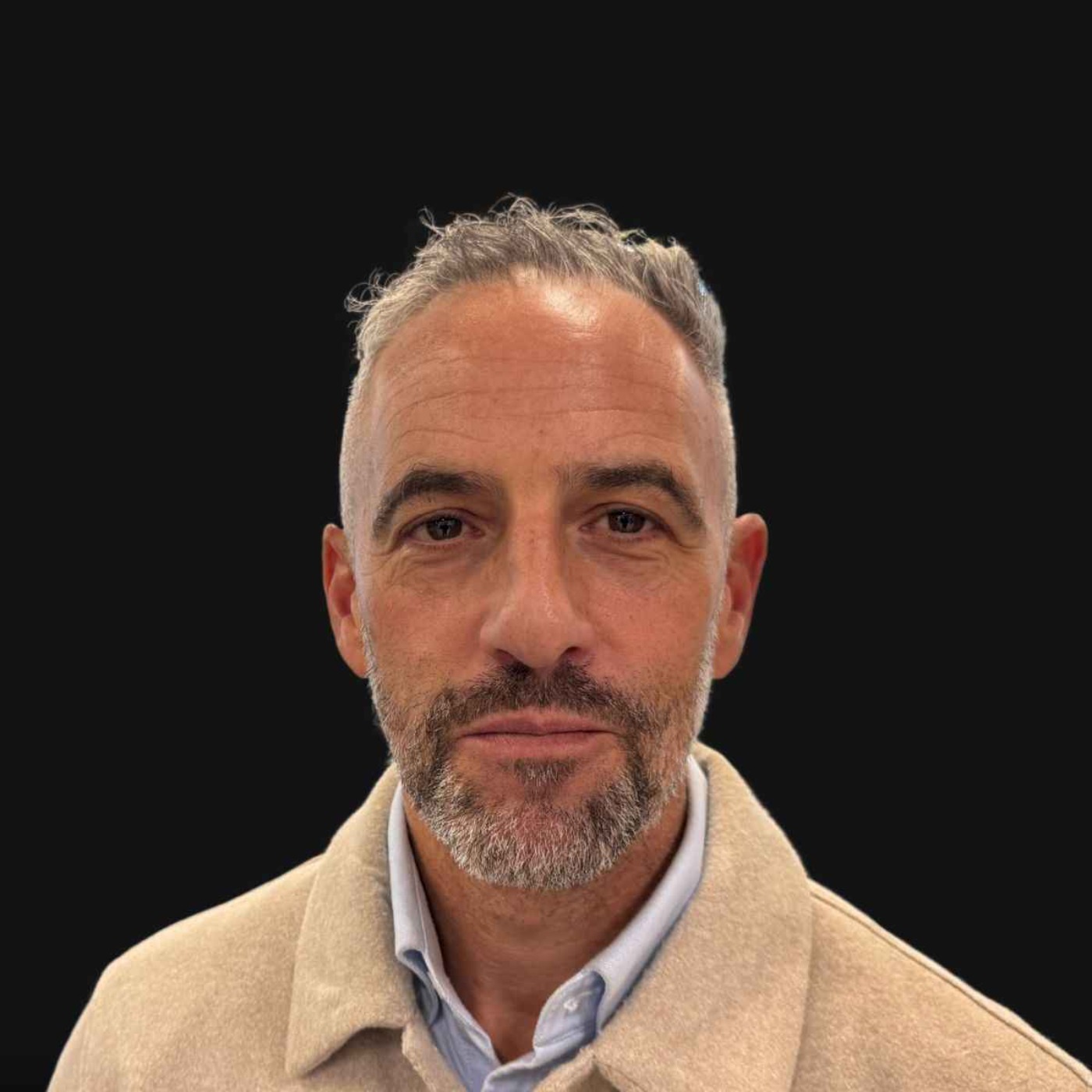
In this episode of the Business Leader Podcast, Laurence Newman shares his entrepreneurial journey, detailing how he founded The Beauty Tech Group, a company specializing in home-use beauty technology, particularly known for its LED face masks. Newman discusses the pivotal moments in his career, the challenges faced while securing investments, and the complexities of navigating international regulations and supply chains.
Written by AI. May contain mistakes.
Exploring the Beauty Tech Group's working environment and product offerings.
“You've got your products proudly on display everywhere.”
Introduction of Lawrence Newman and the Beauty Tech Group's background.
“I'm Dougal Shaw and this is the Business Leader Podcast where we look at the stories and strategies behind modern businesses.”
Discussion on Lawrence's path to founding the Beauty Tech Group.
“I wanted to find out from Lawrence what he has learned scaling a business from startup to IPO in the north of England.”
Lawrence shares insights from his family's background and its impact on his business philosophy.
“A lot of entrepreneurs I meet, they're the children of entrepreneurs.”
Lawrence discusses the 'eureka' moments that led to the creation of beauty tech products.
“So again, they're little snippets that I probably took from his medical knowledge.”
Overview of the technologies behind home-use beauty devices and the business focus.
“Can you just explain a bit more about current body and also how, because I know you're quite a focused business, how the kind of the key areas that you've built the business around?”
Discussion on the importance of online sales in the beauty tech market.
“So when we talk about home-use beauty tech, everything sits within those four technologies.”
Lawrence talks about the changing demographics and target market for beauty tech.
“And who would you say is your target audience and has that changed over the course of the business?”
Insight into the strategic choice of location for the Beauty Tech Group's headquarters.
Learn how the speaker transitioned from a lengthy commute to establishing a growing business.
“Well look first of all I spent 14 years driving an hour and a half to my office, an hour and a half back in my early stage.”
Explore the speaker's approach to hybrid working and its impact on business culture.
“17 ,000 square foot, just won awards for one of the best offices in the northwest of England.”
Understand the evolution of recruitment challenges from startup to IPO.
“This is a reasonably decent-sized business now and post-IPO and the like, but it's kept its entrepreneurial flair at the top.”
Hear about the difficulties of securing investment in a misunderstood industry.
“I'm absolutely convinced of it, that first bit.”
Discover how strategic funding led to a significant business transformation.
“come on, you need to keep growing the business.”
Learn about the impact of investors and board members on business strategy and support.
“Sometimes these investors bring expertise as well as the capital did you benefit from that or did you know exactly what you needed to do in your industry?”
Gain insight into the product development and manufacturing process in the beauty tech industry.
“So from going from lifestyle businesses, which is what I was used to, all of a sudden I kind of had a headmaster in there who, if nothing else, gave a little bit of structure.”
Explore the complexities of scaling manufacturing in the beauty tech industry.
“kind of lifestyling, which by the way, is also a really good way to run a business as well.”
Understand the importance of safety and regulatory compliance in beauty technology.
“So again, the real challenge is once you get to scale, is scaling that manufacturing and producing products that, look, anyone can make one LED mask.”
Learn how the IPO has influenced the company's operations and growth strategies.
“So you often find you've got someone who sells one good product in one territory.”
Gain insights into the entrepreneurial journey and advice for future founders.
Discover the challenges and rewards of balancing family responsibilities with entrepreneurship.
“I think the most important thing for any CEO or for the key people in the business is to run the business as though that process is not happening.”
Listeners will learn about the complexities of product development and the evolving nature of capital raising.
“but I would never have changed a thing in that respect.”

Get the gist, explore an idea or ask about something said.
 Claude
On The Business Leader Podcast with Sir Richard Harpin, what are the key points of this episode?
Searching your listeningAutomatic transcript. May contain errors.
0:00Dougal Shaw: This is Britain's growth moment. Do you want to be part of it? On 26th of March, 750 of the UK's most ambitious founders, CEOs and investors will gather in London to shape the future of mid-sized business. The companies driving our nation's success. The Business Leader Summit 2026 isn't just another conference It's a day built around the three forces that define growth Ambition, policy and capital And as one of our valued podcast listeners, you can be there in person To secure a discounted ticket, visit the events section of our Business Leader website And use this code, BLPODCAST, all one word, all uppercase We look forward to seeing you there
0:47Dougal Shaw: So let's do a tour of your very fancy building as we get past the lunch area, which is in full swing. You've got your products proudly on display everywhere.
0:56Laurence Newman: Yeah, so look, most important thing is always that people can use the products. So everybody, when they start in this business, gets given product as well as part of their induction. So there's products everywhere. People can use them and understand and be educated on them.
1:10Dougal Shaw: I'm being given a tour of the offices in Cheshire of the Beauty Tech Group by its co-founder and CEO, Laurence Newman. The products we're talking about are LED face masks used for aesthetic skincare treatments.
1:23Laurence Newman: Basically, as you walk around, you'll see that we're split into the three different brands, Current Body, Trier and Zip. And then on the other side is building. We then have our core functions, finance, MPD team, where we're researching these types of technologies and what's going to come next.
1:42Dougal Shaw: Did you say you've got your influencer team down there?
1:44Laurence Newman: Influencers working across our three brands, but also working internationally, so all the different territories that we work in. Obviously, the US is heavily significant for this business.
1:54Dougal Shaw: And you and your co-founder have got a big office down the middle, but everyone can obviously go and speak to each other here quite easily. Yeah, look, I've never had an office before the IPO.
2:05Laurence Newman: It's important that we have one now just because we're doing so many different meetings and quite of it's quite challenging, especially with investor meetings and the like. But I like to be in and amongst everybody and we move around
2:19Dougal Shaw: and I try to encourage people to do the same. It's a long way from the old days in the warehouse where you're just on a mezzanine level, I think. It was pretty terrible there, yeah, it was horrendous.
2:34Dougal Shaw: I'm Dougal Shaw and this is the Business Leader Podcast where we look at the stories and strategies behind modern businesses. Today my guest is Lawrence Newman, founder and CEO of the Beauty Tech Group which makes tech products you can use for beauty treatments at home. He founded it in 2009 originally under the name Current Body in Manchester and in 2025 it went public on the London Stock Exchange, valued at more than£300 million. The HQ these days where I'm meeting him is south of Manchester at Alderley Park in Cheshire, a science campus. I wanted to find out from Lawrence what he has learned scaling a business from startup to IPO in the north of England.
3:18Dougal Shaw: I mean, you've been in the beauty industry for more than two decades. What first drew you in?
3:25Laurence Newman: um so look I don't think anything necessarily drew me into the beauty industry I started my life off um as a business graduate always had a feeling that I'd like to um start my own business um and had two or three businesses in my early stages which just happened to be selling products within the aesthetics world um and I suppose starting off by selling professional equipment into clinics was my first experience and then having an involvement in clinics themselves was kind of my second so I got to learn a bit about technology also got to learn a little bit about patients how how the beauty industry operates so I kind of fell into it but I was at one point quite happy to sell anything I could get my hands on like most people came out thought right I'm gonna kind of sell something well I'm gonna go and find a product that interests me so I did all sorts of things at the time, from car boot sales to selling protein powders and creatine and all different types of natural health products, which I was sourcing.
4:25Laurence Newman: So I did lots of things at the beginning. And as some entrepreneurs do, they find their way into different areas.
4:32Dougal Shaw: A lot of entrepreneurs I meet, they're the children of entrepreneurs. Was that the case with you?
4:37Laurence Newman: Actually, my father's a consultant vascular surgeon, and mother's a maths teacher, and I I failed both maths and all sciences. I think I benefited absolutely nothing from those two in terms of their skill set. But my father did shape a little bit of some of what I did. He was involved in the clinics as a surgeon in the clinics doing some aesthetic treatments. He taught me some interesting things that I've used, little snippets that I've used as part of my career in selling home use beauty devices as well, which I can tell me what I'm curious well I suppose look the most important thing he always said to me was if you can't make somebody better don't make them any worse and I think that's quite a useful useful thing to understand isn't it so when someone goes in to have a treatment in a clinic there's always a chance they could be left with a problem worse than worse than what they came in with so with a natural product or a home use device it's quite important that they come out and use that product.
5:39Laurence Newman: And it's almost like a natural product. It's going to have no side effect, but they might get a really good benefit from it. It's not a bad starting point to have that ethos. So that's probably one of the things that I learned. And a lot of doctors and aesthetics have been troubled over, say doctors, but aestheticians, if you look at where there are issues within our industry, it's people who over-treat, or they treat the wrong thing, or they treat the wrong person. So again, they're little snippets that I probably took from his medical knowledge.
6:07Dougal Shaw: So take me back a bit to the beginning. What was the kind of eureka moment where you spotted a gap in the market that you could focus on?
6:15Laurence Newman: Look, I've thought about this a lot in terms of eureka moments. And I've listened to podcasts and I've heard lots of kind of entrepreneurs speak about their journeys. And the one thing I picked up recently, probably when I was deep in the IPO, was the overnight successes are never overnight successes. They're usually 10 years or more. and I think if you think about that and it's usually there is never a massive eureka moment although people like to think there is so people always talk about my business they say oh what what suddenly kicked you know what kicked it off well nothing really I basically understood that these types of technologies worked and then spent some time understanding whether those technologies could be used at home the step change that I had was I was selling products on a cruise ship at the time in clinics on a cruise ship spas if you like most people used to go to a spa for two things then just for a massage or to have a facial and I'd introduced using a piece of aesthetic technology in the spas on the cruise ships and I could never understand that once they'd had the treatment I got no benefit from the after sale because they got off the ship and that was the end of it or they bought a cream or a lotion that was that was sold to them by the beauty therapist so i thought i wonder if there's a way in which you could sell to them a little device that minim if you like mimics the treatment that they'd had on board the ship and i went away i went to a um i went to a i think it was either cosmoprof or medica one of the big uh conferences and exhibitions and you could often find people who had various technologies and i found a company that were making electrical muscle stimulators for sports people and i said to them is there a way you could put our program into a little device and I could sell it as an aftercare product on the ships so in many ways that was the first kind of if you want a eureka moment that was a moment when I actually had found a product that could potentially be sold as a home use device at home and it was tolerated in terms of its price so we started selling it at$500 on the ship and it was accepted so that was probably my first moment I thought well hold on is there a chance that people are going to buy devices that you'd have in a clinic and use them safely effectively at home
8:33Dougal Shaw: I mean it's interesting I have seen that passion before now I think about it where you provide a service it's by doing that one-on-one with the customer you realize what they want and the products you can sell around it and that becomes the retail offer it's exactly that and I think
8:46Laurence Newman: you know look this is a scaled business now but there's no substitute for speaking to the customers and I talked a lot to my staff about this now it's when you get ingrained in a business you think you know what somebody wants but until you actually speak to the customer you've actually got no idea so it's always about providing something that maybe not only do they want we were in a world of providing something that people didn't even know existed or they didn't even know they wanted so we've created and the beauty device industry for home use is an industry that's been created over the last few years and I like to think that in 2009 when I came up with the idea of Current Body we were true pioneers in it we were one of the first people really to understand that there was a market for home use beauty tech.
9:31Dougal Shaw: Can you just explain a bit more about current body and also how, because I know you're quite a focused business, how the kind of the key areas that you've built the business around? I often describe it as almost a niche within a niche.
9:44Laurence Newman: So if you want a real explanation of the beauty device market for home, there are four technologies that have sat in every clinic since the 1950s and 60s. led radio frequency microcurrent and laser or IPL intense pulse light and they're the four pillars of all clinics and everyone has those types of devices of which they provide treatments for all different issues that people have so my plan and people often talk about moments that happen in a business and probably for the first time I structured this business in a correct focused way is I put those four pillars on a whiteboard and my plan was to go and find products that sat in each one of those four pillars to be used safely and effectively at home.
10:27Laurence Newman: And that is the focus and the niche that this business sits in. So when we talk about home-use beauty tech, everything sits within those four technologies. And we now have three brands that satisfy, if you like, those four technology pillars.
10:44Dougal Shaw: I think I'm right in saying that about 90 % of your sales are online e-commerce. Was that always a strategy?
10:54Laurence Newman: So if you look at this industry as a whole, the awareness still remains incredibly low. When you look at where companies have failed trying to bring home-use beauty tech into the market, they put it into traditional bricks and mortar and retail before there's any awareness out there. And I see this quite a lot, really. I think people, it's almost a vanity project to put a product into Selfridges or Saks, or if you go big into Germany, to Douglas or Lafayette in France, you think, well, I want to see my product on the shelves. There's no point in having a product on the shelves as no one's going to pick it up.
11:24Laurence Newman: And so if you think about this being a real embryonic market, we had to raise the awareness, get the education right, and the best place to do that is to do it online. The next stage of this business is no doubt that as we become a far more famous brand and a genuine world-class brand in beauty tech and LEDs leading the way of those technologies, of course, you can then go into more of an omni-channel approach and start seeing the products in key retailers, which is what we're embarking on now.
11:56Dougal Shaw: And who would you say is your target audience and has that changed over the course of the business?
12:03Laurence Newman: Look, we do so many different things now within these technologies that the target market has changed quite dramatically and it's changed in two ways really, but there's one that it hasn't. Technology is in everyone's lives, in everything that we do. It's never really been in beauty. So what we're effectively saying is anyone who uses traditional skincare, can we add technology into their lives? Now, they can be a younger person looking for anti-aging preventative wise at an early stage of their skincare routine. And the one thing that COVID did, and it never spiked this business, by the way. I often get asked about whether it spiked the business because people are at home and they're using home use tech.
12:42Laurence Newman: The awareness was too low. It's grown very gradually. what it did do is it meant that a slightly older demographic was prepared to investigate online for these types of technologies which previously they'd only had in a clinic so we then end up with a demographic of quite a younger age group that's growing and evolving often driven by the asian skincare community and then at the other end of the spectrum we've got an older demographic looking at anti-aging and being prepared to look at how these types of products could be part of their skincare routine but the overall piece is moving people from skincare into technology as part of their skincare routine and then I suppose the final piece the jigsaw is people go into clinics you can't go to a clinic every day some people can't go to clinic at all it's too expensive but there's no doubt that these technologies whilst not being as effective as a clinic themselves can definitely provide you with some great results so you've got people coming from clinics to use at home and you've got everyone moving from skincare into technology so you can see how that evolution has gone from a wider demographic to a huge addressable market.
13:52Dougal Shaw: Let's talk about this place where we are right now it's like a kind of tech hub but and we're close to Manchester I got off the train at Wilmslow and there was a maybe a 15 minute taxi ride tell us a bit about where we are and why you chose to be here.
14:06Laurence Newman: Well look first of all I spent 14 years driving an hour and a half to my office, an hour and a half back in my early stage. And I think back and I think how much time I wasted of my life commuting. So when I started Current Body up in 2009, I was absolutely convinced that I was going to have less of a commute. So by chance, my first office, which was very small and had three people in it, was near my house. So that's the first thing. And then the business started to grow. And so we grew. And if I'd showed you where we've been, I think you spoke to one of my team, before, I think you'd have laughed if you'd seen where we came from.
14:43Laurence Newman: First of all, a four-man office. Then we moved into a warehouse, which was absolutely terrible, with a little mezzanine floor at the top where we had our marketing team. And then we gradually outgrew each one of those. And this came up as a potential option during COVID. And I think everyone thought I was absolutely mad, because I think at that time, people were trying to decide whether people would even go back to an office ever again. It's hard to envisage those times took place now when you think back on it. But I was probably one of the very few people who thought, well, actually, this business is going to carry on growing.
15:18Laurence Newman: We're in a great position and I want to find somewhere with the right look and feel for a tech business moving forward. And this tech part was just starting to grow. I appreciate it a little bit of a commute for people outside of Manchester. But if you can create a really good environment in a good industry with good people, with a robust business plan and opportunities. In, let's be honest, an area that a lot of people like to be in, beauty is an interesting industry for people to be in. I think as long as you're not miles away and there's nothing around you, then I think you can create a great place.
15:59Laurence Newman: And I think that's what we have done here. And as you've just seen, we've moved to our second office, 17 ,000 square foot, just won awards for one of the best offices in the northwest of England. And I'm pretty proud of the space we've created here, really.
16:13Dougal Shaw: We're here on a Monday, and it's actually pretty busy compared to many of the offices I've seen. But if we'd come on a Wednesday, nobody would be here because that's the day you say, no, we want you to work from home. And I think you've come up with that idea yourself. But is it about getting people to communicate in the office when they do come in?
16:30Laurence Newman: I think I described to you before this is a new industry with new products with technologies that people need to understand and collaboration is the only way you can do that. Now I'm not one of these people who says you have to be in the office every day. So I looked for a solution really which meant that there was a hybrid working but worked for our business and I get asked a lot about home working and how it you know how I think it should be. And my answer is always the same is that every business is different, has its own culture, has its own different types of people that require and it has a different elements to what you need to do from a collaborative point of view.
17:06Laurence Newman: So if we were just doing dev, for example, then maybe you could be far more virtual in terms of the way that works. But we are working on high tech products. We're working in an industry that's growing very quickly. And we're working with teams that need to be talking to each other. You have functions that have to be talking to each other all the time, marketing, influencers, NPD. They've all got to be communicating. You can't do that on Slack. So we came up with the idea or I came up with the idea of like one day. I felt like Wednesday was a day that I don't know. It just felt like doing it in the middle of the week.
17:40Laurence Newman: There was something about it. And now I think people say it should never be seen as a perk because it's not a day off. But just not having to commute on that one day breaks the week up quite nicely. Fridays and Mondays are very important days for e-commerce as well anyway, and for retail in general. So it was never in my thinking that Friday and Monday would be the day. And we've kept it. One thing I have done is I've kept it always under review. So if there was a time where we were struggling with recruitment or people were complaining about it in different ways for different reasons, then we'll always look at it.
18:09This is a reasonably decent-sized business now and post-IPO and the like,
18:16Laurence Newman: but it's kept its entrepreneurial flair at the top. and that has found its way into my senior leadership team as well, which means everything's under review and we can make quick changes. So if we decided to have two days, we'd go to two days, we'd make the change straight away. So at the moment it works for this business. It won't work for everyone's business.
18:36Dougal Shaw: You've grown the business in the north. Have you found there's been a good ecosystem to grow from startup to what you've done now, IPO company?
18:46Laurence Newman: look it's difficult to recruit at different levels i mean if i look at the very early stage of this business can you go and get the the absolute stars in the areas that you want when you haven't got much money and you're going through growth funding and there's elements of pressure on your cash flow all over the place no as you get bigger and people know about the business they want to be part of this business then of course recruiting becomes becomes easier because it's an aspiring place for people to come and work in a really interesting sector. So I think it's just changed over the years. There's loads of talent in Manchester.
19:21Laurence Newman: Manchester's a great city. We're not far, I know you've sort of described it how you have, but in terms of how people commute in London, it's still not a particularly terrible commute this. We run a bus for people as well who haven't got cars. And I think we've just got to tick the holy grail of a good place to work in a really interesting sector. And people are well looked after here. So I think if you can get those three things reasonably tied down, then the culture will take care of itself.
19:53Dougal Shaw: But even when you were in startup phase at that point, did you find being up here, you had enough help to grow?
20:01Laurence Newman: I look back on startup phase and, you know, I suppose you're talking about the 0 to 5 million journey. It's the hardest part of growth of any business. I'm absolutely convinced of it, that first bit. And getting the right people was one of the most challenging parts of that business. But the business was very different then. We were selling other people's products back in the days that you're talking about. So then you're dealing with kind of, I suppose, digital marketeers. And really what they were doing is changing prices online, helping to internationalise. So not the most complicated part of the business.
20:32Laurence Newman: The complicated part of this business was scaling product that we were making and scaling it internationally across multiple territories. So the supply chain of this business is really what underpins the whole growth of the next few years. So that's the challenging bit. So back then, in startup phase, a very different type of person was involved in this business.
20:55Dougal Shaw: And the other thing you need to grow when you've got a good idea is investment. So how did you find getting the investment you needed being based up here?
21:04Laurence Newman: I suppose going back to the 0 to 5 million phase is the hardest part of the investment phase. And I feel for anyone and I get asked most about help with investment and how people should look at it and where they should look for it. And when I look back on my funding story, it was as challenging as anybody's. I was in a sector that people didn't understand. It was a sector that people didn't believe in. They thought it might be a fad. Everybody was quite male orientated. So you're talking to 56 year old men about beauty. Very, very challenging. They always came with their own ideas of whether things work.
21:42Laurence Newman: And usually it was just, does it work? Even though you're providing them with clinical studies and all of the backing of these types of technologies.
21:49Dougal Shaw: So the investors are male, even though you might think cosmetics beauty is more female friendly.
21:53Laurence Newman: I speak to a lot of women founders as well. And I think one of the biggest challenges that you're speaking to people in the finance world is generally going to be in an investment committee is unlikely to be one of their customers. If it was one of the customers, I think we'd find the journey a little bit easier because they use the products. So that was a challenge. We weren't profitable. I think people always used to talk back in the day, and I'm going back to, say, 2018, and the whole of the investment world changes year to year, you know, in terms of how these things work. But, you know, when I look back then, everyone said growth, growth, growth.
22:29Laurence Newman: But actually when it came down to raising the capital, it's much more important that you're profitable. And that's the other thing that I often tell people. So you've got one hand someone saying, come on, you need to keep growing the business. And the other hand somebody saying, well, you need to be making sure that you're making some EBITDA. So in the early stage of any growth of a business, unless it's software and some different industries, very, very challenging to raise money. So just tell us, where did you get the money from? So look, I'm very grateful for my early stage investors. In the first instance, MVM, who are now owned by Mercia, a VCT fund who came in in 2018 with circa 5 million.
23:09Laurence Newman: Again, as you learn over the course of your investment journey, that 5 million was probably about 3 million after everything, fees and all the rest of it had come off. It was not very much money. But nobody, you know, nobody was throwing money at us back then. It was a challenging process. We went far and wide to raise a fairly small amount of money to effectively grow an e-commerce platform. So we're not the most sexy business in the world, but in a really interesting industry where I was saying to people, at some point, home use beauty tech is going to be the fastest growing part of the beauty industry.
23:44And I was trying to get people on that ride, really.
23:48Laurence Newman: And that was very, very difficult. But the underbidders were more of a well-known fund, probably, BGF. They were known for doing lots of deals. And they came in about a year afterwards. Both MVM and BGF have done incredibly well out of this. But they came in at a time and they obviously saw the potential.
24:08Dougal Shaw: So I have a lot of the people who did those deals.
24:11Laurence Newman: I'm delighted that they saw the potential. not everybody did and we used the first chunk of cash really to start to look to internationalize the business because this at the time was 90 % UK if you look at this business now it's 20 % UK so a huge shift in terms of our international reach the second chunk of money a tranche of money was the most important because that was the step change in this business when we went from selling third-party products to in 2019 developing our own products and that that money from bgf was the start of the next phase i see that as the start of the next phase of this business and that is what's been transformational so if you look at this company now 20 uk entirely owned brand three key brands across the four technologies so that whiteboard that i talked about i'd kind of completed the train set but instead of with other people's brands I've done it entirely with my own.
25:08Dougal Shaw: Sometimes these investors bring expertise as well as the capital did you benefit from that or did you know exactly what you needed to do in your industry? I've never seen an investor bring any
25:17Laurence Newman: expertise to the table the only people who know your business are the people in the business and I'm absolutely certain of that and I think when you look at private equity and I've got absolutely no issue with it it's been very supportive of my business they bring some cash to the table but I think if anyone's looking at starting on a PE journey, I think they're often talked about how they can help in terms of maybe connections or raising further money or whatever. I've actually no doubt that might be the case. But in terms of your own business, it's always about the people in it and the people who understand it the most.
25:47Laurence Newman: And it's very rare for somebody to come in and understand the business like you do.
25:52Dougal Shaw: Especially when you're the founder, founder CEO.
25:55Laurence Newman: Not just the founder. I'm referring at this point. I've got, you know, I have a co-founder and CTO, I have a CFO, and I have a senior leadership team. And even at the point then, there were people in the business who understood it better than anybody else. So I think it's unlikely that you're going to get an investment director sitting on your board, bringing with anything that's likely to really impact the strategy of the business.
26:19Dougal Shaw: But what about your own board? Can they be a good way to get access to investment opportunities as well as expertise?
26:24Laurence Newman: well i think in our in our instance and again i talk a lot about what's best for your business so what might be best for the beauty tech group might not be best for another company but in our instance we've put different boards together over the last few years but this one is specifically fit for purpose for listed life so where sam and i don't have experience is in a listed company so we now have somebody who's worked at games workshop on the beach and next so we've now put ourselves and again this even comes down to when you're doing naught to five million is make sure there's people around you with experience and if it's funding or if it's in in mpd or if it's in retail put some people around you've got a level of experience that can help you in areas maybe you don't have in the very early stages when i thought we were going to go down a private equity route or raising capital.
27:17Laurence Newman: I put a chairman in who was an ex-Footsie 250 business leader and asked him if he was actually chair of the board of governors at my school and he had some experience of being a chairman in some other businesses and I thought it would just add a bit of governance and in the end actually it proved to be quite a good decision because it just meant that you were forced into having board meetings and doing some levels of reporting and just accountability. So from going from lifestyle businesses, which is what I was used to, all of a sudden I kind of had a headmaster in there who, if nothing else, gave a little bit of structure.
27:55Laurence Newman: And actually that was really the start of putting together a genuine business as opposed to one that was, like I say, kind of lifestyling, which by the way, is also a really good way to run a business as well. I'm not saying that you can't go down that route, but the minute you have a board, the minute you are, even as founder and CEO, you're accountable to somebody. and also he invested as well so that helped because he was you know aligned with me on on the growth
28:23Dougal Shaw: you mentioned the step change in 2019 where you're starting to develop your own products so just explain how that works are you designing them in this building where do they get made yeah
28:36Laurence Newman: So we have a team of designers and developers in this building. You know, in fact, our MPD team working across our three brands, probably the fastest growing part of this business. We also have a regulations team. And then they're made, and we have these products now made in China, made in India, made in the US. So we have also dual manufacturing. You know, one of the challenges I think I talked about before is it's all about supply chain. So if you've got key products, make sure that you don't have problems in your supply chain. And it's always the biggest risk to any business, a problem in your supply chain.
29:08Laurence Newman: So it's all about having them manufactured and scaling the manufacturing. So again, the real challenge is once you get to scale, is scaling that manufacturing and producing products that, look, anyone can make one LED mask. I think we all know that somebody could go and get one made and it's pretty likely that it will be robust and it'll work. But then if you're making half a million of them and each one's got 236 bulbs in it or more, imagine the accuracy that you need from every single led to get the results so i'm just using that as an example across one so scaling manufacturing has been the biggest challenge of this business but one that we've done better than anybody else they often get asked also about like well why can't someone else do it well i've just explained to you then how challenging that is and actually beauty technology is one of the hardest industries that you know to break into its barriers to entry are significant because of that difficulty and scale of the production.
30:04Dougal Shaw: Which is a good moat for you and your business, I suppose, to protect you. I was looking at your IPO documents, and in the risks section of that, it talks about company performance being dependent on quality and safety of your at-home products. That's absolutely vital. So that reminds me a bit of what your dad told you, you know, do no harm. So that's got to be a really big part of it in your industry as well.
30:24Laurence Newman: Yeah, look, these are generally like low-light therapy, and it's unlikely that you're going to have a, you know, look, we acquired a laser company because that's probably one of the most challenging to go and manufacture a laser for safety reasons apart from anything else, making sure someone doesn't fire it in the wrong way or in the wrong part of the face. So you're absolutely right, making sure that the products are safe. But most importantly is what the safety is also that they work, right? So they've got to be safe and effective. But these products now, they've got pretty significant regulations wrapped around them.
30:55Laurence Newman: And again, if you talk about scale, I think people can go and get a product registered with the FDA. But then can you go and get product registered with the TGA in Australia, with Health Canada, all of the different, you know, with Taiwan, with Hong Kong. So all these different nuances around selling these products across multiple territories. So you often find you've got someone who sells one good product in one territory. we're selling multiple brands multiple products within the brands across multiple territories and that's really the moat and the success that we've had in this business
31:34Dougal Shaw: big milestone for you 2025 you obviously had the ipo i'm speaking to you just a few months after that what's been the impact of that already probably people like yourself wanting to come and
31:45Laurence Newman: speak to me that's probably one of uh one of the changes um look i think that it hasn't changed very much so i and sam and i talked about this quite a lot my um my cfo you just carry on running and growing your business i've been in processes now since 2018 so i've continually looked you know once you start on a private equity journey in the early stage you're always in your way in in a level of process. So I suppose for the first time, we're not in a process, we have listed this company on the stock market. And now it's simply about making sure that we hit all the targets and numbers that we need to hit over the next few years to grow the business.
32:28Laurence Newman: So probably the step change is that we are no longer in that type of ongoing process, if you like. But what hasn't changed is the strategy, the thinking, a bit of the entrepreneurial flair and spirit that underpins the growth of this business, in my opinion, and the ability to create great products and scale them globally. So nothing's going to change from that, you know, from that aspect.
32:54Dougal Shaw: Do you feel a bit more scrutiny though, because the details are more in public now?
32:58Laurence Newman: Look, I suppose you're always, you're always under scrutiny. I mean, the real scrutiny is things aren't going well, isn't it? So I think, again, it's always about the focus of making sure everything's going well and then and and then the problems are less aren't they so um at the moment we're fortunate we put some good numbers out um the markets reacted well we've been well supported i think people wanted to see a company like ours come to market um so i think that's beneficial um there's been only one consumer um deal in the last 12 months in london um so we've become a little bit of a poster child, I suppose, for the London stock market.
33:38Laurence Newman: And I hope that there's going to be some other ones growing into a listed company over the next few years and that we've kind of started the ball rolling.
33:47Dougal Shaw: I looked at the video of, you know, the launch of the IPO and the CEO of the London Stock Exchange was saying that she's from the north as well. And she was sort of personally proud that a company that had been founded up here and has grown, has got to the IPO stage. So you must be seen as a bit of a kind of a role model to others. Do you have people approaching you around here, like asking for advice already? Yeah, I do.
34:13Laurence Newman: I don't know whether I'm a role model, but I think people have looked at the business. And if you look at how many founders have listed their company and they're still in the position of founder at the time of listing, and somebody from my, maybe from my PR team, might tell me the answer but I I think it's only like about 10 people that have done it's a very very small number of people have done it so I suppose people look at the business and they look at the they always look at the journey that it's been on and understand well is that something that they could do or replicate with their company and I suppose what makes this business and maybe me slightly different to others is I've done you know I've raised some bank debt I've gone through private equity I've raised money with high net worth and then I've listed so there's kind of like ticks all the boxes of the difficulties or the challenges around raising capital and I've gone through all the various different processes which is probably quite rare and I can give the kind of the good bad and ugly of each one of them but again I always say every business is different keep growing your business and good things will happen and the right things will happen for your business so I think I get asked a lot but I never give too much advice until I understand a little bit of that about their business because for some people it might just be right they lifestyle their business some people right they might go on a listed journey but what I do know is you can only ever do three things with a business you can either sell it you can either go down a route of funding money through private equity or you can list it so people often say why did you list your company well there's three options open to you so I happen to have been down all three of those routes
35:49Dougal Shaw: I mean very few companies in the UK in the consumer space have done the IPO so you're kind of being something of a trailblazer here can you just convey what it takes in terms of you know your time apart from anything else yeah it's a good question it's an incredibly arduous
36:08Laurence Newman: process to run an IPO you need the right people around you you need to make sure that the business can still run and take care of itself while you're on the road doing the investor meetings and understanding in the first instance what an IPO involves both in terms of cost and time and execution my advice to anyone going down this route is to get advisors around you that explain everything at the beginning and then go and do a bit of research and speak to some other people so I lent on a few other people as well who'd been down this process and I've said do we need this do you have to do that how long does this take do we need to understand a little bit more about these different elements but fundamentally there are there are parts of an IPO that are unavoidable and incredibly costly and I think for a lot of business it is quite a prohibitive process and I I've you know I think you asked me before about people asking me um for advice I think I'm now getting advice getting asked a little bit about if you could help other companies go down a listed route what changes need to be made to help companies do it because all very well saying we want to see more uk companies list in london but what help are we giving people to do that and costs alone are prohibitive for a lot of businesses to run down this and then the element of time that you mentioned everyone talks about you know taking your eye off the ball while you're in a process that's a challenge for any entrepreneur or any business owner running a process you need a very very solid some very solid business to run an IPO and come out the other side where you've still got good growth um without some of the without some of the challenges so then it was very very important that you've got people around you to do that and we were doing you know meetings around Black Friday we were doing meetings in really important parts of the year for us but I knew that the business was in a great spot and we had people who could continue to run it whilst we had our IPO process underway.
38:13Laurence Newman: I think the most important thing for any CEO or for the key people in the business is to run the business as though that process is not happening. I talk about this quite a lot. So assume that you won't list or assume that you won't get that money from the private equity investor or from the bank. And then you'll always be in a decent spot. You continue to grow the business. I think the minute you think that's definitely happening it's the minute that you can have a problem so people always talk about how those processes evolve and I always explain to people just keep growing and keep running the business as though nothing else is happening in the background it's really really
38:50Dougal Shaw: important piece of advice and you mentioned when we did our tour that your finance team is getting
38:55Laurence Newman: bigger that is that a result of the IPO yeah absolutely and I think everybody said the biggest pressure look there's always pressure on the CEO and the founder because I could go out there and tell the story and make people believe in it and understand it, especially with an industry that's quite hard to explain. But everyone will tell you that the CFO's role in an IPO is enormously significant and incredibly challenging. Sam took it in his stride. Look, we had some times where it was very, very difficult, hugely long hours, lots of travel, lots of meetings. So the first thing he did was really bolster his finance team to ensure that he had the support to go and do the elements of the IPO that took him out of the business.
39:33Laurence Newman: Very, very important. I think, again, if you talk about advice for people, then making sure your finance team's fit for purpose is probably one of the most important ones. That's the same in any process as well, even if you're PE.
39:43Dougal Shaw: Presumably afterwards, there's a bit more work they need to do when you're a public company in terms of reporting and stuff.
39:48Laurence Newman: Yeah, there's, look, we're in the world now of, you know, there's elements of this that we're kind of uncharted waters, but we're well advised on it. There's different elements of the year in which we have to do our reporting and get on the roadshows. and again it probably comes back to what I said before keep growing the business, keep performing hopefully the rest will take care of itself
40:10Dougal Shaw: I think I'm right in saying you've got four kids I have four children so how has it been balancing fatherhood and entrepreneurship?
40:19Laurence Newman: I also have a wife who's very career driven works for Accenture, 20 years at Shell So between us, we've both gone down different routes. So supported probably me when mine was more of a risk-taking business in the early stages. But, you know, that's the route that we've both gone down. I have four children, ranging from twins who are nine to my eldest, who's 21, who's just started doing some work as well as university in my operations team. So, yeah, I've got to keep this business going because I have to pay for all of the children.
41:00Dougal Shaw: Maybe that's the next future iteration, the family business.
41:03Laurence Newman: I've done family business as well. So, I know the good and bad of that. But, you know, it's nice to see him doing some work. I got him in the warehouse many years ago, understanding what it takes to get up early, work hard. You know, and I think everybody should experience that as well. So he gets the mickey taken out of him in the warehouse most days. But no, he's doing well. We'll see which path he takes.
41:31Dougal Shaw: A closing question, which I often ask people, if you could give a bit of advice back to your younger self starting out on the journey, is there anything that jumps out?
41:41Laurence Newman: Well, I give 50 % of this business away on day one, so that wasn't a great thing to do. Well, 49 % of it, so that wasn't a brilliant thing to do. But at the time, I give my co-founder, who, by the way, I'm not a bad word to say, we have a great relationship, but I gave them 49 % of an idea. So you don't ever think that you're going to end up at that point listing on the stock market but I would never have changed a thing in that respect. People ask me whether I could have done this quicker which always makes me laugh because I think, well, you can't just develop a product and you certainly can't develop a product in tech.
42:12Laurence Newman: That's like asking Apple if they could have made a phone a bit quicker before they did. so I don't there's not too much I would have that I would change I don't think it's the right thing ever to to look back and spend time trying to get your head in what you could have done differently what I do know is I've run various processes as I kind of tried to articulate before in raising capital and I think there's different things you can do and I think the world's changing and I think the times of doing a classic PE deal, if you like, or a classic IPO are evolving and I think maybe some of the elements that people think you have to do in those processes are very different now to what they were.
42:58Laurence Newman: There's different levels of money out there. There's different types of investors out there. There's more risk. There's less appetite for consumer. So there's lots of elements that I think I can look back on and go, well, actually, if I did that again, I didn't need that bit. or I didn't need to go down that route. So I think I've learned, but I don't think I could or would have changed much of what I've done.
43:24Dougal Shaw: You've been listening to me, Dougal Shaw, speaking to Lawrence Newman of the Beauty Tech Group for the Business Leader podcast. Please do rate and subscribe to us wherever you get your podcasts. We do two episodes like this every week. And if you visit our Business Leader website, you can sign up to our weekly newsletter to get more content like this and find out opportunities for your business.
43:53Dougal Shaw: The Business Leader Summit 2026 is set to be bigger, bolder and more ambitious than ever. Don't just watch Britain's growth story unfold, be part of it. Secure your ticket today by visiting the events section of the Business Leader website and using the code BLPODCAST, all uppercase. It's your chance to join the leaders who are shaping the future of business.
Hosted on Acast. See acast.com/privacy for more information.


