In short
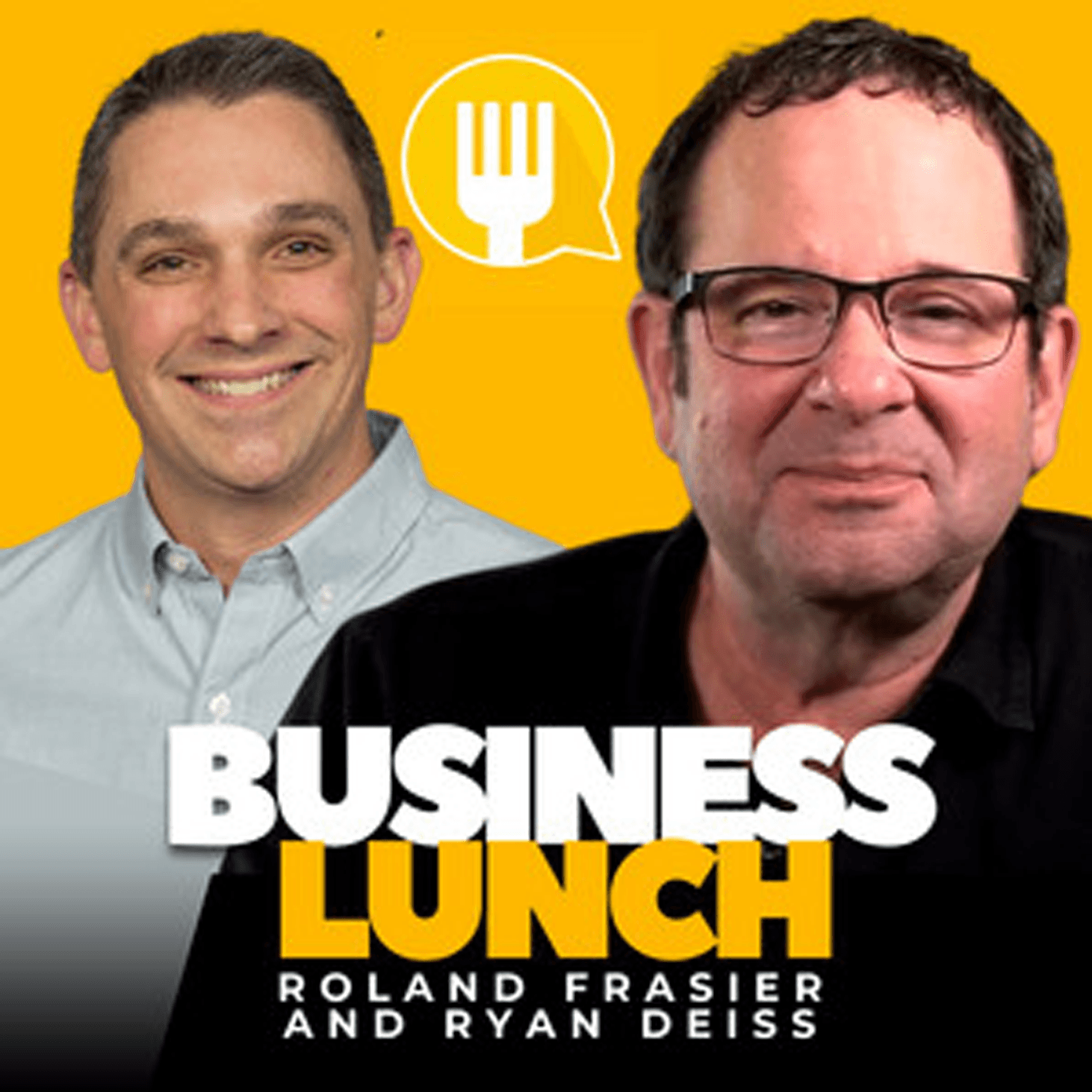
Business Lunch Podcast Episode Summary
Episode Title
2023 Lessons Learned and Goals for 2024
Episode Description
In this episode of the Business Lunch podcast, hosts Roland Frasier and Ryan Deiss reflect on the key lessons learned from 2023 and outline their goals for 2024. They discuss various themes such as project management, marketing strategies, hiring practices, and the integration of AI in business operations.
---
Key Takeaways
Major Lessons from 2023
- Forcing Functions:
- Identifying the importance of deadlines and events that drive project completion.
- Without a “forcing function,” tasks may linger indefinitely.
- Dedicated Teams for Business Units:
- Each product line should have its own dedicated marketing, sales, and social media teams.
- Avoid overburdening a single team with multiple products, which can dilute focus and effectiveness.
- Hiring Specialists vs. Generalists:
- Emphasizing the need to hire best-in-class experts rather than generalists for key roles.
- The right team can significantly impact project velocity and success.
Marketing Insights
- Outbound Sales:
- The significance of outbound sales teams for generating leads and closing sales.
- Companies with dedicated sales teams often see higher success rates than those relying solely on inbound leads.
- Offer Clarity:
- Customers are looking for “certainty of outcome.” Simplifying offers can lead to better conversion rates.
- Businesses need to focus on crafting clear, concise, and compelling offers.
- Power of Newsletters:
- Building an engaged audience via newsletters is crucial. Successful newsletters can lead to high conversion rates.
- Newsletters are an effective way to share valuable content and soft offers.
Technology and Innovation
- Leveraging AI:
- Integrating AI into business operations has been transformative, enhancing productivity and customer engagement.
- Businesses should explore AI capabilities to stay competitive and improve service delivery.
Strategic Planning for 2024
- Execution Speed:
- The importance of minimizing the time between idea conception and execution.
- Projects that are implemented quickly tend to yield better results compared to those that linger.
- Selective Opportunity Pursuit:
- A focus on saying “no” to non-essential projects while concentrating on high-value opportunities.
- Prioritizing profitable initiatives over chasing new, untested ideas.
---
Detailed Discussions
- Forcing Functions
- Roland highlights how deadlines and scheduled events can motivate teams to complete projects. He emphasizes that tasks without a deadline tend to remain uncompleted.
- Team Structure and Specialization
- Ryan shares insights about their experience with separate marketing teams for different product lines, which led to increased focus and productivity.
- The discussion revolves around the importance of specialized roles rather than a one-size-fits-all approach.
- Sales Strategy
- The conversation includes the need to develop robust outbound sales strategies and the addition of sales development representatives (SDRs) to help with lead generation.
- They explore how successful companies often see a significant portion of their sales come from outbound efforts.
- Offers and Customer Assurance
- The hosts discuss the shift in customer expectations, noting that buyers prioritize the certainty of outcomes in their purchasing decisions.
- It’s important for businesses to refine their offers to ensure they are clear and compelling.
- Ad Strategy
- They delve into the effectiveness of problem-focused advertising, which resonates with audiences by addressing their specific concerns.
- The hosts also discuss how understanding customer awareness levels can refine marketing strategies.
- The Role of AI in Business
- The integration of AI tools is discussed as a game-changing factor in enhancing operational efficiency and customer interactions.
- Roland shares examples of AI applications that have significantly impacted their business processes.
- The Impact of Newsletters
- The effectiveness of newsletters as a marketing tool is emphasized, showcasing how they can build a loyal readership and drive conversions.
- Future Directions
- The discussion concludes with strategies for 2024, focusing on execution speed, careful project selection, and continuing to leverage technology.
---
Conclusion The episode encapsulates valuable lessons learned in the past year, emphasizing the importance of structured teams, focused marketing, and technological integration. As they look towards 2024, Roland and Ryan stress the need for agility in execution and the power of clarity in offers and customer communication.
---
Additional Resources
- [Ask Roland a Question](https://businesslunchpodcast.com/ask/)
- [7 Steps to Scalable Workbook](https://scalable.co/7-levels-assessment/?utm_source=business-lunch&utm_medium=podcast&utm_campaign=lead-gen)
- [Get the Book, Zero Down, FREE](https://epicnetwork.com/books/zero-down/)
- [Learn More about Roland Frasier](https://msha.ke/rolandfrasier/)
Follow Roland Frasier on Social Media
- [TikTok](https://www.tiktok.com/@rolandfrasier)
- [Instagram](https://www.instagram.com/rolandfrasier/)
- [Facebook](https://www.facebook.com/RolandFrasierPage/)
- [LinkedIn](https://www.linkedin.com/in/rolandfrasier/)
Subscribe to the Podcast
- [YouTube Channel](https://www.youtube.com/channel/UCkHnnFgdaTCg8KBd7W_LGSw?sub_confirmation=1)
Written by AI. May contain mistakes. Listen to the episode to check what was said.
Transcript
Automatic transcript. May contain errors.0:00But my one of my single biggest takeaways when I was looking back at the things that got done versus the things that didn't get done is the importance of a forcing function function. like having something out there that forces you to get something done. And so the stuff that got done were things that were leading up to events and, you know, things that where we had a launch, if something is on a calendar, it has a way of getting done. If it wasn't on my calendar, the number of things that went on my to-do list at the start of last year that are still on my freaking to-do list, I can pinpoint all of those down to there was no forcing function.
0:34How much more successful would you be if you had lunch once a week with insanely successful entrepreneurs who share their biggest secrets on how they think and achieve success. Grab your seat at the table because this is Business Lunch with Roland Frazier and Ryan Dice.
0:52Welcome to another episode of Business Lunch and today's a snackable episode with Roland where he's going to get into some more tactical strategies that you can start using to live a rich and happy life. If this is the first snackable episode you're hearing I'd encourage you to go back and listen to some of the other episodes that Roland has put out. And if you want to get notified every time we release a new episode, go to the new businesslunchpodcast.com website, and we'll send you detailed notes along with every episode. That's businesslunchpodcast.com, www.businesslunchpodcast.com. And you can sign up for the free email newsletter where you'll be able to get all the highlights and resources from the episodes.
1:27Hey, everybody, Roland Frazier and Ryan Deist here with the wrap-up of 2023, welcome to 2024 episode of Business Lunch Podcast. Ryan, how are you doing today? I'm doing fantabulous. It was a great holiday with the family, getting a little bit of rest as we often do, kind of taking off between Christmas and New Year's like we talked about on the previous episode. This is kind of when I turn into my navel-gazing whininess, but because we did an episode on it. I didn't this year. For the first time ever. That's actually cool. I'm just generally processing stuff without getting emotional about it.
2:06I think it's good. You're being nicer to yourself. Yeah, being a little bit nicer. Being down at the beach house. I like that. I like that. Yeah, I know. You can't think about what a failure you are in life when you're sitting at your beach house with your family, having a wonderful time away from your other wonderful house. And everything is pretty good. Well, I had every other year though. So I know, I know. Yeah. In my defense, I've managed to pull that off. I've managed to be that pathetic in that, that much to where like, yes, I've managed in spite of all the, of all the blessings and all the gifts to still be a whiny little Wimphic.
2:42But this year, this year, not that. How about you? I, I generally am disappointed in the things that I didn't do and excited by the things I am. as we talked about last time, I continue to be more excited about the things that are coming than I am disappointed about the things. But what I wanted to do today that I thought would be fun is to talk about what did we learn from 2023? If we take a productive things that we can take away from 2023, obviously the biggest one for you is going to be to have a conversation about being a navel-gazing whiny person at the end of the year, because then you won't be.
3:23But let's start. What's one of your biggest, let's just go back and forth a couple and see what we come up with. But what would you say your biggest or one of your biggest takeaways from 2023 are? Yes. I mean, no particular order. And I think that this is important. But one of my single biggest takeaways when I was looking back at the things that got done versus the things that that didn't get done is the importance of a forcing function, like having something out there that forces you to get something done. And so the stuff that got done were things that were leading up to events and, you know, things that where we had a launch, if something is on a calendar, it has a way of getting done.
4:03If it wasn't on my calendar, the number of things that went on my to-do list at the start of last year that are still on my freaking to-do list, I can pinpoint all of those down to there was no forcing function. and so that was kind of one big thing for me and so what I'll take into next year is making sure that anything that is a big enough kind of to do that's a project I need to build an event around it for me there's got to be some whether that is a physical event or some kind of a virtual event but there there needs to be some kind of event where even when it comes to personal stuff like you know I lost like I lost a bunch of weight leading up to this holiday function that Emily and I were, my wife and I were going to.
4:44And, um, and it's cause I, my tuxedo didn't fit. Like literally I had to wear a freaking tux. I hadn't worn a tux since COVID. Um, and I went to put it on. I was like, this doesn't fit. There was an event where I had to wear it. It's like, I guess I need to lose. What do you know? Lo and behold, like, so forcing functions, AKA events was a big lesson for me. What's one for you. That's really good. I, I, I think you and I talked about it, it did not work in my first try at it, but I know that that's because I didn't find the right people. But I've always, you and I, you know, I'm very, very frustrated frequently about the inability to go faster.
5:24And we have lots of ideas, lots of products. We've, in gratefulness and just kind of looking this year at numbers, two of the companies that we just recently started are seven and eight figure companies. That's kind of cool. So I'm grateful for that. They could be a lot bigger, but they didn't have, they had multiple products and not separate marketing teams. And so I felt like a breakthrough was saying, each value ladder needs a marketing team, needs its own marketing team. And to try to make that happen. We invested heavily right around July when things started to slow down. We decided to add about$100 ,000 a month in spend.
6:14And I guess I'll even expand on it a little bit more because it was like, okay, so we had in that company in Epic, we have the thing for buying businesses. We have a thing for selling your businesses called Exit Ready. It's got its whole value ladder and everything. We've got an AI product that's basically monetizing through AI and doing a bunch of those kinds of things. And we've got consulting for equity, which is how to get equity in companies that you consult with instead of just getting paid one time as a consultant. And all of them were being promoted kind of by the same team. The team didn't have enough resources.
6:50I was like, we need a separate marketing team for each of these. It's really unrealistic to expect that the one marketing team could do all of that. And not because like, you could sell multiple products, but when you have a whole product lines, it just doesn't make sense. I think it's so that was like, an insight for me to be more reasonable in my expectations of the people that are in marketing, as well as just like how to be a better business person. So investing the 100K a month was around getting everybody who was the best at each thing beyond marketing, even which I'll talk about as a separate breakthrough, but in marketing.
7:34So we hired really, really advanced, skilled, proven marketing team. And it just didn't take, it didn't take probably because we didn't have the right focus on it and we didn't have a sales team to support. But I really think they were just too busy probably more than anything. I mean, I want to own part of it, but I think some of it was that they just took on more than they could handle. And then we hired another marketing team that basically just never started. They kept putting us off and putting us off. And finally, we're just like, this doesn't work. So what we're left with is we brought in a fractional CMO who's helping us with different things.
8:19And we're building marketing teams around each of those products. But I think that was a big deal for me. And I think it's going to help us. I think we're, by the end of first quarter, we'll probably have that worked out. And that was a big help. Yeah, and I think along those lines, a similar kind of tangential lesson to that is when it comes to core critical business functions, whether it's marketing, whether it's sales, whether it's a critical aspect of your fulfillment side, you can leverage outsource teams. You can leverage contractors, and you should, but you shouldn't wholesale rely upon them to deliver upon a critical business function like that.
8:58At some point, you need to have a plan to bring that in-house for that same reason that we found. If they're not 100 % in-house, that means that they're not dedicated. They're not singularly focused and dedicated to you either. They have other clients. And so I think that you can leverage these folks to buy additional capacity, to get some redundancies, even to help you get started. But at some point, you've got to have a plan to bring it in-house. That was another big lesson. And I think we tried to shortcut certain things through the quote unquote hiring of freelancers and outsourcers without having a clear plan of how is this ultimately going to be brought into play.
9:35Another thing that was a big lesson for me this year is just, you know, every year it's relearning the same lessons, which is a little bit frustrating, but I think, you know, it is what it is. It is just the absolute essential nature of the offer. the number of businesses that we tried to scale because they were pretty close, right? They were pretty close. Like we knew that the offer was pretty good. And so we were trying to do all these things to increase sales when at the end of the day, we had an offer problem. And so just going back to the well and saying, you know what, like this, we're throwing everything we got at this.
10:13It's not moving. It's probably an offer problem. You know, if you're finding that what you're doing just isn't working, it's an offer problem. And ultimately, I think a big lesson that we learned this year that relates to offer is that what the market is buying right now, and this kind of speaks into, I know we're going to cover this later, like what I think is going to be a big theme into next year, but people want to buy certainty of outcome. More than anything else, they want to buy certainty of outcome. They're still investing, they're still spending, but they want to buy certainty of outcome.
10:40And so many of the offers that we had were big kitchen sink offers. You get this and you get this and you get this and it's gonna be all this amazing stuff, but we relied too much upon the prospect, the customer, the client, to connect the dots between the investment and the outcome that they were gonna get. If we just say, you will have this certainty of outcome, even if the promise is smaller than what we were promising, even if the promise is smaller, conversion rates go up and then ultimately once you've demonstrated value, they'll invest more with you. Yeah, I think that makes a lot of sense.
11:15The other thing that, another one that we had that I think I noticed that a lot of our most successful consulting clients and companies that were doing 100 million plus all have a sales team, all have an in-house outbound sales team, not just inbound. And so two big things. I think one is we've had for a few years inbound sales so that we're driving leads and we've got salespeople that talk to them. But we didn't really have it set up as a separate function with a separate sales director and all that. So building sales teams within the company was a big thing for a lot of our companies. I I know for you and for me in 23.
12:04And then beyond that, having the sales team do outbound is also big so that when a lead comes in, they're actually reaching out. We sell a book, somebody makes a call. We get a lead magnet download, somebody makes a call. It's outbound sales is a huge important thing. And in a lot of those bigger businesses, it's 60, 70, 80 % of all the sales are coming from outbound, not inbound. And definitely not from marketing and send straight to a cart. So I think that was a, like, we for a few years in all of our companies had somebody that was talking to people, but not like a dedicated team with setters and closers and, you know, and they all have, I know it's SDR is sales development rep, which is basically appointment setting for the initial call.
12:59And then is it MDR that the... Yeah, SDR is typically your outbound folks. They're the ones that are going out and developing sales for the salespeople. And MDRs are the inbound people. And what does MDR stand for? Marketing development rep. So the inbound... So they're not closers. They're just outbound versus inbound. Correct. And then SDR and MDR are both. And then do we have a sales closer type title? Yeah. Account executive. Account executive. Okay. So that's been a big, big deal for us. And it's taken time to get that up. So if you go into this, know that you're going to spend$20 ,000,$30 ,000 of tech getting it set up, like getting HubSpot and getting the HubSpot experts to set that up and migrate you over and all of that kind of stuff.
13:47and then it's going to take maybe six months to see meaningful progress. And so like in expectations, don't start this and then say, well, I'm going to throw 20 grand at it, 10 grand a month for two months. And if it doesn't work, then no, I mean, no, you've got to be in to win. And it could take longer. I know I've heard Alex from Osi say, I think it took like a year for them to really get it dialed in and you'll start to see sales, but it's not maybe going to break even for a while and then it's going to break even and then it's going to start, but it does really compound. And so we've seen that as a, I think that's a big thing that I'd recommend that anybody spend the time to have that dedication to that and that commitment to making it go.
14:32Yeah. The, the, and that is going to kind of pick you, you were sort of picking up on something that I had mentioned before when I was talking about the offer, you find out when you start doing outbound sales motions to people who don't already know, like, and trust you, you find out how good your offer is then. There were lots of things that we thought, oh, we got a solid offer here. But when it's inbound, when it's largely referral-based, when it's driven by, you know, leads and prospects who already know, like, and trust you, that will cover a lot of offer wrongs. You know, a lot of the flaws and shortcomings in your offer get covered through trust.
15:07But trust can be really, really difficult to scale. I mean, trust is typically built up slowly. It's lost quickly, it's built up very slowly. And so once you've kind of tapped into that audience who already knows, likes, and trusts you, when you want to scale, you got to go outbound. You want to go outbound, you better have a good offer. And I think that was another reason that, that to your point that you need to really invest in, in that process, because it's going to make your offer better. And you're going to find out that maybe your offer is as good as you think it is. Another like big lesson that we had, that is more kind of broad on the people front, you know, Folks talk about hire slow, fire fast.
15:45I think depending on the role, it should be fire. It should be hire fast than fire fast. And so there were plenty of roles where we just took too dang long to make a decision on a role that was fundamentally like not entry level, but it's not like you're hiring a C-level. I mean, if you're hiring a C-level person, yeah, you're going to take your time on that. But so many of these roles are roles where people should come in. They should be able to make an impact pretty quickly. Or you haven't defined the role well enough and you don't need it badly enough. And so we took too long to hire for, in some cases, fairly entry level roles, because we were trying to follow up, you know, process, which is fine.
16:21But the biggest mistake that we made, man, and is just waiting way too long to let people go and it obviously wasn't working out. And there's so many reasons to pause and delay. You'll always come up with another reason to do it. Every time when we finally just bit the bullet and we're like, look, we're going to let the chips fall where they may. This person isn't a fit. Let's treat them respectfully, but let's exit them from this role. Yep, it created a little bit more work in the interim, but it was always, always, always a net positive, both for the company and for them. So the big thing that I've been talking to all of our leaders about is when you know that somebody is not a fit, that is when the clock starts on their exit.
16:58You need to have a conversation with them right then and there. They need to know it's not a fit. And that is going to begin the process of either their exit or them becoming a fit within 30 to 60 days. And if it doesn't happen super quickly, then got to go, got to go. I love it. Another thing that I kind of touched on earlier as well was, and it's funny, a lot of this stuff is teams and people that we're talking about. But I was looking at some of the most successful people in terms of social media and organic growth. And I love paid media, but I really have doubled down on organic and particularly social, this podcast, YouTube, Instagram being kind of the YouTube, Instagram and the podcast, I'd say, are the biggest focuses.
17:48And we've had huge, huge success in growing them. They're not growing nearly as fast, none of them, as I would like, partially due to our ability to create content. I hired all of the best people that were running some of the most successful campaigns for some of the biggest names that you guys would know. And I had kind of a mixed bag of results. I'll say on YouTube, it was the team that I hired. I hired two teams. One was long form content. One was short form, the short form content, people, fantastic, amazing. We were able to get lots and lots of views on shorts. It doesn't particularly seem to drive.
18:33It's like good for brand, but it doesn't seem to drive much actual subscribership or, you know, or money. And but YouTube is definitely it's it's YouTube paid and organic is generally 50 percent of our lead flow. So, but to do the shorts took so much time. It was creating, we were doing 60 videos a month and we were shooting, you know, ideating on 30, 30 was repurposed stuff. And it was just so much work. I did not have the time to do that and do everything else I was doing. So we've dialed back on that to basically just repurposing for shorts. And now we've replaced the long form people we had with a new long form.
19:20I'm happy with the investments we made. So that's a one for one. One was a win, one was not. We replaced the one that was not. On the podcast, we got rid of a team that actually abandoned almost a million downloads that we had on one platform when they moved to another platform. Our new team was able to go and recapture all of those plus do wonderful new things. And so we've been very happy on the podcast. growth format, got us in the top business podcasts consistently on Apple and such. On Instagram, we had a team that was doing that full time. We ended up going from outsourced to in-house on that and haven't seen really any change and have saved maybe$8 ,000 a month.
20:06And then on LinkedIn, we've tried a couple of times with that, but we haven't had anybody that that can consistently do it without violating terms of service. So we just put our Instagram people on releasing the Instagram content on LinkedIn, and that seems to be doing well. And then TikTok, same thing. Any of that short form content now is going across most of those platforms. And it's not like crazy good growth or anything. We definitely do better with a dedicated TikTok person, I think. But that's been interesting. We also tried influencer marketing and have had pretty good success with that where we're picking Instagram influencers and paying for shout outs, you know, three, 400 bucks a time.
20:49I think the most we spent was maybe a thousand and that's been good for helping growth there. So I'd say we're going to continue to that, to refine that and double down. I'm very optimistic about that. I feel like it's a strong area of growth. I know lots of people that are generating 50 % plus of their revenue from just influencer marketing. So I know there's a lot more that we can do there. And I'd say that's kind of a broad overview of the takeaway though is hiring the experts. Don't expect your social media manager to be an expert in YouTube, TikTok, Snap, threads, everything. They can't do it.
21:29And so you're gonna have to have different people who are really good at those platforms, who live in those platforms if you want to grow them. Newsletter too, which I'm going to keep newsletter as a separate one. But what else you got? So a big lesson for us on the advertising side from a marketing perspective was just the power of speaking to people in their own words. And so we tested a lot of different ad formats, obviously, over the years, and we do a lot of paid advertising and things like that. This year, we said, you know, what would happen if we just kind of brainstorm problem statements?
22:05And if we use, you know, chat GBT, hey, you know, you, you are this person, you know, act as you know, you are a business owner, who's been running a business for seven years doing seven, you know,$6 million in revenue in this, like, what are some of your problem statements, you know, so talking to your customers talking to your prospects, talking to chat GBT, doing that market research, brainstorming a list of 30 problem statements, and then running ads to test which of these problem statements are going to get the most clicks to them, like very simple ads, no images, just the problem statement, you know, in, you know, black and white, basically on an ugly, you know, in a very simple color blocked, ugly ad.
22:48We, that was some of the biggest breakthroughs that we have in terms of messaging, it informed landing page copy, it informed lead magnets, it informed so many things. And it just goes back to the dang five levels of awareness that Eugene Schwartz talked about in breakthrough advertising, right? This idea that people start out as being unaware, then they are problem aware. And we are so quick to talk about our solution and what we can do and this big breakthrough that we can have. And I think that in times when everything is up and to the right and the government is printing money and giving it out for free, then people are happy to hear about solutions to their problems.
23:28When things get a little scarier, I think people just want somebody to speak to them in terms of the problems they're already having. They want to feel that sense of empathy that they're being seen, that they're being heard. And so problem statement ads, simple, tactical, huge lesson, huge learning, and something that still is working well to this day. Nice. I like that. So we've got unaware, problem aware. yeah so you got unaware uh problem where after that people are so problem where is i know i've got a problem but i'm not yet aware of the solutions available to solve this problem or haven't settled on it yep solution whereas i've generally settled on you know a solution um and so using analogy that everybody would understand you think about you know weight loss so unaware is fit fat doesn't matter i don't care right i don't perceive any issue here um problem where is I need to lose some weight.
24:22Solution aware is, you know, maybe I should go to a gym. You know, maybe I should try that new, you know, shop that everybody's getting, right? They haven't quite settled on a solution. Then there's product aware. And product aware is I have generally settled on a solution category and I've pretty much have settled. I'm aware of the top products and I'm trying to choose between them. And then you have most aware. And most aware is I've pretty much settled on a particular product service. I've pretty much settled on brand. I'm looking for a reason to buy now. And so those are the things, unaware, problem aware, solution aware, product aware, most aware.
24:58Nice. I like that. I mentioned newsletters. I think newsletters, if you're not doing one and you've got any kind of audience, you're crazy. There are lots of people, Ryan and myself included, who really like getting information from newsletters. And it's actually kind of funny because I like YouTube. I'm a musician. I've got a studio that I'm sitting in here. I watch all kinds of music videos. I don't like watching business videos. I find them super boring. So I like getting my business information from newsletters, like strategy and things like that. So I subscribe to a whole bunch of newsletters, probably a hundred.
25:39And I read them generally in the morning. And I scan through, I don't read that. I just read what, what catches my eye, but it's really, really helpful to me. And I can go through a ton of information really fast. So we started a newsletter in one of our businesses and we've got about 40 ,000 subscribers in, you know, in just, you know, let's call it eight, eight or nine months. And, um, we just started another one in the AI space for experiments that we're doing. And we only opened it, uh, a couple of days ago to the public, we had it just for a small group of people that were running the experiments.
26:12And we got like 500 signups over the last couple of days. It's just like crazy watching it hit the inbox. But we have found that the people that are newsletter subscribers, like podcast people and YouTube subscribers are very valuable. They buy a lot. So we, you know, we share offers from time to time. It's primary content, primarily content, but there's a soft offer here and there. And, and they convert really, really well. So I think not having a newsletter, you would lose me in most of the business things. And then there are things that I, like with AI, I'm so hungry for the content right now.
Read the full transcript
26:50I watch YouTube and I read, you know, articles and I subscribe to a whole bunch of newsletters. And so I'm, I'm across the board there. But I think it's just your clients and your prospects are probably multimodal and they might like one thing and only one thing. They might be monomodal and only be newsletter people, but they might be cross-modal across different types of content. You never know, I guess is my point. And so having a newsletter person and a newsletter, and we tried that also, by the way, we hired a professional newsletter writer. We ended up bringing that in-house and Then we have an in-house person that's focusing on that right now.
27:31We had a professional newsletter marketer and we brought that back in-house. Also, we didn't really find any difference meaningfully between the two. And it's significantly about, again, about$8 ,000 less a month in terms of expenses to do it the way that we're doing it now. But I know you were big on newsletters a long time ago. And I know we've tried them and kind of like had a mixed bag. but maybe any takeaways you got on that would be kind of cool to share too. But I think it's definitely worth having one. Yeah. I mean, I think, um, newsletters became the hot, the hot thing, uh, over the last couple of years.
28:08And so everybody had one and I think people got overly, uh, they, they, they got, they subscribed to too many newsletters because everybody had one. And most of them, frankly, were awful. Uh, and, and so it's just, it's like any other channel where you're going to see a lot of people and this kind of gets into, you know, what do we see coming down next year? which I think we're doing in another episode. Yeah. That, yeah, I mean, a lot of times I think people will reject media, they'll reject opportunities, they'll reject things like hiring people, you know, and having particular roles, because it didn't work out for them.
28:44And I think oftentimes you've got to ask, you know, was this a failure of implementation? You know, was this a failure of execution? Was it a failure of assumption? Or was this just always doomed to fail. And we treat things as though they were always doomed to fail, when in reality, it was a failure of assumption. So you thought it was going to do something that it just wasn't going to do, or you thought you were going to be able to get it done, and you really didn't give it adequate resources. So you made a lot of bad assumptions, and oftentimes bad assumptions lead to bad execution. Sometimes you made all the right assumptions and you didn't execute.
29:17But I do think it's important to sit there and pause and say, okay, if we tried something that didn't work out. Is the thing itself doomed to failure or was it an execution issue? And because I think a lot of people saw an execution issue in a lot of channels that got hot and because they didn't execute well, it didn't work because it didn't work. They're going to abandon it. And because they're going to abandon it, it's going to create a lot of opportunities. So look for there to be a newsletter, newsletter blowback and look for that to create a tremendous opportunity for those who stick with it.
29:46I love it. So one other area that I have to mention is AI. AI was very, very big for us this year. It really kind of only came into significant play for most people with the release of ChatGPT at the end of last year. And so 23 was a huge, huge year for AI generally, as you should all know. But for us, really, really leaning into it to AI-ify as much of our businesses as possible in terms of offers, integrating AI into the offers that we've got so that we could AI-enable products and services that we're offering allowed us to get way ahead of our competition. If you haven't done that, the world wants it and they're looking for it.
30:35And so I would strongly recommend that you think about how can I integrate that into the solution that my customers and prospects will be aware of. And so when you like if you compare one of our products, even in business buying with other products about business buying, I haven't seen anybody else using it. We've got seller conversation things that simulate conversations with sellers. We've got acquisition criteria builder, you know, all kinds of stuff, web scrapers, you name it, that goes out and helps you do whatever it is that you're trying to do. We've also built that into our business. We're using automated AI calls to generate.
31:12And Ryan and I started, we don't like starting up businesses very often. This one we did. But to actually do setting those SDRs that we talked about earlier, it's a completely automated AI engaged, almost impossible to tell it's not a human person, agent that calls. And think about this now we can have, if we have a thousand leads a day, we don't need to have 50 agents to make those calls. We can do a thousand calls in a minute. And that's incredibly powerful when they're having completely engaging conversations about overcoming objections and setting appointments for the actual closing team and confirming those appointments or doing customer service.
31:54And so we've brought this into every part of our business. We've done multiple AI offers. We've created virtual versions of ourselves that aren't us, that our team can program to send personalized videos to people. We use it in our marketing. We use it in our copy. We use it in creating offers. We use it in creating content. I mean, it's way in our business in as many ways as you might imagine. And so that I think like in terms of a propelling all the businesses forward, nothing has had an impact in increasing our productivity as that. And so that's a big part of the takeaways to me for 23. And then we'll talk about it in 24 is how do we go even further?
32:37but it's like such a game changer. I've got one last one that we can close out unless you got something else. But when I looked back over at the projects and the initiatives that we did that I looked back and I was like, cool, that was great. That was a win. And I compare it to the ones that weren't. The singular defining characteristic is that the ones that won were the ones where the gap between the idea and the execution was the shortest. when we said, we got this idea, let's go and do it. Even if it wasn't a full-blown implementation, those invariably were the ones that worked. They didn't always work the first time.
33:15But that speed of execution was the key. All of the projects that took weeks or months to execute, what do you know? They either died on the bind, they never got done, or when they executed, it was kind of this kind of disappointing, like, puff of a bit, and everybody was so... And I think in many cases, those ideas could, and some of them we're going to go back and look at re-evaluating, they could have worked. But because so much work was put into getting them done that when they didn't deliver, when the outputs didn't deliver on the inputs, people didn't have any more input left in them. And so I think a big part of it is how do we ensure that the ratio of output to input is always higher?
34:00And where the confidence is lower, the inputs need to be lower. The testing cycles need to be faster. And so that's a big lesson from this last year. Don't have massive inputs on areas where the outputs are fundamentally unknown. I love it. The last one that I'll mention is that it was a big year for saying no for me to say no to a lot of things that were producing income at the beginning of the year. I let go a lot of very, very profitable things. I dramatically reduced the amount of paid consults that I was doing to just the ones that really seemed high probability, high profitability, high value things that would lead to something else.
34:47I never wanted to be a dollars for hours trader, but I was willing to look at a lot more. And because of time and effort and bandwidth, I basically said, I'm going to let all of this go. I'm going to be very, very careful in upgrading my acquisition criteria for consulting clients and for equity deals that I do. Consulting for equity is one of our big things that we like to do for companies that I'm going to acquire in terms of profitability, in terms of business partners, in terms of experience and brand reputation, all of those things. And it has made a huge, huge difference. And even in a deal that you and I were just talking about before we got on here, it's kind of like, well, we have to be sure that like, this is kind of landed in our lap and it's like, here, do this.
35:32But it's not, That doesn't, that's not enough, right? It has to, we have to say, well, okay, what does that actually mean? Who's going to own that? What does it mean to each of us individually and to our businesses? And how does it advance the overall group of companies that we've got? And if it doesn't, then it's, it's a not now, at least if not a no. you said it i mean that that is definitely been a year of of let's let's focus on the stuff that is um that that's double down on things that are that are working and maybe not try to add as many new things this year um that i think that was a good decision a lot of stuff that had been lingering this year finally got done and it got done well and i feel like as we go into next year then now we can start adding to it but i i do believe that that entrepreneurs in particular There are seasons of our lives and there are seasons when we can say, like, let's try a bunch of stuff, you know, and so it's kind of a season of grazing.
36:31And then there needs to be a season where it's like, OK, no, we've got our things. Let's focus on our things that we got and let's get those mobilized. Let's get those to where somebody else is able to run with them. And then we can go back to doing what we love doing, which is chasing shiny objects. So it was nice to be able to look back on this last year and say far less shiny objects were chased than maybe had been chased in previous years. I like that. Well, hopefully this was helpful to you guys. It's always helpful to us to kind of go through and share the takeaways we've got because, oh, yeah, I got to think about that.
37:04We're going to do another episode and talk about what we see coming and where our focuses are for 2024. if this was something that was helpful to you or you enjoyed it or you'd like to share your takeaways from 2023 with us please do we would love to hear from you reach out on social to Brian, to me there's Business Lunch channel on YouTube as well and we'd love to hear from you and if you would also share this with a friend we would appreciate that as well and we'll see you next time on Business Lunch
37:35Hey, Roland Frazier here if you're looking for a way to grow your business exponentially to get more customers and ultimately increase your wealth. There's no faster way to do it than to acquire other businesses that already have the customers, products, services, teams, and media that you want. If you wanna double your sales, just acquire a company that has the same sales as yours. It sounds simple, but far too many people end up starting new businesses that fail and forget that they could skip all the hard stuff and just acquire one that already exists. There's a reason why private equity firms, family offices, big companies like Apple, Google, and some of the smartest entrepreneurs on the planet do not start new businesses from scratch.
38:18They acquire already successful businesses. And when they do it, they instantly increase their sales, their profits. If they want market share, they increase that. They can get new products and services to offer all instantly. Hey, look, 90 % of new businesses fail. 90%. Why not acquire an already successful business and increase your chances of success by 900%. What most people don't realize is you can acquire highly profitable businesses with no money out of your own pocket in pretty much any country in the world, regardless of your credit and without having to go find a bunch of investors or needing any experience.
38:55Look, I've been acquiring businesses for over 30 years now, and I cover the whole process in my epic investing strategy training, and I want to give it to you 100 % free. Just visit businesslunchpodcast.com forward slash epic to get your free access to my epic investing training right now while it's available.
39:35If you've been thinking about buying a business, but you keep getting stuck, whether it's finding the right deal, structuring the financing or negotiating with sellers, you are not alone. Too many people waste months, even years, just thinking about acquiring a business while the real opportunities pass them by. The Epic Deal Fast Track is not another course. It's actually an implementation program and it's designed to get you from the idea to the acquisition in just 16 weeks or less. We work with you one-on-one to help you find, fund, and close your first or next deal. And once you do, we're going to plug you into our elite Epic board community so that you can keep scaling through acquisitions.
40:17We install three powerful systems in your business. The first is the deal flow engine. So you always have high quality off-market deals coming to you. Number two, we give you our offer and funding system so that you can structure offers that get accepted and fund them creatively many times with no money out of your own pocket. And number three are closing an integration system so that you don't just buy a business. You actually successfully run and scale it once you have acquired it. Plus you'll have direct one-on-one support from an Epic deal advisor every step of the way. And that's people that have actually come up through the system and done these deals themselves.
40:53That's the only way to become an Epic deal advisor. And if you're serious about acquiring a business this year, don't just sit on the sidelines, just text. I'm in to 334-458-9034 and we'll get you in. So text I'm in to 334-458-9034. We'll get you in. No fluff, no wasted time, just real deal making from people that are actually out there doing deals right now. I'll see you there.
From the publisher
This episode of the Business Lunch podcast features Roland Frasier and Ryan Diess wrapping up 2023 and discussing the biggest lessons and takeaways from the past year.
Some of their key learnings include the importance of forcing functions to stay on track with projects, building dedicated marketing, sales, and social media teams for each business unit, and leveraging AI to enhance their offerings and operations.
They also cover hiring best-in-class experts versus generalists, testing problem-focused ads, and the power of newsletters for building an engaged audience.
Ryan and Roland provide actionable advice on integrating these strategic and tactical insights to propel businesses forward in the new year.
Highlights:
"But my one of my single biggest takeaways, when I was looking back at the things that got done versus the things that didn't get done is the importance and have a forcing function. Like having something out there that forces you to get something done."
"You find out when you start doing outbound sales motions to people who don't already know, like and trust you, you find out how good your offer is.
"People want to buy certainty of outcome, more than anything else, they want to buy certainty of outcome. They're still investing, they're still spending, but they want to buy certainty of outcome."
Timestamps:
00:00: Introduction
01:27: Lessons Learned 2023
08:35: Scaling In House
13:30: Investments
21:10: Marketing
25:45: Ai
CONNECT
• Ask Roland a question HERE.
RESOURCES:
• 7 Steps to Scalable workbook
• Get my book, Zero Down, FREE
To learn more about Roland Frasier 👉 https://msha.ke/rolandfrasier/
Connect with me on social:
🎵 TikTok: https://www.tiktok.com/@rolandfrasier
📸 Instagram: https://www.instagram.com/rolandfrasier/
📱 Facebook: https://www.facebook.com/RolandFrasierPage/
💼 LinkedIn: https://www.linkedin.com/in/rolandfrasier/
Subscribe to Roland Frasier 👉 https://www.youtube.com/channel/UCkHnnFgdaTCg8KBd7W_LGSw?sub_confirmation=1