In short
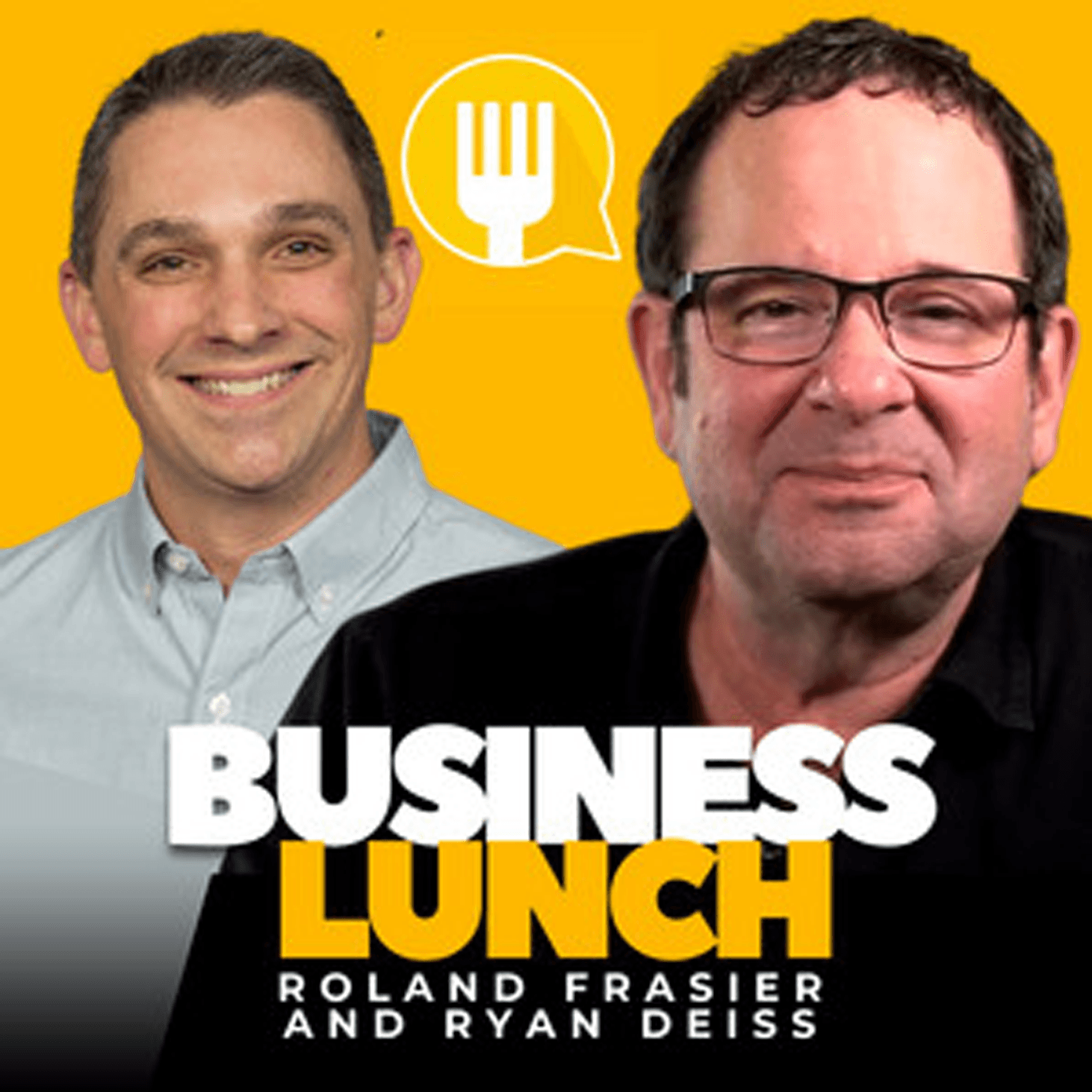
Business Lunch Podcast - Episode Summary: Prioritizing Your Well-Being at the End of the Year
Hosts
- Roland Frasier - Serial entrepreneur and business strategist
- Ryan Dice - Entrepreneur and co-host
Episode Overview In this episode, Roland Frasier and Ryan Dice discuss the challenges faced by entrepreneurs during the holiday season. They share personal experiences of feeling overwhelmed by year-end deadlines, family commitments, and the pressure of unmet goals. The episode emphasizes the importance of prioritizing mental well-being and self-care strategies amidst the chaos of the end of the year.
Key Themes
- Challenges of the Holiday Season
- Holiday season is stressful for entrepreneurs due to:
- End-of-year deadlines
- Family obligations
- Increased consumer spending (120% more spending than 2019 reported for the holiday season)
- Mental Well-Being
- Both hosts express feelings of self-doubt and the pressure to meet personal and professional goals.
- Discussion on how the holiday season can exacerbate feelings of failure, particularly when comparing oneself to perceived societal norms.
- Self-Care Strategies
- Importance of implementing self-care habits:
- Regular exercise
- Adequate sleep
- Mindfulness practices
- The hosts suggest focusing on one new habit at a time rather than overwhelming oneself with multiple changes.
- Personal Reflections
- Ryan shares his process of reviewing highlights and lowlights from the past year, emphasizing the need to acknowledge both successes and failures.
- Discussion on how self-criticism can lead to negative mental states, and the recognition that both success and failure are temporary conditions.
- Support Systems
- The significance of having a support network to discuss feelings and thoughts:
- Encouragement to talk to friends, colleagues, or professionals when feeling isolated.
- Importance of community to combat loneliness, especially as entrepreneurs often feel isolated.
Key Takeaways
- Prioritizing Well-Being: Entrepreneurs are encouraged to prioritize their mental health and well-being, especially during high-stress periods.
- Habit Formation: Start with one new habit; consistency is more important than quantity.
- Communication is Key: Talking to someone about your feelings can help process thoughts and alleviate feelings of isolation.
- Reflect on Achievements: Regular reflection on personal achievements and areas for growth can foster a sense of gratitude and perspective.
Timestamps
- 00:00 - Introduction
- 02:57 - Prioritizing Mental Wellbeing
- 06:16 - Self Doubt
- 13:06 - Imposter Syndrome
- 22:50 - Goal Setting
- 29:22 - Productivity Tools
- 35:02 - Loneliness & Self-Help
- 37:56 - Overcoming Funk
Resources Mentioned
- Books:
- *Dare to Lead* by Brené Brown
- *The Happiness Project* by Gretchen Rubin
- *The Power of Now* by Eckhart Tolle
- *Awaken the Giant Within* by Tony Robbins
- *Seven Habits of Highly Effective People* by Stephen Covey
- Apps for Mental Well-Being:
- Headspace
- Calm
- Day One (Journaling App)
Conclusion The episode concludes with a reminder that both success and failure are temporary and that it’s important to allow oneself grace during challenging times. Entrepreneurs are encouraged to reach out for support and to be mindful of their mental health as they navigate the end-of-year challenges.
For more insights and strategies, tune in to future episodes of the Business Lunch podcast!
Written by AI. May contain mistakes. Listen to the episode to check what was said.
Transcript
Automatic transcript. May contain errors.0:00I truly believe as an entrepreneur, this is one of the worst, most frustrating times of the year. and I'm definitely feeling it's like there's all these things I want to do all these things I want to get done before the end of the year and all these things that that are legitimately more important in my life like my children for example um pull against it and it just is kind of like a like yay I love going to the band concerts and seeing you know my little 11 year old rock out on a saxophone um and you know watch my oldest playing you know the drum like these things are great but it's like holy crap there's a lot of stuff and we're running out of time um so that that tension is, I'm feeling it, I'm feeling it.
0:40How much more successful would you be if you had lunch once a week with insanely successful entrepreneurs who shared their biggest secrets on how they think and achieve success? Grab your seat at the table because this is Business Lunch with Roland Frazier and Ryan Dice.
0:57Welcome to another episode of Business Lunch. And today's a snackable episode with Roland where he's gonna get into some more tactical strategies that you can start using to live a rich and happy life. If this is the first snackable episode you're hearing, I'd encourage you to go back and listen to some of the other episodes that Roland has put out. And if you want to get notified every time we release a new episode, go to the new businesslunchpodcast.com website, and we'll send you detailed notes along with every episode. That's businesslunchpodcast.com, www.businesslunchpodcast.com, and you can sign up for the free email newsletter where you'll be able to get all the highlights and resources from the episodes.
1:34Hey, everybody. Welcome to another episode of Business Lunch with your hosts, Ryan Dice and me, Roland Frazier. Nice to see you guys. Ryan, how are you doing today? I am doing pretty well. I will tell you, this is my favorite, least favorite time of the year. You have been so busy. I don't think I've had a chance to talk to you for five minutes in the last week. So yeah, for listeners who don't know, I'm the father of four amazing children. ages, you know, basically between 11 and 17. And so this time of year, they all have their end of year, whatever activity they're in. And some of them are in multiple activities.
2:13So it's all that craziness. It's on the heels of family being in for Thanksgiving. I truly believe as an entrepreneur, this is one of the worst, most frustrating times of the year. And I'm definitely feeling it's like, there's all these things I want to do, all these things I want to get done before the end of the year and all these things that are legitimately more important in my life like my children for example um pull against it and it just is kind of like a like yay I love going to the band concerts and seeing you know my little 11 year old rock out on a saxophone um and you know watch my oldest playing you know the drum like these things are great but it's like holy crap there's a lot of stuff and we're running out of time um so that that tension is I'm feeling it, feeling it.
2:56What about you? Yeah, it seems that across the family side of things, things get most stressful during this time of year because expectations are high and, you know, all that kind of stuff. And then you do have all the end of the year balance stuff. But yeah, it's been really busy. This week for me, I think, I think I always say this and my wife's like, you're full crap, that this is a relatively light period for the next few weeks because we've done all of the end of year planning, which we're going to do an episode on, I think, after we do this one, if we have time. And it's just it's so it's yeah, I like the way you said it.
3:38It's the it's the worst, greatest time of the year. It for sure is. I was thinking in particular because we have some people within both of our families who've gone through some mental health challenges. And I know that this time of year is full of pressure. It's full of the pressure of maybe why didn't I perform at the level that I wanted to perform this year? I'm looking back at my goals and hopes and dreams and I didn't get as far as I wanted. Or gosh, I suck because I didn't get as far as I wanted. Or man, I've really got to double down and make this happen next year. Or times are tight and I can't do as much as I thought I could because my money buys less than it did a year ago.
4:22I think they said people are going to spend 120 % more this year for the holidays on average than they did in 2019 before the pandemic. I mean, things like that can really stress people out. People who don't have the right support networks can feel alone and overwhelmed and depressed. So I thought it would be cool if maybe we talked about prioritizing your well-being in the entrepreneurial context for the end of the year. So basically, everybody's hustle, hustle, hustle. And I think hustle, hustle without any thought towards how am I doing mentally is a recipe for unhappiness and disaster. So what do you think about that?
5:06Yeah, I think it's a good, I think it's a worthwhile topic. I think we should probably disclaim that neither of us are like doctors or therapists, have no clinical experience whatsoever. And so this is definitely not any kind of like medical advice, But I think just having an open and frank discussion about our own stuff is probably. Yeah, I was going to say, I feel that we're qualified because we both have so many emotional issues. So from the demand side, we're really good with this. From the supply side of the advice, maybe we're not qualified. I would completely agree with that. Yeah, I would completely agree with that.
5:41I don't know. So what is your feeling this time of year? My feeling is excitement about what I'm going to do next year as I set goals and prioritize gratitude for the things that I have achieved and annoyance with myself for not doing the things that I set out to do because there's always those. There's always those. And so I feel that it is, uh, it is gratitude and excitement, uh, with a liberal sprinkling of, uh, contempt for, for self. How about yourself? It's almost exclusively contempt for self. I mean, seriously, we said, we said we were going to get real on this, dude. This is like, like I, there, there are two times of the year that I just get into like a funk and it is over my birthday.
6:36because I'm never, never as far as I feel like I should be. And so my birthday, and you know this, like I don't do anything for my birthday typically. Like I kind of go off to like the beach house and just like curl in a ball like my wife and I. And I just get like, I basically turn into like a navel gazing, little whiny, you know, bitch basically is kind of, you know, what I do for my birthday. And I'm not proud of this, by the way. I'm just being honest. And this time of year too, man, I don't feel I see all these people with this excitement and enthusiasm about next year. all I feel and and all that I like experience emotionally is everything that didn't happen and I feel this in years that suck and I and in years where we've where I've crushed like all the different goals like all that I feel is all of the things that didn't happen and I don't believe by the way that that's necessarily healthy but it's it's really been surprising like there's never there's never a time during this kind of season really between because it's all the craziness leading up to basically, you know, it kind of starts, I guess, a little bit around Thanksgiving, because there's not a big break between Thanksgiving and Christmas.
7:44And it's just so hectic and busy that once I have a chance to actually pause and think the only thing I can process is everything that didn't go right, that didn't happen. And then for whatever reason, just a switch gets flipped on the first and I am ready to just light the previous year on fire. like I feel no emotional angst or negative energy about anything that happened or didn't happen I literally just die to and it's like a totally clean slate and I have no idea if that's healthy or not there's probably a fair bit of of denial in there and there's probably a fair bit of but I do spend about two weeks and I am particularly introspective and particularly difficult to be around and my wife will tell you this um the the week between Christmas and New Year's interesting it's just so do you see it as uh because i think what excites me is the reset that that the the year starting is exciting for me because of the reset so i'm probably i'm probably more excited from uh thanksgiving to the end of the year first of the year than I am any other time in the year.
8:58My self-loathing biggest depression cycle, I would say is around July to September. And it's got somewhat to do with the cyclicality of the businesses that we have. Like every business we have seems like it slows down. We need to invest in like a summer vacation rental business or something that gives that summer cyclical punch. You know, of course, the other the whole rest of the year will be like, you know, why did we buy that business? But but yeah. So I think that's what it is, is like like when all of that stuff is is challenging, things get hardest. And then when I get to Thanksgiving, I'm I really am.
9:41It might sound cliche, but like I really do get focused on gratitude. But I'll say, I mean, there's a, you know, a dark vein that runs maybe through all entrepreneurs. It certainly runs through me. It sounds like it does through you too, of kind of just a persistence, nagging feeling that you're failing to do everything that you should be able to do, given the potential you've got. Does that sound fair? That's it. And that's why I can say like, for me, it has, and I've noticed this. And again, I'm so blessed because I've got an amazing, you know, wife and partner who will kind of call me on stuff and be like, but I don't understand, you know, this.
10:31And, you know, so I've got somebody to talk to. I think, because I don't think that my feeling or my experience is all that unique. I've talked to other entrepreneurs and just humans. I think anybody who has high standards for themselves is going to feel this and they don't have that other person to talk to. And I think that's when it can get really dark. Like I have a way to kind of an outlet to talk this through. I can, you and I will get on the phone. I mean, so got good life partners, business partners, all this kind of stuff. The people that are alone, I would just say, talk to somebody, hear yourself say the things because there have been years recently where we just freaking crushed it.
11:05I mean, I started the year with goals and we just obliterated those goals quick, fast, and in a hurry because some things happened that I didn't expect. And yet I got to the end of the year. And the only thing that I could feel is everything that didn't get done. And as I was talking it out and saying it, the, it didn't get me out of my funk. Cause then I just felt guilty for not being grateful for the things that did happen. Right. And it's, it's not until the year closes. Like I never celebrate new year's Eve really, but I wake up on new year's day and I'm like, all right, let's go and do this thing.
11:39Um, but it has nothing for me. It's not marked at all. I haven't seen it being correlated at all to where the business is. It's purely what were my expectations of myself. And even if I quote unquote hit them, I still focus on the other things. And like I said, I think that there's, in all this stuff, there's a good side to it and a downside to it. I think if you stay there too long, it's obviously very, very, very negative. I think the good thing about it is I've got relatively high standards. And so I want to meet my own standards. But yeah, this isn't a fun time. So the experts say, if we're looking at a little bit of research on this, and it's not just holiday, it's entrepreneurial generally.
12:25But basically, we've got financial uncertainty as entrepreneurs. We've got all kinds of stuff going on at the work and people counting on us. And we have to make all the decisions, which can be very overwhelming. and that can manifest itself mentally with depression or with headaches and fatigue and digestive issues, anxiety, fear of failure. What's your take on failure? Do you look at it as like I've failed or do you look at it as I've learned another way not to succeed? That's a necessary roadblock on the way that like you maybe hate, but you get that you're not a loser because you failed or do you just beat yourself up about it?
13:04I think it depends on in what area, you know, I failed, like if it's a, you know, a product kind of thing, or, you know, a product launch going off or like a marketing thing, not as much, you know, I think if we were to have like an absolute business failure, if I'm being frank, I identify a little bit too much still with the businesses that we run. And so if it were to fail, I think I would struggle. But, you know, I think I'm also fortunate, you know, and, you know, we can both say this, we've been at this game long enough, that we've experienced some failures, and have seen the other side of it.
13:31So I remember the first time I had a real big failure. I was like, well, this is it. I'm undone. I will not survive this. And then like you realize the world's still spinning and life goes on and happens to go four times and it's scar tissue. So yeah, I don't, I'm not super, I don't dwell to me. Failure is not the issue. For me, it's underperforming to my own expectations where I'm - Okay. Do you have imposter syndrome? Is that something you feel like you have to deal with? me personally no yeah and i think and so if you're in a situation if you're in a situation where you haven't been before you haven't proved yourself you maybe feel a bit out of your depth how do you deal with that how did how do you handle that pushing off an imposter syndrome setting in well so i think it's only imposter like syndrome if you don't acknowledge that reality And so there have been plenty of times where I'm, I am out of my depth and I go, I'm out of my depth.
14:28And so then it's just a question of, yeah, but I, am I the person still to do this? And sometimes if it's your, like parenting helps a lot with this, right? Cause you realize you're at your depth constantly, but it's your kid. So you kind of got to figure it out. You know, I think in business, that's the case. And so I think I'm very, I think I'm pretty clear at acknowledging the things I'm good at and the things I'm not. And when I'm being asked to do something that I don't know how to do, seeking help from others, to me, like getting in the right rooms and talking to people. And that's the ultimate remedy for imposter syndrome because you get people saying like, yeah, you're right.
15:02You don't know how to do it, but I can help. And so I'm very free and willing to ask for help. So I don't suffer from imposter syndrome, not because I'm a delusional narcissist, although I think that's probably a little bit of any entrepreneur. You got to believe to a certain extent. But yeah, every entrepreneur has got just a vein of delusional narcissism going through them. But yeah, no, it's not there. What about you? I mean, I've never really seen you feel like you were totally out of your depth. I frequently feel that way because I'm always pushing myself. But I think it's a muscle like speaking.
15:39because when I first started speaking, like in high school, you know, I would be terrified to stand up and, and I just kind of leaned in and I was like, I'm going to be in the choir and on the debate team and in the drama club and do plays and stuff because, and, and in band, like if, if there was a place I could put myself to feel uncomfortable, I did it. And I don't think that I, I either I am a narcissist and and delusional and which is very possible or I kind of had that like I was going to beat it because I've always been kind of the I've always kind of challenged myself to do stuff like that and so I think I've put myself in the uncomfortable zone so many times that I identify that with growth more than being an imposter.
16:31So like, I'm like, I'm excited because I, I have certainly failed many times, but I haven't like been destroyed by any situation where I was like, I have no fricking idea how I'm going to do this. You know, uh, even, even when you and I were at, uh, I think it was Denny's negotiating, coming into a digital marketer. and we were like, we agreed on the price and it was a significant figure. And, and I didn't have the cash, like at the time, know where it was going to come from. But, but I was like, absolutely. Sounds great. Okay. We got it. Good. Now I'm like, if I don't make this happen, I look like the biggest idiot on the planet, but by God, I'm not going to let that happen.
17:21So I'm going to figure it out. And, and I think that like, I think you can, I just think that like, I think that's it. You can, and it might be a little bit of stepping in to the, you know, that Todd Herman alter ego personality that you, that, that helps too, is just, I feel like maybe, um, like that I'm, I feel like I'm playing a role in those situations. And so I don't, I feel uncomfortable for me, the me that's not playing the role, but I I'm, I'm in the role, like, you know, okay, I'm going to make this happen. I don't know. Does that make any sense? Yeah, it does. I mean, I think imposter syndrome, your response to it is going to inform whether or not imposter syndrome, your imposter syndrome is a function of humility or ego.
18:06Yeah. Because imposter syndrome initially is humility saying, whoa, I don't totally know what I'm doing. That's a good thing. Now, if as a result of this, you acknowledge it and then you seek to fill those gaps by saying like, hey, everybody, I don't know what I'm doing. Like one of my favorite things to hear from somebody on our team is, you know, I don't know how to do that. Can you help? I like that way better than just somebody. It's like when the waiter doesn't write down your order. It's like, I'm not impressed by this. I'm impressed with you, like getting me the right thing. Like just admit you don't remember and write it down.
18:40Like we're good. Yeah. So I think the people that either refuse to ask for help because, oh, I don't want to appear to be an imposter. That's ego. You're basically placing your own ego ahead of the result. The people who curl up in a ball and are like, you know, undone or they shut down because they don't know what to do. Again, that's ego. They're way more concerned with how they're going to look than they are with achieving whatever the specific result is. I think the challenge though, so I think in a lot of situations that absolutely makes sense. The challenge comes where you're the waiter and your requirement of that job is that you remember people's orders.
19:22That's our signature thing at this restaurant is that we're so good. it's like and and now you're in that position and you know you can only remember three things you've got a terrible memory and you're there but you need that job now you are definitely an imposter you can't reach out for help to the authority source you could certainly reach out to your you know potential fellow co-workers and say man how the heck do you deal with it when you forget something you know or what do you do to help you remember um but that's i think that's that's it which then leads to just that's not imposter syndrome that's being an actual imposter so imposter syndrome is when you feel like an imposter but you're not and so yes if you are completely out of your depth have no reason to be there then that's not imposter syndrome that is you're an imposter you need to let everybody know you have no idea what you're doing you know you're just some dude who put on a white coat and a mask and they hand you a scalpel and pulled you into surgery because they thought you were the surgeon that's the time not to be like hey everybody just we're clear does anybody know how to actually use it no you're like i'm guys i'm wrong guy you can't freaking get it yeah and i guess it's those are two good extremes but there is that middle ground where maybe maybe it's because you're not quite sure right you're not sure you got this but you know so i don't know it's it's interesting to ask for help too huh that's the wisdom to ask for help.
20:50Yeah, I agree. And the humility, the, the, then they say isolation and depression. So how, do you have any habits that you use to kind of deal with all of this stuff? Like you're problem aware at this point, are you solution aware as well? Yeah. What I, what I do, and I do this typically on the 28th of every year. And the reason I can be specific with the date is because we obviously have, we sell my Christmas to the Dice households. We have Christmas. And then on the 26th, we go down to our beach house and then do Christmas there with my dad, stepmom, and they're there until the 28th. And so on the 28th, when they leave, we're kind of done doing the Christmas thing with family members.
21:39And so I now have a couple of days to sit there and think. And so what I do is I go through a process of just documenting all my highlights and lowlights from the previous year. And I actually do this every quarter. And so it's both doing the highlights and lowlights for Q4 and reviewing my highlights and lowlights for the previous quarters. And in balancing out, okay, these were the wins and these were the losses, that gives me some encouragement because like, okay, some things did go well, but then I really just simmer in the losses for a while. And I give myself literally that whole day, just to simmer and live in the losses.
22:16And the big question that I ask is, what habits must I install in myself or in the people around me to make sure that I don't repeat these same losses next year, that I don't have these same lowlights next year? Because every time I've tried to say like, oh, I want to have a goal to not do this, it doesn't happen. If I back ended into some type of a habit or a system, then it does. Yeah. Which the research bears that out. Whatever we focus on, we achieve. So if we focus on not doing something, we achieve that negative thing that we didn't want to achieve. So there, do you do anything? Some of the things that they suggest are micro practices like meditation or mindfulness or breathing exercises.
22:57I know that you journal. Is there anything that you find to be helpful in terms of those little practices that kind of make you feel better? I've never been able to do that consistently. And perhaps that's a habit that I should look to install. The thing that I got that I've got going on in my life this season is, again, I've got four kids. And it like all these people tell me about their morning routines and all this crap. And if you don't have a lot of if you don't have little kids in your house, yeah, you get to have a morning routine. Certainly if you're single, right? I would argue you do have a morning routine.
23:30Yeah, but it's dictated by the gremlins running around, right? I mean, for there were there was like a i remember there was a nine month period when my oldest daughter and she maybe was like two or three there was a nine month period where every morning between either 4 a.m or 6 a.m she came down screaming crying about something to do with the cookie monster she had an irrational fear of a sesame street character who is the cookie monster now you factor that in your freaking morning routine that is terrifying yeah so you you factor that in your your morning routine or You tell them like, I don't have time for you.
24:06So no, I mean, what I've actually sought to build as a practice is a resiliency against those things where I can still get my important stuff done, even if it's a bit chaotic. And these people who have to create these like perfect scenarios under which they're productive, they're very fragile. And so no, I haven't. I think it could be great. Do you do that? Like I have a meditation. Yeah, I have really tried, really, really tried meditation, like scheduling it out to, you know, time block it and everything. And, and I want to be good at it, I will continue to try I am not good beyond a couple of minutes.
24:47And I will admit to, you know, I'd say out of out of this past year, I maybe did it 50 times, which is terribly short of my, of my goal. breathing exercises. I don't find those to be helpful to me. The journaling thing, I just, I love that people like you can do that. I can't get myself to focus on it. But I do. Full disclosure, I've been off my journaling game all year. Have you? And your journaling, is that kind of like what I did during the day or? I, at the end, when I'm on my schedule, at the end of every day, I'm making a list of, So at the start of, on Sunday, I'm going to say these are the big three that I want to accomplish, the things that I want to accomplish over this next week.
25:35And I'll try to break that down into daily to-dos. But in general, it's like, this is the stuff I want to get done. And then on, to me, the whole process is fractal. So at the end of every week, what were my highlights, what were my lowlights, and what were the lessons I learned and what I want to do differently? So it doesn't take that long. and then those weekly highlights and lowlights are what I look at each quarter and so I go back and review my highlights and lowlights to kind of come up with my big highlights and my really big crappy lowlights and then that gets reviewed at you know at the end of the year.
26:09You know this year man it's just been so freaking hard. I think it's frustrating because it serves me best when things are challenging. And yet I want to do it the least when things are challenging. Right? Yeah. And I think that's, you know, looking back on this year, but it does give me a tremendous sense of, of control is not the right word. I think just perspective over things when I, when I, when I do that, but it's really not a complicated, it's just like highlights and it's bullet points. So it's not long form writing or journaling, you know, thinking about my thoughts. So like what I envision journaling is, you know, so today I felt this way and then I, you know, talk to this person and this.
26:51I feel like the things that I've seen when I looked at it, I tried it a couple of times. It just it doesn't work for me. What I do do, though, is I use the Notes app on my iPhone and I'll bullet things I want to get done. And so I'll manage that that way. But most of it I do here and I don't have a problem keeping track of it. So I feel pretty good about that. But I am very much focused on what are my big three for today that I need to accomplish and then kind of holding myself accountable to that. In terms of like the things that helped me this year, I've been better at sleep. I'm generally terrible at that.
27:31I made a conscious effort to try to have a better sleep schedule. It's still all messed up because we travel too many time zones, but I'd say I've upped my sleep a couple hours a night. And then I don't - What is that now though? Huh? What are you getting on average sleep-wise? How many hours? I think probably six now. That is a dramatic improvement. Yeah. Yeah, it's a dramatic improvement. And then exercise. Like when, and I, man, it's just so hard because I like, I'm much, much better at exercising in the morning than I am in the afternoon or evening. But it seems like there's so many people, you said, yes, you do.
28:13But it seems like there's so many people that want to have fricking phone calls at 7am and 8am. Now I'm, and I'm up anyway, cause I'm up super early, but like exercising at 4.30, which I've seen Mark Wahlberg and people like that do, that seems terrible. It's almost depressing to me to be slogging away on the treadmill, even if you've got music going on and stuff. I need the light. I'm a solar-powered exerciser, I guess. But when I do, I think better. I'm way more creative. I'm happier. The ice bath, which I bought a year ago, I've just started using for the last couple of weeks. And whoa, wow, it's so cold.
Read the full transcript
28:59I have to tell you, it absolutely provides more energy throughout the day. And all of those things create happiness. And I think those are the things that have been most helpful to me. Is there anything that you find particularly helpful? If I, on the mornings when I get up and exercise, and it literally can just be walking on a treadmill for 30 minutes. It doesn't have to be intense. Motion. Yeah. Again, though, where I, like, and this is the thing I'm looking back right now, where I'm most disappointed in myself are those areas where I lack self-discipline. Yeah. Because it's something that I highly value.
29:36It's something I highly value in others. It's something I highly value in myself. And there are areas in my life where I'm incredibly self-disciplined and there are areas where I'm not. Yeah. And those are the points when I look at like, well, why didn't this stuff get done? It's like, well, you weren't, you didn't do what you were supposed to fricking do. Right. Right. And it's priorities. It's priority. Yeah. If you had prioritized that, you would absolutely have gotten it done. And then so you can beat yourself up about it for. And at the end of the day, there was time for it. I can say I'm busy, but there was time for it.
30:03I could have carved it out. I could have made it happen. It was hard and I didn't want to. And I just never want to be kind of that, you know, that person. But I do believe that that's what it takes. I think it It takes doing the things that you know you need to do. Right? That is what's... And I've done that in other areas of my life. And it was hard at the beginning. And then it got easy. And then in many cases, it even got fun. Yeah. But getting through that trench, and everybody knows this. I don't pretend that this is anything that I'm making up. But that's where installing the habits. And I think the mistake that I make every year is I try to install like five different habits simultaneously.
30:39And maybe this needs to be the year I just pick one. And I do it sequentially. this one's all january 1st and i've got 400 subcategories to eight categories of goals and things i'm going to do by gosh you know and i got my habit app my habit tracker app it takes me 45 minutes to fill the stupid thing in yeah no it's that that's why i don't use any of those things so okay so let's look at some some tools that that people have said are helpful to them uh headspace and calm these are uh guided meditations mindfulness exercises uh and sleep stories and soothing music and breathing exercises. Trying them both couldn't do it.
31:14Have you tried any of that? Yeah, I'm trying them. What doesn't work for you? I don't think I particularly enjoy the experience. I don't either. I think that's a big part. It's like, I need to find a version of this. Like I need to find a version of exercise that I can enjoy, that I can do forever. You know, our buddy, Alex Hormozzi, he talks about that in things. Like you want to pick diets, you want to pick exercise programs that you can kind of do forever. Yeah. because if it's if it's something that you can only do for a period of time that means you're going to stop doing it yeah and so a lot of these like crash things that people do or stuff that people do to you know it like it they they only never work because it's got to become embedded as a lifestyle and those are the things that do what and fun like paddle ball racquetball i can play all day long um treadmill man i i really do not look forward to going and getting up on it i really don't it's right it's like you're just walking staring at me you know like with an evil eye, but I can't, I just, I go through phases of it.
32:11I don't get enough. Yeah. I don't get enough out of that. The clear mind and just sit there. Like when I, even when I was doing it, I never got enough out of it. People do, you know, and it's probably my own brokenness, but no. Here's another one. Forest, a focus timer that grows a virtual tree as you work, encouraging concentration and reducing distractions. I'm going to, it's not going to do anything for me. You, I will lose all those things that are like gamified. I will game the gamification right except for except for duolingo they are the best gamification ever it's like i don't want to miss my streak and i can buy a freeze you know like they give you ways to basically fail but still succeed which is is to me that's a brilliant we should have a whole duolingo episode um evernote and all of those things i just find that it's easier to use notes because I don't want to take the time to learn them.
33:06It's like personal finance stuff. Now you use Notion, right, for that? Yeah, and I mean, I dove in in 2020 when the pandemic was raging and I had time, I kind of dove in and created all my own dashboards. And a lot of those became the kind of the basis of the operating system dashboards. Like the stuff I did for me personally, I then created the business versions of those and they became the basis of a lot of the operating system tools that we wound up rolling out at Scalable. So I really love that and have gotten a lot of value out of that. But you're right, it is an investment. I think for most people, just the notes app, it's always there, it's fine.
33:39You think it's worth it? Should I do it? Should I take the time and go through it and learn it? Because I'm off for three weeks now. I have nothing to do for three weeks. I've told myself that. First of all, that's just an adorable presupposition that isn't true. No, honestly, man, if what you're doing is working for you, and I think this goes for all the tools. Everybody's always looking, like what's the problem that we're solving for? Okay. Another one that people suggest is Day One, which is a journaling app. We talked about that. So the next thing would be, is it possible to redefine success?
34:14So I personally think hustle culture is a load of crap. I don't know. I think you share that. What are your thoughts on that? Yeah. I mean, I've just seen, I've seen too many people succeed at hustle and fail at life. Yeah. And so what is the prize that we are chasing? Is it truly that we, we want to, that we want to show that we can work a lot? I mean, is this your, is this your version of the Ironman? Well, and should we be working all the time? Like, cause the, the least successful personal life people I know are the people that hustle the most. If it's a, it's your prioritizing hustle and work over everything else, which is people would say, yeah, you're pots and kettles because I do work a lot.
34:59You do work a lot. But we also both prioritize family, personal time, and aren't afraid to say, screw it. Whatever it takes, family wins. The other thing which I like is they say embracing flexibility. And that's my rationalization for both you and me. I'm willing to share this rationalization with you. So when you fail to have the discipline to do something, I don't actually feel, I don't find for myself that it is that I didn't have the discipline all the time. Certainly plenty of times, you know, I ate the cookie, I didn't exercise, but very often it's a flexibility of reprioritizing. Cause I find that we have so many things going with the portfolio of businesses and a portfolio of family people and a portfolio of feelings and personal needs that there's always something that's rising to the top in the whirlwind.
35:53And it's important to keep the core things that are important to us. But at the same time, is it more important for me to have a relationship with this person than it is to do this thing? I think that's some of it. And then we both are very blessed to have an extensive support system. You have a great family. I do as well. And we also have extensive friends. And in the business world, we've got masterminds and stuff like that. I think that's super helpful as well. Any thoughts on that? The pandemic was horrible. I think the largest ongoing epidemic that is still persisting after the pandemic is loneliness.
36:36And it was very, very easy for a lot of people to not go out, to not hang out with people. And now there are so many options with social media and with the internet and with Netflix. I mean, there are so many ways to simulate real life in the digital space and they don't have the payoff. And so there is just an epidemic of loneliness in this country and in this world. And I see it particularly with entrepreneurs because very often we don't have to talk to a lot of other people. We've always felt isolated. I mean, entrepreneurs, even within their own companies. There's nobody else that you can really talk to.
37:10And the push to remote culture, which again, I think can be great, but there's a lot of loneliness out there. And I know I've had to force myself because I'm an introvert by nature. And I had to force myself to get on planes and go to events to attend. I said, I remember telling my wife, the next three networking functions that I get invited to, I'm just going to say, yes, the answer is yes, unless we already have a family function. Yeah. And I remember the first one I got invited to, and I'm not going to say what it was because I don't want to, this is a great person. But it was like the last one that I wanted to go to.
37:47Yeah. I mean, it was like all the awfulness that I would hate. Like I knew that there was going to be like, you know, icebreaker games and get to know you kind of things. And it's like everything that I hanged about all of that, like, that's what this person just loves. and I knew it was going to be that on steroids. And I said, yes. And I went and it was miserable for like five, 10 minutes. And I got into it. I was so glad that I went because of those connections. So yeah, I think if you're right now, if you're not like, okay, here are three people that I can just call up and process an idea through.
38:22If you don't have that, you need to start nurturing some of those relationships. You need it in the good times. We need to process, but boy, you really need it in the dark times. I agree. So some books that, uh, that I hear people talking about, um, one is dare to lead, which is Brene Brown. Uh, another one's the happiness project by Gretchen Rubin and one called the power of now, which, which I really like. Um, I did not personally, I don't connect with Brene Brown. I know she helps a whole lot of people. Um, but I just can't, I just don't really get a whole lot of, I guess it's not specific and actionable enough for me.
38:57I just checked out the happiness project, but, um, I find the four agreements to be super, super helpful, uh, which was, I think Miguel Ruiz and, um, and just generally, I learned so much when I went through and read how to win friends and influence people that I still refer back to it. Um, and the, the concepts that it's got in, in kind of helping to, you know, to, uh, to feel good. And, and I, think the power of now was, uh, was really good to me to be present. And, and I didn't, you wouldn't think somebody could write a whole book about it, but I found like, don't listen to the audio book unless you're trying to go to sleep instantly because his voice will put you to sleep instantly.
39:40But, but the book I think is, is absolutely fantastic. Do you have any that you think are helpful with this kind of stuff? I am at my least productive when I'm reading productivity books and I'm at my least developed when I'm reading personal development books. Okay. I will say speaking of personal development, I found Awaken the Giant, which is Tony's, Robbins' book, and Unlimited Power to be super helpful to me. I would put them up near the top along with Seven Habits of Highly Effective People. But none that like, if I said, I need one book that you tell me has impacted you the most, would you have an answer for it?
40:21I wouldn't. And I found that I truly get kind of depressed and spirally when I read these books. I am at my I'm at my best. Like when I get out of a funk, it's when I go and help somebody else or somebody else or just move. Yeah. You know, just freaking moving is big. Isolation is terrible. And so is not moving, I think. Let's go. When I think about the company culture stuff, like there's a lot of really great books out there. I'm building a good company culture. But I found that I'm reading these books and I'm trying to implement things when the company culture sucks. And very often these things are an excuse to not fix the real core underlying issue.
40:58And there's always some real core underlying thing that you got to deal with. And so usually I don't need to read a book. I need to go out there and serve somebody or get a win. Sometimes you just need to get a freaking win. You just haven't gotten a win. And if you feel like you're so far away from a win, then going out there and helping somebody else get a win and piggybacking off of their win emotionally can be a good way to do it. But now, man, and again, it's just me probably, but I, I find that I am worse off after I read all these damn books. Yeah. I, I get motivated. Books light me up.
41:32It's, uh, those things I'm, uh, there are many Tony Robbins firewalk, uh, experience for me. I'll read them and I'll be like, you know, yes, I'm going to do that. I also, by the way, to this day, it bugs the crap out of me too. I'm like, why didn't I know that? I can't believe that at this point in my life and career, I didn't think about that, or I didn't know that thing. And so it's encouraging because there's all kinds of stuff that I'm still learning, but it's frustrating because I'm mad at myself for not having known it before. Yeah. And just to be clear, I'm not anti book. I mean, I read a lot, but I read to learn something specifically.
42:09And I found if I read without, if I'm reading, like, this is just like reading nonfiction. I think like reading fiction for pure entertainment enjoyment is a different category. But if I'm, if I'm reading nonfiction to learn something, there has to be a clear through line to action and activity, like what I'm going to do about this or it doesn't go anywhere. I will tell you, Michael Hyatt, his book, Best Year Ever, informed a lot of kind of my annual thinking review type stuff. Mine's a bit more simplified and streamlined. But because I just leave in the stuff that worked, take out the stuff that didn't.
42:44But that is one book that I think does lay out a pretty good retrospective type process and personal planning process. Okay. So if we're going to summarize and wrap up, some of the things we talked about are there's all kinds of apps and books and things like that, that you can reach out to. You may find them helpful or not helpful. It's worth trying them all so that you can see what works for you because different things work for different people. It It sounds like what works best for you and for me and you fill in the gaps would be movement, motion, exercise, doing something. A ability to talk to peers, to brainstorm, share, empathize, sympathize, et cetera.
43:32and a bit of allowance to allow yourself to feel bad so that you can get past that and feel better. Does that seem like a fair sum up? Yeah, and give yourself a lot of grace too. And remember that the thing I continually remind myself of is that both success and failure are temporary conditions. And so we are where we are right now as a result of past actions. change the future, change today's actions. I do think the most valuable thing that most entrepreneurs in particular could do, and you said it, but if I was going to really pinpoint one thing in particular, whether it is talking to a friend, a colleague, whether it's talking to a coach, maybe it's all the way up to clinical therapy, there is nothing quite as powerful as hearing yourself say your quiet thoughts out loud.
44:24Because when you hear yourself say your quiet thoughts out loud, you're forced to do business with them. You're forced to process them. And now that they're outside of you, you can point at them and go, that's a lie. I know I feel that that's true. And I can acknowledge the emotion, but that's a lie. That's not true. And I just think if you're in a funk right now, just talk to somebody and allow yourself to say the quiet things out loud. And if you find yourself feeling very depressed and alone and isolated and not thinking that you've got a solution, if that is rising to the point where you might be thinking about taking your own life, I would recommend strongly having been through thoughts like that a while back that you don't do that and that instead you call the National Suicide Prevention Hotline, which is generally in the United States 988.
45:15It's a tough time of year for a lot of people. It's a happy time. It's a tough time. Ryan said it best, I think, at the beginning. It's the happiest time of the year that sucks the most or something along those lines. I hope you guys found this helpful. And if you did, please share it with a friend. Let us know what you thought. Reach out on the socials. And we'll see you next time on Business Lunch.
45:37Hey, Roland Frazier here. If you're looking for a way to grow your business exponentially, to get more customers and ultimately increase your wealth, there's no faster way to do it than to acquire other businesses that already have the customers, products, services, teams, and media that you want. If you want to double your sales, just acquire a company that has the same sales as yours. It sounds simple, but far too many people end up starting new businesses that fail and forget that they could skip all the hard stuff and just acquire one that already exists. There's a reason why private equity firms, family offices, big companies like Apple, Google, and some of the smartest entrepreneurs on the planet do not start new businesses from scratch.
46:20They acquire already successful businesses. And when they do it, they instantly increase their sales, their profits. If they want market share, they increase that. They can get new products and services to offer all instantly. Hey, look, 90 % of new businesses fail. 90%. Why not acquire an already successful business and increase your chances of success by 900 %? What most people don't realize is you can acquire highly profitable businesses with no money out of your own pocket in pretty much any country in the world, regardless of your credit and without having to go find a bunch of investors or needing any experience.
46:56Look, I've been acquiring businesses for over 30 years now and I cover the whole process in my Epic Investing Strategy Training and I wanna give it to you 100 % free. Just visit businesslunchpodcast.com forward slash epic to get your free access to my Epic Investing Training right now while it's available.
47:20Ever wonder how some people build real wealth through acquisitions while others just sit on the sidelines? Well, I'm here to tell you, it's not about luck. It's about having the right system, the right deals, and the right guidance. And that's exactly what we give you in the Epic Deal Fast Track. If you've been thinking about buying a business, but you keep getting stuck, whether it's finding the right deal, structuring the financing, or negotiating with sellers, You are not alone. Too many people waste months, even years, just thinking about acquiring a business while the real opportunities pass them by.
47:54The Epic Deal Fast Track is not another course. It's actually an implementation program and it's designed to get you from the idea to the acquisition in just 16 weeks or less. We work with you one-on-one to help you find, fund, and close your first or next deal. And once you do, we're going to plug you into our Elite Epic board community so that you can keep scaling through acquisitions. We install three powerful systems in your business. The first is the deal flow engine. So you always have high quality off-market deals coming to you. Number two, we give you our offer and funding system so that you can structure offers that get accepted and fund them creatively many times with no money out of your own pocket.
48:37And number three, our closing and integration system so that you don't just buy a business, you actually successfully run and scale it once you have acquired it. Plus, you'll have direct one-on-one support from an Epic Deal advisor every step of the way. And that's people that have actually come up through the system and done these deals themselves. That's the only way to become an Epic Deal advisor. And if you're serious about acquiring a business this year, don't just sit on the sidelines. Just text I'm in to 334-458-9034 and we'll get you in. So text I'm in to 334-458-9034. We'll get you in.
49:14No fluff, no wasted time, just real deal making from people that are actually out there doing deals right now. I'll see you there.
From the publisher
This week on a the Business lunch Podcast, Host Roland Frasier and Ryan Diess discuss the challenges of the holiday season for entrepreneurs. With end-of-year deadlines and family obligations pulling them in different directions, this is one of the busiest and most stressful times. They talk about feeling overwhelmed and the pressure to achieve goals.
They open up about feeling down when goals aren't met. Ryan shares his process of reviewing highlights and lowlights from the past year. The hosts discuss the importance of self-care habits like exercise, sleep, and mindfulness practices.
They consider ways to prioritize well-being during this challenging time, while still getting work done. Tips include focusing on one new habit at a time and seeking help when needed.
Don't miss this in depth discussion on this weeks Business Lunch Podcast!
Highlights:
"There's all these things I want to do all these things I want to get done before the end of the year. And all these things that are legitimately more important in my life. Like my children, for example, pull against it."
"I think they said people are going to spend 120% more this year for the holidays on average than they did in 2019. I mean, it's things like that can really stress people out."
"There are two times of the year that I just get into like a funk, and it is over my birthday, and...this."
Timestamps:
00:00: Introduction
02:57: Prioritizing Mental Wellbeing
06:16: Self Doubt
13:06: Imposter Syndrome
22:50: Goal Setting
29:22: Productivity Tools
35:02: Loneliness & Self-Help
37:56: Overcoming Funk
CONNECT
• Ask Roland a question HERE.
RESOURCES:
• 7 Steps to Scalable workbook
• Get my book, Zero Down, FREE
To learn more about Roland Frasier 👉 https://msha.ke/rolandfrasier/
Connect with me on social:
🎵 TikTok: https://www.tiktok.com/@rolandfrasier
📸 Instagram: https://www.instagram.com/rolandfrasier/
📱 Facebook: https://www.facebook.com/RolandFrasierPage/
💼 LinkedIn: https://www.linkedin.com/in/rolandfrasier/
Subscribe to Roland Frasier 👉 https://www.youtube.com/channel/UCkHnnFgdaTCg8KBd7W_LGSw?sub_confirmation=1