In short
Podcast Notes: Business Lunch - Episode: The Business of Diplomacy: Understanding the Current Trade Wars
Episode Overview
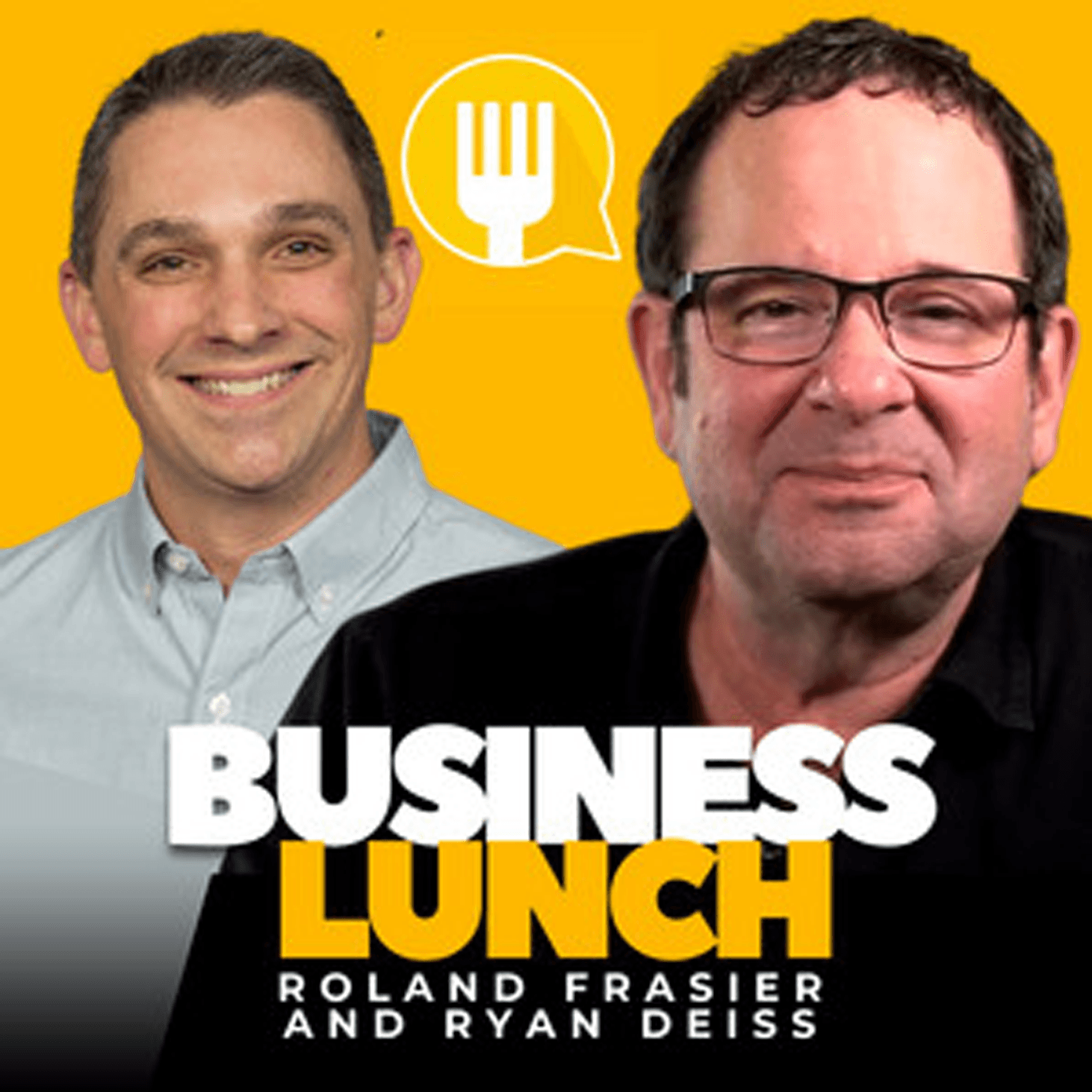
- Hosts: Roland Frasier and Ryan Diess
- Focus: Analysis of international trade negotiations, current tariffs, and negotiation strategies amidst trade tensions.
- Key Questions:
- What are the long-term implications of current trade strategies?
- How can businesses adapt to the evolving trade landscape?
Key Quotes
- "Would you rather be right, or would you rather be rich?"
- "It's just business."
- "If you can think longer term, you're probably gonna win."
Timestamps & Topics Covered 00:46 - Setting the Stage: Understanding Trade Negotiations
- Context of recent tariffs and their implications for businesses.
- Overview of the negotiation landscape and the importance of strategy over strict adherence to tariffs.
02:19 - The Calculus Behind Tariff Strategies
- Discussion on whether tariffs are purely for revenue generation or part of a broader negotiation strategy.
06:45 - Bringing Difficult Parties to the Negotiating Table
- Strategies to engage reluctant negotiation parties by leveraging fears and economic consequences.
11:33 - The Importance of Credibility in Negotiations
- The necessity of backing up threats or demands in negotiations to maintain credibility.
14:58 - De-escalating Emotional Tensions
- Managing emotions during negotiations and the significance of treating negotiations as just business.
18:50 - The Art of Escalation and Brinksmanship
- Techniques for escalating negotiations without jeopardizing future discussions.
22:53 - Running the Numbers: Scenario Planning
- Importance of conducting scenario analysis to prepare for various outcomes in negotiations.
26:09 - Flexible Positioning and Conditional Pullbacks
- Adopting a flexible approach to negotiations, allowing for adjustments based on counter-proposals.
29:44 - Managing Internal Communication
- The necessity for a unified front among negotiation teams to avoid appearing divided.
35:37 - Long-Term Strategic Thinking in Negotiations
- Emphasizing the importance of thinking beyond immediate outcomes to achieve long-term goals.
Key Takeaways
- Negotiation as Strategy: Current tariffs should be viewed through a strategic lens rather than a mere economic tool. Thinking long term is essential for success.
- Importance of Leverage: Identifying and utilizing leverage can bring parties to the negotiation table.
- Emotional Management: Keeping emotions at bay is critical for productive negotiations. The phrase "it's just business" serves as a reminder of this principle.
- Escalation Tactics: Skillful escalation can be a powerful negotiation tool when used appropriately. However, it must come with the readiness to follow through.
- Flexibility in Concessions: Being willing to modify demands or expectations fosters collaboration and can lead to mutually beneficial outcomes.
- Unified Communication: Internal agreement among team members is crucial for maintaining strong negotiation positions.
Conclusion The podcast provides a comprehensive analysis of the current trade war dynamics and offers actionable insights for entrepreneurs and business leaders navigating these challenges. By understanding the negotiation strategies discussed, individuals can better prepare for high-stakes discussions and improve their overall negotiation outcomes.
Additional Resources
- 7 Steps to Scalable Workbook
- Free Book: Zero Down
- Connect with Roland Frasier: [Roland Frasier's Website](https://msha.ke/rolandfrasier/)
- Follow on Social Media:
- TikTok: [@rolandfrasier](https://www.tiktok.com/@rolandfrasier)
- Instagram: [@rolandfrasier](https://www.instagram.com/rolandfrasier)
---
These notes encapsulate the fundamental concepts from the episode, designed to guide listeners in understanding the complexities of trade negotiations and offering insights into effective negotiation strategies.
Written by AI. May contain mistakes. Listen to the episode to check what was said.
Transcript
Automatic transcript. May contain errors.0:00I think, you know, oftentimes in life and in business, you're put in a position where you're kind of damned if you do and damned if you don't. and you're kind of choosing between a lot of bad options. I actually think they've run the calculus and what they're betting on. And I'm with you, by the way. Like there's some stuff that I bought that I just, it's going to be more expensive and I don't love that. But this is the calculation that I think that we're doing. And it should be said, by the way, this is not a politics show. We're not overly political people. I mean, I think we generally have our leanings, but both of us are kind of like, just you're all crackheads.
0:37Just tell us the situation we're operating under and we'll figure it out. I don't trust any of you knuckleheads.
0:46Hey, everybody. Welcome to another episode of Business Lunch with your hosts, Ryan Dice and myself, Roland Frazier. We are today kind of following up on something we talked a little bit about before, but in a different context. We talked about the fact that the United States, as of just a couple of days ago, as we record this has put into place tariffs and there are more to come, um, that are being framed as negative and a trade war. And I, I, uh, you know, my dog, uh, uh, in the hunt is that I've got things overseas that I buy regularly. I've got things that are being repaired overseas that are going to come back that I'm going to be paying tariffs on now that I wouldn't have paid on before.
1:30I And so I think like Ryan and I were talking back and forth as we often do and saying this is probably less about tariffs and more about negotiation and leverage. And so we wanted to do a little show on that and talk about that a little bit. So Ryan, I'll kind of put it to you. What do you think? Like, do you think that the tariffs are being put in place as a new way to generate revenue? Or let's say, or to exclusively generate revenue and that the idea is we're just going to put these in place and they're going to stay there? Or is there some other thing at work? Like, in the negotiation context, I would say, what do you think the end goal, the desired outcome of this whole thing is?
2:19Yeah, I mean, I think, you know, oftentimes in life and in business, you're put in a position where you're kind of damned if you do and damned if you don't. and you're kind of choosing between a lot of bad options. I actually think they've run the calculus and what they're betting on. And I'm with you, by the way. Like there's some stuff that I bought that I just, it's going to be more expensive and I don't love that. But this is the calculation that I think that we're doing. And it should be said, by the way, this is not a politics show. We're not overly political people. I mean, I think we generally have our leanings, but both of us are kind of like, just you're all crackheads.
2:58Just tell us the situation we're operating under and we'll, we'll figure it out. I don't trust any of you. Right. You know, so, so I just kind of just setting us like, we don't have an agenda, you know, on, on this, you know, we're not backing any, any parties or candidates or anything. But there are some learnings, I think, right? Oh, heck yeah. And so that's, I want to think about this from a business perspective because what they've done, and I think anytime you can do this in a negotiation, I, I, I sort of think that in the medium to long term that America wins no matter what. So I think they've figured out that if the tariffs go into place, that it is going to generate some additional revenue.
3:35Now it's going to generate some additional revenue at the expense of the consumer. But I think what they're betting is that whatever the additional expenses incurred by the consumer, that that's likely going to be hedged against inflation coming down. So the consumers have already been paying more and have been used to paying more. And so if as a part of this, frankly, sales go down a little bit, you get the economy shrink a little bit, then you have deflation. Then what we have is prices going down at the same time that the cost of these things, because the additional taxes go up, I think they're betting that it's going to wind up evening out.
4:15But yeah, they're telling a whole story about all this new revenue that it's going to generate. I don't think that they believe that it's going to generate a ton of revenue because I think that they believe that these businesses, that I think they believe two things. I think they believe that number one, countries are going to match the tariffs. They're going to either come bring their tariffs down or they're going to go, which some already have. And also that a lot of these businesses are simply going to move their operations to the States, which is going to be good for consumers. There's another piece of this, though, that nobody's really talking about.
4:50And that's that the US government has to refinance like three, five, like trillions of dollars in debt that it has to refinance. And it has to refinance it at essentially the Fed rate, right? That's kind of what it's refinancing. And not exactly that. I'm speaking kind of broadly. But as the economy's dipping, as it's bringing interest rates down, which means that when we have to go back and refinance all that debt, we're refinancing it at a lower rate. So if all they do, I think they win three ways. They win either because it generates some additional revenue. They win because countries bring their tariffs down because of a negotiating strategy and or companies who are producing overseas produce here, which is good for the American worker.
5:45And then thirdly, they win because this is bringing interest rates down, which means they get to refinance their debt, which is happening in a few months. So likely what they're going to be able to do is kind of tank the stock market for a bit, which just don't sell and you're going to be fine. Like if you have stocks, just don't sell. You're fine. It was like, oh, it wiped out like 3 trillion or $8 trillion. I forget what the number was. It's like, if it got wiped out that quickly, was it ever really there? Come on, right? Just don't sell. You're going to be fine. They're going to do it for a little bit.
6:15They refinance the debt. Then they can turn all of this stuff off. Everything's going to go right back up. And it'll be, so I think they basically have run that calculation and realized that we kind of can't lose. And I think they're probably right. And everybody's freaking out because everybody thinks short-term. And I think in business and life, if you can think longer term, you're probably going to win. So that's my take. um what do you i mean from a negotiating you're you're a far better negotiator than i are what do you what are you seeing well the first thing i like is and i i like i think these are things that we can all use and the first thing is that how do you bring um difficult entrenched position people to the negotiating table to start with.
7:02And I think that this threat, which he then followed through, because he announced it to get, I believe, to get the other people to the table. He looked at basically a situation and said, there are several countries that charge significantly higher tariffs than the United States. Most of those countries have a significant trade deficit because they sell much more to the United States. The United States sells there, yet they place tariffs on the United States goods that are coming there. And that just doesn't fundamentally seem fair. And the position of the countries, like let's say China, are basically, you can't make it for as cheap as we can.
7:49So we don't really have any reason to change our tariffs. We're selling in there and you can't afford, your economy can't afford the hit of radical price increases of you reciprocating the tariffs that we've got. And it takes significant resolve to say, you know what, if you can't sell your stuff here anymore, then that's going to be bad for your economy too. So it's not the one way street that you thought it was. And so I'm going to throw up a giant threat to your economy and the trading partner that we are. Now, that means that you need to have leverage. So if you have no ability to get leverage in the transaction, then that would be difficult.
8:38But let's say that you are buying a new car or anything at the store, you're shopping. Let's say that you are a business person and you have suppliers who sell to you who maybe don't give you favorable terms. You know, they don't give you credit or they don't give you good credit or they or they've told you about their price increase. I guess just got a notice of a wine locker rental that's going up 20 percent. You know, and I'm like, no, that's not acceptable to me. So you have to have some leverage in that there is an existing relationship to take advantage of what we're talking about here. But you do in so many situations of your life.
9:20So that's the first thing is identify that you do have some sort of commercial transaction history or desired interaction that's going to take place because that's where you get your leverage. Now you get your leverage by saying something outrageous here, which is kind of Trump style. The outrageous thing is I'm going to put in tariffs that have not been put in place in, I think it's 54 years or something like that. You know, what, you know, well, you're going to have to get that through Congress. Oh no, I'm not. I unilaterally can make this decision. You know, maybe you can, maybe you can't. Um, but I'm going to do it.
9:59And, um, it's going to happen until somebody says it can't. So pain for you. What do you think about that? Now they're going to be replying a little bit pain for you too. And then you're at the negotiating table. You've taken somebody that said, we will not negotiate on tariffs, or we will not negotiate on price. We won't lower our price. We won't give you credit terms. We, you're going to have to pay what we say, uh, cause you want this thing that we have. And you say, yeah, but what if I don't? Right. And now you've got them to the table so you can actually have a conversation. So I, that to me is the first big takeaway is throw up the thing that they're afraid of that will be bad for them to get them to the table in the first place.
10:42I think that's the, the very first thing that we do. I think, I think this is important though. And tell me if you disagree. I think you have to be able to back it up though. You have to say, I'm willing to say this, but I'm also willing to do it. I think a lot of people try to bluff their way through negotiating and this is not poker. Yeah. Right. I mean, I know when we've done business sales and business transactions and it's, what are we willing to do? Like, are we willing to walk? And if we're willing to walk, then we'll say we're willing to walk. And if we're not, then we're not going to say that we are.
11:15And I think all too often people get themselves in trouble in negotiation and they lose credibility because what they're saying, the big grenade that they're prepared to drop at everybody's feet, they're not actually, either they don't have the grenade or they're not prepared to drop it. And I do think that's important. You've got to have some courage. Yeah. And I remember our covenant not to compete in the deal that we did where I told the guy, you probably shouldn't do this deal if that's something that you're worried about. Right. We did not want to walk away, but we're willing to. Right. Multiple times.
11:53There's the power that you have in being able to say we're going to walk away from the table is huge. And here's the thing. It's not permanent. You can return to the table. You just have to be willing to walk away for a minute. So what you're saying is absolutely true. He had to be willing to throw up the tariffs and clearly he had to follow through with that. But now I think it's something like 37 countries are petitioning the White House for trade negotiations. That did not exist a few days ago. Right. So you, you, but, but now the white house can return to the table and in returning to the table, you can start to do the second thing, which is how do I frame my concessions as mutual benefits?
12:43Right. So how do I, how do I come back and say, you know, well, I'm willing to come back to the table if we can talk about, you know, what we might do about this and anything that we do about this will benefit both of us. Because before it was a one-way street, it was take it or leave it. You know, you need us, we don't need you. Now you've got them to the table and then the next thing is to create a frame. The frame around the discussion has to be, hey, this isn't a trade war. This is fair trade, right? We're not here to start a trade war. I don't want to start a trade war. It's just that it wasn't fair.
13:23All I'm trying to get is fair. It's very hard for people to negotiate against fair. It's why I love proposing deals that are like 50-50, you know? And so that I believe is the second thing is that when you're having that conversation, once you've got that person to the table, that government, that whoever to the table, you've got to frame the negotiation as a collaboration, which is one of our big negotiating themes. you've got to stay within the zone of fairness, which is, you know, there is a range of, of outcomes that will be fair to both parties. And we're going to play within that range. We may try to be closer to what's, you know, most fair to us.
14:09And you might be, you know, there, and that's where the true art of negotiation comes into play. But we are now collaborating any concession that either of us makes has to be a mutual benefit. It doesn't have to be quid pro quo though. It doesn't have to be an equal give. It's just, you know, we, it could be, we're giving up our 37 % tariff and you give up your 12 % tariff and let's just have zero because that's fair. That's a hard place to come back from, right? I mean, it's hard to fight against, no, we want it to be unfair. Well, that doesn't sound right. I feel bad about that. I think I'm going to walk away from the table again.
14:45No, no, no, no, no. You know that I think that's really a very interesting thing is like now you got them there, you've got to frame it. And I'd love to hear your thoughts on that before we go to the next. Well, I think the thing that's required to get to step two is you have to deescalate the emotional aspect of this. And this is the thing that's, that again, is funny to me to watch from the outside because everybody's freaking out. And again, I get it to a certain extent. Same kind of thing. I don't want prices to go up. I'm looking at my stock portfolio. And on paper, a tremendous amount of my net worth has been cut in the last little bit.
15:29I don't like that. Now, it's paper, unless I sell, which I've already said don't. But what everybody does, and you're seeing it playing right now in real life, and the media is playing into it so much. But in business negotiation, this happens too, especially for people who are new at this. They let their emotions get the better of them. And they take it personally. And the phrase, it's cliche, it sounds trite, but it's so true. It's just business is so incredibly important to keep in mind at this time. And so somebody in negotiation comes and they say something. Let's say you're on the receiving end of this, right?
16:02So there's a deal and somebody comes in and they make a claim that you feel like is completely outrageous. if you get offended and you get blustery and you're like, well, that's it, we're done. You might feel a sense of righteous vindication that just makes you feel really good, but you just close the door on any potential deal. And so I say to people all the time, would you rather be right or would you rather be rich? You can always, always, always go nuclear, which is why it shouldn't be your first option. And right now, what you had is everybody saying, you know, you've got Trump coming out and saying, this is what we're doing tariffs.
16:40And the media is acting like he's already just blown up all of these relationships. I know. Well, what we know is you've got very mature grownups, diplomats on both sides who have dealt with far higher stakes negotiations than anything that you and I have been on. And they don't get emotional about these things. And they're like, this is what we think. It's like, okay, well, and they're just going to have a conversation. And as long as you can have the conversation, that's what gives you the ability to do step two, which is to come back to the table. And I think so many people, they get offended and they get upset and they burn the bridge and there is no returning to the table because you've created circumstances such that the only way you can return to the table is to do so in a way where your status is so diminished that nobody in their right mind would do it.
17:29So just keep it as non-emotional as possible. It really is just business. It's just business. Yeah. The third thing I think, and it's interesting to watch also, is a great tactic, and it is to demonstrate a willingness to escalate. And so it starts with, we need to talk about tariffs. Then it goes to, well, nobody's coming to talk to the table or they're saying that they're not going to do anything. So the next step, the next escalation is we're going to implement the tariffs, which has happened here now. And then the response is an escalation, which is a measured response of, well, if you have raised tariffs, even though our tariffs are already higher than yours, our escalation is retaliatory tariffs.
18:23We're going to match or meet those. And then Trump comes back with to China just today, um, an extra 50%. If you don't match the tariffs and stop this business, the total combined tariff as proposed currently today would be 104 % on any good that comes from China. He's like, not afraid to be like, you know what? Double. Yeah. And, and then it's, it's saber rattling, it's brinksmanship, whatever you want to call it. Um, but it is a willingness to escalate, to show that you are serious and escalation could be that we walk away from the negotiating table. That is an escalation. It's difficult though, because if you walk away from the table, whenever you come back, you know, if it's too quickly is actually a concession and it's a, you know, I was, I was bluffing.
19:21So I don't believe that he's bluffing. I believe that he absolutely would put another 50 % on and let it simmer. And I think if you look at how fragile several of the economies are, particularly autocratic economies like China, right? That while they've got their army to beat their people into submission, this is how revolutions happen. And so you got to be careful, you know, about thinking, and this is going to be my fifth thing, which is managing, you know, managing the environment around you, which might be domestic versus international, or it might be, you know, your other suppliers versus you, you know, your employees, your customers, your internal team.
20:06Yeah, exactly. Exactly. But, but this willingness to escalate is absolutely critical. That's why we say you've got to always be willing to walk away from the table. You can threaten to walk away from the table if certain things aren't done. You know, that can be a bargaining chip, but whatever you're dealing with, you should definitely think, you know, so let's say that, that my wine rental locker, you know, says we're raising rates 20 % because you signed up for promotional rate. And that was, you know, a few years ago and that's run out and we forgot to raise your rent. So it's going up. You're losing that plus the normal increase that we would do.
20:41And I say, you know what? There are other options. I was thinking about shrinking my collection anyway. If you're going to raise the rate like that, I'm either going to leave or significantly reduce the amount of space I've got. Now they could say, well, we were actually giving you a break. And so if you're going to want to stay here and you're going to reduce the space, smaller spaces cost more. So your rents would actually double. So you really ought to take the deal that you've got because you'll get twice as much space for half the price. And now I'm left with, well, I do have all this wine.
21:15Do I want to sell it? Do I not want to sell it? I can't drink it. We'll die. It is a lot of wine. It's a big wine collection. So that's the escalation. So I think that's the next step. And then - Real quick before we move on to the next one though, because there's kind of that other meta step in between where, because we talked about how to make the transition from step one to step two work, you have to remove emotion. I think to make that escalation step work, you have to do your research and run the numbers. And this is so important because people negotiate from an emotional state and not from a logical state.
21:52They don't run the numbers to say, okay, if we escalate to this level and it happens and they call our bluff because it's not a freaking bluff, then what? And you've got to be able to run that scenario and make sure that scenario is acceptable to you. So going back to your far, well, I know extreme and heartbreaking, but not quite to the level of, you know, kind of trade war type stuff, but going back to your, it's basically the same thing, your wine locker situation. If you're going to say, look, guys, you know, if you're going to do this, then I'm out. You should probably think through, number one, are there competing places?
22:30Like maybe get them on the phone and say, Hey, you know, Bob's wine locker down the street is saying they're going to raise them this to this. You know, if you guys can match it, I'll have my wine sent over to you tomorrow and maybe sign a 12 month contract. You know, like if you've got that in your back, you don't want to move, but if you know you have now, if they're like, you're out of your freaking mind, I can't believe they do it for that. We lose money. Okay. So if nothing else, I've validated the position, right? Which is helpful. Yeah. Yeah. Or, and then maybe you go, okay, well then am I willing to just store it in my own house?
23:02Like what are, if I, if, if before you say it, if I'm going to escalate to this point and they call me on it, can I then say, okay, can I do again, the second equivalent of walking away? Because you do not want to be like, oh, shucks guys, nevermind. never, ever, ever put yourself in that situation if you're not willing to pull the trigger. And that's where everybody keeps saying in the media, like, oh, he's not going to do this. Oh, he's just bluffing. Oh, this is just negotiating. That's not the way this works. Like real professional negotiators don't just throw stuff out there that they can't deliver on.
23:34They just don't because they know they'll lose credibility forever. Right. Yeah. And so one of the things that we like to do is sensitivity analysis or multi-scenario, multiple scenario modeling, where we say, if this, then this is what results. If that, then this is what results. And then we get to look at all those and say, which of these are acceptable that we're actually willing to do and which aren't. And we throw out the ones that we aren't because as you said, we would lose credibility. But we now have a menu of options that we can come back with, which is where I go. It's a good segue.
24:11So you go from this escalation stage into a conditional pullback from the hardline position based on concessions, which is basically to say that you are flexible. And I think that this - Essentially a ceasefire. Yeah, this administration's done a good job of that. They escalate by saying it's going to be 50 % if you don't come to the table, but they left themselves an out because they didn't say come to the table with zero reciprocal tariffs. They just said, you got to come back to the table with something. So they're causing these guys to negotiate against themselves, which I think is smart. And they're also saying, yeah, well, I mean, we're talking to the UK and if the UK can come up with something, we're kind of thinking this 10 % is going to be a base.
25:08This new 10 % tax tariff on the UK stuff is going to be a base. and the UK is like, yeah, well then, you know, we're probably going to always hold on to ours. And then you can back off from your hardline position of that's going to be the base. That's just how it is to, well, what, I mean, we're willing to talk, of course, what are you willing to do that might allow us to not have to make that the base? That's a really good way to go at that. That's, and it's a nuanced way too, I think to, to, to think about big move to get you to the negotiating table, mutual concession, you know, mutual benefit kind of collaborative zone of fairness concessions are good for everybody, um, to escalation to yeah, but obviously we're reasonable people, you know, right.
26:02We're, if you push us to the wall, we will escalate, you know, but we're fair. So let's talk about that. I think that's, you know, it's a brilliant way to negotiate. It's also truly just shredding the emotions of the other side. I mean, you know, it's like, you know, we don't have to do anything. You guys depend on us for all your stuff. You know, like, oh yeah, screw you. What? You know, wait, wait, wait, wait, you know, well, but I mean, we'll talk, you know, okay, we'll, we'll talk, but we're not coming off of that. Okay, then we're going to triple down on what we did. What? No, ah, you know, they can't do that.
26:36You know, but of course we're reasonable if you are, you know, it's just this, this roller coaster ride, uh, which, which really causes turmoil everywhere because, and that gets to the, to the fifth, to me, big takeaway, which is managing the, the, uh, let's call it inter-party, um, emotions or, or, um, you know, perspectives or reactions. Um, the administration I think has done a great job because they're like, number one, Hey America, here's a chart. You see all these super high things and these low things, all these guys are ripping you off. We hate being ripped off, ripping off, you know, screw those guys.
Read the full transcript
27:19Right. And, um, and then those low things mean you don't, we don't have to pay as much for our stuff, but you know, that's, yeah. Yeah. Yeah. But well, but then the media comes out and says, oh yeah, well, everything's going to cost more. And they say, sometimes you have to take your medicine. And you see middle America polling out at, you know, president's right. Sometimes you got to take your medicine. You can't let these people get a hold of us and not do this. And that's how all people from the middle of America talk, by the way. Yeah, just so we're clear, before all of our redneck friends out there get offended, Roland was actually born and raised in Virginia.
27:56So he can do that voice. Yes. He's allowed to. My whole family is way, way, way to the other side of that. He's from Virginia. But that's it. People are saying that, yeah, that the president's right, that we do need to take our medicine and it's not fair. And sometimes you just got to stand your ground. But then he paints on the other colors of we've already made after just a day, tens of billions of dollars in profits from tariffs that did not exist before. And people are like, oh, really? He's like, you're talking about how are you going to satisfy the deficit? it. All these countries that think that, that they can charge us and that we'll just sit here and take it and not charge them for all the stuff they're bringing in, which is costing you jobs, which is driving up, um, you know, the, the cost to manufacture in the States while it's, you know, while over there it's less, that's not fair.
28:53Is it while I'm fixing that for you? Yeah. The stock prices might go down, but just don't sell. Yeah. We might have to take our medicine for a minute, but you know what? We've already got billions of dollars coming in, man. To me, that's just brilliant. It's a brilliant positioning of, um, something that the media is, is like bad, bad, bad, bad with, with the billions. Right. I think that that's like managing those, they're doing a good job of managing that. I remember when everybody was like, uh, with, with uh trump's wall back in the day right it was like uh they were like you can't build a 20-foot wall blah blah blah blah and they were all doing this at a big rally you know somebody was heckling or something and he's like you know what that wall just got 10 feet higher and it was like yeah and there was no wall you know it's yeah there's nothing yeah so i i do you'll probably in a business negotiation never have to also be playing against the media like trying desperately to make the other side's case, which is effectively what is happening right now.
30:02And again, whatever your politics are, you can't deny that that is in fact happening, right? Our own domestic media is basically saying that the president and its administration is wrong and stupid and foolish and all this stuff is bad. So they've got to make their own case. But I think that they're, like you said, they're executing it because their communication internally, everybody's on the same page. And this is so critical. If you ever, ever, ever, ever, ever want to completely undo the other side's negotiating position, get just one person from the other side to admit that there's some cracks in the wall, to admit that maybe they're willing to come off a little bit, to admit that maybe they're being just twinge unreasonable.
30:47When you are negotiating in business, in life, your entire team needs to be singing from exactly the same playbook, at least out loud. And this is the case. Like when, when you and I were doing the sale of TNC, I'm flipping out. You and I were not on the same singing from the same playbook. I was ready to murder you. I was letting my emotions get the better of me. I was not in a good place emotionally, but I never, ever, ever let that be known to them. Yeah. As far as they were concerned, I was as in it to win it and ready to walk as you were. Now I was texting you all kinds of foulness that I've since apologized for.
31:27But that's important. Do not fight in front of the kids. Do not, do not, do not let the other side see that there's any room whatsoever between you and the other members of your team. Because this communication is critical. Yeah. Unless it's strategic. If you're a good cop, bad cop or something like that, then that can be effective. but yeah, that's, that's a double black diamond move though. That's a little advanced. We're talking like green and blue slopes at this point. So basically we said, use your leverage to get the people to the table. Then position the benefits as mutual collaborative, not negotiating, not one party wins, the other person loses, but every concession is a mutual benefit.
32:10Then be willing to escalate, signal your willingness to escalate. Don't be afraid to escalate. Um, but be careful. Um, it's somebody told me this, they said, uh, yeah, be careful. You know, it's like, uh, the guy at the fair, you can blow, you know, that blows himself up. You can blow yourself up. Uh, it's a great trick, but you can only do it once, you know, that is something to remember. And then, um, maintaining your flexibility post escalative threats. So you are either escalating or threatened to escalate, but you are keeping room for making adjustments to that. Some people might call those concessions.
32:47Some people might call it compromise, however you want to frame it. And then managing the emotions of the stakeholders because different people will have different stakes in the game, whatever's going on. For example, I'll very, very often position the person who I am negotiating with as a human against the entity that they represent. I will say, those guys. Or, I know the company says this, but we are going to work this out. so I'm trying to form an alliance with the person the human that I'm actually having the dialogue with and that our goal is to get to a resolution not not to one that's not fair to them but just our goal is to make this go and there are these unreasonable demands that are being made by these other people or these other entities that aren't us we're just trying to get can't we just get along you know can't we just work this out you know and and that is very very effective too And so that managing those, uh, those stakeholder interests is the, is that kind of fifth key category.
34:05So I think like, I think there's a lot to unpack of positive takeaways on how to do this stuff. You know, how this negotiation is going, uh, excuse me, how to negotiate from how this negotiation is going, despite the horribly lopsided reporting of it and the complete ignorance of, um, of the fact that this is a negotiation even like, and maybe it would, maybe it would deflate. Maybe it plays to Trump, you know, maybe it's in his interest to have the media so down on it because everybody else sees it, but maybe it's undermining his ability to negotiate effectively because the rest of the world is like, but look at the pressure he's under, you know but of course trump has a huge benefit because he's like i don't really care you know i'm in my final term you know whatever yeah going back to leverage yeah right yeah you don't want to play you don't you don't want to play you know chicken against somebody who you know has a terminal illness right i mean yeah and that's early enough it's early enough though that he's not a lame duck so he's like okay guys you know yeah i might be out but you got four freaking years of this three years and three quarters to go.
35:22Do you want to live with this during, I mean, it's pretty brilliant if you ask me as a strategy. And I would say this, if it was coming from, uh, you know, Kamala Harris, or Kamala Harris, if she had won it to me, it's, it's not the player, it's the game, right? The game. And I, and I think it's just nice to see politicians actually, you know, doing negotiating and whether you believe, whether you agree with the, so many people are, are kind of upset with the tactics of it like it's mean. This is what actual real live negotiating looks like. It's now just happening in public. And that's what when we, you know, our episode that we did a month or so ago, that's what we talked about.
36:00What you're seeing here is the down and dirty, nitty gritty, in the trenches, negotiating happening in public that normally doesn't happen in public. And everybody's getting all, yeah, so you've got such an opportunity to learn. So how do you think, I mean, so setting aside the lessons and the learnings predictions, how do you think it's going to work out? I mean, I think we've already seen multiple parties coming back saying we're at the table, we're willing to do reciprocal 0 % tariffs. I think that that's going to be a lot of it. I think there will be positioning. I know that the prime minister in the UK, I'm having a hard time keeping up with him because I've gone through so many so recently.
36:43That's for all my British friends. Now, the prime minister in the UK said, we will do within the best national interest of the UK. Well, of course. Of course you will. What's in the best national interest is we should trade. And here's the deal. Because this is what, to me, it all boils down to. If the United States has a 10 % and the UK has a 10 % or the EU does and so on and so forth. Whoever trades more is going to be hurt more. Whoever trades less will benefit less. So why not just, if they're going to be reciprocal, why not just benefit humanity and wipe them all out? Like if we've evened it out so that it's not, if we're talking about fairness to our citizens, you know, and the government can get enough money, not doing the tariffs then, and it probably does by having the economies be propped up and not hurt the way that they are temporarily being hurt right now.
37:49Um, I think that they either go away or they equalize, but I don't think that it stays the same. I think the game definitely changes and it changes for the United States as the winner short and long-term. So going into the fourth quarter, you think kind of prices and tariffs have kind of normalized in the economy, the, like the economy, because the stock market is not the economy, but like the economy is maybe stronger in the stock markets back up. I do. And, and I'm waiting, like I'll, I'll defer bringing in the things that are discretionary for me to bring into the country, because I think that I would be paying, I, you know, I could be wrong and maybe it'll double, but, um, but I think I could be paying unnecessarily for, you know, something that isn't going to be there even in a quarter.
38:39I feel like this is going to be quick. Like, you know, within the next quarter, I think by third, by Q3, I think we've got the tariff thing ironed out pretty much the way it's going to be. What are your thoughts? I, I, I, I tend, I, I tend to agree that I was, I was looking at the number because I said it earlier, but I didn't have the actual number, so I just Googled it. So by June of 2025, the US government needs to refinance$9 trillion worth of debt. So do they want to, and the majority of that still is to be refinanced. So do they want to refinance that debt at high interest rates or low interest rates?
39:17They want to obviously refinance it at low interest rates. So I think they're totally fine with the stock market being down because when the stock market is down and when people are nervous, what do they do? They buy treasury bonds. When people buy T-bills, what happens to interest rates go down, right? There's more people showing up at the auction to buy U.S. debt when everything's scary out there. So they benefit in the short term by the economy, the stock market dipping, because then more people want to buy this debt, which lowers the interest rates. I think that they're perfectly happy to let negotiations be.
39:53This is the cynic in me, but I think it's also true. Be chaotic and nuts through about June or July. And then at that point, show me the incentive. I'll show you the outcome at that point. Once all the debt's been refinanced, now they're incentivized to let everything come back. And they're definitely going to want it looking pretty again in the next 12 months, because that's when you start getting into the midterms. And so that's just when you're going to see it start to even out. So I do think that they're going to see tariffs stay high in certain areas on things that can and should be produced in the States.
40:29Because you did have, like with a lot of the free trade, that's where you had a lot of the central part of the country just getting gutted. and where you have companies committing, they don't even have to build them yet. They just commit. We commit to building this factory here. Cool, you're exempt from tariffs, but you better build it. We're going to slap you with penalties and back tax on all those tariffs. So they're getting a ton of commitments. And I think between all those things, yeah, I think it's probably, it's going to be a little bit of pain for a quarter or two. And then I think it's going to rebound.
41:01And again, that's my hope. And like you said, I'd be saying the same thing if it were a D in charge and not an R. I just, I want us to win. I want, you know, I want everybody to do well. And I think it did get out of whack. And I think, like you said, sometimes when that happens, you got to do big things to get people to the negotiating table. That's what's happened. I love it. I love it. Well, hopefully you guys enjoyed that. And if you did, we would love to hear from you. If you've got thoughts, we would love to hear from you. We talked recently about a viral post that Ryan did. So maybe this will be our viral post where everybody comes and says, you guys are wrong.
41:39That's okay with us. Just let us know. And hopefully you see the value of the five different things that we talked about that can benefit you in your own negotiating, no matter who you are, whether you own a country or don't. So that's it for this show. We'll see you next time on Business Lunch.
42:11I'm here to tell you it's not about luck. It's about having the right system, the right deals, and the right guidance. And that's exactly what we give you in the Epic Deal Fast Track. If you've been thinking about buying a business, but you keep getting stuck, whether it's finding the right deal, structuring the financing, or negotiating with sellers. You are not alone. Too many people waste months, even years, just thinking about acquiring a business while the real opportunities pass them by. The Epic Deal Fast Track is not another course. It's actually an implementation program and it's designed to get you from the idea to the acquisition in just 16 weeks or less.
42:52We work with you one-on-one to help you find, fund, and close your first or next deal. And once you do, we're going to plug you into our elite Epic Board community so that you can keep scaling through acquisitions. We install three powerful systems in your business. The first is the deal flow engine. So you always have high quality off market deals coming to you. Number two, we give you our offer and funding system so that you can structure offers that get accepted and fund them creatively many times with no money out of your own pocket. And number three, our closing and integration system so that you don't just buy a business, you actually successfully run and scale it once you have acquired it.
43:33Plus, you'll have direct one-on-one support from an Epic Deal advisor every step of the way. And that's people that have actually come up through the system and done these deals themselves. That's the only way to become an Epic Deal advisor. And if you're serious about acquiring a business this year, don't just sit on the sidelines. just text I'm in to 334-458-9034 and we'll get you in. So text I'm in to 334-458-9034. We'll get you in. No fluff, no wasted time, just real deal making from people that are actually out there doing deals right now. I'll see you there.
From the publisher
Welcome to a new episode of Business Lunch! Join hosts Roland Frasier and Ryan Diess as they dive deep into the complex world of international trade negotiations. This episode breaks down the current tariff situation, offering invaluable negotiation insights for business owners, entrepreneurs, and anyone interested in understanding high-stakes deal-making.
Highlights:
"Would you rather be right, or would you rather be rich?"
"It's just business."
"We're not here to start a trade war. We're here to get fair trade."
"If you can think longer term, you're probably gonna win."
Timestamps:
00:46 Setting the Stage: Understanding Trade Negotiations
02:19 The Calculus Behind Tariff Strategies
06:45 Bringing Difficult Parties to the Negotiating Table
11:33 The Importance of Credibility in Negotiations
14:58 De-escalating Emotional Tensions
18:50 The Art of Escalation and Brinksmanship
22:53 Running the Numbers: Scenario Planning
26:09 Flexible Positioning and Conditional Pullbacks
29:44 Managing Internal Communication
35:37 Long-Term Strategic Thinking in Negotiations
CONNECT
• Ask Roland a question HERE.
RESOURCES:
• 7 Steps to Scalable workbook
• Get my book, Zero Down, FREE
To learn more about Roland Frasier 👉 https://msha.ke/rolandfrasier/
Connect with me on social:
📱 Facebook: