In short
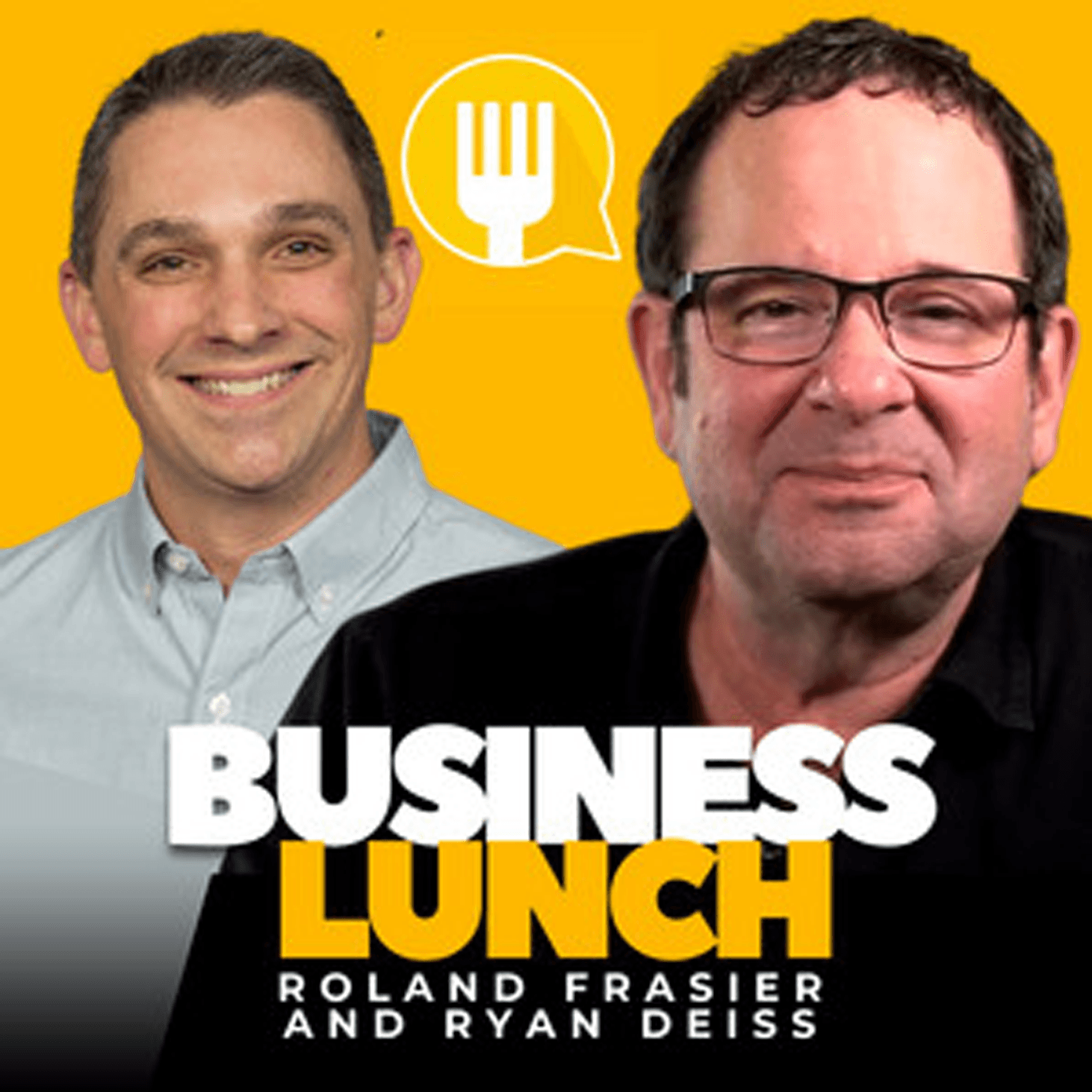
Business Lunch Podcast: Episode Summary
Episode Title
The Hidden Cost Of Dead Brands
Episode Description In this episode, Roland Frasier and Ryan Dice discuss the SEC lawsuit against entrepreneur Tai Lopez and the implications of his business model, which involves acquiring defunct retail brands. They analyze the challenges of operational complexities, funding issues, and the critical nature of strong leadership. Strategies for revitalizing brands and lessons learned from this case are emphasized, particularly highlighting the necessity for careful investment and operational planning.
---
Key Takeaways
- Business Model Testing: Always test business models before full commitment.
- Strong Leadership: Operational complexity requires an experienced team.
- Capital Raising: Must have a clear plan for capital deployment.
- Brand Recognition vs. Brand Equity: Awareness does not guarantee equity; consumer preferences matter.
- Management Experience: Investors should evaluate the management team's track record.
- Avoid Hype: Stay grounded and avoid being swayed by market hype in investment decisions.
- Strategic Marketing: Revitalizing brands necessitates effective marketing and operational support.
- Consumer Understanding: Grasping consumer preferences is vital for brand success.
- Invest Wisely: Invest in what you understand to limit risk.
- Caution with Outside Capital: Be wary of implications when raising external funds.
---
Episode Structure
- 00:00 - Introduction and Book Launches
- 03:06 - Discussion on Tai Lopez SEC Lawsuit
- 06:04 - Business Model Analysis of Acquired Brands
- 08:54 - Operational Challenges and Funding Issues
- 12:03 - Strategic Recommendations for Brand Revitalization
- 15:08 - Lessons from Investment Failures
- 18:10 - Final Thoughts and Takeaways
---
Discussion Highlights
SEC Lawsuit Against Tai Lopez
- Tai Lopez and his partner raised funds to acquire brands like Radio Shack and Dress Barn.
- The alleged business model has been scrutinized for operational failures and potential Ponzi-like characteristics.
Business Model Critique
- Flawed Strategy: The presenters debate the viability of investing in outdated brands.
- Consumer Voting: Past consumer behaviors indicated disinterest in these brands, leading to their downfall.
Operational Complexity
- Lack of Infrastructure: Successful management requires a team with diverse skills, which Lopez’s team lacked.
- Capital Structure: Underfunding led to operational difficulties following initial acquisitions.
Lessons Learned
- Testing Before Investment: Importance of piloting ideas before full-scale launches.
- Proper Funding: Ensure sufficient capital for both acquisition and operation phases.
- Market Execution: Emphasized the need for a robust operational plan to execute the business idea effectively.
---
Final Thoughts
- Investment Caution: A warning against getting caught in the hype of investment opportunities without thorough evaluation.
- Team Evaluation: Importance of assessing the operational team and their experience.
- Value of Proven Track Records: Look for experienced management when evaluating businesses for investment.
---
Special Announcement Roland Frasier announces the retirement of all Epic courses and educational content, marking the end of a significant chapter after five years of educating entrepreneurs.
---
Connect with Roland Frasier
- [TikTok](https://www.tiktok.com/@rolandfrasier)
- [Instagram](https://www.instagram.com/rolandfrasier/)
- [Facebook](https://www.facebook.com/RolandFrasierPage/)
- [LinkedIn](https://www.linkedin.com/in/rolandfrasier/)
- [YouTube](https://www.youtube.com/channel/UCkHnnFgdaTCg8KBd7W_LGSw?sub_confirmation=1)
---
Resources Mentioned
- [7 Steps to Scalable Workbook](https://scalable.co/7-levels-assessment/?utm_source=business-lunch&utm_medium=podcast&utm_campaign=lead-gen)
- [Get the book, Zero Down, FREE](https://epicnetwork.com/books/zero-down/)
---
This markdown summary encapsulates the discussions, key takeaways, and insights from the Business Lunch podcast episode, providing a comprehensive overview for readers interested in the implications of the SEC lawsuit and the operational strategies behind brand revitalization.
Written by AI. May contain mistakes. Listen to the episode to check what was said.
Transcript
Automatic transcript. May contain errors.0:00Hey, everybody. Welcome to the Business Lunch Podcast with your host, myself, Roland Freezer, and the wonderful Ryan Dice. How are you doing today? I'm doing well. You sound like, I don't know, like we're at an auction or something. I am operating on negative sleep. I tell you, I finished that book that I sent to you and that was early morning to 3 a.m., multiple nights in a row, when you get finally into the thing. I find myself somewhat hyper right now. I've noticed in all my meetings. Is it energy trying to fool yourself that I'm not really tired? I think so. I think that's what it is. You know who else does that?
0:41Toddlers. Toddlers do that. My brothers. Yeah. Well, the book is great, by the way. I got a chance to read the first little bit of it. But you basically have written two books in the last little bit? No. No, just that one. The exit ready one that we have been kind of trying to get the last bits of was a while ago. Well, I'm counting on one. Oh, yeah. Well, not in the last couple of days, in the last couple of months. No, I know. That's what I'm saying. In the last little bit. That's why I said the last little bit. Oh, the last little bit. I thought you said the last couple of days. I'm sorry. Yeah, last little bit.
1:21For most human beings who never write a book, and for some that might only write one, the fact that like you've got two that are going to be coming out in the next little bit, uh, I think is, is quite exciting, quite admirable. So yes, we've got exit ready. That's going to be coming out. And then, um, can you give a quick preview of the other book that's coming out before we get into the main topic? Yeah. Cause it's, it's a companion, uh, book. So that that's, what's cool about it is. And that's why I rushed to finish it is the, uh, the, um, exit ready is It's basically the kind of the handbook and the playbook of getting yourself ready to exit and then going on through that process.
2:02And then this one is a fable. So it's a story of somebody who gets an offer and then has to go through all five evolutions that entrepreneurs go through to go from the receipt of the offer and a business where the business really had no value independent of them all the way through proving within 90 days that it did and that they had their act together. So they go through all of the things that we take people through in our scalable program and help them develop their transferable value, their bankable profits, and their leveraged sales and using the scalable operating system. And it's just kind of an easy, friendly way to do that in the spirit of the goal and the e-myth and the five dysfunctions or however many there are in a team.
2:53I think that should be like the X dysfunctions of a team. You can choose your adventure. But, you know, designed to be consumed in an hour or two, depending on how fast you read. But really get the points across and talk about the five different evolutions that every entrepreneur goes through or should be ready to go through as part of the entrepreneurial journey. Well, it's very exciting. Congratulations. I know how hard it is to write a book. Because you just wrote one while you were on vacation. I did. So yeah, so congratulations. And for everybody who's coming out to Get Scalable Live, you may or may not be able to get a copy of it, a pre-copy of it.
3:35So hopefully they'll both be like kind of pre-launched there where people can get both of them. I like it. I like the, I want to have them both together because I really feel like they go together. I think one personalizes, humanizes, you can see yourself in the characters and the other is, you know, okay, it's a, you know, it's a business book. You know, are you going to read that? Most people don't read them even though they buy them. So this one, I think you'll actually read and maybe, just maybe, get interested enough to either talk to us about helping or, you know, or read the other one. Yeah.
4:06Love it. love it love it so um what else is going on what are we what are we talking about over lunch today well i thought that we should talk about the whole uh tai lopez getting sued by the uh sec thing not because it's necessarily fun not because we want to like there's a lot of people who are sort of like dancing around like yay i think that's sort of gross um but uh it's a it's big news in business land it's certainly big news among a lot of people um and and i think it's relevant because for those who don't know, Tai Lopez, his business partner, Alex Mayer, around, I guess it was 2021, they raised a bunch of money to go out there and acquire a number of defunct retail brands.
4:53Some of the brands, I'm trying to think, like Radio Shack, Pier One, Dress Barn. And the whole idea was, let's go and acquire these brands that were traditional offline brands that went out of business and let's bring them online. And unfortunately, this business idea did not work out. And I wanted to push money. And according to the SEC, at least, some investor money was paid out to other investors, which by definition is a Ponzi scheme. And that's why they were sued. And that's why it is now a thing. I should say, people are innocent until proven guilty. In this country, we're not going to sit here and play judge, jury, and executioner.
5:32But, uh, that's, that's the setup. I think it's cool to look at the business model and, you know, what, what was right and where things maybe went wrong, um, without having any real, uh, direct knowledge. But, but the business model, I actually like, I like the idea of these are brands that are household names that pretty much everybody has heard of Radio Shack. Pretty much everybody, you know, has heard of Dress Barn. No, not me. But, you know, but Pier 1, you know, pretty well known. And the idea as I understood it was, let's take these brands that have invested hundreds of millions, if not billions of dollars in marketing over the year and have mindshare in people's brains as being a place to do those things.
6:17and then let's put them online, no retail, no brick and mortar retail. And let's sell the products that are the generic branded products that are being drop shipped under names that you can't pronounce or even know how to pronounce because they're in characters that you don't recognize that are being sold on Alibaba and through Amazon and things like that. And let the brand on that command a premium or at least command attention and get the preference and make the sale. And so like that to me seems like a good solid business model from both a marketing and financial standpoint. Your thoughts on that?
6:55I think the problem is at first glance, yeah, I think the issue is that brand awareness does not equal brand equity. And unfortunately for most of these brands, consumers had already voted with their wallets. I mean, Radio Shack was obliterated by Amazon. You know, Pier One had been decimated by Target and Wayfair. You know, Dress Barn had been killed by fast, you know, fashion. And so generations of consumers had already voted that they were not really interested in these brands. And so I think that... I don't agree. I don't agree. I think that those brands killed themselves by having outdated expansion and modernization strategies and they just got left behind.
7:39But I don't think that people were like, I can go to Target or I can go to Radio Shack. I choose to go to Target to buy my electronics. I think that Target just marketed better and did better. But from a brand recognition standpoint, if I'm looking online and I'm looking at XYZ and Bob's brand and Radio Shack and it's the same thing, I'm probably going to buy it from Radio Shack. Will I pay more for it? Probably a little bit because I feel like I'm actually going to get it. But I could be wrong, but I think it was more that those companies, the reason those companies that you mentioned that ate the lunches of the other companies succeeded was they were just better companies.
8:20They had better management, better vision, better execution, not necessarily that the other companies lost the battle for quality or brand. I grant you that. I just think the underlying advantage that they basically said is we can acquire these brands inexpensively. Okay, fine. But the problem is that inexpensive brands are still, they still cost money. And just because you got the brand, you now still have to stand up and do all the stuff that these brands didn't do. So none of that infrastructure is in place. Well, but, but, but do you, because those brands were, I mean, you do on the electronic side.
9:01So we have to assume that, and this is where to me, it probably fell apart. It's where I understood that it fell apart was that it was all in the selling. And this is obviously the SEC or FTC, those challenges as well. It was all in the, yeah, that sounds like a great idea. Yeah. Let's do that. Now let's go raise a bunch of money and buy those brands, maybe overpay for them, but you know, wait, we got them, but then we don't have the money to build that infrastructure that you're talking about to even get a chance to prove that the model works or doesn't work. Right. Yeah. They never even really, as I understood, got any kind of presence to the level that they would need to have to monetize on the plan.
9:44So either it was just a gross underestimation enough that amount that it took to do that or something. But sadly, I don't know that we know. I mean, we do know that there are companies that buy old candy brands that used to be sold in gas stations and stuff like that and have done quite well. So there are analogs to buy the brand that's recognized and then give it proper support and distribution. I think what you have here is a couple of marketers with no real depth of team or infrastructure to execute on the plan past step one, buy brands, step three, make lots of money. And let's just hope step two works out.
10:25Yeah. So I'll lay out three things that I think really caused this to fail. And you tell me which ones you agree with and disagree with. And I'll get all of them out because they sort of build. And I'll kind of make the case. So the first one, I do think that the underlying business model and idea is flawed. And I think the main reason that it is flawed is that today, consumer brand preference is in decline, just in general. And so the idea that you're going to get a massive, do you get some advantage? Sure. Do you get massive advantage? No. I think if you're going to invest, if you're going to raise money to invest, then you're better off investing in influencer brands to piggyback on onto product brands than you are in investing in old, outdated, faceless brands.
11:17So I think, again, I'm just going to say I don't love the strategy. Of my three things, though, I'll grant you this is the one that wasn't tested and so it's the least. The second one. The one that you're most wrong on. But before, wait, no, I want to talk about them one by one. Because otherwise I'll forget. I don't want to talk about it because they build, they build. Let me, let me do it. And then you can attack them. I'll be quick. I'm not going to remember. I'll go back and reset. So the first one is business model. The second one is the capital structure. Yeah. Way, I think they're way underfunded for what they were trying to do.
11:47Amen. Like you said, they, they gave themselves enough money. They raised enough money to go out and acquire the stuff, but not enough money to actually operate the things. And we see this all the time with business owners who they want to raise money. What do you want to raise money to do? I want to do an acquisition. Cool. You're the dog that caught the car. Now what? And that's the classic case here. And then the third thing, and also their capital stack. Man, their funding stack, I went into a little bit. They had investor capital. They had super high interest rate loans and merchant cash advances.
12:24Yeah, I saw that. I think that was, my guess is those were the desperate measures as it started to fall apart. And a good number of intercompany transfers as well. So just, it was not good. But then the last thing, and I think this is the biggie, and I think this is where you and I both agree, just from an operational perspective, this was going to be high, high, high operational complexity from the beginning. What you had here are multiple brands with fundamentally different customer segments, right? And one thing that I believe to be true is that a company is defined by the people they serve, not the products they sell or how they sell them.
13:03So saying, oh, we're going to be an e-commerce company. Yeah. Amazon gets to say that, right? But I don't think you get to say that if you've acquired these very different brands and you want to have niche companies. So you really need now different brand managers for each one of these. And again, they don't have the people to do that. They don't have the infrastructure to do that. They don't have the funding to pull that off, but they also don't have the expertise to pull this off because they're marketers, not operators. To my knowledge, there wasn't a single marketer. I was there wasn't a single operator or anybody with even e-commerce experience on this executive leadership team.
13:41And that's why if you're going to invest, you've got to look at the leadership team and good marketing is not enough. And I say this as someone who considers himself and who many would consider to be a pretty good marketer. good marketing is not enough you cannot market your way out of any problem and this is evident so those are those are kind of my three things major operational complexity with no operators to speak of insufficient um funding and then the last one just general business model attack uh there's no attack um the i agree with you on the on the two the second two things the the first one, um, you know, I, I, I think that it's, it could have worked had they had the other two together.
14:28So I don't think it got the chance to have, you know, I don't think it got a chance to succeed because it was flawed from the beginning in terms of the operational execution. But if you, so let's say they had the other two figured out, let's say it's not, it's not tie and, and it's, it's not, cause I mean, I will say I probably wouldn't have invested in it cause that's not a dude that I'm going to invest in. But that's neither here nor there. But this opportunity does come along. This isn't something that I would have necessarily invested in because I don't see the faceless brand model as the future of consumer retail.
15:07And so for that reason, I'm not super excited about investing in something that feels like it's from the past. Oh, that's a different question though. That's not, is it a model that works which if you define the model as given the choice between a recognized brand and nameless brands for the exact same fungible product at the same price, which would you buy? I would buy the brand because the brand reputation carries over to, at least in my mind, to I'm probably going to get it and it's going to be okay. And maybe if I return it because it's not okay, I'm going to get my money back. Whereas the others, who knows?
15:46So that's where I'm going from. As an investment, no. I mean, number one, it was a startup or turnaround at best. So that's an instant no for me. And I agree with you on the direction of things. It's just, that's not what we were talking. It was like, would you invest in Apple or would you invest in Tai Lopez? You know, Apple, right? Yeah. I changed the question. So you're put in charge of this. I know you don't want to be, but let's say you're put in charge of this. I just resigned. I quit. That's the right answer. No, how do you think it could? So let's say that the business model, we want to give the business model the best shot, right?
16:26How would you, how does Roland Frazier go about putting together the deal stack? how would you go about negotiating these different acquisitions, making sure that there's adequate funding? How would you go about making this thing actually work? I think that the idea, and I don't know enough about the plan to know what they did or didn't do, but I'm probably looking to test before I commit. So I would consider buying online distribution rights and make them maybe geographically restricted to the markets that I was going to test in to start with as a precursor to any bigger buy. And I think that what happened with us when we tried to buy a higher end version of digital marketer out of bankruptcy was we went in, we made our bid, we knew what we were willing to pay.
17:32it was capped. And when the auction at the courthouse actually exceeded the cap and the two other major buyers that were there bidding surpassed us, you and I were on the phone and I was like, what do you think? You should stick with this? And we were like, I think we should stick with our cap. And we didn't do it. And I think that that discipline when you're acquiring something is really, really important to start to know what can you afford to pay? Not, can I take all the money that I've raised and do that? I don't, again, I don't know what happened with them. I'm just kind of speaking out because you said, how would I do it?
18:09So, so the first thing I would do is have that budget of what is, what is my stake that I'm willing to invest to have the opportunity to do this. Then I would probably restrict my commitment to the minimum necessary to test. Maybe I would have bought, I would have optioned the ability to buy the whole thing or the ability to buy segmented distribution rights like online only, but not brick and mortar. And I would have had a test period to do that so that I could run a test to know. I don't know that that was possible, but I wouldn't do the deal if I couldn't. Then my model wouldn't be stand up a separate e-commerce store with my own distribution and all that stuff from scratch, I would go and probably sign up for some of the streams that list the product everywhere so that I could get on the discovery platforms.
19:05And I would, uh, I would then lean on distribution. Like I would lean on Amazon or other distribution to get the product out. So I didn't have to build infrastructure, learned a lot from web van on that one. Right. And then, um, and then I would test and see, is my fundamental thesis correct or not correct? Is my, you know, my, my, that like, will people do this? And it would be very easy, even with no money at all spent. I, I mean, I might be able, I don't know. I might with a dead brand, maybe I could get away with running ads and saying, you know, Radio Shack product versus this versus this and never sell it, but run the ad and see what's the response and the click-through look like.
19:48Um, but if, But worst case, that'd be dry testing, right? Worst case, I'd get the rights for some period of time to do the test, run the test, and then validate or invalidate the premise. If I'm wrong there, I've saved tens of millions of dollars, if not hundreds, right? And then I would stair-step it in, but it would be on the backs of existing distribution, discovery channels, et cetera. What are your thoughts? Yeah, similar. The first thing that came to my mind is, have these guys never heard of an option? Yeah. Right? I mean, you go out there and you directly acquire all of these brands all at once.
20:26My guess is they were bought out of auction. And as you know, at auction, it's cash only. But what I wanted to get back, and I'm sorry to interrupt because I remember what I wanted to say. The reason I told the story about our bankruptcy conversation when we were there was that then we ended up going to a buyer who spent too much and getting it for basically nothing to try our experiment, which failed, which saved us all of the money that we had set up. And so we were able to actually learn on the backs of somebody else. And that's the way to do that. Like, had they, like, let's say that, you know, they're like, well, but we had to pay all the money for cash or we couldn't have done it.
21:02Did you? I mean, I don't know who are the other buyers, You know, maybe somebody else can make the mistake and then you can step in, or maybe you can go to those people like we did at that, at that auction and say, Hey, we're still interested. I don't know what you want to do. You know, well, we want to do this, this, and this and brick and mortar stores and blah, blah, blah. Awesome. We don't, um, keep us in mind. And then they reached out to us like was a few months later. It was pretty quick, right? Yeah, it was. And so I would, I don't know, you're right. I don't know all the circumstances around this to the extent that they were sold.
21:37Trying to be generous in their constraints. We can be somewhat, but I would look to see, even let's live in a world, so in an ideal world, you're able to option these. So you don't have to do an outright acquisition of the brand, but let's say that you do. Okay, we bought the brand and we've had to spend a lot of money doing that. What I would not do is then go and seek to launch all of them simultaneously. Oh my gosh. And that is absolutely something that they did. And I think that was a huge mistake. But you know why they did it? Uh-uh, why? I mean, what's your guess? Because they probably wanted to look cool and pizzazz.
22:15Look, we did all these at the same time so they can go raise some more money. Exactly. How do you get more investors? You find the thing that you can trade on, which is news of progress. but if you're doing it, in my opinion, the wrong way, your progress is news of more acquisitions, not news of actual performance and proof of the model. And this is one of the problems with raising money. When you decide that you're going to raise money, your customer changes. And your customer changes from the end consumer who's buying your product to the investor who's giving you money. Good point. I didn't think about that, but that's probably exactly what happened here.
22:51I would have said of all these three, what is the one that we could stock the store, the online store, absolutely like the best, like merchandise this thing out the best for the least amount? What are the highest margin items? Because between you got what, Pier 1, Dress Barn, I can tell you which one it wouldn't be, dress barn. Why? You got sizing, you got returns. Seasonality, fickle fashion. I mean, all kinds of stuff wrong with that. It's probably not Radio Shack because what you have there is you've got trends. You've got, I mean, just tons of issues there. I would probably go with Pier One because you're going to have the most, you're going to have the biggest margin on home goods.
23:36So I would start there. Yeah, I guess. Interesting. With that. And I would make sure that we had enough cash to fully launch this store in a way that it was impressive. And I would do a big launch campaign around Pier One is back. And I would say that we're this company that is reviving these amazing cherished brands that consumers loved and that brought great stuff to you, but they were just, their past business model was broken because they had all these investments in retail. We're going to be an online first, a digital first brand. Lean heavy into nostalgia. Correct. And probably be a Wayfair model as opposed to an owned inventory model.
24:18Explain that. A marketplace.
24:23So explain exactly what you mean. For those who don't quite understand what a marketplace is. Yeah. So I would basically, like if I was going to do that, to me, I'd go nostalgia and then lean heavy into maybe even a America first, you know, made in America theme or something like that. where you are not investing in inventory. You have zero inventory carrying costs. You're strictly acting as a conduit for other people's merchandise and you're selling it via your brand. Now then that would change the, could you put that stuff on Amazon as peer one? And I think you could because you can have a peer one store that's on Amazon and eBay and all those other places.
25:09And so you could basically just build a feed and then let all these people and maybe even differentiate a little bit what the peer one is from everything else that's out there, so that you can get nostalgia plus theme equals some sort of loyalty beyond faceless brand, right? Yeah. And that's the other thing that I would look to do for each one of these. I would look to say, can we align it with some sort of relevant influencer and bring them in to help with the launch, even if you've got to cut them in on the equity side. You've got to get Drake and Kim, you know? Clearly. Both, ideally. But let's get this thing launched.
25:45Let's get it to be a success. Let's get it cash flowing. And let's get real live leadership and management under this brand and some proof of concept because once you have one going, you can attract some talent that you can then deploy into the other ones. So that's what I would have done. Money. Yeah. Yeah. And, and it's, you know, like if the allegations are true and, and I can tell you that like the, when you look at a complaint as a recovering attorney and you read either side, you're like, oh my, you read the plaintiff side and you're like, oh my gosh, those, that other side, those guys were terrible.
26:20And then you read the defense side and you're like, oh, well, they weren't that bad, you know? So, you know, you're, you're only getting one side that I have seen of this. Cause I don't think there's, I don't think it's the point where there's pleadings that have been filed for defense. But if they took$16 million of investor money and if they paid out$5 or$6 million of new investors, I mean, of old investors with new investors money, then they just went down from the start. And I don't think that most of that stuff happens because somebody sets out intentionally to be, was it Charles Ponzi? to be the Ponzi scheme architect.
Read the full transcript
27:03I think it's that they have an idea, they get excited about it. It's not well-formed. They raise money. They need to keep raising money because the investor is the client, not the end user. Before the business model is even done, they're on momentum for doing that. Now they've got all this money. Maybe they need some of it to live off of. Let's you know, let's be generous there too. Um, and, uh, or even to, if you're even to prop up the appearance of the lifestyle that they need to raise the money that, you know, like that's a vicious cycle too. Um, but then they need to, they need to pay back investors because they borrowed on these interest rates.
27:43Where does the money come from? Well, how do you pay interest rates? You pay it from, you know, other money that you get. So was that, you know, was that like dividendity or not. I don't know. Maybe it was, maybe it wasn't. It just like, no matter what, you're just like, if you don't have the proper capitalization and team to execute the plan that you sell to the investors, you're probably going to get in a lot of trouble. And you're probably going to at least have giant lawsuits from investors trying to get their money back because you knew or should have known that you didn't have enough to do it right.
28:14If you pay yourself out of that giant trouble. And then if you go and pay investors, new investors out of, excuse me, old investors out of new investor money, then you're just absolutely screwed. So yeah, apparently it was 5.9 million investors paid out of old investors paid to new investors and 16.1 million, according to the allegations. I did well, right? I said 6 million. Taken out for personal use. That doesn't look good. And this is one of the reasons because I believe that business owners, I believe entrepreneurs should pay themselves very, very, very well. You should make a lot of money.
28:50But the caveat to that is if you've raised capital, if you have outside stakeholders, then you kind of got to make sure that they get paid too. And this is why in general, we don't like raising outside funds. Unless you tell them, I mean, if you tell them, if you're basically, you know, Hey, this is the deal. I think Cardone does that. He's basically like, I'm going to raise$50 million and I'm going to take, you know, three to 6 % of the gross of all the real estate we buy with that. And I'm going to charge a management fee and I'm going to do that. As long as you tell them and stick to it, it's okay.
29:23But my guess is that didn't happen in this case. Yeah. I'm going to assume that as well. I think also from, from, from what I know, because we owned a mastermind, you know, that at the time that all this was going on and several people in the mastermind that I know of invested. And they were not sophisticated investors. The level of investor they were going after wasn't like, let's get a hundred million from Bain and a hundred million from Goldman. It was, let's go to individual investors and raise money. And that also, that's another kind of no-no, in my opinion. If you're going to make an investment in something like this, We're big believers.
30:05We say it all the time. Invest in stuff that you know. Invest in things you understand. It's why we generally don't invest a lot in the stock market. I do some. You do. Last I checked, none. Because we like to invest in small businesses and private companies because that's what we know. That's what we understand. I have very little in real estate. You don't have a ton in real estate because neither of us like to swing a hammer. So we invest in what we know. If you are going to invest in something like this, you absolutely need to evaluate the heck out of that management team. But it's also worth looking at who else is co-investing in this deal.
30:40And if you don't see other really sophisticated investors coming along with this project, that should be a big, giant red flag. And there was not a single major bank or other big investor coming riding along on this deal. And that, that's a sign, folks. That is a sign. I don't, I feel awful for everybody who invests and who invested and who lost money in this deal. I really do. But could it have worked? I don't know. I still don't think it's the best business model in the world. I would say for businesses out there today, invest more. People are more influenced by humans than they are by company brands.
31:23Yeah. I agree. So where does that lead us? What do you think? Where do you think this lands? You got any predictions? If the allegations are true, I'm not sure that if you take new investor money to pay old investors, I think you're in a world of hurt. I think if you take 16 million and your investors are left with nothing, you're in a world of hurt from a civil standpoint. The first one's a criminal. So that, you know, the goal would be don't make it criminal, make it civil. And then, you know, you probably survive. If you get hit with the criminal, I think it's, you know, could be terminal for his reputation and ability to do anything.
32:05But, you know, look at Jordan Belfort, you know, the straight line method, baby, you know, he just lied, cheated and stole and took money from poor, hardworking people by flat out lying to him. And now he teaches how to do it. You know, it blows me away that people like that can, can do that. and then come back. So resilience is in the hands of the person who's suffering the misfortune. If there's one thing we love as a society, it's tearing people down. And the only thing we love more is building them back up after we've torn them down. Yeah, so I hope it works. I mean, I hope that that's not true and that it all works out in the best for everybody.
32:44But yeah, I think it's a tough situation. But good business lessons to be learned. make sure if you are raising capital, if you're doing an acquisition, don't just raise enough to do the acquisition, raise enough to operate and scale the thing. Um, and, uh, if you're, man, if you're going to test something like figure out what, what does it look like to get this thing tested? Don't, don't try to do it all at once. That that's crazy. And make sure, my God, that you've got solid operators on that team. Sales and marketing is, uh, is critically important, but it's not everything in good marketing certainly is not going to fix a bad business model.
33:17Exactly. Um, cool. All right. You want to leave it there? Yeah. Um, is there a takeaway? I mean, to me, the takeaway, the takeaways that I would get would be just like when you're looking at investments, you know, really don't get caught up in the hype. Don't get caught up in like, Oh, look, they're buying all these famous brands, you know, um, or look at all these things that this, these things that seem to be happening that aren't actually advancing the investment thesis and the ability of the thing to go and work. If it's news about forward motion versus actual operational achievements, then I'd say I'd look deeper.
33:58And if I don't see the operational achievements, I'd wait until I do and risk that I missed out on the best thing ever, because you'll probably save way more than you'll lose in an opportunity. I'd say what you talked about, look at the quality of the investors. Are they institutional? Are they sophisticated versus are they unsophisticated? Look at the way the money is being raised. Look at the use of proceeds, which is a required disclosure to see it's clear what the money is being used for. And then what's the reputation of the people? I mean, I think Ty had people who loved him and people who hated him, but it wasn't like a clean, this is a guy who's done this before kind of reputation.
34:43And that's something that, you know, like while past performance is no guarantee of future success, it is a pretty strong indicator. And so if it, if he was somebody that had done something like this a few times, that would speak a whole lot better than, you know, somebody who, to my understanding, was basically in the educational world, you know, the, the teach people how to make money world than he was in the business operations world. And so that would inform my decision to make the investment. And then set your, like when you go, they say when you go in the casino or when you go into anything, set your limits.
35:18What are you going to invest in something like that? And even if you see it start to be performing, don't just rush to dump all your money into it because I think that happens to people too. Those would be some takeaways. You probably have a couple in addition to that. Yeah, I mean, check the operating team, including your own. I think if you're going to scale, if you're looking at scaling your own business and you're looking around and everybody at your company hasn't been where you want to go, that's a problem. So these things don't just apply to investments that you're making, but they apply to your own.
35:50They absolutely apply to your own team as well. And so make sure that you've got your own funding in place. And to that end, I would say be very, very, very careful about raising outside capital. If you are going to raise outside capital, make sure that you are crystal clear on what you're going to do with that money and that you have extreme confidence that when you take that money and you deploy it, that it is going to have a return. We're not just going to raise capital because we think we need it, because we want dry powder, because we want to just be able to spend it somewhere. We're going to raise capital because we have proven out of concept and we know that if we deploy this capital, we're going to be able to bring the future forward.
36:30but as a general rule, try not to raise capital because when you raise capital, the stakes go way, way up, including, but not limited to, depending on the amount you raise and how you use it, losing your liberty. And that's terrifying. So yeah, that'd be my advice. Don't raise capital. I like it. Well, if you guys found this helpful or if you have any comments, thoughts, questions, or other information that you would like to share with us, hit us up on the socials. If you enjoyed it, please share it. And we'll see you next time on Business Lunch. After five years and helping over 100 ,000 entrepreneurs, I'm closing Epic for Good.
37:02It's fitting that I'm reading this from the same bar chair in my family room where it all started. Back in 2020, when the world hit pause, a few friends asked how I was still buying and growing companies when everything else was chaos. So I jumped on a small Zoom call to share what I was doing. That call was supposed to be a conversation between friends, but it spread. Friends invited friends. Then hundreds joined. Then 800 people. that one call turned into the epic challenge. The challenge turned into the accelerator, the accelerator turned into a company. And over the past five years, that accidental company has helped more than 100 ,000 entrepreneurs learn how to buy, scale and exit real businesses, not hypotheticals, not theory, actual acquisitions.
37:44But somewhere along the way, I realized something important. I never wanted to build a course business. I'm a deal guy. And the time I spend running Epic is time I'm not spending doing what I love most, finding, structuring, and closing deals. And so after five incredible years, I've decided to close this chapter for good. No new courses, no new community, no one more round. I'm shutting Epic down completely so I can return to what I love most, doing deals, staying off the org chart, and enjoying my time with the people I care about most. That means every Epic course, framework, and training will disappear from public access after this week.
38:17The challenge, the accelerator, all of it. Once they're gone, they'll only be available privately to my top clients and acquisition partners, which ironically is how it all started in the first place. If you've ever wanted to learn exactly how I structure, negotiate, and close deals the same way I've been doing them since that first Zoom call in 2020, this is your last chance. The link with the full story and discount bundle is in the show notes, or you can find the link on my socials. Let's finish Epic the right way.
From the publisher
In this episode of the Business Lunch Podcast: We discuss the recent SEC lawsuit against Tai Lopez and the implications of his business model involving the acquisition of defunct retail brands. We analyze the challenges faced by the business, including operational complexities, funding issues, and the importance of having a strong leadership team. We also delve into strategies for revitalizing brands and the lessons learned from this case, emphasizing the need for careful investment and operational planning.
Takeaways
- The importance of testing business models before full commitment.
- Operational complexity requires a strong team with relevant experience.
- Raising capital should be done with a clear plan for deployment.
- Brand recognition does not guarantee brand equity.
- Investors should evaluate the management team's experience and track record.
- Avoid getting caught up in hype when considering investments.
- Successful brand revitalization requires strategic marketing and operational support.
- Understanding consumer preferences is crucial for brand success.
- Invest in what you know and understand to minimize risk.
- Be cautious about raising outside capital and its implications.
Chapters
00:00 Introduction and Book Launches
03:06 Tai Lopez SEC Lawsuit Discussion
06:04 Business Model Analysis of Acquired Brands
08:54 Operational Challenges and Funding Issues
12:03 Strategic Recommendations for Brand Revitalization
15:08 Lessons Learned from Investment Failures
18:10 Final Thoughts and Takeaways
Special Announcement
After 5 years of teaching entrepreneurs how to build, buy, and sell companies, I'm retiring all Epic courses and educational content permanently.
This isn't because they didn't work, thousands have built real wealth with these frameworks, but because AI, capital markets, and collaboration have changed the game. I'm shifting from teaching deals to doing deals. Want access to everything before it disappears forever?
This is your last chance to grab 5 years of proven frameworks, strategies, and training materials before they're gone for good. See the full story and whats going into the vault here: Go to the vault
Connect with me on social:
- TikTok: Check out my TikTok Here
- Instagram: Check out my Instagram Here
- Facebook: Check out my Facebook Here
- LinkedIn: Check out my LinkedIn Here
- Subscribe to my YouTube 👉 Here
RESOURCES:
• 7 Steps to Scalable workbook
• Get my book, Zero Down, FREE
Mentioned in this episode:
The Vault
Special Announcement After 5 years of teaching entrepreneurs how to build, buy, and sell companies, I'm retiring all Epic courses and educational content permanently. This isn't because they didn't work,...