In short
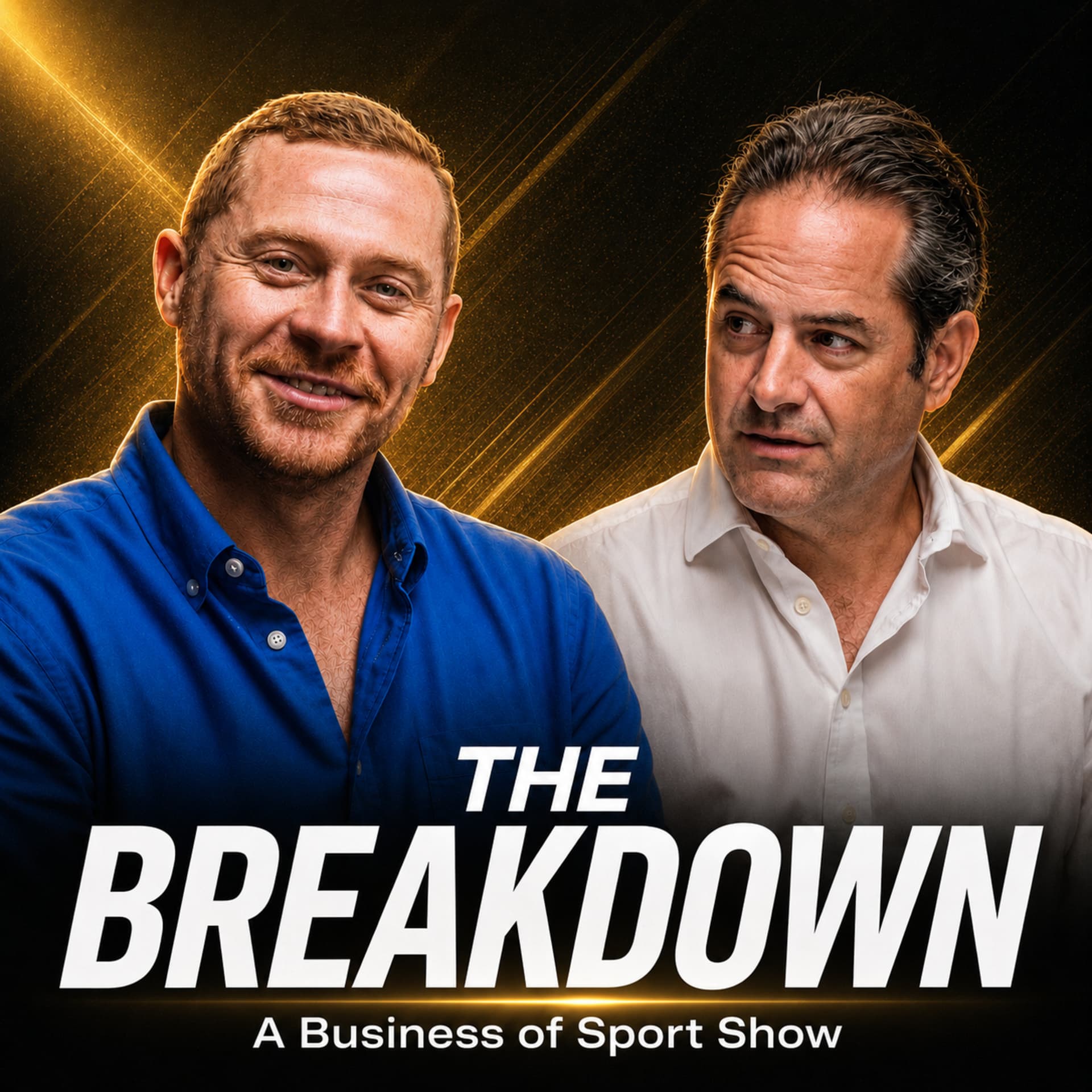
Podcast Summary: Business of Sport - Episode 111: Carlos Ezpeleta
Episode Overview Podcast Title: Business of Sport Episode Title: Carlos Ezpeleta: The Plan to Grow MotoGP, Marc Marquez's Impossible Championship, & Multimillion Team Sales Description: In this episode, Carlos Ezpeleta discusses the growth strategy of MotoGP amidst the rising popularity of Formula One (F1) and the acquisition by Liberty Media. The episode delves into the unique attributes of MotoGP, the strategies for audience engagement, and the financial aspects of the sport.
---
Key Themes
The Growth of MotoGP
- Global Expansion:
- MotoGP is expanding its reach globally while retaining its core fanbase.
- The challenge of competing with F1's surge in popularity is acknowledged.
- Liberty Media's Impact:
- Liberty Media's acquisition is viewed as an opportunity to transform MotoGP into a global business.
- Ezpeleta emphasizes that the sport does not need to be "fixed," but rather optimized for growth.
Media, Content & Audience Engagement
- Content Strategy:
- Unlike F1's "Drive to Survive" approach, MotoGP is creating distinct content strategies to engage fans.
- Emphasis on storytelling and digital platforms to attract new audiences.
- Balancing Tradition and Entertainment:
- MotoGP aims to balance traditional racing values with modern entertainment demands.
- Recognizing the need to maintain the sport's identity while appealing to new demographics.
The Business Model of MotoGP
- Revenue Streams:
- Monetization through broadcasting rights, sponsorship, and race hosting.
- The role of manufacturers in shaping the sport’s financial landscape.
- Cost Control and Competitiveness:
- Ezpeleta discusses the need for cost control without compromising competitive balance.
- Unlike F1, MotoGP has not implemented a budget cap, but technology regulations limit costs.
The Future of Motorsport
- Market Expansion:
- Focus on emerging markets like the US and Asia for future growth.
- Strategies to attract the next generation of fans while preserving the sport's unique attributes.
- Challenges and Opportunities:
- The episode highlights the importance of evolving the sport without losing its essence.
- The relationship with manufacturers and independent teams is crucial for balancing competition.
---
Notable Discussions
- Marc Marquez's Comeback:
- Ezpeleta speaks about Marquez's remarkable return to dominance after significant injuries, describing it as "the biggest comeback in sports."
- Long-Term Strategy vs. Short-Term Gains:
- The importance of establishing a foundation for long-term growth rather than quick monetization.
- Liberty Media’s approach allows for strategic investments aimed at future successes.
- Engagement Beyond Race Days:
- Emphasis on connecting with fans outside of race weekends to build a comprehensive fan experience.
- Innovative content, such as a Tuk Tuk race featuring MotoGP riders, is mentioned as a way to engage audiences.
---
Conclusion The conversation with Carlos Ezpeleta offers a deep insight into the direction of MotoGP as it navigates a changing sports landscape. The focus on balancing tradition with growth, leveraging the brand's strengths, and engaging a diverse audience suggests a thoughtful approach to the future of the sport. The episode serves as a valuable resource for anyone interested in the business dynamics of motorsport and the strategic maneuvers that drive its success.
---
Further Information Partners:
- [Gemini Sports](https://geminisports.ai/) - AI-powered command center for sports organizations.
- [Slate](https://slateteams.com/) - Content creation platform for sports teams.
Feel free to explore more about MotoGP and its unique offerings as they continue to engage and grow their audience globally.
Written by AI. May contain mistakes. Listen to the episode to check what was said.
Chapters
Tap a time to open that second in VOUnderstanding MotoGP's Unique Identity
0:00 to 1:08
Learn about the distinct attributes and values that set MotoGP apart from other motorsports.
“MotoGP is not Formula One on Two Wheels.”
The Growth of MotoGP and Liberty Media's Role
1:49 to 6:40
Explore the history of MotoGP and the impact of Liberty Media's acquisition.
“25 years ago, Moneyball revolutionized baseball.”
Liberty Media's Vision for MotoGP
9:40 to 14:00
Understand the strategic plans Liberty Media has for enhancing MotoGP's global presence.
“It's that they said they wanted to look into it more in depth.”
The Intersection of Sports and Entertainment
14:00 to 18:29
Explore how sports and entertainment can coexist and drive engagement.
“As you mentioned, there's very stable foundations.”
Unique Value Proposition of MotoGP
18:30 to 21:56
Understand the unique aspects of MotoGP and its market potential.
“I mean, these guys are the elite of motorsport.”
Team Valuations and Market Dynamics
21:57 to 26:04
Dive into the financial aspects and valuation discrepancies in MotoGP teams.
“Or they're a financial nightmare to run, and they therefore are very capital intensive, and they lose money, and therefore that hampers the price.”
The Impact of Cost Caps in Motorsport
26:05 to 27:28
Examine how cost caps can influence team performance and business sustainability.
“It's not that proportional, I would say, because a huge focus for us, whilst we haven't had a budget cap, what we've done is limit the technology a lot.”
Regulatory Changes and Future of MotoGP
27:29 to 28:00
Learn about upcoming regulatory changes and their implications for MotoGP.
“Is it important to have a balance between manufacturer teams and non-manufacturer teams?”
Changes in F1 Regulations
28:00 to 28:35
Learn about the upcoming regulatory changes in Formula 1 and their impact.
“Or to have more brands that are probably for the marketing side of it and business, but inevitably one of those or various of those are sort of underperforming as we've seen.”
Understanding Sport Performance Dynamics
28:35 to 29:30
Explore how performance levels affect competition in motorsports over time.
“And again, we haven't done regulations because, we haven't changed regulations because we think we need to fix a sport.”
Show all 27 chapters
Commercial Breakdown of MotoGP
29:30 to 30:25
Get insights into the sponsorship landscape and key commercial partners in MotoGP.
“Straight out of the bat with a new regulation, normally the differences are bigger.”
Engagement of MotoGP Fans
30:25 to 31:06
Discover how deeply engaged MotoGP fans are and what that means for sponsors.
“Our ambition is attracting those non-endemic sponsors who, one, elevate the brand.”
Importance of Non-Endemic Sponsors
31:06 to 31:50
Learn why attracting non-endemic sponsors is crucial for MotoGP's growth.
“When you're moving things over here, it's very important to have stability and growth over here.”
Market Opportunities for MotoGP
31:50 to 32:38
Understand the strategic markets and opportunities for MotoGP expansion.
“So, again, these companies, these brands who partner with MotoGP, they see a very quick return on their investment because these people are engaged.”
Manufacturer Strategies in MotoGP
32:38 to 33:56
Examine how major motorcycle manufacturers leverage MotoGP for market success.
“because you'd be one of the few businesses at this stage who's really embracing that non-endemic status.”
Understanding MotoGP's Fan Demographic
33:56 to 34:59
Explore the surprising demographics of MotoGP fans and their interests.
“So of course, it is a huge asset for them to sell bikes.”
Building a Marketing Strategy for MotoGP
34:59 to 36:44
Learn about the marketing strategies being employed to expand MotoGP's audience.
“And basically seeing where we are now and what do people love about MotoGP and how can we use those things to attract new fans.”
Target Markets and Fan Engagement
36:44 to 37:58
Discuss the targeted markets and engagement strategies for attracting new fans.
“We continue to do things to make the sport more mainstream, have more of a presence year-round.”
The Attention Economy in Sports
37:58 to 40:40
Understand the challenges and opportunities in capturing attention in today's media landscape.
“Do you talk about attention economy much?”
Leveraging Rider Personalities in Marketing
40:40 to 42:00
Explore how MotoGP plans to utilize its riders' personalities to enhance brand value.
“And everything kind of feels the same and predictable on your iPhone, on your TV.”
Building Authenticity in MotoGP
42:00 to 43:16
Learn how MotoGP plans to enhance its brand and connect with fans authentically.
“You're not just drive to survive for MotoGP.”
Marc Marquez's Remarkable Comeback
43:16 to 45:56
Explore Marc Marquez's incredible journey back to championship glory.
“Two, I think that people just, and you're completely right, people want to connect with the personality.”
Navigating Rider Relationships
45:56 to 48:44
Understand the importance of building trust and communication with riders in MotoGP.
“And I mean, again, not to just win, but to win in that fashion.”
Expanding the MotoGP Audience
48:44 to 51:25
Discover strategies to draw in new fans and improve the sport's visibility.
“But I always tell our guys in sort of the content production, we need to make sure that we're telling all the stories.”
Entertainment vs. Racing Identity
51:25 to 55:52
Learn about the balance between maintaining racing integrity and embracing entertainment.
“principals ceos whatever it is and those are all path like the way that you you want to break it down, you have this sport and you have pathways into the sport.”
Long-Term Growth Strategy for MotoGP
56:04 to 58:06
Learn about MotoGP's focus on long-term growth and recent developments.
“We're not in a hurry for short-term growth.”
Reflections on the Conversation with Carlos
58:06 to 58:58
Hear Charlie's reflections on the insights shared by Carlos Ezpeleta.
“One of the biggest values that Liberty Media gives, brings to the table is being able to have that long-term mindset for growth and for basically brand and perception.”
Transcript
Automatic transcript. May contain errors.0:00Carlos Ezpeleta:MotoGP is not Formula One on Two Wheels. It's a separate sport with our unique attributions and values. We feel that leaning into those differences, that's what will bring success. Something that Liberty Media has repeated from the beginning, and so have we. This sport doesn't need fixing. That doesn't mean that we will not continue to strive for the best sport that we can have. Making changes to the regulations, making changes to the bikes. The reality is the sport itself is in such an incredible place. You know, we have huge competition. Last year, 10 out of the 11 teams were on the podium. We do not want to go faster and faster and faster forever because the physicality and the athleticism of the riders, I mean, the races are 45 minutes because the human body cannot take more.
0:35Carlos Ezpeleta:These guys are the elite of motorsport. Whilst we haven't had a budget cap, what we've done is limit the technology a lot. Investing 10 million euros will give you back half of a tenth of a second, not one second. But it's not, I invest double and I definitely win. Mark Marcus's seventh game last year under quite incredible circumstances. Other sportsmen have come back to win a trophy, but to completely dominate after five years of probably the deepest pit that any athlete has been in. I continuously tell people that it's the biggest comeback in sports, period. Hello and welcome to The Business of Sport, the show that takes you behind the scenes with the industry's leading owners, operators and athletes.
1:14This is an awesome conversation looking into one of the great sports that you may not know much about. MotoGP has hundreds of millions of diehard fans, has an excellent commercial model, some of the most talented sports people in the business, and now Liberty Media, the owners of F1, have arrived to try and bring a true global business to this already powerful sporting property. Carlos Espoleta is the man at the helm looking to front this change whilst ensuring sport doesn't lose its identity and the core fans which have driven its growth. In a world of sporting plenty, I think this is one of the most exciting areas in the industry.
1:46I'm excited for you to hear it. We're delighted to welcome Carlos to the business of sport. 25 years ago, Moneyball revolutionized baseball. Then football sporting directors learned the collect more data lesson. And now mission accomplished. Clubs have 60 times more information than they did then. But here's what nobody talks about. These clubs aren't meaningfully more successful at player trading. They just have more spreadsheets and departments full of analysts. Gemini Sports is your AI powered command center that works with your existing info, team and workflows. It's as intuitive as Spotify.
2:19Available everywhere you and your staff need it. Mobile, tablet, desktop, API, from the training pitch to the airport lounge. Fully accessible for all tech abilities. Fully customized to how your club actually works. And fully focused on winning the transfer market. The Moneyball era taught us to collect information. Now the AI era is about actually putting that information to use quickly, simply and easily. Visit geminisports.ai and see the kind of edge you can get when your entire organization is working from the same intelligent, high-powered system. Social media is now one of the most important marketing channels in sports.
2:54It demands more content, more formats, and faster execution without sacrificing brand standards or sponsor value. That's why over 90 % of professional sports teams in the US use Slate. Founded by former NFL social and video leaders, Slate is the complete creation platform built specifically for sports social teams. It gives teams one place to prep their brand, create across formats collaborate live and publish in real time before, during and after the game. Brand standards and sponsor elements are built directly into the workflow, so teams can move fast without losing control. Slate replaces fragmented tools with a system built for modern sports organizations.
3:35Carlos, thank you so much for being here. It's great to have you in the studio. Welcome to the Business of Sport.
3:40Carlos Ezpeleta:Thank you for having me. It's a real honor. It's our pleasure and no better time to have this as the MotoGP season really gets into full flow. Yeah, I mean, you know, we're really proud of what we've done. And, you know, of course, looking forward for more. But, you know, we're a global motorsport with, you know, over 600 million fans around the world and, you know, very passionate fans. I think it's safe to say that MotoGP fans love MotoGP as all fans of all sorts. but they're really engaged and really knowledgeable on the sport that they like and also very protective of it, of course, as all fans.
4:19Carlos Ezpeleta:But we kick off this season with a lot of excitement because there's big things happening, of course, after the acquisition of Liberty Media, but a lot of also very good results on the business side. So really good place right now. Can we use that to set the basis for the conversation? You talk about change. We were laughing before we came on about how people generally are with change, let alone how sports fans are with change. There's been a lot of change happening in and around the world of MotoGP, which we will talk a lot more about. Before we do, can we give a little bit of the context and the foundations that have helped build the sport to where it is today to eventually get to a place where someone like Liberty Media has come and acquired it?
5:00Carlos Ezpeleta:So the current MotoGP, so it's a sort of road racing world championship run by the FIM, started a year before Formula One, actually. So we are the first world motorsports championship in the world. So we celebrated 75 years, two years ago. Congratulations. Yeah, thank you. I look great, right? You do. I was just thinking that. For 76. I thought you were about to say before you were born. Exactly. Exactly. And then, you know, in 1991, the FIM, which is sort of the International Federation for Motorcycling, there was a tender company, a Spanish company called Dorna, now called MotoGP Sports Entertainment Group, won the rights.
5:43Carlos Ezpeleta:And we've been managing the sport for 35 years. And it's been, you know, a lot of organic growth. You know, when we started the business, there was 13 races. Now there's 22 with sort of eight outside Europe, 14 in Europe. We have races in 18 countries, and it's been a story of a very positive organic growth trajectory in 2025. So about eight months ago now, we've got final approval from the EU for Liberty Media's acquisition of the company. I think one of the big things for us, and I'm sure we'll touch on it later, is the fact that it's a truly global sport in which you're able to manage, you know, sort of, you know, the technical regulations.
6:27Carlos Ezpeleta:So the sport itself, where we race, who races, what they race with, and when we race, and then being able to commercialize and monetize and all of that, you know, through media, digital, commercial, sponsorship, hospitality. all that put together gives you know a lot of oversight over sport to be able to create change for the future amazing and tell me where um where has your genius been at best applied since you've been in the position where's where's the day-to-day for you so uh so i currently run a chief sporting officer is the role um so on on paper uh i do basically the agreements with basically the teams the rules and regulations also all the agreements with all the all the hosts so all the race promoters, which are mostly governments around the world, which is really, I mean, I think it's the coolest part of the job because, you know, that's where you're impacting sort of what people see on TV, which is also my passion because I'm a huge MotoGP fan myself.
7:23Carlos Ezpeleta:It helps. Yeah, it does help, especially when you're traveling around the world nonstop. And then, you know, I also take care of all sort of the operations. So getting stuff from one place to the other and, you know, all the content side of it too. So, I mean, pretty broad right now. But, you know, it's really a fun job. If you love sport, it's, I mean, the greatest job you can have. I can imagine. Tell me about the Liberty Media piece then. Everyone will know them, if you do know them, most likely from their ownership of Formula One. I think it's probably fair to call this now moving forward then, this type of new era of MotoGP.
8:00How did that deal come about? How does that begin?
8:04Carlos Ezpeleta:A lot of sort of secretive conversations and meetings, I would say. Actually, as I was mentioning to you before, one right here in London nearly three years ago now. But we've had, again, a very positive growth during 35 years. So the company originally actually was owned by a Spanish bank called Banesto. They had some problems. Then actually, they went into foundation. And sort of in the 96, 98, CVC, who were then owners of Formula One also, they bought MotoGP for$50 million and sold for$500 million. So they did very, very, very well. And they sold because they acquired Formula One and they had a sort of a deadline by which they had to get approval from the EU and weren't able to.
8:59Carlos Ezpeleta:Because they owned. Because they own MotoGP, so they had to sell MotoGP if they wanted to commit to that deadline with Formula One. So then enter Bridgepoint. They've been great to the sport, you know, and huge, like a very big return on their investments into the business. With PE firms, everything comes to an end sooner or later. And I think we've been very lucky because actually within that era, we got, you know, moved from one firm in Bridgepoint into another. So one fund into another fund. And that kept us sort of a very stable, very reasonable valuation of the company. So why were Formula One and MotoGP now able to be owned by the same entity when previously they may not have been?
9:39Carlos Ezpeleta:20 years ago when that conversation was held with the EU, it's not that they said no. It's that they said they wanted to look into it more in depth. And CVC had a deadline, so they couldn't get it approved on time. the reality is that the business the media sports entertainment business has changed so much from 20 years ago till now that it was very clear right now that broad broadcasters or media you know streamers you know whoever it is they don't see it as you know i must have motorsport content i must have football content i must have tennis content the reality is they try to buy the best content they can get their hands on regardless of what type of content that is and and they just look at the return on that sort of investment.
10:22Carlos Ezpeleta:So the industry itself has changed a lot. And when sort of our previous owners, they started thinking about moving on from MotorGP, we of course have a very good relationship with the F1 world. And that's when we sort of hinted towards Liberty Media. And as you can imagine, these deals take months and months and months of due diligence, so much paperwork, and then an announcement. And then I think it was about 18 months of more paperwork and more due diligence with the EU. But from the beginning, I think they were very, very interested. Liberty Media, of course, there's a very sort of direct parallel with what they've done.
11:06Carlos Ezpeleta:But just building premium IP and developing brands globally, they have an amazing experience. Yeah. Why do the deal? Why do the deal? Yeah. What's the hope from bringing fresh capital exactly as you just said, proven concepts and ideas? Yeah. I mean, the expectation is huge and, you know, part of management, we're shareholders. And I mean, we, of course, are very positive about the future. The hope, I mean, one, there's just amazing people around the sport now. So Derek Chang, who's the CEO of Liberty Media, he has this amazing experience. We're actually together a couple of weeks ago in front of all of the MotoGP partners, so teams, circuits, broadcasters, everybody.
11:54Carlos Ezpeleta:And he goes through his experience, and he's like, I mean, this is an invaluable experience for us to have around. And then we also have, so Chase Carey's on our board, who everybody knows, I'm sure. and Sean Bratches, who was chief commercial officer for Formula One, is also on our board. So one, you have just this amazing people now thinking about how we can build MotoGP. Two, there's this track record that Liberty Media has on building and attracting new people into sports or brands or media brands. brands. And then third, I think this is very important, just the capacity to think long to very long term about things.
12:37Carlos Ezpeleta:So every decision that you make, how does that impact MotoGP five years from now, seven years from now? And how do you create this premium IP? I think that's a very different sort of conversation and mindset to what you normally have from a PE firm. so i remember when i first saw this deal announced off the bat with my very limited exposure previously to moto gp my automatic response was that's expensive wow 4.2 billion and i'm going to say a few numbers here so please correct me if they're wrong but just from like report stuff i think it was 4.2 billion euros um was the acquisition price so yeah straight away i remember being like wow okay a lot of money then i remember looking into this and i just reinforced these statistics uh because obviously they've updated and been slightly more recent than when i last looked at them but then you look at it and you go 632 million global fan base 3.6 million attendees last year audience increasing nine percent year over year that's a nine times revenue multiple a 26 times EBITDA actually quite a good deal in comparison to quite a lot of sporting franchise and assets I didn't appreciate how big the sport actually is is part of this now how do we build the future of the sport to speak a little bit more broadly to fans while also not upsetting that core base that you've spent 75 years building yeah i think it's exactly that i think that's exactly the exercise and i and i think sort of journalists around our world try to make it that we need to pick between those two things that sports and entertainment are in heads with each other and i i personally and we personally don't think that that's the case i I don't think those things are mutually exclusive that you have to pick between one or the other.
14:20Carlos Ezpeleta:As you mentioned, there's very stable foundations. There's these 75-plus years of history. There's these over 600 million fans. The UK and the US are big untapped markets for us where the sport was born here in the UK, but it's sort of at the lack of local heroes, et cetera, sort of faded off a bit. and we have to make sure that we're sort of reinstigating that interest into the sport. But the reality is that if you're going to break it down for a non-sports business person, I think sports are measured by the number of fans that you have and how they consume your sport and the cool factor of the brand.
15:02Carlos Ezpeleta:And if you could put a number on all those and multiply them, that would give you the business opportunity of that sport in that moment. we feel that with what those numbers are right now for MotoGP there's already low hanging fruit for us to monetize better on that whilst we use that investment to continue to raise you know those three factors we have a huge number of fans they're very engaged with MotoGP we have a very iconic name and brand and we need to make sure we're elevating and you know creating that premium IP for that brand i mean all the moto gb fans that hopefully are listening to this will probably be like well that's your fault you idiot you should be paying more attention to the type of stuff that's going on out there and look at our incredible sport but you mentioned uh you know like a cool factor in the product i mean this is pretty much the epitome of cool right and and there is a there's such a high danger element to it which adds to that but you actually watch the product the product is incredible if you look at how formula one and there will be inevitable comparisons to Formula One just to chat because, you know, well, for obvious reasons.
16:07But it really did, you know, two things when Liberty kind of bought into it. You know, they packaged the sport better for a broader audience and they made it more investable. Cost cap being a really important part of that. So you built the fans and you built the business side. How do you look at doing those two things in conjunction?
16:25Carlos Ezpeleta:So I'll try to make as few analogies to our four-wheel comparison as possible. By the way, there's not a huge crossover, but in mature markets, there is a significant crossover. People watch both. It's sort of like south of Europe, a high number of people who watch both. But I think that there's this fear out there on the media that we are going to formal one eyes MotoGP. And that is by far not what we're trying to do. MotoGP is not Formula One on two wheels. It's a separate sport with all of our unique attributions and values. And the reality is that strategically, we feel that leaning into those differences, that's what will bring success, not trying to change the sport in that sense.
17:17Carlos Ezpeleta:I think a big factor and something that Liberty Media has repeated from the beginning, and so have we, one of the huge points of, you know, rationale behind the acquisition is this sport doesn't need fixing. It does not need to, it's not broken, it does not need to be fixed. That doesn't mean that we will not continue to strive for the best sport that we can ever, that we could have, as we've always done, you know, in these 30 years, we've always tried to improve the sport, you know, making changes to the regulations, making changes to the bikes, limiting, you know, technology and R &D to make it what fans want to see.
17:56Carlos Ezpeleta:But the reality is that the sport itself is in such an incredible place. We have huge competition. We have different teams. Last year, 10 out of the 11 teams were on the podium. 10 out of 11. The sport is at a moment that we're probably needing to, similar to F1 10 years ago, 20 years ago, having to sort of reevaluate how much money is going into like the technology of the bikes itself because there is one thing which is very it's a big difference is this is dangerous the sport is dangerous we do not want to go faster and faster and faster and faster forever because the physicality and the athleticism of the riders I mean the races are 45 minutes because human body cannot take more than 45 minutes these guys train like professional cyclists.
18:46Carlos Ezpeleta:I mean, they're completely ripped. I mean, these guys are the elite of motorsport. And even then, they can't handle races for more than 40, 45 minutes. So we don't want the bikes to go faster forever. And we do have to now sort of limit the current performance. But having said that, I think that the sport is not sort of the center of the conversation right now for growth because it's already in such a good place. So Liberty Media bought it for a reason, though. If it's already in a good place, what is that reason? We believe we can optimize it commercially. We believe we can take it into new markets.
19:21We believe we can bring some investment in and support that growth rather than change that growth.
19:28Carlos Ezpeleta:I feel like you've been in one of our conversations. I mean, well, I get around. Yes, but it's exactly that. And it's really, there's two sort of, I mean, as great as we are already, you know, MotoGP isn't sort of a huge lifestyle brand right now. We aren't monetized. There is low hanging fruit. So if you look at, again, don't draw that comparison, but if you look at multiples of different revenue streams with Formula One, some are very clearly underperforming versus others. Hospitality and sponsorship are probably the ones where we want to center that focus a short term. But the reality is that will come through building premium IP.
20:16Carlos Ezpeleta:And sponsorship takes very long to develop because you're developing the brand to develop the sponsorship. Just because of the national liberty media, there's this huge interest in the sport. I mean, I'm here today probably, you know. No, I'm a huge. Huge MotoGP. Huge MotoGP fan. But the reality is that, you know, we've had this huge influx of people wanting to invest in teams, buy MotoGP teams. We're now having sponsorship conversations at a much higher level and with much cooler brands. And all of this, it's sort of, it's a Ferris wheel. You know, it's very cyclical. At risk of getting a bit too deep in the numbers, one thing I'm really intrigued by is that gap between the total value that was placed on MotoGP as a total entity and some of the team valuations that have been rumored.
21:02Now, I know there's been very few specifics, but let's just use ballpark figures. Let's say, as I said, it's been 4.2 billion for total acquisition price. Teams, you know, potentially trading at around a 50 million euro mark, potentially. Now, if we're in the right ballpark with that, that's a massive gap between two prices. So my automatic response, again, was like, something's off here. Someone's wrong or someone's undervaluing something here. like where where could that be just again for context you know if you're looking at formula one it could be in the 20 billions now total value when it was bought for eight but you've got mercedes and ferrari potentially trading at six billion so less than 4x this if it's 50 million euros to 4.2 billion is like just under 100x after what i've just read and seen those numbers i'm like these teams if they are in and around that mark are some of the most undervalued and and potentially appealing assets in a hugely saturated sports investment market right now.
22:02Or they're a financial nightmare to run, and they therefore are very capital intensive, and they lose money, and therefore that hampers the price.
22:11Carlos Ezpeleta:Again, not to draw the parallel, but what was that multiple 10 years ago in F1? Again, similar. 100, 200 times. Exactly. The difference is, however, that I feel F1 teams had these huge assets also, like these wind tunnels, factories, etc., which some MotoGP teams don't have. They're running sort of like purely. I mean, just for context, we have 11 MotoGP teams. five of those are owned and operated by five motorcycle manufacturers which are honda yamaha ducati aprilia and ktm and then six are independently owned and they lease technology so they lease machinery from the manufacturers same same technology so they're competing head to head basically uh and and they're certain they're not developing any of their own technology we're trying to balance that in terms of you know these guys have to build 11 strong distinctive racing brands racing personalities so they have to develop from you know a racing team to a sporting brand sporting team the same as Williams and F1 but you know the same as a football team I'm therefore going as you just said Formula One was 100 million there's 100x gap this is 100x gap likelihood is if we can create the structure that you're aiming for and you've got the numbers behind it that you do like guys let's pile let's pile the money in this is this is an amazing opportunity i'm acting as a bit of a cheerleader here but my point is like this this seems like a really really cool place to invest capture that that real appetite now for sporting asset value yeah and i i think so the first thing the first thing to sort of highlight is that there was kind of like Formula One, if MotoGP years ago, there was sort of this moving number of teams.
24:07Carlos Ezpeleta:People would come in and they would go out. There wasn't, you know, and that's the first thing that you do for valuation is you build scarcity. So when you say these are the number of teams, this is the max, anybody wants to come in, has to invest in one of these teams. That's when the value goes up. And that we did sort of only five years ago. since we've done that valuations have gone up times 8 more or less now after the Liberty Media acquisition not a week goes by where I don't get a call from someone literally every single week I get a call from someone who's not only interested but like they're big names people like David Blitzer who has already invested in one of the MotoGP teams so people like that you know who are really knowledgeable and can actually help the whole ecosystem grow.
24:59Carlos Ezpeleta:I think they're going to have to build a team. So it's going to be an investment in a team, and they're going to then have to put investment into that company to really create the value which can exercise the growth of the sport and the growth of their own brands. A big caveat is that in Formula One, the teams own a part of the business. It's not the case in Miller GP, although we do. I mean, as the sport and our business has continued to grow, we've continued to increase our contributions to the teams. You don't have a cost cap, do you? No, not yet. What's the relationship like between how much money you spend and success?
25:36Carlos Ezpeleta:I'll just be very honest, to be fair. Right now, not very high, I would say. Out of the five manufacturers, for some reason, historically, yes, I would say. I think the manufacturer won the first race in the championship this year, Aprilia, actually has the lowest budget. They're very, very smart about how they do things. Ducati is an incredible machine who's been dominating for the past years, and they don't have the highest budget either. They're very good at what they do, and they're very good at monetizing on that. It's not that proportional, I would say, because a huge focus for us, whilst we haven't had a budget cap, what we've done is limit the technology a lot.
26:16Carlos Ezpeleta:So investing 10 million euros will give you back half of a tenth of a second, not one second. Before a budget cap, that's what you do. You limit the technology. So the margins are more sort of on creativity. The rider is a huge part of it in our sport. But it's not sort of, I invest double and I definitely win. For the moment, it's not being like that. So that limits the need for a cost cap. Exactly. Because the reason that cost caps had to be brought in before in other motorsport is because basically the more money you spent increased the likelihood of you achieving success. Yeah, exactly. I mean, and I think, again, in many ways, you know, things happen in that paddock and then they sort of happen in ours, five years.
27:00Carlos Ezpeleta:So I think we have to be proactive and sort of say, look, it doesn't make much sense to be spending these millions and millions and tens of millions of euros on this technology, which is not sort of contributing to the actual growth of the sport. The cost cap for us would be more of a fix on the business side than on what happens on track. That is a big difference. We don't need to fix the sport right now. It would help the business. It would help further investment in the business. Is it important to have a balance between manufacturer teams and non-manufacturer teams? What you want to have is 11 strong teams, strong brands.
27:40Carlos Ezpeleta:So you want to have all 11 different motorcycle brands because that would sort of elevate. The reality is, again, to make the comparison, but... We've already apologized. It's inevitable. It's going to happen. We're having a broader chat. I will also say it's my fault. Carlos is having to explain it to someone like me. But when you have, what is it better to have three different suppliers of power units who are all competitive against each other and those are trickling down to the teams and every team is competitive? Or to have more brands that are probably for the marketing side of it and business, but inevitably one of those or various of those are sort of underperforming as we've seen.
Read the full transcript
28:23Carlos Ezpeleta:And that's, I think it's, actually it's analog to what's happening right now in F1. We have new regulations coming in next year. Big changes in the regulations. And again, we haven't done regulations because, we haven't changed regulations because we think we need to fix a sport. The performance was becoming so high that every now and then you have to say, okay, guys, let's sort of, you know, turn it down a notch. We've also taken this opportunity to remove aerodynamics, to simplify it, because we think that that will be better for the racing, even better for the racing, and to remove the sort of active suspensions that came into Formula One 35 years ago and something similar came into MotoGP five years ago.
29:11Carlos Ezpeleta:So we've removed both of those. The sport should be better on paper. It's fresh cars, new set of cars for everybody. but normally, and this is not a popular thought, in sport, in motorsports, when you're coming towards the end of a regulation, the sport becomes more equal. Straight out of the bat with a new regulation, normally the differences are bigger. That's what history tells you. It is not a popular thought, but that's the reality of the business. Tell me about commercials. We love kind of a breakdown of the business models of sports. and I'd imagine there's a few interesting ones here. If we're starting with commercials, what I'm really focusing on is let's use sponsorships, the brands associations and it feeds into the community, the depth of community that you have here.
30:02What are the kind of big brands, the sponsors like right now? Why are they partnering with you?
30:08Carlos Ezpeleta:So right now I think our strength and I think it's also a bit of a challenge is our endemic sponsors. So a huge part of the investment into the sport is endemic sponsors. So tire suppliers, fuel suppliers, lubricant suppliers, energy drinks, tires. So all of this we're very, very strong at. Our ambition is attracting those non-endemic sponsors who, one, elevate the brand. Two, they're also excellent marketeers and they activate very well. So they will also be pathways for new fans into the sport. That's why non-endemic sponsors are so important. Partners in the blue chip, partners are so important to the sport.
30:48Carlos Ezpeleta:I would say that right now we're seeing a lot of interest. We're also seeing a lot of growth in our business as usual, let's say, so on. Race promotion, endemic sponsors, all of that is going very, very well. So it's very good to have sort of stable ground. When you're moving things over here, it's very important to have stability and growth over here. Yeah, quite often it can be far more impressive or valuable to a brand going, we have 10 million diehard supporters than 1 billion followers. Yes, exactly. And one thing that you see is MotoGP fans, 82 % of our fans watch at least 75 % of our races.
31:30Carlos Ezpeleta:They are so engaged with the sport. If you go to any MotoGP event, go to the grandstands and ask them, you know, what's the top five of the championship? They'll tell you. I mean, they consume... That's an amazing stat. It's an amazing stat. So it's 80... 82 % of our fans watch 75%. 75%. Wow. Yes. So, I mean, we really connect with these people. So, again, these companies, these brands who partner with MotoGP, they see a very quick return on their investment because these people are engaged. They are consuming the brands that they see. They choose those brands before others. so I think you know a big part of for us is to take that you know impact to non-endemic brands as well as you know working on sort of you know state-of-the-art activations cooler activations on site off site that's a that's a big area of focus for us right again if I'm like a modern day consumer brand let's say I'm diving into the Spanish Italian market at a particular level that's an amazing opportunity to do it and you're more likely to stand out in something like because you'd be one of the few businesses at this stage who's really embracing that non-endemic status.
32:43Carlos Ezpeleta:Yes, and you'll have sort of ownership during a number of years. Other sporting leagues are more cluttered in that sense. You can sort of have that ownership over the whole sport. Do the manufacturers like the Hondas and Yamahas, I'd imagine this is an amazing shop window type environment for them. The mindset has always been win on Sunday, sell on Monday. That's why, I mean, Honda is... Win on Sunday, sell on Monday. Yeah, of course. That's been the mindset, and that's why, you know, Honda is sort of the legacy manufacturer of motorcycles. They have had the most success in MotoGP over any other manufacturer.
33:27Carlos Ezpeleta:They're also the biggest manufacturer ever, by which, I mean, they have these, they have, you know, in some of these markets, Southeast Asia and South America, they have over 60 % of the market. And it's because those markets have consumed MotoGP for decades and decades in which they've had these icons and Honda winning, Honda winning. And they know, Honda knows, I must continue to win to continue to retain that market in these areas. So of course, it is a huge asset for them to sell bikes. It is also what breaks them apart to all the other motorcycle manufacturers. Having said that, and I want to highlight this, MotoGP is much more already than motorcycle fans.
34:14Carlos Ezpeleta:Actually, only around 20 to 25 percent of our fans actually ride or own a motorcycle or have a motorcycle license. So it's actually quite skew. People, there's this content of when you come to you know some of the races where you see these huge parking lots of motorcycles it's normally about 10 to 15 percent of the fans who come in motorcycles it's not more than that in most of our markets the reality is that there's there's huge there's there's a lot of motor gp fans who are not even interested in purchasing or buying a motorcycle themselves for the mortars motorcycle brands it is what sets them apart you also you know when you're dealing at that level your unit price you know to conversion 25 is a huge amount for them to still target yeah exactly and you know for them it's sort of the r &d you know the transfer from the technology into their street bikes you know so i think a lot of that is there uh it's sort of like building that you know um reputation but we do see motor gp as a platform to you know promote any brand not only motorcycle brands of course your return on investment is probably higher selling motorcycles than you know watches or whatever but it is already very very high for for any brand because of this conversion with the fans yeah anyone watching and listening tell me about the sorry i've mentioned a couple but just just from you in case i've got anything grossly wrong strongest markets and biggest opportunity markets so we've divided we've done a lot of work with this um i think you know in this in this sort of moment of change that we've had or that we're in and this journey the first thing that we wanted to do is build a team hire new talent bring new global talent into the company people from other sports people from non-sports you know marketeers um so as we've developed the structure the first thing that we when we developed our marketing structure, the first thing that we've done is invest a lot in the data and insights.
36:19Carlos Ezpeleta:And basically seeing where we are now and what do people love about MotoGP and how can we use those things to attract new fans. Not research about why fans love other sports and try to do that to captivate MotoGP fans. I think that's an important distinction. so a lot of what we've done is you know breaking down those markets and we've people people also speak about like US is one market and it's quite I mean it's easy yeah it's like the easy shortcut but I mean you know these are five hour flights you know between those you know so yes they all speak the same language it's the same culture it's one you know unique market but I mean you know I think that Spain is very different north to south, and it's tiny little markets.
37:11Carlos Ezpeleta:So having said that, we see that our mature markets in Spain, Italy, and France, where we've been able to really penetrate those markets and monetize them more effectively than others, that doesn't mean we're dormant in Spain and Italy. We continue to do things to make the sport more mainstream, have more of a presence year-round. And our strategic markets are the US and the UK. And we see that just, you know, one, because of the size and importance of those markets, not only by themselves, you know, fan-focused, but also sponsorship-focused, because the decision-taking of, you know, of brands being central in the US and the UK.
37:57Carlos Ezpeleta:And then we have, you know, the opportunity markets for us, sort of Southeast Asia and South America. So Brazil, Argentina, Indonesia, Thailand, India, China, those, and not that you can sort of group them together, but your way to attack those markets between those three sort of core strategic and opportunity, those, the way to, you know, activate in those markets is probably kind of similar. Do you talk about attention economy much? It's something that comes up a lot on our show.
38:33What eyeballs we joke regularly that you know we are as much on spotify where you know this show one of the platforms this shows goes out on competing with taylor swift as much as we are the next business podcast or sports podcast therefore how are we providing something different how are you continuing to shape what you do in a way that speaks to an audience in a different way like getting a share of that wallet has become harder but it's also an opportunity because once you get that quite often the loyalty of the fans that you can attract states people like building these
39:09Carlos Ezpeleta:relationships now you're completely right spot on um that's the first thing that we've done uh we so one we come from a very good place because out of the 632 million fans in the world 50 of them are under 35 so that's great place to come from second and i think you know just you know this is going deeper into the to the marketing strategy but you're completely right i think in it's a balance because on one side, live sports are the only live content out there that's valuable anymore. It is the only thing that people group to watch with. There's communities around, people want to watch it, they want to watch it live, and they consume that.
39:50Carlos Ezpeleta:On the other side, eyeballs are the hardest thing to catch, and you have a very limited opportunity to catch an eyeball where people are just scrolling on the screen. So when people ask us who our target audience is, people normally break that demographically. They will say, you know, my target is American male, under 35. And what we've done, I think, is we've tried to capture a personality, and we've called them the defiance. So instead of sort of breaking it down demographically, country or age or, you know, gender, What we've done is sort of capture our target audience as a personality. And they are the defiance in a world where, you know, everything feels scripted.
40:38Carlos Ezpeleta:Everything feels unnatural. And everything kind of feels the same and predictable on your iPhone, on your TV. MotoGP, we feel, and I feel very strongly about, can help break that barrier down. Because we are fearless, because we are bold, because we are unscripted. because the only thing that you can expect in MotoGP is that it won't be expected. And going into that personality, it really has to trickle down to everything you do from the content that you produce to how we produce ourselves to how we speak to our fans. And we've centered all of that around our season campaign this year, which is called Magnetic Defiance, which we'll share a video so you can post it at the end of the free content for you.
41:25Carlos Ezpeleta:Amazing, fantastic. Licensed as well, excellent. But it really sort of englobes what we're trying to do here because it is hard to stand out, but we feel that MotoGP, through the unique attributes of the sport, does really have an opportunity to stand out. We've got a very long way through the conversation without talking about some of the incredible personalities and riders you have. And again, a very, very common theme now is the importance of athletes and individuals. People's consumption habits are as much geared towards the individual as they are a team. Historically, that was less so the case.
42:01Now, you have some amazing people in this sport, and you've highlighted the danger element, you've highlighted the skill, but I also appreciate it's more than just taking the helmet off, you know, finding the right way to build the value in and around what you're doing and be authentic. You're not just drive to survive for MotoGP. How do you plan to capitalise on that shift of everyone's interest and attention? hopefully getting the riders to buy into this and help use them in a really authentic and productive way to further this growth and development of the sport i'd have been surprised
42:39Carlos Ezpeleta:if we had an hour conversation without mentioning drive to survive um i'm sorry i did quite well yeah it came on later on and even then i'm saying you don't want to be drive to survive Exactly. No, I mean, it's very, very clear. You could even use the exact same producers, the exact same team, everything the same, and it would probably not have a nearly similar effect because, one, that has been sort of played out now. Like we tried, you know, all the other sports have tried and it hasn't really had that effect anywhere else. so sort of a unique point in time where they were sort of very innovative and so the first thing speaking to the people on our board the first thing we need to try things it's clear as that because on the creative side
43:33Carlos Ezpeleta:one producing company could make the best movie ever and then the same guys will probably so there's no sort of scientific rules for these things So one, we need to try things. Two, I think that people just, and you're completely right, people want to connect with the personality. People want to see a cast of characters, you know, want to see 22 writers. They want to see the silly one, the funny one, the serious one, you know, the reckless one. And that's what will make people connect with them because you connect with, yes, people want to see who wins, but they also want to connect with those riders.
44:12Carlos Ezpeleta:And it is much more than just taking off their helmet and showing their face. It is them showing who they are, and especially showing who they are year round. The biggest growth for us from MotoGP is going to come outside the 22 weekends of races. The other 30 weeks of the year, how are we connecting and you know building those personalities and showing them to the fans that's what's really going to drive growth it seems like last year you had one of the most incredible stories and broader sport if anyone like you know layperson like me who you know isn't deep in the sport if they know anything the names that are probably going to resonate with them may be valentino rossian and maybe mark marquez um seven time and seven time world champions is that correct yeah but mark marquez's seventh came last year under quite incredible circumstances from his last one which i think he won in 2019 he then had terrible injury that hampered him along with troubles you know with bikes and developments etc he left uh honda went to ducati and then won this kind of incredible title last year dominating really didn't he i mean an incredible performance you wouldn't believe it if it was a movie people are calling so a lot of people call it sort of like the biggest comeback in the sport, and I continuously tell people that it's the biggest comeback in sports, period, because other sportsmen have come back, other athletes have come back to, you know, win a trophy, a tennis masters, a boxing game, whatever it is, but to completely dominate after five years of probably the deepest pit that any athlete has been in, where he's had sort of four surgeries.
45:52Carlos Ezpeleta:He's lost his eyesight, recovered it. I mean, it is truly unspeakable what Mark did last year. And I mean, again, not to just win, but to win in that fashion. After all that risk, these guys, they are the best in the world at what they do. They do pretty well for themselves economically. So it's not just like, I'm going to play another football game. It is, I'm going to put my life on the line one whole year again, and then another whole year again. And having done that unsuccessfully for five years, and then come back and dominate the sport, when we're able to find the right format to tell that story, because it's not easy right now, that's the reality.
46:32Carlos Ezpeleta:But I'm sure it'll be a blockbuster because it has all the ingredients for that. And it's, you know, it's going to be, I mean, Mark's career is far from over because he's, I mean, he's 33 this year only i think uh but the achievement is really huge and you know sort of tying his rival you know and now looking you know this year to to to really equal the the historical record well i mean it's really big we need to make sure that we're you know capturing all the content to make sure that when when that story is ready to be told we have that how is the relationship between you operating again for moto gp and your riders and the teams it's amazing hearing you speak about it like that and it's amazing hearing you speak about him like that where's that relationship how's it structured so i mean it's very similar to so like all the other motorsports i speak like this because i'm a huge fan as you can tell not not of mark just of the sport itself we have our agreements with the teams they have agreements with the riders, but we do have a very direct relationship with the riders because of sort of this risk factor and everything.
47:40Carlos Ezpeleta:So we meet them every Friday. We discuss, you know, the safety of that circuit. We also discuss, you know, things like, you know, is the championship, what's the direction? Are there too many people in the paddock? So, and it's sort of a safe place for them. So our doors are always open. And I think, you know, building that trust relationship is very important in this sport more than any other. And is it really important for you to find the right ways to balance, should we say, some of the pressures and the commercialization piece that may fall on the individual riders. When you have someone that stands out as much as he does, you have to make sure that you still have the balance.
48:14You don't want to have an, it'd be very easy to, if I say over-exploit, it'd be very easy to, you know, have a huge reliance on then that one person to do the job. The reality is you still have to build the collective. Yeah.
48:23Carlos Ezpeleta:And I think it's, I mean, it's clear as day because we're in the long-term business, you know, so you don't want to, you know, you don't want to focus your efforts on one single athlete. For us, it's particularly hard because we have a very interesting and competitive sport at the front. And we have 45 minutes. So you don't want to, you know, it's really hard for us to, you know, look back, you know, the fight for 10th when the guys in first are sort of fighting each other. But I always tell our guys in sort of the content production, we need to make sure that we're telling all the stories. Because we sort of, you know, for example, not that he's always going to be at the back, but Gunter, through that new presence in the championship.
49:03Gunter Steiner, this is. Gunter Steiner, this is, yes. The legend.
49:06Carlos Ezpeleta:The legend, yes, the one and only. We need to make sure that we're telling all those stories. I think that's an experience from other sports where some of the fans have been created from some of the people who weren't really fighting for the wins. To be clear, Gunter has now been joined, well, he's joined the sport as chairman of Tech 3. Is that his official title? Is it chairman? President? I think it's CEO, I think it's president. CEO, president. Supreme leader. Supreme leader, if you call him that. I mean, we've had the pleasure of him sitting in your seat. And he is, I mean, as everyone knows who follows motorsport, an unbelievable character.
49:43Carlos Ezpeleta:Gunther has led the acquisition of one of the historic teams of MotorGP. So we're really excited. It's a transitional year for them. This one, 26, as I think they're, you know, of course. And I've heard a lot of very smart people around sports say this, and I think that's why it's probably valuable for them to think the same way, is the first thing that you do when you're sprinting to sports, not do anything for the first year. I mean, don't think that, you know, like you're the smartest cat in the planet and, you know, everything that's been done before is nonsensical and you're going to come in and change everything.
50:16Carlos Ezpeleta:And I think that that's the right approach for them this year is just to come in and sort of, you know, learn the sport, learn the dynamics. Of course, you know, start cultivating those relationships and, you know, build growth for next year. I spend a lot of time of the week speaking to Gunter, you know, between swear words is most of it, to be fair. We did our press conference last year when we announced the deal. And there was bets about how many, you know, how long would go, how long would it go, you know, his introduction into the world of MotoGP before he swears. and i think it was like a minute and five seconds i wonder how many he did our editing team had to pay overtime when they edited our show and we're generally maybe quite relaxed but maybe if there's one or two per show every yeah yeah every fourth word is thank god for ai editing technology when you can program some of that stuff in because it was not easy um but as part of the charm it's part of the appeal it's a different type of profile and personality and focused if you have people away from the bikes as well behind the scenes taking some of that media attention you're you're creating that protected ecosystem but really strong ecosystem yeah it's it's again your cast of characters is sort of your 22 riders you're 11 you know team whatever it is owners principals ceos whatever it is and those are all path like the way that you you want to break it down, you have this sport and you have pathways into the sport.
51:41Carlos Ezpeleta:And a pathway into the sport can be our social media channels, Instagram or TikTok. They can also be Gunter Steiner because somebody, you know, so all of these pathways into our own, like we just want fans of the sport and the sport can be fans of us, can be fans of Gunters, can be fans of Mark Marquez or Fabio Cortaro. It could be any of these pathways fans could come through a sponsor fans could come through a broadcaster or through a new race venue those are the ways that you build a sport up or an excellently executed opportunistic piece of shoulder content that i meant to mention when you were talking before but tell me about uh tell everyone about what you told me yeah so we had um we we had our first race uh the season about 10 days ago in in thailand it was it was a complete sellout so um record record crowd really happy with that and again so it builds sort of on very positive announcements and we're trying to do I think a big thing for us is that we don't we are sort of magnetic and you know very defiant but we take the sport very seriously but we don't take ourselves too seriously so instead of doing sort of the the normal rider parade we got our riders to do a tuk tuk race with exactly what people imagine in Thailand.
53:02What you're picturing now is what it is. It is what it is. It is exactly.
53:04Carlos Ezpeleta:Don't expect like a Tuk Tuk, you know, Motor GP. No, it was exactly. So, you know, we wrapped them up all in the colors. So the riders had to do half a lap and then switch between the teams. The one guy would be driving and the other guy would be in the back. And then halfway through the lap, they'd stop and they'd switch and complete the lap. and just highlights here. The three videos that we posted about TikTok, about the TikTok challenge, sorry. The TikTok TikTok. Yeah, the TikTok TikTok. They are like sort of double the amount of views of the race win that weekend. And the race win was really good.
53:44Carlos Ezpeleta:I mean, it was last lap, people rubbing shoulders, et cetera. And so all these, and it was great. It was, to be fair, we sort of developed from should it be a tuk-tuk parade? Should it be, you know, just want to be on the safe side? And, you know, some of the riders were telling I'm not getting on the back with him. Like, no way, no way, no way he's driving me around in a tuk-tuk for a race. But it was really funny because one of them, like, they did a wheelie with a tuk-tuk. The other guys, like, were, like, leaning, you know, to the sides, like it was a side. You said that was the Aussies, right?
54:15Yeah, the Aussies. I mean, obviously.
54:17Carlos Ezpeleta:Obviously, yeah. So we have two great guys, Jack Miller from Australia and Toprak from Turkey. And they are, I mean, they're hilarious, both of them. They're doing, I mean, by the way, I think they're starting last and they wiped the field. They won by a mile, the Tuk Tuk race. But when they started, they did the wheelie. And that video alone, I think, got like nearly 30 million views on Instagram. You will attract fans through doing stuff like that as much as you will through sticking to your core product. And I think the key is it doesn't have to be one at the cost of the other. Exactly. And I feel that this is exactly what I mentioned earlier.
55:00Carlos Ezpeleta:Our current fans loved the Tuk Tuk Challenge. They loved it. You see the comments, they loved it. So the sports and entertainment, it's not from sports to entertainment. It's both of them, and they're not at heads with each other. I feel people really have to understand that you know and fans really have to understand that when when not only us but other sporting properties are doing these changes sort of long-term growth when I was uh doing all of my extensive research I kind of I wrote a little bit at the end kind of like as a closer and I never do this but I was very proud of it as I kind of got to the end because I wondered whether it would hold up whether what you had said had matched the type of opinion that I have just through through going through all the information my summation of what i saw and how i do feel you've positioned this was that you can either become a much larger entertainment property or preserve the pure racing identity and grow more modestly and conservatively but the key is that you're laying the foundations for growth rather than immediately monetizing everything is that using that obviously highly intelligent entry point those are my ramblings and notes but i feel like from what you've said that actually does meet it don't go and blow everything else out the water first exactly uh and i mean that's very very intelligently said very well spoken thank you i can send it to you afterwards if you want in the motor gp website but i i think it is at this partner summit that we had a couple of weeks ago we we we highlighted the fact that we we want to walk into the right decisions not run into the wrong ones and you know whilst of course me myself as you know part of management we're like we're putting pressure on the team and we're going to do, but we are, we're in a hurry for long-term growth.
56:52Carlos Ezpeleta:We're not in a hurry for short-term growth. We're in a hurry to establish the foundations for long-term growth. And that really synthesizes what we're trying to do. Having said that, we're, I mean, we're coming from a really positive, you know, two or three months. You know, we're, next week is our first race in Brazil. We're back to Brazil after 25 years. We've also announced a new race next year, sort of March next year in Buenos Aires, so downtown location. We've also announced a new race venue will be at the end of 27 in Adelaide, and that will be the first ever sort of modern day MotoGP downtown circuit.
57:36Carlos Ezpeleta:We had a huge Kuala Lumpur season launch event where we We closed the Town and Towers. We had really great content of fans in the MotoGP bikes, and we had music there. We had Pausa. We had the script to British people. Great, great. Yeah. So we are starting to see a lot of quick gains on the investments that we've made during the past two to three years. But you're completely right. One of the biggest values that Liberty Media gives, brings to the table is being able to have that long-term mindset for growth and for basically brand and perception. And the way that we get there is going to be authentic to the sport itself because it's such a strong sport to build on.
58:27Well, we couldn't wrap it up more powerfully. Thank you, Charlie. Carlos, honestly, it's been amazing. I so love having new things to talk about and hearing something like this from the detail that you've given. I apologize and please, I apologize to all the fans. You know, this is, again, Carlos is catering to someone without all the lifelong experience, but it's brilliant to be able to really understand how it works. It's brilliant to be able to put it into the context of things that I do understand and kind of build on those relationships.
58:53Carlos Ezpeleta:So thank you for coming and thank you for being, you know, so open and honest about it. And I absolutely loved it. Thank you very much, Charlie. Thank you so much to Carlos for joining us. As I said at the beginning, absolutely one of my favourite shows and I learnt so much from speaking to him this is something to watch closely I look forward to hearing what you think about it a huge thank you again to Carlos for joining us now if you want to see more from today's show you can do so by going to YouTube or any of our other social channels across Instagram and TikTok there are more snippets to share and bite-sized chunks to consume and whilst you're there please do like, subscribe and follow the show as you will hear from your other favourite pods it makes a huge difference when bringing you the best guests and conversations from around the world of sports, which is of course our end the same.
59:37Thank you again for tuning in and we'll see you next week. 25 years ago, Moneyball revolutionized baseball. Then football sporting directors learned the collect more data lesson and now mission accomplished. Clubs have 60 times more information than they did then. But here's what nobody talks about. These clubs aren't meaningfully more successful at player trading. They just have more spreadsheets and departments full of analysts. Gemini Sports is your AI powered command center that works with your existing info, team and workflows. It's as intuitive as Spotify. Available everywhere you and your staff need it.
1:00:10Mobile, tablet, desktop, API, from the training pitch to the airport lounge. Fully accessible for all tech abilities. Fully customised to how your club actually works. And fully focused on winning the transfer market. The Moneyball era taught us to collect information. Now the AI era is about actually putting that information to use quickly, simply and easily. Visit GeminiSports.ai and see the kind of edge you can get when your entire organization is working from the same intelligent, high-powered system. Social media is now one of the most important marketing channels in sports. It demands more content, more formats and faster execution without sacrificing brand standards or sponsor value.
1:00:49That's why over 90 % of professional sports teams in the US use Slate. Founded by former NFL social and video leaders, Slate is the complete creation platform built specifically for sports social teams. It gives teams one place to prep their brand, create across formats, collaborate live and publish in real time, before, during and after the game. Brand standards and sponsor elements are built directly into the workflow, so teams can move fast without losing control. Slate replaces fragmented tools with a system built for modern sports organisations.
From the publisher
MotoGP has hundreds of millions of die hard fans, has an excellent commercial model, some of the most talented sportspeople in the business, and now Liberty Media, the owners of F1, have arrived to try and bring a true global business to this already powerful sporting property. This is an awesome conversation looking into one of the great sports that you may not know much about.
Carlos Ezpeleta is the man at the helm looking to front this change while ensuring the sport doesn’t lose its identity and the core fans which have driven its growth. In a world of sporting plenty, I think this is one of the most exciting areas in the industry. I’m excited for you to hear it. We’re delighted to welcome Carlos to the Business of Sport.
The Growth of MotoGP
How MotoGP is expanding globally while maintaining its core fanbase
The challenge of competing with F1’s explosion in popularity
Why Liberty Media’s involvement could transform the sport
Media, Content & Audience
The role of Drive to Survive and why MotoGP is approaching content differently
How digital platforms and storytelling can unlock new audiences
Balancing tradition with entertainment in modern sport
The Business of MotoGP
Where the money comes from: broadcasting, sponsorship and race hosting
The importance of manufacturers and why they shape the sport
Cost control, competitiveness and keeping the grid balanced
The Future of Motorsport
Expanding into new markets like the US and Asia
The next generation of fans and how to attract them
Why MotoGP must evolve without losing what makes it unique
A huge thank you to our amazing partners on the show:
Gemini Sports
We empower the most confident sports organisations on Earth
Slate
The complete content creation platform for social teams https://slateteams.com/