
In short
Business of Sport Podcast - Episode Summary
Episode Title
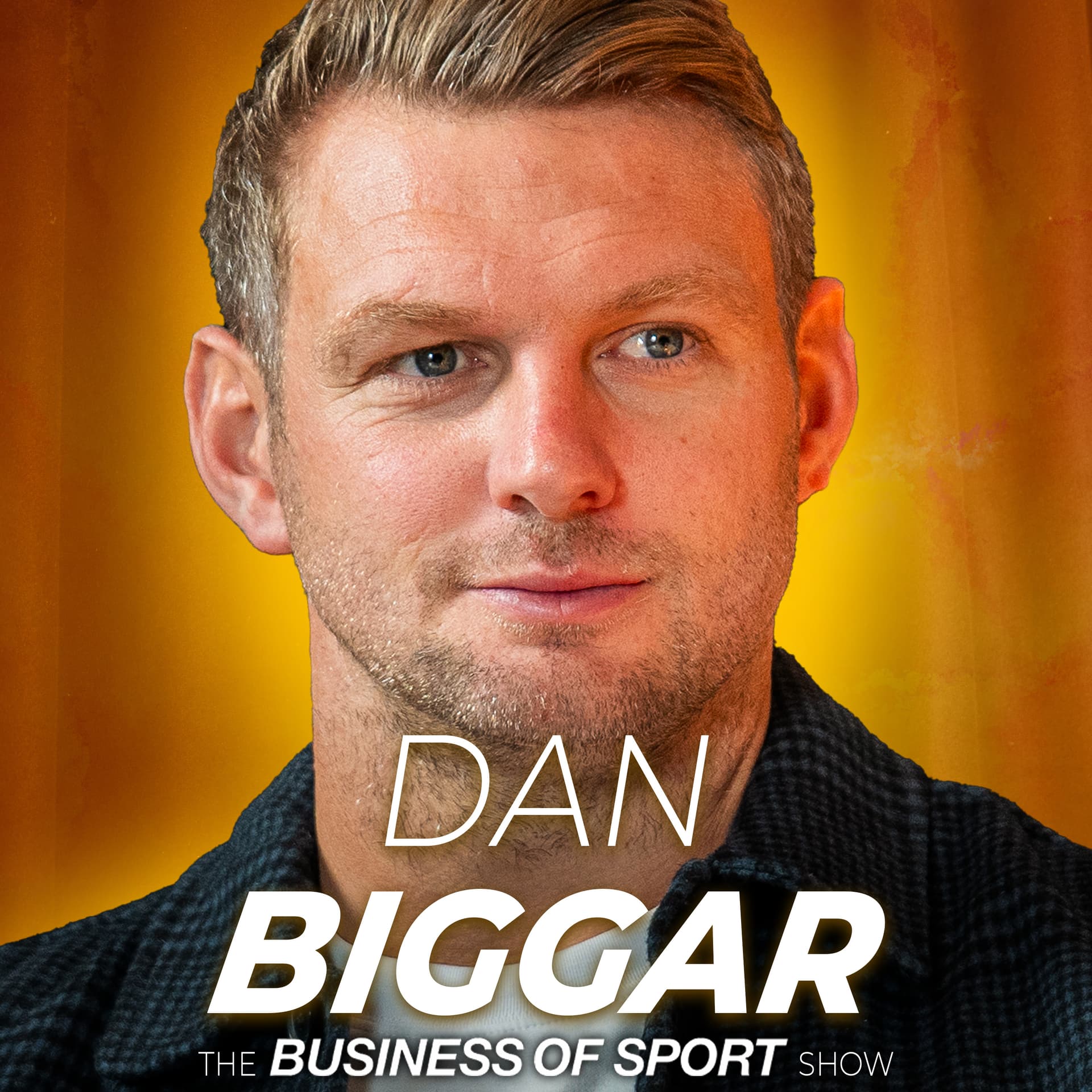
Dan Biggar: The Fight For the Future of Rugby, Wales’s Golden Generation, & The Power of Henry Pollock (Ep.95)
Episode Overview In this episode of the Business of Sport, host Joe welcomes Dan Biggar, a prominent Welsh rugby fly-half, to discuss the current challenges facing rugby, particularly Welsh rugby. They explore financial sustainability, athlete branding, coaching dynamics, and Biggar's personal journey transitioning from professional athlete to media and business engagements.
---
Key Topics and Discussions
The Current State of Welsh Rugby
- Crossroads Situation: Welsh rugby is at a critical juncture, struggling with declining performance and financial instability.
- Impact on Revenue: Continuous losses are leading to decreased ticket sales, merchandise sales, and sponsorship deals.
- "One Wales" Plan: Discussion on the recent restructuring proposals by the Welsh Rugby Union (WRU) and the confusion it has caused among stakeholders.
- Cultural Reset Needed: New head coach Steve Tandy represents a shift towards a more empathetic leadership style compared to previous coaches.
Analysis of Welsh Rugby's Decline
- Failed Reforms: Historical issues in funding and player development have contributed to the decline.
- Dependency on Union Funding: The unique funding model of the WRU creates dependency and stagnation among clubs.
- Leadership Issues: Lack of clarity in leadership has resulted in political tensions within Welsh rugby.
Reflections on the Golden Generation
- Success and Succession Planning: Biggar reflects on the success of the golden generation and the need for effective succession planning.
- Psychological Pressure: The toll of high expectations on players who have been performing at elite levels for extended periods.
Coaching Dynamics
- Transition from Gatland to Tandy: The change in coaching styles from Warren Gatland’s strict discipline to Tandy’s relationship-driven approach.
- Coaching Environment: Emphasis on mental well-being and clear communication in the new coaching setup.
Future of Rugby and Athlete Branding
- Emergence of Player Brands: Athletes like Henry Pollock are becoming cultural icons, which enhances the visibility and attractiveness of rugby.
- Economic Impact: Strong personal brands can drive ticket sales and sponsorship engagement, critical for rugby's sustainability.
- Comparison to Other Sports: Rugby must embrace individuality and storytelling to compete with more dominant sports like football and Formula One.
Life After Rugby
- Biggar's Transition: Biggar shares insights into navigating life after retirement, emphasizing the importance of planning for a second career.
- Exploring New Opportunities: He has diversified into media, sports business, and personal branding while maintaining a connection to rugby.
- Community Building: Co-founding the Sports Business Syndicate (SBS) to foster networking and collaboration among diverse professionals in sports.
---
Key Takeaways
- Need for Change: Welsh rugby requires radical changes in leadership and structure to regain competitiveness.
- Value of Personal Branding: Athletes cultivating personal brands can significantly influence the financial landscape of sports.
- Mental Health Emphasis: Modern coaching must address the psychological needs of players, fostering a healthier environment for performance.
- Importance of Networking: Transitioning athletes can benefit from building networks that help them explore diverse career paths.
---
Conclusion Dan Biggar's insights offer a profound look into the complexities of rugby today, the importance of effective leadership, and the evolving landscape of athlete branding in sports. His personal journey highlights the critical need for athletes to prepare for life beyond their playing days, making valuable connections in their post-athletic careers.
---
Further Listening & Links
- Follow the Business of Sport Podcast: Subscribe on your preferred platform to catch more insightful discussions.
- Investing in Sports: Explore investment opportunities with Stryde to connect with the burgeoning sports economy.
Written by AI. May contain mistakes. Listen to the episode to check what was said.
Transcript
Automatic transcript. May contain errors.0:00For the last two years, clearly Welsh rugby has fallen off a cliff. and people have said this can't go on. Wales can't keep losing from an on-field situation because success breeds success, doesn't it? But you also can't keep losing and not changing things because all of a sudden what's going to be hit is your ticket sales, your merchandise, your sponsorship deals, all these things which are going to go from where they were in the Grand Slam years to where they are now. As I sit here in front of you today, I don't think I've been as happy as a person for a long time. If I'd have finished rugby and not planned anything, we'd probably be having a very different conversation.
0:33The last 12 months I've put myself out there in terms of I found out what I liked and what I didn't like. I found out what I was good at as well because I said to my wife and I said to everyone I'm not doing something for the next 20, 25 years which I hate every day. You look at someone like Henry Pollock. Sometimes you can think, you know, whatever. But he's putting himself out there. Kids want to be him. He's dyed his hair peroxide blonde. People are thinking what's his next celebration? I just think that's so important. You can't have everyone like that but rugby hasn't got everyone like that so that's fine.
1:00If you've got a handful or a smaller minority of people like that, I think it's brilliant for the sport.
1:08Hello and welcome to The Business of Sport, the show that takes you behind the scenes with the industry's leading owners, operators and athletes. Rugby is facing a massive few years. A battle to demonstrate financial sustainability, the need for players to build brands that can compete with sport's biggest stars, a threat to established systems from challenger leagues. It's sink or swim time, if that's not being too dramatic. Dan Bigger is one of the game's great fly halves, though he'd never admit it himself. Over 100 caps for Wales, including three World Cups and a Six Nations Grand Slam, and a two-time British and Irish Lion.
1:44While it pains me to recognise much of this success with any genuine words of congratulations, what we are seeing from him now in his work behind the scenes in the media and wider business world is much easier to support. It's a great example of the real value an athlete can bring beyond the field. As you've just heard, a quite brilliant segment of this chat is Dan opening up on life after retirement and how to adjust as an athlete to a new reality. Yes, this is about the state of Welsh rugby, but it's also a look at the broader game and what needs to happen to ensure rugby can compete for the attention of fans increasingly being pulled in different directions by new and shiny entertainment offerings.
2:20We're delighted to welcome Dan to the Business of Sport. But first, some words from our valued partners. Ever wanted to invest in sports? Ever thought about owning a stake in football, cricket or even Formula One? Well, Stride makes it possible, starting from$5 ,000. For the first time, you can now access exclusive sports investment opportunities from a world-class football club to emerging paddle ventures to the next big thing in cricket or golf. Sports is no longer just entertainment. It's an investable asset. And with rising revenues, global fan bases and media rights booming, the sports economy is one of the most compelling investment opportunities today.
2:59Stride is the regulated digital platform unlocking this market for individuals, institutions and family offices alike. Whether you're looking for yield, exposure to uncorrelated growth or simply want to invest in what you love, Stride is reshaping how the world accesses sports private equity. Ready to step into the game? Visit gostride.com that's G-O-S-T-R-Y-D-E dot com and discover how sports private equity can work for your portfolio. Because investing in passion shouldn't be off limits. Dan, thank you so much for coming. Welcome to Business of Sport. Thank you for having me. It feels a bit strange being on this side of the mic now, not asking the questions and actually being able to give a few answers for a bit.
3:43Well, you're doing so many, aren't you, these days? You know, it's high demand. Well, no, no, I was quite happy that I got the jersey. The jersey was the main thing. I just said when I walked in and I saw it on the table, you saved yourself. Because if it wasn't there, I'd have been walking out the door straight away. It is the reason, as we said, people can't. I'm happy that I've ticked off the jersey. And I mean, when you asked, it was an absolute no-brainer. Like we've known each other. How long have we known each other for now? A year, right? Yeah, a year or so. So like when you sort of messaged and said, do you fancy coming on?
4:13It was like, absolutely. Oh, that is great. Firstly, join the pantheon of Welsh sporting legends that we've had on this show. which you know obviously including Sam Ben Davis yeah Ben as well brilliant great guy we've had we did a show with David Buttress the dragons so you know we've we've had a few yeah a couple of a bit of a Spurs link there as well with Sam and obviously Ben I didn't know that about Sam until I read his book before I did the show I read his book and when he just started talking about he was just saying I named my dog Ledley Ledley after Levy King I'm surprised the dog can walk yeah well I was just he was at Spurs in where was he he was at Spurs in midweek I think he was or something so he's yeah no he's a big Spurs fan so I'm well I'm a United fan so and Swansea and Swansea who you had the guys on last week yep so I can't forget those guys although I haven't quite seen Snoop Snoop and Luka Modric walking around Swansea High Street just yet but there's still time you hope so I hope so I think they get a shot couldn't they there was honestly there was a rumour going around Swansea that Luka Modric remember Leon Britton who used to play for the Swans there was a he's got quite a big house up in the country by the training ground and there was a big rumour there was just I think it was just Chinese whispers but it was basically oh Luka Modric has bought Leon Britton's house sort of thing so they basically just picked the biggest house next to the training ground and said oh Luka Modric is buying it and people were like believing it and running away with it but unconfirmed no sightings of the two of them just yet it's great to see though Money coming into the area, great attention coming in those clubs, the sporting assets, and it comes into something that was the hottest thing people wanted to know about straight off.
5:56But bringing that money into Welsh sports, and particularly the clubs, is great. And it does feed into the first point of why this is actually a great time as well. Not because you're retired now and you're on the second period of your career, which is awesome, and of course we'll talk about that, but the state of Welsh rugby is such a discussion point at the moment. and particularly with the news the other day, the kind of one Wales piece and the clubs that links into one that you are obviously so storied in with Ospreys, it's kind of left people, well, a lot of people I speak to are quite confused as well about what's happening.
6:31Well, that's ultimately the biggest thing. I think, when was it last week? Oh, the week before, a couple of weeks ago when the announcement broke. That was supposed to be a day of clarity and it probably threw up more questions than answers. And I'm a little bit torn between it, if I'm honest, Charles, because for the last two years, clearly Welsh rugby has fallen off a cliff. And people have said, this can't go on. We need change. We need someone from outside the goldfish bowl almost in terms of Welsh rugby, someone who hasn't got the history, the emotional, invested emotionally in the, I suppose, the history of it, really, to sort of come in and make some big radical changes.
7:18So you bring someone like Dave Redding, who I feel a little bit sorry for, to be honest, I think, because everywhere Dave has been, he's had serious, you look at England in 03, in terms of the World Cup, he was part of that squad, the FA, the Olympics. So everywhere he's gone, he's kind of had big success and made some changes and implemented some plans. so you bring someone like him in you know and maybe the two you know I think their optimal solution was sort of the two clubs in terms of you know one in the east one in the west and you sort of think right well okay maybe that okay maybe that is a bit radical and the training centre together and things like that but that's what people were asking for you can either do nothing and things just carry on you know the regions failing the Welsh national team failing and that's not anything new When we were successful, it wasn't like the regions were top every, you know what I mean?
8:10Like when we were winning Grand Slams and Championships and semifinals of World Cups, it wasn't like the regions were nailing it every year. So, okay, fair enough. You think, right, there's some pushback on that. And you kind of think, you accept that, you know, going from four to two is quite a big jump. So they eventually land on three. And I think that's where we'll get into the messaging wasn't great from the union in terms of, But yeah, it just didn't sit right in terms of, there was no clarity behind it. It was like, okay, well, there's three, but there's one going to be in the East, there's one going to be based in Cardiff, and then there's one in the West, but they can all apply for the licenses.
8:46And potentially, you know, in theory, you could have Clenetly playing in, or Swansea playing in Cardiff, which doesn't make any sense and things. So, but you've sort of gone from sort of two as being, okay, everyone's rubbished that and said no. And now you've gone to three, everyone's still not happy and things like okay well we can't go to three we need to stay at four and things like that we say well what was the point of bringing somebody in what was the point of all this all the people saying well we need change we can't carry on like this and I think the problem is that everybody wants change but they don't want to be the ones that that change and it has a knock on effect and ultimately it's probably I saw something that Sam Warburton said actually the other day and he sort of said he doesn't think that 25 % of the players in Wales are probably good enough to be professional standard.
9:34And I don't think that's unfair. I think that's probably not far off the mark. But ultimately as well, especially talking about where we are here today, it's kind of like Wales can't keep losing from an on-field situation because success breeds success, doesn't it? But you also can't keep losing and not changing things because all of a sudden what's going to be hit is your ticket sales, your merchandise, your sponsorship deals, all these things which are going to go from where they were in the, let's just say, in the Grand Slam years to where they are now. So I think it's a really complicated system.
10:13But we're talking about Grand Slam years. And now we're in a situation where for anyone that isn't a Wales fan, it's, you know, a stick and there's laughing about it. And, you know, my God, you won a game. Congratulations. And how many losses? And, you know, is it a really idiotic question to ask, you know, whether this situation that's happening behind the scenes has coincided with the clubs and the national team performing at the level that it is? Because it just seems like it's all happened at the same time. You would think so, wouldn't you? Yeah. But it's funny when we won, let's just say, let's just take 2019.
10:48We won the Grand Slam in 2019. we played Scotland on the Saturday and on Tuesday afternoon we were having a discussion in the team room at the Vale Hotel where we're based about a potential merger between the two teams from the West in terms of the Ospreys and the Scarlets. A couple of years later the talk of the players strike in terms of just before the World Cup and then all of a sudden we go and nail our group in the World Cup and probably should have done a bit better and got to a semi-final but ended up losing to Argentina. so there's always a soap Welsh rugby is a soap opera in terms of there's always something so I don't agree with the sense of Welsh rugby has to be perfect off the field and perfect at regional level perfect at grassroots level to sort of mean that the national team succeeds but you know what it's like as well when the national team and when the top performs and you're, again, going back to you are getting good sponsorship deals, you are getting good prize money, you are getting good ticket sales, things tend to get papered over, don't they?
11:56And I think that's probably where things have happened. You look at the generation of players we had and now haven't got, it's probably the succession planning probably hasn't, or there wasn't enough emphasis on that. And they probably thought that that was just going to continue and continue and continue without maybe putting a lot of work into it. But it's quite a different ownership structure, funding structure, isn't it, in this situation for the people that don't understand or aren't necessarily aware of it. Because unlike a lot of leagues, whether it's rugby or other sports, clubs generally are privatized.
12:32They're owned by an individual or a group and they're the ones that are in charge of financing it. A league or a union won't play a role in financing it outside of doing central deals across media, which are indirect. but in Wales the WRU actually does provide financing for each of the clubs right so I guess like why is that structure why has that been in place in the first place uh mainly because it's the regions probably can't afford but previously they did have you used to have a lot of guys in terms of you always you know a benefactor for want of a better word in terms of who were who Brighton checks at the end of each month in terms of some occasions to clear or the end of the season to clear the debt etc etc and the union sort of well that's not sustainable and also you look at what's happened with the Wasps and Worcester and London Irish in the English Prem but ultimately the union funds the regions because they want Team Wales to be successful and you look at what England are doing a little bit now in terms of their central contracts and things like that.
13:42They're funding more and more into the clubs so that the clubs don't have to take 100 % of the wages on board when they're away for all of November, all of Six Nations, miss the start of the season if they go on Lions or Summer Tour and World Cups, et cetera. So I suppose that that's the general gist of it is that clearly they're trying to help subsidize the regions and so the regions can run their... It's a budget. That's what they're giving the regions. Now, how they manage that budget is up for discussion and have they wasted it over the years and where are they spending it, et cetera, et cetera, is a big thing.
14:19Now, one thing that was... It was all a bit doom and gloom in the announcement the other day and I agree that there was lots of questions which needed to be answered and probably wasn't delivered in the right way. But I do think that one thing that in terms of centralizing the national academies was something that was lost and something that why we're probably in this mess at the minute is because we haven't produced enough good players to come in and replace the players who've been on 50, 60, 70, 80, 90, 100 caps. In your team? Yeah. I mean, you're over 100 caps. You had quite a few players. Quite a few of us in that era, yeah.
14:57Over 100 caps, right? And that's amazing while you're playing it. And while that's been fantastic for the current, it also can be problematic for the next generation because it doesn't afford that development opportunity for some of them coming through. You guys had such a strong group of players for so long and you were playing at the top level for so long that that has had now a negative impact on players coming through. I think there's two ways to look at this. The first way to look at it is it must have been something that was going right at that time because of the investment in the academies, the investment in the age grades, etc., etc.
15:29Because you look at the players that came through in terms of like an under-20s, under-21s team that was back there. Myself, Sam Warburton, Justin Tiprick, Jamie Roberts, John Davis, Rhys Webb, Lee Halfpenny. So you're thinking, well, to produce as many players who've gone on to have 50, 100 caps, Lions, World Cups, etc. That can't be just luck. Or the other theory is, was it just luck that we had a really good crop of players who came together at the right time? But I will say back then it was kind of like the academy setup was properly, properly professional in terms of they invested in coaches going out to school.
16:08So any sort of school break or lunchtime I'd have, I'd be sitting around a laptop with one of the development coaches or going and doing some passing drills and things like that. Now that isn't the case is the bottom line. and ultimately you come back down to everything that sport and business of sport and it all comes down to effectively have you got the finances to provide support for the team to succeed and for the team to thrive and probably at the minute or certainly for the last however long Welsh rugby probably hasn't and I do think that's why that was a little bit of good news which got lost in the announcement and the headlines of the announcement but yeah I suppose I don't know the answer to that question did we just have a good group of players or was the system in place at that point did that allow us to have the players that came through almost a little bit like the class of 92 in a sense in terms of if you want to look at it from a football analogy it was kind of like your Giggs, your Beckhams, your Neville's etc They all came through at the same time.
17:17But then the systems were in place for those players to succeed and go on and achieve rather than, I suppose, set up to fail in a sense. I mean, looking at it now then, you know Steve Tandy, the new coach, was very well. He was your coach at Osprey's, correct? Played with him as well. So I'm sure at my age as well now, yeah. That's right. This is when it starts getting frightening. Played with him, got coached by him, and now sort of sitting down chatting to him, yeah. What's he going to be able to bring to that setup to hopefully change those four years? A huge amount of positivity. And I know that sounds strange when you're coming off the last or the two years that Welsh rugby's just had.
17:56But what he is is a brilliant human being. And I know that sometimes that sounds like, okay, well, I'd much rather have a better rugby coach or a brilliant rugby coach. And to a degree, there's an argument. But I think the demographic of that group now, it probably needs a Steve Tandy type figure rather than let's just go an Eddie Jones, a Warren Gatlin, a Razia Razman, you know, those super coaches. I think what he is, he's true to himself. He brings a great amount of positivity. He's clear, he's concise. And I said this to Steve, and Steve won't mind me saying this. When he was at the Ospreys to start with, he was a young coach.
18:39and he he probably and when you're a young coach or an experienced coach you tend to you think the answer is do more so we'd end up coming in on Sundays and no one wants to be in on a Sunday I don't care who you are what what your profession is any any aspect of life nobody wants to come into work on a Sunday afternoon or Sunday morning afternoon whatever and we'd be dragged in on Sunday to train we'd be there long days Steve didn't treat himself well in terms of he'd be away from his family the whole day he'd almost be sleeping in his office type of thing and it took him a little bit of time to go away to he went away to the waratahs in australia then went to scotland the lions and i worked with him at the lions a couple of years four years ago and he looked a different person you know physically just looked different in terms of healthier and everyone who's been there says how much of a positive influence he has around the group and how much he puts his stamp on things and i think that's the big thing for what steve can do in around the negativity of the off-field stuff in Welsh rugby.
19:39He's been really open and said, because the easiest thing for Steve to do is say, okay, just park that and we'll concentrate on the rugby. But what he's done, he said, look, whatever needs discussing, let's not hide the elephant in the room. Let's talk about it. Anything which we can help and support you with, then let's do it. And I think that's gone down well with the players from a human level rather than just being, okay, you boys have got a job to do. Forget about your livelihoods and potentially what's going to come. And just make sure that you're ready to go as soon as you cross the whitewash for training.
20:14Is it horses for courses? What I mean by that, this group of players needs a coach like that. You guys, when you were playing and you've just spoken about it, at the height of your powers, you needed the super coach and a Warren Gatlin because you had those. Yeah. And that's exactly what it is. You need to find, I think the connection between probably between let's just say a Warren Gatlin because he was in charge before Steve probably that got lost a little bit between the demographic of the players but from the demographic of players we had in those amazing years we needed a coach who was hard on us we needed a coach who probably didn't put an arm around us a huge amount who demanded ridiculous standards of us and you team that up with sort of Sean Edwards, Neil Jenkins, Rob Howley, and you do well and get a compliment in 10 years type of thing.
21:09Even when we were successful, it'd still be sort of work-ons type of thing. But I think that's understanding your people. And I saw something that Sir Alex Ferguson said a while ago. He said, if you don't understand your people, how do you expect to motivate them? And I thought that's struck quite a chord for me because I was like, well, what the group we had needed was tough love, was not really getting too many compliments, trained into the ground, routine in terms of like we knew what the schedule was. There was no need for a schedule to come out. And I mean that in a positive way because it was like, right, Monday was this, Tuesday was this, Thursday and Friday was this.
21:50Whereas this new group probably needs a, like you said, horses of courses, is they probably need a guy to come in and change things up a little bit, invest a bit more time in them, if that makes sense, as individuals. We were characters and we'd been around a long time there. We didn't need people investing a huge amount of time in us as people, if that makes sense. We needed coaches working us hard, training us to win rugby matches. When did you get your biggest compliment? I had a few, I'd say not so complimentary things. I always remember Sean Edwards and we were at 2015, this is about six years into my career now with Sean and it was my first day back in the World Cup training camp so I think I had a week longer than anyone else and we came, we were doing like a passing challenge through the tyre, they put like a tyre hanging from the crossbar and you had to sort of pass it through and things like that.
22:56And the boys had been doing it for a couple of weeks beforehand. And I came back and I said, right, whoever wins this challenge buys everyone dinner or the group who won, got dinner bought for them, sorry. And Sean Edwards sort of said, oh, that's it, boys. Now Bigsy's back, the competitive edge is back and things like that. That's what we like in this team. And I turned around to him. I thought, something quite positive coming out there sort of thing. And you remember that. And I remember that, yeah, because you have to do, you have to work incredibly hard to get a compliment from Warren Gatlin, from Sean Edwards.
23:25And I always laugh. Another thing, like the flip side of it is when we played quarterfinal against France in 2019, we didn't play particularly well. But I was sort of there, managed to get the team over the line in the end, and we won. And everyone was sort of happy at the end of the whistle and coming in the change room, good vibe, just got to a semifinal of the World Cup. And Gat's was in the change room. And he said, oh, you weren't at your best today, were you? And I was like, I said, well, I can't have been that bad. You didn't take me off. And I thought, like, I'm not, like, I bit back a little bit.
24:00And I was like, yeah, I wasn't that bad. You'd have dragged me off after 50 if I was that bad. But I think that was, again, that was kind of, like, his way of, like, not getting ahead of yourself, always keeping the pressure on you. And we responded well to that. Whereas, like, life's changed, isn't it, in 10 years, even from 5 years ago, 10 years ago, 15 years ago life has changed, sport has changed and whereas now it is probably a little bit more how do you deal with certainly younger players and bring them through and I think Steve from all accounts has nailed that changed up the week in terms of schedule so we always used to train Monday, Tuesday, Wednesday off Thursday, Friday, game Saturday whereas now they're doing Monday, Tuesday, Wednesday Thursday off and it just breaks the routine up of the week.
24:51The hotel is only for relaxation type of thing, the team room and food and chilling out. And then the National Centre of Excellence is for the meetings. And almost when you open the door and come to the door there, it's like it's work time, you know, like that's it's you separate. You're separating work from from relaxation time, change obviously how they're going to play some some selection issues and also change the the changing rooms at the principality stages. which I think is a really good move and people have said to me is that going to help Wales win a game of rugby well the answer is probably not if you look at it in isolation the answer is no but it's like okay so they've changed the set up of the week they've changed how they're going to potentially play they've changed the changing rooms etc etc so it's like well you may get 10 % more out of that team because of those little bits it's a small 1 % it's the incremental 1 % 100 % And I looked at it and I spoke to Steve when he said, Steve actually mentioned that.
25:52He said, what do you think about that? And I said, I think it's a brilliant idea because there will be boys in that squad who've potentially played 10, 11 games at the Principality Stadium and they've gone up the stairs in the tunnel, turned left to go into the home changing room. And all they've associated with that home changing room is defeat. Now, all of a sudden you turn right, you go into a new environment, new changing room, new setup, and you sort of, all of a sudden it's like, okay, well, this is new. And it may, again, like Steve knows this as well. Steve knows that results and performances will dictate the narrative around Steve's time and where the pressure comes on him or people say he's the best thing since sliced bread.
26:35But he couldn't have done any more before a ball is kicked in his tenure to make a better environment and a better first impression in front of a squad and a nation who desperately needs probably somebody like him. And I know it's gone a little bit unnoticed, but I think it's like nearly 20 years since there's been a Welsh head coach. And that was always the thing for the England football manager, wasn't it, in terms of like, you know, you had your Capellos, your Eriksons and all these. and it was like basically everyone wanted an English manager, didn't they? Everyone wanted Southgate. Whether it was Southgate or not, they wanted a Southgate.
27:18They wanted a Southgate. But like, you know, you had to go, you got Capello. And I think that's important. And again, that's important where Wales are currently. And Steve made it, also what I've been impressed with Steve, he's got three young girls and they were happy up in North Berwick. They'd sort of found a house, lovely part of the world where they're living out in the sticks a little bit. And the easy option for Steve would be, well, keep the family there, keep everyone happy up there. North Berwick is in Scotland. As in Scotland, yeah. So he's basically always on a golf course. Yeah, but well, I don't know.
27:51Hell of a course. Yeah, I was going to say, I'm not sure Steve is, I'm not sure. I mean, we should play with Steve. We could probably take a few quid off him, actually. I wouldn't imagine he's that good a golfer. Amazing. But for me, it was like, okay, well, the easy option is stay there. whereas he said to his wife and he said, no, like I have to, and especially where Wales are at at the minute, I have to be visible, I have to be seen, I have to be present in and out of the clubs, in the office, whatever it is. And this is not a dig at someone like a Warren Gatlin because that worked for us as a group, that worked for him as an individual coming in and out of campaigns and things like that.
28:27But I just think that, again, the easy option for Steve would have been keep everybody happy from a family side of it, but he's made the decision. He's all in on this. Were there cultural clashes with someone like a Warren, with you guys, based on how certain situations were approached? I wouldn't say there were any cultural clashes. I think you had to understand Warren. You had to know that he would approach things very differently. It was a little bit like one day you could get Warren and he'd be like, absolutely, yeah, no problem, brilliant. Other days it would be like, go and tell the rest of the boys we're not having half a day or we're doing a double day or we're training three days, whatever it is.
Read the full transcript
29:11Basically, get back in your box and go back and train. I'm the boss here type of thing. And like, again, I quite like that because you sort of never really knew where you were in a sense. And he always kept you on your toes a little bit. He always kept you. Yeah, he always kept you on your toes. And so I don't think there was definitely no cultural differences. I mean, I think the New Zealand mindset is very much a winner's mentality, whereas he made a huge difference to Wales as a rugby player nation, but as a mentality. We didn't beat the All Blacks when we played in that period. I mean, I don't think there's any real shame in that.
29:52They were half decent. Yeah, they were half decent. but every single game under Warren Gatlin we went into we believed we could win. Now we didn't win, clearly we didn't win every game but there was not a game we went into thinking we were little whales and we couldn't win and I think that was almost the biggest thing that Warren did from a cultural side. He brought a winning mentality or a New Zealand mentality maybe in the fact that he never wanted to be an underdog going in. As a fan, I remember that no time better. And I still find it slightly triggering sitting opposite you having this conversation because one of the worst results, you know, as a big sports fan that I've ever taken in any sport was 2015 Rugby World Cup.
30:40Do you know what? I actually watched it again before this just to trigger myself again. Were you at the stadium or at home? No, I was at university with my mates. That World Cup was amazing, obviously, because it was in England. And so, and I was at Exeter, we had a few games down next to it. So, you know, we've been to a couple of the games. We actually went up to the Principality to watch Australia-Fiji for one of them. So, you know, you felt so into it. And it was great. But we had that group of death, England, Wales, Australia. And, you know, just on that point, and the reason I say I find it triggering to the opposite you is because, as I was reminded, you know, England lost 28-25.
31:14You scored 23 of the points, including a last minute, well, not last, last few minutes. from half way. I remember we had a Welsh fan in the house watching with us who got up and celebrated so much. I kicked him out of the house. I didn't speak to him. I genuinely didn't speak to him for a couple of months afterwards. But long way to get around to the point I'm making, which was, you know, we looked, I remember looking at that group and genuinely being like, oh, this isn't England and Australia and maybe Wales creep in. Yeah. It was three big teams up there. And that's what I go back to, Charles, in terms of he made us believe.
31:54And that was, you can say what you want about Warren as a coach, technical coach, whatever you want to say, right? People will agree, disagree with how the game is played and how you should play, et cetera. But what he did, he just brought that belief into the group. And it was weird. That summer, he came into his own a little bit because really subtly, again, then we'd be in the gym from... Because the whole sort of... The narrative was, oh, it's the group of death and, you know, England's home World Cup and England will start as massive favourites in that game against Wales. And, you know, everyone says, oh, try and shut yourself away from it, but it's impossible.
32:34It creeps into the camp and you read a paper or social media or whatever it is. And he just, he was so clever. It was like every opportunity he had, so we'd be in the gym and there'd be a whiteboard in the gym And he'd just walk in through the whole gym so everyone could see he was there, walked over to the whiteboard and just wrote on the board, we will be Dingland on the 28th of September, whatever it was. Sort of would leave notes on the dinner tables, we will qualify from this group. And it's a little bit like if you say something enough or if the top guy or the head honcho is sort of showing that much belief, again like we just spoke about with with the one percenters it could have been but that game was very much one percent margins it's amazing game wasn't it when i look back you know like when you're in it you don't really you maybe don't appreciate it um and you don't realize how like when you watch games now you can see like that's an that game was amazing like you know like let's just say like france south africa qualifying of the world cup a couple of years ago like that was an amazing game but then you think of that that had its you know it was so full of drama and yeah and again that was kind of like a bit of a seismic moment for me really as an individual because that probably at a world cup as well it probably like announced me from being a welsh player to a national player then do you know what i mean yeah yeah global let's call it Yeah, from a World Cup side of it.
34:08Don't be modest, you can't say that. Well, I'll let you say it. I teed up for you to say it. But it was great. It was. It was some good time. We had some brilliant times. And that's why, for me, it's been so difficult, like, watching the last couple of years in terms of, you know, where Wales were to where Wales probably, you know, where they are. So tell me, when something like that happens, sport is often defined by those moments and the celebrity of athletes or the success of athletes can often come down to one thing that completely shifts their persona, perspective, fortunes. When that happens for you, you come out of that World Cup.
34:45How did it change your life? It's funny because all of a sudden I had like French teams on the phone to my agent and I had to decide do I want to sort of, do I want to stay? And I'd never, you know, in my previous contracts, it wasn't even an option. You know, there was like, there was no, A, there was no interest particularly, but B, there was also like, I didn't, you know, I didn't want to go. You know what I mean? So it kind of like, even if there was interest, you probably would have squashed it quite early. But all of a sudden then it was like, my dad phoned me the day afterwards because we played Fiji like four days later.
35:21So we hardly had any time to recover and enjoy it. But he phoned me later saying, oh, there's a reporter coming down to the house to do an interview. I was like, what? he said oh yeah there's a porter coming down I said well phone him back and tell him no sort of thing and I was like we were it was a group stage of the world cup we still had to sort of get over the line and qualify from the group and um and then so my mum said the same in terms of how people have been getting in touch want to do an interview want to have a quote and they went to my my school um which I went to Gowden school and interviewed the head of PE and And for me, that initially was kind of like, well, that was strange.
35:59That's something that you only see happen, or I felt like that, you only see that happen to other people. Do you know what I mean? It's almost like people rock up at, I'm talking about a completely different stratosphere, but like say a Gareth Bale school or where Ronaldo went, you know what I mean? I'm never in a million years comparing myself to those guys, but it was kind of something that you sort of watch, you know what I mean? you can only watch that from other people so that kind of felt a bit of a change and then all of a sudden you get a bit more interest from abroad and um i i remember because i was in the middle of renegotiating my deal with the union and um i was outside the hotel on the phone to my agent and i still remember this call to the day that warren you know you know when you're like you know it's like when you're outside the office or whatever when you're trying to have a private call and And you sort of, when people walk past, you sort of turn the other way or your head, yeah, whatever.
36:55You sort of, you give it away straight away. And so Warren was sort of, you know, wily old cat must have realized that. And he walked past because I was on the phone to Tim Lopez, my agent. And he was saying, oh, there's a couple of good offers coming in from France and things like that. And he walked past and he said, oh, just so you know, walk into the hotel, back out and said, oh, just so you know, that contract that we agreed, that's ready to be signed now on Monday. And I was just like on the phone, like I was like, okay, okay. and I was just like he clearly knew that that was kind of like and he'd been around obviously players and things that had gone like that so I suppose it was quite a big jump in that way and I enjoyed the immediate math of it afterwards where I struggled after it was probably about three or four months later when it was no you were no longer average player or the going under the radar player, everyone expected you to play at that level every time you stepped on the field.
37:56And that actually for me was quite difficult when I almost had a break or gave it a bit of time to come back to it. And then it was like, right, well, the pressure's on you to perform. And you're almost like, you're almost like, you're almost other people's property then, in a sense, you know what I mean? And everyone just thinks, oh, that's the level you'll be at forever type of thing. And was that coinciding with broader public attention and where you're having to think about yourself outside of rugby, the pressures of being exposed to public, to broader media, where previously you could have just, as you said, felt like, and as Sam often says, you felt like he was just in his little Welsh village and never felt like he was a celebrity outside of it.
38:35I think there's a definite element of that. And admittedly as well, Charles, I never want, and I mean this in the most respectful way possible, I never wanted to just be, how do I phrase this? I never wanted to just be like known in Wales or wanted to just be happy sort of living in Wales my whole life and things like this. I wanted to broaden my horizons. I wanted to be being able to do things in London, to be doing things in Paris or, you know, Dublin, whatever it is type of thing. And so I suppose from that side of it, there's an element of it was nice while I had that, while it was quiet and it was known.
39:14But then there also was an element of thinking, well, I wanted more for myself. And where do you get more for yourself? Probably in bigger cities with more opportunities, more financial opportunities, et cetera, et cetera. And you've got to make hay while the sun shines. Well, that's it. That's it. And I think I re-signed that contract in the end because I felt like it was my time in the limelight. and if I'd have moved, I may not have been able to carry on playing international rugby. So I decided to stay because I was, you know, I was in a good spot in that space. And I always find, I always used to love, and I mean this, like I loved contract negotiations because it was like, it was basically a game of, it's a game of poker, isn't it, effectively?
40:04How did it work with you? With the WRU? So the WRU, yeah. so it was kind of like there there was like um there was like a limit of what they would want to pay and then it was like well then it was like oh do they pay the agent's fees and i wanted to i wanted to i wanted uh i got a bit cocky at that point i thought after the world i thought well i want a car i want a car thrown in as well so yeah yeah um one for tim as well for tim yeah uh so i ended up getting it but then it was like you know the the benefit in kind i was going to get done on Benefit and Kind. So I was like, well, I want that covered in my contract and things.
40:40So anyway, we kind of got there in the end. So it was basically sort of back and forth. GATS was actually quite involved with those contract side of things. And I have to say, especially talking about this side of it, I loved, I mean that, I loved contract negotiations. And you don't need to give, obviously, exact numbers, but what kind of size of contracts are we talking about at this time? So you'd be looking at sort of what I have been there low hundred thousands there in terms of that in terms of that would have been somewhere where I where I would have signed and um in in that sort of in that sort of area yeah okay and if we're then going to put the attractive part of an opportunity to go and play in France I think you have to be looking to towards towards double doubling that if you're if you're going to give up international rugby if you're going to move abroad if you're going to do all that side of it.
41:32So, yeah, I think there's an element of that. And, again, I think that's probably a double. You probably look at it. You have to double that. Warren always said for you to be probably having a conversation about you looking to go outside of Wales where potentially you don't get looked after in bracket. Because I have to say in my time in Northampton, I couldn't have been looked after better. and I get onto that because those types of offers that we're just talking about, I think it's really disingenuous for me to sit here and say, right, I always wanted to play for Northampton. The answer is I respected Northampton as a club, didn't know anything about the town or anything like that, right?
42:17So the initial offer to get me to be interested in Northampton was a financial offer. and that's generally how like that's how business sport life generally works if you work whether you work in tesco's accountant a rugby player football player whatever it is so like i always whenever i get asked about this i always think it's really important to be like straight up about it because i felt like that was the that was the point which i got okay well it that sort of pricked my ears up a little bit and it got you interested i always always laugh when um tim again we uh we sort of chat in and he sort of says okay well northampton are interested and i always say okay well it's got to be around this figure to to get it done and like phone went back like two minutes later and they were like yeah yeah that's fine i was like i should have gone higher um but anyway you think they would have gone yeah right maybe i don't know i could have maybe squeezed a bit more You got cocky on your contract negotiations.
43:16Yeah, but anyway, sort of signed it. And again, it was kind of like, right, that was the initial offer. Then when you get to the place, when you train, when you get to know the people and you get to know the town, the supporters, everything, like for me, honestly, I fell in love with the place. And it was full of good people. It was a well-run club who never stretched themselves in terms of the salary cap and always sort of, you know, their loyal supporters in terms of had good season tickets. So they were a well, well-run club, really well-run club with good people there. And that reflected, it was a young group when I went in and I think that was perfect for me because, again, if I'm honest, Charles, I probably thought, right, I've signed a really good financial deal here.
44:04do I go up there and coast in between international campaigns could have been again the easy option to have done and I'll be lying if I thought before I arrived for the door that that could potentially slip into your mind but the minute I got in there I didn't care if I was the highest paid or the lowest paid it was about working hard they had a young group of young English young English players you guys like Alex Mitchells your Rory Hutchinson's your Fraser Dingwall's Tommy Freeman's all the guys who are basically Lions and started for England now five years later and that made a huge impact in me in driving me every day like I wanted to get better every day like those guys were playing for better contracts more game time international honours and like I felt like by the end of that or in amongst that time I was learning from them as much as they were potentially learning from me.
45:01And honestly, I mean that. The initial offer to get me there was financially driven. But as soon as I walked through the door, when you're earning good money, sometimes it's easy just to put your feet up and kick back and relax. And for me, it was the opposite. I felt like when I was, because I was earning good money and I was, everyone knew that I'd signed a decent deal and things. Then all of a sudden it was like, well, you're going to be held on a different, pedestal to potentially someone who's just starting out their career and things and we did it's called a Blackerson challenge which is what it's, Freddie Blackerson a guy from the war in terms of Northampton played for the Saints and it was basically like a 2.5k run, a sandbag challenge sort of thing and then another 2.5k run to finish and we did it on like a boiling hot day in Northampton and surprisingly enough there was one boiling hot day I had up in Northampton when I signed there and I thought to myself right I thought, before this, I thought, I've got to do something here.
46:03Not because the perception was any different, but I thought, I've got to prove this. The easy option, again, would be to coast through, just do it at a respectable time. But I thought, I'm going to absolutely go for this and prove to people that I'm not here just for a paycheck. And I sort of went for it, won it. And I think from that day, people realized then, And it was like, okay, yeah, he's year four, working, getting better, improving the team for the supporters, for the town, rather than just picking up a paycheck. Going to use it as a segue to look at Premiership, because it's obviously had an interesting last few years, to say the least, with a number of clubs, as we mentioned, coming into trouble.
46:45But it's also certainly got a feeling now, and we spoke to Simon on the show, the chief exec of Prem Rugby. Must get it right now. Sorry, the terminology. Prem Rugby. Prem Rugby, yeah. You know, where it's moving back in the right direction. You've had Red Bull invest in Newcastle, which is obviously a brilliant brand to get involved in it. And you've got some real competitive balance where different teams are capable of winning and it feels like it's a great product again. Yeah. So I'm not even sure where I can find the question in that. How do you feel about a whole Prem situation at the moment?
47:21I think the Prem is probably missing a couple of teams. and I think they'd be the first to say you probably, like a 12 team league is probably where it in terms of, you're probably one game short a weekend, especially with, and I mean hopefully the Red Bulls with the investment there will get Newcastle back up, but you look at it at the minute it's probably got, whoever Newcastle are playing currently, you're probably thinking, oh that's probably the one game where you're thinking, right well it's going to be a comfortable win for whoever's playing them in that space now that will change I'm sure with the investment and and everything but what I will say is that the Prem and what TNT do with it they make it an amazing watch and an amazing product and you've got great rugby grounds traditional rugby grounds in terms of probably apart from apart from Bristol maybe which have got a big I'll call it a football stadium at Ashton Gate but it's not a huge, you know, it's not like it's a 50 ,000 or whatever.
48:21It's great rugby grounds. They've got a good team there. They promote the game brilliantly and it's just an easy sell. And I think a reflection of how they're strong and how strong they are is that basically everyone wants to kind of get into it. You know, the Anglo-Welsh has been talked about. Wales would absolutely love to put their two, three teams into that, which felt like it would be a perfect fit. But this is something I always think is right to say. It's easy for a player supporter such as me, for argument's sake, to just pass judgment and say, okay, well, why the hell aren't the union doing this or why aren't Prem Rugby doing this?
49:08Because there's so many sort of obstacles in the way, whether it's contracts of leagues, whether it's agreeing with directors of rugby or shareholders or whatever it is. And it's like, well, and you know clearly far better than me that things don't just happen overnight and things aren't just like, okay, well, one person says it happens and it gets done. Yeah, it's the old bureaucracy in sport. Yeah, exactly. But what I do think is that they've got, and I love, I think the salary cap is great because it takes like, and I'm a huge football fan but there is no way that Burnley can win the Premier League you know what I mean and I know Leicester won it those years ago but that I mean anybody realistically thinks that that can happen once in a lifetime sort of thing and that's no disrespect to Burnley it's just that the budgets that you're operating on from Burnley to an Arsenal or a City or a Liverpool or I was going to say United then but let's take it one step at a time Don't get carried away, right?
50:10We've had a couple of good weeks, so I'm a little bit giddy now at this offer. Oh, God. But that's what I do think the Prem have done really well in terms of that salary cap. It's made it really competitive. And Bath are by far, in a way, the strongest team at the minute. But you look at sort of the last few years in terms of Bath winning it, Northampton winning it, Saracen's winning it, Quinn's winning it. there's been a bigger dispersion of winners rather than just one team winning it all the time. And I think the matches are competitive. There's not, like I said, probably apart from the Red Bulls, there's not a huge amount of matches where there's big blowouts in the league.
50:53How competitive would the Welsh teams be if we did manage to find a way to get them in, do you think, at present? I think currently it would be a bit of a struggle if they're the four teams. Because you look at the URC, which is a competition that the Welsh teams are in with the South Africans, Italians, Scottish and Irish. And three out of the four regions are occupying the three bottom spaces. So you'd have to say at the minute it's tricky. And again, this goes back to sort of my layman's terms would be like, well, go down to two teams and get them in the prem. Simple, fixed, everyone's happy.
51:32but clearly it's like okay how do the teams get cut to two who loses their jobs who pays it how do you get out of the URC contract and things like that so there's all those those things but if you're asking me a question on how competitive they'd be as it stands currently I think it would be a bit of a struggle if you broke it to two teams the quality in those two teams I think they'd be I think they'd be relatively competitive in there I'm not saying they're going to be probably competing with your Baths and Northamptons and Saracens maybe but I think they would add value to the league I ask it because from my view and it's a bit of utopia but I also think if you apply just broader business if you really want something enough if all parties want something enough get it done particularly when it's regulatory from a governance perspective just find a way to make it work but if it's about a protection of product if it's about quality control if there are things behind it like creating the best level of performance across a division then I understand that that's different and you don't want to compromise.
52:33But also as well, I think it's a fair argument or something I've seen. It's like, well, why the argument is, okay, well, if the Prem want to open up and maybe have a couple more teams, Wales currently have got four, potentially going down to three if they get it done. Well, the argument is like, Scotland have got two teams. So all of a sudden it's like, well, why can't Scotland, Scottish teams come in there? So it's like, if the argument is for why can't you have a couple of Welsh teams in, the argument could be the same as like, why can't you get the Scottish team? You know what I mean? It's like, yes, because I'm Welsh, it would be great.
53:09I'd love to have Welsh teams in the Prem. And, you know, the proximity in terms of Bristol, Gloucester, Bath is great. But then, again, you could argue from a Scottish point of view, Glasgow and Edinburgh, Salem, Newcastle are, you know, not probably the same as sort of Cardiff, Bristol type of thing, but not a million miles away. So I just think it's really complicated. And again, that's the thing I found coming into my second career, as you mentioned. In a rugby or a sporting environment, certainly from a team perspective, it generally works that one person decides something and it happens like that.
53:48So if you go to Steve Tandy, for how I'm saying, in the Welsh squad now, and you say, Steve, players want a day off tomorrow, he either says yes or no and it happens. You go to, and I found this from working with brands or pitching ideas or investment, whatever it is. It's not very rarely is it just pick up the phone or speak to one person and they'll say yes or no. It's got to be run by this team and that team and the other team. Then they've got to send an email copying everyone in. Then they've got to come back. And all of a sudden, you're like four weeks down the line. And this isn't a criticism.
54:23This is just the way it is. and this that is something i found quite difficult in in this part of my career because i'm so used to whether it be a contract negotiation whether it be a question of we want more time off we want um better food we want can we do this can we do that so often in the last 19 years it generally has just been speak to one person and he or she will say yes or no but the key thing we try and do is you know make decisions as quickly as you yeah as you can yeah no nobody's saying rush in rush into things and just be yeah yeah do whatever you want but lean lean decision making processes right you don't need to swamp it with lots of people the reason most people do it is because they need validation on their decision because there's often a concern about what if i make a mistake doing this and so it's vetted and it's vetted and particularly in sport we know the scrutiny is going to lie if you make a mistake it's very public in general if it impacts lots of people so i'm not saying i don't understand it but it's certainly again the bureaucracy of sport is something that holds it back massively and it does in rugby and it comes into now you know you're talking about the next phase of your career and you know how how to adapt particularly from an athlete's perspective you know this is something that's really interesting it's a transition point of how do you now move into an environment where it is very very different to the one that you've operated at the highest level in for 20 years when you're at the top of your game from the sport if you're in a position where you can probably probably demand a bit more of other people or give people ultimatums a little bit and that's what I used to love in again I mean that I loved contract negotiations because you felt like because sometimes you were the one not in the ascendancy but there was other times where I was 100 % in the ascendancy and it's nice to always find when you're playing poker and you're almost bluffing something you've got to hold the cards at some point you can't just bluff and bluff and bluff you've got to hold the cards at some point and when you've got the cards you've then got to sort of go all in on it break it down for me you've you know you had a great and we should just mention it because you had a great you've had a great couple of years uh out in france yep uh you retired recently you've very sensibly decided to stay out in france with the family tell us about that transition it's not an easy one not an easy one if you don't prepare because as I sit here in front of you today I don't think I've been as happy as a person for a long time so and what I mean by that is if I'd have if I'd have finished rugby and not planned anything or not done anything or whatever we'd probably be having a very different conversation in terms of how I felt and where things were and what I was going to do and things like that.
57:10And I think that's why a lot of people will, a lot of rugby players, for example, I can't comment too much about footballers and other sports, but that's why a lot of people would just stay in rugby and find a coaching role or a role in an organization because they're almost institutionalized a little bit and you don't really know what else is out there and what you're good at, what you like, what you don't like. So for me, the last 12 months of my contract or last 12 months of my career, And I think as well, where I was good, I accepted that I wasn't the same player in the last 12 months of my career than 10 years ago, six years ago, four years ago, whatever time frame you want to put on it.
57:51So I said to myself, well, I can either fight it and try and make myself that player again. You know, I had some issues with my back and I physically wasn't the same, but, you know, when you get to, you're not the same player at 35, 36 as you were at 25. life and there's so many players in the sporting world who can't accept that so they're sort of thinking i have to get back to that level i have to keep going and keep going and keep going and i sort of i took my i took a little bit of the foot off the gas from the on-field stuff not not when i was training not i gave absolutely everything to the last minute but the last 12 months I put myself out there in terms of I flew back to back to London on days off I took meetings with people who it could have gone absolutely nowhere or you could be employed by them the next day I spoke to people I found out what I liked and what I didn't like and I made sure I found out what I was good at as well and what I was not good at because I said to I said to my wife and I I said to everyone, I'm not doing something for the next 20, 25 years, whatever it is, until proper retirement kicks in, which I hate every day.
59:06I said, I'm not doing it. So I'm going to find something which I'm A, good at, and B, enjoy, and I'm going to sort of go into that. So I've got lots of, and I've tried to keep it quite diverse as well in terms of the media side of things is generally going to keep 75 % of the, everything sort of works around that. And then all of a sudden you come, you know, the brand work and potentially speaking gigs and, you know, all those bits and pieces come off the back of generally keeping yourself in the limelight and things like that. But I love the media side of it because I, similar to when I'm playing, I feel like there's so much I can give.
59:47And people will say, well, why don't you go into coaching and give that? And the honest answer is I've probably, that is one option. I've taken the easier option because I don't think for one minute the job that the media guys do is a million percent easier than what coaches have to do. But I said, if someone said to me, like, you can coach 8 a.m. till 3 p.m. Monday to Friday, I said I'd snap your hand off. I'd love to do it. But that isn't what coaches do anymore. And I said, well, that was never anything I did in the last 12 months. I never looked at doing any coaching badges or qualifications or anything.
1:00:27So when you're behind the screen this way, you've got TV angles, you've got slow-bos. Since I've retired, I haven't made a mistake. I've been perfect in every single thing. Honestly, I've never made a mistake on a rugby field since I retired. And I said, well, I wouldn't have done that. I wouldn't have taken that option as I'm slow-moing it back and things like that. So there's that. but I've yeah just a real nice bit I've diversified quite a lot it's so important now players are brands in themselves right yeah they are often in sport what we're seeing more and more they're as big or sometimes bigger than the badge that they play for and that can be massively beneficial for those brands it doesn't always need to be in conflict yeah I mean you had your big arena but all jokes around it and I can see you probably love it right no I really love it yeah as I'm squirming yeah but all jokes aside even having something like that then you have people copying it you have something people associate you with maybe you have a brand that jumps on it like Crouchy with the robot and suddenly pops up in adverts doing it a great example of that at the minute is like look at someone like Henry Pollock right and sometimes you can think you know whatever but like he's putting himself out there kids want to be him kids and all of a sudden like people want to dye your hair it's a bit like he's dyed his hair peroxide blonde people want to be him his celebrations people are thinking what's his next celebration and I just think that's so important rugby needs it you can't have everyone like that but rugby hasn't got everyone like that so that's fine if you've got you know a a handful or a smaller minority of people like that I think it's brilliant for the sport and like people I agree with you, Charlie, in terms of people generally, people buy tickets or season tickets or merchandise or whatever for, could often have the name on the back, don't they?
1:02:22You know what I mean? Whether it be a Ronaldo, whether it be a Messi and these guys, yes, they're probably, you know, their team preference is Barcelona or Real Madrid or whatever, but you're buying it on the back and things like that. And I just think, again, not comparing anybody in the rugby world to those guys, but I just think how valuable Pollock is to say Northampton on the field because he's a brilliant player, gives them so many options in terms of how they play, et cetera. But he's attracting the new demographic of fans. I'd love to know the stat. I don't know the stat, whatever, but how many shirts have they sold with Pollock on the back or, you know, like tape on that?
1:03:09You know what I mean? Like, oh, how many are like the, I just think it's so important that you, you don't just value a player in what they, what they bring to you on the field. Clearly that's the most important thing and that's their, their first port of call. But you look at someone, he's a really good example at the minute in terms of, in terms of what, how valuable is he to you in terms of tickets, sales, season tickets, merchandise, jerseys, etc. But it's why calendar alignment is such an important thing to figure out. And we talk about this all the time, every time we have an executive on here.
1:03:43And I know it's got better in many ways, but I looked last weekend, you had England, Australia, the same time as you had Saints, Quint. And so Pollock, who a lot of people will be now turning out to, because we have this culture, as you said, where we're buying the back as much as the front. If he's not playing in those games, we're missing some of our biggest stars in the league to lose them to an international game. It's just such a challenge for then some of those clubs to be able to build around that because you have to have your stars available. Yeah, what they have done and the Prem this year because of probably helped, helped in a sense, it's not the right word, but the consequence of losing Wasps, London Irish and Worcester has probably allowed them to take more breaks.
1:04:26So the game last week, it was like the Prem Cup game, which is sort of like the second tier competition, but still attendance-based and everything like that. So there tends to be not a huge amount of games. I think there's one game during the autumn calendar and maybe one during the Six Nations calendar so that at least then those teams are not competing with, you know, in the Six Nations, England-Ireland or England-Scotland or whatever and England-Australia in the autumn. So I think there's an alignment, more of an alignment from that. but I do think it needs to be that's the next stage for Rugby Union yeah can it align in terms of whether it's the global season whether it's in terms of how they however they do it but I think that's the next stage of it so what do you think when conversations around things like R360 come in?
1:05:15well for me like I don't know and again I always think you know when you don't know the full ins and outs of things it's always difficult to comment but on the face of it and I think from a player's point of view absolutely go and cash in go and get what you want, do whatever you want like players have got different motivations and if that's what you want and you're going to get paid well to do it, go and do it, there's no issues from my end the only thing I'd say from the R360 thing is I can't see anybody else winning does that make sense? The players are going to get richer and good luck to them no problems, by all means go and take the good contracts and things if that's on the table and whatever but who else like so who else is winning from that because the prem isn't winning because they're taking you know then well again with all due respect they're going to be taking the best players and the most high profile players the supporters aren't winning because they you know in these times people can't go to dubai or rio or new york or whatever to go and watch their favorite players and they're out of south out of mind and then all of a sudden sponsors in the prem or whatever, USC, whatever.
1:06:25I sort of think, well, if we haven't got Siakalisi playing or Finn Russell or Finn Smith or whatever, it's like, well, that's not helping us either. So for me, and again, this is me with a bit of a layman's view, so please anybody correct me if I'm wrong here, but on the face of it, without knowing the ins and outs and the details, which I think, again, is a problem, because if they'd have come out after 6 and just said, right, it's X, Y, and Z, and that's how it's working, everyone will be like, okay, well, there's benefits there, there's benefits there, disadvantages there. For me, I've got no doubt they would do an amazing job in terms of the weekends and the stadiums and the cities and the whole party of it type of thing and the whole circuit of it.
1:07:12But it's like, okay, well, how do you then grow if you haven't got a base as such and a team who you really support? it's a really tough sell to to do that but you know i'll i'll i agree in the sense that rugby needs to embrace something like that is that the answer i i don't know but i think it needs more probably more explanation and and bits and pieces like that so final one for me we've talked about the career we've mentioned what you're moving into now what do you think is next for you you've got 75 % of your time media what's the other 25 % where are we really trying to build out that value I think trying to have people see Dan Bigger as not just Dan Bigger the rugby player so I've sort of co-founded the like SBS which is a which you're in as well Charlie aren't you you're a member of it and it's sort of like an online community sort of thing of so you've got sort of all the like global voices from different sort of different communities, different sort of different ways of life, whether it's business, athletes, et cetera, and coming together.
1:08:25And it's basically like a, think of it like a vertical LinkedIn, in a sense, you know what I mean? It's just about connecting people up. And that's been really important for me. And I've really enjoyed that because I've, again, what I go back to what I said not so long ago is that first, that last 12 months of my career, that was invaluable because all of a sudden you're in a group with people and you're like, okay, does anybody know somebody or can anyone help me find somebody in, I don't know, advertising or podcast or whatever it is or America or Brazil or whatever it is. Why I found it really interesting is that we're, as a human race, we're not great at asking for help, are we?
1:09:10Do you know what I mean? It's almost like asking for help is a weakness. and I think for me that's what I've found has been really good with the SBS it's it's just been like that's what it's there for it's a community of people from different whether whether you're an ex-athlete whether you're a CEO whether you work in finance podcast whatever you are it's a great mix of people connectivity and you can all of a sudden then it may lead to one or two meetings which then may lead to a deal or a job or whatever so I've just found that really interesting i hit a bit of a and that's why i got got involved with it because i realized that the last 12 months of my career i needed something like that but also i've probably been quite lucky in terms of i have met a lot of people over the years and i've managed to pick up some good work with like we said media brand work doing some some i'm doing some sort of leadership speaking as well and the leadership speaking isn't me telling you this is the way to lead and anything you say is different is wrong.
1:10:11It's kind of passing on experiences of what I've learned from Sean Edwards, Warren Gatland, Lions, Wales, et cetera. But going back to the SBS, it's kind of like, yeah, that's kind of hit a bit of a chord with me in terms of, well, that's effectively what I've done for the last 12 months coming out of a career where I've been lucky to meet a lot of people. Now, a lot of people may not have as many people who they've been able to call in some favors or any chance you can help me with this. And And this is what the SBS gives you. So, yeah, I suppose the best way is like a vertical sort of LinkedIn community.
1:10:46And that's been really great. And I'm really looking forward to sort of like, I love the analysis side of the game. So, like, that's something I'm really quite passionate about in terms of being as good in that space as possible. And just keeping it nice, you know, having some nice brand work. And that's kind of like where I think my best skills are. And that's what I've said. Like, what am I good at? And I think I'm quite good at interacting with people and being able to sort of, I'd say I'm a much better interacting in person than, you know, some people are better on social media by all means.
1:11:24But that's something I've embraced a little bit as well. During my whole playing days, I didn't touch it. I wouldn't touch it. But you realize again, through things like SPS, through things like speaking, through things like commercial stuff. It's part and parcel of the game these days. Whether you like it or not, that's where things are. Look, we could talk about all of this for three hours plus, but I think it's been fantastic and I so appreciate it. Talking honestly around the whole game, but also looking at you as well. It's a brilliant way to do it. And I love all the media stuff that you do, even if you did cause me a lot of angst while on the pitch.
1:12:05It's so nice that you're such a good guy. So at the end of it, hey, there's something at the end. You can say something different. But seriously, thank you so much for joining us. I'm absolutely loving it. Thank you for having me, Joe. I've loved it. Really enjoyed it, mate. Thank you so much to Dan for joining me today. There was a lot of ground covered and quite honestly, we could have gone on for hours, such as the volume of rugby chatter at the moment. I don't know about you, but personally my favourite part was his honesty around retirement and what it has been like transitioning from the intensity of being a professional athlete every day to the new reality of a second career.
1:12:42He speaks so well around the game. It is not hard to see why broadcasters and podcasts have been quick to get him involved. Few are in a better position to talk about the game from both a Welsh and wider rugby perspective. If you enjoyed the show and are keen to see more of what we do, please like, subscribe, follow and comment across our various business of sport platforms including YouTube and Instagram. As I'm sure you know from many of the other podcasts you may listen to, this massively helps us elevate the profile of the show and continue to bring you the best conversations across sport.
1:13:13A big thank you as always for tuning in and we'll see you sooner than usual tomorrow for a very special Ashes show. But before we leave you, some words from our valued partners. Ever wanted to invest in sports? ever thought about owning a stake in football, cricket or even Formula One? Well, Stride makes it possible, starting from$5 ,000. For the first time, you can now access exclusive sports investment opportunities from a world-class football club to emerging paddle ventures to the next big thing in cricket or golf. Sports is no longer just entertainment, it's an investable asset and with rising revenues, global fan bases and media rights booming, the sports economy is one of the most compelling investment opportunities today.
1:13:56Stride is the regulated digital platform unlocking this market for individuals, institutions and family offices alike. Whether you're looking for yield, exposure to uncorrelated growth or simply want to invest in what you love, Stride is reshaping how the world accesses sports private equity. Ready to step into the game? Visit gostride.com that's G-O-S-T-R-Y-D-E dot com and discover how sports private equity can work for your portfolio. Because investing in passion shouldn't be off limits.
From the publisher
Rugby is facing a massive few years. A battle to demonstrate financial sustainability, the need for players to build brands that can compete with sport’s biggest stars, a threat to established systems from challenger leagues; it’s sink or swim time, if that’s not being too dramatic.
Dan Biggar is one of the game’s great fly-halves (though he’d never admit it himself): over 100 caps for Wales including 3 World Cups and a 6 Nations Grand Slam, and a 2-time British & Irish Lion. While it pains me to recognise much of this success with any genuine words of congratulations, what we are seeing from him now in his work behind the scenes in the media and wider business world is much easier to support. It’s a great example of the real value an athlete can bring beyond the field. As you’ve just heard, a quite brilliant segment of this chat is Dan opening up on life after retirement and how to adjust as an athlete to a new reality.
Yes this is about the state of Welsh rugby, but it’s also a look at the broader game and what needs to happen to ensure rugby can compete for the attention of fans increasingly being pulled in different directions by new and shiny entertainment offerings.
Timestamps:
00:00 Intro
05:49 The Current State of Welsh Rugby
10:13 Why Wales’ Rugby Results Have Declined
12:17 Inside the WRU’s Unique Funding Model
17:26 What Steve Tandy Brings to Wales
20:14 Why Gatland Worked Then
30:26 Inside the 2015 Rugby World Cup ‘Group of Death’
34:31 Life After a Defining World Cup Moment
46:37How Dan Biggar Views the PREM Rugby Today
50:53 How Competitive Are Welsh Teams Right Now?
54:54 Moving Into a New Environment After Rugby
01:00:52 How Personal Brands Shape Today’s Athletes
01:03:37 The Scheduling Problem Facing Club & Country
01:07:37 After Rugby & Media: What Comes Next?
On today’s show we discuss:
The State of Welsh Rugby:
Why Welsh rugby finds itself at a crossroads. From funding issues to failed reform and player development.
The controversial “One Wales” plan, the fallout from the WRU’s regional restructuring proposals, and why leadership and clarity remain missing.
Inside the WRU’s unique funding model.
Why this structure has created dependency, stagnation, and political tension between clubs and the national setup.
Why new head coach Steve Tandy represents a complete cultural reset for the national team.
The Biggar Years & Playing at the Top:
What went right during Wales’s recent golden generation and what went wrong since.
The evolution from Warren Gatland’s hard-edged discipline to Tandy’s empathetic, relationship-driven leadership.
The psychological toll of success and expectation, and what it really takes to stay at the top for nearly two decades.
How contract negotiations, club moves, and personal ambition shaped his career.
The Future of Rugby & Athlete Branding:
Why players like Henry Pollock are the future of rugby, as entertainers and cultural icons as much as athletes.
The value of player branding in driving ticket sales, sponsorship, and engagement in a sport fighting for relevance.
- Why rugby must embrace individuality, storytelling, and innovation to compete with football, Formula One, and the NFL.
A huge thank you to our amazing partners on the show:
Stryde
Bringing sports investment opportunities to your door. Visit http://www.gostryde.com to become part of the movement!
SBS: Follow in Dan’s footsteps & join the community powering connectivity in sport https://www.sportsbusinesssyndicate.com/