
In short
Business of Sport Podcast Episode Summary
Episode Title
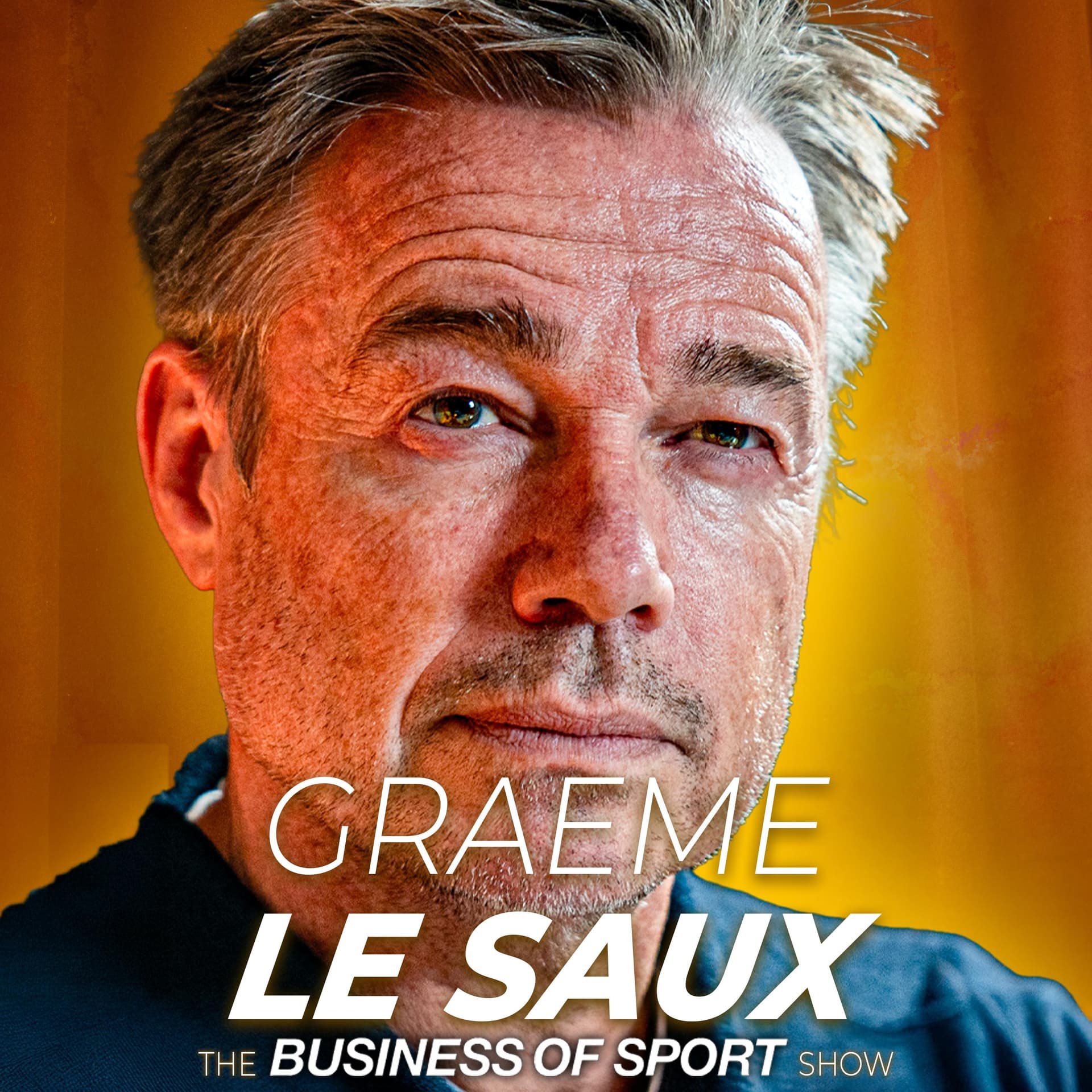
Graeme Le Saux, Fmr Chelsea & Blackburn Player: ‘Big Money Transfers Can Break Players’ (Ep.88)
Episode Overview In this episode, Graeme Le Saux, a former professional footballer who played for Chelsea, Blackburn, and the England national team, shares insights from his playing career and discusses broader issues affecting modern football, such as player transfers, financial pressures, and the evolving landscape of the game.
Key Themes and Discussions
- Evolution of the Premier League
- Le Saux reflects on the changes in the Premier League since its inception.
- The impact of television revenue and sponsorship on the game.
- The shift in player salaries and expectations over the years.
- Pressure of Transfers and Player Value
- Discussion about the psychological impact of being a high-value transfer, as Le Saux himself was at one point.
- The challenges players face when adapting to new clubs, including family dynamics and team culture.
- The increasing power of players in negotiations, especially with the Bosman ruling enabling free transfers.
- Club Investment vs. Success
- Le Saux shares insights on Blackburn's journey to winning the Premier League, emphasizing that success is not solely about financial investment.
- The importance of club identity, management, and team cohesion in achieving success.
- Player Education and Life After Football
- The need for better education and support for players regarding financial management and life after their playing careers.
- Personal anecdotes about his own experiences managing finances and preparing for life post-football.
- The role of clubs in fostering a supportive environment for player development beyond football.
- Social Media and Player Scrutiny
- The impact of social media on players, both positively and negatively.
- The challenges of public scrutiny and the need for players to manage their online presence effectively.
- American Football Coverage
- Le Saux discusses his experiences covering Premier League football in the U.S. and the growing interest in the sport in America.
- Insights on the future of Major League Soccer (MLS) and its potential development.
Key Takeaways
- Mental Pressure: High transfer fees can create significant mental pressure on players that can affect their performance.
- Changing Dynamics: The dynamics between players and clubs have shifted, with players holding more power in negotiations.
- Importance of Identity: Success in football often relies on more than just financial investment; a strong club identity and effective management are crucial.
- Need for Education: Clubs must prioritize educating players about financial literacy and post-career planning.
- Social Media Management: Players need to be savvy about their social media presence to navigate public scrutiny effectively.
Notable Quotes
- "The pressure of record transfer fees can humanize players who are often treated as emotionless machines."
- "Football goes on without you. It's important to have other interests and relationships outside of the game."
- "If you believe that celebrity status is important, you're in trouble."
Episode Structure
- 00:00 - Intro
- 05:28 - Changes in the Premier League
- 09:25 - Realities of Changing Teams
- 13:08 - Responsibility When Players Leave for Free
- 14:36 - Player Value vs. Club Value
- 16:33 - Impact of Signing-On Fees
- 24:22 - Passion Projects vs. Investments
- 26:47 - Abramovich's Arrival at Chelsea
- 29:56 - Financial Considerations While Playing
- 43:26 - Players Struggling Financially Post-Career
- 51:01 - Changing One Game
- 54:43 - Social Media Pressure on Players
- 59:23 - Premier League Coverage in America
- 01:00:39 - Future of MLS
- 01:05:15 - Quick-Fire Round
Conclusion Graeme Le Saux provides a reflective and humorous insight into the world of football, tackling complex issues that resonate with both fans and players alike. His experiences highlight the human elements often overlooked in the sport, emphasizing the need for education and support for players navigating their careers and lives beyond the pitch.
Written by AI. May contain mistakes. Listen to the episode to check what was said.
Transcript
Automatic transcript. May contain errors.0:28I went up to Blackburn from Chelsea. I was like, well, I'm irrelevant because I'm not playing anymore and the team carries on. It happens very quickly in terms of, you know, I was being called a veteran at 30. I always say as a sportsman or woman, your life isn't a fast forward button because you're through it by your mid 30s. And then you've got to say, right, that was one life. What does my next life look like? It's the whole celebrity being in the spotlight and being known. If you believe that for one minute, that that's actually important, then I think you're in trouble. Hello and welcome to The Business of Sport, the show that takes you behind the scenes with the industry's leading owners, operators and athletes.
1:03This week we're delighted to welcome Graeme Lasseau to the show. A Chelsea, Blackburn and England icon, Graeme played over 500 club games, 327 of them in the Premier League, as well as 36 caps for England. There was more than enough in here to just enjoy some unparalleled sporting nostalgia, from Blackburn's insane Premier League title to playing in the infamous David Beckham red card match in the 1998 World Cup. But you know that's not our style. What Graham brings to this conversation is both a reflection on his experiences handling the turbulent world of a footballer alongside the more macro issues facing the game.
1:38He did have a different background, different interests, and a unique way of approaching the celebrity that comes with football. Having been a record transfer for a defender when he moved to Chelsea for£5.5 million in 1997, he also gets what it is to play with expectation and pressure that can humanise players where fans often treat them as emotionless machines. It touches on many of the key points we always look to build on from asset inflation and club overspending to the responsibility of player education. A special player with a special outlook on both football and life as a top level athlete.
2:11And as you'll no doubt lock into, he brought a big dose of humour to accompany it. We're delighted to welcome Graham to the business of sport. But first, some words from our valued partners. What if I told you that the same private equity deals that built sporting empires like Liverpool FC and the Golden State Warriors were now accessible to everyday investors? Well, meet Stride, the regulated digital platform that's democratising sports private equity. For the first time, both individuals and institutions can access exclusive opportunities in professional teams, leagues and the entire sports ecosystem that powers billions in global revenue.
2:48And here's why it matters. Sports investments have historically been completely locked away from ordinary investors. Stride changes that. Whether you're a passionate fan of football, Formula One or emerging sports markets, you can now align your investment portfolio with your sporting passion, all while diversifying beyond traditional assets. The sports industry isn't slowing down, it's accelerating. And now you don't need to be a billionaire to own a piece of it. If you're ready to step into the game, visit gostride.com. That's G-O-S-T-R-Y-D-E dot com and discover how sports private equity can work for your portfolio.
3:28Stride, exclusive but attainable.
3:34Graham, it is so great to have you on the show. What you don't know is you're actually the first guest that I actually know a lot about beforehand. So I feel wonderfully prepared coming into this. Wow, that sounds like a statement. How do you reckon that makes every 86 others? Well, if it's any comfort, I know literally nothing about you, Harry, so I apologise in advance. My inflated ego is really quite hurt at this moment. It's turning into a bit of a Chelsea pod this now, isn't it? Yeah, fine. It's just what we like. I wore a shirt for Ryan Bertrand. You did wear a shirt for Ryan Bertrand. He was very interesting, actually.
4:09As in a football shirt or an actual shirt. Chelsea shirt. A football shirt. I could have worn an auto glass shirt for you. You could have worn an auto glass shirt. And we didn't get free windscreen repairs either when we were sponsored by them, which was a bit annoying. Did you need it? Well, occasionally a stone does hit the windscreen. It's got nothing to do with my ability to drive. Are you talking about did I need the free repair? Not quite literally. Times were hard. I needed all the auto glass repair I could get. No, genuinely, were you guys paid much then? Relative to my mates, I was paid very well.
4:48Relative to the players that are playing now, no, I was, you know, salaries have gone up exponentially, haven't they, over the last 10, 15 years. What was the most expansive or highest contract that you got? um well without giving away numbers it was you know it was significant in terms of i think seven eight years of an 18 year career or if we said 10 years of an 18 year career um i was earning enough money to to sort of make sure i could if i was sensible um you know look after myself to to be able to come on here for nothing I like it I like I'm really pleased you did as well yeah did everything change for you with its players when the Premier League became the Premier League it's really funny because I'm one of the player one of those players that played pre and sort of once the Premier League started and now we're however many decades into the Premier League at the time nobody knew what was going to happen it seemed to be like a rebranding exercise and there were more clubs I think it was 24 teams initially and then it went down to 20 and I was part of the launch at Lancaster Gate the hotel they did a Premier League launch and I remember being asked to go along and sort of launch this Premier League brand or Premier Ship I think it might have even been called then um and didn't know anything about what was going to happen so it was only i suppose years later obviously the big thing was was was this was the tv money wasn't it through sky and and them starting to change the business model of of the game and and then it's just expanded expanded and expanded and become you know international sports property number one isn't it in many ways so but it didn't commercially change necessarily overnight how you as players were contracted to your clubs.
6:44Clubs didn't suddenly start dishing out money. That was a gradual... It was over time, but a bit to sort of Harry's point, a question about, you know, the finances and how we benefited as players. Every year or every contract renewal, we earned more money. So it was continuously sort of growing the business. And I suppose what sat behind that, you know, big chunk of football revenues were TV revenues, both domestic and then international. and then the I suppose how football became more attractive to different types of sponsors so the values across every part of the game increased and therefore we benefited from that and as the players continue to do now but it wasn't it wasn't like there was one big moment from my point of view where it all changed obviously I went up to Blackburn from Chelsea that was a small move relatively but then when I came back to Chelsea I was a British record for a defender at 5.5 million pounds which you know at the times was a record for a defender but you look at that now.
7:49Did you get on a signing fee? Not so. I mean it was always.
7:56It was. You're going to enjoy the next 70 minutes. Absolutely. Just give him some numbers any numbers So in terms of contractually, signing on fees were part of the contracts that you got to a certain point. But then your salary and how it was spread over the length of your contract sort of took over from sort of signing on. That became sort of quite a dated thing was a signing on fee. The media love fees now, right? We talk about it all the time. Was it the same back then? 5.5 million. Was that a kind of spread around the back pages as a huge amount of money to be spent on a football player? Well, it was because it was a record.
8:32And I remember coming back to Chelsea with that price tag and the first seven, eight games, I played as if I had to prove that I was worth that money and didn't play well because of it. I found it really hard psychologically because suddenly there's a different spotlight on you as a player. And I can understand why players now, particularly, you know, when you're talking about 70, 80 million for a player, you can't take the human out of the equation. and the pressure that that sort of puts on a player to perform or to perform differently or to justify it can have a real psychological impact until they settle into their sort of rhythm with their new teammates.
9:17So handling the financial pressures is very much part of, I think, adapting as you develop as a player. How difficult is it when you move clubs? We always talk about it far too simply. And as you said, there's an immediate expectation that things just slot in. But clearly it's not like that. No, you've got to adapt to the dynamic of the dressing room. You have to adapt to the personality of the players. You have to understand what the manager is wanting, the identity of the team, your own personal sort of circumstances. You know, whether you've got a wife, a girlfriend, kids, how you, you know, how you bridge that sort of transition from one place to another.
9:57you know they're all they're all things that you have to sequence in order to then be able to focus on your game and some clubs are better at dealing with that noise than others some players are sort of settling I was having a conversation the other day with Lee Dixon who I work with on NBC and about how now so many players move and they don't play straight away they they're on on the bench for the first two or three games. And I feel, obviously, every play is different, but I do feel that if I was moving from club A to club B and it was a big move, I'd be so ready to play. But I find more and more coaches are sort of holding players back.
10:39They want the introduction to be sort of, I don't know, consistent and therefore they want to bed them in a little bit longer. Are we just seeing the ultimate commoditization of players and human talent? You know, when we talk about like Chelsea and how they view like the amortization of contracts over years, not putting people on, kind of making them wait. I think, I don't know if we've got to the peak yet, but certainly, yeah, there is because there's business models that have to sit behind the football club because of, you know, you've got success on the pitch, plus the health of your squad, plus the sort of the in-out nature of recruitment and how you manage that.
11:19So bringing in a player in at a certain age at a certain level and then developing that player to another point, there's a process to follow there. And once you follow that process, if it goes well, for most clubs, there's an exit for that player. So when do you push the button on selling someone against the performance? So a big example, I think, that springs to mind would be Bruno Fernandes at Manchester United. They're having an absolute shocker and have done for a while. I think that's not great insight. Just stated the obvious. But if you think of the end of last season, you think maybe, well, is it the right time to sell Bruno Fernandes for 100 plus million to a Saudi club, if that's what the rumours are to be believed?
12:08Now, there's an argument, both sides of that. You can't sell him, he's the best player. The fans would go crazy. We're building the club around him. or there's another argument that says let's sell him whilst we can because we're going through such a massive rebuild and a hugely turbulent time that actually 100 million plus in the bank in a system where we can adapt and buy three or four players to then build the next version of Manchester United that's an equally valid argument but someone has to make that decision and that for me is to your point I would never want to sort of think of players as assets absolutely not because the human element to that and the value, the performance value of players will always, for me, override just the money.
12:54But there's a business argument that has to happen very quickly around these decisions. And the best clubs have those conversations quickly, early, and therefore make much more proactive decisions based on those relationships they have with each other. Is it the club ultimately completely fucking up when you have like an Alexander-Arnold going for free? Not necessarily. I think the power that the players have now is so strong that the Bosman rule which was brought in, I was all for that because players were being held even though their contracts had run out. And so the club had all the power with the player.
13:31And even if a player didn't have a new contract, they were almost forced to sign or forced to leave to certain clubs. So that power switch was really important. And obviously freedom of movement and all the laws, et cetera, that follow that. But now we're in a phase of football where, you know, you're talking about 70, 80 million pound players. So if a player signs a five-year deal, you bring them in. Once they've got two years left on that contract, if you're the club, you're in sort of – you're in decision-making mode where you either try and sell them and get that money back or more if they're a big number.
14:07or you just rely on their value until the end of that contract when they walk out on a free. So then it's all about how much do they deliver on the pitch every week for the next 18 months or two years. So there's so many imperfections and so many, I think, parts of the game and contracts being one of them that actually are causing another series of issues as we sort of look towards the next five to ten years. You could look at it and go, you're seeing the biggest transfer of wealth from owners and media to players that you've seen. Or you could look at it and go with the celebritization of individuals, that people support players, not clubs, more than ever before.
14:51And the players are more valuable than the clubs in certain respects. They're dramatically underpaid, even. That's a great point. I still think you have to have the balance between the two, because ultimately we're playing a team sport. and the individuals within that team can only achieve ultimate success if they perform together and sacrifice their own individual sort of brands to perform together. So you've got to sort of leave your own baggage at the door when you go into training every day. And the best managers are able to still break through to players. I think if we go so far down the route of the individual and their needs are more important than the team, then you get more and more fractions or fractures I should say within the team dynamic I mean I'll never forget Paul Pogba when he was at Manchester United you know on his Instagram feed I think it was he didn't have that he was a Manchester United player you know he had Nike athlete this ambassador this and you sort of think wow that was a moment I'll never forget because it felt like a real shift in attitude of one player yes but maybe a trend that we're seeing And players that are in the position of power, as Trent Alexander-Arnold was at Liverpool, where he was able to back himself to run his contract down, he already knew where he was going, fantastic move for him.
16:13the reality is is that that you know players have always and will always at some point think of themselves because it's quite often the other way around where the shoes on the other foot or the boot in this case and the club have all the power and you're you know you're having to compromise or accept something because that's all that's available the dynamic of players now receiving like signing on fees you mentioned that but it's changed and it's made those situations is really difficult because for example let's say Real Madrid would think they'd probably have to pay between I don't know 60 and 80 million for Trent if they were signing him on a contract when he was from Liverpool direct instead who knows obviously you're not allowed to speak much to a player beforehand but if there's a feeling from Trent's camp that Real Madrid go don't do it you'll get a 20 million signing on bonus which goes cut out the middle man to you that for these players it's huge not only are you playing for real madrid but the direct financial incentive well it just made that almost impossible to turn down yeah and it's a win-win-lose isn't it in the sense that it's a win for real madrid because they're getting discount trent it's a win for trent because he's getting a huge amount of money which will form part of his contract that's why you're seeing the contract sizes the way they are because it wouldn't be a signing on fee it would be built into his salary and bonuses and whatever but the lose in that is liverpool because they've lost an 80 million pound player for zero now I actually think and I said this last year I think it was a good move for all parties in there I think Trent going to Spain was good for him good for his career I think he was always going to find it find himself more exposed in the Premier League than he will eventually once he settles into Real Madrid I think it's a great opportunity for him and what an experience to do to for other you know to develop his football outside of England When you say the signing-on fee is built into the contract, what do you mean by that?
18:04Because they're not going to lower his salary to account for the signing-on fee, are they? No, no, no. But when you talk about players earning these huge contracts, that's because it's all wrapped up into the same, you know, so it's not like there's a separate signing-on fee and a separate salary. It'll all be, you know, let's say 20 million. Your salary is 20 million, but that's everything included. They're not then, well, I don't know. Obviously, each individual contract is different. because contracts are quite specific these days where it's like you get a bonus for goal, bonus for appearance you negotiate anything you want in a contract yeah you know it's what's on the table.
18:41Did you have that? Well obviously I didn't have bonuses for goals Can you imagine? You wondered why I was shooting from the halfway line regularly. He was on comms in the Bayern Chelsea game and they showed when Chelsea last played it and he was playing and he scored a goal it was a massive deflection and went in and UEFA had actually given it as Lucio and goal but his first response was well Chelsea paid me the goal bonus so I'm is that right so I'm there it's so it's such a difficult one with contracts because I think you've got to be really careful how you incentivize players and there's a chance you incentivize them to be more selfish it is the sort of conversation you have to have internally as a club is well what you know what's what's a realistic expectation for a centre forward who you're paying a lot of money to is to score goals that's why we're paying you 30 more than we're paying the left back so actually um bonuses are a you know you've got to be careful how you deploy bonuses i think because so often bonuses to your point they don't make a difference they can't motivate you more but if you create a series of sort of bonuses that encourage people to be selfish but this is all possible because the people facilitating the outcomes really now in football have deep, deep pockets.
19:58And there's a really interesting piece with you when you look at Blackburn. When you joined them, you won the Premier League that year. Jack Walker, maybe, was that the first time that you could say a football club, should we say, had been bankrolled out of somewhere that you wouldn't have expected them to get to, bankrolled them to success, and you have a Premier League trophy to show for it? I think I'd push back in the sense that, you know, that was, Yes, he was a very wealthy steel magnate in the area, him and his family. It was his boyhood club. He invested in the club. He spent a lot of money building the infrastructure, building the training ground, building the team, getting Kenny Douglas, Alan Shearer in.
20:41I signed in 93. We had three years in the Premier League. That was their first season. We finished fourth. Second season, we finished second. Third season, we won the Premier League. They stayed in the Premier League after that as well, obviously. but it was a combination of lots of things so I would always say you can't just throw money at the problem you know and and and get the outcome of course there's a correlation between the amount you spend and the relative sort of expectation but but there's there's also a lot of examples of clubs that spend a lot of money and don't succeed so I will always I would always believe wholeheartedly that it's a combination of all of those things but it's particularly about the identity of the of the team the connection with the fans the momentum that you get when you're when you're winning the management and those component parts so those players working together to get the best outcomes we were absolutely phenomenal over that period of time playing against a Manchester United team who were the superpower you know they had the most money they They had the best players.
21:49They could afford the best players. So for us to challenge them on our budget, at the speed at which we did, was such an incredible outcome. So it certainly wasn't just about Jack writing check after check after check and spending all that money. And if you go through all the players that played there, it was a combination of, yes, Alan Shearer, very expensive. Chris Sutton, very expensive. Colin Hendry, I think, was a million, so relatively expensive. and then people like me I was six seven hundred thousand and that squad when it was sold went for more than 40 million pound profit to Blackburn so it wasn't a buy and then sort of that money never got paid back we made that club in in terms of our transfers you know 40 million pounds I think between that group the reason I ask it is because now I completely agree there's no doubt that spending money doesn't equal success as we've seen from our favorite club but certainly you know 30 years ago I didn't know if that was maybe the case clearly by the sounds of it it wasn't and then also you know you well you were trans you left Chelsea just as Roman Abramovich bought it but that's obviously what's thrown at Chelsea's early success right that money buys you that.
23:00Yeah and I think the scale of the money you know the amount that clubs have spent so Roman in in those early years you know it was huge amounts of money came in quickly I think you've got these you've got different forces at work now in terms of you know the the amount of money that that owners of clubs however they're you know whatever the ownership model is are able to to put into clubs in big chunks and and that you know that has to be done I think with with more sensitivity because you you again you can you can collect players that's easy you know but but can you can you create a winning formula out of those out of that collection of players there's like tipping points I find in wealth when you look at Figo, Cristiano Ronaldo and Bale and then Neymar and when you look at kind of the inflection points of oh shit we've gone up another gear in terms of money needed to play the game.
23:52The Neymar one went from well Bale was 85 and then Neymar broke it at 200 and that meant your Coutinho's, Usman Dembele's, João Felix went for 105 million to Atletico Madrid Coutinho was what 140? Yeah I'd love to know what you do as a CFO in that like is that just like 140 million rights off i'm fucked up how many shirts have we sold this week luckily it's a cfo luckily i don't think it's the cfo that has to answer for that we mentioned roman there we mentioned you know obviously jack and blackburn we always ask the question is buying a club just a passion project for rich people ultimately you might want to discuss or do you think it actually can be a financial investment?
24:37I think it's changed. It depends on the asset growth, doesn't it? It depends on how valuable the club becomes over time. And the bet is that the value of these entities gets bigger and bigger over the next period. If you're a Clear Lake and a Chelsea, do you think that investment will pay off at a 4.25 billion entry price? You need to be able to see at least a 1.7x, so let's say a 7 billion exit price. you show me someone who's going to pay seven billion for it and you know that that's the thing how many people or organizations groups can put that money together and then see a longer term return on that is is that's a challenge it has to be a challenge now you know i don't know how we compare a football club as an entity to an american football team or a basketball team or baseball team but but you sort of think that their models are very different so you've got to be careful comparing the two because you know obviously the the obvious um difference is is you know promotion relegation it's a global market in terms of recruitment um and i think that that the risk for football and and the premier league in that sense is that is that there's the inflation continues to accelerate but but there's no real understanding of what that looks like when you're trying to exit or who the next group of buyers are um and so i think we've gone from you know in my time as playing when people like jack local guys done good and then he's he's his absolute passion was to was to buy the football club and and the the enjoyment he got and his family got from being the owners of Blackburn far outweighed, I think, any cost to him.
26:27It really was a passion project. I think, again, that's changed dramatically. And the pressure now and the spotlight on the owners, whoever they are, the chairman, you know, we've just seen Daniel Levy leaving Spurs. You know, that whole dynamics changed a lot. There's a lot more accountability in many ways and a lot more people prepared to challenge owners. We've seen, you joined, sorry, you left, I know, literally a month after, but when Abramovich bought Chelsea, was that a big deal in the dressing room? Was that something that as players you're very exposed to when those transactions are happening?
27:00It was, but not in the sense of Romain coming in because nobody really knew much about him. And so we didn't know what the deal was and the impact he was going to have. We didn't know what his investment strategy was going to be. But it certainly was a massive deal in the sense that the club were on its knees and talking about administration. Trevor Birch had been brought in who specialised. It was Ken Bates time, wasn't it? Yeah, it was. It was Ken just getting out. And the club, that last game of the 2002-03 season was us against Liverpool. We beat them. And that was whoever qualified, whoever won that game qualified for the Champions League.
27:37And effectively, we were told that was what saved the club. Did you know that before? Yeah, I was told as I was going out onto the pitch by Trevor Burks that, you know, this is massive, this game. You know, we need you. You're the player that will motivate everyone. So I'm like, oh, thanks. And who was man of the match? Me. in the most important game probably in Chelsea's history. Turned out to be my last game for the club and Gianfranco's. And that's going back to the point you made earlier about, you know, when you have the power as the player when you're in demand, when you're at your peak, and that's when you've got to really make the most out of those contracts.
28:16At that point, I wasn't. You know, they offered me a terrible contract to stay, which basically meant it was just... It was just, I was 34. You know, they didn't value me in that sense of the contract they gave me. On one hand, when they're saying you're so important to this team, you need to go and play well, because if you play well, the rest of the team will play well. And then five minutes later, they're sort of saying, well, here's a, you know, a contract that's sort of 30 % of what you're worth. 30 %? Yeah, and, you know, we'll pay you in appearances after that, because you're 34. So basically, I knew I couldn't sign.
28:54It's such a funny relationship clubs have with age, isn't it? Well, it is. And of course, it's understandable. But there's a respect about how you value someone's contribution. So I went to Southampton and had a lovely two years in Southampton, although we got relegated. What was the comparable contract to the Chelsea 30 %? I actually earned more at Southampton than I would have earned at Chelsea. So, yeah, they valued me in a different way. Was that the driver for the move? um no they were i they were the i knew i was leaving chelsea obviously and they were um they brought wayne bridge in so part of the deal that southampton agreed was that they would only sell wayne to chelsea if i was going the other way so uh so i was able to sort of you know negotiate a good deal on that basis that's when you have to have that sort of business savvy you know mode is that you you need to know your value and you need to know not to take it personally as well and it's hard you know when it's you it's hard not to think of yourself as you said it before like an asset or were you thinking about life off the pitch financially when you were on the pitch uh not literally weirdly when i first signed for chelsea at 19 i had no experience of contracts i'd been studying in jersey i came over had a trial in the summer when i was waiting for my a-level results ran around like an idiot literally and they must have thought he's not very good but my goodness he runs around a lot and they offered me a contract they said we want to give you a three-year contract for peanuts and I wasn't interested in the money I'd have done it for nothing you know um to to get my sort of opportunity and just intuitively I said to them and Ken Bates must have thought I was so cocky he's he's I he said three years and I said I can only sign for two and he said what do you mean we're offering you three years I said no, I can't sign for three years because at 19, three years felt like an absolute lifetime.
30:46And I thought I can afford to waste two years trying to be a football player, but I can't afford to waste three years trying to be a football player. And if I can't improve in two years, I'm not going to improve in three. So I absolutely stuck by my guns and I said, I can only sign for two years. And they weren't that bothered, obviously. So they said, fine, two years. And then within a year, I'd accelerated sort of in terms of my ability and was fitting in and that I'd improved so much that within a year, they'd offer me a new deal. And then I suddenly, the penny dropped. I was like, oh, you know, short contracts when you're young to develop is the way you're going to succeed.
31:22So within three years, I'd probably signed three contracts, bought my first flat. so it's amazing how just intuitively I felt that time was a really key driver to those early years of my career but were you investing when you buy property were you investing in stocks property was my as we all did in the sort of early 90s you know when interest rates were 15 % I bought my first flat which was just you know crippling but I had I had a flat I didn't have a car so i prioritized you know what i felt my my view of of my career from a financial point of view was however long i play for because you never know um if i can come out of football without a mortgage on something doesn't matter what it is then um that sets me up for the next part of my life because that felt at that time the most important thing very early on in my chelsea career, Eddie Nidoveski, the goalkeeper, who went on and coached at Arsenal and fantastic guy, Eddie.
32:25He was the PFA rep. And I remember maybe three or four months into my first contract, he said to me, start a pension with a PFA. It's really important. Just even if you put a fiver in a month, just put it in, get it going. Because there were loads of tax breaks for players, special dispensations, I should say, for players and sports people back then. So I started putting money in my pension. And whenever I got any extra money, I would put it in my pension. I think it's a disgrace that every club doesn't have a venture fund tied to it. My players put in a week's salary a year, literally a week's salary a year.
33:01And then once a month, you come in and you show them the cool companies like yours now that you're building that they've invested in. Helps a little bit with their education. It's cool, makes them more well-rounded, and it's a good financial asset. Yeah. No, I completely agree. I think there's always been this sort of conflict between clubs giving players financial advice, which I think is a cop-out. I do, because they go, oh, well, it's got nothing to do with us. I mean, the education now for players is much, much better from a younger age all the way through. It is much better. But there's a reluctance for clubs to get too involved because they see it as a conflict.
Read the full transcript
33:39But the PFA have a huge role to play, don't do a great job. the agents a lot of the agents get involved in a lot of that stuff now that often is a conflict and I think there's a there's a educational part to your point which is absolutely spot on that actually getting people interested in what what they're doing with their money what sits behind it and you can only do that if they're investing in things they're interested in and so bringing those things together and actually protecting players quite often from the people around them is, I think, a part of a duty of care that is still missing. But we're seeing now more and more sports people, you know, investing in startups, investing in brands that then relate to them.
34:26Andy Murray stands out to me as somebody who's always been very, very astute when it comes to his investment strategy around him and his brand. And I think players are getting more savvy in that respect. This is a really important part for you and actually just the general conversation around player education because you had a very unusual start to this. Well, anyway, where you did your A-levels and then went to play football. So you kind of completed, should we say, normal education. And that is a very different type of environment for you to be to then go into a dressing room. And you're different in that sense.
34:59People around you have not done that. You mentioned now it's so different. I mean, let's use Cody Gakpo as an example. And he's done an amazing job. Now, actively, he's on LinkedIn. tin he's posting about his interests he's really keen to let everyone know that he's investing it and guess what everyone supports it the dressing room is behind him they go this is amazing this is fantastic that experience was not the same for you was it no and and it was it was a much one much more sort of one size fits all mentality and and if you were different you was not you were seen as not being a team player or from in from my point of view or in my case i should say i was seen as somebody that I wouldn't say was a threat but was like you're trying to be different and and therefore you're judging us the rest of the group whereas obviously I wasn't I think I was always very confident in my own identity who I was what I liked what I didn't like and I was always very good at saying no if I didn't want to do something I'd say no I'd do my own thing and and And a big part of my sort of success on the pitch was based on being able to do my own thing off the pitch and get away from it.
36:11I couldn't because I was so intense about my football. I had to have all the distractions. When I moved to London, it was all about getting to know London sort of life and culture and music. I've always been a huge music fan. and I suppose bettering myself off the pitch because that made me feel more secure about life after football, whether that was after one year, two years, 10 years, 15, whereas it turned out to be 18 years of a career. It was all part of growing, but being judged for that I found really hard because I just think it shows the vulnerabilities within the sort of working cultures that existed back then.
36:50Why is it more so than ever today, really? We have, I'm going to get in so much trouble for this, incredibly uneducated, successful footballers in the UK. I mean, people who are scouted at six and almost don't read. but then in Spain in Portugal in other countries Juan Mata has business degrees and cites philosophy and he's not an anomaly it's a very educated class why are we so different yet the quality of football is equal well I think it's it's a big question because I think there's a lot that sits underneath that i think ultimately talent and um education can exhibit itself in lots of different ways can't it so did you have to be academically sort of successful to be considered intelligent or is it your ability to do something at a level that you know so there's different versions of how you value intelligence is is one thing i think secondly i think there there is a cultural sort of handbrake or has been on football in this country that people have not found it as easy to continue their education, to continue their interests without having to sacrifice those at a very young age.
38:12So there's an imbalance, I think, in terms of people funneling into a certain way or a certain set of behaviors to not just to conform but because that's what's expected of them and so you know for me i would never judge somebody based on their academic education to whether i think they're intelligent or i think everyone's got incredible talent superpowers and it's where they find them and and what football players do on the pitch you might not say they're particularly good communicators or they're not academic they didn't go through a school system and get their a levels or do a degree but but what they do on a football pitch is absolutely genius So there's an intelligence there that is beyond recognition in society.
38:54There's so much talent. But I think the key for me is around giving young players the opportunity to develop in the way they want to develop and would develop without football in their life. and so you know I spend a lot of time at lots of different clubs and some clubs are really really good at creating the right environment so if you've got academic kids they can continue the education their education without being judged all the Premier League clubs that I've seen have all run very good programs now Brighton would be one example that are really holistic in the way they approach but Chelsea have got you know they do cookery classes for the for the young players they do they have academics they've got guys doing A-levels they'll offer degrees so that there's all sorts that go on.
39:42I wonder, I do wonder whether it's sort of sometimes there's family expectation as well. You know, so you talk about Spain or your different cultures, whether there's a different expectation around what you need to do as well as be a football player. And so, and you can do, you can do it all. You know, it takes maybe a bit more effort, but you don't have to sacrifice everything just to be one, you know, to be good at one thing. it's the minimum standard clubs should offer their players as they're developing them is that in an ideal world you should be able to take that player put him into a football environment and if he doesn't succeed or she doesn't succeed that they're able to go back the same point they would have reached if they hadn't have had football in their lives and that building that around a player as they're developing I think is really important and something the sport can do a lot better that was I remember we had Chris Smalling on And he had a very different approach, well, a very different entry into football where he was either going to get signed by Maidstone, I think it was, or take up his place at university.
40:44And he actually said the fact that it wasn't all about football made his trial 10 times better because if he didn't get it, he wasn't that bothered. He was really up for going to university. But what I found really interesting about that was that, again, he was just talking about that being so different to anyone else. Absolutely. And I think ultimately, your student, whether you're a student of academia or you're a student of football, the ability to learn is a skill. And, you know, being able to take information from a coach, adapt, learn, and then perform better because of it. It's part of a, you know, it's a necessity of developing.
41:24developing so whether that's academically whether that's on the football pitch they they share the same sort of base that you've got to have that ability to take information and and adapt and learn and then the best players are the ones that can then adapt within game you know where they're they're able to make decisions based on everything that's going on around them and the chaos they're able to still see clarity and change something either the way they play the way their team plays you know so that in-game management by players I think is really important as well so so bringing all those things together but you know Chris saying that was absolutely how I felt it was my having a broader sort of base of interests gave me sort of much more confidence in my life after football and and we're all insecure of course because your career can end very quick it can end in one training session one game if you get injured or the 99 % of players that never make it to the top level.
42:20When you had that pushback in the dressing room, did you ever, and you know, you're up against people then who are so very different, making you feel different. Did you ever have that moment where you were almost like, maybe I will conform? Or were you always strong with your principles? I never, never conformed in that sense. I never, I never changed my way. I could have made it easier for myself by maybe blending in or fitting in a bit. I could have made that slightly easier, I suppose. But hindsight, you know, what do you do? I mean, I, I'm so, that's probably the thing I'm most proud of in many ways is that I stuck to my principles I stuck to my values I stuck to who I was I didn't shy from that and I stood up and had to fight over it you know literally physically had to fight sometimes in in situations because because it was a challenge to some of those people in the dressing room that just just didn't like it and because I wasn't I didn't represent them they didn't see themselves when they looked at me and and and like I said very easy for people to sort of think that you're giving the impression that you're better than them and i'm not better than anyone but i'm also not worse than anyone when you look at the players that graduated in your cohort with you who are now not playing i think it's very often documented the downfall of players that get fat they lose their money it all goes to shit what are the commonalities in those that work post playing and those that don't that's a it's a tough question i think because it's very hard to sort of it's very hard to generalize so from my experience the the transition from playing to not playing is a shock for anyone at some point.
44:04You can't say when, you know, it could be very soon. It could be years later, but there's a, there's a shock at some point because you're so invested in, in the, the, the group that you're with, the players, the routines, the institutionalizing of, of, of your, your sort of day-to-day routine that, that at some point that's going to catch up with you. Okay. So you better have other stuff going on in your life that gives you purpose, gives you, the emotional connections that you need, the relationships, the, for me, sport, having sport because I need to exercise. So all of those things were vital for me to sort of get through those bumpy periods of coming out of the institution that is football.
44:52So, you know, for other people, you know, some people have more addictive personalities. Some people have lifestyles that they got away with when they were playing football that obviously as soon as you stop, you can't sustain, because the sport is covering up, I suppose, a lot of the underlying sort of habits. So that's quite a general answer. But certainly from my point of view, where I struggled was that there's a point when you realise that you actually, it sounds awful, but it's almost like, well, I'm irrelevant because I'm not playing anymore and the team carries on, you know, Chelsea carried on.
45:37But I learned that when I got injured. It happens very quickly in terms of, you know, I was being called a veteran at 30, you know, and I was talking about my pension in my 20s and I had my mortgage in 21. So I always say as a sportsman or woman, you're on a fast forward button. Your life is on a fast forward button because you're through it by your mid-30s. And then you've got to say, right, that was one life. What does my next life look like? And I was always very good at sort of picking things up along the way. And I was always engaged with things. I was always interested. I was always thinking about what I could do, not necessarily from a business point of view, but what interested me.
46:19How do I better? How do I grow as a person? And it doesn't mean you don't suffer the same sort of psychological issues, but it's just that I was able to get through those maybe a bit quicker. The other thing is the whole celebrity being in the spotlight and being known. You know, if you believe that for one minute, that that's actually important, then I think you're in trouble. Did you never believe that? No, I mean, I enjoyed it. I got invited to all sorts of premieres for movies and invited on to things like this, but they weren't called podcast then. It was called radio. This is way better, isn't it?
47:02So much better. So that whole sort of acknowledging it, enjoying if you enjoy that sort of thing, fine. But don't believe for one moment that is real because when it goes, or if and when it goes, it would be so distressing, I think, if you really invested in thinking that was important. And for me, it's never been important enough to distract me and think. Because now, I'd even compound the fact that Chelsea didn't fall apart when I left. Blackburn didn't fall apart when I left. You know, there were better players than I was. The game's moved on. And so, and also the other thing is, fortunately for me, I achieved enough within the game that people do still come and say hello.
47:53You know, even the Arsenal fans and the Tottenham fans are polite to me now and say, you weren't a bad player. But it's so funny because people sort of say, you know, the common questions are, who's the best football player you ever played with? And then the other thing is, do you miss it? And you sort of go, well, what, being in my mid-20s, playing in front of 50 ,000 people, being well paid for it, being at the top of my sporting prowess. Of course I don't miss it. What's not to miss? No, but it's not a case of missing it. It's a case of appreciating it. And what I've learned from, I was so privileged, what I learned from football, I was so lucky to have played at the very highest level for the national team in those six years, the Chelsea team that second team and obviously for Blackburn what we what I saw what I was part of you know not many people get to experience and therefore that will always be I think the the golden thread for me in the rest of my life because that gives you an opportunity I think to to see things in a way that not many people have had the chance to to see or or be part of.
49:03What did playing for England at that time do for your, let's just call it celebrity, but for the profile? I think it did a lot in many ways. I think winning the league obviously was huge. Coming back to Chelsea in 97 was huge. And in between that, 94, I made my England debut to Venables' first game. And then I missed Euro 96 because I had a horrific injury. And again, that's a lesson. That's a lesson in life. You know, football goes on without you. And I literally cried every game, England game. I was at the games and I couldn't, I had so much trauma from the injury, from missing that. It was like losing a family member and seeing the team playing and not being part of it and watching it literally brought me to tears every game.
49:49And that's how invested you are. But to your question about how it sort of helped my career, absolutely. It puts you in a category of people that I suppose of players that people do remember, you know, for good and for bad. You know, the World Cup in 98, that game against Argentina was one of the biggest moments in England football. It was massive. I didn't appreciate it at the time, and I don't think I would have wanted to have appreciated it at the time. You know it's a massive game from your perspective because you're playing against Argentina, you're in the World Cup, they're an amazing team, and we should have won.
50:28And we didn't, we got knocked out on penalty. But we came home really with our heads held high, and it's only with hindsight, and when you look back through the history of England and the history of championships and then the history of World Cups, that game stands out for many, many reasons. Michael Owen's goal, David Beckham getting sent off, the refereeing decisions, Sol Campbell scoring a goal in extra time when we had 10 men, the heroics of that group of players, and we still lost on penalties. So I had everything in one match against Argentina. You can go back to one game in your career and change something.
51:05What game do you go back to and change? that's a good question because intuitively i would say from a selfish point of view that that middlesbrough game when i broke my ankle and literally my ankle was facing the wrong way you know and i've got seven screws and a plate in my leg thanks to that um if i could take that that moment away i would have played in euro 96 you know unfortunately stewart pierce wouldn't but he scored that amazing penalty so i was really you know stewart and i are very good friends and he's an amazing guy I was so scared of him when I got called up ahead of him but he was so nice he just came and said to me straight away went you deserve this you'll you you earned that shirt and I was thinking please don't hit me um but he's a he's a tremendous guy so so you know every every sort of negative there's a there's an equal and opposite positive in a way so I was very pleased for him coming back and and doing what he did in the euros but if if I didn't have that injury there was that you know what if moment you know how would i have contributed to the euros but i might have been might have made a horrific mistake and cost us a quarter final you never know so and then the other thing i think would be yeah would be that game you know if if david hadn't got sent off i'm convinced we'd have won that game because we'd have been 11 against 11 for the last 20 minutes and we were playing better than argentina and then what would have happened after that who knows but ultimately i'm i've never ever looked back and tried to change anything because it's just a waste of energy it's not you you know i've had enough experiences in my life to to sort of know from a very young age that you've got to live looking forwards not looking back and so the really dull answer would be i you know there's nothing to change because i'm very happy with how everything went no you gave it blame back him the title of the show blame back him if it wasn't for him we just under the circumstances as well it was like the sending off was so was so poor it wasn't a red card it shouldn't have been a red card simeone the way we i still you know we i still think about that so if we'd finished that game with 11 men i just i just think it would have been such a an achievement in that and it was an amazing it It was the hardest game I think I've ever played in, you know, in terms of physically, mentally.
53:26It was all happening so quickly. Both teams playing at the highest level. So I don't blame David. I blame the referee. But it would have been, it was gladiatorial in that sense. And it would have been an amazing, if we'd lost that game 11 v 11, I would have been, you know, I would have felt sort of closure. the fact we lost with 10 men and then we we didn't get that goal that sort of what if what was the dressing room like after that oh it was yeah we were broken yeah we were really just exhausted absolutely exhausted it was it was it was emotional overload in terms of the game itself it's hard to explain but when you're in those those games that are at such high level your brain is processing so much information and and your senses are alert beyond anything that's normal it's all sort of happening in a different at a different speed not necessarily faster but it's just it's all coming in you're and so afterwards you're you're you know you're so exhausted on every everything physically and mentally is shattered but you can't sleep because your brain's still you know whizzing at a thousand miles an hour so it's this really really weird conflict between exhaustion and and being wired you look at what came out of that and obviously the media pressures that was one example but it happened loads for players then as well but now we look at players and they have the added challenge of social media how do you reckon that's influenced players in this age well there's two sides to it one is i think it gives you gives a player much more control in many way they can they can they have the right to respond instantly and they can control that message.
55:05They don't have to wait to get a retraction from a newspaper and a tiny apology just below the crossword answers on page 82. There's a sort of an opportunity, I think, for players to own the output that didn't exist when we were playing. But also there's a barrage of attack because you're inviting people into your living room, effectively, if you've got your phone on and you're looking at it. But I would hope that most players now and the exposure that they've had to social media and also the car crashes that we've seen on social media over the years, that most of them have very well-managed accounts.
55:44It doesn't mean it's not them and their voice, but actually they're protected from, you know, the front end of the timeline because the sort of stuff that comes through is appalling. I was just saying from a monetization potential, like, you know, you're just able to build a personality that resonates with different brands. You're able to monetize independently of clubs. From a freedom perspective, financially, I think it's an unbelievable tool for players. But isn't that the point of social media? The friction is there because you're making more noise. It comes back to that point you were talking about earlier when you were speaking with Leedix and you're asking about, you know, why managers maybe bed players in more slowly.
56:19Well, it's because last night, lo and behold, I'm on X and someone's tweeting Alexander Isak first half, zero shots, zero take-ons, zero this. What a waste of money. The guys have 45 minutes in a Liverpool shirt and a Champions League game adapting to a new environment. Yeah. Immediately, one of the big accounts that I'm not a Liverpool fan, I see it. So it's not even just a club account. That's now forming opinions of players based on a circumstance that is completely unrealistic. How much was he paid? 125 mil. Yeah. 125 minutes. He didn't have any impact in 45 minutes. Eddie Howe has to stop using his phone during games then, doesn't he?
56:54If he's tweeting that.
56:59God, these bot accounts are everywhere, aren't they? But this is, on a serious note, though, it is so easy to manipulate social media. I mean, it's such a, it's so not representative of all of sentiment or the reality a lot of the time. It's like there's a trend that sort of catches. It's harder to, there's the psychology behind saying something nice about someone. It's much easier to say something horrible. So there's a weighting there that you've got to maybe factor in, make yourself feel even better. It's funny because, you know, playing, when I played, I was always, I always got a lot of attention when I was playing from opposition fans.
57:34A lot of stick, a lot of, you know, abuse from the sidelines and what have you. And it was like, it was the sort of, you know, the social media equivalent. But I just saw it as energy and thinking, well, it's, you know, they're noticing me. They don't like it, but they're noticing me. So I'm going to make you notice me even more because I'm going to do something really good and help my team beat your team and then prove to you that whatever you say to me actually makes me play better rather than worse. And I was able to do that nearly every game I played. It's hard sometimes when you're having a hard time yourself personally.
58:07but actually being able to sort of put the armor on and go out and play and then deliver performance that was all because I just used negativity and the positive fan engagement as energy to perform better. And I think you can do that with, you can look at social media in that sense. In some ways you can look at it in the same way and just say, well, you know, I'm getting their attention. And if that's what you want, if you want attention, then you're doing a good job, even if it's negative comments. You now do lots in the media. Do you still get that? Do you find that scrutiny has followed you through to media where people analyse your performance now on a microphone?
58:43Yeah, totally. Because they don't want you criticising their team. They don't want you, you know, they want to be able to sort of accuse you of being biased because you played for a certain team and you say something negative about their team. you know the best ones are when you get criticized from so I commentated on Arsenal Spurs done that quite a few times obviously two teams that Chelsea don't have the best relationship with in terms of the fan base and the best the beauty of it and I suppose this is this is some social media up when you're being accused by both Arsenal fans and Tottenham fans in the same game that you're being biased against them that's a win surely that means you're doing your job really well when both are accusing you of not liking their team.
59:23What's it like doing the US broadcast work with Premier League football? It's great. 12 years now. This is our 13th year. NBC have had the rights to the Premier League domestic American market. Do you find you talk about it in a different way? No. Because of the audience? No, I don't. And there's an authenticity about what we do and we've always done that we set out from day one. And NBC were absolutely fantastic. The first time I met my boss, Pierre, when he asked me about working with them. He set out the sort of the MBC values and what we do do and what we don't do around sport. We don't speculate.
1:00:01We don't talk about we when it's the team you've played for because there's two sides to it. So they sort of have a very professional way of dealing with their sports properties. And I think that's been a really good discipline for us over here. And actually, I think where I feel we've done our job is that we've brought an audience along with us. So there is, it's not education, but there's a new group of fans that we've brought on board and have started. And they've got a real thirst to learn. Do you buy the MLS? There's an incredible appetite from the Americans for English football. Do you buy the MLS?
1:00:46It's building its own identity. It's got a long way to go, I think. And it depends where it sits within the football pyramid, you know, the international global football pyramid. So you've obviously got the World Cup there next year. So the MLS is absolutely vital. It's a vital pipeline for US players, but also some of the South American players that are playing out there that are going to play in the World Cup. How they build that into the post-World Cup legacy, should we say, for the MLS is really important. But what they have done over the last, I mean, I've been aware of American football since the early 90s.
1:01:21And you see how it's sort of had little peaks and troughs and peaks and troughs. And it never really established itself. It's established itself now. Better coaches, fantastic stadia, some good young players coming through. Now, the pipeline for me for MLS is all those domestic players that are playing in MLS, how you get those into the top six leagues in Europe. You know, that's got to be part of the development of MLS football. That's the problem, right? The biggest success of the MLS is to be a feeder league, not to be the league where Erling Haaland wants to go to. At this point, absolutely.
1:01:58At this point in their journey, because they're a young, they're in a mature market in that sense. But you've got – now what they've done is they're underpinning the MLS with the USL, I think it's called, underneath that. You've got the development, the academies. The big difference is in the US, if your child wants to play football in the US, it costs a lot of money. It's expensive. The football camps are expensive. So how do you counter that by providing access to the talent and not excluding talent because of a cost? Last one before a quickfire. You can invest in Saudi League or the MLS. Which one's going to be bigger in five years' time?
1:02:37That's a great question. I think the MLS. I think over time, I think it will. I mean, you're not going to get a return on it as quickly. But I think over time, I think it's here to stay, I think, the MLS. And I think the talent that they have access to, I think, is absolutely huge. So I wouldn't be looking to invest to then think, you know, I've got to cash my chips in in five years. But I think there's a sustainable, successful model there that could do really well. But you just brought up a really good point of if you reduce the cost of entry for soccer in the US, would you then see a difference in the type of athlete that was keen to feed into soccer, not into the other US sports that now dominate a lot of that?
1:03:28that could be quite interesting because who knows football is the global sport and america's been so keen to do it to have that barrier as a young kid and as you said for a parent looking to get your child into it now that's actually you know it's a massive a massive problem for them if they really want to make this a national sport where everyone's got access almost the opposite here right where it's the it's the sport of all access um but i said you look at athlete generation i mean just you know the athletes that america creates if you can put that into football compared to saudi you're probably going from athlete generation from from that you're you're going to back the talent that comes out of the US yeah the scalability in the US plus the you know the the existing sort of um pyramid and it's how you fill those those those gaps in the pyramid and ultimately you know there'll be the national team is always going to be um the the sort of the the tip of that iceberg of how they're judged, which is why certainly for the next 10 years, you're going to need the best talent to go and play in the best leagues and then come back and help build the next generation.
1:04:34So you need that sort of aspirational element. You need the, I suppose, the sports business case for the athlete as well, not to go into other sports. But you've also got, there's more and more challenges around American football now where the head injuries and the physicality of American football, a lot of people, anecdotally, it feels to me that people are sort of rowing back a bit on that. I think U.S. football in the next 10 years, certainly, I think will really prove itself to be a valuable part of the global football chain. We're going to do a quick fire. Oh, no. Yeah, this is going to be great.
1:05:18So who's the best manager that you've worked under? Terry Venables. Him and Kenny Dugleash, but Terry in the sense that he gave me my first England cap. He gave me so much insight into my specific position, the way he helped me adapt to international football. He improved me. And he obviously wasn't a day-to-day coach for me. but both on and off the pitch he he got the best out of me and made me feel the best about myself as a player and a person and he was always there so even though he was England manager he would contact me during certain points in my career when something you know some I you know something happened to me and he would be first one of the first people on the phone checking in making sure that I was okay, making sure that I was focused.
1:06:12He just had a brilliant ability, empathy, incredible talent as a coach and experience. And you put those two things together. I think he got the best out of me at a point in my career where I really was developing as well. So that combination, I would say him. I give you Richard Master's job for one day. What did you change in the Premier League? That's, I mean, the big challenge, I think, for the Premier League is around understanding the opportunities and the risks around promotion relegation, I would say. Because we can't have a league that continuously relegates the three that have just come up.
1:07:04We've had that in the last two seasons. I think that's a challenge. so I would be looking at that trying to figure out how to you know bridge that that gap and understand what that gap is okay so I'm going to extend that as a cheat code but really then what we're talking about that's financial better financial regulations maybe greater payments down the pyramid to be able to balance a little bit of that gap between the clubs do you think a football regulator is going to help the situation I don't think it's just financial I think I think there's a whole piece of work to understand what championship football is and what premier league football is and how you know the the quality i think there's lots of factors in there that are more than just financial although obviously you know the financial lever is is that is the obvious one in terms of um regulator i think i think oversight is important i think i think some some oversight to understand what healthy clubs look like and how they continue to to to to i suppose thrive um is really important um and i think that there's you know this is what we've done with our business machine football we're looking at efficiency and accountability within clubs that's part of our model is how do we make clubs more efficient so that they spend better and make them more accountable internally around the decisions that they're making so that you've actually got good processes that you follow.
1:08:39And I think that's a really important piece of work for football, not just for a club. So regulation is, I think, there's a danger that it could go off in the wrong direction. So I think it has to be very well thought through. But absolutely, the different viewpoints of how we look at the game, I think is important. And also how we compare ourselves to other leagues, because it's not just the Premier League. It's not just the Premier League down to League Two. It's the football pyramid in England compared to, you've just been speaking about the US. You know, the football pyramids in Spain, there's two divisions in Spain, professional divisions.
1:09:23So within England, we're already supporting a pyramid that has four. And that's something to be celebrated. but comparing different leagues I think is important as well so it'd be a lot of work to do in one day but that's definitely I said I cheated that was an extension but it's definitely something I'm really keen to to sort of understand final one from me what do you do if you're Jim Ratcliffe and what happens to Man U great financials performance shite they've got yeah they've got a lot of problems in the sense that big understatement that Graham it's your wisdom we brought you for me it was so clear and i've got email evidence of this that even christmas last year i was talking about how ruben amarin for all that he did at sporting with the group of players the team the way they played their identity their formation the players the individual personnel and within that team and you overlay that and compare it to manchester United you couldn't have two teams more opposite than those two teams.
1:10:31So there were three solutions at that point and I don't know if those solutions have changed. One, the manager adapts and changes the way he plays to fit the players that he's got. We know, I knew then and I know now that he's not for changing. That's his system and he acknowledges that on a weekly basis that he's not changing. Two, you throw a load of money at it and you You buy in players that fit the profile of the players he needs to get the best out of that system. That takes three, four windows. And the financial restraints that United had were huge. Or you change the manager. So watch this space.
1:11:15I don't see the results changing. They'll win games because they've got very good players. You fire him, who do you bring in? I think you have to get somebody that is more pragmatic, obviously, because now you've got a team that's got, I would say, two identities in a way. You've got the previous identity, which is a back four structured team and players that have been brought in to play that way. You've now got a hybrid, which is his 3-4-3 or version of that, which puts everyone in slightly different positions and they change the profile of the players. so now you've got to bring someone in who can understand what both of those look like and find a route to getting out of it.
1:11:55Sean Dutch I think they should have brought in Thomas Frank that was what I thought at the time. Well again I think there's a way of looking at it that could help solve the problem you can then sort of have a discussion about and actually go well we're looking at this type of coach are we acknowledging that the team has lost its identity and is in between two identities Yes or no? Okay, we agree yes on that. Okay, so who's best at taking that group and restoring a strong identity based on the talent they have? Okay, we can all argue about whether it's Ranieri, whether it's Sean Dyche, whether it's Thomas Frank.
1:12:31Then are they available? Thomas isn't, but the other two might be. But again, there's a process there that I don't think is that hard to follow. But you've got to be prepared to look at it in the right way and not panic and say, you know, who's the biggest available manager, the biggest name? Because that doesn't work. We've seen that doesn't work. But I just worry for Manchester United in the sense that, and I genuinely want them to do well. You know, they're such an important club. They're, you know, globally enormous. But the impact they have on NBC when they play and they're out in the US for the summer series, You know, they bring, they put bums on seats and they're massive and we need them to be successful.
1:13:17And the club just, it sort of lurches from a little bit of hope to, oh, here we go again and then repeat the cycle. And I don't know, I can't see that change. I just can't see that changing between, you know, because the pressure of playing and that sort of weird thing that we call momentum is, It's hard to shake off when it's going in the wrong way. You can see the players suffering. You can really see them suffering because they feel like they're out there on their own, I think, at the moment. Graham, this has been such a joy to do. And you've been fantastic. Thank you very much. A massive thank you, as always, to Graham for joining us.
1:14:01As I said at the beginning, the stories he tells alongside the contextualisation and application of them to modern-day football made it a privilege to record. His points around conformity and player education were particularly poignant, and they resonate strongly with the developing world of football today, but still highlight how far the game has to go as it becomes a mature industry. And it's hard to believe the fact that 5.5 million used to be a lot of money in football. Anyway, as always, his honesty and enthusiasm for this made it a lot of fun to do, and I hope you enjoyed the show. Now, if you want to hear more from today's show, you can do so by going to YouTube and typing in Business of Sport.
1:14:37But before we leave you, some words from our valued partners. What if I told you that the same private equity deals that built sporting empires like Liverpool FC and the Golden State Warriors were now accessible to everyday investors? Well, meet Stride, the regulated digital platform that's democratising sports private equity. For the first time, both individuals and institutions can access exclusive opportunities in professional teams, leagues and the entire sports ecosystem that powers billions in global revenue. And here's why it matters. Sports investments have historically been completely locked away from ordinary investors.
1:15:14Stride changes that. Whether you're a passionate fan of football, Formula One or emerging sports markets, you can now align your investment portfolio with your sporting passion, all while diversifying beyond traditional assets. The sports industry isn't slowing down, it's accelerating. And now you don't need to be a billionaire to own a piece of it. If you're ready to step into the game, visit gostride.com. That's G-O-S-T-R-Y-D-E dot com and discover how sports private equity can work for your portfolio. Stride. Exclusive but attainable.
From the publisher
This week we’re delighted to welcome Graeme Le Saux to the show. A Chelsea, Blackburn and England icon, Graeme played over 500 club games, 327 of them in the Premier League, as well as 36 caps for England. There was more than enough in here to just enjoy some unparalleled sporting nostalgia, from Blackburn’s insane Premier League title to playing in the infamous David Beckham red card match at the 1998 World Cup.
But you know that’s not our style; what Graeme brings to this conversation is both a reflection on his experiences handling the turbulent world of a footballer alongside the more macro issues facing the game. He did have a different background, different interests, and unique way of approaching the celebrity that comes with football. Having been a record transfer for a defender when he moved to Chelsea for £5.5m in 1997, he also gets what it is to play with expectation and pressure that can humanise players we fans often treat as emotionless machines.
It touches on many of the key points we always look to build on, from asset inflation and club overspending to the responsibility of player education. A special player with a special outlook on both football and life as a top level athlete…and as you’ll no doubt lock onto he brought a big dose of humour to accompany it.
Timestamps:
00:00 Intro
05:28 How the PL Has Changed Since Graeme Played
09:25 The Reality of Changing Teams
13:08 Is It the Club’s Fault When Talent Leaves for Free?
14:36 Are Players Now More Valuable Than Clubs?
16:33 How Signing-On Fees Change Transfers
24:22 Are Football Clubs Passion Projects or Investments?
26:47 How Big Was Abramovich’s Arrival in the Dressing Room?
29:56 Thinking About Finances While Playing
43:26 Why Many Players Struggle Financially After Football
51:01 If I Could Change One Game
54:43 The Added Pressure of Social Media on Players
59:23 What It’s Like Covering the Premier League in America
01:00:39 The Future of MLS
01:05:15 Quick-Fire Round
In Today's Episode We Discuss:
1. Life at the Start of the Premier League:
What it was like to play before and after the birth of the Premier League.
How TV money and sponsorship transformed football into the global powerhouse it is today.
The pressure of record transfer fees and why Graeme struggled at first to justify being Britain’s most expensive defender
2. Transfers, Contracts & the Media:
How moving clubs is about more than football, from dressing-room dynamics to family upheaval.
The realities of modern contracts, signing-on fees, and bonuses.
Why players today hold more power than ever, and what that means for clubs facing Bosman deals and free transfers
How social media has changed the scrutiny players face, both positively and negatively.
3. Blackburn’s Title & Chelsea’s Rebirth:
Inside the story of Blackburn’s Premier League win and why money alone wasn’t the reason for their success.
What really happened in the final days before Roman Abramovich bought Chelsea and how one game against Liverpool effectively saved the club from administration.
Why investment can change a club’s fortunes but only if combined with identity, culture, and the right management.
4. Education, Identity & Life After Football:
Why Graeme refused to conform in the dressing room and why he’s proud he stuck to his values even when it made life harder.
The importance of education and broader interests for young players, and why football needs to do more to support life beyond the pitch.
The shock of retirement, coping with irrelevance, and why building purpose and relationships off the field is essential.
A huge thank you to our amazing partners on the show:
Stryde
Bringing sports investment opportunities to your door. Visit https://www.gostryde.com/ to become part of the movement!