
In short
Business of Sport Podcast - Episode 91 Summary
Episode Title
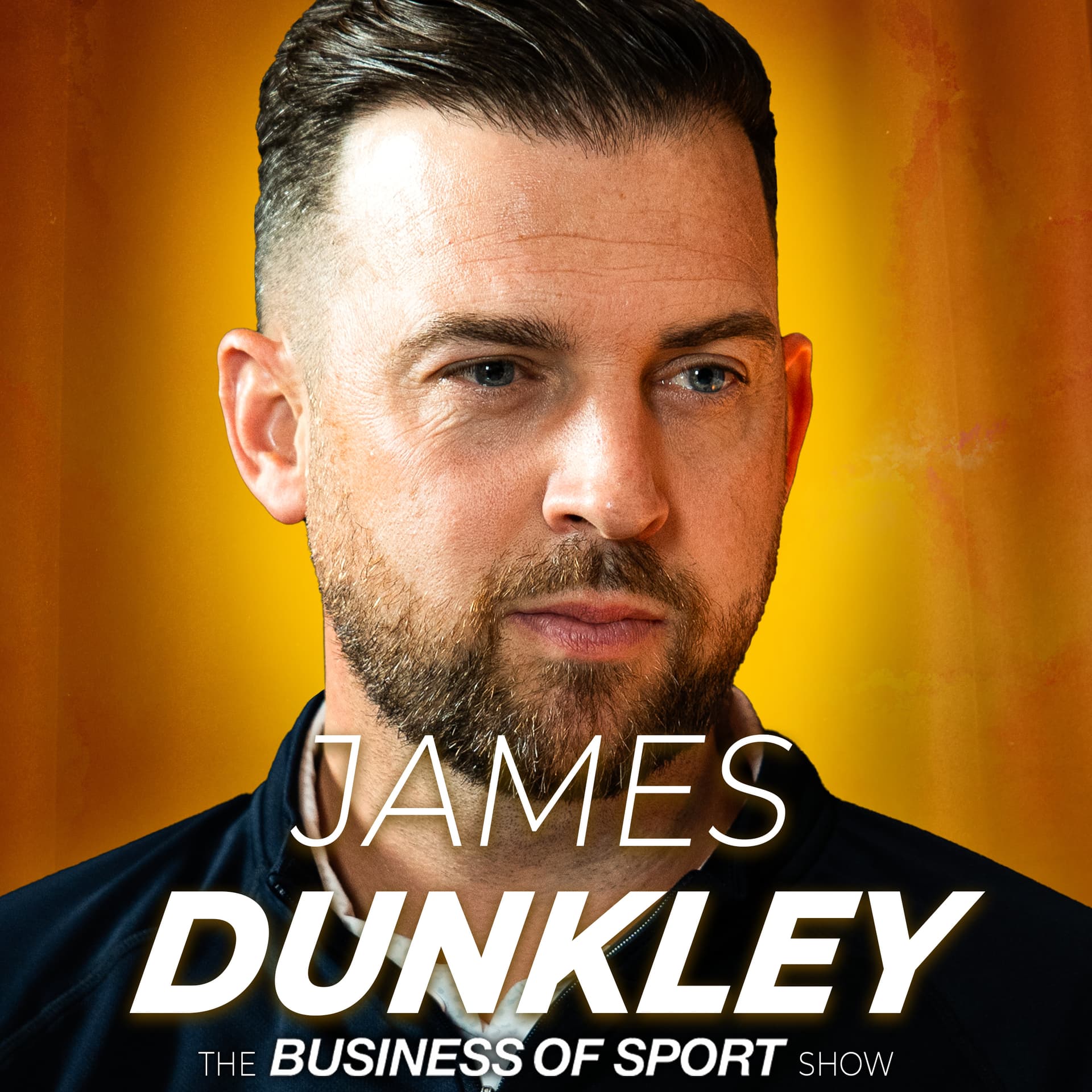
James Dunkley, Majesticks GC Team Principal: ‘The Business Behind LIV Golf; What It Really Takes To Run A Franchise’
Episode Overview In this episode, James Dunkley, the Team Principal of Majesticks Golf Club, provides an insider's perspective on LIV Golf, addressing its business model, challenges, and ambitions. The discussion aims to clarify misconceptions about LIV Golf, particularly regarding its funding and operational strategy.
---
Key Themes and Discussions
LIV Golf's Business Model
- Investment and Funding:
- LIV Golf has a significant investment of $1.1 billion aimed at establishing a long-term global sports property.
- The league is supported by the Public Investment Fund (PIF) of Saudi Arabia, which adds financial backing but also leads to controversy.
- Team Structure:
- LIV Golf features 13 teams, each operated as a standalone business.
- Players can own equity in their teams, adding a layer of investment and commitment.
- Team Dynamics:
- Dunkley emphasizes the excitement of team golf, contrasting it with traditional individual formats.
- The structure encourages players to perform for both themselves and their teammates, fostering a sense of community and competition.
Attracting a New Audience
- Reviving Golf's Appeal:
- LIV Golf appeals to a younger demographic, addressing concerns about the aging fanbase of traditional golf.
- Initiatives like Little Sticks aim to engage children and teach life skills through golf, helping to broaden the sport's reach.
- Community Engagement:
- Dunkley discusses the creation of a community around Majesticks Golf Club, boasting over 40,000 members who actively participate in events and programs.
Media and Broadcast Strategy
- Broadcast Reach:
- LIV Golf has secured distribution deals with major networks like Fox Sports and ITV, potentially reaching 1 billion homes.
- The league aims to enhance the viewing experience by focusing on more shots per hour and clearer storytelling during broadcasts.
- Changing the Viewer Experience:
- LIV Golf's format allows for a more dynamic viewing experience, with both individual and team competitions running simultaneously.
Future Collaborations and Coexistence
- Coexistence with Other Tours:
- Dunkley believes collaboration between LIV, PGA Tour, and DP World Tour is essential for the long-term health of golf as a sport.
- There is a focus on finding common ground to enhance the sport collectively rather than creating divisions.
Challenges and Financial Viability
- Path to Profitability:
- Despite significant losses, Dunkley is optimistic about reaching profitability by 2026. The focus will be on sponsorship, prize money, and increasing operational efficiency.
- Addressing Misconceptions:
- Dunkley shares his experience in combatting negative perceptions of LIV Golf, noting that initial challenges have evolved into more positive conversations about the sport.
---
Key Takeaways
- Innovative Format: LIV Golf's team-based format revives interest in the sport by providing a dynamic and community-oriented experience.
- Youth Engagement: Programs aimed at younger audiences are essential for the long-term sustainability and growth of golf.
- Broadcast Improvements: Strategic media partnerships will enhance LIV Golf's visibility and viewer engagement in the coming years.
- Collaboration Over Competition: Building bridges between different golf organizations will foster a healthier sporting ecosystem.
---
Conclusion James Dunkley's insights reveal a multifaceted view of LIV Golf, underscoring its ambitions to reshape the golfing landscape through innovative business practices and community engagement. With strategic planning and collaboration, LIV Golf aims to secure its place within the broader golfing community while attracting new fans and ensuring financial viability.
---
For more insights, check out the podcast on [YouTube](https://www.youtube.com) and learn about the exciting developments in the world of sports investment with our partners at Stride.
Written by AI. May contain mistakes. Listen to the episode to check what was said.
Transcript
Automatic transcript. May contain errors.0:00The vision and mission of what Live Golf was trying to achieve and that was using this team model to evolve the game. Golf is a sport that hasn't evolved massively in terms of tournament formats. When you look at the data around the average age of a fan and the average age of a viewer, as a lover of golf, actually, this is slightly worrying. I think where these deals become amazing deals is if we can create businesses that have some enterprise value. And that is very much what we're trying to do. For me, the team element is way more exciting. If someone in the individual tournament has got a three-shot lead with three holes to go, you probably know who's going to win.
0:32You can literally get a four, five, six shot swing in one hole. It may sound cliche, but you are playing for more than just yourself. Historically in golf, you've only done that once every couple of years, in maybe the Ryder Cup or the President's Cup, but every tournament and every week, you are playing not only for yourself, but for the team. I think Lee even openly said, Liv was important for me to want to keep playing, so I was getting a bit bored. The great thing is at the moment is that golf is probably healthier than it's ever been. Liv is different, and it's just a completely different experience.
0:59Hello and welcome to The Business of Sport, the show that takes you behind the scenes with the industry's leading owners, operators and athletes. What is the world of Live Golf really like? Cutting through all the noise and the image portrayed of a league propped up by PIF money and capable of supporting itself, is there another side? That's what we take a look at with this week's guest James Dunkley, team principal of Majestic's Golf Club, one of the 13 franchises that compete on the tour. There is no denying the controversy that Live caused when it was established, disrupting the world of golf and the established tours, taking some of the biggest stars of the game on big money and changing the format.
1:38But going beyond that, and most importantly, the short-term financial commitments it has required, what is the long-term ambition and how does this model fit into the broader game to coexist with the sport's other key organisations and tournaments, while also tackling some of golf's biggest challenges? aging fan bases, stale formats, financial distribution outside of the top players. James takes us through the running of a team consisting of huge personalities and profiles like Ian Poulter, Lee Westwood and Henrik Stenson, the importance of creating a winning organisation and why much of this tour is completely misunderstood by many.
2:17I won't lie, this opened my eyes to a side of Liv I hadn't previously considered or appreciated and I think it'll surprise you too. We're delighted to welcome James to the business of sport. Ever wanted to invest in sports? Ever thought about owning a stake in football, cricket or even Formula One? Stride makes it possible, starting from$5 ,000. For the first time, you can now access exclusive sports investment opportunities from a world-class football club to emerging paddle ventures to the next big thing in cricket or golf. Sports is no longer just entertainment. It's an investable asset. and with rising revenues, global fan bases and media rights booming, the sports economy is one of the most compelling investment opportunities today.
3:00Stride is the regulated digital platform unlocking this market for individuals, institutions and family offices alike. Whether you're looking for yield, exposure to uncorrelated growth or simply want to invest in what you love, Stride is reshaping how the world accesses sports private equity. Ready to step into the game? Visit GoStride.com. that's g-o-s-t-r-y-d-e dot com and discover how sports private equity can work for your portfolio because investing in passion shouldn't be off limits James, thank you so much for joining us welcome to the Business of Sport thanks for having us it's a pleasure to get into golf again I mentioned that we haven't actually done a huge amount of it so I'm excited to go into this and actually from a live golf perspective this time me too which adds a great dynamic look we were just chatting outside and the perceptions of Liv you know how this whole tour has come together have been well interesting for for want of a better word but I do do think it is missing so much context there's there's so little information that's actually been properly dived into so can we just get a really good understanding from you at the beginning of how from a team owner's perspective how that works are you and you individually are you the owner of the team is it a license how did you get involved on that side of it yes i'm not an owner of the team um we have three captains so the captain moniker is really about whether you own a chunk of equity in the team so we had three in our team ian poaltoli westwood henrik stenson when the opportunity came along we were representing all three of those players and we did this sort of due diligence, if you will, on the deal.
4:44And of course, the opportunity commercially, you know, the big checks being written. So absolutely, it was an amazing financial opportunity for them. But whether people want to believe this or not, truly the straw on the camel's back for us kind of endorsing this opportunity to them, which was ultimately their choice, was the vision and mission of what Live Golf was trying to achieve. and that was using this team model to really evolve the game from where it's been you know golf is a sport that hasn't evolved massively in terms of tournament formats and if you look at i think a great example of comparison is cricket t20 and one day games and how i think a lot of that was actually not very welcomed by the institution or the establishment when that happened understatement yeah and now i think people would actually argue that it's been the best thing for that sport ever because the overall strength of the sport is better because of those because of those things.
5:36And that's the thing that we really bought into. And I think, again, it was still a big risk. The guys were rewarded for taking that risk with various elements of their contract. But I think the nice thing is now three years in, you can actually evidence that the mission is being delivered. You know, we have attracted an incremental audience to the sport. We are attracting a younger age group. We have increased the level of eyeballs on the game of golf, which is ultimately a big part of what we're trying to do. So 13 teams, is that right? Correct. So just going back to just that structural point, players have stakes in the teams.
6:12You as a team principal, how does that work from a kind of, are you employed by the team, which has its kind of live golf or should we say PIF driven ownership model and those kind of feed out? So I just really want to make sure we get the right understanding of the structure and how those teams are. Yeah, so 13 teams. 12 of those teams have one captain or principal player that own equity in those teams we're unique in that we have three each of them 13 individual corporate entities so ran as standalone businesses however bearing in mind the majority investor in each and every one of the teams is the same person or entity in live golf investments there's obviously a lot of shared best practice and a lot of similarities between the way the teams are run and some central services that we're able to plug into at a league level to support operations.
7:05So like Live Golf Investments has it, and Players has it, and then individuals. So like you guys have a stake. I'm a contracted employee or contractor to the business in my role, yeah. Amazing. And you've been involved in golf for a few years, right? So you've kind of come into this with good knowledge of the game, ready to support the development of this. Yeah, I think so. I'm a hugely passionate golfer. I think it's an amazing sport for what it can do. The life lessons that it teaches, I think is unique amongst most sports. It can bridge the gap between different types of people. It's the only sport you can probably play across three or four generations.
7:37So I'm hugely passionate about what the game of golf can do for people. And I think our Little Sticks program, which maybe we'll speak about later, is great evidence of that. It's what we've done with Majestics. I was kind of uniquely positioned and lucky that, yes, I got a big background in golf, but was fortunate to also get some general operational business experience as well. So this was an amazing chance for me to kind of try and smush those skills together and hopefully deliver some good results. So what did you think? We talked about perception. What did you think when this opportunity first came into how Liv fits within golf and why it should be seen as a good positive move forward for the game?
8:14Well, I think when I first heard about it, eventually we took a meeting because it felt like the train was leaving the station and you needed to at least understand and educate yourself on what it was. I remember the first meeting we took was back in 2021. Went down to Beaverbrook for a meeting. And obviously numbers were being chucked about and it was like, OK, I get that piece. That's kind of the easy piece to negotiate. Tell me what it is you're trying to achieve here. and very quickly when you look at the data around the average age of a fan and the average age of a viewer it's like as a lover of golf actually this is slightly worrying where's our fresh blood coming from and even beyond that if you look at golf club data if you look at the membership data of golf clubs like it doesn't really tell a pretty picture in terms of the average age of those people how many junior members are in the sport and you know granted golf has evolved and the membership model it's a bit different to how it is now but you know i was all for trying to make sure that we got a fresh injection of people into the game of golf so that it continues to thrive for a long, long time.
9:18And how does that golfing fan that is brought into Liv, how does that differ from the traditional golfing fan? I think it's fair to say that Liv is definitely attracting golf fans, but also more of a generalist sports fan, maybe a casual golfer as opposed to a guy that's been a member of a golf club for 20 years. And I think what's cool is, again, again this is kind of nature of society isn't you kind of it's divisive like you either like this or you like that I think the cool thing is and what we're quite focused on how does it bridge the gap between the two you know live golf and some of the things we're doing at a team level with Majestic should be kind of aiding the stepping stone of people getting into the sport it's quite an intimidating thing right you know you want to take up golf as a kid okay well you've now got to become a member of the golf club you go in the car park it's all you can't change your shoes in the car park and it's not a particularly welcoming sport historically i think things like live golf um are making it a more welcoming and accessible sport for everybody to enjoy what about the let's call it the like the financial piece right that everyone beats it with we're going okay this is a tournament that's built on the financials if that's one side of the argument this is a money league to you what's the other side i think the other side is effectively everything else if i think about it in a majestic context so that the mission of our business is to be a winning team and thriving community making a difference on and off the course so it's quite a mouthful i know but clearly like any sports team like we exist and strive to win like we want to win on the golf course and win at what we do but equally we are about making a difference and creating a community So I think some good examples of that and what we've done is we're called Majestic's Golf Club, right?
11:07That's not a fluke or coincidence, is that we have created a community of members of about 40 ,000 people over the last two or three years. And I think what we're seeing now is that people are really engaging with that. We're starting to put on monthly medals virtually, you know, partnership with people like Trackman. So really creating that community of people that may not be ready to become a member of a golf course yet, or maybe we're a bit intimidated by doing that. And equally what we're doing from a community perspective with our Little Sticks program, we have rolled this program out, which is, to be clear, it's not an after school club that teaches golf.
11:44It is about teaching young people life lessons, respect, resilience, teamwork, broadening their horizons through golf, because it's a unique sport in the sense that, you know, self-policing. you can let people take it at their own speed you know we've had real success particularly in special educational needs schools where you're taking people with different challenges and maybe saying hey go play a game of football it's really tough whereas when we set up the games in little sticks which are really basic games that we can then step up a level um as as needed people can engage with it at their own pace and we've got that's now in the PE curriculum in just over 200 schools in the uk um we've just signed up another 150 schools to go live in in 2026 so we think we'll have between 40 and 50 000 young people go through that program for at least a term by the end of 2025 and our aspiration is to take that to hundreds of thousands over the course of the next few years so you are should we call it the uk team i think that's fair to say you know obviously Henrik Stenson, one of our captains of the corner, is not British, is Swedish, but three of our players are British.
12:53And also I think, you know, it's as much about leaning into what our British values are, you know, diversity, inclusivity. You know, I think we're fortunate that Great Britain is one of the most inclusive and diverse societies I think there is in the world. So it's about leaning into those things as well, as well as where our players come from. Tell us a bit. Go on, let's get into the golf side then. structure of the team and you know how how that kind of works from the quite unique golfing setup yeah so i think from a player perspective obviously it's unique with having three players that are co-owners of the team so we try as best as we can to compartmentalize our conversations with them so you know put your shareholder hat on today and put your player hat on another day but i think we've done a pretty good job of that of making sure that you know So first and foremost, they are players on our team that want to perform to the best of their ability.
13:42And our job is to support them in doing that. We want them focused on that. At the same time, making sure our shareholders and the people that have been appointed to lead the business from a day-to-day perspective, making sure that they are up to speed on what's happening, that they can support us where needed. We've got three amazing captains that are icons of the game that have so much value to give us. So just to be clear, we've got Ian Poulter, Lee Westwood, Henrik Stenson and Sam Horsfield. Exactly, exactly. So, you know, making sure we're kind of sucking that value out of them as much as possible to entertain potential partners or from a mentoring point of view of young players that we're looking at for the future.
14:18So that's the kind of way we try to handle it. And then myself and my co-team principal, Ollie Banks, we run the business day to day. We currently have a headcount of 10, mainly based in the UK, a couple of guys in the US, and we hopefully look after the rest of the business. And the primary side of that on the business front, are you then managing commercial inventory, doing the marketing for the team? What's on you and what's covered by what we would maybe call Live Central? Everything's on us. So we're responsible for every facet of the business, but definitely supported in certain functions by what Live calls central services.
14:54So there's things that we can plug into to add value to us. And equally, there's some facets of the business that we just do completely in-house, particularly in areas where we think we can, you know, get a competitive advantage up against some of the other teams in the league. So everything from, yeah, commercials, partnerships, future player recruitment, social media, community programs, retail and merch sales, you know, everything. And the players, you know, you mentioned there, maybe rolling them out with certain partners and getting involved in different areas because you've got three co-owners, I guess, or equity holders as well.
15:29How's that transition? for them where suddenly the focus is about more than just the golf course? Yeah, I think it's definitely one to manage, right? You know, we've got three guys that are extremely engaged in the business. You know, they're extremely excited about what this business can become and the community that we can build around it. So again, coming back to the point earlier, it's about making sure that there's a time and a place to have those discussions. But undoubtedly, it's fair to say that Ian Lee and Henrik are all closer to the end of their careers than the beginning. And I definitely look forward to the day when they're not necessarily a playing member of our team, but are non-playing captains in some role, because the knowledge that they can give us, the expertise they can give us in all sorts of different areas of business is, you know, I think can add massive value.
16:16Tell us about the value that comes through the format. So actually how the tournament works. Individual and team side are key part of that. Yes, you've got two tournaments going on at the same time, two tournaments within one. They changed the format in 2025 where it was perhaps a little confusing for somebody to follow in previous years where you only counted three of the four scores. Whereas last year, to make it really clear and simple, all four scores count every day. So every shot counts. No hiding. There's absolutely no hiding. So there's an individual golf tournament happening in the traditional sense, stroke play format across three rounds.
16:54and the tournament within the tournament is the team concept where it's basically a cumulative score. You know, for me, the team element is way more exciting. And one of the things I think people, is a bit of a misconception is that do people really care about the team element? Absolutely. The first thing we always get after when we come off the golf course, like how do we do? Where do we stand? They're more bothered about where the team finishes than necessarily themselves. And also because of the way that it's all four scores to count. You know, if someone in the individual tournament has got a three-shot lead with three holes to go, you probably know who's going to win right i think it's something like last year maybe one tournament winner came out of not the final two groups in that tournament and that's part of the challenge with golf right is you've got 70 players making the cut and actually there's only six people that have got a chance to win the tournament coming coming to sunday whereas the team element you can literally get a four five six shot swing in one hole you know two or three birdies versus two or three bogeys can make a massive difference so it's really dynamic it's really fast it's sometimes a bit difficult to follow because there's there's a lot there's a lot happening but it's it's it can change very very quickly which is really really exciting to watch it also means you have something in football we talk about like franchise football often we've spoken to people who uh maybe have ownership stakes unlike the mls and they'll go yeah you know you guys seek this franchise model quite often but the problem is we've got so many dead games in the middle where it doesn't mean much and therefore there's not a huge amount to play for you could put that in golf exactly as you just said where if you've made the cut but you're in your 62nd or something not a huge amount you're playing for maybe a bit of pride and then a bit of prize money as well but in this even if you're 62nd right the difference between you being that and 45th i'm guessing is huge so it gives them a whole different objective and and target to aim for even if winning's out of the equation exactly you are playing you know may sound cliche but you are playing for more than just yourself right which is huge you know historically in golf you've only done that once every couple of years in maybe the rider cup or the president's cup but every tournament every week you are playing not only for yourself but for but for the team and i think human nature is to you want to do well for your team right you don't want to let people down and the guys are extremely driven to not only perform well for themselves but for the team as well how have you found the recent seasons it's been tough for you guys right and performance side how have you found it with that group that you've got yeah it's been it's been not where we wanted it to be um and disappointing i don't think if you asked any one of us um players caddies staff members if that's where we wanted to be we'd definitely say no so i think staying positive has definitely been a challenge at times um i think the big thing i was listening to this podcast that you did with um the team principal of um williams his name is james vows james vows and he was talking about the marginal gains piece and it's very much the same in golf like i think we've definitely had um flashes of brilliance and good performances but just across the season just not consistent enough but you know do you play golf yourself yeah i love it i mean how often do you come off the golf course definitely could have been two or three shots better today never perfect yeah all the time you're the only one right it's impossible yeah if you know genuinely and i haven't done this exercise but if you took our performance and every player was one shot better every day across this season it's probably the difference between us finishing 12th on the order of merit and fifth so like we're dealing with really really fine margins but in the offseason I hate the term off-season because I feel like we're doing more work now than we do during the season, but a lot of work going into the performance services element of our business to make sure that we are supporting our players as much as we can to maximise their performance on the course.
20:45Can players get dropped? Yes. Okay. And if you've got three team principles, does that make that decision slightly harder? Because in all seriousness, they're also equity holders, right? Yeah, some of those conversations are easier. So we faced that this year. You know, Henrik was relegated. so relegation has always been a thing in this league and i think it's really important for the integrity of the of the competition like in in in other formats of golf but in other sports like you you can get dropped um and this year was really the first year where relegation was you know scott o 'neill our new ceo came in about probably about 12 months ago now was really clear like we're gonna have a relegation and unfortunately henrik finished 49th top 48 is safe from relegation so that decision for next season is kind of taken out of our hands Henrik you know likely won't be playing on the team or won't be playing on the team and then with Ian and Lee who finished very you know very close to relegation you know we had to have some very honest direct conversations about them playing in 2026 and what that looks like and you know the sort of commitments we need them to make to secure their playing spots in 2026.
21:57And as we sit here today, it's very much part of the plan for them to be both playing on the team next year. And a team gets, sorry, a player gets relegated. Do you then go through the fact of transfer process? How does it work to find your next player? Exactly. So again, very similar to other sports. You know, we've been working on this for a long time. We work with a data partner and we've been trying to identify the best talent for our team going back we created a portal that values effectively every single professional golfer in the world to make sure that we've got that data driving our decisions there's always a bit of art to overlay against the science for sure personality fits etc but again with three players that were you know what Lee's 52 Ian's turning 50 in January Henrik will turn 50 in in April as well we always knew after the first two or three years of the contract we were going to be going through a transition period of our playing lineup so we're very much prepared for it and we are we've got a short list and we're out in the market now trying to recruit um at least one future player for majestics for 2026 what happens to players ownership or equity if no change so they were so henry retains his absolutely he will be an owner until he decides to sell his shares until there's an opportunity so he's still well he won't be playing for us on the on the course next year he will still be a significant part of the business and a significant shareholder in the business.
23:15And we talk, you know, so much of the conversation has been around the massive fees that were reported to be going to players. What was the balance from a financial perspective of, should we say that immediate, like cash injection that may have been there to the longer term piece and ownership piece, a bit more like we were talking before we came on air, this developing equity model, this business of athletes getting involved in stuff that is maybe slightly more longer term. yeah so i think the the initial kind of signing on fees and the the prize money that was on offer at the time for lear versus the pga tour european was significantly different that's since changed you know magically the the pga tour are now playing for very very similar prize purses was significant and they were good deals you know there's no there's no doubt about that But I think where these deals become amazing deals is if we can create businesses that have some enterprise value.
24:17And that is very much what we're trying to do. And their involvement in this now. So let's say, you know, we mentioned the UK piece. You've got a few of the other teams. Sergio Garcia's team, very much now the Spanish one. you've got full pretty much australian team in there yeah would you say nationality is a key driver in part of that development giving it a route beyond um should we say just the broader global to the team or to the league to the team because if we're looking at building value in individual brands right you need to find a way to immediately find an audience or find a point of relatability i'm a fan i've never watched live before if you've got a british team as we spoke about again before if you've got a British team and something naturally I'm probably going to gravitate towards that slightly more than I am another so even just from you know the start finding your home is that a key strategy to helping build these brands yeah I think that's and I think that's become really clear probably in the last 12 months it was interesting when we first established the teams one of the first things we did at the end of 22 is we've got to establish what our mission vision values are here like what why are we here what what are we trying to deliver on and we had the conversation then in regards to okay like are we going to be the european team are we going to be the british team we were kind of we shied away from it if i'm totally honest a little bit because what are we limiting ourselves by doing that um and what's manifested is that you know those teams with a clear geographic link ripper gc australia stinger gc south africa and you know you probably throw us into that into that bucket with with majestics it just it clarifies what the proposition is right you get you know that the more tribal nature of that that fandom and that and that following and also frankly it gives us a bit more clarity and puts some guardrails around what we're trying to do from a recruitment perspective what we're trying to do from a point of view of putting down roots one of the things we're thinking about for 2026 is establishing a physical footprint somewhere so what does that look like well probably not a golf course on day one because there's a big undertaking but maybe an indoor facility of some kind, you know, the Majestic's Golf Club or whatever it may be.
26:32So it kind of gives us that really clear identity without just kind of being, you know, too shut off, you know, like I touched on earlier, like beyond being British, like what does that really mean? What elements of British culture do we want to celebrate and put forward in our brand proposition to hopefully not just British fans, but global fans? How's it been working with PIF? great you know i i think that again i'm sure there's a lot of misconceptions out there but you know ultimately a big measure for me and people is like do do what you say you're going to do and every step of the way you know because again it was a pretty ballsy thing i think you know our players were extremely brave to take this leap of faith knowing they were going to get you know a fair amount of heat buy into the vision that the pif and live and live golf had and every step of the way they delivered what they said they were going to deliver and stood by what they said they were going to do and more um so for me it's been an unbelievable experience do you have strategic meetings for want of a better phrase where this grand plan also gets relayed to the individual teams who may have their specific focus plans so we have a board at a team level so we meet regularly with our board to for me to explain what we've got going on and hopefully kind of get some value from you know our player shareholders and other members of our board you know live and pif representatives um and then i also sit on um this year live has established various advisory groups um so i sit on what they call the team advisory group where they're talking about things that are specific to team operations and what's happening and giving us as team principals or GMs the opportunity to have our you know have an opinion and potentially have a little influence on what we're going to do from a business model point of view moving forward with with teams which is which is great and they do the same with players they have a player advisory committee to talk about things like course setup and competition and bits and pieces like that so there's various communication channels and committees that have been set up to make sure that you know they're getting all the value from all the great people they've got in the business and what does the financial support look like because i'm going to make a guess that teams aren't profitable maybe not even break even to an extent so where does the security come is there subsidizing is are they underwriting losses to encourage you know this development and this growth to spend because the last thing you want to do is clip the ambition of these teams at the beginning in the early stages yeah so some teams are profitable to be clear um it's not a word we're used to here so sorry i don't know um i couldn't name the exact ones but purely if you look at the the main opportunities for income are team prize money and sponsorship income and there's the other stuff around membership programs and youtube and content things like that so when you consider there's 16 million dollars up for grabs at team world championship alone you know some of these teams are profitable and this year has been a monumental year for teams doing individual sponsorship deals with big names so we signed a long-term partnership with hsbc with a partnership with castor with a partnership destination sport you've got seamless digital you know that's a few from our team's perspective you've got um six seven figure six six figure deals yeah this year has been like a big step change in in momentum for us on that front you know if you look at crushers i think they've got salesforce qualcomm hsbc so there's some big team you know i think john rahm's team santander big sponsor callaway big sponsor torquay pink so there's some big brand names come on board this year with some with some big deals and some long-term commitments but yes to answer your question around funding yes the um the pif um and live golf investments are funding these businesses and funding and funding the losses and you have a path to profitability should we say where they set a target and you have to try and get the house in order in five to seven years yeah a really clear path as well i mean i think again i can't really comment on other teams cost bases but where our cost base is today versus the opportunities we have from a prize money and the pipeline we have from a sponsorship perspective i'd be disappointed if we weren't profitable in 2026 okay and you mentioned it was at 16 16 million so prize spot for team versus prize spot for individuals you know what i found it so interesting you watch full swing on netflix for example what they started doing now and maybe it was a very specific objective to say look they are making good money is underneath those tour wins it was like 4.136 million per you know rbc open or whatever it was yeah a classic um for individual wins like for performance so again we're moving past all of the wow that's a ridiculous signing on bonus for individual performance let's say what's the kind of prize pools available for players so the 13 regular season events across the season the total prize fund each week is 25 million dollars 20 million purely for the individual so 20 million goes to players based on their individual performance and 5 million goes to teams based on team finishes so at the moment top three teams receive a share of that of that prize money it's 13 regular season events and that and that's at the moment um i don't think it's completely out of the question that maybe that that changes or shifts or increases as we go into 2026 and for the team world championship the the season ending finale finale which is a purely team-based event there is no individual element to that to that tournament you're seeded based on your um ranking in the overall season-long order of merit and then it's effectively a a knockout format um to the final day's play where the the top three teams um play it out in an aggregate stroke play format to see the eventual winners and the total prize fund for that tournament alone is 50 million so 50 million for the team world championship at the end of the year 5 million a week for teams the other 13 weeks of the year and pga dp tour events if you don't make the cut you're not paid for live a big part was you turn up and you're paid correct how important was that for them to get in place for the players?
32:47It was a big part of it, right? I think, again, I don't really want to go down this rabbit hole, but if you look, that's exactly why certain players historically have been paid appearance fees to go and play in certain tournaments. I don't think I'm letting a big cat out of the bag by saying people get appearance fees to go certain places because it's like, hey, I'm going to say I'm going to play here, I'm going to help support the tournament, I'm going to drive ticket sales and I'm going to miss the cut and I'm going to make no money, why would I come? Which is why appearance fees came in. So really, Liv kind of took the need away to have that appearance fee.
33:21It's like, hey, you're going to come play in the tournament. Everyone's going to get paid. Your expenses are going to be covered. You can be confident that you're going to leave this week with something. Because we've talked about this in tennis a bit, and we were looking at players outside of the top 100, how difficult it can be to make a living. It's really hard. Therefore, you know, and it's quite often, because if you're going out in the first round of the majority, fine, the grand slams may give you a little bit more if you get to the first round. But to make enough money to just support yourself is one thing.
33:51But to make enough money to actually live as a professional, which means the coach quite often, the physio, maybe the nutritionist, the travel, accommodation. There's so much that goes into it. So when you have this type of structure, I mean, from my side, I'd look at it. It's more about, okay, being able to support a broader system rather than just the top end. Yeah, I think that's right. And I think beyond just the prize money, I think what's really interesting for us is we're touched on earlier recruitment, not only for a starting spot on the lineup for 2026, but what does our lineup and academy look like for 27, 28, 29, 30, 31?
34:28how are we investing in creating the best of golfing or British talent maybe in our instance I think when you go out and speak to young players and their parents who are maybe in college and thinking about the transitions professional it's not just the cost it's the it's the hassle of okay I've got to find a coach I've got to find an agent I've got to find a physio I've got to find a nutritionist I've got I've got to find all of these things and inevitably you are going to have to pay to learn in some of those instances it's not likely you're going to get that team right straight away whereas when we go and speak about what the proposition is for call it a development player on our team is that we have a ready-made infrastructure you know we have three players on our team that between them have probably got about 85 years experience playing the world's major tours right i don't think you're going to get much more experience from that point of view on some of the landmines that you might step on and help you maybe look around some corners that you may not be able to look at on your own.
35:29Sure, they'll love you for that. Yeah, I mean, it's just the truth. It's just the truth. You know, we have an amazing gentleman that we work with called Dr. Steve McGregor, who does performance services for us, everything from a physical fitness point of view and leaning into the performance practice element of things with our players. You know, we have an amazing team infrastructure. So whether it's booking travel or helping with support you with administration, we have all that there and we are a proven team. We have some real amazing experts. And that infrastructure is there for you to use without you having to take the risk of the cost.
36:02But also it's tried and tested. Whereas if you've got to go do that on your own, it's quite an intimidating thing to go and do. And the sort of almost relief you see in some of these players' faces and parents' faces, oh, wow, I was really nervous about that. Because that's more what they're used to in the college system in the US. So you go into college, you have a support team and an infrastructure around you to help you with that stuff. As soon as you step out into the professional golf world, today you're like you're out there on your own and hey maybe the top five amateurs in the world that are highly touted and have got nil deals now that they're allowed maybe they're okay because they've got 10 agents chasing them down but the other guys from maybe 5 to 20 or 25 to 30 or someone that's played on one of the minutes they don't have that luxury so i think that's something that again isn't talked about enough that we from a pathway perspective into professional golfers live and obviously the huge investment they have in the asian tour we can add a lot of value to to helping develop talent on that and on the business bring both of those together how important is a winning entity to being able to build both that side and the business side it's massive i mean i i don't know any sports team that establishes itself and exists to come second so winning is winning is huge i'm not going to say it's everything but if we can thrive on the golf course and be a winning team not it will support everything else in our business you know if you look at most of the and this isn't just about financial success right it's about what that financial success fuels in terms of other things that you can do in your in your business so it's massively important and we're definitely focused on the sporting element of the business in a big way.
37:52Can we take a look at media? Because this is something that, as we know, underpins the majority of major sports leagues. Yeah. And it's something, personally, I'll put my flag in the sand. I don't think it's been very good from Liv previously. And it's been a blocker as a massive golf fan to me, being able to watch it. How is this distribution model developing within Liv? Where are we at with the media deals currently on the table? so i think again this year has been a like a monumental year for tv distribution for live so we've managed to secure some major distribution deals around the world fox sports in the us itv in the uk um coupang play in korea and asia the list goes on so i think the latest number i saw in a deck was that the potential reach of the network deals that we have in place are about a billion homes.
38:45So the potential is now massive. So step one is, is the potential massive? I think step two is of those billion people, there's nowhere near all of those people tuning in today. So how do we encourage them and how do we encourage that tune in? So I think there's a couple of key things that I would point to in that. One is the broadcast deals that were established at the beginning of 2025 were done very, very late. So typically, these big broadcast networks are locking in their schedules probably two years ahead of time. So really with Fox Sports and ITV, as an example, like the slots that we would have wanted and they would have wanted to have given us were already committed.
39:30So I think what you'll see in 2026 is that those broadcast slots improve to be better hours, but also on the bigger networks. So Fox Sports, whether on Fox Sports FS1 or FS2. So I think one is just time because we'll get better slots. I think the second part of it is just then the broadcast product itself. One of the things that Liv was really keen to do is because, again, I don't know how much golf you watch. One of the things I used to get frustrated by was you flick on the golf and how many shots you'd actually see between adverts was like nothing. thing it's like what am i tuning into watching so live was really focused on number of shots per hour so i can't remember the exact step but we're showing a lot of goal shots for hour so i think now we're in this mode of trying to probably get a bit more of a balance where it's like we want to see plenty of goal shots you will see plenty of goal shots but also what we need as an audience is that is that context what did that mean which i think arguably previously could sometimes be a little bit confusing to to somebody somebody tuning in so i think it's about broadcast windows and I think it's about evolving the product.
40:39And have they been big deals? The broadcast deals. Pushing everything forward, good numerically, good for, as you said, channel exposure or improving for channel exposure. Yeah, I think brand-wise, you know, Fox Sports in the US is a huge brand name, probably the leader in sports, so massive ITV in the UK. I think the big deal for that for me was like free-to-air, which was big. And some of the names that I'm not as familiar with, candidly, and I'm sure some others aren't, like in different markets in Asia, South Africa, or Australia. Like I think it's Channel 7 Australia. I think it's the biggest sports channel.
41:11So yeah, they've been really strong, multi-year significant deals. But clearly, you know, those broadcast deals and how good they get over the next three years will be dependent on tuning. So it's a big focus for the league to make sure we're getting people tuning in. It's also why I asked the locational question because if you have better relationships with a region, so Channel 7, for example, in Australia, you have the Cam Smith team, right? Right. Naturally, you're going to have a much greater demand and therefore a better media deal if you can build the relational, sorry, the locational product in those regions.
41:45But it was interesting. And this may come down to, as you said, the lateness of the deal, but I didn't know ITV had the deal. So even when it comes down to, and I watch a lot of sport and golf. So even when it comes down to doing those deals, it's then about how do you let everyone know this is where it is? if it's not always going to be in front of them without you having to do much. I think that's really important. It is. Look, I think there's a long way to go. But I think the context here is like this business is three years old. So, you know, again, the TV numbers landscape and the data and the numbers is quite hard to get your head around.
42:24But I think the numbers that I saw were that the average audience per live event year on year has grown by about 33 % year on year, which is pretty good. Still a long way to go, but I think the direction of travel is really encouraging. Yeah, it's a really important point. We should mention it. Okay, business three and a bit years old. We're talking about sporting property. We talked about the numbers that everyone loves to bandy around. Most of them negative because it sets an agenda, right? Recent ones, recently this week,$1.1 billion in losses. Now, that's one side of it. Then the other side is the motivations of why this is all happening, which we've touched on.
Read the full transcript
43:04We've talked about longer-term belief and strategies. To your, and from your involvement in it, when you're putting something like this together, help us understand, help people understand. 1.1 billion in losses. What's this really going into? What's this initial investment got to look like to position Live to succeed longer term? The PIF, again, you have to respect their vision in what we're trying to achieve with LiveGolf. It's definitely not a short-term investment. It's very much a long-term investment. In terms of specifics around numbers, I'm not up to speed enough on the specific numbers with Live.
43:41But I think when you're investing in any business, as well as what you've invested, as much as you look back, I think you have to look forward. So every day you're kind of waking up and saying, would I invest in this business today almost forget what's happened and I think if you're investing in this business today and you looked over what's happened over the last 12 months in live you know there's a hell of a lot of positivity broadcast we've already talked about a lot direct major exemptions you know everybody said that would never be possible and now there are direct major exemptions from live into the US Open British Open invites are being given to the pga i think the masters and the open just announced that there'll be more qualifying spots for things like national opens moving forward so do you mind explaining that sorry just people that may not know what the relevance of that actually is and how that's how that changed from the first days yeah so historically live prior to 2025 live didn't have any direct exemptions into majors so on typically on other tours or based on your world golf ranking the the major tournaments the four majors across the year the us open the open us pj championship the masters would give spots based on order of merit positions either in the world golf ranking or on the dp world tour pj tour etc live didn't have that in 2025 they were granted some of those exemptions which was a big deal arguably is there enough exemptions based on the strength of feel within live maybe maybe not we could we could we could debate that but they are there so a live player without having to qualify go outside of live can qualify for those majors which is a massive deal because that is you know majors sit separate from every other golf tournament they are the gold standard um so and people want to have access to those majors it's really really important so that was a massive massive step forward and i know there's lots of work going on behind the scenes to make sure that that access to majors continues to increase i know there's conversations happening with on world golf rankings because currently live tournaments do not have world golf ranking points which is it's very complicated why that's happened but it's crazy i think i saw a stat yesterday i think john rahm is like 70th in the world rankings well i'll have the argument with anybody that says john rahm is 70th best i can say you can't it's part of a punishment package type thing if you want to look at it right it's you you have to they've got a product and they want to prevent people from leaving their product they also want to present their primary assets from leaving their product so if you don't create a deterrent of any sort it's going to be much harder for them to maintain it now some will go anyway and there's it's more than that and to me again and i hope i can say this because it's not you know you putting it but you know that was the kind of frustration as well from a golf fan speech because you you know having this where you just have this civil war it doesn't help a game to the extent where you're putting punishments in place but really what do we want we just want the best players playing as each other now if that it's not every week then let's make it as many times as we can have it right how do you coexist how do those structures still give the fans what they want because the fans is the only thing that matters they're most important i think there's a lot of truth to what you say but equally there are some technical challenges that need to be thought through and overcome in order to be in order for live work live golf to get the proper matter world golf ranking points so it's not easy so but i think there is definitely some truth in what you said but you're absolutely right and i think this is why you've seen the major governing bodies give that direct access because it wasn't happening through world golf rankings.
47:09So to go back on the list, massive progress on broadcast deals, access to majors, which is frankly a blocker from a recruitment perspective. You want to track the best players in the world, the best players want to play in the majors. If you don't have direct access, that's a challenge. We started to overcome that challenge. And then if you look at a league level and a team level, some of the sponsorship deals that have been signed this year, the brand names and the length of the term of those deals, I think is a really clear signal that we are delivering value, right? HSBC, Salesforce, Ping, Callaway, Aramco.
47:43You know, these are big, sophisticated businesses that have multiple investments in sport and have come along and said, actually, we really see value in LiveGolf, not for the next year, but for the next five to 10 years potentially, which is huge. And also just getting more on the front foot from a product perspective. You know, we've been here pretty much since day one. And this year, we're in a position where we were able to announce, I think, 10 of our 14 events for next season, just about at the end of this season. Whereas previously, we've been announcing dates and venues for events, sometimes maybe six, eight weeks in advance.
48:20Despite that, we've grown ticket sales massively. You know, over 100 ,000 people in Adelaide, over 45 ,000 people at Live UK, 50 ,000 people at Indianapolis. And that's with very short notice on ticket sales. you know we've i think we're now live with 11 or 12 of the tournaments for next year tickets are on sale for all those tournaments now i think you know south africa where we'll go for the first time next year i think they sold 25 000 tickets in the first 48 hours because it's the first time that a field of this strength will go to south africa so again just getting out on the front foot partnering with with venues on a long-term basis there's been so much great progress across the business so yes there's been a lot of money spent but are we now starting to see a return and investing from that money, I think the evidence speaks for itself.
49:05And the point is you have to invest to see the results, right? Unfortunately. So, yeah. I mean, some of the content that comes out of it, you mentioned Adelaide there. I mean, I remember seeing videos that go out on social media around it. It's incredible, right? And it's a completely different golfing experience to what you would get anywhere else, which is great in many ways because it's what T20 was to test match cricket. And, you know, you showed purists what that was like back in the day. They would never have believed that it was possible to still enjoy the sport but have such a such a different format i think cricket's a great comparison an example of how powerful new different formats can be to getting more audience into the game in general and i don't know this for a fact but i would imagine test cricket is more in a stronger position today than it was 20 years ago before the advent of t20 and the 100 and things like that and that's not a coincidence so i think there's a lot of comparisons that can be drawn and also this is why the broadcast piece is so important as well because when you come to these golf tournaments like our biggest job one of our biggest jobs at the moment is like just come you can hate it but just just come and see see these events and it's just a completely different experience and it's not to say that i think we were talking earlier about the bmw pga bmw pga championship at wentworth a few weeks ago it's an incredible golf tournament i went to as a kid growing up i love it you know guys love playing in it but live is different you know live is a shotgun start you see action from the beginning there is an entertainment product at the end of the day with concerts it is more welcoming for a for a family and okay i'm gonna sound biased but i have three kids 13 10 and 7.
50:50they would have been what five seven and ten or something like that when Liv first started. I would have never taken them to a golf tournament purely because it's stressful as a parent. Like, you've got to be quiet, don't move. It's not a great experience to go and watch golf. The music being played throughout Liv, the ambient noise just means that you don't have to be on edge, right? If somebody walks across a path, it's going to be okay. Everyone's going to hear it. So just, but that's not to say that major events should start playing music because they absolutely shouldn't. Like that silence and that atmosphere that gets built in those tournaments is amazing and right.
51:28But that doesn't mean to say that playing music and have a more relaxed environment potentially to welcome spectators is wrong either. Keeping on the cricket example, we saw it change a lot of how people played cricket, right? So you mentioned would Test Match cricket be as popular now? I mean, I think it'd be very hard to say that England's style at the moment would exist without the success of the short form game with a lot of the players playing cross format. From what you've seen, does that shotgun start, four hours kind of playing in teams, has that actually changed the technical side of how any of these players are playing?
52:09I wouldn't say it's changed the technical style, but I definitely think it's changed the style of play. Excuse me. So one of the things that our guys will talk about a lot, and part of the reason I think they had every right to have an opinion on this stuff because they played tournament golf for a long long time in basically the same format for that whole time and I think Lee even would openly said on a piece of media he did like honestly Liv was important for me to want to keep playing so I was getting a bit bored I've done this for a long time it's the same four rounds every week it's fairly monotonous but I think the big thing it doesn't sound like a big difference but four rounds to three and 54 players in a field and again we can have this debate around strength fields and bits and pieces but but top to bottom out 54 players these are extremely strong fields week in week out you know if you're going to win a live golf tournament you got to beat every week John Rahm, Brooks Koepka, Dustin Johnson, Cam Smith, Joaquin Neiman, Carlos Ortiz, Sergio Garcia the list goes on right so you got and that's not always been the case in in other tournaments but you better start fast you know four rounds and a cut and maybe a larger group of players some of which that aren't more experienced you kind of always knew there's maybe a small number of people you've got to beat during during the week but at live golf if you have an average first round you're you're chasing and that's really hard to do in golf like it's not really where you want to be so i think coming out the blocks quicker and having a slightly more aggressive style of of play it's definitely been an adjustment um for our players um and something they're still working to adjust to and i think that's why you've seen players with more of that style um excelling at live so far and i think that's then gone on to impact how people play on other tours as well is there anything you'd love to do that you don't currently do maybe in majestic but also you'd like to maybe we see from broader setup um i would like to see more pure team tournament weeks i think 13 weeks of the year there's a team and an individual tournament going at the same time the only pure week of team play is um the team world championship at the end of the year i would love to see maybe one more week in the in the middle of the year a pure team-based team-based event because I think you know as somebody that watches it's more volatile I think it's more exciting to watch we've just seen it with the Ryder Cup right I don't think there's a better advert for collective golf but again individual sport right individual sport where these people play for themselves all the time versus suddenly giving them a bigger reason to perform than just their own scorecard and you can say that across individual sports you suddenly build that in the viewing proposition from the fan just massively increases the by the looks of it appetite for the players to actually buy into this well on the european side at least really really comes through and you've built that into a system so for me i mean i don't know like as someone that is coming off the back of even if that's my early entry into golf and i have something a product that offers me a team environment i'll probably go and watch that particularly if i'm a newer fan not a not a legacy golf fan yeah i think it's where you see a lot of your more memorable moments um you know when ripper won in australia last year honestly it was one of the most epic sporting scenes we've ever seen people streaming down the fairways i think this year legion 13 and the matches they had on the final day of the team world championship like you could just see you know i'd be really interested i think tyrell hold the winning putt for them as a team and the reaction that he had versus i'm sure won an individual tournament this year as well that you just look at the reactions i think they speak for themselves because whether it's in team sport or anything in business or in life or in family when you're part of a team you've got other people reliant on you there's there's a there's a responsibility right you don't want to let people down in fact you want to do the opposite you want to make people proud of you so and and again that is a different pressure that some of the players are having to deal with right it's like okay this isn't just me anymore like this is me plus not only three other guys that are on my team but three other caddies and staff members and fans and all this kind of stuff so yeah i think that if we can lean into the to the team element of it a little bit more that is personally one of the things i would like to i would like to see us do and how important you kind of round it all up how important do you think the relationship between all of these bodies are and what i mean is pga dp live you know if we're really looking at as impartially as we can, like the health of the game, all the opportunities for the fans, but also recognizing the individual ambitions of each tour.
57:07You know, what do we need to get to? What level of relationship needs to exist so that I guess we can get the, if we can be greedy, get the best of every world? I think it's important because ultimately all three, or I say three, there's more than three, right? You got Live, PGA Tour, DP World Tour, major governing bodies and so on and so forth. The reason I think it's important is because so many of these organizations have shared objectives and goals, which is to, you know, we get slated for using this term, grow the game, because that was one of the kind of terminologies we used when, you know, Liv was first coming out.
57:49But ultimately to make the game of golf as healthy as possible, I think that the great thing is at the moment is that golf is probably healthier than it's ever been. but if you look at the new entrance into the sport it's vastly different how people are engaging with the game and the types of people that are engaged in the game is vastly different than what you'd expect a great stat is that more people are engaging with the game of golf off grass than on grass with the advent of things like top golf or indoor golf or drive chip and putt etc etc and what's really important is that we we give those opportunities but also the stepping stones into those longer forms of goals.
58:28I think it's important that they have a relationship and there shouldn't be too many reasons why they can't form relationships. And I know, contrary to popular belief, that there are a lot of people at all of these organizations having really good positive conversations about how that comes together and ultimately spending as much time talking about how big the pie is as opposed to who's going to get what slice of the pie. So, you know, I'm very confident certainly the leadership at Liv and Scott O 'Neill in particular are really engaged with, you know, building those relationships with the other major governing bodies in golf.
59:09Whether that means collaboration in some way, shape or form or not, it just means that, you know, we don't have to be at loggerheads here, right? You know, again, it's not you're either with us or against us. It's like we can be common partners in the game of golf. So I'm hopeful that something will come together. Do you think time's a healer? I kind of look at it as we had a big breakup. There's a lot of reaction. You know, you get a lot of that. Like, let's try and tear chunks out of each other. I think time and new faces in the room, right? I think it's difficult when you've got people in the room that maybe outline certain positions and then to take a step backwards can be really, really difficult.
59:51And I think for the most part now across these major governing bodies, you've got new faces fresh blood fresh ideas in in the room which i think as much as time that that's an important thing that's an important thing as well and i think that some of this it's about communication as well right why do most relationships break down because of poor communication and i think again what scar neil has done a great job of coming in and doing is that he's a great communicator and has established really good relationships with with with all the other people around the table and we just need to keep we just need to keep talking like we've had similar instances with what we're doing with our with our little sticks program right and some of the other um organizations that are that are out there trying to do similar things and it was like oh this is a problem this is competition well actually when you sit around the table and talk about what you're trying to do like that's just really good i can probably learn something from you and actually if we combine forces maybe we can actually deliver even more value than we could as we if we if we were separate so yeah i i expect and hope for more positive things on whether it's coming together or joining somewhere i don't know but just you know we don't have to be enemies has there been a shift in the experiences and the different type of initiatives i guess someone like scott brings from a greg norman who obviously had the job before we all know how well versed and and respected he is in the world of golf scott coming from you know different sports very prominent in the u.s sporting scene correct to now then bring that in here what's what's been that switch yeah look i have to say like greg was great like i'd never met him before when we got into live golf and he was so generous with his time learned a lot from him um and you know he ultimately was the guy that ran through the brick wall first for for live golf so um you know you should get a lot of plaudits for for what he did um but i think scott was it was you know a great fit for the time and the moment we're out in the business you know complete completely different style of communicator i think brings experiences from other sports which is a good thing and in some ways i think scott will openly say this himself he's not he's not a golf guy right so i think to come in it's always good to come and look at things without any sort of historic kind of baggage maybe around around how things have operated so his style has been really really welcomed and i think it's not a fluke that since he's been in place that there's been such a step forward and it's not only scott right he's got an amazing team around him that he's building um you know chris hex recently joined katie o'reilly who he worked with at the 76ers harry hardy who was who was previously at major league rugby etc there's a great team in place there now and i don't think it's a fluke that some of the the great things that have happened this year have been since that since that took place somewhat because the foundations that have been laid but also i think because of you know that that experience and communication style have been big as well.
1:02:40So, you know, kind of to round it all off, we know what's happened. We know what's happened to get here. Media seem like it's grown and developed. You've got brilliant commercial partners. The quality of field is good. I guess it's always looking to improve that. Where next? You know, what are those immediate kind of focuses, should we say, that are within arm's length rather than 10 years down the line? That you, firstly, you as Majestics, you know you're really keen to kind of build on i think for for us as majestics i think 2026 definitely marks a year of transition into being on that journey to become a championship winning team um i don't mean this with any disrespect to to our players that have been but i think logically with the lineup that we have the last couple of years would we back ourselves to be team one champions and winning the order of america probably not um is that what we want to get to in the next three to five years and this year is a really important first step in putting a new player in place that can be with us for the long term and as we kind of transition over the course of the next three to five years i think that's massively important for us because like we've talked about it's not by no means an excuse we've actually really proud of how successful we've been in all the other facets of the business despite not being where we'd like to on on the course but i think that's a that's a really big deal for us and again it may sound boring but i think from all the other aspects of the business i think it's just continuing to do what we've what we've been doing i think having a you know an amazing commercial proposition to our partners again where golf's amazing we haven't talked about this but and we're lucky is yes it's about how you perform on the field but you can't go shoot hoops with steph curry or go and drive a car with lewis hamilton you can go play 18 holes with with lee westwood so i think continuing to create amazing experiences for fans partners alike there's a really unique selling point that we have with with with golf developing that membership proposition so how do we transition from a from a member from a mailing list to actually a real community of members that add value and of and of course you know from a content perspective as well as the main broadcast of the of the live golf again what we haven't talked about there's so much more than that and actually some people would prefer to tune into the docu-series or the behind the scenes stuff or the the matches on YouTube and things like that.
1:04:57So making sure we continue to innovate and deliver things from that perspective as well. Let's definitely talk about that quickly. You know, I watched it before doing this. It was brilliant. You know, an insight into what it's like behind the scenes. You get a really good feel for the relationship the players have with each other. Get a good feel for how you guys communicate with them as well. What is the opportunity to do this for you? You know, where's that proved most valuable and interesting? I think the most valuable part of it is just in having a voice and a shop window to tell people about what we had going on.
1:05:30We did that because we felt it was important to tell people about what was going on. And there's so much happening behind the scenes that people don't get to see. We were the first team to do it as an individual team, and it's really good. The feedback we got was unreal. It was so positive. Okay, we've got to do more of this. And then Liv have now, they did Series 1 last season that was broadcast on Fox, Liv to Win. Season 2 has been filmed and still being filmed a little bit now, which will come out next year, which we will feature in one of those episodes because, you know, that journey, and not necessarily the journey we wanted to document, but that journey of struggling and potentially having players relegated and how close that was between Ian and Henrik at the end of the year is interesting, right?
1:06:12It's dramatic. and then aside from that some of the things again the league has has been pioneers in doing it is the the duels on youtube so i don't know whether you've seen the duels matches that got put together but basically you know that kind of collaboration between professional golfers and influencers and go and create some really interesting content that ultimately it's easier for us as you know normal golfers as it were to to relate to it's pretty interesting to watch you know a normal golfer go and play a match against the tour pro and document it and people are consuming media in that way as well so making sure that we're it's not just about the live broadcast it's about so much more that we can deliver it's amazing for the sport isn't it because it's it's such a um it's such a connector i mean you look now and across alcaraz and nadal and federer's social medias it's just them playing golf all the time it's the bridge sport between sports i I remember watching, I think it was Miami Grand Prix and they did something on Sky beforehand.
1:07:12It was Carlos Sainz, obviously top Formula One driver, Tom Brady. What do they go and do when they do the interview? They go and play golf and they do it on the golf course. So the sport in that side, whether it's the absolute elite professionals or just really high profile people coming in, playing it to a good level. It's the connector, isn't it? I mean, I think the phrase we've started to use is bridging the gap. but like almost like when i was growing up and i was playing golf and in school i was a bit of a nerd really i mean playing golf where's that like dare i say golf is kind of cool now like everybody plays like this you've seen lebron james kevin hart and all these cool people getting involved in the sport and when we're talking to sponsors and partners that's the cross collaboration opportunity right is that you know if you've got castor that partners with mclaren or everton and majestics we're not going to have kickabout we're not going to go and drive a car but can we have a game of golf together probably so yeah I'm obviously biased and hugely passionate about golf but I definitely think it's got like we said earlier it's got the ability to bring so many different types of people together which is you know the beauty of the sport did you have to combat negative any negative connotations with live while trying to do I don't know associations with people brands was that ever a problem oh yeah for i don't think it is now yeah but in the first six months to a year of doing the job i didn't really feel like i was running a franchise i felt like i was constantly explaining justifying media training and lawyers and and appeal hearings and all this kind of crazy stuff which listen was i don't know that enjoy it is the right word but you learn a lot right you learn a lot um through through those processes so you know definitely i took a lot from it and learned a lot from it but i think that the the narratives changed a lot now i think like we said early times a healer and i think people have seen through some of that stuff stuff now and and again the difference between the difference between saying i've i've joined something and here's what I'm going to do versus here's what we have done is massive.
1:09:30So it was definitely some of that was challenging in the early days. But, you know, I'm pleased to say now 99 % of the time we don't have to fight against that too much. And now you love it. I love it. Never in my day did I think I would see the opportunity to create an operating business out of golf from a franchise model point of view. So what we all have is an incredible opportunity and we're doing our best to try and take advantage of that. It's been really, really great to get inside it a little bit. I think, you know, you can go on for a very long time. There's so much to talk about, but just to get into the details of some of those things has been great to see.
1:10:08And look, with better distribution and better availability and more, let's say, encouraging positive conversations also coming into this, it's only going to do one thing for it. and I think it will be exciting to see the next season. Awesome. Well, yeah, thanks for having us and giving us the opportunity to speak about it. As you can tell, I love talking about it. So yeah, thanks very much for having us. Thank you so much to James for bringing a completely different side of Live Golf to life. There's no doubt the challenges the tour faces are real when it comes to creating a product that can financially sustain itself and build value into its core assets.
1:10:45But as James rightly brings up, this is a long-term vision that has put down some serious money to give it a chance of succeeding. We always hear about Liv from the tour perspective. This gave us a fascinating insight into what the teams are all about and where that additional value lies for players and investors. A huge thanks to James for joining us and we hope you enjoyed the show. Now, if you want to see more from today's show, you can do so by going to YouTube and typing in business of sport. But before we leave you, some words from our valued partners. Ever wanted to invest in sports? ever thought about owning a stake in football, cricket or even Formula One?
1:11:20Stride makes it possible, starting from$5 ,000. For the first time, you can now access exclusive sports investment opportunities from a world-class football club to emerging paddle ventures to the next big thing in cricket or golf. Sports is no longer just entertainment, it's an investable asset and with rising revenues, global fan bases and media rights booming, the sports economy is one of the most compelling investment opportunities today. Stride is the regulated digital platform unlocking this market for individuals, institutions and family offices alike. Whether you're looking for yield, exposure to uncorrelated growth or simply want to invest in what you love, Stride is reshaping how the world accesses sports private equity.
1:12:03Ready to step into the game? Visit gostride.com and discover how sports private equity can work for your portfolio. because investing in passion shouldn't be off limits.
From the publisher
What is the world of LIV Golf really like? Cutting through all the noise and the image portrayed of a league propped up by PIF money incapable of supporting itself, is there another side? That’s what we take a look at with this week’s guest James Dunkley, Team Principal of Majesticks Golf Club, one of the 13 teams that compete on the tour.
There is no denying the controversy that LIV caused when it was established, disrupting the world of golf and the established tours, taking some of the biggest stars of the game on big money and changing the format. But going beyond that, and most importantly the short term financial commitments it has required, what is the long term ambition, and how does this model fit into the broader game to co-exist with the sport’s other key organisations and tournaments while also tackling some of golf’s biggest challenges: ageing fanbases, stale formats, financial distribution outside of the top players.
James takes us through the running of a team consisting of huge personalities and profiles like Ian Poulter, Lee Westwood and Henrik Stenson, the importance of creating a winning organisation, and why much of this tour is completely misunderstood by many. I won’t lie this opened my eyes to a side of LIV I hadn’t previously considered or appreciated, and I think it’ll surprise you too.
Timestamps:
00:00 Intro
04:24 How do the teams work
07:40 Reviving a stale sport
11:00 Building a community & youth programs
13:20 Inside Majesticks GC operations
16:15 Why team golf is so exciting
21:00 Relegation & Recruitment
25:00 Building audience & identity
30:00 Path to profitability
42:44 $1.1 Billion in losses & long-term vision
49:20 LIV's unique fan experience
52:00 How LIV changed the way players compete
On today’s show we discuss:
Inside the LIV Golf Model:
How LIV’s $1.1 billion investment is building a long-term global sports property.
Breaking down the commercial structure: team equity, prize money, sponsorship, and central funding from the PIF.
How initiatives like Little Sticks are teaching life skills and values to tens of thousands of kids through golf
Media, Broadcast & Growth:
How LIV Golf secured massive broadcast reach with Fox Sports, ITV, and global partners and why timing is everything.
The challenge of changing golf’s viewing experience: more shots per hour, better storytelling, and making broadcasts easier to follow.
Why accessibility, not exclusivity, will define the next era of golf media
The Future of Golf:
How LIV, the PGA Tour, and the DP World Tour can coexist and why collaboration is key for the health of the sport.
What the next five years of LIV’s expansion will look like: more team-based events, geographic franchises, and a clearer media presence.
Why Dunkley believes golf’s “civil war” will give way to a stronger, more connected global game
A huge thank you to our amazing partners on the show:
Stryde
Bringing sports investment opportunities to your door. Visit http://www.gostryde.com to become part of the movement!