In short
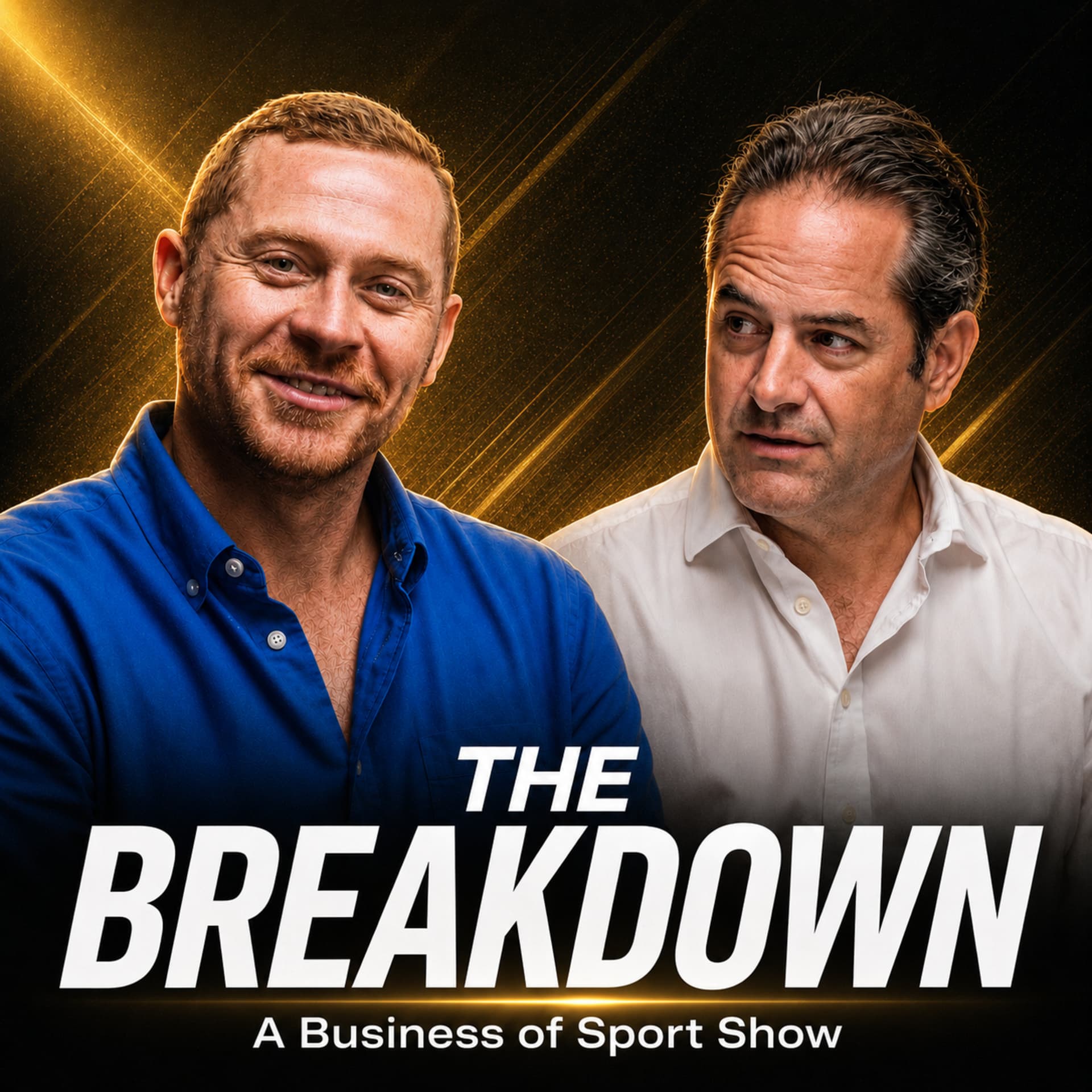
Business of Sport - Episode 107: Matt Richards: The Financial Reality of Becoming Olympic Champion
Episode Overview In this episode, Matt Richards shares his journey as a double Olympic Champion and discusses the financial realities faced by many athletes. Despite his remarkable achievements, including a historic relay championship and a narrowly missed individual gold, Matt reveals the challenges that come with being an elite athlete, particularly regarding financial sustainability and sponsorship opportunities.
Key Themes
Olympic Success and Expectations
- Initial Aspirations: Matt declared his ambition to be an Olympic champion at the age of eight, demonstrating early confidence in his abilities.
- Reality of Winning: Winning gold in Tokyo at 18 was not the overwhelming joy he expected, as the buzz fades quickly post-victory.
- The 0.02 Second Silver: He reflects on the emotional toll of finishing just two hundredths of a second behind his goal in the 200m freestyle at the Paris Olympics.
Financial Realities in Olympic Sports
- Funding Breakdown:
- Athletes in the UK receive lottery funding, with the highest band offering only £28,000 per year, which is often insufficient for living expenses.
- Many athletes rely heavily on sponsorships, but most earn little outside of these deals.
- Competition for Sponsorship: The limited window surrounding Olympic success presents a high-stakes environment for athletes to monetize their achievements without compromising performance.
- Athlete Comparison: The financial support and opportunities available to athletes vary significantly across sports; swimming is often less lucrative compared to more commercially popular sports.
Building a Business
- Launch of Sponsor: Matt discusses his decision to create Sponsor, a platform designed to empower athletes by providing greater control over their sponsorship opportunities.
- Perception of Athletes as Marketing Assets: Matt emphasizes that athletes must view themselves as brands and marketing assets to attract sponsorships in a competitive landscape.
- Balancing Athletics and Entrepreneurship: He shares his experience managing business responsibilities alongside high-level training and competition, noting that the dual focus has positively impacted his performance.
Pressure and Future Ambitions
- Preparation for LA 2028: Matt is already setting his sights on the next Olympics, demonstrating a commitment to overcoming the disappointment of his silver medal.
- Dealing with Pressure: He discusses the pressures of competition and how he mentally prepares for major events, including the unique environment of the Olympic Village.
Key Takeaways
- Sponsorship and Financial Education: There is a critical need for better education for athletes regarding branding and monetization strategies.
- Complex Emotions Surrounding Success: Winning medals does not automatically translate into financial security or fulfillment, challenging the perception of Olympic glory.
- Importance of Communication: Maintaining open dialogue with coaches and teams is essential for balancing athletic performance with business pursuits.
Quotes
- "People talk a lot in sport about sacrifices and I don't buy into that term. It's not a sacrifice; it's a choice." – Matt Richards
- "If you don’t have some form of social presence as an athlete, you’re not relevant to brands." – Matt Richards
- "The reality is that when you achieve something like an Olympic gold, it puts everything else into perspective." – Matt Richards
Conclusion Matt Richards provides a compelling insight into the dual life of an Olympic athlete navigating the complexities of competition and entrepreneurship. His experiences underline the importance of financial literacy, personal branding, and the emotional realities that come with athletic success. As he looks forward to future competitions, Matt aims to leverage his experience and platform to empower others in the sporting community.
Written by AI. May contain mistakes. Listen to the episode to check what was said.
Chapters
Tap a time to open that second in VOA Young Dreamer: Olympic Aspirations
0:00 to 1:08
Matt shares his early ambition to become an Olympic champion.
“I first said that I wanted to be an Olympic champion when I was eight.”
Welcome to The Business of Sport
1:08 to 2:14
Introduction of Matt Richards and the challenges Olympic athletes face.
“Hello and welcome to The Business of Sport, the show that takes you behind the scenes with the industry's leading owners, operators and athletes.”
Balancing Training and Business
4:08 to 5:14
Matt discusses how he manages training with running a business.
“I've been feeling sad as the only athlete on the show for a while.”
The Reality of Elite Sport
5:14 to 7:25
Matt reflects on the dedication and sacrifices required for elite athletes.
“Do you have a conversation with your coaches with broader team GB when doing something away from pool that they could see as detracting from your focus?”
Life as an Olympic Champion
7:25 to 9:11
Insights into the personal costs of pursuing Olympic dreams.
Early Mornings and Rigorous Training
9:11 to 10:55
Exploring the training schedules and challenges Matt faced growing up.
“But the biggest thing to me is family and spending time with the people you love does take a bit of a hit because you can be here, there and everywhere all the time.”
Inspiration and Early Ambitions
10:55 to 13:12
Matt discusses the inspiration behind his Olympic aspirations.
“You didn't watch the games and were inspired by someone.”
The Financial Aspects of Training
13:12 to 14:00
Matt talks about the costs of becoming a professional swimmer.
“Can I actually just ask, I think it was, was it Dom Thiem who was like, it takes a million dollars to be a pro tennis player.”
The Rising Costs of Olympic Sports
14:01 to 16:47
Learn about the financial challenges facing swimmers and the increasing costs of competition.
The Role of Social Media in an Athlete's Brand
16:47 to 19:49
Explore how social media influences athletes' marketability and sponsorship opportunities.
“You know and I think there is a lot of parallel between sport and business which is probably why it opens a lot of doors in that world.”
Show all 39 chapters
The Financial Reality of Winning Medals
19:49 to 22:27
Understand the financial benefits and limitations of Olympic success in the UK.
Balancing Team Dynamics and Individual Branding
22:27 to 26:08
Discuss the challenges athletes face in building their personal brands while being part of a team.
Life After Winning Gold: The Reality Check
26:08 to 28:05
Get insights into the immediate aftermath of Olympic success and its impact on athletes’ lives.
Life After Olympic Gold: The Reality Check
28:05 to 30:20
Explore the post-Olympic experience for athletes and the challenges of balancing fame with performance.
“Obviously, I much prefer being the right side of it.”
Navigating Brand Partnerships as an Athlete
31:21 to 34:29
Understand how Olympic athletes manage brand relationships and monetization.
“Do they try and fit something like that around you or is it on our schedule or nothing?”
Commercial Success in Swimming
34:30 to 37:54
Discuss the commercial landscape for swimmers and the impact of previous successes.
“How important is choosing your events into your decision-making around what the commercial appeal of that is?”
Building Your Brand as an Athlete
37:55 to 42:00
Learn about the importance of personal branding and athlete marketing strategies.
Sponsorship and Athlete Education
42:00 to 43:34
Learn how athletes can enhance their sponsorship opportunities through education and partnerships.
“And so we've put together a full educational platform that's part of the Sponsor kind of realm, if you like, to talk athletes through exactly that.”
Balancing Sport and Business
43:34 to 45:05
Discover how athletes manage their careers while planning for life after sport.
“But I think then that's the second part to it where actually, you know, I've launched a business, you could argue that that's ready to transition out of the sport, which isn't my intention anytime soon.”
The Emotional Rollercoaster of Competition
45:05 to 47:20
Understand the emotional challenges athletes face after competition setbacks.
“I think when I won that silver, I gave myself the evening to kick the cat and be frustrated and be annoyed and be all of those emotions.”
The Unique Environment of the Olympic Village
47:20 to 48:36
Explore the atmosphere of the Olympic village and its effect on athlete performance.
“There's nothing quite like it, to be honest.”
Comparing Olympic Villages: Tokyo vs. Paris
48:36 to 51:15
Learn about the differences in athlete experiences between the Tokyo and Paris Olympic villages.
“Generally speaking, a lot of people get to the Olympics and they won't perform.”
Health Risks in the Olympic Village
51:15 to 53:59
Discuss the health concerns athletes face in crowded environments leading up to competition.
“Illness or anything that kind of pulls you back.”
Preparation and Expectations for Olympic Athletes
53:59 to 56:01
Discover how athletes prepare for the Olympics and manage expectations within the team.
Preparing for the Olympics
56:01 to 56:48
Learn how athletes prepare mentally and logistically for the Olympics.
“Yeah, so we'll have those kind of conversations.”
Setting Medals Goals
56:49 to 57:28
Understand the mindset of an athlete when setting competitive goals.
“I want to progress that silver to gold and, you know, look to add more medals to the tally.”
Impact of Relationships on Performance
57:29 to 58:20
Explore the effects of personal relationships on athletic performance.
“Do you think being married makes you perform better?”
Navigating Career Challenges with a Partner
58:21 to 59:52
Discuss the joint challenges athletes and their partners face in competition.
Mindset and Competition Focus
59:53 to 1:01:42
Discover how elite athletes manage focus and competition anxiety.
“Again, just in terms of, and I think this is probably a good thing again.”
Ambition and Goal Setting in Sports
1:01:43 to 1:02:42
Learn about the importance of setting ambitious goals in athletics.
“And then I'll build a plan out to get there.”
Celebrity Encounters in the Olympic Village
1:02:43 to 1:03:29
Hear about memorable encounters with celebrities during the Olympics.
“which brand would you most like to sponsor you that doesn't?”
The Olympics' Impact on Other Sports
1:03:30 to 1:04:09
Examine how the Olympics influences the perception of other sports.
“quickly on that do you guys as athletes do you look at sports like tennis like football should You say sports where the Olympics is a great additive rather than the pinnacle.”
Pre-Race Routines and Superstitions
1:04:10 to 1:04:56
Learn about common pre-race routines and superstitions of athletes.
“But like I say, I think having the likes of Alcaraz, LeBron James and things at an Olympic Games is only ever a good thing for Olympic sport and therefore for Olympians.”
Navigating Free Time and Media
1:04:57 to 1:05:36
Discuss how athletes manage their free time and media consumption.
Reality Shows and Athlete Participation
1:05:37 to 1:06:36
Explore the interest of athletes in reality TV shows and their appeal.
Nerves and Pressure in Team Events
1:06:37 to 1:07:59
Understand the dynamics of nerves in team vs. individual competitions.
“But there's also then the caveat to that where you're also relying on three other guys doing their job.”
Financial Lessons for Young Athletes
1:08:00 to 1:10:02
Discover key financial lessons young athletes learn when turning pro.
“Whereas you earn more, you then start to spend more.”
The Reality of Athletic Income
1:10:02 to 1:12:06
Explore the financial aspects of being an Olympic athlete.
“it's it's not the salary is not a huge percentage um shall we say it is it's good yeah yeah yeah Yeah, it's a relatively small percentage of the total annual income, if you like.”
The Unexpected Emotion of Winning Gold
1:12:06 to 1:12:41
Discover the surprising feelings that come with winning an Olympic gold medal.
Transcript
Automatic transcript. May contain errors.0:00I first said that I wanted to be an Olympic champion when I was eight. Actually, no, not that I wanted to be, that I was going to be. It was on the way back from my first ever swimming competition and I'd just been battered by everyone. I was terrible. And I got on the bus and just announced to all of the other athletes that I was going to be Olympic champion. And they're all like, who is this kid? People talk a lot in sport about sacrifices and I don't buy into that term. I think it's the wrong choice of words because you're not sacrificing anything. You're choosing to do one thing over another.
0:23And that thing that you've chosen to do is something you enjoy more or you believe in more. And therefore, it's not a sacrifice. is becoming increasingly more and more prevalent, especially in this day and age. If you don't have some form of social presence as an athlete, especially, you're not relevant to brands. The days of getting a million pounds just to wear a competition suit and that's it, they're gone.
0:41Matt Richards:How much money do you make when you win gold? Well, it's a difficult question to answer. The simple answer is directly nothing in the UK. We don't get paid for performance. They have five different bands. The highest band to get onto that, you have to have won multiple gold medals across multiple years, which is£28 ,000 a year. So when I won my first gold in Tokyo, I was on£5 ,000 a year. My main serious question, how do they expect you to live?
1:08Hello and welcome to The Business of Sport, the show that takes you behind the scenes with the industry's leading owners, operators and athletes. Let's try and say this without sounding patronising. You're about to listen to one of the most impressive people we've had the pleasure of welcoming into the studio. Matt Richards is a double Olympic champion and silver medalist in the pool, winning a historic back-to-back relay title and falling agonizingly short of individual gold in the 200 meters freestyle. Two hundredths of a second to be precise. And that won't be the end of it. LA28 is firmly in his sights.
1:40At the age of 23 he has achieved more than most will in their whole career. You would think as an Olympic gold medalist the world opens up and in most ways it does. But as he describes these are athletes surviving on tiny salaries reliant on sponsorship and external funding all competing for the same dollars. So Matt decided to do something about it. He's now not only an elite swimmer but also a business owner looking to empower more athletes with the control over their revenue generating opportunities. A special guy with a huge amount still to come. We love this and I hope you do too. We're delighted to welcome Matt to the business of sport.
2:15Picture this, you're a sporting director in a taxi heading to a board meeting. A player becomes unexpectedly available. The window to act is hours, not days. Can you access your later scouting reports, your valuation model, see what your scouts and analysts think, collaborate seamlessly with your staff back at the training facility, all from your phone? If the answer is no, you're negotiating blind while your competitors are making informed decisions fast. Gemini Sports is the mobile first command center built for exactly this moment. AI-powered squad planning that puts every insight, every report, every critical piece of intelligence in your pocket.
2:51Not next week, not tomorrow, not in an hour, right now. In just eight months since launch, clubs across three continents have made Gemini their unfair advantage to win the transfer market. Visit geminisports.ai and see what your competitors are already using. Because the market moves at the speed of WhatsApp and your tools should too. Social media has become one of the most important marketing channels in sport. It demands more content across more formats at a faster pace without sacrificing brand standards or sponsor value. That's why over 90 % of professional sports teams in the US use Slate.
3:28Slate is the complete creation platform built specifically for social media teams and sport. Founded by former NFL social and video leaders, Slate was built to solve the exact problems teams face on game day and every day in between. It gives teams one place to create, collaborate and publish content across the entire week with brand standards and sponsor elements built directly into the workflow. Slate replaces fragmented tools with a system built for modern sports organizations. When content moves faster, engagement goes up and sponsorship opportunities follow. Slate helps sports teams create more content faster without the chaos.
4:08Matt Richards:Matt, it is so great to have you on the show. I've been feeling sad as the only athlete on the show for a while. So it's great to have another, you know, adornis of sporting brilliance joining Charlie on the show. Thanks for coming, dude. No, thank you for having me. Thank you for having me. I've heard about the 30 ,000 steps every day. So I feel like I'm probably not the athlete out of the two of us. But yeah. Most importantly, though, we pick you up in the middle of a training regime. So I mean, I'd imagine that takes quite a lot of planning and organization when you're going for yet more gold medals, but still trying to do lots of stuff around it.
4:39Yeah. Absolutely, yeah. It's one of the new challenges definitely for myself and my team is how we kind of merge the two worlds together. Because I think when I first started with the business and not just this, but getting more involved in business in general, it was something that was like, oh, I've got a lot of time in between training sessions because I'll train in the morning, I'll train in the afternoon. And then in between, I just go home, sit on the sofa, I've got nothing to do. So it was like, oh, we've got a perfect opportunity here to do something. and then very quickly obviously as the business has kind of grown and evolved and gotten to where it is now it now is one of those where it's like actually another eight hours every day would be really really quite useful at the moment but um but managing that is is part of that that challenge and what makes it so enjoyable i think yeah i'm just intrigued you said that like train in the
5:23Matt Richards:morning train in the afternoon and in the middle we have this like free time is that free time not meant to be like productively used on rest generally yeah um so you know previously that would be you know maybe have a nap or I'd obviously I'll have my lunch and I'll binge a tv series and maybe put some recovery boots on all that sort of stuff but but now I think that to be honest with you actually having the the kind of takeaway from mentally being constantly engrossed in the sport and always thinking about swimming and performance and outcomes there to be able to step away from that when I'm at home and focus solely on something else and then likewise when I go to the pool be able to step away from that world and and kind of detach my mind from that and refocus on something else i think the the complete polar opposites of the two mindsets that are needed really helps each other actually do you think yeah so you think running a business increases your performance on the or in the pool i think so i think so i mean it's it's too early to say so far i've not had any major competitions since we've launched the business obviously so um it's it's too early to say right now but what we have seen is that training performance has has been better than than ever um the competitions i have done granted not target competitions but they've been far better than any benchmark that we can set them against for previous similar competitions so it seems like I'm performing better in the pool now since you know launching launching the business and getting it to where it is now than I was previously which is fascinating really.
6:45Do you have a conversation with your coaches with broader team GB when doing something away from pool that they could see as detracting from your focus? Yeah I mean definitely definitely with coaches you know and with my my team I think communication there is so important and having that that open dialogue to be able to have those discussions early is really really important so when I first kind of came up with with the concept of sponsor it was a long long time ago now it's probably about 12 months ago now where I first thought of this as a problem that needed fixing I didn't really come up with a solution for that until about three months after when I'd spoken to loads of different people athletes brands etc and kind of settled on what I thought could be a really good solution and then I spoke to my coach I was like look this is something that I think I'm really passionate about I really believe in and I want to pursue I don't really know where it could end up going I'm not sure it's impossible to know until I get started but what do you think and and my coach was fantastic he was like look it sounds fantastic I see exactly where you're going with this I think there's actually a real opportunity here for you and all we need to do is just make sure that as a team we keep that dialogue open we keep talking and where things are difficult and where we do need to turn things up turn things down we do that and we're able to to have those conversations in a in an open and honest way and so i think because we had that discussion so early and set that expectation it's meant that as the demands of the business has grown it's not been a surprise or something where we're then sort of on the back foot trying to deal with it we're almost ahead of the curve there now i mean my co-host and lovely younger brother has done an amazing job of this in the business world i'm always fascinated from the outside every single time i look at swimming you know or anyone that's been in the swimming environment the work that goes into it the actual dedication that you have to put into being elite in this sport we talk a lot about what it takes to actually stand out in business worlds and the dedication of founders tell us like what is it actually like want to debunk the myth from the olympic gold medal when winning swimmer you know what do you have to put into this sport to achieve what you've done so far yeah it's such a good question i think the the honest answer is is probably a lot more than you think you know both you as the athlete but also people externally I think it's it's more than than you would think until you actually get into it and you start doing it you then realize what it really takes um you know and people talk a lot in sport about sacrifices and I don't I don't buy into that that term I think it's the wrong choice of words because you're not sacrificing anything you're choosing to do one thing over another and that thing that you've chosen to do is something you you enjoy more or you believe in more and therefore it's not a sacrifice because you've chosen to do it instead of whatever it is that you've sacrificed.
9:24But the biggest thing to me is family and spending time with the people you love does take a bit of a hit because you can be here, there and everywhere all the time. Time to do what you want becomes very sparse. You don't have a lot of that. And there are restrictions on, I'd love to go skiing. I can't go skiing because if I get injured, that's a huge issue. It's literally in my contracts. I'm not allowed to do skiing. you know stuff like that it's the little things like that and just those things where you know you've got an important birthday for a family member and you can't be there because you're somewhere else in the world at a competition that's the challenge I think and for me as somebody that is very family orientated I think that's the hardest thing about elite sport
10:05Matt Richards:Sadly time with my family has never been jeopardised You've just done the reverse Harry You've gone I miss him so much I miss him so much All I want to do is spend time I'm not allowed to base jump and this is in my insurance like base jump and heli skiing I'm like I can't ski let alone a heli is when you jump out of the helicopter on skis wow yeah yeah I definitely won't be allowed that either although I haven't checked if it's in the contract I think I could check what about the the training the 5am is that is that a myth is that is that legitimate no it's definitely legitimate I don't do the 5am anymore thankfully I've done my done my time if you were on that front so um i think the the very early mornings is more of a school thing whilst you're still at school and you've got to manage being able to train but also you know you can't move your school schedule around as as you know you've still got to be there from 8 30 till 3 30 or whatever it is um so yeah back in the day i mean i'd be i'd be diving into the pool at 20 to 5 in the morning uh training for two hours in the pool get out go straight to school spend all day there come back go straight back to the pool do two hours again in the evening get out of the pool do an hour and a half in the gym go home have dinner go to bed same again tomorrow so that was back in the day it was it was tough now it's 8 30 till 10 30 in the morning 3 30 till 5 30 in the afternoon so it's quite a sociable hours your first olympics tokyo right you're very young so was that identified only did you know this was likely to happen to the same way they fast track and and you start getting that preparation kind of yeah i mean i i first said that i wanted to be an olympic champion when i was eight so i was i was quite young when i first actually no not that i wanted to be that I was going to be.
11:45Where did that come from? It's a great question I don't know. You didn't watch
11:49Matt Richards:the games and were inspired by someone. I was always I always loved sport I've always been a very sporty person both doing sport and also you know watching it and enjoying it I think that's that's been something I've always always had I think the London games was was massive you know and the impact that had on on me being able to see something so close to home and you know know that not only are these our athletes but actually they're just a couple of hours down the road in London competing. That was really inspiring as a youngster. Would you be an eight, nine, nine? Maybe, yeah, maybe. So I don't actually know.
12:21I'd have to work it out whether or not I wanted or was publicly saying I was going to be an Olympic champion before or after that Games. I'm not sure, but... Publicly to mum and dad. Yeah, no, no, to everybody. I was like, it was on the way back from my first ever swimming competition, actually. I was on the bus with the rest of the team and we've got a family friend who remembers it far better than I do, obviously. And I'd just been battered at this competition by everyone. like I was coming last and everything it was my first competition I was terrible and I got on the bus and just announced to all of the other athletes on the bus that I was going to be Olympic champion and they're all like who is this kid what who invited him um but then 10 years later in in Tokyo where I became Olympic champion that family friend reminded us all of it and she was like I remember this vividly like it was yesterday and when he did that at Tokyo I had goosebumps because I just remembered him saying it on the bus and I was like there's no way that's going to happen and then 10 years later he's gone and done it so in answer to your question of where does it come from I have I have no idea um but it's it's probably something that's just a little bit of delusion mixed with um you know a lot of a lot of passion I guess when did you decide you wanted to go pro I think I was about 14 or 15 where I was like this is this is something I not just I want to do but now I'm like this is what I'm gonna do you know I'm really gonna pursue this 16 was probably the age where I was like okay actually I've got I can do this you know I've got the skill here.
13:40Matt Richards:Can I actually just ask, I think it was, was it Dom Thiem who was like, it takes a million dollars to be a pro tennis player. Top, top. Does it take money to train a child to be a pro swimmer? As a parent, do you mean? Definitely, yeah. I mean, it wouldn't be a million pounds, but it's not cheap and it's becoming more and more expensive every year. I think the cost of energy obviously has made pools significantly more difficult to run and therefore that cost is put onto the consumer essentially, which is the clubs and the learn swim program so it's becoming more and more i wouldn't say it's an elitist sport but it's becoming more and more inaccessible um and more expensive i think you know the the biggest challenge for for parents and things with swimmers is the cost of of competitions and camps and and equipment you know we'll wear a 400 pound pair of trunks for a race and you know guys at the top like myself will wear them once or twice and that'll be it and then we'll swap them out for a new pair that's amazing what do you remember the first money you earned like is it like i won a race and they gave me like 500 pounds it was actually i um it was actually a sponsorship deal um essentially so it was a company um very very early on in my career they sold like training trunks predominantly they didn't really sell anything else but training trunks they're still going still doing a great job um and they they sponsored me essentially with some free kit and they were like look we'll pay you i think it was 250 pounds if you come and do a couple of photo shoots and you post about us on social media and to me at the time I think I was about 15 to me at the time I was like I have made it I am I'm a pro now I'm making money from this obviously you know no no crazy figures but you know that was that was the first kind of exposure I think to earning from from sport and then slowly kind of progressed from there and built up did you you said there about posting on social did you know early that having an online brand and being social first was really going to be important yeah i think so um i think so i've always been very i don't know if savvy is the right word but i've always been quite in touch with with what's going on in the social media space and how how how that market moves the way the way it's likely to go and how you need to sort of position yourself to try and leverage it i think that's been something i've always always tried to consume as much as i can on to learn about because i think especially in this day and age it's becoming increasingly more and more prevalent that if you don't have some form of of social presence as an athlete especially you're not you're not relevant to brands because you know the the days of getting a million pounds just to wear a competition suit and that's it they're gone you know especially in elite elite sport like an olympic sport for example there's no value in in that for brands anymore um you know and so you have to have that community and that engagement that presence online to be able to to sort of generate that that return i suppose for brands to warrant the cost do you work in four-year cycles literally olympic cycles when you think about the exposure the olympics brings does it feel like despite everything going on you've got world championships you've got commonwealth games you've got lots of other tournaments do you feel like you're in that four-year cycle building up to 100 yeah 100 that's i mean it's the pinnacle of our of our sport um you know and unfortunately for for swimming we're kind of in a position where olympics rolls around everybody watches swimming everybody loves it at the Olympics it's great and then we disappear for four years the the infrastructure is not there to support that that continued viewership and and and I think it's one of the biggest struggles I think for for the sport um and something that I'm I am very passionate about trying to to change and it's not an easy thing to change but it's um you know it means commercially especially unless you've performed at the Olympics forget about it you're not you're not going to be able to to make any serious money unless again come back to being able to add value outside of purely performance so you've won two golds in the relay yep you won a silver an amazing silver even though i'm sure it may have may have felt tough to take um in the individual how much does winning the minute become an olympic champion change your life and in how people interact with you how business works for you it definitely opens a lot of doors um and that's something that I think I've always been aware of but come to realize more and more since getting involved in building my own business is how many opportunities and conversations that you can stumble across because of the accolades that you have in a different sector essentially.
18:03You know and I think there is a lot of parallel between sport and business which is probably why it opens a lot of doors in that world. I'm very aware of the I suppose the starting point that I've had in the business world isn't normal, you know, and it's a position where I am very fortunate to have that, to be able to open those doors and get in the rooms. And it doesn't guarantee you anything once you're in there. You know, I'll add that, you know, you've still got to make sure that you're delivering and you're performing in that world, but it at least gets you in the room, which is something that I think a lot of founders and business people, especially in the early stages, would kill for.
18:34Matt Richards:Can I ask actually, this is such a unique opportunity and conversation given the fact that you've won gold and you've also so narrowly not won gold sorry my question to you is we just had like eileen goo um question it's like hey is it a lost gold or like earned silvers or whatever the question was when you think about breaking them up the golds do you really feel the additional weight of expectation on you now having won golds or do you silence the noise i'm aware of it definitely aware of it and i think that that expectation and and you know that that front of it is definitely something that's that's there and you're conscious of but actually i think from from my perspective i've always kind of looked at that sort of thing as as an opportunity to to continue to prove yourself you've not you haven't got pressure on you and you haven't got expectation on you unless you've gone and done something that that warrants it and that's where it comes from so to me i look at it as i'm like well if there's pressure and if there's expectation from from me and externally it means that that i'm onto something here and I'm doing something right so I don't look at it as something that's maybe a concern or something to worry about I kind of use it as as fuel to be like you know almost reaffirming I'm actually pretty good at this how much money do you make when you win gold well it's a difficult question to answer the simple answer is directly nothing in the UK we don't we don't get paid for performance at the Olympics so you don't make any money you know and obviously every country is different some have you know a million dollars if you win win gold um others have have nothing like we have in the uk what we do have is we have the the lottery support um so you do get funding we call it to to continue competing and continue um continue that journey but performance sort of outcomes there's no there's no direct earning as an athlete but that's where sponsorships endorsements events that's that's where you make your money i'm sorry to be so blunt how much do you get paid then as an athlete from like national lottery funding so it's they have five different bands basically it depends on where you sit in terms of your performances etc as to which band you fall into the the highest band to get onto that you have to have won multiple gold medals in swimming anyway you have to have won multiple gold medals across multiple years to get onto the top band of funding which is 28 000 pounds a year um so that's your that's your salary so it's not it doesn't go a long way um again in the current economy in this day and age it's not it's not as much as you might think 28 000 pounds yeah wow yeah so when i won my first first gold in tokyo i was on band c so the third one down i was on 15 000 pounds a year that was my my salary when you won gold when i won gold yeah my main serious question how do they expect you to live it's a difficult one i think the the system you also need high quality food yeah you need a good bed yeah you need a warm home yeah i was going to ask is anything else included in that so you get access to yeah so you're you're you're generally speaking your travel and expenses for competitions are paid for so for example if you go to the world championships you don't have to pay for that out of your own pocket um you do have to pay for competitions that are just normal ones if you're going you know on a prep competition you need to pay for that it's becoming increasingly difficult i think for athletes in olympic sports the system was built at a point in time where the the olympics was still very much an amateur thing and so people were competing as you know they've got a full-time job but they're also really good at sports so they'll go and compete at the olympics it's not moved forwards or changed since then and so it's you know what's bonkers if i was red bull i'd like put a million quid in a pot for each sport and i'd say hey you know 50 athletes we're gonna double it and give you another 25 and the one rule is you gotta wear a red bull cap at any non-gb events and that's the deal it's a red bull cap they do do it for a number of sports they do it for a lot of lifestyle what you would call lifestyle sports winter 100 you look right now i mean all over snowboarding for example yeah i can't do it with olympics but they will capture that you mentioned like the eileen goose and stuff they'll capture those kind of people yeah separate from it for you you mentioned olympic being a thing i completely understand that that the olympics is built on that history and the participation over financial gain but let's be realistic right this is your job yeah for your whole life yeah yeah well well while you're while you're competing the olympics is two weeks every four years yeah so you to be able to compete at your best in the olympics you need to be able to live at your best when you're not there and if you're at the top end of your sport there needs to be better financial opportunities for people to do it absolutely and i think to be honest with you looking at the the top level of of aquatics gb and our swimmers you're probably talking a handful of those athletes that are actually earning outside of the um funding you know and making money outside of it from sponsorships everybody else is supporting themselves purely on that funding and that's because that isn't the demand on sponsors partially um also because that you know a lot of a lot of athletes don't necessarily understand how to get the sponsors or where to look um and i think there's this kind of common misconception of unless you've got an agent you know you can't you can't have sponsorship and and don't get me wrong agents help and that's that's a huge part of it um but not every athlete needs needs agencies and that doesn't mean that there's not brands out there that want to work with athletes so it's a it is a difficult one i think the you know there's also a little bit of a pushback i think from a lot of athletes like we were talking about earlier with the social media side of things where you know and i've i've seen it and felt it myself where you're like i'm not an influencer i'm an athlete but actually you're competing against the influencers for the same budgets you're competing against the celebs and the musicians and the you know whatever else all of these people are entertainers in the same way that we are as athletes and so for you to make money from a brand you're a marketing asset and and i think a lot of athletes either don't or struggle to understand that i think there's a lack of education around it as well um and and therefore don't know how to position themselves or where to find the right opportunities to make money the way that you then benefit is by standing out yeah trouble is in team gb the first problem is team yeah and when you're standing and it's like okay we'll come out when the music's playing in a gold robe or like with like your initials on the beats or whatever that's not really team player yeah like that's not great no how do you think about standing out to make money and being a brand but also i'm here with the badge and i've got a team around me yeah it's a great question it's something that i've i've kind of um toyed on a lot and and i call it almost like the conor mcgregor kind of thing you know the concept where you've got someone who is so out there he's so outspoken so different you know drags in eyeballs everywhere everybody you know when he was at his peak everybody wanted to watch the fights because a lot of people just wanted to see him get knocked out because they were like you know what i don't like that guy i want to see him get knocked out and but all it did was bring in eyeballs and off the back of it he made a stupid amount of money because he's he's garnering attention i think there's there is that element to it and i think for me personally you know i have thought about it and been like well why don't i just be like that and be that person and and you know i know that if i did do that i probably could make a lot of money because you can you can bring in a lot of attention it's it's not authentic to me which is why i don't do it but it's a really difficult one to figure out how do you do that as an athlete and pull that attention and and become that marketing asset without sort of sacrificing the the team or your your if you look like a nick curious he's got two advantages over you one he's got the frequency of competitions four times a year grand slams and two he's got solo player yeah he can be whatever he wants to be and it's not going to upset anyway yeah well this is the interesting side of what you do because a lot of it is solo fun you know team gb is obviously but team gb is 50 plus sports i think funded at the next olympics so yes that's a big team but it most interestingly as well you know you've had your most success so far as part of a team in an individual in quite a lot of individual sport so not only have you had massive success but you're also sharing those gold medals with three other guys brilliant but that individual one I'd imagine now is right okay done it in the team I came so close yeah no 100 % you're spot on I think that's the that's the the race that still kind of haunts me is that that silver and like we talked about it a little bit earlier i think it's it's such a i think it's i can't remember the exact phrase but it's something along the lines of the person who won silver feels like they lost gold whereas the person who won bronze feel like they beat fourth um you know and to me obviously being silver and by two one hundredths of a second you know it's so excruciatingly close that you can't help but then think oh well if i just shave my eyebrows would that have made the difference and i don't think it would but it's such a fine margin and i think you know from my perspective that the next goal is absolutely i want to make sure that i i change that silver into an individual gold and continue to win win goals with that that relay and hopefully other relays as well but um you know it's it's really important to me that i i make that right it's the easiest thing to sit on here and say i harness it for motivation and all of that but i guess overcoming that and even experiencing things and even at those fine margins that is the type of thing that keeps you probably in that pool maybe just a little 15 minutes longer yeah totally it's that internal motivation you just can't You either have it or you don't.
27:52And I think that's the kind of thing that keeps that motivation there. And don't get me wrong, I've been the right side of it as well. A year before the Olympics, I won the World Championships individually by two 100ths of a second. And then the year of the Olympics, I was second by two 100ths of a second. So I've been either side of it. And I've experienced that. Obviously, I much prefer being the right side of it. So can we use it as a case study? You're at the absolute height that any swimmer is. You've won gold medals at summer games. You come back from the Olympics. what are those first few weeks like it seems like there's a bit of this olympic gold medal olympic success myth where everyone just assumes from then on it's it's amazing and i'm sure it is for a little bit but what what does it look like for you realistically you probably got about a month to six weeks of of people bumping into you in tescos and asking for a photo and recognizing you which is cool um you know it's nice it's nice to be recognized for something good but after that the kind of public buzz starts to die down as the Olympics starts to become yesterday's news and the next thing rolls around.
28:56We kind of talk about the Olympics as you've got three months either side where you really need to monetize yourself as an athlete as best as you possibly can without sacrificing performance, which again is where it becomes tricky because that three months before, that's where the brands are allocating money. That's where they've got spend to put in through Olympic marketing because they know that there's so much attention there. But you as an athlete, that's the absolute most important, most crucial phase of your preparation. So it's that balancing act of you've been offered a stupid amount of money to go and do a one-day thing in London, but actually you need to go and miss two training sessions to do it.
29:33Well, can you warrant that expense, you know, expense as performance expense for the cash you're going to make from it? So it's a really difficult dynamic. How much would it need to be? It depends on the person. It really depends because, you know.
29:46Matt Richards:It's HSBC and we'll give you 100 grand. I would probably do it. I would probably do it. I mean, I'd probably do that. And I think a lot of other athletes in, you know, Team GB especially would do the same. There'd be a lot of athletes who would snap your hand off for it. But it is a difficult one because if you have that and you do it, fantastic. And then what if next week Samsung has got 100 grand for you to come and do another one? She said, thank you so much. I'll see you there. Exactly. But where do you draw the line? And where do you say, actually, no, I've got to put the performance first.
30:17Otherwise, when we do roll around to the Olympics, it's not going to work. Seamless access to the ultimate premium hospitality experiences at the biggest sports and entertainment events. That is what Seat Unique is all about. Now, I'm really delighted to partner with them. I've known the business for a long time. The founders are incredible. The growth of the offering has been insane. The experiences they create are unmatched. Seat Unique brings all your favourite events into one place. with access to top-tier Premier League clashes, major finals, the world's biggest artists and the most iconic venues.
30:49If you're worried about fake tickets or scams, as I think most of us are, every ticket on Seat Unique is 100 % official and guaranteed, so customers can book with total confidence. And it doesn't matter if you miss out on general sale. Seat Unique gives fans secure access to events that are already sold out, so missing a drop doesn't mean missing the event. They know the concern around hidden fees and unclear pricing. What you see is what you pay. No nasty surprises at checkout. Discover your next premium experience by following the link in the description to seatunique.com. Do you feel that brands appreciate this challenge?
31:25Do they work with you? Do they try and fit something like that around you or is it on our schedule or nothing? It really depends. Longer-term partners are definitely obvious. They're far more invested in you. If you've got a long-term relationship, they're going to continue to to kind of want to work with you and want to make sure they're not damaging any of that but understandably if it's a one-off engagement or if it's a one-off event or whatever it happens to be you know the brands are like well look this is this is the date or this is the schedule and you can either do it or you you can't we'll get somebody else um so it is it's it really depends on the specifics of that that opportunity have you ever done something and then wish you hadn't i don't think so you've never had that like where you're in the pool a week
32:08Matt Richards:later in the night i wish i hadn't done that samsung event i mean there's some there's sometimes events where the next day i'll be i'll just be really tired after a really long long day of doing something and i'll just be in the pool i kind of wish i'd just had you know a chill day yeah from that perspective no no no because this is this is great this is nice i can sit down and chat it's it's lovely this is uh it's the great stuff it's the ones where you're up on your feet all day for 12 hours doing stuff here there and everywhere it's it's you know really enjoyable at the time but it is tiring you feel it when you when you go back to training and so it does become a really difficult one of you know how do you balance it and manage the two because like i say you've got that window and if you choose not to use it in the three months before you're really banking on the fact that you're going to do exceptionally well there and then do a really good job of monetizing it afterwards and there's no guarantee of either of those things so it's a tough one so again i'm still really trying to get into how important that success those gold medals really are for your ability to do more than your 28 grand a year so looking ahead to la now this is the kind of beauty of the 200s there's a narrative there yeah absolutely i'm going to the next one and i'm going to win it yeah but you've got two goals behind you that's an appealing narrative yeah do you feel like you can play on that you can leverage it is there additional brand interest in that because there is a story here that someone else that you're competing against for those dollars doesn't have yeah quite possibly um i think definitely having the the previous success is what earns you the money um so for example tokyo i wasn't i wasn't making money in that three months leading up to it so there was no opportunities for me even though i was so young and so you know so fresh to the team and and you know there's that narrative there of loads of potential and and all of that sort of stuff it doesn't doesn't make money doesn't pay the bills um but after tokyo all of a sudden money started rolling in opportunities started coming up and i I was like, oh, this is pretty cool.
34:05And then, you know, at that point, I was like, well, this is just going to be my life now, which is great. And then three months rolls around and it all starts to die down and goes back to normal. And that, I think, was where I started to realise how this industry works and the way it works. Then Paris rolls around, much more money on the lead up off the back of the previous success. It goes relatively well, much more money off the back of it. Then it dies down again. And we're in that phase now where the commercial side of it as an Olympic athlete now, sorry, Summer Olympic athlete, because obviously I know the winter guys are on at the moment, but a Summer Olympic athlete right now, there's no commercial opportunities really kicking about other than ones that you really, really work for.
34:45How important is choosing your events into your decision-making around what the commercial appeal of that is? 50, 100, 200 relays. Yeah. Is there a conflict there of you going for the best ones versus I could do that? To a certain extent, yeah, to a certain extent. Because a gold in anything is better than being eighth in the most commercial event, definitely. What's the most commercial? For swimming, probably the 100 metres freestyle, I'd say is the most commercial one. And you're 200. Yeah, 100 and 200. So I've not quite cracked the 100 yet. I've been fourth at three major international meets so far on the 100, but not quite cracked into the medal.
35:31so I'm working on it but I'd say the 100's probably the most commercial and outside of that it really starts to trickle down you've kind of got different layers to it generally speaking the longer distance you go the less commercial it is because it's less exciting and it's less fast paced and harder to kind of build that narrative around generally speaking unless you're watching Ledecky I was going to say exactly unless you're someone like Ledecky who's just been dominant for so long at that point you've got a real nice commercial narrative there So it's a difficult one, but I do think that, you know, if you're trying to think of which one to go for, go for the one you're best at.
36:08And if you're lucky, that might be the one that's really commercial. If you're not, then it might not. But you can still make money from that, provided you go about things the right way. How good is Marshawn? I mean, the stupid question, he wins all the medals. What I really am looking at as well is I'm looking at a sport where the top, top, top, which is what you need to be, they're the ones that will get a lot of this because the brands will want that you've got someone right now who's yeah you say in bolt type thing yeah swimming does everything just flow a hundred percent to him yeah a hundred percent i mean his his i don't know the details of his his commercial opportunities obviously but the from an outside point looking in at the brands he's working with the way that they're him and his team have activated him as an asset has been exceptional and they've done a phenomenal job but But at the same time, you know, he won five Olympic golds at home Olympic Games at 22 years old.
37:02You're going to have a lot of commercial success off the back of that. So he's, yeah, in terms of as an athlete, phenomenal. And then in terms of as an asset for brands, you know, you see how valuable that is because you see Louis Vuitton, Nike, Porsche, you know, are all wanting to work with him. So clearly there's value there that he's adding to those kind of brands. What's he got? Just like weird ankles, good wrists? I don't know. I don't know. I'm not sure he's just phenomenal yeah no I don't know I mean I'm I know Leon I don't know him well you know I've never trained with him we've been at competitions together for years but never really raced against each other because we do different events but you know yeah I mean it's nothing like a Phelps or a Thorpe where he's got a huge wingspan on massive feet I think it's all I could tell from any interaction I've had with him is he's somebody that works really really hard clearly very talented but you know that does that only gets you so far so he's clearly somebody that is willing to to do more than anybody else when you think about the three month window either side
38:03Matt Richards:do you have like a i want to make half a million quid in the three months and three months kind of yeah i mean from from my perspective i would be looking at it similar to that in terms of how do i want to commercialize this this period of time and you know i'll sit down with my team there and be like well where are the areas that i we know that i've built a narrative and i've got value to add to brands and then how do we make sure we tap into that um for me i think speaking engagements and things are something i really enjoy um and and can be really lucrative when when done well so that's something that um over the past couple of years really since paris we've started to do more of and get more involved in but i think the the difficulty is the like i say the budget you're fighting against everybody for so you know these brands they've only allocated so much and you have to show why are you more valuable than the next person and in swimming and especially just in the olympics in general there's nowhere for the brands to put a logo on you you know you can't have a logo on a hat and be in a pool you know another difficulty in swimming we've got a hat and goggles on it's hard to see your face you know it's a little bit like i liken it a bit to um formula one netflix drive to survive i think was huge for the sport of formula one because it took the helmet off and it showed behind the curtain it showed behind the visor of who are these athletes and people then bought into it because they're like oh actually i really like that person i really i really resonate with them or you know actually i really don't like that but i'm going to tune in because i want to see them get beat and again that's that's where the narratives come from and i think because swimming has a similar thing where you've got goggles on you've got a hat on, your face isn't as recognizable as it maybe would be if you're in athletics, for example.
39:42It does make it a little bit more difficult for brands to see that value. And you haven't got a race suit. You haven't got a, you know, you think about the amount of things that people can brand up on when they perform. And then also, I mean, they've got the whole other car.
39:52Matt Richards:I'm a capitalist dude and I'm seeing tattoos. Yeah. Branded. 20VC on the chest, baby. There's a price for everything. There's a price for everything. I mean, we can have that discussion off air. but that's a really long term yeah are you one of the minority in thinking strategically about monetization and branded assets of yourself in the team i think so yeah um yeah i think it's it's an area where especially in olympic sports i think athletes are massively underexposed to what that should look like and how to do it well um and i've been very fortunate i've had some great people around me that i've learned from um and and i'm also just i'm very passionate about business i've always found it fascinating i've always enjoyed reading about business listening to podcasts and understanding the way that that world works um you know and entrepreneurship and how i think that like i said previously there's so many parallels between sport and business and i think there's something about the two that just resonates with me do you think teams and like team gb and team france and they should have a curriculum a pillar of education around how to build brand and how to think about monetization and career this is going to be really controversial but i think the the difficulty is that the governing bodies they they always have the the best interests at heart that's what they're trying to trying to achieve but i think the difficulty is that there's only so much that they can they can teach to the athletes because it's still the athletes they've got to got to do it and you've got to learn it yourself and you've got to figure it out um you know they they do put resources in place to try and support with that you know they have a performance lifestyle team it's called that are there purely to try and help the athletes outside of purely the sport to try and line everything up for them outside of it and make sure that everything's going well but it is it is a difficult thing to to do unless you really buy into it as an athlete you have to be willing to to buy into that that world and that concept and understand that you are an asset um you know and if you're going to make money from sport that's because you're an asset and i think that's that's the biggest thing that i think a lot of athletes especially olympic sports maybe don't understand is that because you're good at sport doesn't guarantee you a right to just make money you know you have to you have to add value back to the people you're partnering with you know partnership two ways so with sponsor the business you're kind of taking on this athlete sponsorship marketplace if we want to call it you tell me i hate to call it a marketplace but opening up the worlds of sponsorship to athletes that may be not very good at this are you almost kind of de facto taking on some of that responsibility that a governing body may not do and giving them them access in ways that they haven't had before yeah definitely so i mean we've actually got an educational section to to the system that we've been working on for as long as we have sponsor itself but we wanted to wait until we launched to kind of finalize the last few bits and put the last bits together to make sure that it's it's accurate and it's working with the opinions of athletes, brand leaders, agents, etc.
42:55And so we've put together a full educational platform that's part of the Sponsor kind of realm, if you like, to talk athletes through exactly that. And it's got everything in there that I'd like to think everything in there you could possibly need as an athlete to fully understand what you need to be doing to get sponsorship. So the way we're almost looking at it is that Sponsor is the place to get access to the opportunities and then the playbook which is what we've called it is the place to to learn how to make sure you're the one that gets it and that's kind of the the the way that we're looking to try and make sure we're upscaling our athletes at the same time as as giving them those opportunities they're walking away from you know the opportunity with with money but also with a better understanding of how that world works and what they need to do to continue to make money how do you look at longevity make a while the sun shines i'm going to be at the top of the sport for the next maybe five six years maybe longer if i'm lucky yeah yeah but then you're only 30 yeah is it something you even let yourself think about would you try and focus on the now yeah i think it's it's a mixture of the it's a mixture of the two you have to focus on the now um and if you don't you're you're almost halfway out the door um and so from from my perspective i've always been like let's focus on purely right now which is it's probably part of the reason why i've launched a business at the same time as competing and not waiting until I've finished to then go into that world.
44:15But I think then that's the second part to it where actually, you know, I've launched a business, you could argue that that's ready to transition out of the sport, which isn't my intention anytime soon. So it is a mixture of the two. And I think as an athlete, you do have a shelf life, you know, you've only got a certain amount of time that you can compete for and you can be that asset. And so from my perspective, I've always planned and I've always said anybody that knows me will tell you I've always said when I finish swimming I'll go into business of some kind and I didn't really know exactly what that would look like I knew it'd be something in the world of business and it just so happens I've kind of ended up now getting more and more involved in business and then launched my own business and and so my assumption would be that when I do finish swimming provided we've not sold sponsor I'll be I'll be stepping into that full time to to take on you know hopefully far more responsibility at that point if we're you know where I'd like us to be by the time I retire so it's a it's it's a mixture of the two I think what drives you more
45:15Matt Richards:the thrill of winning or the fear of losing I've always found this question really difficult to answer um I think it's a mixture of the two again I don't think there is one or the other I hate losing I absolutely hate losing I'm not I'm not somebody that enjoys coming second by any means you know and I think the when I turned around and saw second on the board my first feeling wasn't oh I've won an Olympic silver it was complete frustration and anger and you know obviously I still shook hands with David congratulate him he was the better man on the day he beat me fair and square and so as much as I hate losing I'd like to think I'm not a bad loser but at the same time the feeling when you do win a race there's nothing quite like it so it's it's it's a really difficult one to answer i think it is a mixture of the two sorry it's a hard question but i think a lot of people face setbacks and then it's like the question of how do you get back up and i remember being told it's like you know it's how you respond to your failures that defines a person when you wake up the next day and you you have done four years training for this yeah and 100 % i don't know if at that point you'd already won two golds uh no so i um the silver was before what do you say to yourself when you're lying in bed the next morning having the silver I don't think you do.
46:34I think when I won that silver, I gave myself the evening to kick the cat and be frustrated and be annoyed and be all of those emotions. And I was very clear with myself that it was like, right, you've got until you go to bed tonight. When you fall asleep, that's it. It's done. Forget it. Reset. We go again. And so especially at a competition like the Olympics where it goes on for so long, it's such a long period of time you know eight days of of consistent racing you have to try and keep your emotion as flat as possible both the highs and and the lows um and so to me it was very much i suppose leaning on the the experience i'd gained over the previous few years of being at long competitions and being like actually if i let this get to me now this is going to be a terrible week um and i'm not going to let it be that i was going to ask that what's it actually like being in that environment something so different you have your controlled environment so I'd imagine all the time with your training and your routines and then you go into an Olympic village with everything around it and you're expected to just then hit your ultimate peak performance.
Read the full transcript
47:35Yeah, it's different. It's very different. There's nothing quite like it, to be honest. The Olympic village itself just has this kind of buzz to it where I think you're in such a unique place where you are literally surrounded by the best athletes in the world across every sport and everybody's there. They're just, you know, you've got people knocking around on these bikes that you're looking at thinking, well, that must cost 25 grand. And they'll just dump them outside the canteen because it's like, well, no one's going to nick it. You know, and then you've got your best. Yeah, you don't know.
48:08You've got your best tennis players in the world, your best basketballers in the world who maybe, you know, you even as an athlete are still a fan of. And, you know, you see them and you're like, oh, well, this is pretty cool. But actually, you've got to still remain completely focused on the task at hand. So I think it's a really unique place to be and somewhere that a lot of athletes fall foul to because it's so different and because it's so exciting. A lot of athletes get there and we kind of talk about in our team anyway. Generally speaking, a lot of people get to the Olympics and they won't perform.
48:42They don't perform as well as they should have done because of that whole environment and that buzz and that excitement and all the emotion. A lot of people at the Olympics don't go anywhere near as fast as they necessarily should do. And so it's acknowledging that and almost using it to your advantage to be like, well, look, while they're overtaking the photos with the Olympic rings statue and, you know, asking for a photo with Carlos Alcaraz and LeBron James, I'm not going to do any of that. I'm going to stick focused. I'm going to stay to what I need to do. I'm going to completely relentless focus on here and now.
49:13I can do all that stuff at the end of the competition when I finish competing and use that to your advantage.
49:18Matt Richards:Which one was better, Tokyo or Paris as an Olympic village? I think Tokyo. The village in Tokyo was incredible. The downside was COVID. It made things different. But the village itself, the apartments, the way it was all laid out, the food, everything was just phenomenal. Paris was still incredible, but it was somewhat more of an experience, shall we say. Maybe not as well-oiled. Food definitely wasn't anywhere near as good. Why? I mean on the morning of well sorry on the lunchtime before my two free final the one where I won silver I had a worm in my lunch that's not a joke by the way that's true I was cutting into my fish and there was a worm in it Matt what?
50:07Yeah we don't think it was alive but we don't think I mean the team doctor as soon as I saw it I was sat here and our staff and things were probably one table diagonally across. And so I was like, that's a fucking worm. And all the other guys on the table were looking at it and we were like, oh my God, it actually is a worm. And so I was like, at this point, I'm thinking, well, have I eaten some of it? I don't know if I've eaten any of it or if it's just on the plate. So I took it straight over to the doc and I was like, Kate is our doctor. She's great. I was like, worm, I was eating, not sure.
50:44and she was like right go and get coke out of the uh out the fridge full fat coke neck it uh and then keep me updated all day any any stomach issue anything like that just keep me updated so why coke for the sugar i think i don't really know i didn't ask i was just like what kate says i'll i'll just do if she says drink a coke i'll drink a coke um you know i'm like you need to do whatever i need to do because i do not want to be ill right now off the back of that so so yeah the food was questionable, shall we say, in Paris. Tokyo, however, phenomenal. The Gyozas were incredible. Oh, yeah. Incredible.
51:16That must be your worst nightmare. Illness or anything that kind of pulls you back. I've seen over the last couple of weeks, Johannes Kleibo, the Norwegian, he's now the record winter Olympian with nine gold medals, ten gold medals, whatever mad stat it is. He's literally, the weeks before, he puts himself almost in quarantine because he's so, so scared of anything happening to him. Yeah. If you're in an Olympic village and you've got, I mean, what, 10 ,000 people? I don't know how many people in total you have around you. That must be a serious concern. Absolutely, yeah, absolutely. I mean, that's one of the benefits, I think, of Tokyo, actually, because everybody's social distancing, everyone's got masks on, there's hand sanitizers everywhere, and it's so strict.
51:58It meant that nobody was getting ill. Everybody was perfectly fine. Paris, on the other hand, we had a lot of illness in our team. You know, myself included, we had COVID going around. There was all sorts. Adam Petey was it, wasn't he? Yeah, yeah, yeah. So there was a lot happening illness-wise. And that's one of the things where you have to take every precaution you can, but there's only so much you can do. And, for example, in Paris, the journey to the pool for us was about 45 minutes to an hour on a bus. The buses had closed windows, and they had to stay closed. They were all taped shut, and they checked at both ends for security issues.
52:34so they would not let the windows or the doors be opened and these buses didn't have aircon and were in Paris in the height of summer so the buses are like boiling hot there's condensation all up the sides everybody's sweating and you're on it for 45 minutes to an hour just the same air recirculating so no wonder people are getting ill and this is before you compete? this is during, before the whole shebang but is this not a massive problem? because the four years of work that you're putting in for 90 seconds or so per race that could be scoffered by the conditions of the bus going to the pool.
53:08Matt Richards:Why get on the bus? Well, so you're not allowed to get taxis and things. You can use an official team car if they're around, but they're sparse. So, I mean, a lot of other athletes in swimming actually left the village in Paris and went and booked into hotels near the pool. I won't get into it, but we did ask if we could do the same. a few of us asked if we could just go just check out we'll pay for ourselves we don't care just get out of that environment and and sort of control some of the controllables a little bit more uh but we weren't able to so we had to just stick stick at it and stick with it so um but again i think it's it's important that you as an athlete you've got to be able to deal with that you know and not not especially in those moments not dwell on it not sort of let it shake you you've just kind of got to be like look this is the conditions deal with it we've got to crack on because if i'm a coach i'd be going apeshire i mean again you you know you put everything into this and yeah to have something completely out of your control yeah yeah so it's what about la 28 have you had a look at what's coming your way for that i mean i mean i'm looking forward to it it must be i'm looking forward to it to be fair it's uh that that one's going to be a bit mental i think i think i keep saying to anybody that asks i'm like i think this is going to be like the olympics of all olympics you know you know what the americans are like they will just throw everything at it and for example the swimming paris we uh we had 18 000 spectators which for a swimming pool where you know that obviously the sound kind of reverberates from the roof to to the water and back again it's like being inside a voo-voo-zela it's just like ridiculously loud and and you can feel the the environment like the walls are shaking in the cool room before you go out for your race it's like it's mental but incredible um la is supposed to be 58 000 for the swimming and it's like 58 000 in the arena in the arena it's like incomprehensible for a swimming meet to have that many people um is that distracting oh yeah yeah yeah definitely in a good way or a bad way either which whichever way you let it go does it fuel you or do you go like ah dude like i think the first the very first session in paris it kind of shocked me a little bit um i don't think it necessarily had a negative effect but it was a shock i was kind of like wow this is this is different um but then i think after that again it was one of those where i was like well look people are gonna step down as a result of this people are gonna let this get to them and i've always kind of kind of tried to look at anything that's a problem not just for me but for everyone as as opportunity and so i'm like well look this is another opportunity to to get one up on people if this is going to shake them then it's not going to shake me do you have preparation briefings individually like with your teams or as part of team gb expectations you're wearing the badge, the brand, how you're going to behave, what's okay, what's not, what you need to expect from venues, from a village.
55:59Do you have that? Yeah, definitely. Yeah, so we'll have those kind of conversations. In terms of the team and the culture and things, we'll do that for the full cycle, four years leading up and trying to sort of shape that culture and what it looks like and the behaviors that we think are what's going to warrant that success in however many years' time. and then when you actually get to it on on the day we'll do sort of pre-Olympic camps in the holding center so we'll for example I think in May we're due to be out in Stanford for a holding camp there because that's where we're going to be training on the lead up to LA just to start getting used to it and start to understand you know where's the nice coffee shops and where can you go out for lunch and and you know understanding your bearings so that when you roll around to the olympic time it's not all brand new and it's not all different and and you know you're doing that then so we do have that um and i think then when you're actually in the village the team the team do do a very good job of making sure that we're like you know this is where you need to be this when you need to be there these are possible issues you know there's been worms in the fish don't eat the fish um stuff like that you know that that's where um i think they're very good at that kind of thing what targets have you set yourself keep getting better keep improving um You know, I won a gold in Tokyo, a gold and a silver in Paris.
57:15So look to progress again from there. That's the goal from my perspective. And that's not gold, silver, bronze. I don't want gold. I don't want a bronze. I want to progress that silver to gold and, you know, look to add more medals to the tally.
57:29Matt Richards:Do you think being married makes you perform better? Do married athletes perform better than single athletes? That's a really good question. I don't know. I don't know. I've never really looked at it. because it's like on the one hand you will legitimately probably sleep worse actually with another person in bed yeah generally you see sleep schools reduce yeah but then you also see more focus less distraction less going out more routine based yeah i mean i i think from my perspective i've i've seen all of my success when i've been with with emily who's my my partner she's you know we've been together since we were teenagers and and so she's kind of seen every step of my journey and likewise me me for her because she she's a swimmer as well um so she just missed out on tokyo and then also just missed out on on paris so she was third at both of those trials and you have to be top two in order to go on the team so is that tough in a relationship oh it's brutal yeah it's absolutely brutal i think one of the one of the hardest moments of my career actually was was tokyo trials um i was at british champs which is where we qualify for the team in april and i was in the call room which is where you are just before you go out for your race and they've got the tvs up showing live what's going on i'm about to race i'm the next race the race in the pool right now is emily's and she was winning all the way through to 150 turned and then it was like the piano dropped in her back and she just just died um and then the last five meters two girls just out touched her touch the wall ahead she's third and i see that and just as they touch the wall it's like right everyone's getting up we're all about to go out for our race and i'm they're like and now i've got to go and try and qualify for for my spot so i i think that's probably still one of the hardest moments of my career to be honest being able to to see that it was really tough and she was incredible um as she always is she she was amazing and she was very much like look you know because when i walked out for my race i made eye contact with her and she just had a massive grin on her face and she was just like you know good luck don't and she didn't didn't let anything on and yeah yes i mean it's brutal and and even in the you know the business now it's it's it's very different you know and and you know emily will be the first to tell you she she's again been incredible with everything with the business but she'll she's the one that's kind of making sure that everything outside of purely swimming and business for me at the moment is still working because i don't have the time to do the food shop right now i just i haven't got the time in the day to get it done whereas emily will make sure that we've got the food in the house and it's ready to go this is what we're having for dinner tonight and and don't worry about it and and that's where there's there's there's that element of it it's a proper partnership like there's no there's no two ways about it anytime that one of us drops something the other's picking it up yeah so it's very special i'm very uh very lucky on that front do you love this do you love the process do you love the highs the lows yeah would you do it would you lose 10 years of your life to win gold against david popovich no no is he a big investor going into oh yeah yeah he's probably he's probably him and maybe one or two others are probably the biggest biggest ones right now but how are the Aussies strong yeah Aussies are always strong they're always strong I mean the two two three right now there's not they haven't got anybody right now that's sort of at the very very top but they've got guys that are right there who it just takes one big swim and they're in it so do you monitor competition or do you just focus I mean I definitely used to keep far more of an eye on it than I do at the moment.
1:00:56Again, just in terms of, and I think this is probably a good thing again. I used to know exactly what was going on all around the world in my events. Like I'd know exactly who swam what, where they swam it, how they paced it, all of that. Whereas now I'll turn up to a meet and half the time I won't even know who's there. Because again, I've not checked the sheet until the morning. And I do think having that degree of separation of the two is a good thing. because you can almost overthink and overanalyze and get into a place where you're not focusing on your performance. You're almost analysing everybody else's or overanalyzing your own performance.
1:01:30Whereas now I think I'm in a place where almost accidentally it's like, well, I haven't got time to check what time you went in Sydney two days ago. I don't know. It's not my place to know. I'm going to race you now and I'm going to try and beat you. A lot of athletes, they talk about the importance of having a North Star type thing. Then they also talk about the dangers of it because when you reach that goal, it's quite often hard to move on from it yeah and you know you said that when you knew eight or nine years old you said i want to be an olympic champion then you achieve it actually 10 years later right at the beginning of your career did you have that moment did you have to kind of refocus and go i want to be another olympic champion yeah yeah i'd say i'm a very ambitious person so i'm always moving the goal posts um and i think i'll always set massive really really challenging goals that most people would probably say are just completely unattainable and and not achievable um and then I'll work back from there to kind of map out, right, well, what do I need to do between now and there to get to that point with sort of smaller goals, bite-sized ones that I can hit along the way.
1:02:27And then I'll build a plan out to get there. And I think the goal for me was never one Olympic gold medal. It was always several more than that. And so when I hit the first one, that was a step along the journey of where I wanted to get to long term.
1:02:41Matt Richards:We're ready to do a quick fire. Go for it. which brand would you most like to sponsor you that doesn't? That's such a tough question. I'm a big car guy, so I would love Porsche. That would be a very cool one. I'd like to be sponsored by Porsche. It's a good one. What have you got now? I've got a BMW M240i, but I've had it for years now. I love the thing. I love it. I just, I don't think I could bring myself to sell it. So ready for an upgrade? Probably ready for a 911. Just a different type of upgrade. Yeah, yeah. I can't drive, so you're one up on me. Thank God to everyone listening to this who can drive.
1:03:12autonomous is coming soon who have you seen in the olympic village where you were starstruck do you know what i think carlos alcaraz at the time in in paris i saw him and i was like oh do you know what that's pretty cool he's like probably the face of tennis at the moment and and is likely to be for the foreseeable future um so that one was pretty cool cheat but just quickly on that do you guys as athletes do you look at sports like tennis like football should You say sports where the Olympics is a great additive rather than the pinnacle. Do you have opinions? Do you talk about what is included in the Olympics, what isn't?
1:03:47I think it's great for the Olympics, to be honest. Again, it's more attention, it's more eyeballs, which is good for everybody. So I don't think it's a bad thing at all. I think some people are probably almost envious or jealous that their sport isn't like that sport, which I can understand, but I personally don't feel. But like I say, I think having the likes of Alcaraz, LeBron James and things at an Olympic Games is only ever a good thing for Olympic sport and therefore for Olympians.
1:04:19Matt Richards:Night before mega race, Olympics, World Champs, Commonwealth Games. What's the routine? Food, sleep, time, poo? I want it all. Yeah. Yeah. So, I mean, you're talking probably dinner around probably 7.30, 8. Usually we'll be racing quite late. So, you know, I don't want to eat too early. then yeah I mean the nervous poos is definitely a thing that's definitely the same dinner no no because we can't really control it so you you almost have to make sure you don't end up getting into a specific routine on that front because you can't make sure that it's going to be the case every time so I'll always try and make sure I've had something with a decent bit of carbs you know a bit of protein in there something light I try not to go red meat just before racing I just feel it sits a little bit heavy as much as I love a steak I just don't have it right before racing uh so chicken or fish um and i love a bit of pasta so plenty of pasta and then you know look early night into bed relatively early maybe stick something on a series and then crash out for the night go to sleep what series at the moment i'm re-watching breaking bad are you um yeah i've been just kind of wow the state of media is that bad well this is the thing right before before the business i have emily and i we've got far too much time on our hands and so we binge watched everything there was nothing left for us to watch anything that we wanted to watch we'd seen and so we kind of got to the point where we're like we're just waiting for for new new seasons of things to drop and i was like well hey in the meantime i'll stick on breaking bad in the background i think there's uh the night agent season three or something's coming out soon so the night manager i've never watched the night agent that was a great series as well oh the night agent yeah different one oh wow night manager we've seen two is good one is I rewatched one before watching two I'm so happy I did that but I suddenly realised how good one was one was unbelievable yeah such a good series so great so I didn't think Tom Hiddleston had aged that well I must say sorry Tom he needs some protein if you're listening he knows well that's it because he kind of looked like he should be in a Tim Burton like are you a Traitors fan?
1:06:26oh yeah I love Traitors love Traitors celebrity Traitors coming up well that's I actually said this that's probably the only reality show that i would want to try you should do the celebrity show just come on like i mean anyone i mean i would i would do it to be fair that is what i would do yeah i mean the again the difficulty is time wise it would have to be after an olympics so it'd have to be 2028 or 2029 potentially would be the year where i'd need to do it but yeah i'd be i'd be well up for it so if there's anyone watching that's uh
1:06:54Matt Richards:that can make that happen what single race were you most nervous before oh that's a good question probably my first olympic final so the 4x200 final in tokyo that was probably my most nervous before a race how does that do you get more nervous when you do a team where there's other people's success resting on your success or when you can just go out and i don't think it changes it because when the difference is when you're in a team you've got the pressure and the expectation that you have to deliver because there's three other guys who are relying on you doing your job. But there's also then the caveat to that where you're also relying on three other guys doing their job.
1:07:31Yeah, I'd hate that. It's a difficult one where you've got more pressure on you for that, but then there's also an element of, well, I can't control all of it, so I've just got to do my job. Individually, there's nowhere to hide. It's purely on you. So I think there's, to me, I don't really get more nervous for one or the other. They both make me as nervous as each other. But that first ever Olympic final, 18 in a team with three very well-established guys, racing against the best in the world for the first time i was like god this is this is a lot
1:07:59Matt Richards:what do you know now about business and money that you wish you'd known when you turn pro when you're kind of 16 17 18. that's a really good question i'm a pretty good interviewer matt yeah 3000 times yeah uh i think there's a couple of answers there i think firstly the the concept i I can't remember the term of what it's exactly called, but essentially where you, it's like lifestyle creep. Whereas you earn more, you then start to spend more. And you think because you've earned more, you should get a better apartment. And then you've earned more and you should get a new car. I think that's an element where I think very early in my career, after Tokyo, like I say, where I started to make some good money coming in.
1:08:42You know, first thing I did was bought that BMW. And I was like, oh yeah, I've got a sports car. I'm 18, it's 400 horsepower. it's great fun now and bought a nice watch and and all of this sort of stuff and it was like this is this is great and i'm i'm now making great money and then very quickly i was like oh hold on a minute i've not got any more money in the bank than i did a few months ago so what was what's the crack there and i think then it it didn't take me long to realize the trap there um and that i think that was actually really the point in time where i started to really dive into sort of personal finance and understanding investments and what to do with your money and how to how to be sensible and not not be stupid and then from there kind of trying to work out well as an athlete what bits apply to me and what don't because i don't have you know a big salary coming in my my money generally will come in you know a relatively small salary and then you know large lump sums at random times and so it's not like you know a normal budget where you go i'm gonna allocate this there and this there and this there and that's every month one percent of money in a
1:09:43Matt Richards:year is salary from lottery versus uh yeah it's a clever question you're asking how much i'm earning here there you can work it out here i've told you it's 28 000 on the salary haven't i so hold on a minute um i mean it's i'm not a mathematician we invest in people no it's uh it's it's not the salary is not a huge percentage um shall we say it is it's good yeah yeah yeah Yeah, it's a relatively small percentage of the total annual income, if you like. And to be fair, I think from a business perspective, that's also why I'm, again, in quite a unique position with Sponsor, where as a founder, I don't need to take a salary from the business.
1:10:26I don't need to be pulling anything out for me at this stage. I can quite happily spend all my time working on it and support my life and what I need from my money elsewhere without that ball dropping. so it's it's yeah i'm very fortunate on again from a founder perspective it's a very unique
1:10:42Matt Richards:position to be in i think says all the right things yeah great um final one for me have you ever really upset your coach oh yeah oh yeah definitely what did you do when you're most upset him i don't know what the most upset i've ever been but i mean definitely bits and pieces i mean when i was in school nightmare nightmare i mean i'd be i'd turn up to training five minutes late and then you know I'd be I'd be chatting to somebody when I should have been stretching or something like that and and so I was I was definitely a nightmare for that when I was younger but nowadays I think the biggest thing for me is more um I don't think I annoy any of my my team with this but it's definitely a challenge for them I ask a lot of questions um I'll always be I'm a very inquisitive person I like to understand why why things are done the way they are and therefore if they can be done better and I also think when I know the why behind something I'm able to achieve that significantly better than if I'm just doing it for the sake of doing so I'll ask a lot of questions and then sometimes you know that can be that can be frustrating because it'll feel like I'm just quizzing you or being being obtuse but actually it's it's because I'm trying to drill down into how can we do this better.
1:11:48Matt Richards:Final one for you what does everyone not know or what does no one know about winning gold that more people should know or think about i think that it's not what the expectation of what you think winning gold will feel like is not what it feels like i think is the best best thing to say there it's you build it up as this incredible massive thing and then you do it and then you're like oh what is that is that all almost and it sounds really silly because it's an incredible thing it's a huge moment in your life and something that you know for me i will never forget any of those moments but it's it's just a race it's just seeing who can go here and there faster than the person next to you there's there's far more important things in life shall we say and i think when you achieve that kind of thing it puts everything else into perspective for you that's been amazing honestly i've loved it and so impressive to hear what you're all up to so thanks so much for joining us thank you once again to Matt for joining us so impressive to achieve what he has at such a young age and I love the conversations where the athlete still has so much more to achieve in their sport it brings a completely different dynamic to the conversation and chat around prioritization and focus hoping that we get to look back on this in summer 2028 with Matt having won an individual goal to make up for the 0.02 miss in Paris now if you want to see more from today's show you can do so by going to YouTube or any of our other social channels across Instagram and TikTok.
1:13:18There are more snippets to share and bite-sized chunks to consume. And whilst you're there, please do like, subscribe and follow the show. As you'll hear from your other favourite pods, it makes a huge difference when bringing you the best guests and conversations from the world of sports, which is, of course, our endless aim. Thank you again for tuning in and we'll see you next week. Picture this. You're a sporting director in a taxi heading to a board meeting. A player becomes unexpectedly available. The window to act is hours, not days. Can you access your later scouting reports, your valuation model, see what your scouts and analysts think, collaborate seamlessly with your staff back at the training facility, all from your phone?
1:13:56If the answer is no, you're negotiating blind while your competitors are making informed decisions fast. Gemini Sports is the mobile first command centre built for exactly this moment. AI-powered squad planning that puts every insight, every report, every critical piece of intelligence in your pocket. Not next week, not tomorrow, not in an hour, right now. In just eight months since launch, clubs across three continents have made Gemini their unfair advantage to win the transfer market. Visit geminisports.ai and see what your competitors are already using. Because the market moves at the speed of WhatsApp and your tools should too.
1:14:35Social media has become one of the most important marketing channels in sport. It demands more content across more formats at a faster pace without sacrificing brand standards or sponsor value. That's why over 90 % of professional sports teams in the US use Slate. Slate is the complete creation platform built specifically for social media teams in sport. Founded by former NFL social and video leaders, Slate was built to solve the exact problems teams face on game day and every day in between. It gives teams one place to create, collaborate and publish content across the entire week with brand standards and sponsor elements built directly into the workflow.
1:15:14Slate replaces fragmented tools with a system built for modern sports organizations. When content moves faster, engagement goes up and sponsorship opportunities follow. Slate helps sports teams create more content faster without the chaos. Seamless access to the ultimate premium hospitality experiences at the biggest sports and entertainment events. that is what Seat Unique is all about. Now I'm really delighted to partner with them I've known the business for a long time the founders are incredible the growth of the offering has been insane the experiences they create are unmatched. Seat Unique brings all your favorite events into one place with access to top tier premier league clashes major finals the world's biggest artists and the most iconic venues.
1:15:56If you're worried about fake tickets or scams as I think most of are, every ticket on Seat Unique is 100 % official and guaranteed, so customers can book with total confidence. And it doesn't matter if you miss out on general sale. Seat Unique gives fans secure access to events that are already sold out, so missing a drop doesn't mean missing the event. They know the concern around hidden fees and unclear pricing. What you see is what you pay. No nasty surprises at checkout. Discover your next premium experience by following the link in the description to SeatUnique.com.
From the publisher
Matt Richards is a double Olympic Champion and silver medallist in the pool, winning a historic back to back relay title and falling agonisingly short of individual gold in the 200m freestyle (2 hundredths of a second to be precise). And that won’t be the end of it; LA28 is firmly in his sights.
At the age of 23, he has achieved more than most will in their whole career. You would think as an Olympic gold medallist, the world opens up to, and in some ways it does. But as he describes, these are athletes surviving on tiny salaries, reliant on sponsorship and external funding, all competing for the same dollars. So Matt decided to do something about it. He’s now not only an elite swimmer, but also a business owner looking to empower more athletes with the control over their revenue generating opportunities. I have put a link below to check out the platform. A special guy with a huge amount still to come. We loved this and I hope you do too. We’re delighted to welcome Matt to the Business of Sport.
Olympic Gold & The Reality Behind It:
Winning gold in Tokyo at 18 and why it did not feel how he expected.
The brutal 0.02 second Olympic silver in Paris and how he reset overnight.
What actually changes after you become Olympic champion and how fast the buzz fades.
The Money Behind Olympic Sport:
£28,000 lottery funding and what swimmers really earn.
Why most Team GB athletes make nothing outside sponsorship.
The three month Olympic window to monetize success without harming performance.
Building a Business While Chasing Gold:
Launching Sponsor while competing at the highest level.
Why athletes must see themselves as marketing assets.
Balancing brand building, training, and the risk of distraction.
Pressure, Process & The LA 2028 Target:
Calling himself Olympic champion at eight years old.
The Olympic Village chaos, illness, and racing through adversity.
Turning silver into fuel as he targets individual gold in LA.
A huge thank you to our amazing partners on the show:
Gemini Sports
We empower the most confident sports organisations on Earth https://geminisports.ai/
Slate
The complete content creation platform for social teams https://slateteams.com/
Seat Unique
Discover your next premium experience https://wgl.io/s10it7
AND check out Sponza, Matt’s business to revolutionise sponsorship for athletes & brands https://sponza.co.uk/