
In short
Podcast Summary: Business of Sport - Episode 90
Episode Title
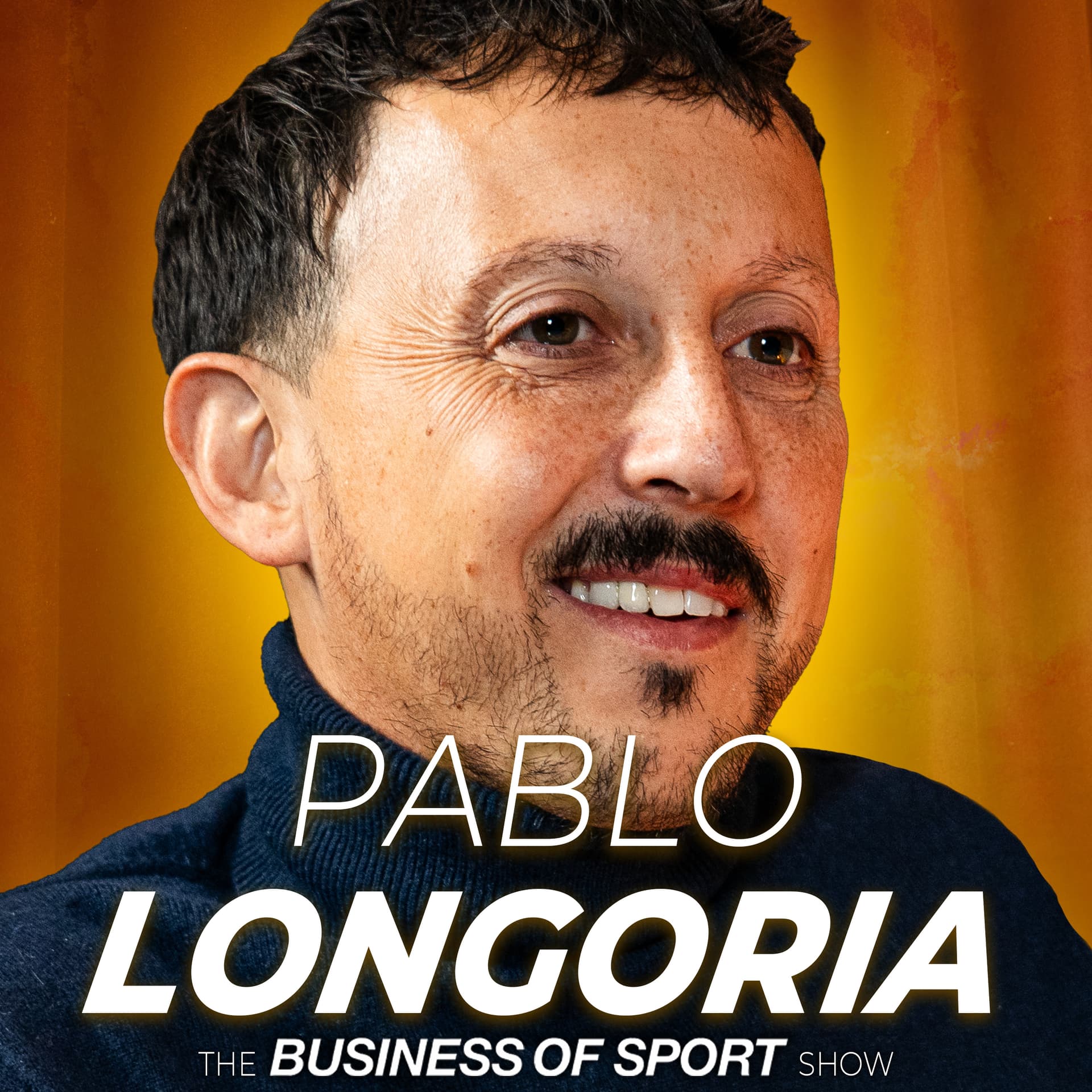
Pablo Longoria, Marseille President: ‘Rebuilding a European Football Giant’
Guest Introduction
- Pablo Longoria: President of Olympique de Marseille (OM), a storied French football club.
- Transition from scout and technical director to club president, focusing on results-driven strategies.
Key Themes Discussed
- Longoria's Path to Football Executive
- Started as a journalist aspiring to be involved in football.
- Transitioned into scouting and held roles at several clubs, including Juventus and Valencia.
- Marseille's Current State
- Challenges: Marseille's immediate challenges include navigating a chaotic media landscape and competing without the financial power of larger leagues.
- Fan Engagement: Emphasizing the importance of filling the stadium and maintaining a strong connection with the community.
- Revenue Streams
- Ticketing: Major revenue source. Ticket prices as low as €12 to ensure accessibility for community.
- Champions League Impact: Successful qualification can boost revenues up to 40%, significantly affecting the balance sheet.
- Team Composition
- Balancing youth and experience in the squad, with notable signings like Aubameyang and Greenwood.
- Transfer Market Strategy: Focused on avoiding inflated prices by targeting overlooked age groups.
- The Role of Managers vs. Football Directors
- Clarification on the distinct roles; managers focus on team performance, while football directors handle strategic planning.
- Importance of alignment between coaches and management for success.
- Media Rights and Market Dynamics
- Discussion on the collapse of French TV rights and its implications.
- Need for clubs to innovate within the media landscape to remain competitive.
- Competitive Imbalance in French Football
- Challenges of competing with wealthier leagues like the Premier League.
- The need for sustainability while navigating increasing financial pressures.
- CVC’s Investment Impact
- CVC’s investment in French football seen as a short-term solution, lacking in generating long-term recurring revenues.
- Future Vision for Marseille
- Aiming for consistent Champions League participation, innovation in technology and fan engagement.
- Focus on winning trophies to ensure sustainability and growth.
Key Takeaways
- Community Focus: Maintaining accessible ticket prices is crucial for fan engagement and club identity.
- Player Recruitment: Critical to balance the squad with a blend of youth and experienced players, avoiding inflated market prices.
- Media Strategy: Developing direct-to-consumer (D2C) models is essential for revenue diversification.
- Psychological Resilience: The importance of recruiting players with the right mentality to thrive in a passionate club environment.
- Long-term Goals: Striving for innovation and sustainable practices while competing on both national and European fronts.
Conclusion Pablo Longoria's discussion sheds light on the multifaceted challenges and strategies faced by one of Europe's historic football clubs, focusing on balancing community engagement, financial sustainability, and on-field success. The insights provide a valuable perspective on the evolving landscape of modern football management.
Written by AI. May contain mistakes. Listen to the episode to check what was said.
Transcript
Automatic transcript. May contain errors.0:00I have a theory that football is like a building. You are first floor, second floor, third floor. So if you are in seventh floor, you cannot take a player that is in the second floor because the gap is so big. If Erling Haaland is Erling Haaland right now, it's because he took very good steps. Molde, Salzburg, Dortmund, City. Wow. They are the right step each time. I made the mistake on not taking the players from the right floor in the building. It's a huge mistake. I'm going against my conditions. One of the sentences that we said between us, Let's concentrate ourselves in the things you can control.
0:34I will put an example that it was Rabiot's case, that it was so much controversial. During the summer, you have your best player and you have to take a decision of putting him in the transfer market for what happened inside the dressing room. But we were taking this decision because we thought that it was the most important one for a group in the long term. It was not the most popular in the short term. Hello and welcome to The Business of Sport, the show that takes you behind the scenes with the industry's leading owners, operators and athletes. Today, we're delighted to welcome Pablo Longoria to the show.
1:06Pablo is the president of French football giant Marseille, marking a welcome venture for us into European football. Make no mistake, this is a huge club steeped in history, the most passionate fans and the global brand. Managing all of this from a business perspective is a serious job. Then, of course, add into it the need to create a winning team on the pitch to drive it all, and that is the challenge that faces Pablo. From scout and technical director to club president, his route to the top is unique in itself. The approach is absolutely results first. They have compiled a squad with a strong balance of youth and experience, including former Premier League players such as Pierre-Emerick Aubameyang, Pierre-Emile Hoiberg and of course Mason Greenwood, whose controversial transfer is covered in the chat as we look at how Marseille are approaching the transfer market more broadly.
1:55The broader challenges for the club extend into the chaotic media landscape of French football and the challenge with competing against the biggest and established leagues with less financial clout. Deep insight into top-level football is not abundant. This is a fascinating reveal on what it takes to run one of European football's most iconic organisations. We're delighted to welcome Pablo to the business of sport. For years, protein bars have been the go-to snack for a quick protein boost. but finding one that truly delivers without adding excess calories and sugar has been a challenge. Most bars offer around 20 grams of protein but often pack in 350 calories or more along with a hefty amount of sugar.
2:37This formula has remained unchanged for decades until now. Introducing David, a protein bar that redefines what's possible. David gives you the protein you need without the unnecessary extras providing 28 grams of protein in just 150 calories and zero sugar. Unlike traditional protein bars, which are loaded with low-value calories and excess sugar, David delivers more of what your body needs without the unwanted fillers. Let's compare. Typical protein bar, 20 grams of protein, 350 plus calories, 20 grams of sugar. A David protein bar, 28 grams of protein, 150 calories, zero grams of sugar. With 40 % more protein, 57 % fewer calories and zero sugar, David offers a superior protein boost in a convenient portable form.
3:23The science-backed formula ensures you give the essential nutrients your body craves without compromising on taste or nutrition. David isn't just another protein bar, it's the future of protein. Whether you're at the gym or on the go, this bar provides the ultimate balance of high quality protein and low calorie efficiency. Idealized and perfected. Ever wanted to invest in sports? Ever thought about owning a stake in football, cricket or even Formula One? Stride makes it possible, starting from$5 ,000. For the first time, you can now access exclusive sports investment opportunities from a world-class football club to emerging paddle ventures to the next big thing in cricket or golf.
4:00Sports is no longer just entertainment. It's an investable asset. And with rising revenues, global fan bases, and media rights booming, the sports economy is one of the most compelling investment opportunities today. Stride is the regulated digital platform unlocking this market for individuals, institutions and family offices alike. Whether you're looking for yield, exposure to uncorrelated growth or simply want to invest in what you love, Stride is reshaping how the world accesses sports private equity. Ready to step into the game? Visit gostride.com, that's G-O-S-T-R-Y-D-E dot com and discover how sports private equity can work for your portfolio because investing in passion shouldn't be off limits.
4:45Pablo, it's so great to have you in the studio. Thank you so much for joining us first. It's my pleasure to be here having a good conversation, thinking about different topics right now in the industry as well coming from the investment world. For me, it's fascinating. So it's a good chat. So much for us to cover. The first thing that we must cover, because we speak to a lot of football executives and we get a lot of questions about how to get into the world of being a football executive. Yours is so unique because you've sat on both the performance side and now sit on the business side so for those that don't know can you give a bit of context to how you got into sport and i know that's a long answer for you well it's a long answer and i'm very young but at the same time when i'm feeling it in the industry well it's 20 years that i'm in the in the industry now i wanted to be journalist sincerely because it was the easiest way to be close to football because i wanted to to work in the football industry.
5:43But at the same time, it was so much complicated. And I said, well, maybe the easiest way it can be to collaborate with an agent in my city and then going into the vertical of scouting world. At that time, I started to work in a first division club in Spain, Regretivo de Huelva, at that time. And after that, he was so innovative at that time. this agent Eugenio Bottas, a Spanish one, created a scouting platform for the clubs to give in some kind of outsourcing the scouting at that time. So this time I collaborated with different clubs until the moment that Recreativo Welba gave me the opportunity of being chief scout.
6:26Then traveling to Italy to make my career, my Italian career, first as a scout, secondary as a chief scout in Sassuolo, Juventus. then sporting director Valencia coming back to Spain. I'm feeling 10 years ago it was the natural step you know that coming from the scouting world and scouting players recruitment etc. The next step can be directly to be a sporting director you know because just ago financial control it was not so tough as right now. Deals were simpler let's say like this and you were concentrated more in a short-term basis than building a project or having a different kind of strategic approach.
7:15So right now I think that for being a football director it's completely different than thinking about being a football director 10 years ago. Being a scout and part of then that performance set up at Juventus, a club with obviously so much history and power and clout, that must have been a very cool position to hold? Since at that time, it was amazing for two things. First of all, because we were some kind of innovative team in Italy because we were creating strategic plans for three years, for five years or so, even that, and creating some kind of innovation into the scouting and how to do a right methodology, supported always by Fabio Paratici at that time.
8:01and for me you know that I liked to travel I loved traveling around going into different stadiums etc it was well I remember a sentence in my first year in Juventus you know I'm like I'm in Disney World you know. So how does Marseille come about then? First of all my dream was always to have a possibility to walk in the top five leagues so for me it was interesting to go into France because saying, okay, I've walked for a short period of time in England, Italy, Spain. Well, right now, let's do France, especially for having, you know, different kind of cultures and how the sporting or football world is approached by different countries, by different cultures.
8:49This is something that it was stimulating me so high. Also, the possibility to play Champions League. That was a huge leverage for that decision. And the last one I wanted after my experience in Valencia where we qualified twice for Champions League. We won the cup. We played semifinal in Europa League. And after that we were sacked by the ownership. I needed to find the passion. and to find back the passion for football there's no place better to have patience in Europe than the Marseille so it was like the perfect fit. How did it feel getting sacked having done such good work? It's complicated to accept you know because for me in football you have a rule that is the rule that is fixing your your week you are winning you are safe you are losing you start to have troubles you know and is the right pressure because you want to win because you don't want to have you know to be at risk this is boring mentality at the moment that you are winning you are not you are not expecting to be to be out and this it was very hard to accept so you go into marseille football is results driven business we always know this it's the biggest challenge when trying to find the ways to build and develop things longer term but also keep everything moving on the pitch.
10:20How was the team when you found it, when you walked in? What were the biggest things that you had to deal with? First of all, it was, you know, it was a tough time, especially about COVID, especially for a club that you have a massive stadium, 67 key stadium. So you are depending so much on your stadium performance. So it was super challenging on how to start to transform the roster through a change of the model in the French League. Then it has been so much challenging about all the changes in the French landscape, etc. But the most important thing was how to find sporting performance short term, let's say like this, because after that you can create all the rest of the verticals.
11:12that is a commercial one, a stadium, and trying to attire the local community to be back into the stadium. That was the first thing that we were looking for. It was how to put back the people in the stadium to have a sold-out stadium and to create this kind of connection between your fans and people wishing to go, to come to the stadium all the time, you know. 67 ,000, like what are the revenues per game? and as a portion of your total revenue, is ticket sales enormous? Yes, it's enormous. As a vertical, let's say like this, out of player trading in our fixed revenues, playing Champions League, playing Champions League, can be around 30 % of our revenues.
12:03That's much higher than other teams, no? Yeah, especially because you don't have media right that is balancing. Which has also moved it much higher as a percentage. Exactly. But at the same time, you know, for us, having this stadium is a competitive advantage. It's true that obviously you have to have into consideration different factors like the OPEX around the stadium that is not, let's say, like this cheap in comparison with other countries. Is it more expensive to run the stadium than other countries? That depends on each country. For example, in Spain, you have 50 years' rental for one euro in different clubs.
12:47You have the state that is covering the expenses about police and security out of the stadium. And you have completely different models, like in Italy, that, for example, is a mixed system, or Germany that is completely different. for us as the stadium is owned by municipality. We are paying an annual rent. We are paying massive security expenses because for us, obviously, we think that we need to have the best experience for our fans as possible. How much does it cost security for a game? Ballpark. Important games, you can go around more than 500k. 500k on security in the important games yeah do you think a lot about f &b like food and beverage it's a a lot yes and right now we are thinking about it from a strategic perspective because we have also the particularity of having a stadium downtown so finally we are not recovering all the euros on F &B because a lot of you know there are a lot of bars there are a lot of restaurants around the stadium etc etc so in this way there is also a big challenge on how to the maximum respecting everybody or because obviously downtown you are creating value as well for your city but it's true that it's super challenging as well increasing F &B if you have a stadium downtown you know yeah that's super hard and you want the community to win as well from games being hosted there and pubs and bars and everything but you want as much of the wallet of the consumer as possible absolutely and there's no a big tradition of consuming inside the stadium in marseille as it's a sunny city you know you have a good weather during all the year people love to be in the street people is consuming in the street they love to stay i don't know one hour before the kickoff, being outside and being in community.
14:54So super challenging. Is every game sold out? Since two years and a half, yes. If you increased it to 80 ,000, could you sell out? Like, why don't you increase supply? It's always a good question. But, you know, in Mase, you need to keep always a balance between the popular component because you have one of the poorest, let's say, like these areas in Europe. Yeah. And there's a city with a big level of social economic difference, you know? And there's a particularity in your city that you have to respect. And I like to respect it because for us, Olympic Marseille and football in Marseille is so much popular that we are offering to our fans 26 key tickets that is almost an average of 12 euros per game if we are counting Champions League and League One and Domestic League so we are proud as well of keeping that level of popularity because this is creating your DNA 12 euros a ticket that's incredible and if you are taking the season ticket season ticket card yeah that's amazing when up your ticket prices mate up and no but again you've just described why you don't right because you've got one of the poorest areas and that feeds into the fan base so yeah but if you do then you don't sell out your stadium you don't have the atmosphere that you actually that's interesting if you increase prices would you still sell out i i think you would yes you just take consumer money but you are renouncing to your dna so the strategy is not how to increase it all the stadium is how to create a segmentation where you can let's say like this doing an optimization of your stadium keeping your dna this is uh this always a very strategic conversation and this is why we are working a lot on thinking about what are the different offers in hospitality where the different segmentation in the stadium where everybody can find them their place in the stadium you know totally because if you do one of the best things about marcia you go the velodrome or you see the velodrome the atmosphere right that is created is incredible the intensity of the fans that builds what you see clubs going there on european nights chelsea is often hailed as having a terrible atmosphere do you think if chelsea ticket prices were cheaper and made available to a wider demographic of people it would be a better atmosphere yeah interesting but you know for example stamford bridge is a good example you have one and a half stands that have what i would call is i don't mean proper fans but let's say fans that would go every single week then you have to the two side stands which are priced much higher they are where a lot of the corporates sit there was 4.2 we got offered tickets to sit in this new stand it's not hospitality it's just better access to food and beverage it was 4.2k per ticket.
17:54Wow. You know, it's something, in my opinion, sincerely, and this is something that I am always thinking about it. Obviously, we as clubs, this is your intention. You need to have better commercial revenues, better revenues coming from ticketing. You need to maximize everything. It is normal because finally you are doing the natural allocation to buy better players and you are creating more expectation, more people coming to the stadium. But at the same time, I think that we in football, we need always to think about how to keep the principles of football. And for me, the principles of football is that this is a popular sport.
18:39You need to have your core fan base going always to the stadium. At the same time, yes, from the other side, you need to see, OK, what is the best economic models coming from my stadium. For me, one main answer can be to have a stadium that is working each day in the year. This is something that is quite important. What do you make of the rise of like multi-purpose where you see Tottenham having events, NFL? How do you feel about multi-purpose and is that something that you think every team will need to adopt to maximize revenues? Absolutely, yes. And this is something that is very related to the technology of the pitch because especially you need to...
19:20Everything depends on the quality of your pitch and what is the technology to keep us safe and obviously to play in the best conditions your pitch. For me, it's everything about this. How much do you invest in your pitch? The last year we invested 1.5 million in maintenance of the pitch. I'm sorry for being naive again. Is that a lot compared to other teams? No, it's in the average, especially because right now between... And I'm taking into consideration changing the pitch because for us, we have a strong summer concert tour. So we are trying to optimize through three weeks in the summer to organize as maximum as concerts as we can.
20:03So you have to change the pitch. And as well, you need to maintain it during all the years with all the different products, etc. because finally the quality of your spectacle depends right now in football a lot in the quality of your of your pitch how important has winning been and performance on the pitch how important has that been based on the business that you're able to generate off it and i use the example of man united for for example who have been far below the standards expected of them for many years but their performance in a corporate level on a business level has still been very strong Each club has a particular model, that's for sure.
20:43But for me, sporting results is the core of everything, you know, because I'm not feeling that you can have commercial impact without sporting performances. People are not wishing to come to the stadium to see a team that is not performing in the pitch. So for me, this is about everything. And you are, because it's what I'm mentioning always, you know, when you are asking what is the most important thing in a football club and a lot of people can answer okay it's the stadium is a commercial is revenue i don't know it's branding win next game because if you are winning you can continue creating commercial revenue people coming to the stadium this is the core you need to win you have to win you have to keep the best performance in the pitch as you can and you are respecting from your fans.
21:37And putting everybody in the track of the most important thing, the players, because they are the main actors, is winning the game and we need to do everything from all the different departments to allow the team to perform in the best conditions. This is something that nowadays in 2025 is so much challenging. Do you get involved in the process of bringing players to the clubs? How do you approach that side of it? Right now, I'm trying to delegate it as much as I can, especially because we have, right now, a very good football director who's working very well with the coach, Medivinatia and Roberto de Cervi.
22:17So at that time, for me, it's more a strategic supervision of the processes and intervening in negotiations So, especially in the most critical ones, trying to go a little bit to the action in final part of the negotiation. And I'm seeing more my position like, you know, a steward of the strategy. De Zerbi was a brilliant hire for you, I'd imagine. You must have been delighted to get him in at a time where his stock was so high from his time in England. So much energy consuming that process, sincerely. How was that process? How did it come to be? Since the league, that was something that was curious because I received.
23:02We were looking for a coach after a very difficult season. Yeah, we played semifinals in Europa League against Atalanta. We lost semifinals, but we ended the league in eighth position. That is something that is not acceptable in Marseille. so we were knowing that since February that we have to look for a new coach, right? Different coaches said no before the semifinal of Europa League but at the same time a friend called me when we were a little bit doubting the process and he said to me, listen, that next week Roberto de Zerbi, maybe he will leave Brighton but don't tell anyone, obviously. 10 seconds after I was calling Roberto Seguin.
23:50As we were discussing in the past, before he moved to Brighton, he was an option. And what did you say to him? Hey, I'm just thinking about you by chance. No, I was saying, okay, and I know that for Roberto, it can be interesting because when we played Olympic Marseille, Brighton, he said in the press conference, that it's a stadium I love, this club I really like blah blah blah because it's you know something that I feel identified with it with the club I said I know that it's complicated we're not playing a European competition next year I think it's something that it will be impossible I know what you are doing with Brighton so let's have a chat with the with the coach because I want to explain to him the ideas we would like to have at the same time my football director was speaking directly as well with the with the coach but at that time you know it was more about personal and human relationships that rational decision for every one of us i think people look at managers and think they manage the team they do all the buying they do all the selling they do all the reason what did people get most wrong about what a football manager does i think it's changing completely you know and it's about the different countries, especially because I think that here in England, the people think that the coach and the manager is doing so much more things than he is doing right now.
25:21In reality, I think in the south of Europe, we are putting inside the job description, if we can tell like this, more of the coach's skills that is managing the team in the day-to-day. He's the boss of what's happening inside the pitch. But finally, for example, that depends on the agreements you have morally with your coach. For example, our agreement with Roberto was that no player can come to the team without your consensus. Is that normal? That depends on the way you want to manage your coach. Obviously, having a super talented coach and one of the best coaches in Europe, you need to do that concession that for me is not a concession let's say like this especially because if you have a coach with a very strong methodology and very identified style finally you need to adapt to to him and giving him the best tools to play under the methodology if you are you know was it allegory when you were at juventus yeah was that the same type of conversation?
26:32Does he want to have that level of control or are some far less concerned and far more happy to coach? No, I don't think that Roberto wants to have the control. It's more the way we want to work together because we are trying to create some kind of consensus and super alignment between the key actors in the club. This is the way I'm approaching it. With Max, it's completely different because, yes, he was demanding us. All the coaches, You need to have the best players as you can. But Max was someone that he was giving a lot of confidence to the sporting department of the players arriving, especially because for Max, his methodology about football is about having very clear, let's say like this level of players and talented players and creativity in the different positions with different skills.
27:29So he was giving a lot of confidence to the sporting department. So does Roberto come to you and go, Pablo, I want this player. Go and get me this player. Would he do that with you? He can because we are speaking all the days and my football director and Roberto, they are speaking until two o 'clock in the night all the day. So in that way, this day-to-day conversation, what I'm trying to fix in all these, you know, different kind of balance of relationships is more what are the limits for the different positions what is the budget, what is the financial planning, what is the strategy as well, because I think that we need to speak about the strategy.
28:09So finally, it's more not an organized, okay, weekly meeting for the market. No, it's a day-to-day conversation. This, yes. This, no. Pablo, do an effort here. Okay, if you are doing an effort here, you need to have another strategy in that position or in that one. So it's more like, you know, working in normal conditions. You know, I think we are so much processes right now in the society. But if you have a normal relationship, an open relationship with everybody, you know, it's easy. Football director versus manager. How do you separate those roles? Manager manages everything on the pitch inside the team.
28:49What does the football director actually do or the technical director? I'm doing it something like it's not the pitch, just the pitch on obviously all the tactical decisions, who's playing, who's not playing, etc. It's more dressing room. I think the coach has to be the boss of the dressing room and controlling all the internal relationships there. And he needs to keep that kind of leadership through the group and his position in your football director in another perspective where everybody they feel okay he's the steward coming from the club because he has the strategy and he has the leverage as well into the critical decisions is how to put different levels without the legitimization the leadership of the coach inside the dressing room so this would naturally take us down the financial rabbit hole that we'll eventually get to but on transfer market how has it been when you're operating now in a european transfer market where we've seen just crazy fees go up the numbers that you need to be able to have to spend on players is so high not just on salaries and sorry not just on signing on fees but salaries as well how have you managed that how have you dealt with that as we've seen this overall market inflation and the players that you're able to go out and target and hopefully bring to the club stayed there last month and a half thinking about this whistle how to be competitive because you have huge distance with Premier League you have distance with the top European clubs coming from our perspective perspective that you know you are one year in and Champions League when you're out first of all is okay being all the years in Champions League that's my answer number one second answer is going to the market positions where the others they are not going this is what we are trying to to analyze especially because you if you are going where everybody is going you are paying the inflation you know and you're paying a very saturated market where do you think value is where others are not going especially for me is by age group because right now football with a new investment coming into football everybody is going okay I will buy a player with 21 years old because I think he will play with me he will take some value so finally I'm creating value so I'm getting financial financial result and I'm getting cash I'm getting financial results so everybody's playing right now this game that I fully understand and it's especially because one of the main verticals in football is player training, of course.
31:38But at the same time, it's creating an overinflation in this particular age group where everybody's going as a strategy that I'm thinking about how to be competitive, not touching this overinflated... So what does that mean? You go earlier? Earlier or later. So let's say, let's use Hojbjerg, right? You have a player, you're playing for Spurs, very competitive in the Premier League. What's your cell of Marseille? How do you position the club to a player like that where you go, this is the place you have to come to. This is why we're different. Two things. Especially because I think when you are getting into maturity in your career, you want to play Champions League every year.
32:21That's point number one in a player like Pierre. So we were selling a project, first of all, about passion, about loving for football, about being in a different environment, trying to play Champions League each season. So at that time, when you are getting mature in your career, you are looking for not only for a career plan, I'm going to England and I'm developing myself. After that, you are thinking about, okay, how to be stable at the top level, how to feel about emotions, how to feel that I'm important in a project. He has a natural leadership, Pierre, for example. In that time, I think that matched automatically with the MBS, especially because he speaks French.
33:12And as well, he played with our football director, Medivin Atia, in Bayern. So it was like, okay, it's the perfect mix. And at the same time, you know, you are going to a phase in the market by age where nobody, they are going to invest in players, in uh pierre is in 95 so we invested on him when he had 29 years old but but inherently with that i get you but it's a bit like buying a car at the kind of uh 75 of life zone where it's like sure but like the real set resale value on that is like do you worry about that not for a reason because i want to assure the sporting result come and work at chelsea please it's so you're like i'll buy you a bit cheaper because people don't want to pay that much for a 29 year old or a 20 30 year old um and i'm happy to have a hit on the resale value and we'll sell them to some no i will continue to depreciate from a financial perspective the value i'm taking is not about the transfer of the player it's about his performance and his stability that it will help me to have maybe younger players to play close to him and learn from him.
34:30So it's not just about his sale value, right? Basically, if he gets you into the Champions League as well, he's repaid his transfer fee like that based on his performances. You could say exactly the same about an Aubameyang, right? Aubameyang scores the goals for you that you suddenly get into a much stronger position. Even though he's very old, you're not getting a value at the end of it. No, let's say like this. This is a strategic conversation we had during this summer with Aubameyang. It's a question. Do you prefer to invest, I don't know, 50 million euros, one five or 20 million euros in capex for a 23-year-old striker?
35:02Or do you prefer to have Aubameyang with his level for free? We were thinking, okay, let's do no capex for Aubameyang, paying his salary. He knows the club. He's a player that he was also very fit in Saudi Arabia. So I prefer to have this sporting performance that taking a risk on the player that he has to adapt. I have to create value with him, etc. But as well in that position that we have Aubameyang, Wee, who is a 2000-born player, but we have Robinio Bass that is a 2007 who's playing behind them. And at that time, Robinio Bass is performing right now because he feels stable, maybe for having Aubameyang who is taking all the pressure.
35:46And Wee, that last season, he was very good. and right now he's playing well for us. You know, he's taking out all the pressure for the kid. So when you have an Aubameyang for free, do you then have a signing on fee that makes him want to join you and then a higher salary? And you can factor that in because you're getting him for free. That depends on the age. In this case, it was not the case because he was expecting and wishing to go back to Marseille. But in other players that you are signing for free, yes, there's a signing fee. but finally you know you need to compensate everything because for me signing fee and salary it's the same thing it's except one's paid in a lump sum and one's not no finally you have to pay it and you have to pay taxes about it so finally for me it's like salary you know you have to pay higher salary for a player that is coming for free you said about like finding value where others don't i love that and i love this discussion one that is finding value where others don't is is mason like how did you think about that one because it's a controversial decision because he's obviously a great talent but it is also controversial finding value where others aren't obviously that that takes into different question now and it's about let's say like this no are you taking the right decision and sincerely at that moment i needed to take the right decision from my perspective also, what are the values of your club?
37:15This is point number one, because we are doing football with values and I would like to sleep all the nights. So in that way, sincerely, we made a deep taking of information coming from the different clubs he played about what was the situation, what happened, etc. and saying, okay, am I feeling comfortable as leading this club with the information I have? And my answer was yes, absolutely, at the moment that you have all the information. So at that time, you are taking an advantage of a situation in the market because you know that he's super talented, that he's playing for you, and you are having this possibility for a circumstance that happened in the past.
38:03At the moment that you are thinking that you are taking the right decision, this one okay let's do it did you all agree it was uh individual disagreement in the table only only one only one person but finally you know at the moment that the decision is taken second part then once you do get that and you and you have that how important is it to then figure out how to make the best level of communications with everyone outside the room so that you can put across the work that you've done? And do you take the approach of we need to do this or do you take the approach of, nope, we're going to do it and it doesn't matter what other people think?
Read the full transcript
38:43Sincerely, for me, it's very easy. If you are convinced in all the strategy communication, when you are doubting and you are forcing a situation, you will have always a very bad communication strategy because you won't be credible. At the same time, you know, you need a communication strategy. It's obvious. Let's tell the truth. Let's tell why we take this decision, but with transparency, explaining all the process, explaining why did we arrive to take this decision. And after that, that will be the time that it will judge, and that will be, you know, the day-to-day that it will put all along the things in this position.
39:33You have some incredible fans, some mad fans. On the communication, when it comes down to them and players and the buy-ins, how important is it when you're going through the transfer strategy and you're bringing those players in? How important is the fan base in that, putting together a team that you know they can get behind? For me, it's not about the fan base because you cannot change it. And in my opinion, you know, you need to understand what are they expecting from the players. For me, it's more about players that they are adapting to the particularities of Marseille. This is point number one.
40:16Because it's so much passionated. So at the moment that you have a lot of patience, you need very stable psychological players because you have both risks. First of all, overestimating yourself that you are feeling, ah, I'm better because when we are winning three games you are feeling that you are the king. No, because you will underperform at the moment that you are overestimating yourself. In the negative trend, you are feeling that you are the worst player maybe in the world. And it's not the case. So you need, in Marseille, this good mix between experience and not thinking about the situations, that mix, someone that is stable, someone that is not thinking a lot about, you know, the emotions, patience, etc.
41:12At the same time, you need people that psychologically, they are not undulating and they are keeping themselves very, very stable in any circumstance. So that psychological part is a key part of your recruitment. You'll look at how a player is, the personality. Absolutely, yes. This is very important. And right now I'm thinking about this, something that is making the difference for creating a group because football is not an individual sport. You need to put together 22, 25 personalities. Yeah, Mbappe. Kidding. Kidding, kidding. get out i'm kidding i'm just a business guy what did steve padluca say can you remember when steve padluca was talking about fans and um he said the hardest thing is to separate emotion from fan sentiment which is like to not let fan sentiment dictate to the decisions that you make so fans are like oh we want the manager sacked we want the manager sacked and it takes a lot of independent willpower as an owner to be like no i'm going to continue believing in the manager and I'm going to ignore what you have to say.
42:18This is what I'm speaking about short-term, medium-term and long-term, you know. And if you're creating confidence between the key actors in the club, you can fix your own strategy. Because one of the sentences that we said between us, let's concentrate ourselves in the things you can control. Because the external factors, you cannot control it. You need to have it into consideration because if not, you are mad and you are not doing the proper things. But if you have conviction on the things, let's do the stick of things. For example, I will put an example that it was Rabiot's case that it was so much controversial during the summer.
43:03You have your best player and you have to take a decision of putting him in the transfer market for what happened inside the dressing room. In that way, it's not the most popular decision, but we were taking this decision because we thought that it was the most important one for a group in the long term. It was not the most popular in the short term. That's tough. Can I ask you on the transfer side that you mentioned like putting them in the market, on the bringing them in, I think a lot of lessons are learned from mistakes that you make. What percent of transfers do you think are good decisions versus bad?
43:42I think in a normal group, sincerely, and I will always say this, if you have more positive than negative, I think more positive than negative, let's say like 60-40, there's a good number. Especially because that's what I mentioned. Finally, you are working with human capital. You are working with emotions. You are working with, psychologically, not everyone is made for playing in a club. I always say they are not good or bad players. They are good players for a context. They are bad players for the same context. So what do you think was the biggest mistake? And what did you learn when you reflect that?
44:24Sincerely, going against my own convictions. I have a theory in football that football is like a building. You have first floor, second floor, third floor, that. So if you are in seventh floor, you cannot take a player that is in the second floor because the gap is so big. And I always put two examples in my career. If Erling Haaland is Erling Haaland right now, it's because he took very good steps each time. Molde, Salzburg, Dortmund, City. Wow. They are the right step each time. Another case that he arrived to the top, but with another pathway, it's Alexander Isaac. Because Alexander Isaac, he went very young from Mykapsodna, Scandinavia, to Dortmund directly without the intermediary step.
45:21He had to go to Willem-Twein, Netherlands, then Real Sociedad, then Newcastle, then Liverpool to arrive to the top of the pyramid. But you have to do the step by step. Each time I made the mistake of not taking the right step of the players or taking the players from the right floor in the building, it's a huge mistake. I'm going against my conditions. So if you think about that same analogy, are you the seventh floor in your mind? Or are you the sixth? And I mean that with respect. But if you think about the right next step, everyone wants to end up at Madrid or Barcelona. at the end of the day it would seem every boy's dream is to play the Bernabeu.
46:05Are you the sixth step and how do you think about where you sit and where the right person to get for you is then as a result? For me, I would like to position the club, but this is something that you can do at the moment that you are very stable in Champions League to sell to the top of the pyramid. But you need to play regularly in Champions League to do that. We are starting to do that. I don't know, for example, selling Luis Enrique to Inter Milan is something that we were expecting to sell a player to a top club in the pyramid. I mean, in this case, for me, it's very important to take the players maybe from the stage that they offer you.
46:52And the recruitment on opportunities in the step that is one step down or two steps down only from you. But it's very especially about being opportunistic and creating your talent at home. I don't know. Right now in the team, we have three players that we took very young. They were educated through our academy system and arriving to the first team. This is one path. Another path is taking players from level up. Another one is opportunities in the level down. Which one works least? In my head, I would say that taking someone from Madrid and taking them down is the least likely to succeed. You are taking level.
47:38life for me is about level and talent. If you are taking a player from a level up, obviously you are having a player that touch and play it in a level that is up on you, and he can manage pressure and level better than the others if he has the right level. For me, football is about, yes, putting a collective, putting them to be in a good mood, everybody together. But obviously, life is about the level, at the level of performance you have, your internal level, quality. Can I ask you, why do you think that is the case? Because just as a quick example, like if I'm at Real Madrid using that example, and I'm not quite being maximized at my potential, and I have a club like Marseille with a 65 plus thousand seat stadium and an amazing football heritage and I get the chance to play every week still in the Champions League and I'm still young enough where I'm looking you know this is a really positive move for me in the future of my career that that's a good thing for me I would worry about egocentricity lack of team I came from Madrid I'm better because I was at Madrid or Barcelona I'm the star of this team I hence the big transfer fee and i am better than them taking i'm taking your point this rule but at the same time you need to feel that the player is coming with the right mentality with the right hunger with the right humility totally agree i fully i fully agree with that with that thing but for me psychological aspect is the key you cannot put someone that is changing the balance because you have the your strength i also is a group i so much respect the strength of the group that for me it's any bad egg is worrying for me in that respect i could talk about this all day the one thing i do really want us to talk about is the media rights landscape now france because it feeds into so much of of how you can operate as a team and it's also something that people are really you know really active in their discussions on can you give a really quick overview of where we're at right now with the right cycle and how you've had to adapt this year well it's quite complicated quite it challenging, especially because we needed to restart completely the audiovisual model in France.
49:52We are coming from, in two seasons, right, from a contract that it was around 600 million euros globally, central media, centralized distribution to all the clubs, not individual negotiation, etc., to a contract that it was not the contract we expected with the zone going through a termination of the contract and right now restarting all the model creating your own ott your own channel and controlling the editorial about about the leak operating in the system right now with eight games plus one game coming through being sport that they are paying a minimum guaranteed each season got you and that changes 600 to about 150 this year it's we are thinking about the modeling where you are going about yes let's say like this 150 plus 75 million coming from the zone plus determination fee coming from from beam sorry and determination fee 85 coming from the zone so if we think about that on a club basis you used to make how much from central and what is that now today this year with the direct consumer let's say like this that this global forecast we passed from having around 40 million euros to forecasting for this season between 17 17 18 18.
51:27so how do you how do you exist how do you operate now. How do you exist? But previously, you have these revenue streams. This is why it's really interesting to talk about the meteorite side, particularly in this country, where it's such a core part of the revenues, but the clubs are really built on this, so take it away and the majority of them would be in a disaster. So when you have a situation like this where you lose your core revenue, how do you adapt to make sure that it doesn't completely ruin your business holy champions league first of all when the champions participating in champions league so you need to assure and being very conservative on your sporting strategy i think that is that sounds very bad but it's about okay don't take risky decisions with your sporting strategy because you have to be in champions league each season and this is what is helping you as well to develop the other verticals that is being very focused on how to optimize your stadium how to optimize your your commercial revenues sponsorship and as well how to think differently about your player trading you know this putting so much more pressure on player trading financially champions league how does that change the balance sheet of a football club if you're in it versus you're not what is that difference in our case let's be very clear this changing your this changing your budget 30 40 percent for a friendship club 30 40 of the whole budget well what is that in money i'm sorry is that like 30 40 million is that oh it's much more coming because you are counting on fixed revenue coming from champions league something that you are winning for prize money coming from your results bonuses from the different sponsors much more much day because you are playing good games in your in your stadium so you're saying there's like an 80 million ish a little bit less but you are getting closer to them get in the Champions League that's outrageous but you can survive on it then if you're in the Champions League what about the competitive balance of France and the French League for those that aren't that's where it becomes really problematic right this is a real problem sincerely and this is how the league you are starting to feel this is why it's very needed for you to be two years, three years in a row in Champions League because you are increasing that distance commercially and also from a sporting position.
54:21So right now it's okay how you can assure to fix this gap for a while that after that you created that competitive edge through the others. And this is right now the key strategical problem where you need to think also about, okay, at this moment that you are, how do you use the money coming from Champions League? You need to keep this stability in the roster, in the sporting result, but at the same time, you need to think, how can I invest the money on creating recurring revenues in the other verticals? At the same time, trying to help as much as you can to restart and rebuild all the audiovisual landscape in your local market.
55:09Can you tell us about the CVC influence and deal? Because this seemed quite incredible to me and the numbers associated with it alongside the media deals that couldn't be done. Where, to give context, I think LFP Media, basically it's a carve-out of the commercial side of the league and CVC have invested in it. I think they bought 13 % for 1.5 billion euros, valuing it at over 11 billion euros. That's just from an outside perspective, a huge deal, a huge valuation. How does that help the clubs? How's that being put to use for the teams in the league? My opinion, that was in a moment where everybody was needing cash coming from COVID.
55:51And it was something that it was like, you know, an oxygen going through, going to the clubs. That it was needed, sincerely, at that moment because all the clubs, they were struggling financially. But with the main problem, that this is the consequence that finally that money was not allocated to create recurrent revenue. So finally it didn't help so much. It was a short-term impact to save a lot of clubs, to save a lot of cash needings of different clubs. It was an inflation, obviously in salaries and capex in players, but finally it's not creating recurrent revenue. Does Marseille break even?
56:33It's complicated. We are trying to be breakeven playing Champions League. Okay, so breakeven being Champions League. You have an American owner. American owners often have large wallets. Do you get pressure to be a profitable, good business? Or does he want to run it as a winning ego entity? For me, it's about the good balance. And it is a good thing about our owner, Frank. that finally is how to fill the good balance because sustainability in football is necessary. Absolutely, yes. And I fully believe on it that you need to be sustainable. That's for sure. But at the same time, football, he understands perfectly that football is about as well having the best strategy.
57:22Financial results without the strategy and the knowledge of the landscape and particularities of this industry is hard. And he understands this, so he has the good mix, you know. It's not about, okay, football has to be 200 % sustainable and this financial result at the end. No, football is completely different. Football as well is about emotions, winning, and finally it's the sporting result that is putting you into the sustainability. This for sure. But at the same time thinking, okay, let's put only the focus in the sport result that will be mismanagement from a management group the u.s and its sporting or like ownership models you know they bring a lot to clubs the u.s sports are fantastic at doing certain things commercial maximization often is a key part of it has frank and the team around it through the american ownership what have they brought to the club to really add the value that maybe they've learned in the u.s to improve the business of marseille for me it's about strategy about knowing the collective environment that if you have a competitive league and a competitive landscape with the others you can create a lot of value in my opinion what they are giving is a lot of you know strategic vision and a lot of experience for their experience in the dodgers because that's a model of the sport but a lot of dynamics will be always the same, you know, with fans, with communication, with day-to-day problems, management of the different problems with the players.
59:01They are giving a lot of strategical vision and thinking. So if the competitive balance is key, they want the competitive league, this media situation that we see right now, as you said, the situation of removing a lot of the media rights cash from clubs, especially the ones that aren't playing Champions League, how does an owner, Can an owner affect and kind of help change things in the league to try and ensure that the competitive balance isn't corrupted? Can they get involved together? How does that work? For me, this is a good point, especially because for me, different owners, they have to speak with each other to create a dialogue.
59:36Okay, how can we fix it? I'm making it better for all of us and profitable because all of us will have an advantage. So this is an important role that owners can play, especially because you need to protect your investment. You need to protect your landscape. You need to fix all the problems. You know, because right now there is a problem that we have, sincerely, that we are going against two core principles. first of all we ran away from our fans globally in the french model in the french product because finally the last season it was only i don't know we ended by 600k subscribers the leak it's complicated so finally okay yeah so low and this so people just not watching not watching not watching it because the price was so high maybe the strategy was not the best one it was not a quality product, that it was well sold, let's say like this, in the market.
1:00:44So fans ran away completely from the audiovisual model. But at the same time, the attendance in the stadiums were increasing. So they were taking it more like a live product in the stadium that is this event. At the same time, you cannot run away from your fans and the credibility you have as a product, as a collective movement, is very necessary to be credible with the funds. Second one is going against the interest of the different investors that you need to focus on. How can we protect as a league, as a movement? The investors who are taking risk on investing in your industry, you know? Do you not just think we're going to see the concentration of value into leagues?
1:01:30And what I mean by that is like, forgive me, the French league, the Spanish league the Portuguese league yeah, there's like a couple of world class teams, but the chasm is so real that it's not really a very good league actually to watch, and it's pretty obvious who's going to be where, okay, whatever the premiership's the winner the concentration of value is the premiership and you see it with America where every American, they say they like the MLS, everyone has an English Premier League team but that's for sure, it's not about forgive or not It's about assuming the reality. And this is something that we need to think collectively about it.
1:02:09Because finally, yes, if we have... I was discussing yesterday with a friend. Okay, in the competition between the different leagues, okay, let's give the trophy to the Premier League. They won. Okay, that's for sure. Right now is how the rest of the league can we think together about, okay, how can we create something different that it can allow us to be competitive. This right now, what I'm thinking about it from a global strategy. What do you think the Premiership did to win? Because when you look at it, most of the clubs are pretty unsustainable in terms of their P &Ls and them as businesses.
1:02:46For me, it's about three different questions. One is tradition. Second is putting everybody in the stadium and creating an event where you are feeling that everybody, they are in the stadium. third is about the quality because the quality increased a lot during the during the last obviously years different reasons language english international language also talent of executives especially coming from a league perspective on how to have this commercial vision of your product and you can bring it not only nationally but internationally let's say fidelity with your fans with your broadcasters with your partners there are a lot of reasons that they are they are helping but if we're looking at that let's apply exactly what you just said there to france we have heritage heritage history and tradition you've got fantastic clubs whether it's the marseilles the lyons you have clubs there that have a steep history you have hugely passionate fans you have geographically language maybe not but geographically a lot of people who would love to live in the south of France I'm sure so you do have the benefits of that and it's a still a lovely country so it's just about finding I guess that if you've got all of those things and it still matches it's just about finding that extra bit on top which allows you to compete with these with something like the Premier League but I don't know you know it's did they just hit it at a right time you know the 90s and the early 2000s for football the ability to drive very high prices when rights because that's what this is all built on right rights has driven the commercial value and rights right now you can't build a model on it as we've just discussed so if you're looking at how to develop something you're not you can't just fall back on we've got to make ourselves a really attractive media product you have to think differently completely the premier league could do that and so it's a timing thing as much as anything else but you need to think about the different particles and you need to think okay what is the innovation i can bring into my product it's not about putting a camera here that now you You have to give quality, that's for sure.
1:04:49But you need to think, okay, you have met in France, do something around it. You have a fantastic, you know, trend internationally about lifestyle, how to make that synergy between lifestyle, maybe football, how to think it a little bit out of the box and creating some kind of international trend that it can help you a little bit more. It's not a reconstruction only, okay. Media landscape, let's rebuild it. It's about thinking differently from your own product and how to create scenarios that football finally, yes, is a very important industry, of course. But right now, we need to think about football not only as an industry, that it was already a step thinking about football industry.
1:05:34It's not only about elevating yourself and being inside the sport industry. yes that can be the next step but we as in france we need to go much more longer and think if you want to be innovative and trying to create a movement is that you have to start to think about it that this is purely entertainment industry and going that double jump is something that is necessary i think if you want to be competitive once with the premier league somehow you've spoken short medium and long term throughout and it's it underpins the conversations we have normally but this is almost where i look at this with potentially the most advantage to you you've been forced into a situation where you've had to go d2c but d2c is a conversation lots of leagues and organizations have had for a long time so the challenge now if i'm in the ownership group is i need to make sure collectively that we finance and keep our clubs alive while this d2c model finds its feet while we are trying to bridge the gap from where we were previously with media but in five to ten years time we could have one of the best d2c league football platforms in the world you've had to do it early but inevitably when the premier league can no longer rely on its third party when the numbers and they have no more games left to sell so they can't keep increasing the price you've already done it you're speaking you own your fan you're not there's not skies it's not designs it's not you own it you own it this is also not here telling about our strategies but obviously you have to adapt you have to have a crm strategy about how to connect the subscribers that they are in the channel with uh with your data lake you have to do you have a big technology budget you said there about data lake and crm this is my world now i'm like oh hello welcome to the conversation um like sports teams are chronically under investing in technology absolutely yes how much do you invest in technology a year and how do you think about how sports teams will invest in tech over the next few years sincerely not so much right now that's my strategy out the fucking window right now right now right now is we need to have the proper strategy and we need to transform your business about the different how does it affect affect to you is about how to how you are putting the allocation of your investment and right now one of the key allocation is about for me sincerely it's about technology crm creating data lake how to connect with your subscribers in the channel and usa club how to make this language and how to communicate with them how to help the channel how much do you think you spend on tech here i can tell you i need to check obviously the budget but i think we are spending around 1.8 in it is that average so low for what you need the transformation right now sincerely if we are speaking about technology you need to think about how to have ai strategy collectively for the club and having the real strategy on how to optimize all the processes because finally it can bring you to much more efficiency in your business.
1:08:50You need to think about how to create new processes from your sporting department, how to create a different analytics that is not what everybody is using, doing your own way. It's about how to study market intelligence differently. It's about how to do things differently based on technology. For me, this right now technology and footwork, It's a massive competitive advantage if you are using it properly. I don't think anyone thinks like you, though, in football. From the people that I speak to and meet, no one, no one of the execs that I speak to know what a data lake is. I don't mean that horribly to them, but I think you'd agree with me.
1:09:28But for me, in this moment, it's okay. What is outside? And maybe it's the situation in France that is obligating you to think like this. is I need as much competitive advantages that they are outside and I'm not using traditionally to have an advantage because if not I cannot keep my competitiveness. If I were to give you a hundred million dollars today where would you invest in the clubs that you're not investing currently? First of all infrastructures. What does that mean? The actual stadium infrastructure? actual stadium because this is the fastest return of investment. Second one, player capex because I would like to have my sporting result.
1:10:17I'm not speaking about timing, I'm speaking about the length of the investment. Infrastructures, players player capex third technology i think right now fourth say like this fourth is about how to transform your business based on culture good i like that and erling holland's right leg you can only get one leg final one from me you look at this next five-year period for mose what do you want to achieve in that time to put the club where you know they can get to what does that look like winning next game winning next month qualifying to champions league in this period winning a trophy that is helping you to offer sustainability i would like to be considered a super innovative team taking some different ways of technology the others they are not using.
1:11:23I would like to be proud on that and improving a lot our stadium and our fan experience because this is raving a lot of growth for the club. Winning games, winning trophies, being innovative and going to where the others they are not going right now and increasing a lot our fan experience and connecting digitally to create an international community because we have a lot of values that they can be interesting for the international fans. Pablo this has been so much fun I've loved doing this I also love your like knowledge of the P &L like me asking you about the cost of the pitch and you being able to recite it or the tech budget and being able to like dude this has been fantastic so thank you so much you're welcome and it's very important right now that the football executives you have to have a huge leverage about the knowledge about finances and how the processes work I believe about strategy and to have a real strategy, you have to be as well financial driven.
1:12:23So come on here and talk about it. Thank you so much. Thank you very much. Thank you so much to Pablo for taking us through the world of Marseille and broader French football landscape. We often have the English lens focused on our show, so it's great to broaden the horizons and look at how teams in different parts of the world are being run. An incredible club with big plans to get right back to the top of French and European football. I really hope you enjoyed the show. Now, if you want to see more from today's show, you can do so by going to YouTube and typing in Business of Sport. But before we leave you, some words from our valued partners.
1:12:55For years, protein bars have been the go-to snack for a quick protein boost. But finding one that truly delivers without adding excess calories and sugar has been a challenge. Most bars offer around 20 grams of protein, but often pack in 350 calories or more, along with a hefty amount of sugar. This formula has remained unchanged for decades until now Introducing David A protein bar that redefines what's possible David gives you the protein you need without the unnecessary extras Providing 28 grams of protein in just 150 calories and zero sugar Unlike traditional protein bars which are loaded with low value calories and excess sugar David delivers more of what your body needs without the unwanted fillers Let's compare typical protein bar 20 grams of protein 350 plus calories 20 grams of sugar a david protein bar 28 grams of protein 150 calories zero grams of sugar with 40 more protein 57 fewer calories and zero sugar david offers a superior protein boost in a convenient portable form the science-backed formula ensures you give the essential nutrients your body craves without compromising on taste or nutrition david isn't just another protein bar it's the future of protein whether you're at the gym or on the go, this bar provides the ultimate balance of high quality protein and low calorie efficiency, idealized and perfected.
1:14:18Ever wanted to invest in sports? Ever thought about owning a stake in football, cricket or even Formula One? Stride makes it possible, starting from$5 ,000. For the first time, you can now access exclusive sports investment opportunities from a world-class football club to emerging paddle ventures to the next big thing in cricket or golf. Sports is no longer just entertainment, it's an investable asset. And with rising revenues, global fan bases and media rights booming, the sports economy is one of the most compelling investment opportunities today. Stride is the regulated digital platform unlocking this market for individuals, institutions and family offices alike.
1:14:56Whether you're looking for yield, exposure to uncorrelated growth or simply want to invest in what you love, Stride is reshaping how the world accesses sports private equity. Ready to step into the game? Visit gostride.com that's G-O-S-T-R-Y-D-E dot com and discover how sports private equity can work for your portfolio because investing in passion shouldn't be off limits.
From the publisher
Today, we’re delighted to welcome Pablo Longoria to the show. Pablo is President of french football giant Marseille, marking a welcome venture for us into European football! Make no mistake, this is a huge club steeped in history, the most passionate fans, and a global brand. Managing all of this from a business perspective is a serious job. Then of course add into it the need to create a winning team on the pitch to drive it all, and that is the challenge that faces Pablo.
From scout and technical director to club President, his route to the top is unique in itself. The approach is absolutely ‘results first’. They have compiled a squad with a strong balance of youth and experience, including former Premier League players such as Pierre Emerick-Aubameyang, Pierre-Emile Hojbjurg, and of course Mason Greenwood, whose controversial transfer is covered in this chat as we look at how Marseille are approaching the transfer market. The broader challenges for the club extend into the chaotic media landscape of french football and the challenge with competing against the biggest and established leagues with less financial clout.
Deep insight into top top level football is not abundant. This is a fascinating reveal of what is takes to run one European football’s most iconic organisations.
Timestamps:
00:00 Intro
05:01 Pablo Longoria’s Path to Football Executive
08:18 Joining Olympique de Marseille
10:12 The State of Marseille When Pablo Arrived
11:37 Revenues: Ticketing, Security, Food & Beverage
20:19 How On-Pitch Success Drives Business Growth
21:56 Pablo’s Role in Player Recruitment
24:52 What People Get Wrong About Football Managers
28:41 Football Director vs Manager: What’s the Difference?
29:42 Managing Transfer Market Inflation
39:33 How Fans Influence Transfer Strategy
43:29 Learning from Transfer Mistakes
45:45 Where Marseille Fits in the Football Pyramid
49:22 Inside France’s Evolving Media Rights Landscape
53:53 The Competitive Imbalance in French Football
55:09 How CVC’s Investment Impacts French Clubs
56:37 Winning vs Profitability Under U.S. Ownership
01:01:26 The Concentration of Value in Top Leagues
01:07:18 Underinvestment in Technology Across Sport
01:10:49 Where Marseille Aims to Be in Five Years
On today’s show we discuss:
The Business of Modern Football:
How Pablo is leading one of Europe’s biggest clubs through the most challenging media landscape in decades.
Why Champions League qualification changes the balance sheet by up to 40%, and how to plan when your core revenue can fluctuate by €80 million.
How Marseille balances community accessibility, with tickets as low as €12, against the commercial pressures of competing at Europe’s top table
Building for the Long Term:
Why sporting performance is the engine behind every revenue stream.
The psychology of team-building and Pablo’s “building-floor” theory explaining why some players succeed and others fail.
How De Zerbi’s arrival marked a turning point for Marseille and what true alignment between coach, sporting director and CEO looks like
The Media Rights Revolution:
What the collapse of French TV rights means for clubs across Ligue 1.
What leagues can learn from the Premier League’s ability to globalise its product
Transfers & the Future of Football:
Why Marseille’s recruitment strategy focuses on age profiles others overlook and how to find value.
Why he believes football must evolve from a “sports industry” to an “entertainment industry” to survive the next decade
A huge thank you to our amazing partners on the show:
David
Go and check out the amazing products revolutionising the protein bar at https://davidprotein.com
Stryde
Bringing sports investment opportunities to your door. Visit http://www.gostryde.com to become part of the movement!