
In short
Podcast Episode Notes: Business of Sport - Episode 100
Episode Title
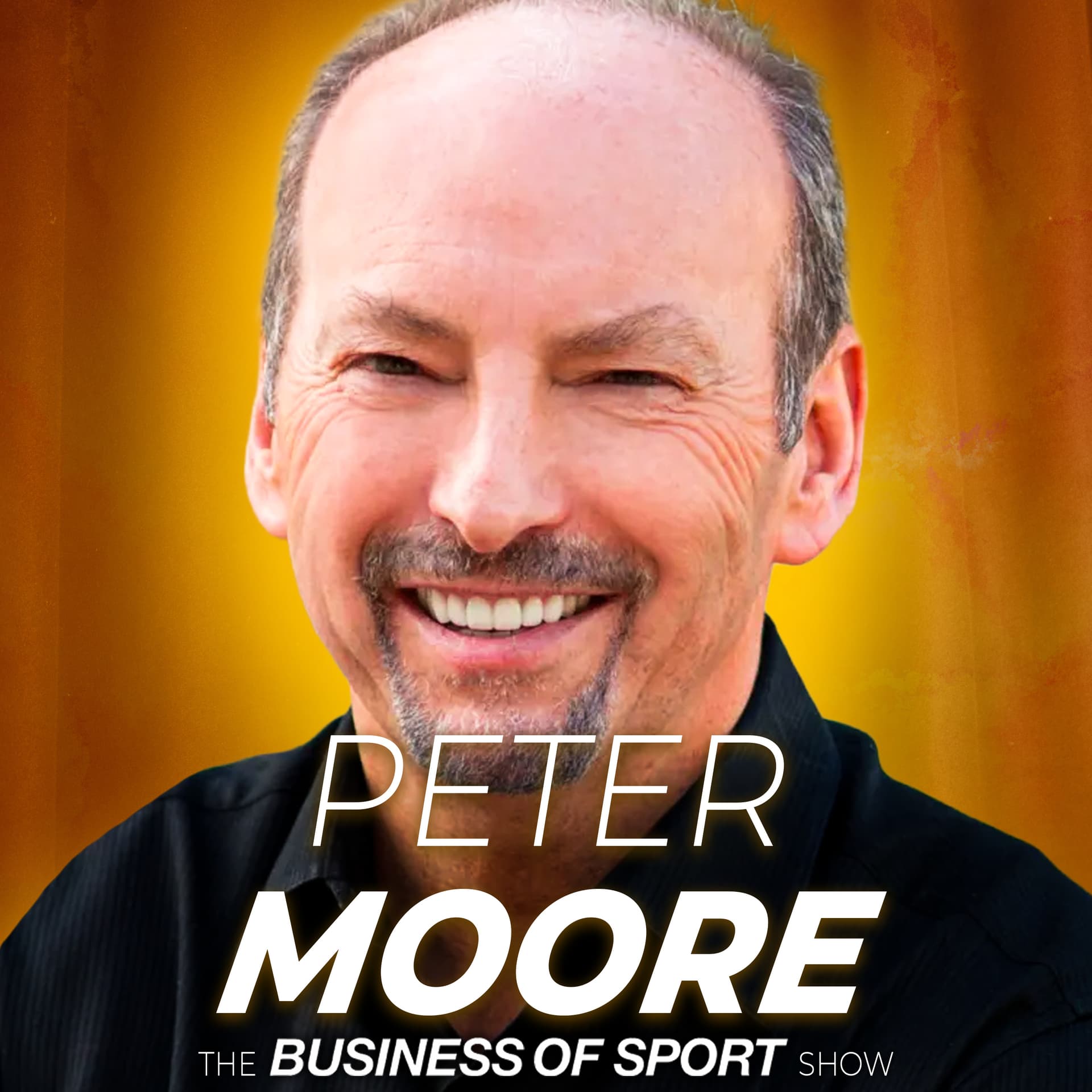
Peter Moore: Becoming Liverpool CEO, The Mo Salah Situation, & Why Klopp’s The Modern Day Shankly
Episode Description
The episode features Peter Moore, former CEO of Liverpool FC, discussing his tenure at the club from 2017 to 2020, the partnership with Jurgen Klopp, and the balance between business performance and sporting success. The conversation also touches on Liverpool's current struggles, Mo Salah's public remarks, and Moore's involvement with Wrexham and the rising prominence of football in the US.
Timestamps
- 00:00 - Intro
- 06:10 - Getting the Call to be Liverpool CEO
- 09:15 - "I Probably Wasn't A Good Fit For The Role"
- 11:47 - Not Involved in Football Transfers
- 18:17 - Google x Liverpool
- 20:04 - Liverpool is Immune to Winning & Losing
- 22:23 - Magic of Jurgen Klopp
- 34:19 - Funny Story: Did Liverpool Tap Up VVD?
- 37:19 - The Power of Star Players
- 39:45 - Mo Shouldn't Have Said That
- 46:53 - Socialist Roots in a Capitalist Football Club
- 52:44 - Did Peter Get On With The Owners?
- 54:13 - Wrexham: Peter's Involvement
Key Discussions
How a Modern Football Club Works
- Background of Peter Moore: Transition from gaming executive to Liverpool CEO, emphasizing his Scouse roots and connection to the club.
- Leadership Structure at Liverpool: Breakdown of roles among Jurgen Klopp (football), Michael Edwards (balance-sheet), Billy Hogan (commercial), and Peter Moore (operations).
- Operational Responsibilities: Moore discusses managing game days, staff, and serving as the global face of the club, which had a fan base of hundreds of millions.
Building the Liverpool Business Machine
- Commercial Strategy: How Liverpool rebuilt its commercial spine through CRM, global fan acquisition, and digital content.
- Engagement with Global Fans: Importance of content such as *Inside Anfield* for fans who may never attend a game.
- Revenue Generation: Discussion on food & beverage strategies and stadium expansion to enhance operational flow and fan experience.
Jurgen Klopp, Culture, and the Manager's Power
- First Impressions of Klopp: Moore's immediate impression of Klopp as a modern-day Bill Shankly, focusing on culture rather than individual players.
- Club vs. Player Loyalty: The strong sentiment among Liverpool fans prioritizing the club over star players, relevant in the context of the Mo Salah situation.
Celebrity Ownership and Wrexham
- Involvement with Wrexham: How Moore was approached by Rob McElhenney and his role in legitimizing the project.
- Content and Community Engagement: The significance of celebrity involvement in building content around the club's community impact.
Challenges in Modern Football
- Balancing Fan Engagement and Profit: Discussion on the conflict between maximizing profits and maintaining fan sentiment, especially concerning ticket prices and pre-season tours.
- Mo Salah's Media Comments: Reflection on the impact of Salah's comments and the expectation for private discussions rather than public statements.
Future of Football in the US
- Growth of Football in America: Discussion on the increasing popularity of football, especially among Gen Z, and comparison with the NBA and NFL.
- Promotion and Relegation: The upcoming changes in the USL and the significance of promotion and relegation in American football culture.
Key Takeaways
- Community Over Commercialization: A successful football club must prioritize the relationship with its community and fans while balancing commercial interests.
- The Role of Management: Effective leadership in football involves understanding both the operational and cultural nuances of the game.
- Impact of Celebrity Ownership: The growing trend of celebrities owning football clubs can enhance visibility and engagement but requires a thoughtful approach to community and brand building.
- Long-Term Vision: Ensuring the club's legacy and connection with fans should guide decisions beyond immediate financial successes.
Final Thoughts
The episode celebrates the intertwining of football performance and business acumen, with Moore's insights reflecting on leadership challenges and the evolving landscape of football ownership. As Liverpool navigates current struggles, the discussion also highlights the resilient spirit of the club's identity and fan base.
Written by AI. May contain mistakes. Listen to the episode to check what was said.
Transcript
Automatic transcript. May contain errors.0:00Liverpool Football Club is immune to winning and losing. We're going through a tough time right now, but that doesn't mean you're losing your fans to go somewhere else. This is embedded in your DNA. And do you feel bad? You bet you do. But do you turn your back on them and go find another team to support? I don't think so. You just have to ride it through. I'm almost sure Mo regrets it now. Mo used the mixed media, as he did last year when he's trying to get his contract over the line. It's very deliberate. But what he said, Mo shouldn't have said that. Stuff like this needs to happen in the office of the manager, in private.
0:36Using the media as a blunt instrument to get your own way is pretty selfish. I was very familiar with Wrexham. So I come back from Liverpool. My wife and I buy a home in Montecito, Santa Barbara, California. And within weeks, Rob McElhenney shows up, sits down with me for three hours there and tries to convince me to go back to run Wrexham Football Club. When I went back for the first time after I left, and the thing they will come up to me and say is not what you just said. as Champions League winners, Premier League winners, champions of everything and everywhere, they will shake my hand and we say, you made me feel closer to my club.
1:09And that's all I needed. Hello and welcome to The Business of Sport, the show that takes you behind the scenes with the industry's leading owners, operators and athletes. Today, we're going headfirst back into the world of the tier one football executive. Peter Moore is the former CEO of Liverpool, the man who oversaw the club's return to the top of English and European football. Working alongside Jurgen Klopp from 2017 to 2020, this was one of the most effective performance times business relationships in modern football. How do you win on the pitch and build value off it? Peter does not wrap his achievements in the on-field success experienced during his tenure.
1:46As you've just heard, it is the rediscovered affection and identity that fans found with the club that demonstrates a job well done. That's quite an extraordinary stance for a CEO to have. Commercial maximisation and fan sentiment are hard to balance and while there is always conflict over ticket prices or pre-season tours, we get something here which seems to recognise the importance of the club-fan relationship and asset value maximisation. An interesting time to be having this chat, considering Liverpool's recent struggles on the pitch and of course the Mo Salah situation, there is also plenty to go into around his role with Wrexham and the rise to prominence of football in the US.
2:26We're delighted to welcome Peter to the Business of Sport. Ever wanted to invest in sports? Ever thought about owning a stake in football, cricket or even Formula One? Well, Stride makes it possible, starting from$5 ,000. For the first time, you can now access exclusive sports investment opportunities from a world-class football club to emerging paddle ventures to the next big thing in cricket or golf. Sports is no longer just entertainment. It's an investable asset. and with rising revenues, global fan bases and media rights booming, the sports economy is one of the most compelling investment opportunities today.
3:03Stride is the regulated digital platform unlocking this market for individuals, institutions and family offices alike. Whether you're looking for yield, exposure to uncorrelated growth or simply want to invest in what you love, Stride is reshaping how the world accesses sports private equity. Ready to step into the game? Visit GoStride.com. that's g-o-s-t-r-y-d-e dot com and discover how sports private equity can work for your portfolio because investing in passion shouldn't be off limits. Peter, you just said that you've done several of these over the years. This is going to be the best you've ever done.
3:43I have no doubt, Harry. No doubt whatsoever. Do you know what? Confidence is everything. Over to you. How are you going to back this up? In my opinion. So there's no way we can really back it up, I don't think, than asking the first question, which taps into everything that we do really from the off, which is, you know, how does someone who built such a great career in Silicon Valley and gaming end up as the chief executive of one of the biggest football clubs in the world? I mean, it's a great question. I've been so fortunate and I've stood on the shoulders of so many people, you know, arriving here as a wet behind the ears kid that fell in love with America in the 70s.
4:21And by sheer fortuitous, my mother was born in Boston, Massachusetts, my scouse mother. So my grandparents came over to America seeking work from Liverpool in the late 1920s, arrived in Boston. So when it was time for me to say, I want to live here because I feel comfortable here, I feel I can be successful here. You know, you take stock of who you are. I'm a scouser who grew up in a pub that his dad put me behind the bar when I was 11 and started to interact with adults. And I'm a physical education teacher, so I'm used to getting 35 boys eight times a day to do something they have no interest in doing.
5:00What was your big break? I think you point to people in your life that came along and believed in you and gave you an opportunity. Now, you've got to grab it and make the best of it. There's 50 of those examples, Harry, as regards people who said, why don't you do this? Or I believe in you. Or I'm going to give you a shot here. all the way along my career, which, you know, jumped into selling soccer shoes in Southern California and moving to Boston where my mom was born to work for Reebok. And then all of that fell apart when I was 44 and I entered a brand new industry, which I knew nothing about, video games.
5:37So it's a long lurid tale of people who believed in you, people who gave you an opportunity. Now you have to say yes and grasp it and do your best. But, you know, we could go five hours talking about all those people on whose shoulders I have stood and have helped me. It's a big risk for football clubs, isn't it, sometimes to go and pick someone who's never actually run an organization like that. So when you actually get that call, what were your first thoughts aside from the emotional attachment I imagine it had from the history that you have with Liverpool? Yeah, I mean, I got a call. It was in the summer of 2016.
6:13And by this time, chief operating officer of Electronic Arts, a$7 billion company, were flying because we had moved from physical media to digital. Our operating margins were through the roof. Our revenues were growing exponentially. And we'd been through a very difficult time of moving away from retailers selling game discs to selling direct to you guys to play on your Xbox or your PlayStation. Spencer Stewart London calls me and said, would you ever consider moving back to the UK? And I always remember looking out the window, as I can do here, and gorgeous, sunshiny California day, doing incredibly well at EA with millions of dollars on the table and invested equity ahead of me.
6:57My family are all American, my kids, you know, and it's like, heck no. Why would I do that? And then the next question was, what if it was to be CEO of Liverpool Football Club? And, you know, that gives you pause for thought, to say the least. And then, you know, you go through months of conversations with Fenway Sports Group in Boston and make that decision to walk away from a 10-year career EA and a 25-year career in video games. And again, take a little bit of a risk. What do I know about running the world's biggest football club? I've never done anything like that in my life before. But it ironically would be one of the smaller companies that I've ever been at the helm at if you just look at gross turnover.
7:45But look, my first game at Anfield was November of 1959, We beat Lake Norrie in 4-3. My dad took me. I can still smell it, see it, you know, took me in the paddock. Really couldn't see the players, but you're hooked, right? Bill Shankly comes in December. We're a crap second division team at that time, but it's Liverpool. And I thought back then, my dad had passed away by that time, 16, 17 years ago. But you start thinking about, fundamentally, I always thought my dad would be so proud. That was my first thought of that. And then what began was a series of negotiations because I had to extricate myself from the US, from California.
8:29It's not easy. And relocate to Liverpool and convince my then fiance and then now wife, Debbie, American, California girl that, yeah, the weather's great. We're going to live by the beach, blah, blah, blah. so um and she was all in but fenway sports group took a risk on me i mean there's no doubt about it i have a fundamental question that performance and profit are misaligned and being the best and being a good business have a big chasm between the two when you are speaking to fenway and when you reflect on all you know now do you agree with me that they are adults absolutely and my reflection i probably wasn't a good fit for the role uh in relation to my personality what i thought liverpool football club needed on the ground um with absentee owners who lived in boston massachusetts and as a scouser with deep empathy and understanding as somebody that's seen hundreds of Liverpool games around the world over 50 years of what I felt Liverpool fans needed, which I think was probably out of alignment with what the ownership felt they needed.
9:47But they weren't living in Liverpool and walking the streets of Liverpool and at the games every weekend and understanding what fans wanted. And my belief was that fan engagement. So in reflection, Harry, when I finished the role, and the one thing that is important to understand, I'm entering as CEO as the entire corporate organizational structure of football is in somewhat upheaval with sporting director and scouting and sports science coming in. My predecessor, Ian Eyre, was the quintessential old school, very experienced football CEO involved in the transfer business, very involved in the team and the players and the manager.
10:28And my job was to run the business and actually not be involved in football. that was made very clear to me is, look, we got this guy, Jurgen Klopp. He knows what he's doing. Leave him alone. And you focus on A, running the football club and the 800 full-time employees that work for you and the 2 ,500 that work as casual at Anfield on game day. B, representing the club on a global basis. And so in reflection, I had to do my own job description. And I had to learn on the job because it was an evolving American style, what we call here general manager, that was now, in the case of Michael Edwards, an incredibly talented sporting director.
11:13When you look at the way we were structured, Jurgen Klopp, Michael Edwards, Billy Hogan commercial, Peter Moore CEO. And that was our organizational structure. But I can tell you, Fenway really didn't know what my role was, and I had to evolve into that role. Okay, you're in charge of running the business. That means you're in charge of the bottom line. What happens then when you have a$100 million offer for a player? Does the GM and Klopp, who's in charge of performance, which will ultimately benefit from that player, manage that situation? Or do you, in charge of the bottom line, responsible for that, manage that situation?
11:48Think of it in terms of balance sheet and P &L. I'm more P &L, and that balance sheet element of it is Mike Gordon at Fenway Sports Group. as the quintessential over-operational owner, working directly with Michael Edwards on, let's call it, Philip Coutinho and an offer from Barcelona and what we do that. Nothing to do with me. Nothing to do with, look, I'm aware of what's going on, obviously, but that's more, let's call it, without getting too financially complex, that's more balance sheet management, amortization of players, bringing funds in. Then what do you do with those funds? Well, as we all know, historically now, you go by Alison Becker and Virgil van Dijk.
12:28But my job was day-to-day operational rather than balanced sheet strategic, if that makes any sense to you whatsoever. And so that particular situation, and I was fine with that, Harry. I didn't want to get involved in the murky world, nor did I have time, nor did I have the expertise of the murky world of dealing with agents, dealing with players, being at Melwood. Look, I didn't even go to Melwood half of the time. I'm in Chapel Street, downtown Liverpool, where the operational center of the football club was and is. And then game day. I mean, I'm managing game day of the stadium with opposing directors.
13:07And I did, I was very unique in how I did that. And I believe did that in a Liverpoolian way that was very unique in the Premier League of how we welcomed and greeted and entertained Manchester United, Chelsea, Arsenal, Spurs, you name them. So my role evolved. And when the dust settled and when I came back and started to reflect and started to do leadership presentations and my experience, it came down to four C's. I realized community, civic, commercial, and culture. That was what my focus was. Football without fans is nothing. Managing that community is critical. Back to your original point.
13:50If you can't manage that community, I don't care who you are. I don't care what you think your valuation of your club is going through. Look at what's going on at Wolves. Look at what's going on at Sheffield Wednesday. I mean, managing that community is critical. So from the perspective of what I was able to do, and again, in answer to your question, why me? I mean, which is a fundamental question. Good question. But I think they saw in me somebody that they were very well aware of because I knew John Henry many, many years ago, because I was in Boston a lot of the time in my Reebok days. I was on the board of Timberland.
14:24And so I would actually sit with John and talk about Liverpool with him before he acquired the club. And I think they saw somebody that understood technology and that understood what needed to happen at the club, which was a little primitive in its technological backbone network infrastructure, mobile applications, database management, CRM, all of the things that needed to be fixed to take advantage of one of the world's biggest supporter bases, which they weren't at the time. Peter, we're both, again, tech guys. I'm so bored of hearing sports owners and CEOs. I'm so sorry. Charlie's the nice one.
15:01I'm the moody one in the corner. um but every sports exec is like we don't have crms we don't have fan engagement platforms we don't have connectivity to our fans every single freaking one and i'm like i'm bored of hearing it what i'm not having a go to you i'm just saying like why what did you do was it possible can you talk to me about how how that was yeah i mean it's very simple look i came from 20 plus years in video games, in particular at Electronic Arts, where I'm the chief operating officer, and we're growing each year by hundreds of millions of dollars. And there's a very simple philosophy of how you build a game.
15:45And let's think about a video game as a football club, right? Think of an inverted funnel. And at the top of the funnel, it's about acquisition. Go get them. Go find out who they are, whether they're in Bangkok, Barcelona, or Burnley. Go find your fans. Know who they are, where they live, what their shirt size is, who their favorite player is, and their credit card number. So you acquire. Then you engage. And one of the things we did very well, and Liverpool does brilliantly, is create engagement content. Get cameras in front of the players. learn the players' human side rather than what's seeing them 90 minutes twice a week.
16:25Because 99 % of Liverpool fans will never see a live game at Anfield or away. 99%. So what do you do? And look, very clear to me, as I traveled the world and spoke to fans all over the world at official Liverpool supporters clubs, OLSCs, is that the great majority wish they could go to Anfield, can't get a ticket can't afford it um it's never going to happen but that doesn't in any way diminish their love and engagement with the football club and then as you come down the funnel once they're engaged and engagement harry is watching content every morning who's training what drama is going on at the club right now that that is that is engagement then you monetize because we wanted to add value to our fans and it's you can't talk like this to a fan they go I don't fucking care.
17:18I just want to get in the fucking ground. Right. So from that perspective, and that's what you do, you make, you make their experience as seamless, as frictionless, and as easy as possible. And if you can, and I would never use this word when I was there, monetize that fan accordingly, whether it's through, you know, content subscriptions, merchandise sales, obviously ticket sales, all of the things that allows you to compete with the Manchester cities, the Manchester United, the Real Madrid, the Barcelona. That's what you need to do because it's a rat race at the top for building commercial revenues.
17:58And I'd done that at EA and I'd certainly done that at Xbox. And I think maybe that was the attraction that I could do that. But that's a point of conflict, business and performance right there. So you go and put cameras in the tunnel and Jürgen Klopp goes and says, I don't want that. You're saying we have to do it for the global audience. So when you have situations like that, how do you manage that? You've got to do content. The manager is going to dictate where the cameras go. There's a tremendous series called Inside Anfield that comes out about 48 hours. You also can't put cameras where you want them because Sky Sports, TNT, blah, blah, blah, they're going to say, these are our camera positions.
18:37Now, you do things with your sponsors, Google Pixel. Great example with Liverpool is place cameras on the cop that, if you remember last season, Mohamed Salah scores a goal and wow, a Google Pixel phone shows up and there's a great photo of a selfie with the cop in the background. Don't think that that was a pre-planned and planted with employees, either the Google or Liverpool FC employees there with the fans. So you do things that are innovative. But the thing is engagement, that you've acquired them, you've got to engage them and content is key. And Jürgen understood that and Jürgen played into that because one of the most engaging human beings in the world is Jürgen Klopp.
19:19And so from that perspective, we were able to leverage all of that in developing content that still to this day, you wake up in the morning, I wake up in the morning, I want to see who is at training. I want to see the interviews. I want to see post-game stuff that Liverpool generates through LFC TV and through the TV teams that we have on the ground and follow the club internationally when they play that record content that engages people. It's very simple. So while separation at an executive level sounds great, and it makes lots of sense in many ways, I just don't see how it's actually possible when you're looking at the links between each of those departments.
19:59So for example, I would ask you, how important do you think it is that Liverpool are winning on the pitch for you to go and be able to do your job as a business? Look, Liverpool Football Club is immune to winning and losing. And what do I mean by that? Is that we're going through a tough time right now, but that doesn't mean you're losing your fans to go somewhere else like certain brands do. This is not about, oh, I was an iPhone guy. Now I want to buy an Android phone because I'm pissed off with my iPhone or I don't like Apple or whatever. No, this is embedded in your DNA. And do you feel bad and sad and annoyed when your team goes through a bad patch?
20:39You bet you do. But do you turn your back on them and go find another team to support? I don't think so. You just have to ride it through. And so I think that you've got to be, as a football club, immune to winning and losing. and and look when they're winning and i was there for three full seasons and never saw liverpool lose a league game at anfield in three full seasons so i was blessed yeah we went to two champions league finals and look we were flying and then you're exactly right charlie you've got to take advantage you've got to strike while the iron is hot there you take advantage and you go get your bigger sponsors football's a virtuous cycle right you win games bigger sponsors come in write you bigger checks.
21:24You invest those checks with better players on the pitch who win you more games, bigger sponsors come in. They write even bigger checks. When I arrived, it was Bet Victor on the training gear. And we dallied with Western Union on the sleeves. And to the credit of Billy Hogan and his commercial team, who rode that winning streak and that best club in the world, as we were in 1920, 19 slash 20, and rode that hard with commercial sponsors, long-term deals, re-upping with Standard Chartered, massive deal with AXA, not just training gear, but naming rights on the training center. And then the owners brilliantly investing in the stadium, continuing to build out the stadium, both as a way to get more people in at 61 ,000 now, as well as a way of driving more revenue for the club to be able to reinvest on the pitch.
22:24For you to operate at the max, how influential was someone like Jurgen Klopp being in charge of the football team for you to look at it and go, I am completely confident I can do my job with what he's going to achieve with this club on the pitch? As a lifelong Liverpool fan being offered the job, Charlie, you could have been the manager and I would have said yes. I mean, just really, just really doesn't matter. But I had met Jurgen the day he, by sheer coincidence, Billy Hogan asked me fly over from America. I was an EA employee, but they were well aware of me in so many ways of, of supporting the club, getting Jordan Henderson on the cover of FIFA, blah, blah, blah.
23:01And so Billy asked me to fly over and, um, moderate a sponsor panel, uh, which I did. And I ran the, in London and by sheer coincidence, Jürgen was hired that day and was introduced to us that evening. And so I got to meet Jürgen from the get go and, And the man's magnetism, the electricity of his charisma, his physical presence. We were playing Spurs the next day. We were going to the game. He had nobody up front except Divock Origi. And he was laughing about it. I'm not sure he'd ever seen Divock play. It was one of those. But straight away, you sense there was something brewing here. And the old adage about Shankly, I was made for Liverpool and Liverpool was made for me.
23:47is what stuck in me that night. I said, this guy, I'd never met him before. This guy is, if we do this right, we as a football club, now I'm an EA employee. If we, as a fan, I'm thinking, do this right, this is a modern day Shankly. Those are my thoughts that evening. You said the word investment there. I'm just intrigued. When you reflect on your time, what was the best investment that you think you made? I was coming in as the new main stand was being finalized. And that certainly, as regards an infrastructure investment, modernized the stadium. And people don't want to hear this, but drove revenues, game day revenues through the roof.
24:30Again, back to the virtuous cycle of bringing in more money to invest on the pitch. How much money did you make every home game? It varied. It varied from who the opposition was typically. But a lot of it was that kind of white tablecloth hospitality. So, you know, it could be two million, two and a half million pounds. I mean, it went up and down each individual game. But when you build out a stadium that allows people, if they wish, to spend a bit more money to have a different experience. and I say this with a little bit of trepidation, is that you're bringing in a corporate cohort that will spend some money rather than people who will spend, God bless them, 25 pounds, 30 pounds and go to the pub outside of Anfield and have a couple of pints.
25:25And that is the lifeblood of our football club. But at the same time, you need to drive revenues the way that if you're going to be sat at the same table Israel, Madrid, Bayern Munich, Barcelona, Manchester United, blah, blah, blah. You need to drive your revenues accordingly. And that's what we're able to do. But at the same time, make sure that the lifeblood of our football club is taken care of as well. Isn't that a great conflict? Yeah. I mean, you've got a situation where you have to balance out everything that we leveraged at Liverpool, the history, you'll never walk along, Bill Shankly, um Anfield itself and the match day experience uh of coming to Liverpool the one thing I always noted as I traveled the world and talked football um was people would say I dream of coming to Anfield and very important nuance there it's not I dream of going to watch Liverpool play I dream of coming to Anfield now without being disrespectful to any football club I don't hear I dream of coming to Stamford Bridge.
26:30There's something magical. There's something magical about the experience. And look, when I first got there, classic Silicon Valley guy, I would say to my team, you'd walk around Liverpool on match weekend and you can't get a taxi, can't get an Uber, can't get a hotel room, can't get a restaurant reservation. And I'd say, how much money are we bringing in? And my team in the early months in April, May, June of 2017 would say, a lot. And I go, I need to quantify this, particularly to enhance my civic relationship. So I got Deloitte to do an economic impact report, which was critical to understand very much how we as a football club were enhancing the city of Liverpool and bringing revenue in to the football club that drove what's known as gross value add for the city itself.
27:26And it was in the half billion pound mark so what i find challenging right now is you're seeing this other trend which is everyone wants as much share of consumer spend as possible and that's often in fmb where they now want you pre-game to have your beers your hot dogs at the stadium and i completely understand that share of wallet increased requirement but that's at odds with the civic build the pubs, build the restaurants. Are we not again at odds here? One thing I learned very quickly is that you're a multi-generational football club. Your dad went to the Sandon or the Arkels or the Albert or the 12th man for a pint and felt that the game would start only when he walked through the turnstiles of five to three.
28:15I mean, seriously, and you were never going to break that. And we never tried. And all of those pubs, if you've ever been to Anfield on game day. All of those pubs around Anfield are always heaving. And it's the sons and grandsons of multi-generational Liverpool supporters going through the ceremony of what their dad did and what their granddad did. And so you have this thing that, and then the price elasticity of a pint is something I learned as well, is like can't charge£3.50 for a pint. because it's only£2.75 in Wetherspoons down the road. Look, would we have liked people to come in early and buy some pints on the concourse?
Read the full transcript
29:02Yes, not to make an extra 50p on a pint, but was to manage ingress and egress into the stadium. Because when you started to look at the data that was coming out of the turnstiles, 21 % of the entire attendance wanted to get in 15 minutes before kickoff. It's like we've got to smooth out the operational efficiency, particularly as we went to digital, which was a nightmare for a couple of years. You want to smooth out your, in an American stadium style, how people came in, how they accessed the stadium, how they found their seat. So everything is organized. And that was not the case and probably still isn't the case.
29:45Because you want to have your pint where your dad had your pint. And I accepted that as much as we tried to bring him in early, not to make more money, smooth out operational efficiency. I was lucky enough to have dinner the other day with the legendary Dr. Ian Graham, who did amazing things with you guys. What was the impact of having someone from the data perspective at the top of their game in the club at that time? Ian Graham was immense, not only as himself, but as the temple iconic, if you will, personification of what Liverpool Football Club and by extension Fenway Sports Group was all about, which is using data science to make informed decisions about players, about player welfare, about long term strategy.
30:33And Ian was very, as you know, very articulate, sing song Welsh accent. And I used him a lot to show how fast forward we were as a football club in thinking through player recruitment, player analysis, getting players back on the pitch, opposition analysis, having understanding at halftime what the hell's going wrong in the first half. All of that used to be your eyeballs watching it as a football manager or coach. We were using data in an innovative way. But I was always able and very happy when Ian was available to talk to sponsor groups or celebrities that were fascinated by what Liverpool was doing.
31:21Ian was always very willing and was able to articulate this in a way that everybody understood. And it was an extension of what you were seeing in Major League Baseball and the Boston Red Sox and a thing called Sabermetrics, which is often referred to as Moneyball, if you will. And so Ian and his team were able to bring that to life in a football setting that, you know, whether you can credit Mohamed Salah, whether you credit players that we find, that was always key. So Ian was great. Did it provide security to an ownership to the people that held the purse strings when you had someone provide such a detailed presentation based around data that these people thought were the right players for the team?
32:07I think it provided comfort in particular to John Henry and Mike Gordon. John Henry, hedge fund, a brilliant mind. Everything is about data. Deep, deep, deep into spreadsheets. That's how he made his billions. And so people of his ilk make him feel comfortable. They can speak in data analysis and back up what they're saying with reams of numbers and data. Mike Gordon, background in financial management of Fidelity, also lived in spreadsheets. And Mike was very data-driven and needed somebody. If you were talking to Mike, he wanted to back it up with facts, back it up with data. This was not seat-of-the-pants ownership.
32:55This was data-driven ownership. That's where they made their money. That's how they could afford to buy Liverpool Football Club in 2010, at a time when Liverpool was facing administration because of the previous American owners. So you arrive in 2017, you finish back-to-back fourth place, or you end up back-to-back fourth place in the Premier League. You leave and you've won the Premier League and the Champions League. What was the feeling when you left? What did you notice about the difference between then and when you joined? The one thing I would say when I went back for the first time after I left was that it would happen when I go back every time is the people who would recognize me on the streets.
33:37And the more years that go by, the less will people recognize me. But people still do. and the thing they will come up to me and say, Charlie, is not what you just said. It's Champions League winners, Premier League winners, champions of everything and everywhere. They will shake my hand and we say, you made me feel closer to my club. And that's all I needed. That's what they say. And that goes back, Harry, to the original point of what you're building if you're thinking about a football club on a 10, 15, 20-year horizon of not can we hit our numbers this year, not what are we going to win this year?
34:16Great. No, what does your football club look like 10, 20 years from now? I saw something which made me laugh when I was doing some research, and it said, instead of buying a fucking Starbucks, you should have bought Van Dyke, you fucking wanker.
34:32That's exactly right, yeah. It was during that period where we had to apologize to Southampton for tapping up Virgil van Dijk. And so this is very early in my tenure. I work downtown in Liverpool. Our offices are Chapel Street. And I was walking to the Starbucks and I was walking back on a typical rainy day with a double-told nonfat latte, as I typically do. And there's a Scouser coming the other way, recognizes me. And this is the day after we had apologized for tapping up. um quote-unquote tapping up Virgil van Dijk and he said oi baldy should have bought fucking van not a fucking starbucks you're fucking wanker I kept walking and we and I just I remember thinking Charlie I said I'm home I'm home because it was very much that just classic no filter scouse humor spontaneous, right?
35:36We're crossing each other on where were we? Old Hall Street. And it summed up my hometown. And look, I had nothing to do with tapping up Virgil van Dijk, but, you know. Tapping up? Did you tap him up? Like, am I allowed to ask that? I wouldn't know how to tap up, Harry. uh no tapping up in in the english vernacular means making contact directly with the player without the club's permission that owns the player simple as that that's what tapping up is i'm sure it happens i'm sure it's happening right now as we're speaking now but this was uh at a moment where where southampton was was obviously um and this was a good friend of mine les reed who was there at the time, you know, and it's like they took umbrage to it and we had to apologize.
36:27And look, all's well that ends well, right? With Virgil van Dijk. But yeah, as I said originally, I have nothing to do with talking to players and getting involved in the transfer business. And it was a little unclear what the accusation was. I think the accusation was that Jürgen had somehow had conversations with Virgil without the knowledge of Southampton Football Club. As simple as that. You said before that people come to Anfield for Anfield. And it made me think of something that I see more and more, especially in younger generations, which is people support players, not clubs. The adoration for Cristiano Ronaldo, for Lionel Messi is unlike prior allegiances to teams.
37:13Do you think we're moving into a generation which supports players, not clubs, and where player brand is more important than club brand gen z definitely because they sample the game and don't get deeply into the game but by that i mean tiktok uh highlights uh the glamour of the game which is both it's a double-edged sword for football right and i look at it here in america and it's both the why worse why the game is on fire here and i've lived here for 45 years and in the last 10 years i've never seen anything like it i've been involved in this game uh since the mid-70s in this country and in the last few years now it's gen z embracing lionel messi at miami um the ability um to um follow a player from club club which to you us guys you go wait I'm a Chelsea fan and you know if Drogba goes somewhere else I'm not going to become you know the fan of that club but it's different now it's very very different um because I think I think Gen Z samples the game and they're more likely to idolize the individual than get involved in the enterprise and the entity and and this is a little bit I think you can blame social media a lot for this and the ability for players to, as they all do, develop their own brands on Instagram, TikTok or Twitter.
38:47So how do we change the management and leadership of a club when we appreciate that player brands and enterprise value of players is a large part of enterprise value of clubs, which we now no longer really own? you've got to do what look Liverpool has the advantage of being a multi multi-generational football club that doesn't matter whether it was Ian St. John, Roger Hunt, Kevin Ingram, John Tarshak, Ian Rush, Kenny Dalgleish, Robbie Fowler, Steven Gerrard, Luis Suarez it doesn't matter they come they go we love them when they leave we cry Mohamed Salah you know and but but they all wear the red shirt and you know i i can go back i could go back 60 years and think of when kevin keegan left for hamburg i thought the world was falling apart in 1977 and we go get this scottish guy called dalgalish from for 400 grand from celtics like that's not gonna work right and and yet it always does because there's a live example right now with the mo salah situation and you look at a player who's come out and openly criticized a certain part of the club, while you as an executive are separate from performance, if you have a situation where that infringes on the brand of the club, how everything's perceived, I don't know if you saw the video of the media, the press officer behind him as he was saying some of the comments, but the poor guy went literally hand in his face.
40:14Do you, at some stage, do you get involved as an executive when a performance piece affects the image of the club? I don't know. I was fortunate because we were winning all the time. When I was there, we had very few instances even close to this right now. And look, Mo shouldn't have said that. Mo used the mixed media as he typically has done only four times in eight years. So you walk through the mixed media zone and I've seen him do it dozens of times when I was there. Very polite, but he never stops. What he did, and I can guarantee you, Rami Abbas's agent is fueling all of this in the background.
40:54It's very precise in that he stopped adept local, what we call the Merseyside pack of the local writers who follow the club. probably for the 200th time, said Mo, do you have a couple of minutes? And was expecting the usual. Now, have a good night, lads. I'm going, as he would 99 times out of 100 do. But when Mo stops, as he did last year, I think playing away at Southampton when he's trying to get his contract over the line, it's very deliberate. It's very precise. But what he said, and I'm almost sure Mo regrets it now, I would think. You've seen the criticism. I was listening to Steven Gerrard this morning and certainly the Jamie Carragers of this world.
41:40But stuff like this needs to happen at the training ground, in the office of the manager. It needs to happen in private, as it typically always did at Liverpool. And it needs to be sorted out there. Using the media as a blunt instrument to get your own way is pretty selfish. And I think Mo probably reflects upon that now. That's got to be sorted out. It's quite interesting, isn't it? Liverpool's a rare example. Whose side do the fans take in that game? Liverpool's a really rare example, I think, where fans will back the club, the badge, far more than they will back the talent. Or a split. You know, for my sins, I tune into TalkSport and you listen to the call-ins there.
42:21I haven't heard a defence of what Mo did yet because the pride in the badge exceeds everything that the individual brings to it. If you had that at a Man City, I'd imagine a lot more fans would back Kevin De Bruyne or Yaya Torre or Sergio Aguero than they would do if they were Liverpool players. So I do think the strength, the unique strength of that club and everything that you've just said there about the history, the heritage, what it means, gives the club such a power over this individualism that we now see within sport. I mean, I don't know about you, that's some of my take and the fans have been completely behind the club.
42:59yeah look charlie you know you you watch liverpool you watch two minutes before kickoff there are flags on the cop it's a very it's a very orchestrated and and and and purposeful of who we are the the big let's call it a tifo is passed around but there is a banner there two banners that you need to pay attention to one says unity is strength that ties to the socialist background of Liverpool, the city, and the working class background of a very proud city that is emphasized by its football club. And then secondly, the banner that shows the managers. It doesn't show Keegan and Toschak and Rush and Dalgalish.
43:43It shows Shankly, Paisley. It shows Arnie Slott now obviously Jurgen Klopp it shows Gerard Houllier so they the manager that the the fans understand the core is the manager that runs the club and the club is so big I don't care who you are and and how much you're adored by the fans that you cannot like Mohamed is trying to do right now undermine the manager and and it it's happened not many times but it's happened in the past and and the manager always wins because you're exactly right that that the the fans understand the hierarchical structure of a football club and what needs to happen and if mo thinks that they're going to fire the manager just to keep him happy and i don't think he does that then that's an ill-placed thought.
44:41What does Mo do from this point forward? You said he regrets it, or you're sure he regrets it. Do you come out and say, my bad, I'm sorry, that was wrong, I was childish, I should stop? Depends how much his agent's involved. Yeah, his agent, Harry, is fiery, Rami Abbas, and Mo is his number one, if not only, client. and so i think mo has to eat a little bit of humble pie how he does that how that's phrased is important but more importantly he's got to go sit down and it may have happened already today he's got to go sit down with the manager with the head coach and behind closed doors and hash this out no different than you and i would do with an employee who is disgruntled that feels um in some way that they've been poorly treated and you've got to sort that out.
45:33That's exactly what this is. It's an employee that thinks they've been poorly treated by the company. Do you not think the business model of agents is inherently misaligned to the performance play of the players where they are paid largely, and you may tell me I'm wrong, but from my perspective, when the mega move happens, the transfers, that's where the bulk of the actual transaction value is for them well i want them moving every year look i think yeah you're right in some in a lot of instances there's a misalignment and there's been many many instances where agents have simply moved their players around from club to club to club um i remember charlie i always thought this about nicholas and elka it just seemed like you know he was and seemed like a really good guy and a good player you know but there aren't many clubs he didn't play for and you know to harry's point somebody picked up 15 % every time that was happening here.
46:30But I think in this instance, that Rami is smart enough to understand he negotiated a real, I mean, look, Mo's getting, by all accounts, 400 ,000 pounds a week, right? And Rami will get a little piece of that. But I don't think in this instance, it's Rami saying, let's get out of here so I can pick up another few million pounds because the Saudis or somebody is going to buy Mo. I don't think that's the case at all. Am I the only one seeing the incredible irony of the socialist roots of unity is strength and Mo earning 400 grand a week, earning more than 30x what anyone else earns? And it's like the heroes that they look up to are in stark contrast to the very values that they're chanting is is that not a genuine question it is but i think that the the average joe on the street um fully understands that there's supply and demand right and so supply and demand is very simple here there's only so many world-class footballers and the demand for them is immense and so we all love the game and billions of us watch it and pay in my case paramount plus espn uh peacock uh you name it you guys pay sky sports and so billions come in and the players want and deserve and get a piece of that this is not like the old days i grew up where there was no football on television the business model of football was 10 shillings through the turnstile and they would hope you would buy a pork pie and a lukewarm cup of bovril uh whilst you're at the stadium that was the business model.
48:14And it was a real bonus if you paid two shillings and sixpence for a program, right? So that was the business model. Why? Because they were shit scared that if you put the game on television, nobody would go to the stadium. Well, guess what? They did and they do. And all of that comes together now. I think the fan understands supply and demand, And that's where we are in football. Listen, maybe I'm too political, but it's just funny. The socialist understands the core of capitalism and then appreciates that supply and demand and price elasticity on the back of it. Welcome to a capitalist. Harry, Charlie remembers this.
48:59When Mo was angling for his new deal and he was breaking every record in the Premier League, there were banners on the cop. Give Mo his dough, right? I mean, it's just like, so the fans understood and maybe it's Liverpool, you know, but they understood that this man is worth what Fenway Sports Group should be paying him because he brings so much joy to their lives and they don't care he's making a thousand times a week that they're making. They really don't care. You said like when Keegan, you know, left and you cried and Dalglish came and you said something really interesting. You said, and it all works out.
49:36And I thought at United, at Man United, it hasn't all worked out it hasn't worked out since you know a wonderful scottish man left you know now 10 years ago you name it peter you had such a successful spell if i would have put you in old trafford today that would never happen bring bring bring i need you at old trafford peter you're you're my hero come be ceo what would you do when you look at the situation that is there today? I think the challenge with United, look, it's a great football club. And one thing we talked earlier about being immune to winning and losing, they're immune to winning and losing.
50:16They're still a massive football club, despite a decade of somewhat futility. They're a massive football club to their credit. And they built a structure that allows their brand on a global basis, which they did in the 80s. They were the first club, Harry, to really think globally and build out sales organizations. I remember visiting them in the 90s in their Mayfair sales office, where they're working the phones with sponsors that weren't just your local petrol station. They were multi-regional, multi-global sponsors to their credit. But they've got a culture issue, and the amazing Sir Alex Ferguson leaves.
50:58He anoints David Moyes, and that doesn't work out. And then it's just been this litany of managers who have tried to come in. But if you don't fix the underpinnings of the culture, it doesn't matter who's your manager. It doesn't matter if it's Mourinho, Louis van Gaal, Ten Hag, Ruben Amarin. It doesn't matter who is at the top of that pinnacle. If you think of it as the pyramid, if it's all crumbling down here, there's not much that guy at the top can do. and I'm not being critical of Manchester United, but you've got to fix the foundation and they haven't. Peter Kenyon said... How do you fix the foundation?
51:40Well, Peter Kenyon said, if you remember, he said the greatest, well, the disgrace of the situation was letting Fergie and David Gill go the same season. So having a huge change behind the scenes. So you leaving the same time Jurgen Klopp leaves and that seems to be something they have not been able to recover from. I feel sorry for Jim Ratcliffe. I'm thinking, God, how do I get out of this? I wouldn't feel sorry for him. Oh, no, it's bad. You got a lot of money tied up there. Worse than that, Harry, he's got his personal reputation as a superbly adept business person that's stepped into something because of his heart.
52:20And instead of thinking, like, let me go through all of this, he's in there because he loves the club. But what a mess. And they've got to get out of it. And they will. But but right now that the foundation needs to be rebuilt, it's like building a house and doing a nice job with the roof and painting your walls. Peter, can I ask you, when did you use your heart in leading Liverpool when you should have used your head? Well, I left because my contract was up and they decided that they needed to do something different and fine. You know, maybe I had built things to where they're at. I think as well, and I alluded to this earlier in the conversation, that I wasn't necessarily what they needed in the end with this new structure.
53:10My focus was very much about building out those four C's. And, you know, ownership thinks about obviously success on the pitch, but it also thinks about accretion of value in this asset that they bought for 267 million pounds that is now probably worth 5 billion. And so from my perspective, you know, they were and I talk a lot about this in my book. They were not thrilled that I engaged deeply with fans on social media, that my personality was very much. where does the line end of being a fan and understanding the fan and being or if you will independent reporting to the owners to live up to what the owners want which is to build a successful enterprise that adds value to their portfolio you know and so um i i would still be there if uh if i was invited to uh have an extension of my contract we mentioned you know a couple of times institutions that have may have been struggling tell us about something that's super exciting that everyone's been talking about for the last few years that I know you're involved in a little bit in Wrexham.
54:16Long story. I played for Wrexham Schoolboys. I was a good player. I played at the racecourse many times and went to see Wrexham play hundreds of times if I wasn't playing myself or on the rare occasion I could get a ticket to go watch Liverpool. So I was very familiar with Wrexham. So I come back from Liverpool, move my wife and I by a home in Montecito, Santa Barbara, California. And within weeks, Rob McElaney shows up, literally shows up at my door and sits down with me for three hours there and tries to convince me to go back to run Wrexham Football Club. And look, it wasn't going to happen.
54:54I'd done my time. We'd come back to America. We'd bought a home. But I said I'd be an advisor. And I spent a lot of time in those early, let's say, six months when Ryan and Rob acquired the club. in helping them think through strategy, in doing interviews like this and podcasts. And explain, because I truly believe Rob told me the story of how he didn't know Ryan Reynolds, but he watched a Netflix series called Sunderland Till I Die. And fully understood with what he could do as a massive sports fan, albeit Philadelphia sports fan, that the power of sport to do good in a community. and so retains inner circle.
55:39Let's go find a football club where we can get in there and look, we'll build content around this, which will drive awareness, which we all look back now and smile and go, that's what they've done is brilliant, obviously. But my job at first was talking to the BBC, talking to Bloomberg, doing podcasts like this, explaining the rationale and saying, these guys are genuine because there was a lot of skepticism. These guys are going to buy the club. They're going to polish it all up and flip it for a big profit. Now, I said, these guys are in for the long term. They fully understand what it takes to get a community rallied around the club.
56:21The only reason Wrexham was still playing, they were owned by a supporters trust and the supporters that kept the club alive. So I got involved. I got deeply involved in helping them think through. I got my old team at EA Sports to put Wrexham in the FIFA game. And we did a bunch of stuff to get everything going. And I would go over there every now and again and did a lot of Zoom calls with Ryan and Rob. And like I say, I think my job a little bit as the former CEO of Liverpool was justify that these guys were for real. And I know Wrexham like the back of my hand. And so I was kind of a linkage to boots on the ground there that they didn't have.
57:01but I certainly wasn't going to go back, turn around and go back and run the club. With the greatest of respect, is Rob 95 % of the work? That's always the perspective that I get. I get Ryan's brand, but it feels like Rob is doing all the work. And don't get me wrong, Ryan's valuable in so many ways. Yeah, look, it's horses for courses, right? Rob is a good operational guy, gets it, is deeply because he's a huge sports fan. Philadelphia Eagles, 76ers, you know, a big Philly sports fan. Right? Ryan isn't. But Ryan has got more social empathy and understanding of what the social impact of the football club could do.
57:46Not that Rob doesn't, and their roles, like in any movie, are very well laid out. I think Rob fully understands the power of sports and Ryan fully understands the power of celebrity and their respected production companies, maximum effort and more better come together to build the Wrexham brand on a global basis. Look, I'm a Wrexham lad and my mind explodes when everybody knows who Wrexham are over here in America. It's unbelievable. And I just laugh out loud sometimes. My wife and I were in Hollywood three weeks ago and we're driving down Sunset Boulevard, for a quarter of a mile, there are hoardings that are building site.
58:28They're building a new skyscraper. And it's welcome to Wrexham. For a quarter of a mile, I'm going, what world am I living in? And my family still lives in Wrexham. How applicable is it? You see Brady buying part of Birmingham. You see Snoop coming into wherever Snoop, Swansea. How applicable is it? It's not applicable, but what they have taught people if you build content around the club and use celebrity the the birmingham city thing with brady um you know is interesting but brady also has 10 of the vegas raiders uh you know so it's not like he's all in on birmingham city but you you know in that particular instance you needed stephen knight the creator of um peaky blinders to to put the polish and the production values And Tom came in and I think is the face of it.
59:21But don't confuse Tom Brady in Birmingham and Ryan Reynolds and Rob McElhaney in Wrexham. The only real common thread is the use of content to bring to life what a football club means to a community. So everybody's looking at the Wrexham model, if you will. Not everybody can do it and it's not going to work for every football club. You've got now additional football interests as well. You've got Santa Barbara FC. You've got... When I arrive back, again, the second people after Rob McElhaney leaves is the USL Executive Management, which is the league that sits alongside MLS. Or just because I said, hey, we need somebody to help us build out Santa Barbara for our league.
1:00:03It's an amazing market that doesn't have a professional sports team. It sits between Los Angeles and San Francisco. We want a Santa Barbara professional soccer club. Will you help us? Foolishly, I said yes. And then what happens then is I am knee deep in building the club out, the brand, the style guide, the positioning, the stadium agreement, all of that, working with sponsors. And so it's something again. And I relied back on the four C's that I had learned at Liverpool to be able to build out this club from literally a clean sheet of paper with a bunch of names on it. And I said, Santa Barbara Sky, that's what we're going to be.
1:00:45And let's go from there. And so, yes, the lessons learned on a much smaller scale, you know, from Liverpool and from Wrexham, if you will, you know, I'm applying there. And then Wiesla Krakow in Poland, where I kind of stumbled into that via my video game background, which we really haven't talked about. I help a lot of video game developers in their development because video games have given so much to me in my life, in my career, that I have an obligation to help young founders and entrepreneurs who are building out mobile game studios. And so there's one in Krakow that I've been working with.
1:01:24And the next thing I know, I get introduced to a brilliant guy, Yaroslav Kurleski, who works in artificial intelligence in his late 30s, bought the club and wants to apply technology to a 120-year-old football club that just fascinated me. And I'm knee-deep in that as well, and I love it. And it just shows me the power of our game, the power of our game to impact people's lives in such a positive manner. And so, yeah, between Santa Barbara, between Wrexham, between Krakow, I mean, it's brilliant stuff. And I'm supposed to be retired. Peter, this is where Charlie hides under the desk. pretends that he doesn't have me as a co-host.
1:02:06I doubt the sustenance of the MLS and especially Miami post the Messi effect. And I would bet more on the Saudi league, given the resources that they have and the lack of diverted attention they have in other media aspects that the US definitely does have and i would bet more on the saudi league than the mls why am i wrong you're totally wrong because what you need to understand and i spent a lot of time in saudi recently in riad um look and i love what they're doing there um you know politics and everything aside in that they're trying to um untether themselves from fossil fuels as their economy and move into interactive entertainment.
1:02:54Video games are a huge part of what they see Vision 2030. MBS, downwards with all of his ministers, millennials, they're all hardcore video gamers. But in this country in America, forget MLS. Let's talk about USL, promotion relegation coming in 2028. Thank you, Ted Lasso, and welcome to Wrexham for making Americans go. This is amazing. What do you mean if we're shit we we there are consequences you get that and so usl has embraced that mls is a closed shop it's single entity uh that you know fundamentally the league controls everything usl is a proper football league i'm an owner i own my club um you know we're gonna be promoted of course we are and we're not gonna get relegated um but americans can't wait for finally having in for the first time in American professional sports, promotion and relegation.
1:03:52And look, the Saudis are going to do great. There's lots of money there. No, no, you're not building, you're not going to compete. Once soccer continues to get a stronghold with Gen Z and the generations that are coming behind it with tens of millions of players, tens of millions of players here, the amount of top-class soccer we get on television here, every game in the world, because streaming services. That's interesting. I think every American that I know has an English Premier League team and they stream the Premier League. They don't have an MS team. NBC, Harry, has done a brilliant job, a brilliant job in investing in the Premier League as Saturday morning programming and Sunday morning programming on network television, not just Peacock and USA Network.
1:04:42NBC, their big games now are on the network and they know that their viewing numbers and their demographic, Gen Z, and having gotten now, you know, because it used to be cartoons on a Saturday morning. It was throwaway television. Premier League, the drama of the Premier League, the promotion. But I'll tell you, at the end of this season, if there's going to be a relegation battle, the highest viewing numbers are typically for the relegation battles. The dire consequences of relegation and what it means. Sports is part of the entertainment diet of Americans. Win, lose, draw, good game, bad game.
1:05:24Sports is important. And that, it is very unique here. and I do apologize but I've just looked at the time and I've got a pretty big call that they're looking for me to get on right now you do it what makes a promise when you're next in London come in see us in the studio there's so much more we can obviously talk about but thank you so much for joining us my pleasure I will certainly be there a couple of times in the spring I'll give you kind of a month's warning and we'll sit down together right there at that table we'll educate Harry about football and we'll have a great time. Thank you so much to Peter for joining us for show number 100.
1:06:04There was so much in there that I loved hearing about and thought his admission that the ownership were not fully behind some of his methods, but that success was still delivered at the highest level showed the challenge of running a tier one club. You have to please so many people. It was, as ever, fascinating insight we rarely get to see and I hope you enjoyed it. And I want to say a huge thank you to you, our audience, for coming along for the ride with us to reach 100 shows. We've been joined by some of the biggest and best names in sport to go through what it takes to operate at all levels of this industry.
1:06:37We couldn't have done it without you. This is just the start. There will be hundreds more to come, I hope. So please keep supporting, keep following, and keep spreading the word. The more people we reach, the closer we get to Project Federer. I want to wish you all a lovely Christmas break if you're celebrating a happy new year and we'll see you in January. Ever wanted to invest in sports? Ever thought about owning a stake in football, cricket or even Formula One? Well Stride makes it possible starting from$5 ,000. For the first time you can now access exclusive sports investment opportunities from a world-class football club to emerging paddle ventures to the next big thing in cricket or golf.
1:07:18Sports is no longer just entertainment it's an investable assets and with rising revenues global fan bases and media rights booming the sports economy is one of the most compelling investment opportunities today stride is the regulated digital platform unlocking this market for individuals institutions and family offices alike whether you're looking for yield exposure to uncorrelated growth or simply want to invest in what you love stride is reshaping how the world accesses sports private equity ready to step into the game, visit ghostride.com that's G-O-S-T-R-Y-D-E dot com and discover how sports private equity can work for your portfolio because investing in passion shouldn't be off limits
From the publisher
Today, we’re going headfirst back into the world of the tier one football executive. Peter Moore is the former CEO of Liverpool, the man who oversaw the clubs return to the top of English and European football. Working alongside Jurgen Klopp from 2017-2020, this was one of the most effective ‘performance x business’ relationships in modern football. How do you win on the pitch and build value off it?
Peter does not wrap his achievements in the on-field success experienced during his tenure; as you’ve just heard, it is the rediscovered affection and identity that fans found with the club that demonstrates a job well done. That’s quite an extraordinary stance for a CEO to have. Commercial maximisation and fan sentiment are hard to balance, and while there is always conflict over ticket prices or pre-season tours, we get something here which seems to recognise the importance of the club/fan relationship and asset value maximisation.
An interesting time to be having this chat considering Liverpool’s recent struggles on the pitch and the Mo Salah situation, there is also plenty to go into around his role with Wrexham and the rise to prominence of football in the US. We’re delighted to welcome Peter to the Business of Sport.
Timestamps:
00:00 Intro
06:10 Getting the Call to be Liverpool CEO
09:15 "I Probably Wasn't A Good Fit For The Role"
11:47 Not Involved in Football Transfers
18:17 Google x Liverpool
20:04 Liverpool is Immune to Winning & Losing
22:23 Magic of Jurgen Klopp
34:19 Funny Story: Did Liverpool Tap Up VVD?
37:19 The Power of Star Players
39:45 Mo Should’nt Have Said That
46:53 Socialist Roots in a Capitalist Football Club
52:44 Did Peter Get On With The Owners?
54:13 Wrexham: Peter's Involvement
On today’s show we discuss:
How a Modern Football Club Really Works:
How a Scouse kid who grew up in a pub ended up running a $7B gaming company and then Liverpool FC.
Breaking down the structure: Jurgen Klopp in football, Michael Edwards on the balance-sheet, Billy Hogan on commercial, and Peter on operations.
Running matchdays, hosting rival owners, managing 800 staff, and being the global face of a club with hundreds of millions of fans.
Why his leadership philosophy ultimately distilled into four C’s: Community, Civic, Commercial and Culture
Building the Liverpool Business Machine:
How Liverpool rebuilt its commercial spine: CRM, global fan acquisition, digital content, funnel strategy, and personalisation.
How global content like Inside Anfield reshaped the club’s relationship with 99% of fans who will never visit the stadium.
Why the F&B and stadium expansion debate is about operational flow, not squeezing fans and how multi-generational matchday culture shapes decision-making.
Jurgen Klopp, Culture & the Power of a Manager:
The first moment he met Klopp and why he instantly thought: “This man is a modern Shankly.”
Why the culture around Klopp, not individual players, is what the fans ultimately defend… including during moments like the current Mo Salah dispute.
The unique Scouse belief that “the badge is bigger than any player”, and how that gives Liverpool a cultural advantage.
Celebrity Ownership, Wrexham & the Power of Content:
The story of how Rob McElhenney showed up at his house to recruit him for Wrexham.
Why he advised them early on and helped legitimise the project, including getting Wrexham into FIFA.
Breaking down what Reynolds and McElhenney get right and why content is the real multiplier modern clubs underestimate.
A huge thank you to our amazing partners on the show:
Stryde
Bringing sports investment opportunities to your door. Visit http://www.gostryde.com to become part of the movement!