
In short
Business of Sport Podcast Episode Summary
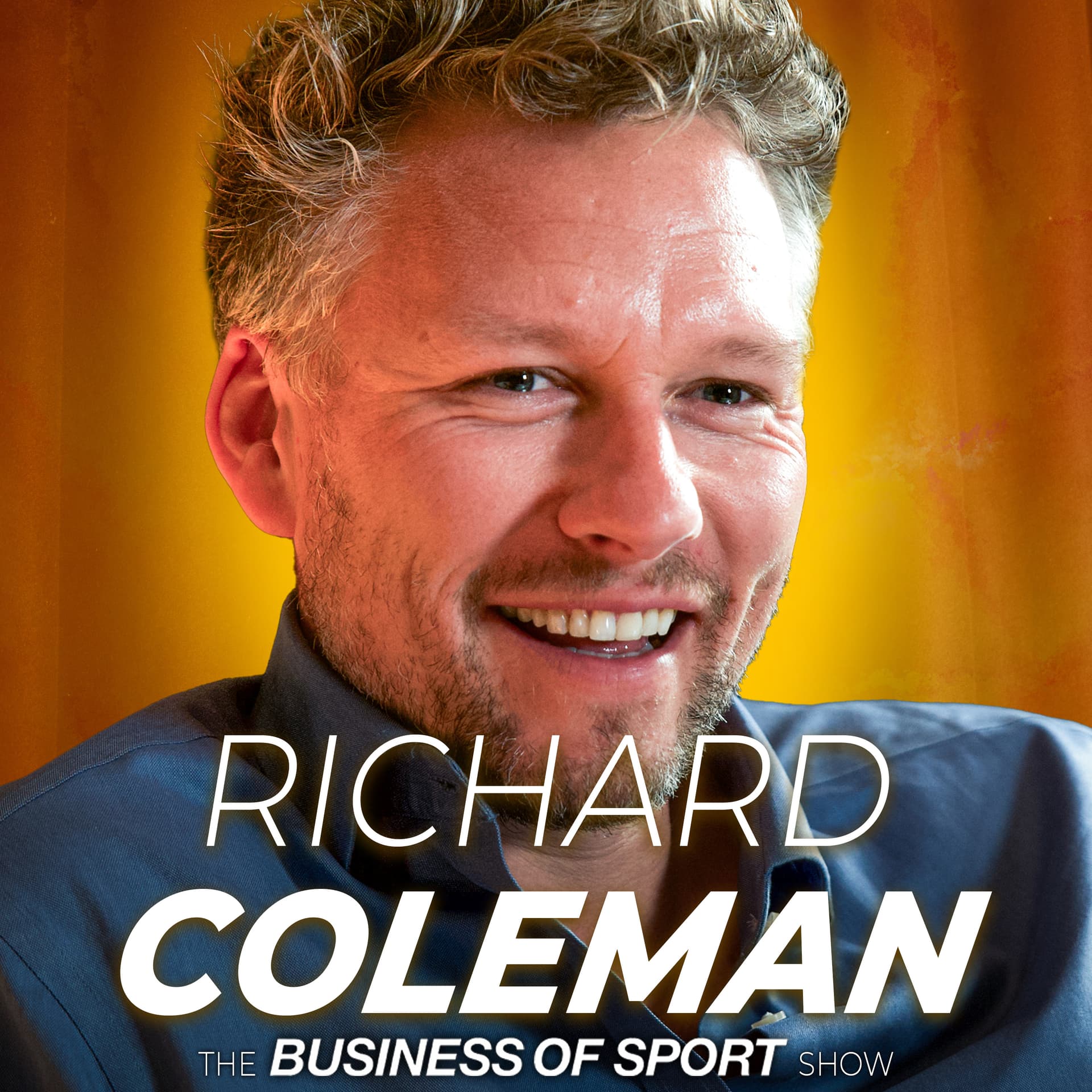
Episode Title: Richard Coleman, Tech3 Team Principal: ‘The $4.9bn Bet: Can Liberty Replicate F1 Success with MotoGP?’ (Ep.89)
Guest
Richard Coleman, Co-owner and Team Principal of MotoGP Team Tech3 Podcast Link: [Business of Sport](http://www.gostryde.com) Air Date: [Insert Air Date Here]
Episode Overview In this episode, Richard Coleman discusses his recent acquisition of MotoGP team Tech3 and examines Liberty Media's $4.9 billion acquisition of MotoGP. Coleman compares MotoGP's potential to that of Formula 1, highlighting the opportunities for growth, commercialization, and the unique characteristics of motorcycle racing.
Key Themes and Discussions
- Liberty Media’s Acquisition of MotoGP
- Investment Overview:
- Liberty Media's acquisition price of $4.9 billion is discussed concerning its potential for growth.
- Coleman draws parallels with Formula 1, which has seen a significant rise in valuation since Liberty took over.
- Valuation Comparisons:
- In the past decade, the valuations of Formula 1 teams have skyrocketed, illustrating that MotoGP teams currently represent undervalued assets.
- Business Model and Team Operations
- Transitioning Teams:
- MotoGP teams, like Tech3, are evolving from mere racing outfits to full-fledged businesses and entertainment brands.
- The financial dynamics of running a MotoGP team, including revenue streams from sponsorships, manufacturer support, and prize money, are explored.
- Team Sustainability:
- Coleman emphasizes the importance of building a sustainable business model beyond just competitive racing.
- Market Expansion and Audience Engagement
- Global Reach:
- Coleman discusses the need for MotoGP to grow its audience and expand beyond its traditional strongholds in Southern Europe.
- Attracting younger and more diverse audiences is crucial for the sport's future.
- The Importance of Storytelling:
- Engaging storytelling about riders, their challenges, and the human element of MotoGP is identified as a vital strategy for capturing new fans.
- Safety and Technology in MotoGP
- Advancements in Safety:
- Discussion around the safety measures in place within MotoGP, including circuit design, rider gear, and medical protocols.
- Coleman shares insights on the physical demands on riders and the risks associated with motorcycle racing.
- Comparative Analysis: MotoGP vs. F1
- Operational Differences:
- Coleman offers insights on how MotoGP operates differently from F1, particularly in terms of financial structuring and sponsorship dynamics.
- The absence of a cost cap in MotoGP presents challenges for competitive balance among teams.
- Cultural and Structural Challenges:
- Discussions include the cultural differences within the paddock, the politics among team owners, and the challenges of establishing a unified direction for the sport.
- The Future of MotoGP
- Investment Risks:
- Coleman outlines the risks associated with investing in MotoGP, including potential economic downturns and reliance on manufacturers for financial support.
- Vision for Growth:
- The episode concludes with Coleman's vision for MotoGP, hoping for its valuation to increase significantly in the coming years.
Key Takeaways
- Investment Potential: MotoGP teams are seen as undervalued assets with great potential for growth under new ownership.
- Sustainability Focus: Building a sustainable business model is critical for MotoGP teams transitioning from racing to commercial enterprises.
- Global Expansion Needed: For MotoGP to thrive, it must reach a broader audience and tell engaging stories about its riders.
- Safety Remains Paramount: Continuous advancements in rider safety and technology are essential in maintaining the sport's integrity and appeal.
Quick-Fire Round Highlights
- Describe Gunther in One Word: Mad
- Biggest Divergence in Public vs. Private Persona: Toto Wolff is warm in private but appears austere publicly.
- Desired Sponsor: A luxury lifestyle brand that can tell compelling stories about the sport.
Conclusion Richard Coleman provides a compelling look into the challenges and opportunities facing MotoGP as it enters a new era under Liberty Media. His insights shed light on the strategic directions needed for growth while maintaining the sport's core values and engaging its passionate fan base.
---
Sponsors and Partners
- Stryde: A digital platform democratizing sports private equity, allowing everyday investors access to exclusive opportunities in sports.
[Visit Stryde](http://www.gostryde.com) for more information.
Note: This summary captures the essence of the episode and is designed for those interested in the intersections of sports management, investment, and the evolving landscape of motorsports.
Written by AI. May contain mistakes. Listen to the episode to check what was said.
Transcript
Automatic transcript. May contain errors.0:00MotoGP's sporting product is fantastic. These guys are doing 236 miles an hour on a bike. They literally defy physics. When you watch a Formula 1 race, there's a little part of you that thinks you can do it. You know, like the surveys you get in America where everyone thinks they can fight a bear or whatever. You know, it's that kind of mentality. I think when you watch a MotoGP rider, these guys are kind of the gladiators of the modern age. Gunther and I have seen firsthand what Liberty have done. And ultimately, they have paid 4.8 billion valuation on MotoGP. They bought Formula 1 for 8 point something, but Formula 1 now is probably worth 30 billion.
0:29In 2016, probably Mercedes were the number one team in F1. Finger in the air valuation would be 500 million. In today's money, the top teams are trading at over 3 billion. And there's not a team in Formula One today that's probably worth less than 1.5. Less than 10 years ago, there were three teams on the grid that were worth quite literally zero. Those Formula One teams, they were businesses. And now they're franchises. And I think if we're really honest with where MotoGP is today, the teams are race teams that are becoming businesses.
1:00Hello and welcome to The Business of Sport, the show that takes you behind the scenes with the industry's leading owners, operators and athletes. Today, we're delighted to welcome Richard Coleman to the show. Now, alongside one of our favourite previous guests, a Mr Gunter Steiner, Richard is the new co-owner and team principal of MotoGP Team Tech 3. This sport has had some big headlines since Liberty's$4.9 billion acquisition went through earlier this year. As the infamous owners of F1, who have played a major role in reinventing the sport and making it one of the most popular and marketable entertainment products on the planet, it's not hard to understand why the buzz has now spread to asking what it is that Liberty can do with MotoGP, a hugely successful and popular motorsport, but one that doesn't have the global reach or brand power F1 has enjoyed.
1:50In a world of massively inflating sports assets prices and the clamour for good deals and unique opportunities, do these racing teams present some of the most exciting sports business opportunities on the market? The parallels to F1 are obvious, but this is also very much a property with its own values, diehard fans, and a plan to capture the audience in a way that differentiates itself from four-wheel racing. This is a look at the big business of MotoGP and the big potential of Tech3. We're delighted to welcome Richard to the business of sport. But first, some words from our valued partners. What if I told you that the same private equity deals that built sporting empires like Liverpool FC and the Golden State Warriors were now accessible to everyday investors?
2:36Or meet Stride, the regulated digital platform that's democratising sports private equity. For the first time, both individuals and institutions can access exclusive opportunities in professional teams, leagues and the entire sports ecosystem that powers billions in global revenue. And here's why it matters. Sports investments have historically been completely locked away from ordinary investors. Stride changes that. Whether you're a passionate fan of football, Formula One or emerging sports markets, you can now align your investment portfolio with your sporting passion, all while diversifying beyond traditional assets.
3:15The sports industry isn't slowing down, it's accelerating. And now you don't need to be a billionaire to own a piece of it. If you're ready to step into the game, visit gostride.com. That's G-O-S-T-R-Y-D-E dot com and discover how sports private equity can work for your portfolio. Stride. Exclusive but attainable. Richard, it is so great to have you in the studio. Thank you so much for joining us today. Thanks for having me on. It's really exciting. It's our first venture into MotoGP. There's been so much news about it over the last year in particular, but also recently with your acquisition of the team.
3:54I think we should start there. And some of this will be very top line, we'll say it now, but it's just really good for us to understand exactly what the whole environment is looking like. Sure. Well, we're both new to MotoGP, so that's good to help things. Yeah. So we've just bought Tech 3, the Red Bull KTM Tech 3 team, which is one of the oldest MotoGP teams in the paddock. And Gunther Steiner and I have gone into business together on this project. We've worked on and off with each other for like the last 10 years on various different projects. And yeah, we're very excited to get it over the line.
4:28And it's a really exciting time building up to 2026. How much money does it cost to buy a team? Gunther warned me about you. he said you were the bad cop yeah exactly he said you were a bad cop and you try and leg me up but no I can't discuss the acquisition fee but you know what I would say is that you know some of the let's say Liberty era is definitely priced into that you know I think the valuations that the teams have got now are already seeing that uptick but obviously we're confident that we've bought at a good price for the medium long term of our project. Okay. I mean, look, to give context to people listening, you can find out what reported numbers are.
5:11They are, you know, double digit millions, but as you've just highlighted, significantly less than some other motorsport properties. Yet what's quite interesting is the Liberty Media acquisition of MotoGP was over 4 billion. There's obviously such an opportunity here that it's been looked at as a massive opportunity by Liberty Media, who have an incredible track record in this space. what do you think it is about moto gp that has been recognized by them and invested in so heavily so obviously i mean it's good that this is the business of sport podcast because it means i can talk about these things without you know looking like we're just doing it for money and everything else but in terms of which we're not which we're not but no it genuinely is but i think obviously the macro thesis of of of what we've gone into uh there's a lot of relevancy to what liberty have done with Formula One.
6:02I mean, I put it on record that Gunther and I would have wanted to do this regardless of whether the Liberty transaction went through, because I think like the sport's in a great place. And I think if Liberty hadn't come in, either others would, or the current owners would have put more money into it. So I think we were really comfortable with where the sport was going regardless of Liberty. But obviously, Gunther and I've seen firsthand what Liberty have done. And ultimately, they've paid 4.8 billion valuation on MotoGP. they bought Formula One for eight point something in 2016 but Formula One now is probably worth you know 30 billion and I think if you look at the as you just described there is a bit of a mismatch in some of these economics and ultimately if we're going to be like really sort of overly simplistic about it in 2016 I would say that probably Mercedes were the number one team in F1 would be fair to say and I probably like fingering the air valuation would be kind of 500 million.
6:57But there were probably at least three teams in Formula One at that time that were quite literally worth zero. So in today's money, the top teams are trading. And by the way, we've seen equity transactions with Aston Martin and with McLaren, and they're trading at over three billion. And there's not a team in Formula One today that's probably worth less than 1.5. I mean, 1.2 would be super conservative. But when we consider that less than 10 years ago, there were three teams on the grid that were worth quite literally zero and even in 2019 I think you know it's probably not public record but there's plenty of numbers out there that you know I think Williams traded for about 130 million and obviously there's some debt involved and bits and bobs but you know it gives you a real idea of to how much that that journey has been in Formula One in the last sort of decade and I think that you know Liberty have done an exceptional job not without some bumps in the road not without a little bit of luck here and there and obviously our job is to try and look at those macroeconomics and think okay which ones are relevant to what they're going to want to do with MotoGP and where's this sport ultimately going to go and what are the fundamentals underneath it so I think also just to sort of ramble on about this because I'm sort of quite passionate about this area of the macro thesis let's call it but in terms of you know if you look at those Formula 1 teams in 2016 and the valuations that have come about, they were businesses and now they're franchises.
8:27And I think if we're really honest with where MotoGP is today, the teams are race teams that are becoming businesses. And then there'll be another transition again from businesses to franchises. I'm sorry, for those that don't know, which is including me, what's the difference between a business and a franchise in your mind? Well, I think it's a very subjective thing. But in my mind, I think if you look at American sports where there's no relegation risk and these teams become a brand almost of themselves. And I think the sort of the ecosystem around them are far more around, you know, you don't have that relegation risk.
8:59You sort of nail your colors to a cross and you can build an ecosystem of merchandise, licensing, all kinds of different things. If you look at Formula One teams today, they're really mature assets, you know, in terms of digital. For example, like 10 years ago, the way the sport was governed, there was literally almost hardly any social media content from any of the Formula One teams. And not having a relegation risk is a real key to that because it means that you know you're going to be there. Whereas, you know, listen to some of your guests in football and it would literally like make me go grey overnight.
9:30Some of the risks that these guys have to take and the gambles that they have to take in the boardroom to be able to keep the show on the road and to still call themselves a Premier League club the following year. whereas Formula One like MotoGP there is no relegation risk so I think that's in my mind and it's a subjective question but that is in my mind the difference whereas I think in in MotoGP right now even the manufacturer teams they're quite I would say relatively lightweight in terms of how they are operating as a business outside of a race team they're all incredibly successful race teams but at the moment they're very much focused on that if you look at the 4.8 for whatever Liberty paid?
10:094.9 billion dollars roughly. Okay. And then the double digits price that teams go for roughly reported. One of them's wrong. One is grossly overpriced or the other's grossly underpriced. Yeah. And I think, you know, we obviously think that we're right. Form your own opinions on which bits were judgment and which bits were luck. So for example, in Formula One, I would say in the first four years of Liberty's ownership, the majority of Paddock opinion was either negative or neutral at best of Liberty's ownership of Formula One. They were spending too much money, they were too American, they didn't know what they were doing, they didn't respect the heritage, all of this kind of chat.
10:52By the time we got to 2021 post-COVID, I would say the majority of people in Formula One thought Liberty were a great owner and that the sport was going to the moon. I mean, a lot of people love to sort of say, oh, you know, the drive to survive effect. But actually what it was, was a suite of governance changes. Really? Yeah. If you think about, you know, Formula One from the time Liberty owned them, they completely overhauled the sporting regulations, the technical regulations, and really importantly, the financial regulations. And what that did was allow the sport to really concertina up in terms of performance.
11:27We're obviously at the very end of a regulatory cycle at the moment. So a little bit animals go in two by two again at the moment, but we're still having multiple winners in the Grand Prix season. And listen, I've got petrol in my blood. I could probably name the last 30 world champions like in descending order. You know, I'm a real fan of Formula One. But ultimately, the sporting product was relatively broken in 2016. You know, you had sort of huge dominance from certain teams. It was not meritocratic at all. The rich got richer. The poor got poorer. All the teams were more or less losing money at that point.
11:59So the sport was kind of a bit broken. It was relying heavily on its heritage, heavily on a lot of hype. But ultimately, the sporting product was quite broken. And this is a parallel I want to draw to MotoGP because MotoGP's sporting product is fantastic. I mean, it's literally unbelievable racing, super exciting. These guys are doing 236 miles an hour on a bike, rubbing shoulders with each other. They're taking corners at a 60-degree lean angle. They literally defy physics. I think in Formula One from a governance perspective they have to really sort of overhaul the technical sporting and financial regulations and I don't see that in MotoGP all the teams make money from what I can see the sporting product is fantastic it's been well run from a sporting perspective it's sustainable in that regard but ultimately it's not in front of enough people, it's not getting to enough new audiences, it's not going to enough territories, the sport's very overweight to southern Europe so it's a 22 round world championship but four races are in spain two races are in italy one race in portugal one race in the south in france so when we look at the geographical spread like over a third of the calendar is in a very small part of the world um so all of these things you know some of them are direct comparisons some of them are good news for us some of them are bad news for us but ultimately i think there's enough parallels and trust in where the sport's going to go that on that question a few moments ago when he said look at this valuation for the sport and this valuation for a team one of them is wrong well we think we've you know we think the teams are undervalued the i mean to me the cost cap was the major transformer when the cost cap was brought into formula one it actually made it affordable and it made an investment more manageable because it meant that you didn't just have to plow crazy amounts of money to compete right at the top when everyone had to to work within the same regulation williams had the same opportunity or would have the same opportunity in hopefully eight years time, as we're seeing, for example, now as maybe a McLaren or Mercedes to compete.
14:01If you've got a sporting franchise today that's worth one and a half billion and you knock it out the park and become a tour de force and start winning everything, you might be worth three billion. So that's the first thing. The second thing is what the cost cap did was also improve the sporting side because if we look at the difference between, say, Hamilton and Bottas in 2019 in qualifying, bear in mind they don't on average be qualifying first and second the difference between first and second is more or less comparable to the difference between the top 10 first and 10th today so this concertina ring of the sporting side has really really helped and that's you know it's the the best teams will still win because they have the best engineers the best ideas whatever else but what it does do is it means that you can't put as many ideas through the meat grinder 10 years ago the top f1 team would say have 15 ideas that explore all of them equally whereas an underfunded Formula One team would say okay we've got 15 ideas but we need to only pursue three because we haven't got any budget.
14:58We had James Vals on the other day he summed it up nicely when he talked about their testing in a wind tunnel and he said the car now only went through very few tests in the wind tunnel because obviously that comes at a cost previously they would have had it in there all the time they could have spent as much money as they wanted there was no regulation on it but they got way more out of these tests because when money came into it every test had to matter yeah so it improved everyone's focus when those really important technical tests were happening it's driven huge efficiencies and an engineer who will remain nameless for a team that will remain nameless you know he said to me you know like in the area department you have a quota of how many parts you need to get how many drawings you need to get released so that then they go off to the model shop and get made and then they go in the wind tunnel but he said like I would be sat there and I'd have to hit my quota.
15:45So I'd be almost knowingly designing parts that I'm pretty sure are not going to be faster because I've got to hit a quota because we've got to get so many parts through the wind tunnel. Because it wasn't that long ago in Formula 1, some teams ran two wind tunnels on 24-7 shifts. So again, when you actually start looking at this, it's a bit like in the days of the Raj in India when they said, we'll pay you for a dead cobra. Well, that was all well and good until people started breeding Cobras to get the money. So you ended up with more Cobras. And it's the same in Formula 1. People were designing parts to go through a wind tunnel that they sort of knowingly know are very unlikely to be faster than the first one they drew.
16:23So looking at this now, if it's an investable asset and you've got these teams, as we said, that we've already recognized what we would class as good value in a world of crazy sporting asset classes and valuations, you don't have a cost cap in MotoGP. We do have teams that can spend vastly more than others. and there is or has been a dominance for a few Honda and Ducati most notably where competitive balance if we want to call that has been absent so how do you look at the structure of the sport now in this next phase compared to what we've seen in Formula One so probably just for sort of you know macroeconomic reasons in the manufacturers being sort of similar size and weight even though they've got certain differences it's probably not the problem is not quite as bad as it was in Formula One in terms of largesse and spending and all the rest of it.
17:10But already some manufacturers, including our own KTM, are already lobbying for, look, we should have a cost cap. And of course, you know, turkeys don't vote for Christmas. The Japanese have been very much underperforming the last few years. And they do, you know, Honda sell 20 plus million bikes a year. So they can pretty much throw what they want at it. So I think, again, these things don't happen overnight. It's not always, it's not never. You know, it will be a suite of governance changes that will slowly bleed into the sport. And ultimately, Formula 1 was purchased at the end of 2016, and we obviously keep drawing these comparisons because they're similar sort of asset classes and obviously under the same owner.
17:47But in reality, arguably lost a year to COVID, it wasn't until 2021 by the time they had a regulatory framework that starts delivering the fruit that we've just been talking about. So it will happen slowly. We're not sat here saying Liberty are going to be a magic bullet, because they simply won't you know these sports take a long time to turn around but i don't think the sports is broken are these good businesses you mentioned that like the potential of a cost cap coming in are these good businesses today like did you catty honda the rest of the guys on the grid make money uh you mean purely as as as the as as racing racing teams okay yeah yeah yeah so so there's um six independent teams and five manufacturer teams and they're clearly run under are a very, very different business model.
18:35So the manufacturer teams, you know, it's very much more about they'll spend money from their R &D budget from their parent companies. So therefore their sort of KPIs are a bit different in terms of, you know, what their profitability is or what their actual spend is. And they obviously cut that up in very different ways. But if you look at the six independent teams, you know, they're all profitable. They all make money. And that's very different landscape to where Formula One was. And I have to say, I think that's a big thing about the Espoleta family is that and so many other sports get this wrong where all the key stakeholders have to be sustainable you know we're talking before we came on air about you know premier league rugby and you know how certain elements have lost a few teams and how they're trying to turn around some of the structure and the governance but it's the same in so many other sports it doesn't matter if it's the top or the bottom of the ladder and everybody has to make a buck otherwise it's just not sustainable you're relying on something beyond normal economics to make something work and I think the espalettas have been very very big on from day dot you know really look after the teams they have to make money the local promoters in the circuits have to make money and they themselves as the promoter have to make money and so for those that don't know the espalettas are so the espaletta family own dawna sports or have been the management team within dawna sports obviously owned by big investment banks everything else and it's the investment banks which i think was bridgepoint and royal bank of canada i think i think they've sold their position to uh liberty media so when we're looking at managing sports assets sustainably a huge thing that we deal with regularly is the difference between buying price and operating cash right so apply it to football everyone thinks you can buy a club for i don't know 15 to 20 million in the efl and don't necessarily understand what the running cost actually looks like you do your deal here and you're trying to figure out the right economic model to operate on for the next five or so years what do you need to do when you were putting this together to ensure that you had the financial requirements to make sure this team was not just sustainable but hopefully growing and developing yeah because also from our perspective it was never just about the acquisition price we needed to have you know some some some money to be deployed into the team to grow it to where we wanted to be and currently the team has the team is a really good race team you know like the weekend we did the deal the team on merit finished on the podium it is a really really good race team it operates very well track side but that in my opinion is what it is it's it's a good racing team we want to turn into a great racing team but also we want to build out a commercial function and a commercial business behind it and that's going to take some time and actually i was talking to um kelly britain who's the the marketing director of global marketing director of dawna the owner of motor gp and obviously a lot of people want to make a lot of progress really quickly with the sport and you know now liberty here and there's this sort of big bang moment and it's all really exciting and like i asked her i said okay kelly so how many people do you have in your department right now i said well including social media we have 33 people so okay great and we're gonna we're gonna hire more i said okay so in the team that i've just bought with gunther i've got two in marketing communications and that's very much with a capital C on communications, right?
21:51And I would wager that the independent teams are the same across the board and the manufacturer teams are probably three to six. Red Bull's Formula One commercial department is over 100 people. So there is more firepower, there's more mines, there's more, you know, resource from one Formula One team than there is in the entire paddock in MotoGP. And clearly, we're not going to cover the same amount of ground as they are right now. So, you know, at the moment, these things are going to take a little bit of time. And that's what I was sort of coming back to before. And it's a, you know, slightly subjective and lazy way of wording it.
22:32But, you know, these race teams are race teams. And they're profitable, but I wouldn't really describe them as businesses. Can you just help me understand how do the teams make money? And I'm not asking for your team. Yeah, yeah, sure. Just like, how do they make money? So they all receive in a very different way to Formula One. So Formula One is very much you score essentially prize money. So the year 2025, you'll get a revenue share of your finishing position from the year before. MotoGP is not like that. So MotoGP, some people call it start money. Some people call it support money. but essentially there's a central contract with with Dorner and the teams receive money for logistical support which is prescribed in a set of articles as to where the races are how many races there are all that kind of stuff so you get 10 tons of freight free and you get a certain amount of money towards all your logistical budget and then you get like a support payment which essentially comes from you know them as a commercial rights holder and they basically give a support payment to the teams, which some of the teams are arguing and saying, look, we should have a far more transparent system.
23:46We should have a revenue share like Formula One. We want to participate in the upside. And obviously, the current hierarchy want to kind of keep the teams in their place and pay them a certain amount of money. But that money plus sponsorship plus most independent teams have some financial support from the manufacturer they represent. So in our case, KTM. So they're the kind of major drivers. Okay, so if we just go through that, it's like top down from commercial rights holder, you've got manufacturer and you've got sponsors. Yes. Just to help me understand the allocation of the pie, so to speak, 33, 33, 33, 50?
24:22Really depends. I mean, like, for example, and obviously I'm not completely privy to all the teams, different P &Ls and everything else, but Ducati are probably in a privileged position where they've had the best bike for a number of years. But that probably means that their commercial support is probably not as good because it doesn't need to be because, well, we're giving you the best bike. So, you know, there are other manufacturers that are perhaps struggling at the moment. So let's pick one, Yamaha. So, you know, they did a deal with the team that won the World Championship last year, which is an independent team.
24:50And this is another key difference between Formula One and MotoGP is that the independent teams are super competitive. You know, the manufacturers need to have at least four competitive bikes on the grid. And they don't really care who wins as long as their bike is winning. So that's a slightly different dynamic, if you like. but the team that won the world championship last year with Jorge Martín on Ducati they've switched to a long-term contract with Yamaha. Now I'm not privy to the ins and outs of that but I imagine the economics are that Yamaha are taking care of a lot of the bills. So for them it wouldn't be 33-33-33.
25:20And then for other teams they're probably getting very little support from the manufacturer. It's interesting like the more leverage the manufacturer has the less they need to pay. If you are Ducati and you have the best bike it's like I'm not going to shed out a ton like Yamaha do because I don't need to get you using my bike. Yeah, and also if you've got a more competitive bike it's easier to sell sponsorship but not always, not never because some of these manufacturers they also need teams to be of a pretty decent quality to represent their brand so it's a melting pot of trying to put together these commercial interests and again the same with sponsorship at the moment we're a KTM team KTM have a global deal with Red Bull so Red Bull are our title sponsor but you know we're a degree separation from that and obviously we've got these contracts in place for next year but Gunther and I might have a different view as to how life will be from 2027 because we want more control over some of these aspects so you don't control your sponsor agreements uh well we we do but ultimately sort of if let's let's say the the the package that we have with with KTM and all the teams have different relationships with their manufacturers you know I think it's public knowledge that you know Red Bull have a global sponsorship deal with with KTM and then that sort of flows through to us.
26:35So we represent, I mean, literally Red Bull is in the team's name. You know, it's Red Bull, KTM, Tech 3. So again, all these relationships are slightly different. So some teams will be the 33, 33, 33 you suggest. Some of them will be sort of 80, 10, 10. And it really does depend. What about the types of sponsors that come into the sport? We've seen a change, of course, in Formula 1. you now see something like LVMH putting Louis Vuitton on all of the races. That wouldn't have happened 10 years ago. What are we looking at for the core partners here? And I think this is a fascinating example because if you look at not just the team sponsors, but the series sponsors, they're generally technical companies like oil brands, maybe a few tourism ones, but there's certainly very few luxury and lifestyle products.
27:22And I think there's a slight misnomer with sort of motorcycle racing that it's blue collar. and of course to an extent it is but ultimately if you're buying like a 25 grand Ducati to go in your garage it's unlikely that's your main mode of transport that's the same kind of money that people will be spending for a very luxury high-end watch as an example it is a luxury product you know if you've got a ladies fireblade honda in the garage or a Ducati or you know bike that's well over 20 000 pounds that is i think by definition a bit of a luxury product you know okay you'd make the arguments of poor man's Ferrari and all this kind of stuff.
27:57But ultimately, you know, that's the same kind of person that's buying a Rolex or whatever else. And I think you'll see that Liberty will try and pivot this more to two things. One is more luxury lifestyle. And secondly, I think that the story to be told here is that these guys are kind of the gladiators of the modern age. You know, when you watch a Formula One race, you know, I'm not, we all probably know enough that we know we can't do it. But when we watch the onboards, there's a little part of you that thinks you can do it right you know the cars are handled really well they've got loads of grip you sort of like watch the onboards you know i could do that i think you know that kind of bit of man in us you know like the surveys you get in america when everyone thinks they can fight a bear or whatever you know it's that kind of mentality i think when you watch a motor gp rider and you're looking at these guys doing 236 miles an hour on a bike you know not one part of me thinks i can do that correct no and then when you watch them and they're not only getting their knee down they're getting their shoulder down and the bike is leaning at 60 degrees yeah and you're in you know like this sort of pre-packed chicken position i mean it's just like the sheer vulnerability and that's the thing i think that these guys are like in the arena as it were i think that this will be pivoted more towards the human story and it's like the gladiators of the modern age i really think it'll move more towards that kind of storytelling let's talk about you know that as a development then because one of the things that we've seen be so successful for so many sports is the celebritization of so many of their athletes.
29:23The development of personalities beyond just, in this case, the bike. As you just highlighted, they're doing probably the most dangerous, one of the most dangerous sports in the world, and it's cool. So what needs to happen to make these guys household names? So I think there's a couple of problems here. I mean, one, like you said, there's so many amazing human stories that they're almost so run-of-the-mill in MotoGP, they don't get told. I mean, like, I talk to people and I've walked into this and I said, look, I am a four-wheeled guy. You know, this is a French team. I'm a four-wheeled guy. I'm an English guy.
29:57I didn't know what kind of reception I was going to get because I'm probably not one of them. And when I talk to these people in MotoGP, they bemoan the lack of overtaking. And I'm like, are you joking? Like, I've just seen so much overtaking and you say we've got a problem with overtaking. And it's just how people are in that kind of wheelhouse, right? I watched one practice session where Fabio Quattararo literally had a trip through the gravel, big off, comes rolling to a stop, clearly hurt. The doctors come along. They put his shoulder back in. Okay? He's dislocated his shoulder in the gravel trap.
30:30He's in agony. They put the shoulder back in. He gets on the back of a scooter, goes back to the garage, gets on his spare bike, goes back out. I mean, like, but it's just almost so normalized in MediGP. That's not a story. And I'm like, sorry, what? it's like nuts what these guys do but i think on a more sort of serious level the championship's super overweight to spanish riders and italian riders you know sometimes you can look at the results sheet and like eight of the top 10 are from spain or italy and the reason for that is at a grassroots level motorbike racing is a bigger part of the culture but also the domestic series are just so much better so if you want if you the spanish national series the Italian national series they are such a level above everywhere else that their riders just come through and there's just more and more talent and you've just got a bigger pool to choose from because there's more kids taking it up right and they're the kind of things that in sport everybody wants a quick fix you know like in Formula One there's this big obsession about getting a Chinese driver and everybody wants to kind of shortcut it and you get people that are you know um that they They are Chinese ethnically, but they've been brought up in Holland or England or somewhere else.
31:41They don't speak Chinese and all this kind of thing. But actually what it needs is you need to put all the money and effort into having, you know, big series of karting. You need to have this sort of meritocracy. And these are things that Liberty are understanding already. Firstly, because they want to generate revenue from other parts of the world. So there's no point saying, oh, we're going to have two races in the U.S. or three races in the U.S. That only works if you're getting a crowd, right? So you've got to make sure the interest is there. And when you're talking about telling these human stories, it doesn't help if eight of the top ten protagonists are Spanish.
32:14It just doesn't help because a lot of countries are very, I mean, look at the Max Verstappen effect in Holland, and people need heroes, they need local media, they need the earned media, and these things take time. Are the writers good at the celebritization of themselves? so like do they like i think like lewis hamilton's been very good at celebritizing himself putting himself in front of cameras in front of media personal and professional are the moto gp riders good at building personal brands i think the short answer is no but i also think you know just that lewis is probably a different cut from the other 19 drivers on the f1 grid as well but if we're just going to take a comparison of moto gp riders and formula one drivers Formula One drivers are much more savvy with the media, they're much better media trained, they're much more interested in their own brand, they're much more interested in these kind of things.
33:07It has happened in MotoGP and I think Marquez is obviously a living legend of the sport, he's almost certainly going to win the World Championship this year, he's got a huge following, you obviously have the Valentino Rossi, I mean even now, I mean I went to Masano two weekends ago, I mean there's still a sea of yellow in the crowd because there's so many people in Italy that still love and adore Valentino Rossi, who's been retired for years. So at the moment, no. And I think, you know, there's probably not been the right level of support around a lot of those riders. They've not probably had, you know, professional sports management like we've perhaps seen in Formula One for a long time.
Read the full transcript
33:44That's certainly changing. How much does a rider get paid? I mean, it's a huge spread. It's an absolutely huge spread. So I mean, the top riders are on sort of like, you know, 15 million a year. So we're talking like people like Marquez, Cotararo, I mean, obviously I don't sit and look in their bank account, but that's kind of the numbers that are banded around. 15 a year? Yeah. Pre-sponsor ships or that's including everything? No, that's just their sort of rider contract. Wow. And then also the other thing I would say in MotoGP, which is a bit different to Formula One, is that, you know, obviously a lot of people are enthusiasts.
34:18You know, you've got to say Jerez, the first European round of the season, there will be 70 ,000 motorcycles in the car park. 70 ,000 people have decided to go on a motorbike to that race. And of course, all these people buy helmets, visors, gloves, gadgets to hold your phone on the bike, all these different kind of products. So there's a far more sort of technical element. So a lot of the top riders also get paid huge money for their leathers, their helmet brand, far more than they do in Formula One in a way. Because most Formula One fans don't go and buy a set of racing overalls on a Monday or buy a helmet to go to work in.
34:53whereas motorbikes is a very different market so they all earn really good from their endorsements of that and I would say probably the sort of riders that are very good professional riders they're probably on kind of like one and a half million a year something like that It's a big challenge when you have something that's hugely successful but hugely successful within a set of parameters a real focus and a core fan base there's a there's a huge challenge you have when you're enjoying that success but then also trying to build it out also trying to make it more commercialized more mass market go into new regions is there a danger that is this grows and develops that core fan base that has driven the sport for so long gets corrupted in any way they lose some of what's made it so valuable to them yeah i think it's always a danger um but i also i also think that a lot of this is kind of this almost like hyperbole that's driven by the media and if you like i said if you look at formula one the sentiment for the first four years of liberty's ownership was neutral to negative and now you'd be in formula one you'd find anybody really hard push to say that liberty and not have not been a good owner but of course the you know most journalists that are of the sport itself they are absolute dyed in the wool stalwarts of the sport they know everything they know every stat everything else and it's a bit you know have it in all sports you see in cricket you know i mean look at the success of the short format game you know you look at uh you know the everybody said that the hundred was going to be a complete waste of time and now look at what the franchises are selling for look at the crowd attendances that they're getting but of course you've got a lot of people in cricket say well no it's for me it's just it's the the four five day format you know Everything else is not really cricket.
36:36So you're always going to get that. And obviously, generally, those opinions are overweight with journalists that have been following this circus for the last 30 years. They're all going to say, oh, you're killing it. You're Americanizing it. Already I've seen criticisms of, you know, in Massano, they did very similar to how they do in Formula 1 for the anthem. They always play the anthem before the race, but from now on the riders go down and they all go in a sort of a semicircle and remove their hats and play the anthem in front of the flag. already you've got people in MotoGP, oh, he's so American, and they're ruining it already, and why do we have to copy everything that Formula One does?
37:13And it's like, okay, guys, is that really a big opinion? Is that really changing the sport one way or the other? It's actually an opportunity for the TV viewers to have a good look at the riders before the race, all these kind of things. So I think the noise is probably always worse than the actual casualties, but of course some people won't like the way things change. you know we've had people that come in here and they've bought an asset and they've had loads of confidence that they can affect it that they can make it better that they can commercialize it more that they can build a better fan base but where they've come unstuck and where they've had to learn is that actually they can only do so much because they sit in a wider institution where they don't lead a lot of the rules and regulations where they are completely subservient to the decision making moves of others how much of this for you now how you work with moto gp central to bring this sport forward i i think this is something that i'm personally huge on because it's so easy to get carried away and the analogy i gave you about you know 100 heads in the commercial department red bull is the equivalent of this entire paddock right so we cannot run before we can walk and this isn't just limited to the business and commercial element it's also the on-track stuff you know there's absolutely no point making any changes of any kind for the first 100 days right i need to get understand this asset understand this team understand these people Same on the commercial stuff.
38:33Some of our investors are very, very well-connected people, and they sort of want to see instant results and instant turnaround on big sponsor announcements. And let me tell you, sponsor hunting is elephant hunting. The average gestation period of a deal for a title deal is like a year. So we're not going to change the world in the next three months. We obviously have some contracts in place for next year. These things always take longer than you want to, but it's about sort of keeping those targets realistic. And it's going to take some time. And we don't have like a load of resource. And also in terms of Liberty's ownership, the value proposition has not changed overnight just because now Liberty own it.
39:15You know, the value proposition is the same as it was the day before. You know, it just simply hasn't changed. So it's going to take a while for that to flow through. And again, from sort of a management perspective, not just on the commercial side and the business side, but also the sporting side, you know, you have to take a bit of time to understand actually what you've got, what the strengths are, what the weaknesses are. And how many times do you see in sport, and you've met a lot of these guys, where people come in and they want to change the world overnight, and they make big written branch changes, and you're like, how can you possibly understand the strengths and weaknesses of the organization you've taken on?
39:48You can't. Do you think you have grown-ups around the table here? And what I mean by that is you've got a sport built on the individual success of certain teams, but to your point here we need collective mindset to to grow it so for all of us to win it's the right the age of rising tires lifts all boats right but that mindset does that exist within the sport now is it easy to get all of the owners of the teams together with liberty central and go this is where we're going this is where we want to go no and and the reason i say that is you know and i'm actually let's use herve as the example like the guy who's who's who's who's this is his life's work he's been running this team for for 30 years you know he openly admits his his weaknesses he openly admits that perhaps in the last years he's been a bit of a handbrake on a few things regarding the commercial side but he loves racing I mean he just loves motorbike racing he gets more excited about the moto 3 team results than he probably does the moto gp I mean when I when I sit and watch a race with him in moto 3 I mean the guy is literally on the ceiling I mean he literally is absorbing every single corner he's literally it just flows through his veins and it's that passion and that determination that has allowed him to build a really good race team but I think he kind of knows that it's time to pass the baton on and a lot of his peers are similar and these peers will some of them will be I'm sure in the next 12 months openly critical about certain things that Liberty are doing you also have the the sort of power struggle between the manufacturers and and MotoGP itself there's a lot of these stories they're going to take a while to sort of play out.
41:20And, you know, wherever you get sport, wherever you get money, you get politics, right? And to build a consensus with the other teams and the other manufacturers, I think is going to be difficult. But I think it's also an element where Gunther and I, because we've seen the Liberty side firsthand, we've got good, close personal relationships with key people within Liberty. I think that we'll be a little bit of a bridge between the two in some ways. I don't say that arrogantly whatsoever. I just think we can be really helpful in the sense that we can understand a slightly bigger picture. But also, we're not sat here going, we're new blood and we're going to spend money on stuff.
41:53I'll give you one example. There was a lot of talk about MotoGP having another launch event. They had a very successful one in Bangkok last year, and this year they wanted to go to Melbourne. At the moment, it's not our circus, not our monkeys, so we haven't got a decision. But from what we understand, a lot of teams are like, we don't want to go to Melbourne. We've all got to sit on a plane from the testing we're doing in Malaysia. We've got to go to Melbourne. It's 12 hours. We've got to ship bikes there. and what do we get out of this right now we'd be absolutely cool going to melbourne if it's an open event but we just need to understand what is the utility to us as a race team what is the commercial commerciality that we can apply to this to make something of it ourselves we're all about this whole collective and we're really supportive of dawn on what they want to do but bring us into the tent we're not just going to turn up in melbourne because you think it's a great idea we want to turn up in melbourne because it's a collectively good idea for everybody and that there's good things that can come from it, right?
42:47Can I ask, when you make an investment in my business, I think it's very important to understand the core risks that you're underwriting. And when I think about kind of the core risks that you're underwriting when buying this team, for me, it's like the ability to disperse audience away from the concentrated existing base of Spain and Italy. If you stay in Spain and Italy so concentrated, this will not be a great investment. It's hard to grow, correct, yeah. What do you think the core risk is that you're underwriting when making this investment? I mean it's an interesting question I think there are some risks around like you said not being able to grow and that's one area where we feel very confident with Liberty because I think that what Liberty have done in F1 if they haven't just chased money they've looked at different territories this is a territory that's mature and we should monetize it this is a territory we need to grow in and therefore money is not the number one KPI here it's how many eyeballs we're going to get We feel really confident around that, but you're right, because that's not just a case of where we're going to put these races on.
43:47This is a far wider reaching thing where you need to get to grassroots level and have talent coming through from other countries, which builds audience from other countries and so on and so forth. I think there's also a slight risk regarding the manufacturer's element and how that plays out with the independent teams. I think everything's tracking in the right direction, but you've only got to have a big global recession or a big incident and you've suddenly got motor manufacturer, bike manufacturers, OEMs that are not going to want to commit this kind of budget. And at the moment, the independent teams are wholly dependent on those manufacturers, on those five manufacturers of one which has gone through an enormous refinancing in the last six months where they are dependent upon them for their technology.
44:28So there's a fundamental risk there that if you have huge global macroeconomic events where manufacturers are not putting money into the sport, then that instantly affects. F1 doesn't have that because that risk is internalized within the team, correct? I would say it does have those risks, but it's not to the same level of exposure. And I think this is also a direction that MotoGP will probably ultimately take. Why not? Is that, you know, if we look this year, McLaren are almost certainly going to win the Drivers and Constructors Championships, right? But that car has a Mercedes engine. It has a Mercedes MG UK.
45:03It has a Mercedes gearbox, I believe, right? So from the bulkhead back, that car is a Mercedes. But I think to the casual fan and the people that are watching Formula 1 and they're looking at the statistics and the heritage, they're like, well, it's a McLaren championship. McLaren are the champions. And I think there's a lot of manufacturers that could potentially come in that, let's say, a level two manufacturer. So you've got people like Honda that produce 20 million bikes. It's very easy for them to have a big R &D department, spend a load of money on MotoGP, win on Sunday, sell on Monday. But there's other OEMs that are just not in that kind of league.
45:36but it probably in the league where they could say do you know what we're going to do our own chassis we're going to do our own bike but we're going to buy the electronics and the engine from Ducati or Honda or whatever it is and white label it which is exactly what happens in Formula One but there are risks at the moment in the way that's set up but we think they're fairly minimal and likewise the support the sport has been sustainable to date you know these teams do make money it's been a well-run asset and the majority of tv and on-site audiences are increasing even before the liberty announcement what are the media rights deals what's the structure of them particularly where should we say the geographical focuses that you've spoken of so again massively overweight to to southern europe you know and you really feel that when you're in the paddock you know so many different sort of spanish italian greek you know all these kind of channels whereas very little interest from like u.s media um and the again i think that this area is going to change but as we both know there's a media rights are generally long form deals they normally take a long time to put together they're normally quite long-standing contracts so again this isn't going to be like next year bang here we go all the media rights landscapes completely changed and we're now getting like loads of free eyeballs in these countries and we're getting loads of money from it it doesn't it's not going to work like that liberty going to take some time my understanding is and it's really not my swim lane so i don't want to opine on it too much but i think this is one of the major holdups with the european commission was that they they saw that motor gp and formula one are different sports but what they didn't want was liberty sort of monopolizing the media landscape by saying okay you know spain wants motor gp but if you we're going to grant you these rights as long as you pay x for motor gp or the other way around.
47:24We'll give you Metal GP, but you've got to pay this much for Formula One. They didn't want that sort of bundling in the media rights landscape. So again, really not my wheelhouse, but I think they're the kind of things that take always longer than you anticipate. They're always like long form deals and normally like three, five year deals. Obviously, there's a load of deals that are in place at the moment. So that's going to take time to get right. We talk about something that we termed the attention economy, the competition for eyeballs, the amount of sports now that are competing for quite a finite amount of attention.
47:55And Harry joked earlier, you know, he said we compete with Taylor Swift if we're on Spotify as much as we do with high-performance podcasts. When you're sitting in your car, you can listen to Taylor or you can listen to us. It's a great choice. In the morning, I'd listen to you. In the evening, I'd listen to Taylor. Fair enough, I'd listen to Taylor twice. But, you know, the point is that you compete with anyone who has a media proposition that's trying to capture the attention of an audience. But a big part of that and the reason why people want to get involved in sport is often their ability to participate in some way, especially at an early age.
48:29Grassroots, the foundations of growth globally will be built on the exposure of younger people to that. What does it look like in MotoGP? Because you start in a car. You don't begin on a bike when you're eight years old. Well, you do, but they're like little peewee bikes. Really? I mean, absolutely. And I have to say, so my other business has another sort of leg in the motorcycle world. And I've become incongruously close or closer than I would be just through MetalGP with the FIM president, which is the governing body of motorbikes. And they're on a huge youth push because they really feel like we need to make more of this.
49:10And at the moment, that's one thing I'd say is very different from Formula One is that Formula One, you have Formula Two and Formula Three, right? And I think Formula 2 go to, I don't know, let's say 15 of the Formula 1 events. And I think Formula 3 probably 12 or 10 or something. But when I go to a Formula 1 race, depends slightly on the market. But overwhelmingly, if the Formula 3 race is on, the stands are 10 % full. Yeah. I mean, they feel empty. They really do feel empty. And yes, of course, these drivers are learning their craft. They're learning their trade. they've got sponsors or family money or whatever it is behind them backing them to race in Formula 3 and they're learning the circuits and they're also on Pirelli tyres and all these different things that make a difference.
49:59In MotoGP you have Moto2 and Moto3 but the majority of Moto2 and Moto3 riders are getting paid whereas in Formula 2 and Formula 3 either through family or sponsors or whatever else they've literally got to buy their seat which in Formula 2 would be probably 3 million euros a year and formula formula three probably one and a half million euros a year whereas in moto two and moto three a lot of these guys are actually getting paid and if you you know again slightly depends on the territory but i've just done the races in barcelona and the race in in massano in italy and the stands are basically full i mean i mean the the the fans are so engaged with the racing and the racing in moto three particularly is just incredible i mean you just never know who's going to win.
50:42I mean, like literally a lap to go, it could be anybody in the top eight. It's almost like a peloton. And the racing is unbelievably exciting. But I think that that's another thing with the FIM and Dorner, that sort of talent cascade is a lot more sort of mature, a lot more formalized. And now they're talking about doing Moto4, and you've also got the Red Bull Rookies Cup, where again, you've got like Red Bull putting money into something where it's properly meritocratic you know these guys they're selected on merit they get their crash damage paid for they get their travel paid for you know and if they win then they then get picked up and they have a seat in moto 3 and they they have a career prospect and don't get me wrong it's brutal i mean like you know one of our moto 3 riders who's selected by ktm he's in his second year he's done okay but he's not done great so they've got to make room for the next guy coming through so you know he's cut and it's as simple as that but wow when you say and he's cut like what does he do then he's not killed that's an exclusive exactly yeah our new team philosophy he has to try and find a you know another avenue for his career but for a lot of these guys you know then that's very difficult once you've been cut it's really difficult to get another foot on the ladder somewhere else you know what makes the best drivers riders sorry I should say you know it's a really lazy cliched expression in all of sport but it is just unbelievably true is that you know hard work can often beat talent but when talent also works hard you you that that's the difference right but then we're into I think like if you look at whether it's a driver or a rider having some level of intellect and I don't mean like in terms of academia or whatever else but you just feel in conversation that they have this extra mental capacity they have this intellect that allows them beyond the plane of just the the sort of normal run of the mill you know they always find another dimension that they're able to talk about look at follow pursue whatever else and having that kind of racing intellect is a is a huge part it was when we spoke to james voles about this actually where he was talking about like the the amount of data that you are taking in on a per second basis as a driver is just enormous and he was mentioning all the different minute elements that you're thinking about thousands of things per second and and then you actually apply that adhere to the riders that you have and on top of you know all the different things that you're analyzing you're also doing like core balance which you don't have so much in f1 but like the actual staying on a physical bike the riders hardly move the handlebars you know and if it is it's generally to correct something as in like to to to control a slide the majority of the bike's turning is from the rider's position on the bike and the rider moving and of course you know think about your head is actually a very heavy part of your body so the more sort of outboard you can get your head you know changes the weight distribution of the bike and like i said these guys are running at 60 degree lean angle and in terms of like from an aerodynamic point of view as the sort of the air flows through the fairing and sort of on the underneath of the bike a lot of that is about sort of how the air can exit the fairing to sort of give the bike more rotation in the corner so it's not just about like the downforce and the wings that are hanging off it you've also got that extra plane that when the bike's at 60 degree lean angle how are you exiting the air to try and give the bike a bit more rotation i mean without without wanting to sound morose how's the sport been made safe because you watch this and you're like how are people not dying every race i mean it's ridiculous as you've highlighted the dangers of it is super dangerous and i think that's one element of me you know very very clear with everybody coming into this i'm a four-wheel guy you know like my my knowledge base is is is low and one of the things i've really noticed is that how the team interacts with the rider is very very different to what i've witnessed in car racing so much of it is around the rider's confidence because firstly the rider is obviously a bigger part of how the bike handles and all those kind of things but secondly like it has to be said you know these these guys are far more likely to injure themselves or worse sadly so there is a real danger to it and therefore the rider's confidence is sort of paramount so even if something from an engineering and technical perspective is let's say suboptimal if it gives the rider confidence then you have to sort of pursue that so so much of it is in sort of managing the rider's head and making sure that the rider is confident and comfortable even if that's not from a theoretical perspective as to exactly where you sort of need to be and I also feel like the bond between the rider and the crew is just visually so much deeper than what I've experienced in car racing and And listen, it's pretty deep in car racing, but it's another level with bikes because I think you just know when the guy's leaving the garage that he is literally risking life and limb.
55:32And that dynamic weighs heavy. You can see that the bond is a real big part of it. Do riders die? Yeah. I mean, thankfully, Dorner have done a huge amount of work with the FAM on safety in terms of the circuits that we visit. They're very disciplined in the circuits that we go to. so again, making sure that the sort of runoff areas, because it's very different to a car, you know, the dynamics of A, where you can have an accident, and B, obviously you want to make sure that the rider has stopped before he gets to a wall. You don't really want to be going to circuits where there's a good chance the rider can make the wall, you know, and where we do, we try and have air fences and tech pro barriers and all kinds of, like, interesting stuff, and also the riders have airbags within their suits, so they have spine protector spools or airbags and things like that which trigger when they fall off and is that just activated by a detachment from the bike or?
56:28Yeah by impact actually so again all of those kind of things so the safety's come along a lot I think probably Marco Timincelli was probably the last fatality which I think was sort of 2011, 2012 just a far more it's a far more present thing and again the other thing is that the riders get injured all the time. If you're a test and reserve driver in Formula 1 the chances of you getting called up are pretty small. It's very unlikely that a Formula 1 driver these days, thankfully, hurts themselves doing their job. That's very unlikely. But in MetaGP, I mean, like, it's so common to get injuries.
57:05And if you look at one of our riders, Maverick Vinalis, you know, he had a high side in the Saxon ring, and he broke his shoulder, ripped a couple of ligaments. You know, he's still not 100 % now. and again like I mean the other thing as well coming from from my world in when you walk through the paddock and you see the riders you know they don't move very well for fit young lads between sort of you know 20 and 35 most of them are carrying some kind of limp or not moving that well or whatever it was you really see that and they're covered in scars you know and whether that's from operations like they all suffer from arm pump where it's very physical riding a GP bike you know these bikes have got crazy levels of grip um and they get this thing called arm pump where it's literally like the the muscle and the fascia so they have these these surgeries where they literally like open it up and sort of like detach the fascia from from the muscle in the forearm but again with their you know i mean look at marini marini luca marini one of the honda riders this year uh he was testing for the suzuka eight hour and non-motor gp race had a big shunt broke his femur uh pelvic trauma broke three ribs uh and he was like back on the bike you know two three weekends ago but the long-term damage to these bodies is insane yeah i think it's like rugby where it's like oh you know look at mark marquez i mean you look at mark marquez is his whole arm is like a patchwork quilt you know he's had so many surgeries on his uh on his upper arm from from a really bad accident he's had and he's repeatedly damaged it so you know these guys really do put their bodies on the line you know um so i think it's a very very different thing and also like even for me and i'm only in the beginning part of this journey but sat on the pit wall of these races when the rider goes down when your car crashes in in a race it's very very rare that you're sat there looking at tv monitors wondering if he's okay and even if he's even if it is one of those you sort of wonder generally they're on the radio pretty quickly telling you they're okay we have no communication with the rider so when the rider goes off you've got no idea if he's okay so they're not mic'd up they're not mic'd up at all it's one of the things that the sport is experimenting with and they're looking at trying to bring in but again like Gunther and I have discussed this that's tough to get them in your head 100 % and there's lots of different ways of doing it but I think it's also another cultural thing because in car racing firstly the driver is super used to it because from their mid-teens they've been mic'd up in the car so they know a radio protocol and also the staff they know what part of the circuit they should be talking to them this isn't cultural in motorcycle racing radio is just not a thing so it's not just from a technological point of view it's also from a cultural point of view how's that going to actually work but yeah it's a big thing the rider goes off, the rider goes down you get it on the information that your rider has crashed you've got no idea if they're okay you can't talk to them so your reserve riders they're pretty tidy as well Yeah, so KTM have Danny Pedroza, who doesn't really want to race, but he's a really solid test driver.
1:00:10He's one of the best riders of his generation. And Paul Esparago, who substituted for Vanales a couple of rounds this year and got in the points both times. But again, if you're a test and reserve rider in MotoGP, you've got a very good chance of being used during the year. It's a very, very different sort of mentality. Let's do a quick fire, my friend. We've pelted you with questions. On the ropes. Number one, describe Gunther in one word. Mad. Is he always like that? Yeah. I mean, listen, he is barking mad by his own admission, but he is hyperlogical. Yeah, he's a hyperlogical guy. What makes him so good?
1:00:51Because he's obviously very, very talented at what he does. He has a great ability to distill information very quickly to what actually matters and what doesn't matter, making a great decision. And if you look career-wise, Gunther loves to sort of, I would never say he plays up to the camera because he doesn't. What you see, and I'm sure you've had him on as a guest, I'm sure when he was in the ante room and in here, it's the same guy, right? And I've got the pleasure of knowing most of the team principals in F1 and they're mostly slightly different media personality as they are having a coffee.
1:01:17Gunther is the same, right? The guy you spend time with over coffee swears more than the guy on the TV, right? Who's the biggest divergence between the character that they have in public versus private? I'm going to say Toto, but I'm going to say that not in a negative way. Toto I think on camera comes over quite austere and sort of there's a coldness to him whereas in real life Toto is the warmest person he makes you feel like you're the only guy in the room you feel like a real warmth from from the guy which I don't think you get on tv you sort of see this kind of Austrian kind of uh very very measured kind of response yeah and quite quite Like there's a coldness to it, you know, whereas in real life, it's very warm, makes you feel like you're the only guy in the room.
1:02:02If we're saying that the best sports organizations today are great storytellers, what's the story that you want to tell with this team? I think it's some of the subjects we've touched on today. It's the human endeavor of it. I mean, I really, really think that that is so undertold as a story. You know, I just think they're like, you know, the little story I told you about the gravel trap here or the things they have to get. That is really undertold. And I think that if people did see that, I really do buy into this kind of gladiator of the modern age. I really do. And I don't think you have to like bikes.
1:02:34I don't think you have to like motor racing to understand and appreciate that. So I think we've got to really try and tap into that as a sport, but also as a team. You know, we want to be able to tell these stories in the right way. Where does MotoGP not have a race that you would most like to do a race? Do you know what? This is, and can I answer this completely selfishly rather than commercially? Yeah. I've been super lucky in my life to travel the world from, you know, when I picked up as an apprentice at 16. So I think I've worked out I've been to something like 95 countries. Wow. But I've never been to India.
1:03:03And India has a big two-wheel culture. They used to have a race there. They're looking at going back. But I've never been to India. So I would really like to go. You've had a life on four wheels. What surprised you the most about moving into this industry? It's a little bit of a Galapagos economy, you know, in the sense that it has completely evolved on its own. You know, it's very, very separated from the rest of motorsport, I would say. There's always been a bit of a divide sort of, you know, across the pond, you know, like US and the rest of the world in motor racing. But there is definitely crossover and people go and work from one on the other.
1:03:35But I would say this kind of like pyramid within MotoGP is sort of Galapagos economy where these people have only done this. And there's some really good things to that because some things and some skill sets are so unbelievably honed and special and incredible in what they do. but there's also a little bit myopia around that as well because like well i'll ask questions okay so why do we do it this way and sometimes there's a super logical clear concise answer you go right i get that why didn't i see that and other times it's a because we've always done it that way and i'm like okay well i'll write that down my list we'll have another chat about that because these things have just developed in their own way so i was quite surprised at how not closed it is but it's been its own thing for so long which sponsor do you not have that you're most like to have i would love to bring in a lifestyle product or a luxury product i think i think i think the sport will open up more to that category and i'd love to be one that that sort of brings brings one of the first to bring those in because i think whoever comes in no because then i'll have to start thinking about what free stuff i get you know the reason to do exactly right you know so so yeah i'd have to think about you know some kind a brand that was going to give me loads of cool free stuff would it be a patek or would it be a i don't i don't think it necessarily needs to be even even that but i think it i think somebody who will promote the partnership in their own uh swim lanes is super important you know if you if you have a big brand that comes in that has their own conventional advertising and their own conventional commercial reach if they then start using motor gp to tell their stories you get so much more coverage you know and to an audience that isn't necessarily the one that's marching by the gp so i i think the sport's got to move more in that direction and i would love to be one of those sort of people that bring that kind of kind of brand in does money equal success if you spend more will you win um the short answer is no but of course in all sports it's really hard to find a sport that isn't there's a direct correlation between how much money you've got and how well you perform there is a huge graveyard full of people in sport that have had loads of money and have not performed so it's not always the case but there's very few people that have really performed and had not the budget to get the job done so there is a very high correlation between that final one in five years time over under game is moto gp worth over 12 billion dollars what was the timeline five years deliberately tough i'm gonna say no because i know someone will just throw this in my face in five years from now but i don't think it's going to be far off that i think i i think it's going to take a little bit longer these things always take longer than you realize and i think if we even let's draw comparisons with formula one was it worth double five years in probably not but it probably wasn't far off and now it's probably worth you It's not going to be a linear graph.
1:06:40It's going to be a fairly parabolic graph, I think, in the end. But that's just my own sort of confidence in it. But I think five years, there's a few economic headwinds at the moment. It's going to take longer than everybody thinks. And there's not the resources we've touched upon today that's existing now to get it done. That resource needs to be built out. So it's going to take some time. Richard, it's been an absolute pleasure to have you. Thank you so much. It's been so interesting to hear all about it. Thanks so much for having me on. a new motorsport has arrived on the business of sport and i can't wait to see what happens as moto gp enters this next stage of development all sports are under pressure to modernize capture attention prove relevance this is a die-hard entertainment product that now has the opportunity to open its doors to more people who may previously have not experienced the excitement that comes with in Richard's words, high octane gladiatorial competition.
1:07:32It was a compelling insight into team ownership and the wider sport. So a massive thank you to Richard for coming in and talking us through it. I can't wait to see how the dynamic duo, including Gunther, of course, take on this project. Now, if you want to see more from today's show, you can do so by going to YouTube and typing in business of sport. But before we leave you, some words from our valued partners. What if I told you that the same private equity deals that built sporting empires like Liverpool FC and the Golden State Warriors were now accessible to everyday investors? Well, meet Stride, the regulated digital platform that's democratising sports private equity.
1:08:10For the first time, both individuals and institutions can access exclusive opportunities in professional teams, leagues and the entire sports ecosystem that powers billions in global revenue. And here's why it matters. Sports investments have historically been completely locked away from ordinary investors. Stride changes that. Whether you're a passionate fan of football, Formula One or emerging sports markets, you can now align your investment portfolio with your sporting passion, all while diversifying beyond traditional assets. The sports industry isn't slowing down, it's accelerating. And now you don't need to be a billionaire to own a piece of it.
1:08:49If you're ready to step into the game, visit gostride.com. That's g-o-s-t-r-y-d-e dot com and discover how sports private equity can work for your portfolio. Stride. Exclusive but attainable.
From the publisher
Today, we’re delighted to welcome Richard Coleman to the show. Alongside one of our favourite previous guests Mr Guenther Steiner, Richard is the new co-owner and Team Principal of MotoGP team Tech3. This sport has had some big headlines since Liberty’s $4.9bn acquisition went through earlier this year. As the infamous owners of F1 who have played a major role in re-inventing the sport and making it one of the most popular and marketable entertainment products on the planet, it’s not hard to understand why the buzz has now spread to asking what it is that Liberty can do with MotoGP; a hugely popular and successful motorsport, but one that doesn’t have the global reach or brand power F1 has enjoyed.
In a world of massively inflating sports assets prices and the clamour for good deals and unique opportunities, do these racing teams present some of the most exciting sports business opportunities on the market? The parallels to F1 are obvious, but this is also very much a property with its own values, diehard fans, and a plan to capture the audience in a way that differentiates itself from four wheel racing. This a look at the big business of MotoGP and the big potential of Tech3.
Timestamps:
00:00 Intro
03:50 Liberty Media’s $4.9B MotoGP Takeover
10:04 Why MotoGP Is Undervalued
16:23 Can MotoGP Fix Its Competitive Imbalance?
20:02 How to Run a MotoGP Team Sustainably
22:38 How MotoGP Teams Make Money
26:52 The New Wave of Sponsors in MotoGP
29:12 How MotoGP Can Create Global Superstars
35:10 Can MotoGP Grow Without Losing Its Core Fans?
42:47 The Core Risks Behind Investing in MotoGP
46:09 Inside The Media Rights Structure
47:45 The Attention Economy & Youth in Motorsport
51:56 What Makes The Best Riders?
52:42 Why Riding a Bike Is Harder Than Driving an F1 Car
54:00 Health & Safety in MotoGP
01:00:29 Quick-Fire Round
On today’s show we discuss:
1. The Business of MotoGP:
How the $4.9bn Liberty Media acquisition has transformed the outlook for MotoGP and why the new owners are betting they can replicate the Formula One boom.
What this means for valuations across the grid, and how teams like Tech3 are transitioning from racing outfits into full-scale businesses and global entertainment brands.
Why Richard believes MotoGP is one of the most undervalued sports assets in the world today.
2. Inside the Tech3 Acquisition:
The story behind Richard and Guenther Steiner’s joint purchase of the Red Bull KTM Tech3 team.
The financial realities of running a race team: from start-money payments to manufacturer support and sponsorship structures.
Why the goal isn’t just to compete on track, but to build a sustainable commercial operation behind it
3. Building Global Reach:
Why the sport must expand beyond Southern Europe to truly go global and the opportunities and risks that come with it.
How MotoGP can attract younger and more diverse audiences, develop riders from new regions, and create stars with global recognition.
The importance of telling the human stories. The “gladiators of the modern age” risking everything on two wheels
4. Safety, Technology & the Human Element:
How MotoGP is balancing spectacle with safety through better circuits, tech innovations, and airbag suits.
Why confidence, courage, and connection matter as much as engineering and how the sport can make its heroes household name
The unseen dangers of racing at 230+ mph and the deep bond between riders and their crews.
A huge thank you to our amazing partners on the show:
Stryde
Bringing sports investment opportunities to your door. Visit http://www.gostryde.com to become part of the movement!