
In short
Business of Sport: Episode 104 Summary
Episode Title
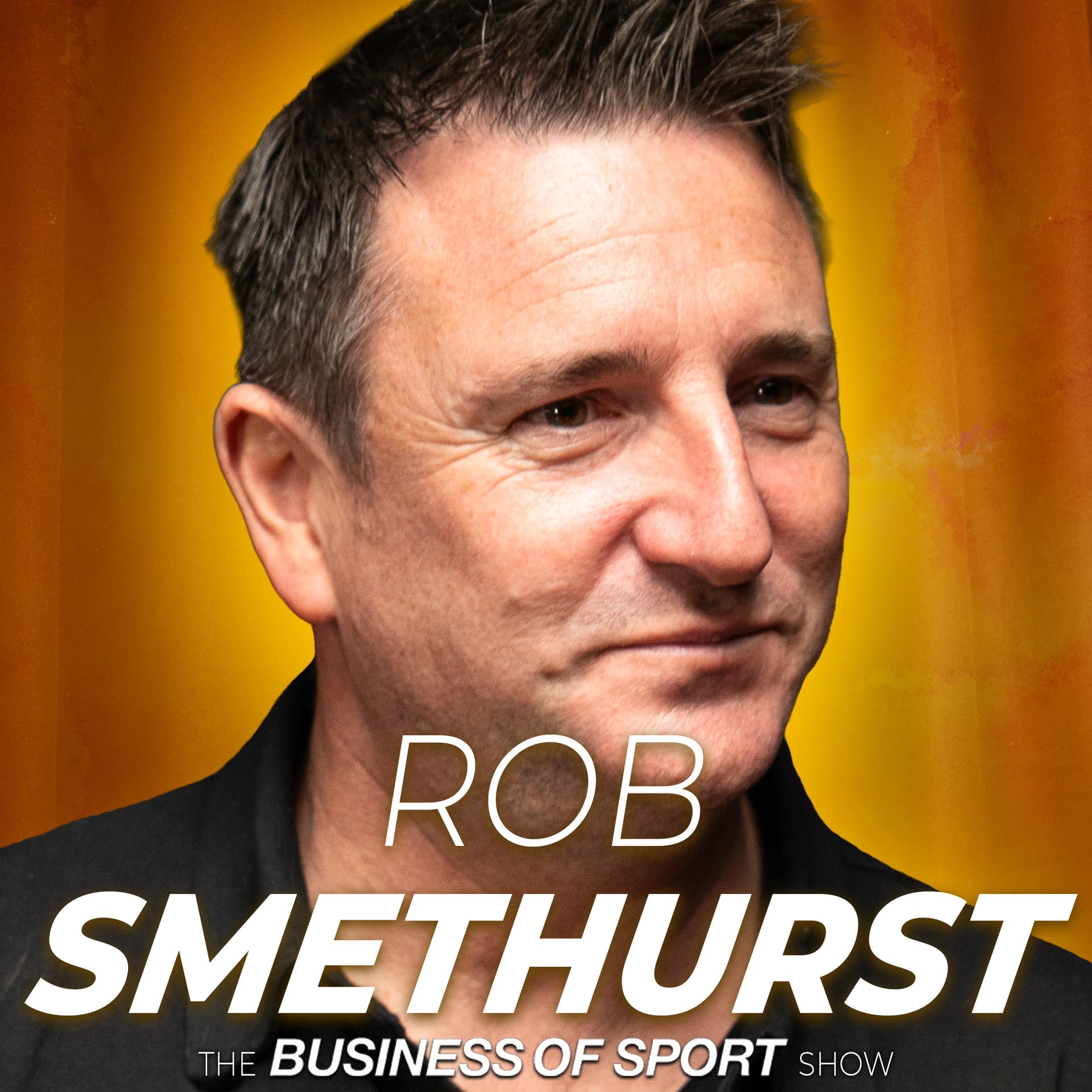
Rob Smethurst: The Resurrection of Macclesfield; From Bankruptcy to the FA Cup’s Greatest Upset
Episode Description This episode covers the remarkable journey of Macclesfield FC from bankruptcy to achieving one of the greatest upsets in FA Cup history by defeating the holders, Crystal Palace. Host Rob Smethurst discusses the challenges he faced as an owner and the transformative impact of the club's recent successes.
---
Key Discussion Points
The FA Cup Run That Changed Everything
- Historic Victory: Macclesfield FC, a sixth-tier club, beat Crystal Palace, the FA Cup holders, showcasing an extraordinary upset considering there were 117 places between the two teams in the football pyramid.
- Financial Impact:
- The match generated significant financial benefits, with an expected income of around £400,000 from the game compared to typical match earnings of £20,000-£30,000.
- Positive cup runs can fund an entire season for lower-league clubs.
Running a Sustainable Non-League Football Club
- Building from Scratch: Discussed the challenges of forming a competitive squad with part-time players who earn modest wages.
- Promotional Challenges: Promotion to higher leagues often leads to increased financial strain for non-league clubs due to higher costs without proportional income growth.
- Business Model: Macclesfield has diversified its revenue streams by integrating facilities like gyms, bars, and educational programs, ensuring the club isn't solely reliant on football.
Buying a Football Club on Rightmove
- Personal Backstory: Rob Smethurst shared his journey, which included battling addiction and purchasing the club during a tumultuous period.
- Rebuilding the Club: After acquiring the club, he faced the challenge of restoring a facility that had been stripped bare financially and physically.
Investment, Ambition, and the Road Ahead
- Financial Requirements: Acknowledgment of the need for external investment to compete at higher levels, estimating around £3 million needed to move up the football pyramid.
- Infrastructure as an Asset: Emphasized that having physical assets like training facilities and a gym enhances club value, which is crucial for attracting investment and competing effectively.
---
Personal Reflections and Community Impact
- Importance of Community: Rob emphasized the role of local support and the emotional connection fans have with the club, highlighting how football serves as a vital community asset.
- Tragic Loss: Discussed the impact of the tragic death of a young player, Ethan McLeod, and how it brought the community and players together during a difficult time.
- Educational Initiatives: The club has implemented programs to support young players who may not make it in professional football, offering education alongside training.
---
Future Aspirations
- Upcoming Matches: Excitement ahead of the next FA Cup match against Brentford, with a belief in the potential for another upset.
- Long-term Vision: Rob aims to secure investors to further the club's ambitions and solidify its place in the football landscape.
---
Key Takeaways
- The success of Macclesfield FC is a testament to resilience, community support, and innovative business strategies in non-league football.
- Balancing the financial realities of running a club while fostering community spirit is crucial for sustainable growth.
- The importance of recognizing and seizing unique opportunities, both on and off the pitch, can lead to extraordinary outcomes in sports.
Written by AI. May contain mistakes. Listen to the episode to check what was said.
Chapters
Tap a time to open that second in VOThe Beginning of a Journey
0:00 to 0:45
Discover the initial struggles and motivations that led to the football club acquisition.
“You generally think that it's going to make you happy, but it had the opposite effect.”
An Underdog Story Unfolds
0:45 to 1:10
Learn about the miraculous journey of Macclesfield and the unexpected victory.
“and then you've got, you know, something like that game can bring in nearly 400 ,000 where a normal game will bring in maybe 20, 25 to 30 ,000.”
The Rush of Media Attention
4:08 to 4:50
Rob discusses the aftermath of the victory and the surge in media interest.
“No, it's been the most ridiculous two weeks of my life.”
The Emotional Impact of Winning
4:50 to 6:46
Uncover the feelings of disbelief and excitement surrounding the FA Cup match.
“You know, you expect sort of a team that's probably at our level.”
Recognition and Respect
6:46 to 8:34
Rob reflects on the gesture of respect from Crystal Palace and its significance.
“And also Crystal Palace, huge, great fan base as well.”
Financial Impact of the FA Cup
8:34 to 10:38
Explore how the financial gains from the FA Cup can sustain Macclesfield for years.
“If you look at the finances, if we do just touch on those, something like that can help your whole season, if not for another year.”
The Players Behind the Success
10:38 to 11:18
Learn about the part-time players and their unique backgrounds that contribute to the team's spirit.
The Journey of Ownership
11:18 to 11:52
Rob shares his personal story of acquiring the football club and his previous business ventures.
“I think that's one of the things we've got a great sort of audience with the likes of United and City and some of the bigger clubs that are around us.”
From Struggles to Success
11:52 to 14:04
Hear Rob's transformational journey through addiction and business success to becoming a club owner.
“I know it's been a personal one that's also built into now an incredible business one.”
From Personal Struggles to Football Ownership
14:04 to 17:42
Explore Rob's journey from addiction and loss to unexpected football club ownership.
“It was it was a really sad, sad part of my life.”
Show all 29 chapters
Context of Macclesfield Town's Decline
17:42 to 19:15
Understand the history leading to Macclesfield Town's bankruptcy and rebirth.
“Yeah, I think, you know, Macclesfield town was huge within Macclesfield.”
Rebuilding a Club: Infrastructure and Community
19:15 to 23:13
Learn about the challenges and strategies in revitalizing a football club and community.
“You know, it wasn't something that was even on my radar.”
Assembling a Competitive Football Team
23:13 to 27:59
Discover the process of building a football team from scratch in a challenging environment.
“And then obviously then build a sort of support mechanism of bars and restaurants, you know, that we could earn extra income.”
The Importance of Community Support
28:01 to 29:10
Explore how a strong fan base impacts team spirit and community connection.
“You want to play in front of people that turn up and support you.”
Financial Dynamics of a Football Club
29:10 to 30:42
Learn about the financial mechanisms that support non-league football clubs.
“Because you have the big supporter base, tell me how it influences the business.”
Investment Needs for Growth
30:42 to 32:35
Understand the funding requirements for advancing to higher leagues.
Strategizing for League Advancement
32:35 to 34:25
Discover the strategic planning necessary for progressing through league tiers.
“I've done well, but I realised that I've not got enough money at all to really carry on, keep on moving up because of the amount of money it needs.”
Building a Sustainable Business Model
34:25 to 36:35
Learn how a football club can operate as a viable business beyond the pitch.
“You know, we need to, we need probably, you know, in the ideal world is probably a couple of million to go on to the playing budget a year to give us the best opportunity to get us to the league.”
The Role of Leadership in Sports
36:35 to 38:21
Examine the importance of effective leadership in driving a club's success.
Understanding Football Club Operations
38:21 to 42:00
Delve into the operational intricacies of running a football club effectively.
“Tell us about how John Rooney has taken over from the work that Robbie's done and been able to put his mark on on the club.”
Understanding Football Club Ownership
42:00 to 43:30
Learn about the complexities and responsibilities of owning a football club.
“So I think you've got to understand all the aspects and I think you get to the point where you've got two businesses.”
The Role of a Manager in Football
43:30 to 44:32
Discover the day-to-day responsibilities of a football manager and their support system.
“So he'll come in two days a week, but he works all the rest of the time from managing and organising, watching games, going through all the analysis of the matches, organising the team selection, and that's what he does.”
Tragic Loss and Emotional Resilience
44:32 to 47:25
Hear about the impact of a player's tragic death on a football club and its community.
“And, you know, I remember just, to be fair, I was collapsed to the floor.”
Supporting Young Players Beyond Football
47:25 to 48:56
Understand the initiatives for young players who may not make it professionally.
“You don't prepare for anything like that.”
Building Educational Pathways for Athletes
48:56 to 51:45
Learn about the educational programs created to support young athletes' futures.
“And what happens to that player after you're told you're no longer good enough?”
Challenges of Non-League Football
51:45 to 54:40
Explore the financial and competitive challenges facing non-league football clubs.
“It's probably, if not one of the most powerful sports in the world that brings people together.”
The Importance of Community in Football
54:40 to 56:00
Discover how football clubs serve their communities and the significance of fan support.
“But obviously, there's a huge market for it.”
Budgeting in Football Leagues
56:00 to 57:10
Learn how club budgets impact league performance and competition.
“When we've spoken to clubs, maybe probably from like League One, middle of League One down, they said that you can almost directly correlate size of playing budget with position in the table.”
The Journey of Macclesfield FC
57:10 to 58:21
Explore the inspiring journey of Macclesfield FC's revival.
“heating might not work in the away room you know maybe the tactics tactics board may have gone missing already.”
Transcript
Automatic transcript. May contain errors.0:00Money is everything that you want. You generally think that it's going to make you happy, but it had the opposite effect. I remember waking up over the next few days, realising I've got no purpose. I ended up deeper in addiction. And the football club, one of my pals said that night, look, there's something on right, maybe you want to have a look at. And I generally can't remember buying it. It was a four-day bender. All I remember was knock at the door with a big bunch of keys saying, you bought a football club. It was absolutely a disgrace. And I then had eight months to turn it into a miracle.
0:29and it was that that gave me a purpose. I'll kind of say it saved my life. This is the underdog story of all time. We beat Crystal Palace, the cup holders. That is just not expected from a team like ours. I got a really nice call. They said, look, I want to give you the gate receipts. When you look at your playing budgets, we're sort of around about a million at our level and then you've got, you know, something like that game can bring in nearly 400 ,000 where a normal game will bring in maybe 20, 25 to 30 ,000. Look, who would have thought this? As an owner of a football club and the community at Macclesfield to have this dream, this once-in-a-lifetime dream to think that we could maybe do it again is just incredible.
1:09Hello and welcome to The Business of Sport, the show that takes you behind the scenes with the industry's leading owners, operators and athletes. So it had to be done. It was the greatest upset in FA Cup history when Macclesfield beat Holders Crystal Palace a couple of weeks ago, 117 places between the two teams in the football pyramid. But there is much more to the story than that result. A club that went out of business six years ago. An owner who was in the depths of addiction when he bought the club, now delivering one of the great football stories. Can they do it again against Brentford in a couple of weeks?
1:42You wouldn't bet against them. But in the meantime, let's take a look at how this magic has been made possible. We're delighted to welcome Rob Smithhurst to the Business of Sport. The best players for the lowest prices at the highest resale value. This is what every sporting director on earth is looking for. But as you know all too well, it's not that easy. In fact, it's really, really hard. So why are so many clubs making it harder by forcing their analytics teams to build software instead of finding players? I hear it all the time. We'll build our own system in-house. We just need one more engineer and six more months.
2:19Two years later, they've got half-finished dashboards and a data team that's essentially become a software company, while the actual football work sits on the back burner. Gemini Sports ends this madness. Gemini is the mobile-first, AI-powered command centre purpose-built solely for squad planning. Your analysts stop debugging pipelines and start identifying undervalued talent. Your scouts stop fighting with tools and start doing deeper research. Your sporting director stops waiting for reports and starts making smarter, more confident decisions that truly impact the club. In only eight months since launch, clubs across England, France, Italy, Australia and Brazil have already made the switch.
3:01Visit GeminiSports.ai and see why the smarter sporting directors aren't just collecting more data, they're making better decisions faster. Your next great signing might be just three clicks away. Social media has become one of the most important marketing channels in sport. It demands more content across more formats at a faster pace without sacrificing brand standards or sponsor value. That's why over 90 % of professional sports teams in the US use Slate. Slate is the complete creation platform built specifically for social media teams and sport. Founded by former NFL social and video leaders, Slate was built to solve the exact problems teams face on game day and every day in between.
3:42It gives teams one place to create, collaborate and publish content across the entire week with brand standards and sponsor elements built directly into the workflow. Slate replaces fragmented tools with a system built for modern sports organisations. When content moves faster, engagement goes up and sponsorship opportunities follow. Slate helps sports teams create more content faster without the chaos. Rob, thank you so much for joining me. Welcome to the Business of Sport. Thank you so much for having me. Appreciate it. A quiet few weeks for you, I'd imagine. No, it's been the most ridiculous two weeks of my life.
4:19You know, I mean, who would have ever thought, you know, a little town in Macclesfield beats the huge giants of Crystal Palace, you know, in an FA Cup match. And yeah, for the last two weeks, you know, my feet haven't touched the ground. It's been absolutely unbelievable. What was it like when the draw came out in the first place? It must be so exciting for the team. You know, you play in the sixth tier of English football for people if you've been living under a rock for the last few weeks who don't know. To get a team, well, not even just a Premier League quality, the FA Cup holders to your home ground.
4:50Yeah, it was incredible. I mean, you know, you don't expect it. You know, you expect sort of a team that's probably at our level. We were all sat there and, you know, we all got together in the bar and, you know, all the team was there. And obviously Crystal Palace comes out of the hat and, you know, it's that disbelief moment of we're actually going to have a Premier League club to Macclesfield. But not only that, they're the title holders. How had you actually got there? You had a tough little run? Yeah, we had a tough run. There was about four or five matches that we played before we even get to even have the opportunity for third round.
5:18You know, these things don't really happen. They're very, very rare, you know, just purely based on the sort of budget and obviously the money that we've got to pay for players. So, you know, very rarely do you get to these levels, but somehow we got there. You actually were in with the fans, weren't you, for the game? I always am. You know, I think that's sort of the non-league spirit of football. You know, you're a huge part of a community. You're very accessible. and you know that's what football is about at our level it's it's been a part of a community it's been a part of helping others as well that you know might need it within the club and very very accessible and what about the fanfare that's followed I'd imagine you've been swept off your feet hence why you're here obviously I'm sorry for course I'd imagine it's been pretty it's been absolutely crazy I mean I've done done more tv and more documentaries and more podcasts than I've ever done in my life and you know I've been asked to do so many other things as well which which is just unbelievable.
6:12Is that a different side of it for you? You've had what now nearly what five five years owning the club and to suddenly have all of this exposure media attention demand of your time that must be a big change. It's a huge change I mean obviously you know when when Robbie joined us Robbie Savage he was he was part of the club you know I obviously saw the immediate attention that he got and obviously we did the documentary the BBC One documentary two episodes of that and that was quite out of my comfort zone you know it's not something i've ever done before you know so you know when a camera is put in your face you know you you don't really know what to say you're a bit panicky but then you start to relax um you know i've done two episodes of that now that's gone really well but i think the social media is just literally we broke the internet we've had two days three days probably of it just being constantly on the internet of macclesfield it has been insane what was it like welcoming the kind of the steve parishes of the world into the ground.
7:08It's one thing doing the players, everyone gets very excited, but I'd imagine even from the boardroom perspective, it's quite something when you have Premier League owners or Premier League chairman walking in to the club. Well, you do. I mean, you know, look, we're all almost like, you know, in our sort of black tops and, you know, they're all arriving in the suits and very professional, you know, and nice haircuts and very slick, you know, and of course not, you know, we just take it as we do, don't we? But I think that's the crazy thing. I had a chat with him. I I mean, lovely guy, by the way.
7:35And also Crystal Palace, huge, great fan base as well. And we saw them all doing a standing ovation after we won. So, you know, that was nice. But it's a moment of just like what they're doing here. You know, you can't really put it into words because we are so far down that pyramid system. You know, you see them on TV, don't you? But, you know, to actually chat to them and talk to them was a bit of a moment. And you mentioned the clapping there. I thought that was amazing. Seeing, you know, a team recognise what you'd just done, as in the opposition fans recognising what you'd just done. But am I also right in thinking that they gave you the gate receipts?
8:08They did give us the gate receipts. I got a really nice call. They said, look, we want to give you the gate receipts. Such nice people, though. And like you said, they were pleasant. I got a really nice email afterwards saying congratulations. Unbelievable for you. And for me, it was the fans that was the touching moment because they just didn't just walk off. They stood there and did a round of applause for probably two, three, four minutes, which was really nice. And gate receipts for a game like this? The impact of even one match, I'd imagine, for a club like Macclesfield is huge in this situation.
8:39Yeah, it's absolutely huge. If you look at the finances, if we do just touch on those, something like that can help your whole season, if not for another year. When you look at your playing budgets, if we do go into that, we're around about a million at our level. And then you've got something like that game can bring in nearly 400 ,000, where a normal game will bring in maybe 20 ,000, 25 ,000 to 30 ,000. So you're talking huge amounts of money. And then again, obviously, we've drawn the next round in Brentford. So again, we're going to double up on that, which is just insane, really. And TV revenue then again, because this is Monday night Brentford, isn't it?
9:18Yeah, it is. Monday night game, last match probably of the weekend. And everyone will almost be building up to this. This is probably the one everyone wants. This is everyone wants. I mean, I was having calls from Croatia, America, I've done podcasts in Australia, saying the whole world's going to be watching this. you know and rightly so really in some ways because this is the underdog story of of all time we beat crystal palace the cup holders and you know that is just not expected from a team like ours so just to put that into context you said you have a playing budget of a million or so that's quite extraordinary when you think of the players that would have been on that pitch and who they were playing against where it's a multi-million weekly wage bill for palace and you have one million across how many players 23 24 yeah i mean we've got players on 250 pounds a week we've got players on 500 pounds a week but you know we've got players there that are playing you know internationals that are probably worth 30 40 million and we've got a right back on you know a small amount of money you know marking an international you know you when you look at it like that it's it's it's mental all of the players that play for you they part-time all part-time only only train two times a week they've got jobs plumbers we've got a teacher you know go to work on a monday he's allowed to come out on a on a tuesday tuesday to do training for two hours then back to back to school to do the rest and then Wednesday will be the same and then Thursday we've got training as well so just just four hours a week of training uh then we've got you know we've got plumbers we've got um you know we've got gardeners you know we've got we've got all sorts of of different people doing different things you know we've got one guy that's selling candles so the story is just ridiculous to think we've got these bunch of lads that you know are fantastic lads we're really close uh it's like a band of brothers they train hard you know and these tend to be the lads that have come out of the academies and I think that's a big point we are very professional in the way that we'll go out and find those talent you know the players that have maybe been at United or City or wherever and you know they've dropped down not quite made it you know and we've got a great kind of recruitment system to go and look for that talent and bring them in Does geography help you there?
11:17We're in a great location I think that's one of the things we've got a great sort of audience with the likes of United and City and some of the bigger clubs that are around us. So we can get a real good pool of talent that haven't quite made it from their academies. Yeah. Who actually goes and finds them? You've got a scouting system. We have now, yeah. I mean, we've gone very professional. I mean, when we first started it, it was almost like finding your feet. I've never bought a football club in my life. I mean, it was the most craziest thing that I've ever done. It was on right move. Well, yeah, tell the story.
11:50Can we tell you the story? Tell us the story. I know it's been a personal one that's also built into now an incredible business one. It has. I think, you know, if I look back at my life, you know, I was in the car business for 25 years. You know, I had my own car garages. Sometimes they failed, you know, and I kept rebuilding myself back up. You know, I was always a big believer in, you know, you've got to just try. You know, sometimes it doesn't work. And, you know, you've got to accept that. And that's something that I've always been sort of focused on that, you know, you've got to keep building yourself up if you lose.
12:20and that's what I kind of did through my life. You know, I built then, realized it was a huge opportunity to create something in the motor trade around logistics. So I started on that project and I spent about half a million pounds building this, this thing that nobody really believed in and it was basically a system that moved cars around the country more efficiently, more cost effectively. And I went and did that and, you know, during that time it was really tough, it's really hard. you know when you start off a new business um the amount of money that it needs you know and i um i ended up you know sort of not believing in myself a lot of the time um because you were going out on the road you were trying to sell your product you know and unfortunately for me that's kind of where you know things started to fall apart and you know i got into addiction and that was probably the most difficult time of my life because you know i kind of you know was was really struggling with life um you know and i started drinking a lot going to parties you know staying out late you know really destroying myself really and that was probably the worst part of my life but i kept sticking with this belief that i was going to make this app work um you know i was so focused on it even though i was living two worlds if you know what i mean i was having an addiction life but also trying to go make meetings you know turning up to meetings maybe a little bit late or Were you able to keep that high function?
13:44No, I wasn't. It started to deteriorate badly. But, you know, during that time, I did manage to just functionally get through it. And, you know, believe it or not, I built, if not in the end, the biggest logistical app in the country. It went from me making nothing to not paying my mortgage to struggling in life, you know, not had to pull the kids out of school. It was it was a really sad, sad part of my life. You know, my marriage started to break down. You know, everything was falling apart. and then you know i pulled it off um made this app it went absolutely crazy um and i ended up selling it to autotrader um for more money than you could ever imagine and at that moment then you know i remember you know i just signed all the documents and i'm driving down the road um you know and i'm looking at my bank thinking is this really gonna happen is this gonna hit you know and then it hits you know i was thinking oh my god like shit this is this is insane um You know, more money than you could ever imagine.
14:40And it was at that point then that you generally think that it's going to make you happy. You know, money is because it's all you want. It's everything that you want. But it had the opposite effect. You know, I remember waking up over the next few days realizing, you know, I'm walking around the house. I've got no purpose. You know, and that was the biggest problem for me. You know, I ended up deeper in addiction. You know, I had obviously more money. you know of course i bought the cars the houses all the fun kind of things that you do but actually after you bought three four or five watches you know you can only wear one and that's when for me it was the reality was i needed something to do i needed a purpose in my life there's no direction you've you know how many dog walks do you want to go on you know in the morning you know it's let's be honest you know how many netflix movies do you want to watch you know this was my life and then it gets to 12 o 'clock and i start drinking because i'm bored even though i've got an amazing family and everything else it was for me it was it was my sort of escape you know I had no more dreams you know that sort of when you're a kid and you've got that poster of the Lamborghini on the wall and you think one day you know but when you can buy so many of them it becomes boring and that was that was that's what happened and I went into sort of oblivion really of addiction I lost my family I ended up moving into a house on my own I went crazy party life for six months living a life that was just not me and the football club one of my pals said that night look there's something on right move you want to have a look at and I generally can't remember buying it it was a four-day bender and you know all I remember was literally when I came round you know a knock at the door with a big bunch of keys saying you know you bought a football club and I was like yeah right this is gonna be not this can't happen you know um and i had that was it you know and i remember turning up to the to the um the football ground you know obviously clearly not telling the wife that i'd bought it at this point um and spent an hour to two hours trying to get into the ground with these massive bunch of keys you know and and at the time we had bbc and sky they all turn up you know these big vans with all the kind of stuff on it and they're all asking can we speak to the owner Rob Smethurst and I'm thinking well shit that's me you know what have I done and you know I went into the ground and it was it was it had fallen apart it was broken the receivers had been in I mean when I say the place had been ripped apart it had been ripped apart it was absolutely you know a disgrace and you know I then had eight months to turn it into a miracle and not only did I have to find a team of players I had to rebuild the whole ground and it was that that gave me a purpose I'll kind of say it saved my life because I knew then that when I really started to get into what I'd bought is how much this became such a community asset and how much how much it meant to people and it was about them for me it was about not not about me anymore it's about giving back making sure that I can build something special for the community so to go alongside that while you were experiencing all of this we should add the context as to what happened to Macclesfield town because for people that don't know you know what we're talking about and when you talk about clubs basically there's phoenix clubs you're talking about a club that is literally born out of the ashes of another team that has unfortunately fallen on times where it's had to shut down and in football we know the damage that causes you've mentioned community i mean these are the bedrock of communities and that isn't just from a fandom perspective it's from a jobs perspective and economic perspective.
18:15So can you just give a tiny bit of context as to the years that had just led up to this moment, I guess, where a football club incredibly is available on Rightmove for someone like you to be able to go, I'm going to go and do that. Yeah, I think, you know, Macclesfield town was huge within Macclesfield. You know, it was the heartbeat. It was what everybody did on a Saturday. And bad management, bad ownership destroyed it. You know, obviously running a football club, as we know is financially hugely expensive. And unfortunately, it went into receivership and Mac Town went under. Between that going under and me buying it was probably about five months.
18:53At that time, you've had a serious injection of money. They were half a million, I think, right in debt. As you said, there was going to be a lot of other costs that would have been required to get it back. Were you tempted, did you ever think or consider that you could buy that club when it was going through those times? At the time, no, because I wasn't really aware of it. You know, that was the reality. I mean, I'd heard about it, you know, but I wasn't interested. You know, it wasn't something that was even on my radar. You know, it was, you know, I was too busy partying. I didn't really know much about it.
19:22And it was just one of those crazy nights where, you know, should I have bought a kebab or should I have bought a football club? That's the reality. That's going to be the tagline for that show. Should I have bought a kebab or a football club? Well, it depends who you ask whether that's a good or bad. Now it's a great thing. It's the best thing ever. So you buy that. I mean, the first thing I was interested in when I've seen this, and it's been obviously the newspaper headline that everyone's loved to run with. I can't remember buying it. I bought it on Rightmove. But a football club, when you're buying it, firstly, I'd imagine on the Rightmove piece, you're buying the freehold.
19:53It's the infrastructure that is available. So you can get the land and you can get the key assets. But what about then the licensing? What about an ability to go, OK, we have a ground and everything that was Macclesfield Town. but we actually want to bring this back to play in the football league what was that process like once you own the club to actually get it capable of playing in the English pyramid yeah so I think look you know I wanted to realize what I bought you know obviously just going very quickly back on on you know sort of the time of club I ended up in recovery so you know I came out after recovery and basically was in a great mindset of a totally different person to who I was.
20:38And I think, you know, I wanted that more than anything to be better and focus on my own mental health. And, you know, so then realising that I'd own this football club, you know, I wanted to put my whole heart and soul and energy into building something that I believe, you know, is going to be hugely successful. So, you know, it was during COVID. so we had the tough challenge of being able to get the builders on site and everything so we were really up against it. So we got in touch obviously with the FA, we organised that we were going to rebuild this squad. We were arguing over which division we were going to go in.
21:14We were trying to argue the fact that could we take this club back up to where it pretty much left off but that was never going to happen because it was an unfair run of the clubs. So then we said look we're a massive club with a huge fan base, can these smaller clubs be able to handle us when we turn up with our fan base, you know, when you've got a few volunteers? And generally, what kind of numbers would you expect? We would expect nearly 1 ,000 away, you know, but some of these grounds could only hold 50 to 200, 300, you know, no infrastructure. You know, and we had this argument for a while, and obviously it just never happened, we didn't win.
21:48So we started in the lowest of the non-league pyramids, in northwest counties um you know where it's very very small you know probably you know no full-time players part-time players you know pay as you play model um and we started off and and obviously you know i had to build this club as quick as possible so you know i wanted to build a really sustainable business model and that was the key thing for me is because i realized then how how sort of if we were going to move up the leagues and we're going to go up and go for it football is the only sport the more successful you get, the worse it gets as finances go.
22:20People think if you get a promotion, people go, that's brilliant, that's really positive. But for an owner, you're looking at that going, this is going to cost me a lot more money. It's been a fascinating part of a few of the non-league shows we've done before. They've said when you're at that level, because you're not getting centralised revenue in the same way that maybe if you're going from League One to the Championship, you're making more money because the TV deals will be better and your commercial opportunities are better. But actually when you get down to the difference between the seventh and the fifth, it becomes more expensive for the owner because your player cost may go up, you know, your broader club cost may go up, but you're not getting the income to supplement those changes.
22:56You know, and that's what I wanted to focus on. You know, it was how can we make and generate and create a business model that would be sustainable for a football club to move forward up the levels. So I ended up spending around$4 million on the infrastructure. One of the key things for me was to build an AstroTurf pitch in the middle of the ground. And then obviously then build a sort of support mechanism of bars and restaurants, you know, that we could earn extra income. And then also I built a massive gym, which was about a 10 ,000 square foot gym right under the carcass of the actual ground.
23:29So that we could then start getting paying members to come in. And that kind of business model has really helped us. You know, when we start to look at it now, you know, we've got 600 kids in the academy. I've got 38 teams. 600. 600. All paying. 75 pounds a month on the facility. we've got pitch higher revenue that increases um you know we've got loads loads of revenue coming in from that then we've got a btech program so we've got a school on site in the day so again that's another kind of way that we've generated income and then we've got obviously the gym you know the gym is is open to the whole of macclesfield and just short of a thousand members and it's all on site this is all on site yeah so when the kids are sort of you know training in the day we've got the parents come in the evening you know the bars full the restaurants full and it's a full seven day operation and every single bit of money that comes in from all the revenue streams of the club then obviously the match day you've got you know your match day experiences the food the packages the vip bar you know so when we start to bring it all together you know we've made a really really good business and a sustainable sustainable model and i think for me it was more about a community it was more about giving back and making like the heartbeat back into Macclesfield where people can enjoy that, you know, that match day experience, you know, where the families come, you know, the kids come, the grandparents come and kind of creating a sort of a heart back into, you know, what was lost.
24:54How do you even begin to build a squad? It's one thing recognizing ones that have dropped out of an academy, but when you're literally starting from scratch and you have no one on the books, how do you even begin that process? Yeah, so we started with events. So, you know, the lines weren't even, you know, pretty much painted, you know, on the, you know, it was crazy, you know, we weren't finishing and we were doing recruitment days, you know, the nets weren't even up, you know, and we knew we had to get a team. So we had a great guy who came in as recruitment, you know, he helped us and obviously Robbie was there at the time and, you know, that was a huge part, you know, he, his knowledge was incredible.
25:29How did you get Robbie Savage involved? So Robbie was a good mate of mine, you know, and he was, he was an absolute, you know, huge part of this success, you know, in building this football club. I can't thank him enough, you know, he was with me all the way through it, you know, and he really helped with his knowledge of pulling a team together, trying to make it as business-like as possible, you know, bringing in the right recruitment team. With his knowledge and expertise of looking at a player, you know, he started to go out and build that team, you know, him and a guy called Jimmy Holmes and, you know, the two of them went out there and managed to build a squad together within probably about eight to nine weeks.
26:06And it was never going to be perfect, but it was very different then to what it is today because it was a pay as you pay as you play model so you can pay players 50 pounds 100 pounds per game they're not contracted so you know if things don't work out you can kind of then obviously let them go bring in somebody else at what point does that change so that change that's changed now i mean it's probably changed over the last two years for us you know we've gone contracted because what you do is if you get a really good player that's brilliant you know then obviously if they're not on contract you're not making any money so you know the idea is is to look for that talent and give them a one year or potentially if they've really got it a two-year deal so if another club comes for them during their that time then you know obviously we can we can sell them and what's it been like seeing that group come together into that dressing room how do they build those relationships because you're not spending as much time together as a lot of other athletes do you have to build that camaraderie so quickly you do and I think that's where Robbie came in.
27:01Look, he's, you know, if you ever met the guy, you know, he's a bundle of fun, he's got great chemistry and, you know, he's also got a huge respect in the game as well. And I think what he did was so brilliant in the way that, you know, he did bring that team together. He brought that spirit together, that sort of winning mentality, you know, as behind the scenes, because at that point he was a director of football. We made the club legend, Danny Whittaker, the manager, who was a great guy who obviously played for macclesfield town um you know he came in and robbie and danny witts you know started to build the squad you know i mean i've got no experience in it you know so there's no point me picking a player you know i'd probably pick myself for a keeper we just went at it and and that's what we did and and and we won that year which was incredible you know we got promoted that year based on you know pulling people together uh and just trying our best we had no experience There's probably a bit of a pulling power on the Macclesfield name.
27:55If you're playing in the ninth tier, people are looking at this and they're going, wow, I mean, fans, firstly. That's what every player wants, right? You want to play in front of people that turn up and support you. And the name, the history, still attached to it, fine, slightly different. But the legacy of something like that must have been a huge point of pride for anyone that got the opportunity to pull that shirt on. It does. I think, you know, that is why we win. We've got nearly 4 ,000 fans coming through the door. I mean, there are league clubs that don't even get anywhere near that. There's 4 ,000 fans.
28:274 ,000. That's incredible. And even on a cold, wet Tuesday night, we'll get 3 ,500. The best nights. 3 ,500. They're the best nights. So the fan base that we've got is incredible. Even if you look at League 2 clubs, League 1 clubs, some of those don't even get the numbers that we get. We have really embraced the community, and they've really bought into it. They've really, I think when you've lost something that meant so much to a town, and then to have that back. You know, the fans have supported me, they've believed in me, you know, and we've kind of all done it together. You know, this isn't just about me at all.
29:00This is about, you know, the fans that have stepped up, you know, coming Tuesdays, Saturdays, religiously, away games, you know, and kind of really embracing this journey that we're on. Because you have the big supporter base, tell me how it influences the business. From your kind of annual turnover perspective, what it means for what you can then put back into the club and how you're looking at taking it forward. where does having a fan base like that really prove most valuable? Yeah look I think it's the amount of money that of course it generates you know if you look at a smaller club if you go down the non-league pyramid system it's almost impossible for them to get out of the leagues and some of them will get to a point where they go do you know what we don't want to go up because of the cost and the sheer cost but what we've got at Macclesfield is not only have we got the whole kind of mechanism of the pitch rental the academies, the infrastructure and then obviously the international programme you know the amount of money that is generated we're probably bringing in around about 2.4 million a year you know our expenses are probably similar to be fair but that's only because we maximize the budget so you know where previous years you know as those businesses have grown we've had to all as directors put money in we've not had to do that and especially this year now with the with the good cut run we've had you know it's going to seriously generate generators money because i mean you can probably look at it now with the Brentford game then coming up you did 400 ,000 you know you're looking at maybe just short of a million additional what we call the football lottery the money you can't account for at the start of the year but you hope something happens whether it's selling a player or a cup run exactly and I think that's it you've nailed it there I think that's what you hope as an owner is can you get on a good cup run and is there somebody that you know there's a player that will come you know be sold and they're the bits that you can't budget for interesting there two and a half I mean just you know people I'm sure you listen we've heard we hear the turnovers of other league one clubs and you're not a million miles off which is incredible for the sixth tier but when you're looking at that breakdown where most of them fall short is their playing budgets are 70 to 80 percent of that then they have 20 percent to spend on everything else which obviously doesn't happen which is when they go into the red because the cost base just far exceeds what they're turning over so is that quite normal for a team in the non-league to have let's say 40 to 50 percent of its cost base on its player wages it depends i mean kind of you know if you look at ours you know we spend all our income that we generate because we don't take wages course you know all our money directly goes on our first team you know if you look at sort of the non-league sort of pyramid system you know last year we were probably around about half a million the year before that when we first started our budget was 120 000 you know so as we as the business has gone really well within the the gyms and all the kind of you know academies as they've all grown that's given us more money then obviously the fan base has been huge so as we've kind of gone through this whole journey now we've managed to get to near a million of income um that basically is that's the point of break even so that million of income a million of basically a million of profit in some ways but that million in is we just say right that's your first team budget um i'm sorry is that that's the that's the money that's generated by should we say the football club not the gym it's the football club the whole entirety the whole thing so the gym the bar the restaurants generates the money that allows us you know with a seven day operation to give us a million pounds spend at the end of it without any of us having to put any money into it okay so you then have something like this let's call it the football lottery brilliant cup run injects a million again into the club what do you plan we've got a clear plan i think you know i i realized that i hadn't got enough money you know I've done well, but I realised that I've not got enough money at all to really carry on, keep on moving up because of the amount of money it needs.
32:47If you look at the next level to get out of the next league, you're probably looking at around about 3 million. Now, if the club's only generating a million, that would be a 2 million pounds of investment that we would have to find to even have a chance to get into the next league. So that would be a decision between the different shareholders, because I realised that I couldn't afford to do this by myself. so what I did was I went out there to try and find the right investors so we brought Amar Singh in who went to French Connection, Duck and Cover, Dan Stuttard from Westwood you know and John Ball who is a good mate of mine who also invested and the idea behind all of us is how much money we prepared to put in to try and have a go at trying to get up to the league but then also the club's value increases the higher you go up the pyramid system you know the club for example let's just say it's worth 5 million or 6 million you know it will be then worth in the league maybe 15.
33:39you know so but also your infrastructure now is underwriting a lot of that i'd imagine because you've got real value we've got great value you've got great and also we've done a deal with a council that we own the ground wow okay um you know we've got a five year five year clause to to buy that at any point so is that not what you were buying on right move i bought the lease that you bought okay yeah we bought i think it was a 38 year lease at the time so obviously then you know that year was right before i start spending all this ridiculous amount of money on this club that you know was was crazy i needed to organize a deal with the council to say look before i spend all this money it needs to be freehold yeah so we agreed to deal and and we've done that you mentioned there getting to the football league i'd imagine that's the goal what do you need financially are you looking for now further investment for people to come and help you achieve those goals 100 i I need that investment.
Read the full transcript
34:31You know, we need to, we need probably, you know, in the ideal world is probably a couple of million to go on to the playing budget a year to give us the best opportunity to get us to the league. I believe if we could raise anywhere between five or six million, we would get into that football league pyramid system. You know, we haven't got enough to get there because obviously, you know, if you look at a million, you know, we are going to be two million short because, you know, there are people that have got more money. and the more money you've got, the easier it is to get out of the league. I mean, I know people say that, you know, money does buy the leagues.
35:06You know, I can actually say, yes, it does because that is the reality. I mean, of course, you've got to have great management and great directors to bring in the right recruitment and the right players, but money talks. And, you know, unless you've got that, you will just remain, you know, sort of in the non-league pyramid system without really any ambition. and my job now is to try and find those investors to drive us forward and take this club up as far as we can take it. How important is it to capitalize on moments? You're in a moment right now. I think it's a credit to the club, it's a credit to the fans, it's a credit to the staff that have pulled this together.
35:44Robbie Savage, who was a part of this, it's a huge credit to him as well, even though he moved on, which was always a tough thing for me because we were best mates. you know he wanted to progress his career but we can't thank him enough for what he's done and we won't forget that but you know for us now is to capitalize on this and go look we can really do this you know we've put macclesfield on the map we've got a great business we've got great infrastructure and i kind of think we are like wrexham you know very much like wrexham in the same kind of thing as we have that ambition we have that drive to do that but we need a little bit of help it's interesting you say wrexham the amount of times you hear now investors coming in thinking they can do the same and just create a media product around it or do something similar and it'll all come to you how do you define your niche like your story what it is that makes you guys different um great question i mean you know are we different i think i think if you if you take you know a club if i've been offered loads of clubs to buy by the way but i will look at them and unless they've got the infrastructure unless they're open seven days a week you know if you think about a normal football club you know if you were to just go and buy whatever you know with a say a club that's got a two million three million pound budget you know you're going to lose an awful lot of money you know and this is that what people don't realize you know you will just literally burn through money more than you could ever imagine and that's because there's no infrastructure there's no story there is no heartbeat behind it and i think what we've created is a real community asset but what we did or i did was to make sure that i built the right business model that we are open seven days a week we become a community sort of you know everybody knows about macclesfield you you start looking at your sevens eights nights you start getting them into your academy you know and if we didn't have a 4g pitch i can tell you now our business would be nothing like it is today why because that's what's given the whole business plan it brings it to life because that pitch is rented from the minute of four o 'clock from schools using it in the daytime to 10 o 'clock at nighttime you know it's open seven days a week we've got all our matches on there you know so it's become this kind of hub it's almost like a leisure center you know it's become a community asset but it's it's all the assets of the football club are completely used day in day out from the gym to the bar to the restaurants the functions the you know the kind of things that we do but so you build business basically where football is a part of the business it's not the business it isn't the business no it's a part of the business and that's the difference where you know I could go and buy a club tomorrow you know with a grass pitch in the middle it's open on a Saturday and it's closed for two weeks because you're one home one away it's it's like this big old bus that's just sat there that's not been used and there are too many football clubs like that.
38:33Tell us about how John Rooney has taken over from the work that Robbie's done and been able to put his mark on on the club. He obviously Robbie left he decided that he got an opportunity at Forest Green. It was very, very short notice. We'd kind of only really just built half the team. We'd gone through the contracts on who we were going to keep. Robbie obviously then decided to go to Forest Green, which is great. I'm pleased he wanted to go do that in some ways. You guys maintain your relationship. It's tricky as friends in those situations. It's always tricky. He'll always be a good mate of mine.
39:11I can't thank him enough. I I never would ever say a bad thing against him. He's a brilliant guy and a good friend. But I think at the time when he left me, it was a bit raw because obviously he took three players as well, which was tough. And they were our best players. So it kind of ripped the heart out of our club, even though we got money for it, which was fine. But you've also got to go and replace those players, which was tricky because I'd got really no knowledge of how am I going to go and even find a player. That was Robbie's job. You know, so I obviously brought John in and sat him down and said, look, I want you to be manager.
39:47John, no experience. We sat and we said, look, you know, what are we going to do here? And he was like, well, I do know, you know, players. I've got a great sort of base of people that we can bring in. Did you know him before? No, only from when he played for us. You know, so we've got to know each other now. And what a fantastic guy he is. You know, his knowledge in football is brilliant. I can't really explain it. I've just hit lucky. you know, in a way that, you know, he's brilliant at what he does. You know, he's leading the team, you know, in the right direction. You know, he's tactical, he's technical, all the kind of things that, you know, we look for within a manager, you know, is brilliant.
40:27And then I've supported him with bringing in the head of recruitment that was actually our very first guy that started with us, which was Jimmy, to support him to now build us, you know, the next team to move forward. it was uh it was one of my favorite moments of um of the broadcast the other day with the game was when he came over and obviously wayne was pundit and you could see the the emotion on wayne's face when he came in and kind of the pride and that really summed it up and to find people like that you know you say it's i got lucky you didn't it's a talent to be able to pick the people that you think are going to be able to not just do the job but also match everything that you're trying to build because as you said this is a business model it's a football part of it but it has to fit with the rest and from your side the topic that comes up all the time at the moment is owners understanding their place not trying to overextend and it's easy for me to sit here and say not having a football club but i wonder if you'd ever or you find it at all difficult to really understand where you're best served within that club and where it's absolutely best to let others get on with their job yeah i think i think you know i'm a people's person i think for me i like to be involved in everything you know i'm not saying i'm a complete control freak but i like to understand every part of the business you know this isn't you know i want to get involved in how we recruit players i want to understand the contracts i want to understand the director of football i want to understand the technical the tactical sides of the performance of the game you know how many toilet rolls are ordered on a match day you know it's that detail how many are there are about uh 302 302 I know I didn't just want to stop at 300 we'll go with the extra two on the end just a couple just a couple at the end just in case you know someone has a bit of a night like I used to have but it's that level of detail yeah it's the level of detail I think that's the most important is you need to understand every part because owning a football club is you know people think you've got so much money and they will just waste it and they will use you they will take your money they will you know It could be you get the wrong manager in that wants to just, it's an ego thing.
42:36They want to buy, they want to spend your money, they want to bring in their players that they know or they've got good relationships with agents and they want to bring players in that might not be up to the standard, but for whatever reason they do. So I think you've got to understand all the aspects and I think you get to the point where you've got two businesses. You've got the business, which is the commercial side, which is all about the bars, the restaurants, and then you've got the football side. it's a completely different business. You know, it basically isn't a business. And you have to control that and you have to make sure that you plan for it, budget for it.
43:09You know, we're not in a position where if we make a mistake and we put someone on a contract, you know, and they might be on 100 grand a year. To make that mistake, you know, you can't take a gamble on trying to, you know, you almost need players that are guaranteed. They fall out with a manager or anything happens. We can't just go and replace them and bring another three players in because we haven't got the money or the luxury to do that. Is John full-time? Is he a full-time employee? Yeah, John's pretty much full-time. So generally the manager would? Generally the manager's full-time. So he'll come in two days a week, but he works all the rest of the time from managing and organising, watching games, going through all the analysis of the matches, organising the team selection, and that's what he does.
43:48And then he's brought Franny Jeffers, who obviously was an ex-prem player. Francis Jeffers is in. Francis Jeffers, yeah, he's with us. So he's Rooney's right-hand man. and he's there to really support him and use his experience because, you know, Roons hasn't had any experience as a manager. But I think what I've seen over the last, probably the last three weeks of us, you know, really since we've won the Crystal Palace game is how he's really come out of his shell and, you know, how he's doing the social media and, you know, he's full of confidence and, you know, that's nice to see as an owner, to see him progress as well.
44:24It's one moment again, isn't it? You know, it's amazing what that can do. if you don't mind me asking you know while we've been talking about all of this amazing stuff i think it's really important to recognize that you had something really tragic happen within the football club just before christmas and what i'm talking about is one of your players ethan mcleod who tragically died on the way back from a game i think in a car crash just before christmas yeah how do you manage that kind of situation as a football club when something so tragic so unexpected happens i don't think you do um you know you try your best um i mean i i would say this was if not the most lowest point of my life of owning that football club and and in life really because you've got a 21 year old lad that's gone out there to play football for us you know he's been recruited by us he's training with the lads every single day we speak most days we laugh we giggle um you know and the lad comes to to play a match for us and and and never returns home and i think for me that was probably the hardest thing and and also the the lads were on the bus on the way home and the car was probably only 200 meters in front and we were all sat on the bus for um you know four or five hours not even having a clue what you know has happened but we could see it all going on and it was only really when we went past you know the car that some of them thought could that be ethan's car um and then i got the phone call in the morning at very, very early that obviously he'd passed away in a car accident.
45:52And, you know, I remember just, to be fair, I was collapsed to the floor. It was horrendous. And then the first person I called was John and said, how do you want to deal with this, John, because I don't really know what to say. And he said, well, we need to let all the players know. So we individually rang the players. And I think that was probably the most hardest thing we've ever done, or I've ever done in my life to speak to each player individually and see them fall apart and break basically. And that was when I said to everyone, look, let's all get to the club. Everybody arrives at the club.
46:34We all sat in a room for probably about two, three hours just in silence. Everyone was in bits. And then the Crystal Palace game, you know the parents were there and you know i saw them on the side uh and it was at that point there when i said look come on guys this is this was this win was about ethan 100 this was the player performance was all about ethan this was you know it was it just was it was something took over our players you know to to give it the best thing for him he was our 12th man and um yeah they came into the changing room i got them in there um you know and let them celebrate the moment of being with us and that was special that was really special I don't think football clubs can get over stuff like that you know it's there are no words and there are no words for their parents it's going to be a very tough time and I guess is like a leader of the organization the man that you know bears that kind of responsibility I'd imagine it's you you really suddenly anything that you think you know or you're trained to do or that you've had experience for it's just you have to act on instinct.
47:39It's all instinct, yeah. I think it's just his instinct. You don't prepare for anything like that. I mean, who would? But I think it was the only point in time where I actually thought the club was finished in a crazy way in some ways because to see those players so broken, they're young lads. You've got to remember, these are young lads, 18, 19, 20. We've had a life of experience. spot um you know it heals hard it's hit as hard taking taking that into account and really looking at it as as a place um for you know young people who have fallen out of a system or are falling out of a system and you providing that place for them to have an opportunity to keep going come and play great football come and play with a proper fan base something you were talking to me about before was was really interesting i didn't know about it and it resonated really strongly and it will resonate with people that listen regularly because we talk about it a lot and it's the work that you're doing in and around the football ecosystem where you're supporting young players giving them an opportunity if they don't quite make it at the top level to get a bit more of an education and have opportunities that they've had to sacrifice by pursuing football as a career can you tell us a little bit about that yeah of course so this this started very early on actually This started as the pay-as-a-play model of the football club in its infancy in the first year, where there was many occasions where we'd have conversations with players and just say, look, you're not good enough to play for us.
49:13And what happens to that player after you're told you're no longer good enough? Or he gets in the car, he goes home, what has that lad got? He's still dreaming of being a player. But the reality is sometimes they're just not good enough. so I teamed up with UCLan University in Preston and sort of said look you know could we start doing scholarships can we start doing educational programs that we can rehabilitate these kids and basically give them some kind of education so that's how it was kind of born really and then sort of four years later to where we are now we've got over 200 kids from all over the world that come over and do education that have either dropped out of academies or trying to pursue a career in football, but also get a degree.
49:57And that's something that I've been massively passionate about. And it has turned into a business. There's two parts to it. There's one where we recruit from all over America. They train and play every single day. They get an education. We offer great football. We give them pathway opportunities and genuinely give them a real hope that they could find a club. We never promise them contracts or anything like that. it's you train and play and be the best that you can be but while you're doing that you're getting an education so then i sort of moved forward and thought okay there's a lot of kids that are falling out of the premier league that you know can't do you know whether they've not got education and but they still believe they're players so what we've done now is we've just done a you know an agreement with the premier league now that any kids that come out of you know football where they've been released from a top flight academy is they can use us as like a base to train every single day with we've got a license b license coaches over 35 of them that are that the ground you know full-time coaches train every single day um we'll house them for whether that's two weeks three weeks six weeks or up to a year or even up to three years as long as they go on the educational program so they can do a three-year degree uh in in anything that they want in sports science sport therapy, sport business.
51:17We've got loads of other degrees they can do. And they can also take them online as well. So if they can then move from us, hopefully, into another club, they can keep on their education. And that's something that I'm really passionate about. And it's something that, as a business, I've achieved and built probably, if not one of the biggest international academies in the country now, around education. acting incredibly quickly for you to recognize that opportunity and be running a club that you've already highlighted wasn't necessarily in the life plan to then identify some of these gaps and be able to act on them straight away i mean this is more of a statement than a question but it's it's a really really impressive thing to be able to do because so many of us we you know we look at this you may recognize it's an opportunity but actually putting it into practice is rare yeah because it's not affordable but if you actually get the business model from where we recruit from all over the world that is a paying model we can then offer the uk athletes it for free what do you think it was or what did you learn previously from the experiences that you had before you go into football that suddenly made you effective in this way i think it's about people you know it's it's not about egos you know i've not got an ego you know i've done well but i've also been rock bottom you know i've come from nothing um you know i've not had a penny in my bank you know i remember leaving my car at a petrol station you know couldn't even put the fuel in it so you know i've come from nothing um and i know how hard it is out there you know so it's having that understanding and actually that reality that we're all the same you know and some of these lads are you know just normal lads you know and they're just trying to have a go in life and if i can support them and i can help them in any shape or form and that's that's that's kind of what i've What surprised you the most of running a club?
53:02Just how powerful football is. It's probably, if not one of the most powerful sports in the world that brings people together. And I think that's the biggest sort of thing that I've learned, you know, is how much a football club is worth to a community, the mental health side, you know, the family side, the whole kind of ecosystem of, you know, all these people that just come to a game on a Saturday, the stories that they tell, they look forward from a Monday all the way up to the Saturday because that's their day. And I think that's what is just unbelievable within football, the generations of people that just have come to Macclesfield, families, you know, we've got fans that are still in the 90s, you know, that not missed a game.
53:51You know, you appreciate that. It's amazing. Have you concerned yourself with the broader politics or business of football at the top end to see how maybe there's more support that can be offered to non-league clubs, better opportunities to benefit from the system, more opportunity for you as an owner? Not massively, if I'm honest. I mean, look, I completely get it. I mean, it's way out of my sort of remit, really. All I can say is the pyramid system from the non-league pyramid system, without that, the rest of it doesn't exist. I think there's so much money involved, TV, you know, it's lost its identity a little bit.
54:28I think, you know, the non-league is, you know, you're on the pitch side. It's fun. It's exciting. It's family-orientated. And it's also, you know, it's a price that you can afford to go, you know. It's got so big at the top now with the TV and the craziness of what you're paying players and everything. But obviously, there's a huge market for it. You know, that's life, isn't it? But we don't get any help. um we get nothing um because we are in some ways a business you know i don't really expect to have anything we are looked upon as well you're a business you either fail or you or you you know you do well that's that's every business right um but i think because there is so much money involved i think you know there should be some kind of you know system that allows us to earn more money i mean if you take sort of for example like the fa cup the amount of money that we've generated from that has been insane.
55:22But we have what we call the FA Cup Vars as well. Now, with all respects to that, it's still great money, but nothing like what you get in the FA Cup. And that's our competition in non-league. I think what would be nice is when we do go up each league, I think there would be a financial amount of money that could be helped from the Premier League to give us. And also this three-up campaign as well, I think is really important. you know that gives that gives us a chance because you've always got clubs that come down you know that have got a lot more money than people in that league and you can't compete you know they may be full-time you know they maybe have a budget of two million because they've dropped down a league you know and they've come into a league where we might only have a budget of maybe 800 or a million you know so you're then competing so for you to try and even get up there you know i think most clubs will say well we're just trying to go for playoffs yeah it's interesting Premier League clubs generally, I mean, yes, obviously you can spend a lot, but you can get people to spend a lot and still mess it up.
56:22We see that quite a lot at the top. When we've spoken to clubs, maybe probably from like League One, middle of League One down, they said that you can almost directly correlate size of playing budget with position in the table. The lower you get, it's so much down to how much you spend versus where you finish. So it's not hard to see why, you know, that kind of structure forms. And that's why I think about, you know, that kind of distribution or opportunity being spread a little bit more when you see these incredible moments would be amazing. it'd be so great because you've got all of these clubs in there that have great communities great history great fans go on let's tee it up before we go so Brentford game second weekend of February is that correct 16th of Feb 16th of Feb not even a weekend Monday night Monday night under the lights cold wet I hope on the 4G it's on TNT on the 4G you know heating might not work in the away room you know maybe the tactics tactics board may have gone missing already.
57:16Look, who would have thought this? I mean, as an owner of a football club and the community at Macclesfield, to have this dream, this once-in-a-lifetime dream to think that we could maybe do it again is just incredible. I think everyone is hugely excited to be watching it. Maybe even a few Brentford fans seem to be going, I would be the end of the world if we lost. But, you know, in all seriousness, it's not just about that. It's the foundations that you put in place. And for the amount of football conversations we have, for the amount of money mismanaged, for the amount of clubs that don't get the proper treatment, I genuinely mean it when I say it's amazing to hear someone that has done what they've done with the club, like what you've done or what you're doing.
58:04Let's not put a finite element to it. And also recognizing, you know, that value that it has in building the business around it and for the community in the 365, I think, is something a lot could learn from. So thank you so much. It's been amazing to hear that story. And I've got all my fingers crossed for the 16th. Thank you very much. This is one of sport's great stories. It's what makes English football so special. That opportunity for the biggest and the smallest to compete and compete properly. It's also the value of the community and a sobering reminder of how important sport can be to the people it serves on a daily basis.
58:41It was a privilege to do this show with Rob. If anything, I'm embarrassed it has taken us this long, but we'll be watching versus Brentford and hoping they can pull off the impossible once more. I hope you enjoyed the show. Now, if you want to see more from today's show, you can do so by going to YouTube or any of our other social channels across Instagram and TikTok. There are more snippets to share and bite-sized chunks to consume. And while you're there, please do like, subscribe and follow the show. as you will hear from your other favourite pods it makes a huge difference when bringing you the best guests and conversations from the world of sport which is of course our endless aim thank you again for tuning in and we'll see you next week did you know less than half of football transfers produce a return on investment I'd argue the reason for that is most sporting directors don't have the information they need as fast as they need it in a format they can understand sometimes transfers can feel like back when you had music on your iPod, playlists on your computer, and mixed CDs in your car.
59:40Then Spotify put it all in one place and made it actually simple and enjoyable to use. This is essentially what Gemini Sports is doing for football squad planning and player trading. 25 years after Moneyball, clubs have 60 times more information available, but it's scattered across systems that don't talk to each other, accessible only from desktop dashboards and impossible to use when you're trying to make lightning-fast decisions. Gemini's belief is that player trading is hard enough, so they built their application with the explicit purpose of making sporting director workflows as simple as swiping on Spotify.
1:00:14It's mobile-first and with genuine AI insight, agnostic to all your Intel streams, fully customised to your club's needs and unique playing style, and user-friendly for all technical abilities, so it works with your existing scouting and analytics department, not against them. And it's available on every device, wherever you are, from an agent's office to the airport lounge. As a sporting director, you shouldn't need three devices and five logins to make a transfer decision. You should have it all right there, in one place, at your fingertips. Visit geminisports.ai and see what happens when football recruitment finally gets its Spotify moment.
1:00:49Social media has become one of the most important marketing channels in sport. It demands more content across more formats at a faster pace, without sacrificing brand standards or sponsor value. That's why over 90 % of professional sports teams in the US use Slate. Slate is the complete creation platform built specifically for social media teams and sport. Founded by former NFL social and video leaders, Slate was built to solve the exact problems teams face on game day and every day in between. It gives teams one place to create, collaborate and publish content across the entire week with brand standards and sponsor elements built directly into the workflow.
1:01:27Slate replaces fragmented tools with a system built for modern sports organisations. When content moves faster, engagement goes up and sponsorship opportunities follow. Slate helps sports teams create more content faster without the chaos.
From the publisher
It had to be done. It was the greatest upset in FA Cup history when Macclesfield beat holders Crystal Palace a couple of weeks ago. 117 places between the two teams in the football pyramid. But there is much more to the story than that result. A club that went out of business six years ago. An owner who was in the depths of addiction when he bought the club, now delivering one of the great football stories.
Can they do it again against Brentford in a couple of weeks? You wouldn’t bet against them. But in the meantime let’s take a look at how this magic has been made possible. We’re delighted to welcome Rob Smethurst to the Business of Sport.
On today’s show we discuss:
The FA Cup Run That’s Changed Everything:
What it meant for a sixth-tier club to beat Crystal Palace, the FA Cup holders.
The financial impact of a single cup run, from gate receipts to TV money and global attention.
Why moments like this can fund an entire season and transform a club’s trajectory overnight.
Running a Sustainable Non-League Football Club:
How you build a squad from scratch with part-time players earning a few hundred pounds a week.
Why promotion often makes clubs poorer, not richer, at non-league level.
How Macclesfield built a seven-day-a-week business around the club through gyms, bars, pitches and education.
Turning football into part of the business, not the whole business, to survive and grow.
Buying a Football Club on Rightmove:
The unbelievable story of buying Macclesfield FC while in the depths of addiction and not remembering the purchase.
Taking control of a club that had been stripped bare by receivers and rebuilding it from nothing.
Why owning the club gave Rob purpose at the lowest point of his life and ultimately helped save it.
Investment, Ambition & the Road Ahead:
What it really costs to climb the football pyramid and why outside investment is unavoidable.
How infrastructure underwrites club value as you move up the leagues.
Why Macclesfield now has belief, momentum and a clear plan to go further.
A huge thank you to our amazing partners on the show:
Gemini Sports
We empower the most confident sports organisations on Earth https://geminisports.ai/
Slate
The complete content creation platform for social teams https://slateteams.com/