
In short
Podcast Summary: Business of Sport - Episode 93 with Tom Gorringe, CEO of Swansea City
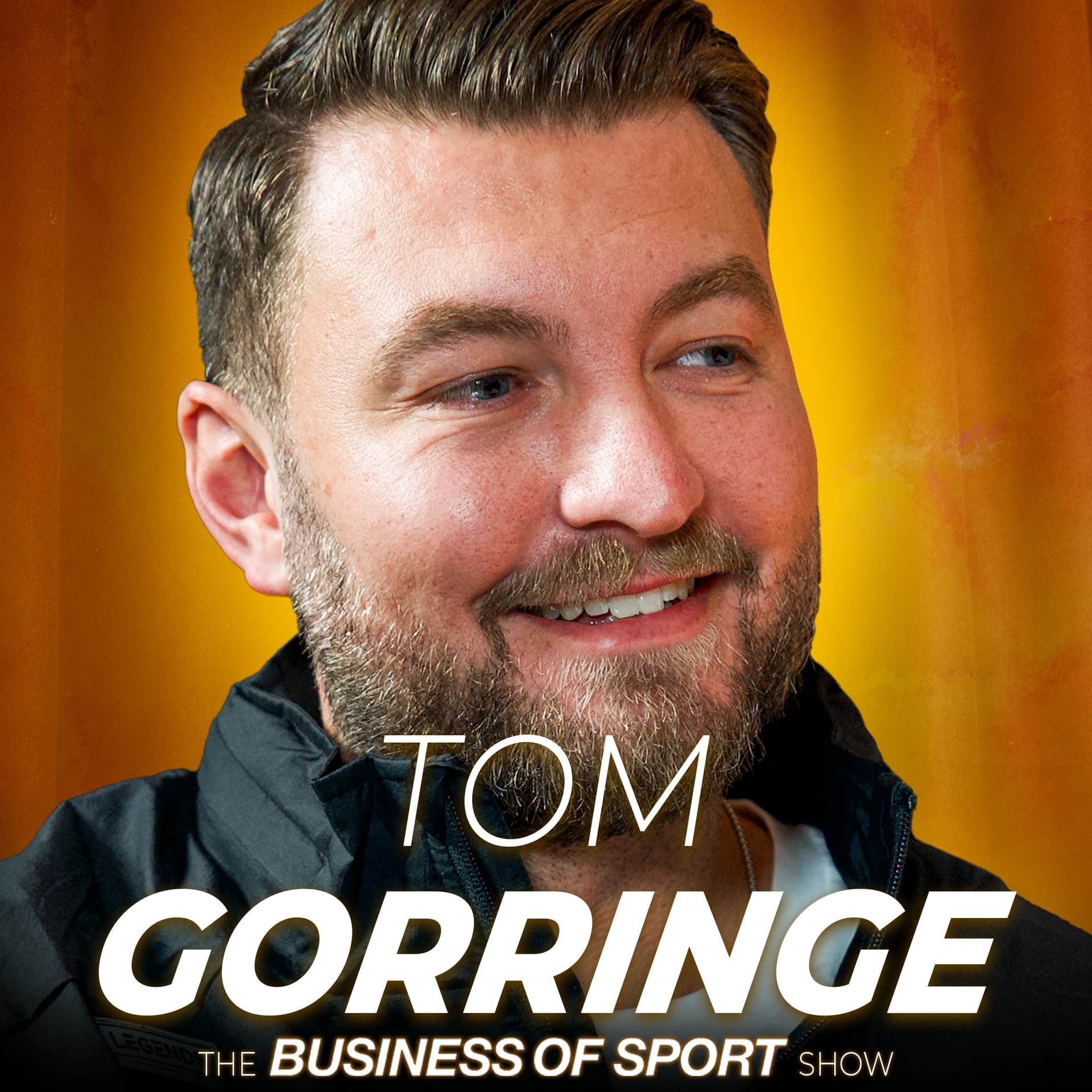
Episode Overview In this episode of the Business of Sport podcast, host Alme welcomes Tom Gorringe, the CEO of Swansea City. The discussion centers around the exciting developments within the club, including celebrity investments from Snoop Dogg and Luka Modric, the challenges of running a football club in the current financial climate, and the importance of maintaining community ties and authenticity.
Key Topics Discussed
Celebrity Investment
- Unexpected Investors: Snoop Dogg and Luka Modric's involvement as minority investors in Swansea City raised eyebrows but has the potential to enhance the club's global profile.
- Reasons for Investment:
- Snoop saw parallels between Swansea and his upbringing, identifying with the club's underdog story.
- Modric, nearing the end of his career, is interested in the business side of football and contributing to player development.
Financial Management
- Club Challenges:
- Swansea faced financial hurdles, including a £15 million loss against a £21.5 million turnover.
- The need to balance high operational costs with maintaining a competitive squad.
- Cost-Cutting Measures: Gorringe implemented a line-by-line budget review that saved £3.9 million, prioritizing critical expenditures.
- Example: Cutting down costs on window cleaning was emphasized by Gorringe's controversial statement about preferring "dirty windows" over promotion expenses.
Fan Engagement and Community
- Importance of Authenticity: Gorringe stresses that transparency and maintaining a connection with fans are crucial for building trust.
- Community Identity: The club's working-class roots and local identity remain integral to its philosophy and operations.
Revenue Generation
- Sponsorship Opportunities: Gorringe highlighted the disparity in sponsorship income compared to other clubs, citing Swansea’s £2.4 million vs. Wrexham's £10 million front-of-shirt deal.
- Innovative Collaborations: The club is exploring partnerships with celebrity brands like Death Row Records to increase merchandise sales and brand awareness.
Operational Strategy
- Player Recruitment:
- The club's strategy focuses on a combination of loans and transfers while developing a strong player trading model.
- Gorringe emphasized the importance of retaining players on favorable terms for financial sustainability.
- Role of Celebrity Owners: The presence of Snoop and Luka increases the club's marketability and may attract better talent and sponsors.
Future Outlook
- Sustainability Goals: The aim is to achieve financial stability without relying heavily on owner financing, with a target to reach break-even within three years.
- Impact of Regulation: A potential introduction of a football regulator may help ensure fair practices across clubs and promote sustainability.
Key Takeaways
- Celebrity Influence: The involvement of high-profile figures can significantly boost a club's visibility and revenue opportunities.
- Financial Discipline: Achieving financial sustainability in football requires stringent budgeting and innovative revenue strategies.
- Community Focus: Authentic engagement with fans and maintaining local identity are essential for long-term success.
- Evolving Business Model: The need for football clubs to adapt to a more commercial and competitive landscape is critical, especially in lower leagues.
Conclusion The conversation between Alme and Tom Gorringe provided insights into the multifaceted challenges and opportunities facing Swansea City as it navigates a new era of celebrity involvement and financial scrutiny. The episode emphasizes the importance of authenticity, community ties, and strategic planning in the realm of sports management.
---
For further details and insights, check out the full episode of Business of Sport.
Written by AI. May contain mistakes. Listen to the episode to check what was said.
Transcript
Automatic transcript. May contain errors.0:00The thing that really attracted Snoop to the club was he could see the connections between Swansea and the areas where he grew up and he liked that story of us being effectively an underdog and him playing. and his part in trying to make us compete. It's more difficult for Luca because obviously he's got playing commitments. He is the most dedicated athlete you'll ever meet, the best role model you could ever wish to be associated with from a playing perspective and that provides with a real opportunity to drive that performance on the playing side across the club and the academy. We went through line by line and ultimately just put pressure on individuals to justify every area of expenditure within their budget.
0:33Huge amount on external cleaning of the facilities, window cleaning. A huge amount being like 50 grand? 300 grand. Yeah. I specifically said the quote in the meeting that I'd rather have dirty windows and get promoted. So our sponsorship income last season was 2.4 million. Wrexham's front of shirt this season is 10 million. What? Yeah.
0:58Hello and welcome to The Business of Sport, the show that takes you behind the scenes with the industry's leading owners, operators and athletes. The celebrity investor coming into football as part of an ownership group is nothing new these days, but there were more than a few eyebrows raised when it was announced that Snoop Dogg, alongside footballing legend Luka Modric, had become a minority investor in Swansea. Now, Swansea is a storied club with a hugely passionate fan base and a recent history of Premier League football, and both elite player and manager development. Getting to the bottom of what facilitated this high-profile involvement is one thing, but CEO Tom Gorringe is facing all the usual challenges of creating an elite playing environment, delivering results on the pitch, whilst trying to ensure the business is exceeding expectations of it.
1:43There are some statistics in here that shocked us, some conditions that have to be taken into account that are unique to this club. But when reflecting on this conversation, this is a team absolutely moving in the right direction. Let's get on with it. We're delighted to welcome Tom to the Business of Sport. Ever wanted to invest in sports? Ever thought about owning a stake in football, cricket or even Formula One? Well, Stride makes it possible, starting from$5 ,000. For the first time, you can now access exclusive sports investment opportunities from a world-class football club to emerging paddle ventures to the next big thing in cricket or golf.
2:19Sports is no longer just entertainment, it's an investable asset and with rising revenues, global fan bases and media rights booming, the sports economy is one of the most compelling investment opportunities today. Stride is the regulated digital platform unlocking this market for individuals, institutions and family offices alike. Whether you're looking for yield, exposure to uncorrelated growth or simply want to invest in what you love, Stride is reshaping how the world accesses sports private equity. Ready to step into the game? Visit gostride.com that's g-o-s-t-r-y-d-e dot com and discover how sports private equity can work for your portfolio because investing in passion shouldn't be off limits.
3:06Tom, it is so good to have you in the studio. So thank you for joining us. Thanks for having me. Great to be here. I fall down some pretty deep holes sometimes when I prepare for these shows. And I fell down one here when I was looking online and found a couple of the fan forums. And I want to start here because it's the essence of this show. One of the fans posed a question to you on the last one. And well, it wasn't a question, actually. He made a comment saying, firstly, I want to thank you so much for doing these forums and talking about the impact that they made. So the first question really to ask you was, why is that openness, why is that level of access to fans important to you?
3:43I think ultimately as a club, we have to operate in a way that the fans buy into and understand the rationale behind decision making. There has to be a level of trust there that we're doing things for the right reasons and for the betterment of the football club. We set out, when I came into the football club, our kind of five core strategic pillars. And the first one of those is authenticity. And that is all around communicating authentically, telling our story authentically. But ultimately, the fans are at the heart of everything we do. We're making decisions that we want to improve the football club to drive us forward to reach our goals.
4:19And they have to play a part in that process. So it's a hugely costly exercise to support a football club, particularly one that's based where we are geographically and they have the right to ask those questions and we'll always be as open and honest as we can in answering them what's what's the question that you could get that you most dread getting uh i don't really dread those things i've obviously been doing it quite a long time now i quite enjoy the sessions um there isn't really any we haven't got any secrets there's nothing to hide we're operating in a way where uh we feel we are moving things forward and driving things forward and making decisions that we think will help us in that journey.
4:59So there's not really anything you dread. There's difficult questions, there's ones where supporters at certain times might not like the answer or might not agree with the rationale behind a decision but everything we do is to make improvements and hopefully to achieve our ambitions and move things in the right direction. Do you have to find the balance between opening the door and letting them walk completely through it to an extent but the reality is we all want the same thing um there's there's not one person within the building uh that doesn't want the club to be successful the fans want us to be successful and i think having an understanding of what the route to that success looks like and it isn't just spending money on players continually because it's impossible to do that within the regulations.
5:45So we have to have a clear strategy and a plan. We have to be able to communicate that. There has to be an understanding of all the aspects of what success looks like and fans play a key part in that. Ultimately, if we're operating in a way that doesn't provide a great experience, if we're not offering good product on the pitch, if we're not operating in a way where they have an understanding of where we're going and what we're doing and what it looks like, then they won't come. They won't support the team. they'll become more distant they'll become more disengaged and I think the club seen that in in recent history so they'll play a huge part in our journey moving forward and the only way we'll be successful the only way we'll get to where we want to get to is if we're all pulling in the same direction that's supporters that's staff that's ownership that's the players and it goes across the board so that togetherness it really underpins everything that we do one of the other pillars that we put in place was kumdithis which is a Welsh word which kind of means fellowship but for us we saw that as that real like community unity pride of the local area and the fans are a huge part of that fans will obviously have a greater emotional connection to players but but we have that as well uh internally the people we see every day looking at the depth of that what are you actually responsible for in the job so i'm responsible for the day-to-day running the football club so that covers all aspects football side and on football side.
7:04So I split my time across our three sites, predominantly at the stadium and the training ground. I'll have meetings with the manager, obviously all of our core department heads report into me. And ultimately it's really trying to pull all of those people together to make sure there's a real clear vision. I think when I came into the club nine months ago, you go obviously through an initial phase of assessment. What are we doing? What's working well what's not and there were some really core themes that came back through those discussions around not understanding what the club's strategy was not having clear visibility of what financial controls were in place and ultimately not really feeling a part of what we were doing those those two things had become detached and so that's probably been one of the biggest challenges over this period is to try and bring everybody together to make them feel a part of the process to understand that doing your individual roles whatever that might be whether you're a cleaner where you work in the commercial team, you work in the ticket office, you play a part in us moving forward and getting to where we want to be, which obviously is competing at the top end of the championship.
8:08So you are looking across the performance side. You are looking across the business side. You had Richard Montague in place, who I saw a big part of some of those fan forums when I was watching, but he's no longer there now. I read that those responsibilities for the sporting director or whatever the official title was have been split now between you and the head of recruitment. So why does that happen? Do you think that a total focus on that performance side wasn't necessarily required within this current structure? Yeah, I mean, the reality is the club changed a lot over that period of time.
8:42Rich was recruited under the previous ownership and the club model changed through that period of transition. The chairman left and the way we operated changed significantly in that time. Adam was always responsible for recruitment. He's done a really good job in attracting the players. And obviously my role in that process is to do the negotiations and make sure we're getting the right deal for the football club. What do you know now that you wish you'd known when you joined nine months ago? If you could call yourself up and say, Tom, you should know this before you start. What is that thing?
9:14I mean, we've been on a crazy journey. And to be fair, this is probably the first time I've had an opportunity to stop and take stock of where we are in nine months. we've obviously had Luca join, we've had Snoop join. How does that happen? Our ownership group are obviously predominantly American based. They've got a large ranging business network and one of those associates is a guy called Scott who oversees a company called Legends and he made the introduction to both Snoop and Luca and bought into the vision of the club. In terms of that process with Snoop, it obviously started through that introduction.
9:52There was a number of meetings that took place predominantly in America. and our ownership group obviously had some dealings with his team and then eventually with him. And yeah, he was extremely excited about the project from day one. He's a huge sports fan. He loves the idea of owning a football club. I think particularly in America, there's very few African-American owners of clubs and he sees that as a real privilege. But he also wants to be part of creating a winning team and a winning environment and whatever role he can play in that, he's really excited by. So, yeah, those discussions took place.
10:27We were speaking to his team for, it felt like a long time, but in reality it was quite a short period of time. And then he bought in in the summer. So, yeah, his son's been over to a game recently, which was a great experience. He really enjoyed his time with us. And, yeah, we ended up with Snoop on FaceTime in the tunnel after the game, just talking about the game and when he's going to come over and all that sort of stuff. When is he going to come over? Next year. And Luka, I mean a bit harder for Luka. Yeah, it's more difficult for Luka because obviously he's got playing commitments and he is the most dedicated athlete you'll ever meet.
10:58You don't play at the level he's playing at at the age that he is unless you commit your life fully to that pursuit of excellence all the time. And obviously that is one of the reasons why we wanted to bring him on board. He is the best role model you could ever wish to be associated with from a playing perspective. and that provides with a real opportunity to drive that performance on the playing side across the club and the academy. What is it about Swansea that makes Snoop Dogg and Luka Modric want to invest? I think they're probably slightly different. I think they're both excited by the project in general.
11:33Luka is obviously getting towards the end of his career. He's really interested in the business side of the game. He's obviously lived a reasonably sheltered life in that his whole focus has been on playing and performance and being at the best possible physical shape he could be to be able to compete. I think as he gets towards the end of his career, he's interested in all the parts of the game that he's never seen before. How do football clubs run? What does it look like? And what is that next step post-retirement? Whereas Snoop just loves sport. Like I said, he loves the idea of being involved.
12:06He loves watching the games and loves the fact that it's his club and he can come in and wrap the fans up and hopefully play his part in our next phase of our success. From a business perspective, is it a needle mover having Snoop? Do commercial partners want to partner with you more? Do more fans want to come? Do more shirts get sold? Does it move the needle financially? Yeah, all of those things. Yeah, so our total audience, if you look at the club's social following, Lukas and Snoops is more than any club in the Premier League. We've got 281 million followers that we can access within a few minutes.
12:41and so it gives us a huge huge audience that we can market to a global audience that we can market to but it's also opened up to bigger brands to new opportunities and our job now really is to navigate what's the best route for us to take how do we have the biggest impact on the club and do they give you access to their socials so does that i mean if you if you're going to nitpick which i would do if i was listening to a podcast like this 281 million how much of that is swansea yeah i mean we can we can as long as it makes commercial sense for the football club we can do collaborations with snoop and with luca wow and they'll do that yeah we've done quite a few snoop already and what are the results huge i mean we've had a we've had a record three months for retail and we're also just about to launch this new retail range with defro as a collaboration which is dropping tonight um huge amount of excitement already the manager's been wearing some of the stuff and there's a real interest i think not just locally but globally um and yeah it just provides a huge amount of opportunity i mean the sponsors we're speaking to now uh we would never have been able to access before there's we've had offers for deals uh that in one in one sponsorship arrangement would be more than our total commercial income for the last year wow a traditional way of looking at football now particularly with if i can call it an infiltration of outside cash that comes with big personal profiles and brands purists can look at it in a negative light but if you do it right it's the needle mover to release some of the pressure that you have as an operator in a football club where you now have to continue building a better business right yeah and the reality is uh i think first of all it comes down to whether you do things in an authentic way we want to be respectful of the club the city we want to celebrate everything that makes Swansea special we can't lose that through these partnerships and how they work but also the reality is there'll be anywhere between six to nine clubs in the championship every year with parachute payments we've now got Birmingham and Wrexham coming up the other side with equivalent financial resource and we can't physically compete financially within the regulations unless we generate more income so tell us about you got that great example this will come out when death rose is fresh yeah for anyone that can't see on the cameras it's on the jacket tell us about that deal how does that work so um stoop's obviously a hugely commercial guy himself uh he's got a large number of brands that he already works with and he's made a number of introductions to us through those um death row is his record label um he's been involved with it for a large number of years he's also got a death row pictures that do um obviously videography and tv projects um and we've been working with them directly on some collaboration ranges with the club the point of partnerships always is like authenticity how is that like an authentic tie-in i don't mean that rudely but like if you have whoop you have performance there's like death row records i'm struggling to see the the alignment here yeah i mean some some of the stuff we do will be telling stories some of the stuff we do will be brand building uh this is one of those it's uh some some things we'll do just because they're quite cool for example snoop's going to have a lounge at the stadium and that'll be used to invite his guests and create a space that we can create content in and do some other stuff um but uh yeah i mean that that ultimately is the business model is how can we utilize uh the names and the profiles of the people that we have access to to generate income for the football club.
16:21If we don't adapt then the club will stagnate and eventually decline so we have to be able to generate incomes that surpass what we can do locally. We can only charge so much for tickets, we can only charge so much for shirts, we've only got a finite fan base on the ground of being able to expand those horizons to attract more people to the club to do stuff that generates interest. When we launched our kits it was shortly after the announcement had been made. One of our fans posted on social media that had been stopped by an American fan who said, oh, is that Snoop's team? And that kind of shows you the impact of these changes and the opportunity that that then brings.
16:58Does that change how you think about pre-season tours, doing more in the US, having a more US brand? Potentially, yeah. I mean, there's obviously a large amount of global interest in the football club. We see that as a means to, like I said, grow the brand, grow the opportunities to generate more income without having to put additional pressure on our local fan base financially. And there's opportunities to do things like pre-season tours in America for sure. I mean, the World Cup will obviously be there next summer. Snoop's going to be a big part of that, as he was with the Olympics. He's also playing a part for the Winter Olympics for the US national team.
17:36And he's currently a coach on The Voice in America, and all of his team on the show have all been wearing our shirts. so there's a number of tie-ins there but I think when you talk about authenticity the thing that really attracted Snoop to the club was the fact that it was a working class town it was an industrial town he could see the connections between Swansea and the areas where he grew up and he liked that story of us being effectively an underdog and him playing his part in trying to make us compete It was what Wrexham did so well if you're looking at the application I guess of the celebrity versus the history and the reality of what it was to support or what it is to support a club that isn't necessarily sky high in the Premier League.
18:22And what that has also showed is, yes, there is a media side, there's a growth commercially, but that can have massive knock-on effect because players that otherwise maybe wouldn't want to come and play for you, there's more to the club than just a traditional club. So for this, for you now, if you start doing these things, it does open up significant opportunity on performance that goes beyond money just from an attractiveness perspective. Yeah, absolutely. The attraction to the club doesn't really hold any bounds. It attracts better members of staff. It attracts better players. It attracts more fans and ultimately allows us to generate more income that we can continue to invest in the team and hopefully move forward.
19:01How much do you benefit from where you are? So you've got Swansea and Cardiff in Wales, two teams that have been in the Premier League very recently. you capture I'd imagine a huge proportion of that local area how much does that drive the opportunities that you have to develop the business side of the club yeah I mean we've got a huge catchment area we are obviously the most westerly professional club we're a one club city I think from a branding perspective the fact that it's a one club city it's very rare that you've then got obviously the logo being a swan and being Swansea, it's a huge opportunity for us.
19:43The fan base is large. I think you naturally, when you come out of the Premier League, you get, unless you go straight back up, fans get more and more disengaged over time. And ultimately what we hope we've done within the last nine months is provide that hope back that we're moving in the right direction, that there's something they can get behind and ultimately something they can be proud of that comes with responsibility. And also, I think location provides us with a huge opportunity when we're talking about players. Everybody who comes to Swansea generally moves there. We don't have players coming in and commuting large distances and spending a lot of time away from their family.
20:22They generally move their families to the area. They integrate in the community. We are a family club at heart, and you can feel that as soon as you come to the stadium. I felt it from my first day there. It just felt like home. It felt like a really welcoming city. And yeah, it's a great place for us to celebrate. Speaking of the community and them rallying around, ticket sales often a big revenue stream for a lot of clubs. 21 and a half million in 2024 turnover. I just have to understand, what does the makeup of that revenue look like? What's the number one revenue driver today? We were second from bottom in the championship for matchday income last season.
20:59It's because your ticket prices are so cheap. Prices are low. It's a working class area. And that's a balance that we have to strike as a football club. We want to, and that's the reason for us doing stuff further afield, is we want to be true to that. We want to offer a product that provides value and that people get behind. But also we want to be able to generate the income that enables us to compete. So our sponsorship income last season was 2.4 million. Wrexham's front of shirt this season is 10 million. What? Yeah, so there's a huge opportunity there for us to move the dial. We're already on course to have a record year this year in terms of partnerships.
21:36How much did it cost to sponsor your partnership? Significantly less than that. I mean, that 2.4 million is our total sponsorship income for the whole club for the season. Okay, so we've got 2.4 mil from sponsorships. You've got 400k per game from tickets. What else are we missing? In terms of income? Yeah. So you'll have hospitality on top of that, about 2 million a year. We effectively have about 2 ,000 hospitality covers a game. Stadium is one of our biggest assets. Currently looking at the opportunity to purchase that, which will give us some more flexibility. You do much out-of-match events.
22:16The big thing that everyone wants to do is, like, we want capacity when there's no games. We want weddings and everything in between. Yeah, I mean, we do a large number of events at the stadium. They're tied up with an arcade agreement. The big area where we see us being able to move the dial in terms of the stadium is around the building of a new fan zone. So we've had a large number of discussions on that. We're due to go to the council we're planning in the next few months. And that will see us create a new, effectively an event space on the south side of the stadium with a large capacity that we can use to improve the match day experience to start to drive some of those numbers up in terms of secondary spend, but also as an event space that we can use on non-match days to attract more people to the stadium.
23:01How big is your content team? We are currently at five members of staff and we're recruiting for two. Because I'm just like, what we said is that ticket prices are too low. We're not going to get that much more money out of them. the value extraction is harder versus plowing money into content becoming a media company and monetizing the shit out of a global audience that snoop and luca modric allow why would that not be the go-to that that is effectively the business model but that content isn't being produced by our team on the ground we're working with uh external partners through um some large broadcasters in america and through death row pictures to create that but do you think that's right what do you mean well i i would want training sessions captured behind this we're doing that as well so yeah so there there's currently um two new videographers that we're advertising for to create more content on the ground and that'll form part of our content strategy moving forward so those those five have been supplemented by two additional videographers and we've also invested in kit uh over this period so i don't know if you saw in the build up to the man city game we put out uh an inside the swans video which is affected like our kind of internal docu-series view of matches and we've now started included within that content from pretty much meetings and from the dressing room so there's cameras that are fixed within those sites to enable us to get content so that that series showed effectively that build up to the game so it It showed some sessions from training.
24:33It showed the pre-match meeting. It shows, obviously, the highlights from the game and then what was said to the team at halftime, which ultimately led to our comeback in the second half. Because your biggest challenge now, like many football clubs, is everyone looks at media as this massive opportunity, and it is. But you can't just rehash what's already been done. You can't just do another welcome to Rexon. Yeah, and the club has been built on being different. That's what ultimately led to our success initially. It was a different style of play. And ultimately, now that is the challenge, is how do we match a business model that we know works with the story of the club and do it in our own unique way that makes sense that is authentic that people buy into and understand that is the challenge and the daily decisions that we have to make across the board you have a fragmented ownership structure now i mean we talk about luca we talk about snoop and then there's obviously kind of more concentrated holders as well how does that communication look like between you and then what is a fragmented shareholder base yeah i wouldn't say it's fragmented at all we have access to a large number of individuals that are on the board all are hugely successful in their own rights all are hugely engaged in the football club ultimately we have two primary shareholders that oversee the kind of core decision making on behalf of the board and that's jason and brett but i speak to all members of the board regularly at differing levels they're all engaged they'll come to games you had a board meeting earlier this week and they're all active and and having their input in the club in the direction that we're going in and if you bring all of the economic discussion together what it nets out is as you said 21 and a half ish million uh on the last counts but still a 15 plus million deficit yes so like many clubs a significant problem to run because that, I would imagine, has to be owner-financed.
26:21Yes. How did they come into this trying to look at changing that? We're working towards becoming more sustainable. Obviously, that's a difficult task. The first part of that was an operational review, which I undertook over the first six months of my time at the club. That's led to us saving$3.9 million year-on-year in terms of OPEX saving. How? That's a mixture of restructuring, so some of that will be people. It was a line-by-line budgetary review across the board. Obviously, when you've been in the Premier League and without those strong financial measures coming out of the Premier League, a lot of those habits and behaviours have existed over time.
26:59And it was a case of asking the questions and saying, does this make us more competitive? Was it mismanaged? I don't think it was managed financially as tightly as it could have been. no i think what happens when you go to the premier league is uh the small decisions become less important particularly the financial ones and you become obviously my backgrounds my first club was portsmouth i joined when they're in the premier league i was there on a year's placement originally and three months into that we went into administration and that obviously focuses your mind on every penny spent had to be invested in the club to make sure that we survived that was my background that's what's kind of stuck with me all the way through the various clubs i've been at i think when you go into the premier league and you're talking about hundreds of millions in central revenue and players on 30 40 50 60 grand a week the decision around whether you clean the windows or don't or whether you have however many vehicles or you don't become less important because they're compared to much larger levels of expenditure seeing a club go into administration is a rare purview to have for anyone yeah what did you take away from that experience especially being so young and formative yeah well it happened twice so i was there for four years we went to administration twice so i joined as a placement year originally so i went in and the agreement was i'd work in every department which i did for a period of time uh quite quickly a club went into administration um so they did they pay you yeah so i was it was a paid placement i was getting paid even when they went into administration yeah so I got well kind of so I was getting paid peanuts and they basically called all staff in individually and they called me in said I always remember the phrase he said you'll be getting more out of this than we will so you'll probably lose your job when we do the the rounds of redundancies for whatever reason I ended up staying so I survived that initial administration I continued to work there through my final year actually provided me with a great opportunity because obviously the more people that left the business, the more work that was required and I ended up effectively taking on a load of additional responsibility at a really early age.
29:09Was that just financial mismanagement? Yeah, I mean the club, I mean no other Premier Club probably ever will go into administration. So yeah, it was just effectively overstretching and overspending on players. So I ended up staying there, did like a joint year for my final year of uni and then went on full time and we were rebuilding the club to try and get back in the Premier League in the Championship at the time were reasonably competitive and then the club went into administration again that time it was issues with ownership and then effectively not being able to continue on the investment plan that they'd put in place and they quite quickly left and we were left having to try and pick things up again and ultimately the club ended up getting taken over by the supporters.
29:56So what do you take from all of that experience now if you're looking at the job that you do right now for Swansea and what you did in Bristol Rovers what do you take from that experience that has helped you I think the first thing it gave me was a real appreciation of how lucky you are to have what you've got one to be able to work in the industry but two to be able to to have a an appreciation of the financial decisions that we're able to make and a real kind of sharpness on is that required does that affect our ability to compete or even exist at that point. It gave me a broader set of experiences in terms of how club operates because I was thrown straight into the thick of things and I normally when you'd come into a role particularly an entry-level role you would be limited in terms of what you are exposed to whereas within that first four years I'd been exposed to pretty much every aspect of the club.
30:45By the time I left I was the sole person negotiating their front of shirt deals and all sorts of stuff in my early 20s so So we restructured all those deals. We effectively found a way of making them more commercially viable and increasing the profitability of all of our sponsorship arrangements and what did that with the views for keeping the club alive. So when you went through that line-by-line review at Swansea, you ended up saving$3.4 million. $3.9 million, yeah. Sorry. I was actually going to say not the biggest. What was the craziest? Lots of strange expenditure, huge amount on external cleaning of the facilities, window cleaning, um huge amount being like 50 grand 300 grand yeah yeah i've got a window cleaning business 250 grand yeah it's a lot of windows um so uh yeah football club yeah what are the window cleaners doing i mean i specifically said the quote in the meeting that i'd rather have dirty windows and get promoted um so that's the caption for the whole chat so we went through line by line and ultimately just put pressure on individuals to justify uh every area of expenditure within their budget and that led to some some really interesting conversations but actually it was it was a process really that i expected uh a lot more pushback on from staff but the reality is a lot of it was conversations that they were excited to have uh how much did you spend on food on food yeah for like the players training so we we cut we cut the um the budget slightly for players so again i don't know the exact amount that we were on before um but we uh they were going into the training ground and they'd have options of five different meals on a daily basis and now they have two or three.
32:41It doesn't make any difference. The food's still great, but it's far more economical. We also merged more of the academy operation with the first team. So we've moved the 18s now up to Fairwood, which enables us to merge the two kitchens. So the chef will provide food for effectively all of our players that need to be required for. So there's a number of efficiencies like that. Can we apply all of this then from the financial side into the thing that fans care most about, obviously, which is how you run the playing staff and the team on the pitch. Your transfer model looks like you utilize every single tool at your disposal.
33:17Loans, undisclosed fees, transfer fees. You do a$7 million deal without a meter, but if it was$7 million. You do a money cash deal. Can't tell you that. You do a cash deal or should we say something that does require an outlay versus your use of the loan system going to places like Brighton in the Premier League. How do you look to build that squad and where do you find the balance between what you will spend and what you will put into, should we say, short-term development? Yeah, I mean, it is a case of balance. We came into the summer transfer window with a really clear plan of what we wanted to achieve.
33:53I think we ticked the boxes in that area.
Read the full transcript
33:59Ultimately, we've got a player trading model that we have to invest in. We have to make sure that there's assets within the squad. and we've got a large number of those currently. I think we paid fees for five players in the summer. That's then supported by loans. Swansea's operated off a player trading model for a long time. We've averaged 11 million in player trading profit over the last 10 years on an annual basis. And ultimately, that trading is what enables us to continue to compete within the league. I think every club in the world is a selling club to an extent. there's always somebody bigger unless you're Real Madrid probably is the only example.
34:37So we will have to sell players at a certain moment in time, but I think having contractual protection so that we sell them on our terms is really important and we've worked really hard over the last six months to make sure that we've got that. And then selling players that enable us to continue moving forward is ultimately what we want to do. So every player will have a price, that every discussion, every negotiation will have a tipping point where it becomes commercially viable for us to do it in order to move forward. I'm so sorry. On the loan side, how are the loans structured in terms of responsibility of player wages?
35:13So you get a loanee from a tier one club. Who pays the wages? How's that structured? I know it's different on a deal by deal, but what do you want? So we will generally contribute a percentage of the player's wages on the loan. depends on the player, depends on the experience, depends what he's earning. Sometimes it might be 100 % if they're a young player who hasn't really made any first team experiences and it's part of their development or it might be a lower percentage if they've played first team minutes and they've had other experiences. So we've got players that are on loan with us that we're paying 50 % of their wages.
35:48We've got others that we're paying a higher percentage. It depends on the player and the individual circumstances. Obviously, you'll also get some players that are part of clubs that get promoted, that get significant wage increases, but potentially aren't expected to be part of the squad. And ultimately, the market dictates what a club will be able to get in terms of a contribution to wages for a loan. Why are some fees announced and some undisclosed? When we see undisclosed, why does that happen? Again, I think it's down to personal circumstances. lots of what's reported in terms of transfer fees and and rumors is incorrect largely pushed by agents in the main and sometimes individual clubs if they've got a set agenda so that's why it can vary i mean i think the the media and the the discussion around player transfers is largely driven by agents what do you like agents well just generally yeah it's a big question but do think the state of agents today is good uh the reality is there's good agents and there's bad agents just as there is good football owners and bad football owners the environment on agents varies greatly sometimes there'll be somebody that's known to the player sometimes there'll be somebody who's taken advantage of the player sometimes they'll be uh part of an agency and they'll be legitimate and they'll have um kind of a knowledge base and support network to enable them to support that player effectively, but it varies.
37:17What do you see as the role of a football club now with its players? We talked about beforehand athletes, where we're getting into business and looking at investing. How do you see the club playing a role in this day and age where there is more opportunity? Yeah, I mean, I think we have to support our players. We see our football club as a family. Everybody who comes into it is part of it, and we look after each other and we support each other. and we also try and help people make the right decisions even once they leave the building i've still got a really good relationship with lots of people that i've worked with the previous clubs players and otherwise and we've seen an example of that this week marco who he signed in the summer sadly lost his dad unexpectedly and we've had to support him through that journey he's gone back home he's spending time with his family and that something like that affects the whole building like everybody feels for him he's a part of our club he's a part of our family and by nature of that his family are a part of our family so it's been a tough week for us Manager side some of the most important parts of any GVZX job I guess you had a situation last season you brought someone in on interim basis and you give them I guess a set amount of games to bide yourself a little bit more time but also to see how it goes when Alan Sheehan does really well and you bring them in how easy is it to make the decision to give the job to an interim rather than look elsewhere what's the balance you have to strike yeah I mean it was obviously a live process Alan had taken caretaker charge before it wasn't his first stint in charge of the club it was well known by the ownership group through their interaction since they came in and ultimately the results dictated the decision there was always a point in time where that that could be the outcome he won five games in a row in the championship uh and that is a real rarity and so it's pretty solid isn't it yeah he'd be pissed if you were sacked after that especially when it's literally your job interview yeah yeah so um so yeah i mean you can't you can't question the results uh the team bought into him culturally it was a really good fit for us and he's done a brilliant job so far how important is it to balance what i would say is playing style versus winning can be quite hard to have both yeah i mean i particularly with a club like Swansea, that part of our identity is playing style.
39:41The Swansea way has been something that's been intrinsically important to the football club for a period of time, going back to Roberto Martinez and all through the Premier League era. And ultimately that has probably transitioned over time. And if you speak to a number of different fans, I'll probably tell you a number of different interpretations of what that means. But ultimately it's an expectation for us at our club to have a large percentage of the ball and to build up a possession-based style of football. Since that was first created and we were kind of leaders in that, particularly in the lower leagues, it's become far more prevalent in the game and therefore it means it's far more difficult for us to be able to compete, particularly with the size of budget we all have in the league that we're in, and play that attractive style of football.
40:30So it is all about balance. We don't want to have possession for possession's sake. we want to play attractive style of football but we also want to compete and we want to win games and so that's something that we constantly review and try and improve on we were talking before weren't we about you know the the success the incredible names that you've had attached to the club particularly from a management perspective over the last 15 20 years and when you do roll them off it is you know it's your brendan rogers your michael laudrips your um roberto martinez when you go into this and you know you kind of look at your recruitment strategies and trying to attract people how much does history play a role in it and the ability that you've had previously to develop people in positions yeah i mean that plays a part we have to we have to pitch to players um ultimately if you want players that are going to improve you they're players that um that uh come with uh generally other interests uh and so for us we have to sell the projects and that'll be the history of the football club it'll be the city in the area it'll be the way that we want to play football and how they fit within the systems that we want to play it'll be the manager and the coaching staff and the core relationships that they'll have and then it'll be some of the biggest stuff around the ownership and luke has obviously played a key part in in our recruitment strategy will he get involved in recruiting uh he'll get involved in yeah some of that process so particularly around um speaking to players as part of the recruitment process so he'll call them up he'll talk to them about the club about uh how they fit within our strategy about why it's the right choice for them it'll give them advice on their career and the decisions they're about to make and he's a real asset rank these one through three as why people will join Swansea okay money mission or we're going to do like miscellaneous which is like training ground stadium in one I think that probably differs depending on who the person is.
42:27There'll be some players that will be purely financial and they'll just go whoever's going to pay them the most money, that's where they'll go. Do you mind that? No. I mean, ultimately, you have a very short career as a player and if that's what motivates the individual, then it's their prerogative to decide where they go that's most financially viable for them. That's up to them. our job is to create a compelling concept that enables them to earn enough money that they feel comfortable to give them a project they can buy into in terms of the city and the training ground and all the other bits that we can buy into that this is the right place for me.
43:06And getting a call from a Ballon d 'Or winner, five times Champions League winner, it helps, like legend isn't bad. What about Snoop? Snoop, that'd be even cooler. I'd be worried about giving free reigns of recruitment. Snoop's been involved as well um he's sent some messages to some players on instagram his son's been involved he spoke to um adam eda as part of that process so um so yeah they are heavily involved ultimately they're invested in the club not just uh financially but emotionally and they want to play a part and i mean that is another benefit of uh the setup that we've got currently so ultimately the better squad we can recruit and we've got um a huge amount of work goes into that process there's a large amount of data analysis um like i said adam's done a brilliant job in attracting or identifying the right players and then our job is to sell them the project and who's who sets transfer budgets that'll be set by ownership gotcha yeah do you think you have a big enough transfer budget uh i mean ultimately we we are confined by the regulations so um so it's regulatory that confines you not ownership a bit of both um we ultimately like i said are working towards a sustainable business model so player trading uh profit will be part of that um and the more we can invest in players hopefully the more we can make back but we're also constrained by psr regulation so we can only lose uh 13 million annually over a three-year period when when will it be breakeven do we think uh i mean there's there's a large amount of work to be done um but we hope we can get towards that point within the next three years three years in 2028 yeah it's pretty good yeah it's a good time to look more broadly because for the final bit i think it's important to say that while you're doing all of this at a local level in in an individual club you exist in a bigger system the football regulator has just started there's going to be much more financial regulation as you've just referenced um to help clubs try and achieve what you're trying to do how important do you see this um both for you as a club but as a league as well or as a pyramid yeah i mean there's a huge amount of focus uh from the league on on growing uh not just their brand but the brands of their clubs um and we're probably a key part of that movement now um ultimately it's not sustainable for clubs to continue to lose large amounts of money and we need to be able to generate enough income that enables us to compete and move things forward without a reliance on ownership investment and we're trying to build a model now that enables us to do that we don't want to be increasing ticket prices to an unsustainable level we're playing commentary on boxing day and they're charging us 45 pounds to watch commentary adult ticket so we don't want to be that club we want to continue to offer affordable prices we want to be able to do that in a way that that enables us to still compete and to generate incomes and to be more sustainable would you say that is your greatest challenge because it really shows you when you said earlier you were the second bottom in the league for that revenue and you're looking at where you are and you're looking at purely from a locational base and kind of an economic position the restrictions that you have placed on you you still got it again you still got to operate in a system where the majority may not have to deal with those same things yet you're under the same rules you're under the same regulations yeah it's incredibly tough to find that balance to be able to spend the money to compete but also never leave your fans behind never make that stadium impossible for the core fans to be able to access yeah i mean and that's where we started was uh what part can fans play in this in this process how important are they to what we want to do and the reality is they're vitally important we have to be built in terms of our core foundations on a large local following of fans that feel engaged in the club that feel a part of it that can help us get to where we want to be and we have to do stuff then that is different from other clubs and that diversifies us to enable us to generate income that supports our own field ambitions that isn't just raising ticket prices raising prices of hospitality and everything else what do you think about um parachute payments they are the biggest factor in driving inflation within the championship so not a fan not how they work currently how would you restructure them to work better i think it's really difficult um we're obviously a club that's been in the premier league we've benefited from parachute payments coming back down but the reality is the disparity now between what a non-parachute payment club receives in the championship and what the clubs with parachute payments receive is huge and so that like i said that ultimately drives inflation because there's a pressure, a constant pressure from all clubs to try and compete and to invest in the team.
47:52And clubs coming down into the Championship will ultimately set the bar in terms of what the top earners are getting within the league. So there's a balancing act there. You can't have, I don't think you can have a system where there's no parachute payments, but I think that that needs to be reviewed as part of the whole financial model of the league structures and that's not just Premier League, EFL, that's National League as well, to make sure that those drops are financially viable for clubs, but also that they're not driving inflation within leagues to a point where it's unsustainable. Do you think buying a sports team is good business or fun and the playground for millionaires and billionaires?
48:32Hopefully it can be both. I think if we do what we want to do, if we put the plan, action, the plan that we've got in place, then it should make good business sense. for investors that we've got on board. But ultimately it's great fun as well. I mean, a group of our investors came over to the Leeds game last season. And when we equalized in the last minute, there's no greater feeling in the world. So you can't, all of them are hugely successful. They've all run large businesses. They've had loads of successes, more than you could ever name. But those moments where your team wins or draws or something happens.
49:13I mean, the first half of an hour, Man City, if you sit there as an owner, somebody who's invested in the club and that's your team and we've taken on one of the best teams in the world for half an hour and really controlled the game and we gave a really good account of ourselves, there's no better feeling in the world. How much do I need to invest in Swansea? How much have you got?
49:32I'm not answering that. Well done. The first person that bodes a question to him on the show. You can't ask that question. You don't own your stadium, do you? No, it's owned by the council. Is there an opportunity to buy it? I hope so. Yeah, we're in discussions with the council at the moment. So it would be an objective to be able to buy it? Yeah, so at the moment we effectively operate across three sites. We've got Landor, which is our academy training facility that we own. We've got the stadium, which was built by the council, both for the football club and for the rugby club to operate out of, and it was run by an independent management company.
50:06When the club was in the Premier League, we bought that management company, but we didn't buy the stadium so we effectively have all operational responsibilities without owning the asset and from a psr perspective the lease costs for the stadium are a cost whereas a purchase price wouldn't be so we'd be more competitive if we were able to purchase the stadium really so stadium leasing is in psr yeah why uh because it's not an asset that we own but it's an asset that you have to have to be able to perform the duties of your license yeah So all the costs associated with that are all ours, but none of the benefits.
50:39So that's ultimately something that we're trying to work with the council on at the moment. And then we have a similar arrangement with the first team training ground, which currently is owned by the university. And again, we cover all the operating costs for that site. And we've invested millions of pounds in it over time. And that again goes into PSR. Yes. I just don't understand. Yeah. So it's one of the complexities of the rule. So can you shift structures? If I was an ownership structure, couldn't we create a second holding company that is an events business where we could offset the cost there and so it's not borne by the club and then it's only borne by owners?
51:13There is financial structures that you could do this with. The short answer is no, because there are clubs that have tried to circumnavigate the roles and ultimately you have to be charging market rates where there's intercompany relationships. So they all get assessed independently by the league and they'll come up with a fair valuation. so in theory now I'm sure there are clubs that bend the rules and try and come up with creative ways if you could bend one rule which rule would you bend? I don't think it's a good precedent set to be bending rules at all we want to comply with the rules ultimately and we want to generate more income that enables us to compete that's so boring you just asked me how much cash I had bending a rule seems like an amateur if you want to change a rule then the one that I would change is is having more not VAR but a version of VAR in the championship oh interesting what do you mean by that so there's a there's a new system that I understand is gonna be trailed shortly where there's effectively like a review type scenario so we had a game recently where we should have had a penalty in the in the second half and it would have been a red card missed by all the officials the linesman said he was looking at the guy's feet and didn't see the fact that he'd been yanked back ultimately that's cost us two points it was a flat decision that's cost us two points uh everybody in the stadium saw it apart from the officials and if you had the opportunity to do a review even if it's won a game uh the officials when they watched it back would have seen it would have come to the correct decision you gotta you gotta love the excuse that oh sorry i was looking at his feet not that that's my bad yeah so um so yeah i mean I think there's an opportunity there the amount of money that's in the game the fine margins between games we've seen more draws in the championship this year than ever before being able to make those big calls right is really important should we do a quick fire?
53:08go for it you start I feel like I've been unfair with questions today can you tell me about Rossi's please? yeah it's a fish and chip shop it's a fish and chip shop yeah so Rossi's is a fish and chip shop opposite the stadium it's a bit of an iconic venue locally and I'm sure that question came from the fact that when we did the fans forum a fan basically said so it's like an ongoing joke with our fan base that they don't believe that a signing's real unless they've seen him in Rossi's before the game so when we announced our last signing of the window on deadline day we basically superimposed him in Rossi's as part of the announcement Did you get the fan who asked the question yes so yeah so the video basically took that part of the fans forum and then cut to the player in i think having snoop in rossies would be the best though yeah so when we first announced snoop lots of people across the city then started using ai to create pictures of him in iconic institutions all over the city and so one of the things that we'd like to do is recreate that at some point and take him on that journey somebody say just eat ends at ross that's not a bad idea actually yeah yeah the man's been food delivery for so long he's got his own food delivery song and he ends at rossi's god yeah that's a good one i like that who do you not have in the ownership structure who in an ideal i'm not suggesting this is going to happen but like just in an ideal world it'd be amazing to have them i don't know if there's anybody uh instantly that jumps out there But ultimately, the model that the ownership put in place was always to attract high profile individuals that enable us to attract new audiences and ultimately give a strategic benefit to the football club.
54:53So Luca obviously covers off the football performance element. Snoop is obviously in the entertainment business and has a huge following. I think there's probably people that we can get from different parts of the world. Hit me. Where do we want to go? I mean, India is somewhere that we've looked at. It's obviously a huge audience. You want a cricketer? You want a Bollywood star? Potentially, yeah. I mean, the reality is, for us and the way we're set up, nothing's off the table. It's a case of assessing opportunities and looking for new ways for us to grow. Interesting. What's your favourite Snoop Dogg song?
55:26I mean, so, the one that we've used the most is Drop It Like It's Hot. And we will soon, hopefully... I'm going to be honest, Snoop is like one of these iconic figures where they're just such an icon, but then when you actually look at the body of work, like i don't actually know it he's sorry he does so much stuff um so he's doing the new year's eve party uh on one of the main broadcasters in america uh he's gonna be the face of the world cup he's got a role in the olympics he's a judge on the voice voiceovers on loads of kids isn't it interesting the face of the chiller but actually behind the scenes incredible work ethic incredible commitment yeah execution it's so funny that dichotomy he works so hard um and yeah and so there's there's some new products that are coming out that may or may not reference some of his body work so what's the best away hospitality where do you go and you're like oh yeah this is um i mean at my previous club we always used to enjoy going to bolton they put on a really good spread at bolton um why this season just the food was unbelievable they did like a huge buffet and they're just loads of choice loads of options pre or post administration that is financial mismanagement and then this season birmingham can't fault them at all in terms of uh their level of hospitality uh the welcome that they gave us um obviously really nice facility have invested in the stadium significantly um and uh and the guys that we well what would you rate your hospitality um ours is pretty good um i think our top end stuff that we produce is is up there with some of the best that you'll get and we host in man city on on wednesday and they're really complimentary about everything actually all aspects of the operation so that's great to hear um what we're looking to do moving forward is tier those hospitality options a bit better so we've got more of a broader range of options what have you enjoyed the most since you joined i've loved genuinely loved every minute the last nine months um it's been a real journey uh we've had uh quite a lot of stuff to work through um and there's been some real big highs already um but i think just the welcome that i've received from the city the openness of the supporters to buy into what we're doing um and those interactions have been have been great so i have loved it so far tom this has been fantastic thank you so much for doing this and We really appreciate it.
57:53Thanks, Alme. Cheers. Thank you so much to Tom for joining us to talk through what seems like one of the most exciting projects in the EFL. Snoop Dogg and Luka Modric aren't the first people I would have anticipated taking up an ownership position, but there seems to be an excellent reason to do so. Of course, what will matter most is whether the noise can now be translated to the pitch and bank account. And I look forward to seeing how this comes together over the next few years to push for the coveted Premier League place ahead of Wrexham, of course. Thank you, as always, and we hope you enjoyed the show.
58:27Now, if you want to see more from today's show, you can do so by going to YouTube and typing in business of sport. But before we leave you, ever wanted to invest in sports? Ever thought about owning a stake in football, cricket, or even Formula One? Well, Stride makes it possible, starting from$5 ,000. For the first time, you can now access exclusive sports investment opportunities from a world-class football club to emerging paddle ventures to the next big thing in cricket or golf. Sports is no longer just entertainment. It's an investable asset. And with rising revenues, global fan bases, and media rights booming, the sports economy is one of the most compelling investment opportunities today.
59:06Stride is the regulated digital platform unlocking this market for individuals, institutions, and family offices alike. Whether you're looking for yield, exposure to uncorrelated growth, or simply want to invest in what you love, Stride is reshaping how the world accesses sports private equity. Ready to step into the game? Visit gostride.com, that's G-O-S-T-R-Y-D-E dot com, and discover how sports private equity can work for your portfolio. Because investing in passion shouldn't be off limits.
From the publisher
The celebrity investor coming into football as part of an ownership group is nothing new these days, but there were more than a few eyebrows raised when it was announced that Snoop Dogg, alongside footballing legend Luka Modric, had become a minority investor in Swansea. There must be something in the Welsh water. Swansea is storied club with a hugely passionate fanbase and a recent history of Premier League football and both elite player and manager development.
Getting to the bottom of what facilitated this high profile involvement is one thing, but CEO Tom Gorringe is facing all the usual challenges of creating an elite playing environment delivering results on the pitch while trying to ensure the business is exceeding expectations to allow the club to spend money and challenge for promotion.
There are some statistics in here that shocked us, some conditions that have to be taken into account that are unique to this club, but when reflecting on this conversation, this is a team absolutely moving in the right direction. It’s maximisation of financial opportunity without losing your values alongside how we’re still gunning for a Snoop Dogg, Just Eat, Rossi’s collaboration to take place pre game (one for Swansea fans/if you’re not go and google the iconic fish and chip establishment). Let’s get on with it. We’re delighted to welcome Tom to Business of Sport.
Timestamps:
00:00 Intro
03:24 On Staying Open and Connected with Fans
06:53 What Tom’s Job Actually Involves
09:14 How Modric and Snoop Joined the Club
14:54 Death Row Records Deal
18:11 The Power of Celebrity in Football
20:38 The Revenue Drivers
23:01 Content Strategy
25:13 How Communication Works with Multiple Owners
29:56 Lessons from Bristol to Swansea
31:05 Budgeting
35:07 How Loan Deals Are Structured
37:17 How Swansea Supports Players Beyond the Pitch
38:22 Inside the Decision to Appoint Manager
42:09 Ranking Why People Join Swansea
44:41 The Role of Football Regulation Today
47:10 Tom’s Opinion on Parachute Payments
48:24 Is Owning a Club Serious Business or Just Fun?
53:07 Quick-Fire Round
On today’s show we discuss:
Snoop Dogg, Luka Modric & a New Era for Swansea:
How one of the most unexpected ownership stories in football came together.
Why Snoop Dogg and Luka Modric invested in Swansea and how it’s changing the club’s global profile overnight.
How the club is using celebrity partnerships to drive sponsorship, retail, and brand awareness including a Death Row Records x Swansea collaboration that broke sales records
Authenticity, Community & the Fans:
Why Swansea’s local identity remains at the heart of everything and why openness with fans is one of Tom’s core principles.
The balance between commercial growth and staying true to the club’s roots as a working-class, one-club city.
How fan engagement and local pride are helping rebuild trust and unity across the club
Financial Discipline & Sustainability:
The economics of a Championship club in 2025. £21.5m turnover, £15m losses, and the battle for sustainability.
How Tom cut £3.9m in annual costs without harming performance including the famous “dirty windows” moment.
- What running a Championship club actually costs, from stadium leases and catering royalties to travel and academy budgets.
- How the incoming football regulator could transform sustainability and fairness across the EFL.
A huge thank you to our amazing partners on the show:
Stryde
Bringing sports investment opportunities to your door. Visit http://www.gostryde.com to become part of the movement!