
In short
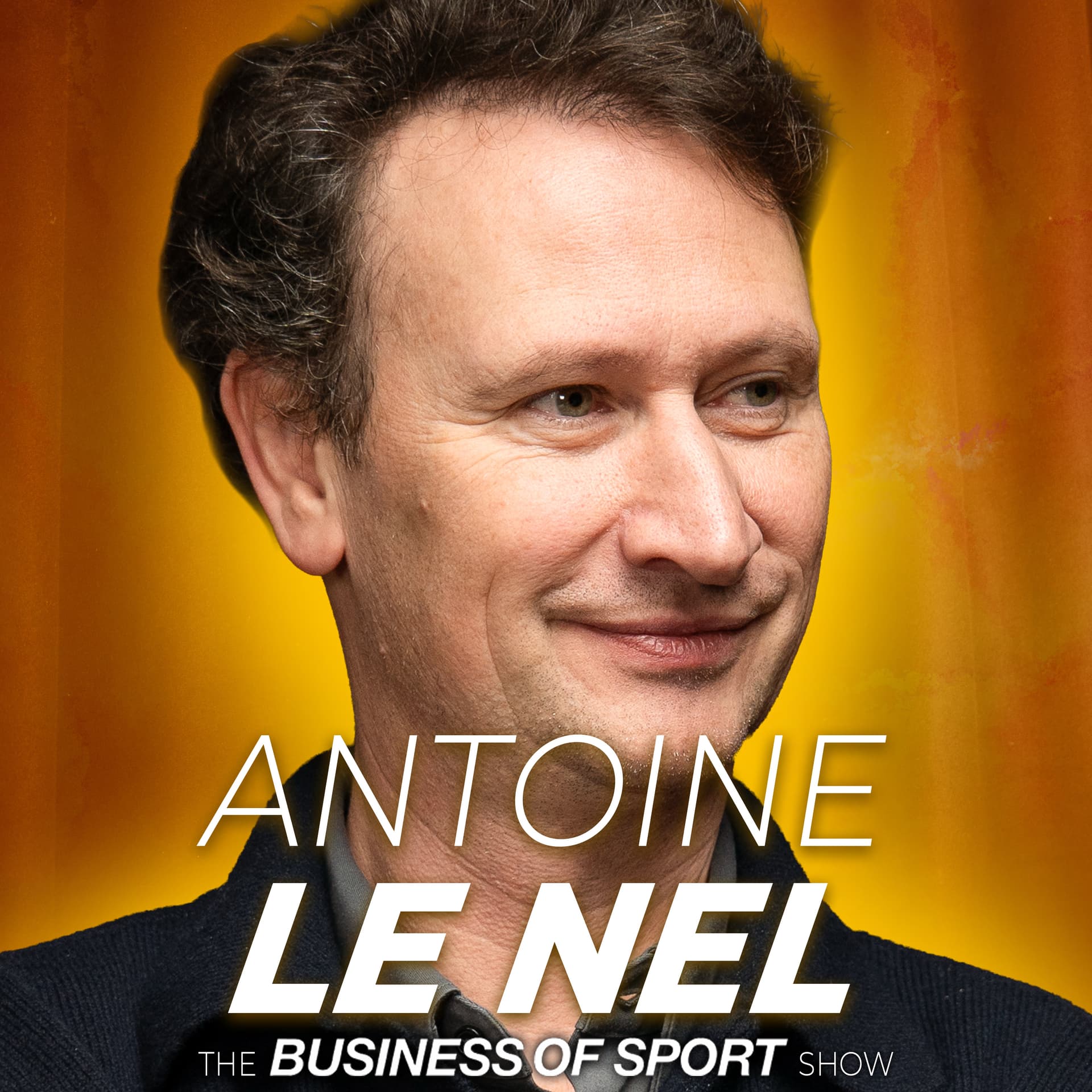
Podcast Notes: Business of Sport - Episode 101: Why Revolut Are Investing In F1: Antoine Le Nel
Podcast Summary In this episode of the Business of Sport, the focus is on the financial and strategic implications of brand sponsorship in sports, particularly through the lens of Revolut's investment in Formula 1 as the title sponsor for Audi's debut season. Antoine Le Nel, Chief Marketing Officer of Revolut, provides insights into how the company shifted from pure performance marketing to utilizing sports sponsorship as a vital part of their branding strategy. The discussion spans various topics, including the reasoning behind the investment, the differentiated global vs. local sponsorship strategies, and the future landscape of sports sponsorship.
---
Key Discussions
Why Revolut Went Big in Sport
- Partnership Development: The collaboration between Audi and Revolut, emphasizing the need for a strong brand alignment in a high-stakes sponsorship environment like F1.
- Shift in Marketing Strategy: Revolut's five-year evolution from performance marketing to focus on building a global brand, with sports sponsorship playing a crucial role in this strategy.
- Value Recognition: Sports as a significant upper-funnel lever to establish credibility, target new segments, and compete with traditional banks.
Global vs Local Sponsorship Strategy
- Two-Tiered Approach:
- Global Sponsorships: Engage with global sports properties (e.g., F1, NBA) to create a broad audience impact.
- Local Sponsorships: Partner with local teams (e.g., Stade Toulousain) to connect culturally and drive relevance in specific markets.
- Operational Efficiency: Revolut's presence in 39 markets allows for cost-sharing in global sponsorships, making it feasible for the brand compared to local competitors.
The Future of Sports Sponsorship
- Evaluating Partnerships: Teams should look beyond cash contributions and focus on long-term partnerships that foster growth and innovation.
- Brand Collaborations: Modern sponsorships are about partnership, shared goals, and product integration rather than just logos on jerseys.
---
Notable Insights
- F1 Sponsorship Complexity: The discussion highlights the intricate nature of F1 sponsorship, outlining the significant commitment involved beyond mere branding (e.g., activation strategies, integrating products).
- Athlete Influence: The growing importance of individual athletes' brands versus team brands, particularly in high-stakes environments like F1, where drivers have significant personal brand equity.
Revolut's Current Portfolio
- Major Partnerships:
- Title sponsor of Audi's F1 team.
- Partnership with NBA.
- Sponsorship of Manchester City and Como FC.
- Local endorsement with Stade Toulousain in rugby.
---
Key Takeaways
- Calculated Risks: Engaging in high-profile sponsorships like F1 involves weighing the potential risks and rewards, with Revolut aiming for long-term visibility rather than short-term gains.
- Layered Sponsorship Strategy: The distinct approach of combining global visibility with local relevance positions Revolut uniquely in the competitive landscape.
- Innovative Brand Activation: The integration of product offerings within sponsorship deals is crucial for maximizing return on investment and enhancing brand visibility.
---
Conclusion This episode of Business of Sport provides a comprehensive look at how Revolut is strategically leveraging the power of sports sponsorship to build its brand identity. By integrating innovative marketing tactics and focusing on long-term partnerships, Revolut is not only expanding its reach but also setting a new standard for brand engagement in the sports industry.
Written by AI. May contain mistakes. Listen to the episode to check what was said.
Chapters
Tap a time to open that second in VOThe Importance of F1 Sponsorship
0:00 to 0:45
Discover why F1 sponsorship is a significant commitment for brands.
“It's not just putting a sticker on the car.”
Brand Identity in F1
0:45 to 1:54
Learn how Audi and Revolut position themselves within the F1 landscape.
“Even Dembélé, who just got the Ballon d 'Or, is nowhere near as marketable as Neymar.”
Understanding PSG's Brand Evolution
1:54 to 3:39
Explore how PSG transformed their brand value and marketability.
“Women's football, rugby, NFL, they're all part of the growing portfolio Revolut are leveraging to develop the business in multiple markets.”
Revolut's Strategic Marketing Journey
4:27 to 6:32
Understand Revolut's marketing strategy and investment in sports.
“And associating ourselves to big IPs was important.”
Revolut's Diverse Sponsorship Portfolio
7:37 to 11:12
Explore the various sports partnerships Revolut is involved with.
“How do you look at evaluating the kind of success of some of these partnerships compared to maybe some of your other opportunities that you can work with across the business?”
The Significance of F1 Sponsorship
11:12 to 14:03
Dive into the details of Revolut's title sponsorship of the Audi F1 team.
“So if we start from the more global ones.”
Strategies for F1 Sponsorship
14:03 to 15:11
Learn the considerations behind choosing F1 as a sponsorship opportunity.
“you don't necessarily get the visibility that you might have at um at the title partner level you So then it was, do we go very small or do we go very big?”
The Importance of Brand Alignment
15:12 to 16:08
Discover how brand identity aligns between Audi and Revolut in F1.
“Audi is a great opportunity, but we got to understand the full landscape.”
Building and Activating Brand Partnerships
16:09 to 19:24
Understand how Revolut plans to activate its partnership with Audi in F1.
“And why was that a really good relationship for you to build in F1?”
The Evolution and Marketability of F1
19:25 to 24:55
Explore how F1's marketability has evolved over the years and its appeal today.
“And then I think the important part as well is talking to the team.”
Show all 29 chapters
The Unique Dynamics of F1 Branding
24:56 to 28:00
Learn about the unique branding dynamics of F1 compared to other sports.
“I think what has changed, if I may, is the sport, and I think that's why as well Revolut has entered it, is that it's somehow at the border between sport and lifestyle.”
The Stability of F1 Brands
28:00 to 29:08
Learn how the stable environment in Formula 1 enhances brand growth over time.
“is because of the stability in the grid, both from a team perspective and from a driver perspective, you have a compounding effect of how the brand is building up.”
PSG as a Case Study in Branding
29:08 to 31:13
Discover how PSG transitioned from player-focused branding to team-focused branding.
“when you're making some of these decisions.”
Navigating Risks in Sports Partnerships
31:13 to 33:50
Understand the importance of calculated risks in sports sponsorships and brand alignment.
“You know, like even Dembélé, who just got the Ballon d 'Or, is nowhere near as marketable as what Neymar.”
Long-Term Commitment in Sponsorships
33:50 to 36:49
Learn about the significance of long-term partnerships in sports sponsorships for maximizing benefits.
“But then you look at the plan, the roadmap we have and so on, and the idea is to fight for a championship by 2030.”
The Rise of Women's Football
36:49 to 39:40
Explore the growth and brand value of women's football in the current market.
“I mean, trying to understand, you need to understand the market, you need to understand the opportunities and so on.”
Integrating Products in Sports Sponsorships
39:40 to 42:00
Identify the importance of product integration within sports sponsorships and marketing strategies.
“The quality of football is really strong.”
Deep Dive into Product Integration
42:00 to 43:40
Learn how product integration is executed in airports and sports by Revolut.
“We've realized that in airports, you know, when we took all the jet bridges in 18 airports, what we've done, we've put the logos, but then you have vending machines in the terminals where you can get the cards.”
Leveraging B2B Opportunities in Formula 1
43:40 to 45:20
Understand how Revolut plans to engage with B2B clients in Formula 1.
“and take that opportunity as well to engage with some of our best B2B and enterprise clients and try to close as many deals as we can.”
The Legacy of Stadium Naming Rights
45:20 to 46:40
Explore the challenges and considerations of naming rights for stadiums.
“While Emirates Stadium, there's no legacy in Emirates Stadium.”
Comparing Stadium Audiences and Events
46:40 to 48:20
Gain insights into how different audiences affect stadium marketing strategies.
“And it incorporates so many different businesses in one.”
The Shift in Sports Sponsorship
48:20 to 50:00
Examine the evolution of sponsorships from traditional brands to tech companies.
“You know, so I think at some point there's a high level of competition between all those properties to actually bring a partner.”
Case Study: Barcelona and Spotify
50:00 to 51:40
Discover how partnerships like Barcelona and Spotify are reshaping sports branding.
“They are very interested in working with Revolut.”
Understanding the Value of Partnerships
51:40 to 53:20
Learn how sports teams view partnerships beyond just financial gains.
“They just need to fix their finance and all of that.”
Targeting Demographics in Sports
53:20 to 55:00
Explore how understanding demographics helps Revolut in sports partnerships.
“Now, Atletico Madrid is Rio de Janeiro and so on.”
The B2B Potential in Rugby and Golf
55:00 to 56:00
Discuss the unique B2B opportunities presented by rugby and golf audiences.
“I think there's a lot of things that we can do together, which is great.”
The B2B Value of Sports Partnerships
56:00 to 57:15
Explore how rugby and other sports serve B2B marketing strategies.
“whether it's Seagate, et cetera, et cetera, where we are the main partner there.”
Future Strategies in Sports Marketing
57:15 to 59:28
Discussing the future of sports partnerships and market strategies.
“So tell me then, we've got all of this you've already achieved.”
Balancing Work and Passion in Sports
59:28 to 1:00:00
The challenge of maintaining enjoyment while working in sports.
“which is the exact opposite of what you go when you go watch sport.”
Transcript
Automatic transcript. May contain errors.0:00F1 is a big commitment. It's not just putting a sticker on the car. The Audi and Revolut brand identity felt very natural. If you look at Audi brand, it's premium but relatable. Ferrari is very premium. Aston Martin is very premium. Can you actually relate to Ferrari? While Audi, it's an accessible luxury. We are very committed to design. It needs to fit. No offense, but what HP and Ferrari have done to their cars is not good from a design perspective. How can you put blue on a red car? Like, this is not good. I think PSG is an amazing case study of how you build a brand. What they've done is quite remarkable.
0:36They first brought a lot of very famous players. The players were bigger than the brand. And then they made a switch. They've just won the Champions League with assets that are not as marketable as what they were. Even Dembélé, who just got the Ballon d 'Or, is nowhere near as marketable as Neymar. And Neymar never won the Ballon d 'Or. From a brand perspective, you were probably partnering with PSG for the players, while you would partner today for the team.
1:04Hello and welcome to The Business of Sport, the show that takes you behind the scenes with the industry's leading owners, operators and athletes. What does it cost for the biggest brands to sponsor the biggest sports? Why do they do it? How do they choose what to put their name to? The money behind sport is a primary feature of the show but it's normally from the perspective of the sports property. How big a sponsorship can Liverpool attract and what does it do to the bottom line? So to kick off the new year, we thought we'd change that. Antoine Lanel is the chief marketing officer of Revolut, the global challenger bank now investing millions into multiple sports properties, most notably as Audi's new title sponsor for their debut F1 season.
1:44The reasoning behind this move, look at how brands recognise value, how they justify spend. This was all part of a fascinating insight into the inflows of sports business. And it's not just F1. Women's football, rugby, NFL, they're all part of the growing portfolio Revolut are leveraging to develop the business in multiple markets. Antoine's key explanation here is telling us why sport is such a powerful way for them and other top brands to do this. We're delighted to welcome Antoine to the business of sport. The best players for the lowest prices at the highest resale values. This is what every sporting director on earth is looking for.
2:22But as you know all too well, it's not that easy. In fact, it's really, really hard. So why are so many clubs making it harder by forcing their analytics teams to build software instead of finding players? I hear it all the time. We'll build our own system in-house. We just need one more engineer and six more months. Two years later, they've got half-finished dashboards and a data team that's essentially become a software company, while the actual football work sits on the back burner. Gemini Sports ends this madness. Gemini is the mobile-first, AI-powered command centre purpose-built solely for squad planning.
2:59Your analysts stop debugging pipelines and start identifying undervalued talent. Your scouts stop fighting with tools and start doing deeper research. Your sporting director stops waiting for reports and starts making smarter, more confident decisions that truly impact the club. In only eight months since launch, clubs across England, France, Italy, Australia and Brazil have already made the switch. Visit geminisports.ai and see why the smarter sporting directors aren't just collecting more data, they're making better decisions faster. Your next great signing might be just three clicks away. Antoine, thank you so much for joining us.
3:39Welcome to Business of Sport. Thank you for having me. Well, it's so exciting for a couple of reasons. First, it's my first show in this new studio, which hopefully you will recognize and see is a massive upgrade on what we had before. But secondly, this is such a different show to something we've done before, because we always sit on rights holder side or we speak to athletes and owners. But today we're going brand side. We're going to where some of the big money is funneling into sport, helping a lot of these properties actually develop their propositions on the pitch. So it's the perfect place to start, I guess, just to go into the world of Revolut.
4:10and the involvement in sport that you're increasingly having. Can you tell us a little bit about that? On the journey. So basically, the way we've worked on our marketing and growth journey probably started somewhere like five years ago, where we started to invest into marketing, where we realized that we had to invest more in the upper funnel on the brand to help position the brand and help us open the funnel, grow into more segments, and build credibility in the market. And associating ourselves to big IPs was important. So the starting point was the NBA sponsorship, where we were the presenting partner early in 24.
4:58And that was really the moment where we realized what sport could do to revolute. and from there we started to invest more and more into sport and we could see the return on the investment that we were making and that was the starting point and the rest is history. What was that first partnership like when you made that move and how did you reflect on that first relationship? Yeah, so it was the NBA approaching us first. So we looked at it. We had never done anything of that scale and so on so we were a bit hesitant at first. But then we looked at what the opportunity would be, how we could integrate our product into it, how we could associate our brand and so on.
5:41We worked really hard in making it work because it worked on so many layers. So first of all, we had the opportunity to manage more ticketing. I think the ticketing aspect and the product integration that we could offer proved that this model between brand and product was actually a great platform. And then just the brand association was crazy, you know, because there's hardly any bigger brand in sport than the NBA, you know. And I think that really opened the door as well to more sponsorship because the day you demonstrate that you are able to work with a franchise as big as the NBA, well, you can pretty much deliver anything, you know after after after that which which i think has been has been super powerful but if we're going to put a canvas down of sport i mean there's so much on there how do you even start so no so it's not like this it's not like this so we didn't say we want to go into sport we said we have the nba but like like the way we do a lot at revolute we had the nba opportunity and we said okay let's give it a try let's see how it works let's see how the platform works and how we can build around it.
6:55And then it worked. And then we said like, okay, now let's look at sport a little bit closer because it is actually a platform that can work for us. So we did not come from a feeling that we got to do sport. That was never the plan. The plan was more to say, we need to invest more in the brand. How do we invest more in the brand? And today we still diversify a lot of our portfolio, you know, because we're talking about sport, but we do a lot of music festivals as well. We do a lot of airports. that you may have seen and so on. You know, we do a lot of TV out of home, etc. So we diversify our portfolio.
7:31But sport is really a place where we are anchoring more and more our positioning at the moment. It's true. How do you look at evaluating the kind of success of some of these partnerships compared to maybe some of your other opportunities that you can work with across the business? So we're looking at it from, there are two tiers, if you want, of two types of sponsorship that we're looking at. We have the global ones and we have the local ones. I think one of the big advantage of Revolut is that we are a global brand, which means that we can invest into global sports. Because it's really tricky, you know, global sport, you know, like all those Premier League clubs coming to me, I have a huge audience in China and so on.
8:19Well, good for you. I mean, like, I'm not going to do anything with the audience in China, you know. And it's the same for many sports, you know. They always come with, like, oh, we have 2 billion followers, viewers, and all of that. It's my least favorite one. It's like, oh, we've got so many social followers. It doesn't mean they're fans. Exactly. I mean, not only fans, but are they even my audience and so on? It's like, well, good for you, you know. But if I only operate in France or in Italy and so on, I'm not going to do anything, you know, about it. So I think one of the key competitive advantages that Revolt has is that we are present in 39 markets and expanding quickly, you know.
8:55So that gives us the opportunity to actually work with global IP. And that is the core of the strategy saying that we versus our competitors, because if you look at our competitors, whether they are traditional banks or fintech and so on, the vast majority of them are super local. you know i mean like in the uk we have very local competitors in france we have very local competitors in germany and so on so they wouldn't be able to go into a global sport because if i mean we'll probably talk again about about f1 but f1 is in 20 markets and out of those 20 markets i'm in 17 of them so that means i take the sponsorship and i can divide the sponsorship by 17.
9:36well if you're only in the uk well you divide it by one and suddenly it's a lot more expensive. And so that is really the layer. Number one is being global to suddenly position ourselves to a completely different level compared to our competitors that can't afford to be in that sport. So step one, position ourselves as big brand global. The other strategy is the local play. Because what I was saying is that, yes, all our competitors are local. So on one side, I want to appear global to suddenly appear in a different league. But I still need to be locally culturally relevant. And sport is a great way for us to be super relevant at a local level.
10:21And that you need to go a level below. You need to go into some IPs and properties that are fundamentally local, that can really deliver something that really speaks to the audience. that is not just like flying super high, that is not necessarily super relatable because it's so, the distance with me is so high and so on. And that's how, for example, we have this great sponsorship with the Stade Toulousain, you know, the rugby club, you know, because then people can relate to that in France and so on, especially as well in the Southwest region of France, you know, and then you connect. And that's how when the strategy we've had with sport happened, But really with those two layers, the global ones to differentiate ourselves and the local ones to localize.
11:08So before we go on, what are you partnered with at the moment? Yeah. Just give them a quick list. All right. So if we start from the more global ones. So the big one is obviously the Audi Revolut F1 team. So we are the naming partner. So that means the team is Audi Revolut. So that is the big one. Then we have, we're investing as well into football. So we have a Manchester City partnership that helps us both locally in the UK, as well as globally with the footprint that obviously the Man City brand has. We have Como, which is the football club in Italy, you know, that is working really well, both from a B2B and B2C side.
11:54We have the Stade Toulousain, as I was mentioning with the rugby team. we have the NBA. So this year, the NBA is happening in London and Berlin. So it used to be in France. Now it's helping us to target as well different markets. And there will be more announcements coming in the next few months. Perfect. Just sets it up nicely. And it also leads us into the big thing, right? The biggest thing. Probably, you know, if you're talking about the rise of the sport over the last 10 years, one of the biggest sponsorship assets, one of the biggest cultural assets across sport, which is Formula One, the fight I can only imagine to be at the level that you've managed to get to now with the cars and the associations with the teams, this title sponsorship of Audi.
12:36How did it even come about when you are doing a deal like this for a title sponsorship of a team? Can you tell us how it works? Yeah, sure. So it works in multiple ways. It starts with Audi reaching out to us and us looking at the opportunity. The thing is, you need to really quickly understand internally whether you want to enter the sport or not. Because F1 is a big commitment. F1 is not just putting a sticker on the car. It's a lot of activation. It's a lot of work to be done around it. So I think when Audi reached out, it was really the moment where we were seriously looking at more opportunities and potentially go tier one.
13:23When we looked a little bit at F1, you have so many levels of sponsorship that you can be in. And it became quite obvious to us that either you go very big or you go very small. Being in the middle is very difficult. It's a bit the death stone in some ways that we belief for our brand was probably not appropriate why is that because you don't end up being because either because when you're right at the top you get a lot of visibility that you can then really benefit from while at the bottom you probably can get some good product integration so it's easier to get the roi from a smaller cost okay so while when you're in the middle you get high cost but you don't necessarily get the visibility that you might have at um at the title partner level you So then it was, do we go very small or do we go very big?
14:17Then we did a bit, I mean, we did extensive research and so on. We said, now is the moment, especially when I looked at the coverage of F1, you know, because now we, I mean, we launched just recently in Mexico, you know, for example, we're in Brazil, you know, we're in the US, which is a big priority for us. Now there are three GPs in the US. We know it's flying. We're in Singapore. We're in Japan. We're in Australia. We have plans to expand in the Middle East and so on. So, I mean, you look at the map of F1, it overlaps almost perfectly with the map of Revolut, which is super important as well.
14:53The home of F1 is Europe and the home of Revolut is Europe. So the match was really, really strong. But then once you get into the ideas of like, OK, I think we need to explore further this thing. There's something there. You know, there's something that potentially makes sense. Then you need to do your homework saying, okay, so we want to go big. We want to go big in F1. Audi is a great opportunity, but we got to understand the full landscape. We need to become knowledgeable about it. It's not because you watch F1 every weekend that you're knowledgeable about the world of F1. It's a very complex world to understand, especially for a brand to activate.
15:36So we spent months understanding everything that was out there. We've done everything without any agency, by the way. We've done everything ourselves. Everything was only in direct discussions between us and the teams, which I think is very important to really grasp the opportunity to the higher extent. You need to be committed. You need to talk to people, whether it's within the teams, whether it's within the F1 organization, liberty etc etc you need to be across across across everything then you start the conversations and then you look a little bit at where the teams are and where they want and where they want to go and how it matches with what we want what we want to be and that's when the discussion with audi got got to a better place tell us about what you and i were just talking about before we came on and the value of actually audi is the brand being that like premium but relatable brand also having the history that it has in broader automotive industry, but also kind of being a challenger brand, if you want, in the world of Formula One coming in.
16:43Why was that important? And why was that a really good relationship for you to build in F1? Yeah, I mean, that's why, I mean, Audi became the favorite choice very quickly. You know, the alignment happened super quickly. First, from a brand perspective, if you look at Audi brand, It's premium but relatable. Ferrari is very premium, Aston Martin is very premium, McLaren is very premium, you know, and so on. But can you actually relate to Ferrari? It's very different. While Audi, you can really access it. It's an accessible luxury in many ways. I think there was the brand identity. The brand identity is very important.
17:28I think Revolut, we are very committed to design. We are very committed to the user experience and so on. and it needs to fit, you know, with it. No offense, but I think what HP and Ferrari have done to their cars is not good from a design perspective. How can you put blue on a red car, you know? Like, this is not good. While I'd say big kudos to Mastercard and McLaren. I think that is a great branding thing, you know? Chrome as well. Yeah, Chrome as well. I think what they've done with the wheel and so on, you know? So I think there are brands that are doing a really good job And I think that works well.
18:05You know, that works really well. And then when I look at the Audi and Revolut brand identity, it felt very natural. So that's the first element. The second element is the narrative. The narrative is super important. We at Revolut are here to disrupt banking and to win against incumbents. And Audi is this, you know. Audi is amazing from that perspective because they are entering a sport that is arguably the hardest sport on the planet at the moment. They come from zero and they are building their car themselves. It's not like Cadillac was buying the whole car and so on. Audi is building everything, the whole chassis, the whole engine, the gearbox, the power unit, everything is made by themselves, exactly like Revolut.
18:54we build everything ourselves and we go from the ground and we build and we build up and that's exactly what what audi what audi is doing and then when you look at it they have a strong track record of winning as well i mean that's the way they won le mans that's the way they won in the world rally that's the way they won in dakar and so on with the high level of innovation and they won against the incumbents that's what they are trying to do today and that's what we are doing in our space So the alignment was super natural for us. And then I think the important part as well is talking to the team.
19:31I think the team that we've been in touch with with Audi, I mean, like the stars were aligned. We were working towards the same goal and it felt like such a natural sponsorship. I'm guessing you can't tell me how expensive it is to become a title sponsor. I have to channel my inner Harry at some point. No, but you see the cost. just I mean we can talk about the cost you know but like for us as I was saying our competitive advantage is that I divide the cost by 20. So if you can take the numbers divide it by 20 and you see how much it's costing my UK team. So because I basically distribute the cost across all my different markets and then I'm asking every market you got to pay for that sponsorship.
20:19So everyone is paying a little bit but then i mean like some markets i mean they're ready to put couple of millions you know here or there you know like imagine you're you're on there you'll be in silverstone all over the thing you know and so on so you're ready to pay for that so once you've done the deal what happens then what's activation like how are you integrating this into audi as a brand and then obviously directly seeing the feedback for you as the business that's the depth of F1. The F1 is so deep. We talked about the depth from a geographic perspective. So I need to integrate everything at a local level, but as well from a product line perspective, because it's both a B2C and a B2B platform.
20:59And you can see it from the nature of the sponsors. You have AWS, Workday, et cetera, et cetera. You have a lot, Atlassian, you know, you have a lot of very B2B brands because it's a great B2B platform. So at Revolut, we need to work on both those aspects. On the B2C side, it's about how do I activate beyond the GP? So it's how do you put more media, you know, into it? How do I manage some ticketing, you know, and offer perks to my customers' money can buy experience in many ways. We have RevPoints, which is the space where we manage all our lifestyle offering. So we're going to put a lot of F1 into this space so that people can actually access this, which was what when I was discussing to the teams and telling them that we were unfortunately not working with us, they thanked me for entering the sport because that's the power of Revolut But in the same way that Netflix is bringing F1 to hundreds of millions of people, we're bringing to 70 million people because that's our audience.
22:09That's fascinating. So we are a platform, you know, we're a media platform in some ways, you know. So other teams that you were speaking to when you had that conversation, there was still that gratitude for the value that it brings. Because obviously a company like Revolut will activate probably a lot more the sport than Aramco, you know. like for the sport itself having Revolut which is a very tech company super innovative etc with a huge audience we are bringing the sport to the audience which is great and of course you know Formula One is something because of its system it fits more the American model where there's this kind of collective empowerment we all do better everyone does better rather than if you look at something like in English football I want my greatest rivals to do terribly so being a part of this collective group where it is the rising tide conversation but interestingly on that this has been something that has developed so much over the last 10 years if we talk about the marketability and the global exposure of Formula 1 if I had offered you a similar opportunity 10 years ago whether it was when you were king or let's say Revolute even now would you have the same appetite or is this something that's been born out of the incredible work and greater exposure that Liberty's managed to drive through their ownership of Formula 1?
23:27So I think Liberty is doing a fantastic job. I think the sport has grown a lot. But let's remember that F1 has always been big. Everyone remembers Ayrton Senna. Everyone remembers Marlboro sponsor on whether it was a Ferrari or a McLaren. Still, there are memories from before, even from a sponsorship perspective. So it's not like it was, so it was a lot of tobacco brands. Yes, you know, but like we do remember them, you know, and they're still benefiting today. The brand equity of those tobacco brands is coming from that past. So it was not a small sport, you know, and that's why I think the incredible thing with this sport is that I think we're doing a great job in modernizing it, but it's still building a lot on its legacy.
24:19because it's really hard to take an IP from scratch and develop it without any legacy. And I think that's what F1 has done really well. They've promoted their history, you know, and their legacy a lot in keeping it evergreen. You know, it's evergreen while not denying what's in the past, you know. It was huge, but it was focused, a little bit more focused than it was now. Your fans, and for example, Louis Vuitton, LVMH as a whole, I don't think would have invested in Formula 1 10 years ago. Yeah, they would now. And they're the ones that we're seeing across all the tracks as premium sponsorship, premium inventory.
24:57I think what has changed, if I may, is the sport, and I think that's why as well Revolut has entered it, is that it's somehow at the border between sport and lifestyle. I think it's probably the sport that has the biggest lifestyle component. And you can see it. I mean, obviously, Netflix is a big one. But I mean, when they film the driver's girlfriends and all of that, I mean, there's a lot in the Daily Mail about Lewis Hamilton and all of that. Whether you like it or not, it's part of the sport. It's definitely part of the sport. And while football is a little bit like that as well, I don't think it's to the extent of Formula One.
25:45In the same way, and I think the great example is going to a GP. If you've attended the GP, you realize that you see nothing of the race. So you don't go to— You still don't know what you're doing. Because basically you're either on one straight line or in a corner and so on, and you just see the same thing. And anyway, you got to see the screen to know who's first, who's not. I mean, because you have no clue by watching it. If you want to watch the sport, better be at home. It's much better. You know, you see much, much better. But still, you have 400 ,000 people on every single GP to come and see it.
26:17Why? Because they want to feel the experience. While when you go and watch football, football game, yes, you can see the football game. While you don't really see a GP when you go there. Because it's part of this whole thing, you know, that F1 has managed to build very much on lifestyle and experience. And one thing that the increased exposure, Netflix, as you said, more entertainment products is built really well, is more access to the drivers. I mean, I think I was probably like 10 before I realized what Michael Schumacher looked like because my relationship was with the helmet and the car. And now you can't, I know what they all look like.
26:51You mentioned any driver's name and you can picture them if you follow it even briefly. So that development has given them a new opportunity. but we were talking again briefly about the value of individuals and athletes as part of sports teams and their value then to brands. So when you're looking at a Formula One team, this year, I think next year, it's still going to be Gabriel Bortoletto and Nico Hülkenberg as the drivers. Yep, absolutely. What access do you get? Is that part of the deal where you can then work with them across the product? Are they included in any package? Yeah, yeah. Yeah, so obviously, I mean, like Nico being German and Germany being a market where we probably have the most room to grow in Europe.
27:36And Brazil being a huge market for us, you know, we have a tough competitor there. And it's going to offer us a great platform, you know, for us to grow. I mean, as well, F1 is a huge thing in Brazil. And Gabi is the only Brazilian on the grid. So that's obviously a huge asset for us. and we will leverage that asset to its full potential. What is very interesting, you see, between F1 and the other sports is because of the stability in the grid, both from a team perspective and from a driver perspective, you have a compounding effect of how the brand is building up. Because in, let's say, football, you have a lot of reshuffle all the time.
28:23new players coming in, new teams qualifying for Champions League and some not qualifying for Champions League and so on. So you always have a little bit of a reset. You have a lot less reset in F1, which means you have this compounding effect year after year where you make brands bigger and bigger and bigger and bigger and bigger, which is very unique compared to any other sports because it's not being refreshed that often. And if you see, I mean, Nico has been in the sport for more than 10, 15 years. Gabi now is going to be here for the third year and so on. So it's going to be a big thing. And tell me about the importance in general of athletes and brand athletes when you're making some of these decisions.
29:09How do you look at it? Yeah, so it's the combination of both. So I think the badge, so the team IP, is what gives you the stability and the reputation. I think it's very important because it has more, usually there's more authority in the badge than in the player or the driver. I think I use the IP of the team more to set things at a global level and the drivers or the players more at a local level, so to play more from a local perspective and so on. So that's more the way I look at it. Can you give me the PSG analogy? It was a really interesting look at the tussle that we see in lots of sports between brand and performance, and if they come into conflict, How do you prioritize?
Read the full transcript
30:04Yeah, I think PSG is an amazing case study of how you build a brand. I think what they've done is quite remarkable in the sense that if you look at basically they started 10, 15 years ago when QIA came into PSG. They first brought a lot of very famous players. I mean, whether it was Latam, whether it was Beckham, Sergio Ramos, a bit later was Messi, Neymar, and obviously Mbappé. So what they started to do is by building the brand through the players. The players were bigger than the brand. And they kept on building this because little by little, the brand started to catch up with the players. And then they made a switch not so long ago where the brand became bigger than the players.
30:57And then they kind of refocused into team efficiency. And you can see that they've just won the Champions League. They've just won the Ballon d 'Or with assets that are not as marketable as what they were. You know, like even Dembélé, who just got the Ballon d 'Or, is nowhere near as marketable as what Neymar. And Neymar never won the Ballon d 'Or. Still Neymar, a lot more marketable. So if you look at from a brand perspective, as a partner, you were probably partnering five, 10 years ago with PSG for the players, while you would partner today for the team. And the shift that they've made in building the brand through the players and then making that swap into then suddenly having the PSG brand above the player brand, I think is quite remarkable.
31:49And now they've established an IP that is going to last for a very long time. Is this a challenging environment for a lot of sports organizations? We can look at something like football. We now have to maybe make a decision between do we make the most money and make ourselves the most appealing from a value perspective or do we win? Yeah, it is a challenge. It all depends on what you want to do from a brand perspective. But obviously what you're looking for is reach. You want to have reach and you want to have brand alignment. It's as well, how do you manage your risk? When you build your business case and let's say you assume no one wins, well, you want the marketable one, you know, at least, you know, because otherwise you get into the gambling business.
32:29Because as a brand, am I here to gamble and bet on a team that is probably not as marketable but has a chance to win? So, of course, if you win, it's going to be great, you know. But, like, that's a bet. And we as a business, we are not in the betting area, you know, so we can't really do that. But do you think, so it's interesting then, do you think being a, having a direct association with Hamilton right now, let's say, versus having a relationship with McLaren, using this season as an example, do you think it's more valuable than McLaren? You'd rather be with McLaren? I would rather be with McLaren, yeah.
33:05I mean, because they're winning and so on for the brand. I think it's much better. I mean, I think there's a bit of drama around Ferrari happening at the moment, which is not very good for the brands that are there. So you don't like noise, you know, when you're a brand, you know, you want to take calculated risk. And you want to control a little bit some of the things and you don't want to have your brand being exposed. How much do you have to consider risk when looking at something like Audi coming into the sport for all the good things about it? You know, we don't know how everything happens and how it performs and your brand closely tied to it.
33:40I mean, you know, title sponsor now. how much of that decision making process is incorporating that risk what do you think are the biggest risks? Yeah it's a calculated risk obviously when you come with a brand new car you don't know what the performance is going to be but at the same time you need to manage expectations especially in the first seasons that we're building everything from scratch and I think expectations from the public is that F1 is super hard so you probably don't expect Audi to win next year I don't think we're going to win next year. But then you look at the plan, the roadmap we have and so on, and the idea is to fight for a championship by 2030.
34:20And I think that's a good time horizon for us because that's what we want to do as well. We want to dominate the world of banking in the next five years. We have the same time frame, and we know it's going to be hard for us. It's going to be hard for Audi. And that's what I mean by calculated risk is that you bet into something that is extremely hard. Because the worst is, imagine you decide to sponsor Real Madrid and then the next three season they win nothing. That's an absolute disaster. How long, therefore, do you look for if you're doing one of these deals? What do you think is the optimal time to be able to achieve that and go?
35:04I hate using the word, but it's a bit of a journey, right? You've got to grow with this team. Yeah, because I mean, I mean, I think if you and this is what I think is quite new as well for for Revolut. If you exit too early, you will not capture the benefit of it. So I think depending on the type of sponsorship and obviously, I mean, with Audi, because we're building everything, it got to be a long term partnership because you don't want to be here, let's say, for the first two years. where everything is just being built and there's no performance, which makes sense. And then suddenly the performance comes later where you've paid for everything to build up, but you're not collecting the dividends in a way from it.
35:53So I think depending on what the roadmap of the team is, I think justifies how long the commitment is. And with that then, does your measurement of what success actually looks like, does that change? If you have the scale of success, you have the bedding in period, and then you have hopefully full optimization, you win a world championship. And in 2030, obviously, you're getting the McLaren exposure, hopefully now. Yeah, yeah. So, I mean, you obviously focus on this compounding effect that you're expecting from the repetition. I mean, the repetition of the exposure and the association, you know, from it will be super, super important.
36:32Because we'll be there from day one, we have the opportunity to become a generational sponsor. Because if we manage to really take the team to the top for a long period of time and so on, Revolut would have been there from day one. I think this idea of building generational sponsorship, the ones that kids have in their room, you know that's what we're aiming for and that requires long-term commitment tell us about then how you look at football you mentioned manchester city being the partnership i'd imagine now that you're in market and people know you're in market you are inundated with people trying to access the revolute brand how did you decide on manchester city and manchester city women in particular as that point for you to enter the market with yeah so i mean of course we talk to a lot of football teams and so on.
37:27I mean, trying to understand, you need to understand the market, you need to understand the opportunities and so on. I think with Manchester City, first of all, it's a great brand. I think we're looking for some level of innovation, some level of forward looking and so on. And women football in the UK is a huge thing. It's a huge thing. I mean, you saw the Euro this summer was absolutely fantastic. I mean, the enthusiasm that all the fans were having and so on is showing that women's football has a great, great future. And Man City is one of the best teams from a women's football perspective. So I think for us, it's a great sponsorship because you get both worlds at once.
38:17you get Man City as a great brand and you get women football which is a very progressive and sport that is on the rise. So you get really the best of both worlds. Great IP and great and great sport which is very inspiring in so many ways. So for us it was a really great sponsorship which was quite unique in the same way como is very unique at the same time you know because como is a new club in italy super lifestyle the stadium is by the como lake and so on you got a lot of celebrity coming in um it's really well managed and everything is makes it like such a unique sponsorship in this in the world why would tribal not be great for a brand like you You don't want to be divisive.
39:15I think you want to be super inclusive in everything that you're doing. And ultimately, I think you just need to be super careful with those things. it's probably a conservative approach that we have at the moment we've never really tried anything like that so I think right now we just we just try to be as inclusive as possible so almost answering this question and therefore asking it backwards do you think that's the value that women's football has over men's football from a brand perspective I mean honestly so I mean I go a lot with my kids uh in Barcelona I mean we have an amazing team in in Barcelona we went to see the the Classico the other day.
40:04It's lovely. I mean, honestly, it's lovely. The quality of football is really strong. I mean, when you see Aitana playing and so on, it's - Bad injury. Yeah, yeah, yeah. I mean, but Alexa Puteyasa is super strong as well. But I mean, honestly, the quality of the show is strong. The experience is really good, you know, at the moment. so you just got to experience it i mean while men football i think there's nothing like men football in terms of getting you like really really i mean it's amazing it's amazing i love i love football you know i love football it's just that maybe for a brand you need to be very selective and very careful about what you do and similar to the brand value that we've talked about for the male athletes what about the brand value now that we have for the female athletes I know you have Alex Greenwood as part of the Man City Deal as one of the partners how do they build that value?
41:03where have you seen the great work that they can do for you alongside? they are great ambassadors for us we've leveraged the team and the players the level of recognition that those athletes have currently in the market is astonishing and honestly the the gap the gap between men and women is is I mean it's closing as we speak so it's really really exciting really exciting what about the different kind of like assets I guess when you're going into these deals yeah front of shirt is so well known let's say for football right but there's so much more now particularly as the games developed and digitalization and media and and all of this, what are the types of assets that you have the opportunities to purchase?
41:48So for us, it's what is very important. So of course, you want the logo, I mean, being as present as possible. But I think for us, where we've put a lot of emphasis is on the product integration. Product integration is critical. We've realized that in airports, you know, when we took all the jet bridges in 18 airports, what we've done, we've put the logos, but then you have vending machines in the terminals where you can get the cards. That is a product integration. And we're doing the same in sport. So we talked about the ticketing. Obviously, I mean, doing stuff on ticketing is important. Co-branded cards as well is super important.
42:30The B2B integration is super important. For example, we manage FX for Como. So when the transfers are processed through Revolut, because we have great effects. So at the end of the day, we make them save money and so on, and you do this. We process payments as well. RevPay is integrated into this. So for example, with Audi or the Adidas merch, when you buy Adidas merch with Audi and so on, it's processed through RevPay. So you manage to integrate the product as deep as possible because not only you get some return investment, but as well people can experience Revolut firsthand. So they're experiencing the sport they're watching, but at the same time, Revolut is just here.
43:23And I think that's critical. How do the ways that fans convert through your relationship with football assets change to how you foresee them converting through Formula 1? Yeah, it's pure, well, I mean, you have a lot of hospitality, So I think we're going to do a lot of B2B hospitality and so on and take that opportunity as well to engage with some of our best B2B and enterprise clients and try to close as many deals as we can. I think that's on the B2B side. On F1. On F1, which is really powerful. That's what all the big brands are all doing. So I think that's going to be very, I mean, that's what all the big AWS and so on, they're all activating, you know, through that.
44:10So we will demonstrate that Revolut as a product has the ability to run an F1 team. So once you can run an F1 team and your business here and so on, like, can probably run my business too, you know. And using this, again, product integration, if the whole team is running on Revel business, well, I mean, then we can probably run a lot of businesses in a highly, highly efficient way. What do you think about something like Stadium Sponsorships and Naming Rise with the value they can bring, especially when it comes down to product integration? Yeah, I think naming is interesting. So first of all, when you look at naming, you need to look at the legacy of the stadium.
44:57So you probably need to have a stadium that doesn't have too much legacy, because that legacy will always be, well, at least at the beginning, will be stronger than your brand. So you will struggle to overtake that legacy. You know, for example, if you look at CompNow, the CompNow Spotify, is it going to be CompNow Spotify or is it going to be CompNow? It's tricky. You know what I mean? While Emirates Stadium, there's no legacy in Emirates Stadium. It was Emirates Stadium. It will always be the Emirates Stadium, you know. So I think that's the first thing that you need to look at. Then as a bank, you need to see how you can run your product integration.
45:40So if you can manage payment across the whole stadium, if you can manage some ticketing, etc., etc., I think it's important. I think the other thing you need to look at is how much the audience is being refreshed event after event. So that's where football is not so good in some ways because you tend to have the same audience coming every weekend to the place. while if you look at the O2 Arena, it's a different audience when it's a Metallica concert or a Lady Gaga concert, you know. So it's very, you reshuffle a lot more the audience if it's a concert venue versus if it's a sport venue. But then you have sport venues that bring a lot of concerts at the same time or that are multi-sport and so on.
46:30so that can so it's I don't think you can just put a price on a stadium of 50 ,000 is that much a stadium of I think it really it's really a case by case I think but why not I'm I've nothing against it we've not we haven't done it yet but I can see where the business case is I can see it it's interesting because Tottenham you know being in market they have that incredible new stadium I don't know if you've been no I haven't been it pains me to say it as a Chelsea fan, but it is so impressive when you go in there. And it incorporates so many different businesses in one. It's amazing experiential.
47:10They have, you know, Formula One carting under the pitch. It's obviously an NFL stadium as well. They host concerts there. So in my head, I'm looking at it and I'm going, you know, it's so interesting they actually haven't managed to nail that down because from what you said, you get a relatively good refreshing of people coming through the door because you've got multi-entertainment properties that do use it. You've got a brand new stadium, so no one has an association with anything. It's not White Hart Lane to the extent of the old one. Yeah, the challenge you have is that at that price point, you don't have that many brands that can afford it.
47:42Okay, and because the price point is really high. So the selection of brands that can afford going there is limited and many of them are getting more and more equipped because naming rights, you have more and more naming rights because if you add up all the front of shirt of football, all the F1 sponsorship, all the big sponsors, it's already a lot of properties. And brands that can afford that price tag, you don't have like a hundred of them. You know, so I think at some point there's a high level of competition between all those properties to actually bring a partner. So I think that's a little bit the struggle you have.
48:36You look at America, the biggest teams across those sports in general.
48:43Dodgers or Giants or pick any of those top teams. Yep. They will brand their stadiums. Yep. Now, you apply that here into the market. Spotify camp now, that's a unique example. If you're looking at the teams with heritage, I can only imagine what would happen if you turned around to Anfield and put a brand on it or Old Trafford. Yeah, you can't. And again, that's the interesting difference here. It almost comes back to that revenue commercialization, total value recognition versus the importance of heritage and legacy. Would that be valuable for Liverpool and Man United? Absolutely. Man City, as you said, they're a different brand and they stand for different things.
49:24The Etihad is now synonymous. Airlines have been the big thing here. I'm trying to, you'll know better than me, but even just trying to think, a tech business, i.e. Spotify, coming into Barcelona, that's very progressive for Europe. Yep, yep. So it'll be interesting to see if there's a little bit more of that type of involvement from what we would class as tech brands, not legacy heritage brands that are like airlines, that are like banks. And I think the teams in Europe, they realize that. They are very much aware of that. And I think that's why as well they are very interested. That's why I talk to a lot of different teams.
50:01They are very interested in working with Revolut. A brand like Revolut is really good for them. It's really, really good. I mean, I think the work that Spotify is doing with Barcelona is amazing. I think the activations that they are doing, it's really world class. What about it is really good? So they use the front of shirt, for example, for any release of new albums and stuff and so on. I think it's just super cool. It's really, it's not rocket science, you know, but suddenly it makes as well every jersey collector because then they sell them. And so people are now buying jersey for the sponsor.
50:41We have the Rolling Stones one in the office. It gets more comments than anything else. Exactly. So they become collectibles. And they become collectibles not because of the team, but because of, I think it's genius. And I think it has a halo effect on Barca itself. Because suddenly it makes Barca a lot more modern, a lot more innovative, etc., etc. And now they just signed Uber as a sponsor as well. So suddenly you get into a place with Barca that has big tech. The big tech are working with Barca, which I think is going to help. And then they're having the super innovative comp now, which hopefully will be finished at some point.
51:27It looks like it's taking a bit of time. But they're really repositioning the team. They have a super young team. They have tech sponsors. They will have best stadium in the world and so on. I think they are doing a great job at that. They just need to fix their finance and all of that. And then they'll be in an amazing place when you look in the future. So you see, this is where teams don't select the sponsors only just for the money. They are really working. It's really working hand in hand. And that's how we are working with all our different teams. That's why we'd rather call it as a partnership rather than a sponsorship, because we actually help as well the team, because it's the way you activate.
52:15Because when you work with oil companies, et cetera, et cetera, yes, they bring a lot of money. But how are they going to really help the brand and the IP in making the IP even bigger and so on? And that's where companies like Revolut will really help in doing that. So it's a win-win thing. So we work with them to leverage their IP. they work with us to leverage our IP. Yeah. I was just thinking as you were saying that about what we've got now in Formula One, for example, because you do, that shift you can actually see happening. You've got Airwallex, you know, involved with McLaren. We obviously mentioned Google Chrome, the wheels.
52:51You have Atlassian, Williams. You now will be Audi. You know, the Patronuses of the world in Mercedes, where that may have used to dominate along with booze and cigarettes. Yeah. You know, it's now moving into this side of, of the world, which is great because it does bring, again, the total value of the proposition up. It's not just a cash transaction. Exactly. Which is great. We just need some of the other sports to follow. Football is a little bit stuck at the moment with Middle Eastern airlines. It's a lot of Middle Eastern airlines. Paris is Qatar, is Barca. I mean, Real Madrid is Emirates.
53:28Now, Atletico Madrid is Rio de Janeiro and so on. So it's like, it's very, I think the fans, they probably want to see something else. They probably want to see something else. How do you break those cycles? Because that is the hard bit, right? You need to get people into those organizations to understand how to speak to a business like Revolut, not a team like Emirates. Yeah, yeah. But because, I mean, at the end of the day, when you present a deal to a team, you have the money aspect, but you have the partnership aspect. and the teams are looking at both. They are looking at, okay, fine, this is the money.
54:04Okay, I need the money, you know, to run my team. But at the same time, I have a long-term strategy into developing my IP. And each time they have a deal on the table, they will compare the deals, not just money to money. They will look at the bigger picture and try to understand, okay, how is that actually helping me? As well as, you know, the sponsors, the partners have their say as well. In the sense, when you're the front of shirt of a team, you do have a say into who the team is going to put on the sleeve. Because the best place is when those two brands between the front of shirt and the sleeves are complementary and therefore are willing to work together, to build activations together and so on, rather than being completely disconnected with nothing and nothing at all and so on.
54:58In the same way, we are super excited to work with Adidas on Audi F1. It's really good. I think there's a lot of things that we can do together, which is great. Being a bank, how important is age and that profile, capturing people at the right time? Yeah, I mean, of course, you need to look at your segment, at your audience. each sport has its own audience, whether it's more male-focused or female-focused. That's why we liked as well F1. It's actually very balanced. I think it's very spread by age and by gender, which is really strong. But you can do different things, you know? Like, you should not have every partnership to cover all your segments.
55:46It's more how you build your portfolio in order to address your wide audience. But that's why we look at, I just don't look at sport to do that. That's why I do sport and music festivals, whether it's Primavera Sound, whether it's Seagate, et cetera, et cetera, where we are the main partner there. But so it's a portfolio strategy to make sure that when you put all the Lego together, you're actually spot on covering your whole audience. So is that where the value of rugby is for you as well? Exactly. So rugby is great. So we are with the Stade Toulousain, which is really helpful because it's a different audience.
56:27It's a bit more B2B. It's a great B2B platform. For example, rugby, a lot more than football. In one way, just the fact that people, you can give a really good experience on a... Yeah, and as well, the audience is quite a B2B. And you can see as well that the demographic is slightly older, unfortunately. It's basically the age of and the gender of decision makers. It's a little bit like golf. In a way, golf is very B2B as well. It's a great B2B platform. Tennis as well somehow is a pretty good B2B platform compared to football with a lot more B2C from that perspective. So you look at it from all that perspective.
57:15So tell me then, we've got all of this you've already achieved. within sport and now you mentioned there's things coming on the horizon i know you won't be able to speak specifically about them but where are we looking at developing everything that we've talked about here how are you looking at the future of this side of the business so the future the the future of it is i think it's to continue expanding our um local penetration I think we're in 39 markets. I think we can be smart in doing things in some markets. You have markets that have their own specific things. For example, I mean like whether it's in Greece or Lithuania, it's a basketball country, you know, in Poland they love volleyball in Scandinavia they love hockey you know so you need you need to make sure you do things that are super relevant and I think we can do more of as well smaller deals I think I think right now there's a lot of effort on the big one the flagship one then it's about how do you activate locally with some smart deals you know maybe not the ones that you will see all over your TV you know all the time and so on but that actually locally would feel ultra relevant i think that's that's very interesting because the price tag is very different but the way you activate it etc etc i think can be can be super powerful and now i have like 39 markets to to cover so how do i get into uh into um into a deal that actually make and makes make sense and it sounds like a lot of fun i mean we can't we can't deny it this job must must be taking you to some pretty great things yeah yeah it's fun but you need to be very very agnostic of things.
59:03You need to be very rational and make sure you don't let your emotions speak. So it's fun, but actually I think it's killing the fun. So I think it's from the outside, people say, oh, you got the best job in the world and so on. But because you need to always make rational decisions about everything, each time I go to a game and so on, I don't really look at the game. I look at the business opportunity, which is the exact opposite of what you go when you go watch sport. You know, before, I mean, for me, watching sport is actually doing the opposite than thinking about work. It's not thinking about work.
59:40It's about relaxing, being with friends, you know, having a beer and so on and just having fun. Now, it's the opposite. Like, I can't watch sport without thinking about work, which is, so you think, yeah, I do a lot. But then is it actually fun? It's debatable. it's debatable you can still go and decompress watching Marseille no? oh yeah yeah I love Marseille look on that note we I've loved it honestly this is fascinating we haven't as I said dived into this side of the industry properly from someone on your side of the table so getting a little bit of an understanding about this I know people will be so pleased so relieved to hear us ask some different questions as well so thank you so much for joining I've so enjoyed it thank you for having me thank you so much to Antoine for joining us today.
1:00:28It was a lot of fun asking a completely different set of questions to someone with a perspective and set of experiences we haven't yet shared on the show. Brands like Revolut are funding the global sporting commercial charge, so to properly understand why they are doing this and where the value lies most clearly for them is so important as we continue to strive to understand the power levers shaping sport today. It was a pleasure to record and I hope you enjoyed the show too. Now if you want to see more from today's show you can do so by going to YouTube or any of our other social channels across Instagram and TikTok, there are more snippets to share and bite-sized chunks to consume.
1:01:04And whilst you're there, please do like, subscribe and follow the show. As you'll hear from your other favourite pods, it makes a huge difference when bringing you the best guests and conversations from the world of sport, which is of course our endless aim. Thank you again for tuning in and we'll see you next week. Did you know less than half football transfers produce a return on investment. I'd argue the reason for that is most sporting directors don't have the information they need as fast as they need it in a format they can understand. Sometimes transfers can feel like back when you had music on your iPod, playlists on your computer and mixed CDs in your car.
1:01:41Then Spotify put it all in one place and made it actually simple and enjoyable to use. This is essentially what Gemini Sports is doing for football squad planning and player trading. 25 years after Moneyball, clubs have 60 times more information available, but it's scattered across systems that don't talk to each other, accessible only from desktop dashboards and impossible to use when you're trying to make lightning-fast decisions. Gemini's belief is that player trading is hard enough, so they built their application with the explicit purpose of making sporting director workflows as simple as swiping on Spotify.
1:02:14It's mobile first and with genuine AI insight, agnostic to all your Intel streams. Fully customised to your club's needs and unique playing style and user-friendly for all technical abilities. So it works with your existing scouting and analytics department, not against them. And it's available on every device, wherever you are, from an agent's office to the airport lounge. As a sporting director, you shouldn't need three devices and five logins to make a transfer decision. You should have it all right there, in one place, at your fingertips. Visit geminisports.ai and see what happens when football recruitment finally gets its Spotify moment.
1:02:49We'll see you next time.
From the publisher
What does it cost for the biggest brands to sponsor the biggest sports? Why do they do it? How do they choose what to put their name to?
The money behind sport is a primary feature of the show, but it’s normally from the perspective of the sports property. How big a sponsorship can Liverpool attract and what does it do to the bottom line. So to kick off the new year, we thought we’d change that. Antoine Le Nel is the Chief Marketing Officer of Revolut, the global challenger bank now investing millions into multiple sports properties, most notably as Audi’s new title sponsor for their debut F1 season.
The reasoning behind this move, a look at how brands recognise value, how they justify spend; this was all part of a fascinating insight into the inflows of sport business. And it’s not just F1: women’s football, rugby, NFL, they’re all part of the growing portfolio Revolut are leveraging to develop the business in multiple markets. Antoine’s key explanation here is telling us why sport is such a powerful way for them and other top brands to do this.
On today’s show we discuss:
Why Revolut Went Big in Sport:
How the Audi Revolut F1 partnership came together and why F1 is a “go big or go home” sponsorship environment.
How Revolut’s growth strategy shifted five years ago from pure performance marketing to building a global brand.
Why sport became a critical upper-funnel lever to build credibility, open new segments, and compete with traditional banks.
The NBA partnership as the proof point that sport could deliver real ROI, not just awareness.
Global vs Local Sponsorship Strategy:
Why Revolut splits its sports portfolio into two layers: global IPs to differentiate at scale, and local teams to drive cultural relevance.
How operating in 39 markets gives Revolut a structural advantage when sponsoring truly global sports like Formula One.
Why most competitors simply cannot afford global sponsorships and how Revolut “divides the cost by 20” internally.
The Future of Sports Sponsorship:
Why teams must evaluate partners beyond cash, focusing on long-term IP growth and innovation.
How tech brands like Revolut and Spotify are reshaping how clubs think about sponsorship.
Why modern sponsorship is about partnership, product and shared growth, not logos and cheques.
A huge thank you to our amazing partners on the show:
Gemini Sports
We empower the most confident sports organisations on Earth https://geminisports.ai/