 Ask ChatGPT


The episode of Coffeehouse Shots discusses two magazine pieces. First, James Heal’s “24 hours with Nigel Farage”: Heal travels with Farage and Reform’s press team, flying to Plymouth, then returning to Kent for drinks. Farage brings Danny Kruger and Robert Jenrick. Heal says Farage’s campaign focus is “moving the dial” via events, with a Plymouth speech on cost of living: raising the personal allowance to £15,000, no tax on overtime (inspired by Donald Trump), and a proposed 50% stake in Southwest Water (framed as not full nationalisation). Heal notes Reform’s recent ITV/Channel 4 setbacks and possible brand damage, plus Farage refusing to comment on the Krista Harving gift standards investigation. Michael Simmons then covers the upcoming UK budget with Tim Shipman, arguing it’s being sold as “quiet/boring” but may still include regulatory changes and surprises. Simmons cites Treasury officials’ “budget and beyond” framing, mentions Labour’s prior large tax rises, and discusses possible entrepreneur relief and “Puffin”/public investment vehicles skepticism.
Oscar Edmondson (host), James Heal (Spectator journalist), Michael Simmons (Spectator journalist).
Written by AI. May contain mistakes.
James Heal shares his insights from spending 24 hours with Nigel Farage.
“because it's a very interesting time to have that kind of access to the leader of reform, especially after ITV sting, decreasing poll ratings.”
Discussion on Farage's political strategy and the challenges facing the Reform party.
“Obviously, we're expecting to have the Parliamentary Commission for Standards Investigation into Krista Harvind's£5 million gift.”
Insightful predictions and analysis of the upcoming budget and its significance.
“Well, this has always been in the kind of background of reform, hasn't it?”
Analyzing the potential impact of the budget on businesses and economic strategy.
“What are some of the revelations that you and Shippers have uncovered?”
Explore the concept of targeted entrepreneur relief and its implications.
“whether as the pubs, the toolmakers' factories.”

Get the gist, explore an idea or ask about something said.
 Claude
On Coffee House Shots, what are the key points of this episode?
Searching your listeningAutomatic transcript. May contain errors.
0:00Ever notice how every new AI tool asks you to explain your business to it all over again? Google Workspace with Gemini skips that. You get Google's AI built right into the premium versions of Gmail, Docs, Sheets, and more. No new tools, no extra logins. Just one subscription that gives you personalized AI right inside your actual workflow. Make work less work. Try Google Workspace with Gemini at goo.gle slash workspace with Gemini.
0:37Hello and welcome to Coffeehouse Shots, the Spectator's daily politics podcast. I'm Oscar Edmondson and I'm joined today by James Heal and Michael Simmons. Today we're going to be speaking about two excellent pieces that we've got in the magazine this week. James Heal's 24 hours spent with Nigel Farage and Michael Simmons and Tim Shipman's spread on what to expect from the budget next week. But let's start with your 24 hours with Nigel Farage, James, because it's a very interesting time to have that kind of access to the leader of reform, especially after ITV sting, decreasing poll ratings. How did he see?
1:06Tim Shipman: Yeah, I did start the day by saying I was a rare journalist who was not undercover when with the reform press team. But yeah, it was a huge amount of access. Very, very grateful for that. And I got to the airport at eight in the morning, went on the jet down to Plymouth, and then spent a day around Nigel Farage and his team. He brought with him Danny Kruger and Robert Jenrick, and then we flew back in the evening. Can I say, we went to a Kent regular pub for a few pints or three afterwards. And it was very good fun. Very interesting because Farage has sort of left Westminster, left Westminster scene.
1:39Tim Shipman: He told me, this has subsequently been disputed by others, but told me that he's going to be spending two days on the road for the foreseeable campaigning across the country, putting on events. I think they've got a similar one in Wolverhampton in a few weeks' time. But essentially his mission was to try and campaign and move the dial. He's always enjoyed moving the dial. I've interviewed him before where he's talked about that. and he thinks that if you go out there and campaign it can make a difference. And I did say, I said, look, there's some people who think this is a regression, this is going back to what you enjoy doing rather than what you ought to be doing.
2:06Tim Shipman: And his argument was, I'm best here. And people in Westminster don't think that campaigning can make a difference. I think it can. And so he gave a speech in Plymouth. He spoke about cost of living. He was really sort of putting a message about three things, really. Reform the announcement to£15 ,000 in personal allowance, no tax on overtime inspired by Donald Trump, and finally potentially taking a 50 % stake in southwest water, which obviously he was not reluctant to refer to as nationalisation, but which I'd imagine some of the Conservatives would take issue with. And essentially it was spending a day with him and his team at a time when there's been a lot of change in reform.
2:38Tim Shipman: The leader's office has changed. They've got a whole new bunch of projects with the money that's been coming in. But I do think the reform have struggled over the summer. They've had a very bad six months. And one of the interesting things that Farage did tell me was, he said, politics is never as bad as it seems, never as good or as bad. I think that's his attitude right now, quite phlegmatic and accepting. But let's see how the next few months go. Obviously, we're expecting to have the Parliamentary Commission for Standards Investigation into Krista Harvind's£5 million gift. I did ask Nigel Farage about that.
3:05Tim Shipman: He told me he couldn't say anything as it would be considered a breach of the rules. So obviously, he did not discuss that. But they're waiting to see what happens there. But I think more fundamentally, there is that point about has the shine come off reform? Have they busted their brand by all the changes that have happened? be that from some potential safe and reduced mistakes. They've obviously been rocked by the two recent ITV and Channel 4 programmes. And so I did get a sense that they are trying to sort of get back in the conversation. And when I asked Farage, how do you take on Andy Burnham?
3:32Tim Shipman: He said he can't quite put his finger on it. But his criticism of Burnham was first 100 days, what's he actually done? And I think that given it'll be the budget day, where I think it's exactly 100 days next week, we're going to see familiar arguments from those on the right and centre-right. James, I enjoyed your piece, but I would like to ask a question, if Oscar will allow me. Of course. On the jet, because if you were a reform donor, would you not be a bit annoyed that they've got a jet to go to Plymouth when, you know, you can take a road? It takes like two hours. Well, I think that it would probably come down to questions of party operations, security, and I suppose, yeah, as you say, making the most of the money.
4:06Tim Shipman: But, you know, 72 million or so. Yeah, I suppose if you got it, why not? Yeah, and I think, you know, the good time is going to keep on going. Yeah, I think that's a fair point. I mean, I very much enjoyed it. And there's a value in certainly having privileged access with the leader and understanding where they're coming from. And I think Reform's criticism is that they haven't had a decent hearing, and I hope that they think that this is a piece which... Is it like Jet 2 when it lands and it plays Jess Glynn? There was no Jess Glynn, I can tell you that. So she's not defected yet? No, as far as I know, as of this podcast, there's a lot of humour around Farage.
4:39Tim Shipman: I mean, someone once described it to me as a sort of year 13 WhatsApp group in the traveling circus as they go around the country and they have these meals, sort of like a pie in the sky. And this one was a curry in a hurry. And so I have one of those with Farage. And we discussed a lot about politics, about life. Does he still feel like he has the sort of zeal for it in your experience? I think, you know, I did ask him this. I said, you know, there are some people around you say it's not as fun as it was. And he did say it's not as fun as it was. Bits of it are. But he did return several times throughout the day to the fact that UKIP was a cause, a crusade, a mission.
5:11Tim Shipman: Responsibility of a party is very different. And so there is that sense of in perpetuity you have to keep on putting in the hours and stresses, etc., rather than building to a single point. And I think he very much is someone who, like other politicians sometimes, likes to campaign to focus on. This is much more everlasting. I do think it's quite interesting. I mean, I have had people suggest to me that he would very much favour an election next year rather than the next three years. And that was something that when I did ask him about, he sort of brushed off. But I do get the sense that reform, given all the last six months, is not as fun as it once was.
5:46Tim Shipman: And the question now is, to use the plain analogy, they've been in a tailspin. They've been in a tailspin for a while. Not much has worked for them. Can they pull out this tailspin? Michael, I did want to ask you about one line in James's piece where he talks about how reform, They're looking to get back on the front foot, and one of the things that they're doing is pivoting towards a more economic nationalist tone. What are your thoughts on that? Well, this has always been in the kind of background of reform, hasn't it? James has pointed this out many, many times over the months and now years, is that the idea has always been a bit left on the economy, right on everything else.
6:22And that's kind of where the public is. So it makes sense that you might support re-industrialization in a state-owned way, etc., etc. I think it's interesting that James says they're kind of re-pivoting to that. Because I think, although that's been the train for a while, kind of a stop to it was put by Robert Jenrick when he came along. And the briefing came out from Jenrick's people that we're doing all the reform stuff that voters like, but also we're fiscally conservative, we're controlling spending, blah, blah, blah, blah, blah. And that hasn't gone away, but they do seem to be swinging back towards that economic nationalism.
6:59And James points out this idea that they might back the government's idea on ownership or control of water companies, for example. And I think it's interesting about where the divide actually between reform and labor goes there, because my sense is that labor specifically have used very specific confusing language when they talk about ownership. They never actually say public ownership of water companies. They say public control and people close to Burnham's thinking on that explained to me that like they do not want the state to actually own these things, but they do want there to maybe be a councillor on a company board or some sort of duty within a company constitution that you serve the public good, blah, blah, blah, blah, blah.
7:41Is that something Reform are on board with or are they wanting more whole hog state owned industries?
7:45Tim Shipman: Well, my understanding is, I mean, they're considering it, for that's the key proviso. But they did press release the line when I was in the speech. And I thought I had a world exclusive, damn, you know. But yeah, I mean, 50 % state, which I say, they view it much as similar to the Thames water line. And actually, I had someone from the water industry get in touch saying that's quite surprising to me. But yeah, I think it's something they are considering. I think it's reflective of two things. One of which is that sort of public outrage about what's happening with the water. Lib Dems views it to great effect.
8:12Tim Shipman: But the second one, I think they felt like they lost a bit of their brand when they had all the changes. Robert Jenner came in, mainly on the fiscal furniture, as it were, saying they're not going to have the OBR. But I do think they feel like they've lost something. And now my understanding, I think, is Jenner is kind of keen to associate reform with that agenda that Jordan Bardella has in France, J.D. Vance has in America, which is putting the politics national preference above kind of free markets. There's going to be a big economy speech next month by Nigel Farage. So he'll be kind of resetting the agenda.
8:38Tim Shipman: But I think the criticism of reform from the right will always be, what is the ideology? And actually, you don't want to get bogged down in economic arguments, and they tend to pivot from time to time. I mean, I put this to a senior figure in the party. I said, you know, are they like a sort of ship lilting, sometimes going left, sometimes going right? And that is not completely inaccurate as a picture. So that's what we're expecting now. It would be interesting to see. I mean, sometimes with reform, my criticism is that they can be a bit tactical at the expense of strategy and thinking things through.
9:03Tim Shipman: But this is the next pivot they're going to have. And I think we can see much more of it in the future. Well, pivoting ourselves then to the budget, Michael, you have written with Tim Shipman the definitive take on the budget next week. What are some of the revelations that you and Shippers have uncovered? Yeah, so Tim and I have been hitting our phones and spreadsheets to answer the question everyone wants to answer, what is in the budget? And the answer is an interesting one because the government have kind of pushed this line that it's going to be a quiet budget. There's not going to be massive changes.
9:39There's not going to be massive tax rises. And that's been picked up by the wider press, including us, as this is the boring budget. Is this the boring budget to meet the moment? But what comes through in this piece from somebody that Tim spoke to is this idea that actually people around Healy, people familiar with his thinking, kind of make the point that why is boring being seen as negative? I mean, Rachel Reeves, who's on a rehabilitation mission at the moment, increased taxes by a combined something like£75 billion across her two budget. That makes her the largest tax-raising chancellor ever kind of combined.
10:19And also it makes this parliament on track to be the largest tax-raising parliament as well after the last one, which was also the largest tax-raising parliament. So people around Healy point out that actually, if this is quite a small fiscal event in terms of the total numbers involved, that's probably a good thing. And they point to the strong economic growth we've had at the start of the year that because of the way Britain has this seasonality problem often peters out in the end of the year, they say, look, why would we do mega things to get in the way of that? The phrase that's been quoted from Treasury officials to kind of industries and interested parties, stakeholders, as some people like to call them, is budget and beyond.
11:00This idea that, you know, this budget alone is not going to set the direction for the rest of this Parliament. It's making sure that the first step is there so that we can get the 10-year plan, if we ever get that, and the big kind of plans that would come in the lead up to an election, wherever that is going to be. we also leave the door open though that maybe a bit like Reeves all the briefing we've had about this could be wrong and actually there could be a big event I've mentioned on this podcast before that wage growth might come in stronger than expected in the OBR which might give John Healy more room for maneuver if something like that happens and you top it up with a little bit of tax rises on the banks for example whilst doing entrepreneur relief etc etc would you use it for the obvious Healy thing properly funding defence or at least getting a chunk towards defence and there's no confirmation of that yet but as one person says in the piece not only has Healy gone to extreme lengths to keep this budget secure in terms of making SPAD signs all sorts of new contracts and having MOD experts making sure that the documents are secure and stuff he's put an incredible amount of man hours into this he was working all the way to Bangkok on the plane he was working all the way back.
12:17He then did a full day of working. Now, if this is a very simple budget where you're not going to change much, what's he working on? What's there to pour over? So I think the expectation is still that this is a small event in terms of absolute tax and spend numbers, but don't be surprised if there's a surprise.
12:36Tim Shipman: Yeah, I think it was quite interesting today in what he was saying to The Times, did an interview with Patrick Maguire, and the Chancellor was talking about clearing out the sludge, the blockages affecting businesses and very much focusing on business. I must be highly surprised when it comes to budget, but in terms of dealing with the regulation, I think it's the big thing. We always fuss over tax rates. The criticism, as you look back over the past few decades, is just how big the regulatory burden has got. You know, talking about the impact in terms of the compliance that people have to go through.
13:01Tim Shipman: So interesting to see what he does around that. And I think Tim makes a good point in his piece where he talks about that George Osborne, one of his most controversial budgets, raise less than a billion overall in net revenue. So you don't have to raise a huge amount in revenues for it to be controversial for good or for bad. And it could be some tax simplification and differences around sort of the impact on businesses. But it's interesting, isn't it, Michael? I suppose they're talking a lot about the burden on entrepreneurs, talking about that. Maybe do you think there's a sign that Labour could kind of shift gear on the last two years when it seems that, you know, that classic raise wealth creators have been a bit demonised?
13:34Yeah, I think a bit like Andy Burnham and John Healy seem to have this idea of good growth and bad growth. I think they have this kind of view of business as well, good business and bad business. And to them, bad business is like a big global multi-corporation bank. It's got tons of profits. It can weather the storm, blah, blah, blah, blah, which, by the way, is nonsense because they will just pass on any extra costs on them to you and I, whether as the pubs, the toolmakers' factories. So place of politics. Yeah, yeah, politics of place. Exactly. It's very Glassman, isn't it? It's these businesses on the high street, that's good businesses.
14:12That's where they would get their good growth from. And they do recognize that those businesses are struggling. So I think Patrick picks this up in his interview, but we also had it in the piece that there may be this kind of things like targeted entrepreneur relief. The Puffins? Yeah, exactly. You go for those good businesses. I'm glad you bring up puffins because we've said this before as well. Puffin could well be the acronym of this budget. And that is this idea, these public financial institutions. So things like the British Business Bank, the National Wealth Fund, you would use these vehicles to make investments in infrastructure or startups or whatever it is, but investments that also give you an asset so that it doesn't affect the per snuffle rule, so that your total kind of debt is going to be a good business.
14:56doesn't go up but as i've written before and as we say again in the piece whether they think that's a good idea or not i think there's a lot of skepticism in the market about it because even if it does prove to be neutral for your future rule you still have to go to the guilt markets for your initial outlay and so that's problem one at a time when when yields are staggeringly high but also this was a tool that um rachel reeds had had available to her it's a change she made she used some of that herself surely if there was more room to suddenly do game-changing investment with that rachel reese would have done it well let's see if puffin is the bird that's going to fly very good thank you so much james thank you michael and thank you for listening
15:51Thank you.
16:21inside your actual workflow. Make work less work. Try Google Workspace with Gemini at goo.gle slash workspace with Gemini.
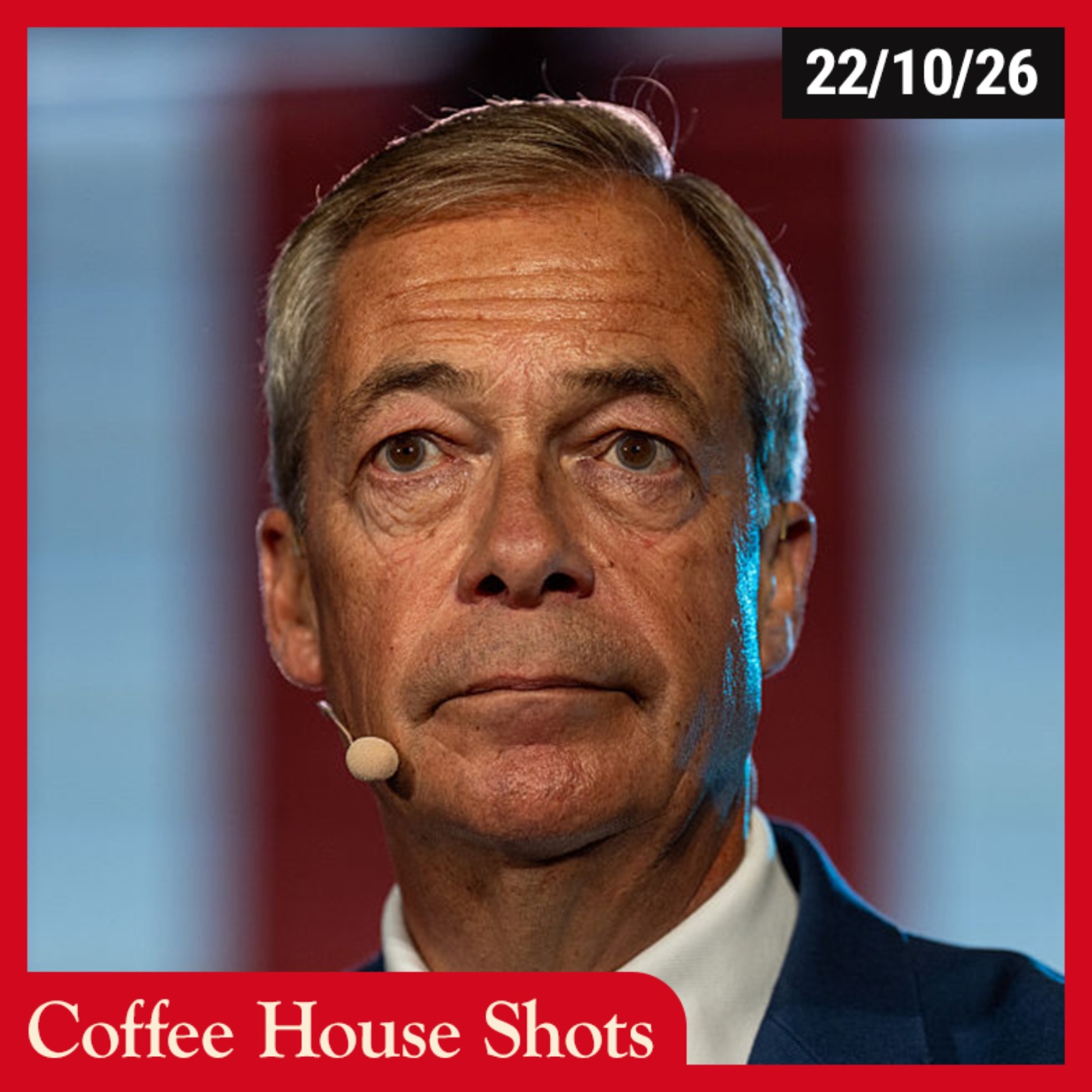
On today’s Coffee House Shots, James Heale reports back after spending 24 hours with Reform leader Nigel Farage. It’s a fascinating time to get access to Reform HQ: the party has been rocked by a succession of sting operations, they await the verdict on the £5 million gift from Christopher Harborne, and Farage's favourability ratings are in the doldrums. How is Farage holding up? And does he still have the zeal for campaigning?
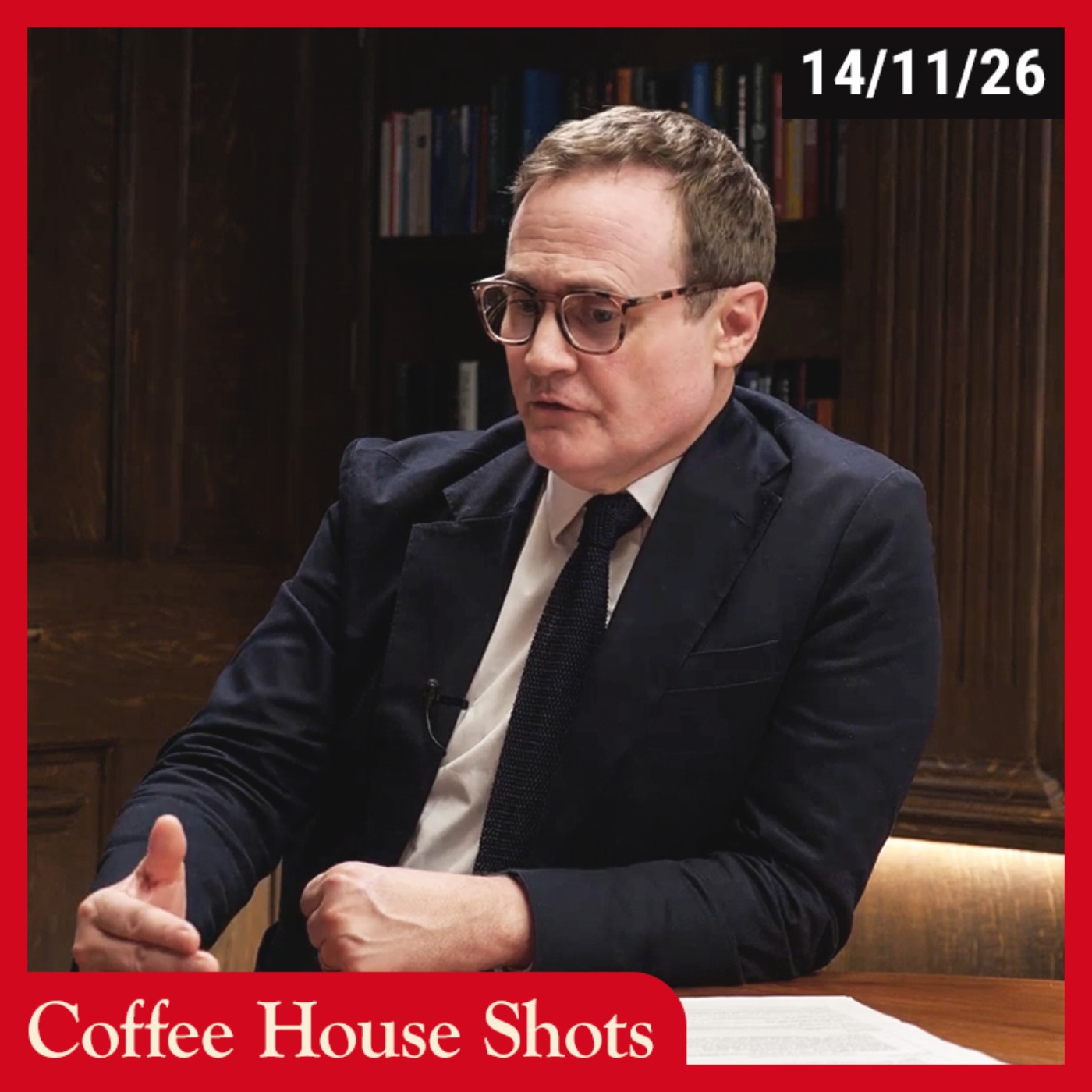
Also today, Michael Simmons and Tim Shipman have written The Spectator’s definitive guide to next week’s Budget. What should we expect from the Chancellor?
Oscar Edmondson speaks to James Heale and Michael Simmons.
Produced by Oscar Edmondson.
Become a Spectator subscriber today to access this podcast without adverts. Go to spectator.co.uk/adfree to find out more.
For more Spectator podcasts, go to spectator.co.uk/podcasts.
Contact us: [email protected]
Hosted on Acast. See acast.com/privacy for more information.