Ask ChatGPT

 Coffee House Shots
10 Jul 2026 · 15m · 5 chapters
Behind-the-scenes Conservative Party response to Nigel Farage’s decision to trigger the Clacton by-election, framed as an attempt to “circumvent” parliamentary rules and avoid accountability over a reported £5 million undeclared donation/gift.
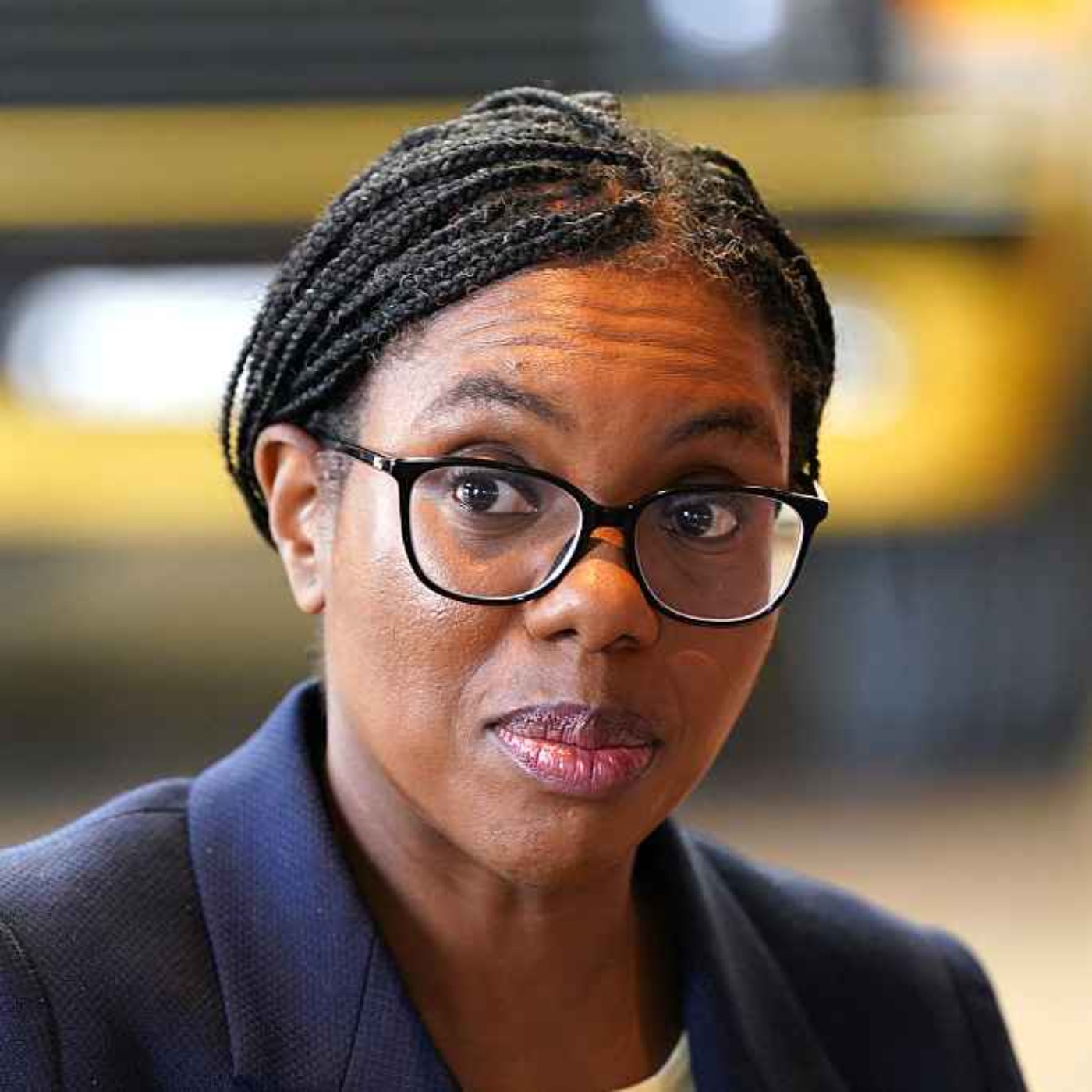
Kevin Hollinrake, Conservative Party chairman; former business minister/business secretary experience; 30 years in business; works closely with Kemi Badenoch (named as the party’s leader).
Farage is “making a mockery of democracy” by refusing to face the Standards process; Conservatives will beat Reform by running on conservative policies (welfare cuts, tax cuts, defence funding, rule of law), not by “out-Reforming” Reform.
Clacton by-election “war gaming” discussion; comparison to David Davis resigning to fight a principle; requirement that future candidates sign a contract endorsing party measures; recruitment focus on candidates with real-world track records (sports, business, military, medicine, education).
Written by AI. May contain mistakes.
Kevin discusses the implications of Nigel Farage's statement and the Clacton by-election.
“to politics at the moment and I want to start with the most obvious topic of conversation and that is the self-inflicted Clacton by-election.”
The need for accountability in Parliament and responses to criticism regarding democracy.
“We always thought he should be held to account by the authorities, which is the rules in place for all of us.”
Kevin outlines the Conservative strategy to address competition from Reform UK.
“I can list all the good things we did in 14 years, turn this whole economy around after 2010, not least, when this country was nearly bankrupt.”
Discussion on the recruitment of Conservative candidates and the importance of leadership.
“I don't know if you can reveal who any of those people might be or is there anyone you're particularly excited about, even if you can't name them?”
Discusses the challenges and leadership dynamics within the Reform Party.
“I mean, the people one after another have left.”

Get the gist, explore an idea or ask about something said.
 Claude
On Coffee House Shots, what are the key points of this episode?
Searching your listeningAutomatic transcript. May contain errors.
0:00This is the story of the one. As a shipping manager, he's running the dock, stocking supplies, and making sure every order goes out on time. And Grainger helps him stay prepared. From shipping supplies, to PPE, to hand tools, he counts on Grainger to keep products moving and trucks rolling. So his operation runs smoothly, no matter the shift. Call 1-800-GRAINGER, click grainger.com, or just stop by Grainger. For the ones who get it done.
0:37Noa Hoffman: hello and welcome to coffeehouse shots i'm noah hoffman and today i'm delighted to be joined by the conservative party chairman kevin hollandrake thank you so much kevin for joining us there is much to discuss on this incredibly hot day but it's also very much heating up in westminster to politics at the moment and I want to start with the most obvious topic of conversation and that is the self-inflicted Clacton by-election. Kevin can you take us behind the scenes in CCHQ when Nigel Farage initially put out his statement where he said I'm going to be discussing my future when did the war gaming begin and did you anticipate what would come next?
1:19There were two schools of thought really we thought I was going to come up there and say People are thinking, you know, my day is done in politics and we're just going to tell them it's not. Some people thought it would do exactly what he did. Call a by-election, tried to do a David Davis. David Davis famously resigned his seat to a fight over a point of principle on human rights. And so it transpired in that long speech, followed by his big climactic ending, which he's going to resign. So shortly after, my office is next to Kemi's office, actually in Normanshaw South, a building next to Porcoly's house, next to the House of Parliament.
1:53And I went straight into Kemi's office, as a few of us did, and said, OK, how do we respond to this? Kemi was due on a Q &A session with another publication shortly. A rival publication. A rival publication shortly after it, so talking about how we'd respond. And Kemi didn't last long, 10, 15 minutes. Kemi was very clear that she thought he was having this kind of breakdown. It was kind of a breakdown. It was kind of, it was all unravelling, really. And it had been for a few days with Nigel Farage under scrutiny, which he obviously doesn't like. So what's the best way to respond to it? And the fact that there would be, because the Standards Commission would continue his investigation if he's re-elected, then there would have to be two by-elections, which was crazy, the money involved.
2:39Noa Hoffman: And did you, it only came out from Kemi sort of a few hours later. In her initial interview with Politico, I don't think she ruled out not sounding a candidate. Did you want to wait and see how the other parties reacted? Well, it was clear that Nigel Farage was trying to control the process, control what was happening, take control of the situation that was running out of control. So we didn't want that to happen. We thought that was wrong. We always thought he should be held to account by the authorities, which is the rules in place for all of us. So we discussed at that point in time how we'd deal with it, but it was quite clear that Kemi did not want to stand a candidate right from the start because this was, I say, Nigel Farage taking control of the process when actually what he should have done, in our view, is face the music.
3:28You know, those rules are there for a reason. They've been there for 10 years, predated Nigel Farage becoming a Member of Parliament, and we're all accountable to the same process. There is no two-tier justice in Parliament. Everybody is subject to the same rules, but Nigel Farage clearly thought he didn't need to be.
3:43Noa Hoffman: And to the critics who say not only to the Tories but to Labour and the Greens as well and the Lib Dems, for instance, that they're making a mockery of democracy, that this goes against the sort of principles of having free and fair elections and everyone should stand a candidate regardless of whether they like the situation or not. What is your response to that criticism? Well, I think it's Nigel Farage who's trying to make a mockery of democracy. I mean, Parliament is the crucible of British democracy, and there are rules that govern the House. And, I mean, of course, party politics plays their part, but nobody can regulate the House of Commons, because what authority would do that?
4:25So the House of Commons has to regulate itself, which means it's all being accountable to each other and for common standards. So for Nigel Farage to say, I'm not subjecting myself to that, is totally wrong. And that is circumventing democracy, because all those rules are voted on by members of parliament. And they've been there cross-party, say, for 10 years and lots of other rules too, that Nigel Farage doesn't think should apply to him. So we think no problem at all. It may well have been if Nigel Farage might have avoided any kind of sanction for this£5 million gift he received or donation, whatever it was it turns out to be.
5:01£5 million is a huge amount of money. We think anybody who's received that amount of money in 12 months leading up to being a member of parliament should be held to account for that. Why they didn't declare it? All those things. So natural justice will mean there's a by-election sooner or later in Clacton. And he could have gone through that process, should have gone through that process. He's trying to effectively circumvent the process. That's what he's trying to do. And we don't want to let him do that, take control of that process. As Kemi said, she sees it as a hissy fit. I think it's a very apt description.
5:30A few other people, including Count Binface, have used the same term, I think, subsequently.
5:34Noa Hoffman: Going forward, is this the sort of terrain we can expect to see the Tories fight reform on? Because there's often a lot of debate within your party. Can we out reform reform? Should we try to out reform reform? Or should we have our own sort of distinct identity whilst battling the sort of baggage of 14 years of conservative government that does still haunt the party among not just the public, but a lot of your members as well, who thought that the party was too left wing while it was in power? is sort of sleaze and donations and that area where you're going to come for reform and try and regain that ground as the most popular right-wing party in the UK.
6:16Noa Hoffman: Because, of course, at the moment, the polling shows reform still is taking up that space. This isn't a reform thing. I don't care who would have taken five million quid before the election in a time period that was regulated and needed to be declared. Any other party leader would have said the same thing. This is not a reform strategy. Our strategy to deal with reform is the same strategy to deal with the Lib Dems or Labour or anybody else. It's conservative policies. Kemi demonstrably is a proper conservative. You can tell by that what she says in terms of cutting welfare, cutting taxes, funding defence, rule of law, all those things.
6:50So this is not party politics. So that's going to be how we deal with reform, by making the case for a competent, professional party, certainly learning the lessons of some things we've got wrong in the past. I can list all the good things we did in 14 years, turn this whole economy around after 2010, not least, when this country was nearly bankrupt. Many other things too. But yes, we do need to. There was a cost correction needed. Kemi's the right person for it. It's the most popular leader in the country. The gap in the polls and at the ballot box is narrowing. Reform were 14 points ahead of us in May 2025, which were the worst set of results, Much worse than July 24 in terms of Conservative Party history.
7:3314 points behind reform in 25. In 26, we were seven points behind reform at the ballot box, the popular vote. We were two points ahead of the Lib Dems in 2025. In 2026, we were six points ahead of the Lib Dems. So despite the fact we had losses and nobody's denying that the big winners on the night in terms of numerics were reform and Lib Dems, we are closing that gap and want to keep carrying on doing the same things. An excellent leader who's very popular in the public, a good team of people behind her, a proper plan, thought through plan. That's our strategy in terms of how, not just how we turn the party around, but how we turn the country around.
8:09Noa Hoffman: Speaking of Kemi, of course, you make the point that as an individual politician, she is popular and her popularity is only growing. Now, I speak to a lot of spectator subscribers. One thing that I consistently hear is that they're really loving everything coming from Kemi, but they are so scared that the backbenchers within the Tory party don't share her views, are perhaps a lot more liberal, maybe more one nation. And so they're wary of voting Conservative again because they feel like, to quote them, the so-called wets might pull her back in that direction. many of them will be listening to the podcast now what message do you have for those readers who are concerned emerson said an institution is a lengthened shadow of a single person and kemi is that person so leadership is the most critical factor in the have we changed the conservative party culture parliamentary party culture from some of the some of the mistakes we've made in the past?
9:17Absolutely. So the process we are undergoing now in terms of recruiting candidates is far more about conservative values and signing up to key policies such as the welfare reform, such as cutting taxes, such as cutting red tape, such as funding defence properly, all those things. And I can reveal on this podcast today that all candidates who stand for the next election will be required to sign up to basically a contract between the party and the candidate to say we support those measures so the process itself leaving the echr including leaving the echr which is a critical one you're right to to to draw that one out because we did much to try and control our borders but we didn't take that vital further step in terms of leaving european convention human rights which effectively allows the courts to to overturn what parliament wants which got to be wrong so human rights are baked in the uk we've We've got common law, human rights will still be there after we leave the European Convention on Human Rights, but we cannot let a court based abroad dictate to the UK Parliament what it should do and shouldn't do.
10:25But Kemi's been very clear, she's very clear on her political thinking and we're very clear in the process, both with existing members of Parliament and potential new ones, these are things we'll question you on and expect you to sign up to. So I think those days of having a minority of colleagues that might fit some of the descriptions you set out earlier, those kind of people will not be parliamentarians, members of parliament in a future Conservative government.
10:53Noa Hoffman: In my Spectator Political column a few weeks ago, I spoke about how more than 2 ,000 people have now put their names forward to stand as Conservative candidates. I don't know if you can reveal who any of those people might be or is there anyone you're particularly excited about, even if you can't name them? Yeah, lots of people I'm really excited about. What Kemi said recently wrote an article about from the A-list to Z-list, basically saying you want people, not just diversity in terms of your ethnicity, but about your background, real people who've been in the real world. I had 30 years in business with our politics.
11:35Many of my colleagues in the Shadow Cabinet and on the backbenches have had a real world experience at Korea before Parliament. That's what we want. And we've seen some really good people coming from the world of sports, from the world of business, from the world of military, medicine, education. And we want those people to step forward. But we want people to be able to show a demonstrable track record of success in whatever field they're involved in. because that indicates they know they can contribute to the debate, but also they can get things done, which is one of the things we need to do rapidly when we enter office in the next election, which I think we will.
12:14That's very much our plan. So, yes, some people, I can't give you any names, but some really, really fantastic people. I can say not just as potential members of Parliament, but also potential mayoral candidates. We have some very high-profile mayoral elections coming up, not least the London one, and we've got a great array of potential candidates for London Mayor.
12:36Noa Hoffman: Not James Cleverley? You better ask James about that one. I couldn't. Obviously, we have discussions with James. He'd be a fantastic candidate, of course, and we're friends as well as colleagues. But there's people from different backgrounds too that are keen to throw their hat in the ring, which is good. I want to ask you about a rumour, or perhaps it's true, you could shine some light on it, going around right-wing politics, which is that Rupert Lowe and the Restore Party are somehow in bed or in cahoots with the Tories and he's some sort of Tory plant to bleed votes from reform and create a sort of middle path for the Tories to come up through.
13:19Noa Hoffman: Do you want to dispel that rumour or perhaps there's some truth to it? I've been wondering myself whether Zia Yusuf actually is a conservative plant by some mechanism I don't know about. But no, that's not true in terms of Rupert. We all get him very well, a very affable guy. But this is an example of Nigel Farage's inability to work with anybody who ever challenges his authority. You know, he cuts down all the tall poppies, which is the antithesis of good leadership. You know, if you look, I said, well, the business we're in, all good business people want to basically build a team that they can rely upon.
13:58And Nigel Farage doesn't seem to want to do that. I mean, the people one after another have left. Ben Habib left and set his own party. But of course, this happens all the time to Nigel Farage. So interesting, I read Tim's article about Farage in the latest issue. It was a really good piece. But this is all about heroic Nigel Farage. Come to rescue the Reform Party again. He's brought these people in. that's supposedly going to build his team, and yet the only person who can rescue reform from their recent run of bad luck, you might say, or whatever you want to call it, is Nigel Farage. He's going to put his, I think Tim calls him his testicles on the line.
14:37I said it more graphically than that, I would say. But, you know, you need to build a team. You need a team and you need a plan. And one of the things I've been so impressed about Kimmy, I worked with her as a business minister when she was business secretary, is she does exactly that. You know, she's very uncompromising what she expects, but she's very clear. She's happy to delegate, happy to get on with stuff and share the limelight. And that's what a good leader does, good team, good plan. It means you're much more likely to be successful in an administration.
15:11Noa Hoffman: Kevin, thank you so much for stopping by. Pleasure. And thank you for listening to Coffeehouse Shots.
15:51Noa Hoffman: We'll be right back. Or just stop by. Grainger. For the ones who get it done.
The Tories will not stand a candidate against Nigel Farage in the Clacton by-election – and on today’s podcast Conservative party chairman Kevin Hollinrake explains why.
Hollinrake also reveals what is behind the turnaround in the Conservatives’ fortunes and their bump in the polls, as well as how the party plans to avoid repeating the mistakes of the past: namely, talking right but governing left. Can Kemi really hold back the Tory wets? And how exactly do the Conservatives plan to take the fight to Reform?
Noa Hoffman speaks to Kevin Hollinrake.
Produced by Oscar Edmondson.
Become a Spectator subscriber today to access this podcast without adverts. Go to spectator.co.uk/adfree to find out more.
For more Spectator podcasts, go to spectator.co.uk/podcasts.
Contact us: [email protected]
Hosted on Acast. See acast.com/privacy for more information.