Ask ChatGPT

 Coffee House Shots
9 Jul 2026 · 15m · 7 chapters

Labour leadership nominations, mood among Labour MPs, and Andy Burnham’s proposed “kumbaya” culture—more collaboration via the Whip’s Office, less fear-based discipline, and continued party unity to deliver a bold agenda (devolution, housing, welfare reform, growth/living standards).
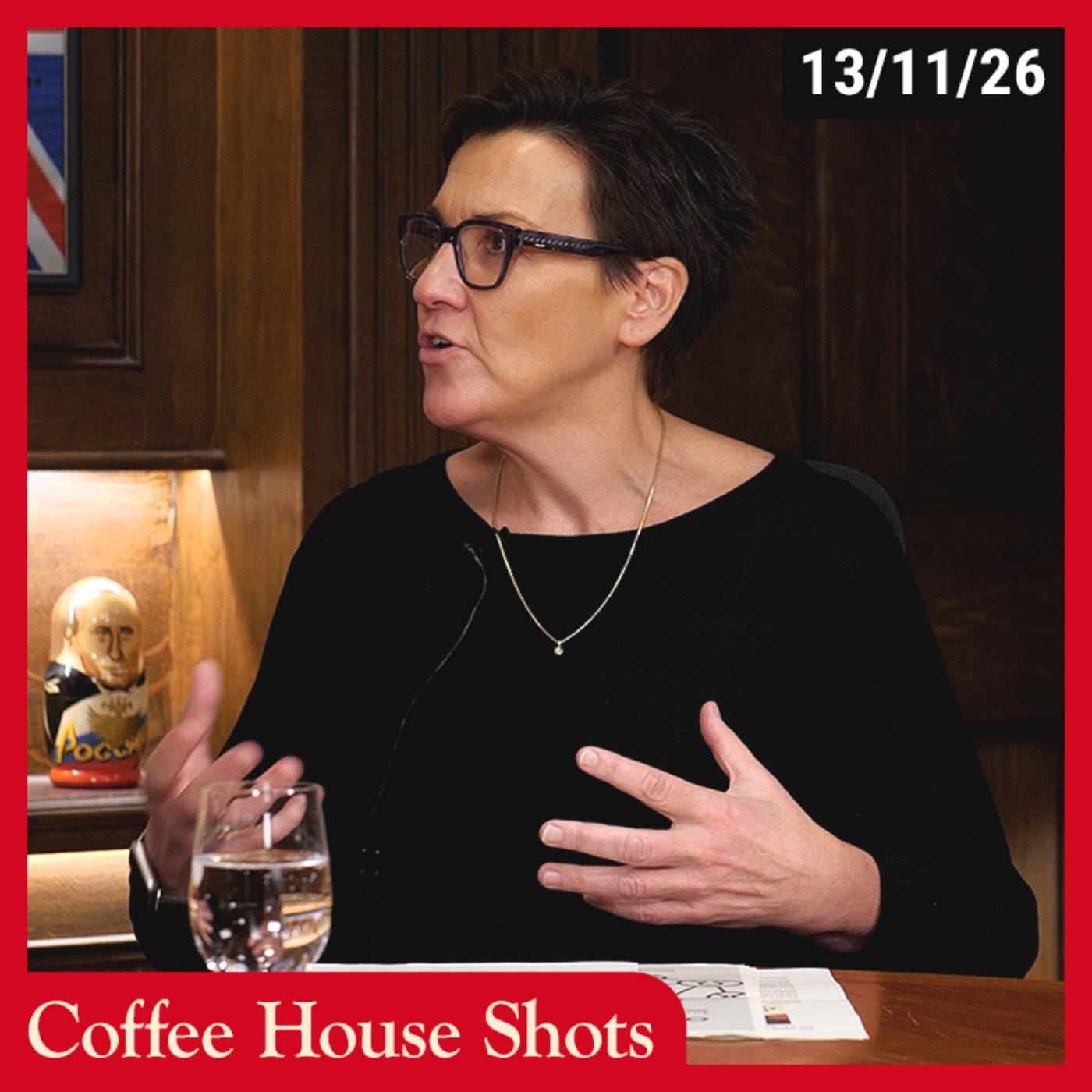
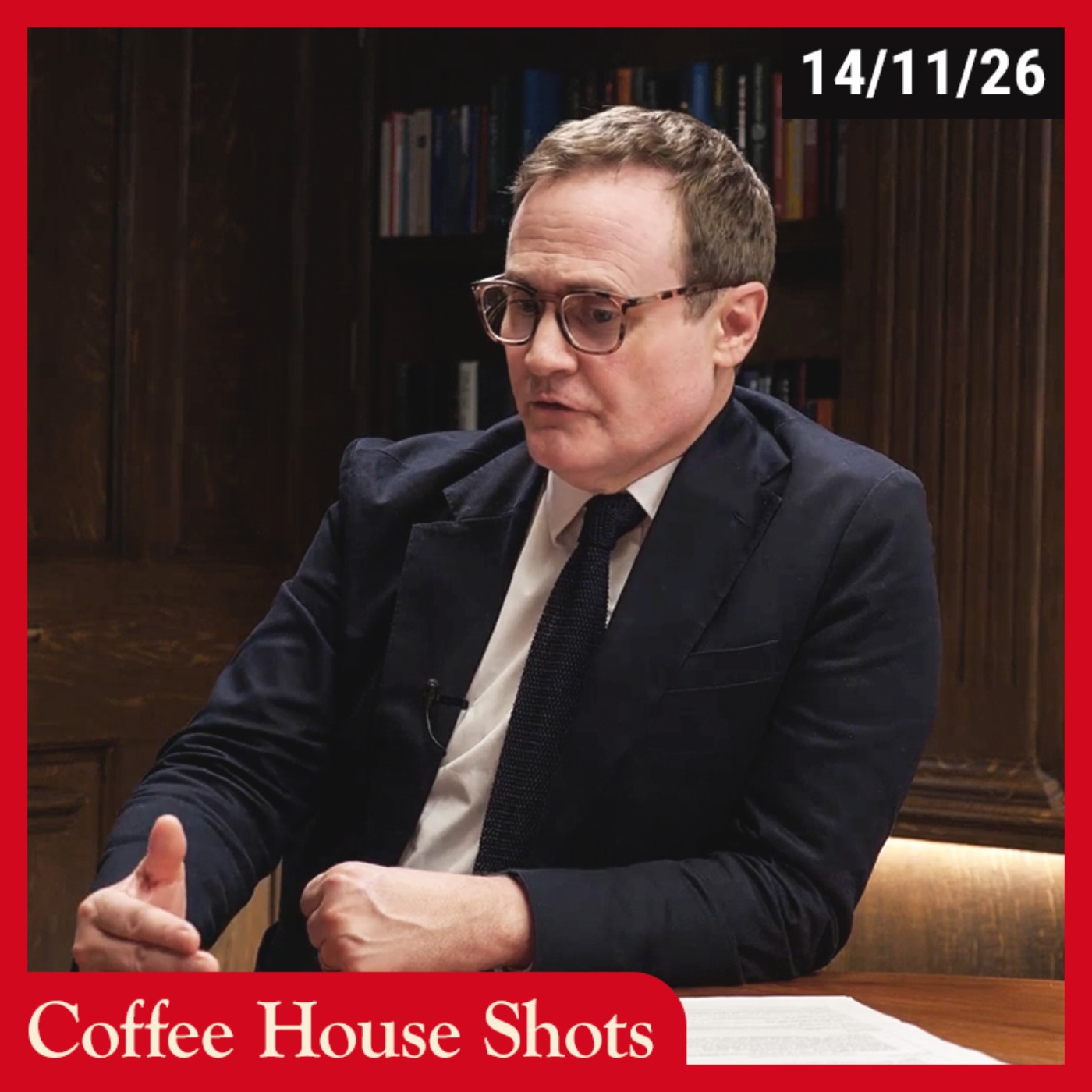
Chris Curtis MP (Labour MP for Milton Keynes North; involved in Labour parliamentary dynamics and leadership process). James Heal is the interviewer/journalist host.
Starmer’s departure is “sad” but MPs feel renewed hope; Nigel Farage is “being exposed” and Labour must prevent him reaching power; Burnham’s outreach to MPs has been broad and listened-to; MPs should be able to debate policies and sometimes vote against the whip without punishment; welfare bill and welfare conversation should be handled positively.
welfare rebellion mentioned; SEND reform cited as a successful collaborative policy; Wembley referenced for email timing; driverless cars briefing and producer capture concern; Mrs Thatcher engagement example.
Written by AI. May contain mistakes.
Discussion on the current emotions and energy among Labour MPs following the opening of nominations for the next leader.
“and even those of us, myself included, who called for him to go by the end, are incredibly thankful and always will be for the party and to get us into government.”
An analysis of Andy Burnham's potential leadership style and his approach to engaging with Labour MPs.
“And I think it is leading to us feeling like maybe we can be the overgovernment now that we always wanted to be.”
Chris Curtis discusses the effectiveness of Burnham's proposal for a more collaborative Whip's Office and its implications for party culture.
“I do wonder that he's going to potentially be too captive to producer interests rather than consumers.”
Addressing the potential challenges and strategies for Labour, including the dynamics between the Conservatives and reform politics.
“the email in full yet I was at Wembley seeing My Chemical Romance when the email came in late last night.”
Discussion on the importance of the Chancellor position and Chris Curtis's thoughts on potential cabinet appointments under Burnham's leadership.
“is I'd have sat here for the last 12 months and said, oh, most certainly we are going to be facing reform at the next general election.”
Chris Curtis reflects on Andy Burnham's media strategy and the importance of respectful dialogue within the party.
“Even if Burnham is saying, I am ultimately the chancellor and as prime minister, I will have a tighter grip on the treasury than perhaps Starmer did.”
Explore the leadership qualities of Manchester's officials and their impact.
“Well Andy if you're listening I think after that Chris Curtis definitely deserves a job in the next government.”

Get the gist, explore an idea or ask about something said.
 Claude
On Coffee House Shots, what are the key points of this episode?
Searching your listeningAutomatic transcript. May contain errors.
0:04Chris Curtis MP: Hello and welcome to Coffeehouse Shots. Today I'm delighted to be joined by James Heal and the Labour MP for Milton Keynes North, Chris Curtis. Today nominations for the next Labour leader opened. Obviously we're only expecting one name on the ballot but even with that in mind, Chris, what is the mood like today among Labour MPs? Is there a feeling of sort of revival? Is there a new wave of energy behind you all? Or what are the vibes? I mean, it just obviously in situations like this, mixed emotions, not necessarily between people, but I think each individual MP has mixed emotions. It is sad to see Keir Starmer go, and even those of us, myself included, who called for him to go by the end, are incredibly thankful and always will be for the party and to get us into government.
0:56But given where we've ended up, I certainly think we are starting to allow ourselves to feel a bit of hope and optimism about the future. I think a lot of the things Andy's saying about the direction he wants to take the party in the country in are really positive and optimistic. I think the country needs a bit of that at the moment after depressing decades that we have had. And at the same time, politically, look, finally, Nigel Farage is being exposed for what he is. I mean, many of us have spent the last two years, and part of the reason we challenged Keir Starmer was real fear, naturally, as you'd expect among Labour MPs, about the idea of Nigel Frye ending up in Downing Street and all the chaos that we believe he would do to the country as a consequence.
1:37So seeing him finally being exposed to what we always believed him to be, to the point where he ended up calling that by that action from a point of weakness, I think is telling. And I think it is leading to us feeling like maybe we can be the overgovernment now that we always wanted to be.
1:51Chris Curtis MP: James are you feeling a sort of renewed sense of hope among your Labour contacts? Yeah I think certainly I think that there is that sense that after this sort of sixth month malaise this sense of Keir Starmer said he was going to dig in all the problems continuing to bedevil him the constant question I've been a man's the lowest chance I think perhaps with someone outside Westminster coming in of the slate being wiped clean and I do think Andy Burnham I mean my criticism of course is that there's been insufficient in the way engagement beforehand of course you know the mandy rice davis question yeah of course he said that you know because of course i'm going to say that as a journalist but he's played it pretty well and this letter that he's put out to labour mps talking about how he wants to change the culture in the parliament shino party has gone down pretty well i think he's talking in that about the whip's office uh going to be much more of a forum for kind of collaboration with the plp that's obviously clearly going to win the votes of the plp and also trying to talk about the kind of style and nature of the government he wants regular engagement with things like the women's plp the black plp the different caucuses within that that said i think there are some interesting questions about andy benham what he's going to be like as prime minister at one point is about he talks about ministers having a deep interest in those subjects now of course you love the sort of romance of that and you hope that ministers are across the detail that said i just do wonder whether having a few signs maybe from the fact that andy benham doesn't like to be unpopular the briefing in the ft about what he'd be on driverless cars being very sort of reactionary against that.
3:14I do wonder that he's going to potentially be too captive to producer interests rather than consumers. And what does that mean when he gets concentrated lobbying on an issue which stops him from maybe pushing forward on things like housing, etc. I know that means a lot to Chris. Overall, it's kind of what you want. He's talking about in the voting lobbies, he'll be there every night with Labour MPs discussing through issues. I think that's something that worked well for people like people. He'd hate this, but Mrs Thatcher was famously someone who was going through the 1980s and could have engagement.
3:41and there's that sense of the general being among the troops. So overall, he's at this stage, I think, clearly going to emerge uncontested. Even the military strongman Al Qans and his famous neck on this podcast have not decided to throw themselves in. So he's where he wants to be a week or so before he prepares to take him off as number 10.
3:57Chris Curtis MP: Chris, you were one of the recipients of this really interesting email which basically explained how Burnham wants it to all be kumbaya and happy families and the head of ensuring such happy families will be the Whip's Office. In terms of your experience dealing with the Labour Whip's, how realistic is this and is it a good move from Burnham? And also, can you talk us through how this idea will work when it comes to really crucial crunch legislation where a Prime Minister would want to show the country that the whole party backs him on the big ideas, but Burnham's effectively said in this email if you disagree with me that's fine you can effectively vote against government legislation and you won't be punished for it this is how I'm separating myself from Keir Sarma is that sustainable in the long term and what are your thoughts on this email so well I should start by saying admitting is probably the correct word that I have not read the email in full yet I was at Wembley seeing My Chemical Romance when the email came in late last night.
5:06So I will go through and read it in full before I go and nominate in a couple of hours time, just to make sure that there's nothing in there that is really going to upset me. I think that's unlikely. What do I think? That's a very good question. Look, it has always been the case now and throughout most of our parliamentary democracy, unless you want to correct me, James, that MPs can and will vote against the whip from time to time. And that's happened under this government, you know, as much as any other, as we saw with the welfare rebellion last year. So I don't think, Andy, you know, that is a thing that does happen.
5:40I think a political operation that is positive and confident in itself and confident in the argument that it is making should not fear a conversation about the policies that it's been putting forward. Often that sort of discipline and fear that comes from a place of weakness not from a place of strength so what i think andy is proposing is a strong political operation yes one that is pushing through a bold and radical agenda and we've heard much of that um on things like uh devolution on things like housing as james just alluded to um following on from his record in manchester the yes is also going to have to grapple with really difficult challenges the question about the rising welfare bill is not going to go away and i think many of us in the local party from all wings know that that's an issue that we're going to have to grapple with.
6:27But welfare is probably a perfect example because if we had actually had that conversation across the party in a positive way, brought everybody in from the start, like we have on some other challenges that we face, such as reform to the special educational needs system in schools, you end up with a more positive outcome. You end up with better policy, like we did with SEND. You end up with one that better addresses the problems. And you end up with a political project that brings people along with you as you do it. So that approach to politics usually leads to better outcomes and ones where you can get through more difficult, where you can address difficult challenges a lot better.
6:59It sounds great. But of course, you've also got 403 colleagues all with different views. And how actually can you agree to all of them or bind one piece of legislation? I mean, you two both work for a former chief whip. Now, I don't know what it's like working in this office. But I would imagine that Michael probably uses positivity and optimism and conversations with you in order to get things done rather than running this office like through discipline and fear and I think that is often the best approach and certainly one that is a more healthy political project that gets more things done. We'll see I mean I think it comes from the chips down the other thing in this email he talks about I want to change the culture in Westminster he's saying I want to be more collaborative rather than partisan they all say that to an extent and of course when the chips are down who can resist having a go at the party opposite for the 14 years or having a go at reform about different policies.
7:49So I wait to see what that's going to be like. I suppose the question for me, Chris, is, you know, Andy Burnham has two enemies in some ways. He has the Conservatives and reform. Which should he kind of target as his main focus? That's an interesting question. But the thing is, I suppose, part of the challenge is I'd have sat here for the last 12 months and said, oh, most certainly we are going to be facing reform at the next general election. That probably is less of a certainty than it was a few months ago but certainly reform is is and always will be the biggest enemy they have a very um right-wing politics that would be a big threat to the country and i think first and foremost we have a duty as a labor party to ensure that nigel farage and his colleagues never end up anywhere near power and there's many things politically we need to do to achieve that but probably the biggest one is delivering sat on this podcast and made this argument many times before it doesn't actually matter who our political opponent is or what kind of politics they're putting forward if you look cross-country across our history governments that put more money into people's pockets almost always get re-elected and governments that struggle to put enough money in people's pockets don't usually get re-elected that is why growth living standards um what we can do to get the country building and growing again is and always will be the biggest challenge facing this country regardless of who's leading in the opinion polls against us can i ask the question because of course it was 100 years ago when we saw the last time the two-part challenge came under a successful threat when basically Stanley Baldwin and Rosie McDonald carved up the country between them at the expense of the Liberals.
9:12And I think Burnham can, Andy can choose if he wishes to, to maybe, you know, if he wants to kill the Conservatives, he could go for an earlier election. If he wants to kind of kill reform, it would probably make sense to do some difficult tactical decisions. I mean, my view is we've got too much to be getting on with to do an early general election. This country has had many general elections in recent years and lots of change. And often, And, you know, and I say this as somebody that supported the latest change, that change does somewhat stand in the way of delivery. The country wants, we want to get on with addressing those very big challenges that we face, the geopolitical ones, the economic ones.
9:46How can we get enough homes built to address the housing crisis? So I would like us just to spend a bit of time before we start talking about the next general election to think about what we can do to address those problems. So I was wondering, Andy's been quite good at parliamentary engagement. people like Louise Haig been calling people in you know and people have been allowed to come in and sort of talk about their various holly horses and I know you've got one or two but I just wanted to kind of what is your engagement been like with them oh I I think all of us have been really pleasantly I don't want to sort of go into too many details about the conversations that are happening behind the scenes as I'd expect you you you you would expect me to say but I think all of us have been pleasantly surprised by the extent to which Andy and the people around him have reached out have listened when you say all of us you mean the different factions of course it doesn't matter the way you sit on the Labour Party or what your ideology is.
10:30They have treated you. They have approached us and spoken to us. It doesn't matter if they thought you were going to vote for him or they thought they were trying to convince you to support Andy today. There was that real outreach that we got and a willingness to listen to Labour MPs about their hopes and dreams and concerns. And I think that's a really positive thing and hopefully will make for a better leadership and a more united party.
10:50Chris Curtis MP: Chris, Andy Burnham has managed so far to avoid a lot of media scrutiny. So we're very grateful that you've taken a different approach and come on the podcast today. I think one of the reasons that he has been keeping away from journalists is because of the pesky questions around his cabinet. But we can't avoid it because whoever comes in as chancellor will be, you know, playing a huge role in deciding the direction of the country. Even if Burnham is saying, I am ultimately the chancellor and as prime minister, I will have a tighter grip on the treasury than perhaps Starmer did. do you have a dream cabinet lineup that reflects burnham's pledge to have a broad church top team who would you like to see in the big jobs we've all got a dream cabinet lineup in our heads i am not going to say it in your mouth i am not going to tell you what it is because in uh two weeks time when we get the new cabinet i'm going to tell you that that is exactly the dream cabinet that i had in my mind and i'm thankful that andy made all of the the correct decisions but no i I mean, it's difficult.
11:55I think there's a few things that are really important. Obviously, that pick for Chancellor is incredibly important. It has to be somebody that is willing to support Andy's vision and ambition for the country. We've had too many challenges in the past where number 10 and number 11 have been at loggerheads, and that causes problems. This country is best when they're in agreement and pushing in a very similar direction. And I hope and will continue to push that for whoever is in number 11, as similar for whoever is number 10, they do realise the importance of putting economic growth, even when it comes against trade-offs, first and foremost, and pushing forward on what we can do to get the British economy growing again.
12:31I know that you're far too modest to say, but you have been in contention potentially for a job. I just wonder what you've made of all the jockeying from some of your colleagues. Has it been quite amusing to watch? I mean, it is what it is, isn't it? I mean, people put themselves forward for positions and make arguments, and Andy will ultimately be sitting down in the room with others and coming to the conclusion on what is best, thinking about the interests of the Labour Party and how we all unite behind it. I think the most important thing as we go through this process, and I will always be jockeying, is that there is just a level of respectfulness that happens among colleagues as we go through it.
13:04I think broadly there has been. Part of the reason there is so much commentary, if I may say, among who the cabinet may be is not just because Andy did one press conference, in fairness, where he didn't take questions from... one speech ray didn't take questions from journalists that's not that's not really i think why there's lots of these conversations the reason these conversations are sort of happening so in the way that they are is because none of us really have any idea i think the reason for that is because andy has built a political operation about around him that is quite tight knit and is genuinely able to have these conversations in private and not through the medium of leaks and often quite nasty and aggressive quotes to the press which some of the things that we've seen in the past that is a real positive thing and again is making many of us a bit more positive and optimistic that we can we can have quite a healthy political operation that comes out the back of this i mean there's one way to look at it the other way of course that he doesn't know his own mind and that he actually hasn't got a sense of who's cabinet is going to be but i'm sure he's still making up his decisions on on some of those positions but and he definitely has his own mind you have to have your own mind if you're going to run a city as large and complex as Manchester and deliver such positive outcomes as he has done in recent years.
14:16Well Andy if you're listening I think after that Chris Curtis definitely deserves a job in the next government.
14:21Chris Curtis MP: Well on that heartwarming note friend of the press Chris Curtis and James thank you for joining and thank you for listening to Coffeehouse Shots.
Nominations openned today for the next Labour leader and – spoiler alert – it looks as though Andy Burnham might clinch it. We strongly suspect he will be the only person to put his name forward, after Al Carns pulled out and rowed in behind the MP for Makerfield.
In the background, Burnham’s preparations for government are continuing, including a surprise intervention on foreign affairs and an email to the PLP setting out how he hopes to restore hope and a sense of togetherness to the Labour party. One key part of that plan is to soften the whips’ office into something resembling an HR department, under which MPs would be free to vote against the government if they wished. That will please a lot of MPs – but is it sustainable?
Noa Hoffman speaks to James Heale and Chris Curtis MP.
Produced by Oscar Edmondson.
Become a Spectator subscriber today to access this podcast without adverts. Go to spectator.co.uk/adfree to find out more.
For more Spectator podcasts, go to spectator.co.uk/podcasts.
Contact us: [email protected]
Hosted on Acast. See acast.com/privacy for more information.