
In short
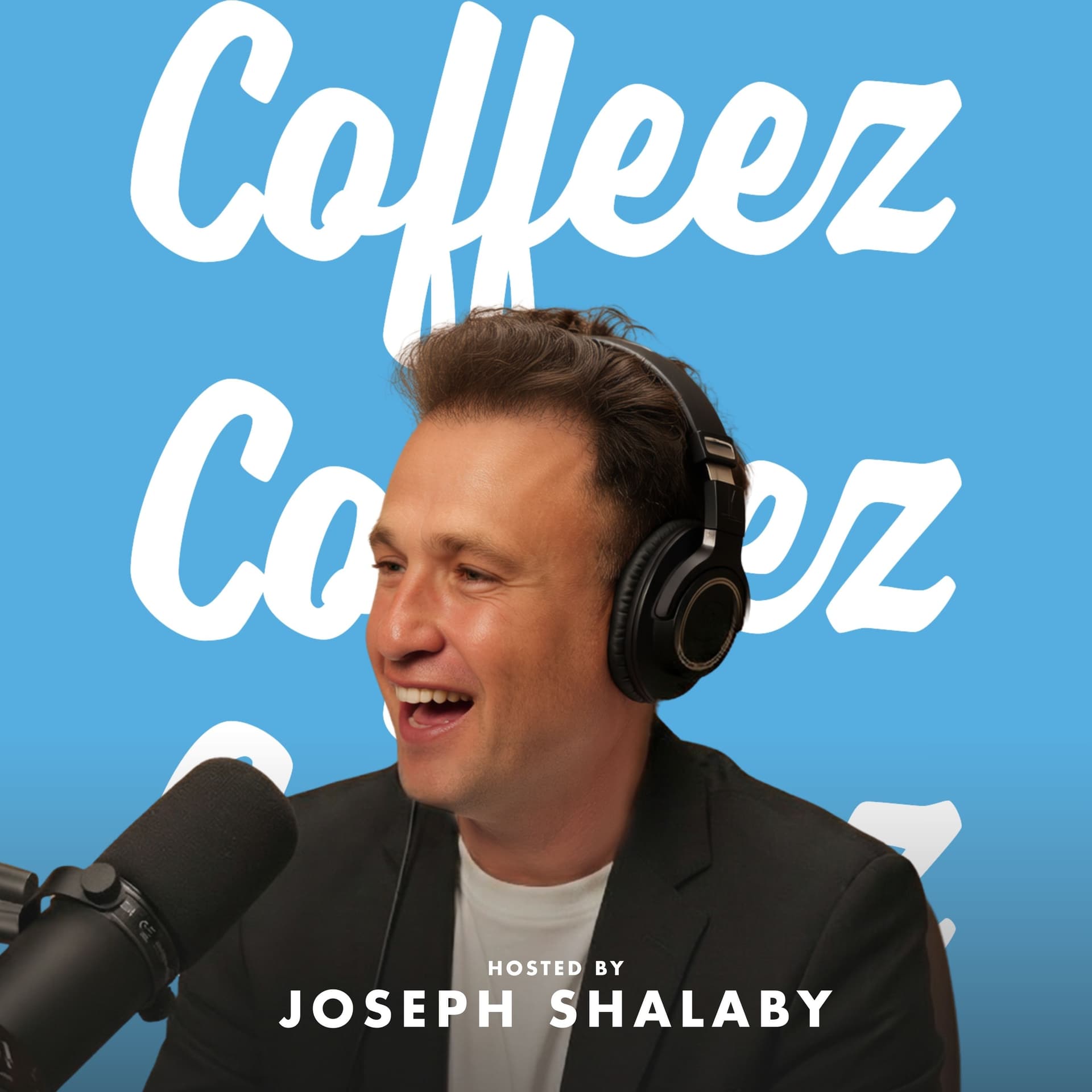
Coffeez for Closers - Episode Summary
Episode Title
Turning Stars into Empires ft. David Weintraub
Podcast Description In this episode of Coffeez for Closers, Joseph Shalaby engages with David Weintraub, a prominent talent manager and reality TV pioneer, who is now the executive producer of the Lionsgate film *Freaky Tales*. The episode covers a wide range of topics, including effective leadership, the entertainment industry, and the importance of teamwork and good business practices.
---
Key Themes and Discussions
David Weintraub's Background
- Early Career: David began as a teenage agent, representing big names in music and reality TV.
- Current Role: He is now the CEO of DWE Talent and is involved in producing major films, including *Freaky Tales* featuring Pedro Pascal and Tom Hanks.
The Making of *Freaky Tales*
- Concept Development: The film's idea stemmed from a pitch about Oakland in the 1980s, leveraging the cultural significance of Too Short.
- Production Timeline: The process from pitch to release took about four years, with significant work in pre-production, filming, and post-production.
- Cultural Relevance: David discusses how the film's themes, especially pertaining to crime and celebrity culture, remain relevant today.
Challenges in Film Production
- Market Saturation: David emphasizes the difficulty of standing out in a crowded marketplace.
- Marketing Importance: He points out that effective marketing is crucial for any project’s success, regardless of its quality.
The Role of Influencers
- Influencer Culture: The rise of social media influencers has changed the landscape of entertainment and brand marketing.
- Content Creation: David notes that influencers often come from reality TV backgrounds, now operating as their own content creators.
Lessons on Success in Hollywood
- Work Ethic and Gratitude: Successful individuals combine talent with a strong work ethic and a grateful attitude.
- Building Relationships: David stresses the importance of maintaining good relationships and fair business practices.
The Hollywood Handbook
- Course Overview: David introduces the Hollywood Handbook, a digital course designed to help aspiring talent navigate the entertainment industry.
- Practical Advice: The course includes actionable tips on branding, marketing, and establishing a personal brand.
---
Key Takeaways
- Success is Multifaceted: The journey from an idea to a successful film involves extensive collaboration, creative packaging, and often a bit of luck.
- Networking is Crucial: Building and maintaining relationships is vital to thriving in the entertainment industry.
- Cultural Relevance Matters: Content must resonate with current societal issues to remain relevant over time.
- Embrace Change: The rise of digital platforms and influencers presents new opportunities for creative talent.
---
Personal Insights from David Weintraub
- Fatherhood: David shares his experiences as a single father and discusses his efforts to instill hard work and creativity in his daughter.
- Career Aspirations: His goals include expanding into more film projects while ensuring he remains a present and supportive father.
Final Thoughts David concludes by reflecting on the importance of living a good life and leaving a positive legacy for his family.
---
Conclusion This episode of *Coffeez for Closers* provides a rich exploration of the entertainment industry through the lens of David Weintraub's experiences, emphasizing the blend of creativity, strategic marketing, and the importance of strong relationships in achieving success.
Written by AI. May contain mistakes. Listen to the episode to check what was said.
Transcript
Automatic transcript. May contain errors.0:00He started as a teenage agent, repped some of the biggest names in music and reality TV. And now he's producing blockbuster films with A-listers like Pedro Pascal and Too Short. If you're trying to make it an entertainment, pay attention. David Weintraub is the CEO of DWE Talent, the guy behind the scenes of reality shows, viral influencers, brand empires, and now one of the wildest, most relevant movies to come out of Sundance this year. From managing legends like Too Short to launching the Hollywood Handbook, David's not just producing content, he's building the blueprint for the next generation of creators.
0:37Today on Coffees, we talk about the real game behind Hollywood, the future of content, building something that lasts, and why your moment means nothing if you don't have the right team. Welcome to Coffees. So let's talk about the moment before we get into questions, because you've got the movie just as released. So I'm making reality shows, and now I'm making a huge movie. It's kind of like two polar opposite worlds. I was lucky enough to represent my client and my dear friend Todd Shaw, Too Short, for the last 17 years, and some amazing filmmakers and writers. Ryan Fleck and Anna Bowden called us, and they had an idea to do a story about Oakland in the 1980s.
1:22And Too Short such a prevalent artist of that time period and his imagery and his sound and his music and his voice was going to be an initial part in developing this project that they were writing. And when I got the call from them, I was like, these are major, major, major A-list Hollywood guys. They did a movie called Captain Marvel, which was at one time the highest grossing Marvel movie of all time. And they also won a lot of, you know, big festival films with movies like half Nelson with Ryan Gosling. Um, so they, they know how to do both two scales. Great art house, cool indies. And they also know how to do big scale, big budget movies.
2:00So when the call came in, even before, uh, even before I even called too short, when I heard the pitch, I'm like, we're in no matter what, whether, whether short was going to be in it or not, I'm like, we're in, but short loved the idea, loved the pitch. It was like a cheers to Oakland. and we signed on. They wrote the script. They went out and wound up getting the financing. It got financed for a big, I would say, a medium-sized budget in the film world, but enough to make a really great film. And then some incredible actors came on. Pedro Pascal came on, Jay Ellis, Angus Cloud, rest in peace.
2:36It was his last movie. Normani from Fifth Harmony. She's one of the lead singers with Camilla Cabello in that band. She came on, two shorts in it. Ben Mendelsohn from every movie, huge actor. So we got a great cast together, made an incredible film, took it to Sundance, did really well at Sundance, and Lionsgate came on, did the acquisition, and then here we are a year later. So that's four years from pitch to this week when the movie came out. That's crazy. Is that typically how long a big-budget movie takes, four years? That seems like... longer some take less i would say at a minimum you're looking at a year but i don't know i mean the i the fast track of the experience i don't feel like it took too long it could i wish it had come out a little bit sooner after sundance but we had to wait for everybody's schedules to work to do the promotion and you know pedro had pedro's obviously a huge star so he's got to have the right time to promote the movie and you know release it properly so that is that moment and here we are.
3:42We're ready to go. So we just hit all the theaters on Friday and it's a wild ride, a wild, crazy ride. It's about underdogs, people that are seen as underdogs, basically taking back what's owed to them. There's some very bad people in Oakland in the corrupt cops, drug dealers, hit men, you know, and you have like a rap group and a basketball star and a, you know, they're all intertwined into this amazing story of good versus evil and it's it's not quite anything like you would expect it's it's a it's a roller coaster of a movie and by the time it's over you're like wow i can't believe it started in this one place and then turned into this one thing because it's like you know it's an action adventure comedy in a lot of ways the way you described it seems like it's more of a timeless classic theme but how if a movie takes four years and we're in this like hyper progressive society how can something be culturally culturally relevant years later well what's interesting about this movie is that the subject matter of there there's a robbery that takes place in this movie and the robbery takes place while somebody is at a it's about a basketball star and he gets robbed basically while he's playing the biggest game of his life.
5:09And that is something that's happening all the time. You see a lot of people, celebrities going and going to concerts and going to the Super Bowl and going places. And when they leave, people see that their house is empty and they get robbed. So there's like a lot of very relevant stories to what's going on in today's world that was actually in this story when that wasn't so relevant four years ago when we were talking about it. So it's kind of a bizarre thing that that that would actually become such a you know hyper news activation that people are reading about. Four years ago so you started filming what?
5:44No no we so we got the pitch came in for so so the pitch comes in script is ready then you got to go get the movie finance so that takes like about eight months that's quick though because you have major writer and directors that now are at the table with a great package of producers so people want to buy the movie. They know that these guys make great films so they're going to buy it. So that's what I'm saying. A little bit of how you package a movie is the luck. You have to have the right elements. Correct producers, correct writer and directors, and then money out there is going to see you and want to be a part of that project.
6:24So they finance the movie. So that happened in the first eight, nine months. and then pre-production, then you shoot the movie, then you got to cut the movie and get it ready, and then you got to take it to the festivals to then go get it distributed. So I don't think it was that long. I mean, four years, I feel the four years, but it's been a journey and it's been great. Luckily, like everybody loves the movie. What's the biggest worry in that duration of time? Like, is it the anxiety of a big box office rollout? Is it, you know, is the relevance, like what's the biggest fear when you launch?
7:04I think if people are not going to like it, if perhaps the studio doesn't market it correctly, if the, you know, if the budgets aren't spent properly to get the word out there about the movie. I mean, look, this is a passion project for a lot of people, the writers, directors, the producers, the stars of the movie. So people are going above and beyond at this point to really promote the movie. You know, as executive producer of it, you know, I'm out there with everything I can possibly do to get the name out there, to get the word out there, do as many interviews, as many articles as possible.
7:40Because this is a big project and I want everybody to see all the work that we put into it. And I hear this all the time from thought leaders. It's like, you're only as good as the marketing you put into your product. You could write the best book in the world. and if nobody knows about it, it's a worthless book. So when you talk about marketing, especially in this day and age, you got a guy like Pedro Pascal, millions and millions of followers, big, big influencer as well as actor. What sort of efforts do the actors themselves put in in terms of getting the branding and the video out? I think with somebody like Pedro, it's a very interesting place right now because he has so many huge movies that are coming out back to back.
8:23And he has a huge series on HBO. So it's all kind of like, where does it fit into the schedule? And how much do they believe in the final product? Pedro is an extremely busy guy with a lot on his plate being pulled in a million different directions. And he was at the premiere. He's doing the articles. He's doing the interviews. He loves this movie. And he knows that this movie is part of his brand. So he has been out there in a major way. and like there are some actors that could go and get their check do the act and maybe they're you know they're on to the next thing something could change in three years they're not going to do it but he's such a good guy and so talented and he went above and beyond for this film and he's incredible in it he's incredible in everything i mean he's one of those guys he's i don't know it's it's it's hard to describe we got to spend you know a good amount of time with him and and he's just a a really cool talented guy i mean it's crazy to see that like too short and pedro pascal are now have a movie together like that that to me like that that's that like blows my mind you know um and that's why i say i'm grateful that ryan fleck and anna boden who wrote and directed this film that they saw the value in what somebody like too short and somebody like myself because as manager and producing partner with him, they saw that we were going to bring something to the table with ideas and music and opportunity and marketing and putting him in the game in such an important movie about Oakland.
9:59And that's not something that comes across your desk all the time. So I think that for us, it's about expanding the business now into more and more films. Too Short has only really been in two movies. I'll tell you the two movies that he's been in. And they're both big, big dope movies. He was in Menace to Society. That's a classic. A classic. I mean, that's, you know, Menace to Society is a very memorable role. And if you look on the DVD of Menace to Society, he had a lot of scenes that actually didn't make the movie, where he had all this other stuff he did in it, really cool stuff. And then he was in a big theatrical documentary called American Pimp, which was all about, like, you know, it was, like, early, early in the documentary space.
10:43of big theatrical movie documentaries. So he's in that one. So we've looked at a lot of films, but this one was the right time and the right place and the right people to go on this adventure back into the film business. That's awesome. Now, you've been around some of the greatest talents ever. Now, what are some of the things that you think really separate you know those that are super talented to and from those that don't make it in hollywood um i think that your work ethic and your ability to be grateful and recognize that you have to have the right team with you and the right spirit and treat people great if you're treat people really well and you have talent and people are interested in you, your career is going to go way farther than if you get famous overnight and you're a big star and you treat people like shit, your career could tumble very fast.
11:50So I think that there's a couple different things that you need to have in place. It's your mind, your spirit, your ability and your craft, but you also have to be grateful that you're now on the platform to be seen as a star. So make the right decisions. You know, I've seen a lot of people go high really quick and then burn out and crash. You never hear from them again. Yeah. And you, you always think of like these A-listers as like these just egocentric people. But what you're saying is contrary to that. You're saying that A-listers are really like, they're humble and grateful to be. Well, I don't know that all of them are.
12:25I'm saying that I think that that's a huge element that you need to take in a consideration in life that like you got to be grateful that you have fans and that people want to see you yes you're talented yes you're this yes you're that but you're still a regular you're a person you know and being a person you have to have the talent and the craft and then obviously if you have the right material and the right projects that's when superstardom happened um I have some clients that are very grateful and thankful for the business that we do behind the scenes because somebody does have to get the phone call.
13:06Somebody does have to make the phone call. Somebody does have to read the material. Somebody has to find the project. Somebody has to do the deal. The deal is so important. You got to do the deal so everybody gets paid and you make sure you do the deal correctly. so there's so much that goes into like it's not just hey here's the movie and it's here or here's the tv show and it's here or here's the influencer and they got the huge brand deal it's here no there's a million things that go into that and if you do those things wrong or the deals are done wrong or the wrong people you're partnered with then what are you going to do you're not going to make money the project may fail and like that's going to impact all different sides of your life So you got to be fully structured.
13:49And I mean, that's something that we kind of, that's something that we're teaching you with my digital platform class, the Hollywood Handbook. I was actually going to ask about the Hollywood Handbook right now. So it's a class. It's a course. The Hollywood Handbook is basically like a digital video book. So there's reading involved, there's watching videos, and then there's outreach that you can have with me and my team if we feel like you want to go to the next scale. Platform on school or WAP or anything? No, we just have our own self-sufficient website and everything is done there. Nice. So basically, if you want to get into reality, you want to get into influencing, you want to get into like branding your own PR and marketing that you kind of either want to create a project or turn yourself into a star.
14:38The Hollywood Handbook is sort of the really quick crash course into getting it back into the game. And this this will teach you very quickly what you need to do. All the secrets that my influencers and my reality stars, my rappers, everything that we've done for them to stay relevant or to even get in the game, this is like a play-by-play how-to guide. I love it. See, the thing about any type of play-by-play how-to guide to immense success that I've discovered, it's like people don't take action. Yeah. You could literally tell people, this is exactly how to get famous. Well, I mean, you also have to have the ability to listen.
15:16I think that if you listen to your people, listen to your peers, listen to people that know what they're doing or have already done it, follow the direction. You're not going to reinvent the wheel, especially today. You're competing with too many influencers, too many people that think they're famous, too much content, too many platforms, too many apps. Like, it's a flood. So you've got to have the talent. The one thing I will say is that, yes, you have to have the talent. I just said that. But if you have the right formula and your talent may be mediocre, you still can reach an audience differently than the past.
15:58Because people like to see sort of bizarre talent now. At one point it was like you have to sing, rap, act, dance, play a musical instrument. now it's like you know a guy who's like juggling knives and baking cookies and has some over-the-top personality in his kitchen you know wearing no shirt he could be the biggest star in the world so you have a different thing and that guy may have a big fucking business so if you're out there maybe i can represent you but but that's the dichotomy of where you are today you have you have really talented people you have mediocrely talented people and then you have talentless people and some people fail upward um i'm in the business of taking people's businesses to the next level so i will take any of those kinds of talent actually no we're in very similar businesses i just i'm in i'm in the business of creating businesses or scaling businesses you're doing the same thing yeah just in the i do it with money yeah finance and you do it with you know so we can we can we can trade off you're gonna you're gonna teach me a little bit about what you're doing and I'm going to, I'm going to, I'll bring you into my world.
17:08But that's kind of how my life has been. Um, a lot of relationships and a lot of talent that I have. It's, you know, it's, it's, it's from meeting people that want to learn this space and I want to learn about your space. Actually, what's funny about my space specifically is that now I'm teaching the people who work for me how to brand and how to be in your space because the reality is that if they don't build a personal brand everybody in my space actually any business yeah whether it's insurance whether it's mortgage whether it's real estate if they don't build a personal brand because of chat gpt now making decisions for consumers if they don't have a brand chat gpt can't the algorithm can't decide yeah so now with everyone going to chat gpt for everything you have to build and establish a massive personal brand, or ChetGPT can't decide.
18:03Yeah, yeah, that's true. So now I'm teaching my people. That's true. What a world. Who would have thought that you would have gotten to that place where you... So my world is now your world. Yeah, yeah. And now your world now needs to be taught to my world. The Hollywood Handbook is imperative for anybody. And there's a lot of businesses now just teaching personal brand. Even myself, I'm teaching... I built a massive personal brand, the biggest in the space, in the course of like 14, 15 months, using every play possible. I have more resources than my loan officers, and I'm always working on that, because that's what's attracting talent to our organization.
18:35I'm sort of like the guy juggling knives and dancing. Right, right. I mean, coffee's for closers. And then I'm a thought leader on top of that. There you go. Listen, I love the name of this show. Like I was telling you, I am such a huge Glenn. I mean, I'm obviously Glenn here. Is this why? Put that coffee down. That's right. You know, I live by that. Love coffee, too. I love the theme. I love the whole... How many times have you seen that movie? Just a couple times. Not as many as, you know... I know some people know every line in that movie. Yeah, Alec Baldwin in that movie. Why don't you remake that movie, man?
19:13Make it more... No, you can't remake that one. That's great. But just rename it Coffees with Meat, like mine. With a Z. Oh, my God. Sometimes I just have to go and watch that scene. just watch it and just like it gets you motivated for like for the next day it's it's just so funny and so crazy the faces that they're making when he comes in set of steak knives so what's the best piece of advice that you can give the audience from the hollywood handbook well i think the hollywood handbook you know it teaches you a lot of different things it's an entry point starter. If you ever had a dream to get into the space of influencing reality TV show, music, entertainment as a whole, or just to market yourself, this is the entry point.
20:02So what you're going to learn very quickly is tips to getting in the game. And that's the most important thing. So there's not one point. It's like 10 points of how to do it, but to do it fast. Nice. But if you were to take one point, what can someone do right now? To actually hone in on what your talent is, hone in on what you're selling to your audience, and hone in on how to get that out to the audience. That's what you're going to learn how to do. Because there's a lot of people like, oh my god, I'm a star. I'm this, I'm that. I have a great idea. I have a cool business. But how do you get people to know about it?
20:35It's marketing. You have to market it. You have to open doors. You've built a massive career, big, big brands. what do you think have been some fundamental things that you've implemented in the success of your business? Well, look, you always have to do good business. You have to have a great team and you have to have, you know, the ability to reach out to people that you trust to do your deals with. Um, I think there's a lot of people that are a lot of talk and you have to have experience in deciphering who's talk, who's bullshit, who's going to pay you, who's the right person for this project or this product or this opportunity or this PR moment and understanding that you've got to make very rash decisions because all of that can affect your career, your life, your client, your show, whatever it may be.
21:26So it's really just having that gut instinct that you have. You're only going to build that after years of dealing with people and dealing with chaos and seeing things work and seeing things fail. I mean, I've had a, you know, I, I think that on, on my production side and the non-scripted space and the reality TV space for like every 20 projects that I would sign or try to create and take to market, we would sell like four. So those are actually good numbers because you're not going to sell all 20. It's not going to happen. There's not enough networks out there that are going to be like, this one's good, this one's good, this one's good.
22:09So you have to have a good amount of projects in your arsenal so that you have, this one might be right for this place. You take that one to Bravo. This one went to VH1. This one's going to Netflix. It's organizing your content so you know what the buyers are programming to. But having enough different options of those 20 that four are going to make it. So it's a little bit of a numbers game. Yeah, I like the numbers game, but okay, so you got a 75 % failure rate, 25 % success rate. But you're talking about doing what 1 % of the world does. Yeah. This is not buying a house. This is not buying a car.
22:47It's not buying jewelry. This is taking an idea from your head or a script or a person or a star and putting them out to the world and making their dreams come true. So they have to have the talent. You have to have the relationship. You have to have the buyer. you have to have it marketed and put out. There's a lot of different things. This is not like, you know, we're not building a box out of something. So if you think about the numbers, that's actually really high. If you're, you know, let's talk about like an incredible, you know, someone who has the massive, biggest hits on the air, somebody like Mark Burnett, who created Survivor, you know, like even he has shows that don't get picked up, that they're like, okay, it's a good idea.
23:30They'll have 50 in their arsenal and maybe they'll sell 10. That's still a good ratio. They know that they, and let me take you back one step too. I've had shows that I, pilots that I've made that did not sell when I first made them and then sold five years later because there was a hole in the market and they needed something that fit that hole. And I had the product and I had the idea or I had the star and I then served it to the market and then it went. So even this great idea that may have gotten passed on originally or did not work at a certain time, that one may work. My question for you is in that 25 % have, what are some key attributes to those 25 % that always work?
24:16Like, cause at some point you'd start to realize like the common denominator. Information and trends. You have to follow what's hot, what's on the air, where is that going, do you have the right people that fit that bill, do you have the right talent that can be in that project, and do you have the ability to create it in a way that the buyer and the distributors are going to want to see it and then push it out to the masses. So we have to decipher who is talented, what does that project look like, who is the correct buyer and are they programming into that kind of content and then get it sold and then hopefully it's going to come out.
24:56So it's a lot of variables. You know, we're in a little bit of an if-come business. You know, if you believe in it enough, it's going to come and the business is going to happen. It's different than selling a product. So that's why my company, DWE Talent, we do stay diversified. We have management, which is the representation of people. We have production and creation, which is coming up with ideas and selling it to market. We have branding, which is taking people and like creating products and marketing them. And then we have PR, which is getting visibility for people. So those four branches of my company keep us diversified.
25:35So one day I'm working on marketing, one day I'm working on production, one day I'm working on a tour. Like it's a lot of different hands that you have to keep your relationships in. But I've been doing this since I'm 15. So I've kind of seen a lot. I've seen the corporate side. I've seen the independent side. I've seen the studio side. I've seen the influencer side. I've seen the reality side, the rap side, the rock side. So eventually you're going to have a lot of different relationships. So when the call comes in, they're like, hey, we got this. What do we do? you need to know who to make that call to and hopefully you're going to get the deal and get the money those relationships are priceless and you've built them in every variable they're your entire life and that's why I said you've got to be grateful and you've got to do good business and you've got to be a repeat person you've got to be somebody that does good business with good people so that you continue to help people and you continue to make fair opportunities happen.
26:36You know, there's a lot of terrible people that you're going to deal with. A lot of people are going to maybe steal your ideas or do a bad deal or try to own your IP. You got to be smart. And like, that's only going to come in time. You said a word here that I really want to hit on, which is fair. A lot of people think that nepotism is the reason for people's success in Hollywood. What's your opinion on that? Well, that's a really interesting question. This might be the best question that you ask. So in the non-scripted space, I was the guy that took all the sons and daughters of everybody that was like, became the first reality stars per se.
27:13And that is a prevalent business because the nepotism wasn't really there. A lot of the people that had really famous parents or really successful parents, the kids had to fight to get out of the shadows of their parents, because they were so big in their scale that how are they going to compete? How are they going to top their dad's work or their mom's work? Tom Hanks could beat Tom Hanks. It's impossible. And I know Chet. He's a great guy, and he's created his own lane. He's not trying to beat his dad. He's not trying to be bigger than his dad. He's trying to be his own celebrity, his own talent, his own thing, and he's doing a really good job at it, too.
28:02Yeah, yeah, he's the big buff guy with the tattoos. Yeah, he's doing a really good job at it. You know Tom Hanks is in my movie. He's in Freaky Tales. Tom Hanks is in Freaky Tales? You also have him in... Why isn't he on the front? You know, it's Pedro's movie. Yeah, Tom Hanks is in... Tom Hanks is from Oakland. And so he has, like, he's got a couple big scenes in the movie. Wow. Yeah. You got some big names. But it's funny that you say that because you're not trying to top everybody. A lot of nepotism is trying to get your own identity so that you're not always associated with your parents and what they may have done.
28:46And that was what a lot of subject matter of my TV shows are about. My first TV show, Sons of Hollywood, which I produced, created, and starred in with my two best friends, Randy Spelling, Aaron Spelling's son and Sean Stewart, Rod Stewart's son. That was really what the show was about. It was about, you know, the three of us coming out of, like, into the business and trying to make it and what it was like to have the shadows of these huge figures. But your parents aren't Aaron Spelling. They're not. I come from a family, but I created the show. And those were my two best friends. And that was the reality of our lives.
29:24You had a kid who wanted to be an actor, a kid who wanted to be a singer. and a guy who was a young agent. And I had the opportunity, and I knew how to sell the show and create the show, and I brought my friends along for the ride. That's awesome. I mean, that is a rad idea for another remake of that show. Sons of Hollywood was on in... I created that show in 2006. It came out in 2007. We did 20 episodes for A &E. and ultimately the show didn't go past the 20 episodes, but it was a big show. I mean, it was everywhere. It changed my life because it got me out of being an agent and really made me a creative guy.
30:06And then the following year, we helped develop Celebrity Rehab with Dr. Drew and then that was our first number one hit. Amazing. Now, I have a major question that I think a lot of people want to know. With the rise of influencers, Now you're seeing Mr. Beast is much more famous than Tom Cruise or Brad Pitt. Now influencers have now taken over what we call modern-day content. So given the rise of influencers, given the rise of AI and the things that I kind of mentioned earlier with like ChatGPT making decisions for brands, what do you think the future is of content creation? Well, it's evolving.
Read the full transcript
30:42I mean, influencers and brand deals and creating content that is pushed out into your home movie studio that's in the palm of your hands, everybody is here. They're looking, they're buying, they're purchasing, they're getting their content here. It's not going to change. It's not going to be all of a sudden, okay, now we're watching it in our glasses. It's going to be that this is the medium. and how do you make sure that that medium is getting you what you want for entertainment, getting it what you want for your news, and actually pushing you to get information and products and purchasing. So the influencers really became, I think the influencer business sparked from people aspiring to be reality stars and then realizing that they had their phone, which was a full television production studio.
31:33studio and getting good at that and getting good at YouTube and Instagram and TikTok and all these places created stars, created brands. And then ultimately it pushed linear television off to the side where everybody wants to be seen right here. So it's not going to change. I think that we're in sort of that tenure right now where this is the medium and it's only going to expand and people that are smart enough to exploit that and understand how to create businesses in those spaces, they're going to win. Yeah. I mean, but that's, so that poises, does that poise more opportunity for your business?
32:08More, more. So bring the talent, DWE talent. I want to sign influencers, rappers, rock stars, reality stars, you know, celebrity chefs, celebrity hosts, whatever you think your talent is, come to us and maybe we can create that vehicle, create that platform, create that moment. You know, there's a lot of people that create businesses off of a PR moment. Somebody could get famous for the wrong reasons and create a business. I'm going to give you a very, you know, poor example here. You could take this girl, Hayley Welch, Haktua, the girl, okay? Now, I don't think she had the best representation on some decisions that she made with doing this crypto coin and stuff that like really backfired on her.
32:56But you take somebody who had a viral video, okay? The video goes viral. It becomes a trend. It's everywhere. Everyone's talking about it. And then to go and get the brand deals and go and get the TV show opportunity, go and get the podcast, go get those. You had a moment, you had one moment, one moment of 26 seconds of your life changed everything about you. You have to have the correct fucking team of people so that you don't do a bad crypto coin and fuck your whole career off at that moment. You're cool. Are you talented? Are you interesting? I don't know. You're all right. But like, can you make money off of that?
33:31Can you create a business? Will opportunity come? Yeah, but you need to do it correctly. I don't think she did it correctly. And that's why she came and went so quickly. Because when everybody started calling me about this girl and like, oh, we should make a show with her and do a documentary or do this, podcast, this and that. If you fuck it up in the beginning, you're toast. You get one shot. A good example of doing that, and not to like minimize this, but Bad Baby. Bad Baby's rich as fuck, okay? Bad Baby makes millions and millions and millions of dollars. This is a girl who was a guest on the Dr.
34:09Phil show. A guest on the Dr. Phil show became a multimillionaire, household name, brand, influencer, media mover from having a reaction from doing one interview. So a moment can happen in your life where you need to actually figure out how to create businesses, exploit, and I don't mean exploit in a bad way, I mean exploit like gain visibility and market it so that you can create those opportunities. Selling t-shirts, selling hats, opening a restaurant, whatever it might be, that can happen from a viral moment. And we can go back, the Hollywood handbook, We're going to teach you how to do that.
34:50That's how you learn. I want to pivot a little as we close this show, and this is how I like to close all the shows. Three last questions. One, you got a daughter, eight years old. Now, you clearly are a super hard worker. Been that way since you were a kid. Your daughter is growing up in this life of abundance. How are you instilling the same level of grit that you have, that you've been blessed with in your child? well so I'm a single dad and um I have a beautiful daughter Stevie Rose she's eight years old and um I'm teaching her to learn and absorb information read books do sports do music do acting she's really into beauty like like at eight years old like she wants to be a beauty influencer I'm teaching her at this time that she has to work hard for everything and I mean listen I've spoiled her a little bit but like you know I'm a daddy's girl you know I love her so what are you gonna do you know I like a lot of things that I wanted as a child that I didn't have that I'm now blessed to have you know I wanted her to see them and enjoy them so you know Stevie Stevie's everything like the business is what is all all this stuff that you're gonna do but at the end of the day number one priority in my life is being a dad i got really into sports cards with my son yeah um because you could do that when you're got a young son and i started a whatnot business for him cool you know slinging uh graded cards on whatnot that's cool so just like i'm always trying to come up with ways and i always ask this question yeah i'm opening a business for my daughter right now i'm opening she wants to do clothing so we're we're in the midst of developing our clothing line right now.
36:39It's called steviesroses.com. We already have the website. We're building it right now. We're going to be doing some drops the next couple months. Kids clothing, special releases, some skin care. Yeah, so steviesroses.com. Coming soon. I love getting these kids thinking about that stuff. It's important because we have the opportunity to bless them that way. It's not going to come easy. Things are just getting so much more expensive. They have to be like... When I was young, the road to success was being a doctor or an engineer. The lawyer wasn't even on. Now the road to success is like, you need to own the medical facility after your doctor.
37:18But information is more readily available. And if you can get to the information and you can get to how to simplify it, you can do it differently. And obviously, it takes money to make money. So if you can invest or you have the ability to get people to invest for you, there are smarter ways to, you know, work smarter, not harder. Now, a couple last questions. It's a three-pronged question. What's a personal goal you have for yourself, a goal that you have for DWE talent, and a goal that you have for you? So for myself, you know, right now the goal is really to create more big-budget movies, You know, and on the on the DWE talent side, we really want to go after Freaky Tales, go into more of the movie space.
38:10And, you know, we've kind of mastered the art of the non scripted television space, reality shows, documentaries. And we'll continue to do that. But now I really want to make more movies. I got the bug for me as a personal goal. You know, I just want to be the best dad I can be and be a loving, present father and and and just go on on this adventure in life and raising this, It's, you know, child. It is probably the most wonderful thing I've ever done. Yeah, I mean, you know, for my family, just to really, just to... At a certain point, we also don't want to work as hard, so we want to get to a place where we can maybe relax a little bit more.
38:48You know, right now we're being pulled in a lot of direction, a lot of, like, touring and moving and staying busy, which is good. You don't ever want to not be in that space, but it would be nice to take a minute and just, you know... Do you have to travel a lot? Yeah, a little bit. Depends on what we're doing. But yeah, we have a big touring element with our business. We're like flying or touring here in L.A.? No, touring around the country. So you have to leave Stevie sometimes. Yeah, that's hard. I hate flying. If I'm not taking the kids, it better be a really good reason. Yeah, well luckily we're going to do a deal, to do a show, to do whatever.
39:23That's the business. because my travel is mostly for our concert business. Now, last question. Yeah. When you're in front of the pearly gates, what do you think God's going to tell you? I hope he said I lived a good, fruitful life and was a good person. And I know in my heart that I've done what has been asked of me, and I just want to make my mom and dad, who both passed away, God rest them. You know, I want them to know they raised a good boy who is a good father. That's all we can ask. God bless you. God bless your family. I hope you get all your goals. Thank you. And I hope your movie just dominates the box office.
40:01I'm going to go watch this this weekend. I hope everybody else watches it. God bless you, man. David Weintraub, superstar, founder, CEO, DWE talent, new movies out. Make sure you watch it. We'll see you guys soon. Thank you.
40:23Thank you.
From the publisher
In this episode of Coffeez for Closers, we sit down with David Weintraub—talent manager, reality TV pioneer, and now executive producer of the Lionsgate film Freaky Tales starring Pedro Pascal, Too Short, and Tom Hanks.
From repping hip-hop legends like Too Short to launching hit shows like Sons of Hollywood and Celebrity Rehab, David’s spent decades behind the curtain turning bold ideas into pop culture moments. Now, with his company DWE Talent, he's scaling even further—managing artists, producing shows, landing brand deals, and launching Hollywood’s next wave of talent.
We talk about building hits in a flooded market, what it really takes to stay relevant, the influencer wave, raising a daughter in a world of overnight virality—and why good business and good people still matter more than hype.
If you’re trying to build something that lasts in today’s content-saturated world, this one’s got gems.
Presented by E Mortgage Capital
