 Ask ChatGPT


David Ellison discusses his role in Skydance’s $81B Warner Bros. Discovery acquisition (renamed Skydance), the company’s media assets, global strategy, AI ambitions, rebuilding trust in news, and U.S. film production subsidies/debt plans.
David Ellison (Skydance founder; son of Oracle cofounder Larry Ellison). Interviewer: Andrew Ross Sorkin (New York Times). No other guests named.
Ellison grew up in a movie-focused household; parents divorced when he was 3. He reconnected with his father at 13 through aviation, becoming a sponsored aerobatic pilot. He founded Skydance in 2010 with three people; USC film school.
Skydance will combine “art + technology” and use AI to speed creative iteration. News operations will remain “truth-based, fact-based, bipartisan” with editorial independence. Film rebates are economically sustainable and create jobs (not just “Tom Cruise tax breaks”). Debt is manageable via synergies and free-cash-flow targets.
True Grit (2010), Mission: Impossible (Ghost Protocol), Star Trek, World War Z, Grace and Frankie, Reacher, Jack Ryan, Pluto TV. Mentions Rush Hour 4 (in development with Brett Ratner). Cites trust-in-legacy-news polling (28% record low). Film subsidy examples: UK/Canada/Australia; Texas 31% rebate for Taylor Sheridan productions (claimed $4.70 return per $1).
Written by AI. May contain mistakes.
Introduction of David Ellison and his recent achievements in media.
“recorded on November 18th in New York City.”
David shares about his upbringing and relationship with his father.
“So please welcome David Ellison to the stage.”
David discusses his love for movies and storytelling's impact on life.
“and then actually graduated to, basically, we learned how to fly together.”
David recounts the journey and successes of Skydance Productions.
“Go back just a bit here for just one moment, because I want to understand your sister's also in the movie business.”
Discussion on David's plan to acquire Paramount and family involvement.
“What we heard was, why do you want to make a Western?”
David talks about the political aspects of his business dealings.
“What's new about this chapter is that is only part of the equation.”
David shares his perspective on voting and family political dynamics.
“And it is really about where we sit as a company.”
Learn about the importance of trust in journalism and the efforts to maintain it.
“and present both sides of the argument and fundamentally let the audience decide what is right for them.”
Explore the speaker's approach to political voting and its impact on media.
“And look, what I'll say is for me, I voted both sides of the aisle basically my entire life.”
Delve into the complexities of political relationships during corporate transactions.
“Basically, you know, and fundamentally, you get to celebrate that we have far more in common than what separates us.”
Understand the importance of federal rebates for revitalizing U.S. film production.
“I mean, one, let's start with our goal was to close the Paramount transaction, close the Warner Brothers transaction.”
Examine the economic impact of film subsidies on local job markets.
“Because I've thought about this a long time.”
Discuss the speaker's relationship with Taylor Sheridan and the future of their projects.
“And do you wish that he had stayed with you?”
Learn about efforts to rebuild trust in news organizations amidst controversy.
“Let me ask you a different question about the news, because there's a lot of questions about whether CNN and CBS are going to ultimately merge.”
Explore potential mergers and collaborations in the news industry.
“And from an editorial standpoint, you know, we believe in editorial independence.”
Learn about the potential collaboration with Elon Musk and the importance of independence in media.
“And he doesn't invest in a lot of companies.”
Explore the strategies for managing debt and financial growth within the company.
“There's an extraordinary amount of debt on this company, as you know.”
Understand the creative process behind film production and the importance of teamwork.
“You got to make 30 movies next year, goes up to 32.”
Discuss the impact of technology and AI on the future of media and storytelling.
“We're out of time, but I want to go back to the family for just a moment.”
Hear about the speaker's values regarding family and privacy amidst a public career.
“And so you now own Succession, Yellowstone, uh, The Godfather.”

Get the gist, explore an idea or ask about something said.
 Claude
On DealBook Summit, what are the key points of this episode?
Searching your listeningAutomatic transcript. May contain errors.
0:00Andrew Ross Sorkin: Accenture is working together with the NFL to drive international growth by evaluating markets, developing audience insights, and creating new ways to engage fans in cities around the world. The NFL is building a global game, and Accenture is helping make that vision a reality by striking the right balance between what makes the NFL beloved in America and tapping into the passions and preferences that make each market unique. Accenture, the official business and technology consulting partner of the NFL. Learn more at Accenture.com slash NFL.
0:55Andrew Ross Sorkin: and contributing sponsors Atlassian and N-Scale.
1:08If you look at the most recent polling data, trust in legacy news is at record lows. It's really important to be truly truth-based, fact-based, bipartisan down the middle as you're delivering news.
1:22Andrew Ross Sorkin: This is Andrew Ross Sorkin with The New York Times, and you're listening to interviews from our annual Dealbook Summit, recorded on November 18th in New York City.
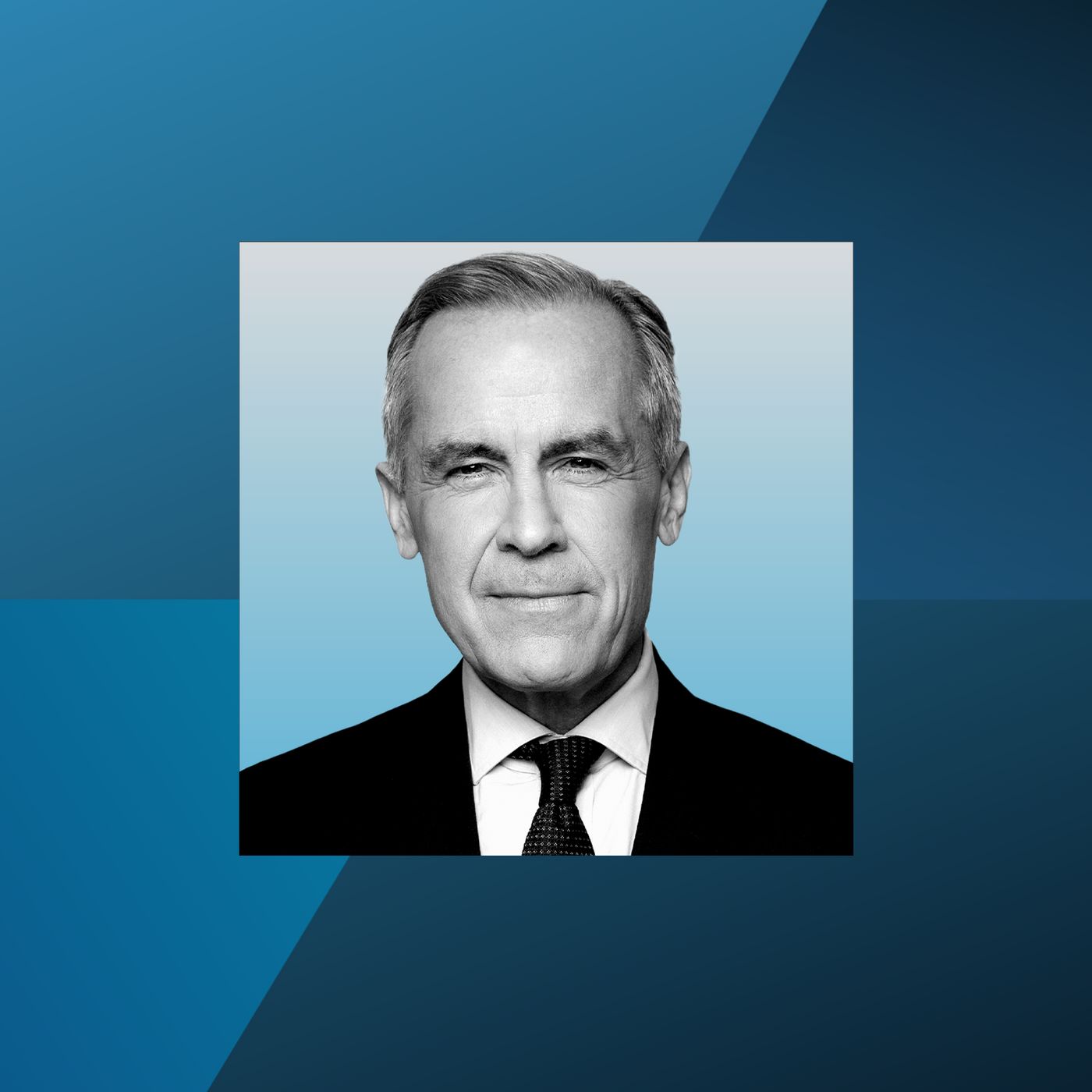
1:37Andrew Ross Sorkin: David Ellison is here. He is Hollywood's newest mogul and arguably the most powerful person, I'm going to argue, in American media right now. I don't know if you believe that. Six weeks ago, he closed the$81 billion deal for Warner Brothers Discovery. The combined company is now called Skydance, and he owns, and I'll give you the list, CBS, CNN, HBO, TNT, TBS, Food Networks, two major movie studios, two major streaming services, Paramount Plus and HBO Max. We'll talk about when they get combined, more than 200 million subscribers. The franchises include Batman, Superman, Harry Potter, Star Trek, Mission Impossible, Game of Thrones, Lord of Rings, Top Gun, Yellowstone, and I know I'm missing some.
2:19Andrew Ross Sorkin: His father, of course, is Larry Ellison, who co-founded Oracle and personally guaranteed some$40 billion to make this deal happen. And we're going to talk about Hollywood, technology, debt, politics, journalism, and yes, family. So please welcome David Ellison to the stage. Thank you. Thank you so much. It's truly an honor to be here today. It is great to have you. We were going to have this conversation about a year ago when you were in the middle of this battle over this company. Before we get into the company part of all of this, I think that, frankly, a lot of people don't necessarily know you.
2:55Andrew Ross Sorkin: They don't necessarily know your backstory. They know about Skydance and what you created, and we'll get to that. But I want to know about you and your family, if I could, about how you grew up, about your relationship with your father, who's now your partner in all of this. Tell us a little bit about it. No, no, absolutely. So, look, one of the things, actually, childhood is a big part of what kind of brought me here today. I fell in love with movies when I was a two-year-old kid. I was raised by a single mother by my mom. My parents got divorced when I was three. And I really started building my relationship with my father when I was 13 years old through aviation.
3:38Go back. You didn't have a relationship with your father until you were 13? We saw each other once a year, every other year. couldn't be closer now. Want to be clear, we really built a phenomenal relationship through aviation. We started flying model airplanes and then actually graduated to, basically, we learned how to fly together. And kind of the weekend ritual was every Saturday, every Sunday, I'd go do an hour of flight training. He'd be on the ground and study. He'd go do an hour of flight training. I'd be on the ground and study. And basically went from basically flying every weekend to very different chapter in life.
4:15became one of the best aerobatic pilots in the country and got sponsorship, got to travel the country flying air shows, got to fly Oshkosh, who, for those who don't know, is kind of like the Super Bowl of aviation events. It's a crowd of 250 ,000 people a day. And it was an incredible thing to get to do in my early life.
4:34Andrew Ross Sorkin: Were you aware of what your father had done while you were a kid? The answer is absolutely. But one of the things I am really grateful for and bringing it back to movies is my parents definitely made a concerted effort to make sure that we had a really grounded and honestly normal childhood. You know, I guess I said I was raised by my mom and every single weekend we went to the movies and basically sat in a dark theater and really fell in love with the power of storytelling. You know, you basically, you laugh, you cry, And when you see a truly remarkable story, it stays with you forever. And my favorite thing about storytelling is when you walk out of that theater, the world actually looks different.
5:22Things that were impossible are now possible. And that's an incredibly exciting thing to get to do every day. And one of the things all of us are really motivated by is that if we do our jobs well in this business, the stories we tell actually can last forever. And that's there are stories that impacted me dramatically when I was a kid. And to now be in a position to be able to be a part of telling those stories with the incredible filmmakers and showrunners that we get to work with is incredibly exciting.
5:53Andrew Ross Sorkin: Go back just a bit here for just one moment, because I want to understand your sister's also in the movie business. Yeah, absolutely. Was your dad into the movies? Was your mother into movies? What was the thing that you think led you down this path? Because then we can speed up, and you have obviously extraordinary success with Skydance on Atonement. We'll get to Paramount in a second. But just go back to the sort of the Genesis piece. Yeah, no, on the personal bit, like both, I mean, me, my mom, and my sister, by the way, my father loves film as well. But, you know, it was really something the three of us kind of all loved growing up.
6:24Literally, we had, I still have it, a VH collection that was like 3 ,000 VHSs. we used to joke it was like blockbuster at home and kind of like Sunday was the one day when you're a kid where you can kind of do whatever you wanted and me and Megan would be like let's watch all five Rocky movies or you know let's watch the Star Wars trilogy and so it really was kind of that foundational you know kind of love and childhood where I'm very passionate about what we get to do every day.
6:47Andrew Ross Sorkin: Okay so then you have this enormous success you go on and you create your own production company Skydance it has great success and I imagine you tell me a couple of years ago you must say to your father at some point, we've had all this success. I want to go by Paramount. What is that conversation at the dinner table like? Is that how it happens? Well, first, the thing to kind of understand that conversation, let me back up a little bit further. So I went to film school at USC and then basically started Skydance in 2010, literally with three people in the back of a hangar. And the entire story was, which was the story of, I think, pretty much every step that we've taken is this will never work.
7:32And this is basically doomed to fail. You know, the first film we ever produced was a picture called True Grit with the Coen brothers in 2010. What we heard was, why do you want to make a Western? They don't travel. And, you know, one hasn't worked in 20 years. Well, cut to Tenham Academy Award nominations,$250 million at the box office, the most successful Western at the time of release. Building from that, we were fortunate enough to get to really, you know, evolve the Mission Impossible franchise, starting with Ghost Protocol. We got to produce the Star Trek franchise, including the most successful Star Trek film of all time, World War Z.
8:06We built a standalone television studio that put hits on companies like Netflix with Grace and Frankie. You know, we made, you know, Reacher and Jack Ryan for Amazon, put a tremendous amount of hits on Apple. And we built a company that was three people into an institution that was valued at$4.75 billion with investors like Redbird Capital and KKR at the time. And it was really that 16 years of work that put us in the position to be able to acquire Paramount and acquire Warner Brothers. And one of our guiding thematics has always been where entertainment is heading, right? You know, it's that great Gretzky quote, skate to where the puck is going, not to where the puck has been.
8:48And that's been a core tenant from the early days when we first started the company. It's what led us to streaming early. And what we saw in this next iteration was that it was going to be the combination of great art and great storytelling working hand in hand with technology is what was really going to chart the future of this industry. And if you now look at what Skydance is today, the scale of the platform, we have, I believe, the best intellectual property in the world. You named some of them on the top of that. But just to further contextualize it, it's 15 billion dollar franchises. And basically over the last decade, we're at scale and streaming with over 200 million Global Asphalt subscribers, 75 million monthly active users on Pluto.
9:35We have the number one broadcast network in CBS, the largest collection of sports rights. And so we are incredibly well positioned to win in content. What's new about this chapter is that is only part of the equation. And again, going back 15 years, Silicon Valley came into Hollywood and fundamentally disintermediated the business. Netflix builds an amazing company. Amazon Prime Video was created. But people are still there because of the content, because of the storytelling. And what we are able to do with the product and tech team that we have built inside of Skydance is to actually build a platform layer that competes with that.
10:10And again, we really do believe it is that combination of art and technology, especially in the world of AI, that is going to help navigate the past and the future. So take me back to the dinner table with your dad.
10:22Andrew Ross Sorkin: And I ask because I think people just want to be inside the room. They want to understand. You call your father. I assume you must call your father at some point and say, let's do this paramount thing. By the way, I think that Sherry Redstone might actually even be here today. I don't know if she's here. If Sherry is here, she can attest to. We used to have a standing breakfast where I would ask her if she would ever be open to selling the company. Several years, the answer was always no. And one day the answer was yes. But you didn't have the money to do it, I don't think. How did you convince him?
10:52Look, one of the things I think people have to understand, and I want to dispel what might be a myth, is my father and I is an incredible partner. I mean, throughout this entire process, to be able to work with him every day to build this company is the very definition of a privilege. But he demands an incredible performance, an incredible result as a result of this investment. And when you look at the, you know, our, you know, Jerry Cardinal, who I believe is here, who is an unbelievably sophisticated investor. You know, the sovereigns are incredibly sophisticated investors who have partnered in this.
11:24We are building a company for to create long term shareholder value. That's what, you know, my father is motivated by. That's what all of our investors are motivated by. And it is really about where we sit as a company. We feel really good about the value.
11:37Andrew Ross Sorkin: But people want to know, I mean, people do want to know how involved he is. You said you talk to him every day. Yeah. When you're doing this and he's got to put up$40 billion, is he giving you a hard time if something's not right? What is happening here? The answer is, of course. I mean, come on. So you hear from him a lot. Look, one of the things I'll say, as I said, we talk throughout the deal process literally every day. You know, we probably talk on average for four days a week. And we talk about strategy. You know, we talk about where we want to creatively take the company. Literally just yesterday, we were talking about basically artificial intelligence and how that's going to impact our business.
12:20But again, it's all through the lens of how do we deliver for shareholders and build lasting value.
12:26Andrew Ross Sorkin: Okay, so one of the big things that I think has emerged in the public consciousness about you and your father and this company is the politics of it all. Because we watched all of this play out in public. The president, as you know, has called your father a, quote, friend of mine, a big supporter of mine. He said it's going to be a great company. They're terrific people. All of that. And there was a view politically, and we can get to the news piece of all of this and CBS News in a moment, or CNN and everything else. But there was a view politically that you were going to sort of realign this company.
13:02Andrew Ross Sorkin: And so I just want to understand from your perspective, when you have dinner with him, I think we know his politics. What are your politics? So, look, one, I want to address that in a couple of places. One, when you talk about the administration, we've been fortunate enough to be able to work closely with this administration. But also, when we started the Paramount deal, that was under the Biden administration. We were working very closely with that administration. We also worked with regulators in 70 countries to basically get this deal approved, all of whom came to the same conclusion, which is a pro-competitive transaction.
13:36And, you know, and we also worked really closely with the state attorney generals to settle that lawsuit. So and, you know, our hope is to be able to work with whoever the next president is as well. We are we are a global company. And I think it is really important to be able to have dialogue with the elected leaders around the world. I think that is a good thing and that is a positive thing. As it relates to news, we've been really consistent about this. Our belief is truth based, fact based, bipartisan down the middle. and present both sides of the argument and fundamentally let the audience decide what is right for them.
14:10And in a world where very quickly you're not gonna be able to believe your eyes, we think having institutions that earn trust every single day is incredibly important. And we have incredible journalists at CBS News and at CNN that are working very, very hard to earn trust every single day. And our goal is when we are back on this stage, we have the privilege in the future to make sure that we are more trusted tomorrow than we are today. OK, but back to the politics piece. So he voted for Trump. Who'd you vote for? I have actually never disclosed that. And look, what I'll say is for me, I voted both sides of the aisle basically my entire life.
14:50You guys debate politics? I'm not a partisan. I mean, you want to go back to family. Half my family's Democrat, half my family's Republican. That could make dinner table conversations a little bit challenging. But again, going back to why we're here, it's really about what the core of our business is. And again, what I love about the power of storytelling is it bridges those divides. Basically, you know, and fundamentally, you get to celebrate that we have far more in common than what separates us. And I think that's incredibly important and we need to do more of that.
15:28Andrew Ross Sorkin: I'll tell you why it cuts both ways. And the reason I'm asking about politics part of it. The politics part of it is as this deal is trying to close, you have all sorts of things happening. We get reports, for example, that the president is talking to your father about whether, you know, Aaron Burnett at CNN should be fired and who he wants in those roles. A year ago, I don't know if you can even tell us, apparently he pushed for Rush Hour 4 to be made. Are you making Rush Hour 4? We are working with Brett on Rush Hour 4, which is a sequel to an incredibly successful franchise. That was actually one of the heads of our film studio walked into my office with that.
16:08That's how that actually transformed. So it did not happen because of Trump. Josh Greenstein walked into my office. That is the first conversation we had about Rush Hour 4.
16:16Andrew Ross Sorkin: And you never heard from your father or from the president or anything about Rush Hour 4? That's a completely made-up story. There's a lot of made-up stories. I'm not going to go into addressing every single, basically, made-up story that we've addressed with this. But what I also think is really important is when it comes to the news, and I've said this publicly multiple times, we believe in editorial independence. That will never change, period. And the reason I mentioned this, though, on the flip side is because the perception was that you were so close to the administration, then the California AG went after you on the other side.
16:53Andrew Ross Sorkin: And so I'm so curious how you think about these sort of competing forces at play and whether you think if you could go back in time, for example, what you would have done differently, whether it would have been around making yourself look like you were closer to the president than it seems like you're suggesting you are, or whether you would shift how you approached dealing with CBS News and some of the big changes that you made, which also created this perception that then, I think, led California to push as hard as they did? Well, I'd answer that a couple of ways. I mean, one, let's start with our goal was to close the Paramount transaction, close the Warner Brothers transaction.
17:39We accomplished our goal. We worked with regulators basically on both sides of the aisle. and ultimately everybody came to the same conclusion. So from that standpoint, I'm really happy that we are sitting here today having acquired Paramount, acquired Warner Brothers and really persevered through what I think were some pretty significant odds where a lot of people didn't think it was possible to ultimately accomplish our mission. And also to your point, which I think is actually really important, one, when it comes to the DOJ, we went through the front door of the DOJ, Anyone who has not had the experience of basically having everyone including the career staff grill you for hours on end, I don't enjoy it.
18:21But from that standpoint, we worked with Commissioner Rivera across the EU. We worked with Culture Secretary Nandy in the UK. We worked closely with Rob Bonta and the Democratic State Attorney Generals as we navigated through that. I think it is really important to have a relationship with both sides. And again, we're a global company. You need to have a communication and a dialogue with regulators around the world. Have you talked to Schumer or Jeffries now that the Democrats are going to be in power? I've not spoken to him recently, but I mean, I have spoken to Hakeem Jeffries multiple times in the past.
18:55Same with Schumer. I also, one of the things we've been working very closely on, which goes to your point about why I think this is so important, is starting October of last year, we've been working on a federal rebate to basically bring film production back to the United States of America. Actually, the most conversations we have had with the president was really through the late Senator Graham, where we had three meetings talking about the fact that film production had largely exited the United States because we were no longer competitive with jurisdictions around the rest of the world. For example, our combined company, round numbers, produces about 5 % of films in the United States of America.
19:37And we would like to see a rebate get passed by the end of the year that will actually make the United States competitive so that we can bring one of our greatest cultural exports back to the United States of America. That will be great for jobs. That'll be great for the creative community. And we think it's really important that that business stays vibrant here. So when you start talking about those relation, and that is a completely bipartisan effort. I've done five trips to Washington, D.C. I've met with senators on both sides of the aisle, House members on both sides of the aisle, and we're working really hard to see if we can get this done, which will be a great thing for our industry and a great thing for our country.
20:18Andrew Ross Sorkin: We'll be right back. Accenture is working together with the NFL to drive international growth by evaluating markets, developing audience insights, and creating new ways to engage fans in cities around the world. The NFL is building a global game, and Accenture is helping make that vision a reality by striking the right balance between what makes the NFL beloved in America and tapping into the passions and preferences that make each market unique. Accenture, the official business and technology consulting partner of the NFL. Learn more at Accenture.com slash NFL.
21:01Andrew Ross Sorkin: Can I ask you about the subsidies? Because I've thought about this a long time. Look, I think culturally, it would be great to get the movies back in the U.S. Economically, it's a much more complicated story, the argument. I want to read you something. This is the Tax Policy Center. Film subsidies do appear to influence where productions choose to shoot. But attracting production is not the same as generating measurable gains in jobs, wages, and economic growth. Measurable means, for example, accounting for whether productions are simply pulling workers away from other employment in things like hospitality, food services, and tourism.
21:34Andrew Ross Sorkin: And effectively, they say it's actually not, from an economic perspective, actually worth it. That basically could make the cultural argument, but not the economic one. So forgive me, category, that's just not true. So one, when you actually look at the rebate in the United Kingdom, it has been a boom to their economy. Same is true in Canada. Same is true in Australia. All of those other countries have that rebate because it pencils out. If you look at Texas, Paramount was a part of actually building a 31 % rebate for all of Taylor Sheridan's productions. We had a meeting recently with the deputy governor down there that literally said for every, their own independent audit, for every dollar that was invested by the state returned$4.70.
22:17And when you look at who this incentive helps, the misnomer out there is like you're giving Tom Cruise a tax break. That's not true. Tom Cruise, the biggest talent in the world, are going to get paid whatever they get paid, no matter where they shoot in the world. It is the union workers. It is the makeup artists. It is the craftsmen. It is the set builders that fundamentally are being subsidized. You are creating jobs. You are helping small businesses. And every other country that has done this in the past does it because it is economically sustainable. We think it is important that the United States does it because it is economically sustainable.
22:50Andrew Ross Sorkin: You mentioned harold sheridan and i wanted to ask you about him um i know you still have an arrangement with him um to make movies for the company uh but not to make tv shows that's also not true well but the the new the new contract for him is going to be uh with nbc universal post uh basically after 2029 because he had a contract and now and that but then but the next contract is not yours uh right after you made the deal you went to go visit him yeah from what we all understand What do you think happened? And do you wish that he had stayed with you? Look, Andrew, I have an incredible amount of respect and admiration for Taylor.
23:30I actually, I spoke to him basically over the weekend recently. He's literally hard at work writing Call of Duty for Pete Berg, which we think is going to be a phenomenal franchise launch. You know, we have Frisco King that is upcoming, you know, basically in production on Landman. And for us, what we want to be is the number one home for the most talented creative artists in the world. I assume you wish that he was doing TV for you, too, into the future. By the way, the answer is we have a great relationship with him. We want to continue to have a great relationship with him in the future. But at the end of the day, if Taylor made a decision, we respect that decision.
24:06That doesn't mean that we're not going to say.
24:07Andrew Ross Sorkin: On a very personal level, I assume you get the call from his agent or whomever who says he's going with these other guys. and you say to yourself before you go to sleep at night, what did I say? Could I say something different? What happened? So that's what I want. That's the conversation I'm trying to have with you about sort of what was the lesson of that experience for you? Again, I'll go back to the same piece. We have a great relationship with Taylor and there's going to be a lot of things that we are in business on basically once he goes over to NBCUniversal. And candidly, I think he's one of the most prolific and most talented storytellers of his generation.
24:42We're incredibly proud of all the work that we're doing together. And we want to continue that relationship going on in the future. And in everything he does at NBCUniversal, the only thing I'm certain of is the work will be spectacular.
24:53Andrew Ross Sorkin: Let me ask you a different question about the news, because there's a lot of questions about whether CNN and CBS are going to ultimately merge. But before we get there, you installed Barry Weiss to run CBS News. They're redoing 60 Minutes. A whole number of very famous names left, as you know, or went out and almost quit. I don't know if Leslie Stahl is here. She often sits right over there. When you saw all this happen, when Scott Pelley quits, when you see all this, what are you thinking to yourself? So, again, one, we are really proud of the work that basically all of our journalists are basically doing across both news organizations.
25:32And again, I think, Andrew, you've got to step back and talk about where everything currently sits as an institution. And if you look at the most recent polling data, trust in legacy news is at 28 percent, which is record lows, coming off highs of, you know, 75 percent years ago. And so I think it's important when you are getting that feedback from the audience to make sure that you are working to rebuild trust every single day. I also think it's really important to be truly basically truth based, fact based, bipartisan down the middle as you're basically delivering news. And again, when you look at what our goal for news is, and we're one year into this journey, is to make sure that we can rebuild trust back to at least where it was previously, if not even higher.
26:19And the thing that I am also very proud of is we have incredible journalists that are showing up every single day to accomplish that goal. That is our mission today. That is our mission tomorrow. That will be our mission five years from now. and fundamentally we will not stop working until we earn that trust. And from an editorial standpoint, you know, we believe in editorial independence. We don't get involved basically in those decisions, but we trust that journalists will do their jobs incredibly well.
26:48Andrew Ross Sorkin: I know for stability's sake you've said that Mark Thompson's going to continue on CNN and Barry's going to run CBS News, but do you see a point a year from now, two years from now, where these institutions merge? Right now, we are incredibly happy operating them basically within the status quo. I think you also have, you know, there might be some new sharing in the future, but right now we're happy operating them as they are. One of the other things that happened that's been in the headlines, a lot of people, I think, noticed, because we're going to be talking to him later in the day. Elon Musk just put about a billion dollars into Skydance.
27:23Andrew Ross Sorkin: And I think some people wanted to know whether this is the beginning of something bigger with Starlink long term or as a one off as a given his relationship with your father. What do you think it really is? So so look, I have so much admiration and respect for Elon. I mean, I don't know if you saw recently, but but literally watching, you know, Starship. It's a marvel. It's a marvel. And then effectively get caught by basically two chopsticks in Southland. I mean, he is both the, you know, Tesla, Edison. He is the, from my perspective, he is the greatest entrepreneur of our time. And he doesn't invest in a lot of companies.
28:03So to have his vote of confidence and to have him as a shareholder is an honor and a privilege. And if there was any opportunity to be able to collaborate with him in the future, from our perspective, it would be a privilege. But is that something that's on offer in the plan in your mind? As I said, anything, if there was the appropriate opportunity in the future, we'd be thrilled to do so.
28:20Andrew Ross Sorkin: but there's nothing that we can comment on. Okay, I got a more complicated one for you, which is that Alex Gibney has a documentary out about Elon Musk. HBO is supposed to be distributing that film. Elon Musk now owns a piece of your company. This goes to the independence question. Do you plan to put his documentary on your network? We have basically a pay one deal with A24 who produced that movie. Of course we're going to honor the deal. So you are going to honor the deal. That's not, no, I only ask because people wonder what's going to happen if this goes to the whole relationship, politics, this and that, that everyone's always wondering about.
28:59Yeah, I mean, Andrew, I've said it like we believe in independence. We don't believe in censorship of any kind. And again, we have that deal with A24. Of course, we'll honor it.
29:11Andrew Ross Sorkin: Question about debt. There's an extraordinary amount of debt on this company, as you know. and you've laid out a plan about how you plan to pay down that debt. But what is it you think that you know that the market doesn't at this moment about that debt? Because the market doesn't seem to be necessarily fully buying into the plan yet. So I think the easiest way to do that is let's just talk through the numbers, just the way to basically walk through that, right? Company day is basically nearly$70 billion in top-line revenue. What we have guided towards And I'll use our last quarter as, I think, a good way to be able to extrapolate back to this.
29:48We've guided towards basically mid-single-digit top-line revenue growth. We grew Paramount standalone at 5 % top-line last quarter. We've guided towards basically double-digit, basically streaming growth. Last quarter, Paramount Plus standalone a year of ownership grew 21%. Proforma streaming company grew 15%. We've significantly grown EBITDA since we basically have owned the business. We did that while increasing our investment in content. And in addition to that, if you run the math, we've got it towards$6 billion in synergies. When we bought Paramount, it was$2 billion in synergies. We will have over-delivered by 50%.
30:29And if you run that playbook out here, the company has a very clear path to delivering to three times in three years. will generate$10 billion in free cash flow by 2030 while investing more in content than any of our peers. So when you talk about, like that is the rocket fuel for growth in our business. Pro forma this year, we spent over$30 billion in content. To contextualize that, Disney just guided to$26 billion for next year. So from that standpoint, the scale of this company, I do not think is fully appreciated. Over 30 movies a year next year, 180 television series, the number one broadcast network, most powerful sports portfolio basically across the business.
31:13And by the way, we are now at scale in our D2C business with a remarkable product and tech team that can ensure that we can compete with anybody in the industry. We are going to create a lot of value for our shareholders long-term. We will de-lever basically this company and we'll execute the plan.
31:31Andrew Ross Sorkin: You got to make 30 movies next year, goes up to 32. I'm curious what kind of movies you think you wouldn't make and sort of how you think about the numbers, the scale of these movies. One of the movies I was going to ask you about, because it was one of the ones that was released right at the end here by Warner Brothers, was Digger. Like, how risky do you think you will be going forward? So I'm glad you bring that up. I've made eight movies with Tom. Look, I think he's one of the seminal artists of our time. We're literally working on a sequel to Days of Thunder right now, and then we want to try to roll right into Top Gun after that.
32:07And look, our goal, what I think is really important, and look, I spent the last 16 years of my life on the filmmaking side in this business. I have lived on set. I've slept on Hans Zimmer's couch. I've been in editorial rooms for 20 hours on stop. I do understand the creative process of this business. And the goal has to be in any film that you make is how do you reach the broadest possible audience for that particular story? And there is no one-size-fits-all approach. We will make franchise movies. We will make original stories. We will make genre pictures. We will tell stories aimed at audiences from every single walk of life.
32:46What is important is that you size basically the budget to the potential addressable audience.
32:52Andrew Ross Sorkin: You're at the top of the heap of this company. Creatively, you like to get involved in a lot of these things. Is there somebody who you think can say no to you? If Dana Goldberg were sitting here, you would see the answer to that is very clearly yes. And do you think he has better judgment than you do when it comes to greenlighting films? So she has been my partner basically at Skydance for 16 years. And look, one of the things that I am incredibly proud of, and this goes to what I believe in, is this is a team sport, right? This is not an individual sport. And anybody who thinks it's an individual sport has not actually executed in this business.
33:31And when you look at the team that we have, my incredible partner, Anand, is basically here in the audience. It is an honor and privilege to get to work with him every day. You have Dana Goldberg and Josh Greenstein who are running the film studio. You have Casey Boyes, who is just his taste at HBO is the very definition of exceptional. You have George Teeks, who's running our television group. We have a remarkable world-class team that is capable of basically the task at hand. And there's no world where we're not going to accomplish our goals. We're out of time,
34:02Andrew Ross Sorkin: but I want to go back to the family for just a moment. No, because I'm fascinated by it. And I think most people want to understand it. One of the things we haven't touched on is that through Oracle, there's a connection to TikTok. And I wonder whether you think long-term, and we haven't really gotten into AI or anything else, but long-term that you could see the Skydance empire, include TikTok, include tech, it all becomes one big thing? So look, talk about that with your father ever? On the TikTok side, if you really look at the structure of the company, I think that's another thing that's kind of misunderstood.
34:41But look, what I do want to address is basically the technology aspect of that, because we haven't talked about that. And I think that's actually really important. And I think one of the things that we all need to focus on is what artificial intelligence is going to do across our business and what it is capable of today. First is it is a tool for artists, but I believe it is going to be one of the most significant creative unlocks in modern history. The controllability problem is very, very largely solved. And that is going to allow artists to, and again, it is a tool to iterate faster. Like going back to the early days of Pixar, the lesson was always be wrong as fast as possible, right?
35:22You board the movie basically in four months. You put it up on the screen. You get notes. You break it down. You put it back together. We're going to be living in a world where you can make the movie not 10 times but 20 times before it actually gets put out. And we're also living in a world to where a$750 ,000 movie made$500 million at the box office because the cost of production has boxed out new voices. Go back to 1983 when James Cameron made the original Terminator,$4 million. You want to make that same movie today, it is$70 million. By using and deploying these tools, there is going to be an unlock to be able to make all of those original stories again in a way that can connect with audiences, that will empower new voices.
36:08And again, we want to be the platform where those artists want to come and tell their stories, all in service of them. And the relationship that we basically have with talent, our understanding of technology and how those two things are fused together. And it's a feedback loop, right? It is the art challenges technology. Technology inspires the art feedback loop. That is what is necessary to meet this moment in time and build the entertainment company of the future. Final question.
36:36Andrew Ross Sorkin: Think about this one first. Um, it's a family question. It's a TV show question. And so you now own Succession, Yellowstone, uh, The Godfather. And I don't even know if you know this, but you own Billions, which I helped co-create. And by the way, you actually own Too Big to Fail, I realized, because I see Len Amato over here from HBO, formerly of HBO. So which one is your family? The Roys, the Duttons, the Corleons, or the Axelrods? Is none of the above an option? You could try to pick one. The answer is I actually love all of those stories. I really do. And look, you mentioned family, so I'll come back to actually one of the things that is actually the most important to me.
37:24And you asked earlier around why I haven't spoken as much publicly. And one of the answers to learning lessons is I probably should have done more of that previously. I've always valued privacy and I've got girls that are three and five. And one of the things that I am really grateful for is despite the last name, my family was able to shield a very large part of my childhood from all of that, candidly from everybody in this room upon. And, um, and I think it is really, I want to give the same to my kids. You know, I want them to have a grounded life. I don't want them to be focused on what dad's doing at work.
38:05I think that's really important. And so, you know, like when I think about, you know, family, there's nothing more important to me than my kids. My wife and I, we've been married for 15 years this October. We've been together for 20 years. And, you know, family cannot be more important to me. And apologies of, I mean, a little boring because I pretty much work and I hang out with my family, my kids, And those are the things that really matter to me.
38:30Andrew Ross Sorkin: David Ellison, everybody. Thank you. Appreciate it. Thank you very, very much. Thank you. Dealbook Summit is a production of The New York Times. This episode was produced by Evan Roberts. Mixing by Katie McMurrin and Daniel Ramirez. Original music by Daniel Powell. The rest of the Dealbook Events team includes Julie Zahn, Chantal Reigny, Melissa Tripoli Dana Praskowski Matt Kaiser Ezra Lee Marissa Farina Jesse Brattengeier Nico Gallagly and special thanks to Sam Dolnik Nina Lassam Abe Sater and Maddie Maciello
A new media goliath, Skydance, was created earlier this year, born out of a $110 billion deal combining Paramount Skydance and Warner Bros. Discovery. How will the company approach consolidation? How will it manage a significant debt load? And what role does politics play in their decision making? Skydance’s chairman and C.E.O., David Ellison, joins Andrew Ross Sorkin to discuss his path from film school student to Hollywood mogul, his partnership with his father, Larry Ellison, and how he thinks about the many questions raised by the merger. Filmed live in 2026 at The New York Times DealBook Summit.
Subscribe today at nytimes.com/podcasts or on Apple Podcasts, Spotify and Amazon Music. You can also subscribe via your favorite podcast app here https://www.nytimes.com/activate-access/audio?source=podcatcher. For more podcasts and narrated articles, download The New York Times app at nytimes.com/app.
Hosted by Simplecast, an AdsWizz company. See pcm.adswizz.com for information about our collection and use of personal data for advertising.