 Ask ChatGPT
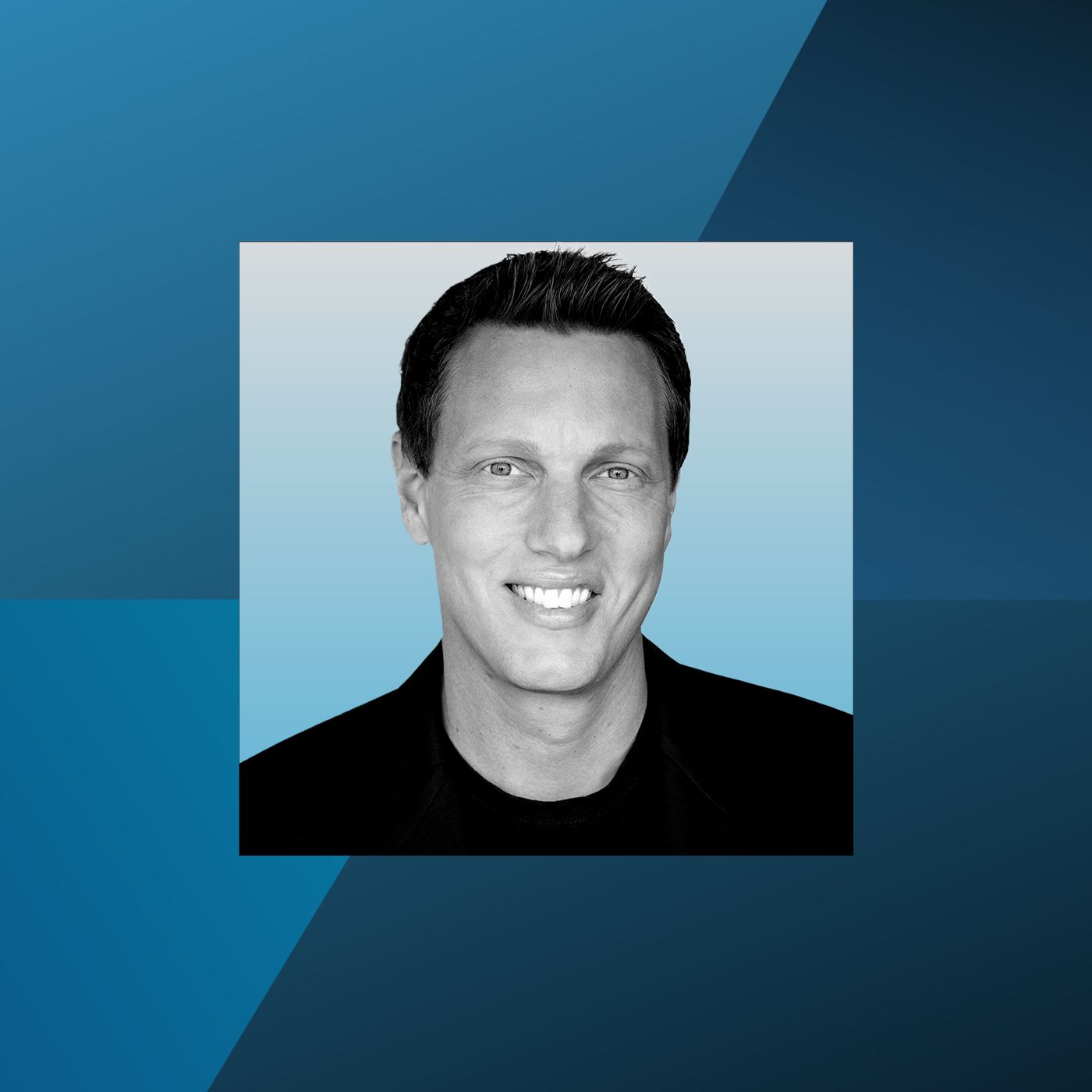

Hailey Bieber discusses building influence into a beauty business (Road), selling the company to Elf Beauty for up to $1B, and the mental/emotional costs of social media scrutiny. She also addresses authenticity in marketing, filters and comparison, overconsumption concerns, and how she plans for Road’s future beyond her personal brand.
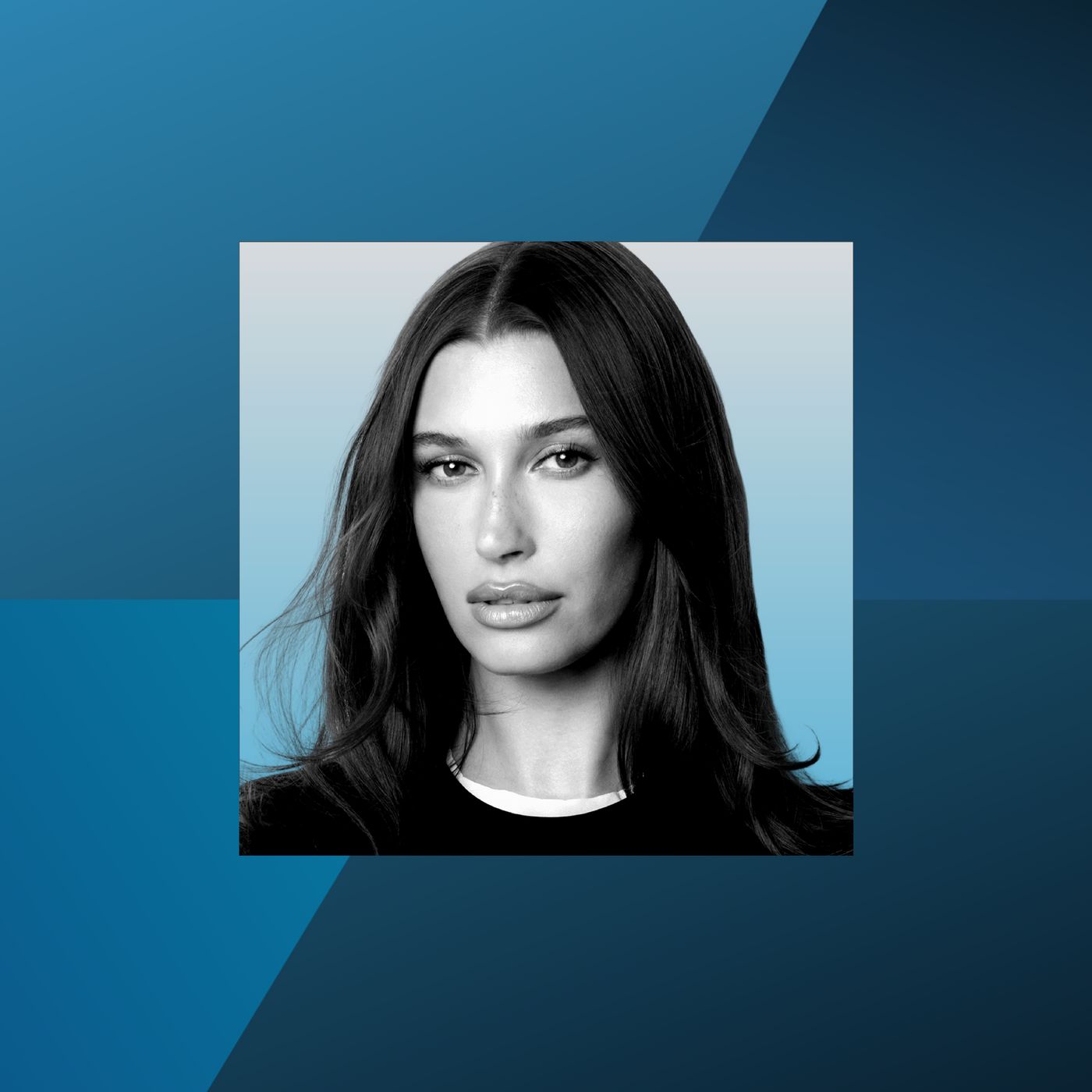
Hailey Bieber is a former teen model turned global celebrity with ~60M Instagram followers, ~20M TikTok followers, and ~3M YouTube subscribers. In 2022 she launched Road; Elf Beauty acquired Road less than three years later. Road became Sephora’s top-selling brand in the U.S. and U.K., later expanding across Europe.
“Road is me” (authenticity drives resonance); she planned social media for ~two years before launching; she said she wouldn’t sell for less than $1B; she feels more involved after acquisition as a strategic advisor; social media can distort via filters and comparison; she tries “internal regulation” by limiting screen time; she publicly corrected a “overconsumption” remark.
comments telling her to “kill myself,” people yelling at her in the street, and tip jars in Starbucks comparing her to another person; Get Ready With Me videos as “harmless/soothing”; filters changing facial features.
Written by AI. May contain mistakes.
Andrew Ross Sorkin introduces Hailey Bieber and her brand's success.
“A billion dollars was the number that I said I would not sell it for less than that.”
Hailey discusses the authenticity behind her brand Rode and its growth.
“You know, we spent a lot of time at Dealbook talking about people who shape the economy, and our next guest shapes the economy.”
Hailey explains her strategic approach to building trust in the beauty community.
“I mean, the thing with Rode for me was that I wanted to do something that felt really authentic to me.”
The conversation delves into Hailey's ambitious goal of a billion-dollar valuation.
“Was there somebody you were looking at or other people online that you were like, oh goodness, that's working for them.”
Hailey shares her feelings on selling Rode and her continued involvement post-sale.
“We weren't even considering selling at the time that the opportunity came to us.”
Hailey discusses the impact of beauty standards and social media on self-esteem.
“And I have a young daughter and I actually talked to her about this.”
Learn about the phenomenon of ASMR and the impact of social media filters.
“Everybody's doing this, right, with their nails.”
Understand how social media can distort perceptions and feelings.
“we were talking about how it makes you feel because it sounds like you're reading all of the comments all of the time.”
Hear how public scrutiny and criticism affect Hayley and her perspective.
“So it was just, it wasn't the right word to have used for what I was trying to say.”
Delve into the negative experiences associated with social media and its impact on mental health.
“I think what I was talking about specifically on her show was that the way people were making me feel.”
Discuss the implications of AI for branding and marketing in the future.
“Do you think about a future in which, here we are talking about sort of social media, where your agent or something like that is going to go and buy a Rode product or not?”
Gain insights into managing a beauty brand and the challenges involved.
“And I hope that as that happens and when it happens, the brand can really stand strong on its own because people really at the end of the day love the product.”
Reflect on personal growth and life lessons learned from experiences.
“Because the other thing that I was fascinated by, you said, I guess you were 24 and you said you said you couldn't, you can't stand confrontation.”

Get the gist, explore an idea or ask about something said.
 Claude
On DealBook Summit, what are the key points of this episode?
Searching your listeningAutomatic transcript. May contain errors.
0:01Andrew Ross Sorkin: Golf has come a long way in the past century. Today, the R &A and Accenture are partnering to celebrate its heritage while shaping what's to come. Together, the R &A and Accenture are reinventing the future of golf, using data and technology to enhance your experiences of the game and drive the growth of golf worldwide. All this, and there's more to come. Accenture, the official business and technology consulting partner of the R &A. Learn more at Accenture.com slash R &A.
1:03A billion dollars was the number that I said I would not sell it for less than that.
1:09Andrew Ross Sorkin: And you were thinking that from the get-go? But that felt like a crazy, like, that's like shooting for the stars, stars, stars, stars, stars. From the get-go, you said a billion dollars? Yeah. Really? Why did you think that you could do that? This is Andrew Ross Sorkin with The New York Times, and you're listening to interviews from our annual Deal Book Summit. recorded on November 18th in New York City.
1:35Andrew Ross Sorkin: You know, we spent a lot of time at Dealbook talking about people who shape the economy, and our next guest shapes the economy. But increasingly, some of the most consequential business stories, I think, begin with people who really also shape culture. And few people understand that intersection better than our next guest. Hailey Bieber began modeling as a teenager, working with some of the biggest names in fashion, spent much of her adult life in an extraordinary spotlight with a level of attention and scrutiny that few of us could imagine. She has nearly 60 million followers on Instagram. It's kind of crazy.
2:07Andrew Ross Sorkin: Almost 20 million on TikTok and nearly 3 million subscribers on YouTube. In 2022, this is where it gets really crazy, she launched a beauty brand called Road and less than three years later, Elf Beauty acquired Road in a deal worth up to$1 billion. Three years later, Hailey's company is currently the number one brand sold by Sephora across the U.S., the U.K., recently expanded across Europe. And we want to welcome you to the stage. Thank you. Thank you. It is an extraordinary story. And the reason I want to talk to you is because I think you do understand the culture better than many. There's lots of people who had celebrity and had followers but didn't create a brand like this.
2:49Andrew Ross Sorkin: And so if you could sort of take us back in time, I think we all want to try to understand, maybe through osmosis, what you think you understood that everybody else hasn't. I mean, the thing with Rode for me was that I wanted to do something that felt really authentic to me. and my hope with why I think people really resonate with the brand is because they can feel that Road is me and I am Road and it's really just such an extension of my personality and the things that I love and something we talk a lot about at Road is building a world and for me it was kind of this thing that I wanted to build a whole entire thing around the brand from the products being great to the packaging being great to the branding being great to the storytelling being great and really kind of just invite the audience into that but go back in time a little bit because it started a little bit as a media there was a media piece first yeah and it felt and I'm gonna project on to you for a moment okay indulge with me because sometimes I've I've watched you talk about it a little bit sometimes and often I I sometimes feel that you you almost make it out like it was an accident.
4:08Andrew Ross Sorkin: And I think there was almost nothing that was an accident about this. And so I want to try to understand when you first started thinking about what you were doing online, media-wise, had you already connected the dot between if I start this way and do this online, I'm going to then be able to effectively create products, consumer products, on top of it? I think the thought behind it was that I think the consumers are really smart and And I don't think they connect well to things that just appear out of thin air. And when somebody says, hey, here's my brand out of nowhere. Skincare for me is something that's always been authentically something I really, really, really enjoyed.
4:50And I'm such a skincare junkie. I say that about myself all the time. So the way that we were kind of teasing and putting things into YouTube videos and Instagram and the way I was sharing it for such a long time before the brand launched was really out of a place of wanting people to know that this is really a part of my everyday life and I don't want it to feel random when it comes out.
5:16Andrew Ross Sorkin: But I guess my question is, how far back did you know that you were going to start the brand part when you were doing all of the social media? Probably about two years. Oh, so for two years. Yeah. And it was because you were developing the product itself or because you said, strategically, I need to be out there doing this, this, and this to plant the seeds? It was because we were developing the product itself. and I wanted to really build a trust with the beauty community because it is such a solid community and there's a lot of trust that people need to have in that community with the products, with the people that they're buying products from.
5:54So I wanted to take my time to really become part of the beauty community before I even decided.
6:01Andrew Ross Sorkin: Was there a role model in all of this? Was there somebody you were looking at or other people online that you were like, oh goodness, that's working for them. I got to figure this out. Not really. I mean, I was looking at kind of, this was also at the time where TikTok was becoming really big and I was kind of learning in real time how all of that was working and the way that people were gravitating towards certain creators in the beauty and the skincare space and why they were gravitating towards them. And I was seeing what was working with other people and what wasn't. It was nobody specific.
6:34It's just that there's a whole creator beauty community in that world that I wasn't overly familiar with until I started really diving into building the brand.
6:45Andrew Ross Sorkin: Okay. So when you started, you thought you would be what? If we were talking, if I had seen you in 2022, when this all launched. Yeah. Or maybe like 2020. Okay. 2020. Yeah. And you would have said, if you were talking with your family, you would have said, I think if this works, it becomes what? A great brand that people gravitate towards. But did you think you would sell it for a billion dollars? And was that even on the bingo card? A billion dollars was the number that I said I would not sell it for less than that. And you were thinking that from the get-go? But that felt like a crazy, like, that's like shooting for the stars, stars, stars, stars, stars.
7:25From the get-go, you said a billion dollars?
7:27Andrew Ross Sorkin: Yeah. Really? Why do you think that you could do that? Delusion? No, it's an amazing thing. I'm just saying it's, right? You have to have a certain sense of optimistical delusion, I think. So this deal happens. Do you say to yourself, it happened much sooner, I imagine, than you thought. Definitely, yeah. And so you just said before that you are Rode and Rode is you. Yeah. And yet you've now sold Rode and you. to some degree, to this other company. How did you even, how did you think about that? We weren't even considering selling at the time that the opportunity came to us. And I think when, like you said, when you're selling something that you feel so attached to who you are and you spent so much time working on and so much time building, it's a really, really, really difficult, scary decision.
8:24And the thing that made me feel really confident in the sale was really the team at Elf. They're so wonderful. You know, we met them and we had a dinner and I really started getting to know the team. And the way that they talked about the other brands that they had acquired and their founders and how they like to support their founders and support the brands that they've acquired really made me feel like it was going to be a once in a lifetime kind of opportunity.
8:53Andrew Ross Sorkin: Well, let me ask you this. So the CEO of Elf has said that he doesn't really like buying what he calls celebrity brands because he's scared typically of being attached to one human being that becomes the avatar for the brand. He felt differently about you in this instance, which I think is a great compliment to you. But when you think long term about this brand now living under another company, does it change your own feeling of ownership? It doesn't for me personally. I feel even more involved in the brand now since it's been acquired by Elf. My role became bigger in the company after we did the deal.
9:33And I get to be now a strategic advisor to Elf Beauty at Large, which is a new role that I've never done before. And I really do feel like they came behind us and have been this really amazing growth engine, which is what I think we needed at the time that that happened. I really think the way that it came about and the timing in which it happened was really, really perfect because we were about to enter into Sephora. And they, of course, are such an amazing and large company and they had the infrastructure to really help us go to the next place that we were already wanting to go.
10:11Andrew Ross Sorkin: We'll be right back. Accenture is working together with the NFL to drive international growth by evaluating markets, developing audience insights, and creating new ways to engage fans in cities around the world. The NFL is building a global game, and Accenture is helping make that vision a reality by striking the right balance between what makes the NFL beloved in America and tapping into the passions and preferences that make each market unique. Accenture, the official business and technology consulting partner of the NFL. Learn more at accenture.com slash NFL.
10:55Andrew Ross Sorkin: I have a philosophical question for you. Okay. And I have a young daughter and I actually talked to her about this. So there's a guy named Charles Revson. He happens to be the founder of Revlon. And he famously said, in the factory, we make cosmetics. In the store, we sell hope. And by the way, there's more skeptical versions of that because there's a view that that hope is selling, in some cases, an insecurity. And so I'm curious, as somebody who's in this space, how you think about that, how you think about empowering young women, but also what I think invariably, especially in a social media era.
11:34Andrew Ross Sorkin: Yeah. Is an insecurity where people are comparing themselves from one person to another person and do I look good enough and maybe I now need to buy these products to make myself look like that person? How do you, you're a mother, how do you think about this? Yeah, it's a really good question. I think that I can only do my best to come from a place of realness and authenticity as much as I possibly can and I always want to encourage people to embrace who they are and be really open and honest that we all deal with comparison. You know, I'm somebody who I struggle with looking at other people online and feeling insecure.
12:13Andrew Ross Sorkin: You feel this way? For sure. For sure. And I think that's, you know, the conversation that at least for myself as a mom, I want to be able to have with my kids so that when they're feeling that way, they can relate to mom and know that, you know, I feel that way too sometimes and we can be in that together. And my goal with Rode really has always been to create products and create a space for people to enjoy and express themselves and use the products to express themselves through beauty and through makeup. And I think beauty means so many different things to each person individually. And that's the thing that has been so fun for me creating Rode is that there's so many different ways to express yourself.
12:57And I think that you can find a lot of really cool individuality through that.
13:03Andrew Ross Sorkin: Do you think, though, we should be watching all of these? I mean, I don't know. Does everybody here know what a Get Ready With Me video is? A GRWM. GR, right. And you get to watch everybody. Do you think this is healthy for people to do this? Not? Do you watch them yourself? I think you've been in some of them. And I'm just so curious how you think about it. I think that we all take in so much every day on social media. I am guilty of it myself. I see so many things, you know, the swiping, TikTok. Are you an addict? 100%. 100%. I'm not going to say here and lie. No, I'm an addict too. It's terrible.
13:40Andrew Ross Sorkin: It's terrible. It's terrible. But I do think that what's nice about things like a get ready with me is, you know, I think that they're harmless. I think you're watching people, you know, I feel like a lot of people talk about how they actually really are soothing. And it almost becomes a little bit of like an ASMR kind of a thing. I think, you know. What is this ASMR thing? Everybody's doing this, right, with their nails. Everyone know what we're talking about? What is that about? I don't really know. I think it's supposed to be a kind of soothing sound experience. Okay. Related, though, because it's also on my sort of list as a father.
14:19Andrew Ross Sorkin: What do you make of filters on social media? Because people put filters on their pictures, and then it's not really them, even if they're wearing, having beauty products on or whatever. Yeah, I mean, overall, I think social media really can be distorting. It can be distorting to the mind. It can be distorting, especially those filters that, like, change your face. They make your lips bigger, you know, smaller. Like, I do think that that can definitely be harmful and misleading 100%. but it's part of the world we're living in. It's not going anywhere. And I think, again, it's all about conversation and open conversation around what that looks like and how it might make somebody feel.
14:59Andrew Ross Sorkin: How does it make you, we were talking about how it makes you feel because it sounds like you're reading all of the comments all of the time. I try not to. Well, I was going to mention, talking about comments, there was a, you gave a talk maybe a couple weeks ago now, maybe a month ago. Yeah. And you made a comment on how you weren't into overconsumption. Yeah. And dare I say, you were sort of like torched. Torched. Torched online. Yeah. So do you watch that and say, oh my goodness, this is happening? This is terrible? Or do you just say, I don't care? Are you so in the public eye that all of this just flakes off of you?
15:33Andrew Ross Sorkin: How does it work? I definitely don't say I don't care because that would be untrue. And I'm also, I'm the type of person where I don't have a problem raising my hand and saying, you know, I misspoke in that situation. That was definitely the wrong word to use for what I was trying to describe. Really what I was trying to say in that moment was at Rode, we really do have a very curated and edited SKU count in comparison to most traditional beauty brands. And our drop cadence is a lot slower and spread out than most other traditional beauty brands. And I'm obviously aware that having a beauty brand at all does contribute to overconsumption to the planet.
16:15So it was just, it wasn't the right word to have used for what I was trying to say. And, you know, I can sit there and say, I raised my hand and I misspoke and then move on.
16:28Andrew Ross Sorkin: So when you think about social media in general, though, do you think to yourself that social media has been good to you, bad to you? I mean, it sounds like there's the good part, which is I think it helped create all of this. 100%. But then there's this other side. this darker side and sort of how you measure that or balance that? Yeah, I think it's definitely been both. You know, I think you don't get all of the good without the bad and vice versa. I don't really think there is a balance. I think there's a resilience that you build with so much time of enduring and going through such intense scrutiny and being so perceived all the time.
17:14Are you aware of that? Yes.
17:18Andrew Ross Sorkin: In what way? I'm just somebody who pays a lot of attention. I'm not that girl that can be like, yeah, I'm just going to ignore it. I don't work that way. I'm too sensitive and I care too much to be that person that tries to pretend like it doesn't bother me. So related to that, and I was really struck by this. I went back and listened to this podcast that you had done with Alex Cooper, who had sat in your seat, I think, two years ago. And it really stayed with me. And you talked about a moment, I think, related to social media, that got so dark that you said at one point that you didn't want to be here anymore.
17:58Andrew Ross Sorkin: And I wanted to sort of unpack that and what happened. I think that that's a real human place that we can get to. I think what I was talking about specifically on her show was that the way people were making me feel. I mean, I had people telling me to kill myself in the comments every single day. I was going through a time where people were, like, yelling at me in the street. people were putting like tip jars up in Starbucks of me versus this person versus it. Like it was a really, I had never experienced anything like that before. So the way that people were making me feel was that maybe it would be better if I wasn't here anymore because that's how intense I felt other people's feelings were towards me at the time.
18:59Andrew Ross Sorkin: do you have thoughts about how social media and we talk here oftentimes about regulating social media I don't do you try to regulate it for yourself even I mean sometimes we I have I have screen time but then I just press ignore yeah I mean I try to just do I guess internal regulation and just be like okay that's enough for today we're gonna put it away we're gonna put it down We're going to be present and spend time. But yeah, I mean, it is tough, right, to try to limit yourself. It's just so available and it's so there. Maybe this relates to AI. Do you think about a future in which, here we are talking about sort of social media, where your agent or something like that is going to go and buy a Rode product or not?
19:47Andrew Ross Sorkin: and whether they're really going to be related to you and see you in the future, or if all of us just have our sort of AI agents roaming around, how that may change all of this. I don't know if people have been thinking all this through yet. Man, I really don't know. I'm not super hip on all. I'm trying to keep up with all the AI stuff, guys. Are you a ChatGPT girl or are you a cloud? I'm still more a Googler than a ChatGPT for now. So, but do you think about sort of how to, how the brand gets marketed, especially by the way in the future? Because the other thing I was going to ask you is long term, do you want, I mean, I know you said you are the brand, the brand is you.
20:27Andrew Ross Sorkin: Do you want the brand to be you long term? something I've always said from the beginning with road is that my dream and my goal would be that when someone walked into a store or a sephora and they picked up road and they didn't know it was attached to me that they would love it because the products were amazing so I do think as it evolves and if I'm thinking 5 10 15 20 25 years down the road I do think that there will be a natural evolution that will cycle me away from the brand. And I hope that as that happens and when it happens, the brand can really stand strong on its own because people really at the end of the day love the product.
21:08Andrew Ross Sorkin: So you do want to, so you said cycle away. What would you want to do next?
21:15I think that I have really enjoyed building road and I think I feel passionate about brand building and I definitely know what I want to do next.
21:26Andrew Ross Sorkin: You know. I know. You've got a plan. I know it up here. And when do you think you would want to share that information? You know, it takes a long time to build a brand. I'm definitely in the very early stages of thinking about what I want to be doing and where it's going next. But I'm also really, really clear about wanting to stay incredibly involved in road. And I'm not going anywhere anytime soon when it comes to road. Real quick, tell us about management at road and just running the company. Because the other thing that I was fascinated by, you said, I guess you were 24 and you said you said you couldn't, you can't stand confrontation.
22:12Andrew Ross Sorkin: You're really pulling all the quotes. I'm like, when did I say that? I go back and I look. No, that's true. And you've just gone through this whole process. And so I wonder, I imagine you have to hire people and maybe fire some people too. So have you gotten over the confrontation bit? Well, now with, I mean, in the beginning, I was part of the hiring. I interviewed everyone. When we first started Rodan, we had like seven employees. I was part of all of their interviews and hiring them along with my co-founders. And now the company has grown so much that, you know, we have our wonderful CEO and we have an HR department.
22:48So I'm not involved really in that side of things anymore.
22:53Andrew Ross Sorkin: Final couple of questions. We're going to go rapid fire. You ready? Great. You get to pick one. Okay. TikTok or Instagram? Instagram. You get to buy one company today, Rare Beauty, Skims, Kylie Cosmetics, or Fenty. Hard, I know, right? Hard. I think I'm going skims. Skims? Yeah. Last thing you Googled about yourself.
23:21Last thing I Googled about myself. I'm really trying to think so I can give you a real answer. I don't know. Usually if I'm Googling myself, it's to, like, hit news and see if, like, anything detrimental has happened that day.
23:35Andrew Ross Sorkin: Well, we'll see after this interview. Right. And then finally, we need to wish you a happy birthday because you turned 30 on Sunday. Yes. And so the final question is, what does Hayley at 30 know that Hayley at 21 wishes she knew? Oh, man. If I could go back and speak to myself at 21, I would have just told myself to calm down because everything is going to work out. and you know I can think back to being 20, 21 years old and being like really anxious about like you know what's my life going to be like? Am I going to get married? What am I going to accomplish? Am I going to have kids? Am I going to like all the things that I wanted they worked out and they came to me and life worked out in a really beautiful way and so I think I would just go back and tell myself stop being so anxious and trying to control everything.
24:29It's all going to work out and be fine. And, you know, the 30s are going to be even more beautiful than the 20s were. So I'm excited.
24:38Andrew Ross Sorkin: Haley Bieber, we want to thank you. Thank the Rounders, by the way. Your founder, your co-founders are right there on the table and also Justin. So thank you. Thank you very, very much. Thank you so much. Thank you. Deal Book Summit is a production of The New York Times. This episode was produced by Evan Roberts, Mixing by Katie McMurrin and Daniel Ramirez Original music by Daniel Powell The rest of the Dealbook Events team includes Julie Zahn, Chantal Regnier, Melissa Tripoli, Dana Pruskowski, Matt Kaiser, Ezra Lee, Marissa Farina, Jesse Brattengeier, Nico Gallagly and special thanks to Sam Dolnik, Nina Lassam, Abe Sater, and Maddie Maciello Thank you.
Hailey Bieber went from modeling as a teenager to building the beauty brand rhode, which was valued at up to $1 billion when it was acquired by e.l.f. Beauty in 2025. Now serving as head of innovation and a strategic adviser to e.l.f., Bieber sits down with Andrew Ross Sorkin to discuss building a brand around authenticity, how social media and relentless public scrutiny have shaped her and how she thinks about the future of a company that carries so much of her personal identity. Filmed live in 2026 at The New York Times DealBook Summit.
Subscribe today at nytimes.com/podcasts or on Apple Podcasts, Spotify and Amazon Music. You can also subscribe via your favorite podcast app here https://www.nytimes.com/activate-access/audio?source=podcatcher. For more podcasts and narrated articles, download The New York Times app at nytimes.com/app.
Hosted by Simplecast, an AdsWizz company. See pcm.adswizz.com for information about our collection and use of personal data for advertising.