 Ask ChatGPT



Creative leadership and coalition building, using Paul Dichter’s experience in the Stranger Things writers’ room to explain how ideas move forward, how conflict gets resolved, and how teams regain “mojo.”
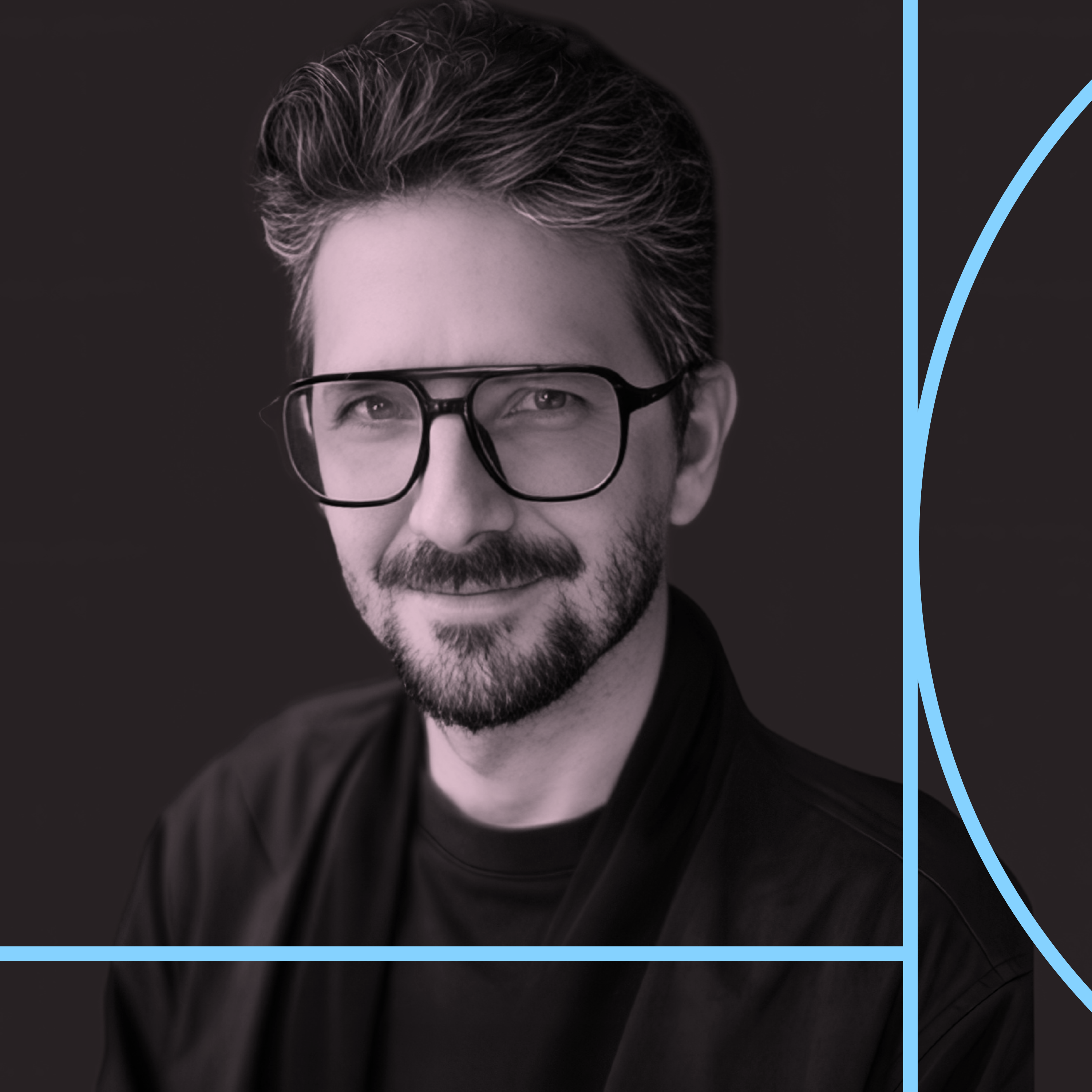
Paul Dichter is a TV writer/producer. He joined the Stranger Things writers’ room as a writer’s assistant in Season 1 and left as co-executive producer at the finale, writing three memorable episodes. He also described his early career as having no prior office job experience.
Coalitions aren’t built once; they must be kept alive for years. In collaborative rooms, you must speak up without clinging to ideas, “sell upstairs” when junior, and accept that most pitches die. Conflict is managed through debate plus someone empowered to make final decisions. Environment (e.g., moving from fluorescent corporate offices to a rented house) materially affects creativity. Alignment comes from shared themes/emotions and a core story instinct, not from a single “user” metric.
Months of debate over whether characters should die; Steve’s evolution from minor bully to central relationship with Dustin; the writers’ pivot to genre evolution; the “Will/Vecna” midpoint moment as a story-map inevitability.
Written by AI. May contain mistakes.
Paul Dichter shares his unique journey in the Stranger Things Writer's Room.
“before he had the authority to push them and how conflict over creative direction got sorted out.”
Paul describes the dynamics and challenges of working in a writer's room.
“For type nerds, you probably would recognize that the Stranger Things font comes from Choose Your Own Adventure books.”
Paul discusses how junior writers can assert their ideas and navigate authority.
“what everyone was saying all day, which scared me a little bit.”
Insights on managing conflicts about creative direction within a team.
“I mean, so on the last season, there was a lot of, we talked a ton about if any of the characters were going to die.”
Paul reflects on the chemistry that fosters creativity in the writer's room.
“And we were really siloed from the real world impact of what the show was.”
Discussion on how to regain momentum when a team loses its creativity.
“And it also let us not have the door open too wide to what the world or Reddit or, you know, the internet had to say about what we were doing.”
Exploring the concept of understanding feedback to improve storytelling.
“You also had a really good philosophy that we talked about last time about thinking about the note behind the note.”
Explore how personal experiences shape collaborative writing in a creative setting.
“And thinking about the theme of these couple of days, to what extent were you working with different people in the writer's room or outside the writer's room in different ways?”
Learn how external designs and locations inspire writing scenes.
“really informed what we were talking about.”
Discover how actors contribute to character arcs and story direction.
“and like blueprints and maps and trying to figure out if you're writing a scene and you're suddenly looking at like, okay, here's a hospital room, here's a hallway.”
Understand how character relationships evolve through actor chemistry.
“And then sometimes the actors would come in and talk to us and tell us what they wanted to show, what they wanted their characters to do.”
Examine how the physical workspace affects writing and creativity.
“And then in season two, I think there was some kind of story map that was happening where Steve and Dustin ended up in a scene together for no real reason other than that's just where the characters were.”
Learn about the transition from a corporate setting to a creative house.
“So I'm thinking internal and external states.”
Explore how the writer's room changed across different seasons of a show.
“for everyone not to have their own office.”
Discuss how the size of writers' rooms has evolved in television.
“So when did it become common to have six, seven, eight, ten people in a writer's room?”
Analyze why sequels often fail and the impact of studio interference.
“And I think that started to shrink the room a little bit and shrink the episode order as well.”
Learn about the strategies for evolving genres in sequel seasons.
“and that often doesn't lead to something creatively interesting.”
Learn how filmmakers adapt creative influences to avoid repetition.
“which went from a horror movie to an action movie, which was a really smart way to follow up a pretty perfect movie without trying to do it again.”
Explore the dynamics of collaboration among writers in Hollywood.
“I know in design there's like certain types of designers who, like you were talking about, I think see it more as a personal practice and are better suited to that.”
Understand how to balance audience feedback with creative vision.
“But even that, in some ways is preferable to working by yourself.”
Discover the importance of sticking to core ideas while receiving feedback.
“In design, or at least a human-centered design approach, you've always got a user that you can go back to as a metric for, are we on the right track?”
Learn about the unexpected success of Stranger Things from a writer's perspective.
“And to your question earlier, like, I think that the story gets too diluted if you're taking on too much feedback, if you're taking on what people tell you audiences like or what even an audience thinks they like.”
Explore personal reflections on the conclusion of a beloved show.
“Hey, I'm going to ask, this is not meant to be a downer question, so please don't take it as that.”
Learn about the profound emotional impact of a show's final table read.
“I, when the writer's room ended, I filed nothing.”
Discover the journey from being a waiter to a producer and its challenges.
“And I still don't know if I'm if I'm have processed that it's over and that I need to do other things now other than having to make money and get a job.”
Explore how the evolving landscape of Hollywood affects creative processes.
“I think the current people who are in charge of Netflix would not buy or make Stranger Things now.”
Learn about the creative process in storytelling and how high points are envisioned.
“the themes and the emotions, which in an actual writer's room is kind of cheating because that's not how stories or the world really works.”
Paul Dichter shares how personal experiences inform his writing and creativity.
“we we don't do we don't tell that kind of story so when we realized that vecna would actually also be number one.”

Get the gist, explore an idea or ask about something said.
 Claude
On Design Better, what are the key points of this episode?
Searching your listeningAutomatic transcript. May contain errors.
0:00Aarron Walter: This episode kicks off a special series recorded live at our creative leadership retreat in Sonoma, California, which we co-hosted with our friends at September Works in late September. We gathered 40 leaders from design, business, the arts, and politics for two days around the theme of coalition building. Our first guest is Paul Dichter, who first came on Design Better for episode 173 this past spring. most of us think of a coalition as something that you build once. Paul had to keep one alive for a decade. He joined the Stranger Things Writer's Room as a writer's assistant in season one and left as co-executive producer at the finale, writing three of the show's most memorable episodes along the way.
0:45Aarron Walter: We asked Paul what he learned about moving ideas forward as a junior writer before he had the authority to push them and how conflict over creative direction got sorted out. He tells the story of the final season, months of arguing and pitching under the weight of 10 years of work, and a fan base waiting for the ending. Then our audience took over. Attendees, many of them leading creative teams of their own, asked what you do when a team loses its mojo and how you rally it back. They asked which personality types flourish in a collaborative room and how you build alignment when there's no clear user to test against.
1:17Aarron Walter: They also asked how he sells a creative idea to people on the other side of the table and and how he made peace with the show ending after investing so much of himself in it. This series is presented in partnership with September Works, a product design studio. They envision, evolve, and reinvent digital products. Learn more at September.Works or reach them at hello at September.Works.
1:42Aarron Walter: Everybody give a nice round of applause to Paul Dicker.
1:49Thank you.
1:50Aarron Walter: I'm getting you in the sunshine. Here, let's put you.
2:01Aarron Walter: For type nerds, you probably would recognize that the Stranger Things font comes from Choose Your Own Adventure books. That's right, isn't it? It sure looks like it. Yeah. Yeah. No copyright infringement though, right? They just lifted it and ran with it, as far as you know. Above my pay grade. So, Paul, I think most folks here don't know what a writer's room is like. We've heard the term, but we don't really know what that is like. In fact, I'd go so far as to say the idea of writing in a group seems very challenging to me. what what goes into a writer's room who's there how big is it um hi um okay so a writer's room is the only time in my life where my fantasy of what something would be lined up with what it actually is so it's a group of people sitting around a table with a bunch of whiteboards and 95 % of the time we're working on what the story is not what the script is and so in a six month writer's room you'll step out for two weeks to write a script and the rest of the time you'll be with the other writers in the group talking, debating, arguing and writing things down on whiteboards and trying to figure out what happens next in the story yeah so you entered this world uh as a pretty junior writer in fact you were i believe uh because of the way that worked out you were an associate when you came on or assistant when it came on and on to the show and we're curious because a lot of us in the design realm struggle with authority and how do we you know assert our authority when in whatever role we have whether that's as an individual contributor as a manager so when you were a junior writer what'd you learn about how ideas, how to help your ideas move forward in a way, maybe before you had the authority to push things forward?
4:14Well, right before I started, I had breakfast with a friend who was already a successful writer. And he was working on a very successful show at the time. And he said that their writer's assistant wasn't allowed to talk and just transcribed what everyone was saying all day, which scared me a little bit. But I was friends with the creators of the show. And I took my time. When I had an idea, I would first bring it to one of the other writers and then let them sell it upstairs. And somebody very early on was saying to me that I needed to sit at the main table because there was another table off to the side.
5:01and then if I made it to the main table, then I'd be all set. And at some point in the first week, I said something small, and then there was a man who was kind of the co-showrunner on the first season, and he clapped me on the back and he said, you're at the table. So I made it. That's got to be a good feeling. It was a good feeling.
5:23Aarron Walter: It was a great feeling. What's conflict like in these creative collaborative situations? How does it get managed and sorted out? I feel like TV writer's room is a very strange mix of working an office job and being an artist. and so you have all the office politics and being annoyed at the sound of people chewing as well as telling stories about your childhood and bad things that happened to you when you were in high school and sharing a lot of personal things and really fighting for ideas and character moments that you feel really strongly about and it's also a lot of I'd never worked in an office before I got that job, even though I was 30.
6:16So, yeah, it's an interesting mix of personalities. And I feel like you have to fall in love with every idea that you pitch, even if it dies and almost everything will die. And it's an ongoing process of figuring out how to speak up for what you believe in without holding on too tight.
6:44Aarron Walter: Are there any specific stories that you remember from the show where there was a conflict about a creative direction and how that played out?
6:59That's a good question. I mean, so on the last season, there was a lot of, we talked a ton about if any of the characters were going to die. And people felt really strongly about that. And some writers insisted that characters would have to die and some writers didn't want any characters to die. and it was months and months of debate because we knew how we wanted it to end, but we also had no idea. And there was a lot of pressure because we've been working on the show for 10 years and a lot of people were waiting for the last season. And so just months of arguing and pitching again and again and feeling really strongly about what should happen to these people that felt real to us.
7:55Yeah.
7:57Aarron Walter: We spoke about this a little bit when you were on the show a few months back, but one idea that came to us, the class that Bill and I teach through Johnny Ive was this idea of these thinking hats. There's a book called Six Thinking Hats where he works with his team to try on different types of hats. There's the black hat, one might go wrong here, or the white hat, the optimistic one. It sounds like you don't exactly take that mode, but there's some of you on the team that are maybe more of like the, I want to push this idea forward, some that are skeptics. How does that play out on the team? Yeah, I remember we were talking about this.
8:33Yeah, so the, I feel like you do end up finding out what your strengths are and what you naturally want to do. And I feel like in that room, I was just a generator of hundreds of terrible ideas, but I've never stopped coming up with ideas. And then there was someone else that I worked with for many years and she's not happy about this. No, she would shoot everything down. So I would come up with, I'd say, what about this? And she would say, no. But it was a really good balance. And if I said something and she nodded, it was an amazing feeling. and it's turned in it yeah I think there's a lot of roles some some people are really good at seeing the big picture and some people are really good at at the moment that's happening on screen like this scene right now and what the person's trying to get from the other character
9:34Aarron Walter: I want to open up the floor for questions here but I've got one more here I'm curious about chemistry because um it's hard for us to know what the chemistry was like in the room but I can tell you the end user experience of watching the show it felt like there was a very cohesive creative experience um behind the scenes is that true and and what are the elements of the chemistry that you saw in that writer's room yeah it's definitely true i mean the it was as small a group as we could make it and the for the last few seasons everybody had worked together for a long time. And we were really siloed from the real world impact of what the show was.
10:23And we would just show up every day and try to figure out what the next thing that should happen in the story was. And yeah, I think that that creative, being comfortable with each other, let us put ourselves out there and be more vulnerable and be wrong and have bad ideas all day and not feel self-conscious about it. And it also let us not have the door open too wide to what the world or Reddit or, you know, the internet had to say about what we were doing.
11:01Aarron Walter: You weren't paying attention to the YouTube comments at all? Not really. Thank God. All right. Well, let's open it up to questions. And we're happy to call on people, too, if we have a quiet crowd here. I'm looking at you, Kevin or Heidi or anybody who would like to start and be brave. Yeah. And also, we'd love to catch your question on Mike. So, yeah. Yeah. I'm coming over here. I feel like Phil Donahue. I should.
11:29Thank you. Thanks for being here. So my question is, what happens when you lose your mojo? Like we all are, a lot of us here lead creative teams and you go through periods where you're kind of just in the flow and everything's working really well. And then you go through periods where there's external pressure or something that happened that throws you off track. How do you rally to get the team back on track?
11:52So for me, I like having a common enemy. So a lot of complaining. really like complaining. I think that is something that writers have in common. But yeah, I think rallying together against notes from the network or someone else trying to interfere with us or being told that we can't do something, that feels like an energizing force, even though it's probably bad. And yeah, and also for me with experience, knowing that at some point in the process, you are going to be in the doldrums and it is just a grind and it doesn't feel good. And knowing that every other time you will emerge out of that and then hopefully get some new snacks in the office and sleep on it.
12:51Like I'm a big believer in walking away from a problem that you can't solve until the next day and not thinking about it at night and not like grinding seven days a week. Different people have a different relationship with work. So I work with some folks who never stop thinking about it. But for me, you know, basically giving up for the day often was really helpful. Yeah. Thank you.
13:20Aarron Walter: You also had a really good philosophy that we talked about last time about thinking about the note behind the note. Like you might not agree with the sentiment, but maybe there's something behind it that you could reflect on. Yeah, for sure. It wasn't just complaining and not wanting to do what we were told. A lot of times trying to figure out after the emotional reaction what the note behind the note was would usually, I hate to admit it, but usually would lead to making the story better and giving us a better idea of what we were trying to say or that there was something confused or muddled that we were skating past.
14:01Yeah. Hey, thanks for this. My name is Evan. And thinking about the theme of these couple of days, to what extent were you working with different people in the writer's room or outside the writer's room in different ways? I mean, coalition may be too lofty a word in this case, but you mentioned one co-worker that you had a really powerful working relationship with. To what extent did that evolve and change with other people in the room over the course of the series? um well with the other writers a lot of it is who you are and what your personality is and what your childhood was like and especially because this stranger things is about kids and being yet 12 or 16 so we talked a lot about that and so people's different life experience really informed what we were talking about.
14:50But also, it was really energizing when we did talk to someone who worked on creature designs and who would show us drawings of monsters, which is incredibly exciting. And once the show, once pre-production starts, and then you can look at locations and like blueprints and maps and trying to figure out if you're writing a scene and you're suddenly looking at like, okay, here's a hospital room, here's a hallway. This is what it looks like so that you can then write the scene. So anytime we could get out of our heads and imaginations and bring the real world in was really exciting for us. Only a little bit of the time was spent doing that, but it was really one of the most fun parts.
15:42And then once the show, once the first season came out, then we knew what the tone was and we could start writing for the actors and who they were. And then sometimes the actors would come in and talk to us and tell us what they wanted to show, what they wanted their characters to do. We could decide if we wanted to do that or not. And, you know, it wasn't just us that were working on this thing for years and years. It was these kids who grew up starting at 11 and then were adults by the time we finished. and really changed their lives. So having a seat somewhere in the auditorium for that was really interesting.
16:24Aarron Walter: Was there ever an actor whose input changed the trajectory of a character? Dustin strikes me as one, a character that he probably personally had a lot of ideas. Yeah, I mean, I think a lot of them had an impact. and I think writers are always stealing from people so the more you spend time with someone the more you pick up on what they're like and what they're good at and what they're interested in David Harbour who played Hopper had a lot of strong opinions about what his backstory should be and it took us a long time to fill that story out but we did listen to him ultimately and yeah then the kids were all a joy to work with and were really game the big biggest example that comes to mind is the character of steve yeah because he wasn't supposed to be a main character he was like the bully jerk in the first season like a full archetype and then we cast this young guy who was great and really great to work with and really good at it and we suddenly started wanting to write more scenes for him.
17:42And then in season two, I think there was some kind of story map that was happening where Steve and Dustin ended up in a scene together for no real reason other than that's just where the characters were. And then because the two of them had amazing chemistry, it became one of the central relationships of the series. And having a plan, but also not having a plan really contributed in a huge way, I think, to what I think makes the show great, which was being able to go down those paths without being so rigidly locked into what we thought the story was going to be when we were just sitting around a table planning.
18:29Aarron Walter: Yeah, I love that relationship between Steve and Dustin, how it evolved. And Steve's a musician now too, which is pretty crazy. Yeah, he was a musician before. Yeah, that's great. Other audience questions? Hi, I'm Jenny. So I'm thinking internal and external states. So you were saying that different actors, even playing with the creatures, it changes the states in the room. so I'm I was just wondering if you guys ever introduce or put yourself in a different environment just to stimulate different directions of writing like even on purpose like even maybe like if it was Halloween you would deck out your your writing room you know in a certain way or if you guys were going after a certain effect you would do stuff that would So your external state, that will change your internal state.
19:22And because everyone will have different reactions to their internal state and making it layered. It's a good question. I was just talking to Philip about this yesterday. So the first season we were in like a very corporate office suite on the 11th floor of a big, bland building on Sunset Boulevard. and the lights were fluorescent. And if you wanted to turn the temperature down, you had to send an email to someone in the building. And there was no AC on the weekends. And it was not a good environment for writing, in my opinion and in everyone else's opinion. And after season one, we went to Netflix and we said, give us the same amount of money that you spent on an office.
20:11And we just rented a house. and we turned the kitchen into the writer's room and we turned the bedrooms into offices and we brought in like the bare minimum of we brought in like a few office chairs and a big table and that was it and we just made sure we were close to the kitchen because snacks are very important but um it was it made an enormous difference and a lot of that is natural light And a lot of it is being in a comfortable, cozy environment and also feeling like we were far away from from the company headquarters was very freeing. and being in a neighborhood and being kind of like walking, parking and walking into the house and not being, and knowing that no one around us knew what we were there for was also kind of a nice feeling.
21:07And we did that for the whole rest of the series. Yeah. So that was the main thing in terms of changing the environment. Also, it's pretty unusual for a writer's room not to have for everyone not to have their own office. And now that I'm higher up, sometimes it's annoying and you want your own office, but it forced us to have lunch together every day. It forced us to not be so annoyed that we'd have to go into our room and slam the door. And so we did spend an enormous amount of time together and would go on walks through the neighborhood after lunch. And And in hindsight, I think that was a really good thing.
21:50How long have you been in that house? Well, the writer's rooms got longer and longer as this show went on. So it's supposed to be a normal writer's room contract is probably about 20 weeks. And we rented four different houses for four different seasons. And the shortest amount of time was probably six months. And the longest was twice that, probably. By the end of the series, the creators bought a building because they did very well because the show was a hit. And so then by the final season at the very end, we were working out of this writer's room in a building that the creators owned and designed.
22:34And it was nice because they made it nice.
22:37Aarron Walter: No fluorescent lights or minimal? No. A lot of like bare light bulbs that I would turn off every morning, I guess. No fluorescence.
22:51who's got the mic
22:55hi um my name is bill um i two questions how about how many people were in this room roughly and the first season it was like seven or eight and by the end it was four yeah and when did this become common like i was just looking at a fan page for star trek a lot of 29 episodes in a season, a lot of Star Trek was written by one or two guys for the whole script. So when did it become common to have six, seven, eight, ten people in a writer's room? It seems like it could be great, but it could also make it really complicated. Yeah, so I think in the heyday of network television in the 80s and 90s, when a lot of shows were 20 to 25 episodes a season, you ended up with a very large writer's room.
23:47You might have 15 people in the writer's room because you're working year-round and you're writing episode nine, you're shooting episode seven, you're editing episode eight, and you're airing episode five. I said that in a very weird order. But you need that many bodies in the room. But I think when TV started to get fancy in the 90s with The Sopranos and these stories that have started to feel much more like long movies and really serialized, they became less episodic and you needed to have more of a continuity in the room. And I think that started to shrink the room a little bit and shrink the episode order as well.
24:32And I agree. I think too many people becomes much harder. And And interestingly now, there are minimums that are mandated by the union. There's a Writers Guild. Really? Yeah. And it's trying to protect the job of being a television writer. But depending on how many episodes you're shooting, you're required to hire a minimum number of writers. Quick follow-up question, because the guy who comes to class who did the Shrek movies. Oh, James Buckhouse. James Buckhouse, right? He's on Shrek 2, 3, 4, 5. with all of this talent why are season two season three uh you know shrek two shrek why are they so bad i mean some of them really are bad right and they and they the story gets complicated and you lose you lose empathy for the for the characters is is that because there's too many people in the room or because the studio's interfering or what with all this money and all this amazing talent how come so many movies are in series second season or follow-ons suck well it's everyone's fault except for the writers um i think so when we made season one of stranger things we were the second show that netflix had ever made as a studio um they left us totally alone They had very little creative input.
26:03It was not a particularly expensive show. And we did all sorts of crazy things like have young, you know, teenagers smoke cigarettes, which you're not allowed to do anymore in America. And I thought when the show became a big hit that they would leave us alone, that they would give us the benefit of knowing what we were doing. and instead in success the notes got more intense and they left us less and less alone the more successful the show became at some point there was a tipping point and they left us alone again but there's only a few shows and movies that make it to that level where they back off because they have to so excuse me the the short version is i think interference i think interference from executives at various levels of the process who are paid to have opinions and who are coming from a place of fear.
27:07And I think I've seen so many scripts that were really interesting turn into movies and shows that were not interesting. And then sequels is a whole separate category with its own rules and mandates and ideas of how to make something like that successful. But if people are willing to take a chance on a first thing, they often will not want to take a chance on the follow-up, whether it's a season two or a Shrek two, which I don't remember if that's good or bad. But they want more of the same. They want bigger. They want, you know, a repeat. and that often doesn't lead to something creatively interesting.
27:50Our solution on Stranger Things was to pivot genres. So we really consciously tried to, and our big inspiration was the movie Alien to the movie Aliens, which went from a horror movie to an action movie, which was a really smart way to follow up a pretty perfect movie without trying to do it again. Obviously, also, there was multiple aliens in the second movie. which distinguishes it from Alien, where there's only one alien. But that was a really intentional choice on our part. And we went from, you know, Steven Spielberg was our big influence on season one, and then it was John Carpenter, and then it was Cronenberg, and then it was Wes Craven.
28:33And we really, like, tried to evolve what our cool of influence was to try to prevent repeating ourselves while also delivering something that people have come to expect from you.
28:49Aarron Walter: The thing that James would have said too, because he worked on either the second or third Matrix and why it failed was because he showed up to the writer's room and there was plywood covering the windows and they gave him like a third of the script and said, you work on this part and the other writing team is going to work on the first part and other writing team. So they divided it up. They had no idea about what was happening in other sections.
29:15Hi, big fan. I know in design there's like certain types of designers who, like you were talking about, I think see it more as a personal practice and are better suited to that. And assume there's certain writers you think are more successful in a writer room situation. I'm curious to hear you talk about that. Like, are there certain traits, personality types that you see kind of flourish in that environment? Yeah, that's also a good question. The overgeneralized cliche about Hollywood is that screenwriters like to be by themselves. Feature film writers like to be alone. And TV writers are better and are willing to work with other people.
29:59And so I think, by and large, writers tend to be introverted and not like a very outgoing group. So figuring out how to work in a collaborative environment and to work alongside other people who have different opinions about what should happen next or who a character is or what they want or what their relationship is with their friends can be really challenging. and so but for me having started off more on the movie side um it was an incredible thing to not be alone staring at my screen all day working in my own house and going up the walls um and there's nothing more incredible than going to work with a bunch of other people who are who have a real shared love and understanding for the kind of stories you want to tell.
31:03And not being alone is also really nice. And we worked through the pandemic, so I also worked in a remote Zoom room for many months, which was really challenging. But even that, in some ways is preferable to working by yourself. It's a complicated thing because at some point, you also want everyone to leave you alone and let you decide and let you write it. And everyone needs to shut up and you can just do your version of it because I'm right and everyone else is wrong. And you can't really do that in a collaborative medium, but it's a good reminder. It's a good microcosm of what Hollywood is because the writers aren't making the show.
31:53We're writing a script, which is just a blueprint for another team of people to come in, actors and a director and a production designer and an art director. And people are going to be in a bad mood and we're going to run out of daylight and someone's going to have a better idea than you had when you were writing the scene when they decide to shoot it. And then it gets edited for six months and you bring in 300 visual effects artists. So you got to let go pretty early on to the idea that you're in charge or in control of anything. And once you learn that, then for me, there isn't much downside to working in a group.
32:36And since we're all introverted and it's just different levels of introversion, I don't know if I wonder if designers tend to be like that.
32:45Aarron Walter: Pretty much. It works out.
32:55So this is actually maybe a question about that overlap of the world of design and the world of entertainment and what collaboration looks like in those spaces. In design, or at least a human-centered design approach, you've always got a user that you can go back to as a metric for, are we on the right track? Are we not? So that feedback really can create a lot of alignment, I'd say, and also eliminate a lot of egos. That doesn't quite seem to be the case in what you're describing. So, you know, if there's not that clear user at the end that you're designing for, I'm curious what feedback looks like and how you create alignment.
33:35I mean, so I think that the first user or audience member is us. Are you writing something that you'd want to watch? And then the next set of users is the people, are the people who are paying for the show because you have to listen to them. And then after that is the actual audience. but um it's hard you gotta i don't have a simple answer for how much to listen to and take seriously the people who are watching and loving the show that you're making because it's the most important relationship obviously and it's the only relationship that matters um but also you've got to stay true to your core idea and hold on to what you think the show is or the story is because it gets um it'll fall apart if you really take in all the the feedback in the case of stranger things because it was such a global success it almost became no feedback because it felt like a monolithic reaction until the end when there was some toxicity and people turned on the show and decided they didn't like it, which was a weird feeling after years of feeling like everybody loved it.
35:06But even then, other than a couple of very minor course corrections throughout the series, we really tried to stay true to what this group of four or five or six people thought that the story should be, because that instinct is what got us to make something that people responded to. And to your question earlier, like, I think that the story gets too diluted if you're taking on too much feedback, if you're taking on what people tell you audiences like or what even an audience thinks they like. It sounds weird and I don't even agree with the way it sounds as I'm saying it, where you're like, it doesn't matter what they think they like because that doesn't sound right.
36:02But to some extent, when you're telling a story, you have to follow your own instinct. And we basically never engaged with what people thought the story should be. It was more like, what do we want to do? What excites us and what makes us feel like we're excited to do another season? And that could be as simple as, what if we did a season that was set in the summer? So their school is out. And then it was like and what if there was a mall and then that's fun you know what i mean and with genuinely like as dumb as that sounds because scoop's ahoi yeah because then you're like oh cool i could tell all these stories that we didn't get to tell because they had to go to class and now they don't have to go to class they got the day off and and then like everyone had 14 mall stories to tell you know what i mean and then they're like guess what we're we found a dead mall in atlanta and we're going to like turn it into a mall from the 80s how cool is that and then you're like i'm excited to make stuff up so that they build it which is the greatest thing in the world
37:12i was going to ask a question we had actually kind of answered it because it had made me think of um i saw an interview with ryan johnson who said no one hates star wars more than star wars fans and And I felt like that was kind of happening with Stranger Things. But, yeah, I had that exact question that you just answered around, you know, fandom and, like, the toxicity and stuff. So thank you for that. I don't know who you want me to pass this to. Yeah. I think someone up front, though, first.
37:45Oh, hi. Hi, Paul. I'm Jen. I was just going to ask about disputes. You know, when you talk about collaboration, like, in theory, that's rainbows and unicorns. but in reality you've really got to work some shit out. So how'd you guys do that? Somebody needs to be in charge. It was not me, but it was the Duffer brothers. And ultimately, none of the process works at all if somebody can't show up and say, I've made a decision. And as far as I'm concerned, it was my job to fight and argue and disagree and stand up for my idea in the face of their stern looks and unhappiness until the decision is really, truly made, and then you've got to live with it.
38:36But if somebody can't make a decision, then it's a disaster. So yeah, somebody needs to be in charge, and I think it should be the writer. But a lot of times, it's somebody else. It could be your main actor. It could be your director. could be the producers. And a lot of times when there's multiple sets of people who are in charge, it doesn't work out. So as long as somebody can make a decision and then the people behind them are empowering them to do that, it often ends up working out. Yeah. thanks for all uh you asked my question the first part of my question so that's great thank you uh my question is so where is was the team and you particularly were you surprised by the success and the feedback and the response that the stranger things got yes um so i was the writer's assistant on the first season.
39:45I was promoted to staff writer by the end of the first season, and I co-wrote the last episode. None of the other writers on that first season worked on the show by the end. It was just me. And also, I was the biggest cheerleader for the show in the first season. A lot of people were concerned that it wouldn't work, that there were too many things that we were doing that didn't line up with what a successful show was at the time. so I think those things are probably related but even as the biggest cheerleader of the show we were completely shocked by the response um completely we started the writer's room for season two two weeks before the show premiered so we had two weeks before anybody had seen it to start to think about what we wanted the next season to be which was a luxury that is not really afforded that much anymore.
40:42And I'm very grateful for it. And then when the show came out, I remember coming in on a Monday and everybody was on Twitter for the whole day, just refreshing and reading people's reactions. And it was one day of letting the world in and realizing that people had already watched the whole show and liked it and were talking about it. And that was the first and last time that that reaction came into the writer's room, other than a few times throughout the process when Stephen King sent an email to the Duffer brothers and they went into a tailspin and had to leave for the day to panic and figure out how to reply to his email.
41:24So there was like a couple moments like that when some, when your heroes would, would insert themselves into the process. But no, it was completely shocking for almost everyone involved, I think. The writers, actors, Netflix, definitely Netflix. Yeah.
41:47Hey, I'm going to ask,
41:48Aarron Walter: this is not meant to be a downer question, so please don't take it as that. But as the show was ending and you knew it was going to end, How did you, as somebody who infested so much of yourself into the show, learn to accept that it was ending and then get excited about what's next? That's not a downer. I, when the writer's room ended, I filed nothing. And then I went to the, I think I was talking to you guys about this. I went to the table read for the last episode, which is when everyone gets the scripts and you sit around and you read the episode out loud. it was a closed room so it was just the cast and the duffers and like two or three other people and me i flew to atlanta for this and the cast had never seen the script before it was the last episode not only did they had they not read the script before but they didn't know what was going to happen they didn't know if they were going to live or die or who they were going to end up with or if it was a happy ending or a sad ending.
42:53And it was one of the most unbelievable moments of my life. And everyone, they read the script out loud, reading it cold for the first time. And as the, especially the kids who are now in their early 20s were reading the script, they were kind of realizing that it was the last episode. And I was realizing that it was the last episode. And everyone was crying. And it was great. and I went up to Ross Duffer afterwards and I said, I'm done. I just realized I'm done. I'm a writer on the show. That was the last script and it's perfect and I have no purpose here. And he just looked at me and nodded with a blank expression and I was like, oh, you're not done.
43:40And he's like, yeah, I've got like two years left. I've got to shoot this whole damn show and edit it and all this stuff. And I was like, see ya. I'm flying back to my family in LA, but it's a very slow, it's a very slow, um, unwind from something that has 10 years of your life that hence changed my life. I mean, I was a waiter before, and now I'm like a producer on a big show. And I really, my wife really encouraged me to like participate in all the premieres and parties and things for the last season, which, as I've said, not a thing that writers like normally, but there was like a premiere in London and Netflix was like, we'll give you a ticket, but we won't pay for your flight.
44:30And I was like, well, have fun in London. And my wife told me you should go because there's only going to be two or three more events where you and your five friends who worked on this together will be together and watch the show with an audience. And so I went and I paid for myself and I'm still mad at Netflix, but she was right. So I don't know if this is relevant or interesting, but yes, I tried to go to all the things I could go to and then they put the last episode in the movie theater for two days. And so I went to a mall in LA and watched the last episode with a group of fans and the Duffers snuck in.
45:13They introduced it and then they left and then they snuck in after the lights went down and we watched the show with an audience. And despite all of the bad vibes on the internet after the show came out, that audience in that mall that night loved it. And I did too. And so tried to do that thing where I was like, okay, that's it. That's my memory of this and that's my experience. And I still don't know if I'm if I'm have processed that it's over and that I need to do other things now other than having to make money and get a job. But, yeah, it's a long tail for for something like this.
45:57Aarron Walter: All does it appear in your dreams? Do you dream about the work? No. I don't. Should I? I mean, that happens with me, but. I mean, it's just anxiety. Only the anxious parts, none of the good parts. But I feel incredibly lucky to have a job that I love where it's okay that the dreams are just the anxiety part because the actual job is pretty great. And it took me a long time to get this job. Like I said, I was 30 and I was a long path. I never worked in an office or had a job that I could could talk to my parents about without them being upset. And so I feel very fortunate that I love to go to work.
46:55Aarron Walter: if you haven't seen it uh and you're a fan of the show watch watch the there's a mini documentary about the making of the last season where i believe that scene where they're reading the script is in it and yeah worth watching hey paul kevin bethune congratulations on your success um from what i gather from this conversation there's a through line around setting the right conditions for creativity, maybe in sometimes intentional or conscious, other times perhaps subconscious. And I'm just wondering if you were to start this whole journey again from day zero, would your strategies be maybe any different to create those conditions?
47:42well I think that the I think that the landscape of Hollywood has changed in the last 10 years that has made making a show like Stranger Things feel much harder I think the current people who are in charge of Netflix would not buy or make Stranger Things now. And so I think that you'd have to do it very differently if I was starting now. I know this is a weird way to answer your question, but I think you have to really be aware of the landscape that you're in. And there's a very long development process that's happening now in television where you spend years basically sanding everything smooth before they let you start making it, which would not allow for a show as weird as the first season of Stranger Things to exist.
48:41But other than that, I think it's the same formula that it's always been, which is a bunch of nerds and weirdos in a room with some whiteboards and some food. And I hope that that never changes. And I hope that it's always a human-led endeavor and not something else. And that as much as possible, you have the push and pull of this group of passionate nerds who are fighting for the best version of a story that they believe in. We were so clueless. It was really a large group of people who were very under-experienced. The main guys had never done a TV show before. Like I said, I'd never had a real job before.
49:32And that was true down the line. Production designer was his first TV show. The musicians were, it was their first TV show. All the best elements of the show, a lot of the actors had never done anything before or very little other than, you know, Winona. But a lot of the kids, it was like their first thing. And I think that brought a lot of passion and energy and fearlessness born out of cluelessness to the process that, in hindsight, really was an asset. So I have a question that's similar about the creative process. um i'm sure like many people here there's not a shortage of creative ideas but selling them and getting them to kind of you know an end point do you have a any advice or a process that you use to take your correct creative ideas to um to kind of advocate or sell them
50:36um yeah i mean i'm i would say speaking only from my experience and in my world i would say don't get lost in the details for me when talking to executives there's a tendency to really focus on what happens next and tell the whole story but staying really zoomed out and talking about the themes and the emotions, which in an actual writer's room is kind of cheating because that's not how stories or the world really works. But I think in the salesmanship of it, being able to talk about what the story is about and why you want to tell the story rather than actually tell in the story seems to be helpful.
51:27And I would say that, and this might also be relevant in this group, but the personality type of the person who's usually listening to you and buying from you is so different than the personality type of the person who's selling the idea. And so you have to remember that and not sell it as if you're talking to yourself, if that makes sense. And so that's why I think it'd be helpful. Basically not pitching other writers, you know what I mean? So, and I, and there is some question as to what the understanding is from the other side of the table of what a story actually is. And so being able to talk about what the story is about and what it means to you and what is going to happen in a thematic level rather than explain why the monster is so cool and how exactly it consumes its victims is very helpful yeah
52:31hi paul i'm shivy one of my favorite scenes from the show is when will goes like this and he knows that he can control Vecna and that's like a really high point on the show. My question is also around the creative process of storytelling. I want to understand, are these high points in the audience experience already known when they're going to happen? And I'm sure there are a lot of ideas that went into coming up with this one idea. But how are these imagined in the writer's room? and are these like okay I have you have to have like two big high points in this towards the end of the series or is it just a function of you know Will's arc and coming up with that where he gains that power and it's like a you know climactic moment for the audience yeah so it's a very long, painful process.
53:31We, there's so many books about screenwriting because it is really structure, very structural. And there are so many rules and there's so many people who want to tell you what the rules are and where everything should go. And it comes up every day in the room. And we talk about other stories and steal from them mercilessly. And yet, I think for us, we really tried to internalize all of that and then not be beholden to it and never say, we're at the midpoint of the season, so we have to have a false high or a false low or whatever the screenwriting book tells you is supposed to happen. I will say that it does usually work out that way.
54:17And the episode you're talking about is the midpoint of the season. And there is a kind of story map that happens when you've been telling a story for that long and that many hours. And it is sort of the same story arc that most stories tend to follow. So there is an inevitability to a moment like that that collides with the moment of discovery in the writer's room when someone has the idea and says it out loud for the first time. And on the first season of the show, I remember everyone was saying, you know, what if this character had superpowers and this character had superpowers? And what if you looked at the cop and he had a number on his hand and this person is secretly the father of this other character?
55:05And the Duffers were like, no, we don't want to do any of that. The person who seems like a bad guy who has crazy bad guy hair, he's the bad guy the good guy is the good guy and there was a purity and a and a simplicity to the storytelling that was fresh at that moment in time in this in hollywood because all the other shows on tv like if you missed for the first 40 minutes it'd be like it's going to take me 10 minutes to explain all the twists and secrets and triple identities and the duffers were like we don't want to do any of that the what you see is what you get and there is no subtext which is a which is wild but it worked really well and i think people were really afraid for many years to say well what if there was another character who had powers because from very early on it was like no we we don't do we don't tell that kind of story so when we realized that vecna would actually also be number one.
56:10It was such an obvious idea. It's an idea that you might come up with on the first day of a creative brainstorm, but it felt like a revelation because it was on the heels of years of resisting it and years of being like, we don't do that. So suddenly after three seasons introducing that element, it's that thing. It's like, it's super familiar and obvious, and it's also a little bit unexpected. Yeah. Maybe one more question.
56:44Thanks so much for taking the time and answering all these questions. Really appreciate it. I'd actually like to go before your time with Stranger Things. You talked about this career or lack of career, as your parents would put it. um what did you what did you bring from all of that into the writer's room what do you think was uh superpowers too strong of a word but what was the uniqueness that you brought into the room because of that history um great question so i was very self-conscious when i started on stranger things because i'd never had a never been in an office environment or been paid to write before.
57:28And I felt like I was really behind. And there was another writer on the show who had been doing it for 10 years already. And I remember thinking that I would never catch up. And then at some point early on, I realized that as a creative person, that all of the weird left of center things that I had been doing really were informing my work in the writer's room. and that my experience of parental disappointment and overdrawn bank accounts and being treated poorly as a waiter in a restaurant. Iced tea. Iced tea. Good memory. Really was really valuable. Just like being a somewhat lonely, weird kid, which I think a lot of us were, was really valuable.
58:24in this environment. And it is that thing where you, you know, feature not a bug, where you realize one day that you're stuck with the story that you have and that it actually is a strength and not a weakness. But I think in the case of writing, it absolutely is, because if you aren't out living, it's such a cliche, but it's super true. I have a 17-year-old nephew who's writing westerns and I'm and I keep trying to tell him to write characters who are closer in age and in life experience to him not because that's the only kind of story that he should tell but because I want him to find that connection point and once he's found the connection point then he should write westerns for the rest of his life um because why not um but I definitely think that you have to bring who you are into the job.
59:21And also, it wasn't until I was able to say I'm a writer and not I'm a waiter that I got the job. And it took a lot of effort on my part to be willing to say that because I never wanted to. I would always say, no, I'm a waiter. But you have to open yourself up to what the thing you want is, in my experience, for it to be available.
59:48Aarron Walter: Well, Paul, I just want to say I'm so glad you're on this planet. I mean, your story and the stories that you create, it certainly brought a lot of joy to my life. So thank you so much. Thank you. Thanks, Paul. All right. We're going to take a tight five, as they say, before our next guest, Bill Barnett. So feel free to grab some water, stretch, and we'll be back here in about five minutes.
1:00:37Aarron Walter: in your team's Slack channel, designbetterpodcast.com. It'll really help others discover the show. Until next time.
This episode kicks off a special series recorded live at our Creative Leadership Retreat in Sonoma, which we co-hosted with our friends at September Works in late September. We gathered 40 leaders from design, business, the arts, and politics for two days around the theme of coalition building.
Our first guest is Paul Dichter, who first came on Design Better for Episode 173 this past Spring. Most of us think of a coalition as something you build once. Paul had to keep one alive for a decade. He joined the Stranger Things writers’ room as a writer’s assistant in season one and left as co-executive producer at the finale, writing three of the show’s most memorable episodes along the way.
We asked Paul what he learned about moving ideas forward as a junior writer, before he had the authority to push them, and how conflict over creative direction gets sorted out. He tells the story of the final season, months of arguing and pitching under the weight of ten years of work, and a fanbase waiting for the ending.
Then the audience took over. Attendees, many of them leading creative teams of their own, asked what you do when a team loses its mojo and how you rally it back. They asked which personality types flourish in a collaborative room, and how you build alignment when there’s no clear user to test against.
They also asked how he sells a creative idea to people on the other side of the table, and how he made peace with the show ending after investing so much of himself in it.
***
This series is presented in partnership with September Works, a product design studio. They envision, evolve, and reinvent digital products. Learn more at september.works or reach them at [email protected].
Learn more about your ad choices. Visit megaphone.fm/adchoices