 Ask ChatGPT

Career reinvention for designers using Kevin Flores’s “punk rock formula”: resistance plus resilience equals reinvention. He argues rebellion is about being prepared and self-reflective (not quitting), building a personal brand to stand out in a crowded job market, and using design sense (point of view) to stay “unpromptable” as AI grows.
Kevin Flores is a long-time Design Better community member. He previously led design at 23andMe and has coached/mentored designers (including via Fast Track, First Round Capital). He’s written Find Your Inner Rebel and co-wrote The Design Career Handbook.
Generalists struggle to get hired unless framed with a clear point of view. Personal brand matters more than ever; portfolio openings should be tested by swapping in another person’s photo/name. Burnout can be “misalignment burnout,” and designers should look beyond big tech (e.g., local government).
A co-founder abandoning him mid-project (Costa Rica) and a leader (Joanne Wu, later VP Design at Uber) who builds teams by valuing whole backgrounds.
Written by AI. May contain mistakes.
Learn how to market yourself and stand out in a competitive job market.
“You can lean on that more so than specific skills.”
Discover the core concepts of resistance, resilience, and reinvention in careers.
“If you only listen to the podcast, you're missing the best part of Design Better.”
Explore the significance of identity and generalist skills in design careers.
“So Aaron, I just got our copies, I think last week or the week before, Find Your Inner Rebel, which we're very excited about.”
Learn strategies for maintaining resilience and preparedness in your career.
“And in reverse of my career arc, there are people that are leaving big corporate roles and either joining startups or starting things on their own.”
Understand the transferable skills between corporate and startup environments.
“I think taste is a bit too pop culture-y sounding.”
Learn about the challenges and mindset shifts when moving from self-employment to a corporate role.
“But I did have that grass is greener moment where I did go in house.”
Explore the unique challenges and advantages of being a generalist in the design field.
“Maybe you've done all of those things and it makes you super valuable, very versatile, but for a hiring manager, it feels like, are you actually good at any of these things?”
Understand how to identify and communicate your unique perspective to stand out in the job market.
“Start with the beginning introductory statement.”
Discuss strategies to avoid burnout and rekindle creativity in the design profession.
“You mentioned earlier that this is an industry that can be all-consuming and can be really draining.”
Learn how to navigate the evolving job landscape in tech and find new opportunities.
“for folks who might be in that situation right now?”
Learn about the changing landscape of design careers and the importance of considering opportunities beyond tech.
“You have to get those reps in of doing a lot of work.”
Explore the pros and cons of being self-employed compared to working for a company.
“Just a quick shout out to Daniel Burka's Hard Problems.”
Understand the critical role of partnerships in entrepreneurial ventures and the lessons learned from past experiences.
“And the whole idea of working for yourself is very scary and it can be very impractical.”
Discover the qualities of effective leadership and the value of team collaboration in creative environments.
“In this case, know where the money is coming and going and that there is money to come and go is my line in the book about that.”
Get insights into the personal side of design through collecting and nostalgia, particularly in toys and memorabilia.
“I'll broaden the topic by saying that I'm a notorious collector in general.”
Explore recent books that inspire and connect historical movements to current societal issues.
“It turns out, yes, it's about toys, but it's also about marketing.”

Get the gist, explore an idea or ask about something said.
 Claude
On Design Better, what are the key points of this episode?
Searching your listeningAutomatic transcript. May contain errors.
0:01You are the unique thing. What is your perspective formed from? How do you stand out? What's unique about you? You can lean on that more so than specific skills. You want to be memorable, even more so now than a handful of years ago when you'd be competing against 10 or 15 people in your class. Now it's literally hundreds, if not more. And so it really is about marketing yourself and standing out. And I think that personal brand is a major, major key to that.
0:28Aarron Walter: Kevin Flores has been part of the Design Better community for years. We first met him when he was leading design at 23andMe, back when we were researching how design teams are structured for the Design Genome Project. So it's a real pleasure to finally have him on the show to talk about his new book, Find Your Inner Rebel. The book is built around what Kevin calls his punk rock formula for career reinvention. Resistance plus resilience equals reinvention. But don't mistake the attitude for advice to quit your job. Kevin is candid that sometimes the smartest move is to hunker down, keep working toward change from where you are, and be ready when it comes,
1:03Evan Kimbrell: whether you chose it or it's chosen for you. We talk about why strong generalists struggle to get hired and how to fix it, why your personal brand matters more than ever when you're competing against hundreds of applicants, and a simple test for your portfolio's opening statement. Try swapping in someone else's name in photo and see if it still works. As Kevin puts it, you are the unique thing in the equation. We also get into misalignment burnout, why designers should look beyond big tech to places like local government and servant leadership.
1:35Aarron Walter: This is Design Better, where we explore creativity at the intersection of design and technology. I'm Eli Woolery. And I'm Aaron Walter.
1:48Evan Kimbrell: We'll return to the conversation after this quick break.
1:55Evan Kimbrell: Hey, it's Aaron. If you only listen to the podcast, you're missing the best part of Design Better. That's our community. Annual members get access to our private Slack with talented designers and former guests like Brad Frost, Bob Baxley, and Meredith Black. Slack members share their work, they trade feedback, and they help each other find jobs. Every other Wednesday, Eli and I meet with members on Zoom for Design Club. We critique work, we do a show and tell, and we talk through career questions with expert guests. Members also get ad-free episodes, our weekly newsletters, our full e-book library, and job alerts, all for just$72 a year, which is just$6 a month.
2:37Evan Kimbrell: And pro tip, most companies will let you expense it. You can learn more and become an annual member at designbetter.com slash join. That's designbetter.com slash join. We'll see you in Slack. Design Better is supported by Framer. A prompt can get you a website, but it can't tell you whether that website is any good. It still takes a designer's experience, noticing that the headline runs long, the grid is drifting, and maybe the call to action is buried below the fold. Framer is built around that idea. It's an AI website builder with agents working right on the canvas with you in the same place the real website is designed, reviewed, and published.
3:20Evan Kimbrell: Prompt a page, inspect it, edit every detail, and then you can publish it when you're ready. Agents bring speed and scale. You bring taste, judgment, and control. Brands like Perplexity and Miro build their websites in Framer. Learn how to get more out of your website from a Framer specialist or get started building for free today at framer.com slash designbetter for 30 % off a Framer Pro annual plan. That's framer.com slash design better. Rules and restrictions apply.
3:55And now back to the show.
4:02Aarron Walter: Kevin Flores, welcome to Design Better. Hi guys. Nice to be here. Thank you. Great to have you. It feels like this is one of those things where you're like maybe long time listener, first time on the show because we've known you for a long time. I think we maybe first ran into you when you were at 23andMe and we were doing this thing called the Design Genome Project where we're looking at different organizational setups and things like that. And we got a lot of great info from you on that. And that definitely will probably fold into this story a bit, your time at 23andMe. But in addition to that, you've just been a member of our community for a long time.
4:34Aarron Walter: You've always been very gracious about promoting us on places like LinkedIn, et cetera. And we just value that part of our relationship. but now we're really excited to have you as a guest and talk about your book. So yeah, let's jump into it. So Aaron, I just got our copies, I think last week or the week before, Find Your Inner Rebel, which we're very excited about. And we're curious, this book is about, if we could just sort of at a high level, break it down, resistance, resilience, and reinvention. And I think all those topics are probably very resonant with our audience right now, given the shifts we're going through.
5:08Aarron Walter: What made you decide that now is the right time to write this book? Yeah, thank you. Thank you. It really started with writing my first book, the Design Career Handbook, that I co-wrote with my partner, Janine. We were reflecting on our past jobs and all the things that we've been through and the tricky spots in our careers, problems that we've overcome, challenges, difficult people, and all of that. And those stories, they just were kind of dicey, so they didn't really fit the context of what that intent was. So I kind of like had lots of sketches out of what I wanted to share from those stories and then married that up with about 10 years of coaching and mentoring people, including about six years as a mentor in a program run by a first round capital called Fast Track.
5:49and as you all know I mean we're all talking to people every day that are just burnt out or laid off or don't feel that there's a good fit with their jobs anymore even if it was before and either there's people leaving intentionally there's people taking pauses you know I started thinking about all those other stories and started thinking about other either individuals or companies that I've admired for being trailblazers usually for defying the status quo sometimes out of boldness or sometimes out of notoriety. And that just sent me down a deep rabbit hole that ended up in punk rock, which I'm sure we can talk more about.
6:25So that's where I kind of came up with this. I call my punk rock formula for career reinvention. Resistance plus resilience equals reinvention.
6:32Evan Kimbrell: It's an interesting metaphor to use for the book and to think about careers, especially when so many people, they think of trying to conform as much as they can to be able to keep that job and to move up the ladder. Why is rebellion an important trait for a designer's career? The one thing I will say is despite this attitude of the book and what I'm professing out there, I'm not telling people to quit their jobs. In fact, I very much acknowledge that sometimes you just have to hunker down and grind it out or wait it out. And so it's really more about being prepared for change, being self-reflective, thinking about if it changes either by your own decisions or decisions that may have made for you, you have to be ready.
7:20So that's really the message of the book. That said, of course, the whole ethos of punk rock, again, as many people already know, is about defying the status quo, non-conformity, the whole DIY attitude. And so it's kind of interesting. And in reverse of my career arc, there are people that are leaving big corporate roles and either joining startups or starting things on their own. And so that really does dovetail into the whole attitude of it all.
7:45Aarron Walter: Kevin, I ran into this essay about this idea of being unpromptable. What are the qualities you might embrace in your work in a way that AI can't replicate, at least not currently? And to me, it paralleled a lot of the thoughts that you have about embracing some amount of unconformity, rebellion. and if you took that as a slight reframe, what are some ways that you would think about being unpromptable in your work and your career? A few things come to mind. One, which I actually tackle a bit at the outset of the book, which is really about identity and really what is your identity? I think a lot of us who have been through this field of design and technology starting in the 90s, we all acknowledge it's very different.
8:29We really did live through, in my opinion, the heyday of innovation and creativity. And we were all doing all the things. We weren't just designers. We were programmers. We were animators. We were project and product managers. And then we all got shoehorned into this pod and EPD structure, right? Roles got segmented. We can blame ourselves if we were in the design field and becoming leaders. Blame ourselves or at least take some accountability that we also embraced 20 different titles for what a designer's skills are. And so identity, I think, is a big part of it. I won't say I was completely unique in having this position.
9:03And I think it's become popular again today, which is this whole generalist versus specialist argument. I, for many, many years, have been advocating to be a very strong generalist. And a lot of the how about becoming a strong generalist is just that lifelong learning mindset and continuously experimenting, trying different things, not getting stuck with very narrow skill sets or even opinions about things. And so getting back to the root of your question about being unpromptable, I'm sure we can go way deep into an argument or a discussion about AI, but it's one of those cliche things now that we're all seeing and reading and sometimes inadvertently saying about having taste and design.
9:44I call design sense over taste. I think taste is a bit too pop culture-y sounding. I lean a little bit harder into the definition of design sense of being what taste is. Like, hey, once you have amassed a strong opinion about things, a point of view on things, you've seen lots of design, you've had those debates about what is good and bad design, and even technology. Are you against building just for build's sake? And you have that human-centered perspective on things. Those are the things that how we create our own design sensibilities, our own points of views on things. And so I do think that this whole idea that designers in particular, you know, we kind of have this opportunity to get back into leadership positions or more influential positions about products, product roadmaps, et cetera, because of this design sense that we should be cultivating at all times.
10:36Evan Kimbrell: I like what you said earlier about being prepared for whatever comes next, because I think that's the way a lot of people are thinking. And perhaps we're all having lived through the pandemic, It's going to be with us forever, that mindset of what could happen. What are some of the steps that a designer, somebody working in the technology field would need to take to be prepared for whatever comes next in their career? I read a lot of the same books that a lot of us read, you know, like Grit by Angela Duckworth or Hidden Potential or, of course, Atomic Habits and all these books. great there's information and advice and inspiration to be taken from all those things i'd be being dishonest but i didn't say like you know i want my book to be thought of in that realm of what i hope people will take out of it that said you know i'm kind of explicit in saying like what i have to share and talk about is not an instruction manual it's kind of like a credo that's the whole point of leaning into the punk rock theme and ethos is it would be counter to the whole diy message That said, of course, being realistic, I don't want people to just think about these ideas of resistance as just t-shirts.
11:49Really, what can we take away from them? And this is where it gets a little bit mushy that the whole area of resistance is more about personal identity and attitude. Whereas everything that I share, both my personal opinions and stories that I share of other people in business, tech, entertainment, music, etc., it does lean very hard into the whole concept of study of resilience and really being able to like pick yourself up after failures. I get to lean a lot on, again, what we talk about all the time design, which is experimentation and iteration. When I get to the whole third part of the book on reinvention, you know, of course it's about bringing it all together, but it's also about building something new.
12:29And this is the most mushy part of it is having optimism just to know like you're going to get through it. So again, people that have been around the block and we've talked a lot about our nonlinear careers. We've been in the field for sometimes two, maybe even three decades. It is about the fact that we've ridden a lot of these waves of change and disruption before. And yes, this one is different. I say it all the time. Yes, it's different. But in a lot of ways, it's the same. I know some of our colleagues have brought up some of the things we've been through with the internet and the dot com and even going further back with desktop publishing.
13:02Yes, this is very different. I think it does have a much more global impact. but we'll also get through it. And I think that part of it is riding the wave and staying at it.
13:09Aarron Walter: In your career, you've bounced between being more entrepreneurial in a startup mode or working as a freelancer and then working in a corporate environment. I've done a bit of that over my career too. And I definitely, there's things that I brought between the two and there's things that I kind of like set aside for you. What are the things that are, were maybe transferable between those modes and things that you kept in one bucket or another? I've always advised people if they can to try both sides of working in-house at a big company, but then also try your hand at a startup, whether it's your own or working with a group of people that are starting something.
13:41I know there's definitely some longstanding designers I've talked to over many, many years who were at the two-year mark, the three-year mark, the four-year mark of working at a big company. I'm like, go work at a startup. You are so much faster and ahead of most designers with your amount of experience, not just age, but experience that it could be a really big driver for you to push you to like new levels. And so, you know, I think a lot of that is from my own experience of having worked on all those different sides as well, like starting my own agency, pivoting to VC backed software development, then, like you said, a long freelance stage working for startups.
14:18But I did have that grass is greener moment where I did go in house. I think it brought a lot of things. I think the biggest thing was evangelism. And also just, again, try not to drop all these cliches, but going the reverse of startups and being self-employed for so many years into more corporate environments, I say the biggest thing is the sheer roll up your sleeves and get shit done attitude. Like, hey, why is this so slow? Or why is there so much red tape? I definitely hit that a lot in all three of the larger companies I've worked at. That was an important attitude and even executional mindset to bring to the corporate world.
14:54Of course, the reverse is also true. Like if you've worked in corporate and you've had that rigor of things. Not that I'm against the whole move fast and break things. We kind of make fun of it today. But, you know, there's a lot to be learned from working in a corporate environment and understanding the rigors of collaboration and presentation and stakeholder management that is super, super valuable to going to a smaller company or even a startup.
15:21Evan Kimbrell: We'll return to the conversation after this quick break.
15:28Evan Kimbrell: Count the steps it takes to launch one landing page at most companies. A design file, a ticket, a spot in the developer's sprint, a CMS, a hosting dashboard, and a Slack thread asking when it'll go live. Every handoff ad stays. Framer puts it all in one place. It's a complete website platform with responsive layouts, a CMS, and premium hosting built right in, so the work is production-ready from day one. Agents work alongside your team on the same canvas. They build custom code components, manage CMS content. They tune the SEO and audit the site for issues. You review what goes live and changes take minutes instead of days.
16:11Evan Kimbrell: It's built to scale too. Framer has enterprise grade security and 99.99 % uptime. And thousands of businesses use it from early stage startups to Fortune 500s. Learn how you can get more out of your website from a Framer specialist or get started building for free today at framer.com slash design better for 30 % off a Framer Pro annual plan. That's framer.com slash design better. Rules and restrictions may apply. Design Better is brought to you by Masterclass. For years, I treated design reviews like debates, thinking if my rationale was sharp enough, I figured I'd win. but I kept losing to leaders who just didn't like the direction we were heading.
16:56Evan Kimbrell: Here's what changed that for me. Nobody can hear your argument until they feel heard. So now before I defend anything, I try to identify the concern out loud. It sounds like you're worried that we're going to push the launch back. Then I just stop talking and more often than not, the tension drops and we start solving real problems together. That came from former FBI hostage negotiator Chris Voss and his class on the art of negotiation. He calls it labeling, and it works as well on stakeholders as it does across a negotiating table. That's one lesson from one class. Masterclass has 200-plus more, taught by people who define their fields in business, writing, creativity, wellness, and more.
17:37Evan Kimbrell: Audio mode turns your commute into a classroom, and plans start at just$10 a month, billed annually, and every new membership comes with a 30-day money-back guarantee. Masterclass keeps adding new classes all the time, so there's never been a better time to get in. Right now, as a listener of this show, you get at least 15 % off on any annual membership at masterclass.com slash design better. That's 15 % off at masterclass.com slash design better. Head to masterclass.com slash design better to see the latest offer.
18:14Evan Kimbrell: And now, back to the show.
18:21Evan Kimbrell: Kevin, some of the best people that I've worked with on my teams working in a company environment were generalists, but I also know that they have the hardest time getting a job because people don't really know which box to put them in. Are you a designer? You're a developer. You could be a project manager. Maybe you've done all of those things and it makes you super valuable, very versatile, but for a hiring manager, it feels like, are you actually good at any of these things? What advice do you have for people who are generalists? I would agree that there's a lot of value, especially today, of knowing how things fit together.
19:02Evan Kimbrell: What advice do you have for people who find themselves in that category? A few things come to mind. One is the more aggressive answer, which is you just have to find the right place to work. And I say aggressive because I do understand the realities of what the job market's like today. But there are jobs out there. It comes down to like having to find the right fit. That's not coming from a place of privilege. But again, a lot of us have worked at a lot of different places and even more modalities are available to us today. The other side of it is the more pragmatic side which is you do have to shape yourself to fit.
19:40If you really do need a job, you have to shape yourself to fit a job. That's why, like I said earlier, you know, I'm not telling anybody to quit their job today. In fact, my advice has swung hard to the other side from what I used to tell people like, hey, it's time for you to move. You need to go find another job to kind of push yourself to newer heights or to level up in your career. But if you're in a job that you don't like or, you know, you're uncomfortable in, sometimes you do have to just hunker down. And the thing that I tell people there is that you can still work towards change. Like maybe it's advocating for changing your current job.
20:13It could be if you're at a bigger company, there's a chance to move to different teams. So you can still instigate change toward improving your personal situation.
20:22Evan Kimbrell: I want to push you on this a little bit further. How about just the tactics of the framing of oneself? You're building a portfolio. You're a generalist. You can do a lot of different things. How do you frame that well? You mentioned you've got to make yourself fit the position. What guidance could you give us about how you might position yourself just like the language you use and what work you show? What comes to mind is two things. And this is something that I do talk with people a lot, which is portfolios and personal brand. So on the portfolio front, we've talked a lot about in this community.
20:58You've done the Portfolio Club, which has been really, really amazing to see what a successful portfolio is today. is very different than it was even a few years ago and certainly different than it was 10 years ago. It's this tricky balance of not only what your skills are, but what's your point of view on things? What is your storytelling ability? A lot has to do with not only your breadth of understanding all the different roles of shipping products and even other disciplines that we know are very adjacent, like user research and even copywriting. But my bigger push is on the personal brand side.
21:33Again, I'm not a marketer, but again, we've been working at this for many, many decades. And I'm a big fan of Marty Neumeier, even though his famous books about brand are more about actual brands and products. But I've kind of like leveraged that a lot to talk about personal brand and how you position yourself. And what I tell people all the time is that compared to the people you're competing with for a job, you are the unique thing in the equation. The bar is already raised for extensive skills and pick your whatever five, whether it's leans engineering knowledgeable or whether it leans design knowledgeable.
22:08But you're the unique thing. What is your perspective formed from? How do you stand out? What's unique about you? You can lean on that more so than specific skills. You want to be memorable even more so now than, again, a handful of years ago when you'd be competing against 10 or 15 people in your class. Now it's like, you know, literally hundreds if not more and so it really is about marketing yourself and standing out And I think that personal brand is a major major key to that
22:35Aarron Walter: you had a great bit of advice around that specific topic which was in your portfolio if you swap your name and your photo with somebody else could be even a fictitious character and Start with the beginning introductory statement. Does the work feel like it could come from anybody or does it feel wrong? paired with a different person. I think that's a nice test to have. Maybe you could talk a little bit more about that and any other sort of tactical tips you have for folks working on their portfolios. It's one of those aha moments when I'm talking to a designer, I'm doing a portfolio review. You know, I go through the whole portfolio.
23:08I look at the case studies. I look at the selection of work, the curation that's taken place. But then I always come back to the homepage and I call it the personal brand statement. I don't know how wide people, what people call it different things. And that test starts there. It's like, okay, literally just put somebody else's picture next to that statement that you say up front. That's like, you know, I'm a detail oriented designer for humans. I make complex things simple, you know, all those kinds of platitudes, which I get it. That is what we do. And those are simple words, but they've no longer carry the weight that they did, right?
23:39Because they're just so overused. And so it's the first opportunity to really stand out is to think about what makes you unique. I've never felt like a marketer, but this is very much a marketing discussion about what are your unique experiences? Where are you from? What unique combination of interests do you have? That's one of my most favorites. You know, I have a lot of fun really poking around with people like, what are you really into? Not just, you know, what do you see most of the time on the about me pages? Like I like to hike and drink coffee and play with my dogs. It's like, you know, like, okay, give me something a little bit more fun.
24:10And I've talked to designers about so many different things. And it's like, oh, that's kind of interesting. You know, you've actually built a tiny home where I play an instrument. I make pottery. I do comedy. Just really broad range of experiences and interests that people have that you can maybe tie into your personal brand. You know, not overly crazily so, but if you kind of work it in, those little things, they will actually make people remember you versus the 10 other portfolios they look at, I think.
24:36Evan Kimbrell: It's true. I mean, Google used to ask questions, you know, specific questions about what your outside interests are because they're trying to gauge. How do you think? What are you curious about? Mm-hmm. Let's talk about renewal. You mentioned earlier that this is an industry that can be all-consuming and can be really draining. And we've definitely seen people complain about burnout. And burnout, according to Adam Grant, is not that you're working too much. It's that your work is not providing value. You're not seeing some payoff for the work that you're doing. We hear different people find their way to renew or reconnect with the work.
25:21Evan Kimbrell: And it strikes me that your book and kind of the thinking that you've done around career coaching and so forth, surely you've done some deep thinking about this topic. What's your approach? The thing I think about a lot is that if we get back to the root of why we became specifically designers, a lot of it is rooted in creativity. Even though I joke in my first book, like literally the first opening argument is like, design is not art. You know, it's kind of proclamation and then it kind of softened. Of course, there's creativity and there's a lot of overlap. But I do think that the whole idea of creative solutioning, if we broaden the application of that, there's a lot of places that need creative solutioning.
26:00We know this and especially beyond tech. It aligns with something I've told especially earlier stage designers and particularly career starters. I'm sure I'm a broken record amongst all HR people or career coaches, especially in design, is like, look beyond the five big companies. Design is needed everywhere. We know this. Everything is design. Everything. Physical, digital, paper still. Paper's making a comeback thing, which is kind of fun. Everything needs to be designed is the first thing. The second thing is expanding on burnout. That's something, once I was doing more research into resilience and cognitive flexibility and emotional regulation, all these actual sociology subjects, deep diving into research, actual research papers, et cetera, is like I learned about misalignment burnout.
26:51And it's something a little bit more specific. It's something I retroactively think, hey, I was experiencing that at part of my career, where, as I said at the very beginning, it's like, you know, maybe you really loved your job. You love the company you worked for, but that changed over time, either just because it could have been on your end. It could have been changes on the company's end, which is very common today. And so it could just be a lateral change. It's not always about leveling up when you try to go to a different company. It could just be changing the environment so you can kind of just re-engage with what makes you excited to be a designer.
27:23Aarron Walter: So a lot of folks in the tech world these days are finding themselves in the unfortunate situation of being laid off. And that probably plays into both the resilience part of your book and the reinvention part. What advice do you have for folks who might be in that situation right now? Yeah, I mean, tech is hard. When my wife and I wrote our first book, The Design Career Handbook, it really is more aimed at career starters and earlier and career designers specifically, whereas my second book is more broad, hopefully meant to go beyond design. But specifically for design, it was about finding a place where you can learn and iterate, right?
28:01You have to get those reps in of doing a lot of work. And tech was a great place for a lot of designers. We know it was very healthy. It was a lot of hiring. It's changed so much and so fast that we're losing a lot of that ability and environment for people to iterate. And likewise, for people that have been hunkered down in their positions, losing the ability to lead teams and actually teach other designers you know that's career growth in terms of like mid-level career people in design and managers etc i'm also burnt out of tech i say i'm too early to retire but i haven't been looking for a job for a few years either it's kind of like i'm stuck in this wait and see and also with this idea that just looking beyond tech i think that there's a lot of place where people have built up this great amount of experience and that there are opportunities to bring it to other types of industries, bring it to nonprofits.
28:57I think maybe not to get too political, bring it to government. I've met some designers in the last couple of years who've worked for local governments. And I'm like, wow, that is incredible. Like the work I've seen, I'll give you an example. I saw somebody, I forgot what state it was, but he was kind of embarrassed. It's kind of embarrassed to talk about, well, I've only worked for this local government. It was about educating the public on the topics that are up for votes, et cetera, like that. I'm like, are you kidding? This is so immensely important, even more now today, in such a divided political times than another app, another social media app, for example.
29:33So I do think there's ways to look beyond tech. Otherwise, I don't have much other advice beyond just stay hunkered down if you are employed at the moment.
29:42Evan Kimbrell: Just a quick shout out to Daniel Burka's Hard Problems. He has a great website with a list of jobs. They're jobs in lots of industries doing hard work, meaningful work, but using design. So definitely check that out. Yes. That was a great talk you guys did with Daniel. Yeah. Let's talk a little bit about the pros and cons of being independent versus working for a company. Now, a company can be vastly different. It can be a very large company. It can be medium, small company, and you get a different feel, different culture, and so forth. But as someone who has been on both sides, how would you characterize the pros and cons of both?
30:25Evan Kimbrell: And how might someone make a decision, which is the right thing for them right now? Yeah, that's a great topic that, again, I love to talk about that with people that are, you know, early to mid-career, and that you can learn so much about both types of environments, Again, a small company or working for yourself or freelancing and then working at, again, a mid to large size company where there's a lot more structure and institutional knowledge and support systems to learn from. What I tell people a lot, though, it's not just about your tenure in a field. It's also about your life stage as well.
30:59Right. So there's again, there's all the practical matters. You know, we're seeing this discussion is pretty hot right now, especially for people that are, say, under 30 that want to start families or are starting families. It can be very tricky. And the whole idea of working for yourself is very scary and it can be very impractical. But at the same time, it does lend a lot of things like flexibility. So it really depends on your personal risk tolerance. It depends on the amount of experience you're starting with. is where I admit to being like a Gemini, like split personality. Like I also consider myself very much an introvert, but at the same time, I see the value in networking so much and I've been evangelizing it for a long time.
31:42And so working for yourself or freelancing very much requires you to be a networker and to be able to get out there, meet people, socialize, et cetera. on the more corporate side or mid to large companies, it could be a better proving ground for a lot of people that need to learn from others in a more hands-on active way. It's especially tricky these days with a lot of remote jobs, but I think in person, I don't know, again, old school about this. I think that in person is so much more valuable to advance quickly. I think just having real people, in-person conversations. I wasn't even good at whiteboarding, but I cannot tell you how much I miss whiteboarding.
32:28I think it's so important for collaboration to work together at a whiteboard so much faster to hash out things than digital whiteboards or just Zoom conversations. It's very much personal, your personal learning style, and definitely your life stage as well. That makes working in one way versus the other a good time to try. My kids are adult grown. So even if I wasn't working for a startup in the past, it's a better time to try it again than, you know, 10 years back, for example.
32:59Aarron Walter: I think one of the other key lessons that at least I've learned over the years when doing entrepreneurial things is that having the right partner is one of, if not the most important part of the equation. And you have a story in your book about a co-founder ditching you and going off to Costa Rica, which I suppose if you're going to ditch somebody, it's not a bad place to choose. But what are things that you've learned? I know you work with your wife a fair bit now, but about selecting the right partner and why that's important to kind of any venture that you're going to jump into. I love that story.
33:30You know, I've told it here and there, but I never really documented it so well that I did in this book this time. In the book, you know, I do write about challenging times I've had and big decisions I've had and a lot of failures as well. But I also talked about the good times. I mean, you know, you have to like, that's actually a whole chapter of the book is like, hey, pause and take a break. If you're in a good experience, take the break and soak it in. You might need that to feel you, you know, next year. But yeah, you hit upon one particular chapter where I talked about some of the dicier projects I got myself involved in.
34:03But that particular project was a great one. And it absolutely is about knowing who you are working with, not only as a co-founder, but even just people that you work with, say, at a startup or even a big company. Like, obviously, we know there's many, many, many tales of people that had bad managers. Most failures on the job are, I'd say, probably majority are management, not necessarily individuals. but that particular one you just gave away the punchline but um it was a great project to get involved with it was a mobile app you know at the time when mobile apps had a chance to go viral I was introduced to this person via very trusted contact and I worked with them for a year and a half things were going well as a bootstrapped startup so there wasn't a lot of money and then all of a sudden you know the company was sued by subcontracted developers and I was like oh great this is going to be fun.
34:54And then I reached out to my co-founder and like you said, he literally was gone. I had to find that out by hunting his contacts till I finally found out, oh, he went to Costa Rica. He literally left the country. And so I had to get myself out of that. The big takeaway, of course, is knowing who you're working with. But a side takeaway, which is also relevant to any kind of startup situation is like, you know, I joke about the adage like follow the money. In this case, know where the money is coming and going and that there is money to come and go is my line in the book about that.
35:27Evan Kimbrell: What are the best, most important qualities of a leader and who has shown you those qualities and how they work? I don't talk about my time at LinkedIn in the book. It just didn't quite make the cut of the story arc I was creating that. But I was hired by a design leader named Joanne Wu, and she's now the VP of design over at Uber. And I really respected the fact that when I met her, we talked more about where we had come from and our experiences overall in totality, less so about what are your skills today? You know, what can you do for me today? It was more about like, what is your whole background leading you up to this moment kind of a thing?
36:07And then when I met other people on her team, I got that same sense. So this kind of speaks to the example I was just saying about a leader who recognizes what different people bring to the table to kind of create this team that has a unique perspective collectively and individually. There's just better collaboration that way. There's less competition. It's not leadership from above. It's actually letting ideas come from all different directions, from below, from lateral moves. And I appreciated the way that she led our team.
36:40Evan Kimbrell: Kevin, tell us about your Star Wars action figure collection. I'll broaden the topic by saying that I'm a notorious collector in general. And it's not necessarily that my collections independently are very extensive. Although I have to say probably my comic book collection is much more extensive and cataloged. And I know exactly what's in it. Yeah, Star Wars collection, you know, a little bit of records here and there, toys. lately it's more physical art equipment which is not a cheap hobby to have but Star Wars Collection yeah I mean that's of the time right like that was when you know the movies were really big in the late 90s kind of came back and a group of people that I was working with we were notorious for two things one was at our office everybody every day there was like the early days of Amazon even there were packages coming in the mail of DVDs or CDs, like everybody every day was getting something, you know, media.
37:39And then we would also do like lunch trips to Toys R Us and other toy stores looking for some special toys that just came out. Yeah. It's funny that my friend would share that because he did the right thing and sold all of his collection a couple of years back. Whereas I just don't want to take the time and they're just hiding in boxes in my attic.
37:58Aarron Walter: i'm gonna sound like probably my own grandfather telling the story but i remember back in the 80s getting two dollars a week for doing my chores which given inflation you know that was a fair bit of money back then that two dollars inevitably went to going down to the drugstore and getting a star wars action figure but they did not stay in their packaging because you know we ripped them out played with them in fact my mom has like a bag of them that we went back recently and i I grabbed like a stormtrooper for my son who's 11. But yeah, that's a big part of my childhood. And then kind of circling back, it turns out that the guy that I teach with, Bill Burnett at Stanford, spent an early part of his career actually designing those action figures.
38:36Aarron Walter: That was the first part of his design career. That's awesome. It's another interesting field. I've met a few toy designers over the years, and it's another incredible field. There's an incredible book. I think it's called The Key Man Effect. Highly recommend it. It's fascinating. It turns out, yes, it's about toys, but it's also about marketing. And I learned a lot. And it's actually a graphic novel. Pretty cool to check out.
39:00Evan Kimbrell: Nice. Interesting. What are you watching, listening to, or reading that's inspiring or exciting to you right now? I'll try to keep it to one because my friends and colleagues and mentees, I'm notorious for like mostly book recommendations. But just because it fits the topic. First of all, I've read so many music biographies in the last year. I also read a lot of science fiction. Just one shout out, I read Don Quixote, which I highly recommend. I did not know how funny that was going to be. The first novel. It's incredible, right? Allegedly what C-3PO and R2-D2 are modeled after, by the way. Totally, totally, totally.
39:41And there's a Kurosawa connection to that story as well that you just mentioned. But I'll give the most serious book that I've read, which I literally finished yesterday. called Blood and the Machines, which I saw recommended amongst my network. And guess what? It's about the Luddite movement and the whole rebellion against what they were against, which turns out in 1811, they were artisans, fabric makers, and they weren't against technology and they weren't against progress. They were against corporate greed and the degradation of working conditions and wages and the disregard for existing laws.
40:19So of course, there's a lot of parallels that the author makes with what we're experiencing today. But it was very informative just from a historical perspective, but even more so for how a lot of people are feeling today.
40:31Aarron Walter: Fantastic, Evan. Well, so wonderful to have you on the show after these many years of knowing you as a fan and supporter of Design Better. And where can folks go to get the book and find more about it. Ah, thank you. You can go to inner rebel book.com. That takes you my website where you can learn more about me. And I'm pleased I tell people connect with me all the time on LinkedIn. And I also write on Substack, but you can find everything from that URL. Thanks, Kevin, for being on Design Better. Thanks, guys. Appreciate it. It was a lot of fun.
41:13Evan Kimbrell: Ryan Paik of Pacific Audio. If you found this episode useful, we hope that you'll leave us a review on Apple Podcasts, Spotify, or wherever you listen to finer shows. Or simply drop a link to the show in your team's Slack channel, designbetterpodcast.com. It'll really help others discover the show. Until next time.
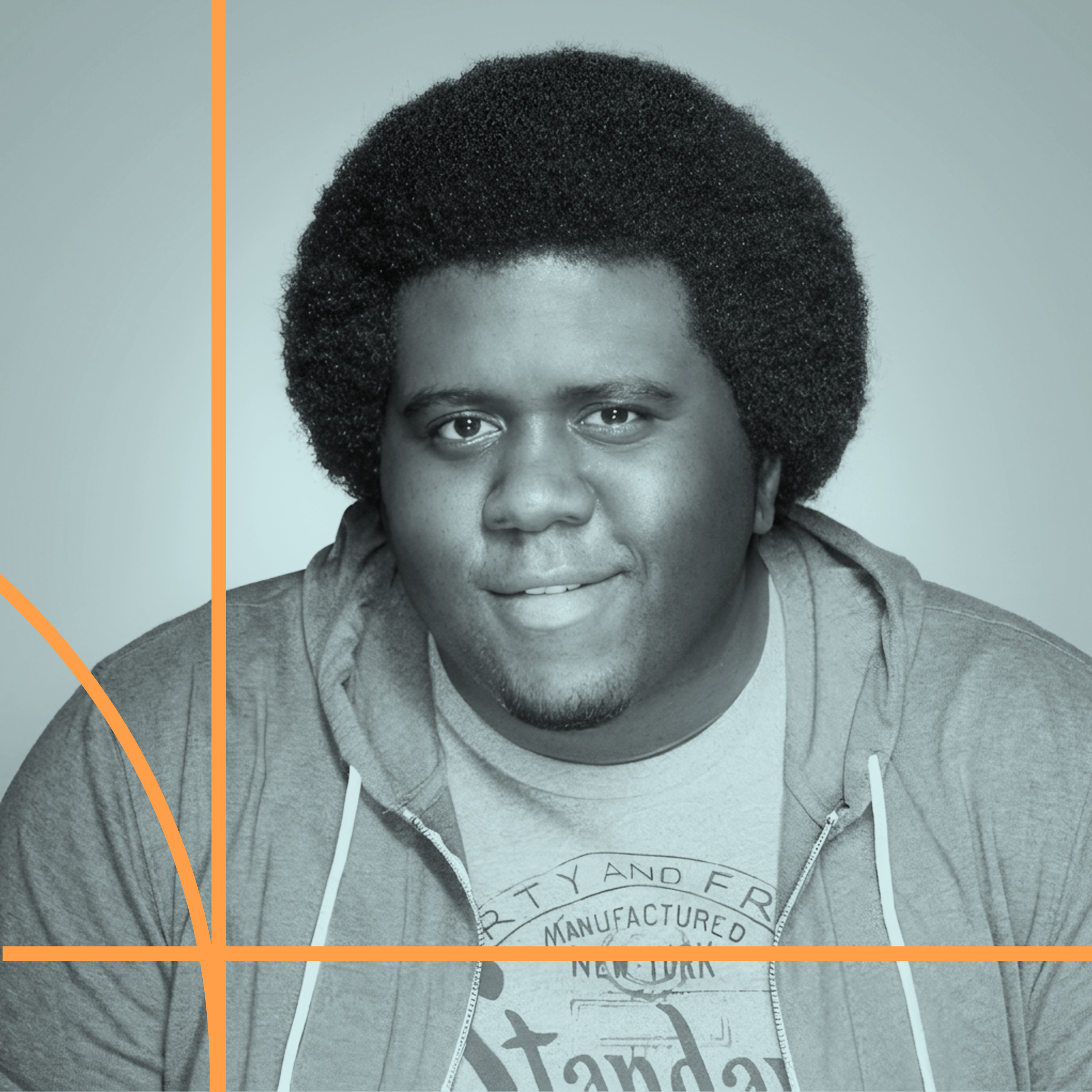
Kevin Flores has been part of the Design Better community for years — we first met him in 2017, while he was leading design at 23andMe, back when we were researching how design teams are structured for the Design Genome Project. So it’s a real pleasure to finally have him on the show to talk about his new book, Find Your Inner Rebel.
Find bonus content and more on our Substack:
The book is built around what Kevin calls his punk rock formula for career reinvention: resistance plus resilience equals reinvention. But don’t mistake the attitude for advice to quit your job. Kevin is candid that sometimes the smartest move is to hunker down, keep working toward change from where you are, and be ready when it comes, whether you choose it or it’s chosen for you.
Get the book
We talk about why strong generalists struggle to get hired (and how to fix it), why your personal brand matters more than ever when you’re competing against hundreds of applicants, and a simple test for your portfolio’s opening statement: swap in someone else’s name and photo and see if it still works.
As Kevin puts it, “you are the unique thing in the equation.” We also get into misalignment burnout, why designers should look beyond big tech to places like local government, and servant leadership.
Bio
Kevin Flores is a design leader, mentor, and author of Find Your Inner Rebel. He has built and led product and design teams in every work environment: agency, freelance, startup, and mid-to-large companies, including Verizon, 23andMe, and LinkedIn. He and his wife Jeanine met as design undergraduates at the University of Illinois and went on to co-found an interactive agency in Silicon Valley in the 1990s, and together they co-wrote the Design Career Handbook. Kevin spent six years as a mentor in First Round Capital’s Fast Track program, and serves as an industry advisor for design and user research for the Mission College Design and Diablo Valley College Digital Media joint advisory board. Learn more at innerrebelbook.com.
Learn more about your ad choices. Visit megaphone.fm/adchoices