Ask ChatGPT


 Do Not Disturb: The Inside Story
7 Oct 2026 · 50m · 25 chapters
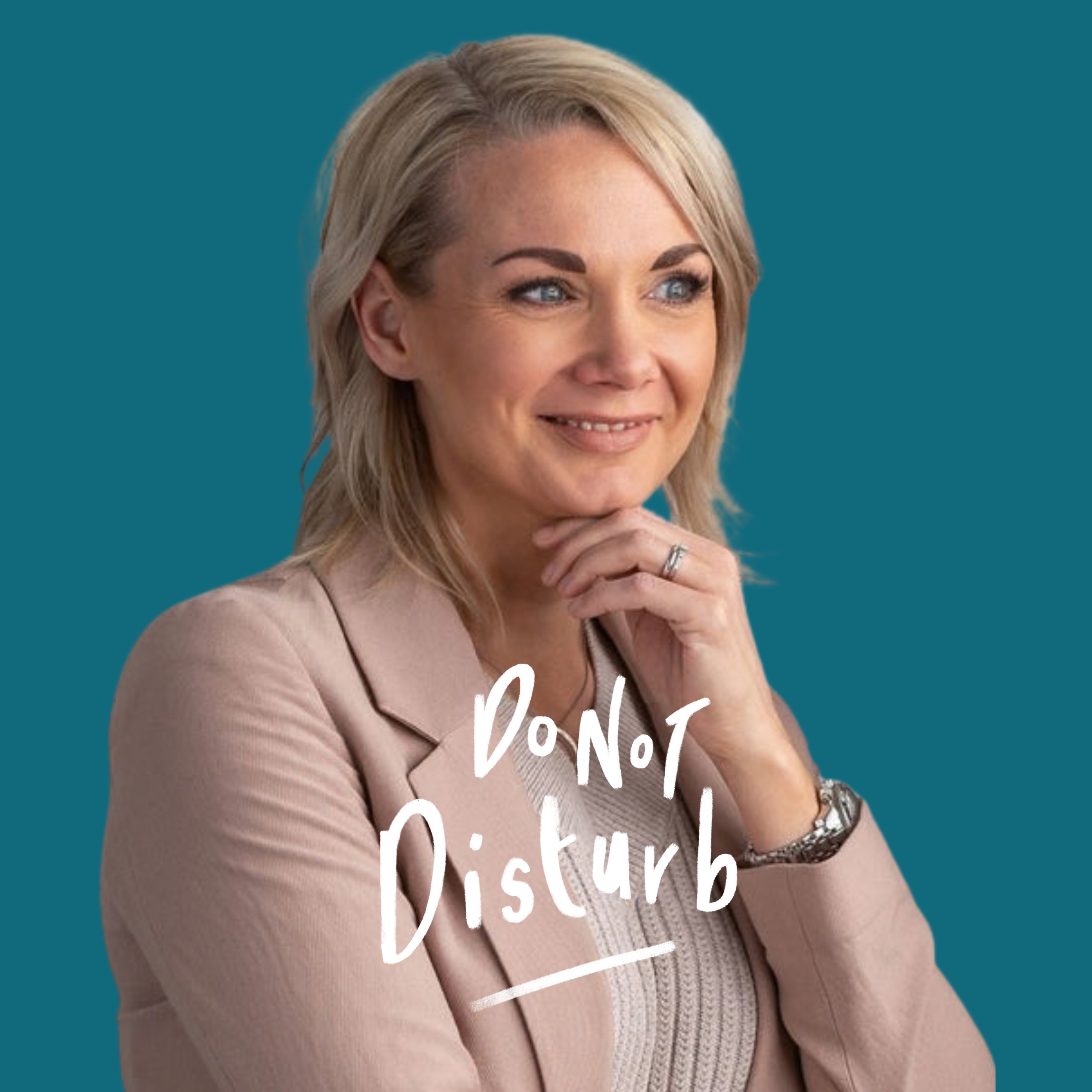
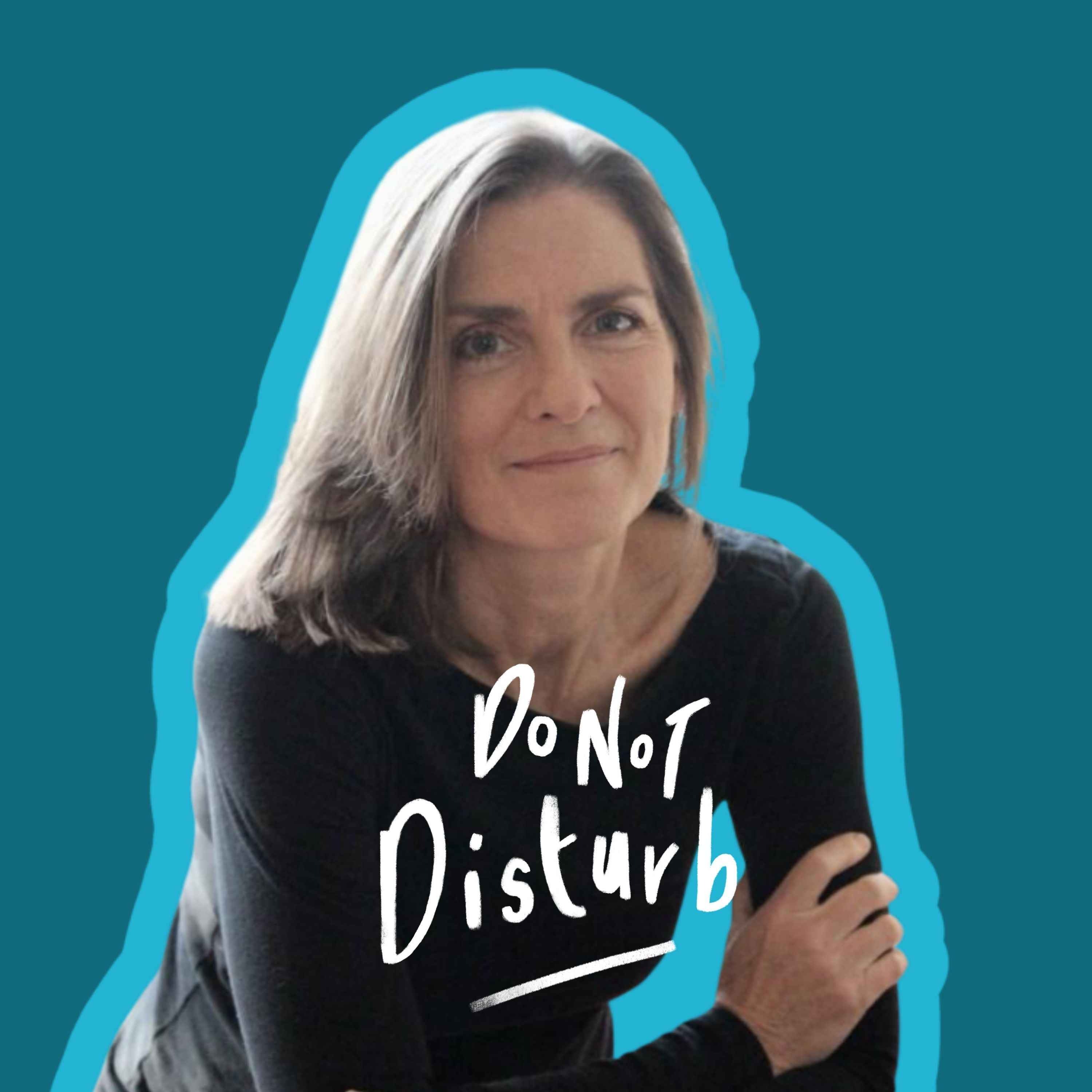
Laura McGrath (Lola & Licky co-founder/CEO) discusses pregnancy loss, postpartum support gaps, “formula guilt,” and why mothers need individualized care and workplace policies that actually help (not just lip service).
Laura is a mother of two (first pregnancy in 2011; second baby lost at 16 weeks after infection/septic miscarriage; later had a healthy baby via planned C-section after extended antibiotics). She founded Lola & Licky (decision 2016; formal launch 2018) after experiencing complications, sepsis, and inadequate care. She previously worked in HR and helped shape corporate parental policies.
Public systems should be sufficient but often lack resources for specific cases; women must advocate and ask questions because clinicians are human and errors happen. Postpartum and returning to work are under-supported, and workplaces should provide structured, actionable accommodations. Breastfeeding/formula choices should be guilt-free and based on what works for each mother.
Extended antibiotics during a third pregnancy; planned C-section after private/public care conflict; workplace demotion after miscarriage; breastfeeding while using formula due to hospital separation and her own capacity; Finland-style occupational health and remote-flex work model; proposed “feeding guidelines” for TV/film HR policy.
Written by AI. May contain mistakes.
Laura shares her initial experiences with motherhood and complications in her pregnancies.
“I didn't know it back then, but that was really the starting point for setting up this business in the future.”
Laura discusses the emotional toll of losing a baby and the need for better support.
“by the hardship and challenges of the postpartum period and the absolute lack of support there was for moms.”
Laura talks about her journey to advocate for herself in healthcare during pregnancy.
“I just felt like, you know, we can't lump all of mums into the same kind of box and treat them in the same way where all of us have got our own challenges and physical aspects and kind of emotional issues, etc.”
She explains the challenges of navigating public and private healthcare during her pregnancies.
“that then allowed the pregnancy to keep going.”
Laura emphasizes the importance of trusting one's instincts during childbirth.
“And how did it feel to take that decision in your hands?”
Discussion on the shortcomings of maternal healthcare and the need for proactive approaches.
“to do this because I had had failings in my care twice.”
Laura shares her experiences and the need for better understanding during childbirth.
“But I think, you know, combining that sort of rather old-fashioned view with the lack of resources we currently have, you know, you're putting yourself potentially in a pretty dangerous place.”
She discusses the current struggles of public health systems and women’s advocacy.
“But because I just completely let myself, I was like a patient that was just brought to the hospital and do with me what you will because I have no understanding of what's happening to me now.”
Laura reflects on her decision to start a business after her maternity leave.
“But that just means that we as human beings and women, we need to advocate for ourselves.”
Discussion on workplace support for women returning from maternity leave.
“And then, yes, like you said, there's that other aspect where, you know, workplaces and society usually treats it as something to, you know, to get on with, basically.”
Learn about the challenges women face returning to work after maternity leave and practical solutions for support.
“So I think that's one of the most interesting topics.”
Discover the societal pressures on mothers and the lack of adequate support during the postpartum period.
“you feel like you're not able to, where actually you're able, like you said, produce the same amount of work, probably the same or better quality than you did before.”
Examine the important role of partners in supporting mothers and the societal changes needed for shared parenting responsibilities.
“wonder so many women feel overwhelmed exhausted and like they're failing so i think you know this is the main kind of point here.”
Understand the complexities of balancing career aspirations with motherhood and the emotional toll it can take.
“I mean, of course, in Finland, at least, that's illegal, but there's many ways to make people feel uncomfortable.”
Discussing the importance of not postponing motherhood for career reasons.
“Plan your motherhood regardless of workplace and plan your life?”
Exploring the emotional impact of miscarriage and the need for supportive workplace policies.
“What do you think should be the policies for women experiencing miscarriages?”
Discussing the changes women face during postpartum and the importance of self-acceptance.
“But when I look back, I was away for a month.”
Addressing the societal expectations and guilt that mothers face.
“And I think the quicker we realize that we cannot go back to it and we cannot play the same game anymore.”
Encouraging women to make informed decisions about breastfeeding without guilt.
“you can do something about that talk about breastfeeding quickly you know a lot of people say breast is best and importance of breastfeeding and i think it's a very hot topic we discuss it a lot on this podcast as well.”
Advice on understanding the vast changes that come with motherhood.
“She was, you know, some babies just latch immediately.”
Learn about the immense changes and challenges new mothers face and the importance of preparation.
“And I think it's a kind of word that we should really introduce into our vocabulary.”
Explore the importance of trusting your instincts and building resilience as a new mom.
“So I would love to have kind of moms to have more faith in that.”
Discuss how to prioritize your own well-being and the strategic nature of saying no.
“So there's a quote I wanted to share because I really love it.”
Reflect on the journeys of parenting and personal growth over the years.
“But, you know, I kind of always felt like I can do everything for everybody.”
Discuss the importance of enjoying life's moments despite challenges.
“Even I feel like 11, 12, 13, these are hard years still with children.”

Get the gist, explore an idea or ask about something said.
 Claude
On Do Not Disturb: The Inside Story, what are the key points of this episode?
Searching your listeningAutomatic transcript. May contain errors.
0:00You're listening to a quick ad. You know what else is quick? Selling your car on Carvana. Just put in your vehicle information and we'll give you an offer. Done. No hassle, no negotiation, no guy from an online listing lowballing you. Which means, by the time I'm done explaining this, you could have basically done it.
0:23Still haven't started? Hey, better late than never. Sell your car today on Carvana. Pickup fees may apply.
0:35Today, I'm joined by Laura McGrath, co-founder and CEO of Lola & Licky. Going back in time, all the way to 2011, when I had my first baby. I didn't know it back then, but that was really the starting point for setting up this business in the future. I mean, it's always been a dream of mine to build something of my own, but I never had quite the sort of passion for a specific area that I really, really wanted to change until I had my kids. So my first pregnancy was okay, but what followed were like multiple complications and really, really difficult times, really hard recovery. And I was kind of blown away by the hardship and challenges of the postpartum period and the absolute lack of support there was for moms.
1:25And then following that experience, I sadly lost the second baby a few years later. I do the same complications and I kind of felt, wow, there's something happening here. It's a pattern. Yeah. Yeah. Thanks. That was a really, really tough time in my life. And so kind of going forward from there, I felt, sorry. Yeah. Being pregnant, you lost the baby. How many weeks can I ask? 16 weeks. So it was in the second trimester, kind of felt pretty secure with the pregnancy already. And then I had challenges with infection during pregnancy that then caused a septic miscarriage. So it was quite a critical stage and, you know, baby was still alive, basically going into the labor.
2:17So that was a really, really traumatizing experience, having to sort of go through that and losing a baby when you know there's nothing wrong with the baby. But it kind of basically came down to an error in my care and that could have been avoided. So that was really the motivation for me going forward. I just felt like, you know, we can't lump all of mums into the same kind of box and treat them in the same way where all of us have got our own challenges and physical aspects and kind of emotional issues, etc. So we're all kind of individuals and I kind of really felt like we need to be met as individuals in that kind of critical point in life.
2:56And then going forward, I really started advocating for myself. I went to private care and thankfully got pregnant again about a year's time. But it was a really kind of nerve-wracking experience because, of course, I had that sort of infection scare there all the time that needed to be treated. So it was quite a different route to childbirth, but one that worked. I was willing to sacrifice anything at that point just to have a healthy bit. What do you mean by different route to childbirth? It was a caesarean or...? No, I mean in terms of care. So I mean, I kind of really hope that most moms wouldn't have to resort to private care.
3:36Okay. Public healthcare systems should be sufficient to support us. But like I said, they didn't really have room or resources to treat my case because it's quite specific. and therefore they didn't want to do anything differently during a third pregnancy. And I kind of knew myself at that point that it would also end if I didn't seek different kind of care. And so I was actually treated with antibiotics for a really extended period of time that then allowed the pregnancy to keep going. And it was quite an unusual approach because it's not something that was recommended by the public side. So I had this sort of constant pull from the two sides saying different things.
4:20And I kind of just chose to listen to myself and listen to my body, see how things progressed. And end up walking to the public maternity hospital with care instructions from the private side saying, this is what you'll do. This is, you know, this is how it goes. I planned cesarean and, you know, had a healthy baby in my hands and a very positive kind of childbirth experience at the end of it. But it really, really kind of demanded drastic measures to get to that place. And I'm not saying every mom should have to do something like that. But I suppose what we are trying to say through the business is that we need to treat moms as individuals.
4:56We need to give them adequate care. We need to equip them to make the best decisions for themselves. And how did it feel to take that decision in your hands? Because I'll just give you a quick background of myself. I had my first baby in England in NHS 11 years ago as well, some time ago. And I just had my second one 11 months ago in Brazilian private care. And I also took huge advocacy of myself and my childbirth experience was they didn't want me to have a natural birth. They wanted me to have a C-section 37 weeks. I have a whole episode about that. It's a separate story. But I had a big argument with my husband because he was like, well, if you would have an appendix, would you go and tell a doctor what to do?
5:42No. Why are you arguing here? And I was like, I just know. And he was like, how can you know? Doctor studied for eight years or 10 years or she worked for 20 years. You would never do that if you had, I don't know, God forbid, cancer or you needed appendix removed or something like that. Why are you doing it now? He just didn't get it. And I was like, and I didn't have a good answer for that. Maybe you have a better answer for that. Yeah, I mean, I think I have many answers for that. You know, first of all, I, you know, this is the argument I've got from many people near me several times as well.
6:19How dare I question actual doctors when I'm not a doctor myself, but I am a, I'm an expert on my own body. And, and I suppose it was the history that kind of really gave me the courage to do this because I had had failings in my care twice. First time, you know, that led to severe complications, sepsis and a near-death experience. And the hospital then admitted that they had made serious errors in my care. And the second time it happened, I actually lost my baby. So I had very good evidence to say that, you know, I mean, I love midwives and I really value the work that they do, but it's still people are doing, they're working, they make mistakes, they're humans.
6:59You know, there are errors. And we know that maternal health care is in a really, really poor place where we have completely insufficient resources. And there's like very well documented failings in care. So, you know, that kind of takes me forward to, I mean, look at our health systems now and how we approach our health. I mean, can we take proactive approach to most aspects of our health, you know, when it comes to planning ahead or nutrients or kind of monitoring your health, all of that, and why wouldn't that apply to maternal health? I think there's a misconception here where we know we have traditionally been talking about this pregnancy and childbirth being the most natural process that you cannot interfere with, that you can't have anything to do with, just go with the flow and see what happens.
7:45But I think, you know, combining that sort of rather old-fashioned view with the lack of resources we currently have, you know, you're putting yourself potentially in a pretty dangerous place. So I think it's a big difference. It's super important at least to be aware of the different options, what might go wrong, what happens if this happens, what do I do next, just to have an understanding. Because I remember the first time I went to have a baby and things started to kind of rapidly escalate out of control. It's such a scary place when you've not had any serious health problems before, you've not been in that place before, you cannot understand what's happening to your body.
8:22you know, and why do these things keep happening? And you can't really control it because you just don't understand. So I would push back. And, you know, doctors may have studied for 10 years, but there are still humans who make, you know, decisions based on judgment. They make errors. You know, it doesn't harm us women to be really vigilant about our own health. And ask questions. We are not telling them what to do. We are asking what is happening to our bodies? Why is this or another procedure? Yes, exactly. And at least, I mean, seek second, third opinions and really map out the case. Don't believe just one person if you've got any doubts.
9:08And I agree with you. I mean, yes, it's largely in the unknown still as to what happens, what starts child labor, but we still need to trust our own bodies. I really strongly believe that. And I kind of feel like if I'd trusted my own body better from day one when I went into my first childbirth, you know, the outcome might have been better. But because I just completely let myself, I was like a patient that was just brought to the hospital and do with me what you will because I have no understanding of what's happening to me now. And that was not the right way to go. Very violating. Yeah, it is.
9:46It is. Yeah. And, you know, the actual experience of giving birth can be so traumatizing. And you've got, you know... Makes me very sad. I'm always crying. No, I know. It's shocking. But you're probably aware of the Ockenden review, the Nottingham NHS review that came out a month ago. Just came out, yes. Yeah. Just, I mean, it just, it doesn't sink in, the horrors of, you know, how we can let things sink to this level and how anybody can be this negligent that they simply don't care. And, you know, looking at it from the other side and knowing what it feels like to lose a baby and this wasn't even a full-term baby, you know, how can you ever forgive and how can you ever move on in your life under such circumstances when you know that the outcome could have been avoided, that perhaps, you know, your baby would be alive or, you know, they wouldn't have permanent injuries.
10:40So, yeah, it's a really poor state of affairs, unfortunately, where we are at the moment. And I think, you know, of course, we have that in every single part of health. I mean, public health care systems are majorly struggling in every single aspect. But that just means that we as human beings and women, we need to advocate for ourselves. It's super important under these circumstances. And how, you know, after the birth, how many years passed since you started your company? How did you decide to start it in the first place? Tell me about that a little. This was very soon after the birth of my daughter in 2016.
11:17I was on maternity leave and kind of really felt like this was a good time to jump out of the sort of corporate career path. not to go back um kind of easier to go from sort of low income to to starting entrepreneur rather than go back to a kind of monthly wage in in the meanwhile so yeah I kind of felt I felt really um um I wouldn't say powerful but I felt energized by the fact that you know I'd had this beautiful pregnancy that ended up with a really good kind of childbirth experience I was having a fantastic time on maternity leave because it's so much easier with your second baby, as you will know yourself.
12:01And I kind of felt like right now is now is a really, really good time to do something else and jump into starting my business. I had a friend, my co-founder, who was in a similar place. So we kind of decided to go for it together. And yeah, it was really kind of reflecting back on those experiences I'd had, you know, with my pregnancies and childbirth experiences. And it suddenly kind of became very clear what we wanted to do and what we want to change. So yeah, it was a decision. Decision was made in 2016. And then we formally started the business in 2018. And that came. So yeah, I think there's two sides to that.
12:41There's us women who can be pretty tough on each other. And that's a very tough time in life because of the conflicting tensions and desires and situations. You know, you may be trying for a baby. you've decided you actually do not want to have children, I don't want to talk about this. It's so loaded all the time. And then, yes, like you said, there's that other aspect where, you know, workplaces and society usually treats it as something to, you know, to get on with, basically. So what? You've just had an extended leave, whatever. You just had a baby carry on as if nothing has happened. And we've kind of normalized that sort of and internalized that, you know, that we as women are not allowed to talk about it as much.
13:26You know, for instance, in the workplace, you kind of need to diminish it because, you know, you don't want to take the attention to yourself at, you know, if you've just had a pain or nothing more. And what would be the ideal way to treat it in a workplace? I think, you know, coming into this podcast, I saw postpartum and returning to work were two of my kind of favorite topics to discuss because I think those are the ones with the most gaps. But I think at least workplaces should adopt clearer guidelines for how to welcome women back. And it can be quite a simple set of guidelines. Of course, managers kind of have a crucial play to role, but at least so that every woman would be treated in the same fashion, regardless of who their line manager happens to be and whether they're kind of positive or negative towards maternity or, you know, leave.
14:18So I think that's one of the most interesting topics. A conversation with the HR director for Marks and Spencer's about a year ago, and I just wanted to hear kind of her thoughts on how they could improve their parental policies, because that's a really kind of key aspect to them. And she said, yeah, she would love to understand how to better support women coming back to work, because that's where she sees the main pain points. So whereas we've got a society that kind of largely treats it as, you know, welcome back from an extended period of leave. As a woman, you're coming back and you've just been through the most, you know, the biggest upheaval in your life physically, emotionally, you know, you've been driven over by a truck, you've not slept for a year, you know, you're dealing with all the hormones, the emotions, everything.
15:06And it's like, you know, you've already done a full, especially if your child has gone to the creche, by the time you go back to work, you know, you've literally done a work day before you get to work. So we need to be able to account for all of that somehow at the workplace. And do you have any examples of how? What would be those simple guidelines? Because many people say that, but what does it actually mean to support women in real life at work? Yeah, I mean, just a practical example, we're just launching feeding guidelines, practical feeding guidelines for British TV and film industry. That's kind of really exciting collaboration that's coming out soon.
15:46And that's going to be kind of written into the Warner Brothers HR policy book, which is really cool. But it's a set of very, very practical guidelines of what women who return to work and they want to keep feeding their baby, they want to continue breastfeeding or they want to pump, you know, what are the tools they need. So in terms of breaks, in terms of time, in terms of support, in terms of space, resources, etc. So just a very, very kind of, you know, we wanted to kind of really bring it down to a kind of actionable set of activities. So we could apply something similar to kind of women returning from maternity leave.
16:26And, you know, just to have something like that in the company's policy book to say, we need to allow for an extra 15-minute break here and there, you know, if the mom wants to go and pump. Or, you know, there needs to be added flexibility, for sure. I think my biggest challenge was when I returned to work after my son was born, was that it was a very inflexible workplace where I couldn't do remote work. And, you know, at the same time, I could not make the day fit. me bringing my son into childcare, which was really far out, then driving to work during my eight hours and picking him up within the given hour.
17:06So it's just like I said, I can't do it, like help me out here. Now in Finland, of course, you can do reduced hours, you know, which is quite good. But I don't think we should necessarily squeeze women into doing reduced hours and getting a reduced pay when in fact you're doing the same amount of work anyway. So eventually I I got, you know, managed to negotiate some flexibility in terms of kind of, you know, my hours and doing a longer day once a week, for instance, doing shorter days. And that comes back to the same of advocating for yourself, right? Advocating for yourself. Yes. Yeah, but I mean, I just wish that that was a given so that you wouldn't have to go in that state when you're kind of a physical and emotional wreck who hasn't slept for a year, that you wouldn't have to advocate for those very, very basic things that literally keep you alive so that that would be offered without you having to advocate for it.
18:00for the workplace to recognize. When you ask for reduced hours, you feel like you're not able to, where actually you're able, like you said, produce the same amount of work, probably the same or better quality than you did before. I'm a true believer that mothers, they do better. Yeah, yeah. Job than before they were mothers, if we compare the same person, your output just changes. But that doesn't mean you're less in any way. Yeah. And what policies does your company, do you have employees in your company and what policies do you have? Yeah. What policies do we have? We have a 50-page HR policy book, so it's a very, very long, but it's, I suppose, you know, without going into detail, based on my experiences of kind of, you know, being a working mom and also my corporate career before starting this business was in HR.
18:59And so I was kind of responsible for those policies and for supporting employees. And then when I set up this business, I just wanted to give people absolute freedom to work whichever way suits them. And all I've ever cared about is the quality of the work. And I really don't care about the hours or the location. And yeah, we've got this full set of freedom for any type of absence and support. we've got like the sort of most comprehensive occupational health care which covers gynecology for instance because in you know in Finland it's compulsory to offer this occupational health care but usually workplaces limit to the sort of kind of bare minimum that they have to legally offer and I just kind of felt like no I feel like you know women's as a women's health company.
19:51I want to have that included as part. And your sort of female health, hormonal health, et cetera, is absolutely the same core part of your health as any other area is. So these are just some examples. But yeah, we've got an office in Helsinki where I'm sitting now, but I'm here by myself because our team is very remote. We've got one in the Orland Islands, closer to Sweden. We've got an employee based in Italy, another one in Spain, all over the place. Kind of like I said, people really can work from wherever they like. So at least I hope to run a business right now that I wish I'd be a part of when I was working in corporate hate.
20:34Great. And you're changing other people's businesses as well. Yeah. Why do you think is it that there is so little attention to mothers in general in postpartum period, not just fourth trimester? I mean, your children are now grown up, but I'm sure still in some ways are impacted by being a mother. and yeah yeah um yeah no i mean i made some i made some points um yeah i mean i've written down here that society expects mothers to take motherhood like its natural built-in skill to carry on as if nothing has fundamentally changed and when that's the message that we absorb then it's no wonder so many women feel overwhelmed exhausted and like they're failing so i think you know this is the main kind of point here.
21:23There is such a lack of support because we don't regard becoming a mother anything. It's just something that us women do. I think that's the main challenge that is completely downplayed and the impact and shift that it will have on your life afterwards. So it's quite, it's not easy being a woman, you know, you wouldn't ask a man to choose between family or career. But as women, you know, we quite often have to do those, make those choices. But I think, you know, it makes us stronger in the long run and it makes us come up with ways of approaching our careers that fit in with motherhood and support motherhood.
22:05So whereas, you know, I remember when my kids were small and kind of I was setting up this business, I was working crazy hours, etc. So I did get some feedback from home that I was always at work. But at the same time, I knew I was building my dream, you know, something that would be an example to my kids and something that would also give me that ultimate freedom to kind of determine myself where and when to work and what my future will eventually look like. But yeah, I mean, I often say that, you know, we've had many other areas of health that progressed and, you know, there's huge amounts of proactive health and we're using different tools and applying different methodologies, et cetera, et cetera.
22:45But kind of maternity has somewhat remained at the same level where we kind of say, well, women used to give baby birth in the caves back in, you know, 17th century or whatever. So, you know, you've not needed any support then. Why do you need it now? And that's kind of the most ridiculous argument. That's not really true because we had huge support of a huge community. People used to live in communities. And also women were not expected to have a great body and workplace and stay up to date with the news. And I don't know, do all the things that we do nowadays. Do you think there is a role of our partner to help us in this matricence journey?
23:26because what I struggle with and a lot of our listeners written in the comments, it's like, yes, I need to ask for help, but then I need to advocate for myself. Like you said, with workplace, this is just, I don't want it to be asked. I want it to be offered, right? First, you need to get to the place where you need to ask for help. Then you need to micromanage kind of the help to be given to you. So how do we make a society either from partners, work, like all of these structures where you don't, like, what is the role of a partner? I guess that's my main question in this. Yeah, well, yeah, it's pretty major.
24:03I agree with everything you say that there's a long way to go, for sure. I mean, we're seeing more and more dads take paternity leave in Finland, and this is purely down to society, you know, and, you know, these kind of policy changes and improvements in terms of dividing parental leave more equally. My, I mean, my ex-husband was very active with the kids, not to say that things got divided 50-50, but absolutely a supportive partner can make it a lot easier. But yeah, I do come across this sort of, you know, if a dad pitches in or looks after the kids or gives mom a bit of free time or kind of cleans or cooks, you know, gets patted on the back and said, wow, what a great dad you are.
24:50As moms, you know, we do that sort of invisible labor 24 hours a day and don't really get thanked for it. And so there is a long way to go. But I think it's going to be a slow, slow kind of shift, you know, in countries like the UK. It's just, it's kind of grassroots level in terms of dividing parental leave. So there, I mean, there's so many structural improvements that are required, you know, first of all, in terms of childcare access, which is, you know, cost-wise near enough impossible for most new parents. But then, of course, in addition to that, you know, in the end, to share the parental leave more equally for dads to have an actual opportunity to participate in family support more because, you know, in some cases it's not possible.
25:42So it kind of, it really depends. I think we're now in a place where things are improving, but that the big picture is still pretty bleak. There are some kind of front runners in terms of employers, people doing things differently, kind of showing the way. But then there's kind of some really awful stories that you keep hearing as well regarding people, people literally losing their jobs for trying to take parental leave, etc. I mean, of course, in Finland, at least, that's illegal, but there's many ways to make people feel uncomfortable.
26:18How are you meant to win at this? You know, at least my view, always in HR and so on, is this is a short time in a woman's life. It's like a year or whatever you're away. like you're going through so much during that time the least you can do as an employer is to support that and that person will be back and you know if you support them they'll come back as an even a better employee and you know you keep building trust from there but it's yeah just so many times you hear this story is that something like this happens and you know it was my experience as well it was actually when I lost the second baby I had I had sort of I was changing jobs and First of all, I didn't quite know whether the fact that I was trying for a baby should stop me from changing a job.
27:05Because what if I change a job and then I get pregnant? You know, how inconvenient is that? And then that very specific thing happened. And they kind of hated me for it, which is crazy. You know, I was trying to explain to them my past and what I'd been through and how important this was. And yeah, I mean, then unfortunately that pregnancy ended in week 16. I was away from work for another month after that because I was so traumatized by the miscarriage. And then I went back also to find that I had been sort of demoted, moved into a back office. You know, they took my office away from me. They put me in a corner office with some other people and they took most of my kind of responsibilities away from me.
27:46And I thought, wow, this is a thanks I get for being that criminal who dared to get pregnant. wasn't loyal to this work job place so kind of it is such a And what would be your advice to women? What would be the advice in this case? Plan your motherhood regardless of workplace and plan your life? Or would the advice be wait two years to get better at the job and then get pregnant or you cannot win so do you? I mean focus on your life If you want to get pregnant, focus on the pregnancy. There will be more jobs, you know, life will follow. I would never put getting pregnant on hold because it's becoming increasingly difficult for us women to get pregnant.
28:35And the later you leave it, the harder it gets. And that was a really, really painful five years in between my first child and my daughter being born. And at times I thought, you know, I just wouldn't get there. And that was just a crushing idea because I always wanted to have two kids. And in the end, I was lucky enough to have that. And also, you know, not to take it. I know it feels so serious at the time because, I mean, of course, your job matters to you. Your career matters to you. Your salary matters to you. But when you come across these types of employers, I mean, let them go. They're not worth it.
29:09They're not worth you. I mean, if somebody has an approach like that, then surely that's a sign that it's not going to be a pleasant ride within that company. But like I said, it's easier said than done because, you know, you usually need your job and you need the wages. But that would be definitely my take on this. Don't put your life on hold due to any job. Back to the miscarriage. What do you think should be the policies for women experiencing miscarriages? I experienced much less intense miscarriage than you have. I was eight weeks postpartum. Not postpartum. Eight weeks pregnant. Eight weeks pregnant when I lost my pregnancy.
29:53I just, you know, carried on as if nothing happened. But inside I was grieving a lot. But I didn't know what to do. I really didn't know what to do. Nobody, I just, I really didn't know what to do. And looking back at it, I'm thinking, why didn't I take time off? Why didn't I sit with it? It is a huge thing that happened to me, to my body. What do you think women should do and what workplaces should do as well? Yeah, I mean, yeah, it's really interesting. I've heard from some women that they kind of, if they have an early miscarriage, they prefer to just move on and not really dwell on it. And then there's, you know, women who have several consecutive miscarriages, and that can become quite traumatizing as well.
30:43But I would encourage you to kind of listen to those feelings and give it space, you know, because it is a huge deal that you're going through. For me, it was just life-stopping. I can't really kind of put words to it, but I mean, the baby in my mind had a sex, had a date of birth, you know, I had a vision of the life ahead of us. So, you know, even if it's just a miscarriage, so to say, if you've not had a living baby with you, it's still a life that you've pictured that you're losing. So, you know, from an employer's perspective, I think it's important to have any kind of bereavement leave written into the policies.
31:21So you don't need to, again, advocate or negotiate at a time like that. But rather, you know, you get one or two weeks off automatically just to take some time for yourself, no matter what the sort of trauma. I started Ornod in 2013 and we make bike apparel. The best part of Shopify for me is our ability to run the business as essentially non-technical people. We're able to admin everything on the back end, front end, and sell things online easily. If Shopify were a bike accessory, I think it would actually be the bicycle. It's the thing that you do the thing on. We run the business on Shopify.
32:00Start your free trial on Shopify.com.
32:06that's perhaps happened in your family in my case I mean no such things exist in most workplaces of course so I just I just had to get like a sick note but it was it was a big struggle and I was definitely looked down for for taking that leave and you know for not being I don't know strong enough to to be able to just go on but I mean you know I would actually say that in my case I was so proud of kind of keeping a job and continuing and la la la. But when I look back, I was away for a month. And if I would do things differently now, I would never have gone back to that job. Or maybe the first day when I walked in and I saw where they had moved me, I would have turned around and said, keep it.
32:50I'm out. And that's what I would do differently. And what gives you that strength now? Because you see in that moment, it seems like the biggest thing and the time, you know, it's only when you see things from a distance and you start to understand how short that period was at the end that you could have just allowed yourselves three months. financially yeah you get by you know you get by somehow but you know if once in your life you need three months to just kind of sit back and and kind of take stock what's happened and kind of really get up again then you should allow yourself that and you shouldn't think oh my god I can't have a three-month gap in my CV what are they gonna think that I wasn't capable of kind of keeping up a meaningful career.
33:37I was like, really, it's nobody's business but yours. After my first baby, my biggest fear about having a child was, it's not going to change me. It's not going to change me. It's not going to change my relationship. Somewhere, I think it took me a good five, six years, but somewhere in the middle of my parenting journey, I said, of course, it's going to change me. How can it not change me? It's so stupid to think that. and I think just allowing myself to realize it's gonna change me I just feel like even now my body becoming so light and you know it's just like such a sigh of energy like oh my god I'm allowed to change I'm different I'm not I don't necessarily better I'm not necessarily worse I'm different and everything about me is different but I'm still able to work.
34:29I'm still able to do things, but it's different. It's not the same. And I think the quicker we realize that we cannot go back to it and we cannot play the same game anymore. And the sooner we start reinventing those rules of the game, like you say it about healthcare, about work, but the faster women will change that collectively for all of us. The minute we start playing that game, we need to go back to that. We are collectively hurting each other. Yeah, exactly. I like to talk a lot about the sort of mom guilt. And I guess that's kind of one of the areas we're trying to kind of advocate against at Lola Lykke.
35:12The mom guilt is so strong and it's such a collective feeling and we all feed into it as moms. You know, we're kind of really saying that it's the surroundings, it's the society setting these impossible standards for us. You know, it's all these conflicting things. Act as if nothing has happened. Don't talk about it. Don't complain. And then you go into this postpartum with absolutely no preparation. And yeah, for a fact, everybody is going to change because it's a different life. But you know, how about we have an easier approach to it, a kinder approach to it and say, yeah, there's a change coming, but it's a positive one.
35:49It's going to take a really long time, you know, but don't fight it. And yeah, I mean, I think we as women just need to start understanding that in a way we're set to fail in many ways. You know, you're a bad mom if you don't do extended breastfeeding. Okay, how are you going to do that? Well, I don't have the support structures that would allow me to do that, but I'm still a bad mom if I don't do that. I mean, that's, and these, when you have like hundreds of these conflicting things in your head as we all do as new moms it's just so heartbreaking because you literally you can't win you can't do it all yeah so yeah mom guilt you can do something about that talk about breastfeeding quickly you know a lot of people say breast is best and importance of breastfeeding and i think it's a very hot topic we discuss it a lot on this podcast as well.
36:41Some people like it, some women, not people. Some women like it, some women hate it. What do you advocate for and how can you support women to have a more positive breastfeeding journey? And is it necessary at all for a modern woman? To breastfeed? Yeah. No, I'm completely a blank canvas for this. I mean, I don't advocate for any of those things. I only advocate for what's right for you. You know, despite us being largely seen as a breastfeeding brand, you know, you would think that I'm a massive breastfeeding advocate. And yes, I do, of course, see the benefits for both mom and baby, etc, etc.
37:24But looking back at my own experience, after my son was born, I was barely able to breastfeed because I was away in the hospital for like two or three weeks after the birth. And after I came back, I hadn't established that bond with him. I was literally scared to death about breastfeeding and just being left alone with him. I mean, it was just a really hard starting point for the relationship. And then I established partial breastfeeding for, let's say, three months. But I didn't feel comfortable to continue because I just never got going. And, you know, it just didn't feel like the right thing for me at the time.
38:01So I was formula feeding him from the start. And I suppose that would be surprising to hear from someone coming from a breastfeeding brand. But that's what I want to say. Again, so much guilt and blame go into breastfeeding. You know, what's the correct way to do it? And I remember being looked at like I had two heads when I took my baby. I went to a department store in Helsinki into a baby care room where there were like, let's say, five or ten moms breastfeeding their babies. And there's me with, you know, a newborn baby plonking a bottle of formula into his mouth. And that's not something that you see in Finland that much.
38:35But I didn't care because I just kind of felt like, you know, I just I'm going to have to do it my way. And if I feel like I don't have the strength or capacity to breastfeed, you know, to make that another thing that I now must conquer and succeed in, I need to give myself a break. And, you know, right now I'm more interested in staying alive and kind of waking up tomorrow and being able to care for my baby in a sufficient way and just kind of, you know, take it day by day. So that's my advice to women. You know, everybody will have completely different starting point to postpartum. You know, they might have breastfeeding issues or they mightn't have them.
39:15Babies are all different. There's like a million different things that feed into it. you may not simply want to, you know, or you want to combine different methods of feeding. And I think all of those are fine. I think, you know, I just really want to encourage moms to pick what's right for them. And your second baby, you also had the similar approach or you breastfed the second baby? With her, it was easier. It was so funny. She was, you know, some babies just latch immediately. She was a very sort of strong-natured little girl. So even at the hospital, literally a few hours after being born, she just kind of chomped on my breast and wouldn't let go.
39:55So she was much easier in terms of breastfeeding. So that, you know, and with both kids, I found that the breastfeeding, if nothing else, would comfort them. You know, in the moments of absolute crisis, when they was just screaming in the house, breastfeeding was the only thing that would somewhat calm the babies down. So that was even more important for me than the actual feeding aspect, because that was, you know, when you have that small bonding moment with the baby and you can kind of feel like their breathing is kind of slowing down a little bit and things are easing a little bit. So that was, yeah.
40:28Yeah. I mean, so, yeah, I breastfed her for about four months, but again, introduced formula quite early on. So I was just one of those, those types of moms who kind of, you know, I wanted the occasional hour away. I want to go to the supermarket to do some grocery shopping. You know, I occasionally want to sleep through the night. So, you know, I chose those things instead of being available breast-wise every hour of the day. You know, and that just felt like the right approach for me. That's the main thing. And did you feel guilty or you felt empowered by that choice? I think I felt mostly empowered.
41:03Sometimes you could, it's not something I would share with everyone. If I go into, let's say, a Facebook mom group meeting, you know, it felt like a very sort of competitive environment. You know, who knows the most nursery rhymes? Who does this best? And who does the most organic veggie purees? How many kilos have I got this in the fridge or freezer? So I didn't obviously keep going to those meetings after a while. So I probably wouldn't have shared it there. I don't think I'd got much sympathy. But, you know, within my close circle, within my family, all of that, no problem. It felt more empowering because I was able to decide to do motherhood my way.
41:46That's beautiful. To do motherhood your way. If every woman could hear one thing before entering fourth trimester or postpartum, not about the baby, but about herself, what would you want her to know? Yeah, I mean, I think, you know, you've referred to matricons a few times in this podcast. And I think it's a kind of word that we should really introduce into our vocabulary. So that's what I would want moms to understand, just the vast shift that's about to happen and how to approach that with kindness and sort of ease instead of kind of being really scared of. because we normally lump moms into then two groups.
42:28She changed completely. I don't even recognize that person or she's kind of managed to stay quite the same. You talk about your own friends even this way. And yeah, it's true. Like you lose some friends for like five or 10 years after they have kids and then they might kind of resurface and come back and say, hey, sorry, I just kind of left for a decade. I would prepare them for this sort of immense change that's coming because I think that was like the scariest part of it for me you know you're at the hospital with a new baby and literally asking the midwife so so this baby is mine to take home now i asked i literally asked that i could not believe was the first one i was like yeah where else would it go and then you get home and and you're just like i don't know nothing can prepare you for the idea that now this tiny little person is completely depend on you you know for most of at least for the next 20 years it just it's mind-blowing it's kind of you know I would so I would want to I mean first of all we have very little antenatal education as it is it's non-existent you know we try to want to hide facts from childbirth or postpartum because we don't want to scare moms um you know which I don't find is completely right way to go but Again, there's two groups.
43:45So you've got kind of first-time moms who generally don't want to really hear how kind of awful things can get because they kind of shield themselves away from that. But there has to be found like a kind of middle ground, so to say, so that moms are somewhat better prepared, both for the physical aspects that are about to happen to her body, but also for the massive emotional change. So that's what I wish I would have had. And I think that's what we need to improve. You're not struggling because you're not good enough, but you're struggling because the world wasn't designed to support moms properly.
44:20And we've normalized that failure for too long. So that's my kind of giveaway. And that, you know, it's really important to trust your gut as a new mom. Doesn't mean that you'll have certainty about everything. But I think it's important to remember that you're like an intelligent individual that didn't go anywhere, but you continue to be you. So you need to trust yourself and lead the life that suits you. So I would love to have kind of moms to have more faith in that. You know, this is what I said in the other interview as well. You know, trust your instincts because at the end you're the expert on your own life.
44:56So that's my kind of biggest learning. Something that I kind of followed throughout my life in many, many ways. But during maternity and during those years, I found the most difficult to believe in myself when the sort of noise around you is super, super loud. Everybody has an opinion into how you're doing things or how you could do things better or, you know, where you're failing. So just to kind of for us moms to become a bit more resilient and easier on each other. What is something that you protect, avoid or no longer give your energy to? Okay. So kind of looking back, my 30s were about building my family, those kind of super busy years with small children.
45:38And then my 40s have been about building my business. So I want my 50s to be about building myself. And the biggest lesson that I've learned is that saying no is not selfish, but it's strategic. So I protect my energy much better now, because I've realized that it's my kind of most valuable resource. So there's a quote I wanted to share because I really love it. It's one of my recent finds. Stop begging for passengers. Protect your vision. Curate your circle. Not everyone deserves a seat, a seat on the way up. So, yeah. So basically, I think that kind of sums up what I want to focus on now. I don't want to.
46:18I only want to share my energy with people who deserve it. And it's been, you know, a long journey of kind of, I suppose, always putting other people first, you know, whether it was my family, my kids, you know, somebody within the business or, you know, at work, etc. And thinking that that was just a sacrifice that I needed to make in order to make it all work. But coming to this place and I'm close to turning 50 next year, which is pretty shocking. I kind of really feel like, you know, now is the time for me to focus on myself, to really focus on my wellness and start building myself and start giving time to myself.
47:00And then that kind of means that I need to stop giving it to the people who don't necessarily deserve it. And why did you feel you had to give it before to the people? It's part of it is sort of, you know, from obviously family structures from childhood, just the way I grew up that, you know, you don't abandon anybody, you know, no matter how difficult times they might be having. So you don't walk away. Whereas that's, you know, obviously a very kind of loyal approach doesn't work in so many ways. You know, when you look at life as a whole journey, you know, at some point, you know, you just have to say, I can't carry you anymore.
47:37And I need to kind of step away from this. That's been, I think, one of the biggest sort of learning curves for me. I don't know, you know, how would you dedicate time to yourself during small child years? I don't have an answer to that. I don't think it's possible. so during those years you just go with the flow and you know you try you know try to keep your head above the water and and kind of I think if you manage to enjoy it I think that's the biggest victory you can have but it really depends on you know how difficult those years are how little sleep you get how sick the kids are etc so there's so many things at play but then kind of really looking at this business and the last sort of decade you know I think much of it has been needed.
48:22But, you know, I kind of always felt like I can do everything for everybody. I can just keep it going. And if somebody gets tired halfway through the game, I'll carry them. And that's ridiculous. I mean, I have to admit, at the end of it all, I cannot carry anybody. Like, I mean, life is enough as it is. And just carrying myself with dignity and grace is sufficient, and I shouldn't have to carry anybody else. So it's just a big sort of, I suppose, learning curve that happens over years and decades which I like about getting old to be honest because older you're literally like a new person you're so much wiser regarding all aspects of it so I kind of look forward to getting older but I really you know it's been an absolutely hectic 20 years like well 15 years so so I really kind of I want to come to a place in life where kind of things calm down a bit.
49:21See the results of all the insane work that's gone into it. You can kind of really enjoy what you've built and you can have your family to enjoy that with you. So I think it's really exciting. My son already turned 15. I mean, he's such a big boy and, you know.
49:40Thumbtack presents Tile Trouble. Every single time I use my sink, I make eye contact with the uneven ground on my kitchen backsplash. The crooked corners eye me and I'm haunted by more tiling questions than I thought possible. What kind of pro can fix a backsplash? Can I replace one cracked tile or should I replace them all? What? What if I just use Thumbtack? I can hire top-rated pros, read reviews, and compare prices with a tap, all on the app. Thumbtack knows homes. Download the app today.
50:11becoming an adult so quickly so it's super cool to see your kids grow up and what they become it is worth it and i think it's it's a false expectation to expect it all to be easy easy and then it's not and i think with time that's the beauty of it that there is a bit of a friction building a company building a family building characters out of children's also not all all rainbows and unicorns. Yeah. Even I feel like 11, 12, 13, these are hard years still with children. Yeah. But then hopefully you'll get to enjoy the reward on the other side and not forget about you. Yeah, exactly. And of course, you know, have a good time while doing it.
50:58So, you know, I'm not trying to say that, you know, put in 20 years of work and enjoy the rewards afterwards. But what I always, you know, try to do as much as possible is to enjoy the moment when it's happening. It's not always easy, but that's always been my sort of approach. That, you know, even when I can't afford a holiday, I'll go on a holiday anyway. Because I just love traveling and, you know, those are the kind of highlights that you'll remember from certain years. Things will sort themselves out, but you can't wait for everything to be perfect before, you know, you can be happy in your life.
51:32You need to kind of enjoy the ride. If you like this conversation, please like, subscribe and comment because this helps our podcast grow.
Why are mothers expected to cope while everyone checks on the baby? Simona Deifta speaks with Laura McGrath, co-founder and CEO of Lola&Lykke, about the experiences that led her to build a maternal-health company.
Read the episode summary and explore the conversation: https://www.donotdisturbpodcast.com/laura-mcgrath
For more DND stories and ideas, subscribe to our newsletter: https://www.donotdisturbpodcast.com/subscribe
Laura talks candidly about pregnancy loss, advocating for her own care, returning to work after miscarriage, and what practical support for mothers at work actually looks like. They also discuss the pressure around breastfeeding, Laura’s own decision to use formula, and why motherhood should not be treated as an instinctive skill women must manage alone.
Content note: This episode discusses miscarriage, sepsis and difficult postpartum experiences. Laura describes her personal experience; this conversation is not medical advice.
Explore Lola&Lykke: https://lolalykke.com/en-gb
Discover the Bloome wearable breast pump: https://lolalykke.com/en-gb/products/bloome-wearable-breast-pump
Do Not Disturb: The Inside Story is a podcast about motherhood, work, identity and ambition.
Hosted on Acast. See acast.com/privacy for more information.