Ask ChatGPT


 Do Not Disturb: The Inside Story
4 Nov 2026 · 1h 1m · 23 chapters
Unequal care work between partners, the “mental load” and resentment it creates, and how to redesign both households and workplaces so people can have leisure, connection, and sustainable careers.
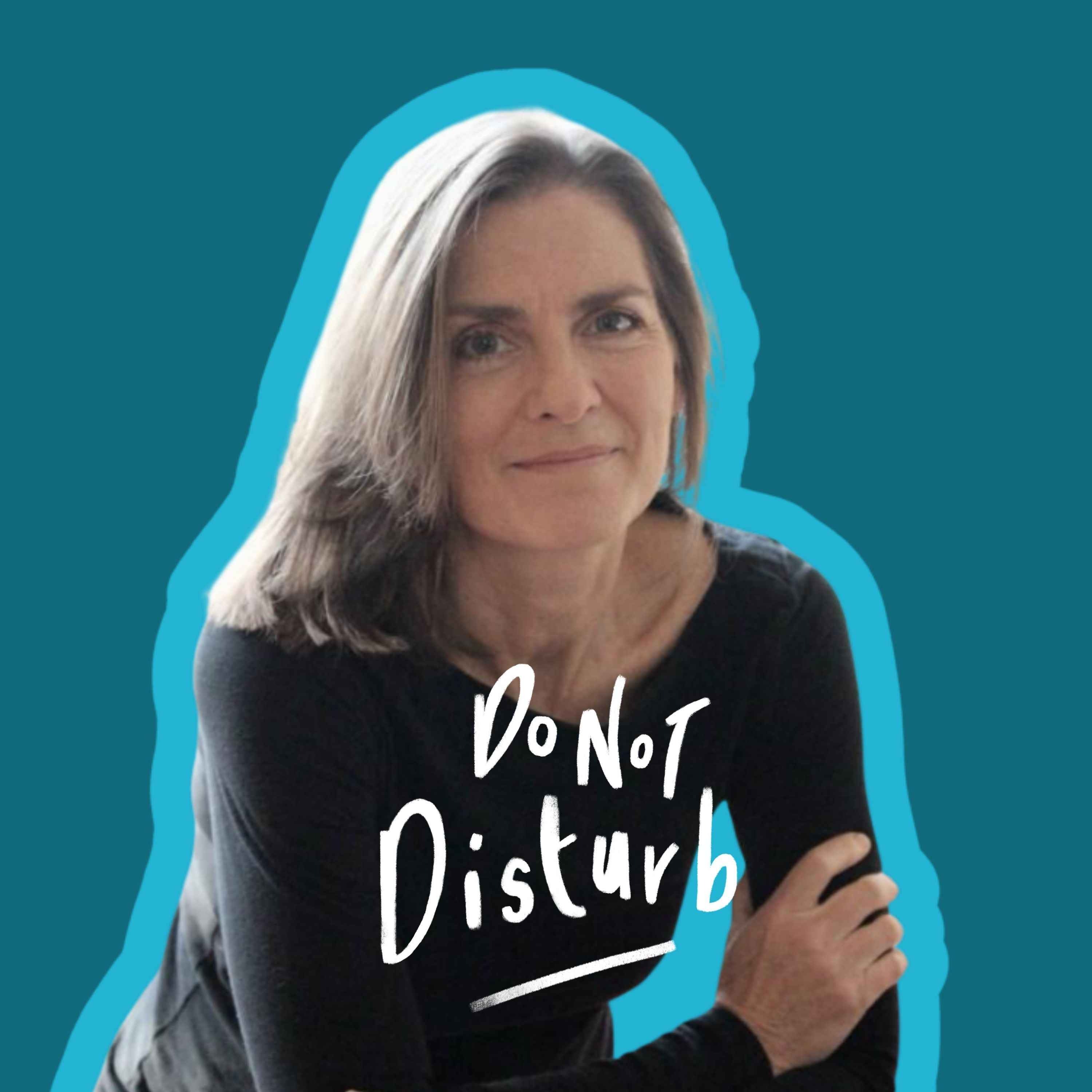
Brigid Schulte is a journalist and author and a mother of two (son 28, daughter 25). She runs the Better Life Lab at New America, focused on combining work and care, thriving families, and gender equality.
Women still do about twice (sometimes three times) the unpaid care/housework time; the data misses “mental load” (planning, worrying, appointments). Overwhelmed results from “ideal worker” workplace cultures that reward constant availability while care remains unequal. Self-help isn’t enough; systems change plus personal negotiation are needed.
A Thanksgiving turning point where her husband leaves to help a friend with beer while she’s doing all holiday work, leading to a reporter-style audit of household tasks. They then run “small experiments” (e.g., dishwasher/loading rules, shared bed-making, texting photos for accountability). She also cites same-sex couples research showing fairness improves when partners explicitly negotiate tasks.
Written by AI. May contain mistakes.
Brigid shares insights on the overwhelming responsibilities women face at work and home.
“Me, you know, doctor, me, pediatrician, me, dentist, me, you know, and kind of like, and put a lot of that invisible labor out on paper.”
Brigid discusses her experiences as a journalist and mother of two amid societal expectations.
“I wanted to dive straight into it for our listeners.”
Exploring the impossible standards placed on parents and the need for shared responsibilities.
“And if you remember back then, there was not a lot of substantive conversation in the media about combining work and care about there were there were sort of I called them mommy train wreck stories.”
Brigid emphasizes the necessity for shared care responsibilities and changing societal norms.
“And I think it's important to have that kind of space.”
Brigid reflects on her family dynamics and the evolving role of caregivers.
“Yeah, I use a phrase on this podcast that women were invited a seat at the table, which is really great.”
Brigid recounts a pivotal Thanksgiving moment that highlighted her feelings of imbalance in her marriage.
“And so my parenting is very different, you know, reminding them to pay their taxes.”
Learn about the path to achieving a fair partnership in a relationship.
“And if only I had had like Cirque du Soleil training, I would have been able to like curl that knife right by his head.”
Discover practical strategies for sharing domestic tasks in a relationship.
“So we started really small in the morning.”
Explore how communication can enhance fairness in relationships and reduce conflict.
“And so some of the to me, some of the most powerful research about the power of talking and communication is when you look at the research done on same-sex couples, they don't have any gender scripts.”
Examine the challenges women face with fragmented time and societal expectations around leisure.
“always been interrupted by children, by kids, by, you know, tasks that you have to do that are very time intensive.”
Learn the significance of support networks in parenting and managing responsibilities.
“deserve it right now, even if there's a million things on our to-do list still.”
Learn how sharing household responsibilities can enhance family dynamics and reduce stress.
“It's like, it's not relaxing because you're like a firefighter.”
Discover the benefits of involving children in household tasks and chores to foster independence.
“And then, okay, what's the work that we need to do to get that to happen?”
Discuss the unrealistic expectations placed on women regarding work-life balance and personal fulfillment.
“I'm like, he's way better than me and he's managing very well.”
Examine the disconnect between evolving family dynamics and traditional workplace cultures.
“than I had the first one because I wasn't there as much as I wanted with a growing business.”
Understand how investing in family support systems can lead to broader economic benefits.
“that many of our kind of competitive European countries do.”
Explore the societal impacts of policies that favor a small elite over the general population.
“And, you know, when you look at everyone's all obsessed with growth and economic prosperity.”
Learn about the transformative potential of community-centered growth and equitable policies.
“you know, declining well-being, which all of the polls are showing is happening.”
Explore how outdated work cultures hinder progress and the necessity for change.
“They would just have a different kind of empathy level and understanding of gender.”
Discuss the challenges women face in their careers, particularly after motherhood.
“I guess most corporations say, well, if you could do it till two, then you can do two days of work in one day and just keep pushing for that higher productivity.”
Understand the need for workplaces that accommodate different family needs and career paths.
“Do you have anything about that in your book or in your research that you would like?”
Identify positive examples in organizational change and the importance of hope.
“Well, that it is possible, but it is a combination of both mindset and culture as well as policy, you know, that it is possible, but it takes effort and intention.”
Explore the importance of seeking out positive examples to inspire change.
“You know, so that's that's enraging because it's so short sighted.”

Get the gist, explore an idea or ask about something said.
 Claude
On Do Not Disturb: The Inside Story, what are the key points of this episode?
Searching your listeningAutomatic transcript. May contain errors.
0:00Brigid Schulte: Observe. The North American Dad. 50s. Great polo collection. He enters his vehicle information on Carvana. An offer appears in minutes. Remarkable. He squints, reads it again, smiles and says, dang, that's a good offer.
0:16Simona Deifta: The highest form of approval. No haggling. No hassle. No one called him boss. He's still on the couch.
0:25Brigid Schulte: Astonishing. Sell your car today on Carvana.com. Pickup fees may apply.
0:32Simona Deifta: there was a moment where I really thought I'm walking out I can't do this anymore you know I'll take my kids and you take that stupid green couch you know it created a lot of resentment and tension in my relationship and I write about that in my first book welcome to do not disturb
0:47Brigid Schulte: the inside story I'm Simona and today I'm with Bridget Schultz to ask why women are still doing so much at work and at home and what would actually make life easier I ended up writing
0:58Simona Deifta: this huge long list of everything that needed to be done to make the house work and who was doing it? Me, you know, doctor, me, pediatrician, me, dentist, me, you know, and kind of like, and put a lot of that invisible labor out on paper. For women to really have leisure time, the work and the vigilance needs to be shared. What I do is I look for bright spots. Who's doing it differently? Who's doing it well? What can we learn?
1:28Brigid Schulte: Thank you so much for coming and finding the time. And I'm very excited to have you here and welcome to Do Not Disturb.
1:36Simona Deifta: Yeah, thank you so much for having me. I'm excited to have this conversation.
1:39Brigid Schulte: I wanted to dive straight into it for our listeners. And I wanted to, before we talk about all your amazing work, to ask you to talk about your story. You're a mother of two, as I understand. Is that correct? Yeah. And you are married to a person called Tom, a husband. And you are a journalist and an author. And I wanted to ask, how was it for you as a woman with two children in a demanding job of a journalist when the kids were small and sort of how that changed and how your household functioned with two people working at that time?
2:22Simona Deifta: Well, I suppose the shortest answer to that is my first book was called Overwhelmed. It was really overwhelming. You know, it was really difficult. And I often thought, you know, I didn't want to complain because, you know, I have a master's degree of education. We, you know, we were a two income household. We should be able to do this. Right. Why was it so hard? And when my kids were little, my son is our son is 28 and our daughter's 25. So they're older now. So this is kind of the early 2000s. And if you remember back then, there was not a lot of substantive conversation in the media about combining work and care about there were there were sort of I called them mommy train wreck stories.
3:10Simona Deifta: You know, oh, it's so funny and I'm so overwhelmed. And, you know, the books were sort of, I don't know how she does it all. And the answer to that book was the high powered mother quitter job, which made me so angry, you know, and there were there were sort of stories about dropping out that that was the only answer. You were either crazed or or you just gave up and dropped out that there was no answer. And I just remember feeling really unsatisfied by that, that that couldn't possibly be the only answer. Why was it either or? And I wanted a both and. You know, it's not so much the old feminist trope of why can't women have it all.
3:46Simona Deifta: It's really why can't men have it all? Why can't we all live human lives where we have time for work that feels meaningful and purposeful, whether that's paid or unpaid? I think that's important to kind of open up the lens on what we think of as work. That's a lot of what my second book is about. But that we have time for that, that kind of great arena of life, that we all have time for care and connection and love with family, with friends, with neighbors, with our communities. I mean, how many of us don't even know our neighbors or we don't get involved in our local elections? We don't even know who our town council or city council or county council people are.
4:28Simona Deifta: You need time for that. And then how do we have time to play and have whimsy and leisure and joy and just do things for the pure enjoyment that is sort of the recognition that our lives here on Earth are very short. We live very short lives. And, you know, this is our time. Let's make the most of it. And I think it's important to have that kind of space. And so, you know, there really was not a lot of substantive conversation. So the feeling was if you couldn't get it all done and you couldn't sort of compete at the highest levels in a high powered career. And if you couldn't be an amazing mother and, you know, do art projects with your children and I don't know, make Fort Ticonderoga out of popsicle sticks or all that kind of stuff or sing folk songs that somehow you were failing.
5:20Simona Deifta: The standards just ratcheted up for what it meant to be a good worker and a good mother in particular. I think that's shifted to parenthood. I think that there's a lot of pressure on parents to sort of be all, do all, be perfect. And it's just impossible. It's impossible to do all of those things. So it was really difficult. And at the time as well, there wasn't an awful lot of conversation about how that unpaid work of care and taking care of a home, creating a home, how that should also be a shared responsibility. It was still very much seen as the job, the duty of a woman. And so I did. I felt like I had to do all of that work on my own.
6:05Simona Deifta: And that was just it was it was impossible. There was a moment where I really thought I'm walking out. I can't do this anymore. You know, I'll take my kids. And you take that stupid green couch. It created a lot of resentment and tension in my relationship. And I write about that in my first book. And so I do feel like we've moved. And I hope I've been part of that conversation, that it's so much more than personal failure. It's so much more than, you know, trying to live up to these impossible standards that, you know, we need both. I like to think of working at the intersection of personal transformation because there are journeys that we need to go through, even in our own mindset and the way we think about things.
6:47Simona Deifta: But that that's not enough. sort of self-help is not enough, we also need to look at larger systems that are not working, that are also creating and kind of whipping up some of this overwhelm. We need both of those things, personal transformation and systems change.
7:06Brigid Schulte: Yeah, I use a phrase on this podcast that women were invited a seat at the table, which is really great. And it feels like it's working, you're like sitting and you are somewhat comfortable. But once the children arrive, the table doesn't work anymore. Like it's just obvious that the table needs to be redesigned. Like it just the system is wrecked. In fact, I feel like I don't know if you've used that in your book, but in preparation for the podcast, I read somewhere that the way the work is designed, the work system is that there is somebody else doing work at home, woman or man, we can argue that, but you can only work if there is someone else doing the work at home.
7:51Brigid Schulte: And fortunately, or unfortunately, that's debatable. The situation is that most women are doing both right now.
8:00Simona Deifta: Well, yeah, all you have to do is look at time use research. I look a lot at time use research. And, you know, in fairness, men's time doing unpaid care work, taking care of other people has increased, but it is still nowhere near what women do. And women are still spending twice, sometimes three times the amount of time caring for others or, you know, doing housework than men are. And I think what's important and what is not captured in the data is the mental load, the thinking, the planning, the worrying, making the appointments, all of that invisible labor that we just discount. We don't see it.
8:43Simona Deifta: We don't pay attention to it. And yet it is a huge, huge energy cost, bandwidth cost. And so that is the mental load is something that is also borne by women. You know, again, I want to say I am seeing changes, particularly in the conversation. And again, I'd like to think I'm part of that. I also run a think tank program. We call it the Better Life Lab. And it's all about, you know, combining work and care and, you know, thriving families and gender equality. And we define that really broadly because as I was doing my reporting and research, it was so clear to me that we're never going to have gender equality between the sexes or, you know, throughout all genders.
9:29Simona Deifta: We're never going to have that in the paid work sphere until we have it at home as well. Until men are also equal partners, truly equal partners in creating a home, in raising a family. And increasingly, as many of our societies age in taking care of our aging loved ones, you know, it's interesting. My kids are now in their 20s. And so my parenting is very different, you know, reminding them to pay their taxes. You know, it's very different from when they were three and five. But I am finding my mom is 94 and she's widowed. And that's, you know, that's becoming much more of a focus. And we are all experiencing that.
10:12Simona Deifta: Some people have that sort of care, the sandwich generation, caring for little kids and aging parents or ill loved ones at the same time. Mine is a little bit more spaced out, but both are very intense in very different ways. And really to get to fairness, you know, again, for that full human experience, we all need to be sharing in that. And I think, honestly, when we do, then work systems and public policies will necessarily change because they have to, because then we're recognizing that we're all human and that care is not just the provenance of women.
10:49Brigid Schulte: I really hope that we will come to this, not just equitable, but there is equality and equity. Yeah. For both. I think it's an extremely challenging, challenging question to begin with because of childbirth and recovery and breastfeeding for those who choose. So it just throws women in a totally, you know, different category because of the nature of the of the process. But I think having the right conversation starts that for sure, which I didn't have at the time. And I'm still exploring with people like yourself. yourself that's why I wanted to ask when was the moment you said you know you said you built resentment to your husband and you said this cannot go on like that what was that moment and what did you start doing in that moment differently well so I did write about this in
11:42Simona Deifta: my book and I've also written pieces about it and when I give talks I people are always tell the Thanksgiving story you know so uh probably the a real watershed moment in our relationship where I think it's funny. I didn't even realize I was doing it. You know, I just thought it was expected. You know, I was the woman, therefore I should do the care. I was very guilty. My mom did not work. She was an at-home mom. She didn't work outside the home. She worked as I don't. And so I didn't really have role models. And so I was of the generation that was still very guilty. And there was still a lot of stigma around being a working mom.
12:21Simona Deifta: And so I was very guilty. And I I think part of me, you know, they talk about maternal gatekeeping. I think I did that because out of my own feelings of guilt, you know, and so then again, we have to realize the role that we play when we sort of dance to these other tunes that are out there that we are not setting, you know, the expectations that we think we need to live up to. So I had done a lot of that. So it was a Thanksgiving, you know, our kids were little. And, you know, I think I was just living a life of trying to live up to everyone else's expectations. So I was working way too much at paid work.
13:00Simona Deifta: I was doing way too much, you know, room mother, driving carpools, you know, bringing the cookies and, you know, just doing too much, you know, over the top with, you know, parenting. And then also we were inviting all these people over because, again, I thought I have to be like Martha Stewart and have this perfect holiday, you know. And I'd been cooking for days and, you know, the kitchen looked like a bomb had gone off. There's like potato peelings and also just every which way, chopping vegetables, making all this stuff. And, of course, I'm doing it all alone. I'm not asking my kids to do it.
13:37Simona Deifta: And then my husband comes and I think he's going to put the turkey in the oven. and he says, well, I'm going to go help a friend with his turkey, opens the fridge and takes out a six pack of beer and leaves. And I just thought, this is a joke. I'm in a 1950s sitcom. How did this happen? And I was livid. I was so angry. You know, I sort of talk about like I had a knife in my hand. And if only I had had like Cirque du Soleil training, I would have been able to like curl that knife right by his head. It's so bad. But I was also profoundly, profoundly sad because we had started out before we even decided to get married.
14:16Simona Deifta: We both got married later that I was adamant that I wanted an equal partner. I love my parents, but I didn't want that relationship where my dad was in charge. And, you know, he would always joke like I say, jump and you say how high, you know, I didn't want that kind of power imbalance. And, you know, the man is the head of the family. And so in that moment, it just, it just like, how did it get so imbalanced? How did this, how did we go from really being very intentional about sharing everything? And I didn't know it really went off the rails. And so after Thanksgiving, I did the only thing I knew how to do as a journalist and reporter.
15:00Simona Deifta: I took a reporter's notebook. Let's see, I've always got one around, took a reporter's notebook with me, took a pen, and we went on long walks, and I just interviewed him. Like, how did we get here? And, you know, what are you thinking? And then had to reflect on, well, what was I doing? And so we realized, you know, we kind of did a couple things. And one was get really, really clear on where we were, and what was not working, and, you know, who was feeling what, and Tom was feeling left out, and I was feeling angry, and And, you know, and he felt like I wasn't giving enough credence to what he was doing.
15:37Simona Deifta: And it's true. I wasn't seeing it because I was so mad that I was doing so much more. So we got a lot clearer about where we were. I ended up writing this huge long list of everything that needed to be done to make the house work. And who was doing it? Me, you know, doctor, me, pediatrician, me, dentist, me, you know, and kind of like and put a lot of that invisible labor out on paper. so we could see how much sort of the bucket of work that it took to run our house. And then we started thinking about, well, what is it that we want? Where are we going? What is our North Star? You know, what would we really like?
16:12Simona Deifta: And what we realized is that we really both did want to have a partnership that felt fair. And I think that's the important thing. It has to feel fair. It doesn't have to be 50-50. It's going to be different for every couple. It's going to be different in different stages of your life. But can you talk about it? Can you negotiate it? Can you agree on it? You know, and come to some understanding and then also create space to revisit it regularly as life changes. So we thought, OK, that's where we want to go. That's the kind of relationship we want to have. How do we get there? And so we started doing small little experiments to get from here to there.
16:50Simona Deifta: So we started really small in the morning. I would empty out the dishwasher and he would load it. And if he didn't load it, I didn't rescue him and do it for him. I, you know, work flexibly. I work at home a lot. And so I like a clean house. And but I really had to stop myself because I had to begin valuing my time as well. But then because we'd made an agreement, you know, he couldn't come back at the end of the day and see dirty dishes in the sink and be mad at me because we'd had this agreement. And so what I started doing is if he didn't do the dishes, I would just take out my cell phone and I would take a picture and I would text it to him.
17:28Simona Deifta: And I'd just say, really? Like, this is what you promised. I'm not going to I'm not going to nag you. I'm not going to bug you. But this is the system we came up with. You need to do your part. And so we helped keep each other accountable. Same thing with the bed. Like, why was I always making the bed? You know, so we said, OK, last one out of bed makes the bed. And you have to come to the same standards. Making the bed means you put the pillows from the floor on the bed, you know, and doing the dishes means doing the pots. You know, pots don't wash themselves. And so we started really, really small that way.
18:01Simona Deifta: And I have to say, it's continued to be a negotiation. You know, he grocery shops because he likes to go out on adventures. I do the laundry. It drove me nuts that he never that he always puts, you know, his stuff inside out. And so a friend of mine is actually a guy who does the laundry in their house. He said, I just fold it, you know, inside out. I'm like, oh, I love that. Tom, if you don't if you don't put your stuff right side out, I'm going to fold it inside out. It's like, OK, so I do. So it's just sort of a constant communication. It's constant negotiation. And I think that's made a huge difference because that resentment and that anger you know, it dissolved because we were both working toward a goal of what we wanted our relationship to be and to feel like.
18:47Brigid Schulte: I would imagine most people are afraid of negotiation because they don't want to bring up the negative emotions. But actually, you're saying, you know, do that and you're going to feel better as a unit, as a team or not. Then you're going to go each your own way sooner and find your team foster, I guess.
19:06Simona Deifta: Well, you know, there's when you look at divorce statistics, women initiate most of the divorces and arguments over the unpaid labor is a big reason why. This is not a trivial problem. This is central to a lot of frustration that a lot of a lot of couples feel. And so some of the to me, some of the most powerful research about the power of talking and communication is when you look at the research done on same-sex couples, they don't have any gender scripts. So there's, they cannot rely on that sort of the idea that if you're a man, somehow you must mow the lawn. And if you're a woman, somehow you must do the dishes.
19:47Simona Deifta: You know, I don't know why we have those kinds of, you know, those kind of gendered tasks. It's biases. Yeah. Right. Because we've lived it forever. Yeah. They don't have that. And so they have to talk. They have to say, well, what do you like? And what are you good at and what do you have time for and what do I have time for? And I think what the research shows that it's not that it's 50-50, you know, in any same-sex couple or, but there's more of a feeling of fairness. There's less, you know, argument and tension and fighting because there is this conversation about what is fair and then you act on the plan that you come up with together.
20:27Simona Deifta: And so I think that's, to me, that's the most powerful advice that any couple can take is, you know, when we did that, you know, we realized I like working outside, you know, and so I do the yard work, but I like that. I rake the leaves. I cut the bamboo, you know, I weed the gravel. We don't have grass, you know, and that's sort of a masculine task, but I like that. You know, I don't really like grocery shopping. That's what matters. That's sort of more of a task. washing dishes for you. You know, why does it have to be? Why isn't it just like, well, what do you like?
20:59Brigid Schulte: Great. I really wish we all are like that. But for that, you need to be very clear in your objectives. Apart from domestic tasks and invisible mental load, there is also fragmented time that most mothers come across. I read somewhere that you were told that you had 30 hours of research and you counted it and it was 27 and it came across as shocking because didn't feel like that. And I was preparing for the podcast and I have a one year old at home and it was just like, oh my God, it's 1.30. My babysitter is going away. How did that happen? And as I was reading your work, I was thinking it's happened because I've been working in small chunks of time and it doesn't feel like proper, you know, workday in the office.
21:51Brigid Schulte: But can you, can we talk about that fragmentation of time and what's the event? Yeah.
21:59Simona Deifta: And I think what's important is that a lot of people, not just women, a lot of people experience time, fragmented time, particularly now in, you know, in this era when we have a lot of interruptions and social media and, you know, email and notifications and things binging, pinging and dinging you all the time. A lot of people experience that fragmentation. But women's time, again, looking at time use research over the course of history, women's time has typically always been fragmented, always been interrupted by children, by kids, by, you know, tasks that you have to do that are very time intensive.
22:39Simona Deifta: And so I think that's important is that women have never had a history of leisure and never had a history where it's been okay for them to take time to do something for themselves or to play or, you know, women's leisure time has historically been sort of purposive. You know, think about quilting bees or sewing circles or, you know, getting together and canning jam so that But it was always, you know, there was an element of productivity to it as if there was something unseemly about taking time just for fun for women. And I think these are important things for women to remember now, to think about now, because there's a lot of guilt around taking time for yourself.
23:23Simona Deifta: You know, when my kids were young, it was called me time. I know you're selfish if you want this sort of stupid me time. And I think that really does such a disservice to the importance of space and white space in your calendar and time to think and gather your thoughts and reflect. That's so important for any human being and particularly for women. So women have never been sort of allowed to have that kind of time. And that's one of the reasons why this is a mindset shift. It's really for women to begin to realize they don't have to earn leisure time. That's what the research shows, that women feel like they have to earn time off.
24:02Simona Deifta: And the only way to earn it is to kind of get through all of your list of things to do, which we all know never ends. You know, you can clean out this drawer and then you got to take this kid to that, you know, lesson. And then you have a closet you got to clean out and then there's something else to do and you have forms to fill out. It will never end. The stuff of life, the administrativia of life never ends. And so a lot of times women feel like they never get to that space of, you know, concentrated time where you have many hours to do something enjoyable just for the sake of the pleasure of doing it.
24:37Simona Deifta: Men's time has been more protected over history. And when you think about it, the good secretary always protected the boss's time, which is usually a man. The good wife protected the husband's time. I mean, think about the old tropes of, you know, be quiet. Daddy just got home from work and, you know, leave him alone. He's in his study, you know, having his drink and reading the paper. Well, women never got that time. You know, women were always the ones that were protecting other people's time. And so this is, again, what I think is so important is that the world has shifted and women are doing different things.
25:10Simona Deifta: So it's time for women to have that time as well. That leisure time that isn't just bits and pieces here and there. And you're right, the time use researcher found 27 hours of what he called leisure in my calendar one week. And I called it bits and pieces of crappy time, you know, 10 minutes here, five minutes there. Never enough to kind of gather together for any kind of meaningful experience or feeling. Because a lot of the important thing about time is not so much what you do, but how it feels when you're doing it. Do you feel guilty? well, then you're not going to really feel refreshed if you do something that seems fun.
25:50Simona Deifta: Or you could be in an activity like at a picnic or on a bike ride with your family. But if you are constantly thinking, what am I going to have for dinner? And did I run to the store? And oh, my God, I forgot to do this. And I hope so-and-so isn't mad at me. If you are constantly got that sort of ticker tape of mental load stuff going on in your head, well, then you're not fully present in the moment. You're sort of everywhere and nowhere at once. researchers call that polluted time or contaminated time. So I think those are really important things to remember, because that is something that we can, we have some agency over.
26:26Simona Deifta: You can decide, I'm going to shut that down. I'm going to turn down the volume. I'm going to just be here. And I'm going to give myself permission to be here. And I think that's what women need to start doing is giving themselves permission to have the time that they need. Because we all need it. It's human. We need that kind of time and that we don't need to earn it. We deserve it. And we deserve it right now, even if there's a million things on our to-do list still.
26:54Brigid Schulte: Quick pause. If you're enjoying this conversation, subscribe to our free newsletter, The Cultural Edit, for more ideas and stories like this. You will find the link in the show notes. We'll be right back. I don't know how many women will benefit from listening to this, But I know I'm going to play this every morning as I get ready and shower. And I never I never get my leisure time. Like I'm absolutely guilty. I'll be on chat, like summarizing my emails and planning the next trip and thinking about lunches and ordering food. This is like me sun tanning, for example, in the summer. Or I am absolutely guilty of this time.
27:31Brigid Schulte: We'll be going to the beach and I'll be like, especially I feel like I struggle the most when my kids are very little. was like, I need to do this. I need to do that. Rather than just, I'm on the beach. Let's enjoy the beach. Like my head, I'm going to listen to this as a meditation and maybe it's going to work because I've been noticing this pattern.
27:51Simona Deifta: Well, so the thing about, you know, a lot of times women on vacation, you know, with little kids, somebody once described it to me. It's like, it's not relaxing because you're like a firefighter. You know, you've got to be constantly vigilant. You know, are they running out into the ocean? Are they eating the sand? Is there a bug? Well, you know, whatever. You're constantly ready to respond. So this is where it's really important, again, to go back to that sense of partnership. If you have a partner or you can build a network, you know, if you're a single parent, build a network of support and you take turns.
28:27Simona Deifta: Somebody once described it. So basically based on what my husband and I did with the small experiments of getting from here to there. At the Better Life Lab, the nonprofit program I run at New America, we have a whole program, we call it Better Life Lab Experiments, where we've worked with behavioral scientists and other experts. And we've developed these little experiments that different families can try. And one of the things that we're doing is we're creating space to talk beforehand, to build awareness of like, well, who usually does that? Well, do you think that's fair? and also to bring children in to tasks and chores because that gives them a sense of agency and belonging.
29:07Simona Deifta: It's really important for kids to do chores. And I learned that the hard way. You know, my kids were a little older, but then they started doing chores. It was so much better. Like the next Thanksgiving, boy, it was so much better because we sat down and we said, what do we want to feel like? What does the day want? What do we want this day to feel like? And then, okay, what's the work that we need to do to get that to happen? And who's going to do what? And that's still true today. So my daughter always does the mashed potatoes. My husband does the sweet potatoes. My son does the, you know, the turkey.
29:38Simona Deifta: I'll do a vegetable. But it's shared. And so that's the other thing to think about. For women to really have leisure time, the work and the vigilance needs to be shared. The mental load needs to be shared. So this wonderful researcher, Bea Hibbs, talked about, she calls it co-sponsoring each other. So if you have a partner who really likes to go, I don't know, play golf or go hunting or whatever they want to do, you sponsor them. It's like, okay, you do that. I'll take care of the kids and the family. But then they sponsor you. And you have a day to do whatever you want. And you are off. They don't call you if they can't find something.
30:16Simona Deifta: They have to manage and find it on their own. And then that gives them also a sense of agency and competence. And it gives you that time and space because you know your kids are well protected and cared for. And it gives you the time and space to just go and do and be.
30:32Brigid Schulte: That would be great if people don't just help but take full ownership of those tasks. That's what we want because then you have that split. But we have actually another episode with a lady called Fee Steinworth, for those interested, where she split down chores by ages. So whatever is safe to outsource to your children starting from age of two. So like putting your shoes in the corner. I was also very guilty. I had just one kid for 10 years and now I have two. So I was like helicopter piloting, hovering over him and doing everything. And then I saw other kids and I was like, I robbed him of that independence, you know.
31:15Brigid Schulte: And her advice was like to buy him a Japanese knife and encourage him cooking. And like that advice alone, my God, he's coming from school. He's chopping rainbow carrots. He's doing his own snack box. You know, he's rolling his sushi rolls. I'm like, oh, my God. And I was like stressing about the sandwiches. I'm like, he's way better than me and he's managing very well. So managing the household chores definitely helps, especially he's 11 now. So like it's great to be sharing those responsibilities.
31:51Simona Deifta: Well, and, you know, I think kids can do so much more than we think they can. And I think because chores feel like drudgery to us, we don't want to offload it to other people. And yet it is the work that makes a family run. It is the work that makes a house a home. And it is something that when you do it together, you're creating something special together. It actually makes it great.
32:14Brigid Schulte: Yeah. Women are often told that they can have everything, especially I think women of my generation. I grew up, I'm 33 years old and I grew up with absolute like 100 % conviction that I was going to have it all. which I discovered after having my child was quite tricky. I also sold my business a year ago, which I loved because I decided to have a second child and I wanted to have my child differently than I had the first one because I wasn't there as much as I wanted with a growing business. So I don't believe that women can have it all. But I wanted to talk to you about this statement, what you think about it?
33:02Simona Deifta: Well, I think it depends on how you define all, you know, and I think it's, you'd mentioned this earlier, in our work cultures, we have what the researchers call ideal worker cultures. And so we tend to value the people who dedicate themselves, body, mind, and soul to work so that they can dedicate all hours to work. They think about work, they're at work. You know, they go on work trips at the drop of a hat. That is how, especially in the United States, we have come to value and reward the ideal worker, the best worker. And so because you're working all the time, those are the leaders that tend to progress up into the ranks.
33:43Simona Deifta: And then they become the C-suite and the CEO. And then they turn around and create a culture that then rewards people who work like they did. So they either have somebody else that did all of the care work, or they've been married and divorced three times and they don't know the names of their children, likely, you know, but they probably don't. They've never picked up their dry cleaning. They don't know where their kids go to school or they don't know their kid's pediatrician or never taken them to the dentist or don't know that kids have dentists at three, you know, so a very different reality that's sort of like the old breadwinner homemaker model.
34:18Simona Deifta: And so there's no doubt that that's still a very powerful cultural overhang to many of our business cultures, our organizational cultures. And yet, you know, women have been working en masse really since the, you know, since the early 70s, in most cases, in the paid workforce. And so what's really happened is that women's lives have changed completely. But what has not changed are those workplace cultures, or in many cases, the public policies that would enable a human future, that would enable anyone to do excellent work and rise and enable all people to have time and space and support for care.
35:04Simona Deifta: So women are really, and people with care responsibilities are really, really squeezed because we've got this disconnect between the way we live and the way our systems are set up to reward people. You know, and in the United States, it's even worse. We don't have a lot of the public policies that many of our kind of competitive European countries do. The Scandinavian countries are many European countries, many Asian countries.
35:34Brigid Schulte: Scandinavian countries are way out of the league. I mean, we in Europe have to have to get there, but they have a lot of big budgets. And I think they are playing the game like 2000, 3000, year 3000. I don't know. They are doing really great with maternity leave and paternity leave. And yes, we have a lot to learn from them, but their budgets are very different as well. We need to also, I think the difficulty is companies still need to be profitable, right? And governments still need to be profitable. So how do we get there whilst running families?
36:10Simona Deifta: Well, so this is the thing. This is what always surprises me, you know, that the argument comes up that this is too expensive. You know, honestly, it's too expensive not to do this, because what you're talking about is not spending money. You're talking about investing it. And how do you choose to invest it? In the United States, how many trillions of dollars have we spent on this ridiculous, horrific war that President Trump started in Iran? I mean, the Pentagon is out of missiles. So that's trillions of dollars that the policymakers have chosen to kind of, frankly, just burn off. Do you invest in families?
36:49Simona Deifta: Do you invest in early care and education? Do you invest in paying, you know, child care educators a living wage? You know, do you invest in a paid leave program that enables women to recover after they've given birth so that they can go back into work without suffering and that there's enough time that their babies can actually hold their heads up. You know, I mean, most women in the United States go back to work before babies can even hold their heads up. We don't have, we don't have any national paid family leave law. There are a couple states that do and some companies. So it's completely up to the company about whether you're going to get the leave or whether you can use it because sometimes companies have the policies, but the culture is such that But if you use it, you're seen as a lesser worker and you're sort of penalized or discouraged from using it.
37:41Simona Deifta: And that's particularly true for men, you know. And so how do we get to this to this space where, like you're saying, and you're talking about, you know, Scandinavians have the budgets for it. It's really not about budget. It's about choices and it's about priorities. And, you know, when you look at everyone's all obsessed with growth and economic prosperity. And you're right. You know, in a capitalist society, the whole idea is that there would be innovation and prosperity and shared prosperity. But right now, the way that it's set up, it's not shared prosperity. We have this sort of myth that if you lower taxes or cut taxes on the very wealthy and corporations, that somehow this magic will trickle down and help everybody and grow the economy.
38:28Simona Deifta: And instead, what's really happening is that there's an obscene wealth transfer from the lowest to the highest. It's been about five trillion over the last decade, according to Rand. So that doesn't work. If you really want to grow the economy, what you do is you invest in your families so that there's stability and people can work and do meaningful work. And then they're able to, you know, buy a home and then they can go to the grocery store and buy their groceries. And then that grocer will have steady clientele and then he can grow or she can grow and then hire more people and pay them a decent wage and then they can do the same.
39:05Simona Deifta: And so really growth comes from the middle out. And so supporting families and supporting a strong working and middle class with pathways up, that's where there's a feeling of fairness and opportunity and hope in the future. I mean, why do you think there's all these, you know, right wing movements and all this foment and people are so unhappy and there's the affordability crisis? Those are very real problems. But the solution, you know, the solution then is actually to come back to the family. And what do families need to thrive? You know, that's the answer to make sure that there's opportunity to make sure that there's fairness, you know, and that CEOs aren't making a thousand times more than the average worker.
39:51Simona Deifta: You know, whereas at one point it was 30 times more, you know. So, you know, we look at the in the United States as productivity has risen, you know, wages used to rise in lockstep with it. And then that all changed in the 70s. So productivity has increased, but wages have kind of stagnated, particularly for those at the lower end. You know, so families are really struggling. And the people who are benefiting from the productivity are, you know, the handful of people in the top 1%. So there are problems, you know, that leave families really squeezed. And I think that's the real conversation that we need to be having rather than, oh, these public policies are expensive.
40:32Simona Deifta: It's really expensive to have policies that favor a rarefied few and leave everyone else really struggling. That's a recipe for political division and lack of faith in the future and, you know, declining well-being, which all of the polls are showing is happening. That to me is that's the danger.
40:54Brigid Schulte: Yeah. I really liked your statement about a growth from the middle. When you described that, I thought, yeah, if communities operated like that, I don't see much conflict happening. And I see a stable, you know, a peaceful environment, which we don't see a lot of in the world, unfortunately. And this time, I always say, it's like my 10th time saying this season, I think if women were, especially mothers, or more involved parents were in the power taking decisions on policies, there would be no wars happening and we would be living in a more equitable society. I actually seen a study, I will link it later on the screen.
41:39Brigid Schulte: I don't remember the name of it, but it was done in Scandinavia where CEOs who had daughters in Scandinavia and who have taken parental leave, I think it was in Norway, they would then hire more women and the age pay gap in genders would completely equalize in those companies after male CEOs would have daughters. They would just have a different kind of empathy level and understanding of gender.
42:12Simona Deifta: Well, you know, the interesting thing, it really doesn't require empathy is always a good thing. You know, but, you know, you're talking about companies need to be profitable. One of the things as I was working on my second book, looking at work and work culture, that was so shocking to me is that we are so wedded to these outdated cultures and these outdated ways of thinking about things that we're actually, companies are hurting themselves because there's so much brilliance and power that just because you become a mother or you care for an aging loved one doesn't mean your brain falls out. or that you've lost all of your ideas or your ability.
42:51Simona Deifta: And it's shocking to me what a waste, what a waste the way we've organized things are. You know, the fact that women-owned businesses have always been such a fast-growing part of the economy and people's like, oh, this is great. It is on the one hand that, you know, if women choose to go that route, you know, I want to support them on that. But many go that route because corporate America makes it impossible for them to compete and succeed.
43:21Brigid Schulte: 44 % of businesses last year were founded by women. And I read this like the number one reason was because they didn't feel that they could go back to a corporate job.
43:31Simona Deifta: And to me, that's that's a failure of corporate America. That's, you know, again, I want to support women and their choices, but that's a forced choice. That's not it. That's a non-choice. That's a survival choice. And that shouldn't we shouldn't be putting people in that position. So to me, I think it's just real blindness. It's status quo inertia and it's laziness on the part of organizations and organizational leaders. And, you know, one of the things that I argue in my book is I was looking at shorter work hours movements and work redesigns and the experiments out of COVID and what really worked.
44:06Simona Deifta: Anybody can do it. It's you kind of take a step back. You step out of that ideal worker mindset and you get to thinking, well, what is the most important work? What creates the value? And then how do we create the systems that enable us to spend most of our time doing that most important work so that we're not just running around looking busy, you know, and we're not just like slamming doors and going to meetings and look at me, I'm so important. that you really connect the work and the time and the outcome and you focus on that. What are your results? What are you producing? You know, and when you do that and you take away presence culture, FaceTime culture, you know, the ideal worker culture, that's when women, people of color, people with care responsibilities, that creates the fair and level playing field.
44:56Simona Deifta: And let's do that. And if you do that, not only does that create fairness for a diverse workforce, that creates better outcomes for the business, which then creates more profits. So hello, it's a good idea. Let's do it.
45:09Brigid Schulte: I back you up 100%. When I had my business, I hired mothers. I had a mother with three children who came from Ukraine alone without her husband to the UK. And, you know, I was like, just do it in your own time kind of thing and she was phenomenal sometimes she would finish it too but she would get everything done why why do I care you know and now with AI I think even more so if you are especially in senior positions and you know how to implement that execution into place what do I care if she's there till eight or till 10 or till two if all my tasks are getting done. I generally don't understand.
45:52Brigid Schulte: I guess most corporations say, well, if you could do it till two, then you can do two days of work in one day and just keep pushing for that higher productivity. But that is not very sustainable, too.
46:07Simona Deifta: Well, and that is that's one of the things I worry with AI. You know, people talk about the AI, the time bonus, you know, on the one hand, will it be such a bonus because it takes everybody's jobs away? So then what are we going to do? You know, and I know that that's sort of a fear out there and we just don't really know. But on the other hand, in our kind of ideal worker busyness cultures, what I do see already happening is AI can, you know, certainly save you time and make you more efficient. But then instead of having that bonus, that time coming back to you, the company's taking more and demanding more that you do more.
46:45Simona Deifta: And I do worry about that because it's really clear that ideal worker cultures are very exploitive. They're exploitive of you, your labor and your time. And unless and until that changes, AI is likely going to make that worse.
47:00Brigid Schulte: Well, hopefully we're going to listen to podcasts like this one and advocate for ourselves and say, I did my work and I'm off to golf or pedal or having a walk or whatever it is.
47:10Simona Deifta: Well, and honestly, that's nobody's business. You can just say, I've done my work. You need anything? You know, it's like, can I help you with something now? Do you need something now? If not, my time is my own and I don't need to explain or justify or excuse. I'm out. Exactly.
47:29Brigid Schulte: We started this podcast talking about the press secretary in the White House, something that caught my attention as well, because she got a lot of questions about her childcare and her children, which a man, as we said, would never get usually. But she also explained herself and she said, I took six years between 2014 and 2020 where I just stayed at home and I'd been there with my children. And that made me think a lot about the nonlinear careers that a lot of women face, especially mothers. Do you have anything about that in your book or in your research that you would like?
48:10Simona Deifta: Yeah. I mean, I guess what I would say about that is, you know, if a guy did that, we would kind of think he's a loser, you know? Well, why did you stop working? You know, and why did you take yourself out and then, you know, off the ladder, the career ladder? And, you know, why do we want to reward this kind of behavior, which is basically all parents want more time with their children? what if we actually had work environments, work cultures, workplaces that allowed that rather than forcing you to think you have to drop out? Again, it goes back to that idea of either or, you know, either I'm a good parent or I'm at work.
48:53Simona Deifta: Why can't we have a both and? So you don't need to sort of feel proud. Oh, I, you know, I quit my job. So I had time with my family. Like, why can't we have work cultures and work structures that enable you to have that kind of time, that meaningful time that you want with your kids and be able to do the kind of work that you want to do? To me, again, in my second book, I looked at a lot of different work cultures and what's not working and what is working. And there are a lot of ways that it can work. Can you give us some ways?
49:26Brigid Schulte: Because to me, for example, it's terrifying. Like I jumped back into consulting after I think three months after I had my baby this time and I started working straight away after my first one because I was, I will not be needed. My skills will outdate. Actually, now I think if I'm going to have another child, I'll be like, take one year to do nothing. There's nothing wrong in just enjoying that time. But I really, and I know a lot of women feel like that. I felt like if I were to take any time off, I would be like out of the game. And for me to hear her say that, it's like great. She obviously succeeded, I guess, having this title.
50:07Brigid Schulte: And she could have both maybe in different chapters. It would be even better in a world that you described, but it's also most women just fall out. The fact that she managed to come back on as a press secretary in the White House is uncheap to me.
50:25Simona Deifta: Well, no, it's true, you know, sort of the non-traditional career paths. And I mean, that's the other thing that I want to make sure that I want to convey is that what I'm trying to get to is a world where people have honest choices. And if that is really your choice, if your choice is to be an at-home parent for however long that is, I want you to be able to make that choice and not be penalized for it. So I applaud people. So I think that's the important thing that I want to try to convey. There's no one right way to do this. You know, work full time, work part time, be at home, whatever it is that your family needs, whatever your needs are at that moment.
51:04Simona Deifta: I want people to have that choice, to make those choices without penalty. Because right now there are intense penalties. But, you know, you're right. There's different ways of doing it. Madeleine Albright was another who kind of worked full out and then took time, kind of stepped back to be with her children. You know, people have talked about having rather than a career ladder, a career lattice. You can go up and down and sideways, but you're never off. And I think that's the world that we're trying to get to, a world of real choices for families, for people without penalty. And in your book, what are some findings you can share with us?
51:44Simona Deifta: Well, that it is possible, but it is a combination of both mindset and culture as well as policy, you know, that it is possible, but it takes effort and intention.
51:59Brigid Schulte: So some things we will all hopefully read the book. I'll link it. But some things, is it like a shorter week or shorter hours or just maybe not expected always to be available? Like what are the things that are going to help build those cultures?
52:13Simona Deifta: Well, there's a whole array of them. And I would say I would go back to sort of what I was talking about a little earlier. One of the most important things that you can do is, again, take that step back. Take a pause. Step back from the ideal worker culture. Step back from the automatic status quo inertia of thinking, if you work long hours, somehow you're a better worker. And really get clear on like what the work is. What does, you know, what are you working for? What are the outcome measures, the results that you're looking for? And then it shouldn't matter as much when, where or how people do it.
52:49Simona Deifta: And when you create some of that flexibility within work and you focus on the output rather than the input of hours, then you open up so much more possibility for women and people with care responsibilities.
53:01Brigid Schulte: Perfect. LinkedIn post coming up for all my company followers to change their cultures. We were actually a B Corp certified company. I don't know if B Corp is big in the US, but they helped a lot to implement positive cultures. And it's hard to engineer your own culture without, especially as a small company. So having had a certification that guides you to create that prosperous environment for all your employees was very good. That's great. We have 100 percent women and I think like 98 percent mothers audience here. What is one thing a mother listening right now should take away from this podcast, in your opinion?
53:49Simona Deifta: I want them to know they're not alone and they are not failing and that there are so many different ways of combining work and care. There's so many different ways of organizing and living your lives and your families that the most important thing is for you to kind of listen to your own internal compass. Don't look at Instagram and what some other seemingly perfect person is doing. what is right for you and your family in this moment. And have that build in time, even if it's 30 minutes, once a week, put it on your clock and that is time for you. And you can do whatever you want with it. It doesn't have to be anything.
54:30Simona Deifta: Go for a walk, read a book, just have some time for yourself. And the more you practice that, the better you're going to get at it because you do deserve it. You don't need to earn it. And it's going to make you better at everything you do.
54:42Brigid Schulte: It's a good message. I'll take it personally. I had one more question, if you have the time. I thought an interesting one was, after all the research, obviously, you've been researching these topics for years now. What still catches you? You know, like what makes you feel a bit like ragey when you still come across it today? What makes you feel enraged? Like anger, you know, like angry with the society, with norms, like what you come across in your research or that you've been coming across it for a while still makes you unaccepted or makes you fired up.
55:20Simona Deifta: So, well, there's so much. I wouldn't keep doing this if I weren't really passionate about it. And if I wanted to be angry, I could be angry all day at so much. But that's not a good way to live. So what I try to do is I look for bright spots. What gives me hope? You know, I can be mad about everything. You know, I'm one of the things that was so shocking to me in my last book was seeing the power of leadership mindset and how over and over and over again, really fascinating work redesigns that there was data that showed that they worked and they were better for people. They were better for the bottom line.
55:53Simona Deifta: And a boss would come, a new boss would come in. It's just like, that's weird. I don't understand it. And just kill it. You know, not even looking at the data. So I think that was shocking to me. You know, so that's that's enraging because it's so short sighted. It's so myopic. It's so dumb. And how powerful that is. And, you know, so many organizations are the structures are so dumb and we keep doing them. So that can that can really get me down. So what I do is I look for bright spots. Who's doing it differently? Who's doing it well? What can we learn? And let me tell those stories, because then that gives me hope, that gives other people hope that it doesn't have to be this way, because it doesn't.
56:35Simona Deifta: It can be better. And there's places that it's already happening. And so I try to shine more light and more sunlight on that. Governments and companies? This is everywhere. This is public policies. This is what organizations are doing. These are the work that people are doing to change their own cultural mindsets. Can you give me one or two examples? Look for the bright spots. Well, I think for public policy, like in the United States, there's not a lot happening on the national level. But so many states are doing interesting things. Cities are doing interesting things. The state of Vermont and New Mexico, they now have universal child care programs that they took 10 years each.
57:15Simona Deifta: And they're very different, but they came to it in their own ways. and they decided it was so important, they got bipartisan support and they found the dollars, you know, to invest in it and make it happen. That's really exciting. Or the states that are not waiting for a national policy and have passed their own paid family and medical leave bills. And then tracking the data and seeing how much good that does. You know, again, not just for people and families, but also for companies, that it's actually good for communities. So, you know, that's public policy. And then looking for the organizations that are doing creative and interesting things that really put human people and fairness at the center of their organizations.
57:58Simona Deifta: And then are, you know, reaping benefits from it. I think in my second book, one of the real bright spots to me was a guy who'd been in private equity. And we all know private equity is all about making money. And you go in and there's like a cash cow and then you clean it out and you fire everybody and you take the value and then you sell it, you know, and it's just it's like a big vacuum that enriches just a handful of people and leaves communities and businesses just destroyed in its wake. That's at least the, you know, the reputation it has. And somebody who was working in that became very wealthy and thought, this isn't what I want to be doing.
58:32Simona Deifta: This isn't making life better. This isn't trickling down and now is very committed to investing in companies that are committed to good jobs for all people, you know, with decent livable wages, with benefits, with a pathway to, you know, to the future. And so I find that really hopeful that even somebody kind of in the in the in the grip of ideal worker, you know, trickle down money making mindset was able to shift and really make a difference for other people.
59:05Brigid Schulte: This is a very good answer. And I like your framework that rather than looking at the things that make you angry, look for the things that make you hopeful. even I've changed that my mindset recently with my older son and instead of giving him like why are we reading all these sad books in school I don't understand I'm like I'm finding books that will inspire him to be a better person and bring joy and laughter and adventure and courage rather than all these like sad or I mean I have Jewish heritage and they read a lot about second world war and I was like but it's not like do we want to I don't know it bothers me I don't know do we I mean it's you need to know about it but also like do you or do you want to look outwards in a bright future and not give people as on how to kill millions of people at once like what kind of ideas do young children get from it's a different topic but I liked your framework on looking out for the bright.
1:00:07Brigid Schulte: It's definitely a better one than dwelling on the past mistakes.
1:00:10Simona Deifta: Well, it's important, but it's important to have a really good grounding in what, you know, what we're building from, what we're trying to move away from and toward. So I would say you do need both. You need to understand the darkness to see how the bright spots are bright. Okay, that's even, even better.
1:00:27Brigid Schulte: Good. So we'll keep doing both. Thank you so much for coming. You answered all of my questions and you're a brilliant guest and speaker.
1:00:35Simona Deifta: Well, I don't know about that, but we're just living, everybody, we're just trying to do our best. And so that's what I would tell people is just, you know, keep being true to yourself and just, this is our one and only precious life and embrace it and love it and in all its imperfection. And we got to keep trying, trying to make it better as we go. Beautiful. Thank you.
1:00:56Brigid Schulte: And thank you for listening to Do Not Disturb, the inside story. If this conversation made you think, please follow the show, share it with a friend, and leave us a review. See you next time.
1:01:30What if I just used Thumbtack?
1:01:33Simona Deifta: I can hire a top-rated pro that knows everything about interior paint, easily compare prices and read reviews. Thumbtack knows homes. Download the app today.
Why does time off still feel like work for so many mothers?
Journalist and author Brigid Schulte joins Simona Deifta for a conversation about unequal care, resentment, the invisible mental load and redesigning work around a full human life.
Brigid shares the Thanksgiving moment that forced a conversation with her husband, the small experiments that helped them share responsibility, and why real time off means sharing both the work and the vigilance. We also discuss workplace expectations, career breaks, AI and measuring outcomes rather than hours.
Brigid is the author of Overwhelmed and Over Work and director of the Better Life Lab at New America.
Explore more Do Not Disturb conversations: https://www.donotdisturbpodcast.com/
Subscribe to The Cultural Edit for more ideas and stories: https://www.donotdisturbpodcast.com/subscribe
00:00 Unequal care, resentment and the green couch
00:55 Why combining work and care felt impossible
07:28 The invisible mental load
10:55 The Thanksgiving turning point
14:28 Making invisible labour visible
16:20 Small experiments in sharing responsibility
20:35 Fragmented time and the guilt around rest
25:43 What makes time feel polluted?
27:19 Why holidays can still feel like work
29:10 Protecting each other's time off
31:41 The ideal-worker culture and having it all
35:38 Investing in families and care
41:40 What workplaces lose when mothers leave
45:34 Who gets the time saved by AI?
46:55 Career breaks, choices and returning to work
51:07 Judge outcomes rather than hours
53:17 You do not have to earn time for yourself
54:14 Finding bright spots in work and care
56:24 Examples of change that give Brigid hope
59:52 Closing reflections
Hosted on Acast. See acast.com/privacy for more information.