Ask ChatGPT
 Dodge Woodall Network
22 Apr 2026 · 1h 13m · 36 chapters
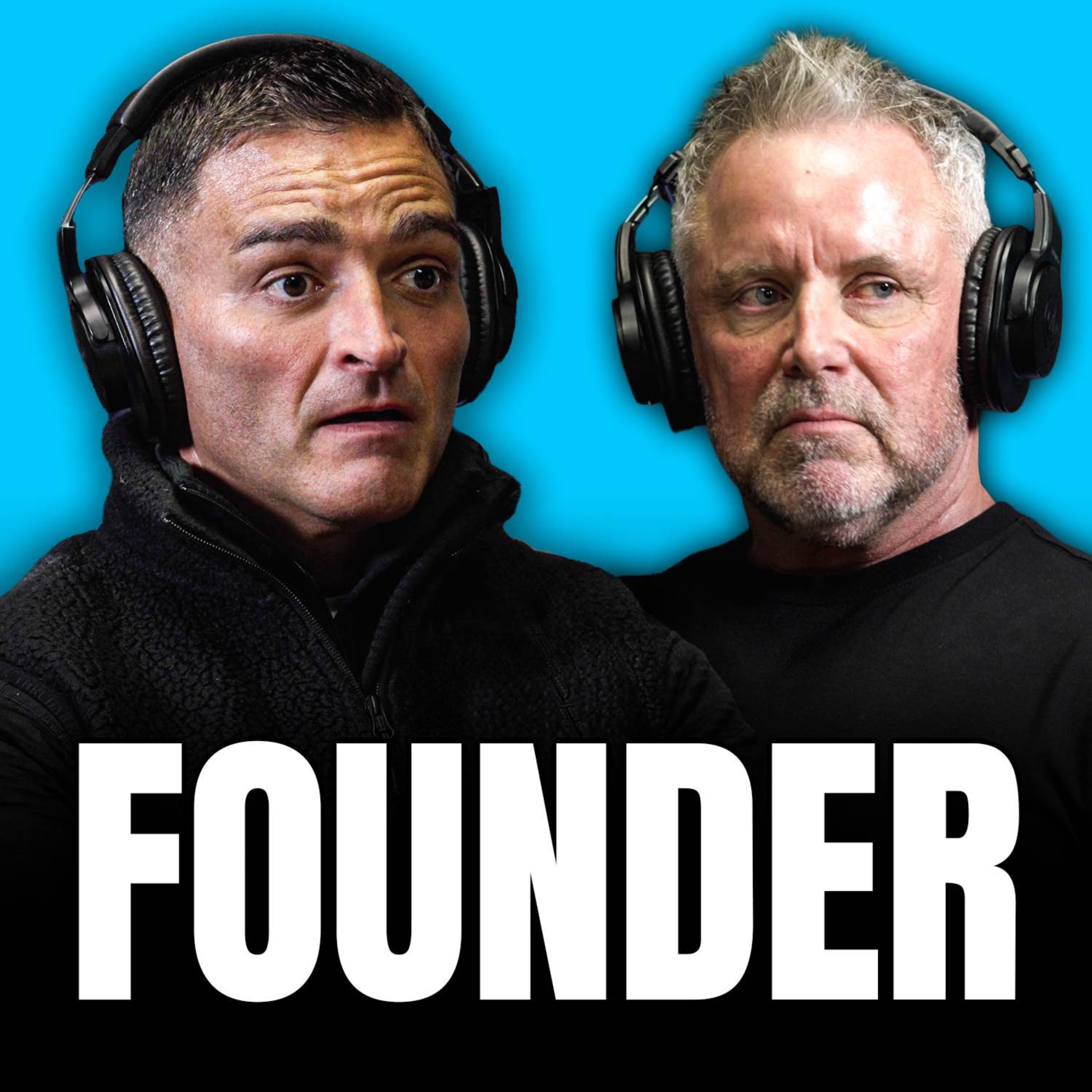
Paul Richardson (a “fixer” investor/operator) explains how Gymshark scaled from about £4.5M valuation to a reported ~$1B+ valuation, then how the company handled partner conflict, raised ~$250M from General Atlantic in 2020, and exited/paid founders while staying private.
Paul Richardson is a British entrepreneur/operator known for connecting people (“someone who knows someone”) and solving operational/legal problems. He joined Gymshark early (met Ben and Lewis around 2013–14 at David Lloyd Bromsgrove) and later worked on major exits and special projects. He credits CEO Steve Hewitt (ex-Reebok) for organizational scaling.
The “real key” was bringing in Steve Hewitt and adding structure (shareholders agreement, insurance/accounting, warehousing/offices). Ben and Lewis initially lacked a shareholders agreement; they later fell out over direction. Gymshark avoided IPO because it felt unready and preferred control/private governance. COVID (March 2020) coincided with strong online demand.
fixing supply-chain delays by sourcing stock via Turkey; building offices (e.g., ~4M for first office, ~42,000 sq ft; later ~11,000 sq ft and ~18,000 sq ft gym/studios); raising investors via a “reverse beauty parade” (investors presented to them); paying out Lewis Morgan via internal funding; General Atlantic leading the ~$250M round; Paul leaving around ~$460M valuation (later surpassed ~$600M).
Written by AI. May contain mistakes.
Discussion on the initial valuation and founding partners of Gymshark.
“Further down the line, they did fall out.”
Insights on the importance of bringing in Steve Hewitt to Gymshark.
“Hey guys, before we get into today's episode, this one is sponsored by Brevo.”
Exploration of the challenges faced by the founders and the need for agreements.
“I mean, I met the guys, Ben and Lewis, the two original founders, way back in the end of 2013 to 14.”
Paul shares the first encounter with the Gymshark founders and their ambitions.
“The Jay Cutler and all them sort of crew.”
Discussion on how Gymshark's product offerings evolved over time.
“That's what us entrepreneurs do, problem solvers.”
Analysis of how Gymshark seized growth opportunities and managed challenges.
“And then I left at about 460 million, I think, and it's surpassed 600.”
Exploration of internal conflicts and the restructuring process within Gymshark.
“Lewis, I don't think quite liked that and wanted to do stuff more his way.”
Paul discusses financial growth and the process of raising money for Gymshark.
Learn how Gymshark approached the investment process and narrowed down investors.
“So from 120, we went to 12 and then we let another one in at 13 because they did something else and we'd missed them the first time.”
Discover the significance of cultural alignment with investors over just financial offers.
Understand the reasoning behind Gymshark's choice to remain a private company instead of going public.
“How many companies offered more money than you actually took?”
Explore how Gymshark managed negotiations and the balance of power during investment talks.
“Yeah, I mean, again, you know, there's another one.”
Examine the complex relationships between founders and external executives in growing businesses.
“You know, so you've got to say that we did a lot right along the way.”
Discussing the challenges founders face when bringing in new leadership.
“And then to the point when they think that they're right and you're wrong and everyone else is wrong.”
Exploring how businesses grow and the necessity of adapting leadership roles.
“So if you're going to have a good size company, you've got to have people who are better than you at what they do.”
Highlighting the importance of blending experience with youthful energy in teams.
“He's now, I think, having to learn a lot more and a lot faster.”
Detailing the significant investments made in office spaces and their impact.
“I wasn't like, you know, and I'd be like, you know, I'm shit at that.”
Discussing the strategic need for offices in key global locations.
“We would have the normal, well, we would call them overdrafts.”
Exploring the company’s funding strategy and the rationale behind it.
“So basically, you know, we looked at some online.”
Discussing the uniqueness of their funding strategy and its timing.
“There's another few people who've got their cuts, et cetera.”
Learn about the emotional highs and lows experienced when selling a company.
“You got a million followers and you're telling them all to buy it.”
Explore how team dynamics and collaboration contribute to business growth.
“I was going to say, how did they ever do that?”
Understand the challenges and timelines associated with building a successful business.
Discover the considerations and experiences of buying and revamping an existing brand.
“I've had businesses on my own and I talk to my daughters now about But, you know, they run a business and own a business with me, Herra Clothing.”
Learn about strategies for successfully transforming a struggling business into a thriving brand.
“And people have said, you know, why don't you just start a business?”
Explore the rapid growth and hiring strategies at Gymshark during its expansion years.
“You know, the quality of the product is, Holly's obsessed, you know, to the point of, you know, it takes longer to get something out.”
Learn about the various departments and their roles within Gymshark.
“What was it like for you to break, I know it's a hard thing to say there was 800 staff, but was there one bulk?”
Discover the challenges that come with scaling a business and loss of culture.
“And, you know, for me, there was, it was just getting too political.”
Discuss the financial figures and growth trends of Gymshark after the founder's exit.
“There's a meeting to have a meeting to have a meeting.”
Understand the importance of having the right team and leadership style in a company.
“It's obviously out there, but 21, 22, 23?”
Learn about the sustainability of businesses in a changing economic landscape.
“but also you trust that they'll come in at the right time, you know, play the right tune, et cetera, you know, and having a huge amount of trust.”
Explore the resilience required to navigate the ups and downs of running a business.
“You've got to be obsessed, haven't you, to keep it there?”
Hear about the founder's values in balancing family and business life.
“Just going back a minute, what you mentioned, which I loved.”
Gain insights into what happiness and success look like for a business owner.
“And I don't, you know, that toughened me up and made me where I am and has given me like, well, you know, selling T-shirts and selling stuff, well, that's not so bad, is it?”
Paul shares his feelings about his accomplishments and his pride in his daughters.
“You know, um, money wise, I don't, I don't have to worry.”
A discussion on Paul's journey as an entrepreneur and the importance of timing and effort.

Get the gist, explore an idea or ask about something said.
 Claude
On Dodge Woodall Network, what are the key points of this episode?
Searching your listeningAutomatic transcript. May contain errors.
0:00How did you end up taking Gymshark from£4.5 million valuation to£1 billion valuation?
0:08Paul Richardson: I mean, there's a massive story there. I mean, I met the guys, Ben and Lewis, in a gym. What did you bring to the table? I'm a bit of a fixer. I'll know someone who knows someone who knows somebody. That's what us entrepreneurs do, a problem solver, right? Yeah. The real key was bringing in Steve Hewitt. That was the start of like going from£4.5 million to£8.7 million,£8.7 million to£13.1 million. and then up and up from that. The growth was exponential. Do you think you got out at the right time? I left at about 460 million, I think, and it's surpassed 600. We were like, see you later. 2016, Ben and Lewis, they hadn't got a shareholders agreement, but we don't need one because we're best pals.
0:46Paul Richardson: I said, you do need one. Dangerous game. Further down the line, they did fall out. Oh, what, the two partners fell out? Yeah, they fell out. Over what? Um...
1:00Hey guys, before we get into today's episode, this one is sponsored by Brevo. If you're running a business, just give me 30 seconds of your time. I've been building businesses for the past 30 years, Born the Sevens Festival, this podcast, and lots of other ventures along the way. The one thing that I see, which is the most important thing in business, is building relationships and staying in contact with your customers properly. Most people are juggling loads of different tools that don't actually talk to each other, or they're just genuinely winging it. Brevo puts it all in one place, your emails, your text messages, tracking all of your customers.
1:28You don't need to be technical. You don't need a big team. That's exactly how I like it, as this does all the heavy lifting for you. And if you're a founder wearing 10 hats at once, you'll know exactly why this matters. You can choose a free plan to get started or use code DODGE50 at BREVO.com to get 50 % off your first three months. I've left the link in the description of this episode for you to take a look at. Let's get into the podcast.
1:51Paul Richardson: Let's roll all the way back. How did you end up taking Gymshark from£4.5 million valuation to£1 billion valuation? I mean, there's a massive story there. And it's a one-off, really. I mean, I met the guys, Ben and Lewis, the two original founders, way back in the end of 2013 to 14. And I met in a gym, David Lloyd Bromsgrove. A lot of Midlands. Yeah, just in the south Midlands there. I just trained there and I was, you know, a businessman, you know, done different things in my life. I met them there. There was those two plus a few others. They're their mates, bouncing around like young lads. How old were they have been roughly when you were there?
2:31Paul Richardson: About 1920. Is that right? Yeah, something like that. About that age, I reckon. But really, you know, I have no idea why I spoke to them. Lewis was the sort of mouthier one, you know, the extrovert. And Ben was the introvert. then there was the other guys different people you know dan crane another guy another guy and they just kept asking me questions so eventually and i found out afterwards they asked me because they used to call me the business guy okay i think i was the only person in their sort of ecosystem family or friends that had actually done anything in business and it it started off from there and eventually it went to would you do some work for us would you do this would you do that and then And it sort of started off from there.
3:14Paul Richardson: But, you know, in terms of the story itself, there's loads of different strands to it from people like Steve Hewitt. I've just come off the phone to Steve, actually, who became the CEO, you know, how we met him. Yeah. Again, it was David Lloyd Bromsgrove. It worked, wasn't it? Yeah. And then, you know, it was just bringing people to that business from my point of view, giving them some ideas on some foundations. And then the rest of the people that came, it's just a massive team effort. Yeah. Amazing. So what did you see in these two lads at the time? Did you think there were a couple of chancers who were selling T-shirts?
3:48What level were they at when you met them?
3:51Paul Richardson: It was a little bit of a game to them. You know, they'd redesigned gym wear in a sense going from the bodybuilding world of great big, maybe, maybe, gold gym thing. Exactly that. The Jay Cutler and all them sort of crew. The big lads. and they had they wanted some more aesthetic look because lewis in particular himself was was you know in good shaggy um and they've got some um influencers what you call them nowadays but youtubers basically in the states um yucky levado and some other guys that they knew um who again were like that of course these clothes didn't suit them so they wanted stuff that fitted better, including the joggers and things like that.
4:38Paul Richardson: And basically when they sort of started off, they were taking T-shirts from Fruit of the Loops. Yeah, Brandon Lump. Taking the label out and putting their own label. You know, that sort of stuff. So you met them really early doors. Yeah, yeah. I mean, they were doing around$4.5 million at the time. They were doing$4.5 million? Yeah. What they'd done was that late 13, they bet everything on black by doing uh body power in birmingham okay and it just flew off the shelves for them i think they you know the 30 grand to spend they spent the 30 grand sold out because what they did was they went to the show which was again was a traditional and the nec wasn't it yeah yeah bodybuilding it's like i'll say boring and they had these guys from the states so they've flown over standing on the counter sort of half nation stripped off abs everywhere um and throwing t-shirts out and whatever and it just sold out it just just blew up so by the time i met them that was the end of that year yeah they were doing that but didn't really know what they were doing and okay um you know the turning point for them really we're going to say believe in me and and talking to me properly was ben came in one day and and basically they'd order a load of stock from china their original stock was from a company called peter and beryl yeah in china somewhere yeah that they got off alibaba that and they you know that that was it and you know that was so so simple and the stuff hadn't arrived but i think they'd sold it on their website yeah okay you know and they were in in trouble ben hadn't slept for a few days and that's when we started to look at i've got a mate who's got a you know can bring it in from turkey that comes by road it's not coming by boat or you're having to plane it in and you know it's all more trustworthy and that's when we met steve hewitt in that same meeting so it was just things like that came together that they got issues with and we'd find someone i'm a bit of a fixer solving problems yeah you know i like doing that i'll know someone who knows someone who knows somebody connect it together i do even i do that today even with people you know and that's what I did.
6:51That's what us entrepreneurs do, problem solvers.
6:53Paul Richardson: Yeah. And things like the first thing I did, they were 50-50. Yeah. And I said, you're going to need a shareholders agreement because they had no lawyers. No, their accountants were like, shouldn't have been accountants. I don't even think they had insurance or anything like that. Surely they wouldn't have been turned over 4.5 mil at that level there. No. They were. They were. It was literally just coming through the door and they didn't really know my god you know how it was happening or you know it was just happening yeah it was just that all online yeah everything online yeah yeah fair play what did you identify you go you know what i can see these lads they're two really enthusiastic enthusiastic lads they've got a great business idea they've got a great brand name what did you bring to the table a bit of sense really I think to as I said they wanted to sell they could sell they knew what they were doing but at some point that was going to fail because the systems and stuff behind that having no insurance so let's say one of their containers with all the stuff in it fell off the boat but they wouldn't have had anything back from that if something would have happened they would have you know they didn't have any accountants they didn't have any no systems of any description and the key to it was actually that the real key was bringing in steve hewitt okay that was the real key to because he was ex-rebok and a really organized guy is one of the you know the best ceos in the business and bringing him in to actually do the doing that we were talking about that that was the start of like going from 4.5 million to 8.7 8.7 to 13 1 13 1 to 41 41 to 110 or something like that, 102, and then up and up from that.
8:46So it went from 41 to 100 odd million. Yeah. And then what was the jump from 100? How did it go from there? I think it was 250.
8:52Paul Richardson: Yeah. And then maybe 360, et cetera. And then I left at about 460 million, I think, and it's surpassed 600. We were like, yeah. Well, that was, you know, it was all land and everything, so. And what was it? How did you, what shares did you have in the company? when you sold? Myself and Steve had a smaller percentage. We already exited Lewis Morgan, which is where I know Al from. Al Barrett. Yeah. Is Al Barrett friends with Lewis? So,
9:28Paul Richardson: just going back a little bit, in terms of Ben and Lewis that hadn't got a shareholders agreement, but we don't need one because we're best pals. And I said, you do need one. Dangerous game. Yeah, you do need one. And we did one and it was the best thing that ever happened to that company because further down the line, and I'll say about 2016, it's around there maybe a little bit later, they did fall out. Oh, what, the two partners? Yeah, they fell out. Over what? Literally direction. It was becoming a business that was getting far more organized. Lewis, I don't think quite liked that and wanted to do stuff more his way.
10:10Paul Richardson: Yeah. And I think that that was getting on, you know, with Lewis. He just didn't like that. You know, he wanted to do things his way. And the business was going to grow, which he was growing dramatically, as you say, from the different turnover levels. It needed structure. It needed people. It needed skills. It needed, you know, proper infrastructure and everything that goes with it. You know, proper accounting, warehousing, offices, you know, people. culture everything the whole thing and i don't think that that was what lewis wanted to do so we exited him in terms of a part shareholding um which was you know that's where the shareholders agreement came in and that's not that's no secret you know that was there and then you know he exited fully further down the line closer to when we took the money from uh general atlantic yeah But on the first exit, he then was no participation in the business.
11:09Paul Richardson: Okay. He was a silent shareholder. So he came up with the idea with bed in, say, 2013. Yeah. 2016, bedding him fell out. Yeah, so round about the 16th. 16 mark. Exactly. So there's only three years in there. Did Lewis get a good payoff? He got decent. I mean, I'll never disclose it, but yeah. Are we talking millions? Yeah. Tens of millions? I wouldn't want to say. North of a million? Yeah, yeah. Wow. And that's how I met Al because we... Al Baff Grenade? Yeah, we were looking to raise the money to buy Lewis out and we went to several people that we sort of knew and Al was one of them. Did he chuck in?
11:42Paul Richardson: No. No. I wonder why, why do you think he didn't? We explored the options with various people, including a really good friend of mine who now kicks himself. Yeah. And then we... Give him a shout out, by the way. Yeah. And Steve does. but to be honest we explored the options and then we decided to do it internally we looked at the numbers and we could actually do it internally so rather than release any shareholding outwards we could pull it all back in so you know it was you know no disrespect to anyone you know we initially panicked and thought we had to and then managed to look at it in a way that you know it was a better way of doing it so we did that internally so how long did it take for you to raise money like when you said in 2016 you've obviously got to pay off lewis that must have been part of the deal yeah that was all that was all internal money that was internal so we'll pull that together yeah get rid there you go lewis thank you mate we're moving forward yeah what what year was it when you raised big money so that was to 20 20 we're in a force just coming up to five years so 2020 2020 okay was that before the covid hit so we because that must have been terrifying times at that time and that was just well it might have been a benefit online it started out as terrifying so it was um 16th of march and the 23rd was going to be the lockdown that's when boris spoke wasn't 23rd yeah on the 16th we did a what we call a cobra meeting and we looked at how much money we got in the bank and everything we got to do we did a plan to say this is how long we can last and we we put everyone off from not working they were all at home because we wanted to see what it was like to work from home and of course then lockdown happened and the opposite of what we thought was going to happen we've got to survive because we got quite a lot of stock and we were quite lucky in that sense everything took off so we were just selling stuff like hand over fist no shops were open and everyone was exercising in any way at home and wanted new stuff got no money no they couldn't spend on anything else so you know the fitness area was one they spent money on fitness kit genius so and that was just one of the i'm gonna say yeah you have you have luck in business you know you have you gain your own luck the more risk yeah you know got to be in the seat to catch the wave one of the things i say you've got to be there in the first place and willing to jump on the way um but that was one of the things that was one of the green lights that we had and you know we had already started to look at raising money just before that we'd sort of halted it and we sat there and i was like guys because we started off there was myself and two other guys who were given the job of the raise yeah we were heading that up from the starting point because there was a hundred and about 120 sort of finance people who wanted to finance us and we were who you who you had approached or they approached you mainly they'd approached us really yeah because we'd been in the sunday times fastest growing for several years we'd done this we'd done that the growth was exponential um you're always being chased and one of my little jobs within the business was to fend those guys off yeah because they were always trying to talk to different people it's like no put them all through paul he'll just hold them there i was always respectful for to them yes you know and when it came to it we went out and said right now we're looking i think it was about 120 120 mil 120 people 20 people want to come and invest yeah all over the world dream come true right well it's it's an old adage of raise money when you don't need it yes yeah it's the strongest position um and what we did there was we just went through the motions of talking to as many as we could there was myself and two other guys in the business um who are the two other guys philip and chris philip philip door and chris free okay yeah so you three were hanging and lawyer basically and there was myself there as the sort of front man you know giving you know bringing the glue together yeah and our job was to get it down to a manageable number so we didn't involve anyone else in the business this almost until we were right down in a manageable number.
16:00Paul Richardson: So from 120, we went to 12 and then we let another one in at 13 because they did something else and we'd missed them the first time. Okay. So initially we had 13, went from 13 down to three, three down to one. So, and it wasn't until we were down to probably the 12 and then the three when all the other guys came in. Oh, okay. You know, because we were trying to, the business was still growing dramatically and myself and the other two guys were trying to give them the least amount of work. You know, we got past the, almost the beauty parade. Yeah, yeah, yeah. What we did, which was really, really unusual, normally when you're raising money, I always call it, you go and do the dance.
16:46Paul Richardson: You know, you shake your tin in front of them. The money guys, you know, I've done it before at previous businesses. Yeah. we flipped it and we said to them we want you to come and present to us we want you to tell us not just what money but what else can you give so they were put on and there were all there were some of them we were like they didn't understand it they didn't understand the script but they did it and some did it really well others didn't do it so well you know we had one set of guys who all decided to come in Gymshark tight t-shirts and want to impress and they shouldn't have been in tight t-shirts okay you know but it was a it was a good thought but it was it did you know it's like that uh what's that tv program when they sing and they spin the chair around they spin the chair around you go it's like that the voice the voice you turn around you're like oh shit yeah so it was just different we did it in a different way and then the main guys all the you know all the other guys then got involved at a certain point almost took it over okay you know um because that was what we were there for you know and and you know we did our job how did you on the sort of the setup with this you go down from 120 down to 12 that's probably fairly easy to do easier to do easier how did you go from the 12 to the three in the sense that what we call the beauty parade so we did them but we did a lot of them in so so what we did we started it off covid hit yeah we halted it and it was myself and the guys said we need to push this on because we're flying this is the opportunity and we had a bit of pushback and i pushed really hard and got them to agree to it and that was the best thing we did i said this will be hard to do we're gonna have to do you know online stuff we're gonna have to you know duck and dive to get it together but we haven't got to see 120 we can do them online and we'll do all that work but you know we're gonna have to see the others but we'll sort it out you haven't got to bother about it we'll do all the work to get them to the point where it's like this is the this is the top three or you know this is top five or so we'll bring it down okay those 12 were they all like did you say right we want to raise 250 mil did they know how much it was or were they coming into you going we would like to invest this amount and if that number would trigger you to go oh quite like this and i like the people then they're in we we it was always about a minority um you know and it was always about what they could offer us because it wasn't just about the money but was there a figure on it when they when they were presenting those 12 people was there a figure of them again we know we need to hit 250 because that's what you want or was there not a figure there wasn't a figure right okay so it was an open-ended it was open-ended to see where we can get to this is what we think it's worth this and you get to the point where yeah you're in some but you can do all sorts of deals so there's lots of deals done where the valuation could seem really high but there's lots of different things in the background that you don't see yeah you know i know one brewing company that did a huge valuation they wanted a billion valuation but in the background the preferences and the this and the that and everything else they had to give loads back just because their ego said they wanted the billion okay and and you know we knew about that deal yeah so for us it wasn't we weren't there to be a billion pound company or to do this or to do that we were in it because we wanted to raise some money we wanted to take that money out it wasn't for the business primarily yeah it was because we had decided at that point that we'd almost had the luck we thought we could have and how how can we keep going like this um and it's time for us you know to to and that will make us sometimes when you take money off the table and you're still there you then go more risk free you know because you've already got takes the pressure off it takes the pressure off and that was what it was it was just based upon that and it just went along to really surprise us with the numbers and and yeah it went really well for us obviously that's unreal when you got from 12 to 3 was there any in that 12 who offered more money than you actually took?
21:07Yeah. How many companies offered more money than you actually took? Probably at least a couple. Okay.
21:14Paul Richardson: But it wasn't always about the money and our numbers that were put forward. Steve Hewitt again, the best CEO in the business. Yeah. You know I've got a huge amount of respect for him. Is he still there? No he's not. No. He left not long after me. Okay. And And he is the type of guy that, you know, it's all about the future and the culture. And just because that money comes in and then the culture becomes share, then that's not the way forward, you know. So for us, this was about what these people coming in could offer, how they could help in areas that we weren't used to, you know, if we wanted to IPO it or if we wanted to do this or to do that.
21:56Paul Richardson: IPO? Sorry? IPO? Yeah, we did look at one point, you know, Vibeto. Different than Vibeto stands for? When you go onto the stock market, yeah. And we've looked at that, you know. And what's the difference of going onto the stock market and staying private? So staying private, the shares are private. And even if you've got investors in there, because going onto the stock market, almost anyone can buy them. Everyone can know. Yeah. Or everyone can know and can buy them. Yeah. Okay. And there's a lot more governance when you're on the stock market. What made you not want to do an IPO and keep it private?
22:32Paul Richardson: I think in the end it was that we didn't think, when we started off on that journey, we then thought we're not ready for this. We've got lots more to do than we thought. So we sort of stopped that as a process. Again, that was Steve and the guys sort of thought about that. I think it was the best move. Keeping it private, surely? Yeah, I mean, again, you know, there's another one. the Huck Group is another famous one that did float, floated at a really high number, I know, because I bought some shares. And, you know, has had trouble since in terms of their valuation because it's out of your hands in a sense.
23:11Paul Richardson: So, yeah, I think it can work and can't work, you know. It's just one of them things. I think if you want ultimate control and not be constantly answering to different questions, to different people and authorities, and everything and having to watch your P &Qs all the time. I think you stay private. But yeah, Steve was that main guy who made those. What did you get in the end? How much did you get in the end? Not you, but actually doing that deal. How much investment was that? $250 million. Okay. When you went down from 12 to 3, what were the offers of the last three? They were all roughly the same.
23:51Roughly the same, okay. Yeah, roughly the same. At that point, were you hinting to them going, roughly you're all 250 we've been straight with you you're 250 we're now just finding who the right partner is for us to drive this horse because it's not just about money so steve's
24:05Paul Richardson: steve's attitude is not like that okay you know this is about the fit and we ended up with general atlantic who came top of all the ones that we you know if you said forgetting the numbers for everything else just talk about the right people right people they come top with virtually everyone in the boardroom brilliant so even if someone would offer a bit more money it wouldn't have made much difference and what we wouldn't do because the way we're built yeah we wouldn't be going back to try and jolly them up on another 10 million we're just not no we're not the deal was the world built like i agree you know as much as that's how it should be yeah you didn't mean the eye you've done a deal i like you you like me shake my hand we're done yeah even at that level i think that's why it is a lot of people wouldn't do that yeah you know for us it wasn't all about the money it was about the legacy and you know i knew i was going to be leaving so did you so before you were cutting the deal did you were you hands up going as soon as this deal's cut i'm out did they know that did ben francis know that yeah i mean i i'd already said i've gone as far as i think i can go um i was chairman but in terms of you know my work i was all the property that i did in the early days i would any i had a special projects team so it was anything that wanted doing they'd say can you do that and i would just go and do it it's a ball yeah yeah and and if there's any problems like i handled the majority of the exit for lewis morgan in the in the in in the two parts okay so um and then you know on that the year that we exited lewis lewis exited sorry probably better to put it yeah um was we went from 13 million turnover to 41 want okay and that's a you know it's a big thing that's happening to the company but literally i would fend everyone off in terms of being involved in it and just go look we need to make this decision i need your help on this yes but everything else is sorted yeah how messy did that get between ben and lewis if they're mates and you're going to business with me was it get a point going i actually don't like you you stay away i want to get paid off give me my money and i'll walk was it kind of like that it was it was hard work yeah you know it's it's there's a lot of emotion there you know this was their business um you know lewis maybe thought that people were coming in and you know taking over the business you know we had minor shareholding myself and steve so we weren't taking over the business we hadn't got the final say um but at the end of the day the business went from you know when i was around four and a half million probably a little bit more when Steve joined up to the half a billion turnover.
26:40Paul Richardson: You know, so you've got to say that we did a lot right along the way. So would that have happened if Steve hadn't have joined? No, it wouldn't have happened. Would it have happened if I hadn't have joined? No. No, you know, it might have gone a different direction, but it definitely wouldn't have been like it was because, you know, people like rich chapel who was a pivotal guy steve brought in people we we built a a structure and a company that people wanted to come and join you know we built the office we went from an office in a place called redditch in birmingham which was a normal block of offices you know to a that was 11 000 square feet we went to a 42 000 square foot office we had 150 people what year was that 2020 that was 2018 18 yeah 2018 19 yeah and and we spent four million on the building okay but it was world class yeah it was world leading it was up with google and all of those guys what it had got which google and them hadn't got was it was very functional okay but fun okay they'd have a slide or something like that which they people used once and then you'd never use it take a photo and we took all of that shit out yeah and we did everything had functional fun we had our own restaurant with you know piri piri chicken and stuff and it was all free and things like that we had all sorts of different things that we did based upon what we thought that was wanted yeah but you know we that i don't think that would have been done if we hadn't been there to be able to do those things and if they'd have fallen out without a shareholders agreement yeah i don't think they're going to be a company now agree to be i agree do you think lewis felt threatened having maybe some older people coming in like yourself and steve and actually putting structure in place because you see it a lot of times when a founder is a founder and all of a sudden someone comes in you're a great founder for the first few years but you're not a ceo you're not you won't be able to run this company but it needs to get to the levels we wanted to get it to so why don't you take a back seat and that's when founders normally get upset yeah and And you've seen it all over.
28:50Paul Richardson: So I think if you, you know, there's a lot of business, I deal with a lot of founders and it's one of the hardest things when you're dealing with them, when you are, they want you to come in and they want you to do all these different things. And then to the point when they think that they're right and you're wrong and everyone else is wrong. So it might not just be you, but it's other people you brought in, you know? So if you're going to have a good size company, you've got to have people who are better than you at what they do. and that's really difficult for some founders um so i think there was an element of that you know with lewis you know um i think he was great at some things but i think in terms of the growth i don't i don't think he could quite cope with that and ben learned to cope with it and then you know as you grow in the company you know there's many people who will you'll outgrow yeah you always outgrow the things that we we've always said and again you know steve was a big advocate of this is and we did it you know we had account count count countants who are fds and are we going to make them you know cfo yeah we're going to cfo and then they're not quite what we thought didn't quite work and what do you do do you know do you leave it or there was other people in the business that were left in place or do you actually have a proper talk respectful and we always said offer them something within the business it might not be on them someone but you're giving them the choice then because you value what they've done so far if you just go right you're out i'm getting someone else new in i think you've been disrespectful to them give them the choice you know some of them are okay some of them get a bit angry yeah upset and that's all okay as well but i think treat them with respect you know but the business will grow and you will outgrow people whatever you're doing even if it's from a hundred thousand business to a million yeah a million to 10 million yeah you know and and they've got to grow with it which is sometimes hard how would you explain ben francis in what respect just him his personality how he is um has he coped well going into the role i think he was at sea then he was not and he's going back in again and no he's he's done really well with um that in and out business when he went in which was the the natural thing to do.
31:12Paul Richardson: Steve was a far better CEO than he was. He's now, I think, having to learn a lot more and a lot faster. And the only thing I would say is he hasn't got the people there now that maybe would challenge as much as he was challenged previously. And I do think you need challenging. But as a capable person, he's capable. I think he probably takes too much on, you know, and again, the trust element was something that we had with him where he trusted us. Louis probably didn't trust as much. Yeah. So I think, you know, can he take it to a billion? I don't know. And I think that if I was him, my advice to him when I used to talk to him about it was to have people to do the running and he be the founder who has all of the really, really good ideas.
32:13Paul Richardson: Yeah, the front man. Yeah, that's what I would agree if I was him. Once he's established that he can do the CEO's bit, which I think is a tick he needs and wants to do, I think he would be better suited as that founder. 100%. And he'll find it a lot more fun. I think so. Because there's pressure when trying to be there. How old is he? 30-odd. He's 30. Early 30s, isn't he? Yeah, he's about 30. He'd be 36-ish. Oh, he's 36-ish? Yeah. Okay. Yeah. Fair play to him. And it's tough. What he's achieved is what he's achieved, fair play to him. It's a proper unicorn what's happened there on that. Yeah. It's a team that, on his own, couldn't achieve anything.
32:50Paul Richardson: 100%. You know, like that. And none of the rest of us could. Yeah. But the thing about the Gymshark team was there was a lot of older heads. mingled in with younger heads and what you've got there is you've got the experience and expertise and then coming here you've got energy ideas and enthusiasm creativity the thing that works well is if both of you respect each other and that's we did have that for the majority of the time so that you know the older guys or older women were still learning from the youngsters i love it because I used to learn new stuff every day you know I love being around gen z's yeah I love employing gen z's they bring so much to the table they have a level a real bad rap I think they're amazing you just need to guide them and give them confidence and self-belief it's if they trust you and you trust them if it goes one way we'd have some some people come in and try and get down with the kids yes and they get there's a lot of you're not cool no off skis you're not supposed to be cool yes be you yeah and you know know your limitations you know for me I'm not a tech guy Like tech guys, I knew them really well because I'd always be like, can you sort this out more than me?
34:02I wasn't like, you know, and I'd be like, you know, I'm shit at that. Yeah. Do as a famous. You know, you sort that out for me.
34:10Paul Richardson: And I'd rather do that. And they were always great with me. And, you know, I'm not trying to be something I'm not. Yeah. You know, but if you needed something and they wanted something sorted or whatever, then I could do that, you know, whatever I needed to do. So going back to, you just rolled a little bit back. You said about 2018, you built these, you had these most amazing offices and stuff who paid for all that was that coming out the kitty yeah we yeah we paid for everything yeah yeah yeah how much investment you put into that into that project in that the first project is four million okay all paid in house yep yep wow yeah first project was four million the one after that was what was lc one after that was i think seven million what was that for sorry so that was another bit so we had different buildings okay and because we were expanding so rapidly at that time so the 42 000 uh 42 000 square foot was was the first office that was a pure office and how much was that that cost us four million four mil and then then we had another one down the road called lc yeah so gs lc there's always gs um that that was from scratch we built that and included in there was all of the studios there was state-of-the-art film studios in there there was state-of-the-art app studio with a huge stick seat like 40 foot ceiling probably 11 meter ceiling um there was studios with all the lights that would come down there was the flat lay studios there was storage um there was special offices for all the brand people with all different screens on there was an 18 000 square foot gym which was classed as probably one of the best in the world At the same time.
35:46Paul Richardson: That was the staff gym. Yeah. We had a staff gym. That's what we built. And that was in there as well. And we built that. And there was zero investment until this point. No bank loans, no nothing, no anything like that. We would have the normal, well, we would call them overdrafts. Overdrafts? Like that. But no, we were cash rich. So, you know, that was to... And asset rich at the same time. Yeah. and and and then we after that we built uh that one that one lc we did a couple did hong kong built an office in hong kong that was on uh just overlooking um the old airport yeah in hong kong there that was how many thousand about i'll say 20 000 no it was about a 15 000 square feet built another one in denver that was 20 000 square feet um and then the last one i did before i left uh was um 122 000 square feet which is called iq my god where's that that's on the same estate okay in solely hall so and then obviously covid hit yes so they're working from home situations so they've sort of they've amalgamated in now with in different areas and doing different things but you know obviously at that time we were taking on more people literally on a weekly basis um so again you know it's difficult to predict what happened with covid and what would end up as i think everyone thought we covered it you do the homework and then everyone would just come back afterwards because that's not gonna happen did it no what was your mindset when you're going well we need to get an office in hong kong we need to get one denver in america what were you thinking i would just be told that's what we want so that was not my decision okay we need to From who?
37:34Paul Richardson: It would be the board. Yeah. The board would say, you know, we need an Hong Kong office. For what reason? So we were buying a lot of Chinese product. Okay. And we needed a team over there rather than be here because, A, you've got the time difference. So you're doing everything, you're sampling and all them different things there. Delangui. Delangui and the time. Product. So basically, you know, we looked at some online. I flew out on a Tuesday. i came back on a friday and took out a little team with me and we'd found the office appointed the lawyers appointed the designers appointed the builders did everything there came back on them on the friday night and then the same procedure was we're going into the states we wanted to go over there where we're going to be um but a slightly funny story there was originally ben had gone over and picked the office and said this is the office i want for denver and when i went out to it i went out on a friday this time came back on the tuesday um i just went there i said ben we can't have this office it's too far out of the city we need to be in the city you need it for transport links and jv cooler to be the vibe and everything so there's something called i think it's main street and then off there there's all the different numbers and i'd found an office through the some agents there and the mayor and it was about 25 floors up because i said we need to see the rockies yeah if we're in an office with the one thing that's out there is the rock we need to be able to see it from where we are that's going to be a real good point and and he said yeah okay i trust you and we took that office and again while i was there we appointed the builders and everything else and i never went back out again we did all that online we built it online because it locked every lockdown yeah sure what journey what i love about you still keep the entrepreneurial spirit spirit you're obviously spending big money and going we need denver we need hong kong come on let's get cracking it was literally the attitude let's go let's go yeah we we went to hong kong we would almost not sleep yeah because they just wanted to get there get what i got to do and get done but cameras put everywhere so when we're watching the builders we were just watching them completely different hong kong yeah literally they build everything inside um and then the same with denver you know it was like okay so we can stop this because of covid or we can carry on so we carried on again we fitted all cameras everywhere and we did everything online and then you know that that was it we did it and what was the point when you said you're using all your own money bam bam which is phenomenal by the way like this is an unreal conversation to know this is all using your own money with nothing else and And then all of a sudden you're going, right, now's the right time, 2020.
40:22Let's get investment. When you got that 250 mil investment, is that you going, well, I'm done. There's my cut. There's Steve's cut. There's another few people who've got their cuts, et cetera. What we left within the pot and what we're going to do with that pot. Did you have any say what you're going to do with that pot? Or once you were done, you were out?
40:41Paul Richardson: No, that money wasn't for the business. It wasn't? No. That was purely for people? Yeah. 250 mil? Yeah. And how many people were there, roughly? Four or five. Are you joking me? No, no, I mean, Ben's already put it out. I'm not saying anything, you know, he put that out pretty soon. Yeah, it was, you know, it was not to, the business didn't need the funding. It was very strong before. So this was for us to exit, you know, people to have, you know, the comfort for what they've done. And that is genius. You're speechless now. Mate, I'm speechless. Yeah, mate. This is genius. Well, it's at the time you can do it.
41:29Paul Richardson: You know, you can't do that. You probably couldn't do it today. No. You know, unless you sell the whole business. But we were a business that was literally a one-off. You know, and it is a one-off. It won't. I don't think you'll find it. You'll never find that again. Happening again. You won't. You know, because it's just too tough now, you know. Right time, right time. They were riding the YouTube, Facebook, then Instagram way before all of those people knew how to monetize it. Yeah. So, you know, stuff was going on to Instagram. Now you'd have to pay till you're done. You got to pay. Everyone was a freebie back then, wasn't it?
42:01Paul Richardson: Everything was free. There's some free kit. Whack it on. Put it on. Yeah. You got a million followers and you're telling them all to buy it. They were buying it. Yeah. And that's all you did. You know, so the guys knew what they were doing. They were under the forefront of that. and then it's probably just got tougher and tougher as I've gone along. So let's say there was five of you. I'm not going to tell you. No, I know you're not. I know you're not, but it's a simple match. Five of you and there's 250 mil split there. Wow. How did you celebrate? Where were you on the day when you'd done the deal for yourself?
42:32Paul Richardson: Again, I think like you've just said, you've just done a deal you said this week. Yes. When you, it's like climbing a mountain and getting to the top. Agree. and you're knackered so knackered when you get to the top it's almost difficult to celebrate it's weird isn't it it and and i've sold a lot of companies yeah you know like all saints must skip companies and stuff yeah must skip company like big waste companies twice yeah and every single time it it was such an effort to get there it was just so hard you're drained so much that it's almost like emotional relief yeah i mean i remember way back in 2000 when i sold a waste company um i went went with my wife and my children to sardinia for a week oh it was like it was something stupid i mean it was like the last minute blah blah it was two grand a night or whatever it was and i just didn't enjoy it i was so tired yeah it didn't make any difference and their food was the food.
43:33Paul Richardson: I would have been in, you know, would have been at home, asleep. So I think... It's an anti-climax, because I've sold two companies now, and you think, the first company, I was like, we're about to sign, so I'm signed, well, the money's in the back. I thought everyone was going to jump out and do the party poppers, and there's going to be sprayed champagne. There's none of that. We literally went down to the local bar. My wife and I were just up, had a bottle of champagne, and was like, oh, right, we'll have your days. That's the next chapter. And then the last one we just done, on Monday, just gone, is exactly the same.
44:02Paul Richardson: Yeah, it feels like that. It's a lovely feeling. Yeah. It's quite hard to explain. It's a beautiful feeling. It's like a warm, fuzzy feeling, but you don't have the... You don't have euphoria. It's just where you go... Oh, I agree. You don't have euphoria like you score a West Ham winner in the FA Cup final where you go mad with a shirt off. Yeah. That was my dream, by the way. I was going to say, how did they ever do that? That ain't going to happen, yeah. 1980 was the last time that went. Wow. What a story. Yeah, what a story. It's great to have been involved in it. There's a lot more to it than everyone thinks and knows.
44:36Paul Richardson: It's not as easy as it looks on the YouTube channels that are, you know, either Ben does or anyone else does and think they know what's gone on. You know, there was trials and tribulations. There was a lot of tough times. I'm sure. It was all sorts. Just stuff, you know. But again, the team, it was about the team and about the people and about pulling together and, you know, some of the people there I still know today. I don't know, a lot of people from then. You know, I met some really, really good people and I won't forget it. And I think, you know, when, you know, you say, well, how did you do that?
45:15Paul Richardson: There's not one person in that business, and I'll include Ben in this, who would say they did it. It was a team effort and even, you know, some of the best ideas came from lower down in the company than you think. yeah it's just you know not quite no everyone can have a voice everyone the key yeah yeah and it's about being in the team your journey 2015 to 2020 is pretty epic in terms of what it takes to build a business which wasn't your business you're a shareholder you weren't the founder but to build a business as a founder i always talk about the thousand day rule you'll be lucky to break the back after a thousand days to the investment you put in to get your money back and after five years you might not even have broken even and after six seven years you might have gone do you know what i've had enough of this i'm not doing it you go get to the 10 year marks the way that had the rapid growth of this company is unreal it's unprecedented because again i think that the social media youtube facebook instagram i think you're probably saying facebook and instagram yeah um the way the guys put that together and did it and rode it it was just like wow okay yeah this is a way if we're on it yeah and it wasn't like oh there's a wave coming we're gonna get on it you were surfing it i don't think there was any real massive expertise in like oh this is gonna happen like you see gary v and people like that on i'm predicting all these things i mean I like Gary, met him a few times but he mentions 10 things and hopefully one or two will stick, oh look what I do bless him they've made a lot of money so I don't think there was any master plan, it was just we were good at riding the wave and we were not afraid to have the people on board and to share I've had businesses on my own and I talk to my daughters now about But, you know, they run a business and own a business with me, Herra Clothing.
47:20Paul Richardson: Yeah. And, you know, I talked to them. Nice brand, by the way. Thank you. Very nice. Yeah. Is that a family business? It is. Yeah. We didn't found it. We bought it. Yeah. But it's family. The two girls run it. They do all the work. Your two daughters? My two daughters. Do they? Yeah, yeah. How old are they? 36 and 31. Amazing. 36? Yeah. I'm 66. Are you 66? Yeah. Bloody hell. Yeah. Good nick for that 66, mate. No, I was going to say, good nick for 66. Yeah. I didn't think 66 in my mind as I was chatting to you here. Yeah. But as soon as you said your daughter was 36, hold on a minute, he's like twins.
47:55Yeah. Go play to him.
47:56Paul Richardson: Yeah. How nice is it to work, have your daughters work on a business with you? It's the most amazing thing. Yes. It comes with trials and tribulations as well. You know, and we've all had to adapt and learn that as we go. the good thing they've got is that they've got each other and they're really close okay you know they're like best friends are they talking cheese they are they different they're different in they both did the same university degree which was fashion design yeah whereabouts um one did in nottingham holly was the older one but she's more the she wanted to go into buying side of fashion and her designs when she did it were calmer and you know a bit more reserved yeah georgia is the PR type girl front yeah front yeah brilliant and her designs when she did her stuff I mean she won Young Designer West Midlands Young Designer of the year when she came back from uni they're a bit more sort of you know out there but they really complement each other and you know they will get through this they again just like you've just said it's a journey we took on a business that was hurting really badly and we've had to rebuild its reputation, rebuild the product, rebuild everything about it.
49:14Paul Richardson: And people have said, you know, why don't you just start a business? Well, again, they don't realize how many businesses start and how many businesses get to the first year, five years, ten years. And it's not many. It's not many, 90%. You can't believe Instagram and all that. You don't believe any. The stuff that's on there, you just don't believe. I was watching some of the other day, and it's a small brand, and they've gone, oh, we've just, you know, we had 5 ,000 orders our first day of sale. I'm like, no, you didn't. No, you didn't. No, you didn't. Yeah. You know, when you know, you know.
49:46Paul Richardson: Yeah. So, yeah, it's great. I'm very, very proud of them. What made you want to buy a business that was in debt than setting up your own brand with your daughters? So, how much debt was it? What did you buy it for? Again, I wouldn't say it was in a couple of million debt. Was it? Yeah. Yeah. Okay. It was owned by a guide. Yeah. It was owned. It started in 2015. Yeah. It was based upon the skinny jean, big t-shirt, sort of Geordie Shore, got on the back of that and all that sort of thing. But it had not gone right. And Ash came to us in 2018 at Gymshark and see if we wanted to buy it. We actually said yes.
50:36Paul Richardson: And we were like interested in it. And we sort of got a number in mind. He sort of had no choice but to want to agree to that. But then he wanted to run it and we said, no, that's not going to happen. So he walked away. He saddled himself with some debt, which he was constantly trying to pay off. And he came back in 2021 when I was still at Gymshark. So I was still there then, but I was sort of finishing my time. Okay. When I was sort of working down. Yeah. and he wanted to sell it again and um i said to ben do you interested now he said no not a chance i'm not we got too many other things on and they've stayed the gym shark has stayed in their lane and that's what they're staying in this is the best thing yeah yeah and um so i said well i'm interested in it because i'm obviously leaving anyway and you know it's with my girls i might want to look at and he said well yeah it's a really really strong brand you know depends what you can buy it for but you know it's up to you you know i won't stop you yeah so i talked to my girls and we bought it okay um initially bought 70 percent had a deal on the table for the rest of it if he wanted to come back within a month he came back and said i want to sell the whole lot take it because he didn't agree with how we were operating that month well he's gonna again it's the same thing about the founder isn't it feeling like his toes have been stepped on and yes his brand and it's your brand but you got if you you wouldn't be looking for investors if you were running it in the right way i'm just saying not saying him but i'm saying any company yeah and someone's you're selling something yes whatever the reason is yeah you know whether that's you know good or or not so good you know then yeah you have to hand it over to someone else let them do it unless you're staying there and have an influence but most of the time so how long has that brand been running for not under your guidance but actually from start to from now from 10 years 10 years and you bought it after what year six yeah okay yeah have you made a big difference in the last four years the way the uk world is at the moment so we've rebuilt it completely from what it was it was a male only brand okay and it was very narrow in terms of what it did yeah we've added in female yeah and that's now 30 odd percent of the business um and we've completely changed the way it works and what it stands for and everything else so So, you know, that model that was working back in 2015, 16, 17, and 18 wouldn't work today.
53:03Paul Richardson: You know, so that's had to adapt. And my girls are building it for the long term. Long term, yeah. You know, the quality of the product is, Holly's obsessed, you know, to the point of, you know, it takes longer to get something out. Yeah. Because the quality has to be spot on. She won't, she won't compromise. But that's all we've got is our reputation and trust. That's all we've got and time. Everyone else is taken away from us. That's all we have. It's a fair play to earth to open on that again. She's stuck with that. Yeah. And then, you know, Georgia is rebuilding who and what we, you know, we stand for in terms of the people that represent us.
53:40Paul Richardson: And we've, you know, we're building our niche of who we are on the men's side and the women's side because they're different. We are different. How many full-time staff have you got today? There's about 15. 15? Yeah. It's all online. It's all online. Okay, nice. Rolling back to Gymshark, I'm really intrigued on the growth. Obviously, we talk about the finances growth. I'm intrigued on the amount of people you were hiring per year. So when you come on board with the two lads, was it the two lads and roughly how many people? Six friends. Six friends and family. Then you and Steve come on board. So what happened was I went sort of as a consultant.
54:19Paul Richardson: Yep. and when we met Steve he came on as a consultant but I realized really quickly that he knew far more than anybody okay so I said to the guys you're gonna have to get Steve on as MD okay he needs to be involved right and he agreed so he came on board took on another guy called Richard Chapel early doors as well who was ex the hook group yeah and and stuff like that so and then it was just taking more people on quite quickly my daughter holly the eldest daughter she she worked for gym charlie this year yeah she was one of the early i'd say between you know 10 and 20 or 20 and 10 and 30 people because we had the warehouse as well so you had a few warehouse people yeah um she was in the real early doors okay because she was headhunted she she'd worked for um they just liked her and i said look if to the guys i said if you want to take one she lived in manchester and if you you know you have to decide yourself i can't say but she's good she's good at what she does and then she started to put the team together and then it moved on from there so if we're talking 2015 roughly say there was 10 people if we were to go year by year before you left roughly how many people do you reckon so if we went 2016 17 18 19 20 i'm intrigued to roughly oh people wise oh it just went exponential so when we moved in in 2018 to GSHQ, there was 150 people.
55:43Paul Richardson: Yeah. Because we all had a badge. Yeah, okay. To be the 150. Yeah. We had a 150 badge. Yeah. So that was late 2018. So that's the growth from there to there. The predicted, we were probably at pre-COVID 800. Oh, God. Something like that. Probably a piece. Got to be around there. What were the bulk doing? What was it like for you to break, I know it's a hard thing to say there was 800 staff, but was there one bulk? Was there one sort of looking after sales X amount? Was that, that was the biggest lot? Or was it sort of? Spread across everything. I think the biggest area probably would be brand.
56:20Paul Richardson: Brand, okay. And it probably still is, I'm guessing. Roughly how many people do you think work on the brand? Probably 300. Right, okay. You know, and that's ranging from, there's so many different areas to it. You know, you've got brand, you've got marketing, which is different. You've got accounts, obviously. You've got the people team. There was 100 people in the people team. And what did the people team do? That's the HR. Okay. At one point. Making sure everyone's happy? Yeah. But, you know, so, you know, you look at 100 there, 200 there, and 300 there. You're soon at a few hundreds. Hence, you know, more and more offices and more space.
56:58Paul Richardson: Do you think you got out at the right time? I got out at the right time for me. You know, I was very happy to exit. it it wasn't like i was forced out it wasn't like i left because there was anything wrong you know for me it was i i've done enough now i'm not enjoying it it's it's it's there's too much um turn into a beast yeah too many rules and you know like it's too much yeah for me i'm a I don't come from that world. Yeah. And, you know, for me, there was, it was just getting too political. Okay. Far too political for me. And I'm a straight talker. Yeah. And, you know, I like to just get things sorted out.
57:48Paul Richardson: I'm not into the politics and scoring points. Yeah. So actually, when you grow a business like that size, you are at some point going to lose the culture that you'll remember back in the day. You'll look back, oh, it was so much better when we were just that smaller team. but you have to obviously grow to that size when you get to that size it creates politics it creates drama it creates gossip it creates a lot of stuff that probably you and i are far from yeah yeah i think you can try and mitigate in the best way and i think the way i would try and put it is if you can have the various areas of the business like having one great big cruise liner yeah or five smaller cruise ships whatever you want to call them and i'd rather have the five smaller ships but be managed that if you all need to come together that's how i would rather do it and i've made them self-sufficient and that a lot of times doesn't i don't think happens very well um in in a lot of businesses but yeah you you're going to get rules regulations You have to put stuff in play, what were reporting procedures.
58:56Paul Richardson: There's a meeting to have a meeting to have a meeting. Painful, yeah. You know, and that'll happen in every business you probably talk about. Oh, that size? Yeah. Yeah. Yeah. It's the nature of the beast. How much turnover was Gymshock doing in 2020 when you left? I think around 400-ish plus. 400? Or 50, yeah. And do you know what he was doing when you left, 21, 22? It's obviously out there, but 21, 22, 23? I think the latest one that Ben's put out is about 600. Okay. I think that was not last year, maybe the year before. So the growth wasn't going on the same trajectory. It gets to a point where it has to plateau.
59:31Paul Richardson: Yeah, I think that's just natural. Yeah. And I think the way the economy is at the moment, there's different things. They've, you know, they've channeled different things. They've got, you know, omni-channel now where they've got retail. So, you know, it's a different animal than what it was in the beginning, you know, And there's different challenges that everyone's got to face. And that's the same with every business now. It's different now. What sort of pressure do you think Ben would be under now compared to what he was in 2019? Because from what I've seen, like opening up shops in central London or in different countries, that's going to bring more pressure to make the sums work, the turnover work, to actually create the same net profit at the end of the year.
1:00:18Paul Richardson: it's it's about having the team around you yeah so if he's got you know i'm not totally up to speed on the team he's got now i know a couple of them but it's all about having the right team around you you you're still the the conductor of the orchestra you know if you're the ceo you're not the doer doer yeah you're the conductor of that orchestra and you want people on that orchestra that are better players than you, you know, but also you trust that they'll come in at the right time, you know, play the right tune, et cetera, you know, and having a huge amount of trust. But you're the conductor of the orchestra, and that's what you've got to be.
1:01:01Paul Richardson: And that, you know, if you open up, do something new, you've got to get the best person in for that. And sometimes that can take time. Sometimes you might think, are having someone from a big company is the right thing to do? but it might not be. I think they might be ingrained in what they, you know, let's say they were from Adidas or Nike. They're set in their ways. Set in their ways. Then do you get someone who's not done it in a big arena and they've got to come up? So you, I prefer that. I do. I prefer bringing people. But I don't think there's, I don't think there's a, there's a right or wrong.
1:01:32Paul Richardson: There's not a right or wrong. I agree. I agree. There's nothing worse than bringing someone in who's on top dollar. I was just saying 200 round or 250, whatever he may be, come on in. the people have been there five six seven years again i know how much he's coming in at and he's no better than any of us around here so why would you not employ from within yeah and and i get that you know but again it it's you're gonna get you're gonna get more right than wrong yeah i always think and there's no magic rule and there are many people who've gone into a business you know steve you as a for instance he was at reebok he comes into gymshark yeah and he works because he's the type of person he is you know um we've had other people in from adidas who came in because again we were we were making ourselves ready with the offices and the structure and the you know the pay and everything to take these people on that's one of the reasons we did the office was with the same company don't we care yeah like here because we were sitting there in an office in reddish and we knew we were going to be flying and moving forward and it was like are they really going to want to come to this office which is a very normal white walls black desks you know normal sort of thing and we decided that no this was the place we needed it needed to be special you need to show that we're actually serious yeah and that's what we did and we actually stamped our mark on the map really well from that point of view and literally you know that's when people did want to join us so you had the the want of people to join you then it's about the culture you're putting play and that's where steve was really really good yeah he's a culture king yeah this whole journey for what i'm hearing right now is truly amazing i've said it a minute ago but it really is truly amazing that you don't think you're going to see this again i don't think you're going to see i don't think corner again yeah i don't i don't think you'll see this in this way with a the fact is it's all real and tangible and suchable it's not like it's you know um bitcoin that's right something that's like this isn't real agree it's actual real and and to go on for the many years that we did in terms of year after year after year and it's still there yeah i don't think you're going to get some extraordinary get other companies who come up yeah and there are a couple of companies doing that now but you've got to get up there and you've got to keep it there and you've got to keep it there and you've got to keep it and And it's like year after year.
1:03:55Paul Richardson: You've got to be obsessed, haven't you, to keep it there? I tell my girls, you're on the hamster wheel now, girls. And you can't get off. You can't get off. And until you sell it, you can't get off. And I'll tell you what, imagine running a business that you don't enjoy and you're on the hamster wheel. And it's your business. And you're going, I've invested 100 Gs into this, well, 250. And I'm in debt year three. Now I'm 350 grand in debt. Year five, I'm in debt. This is a nightmare. You can't walk away from it. No. Because you're going to lose all that. You go and look for a sale. no one wants to buy it and you're trying to hit targets every month just to break even oh sometimes you just i mean i've had it back in the day where you it's obviously you don't know why you're doing it yeah you know but that's where resilience comes in yeah that's where grit ordinary people give in you don't absolutely and you find a way yeah and you know that's what it's about that's that's what i've done all my life i've found a way Yeah, because you're in the top 1 % of the 1%.
1:04:51There's only a small batch of us who can actually follow through and stay longer. Oh, and keep... Stay longer, stay longer, stay longer. And a lot of entrepreneurs go, do you know what, I'm done. I'm waking up in the morning. I don't want to go to work. You've just got to keep staying.
1:05:04Paul Richardson: Oh, you just keep going. Until something pops. And all of a sudden... Something will happen if you're still there. I agree. If you're not there, you're not in the sea, you're not going to catch the way. Yeah, I agree. It's as simple as that. Just going back a minute, what you mentioned, which I loved. You're riding the wave. but you're physically seeing something that we haven't spoken about you're physically seeing the numbers on social media going up so you're getting a buzz going well that's gone out that's just had a million views that but it's had a million views that's had 500 000 you're like this is working the marketing is working a treat and you're seeing the money come into the bank at the same time i mean in pure sales like it's the dream it's the dream combination yeah i think like we've said i don't think it's going to happen again no you know because again there's so many different things now with messer and google and everything now is contrived a lot more it's it's it's you know the the algorithm as they call it and all them things there's some whiz kids sitting there somewhere in the world now dictating what happened is whereas i think it was raw back in that day and it was like the one it was untouched in a sense and that's what made it work if you started that business today and there's many many businesses that have started you wouldn't have the same effect same impact you know and even if you've got another business i know a couple of other businesses are doing very well in different sectors but when i look at them i go how long is that gonna last i think i can't see you in 10 years i see you have a good time so make it work and i know a couple of them now and i watch them and i see what they're spending the money on and thinking you need you need to change that a little bit um but when you've been around in business as long as i have you know that you know i've had ups i've had downs i've sold i've bought i've you know it it's a long time yeah you know when you've been around and while you know it's there's a hamster wheel so i'm still on it yeah but you're with your family doing it your two daughters doing it that's dream any dad yeah any dad knowing that we've just bought this brand we're in it for the long term it's a nice team of 15 it's still a lifestyle business in terms of the culture working with my daughters they're buzzing with each other one's 36 one they're going to grow with this and within 10 years time potentially they might flip it they might keep it for life yeah i mean i'm gonna live it with them i mean i want them to keep it I think they'll want to keep it.
1:07:34Paul Richardson: They're building it for the long run. They're hardworking. They're privileged girls. Yeah. Because of, you know, what I've done. Did you spoil them? Well, we all spoil our kids, don't we? The level of overspoilment. But my girls work really hard. So they're grafters, are they? Yeah. Okay. Yeah. They work really, really hard. Yeah. Do they work like I used to? No. Do I want them to work like I used to? No. I agree. Why would you want your...
1:08:04Paul Richardson: offsprings to do what you do you know just because well i had to do it so you've got to do it yeah i want them to do a better way and they are finding better ways to do they're far cleverer than me at what they do yeah you know um but the stuff i've done i never want them to have to do i never want them to see i come from the waste world you know if you know what that means yeah well it isn't mucking his money though yeah yeah but i come from a different area of business that's based on a different culture. And I don't, you know, that toughened me up and made me where I am and has given me like, well, you know, selling T-shirts and selling stuff, well, that's not so bad, is it?
1:08:42Paul Richardson: It's what I used to have to do. So for me, you know, when we're talking about any hardships or something that's gone wrong, it's not that difficult. But I think a lot of people think it's easier than it is and it just isn't. And I think there's going to be a lot of fallout in the next, early next year, I think, myself, in various areas. What do you mean by that? Well, I think there's a lot of online businesses have started. Oh, I see, for you. I agree. Yeah. I totally agree. I'm seeing businesses. I'm looking, same as you, I look and I think, oh, they're not going to last. Or, Jesus, why are you putting that money in?
1:09:16I help entrepreneurs and they come in.
1:09:18Paul Richardson: Yeah. Me and you can say one thing. We can save them under a grand or we might save them six months. Yes. Just because we can see and know. Yes. We've been there and got the teacher. Yeah. Yeah. So I think, you know, but they, they, my girls work hard and any of the investments I've got now, the people I'm working with, I've managed to weedle out ones that I don't want to work with anymore. I've weedle out any ones that don't deserve my time. And, you know, I'll just pull back and still be an investor and, and, and push on with the ones that I like and I work in, I work in a nice way with. Yeah.
1:09:49Paul Richardson: Love that. Yeah. So Paul, are you happy? Oh yeah. Yeah. No, I mean, I think happy comes in many different ways, doesn't it? You know, um, money wise, I don't, I don't have to worry. Um, my girls, I'm so, so, so, so proud. I couldn't even, you know, I'd gush. I'd only have some tears in a minute. How proud I am of them because of how hard they work. Um, I, I do what I want. Um, I still work hard. you know people want me to not work as hard and do what i do but i do what i want and i'm still learning all the time yeah you know um from you know a big exit you know in in 2020 2020 and then you know coming out of it properly because i'm still working you know channeling my time and things like that i've had to learn yeah you know i work from home i don't go anywhere so much as i used to um and and you know i'm a creature of habit i go to the gym a lot i love that it's given my own gym which i love not just going there when i want and you know i don't have to talk to anyone if i don't don't want to um and i've got the freedom you know but my freedom also comes with with the work that i do it's what i want to do yeah you know not because i have to go to that work or have to do that um i love giving a bit of time back as well like you do these half an hours with people and literally anyone can contact me yeah through socials generally and say i just want half an hour and i don't discriminate between anyone i've had big business talk to me and then that's gone on to be different things and i've had someone in africa in the bedroom yeah you know amazing and having a chat so i love doing that as well i only do an hour a week though two half an hour so to do four but nice it got to be a little bit interruptive yeah you know yeah yeah yeah so paul you're a proper proper entrepreneur proper entrepreneur and a really nice fellow with it thank you yeah i really do some might not say that no no but i really do i really do mean that well how you'll explain the journey you've been on we haven't talked about all saints we can that might be another session we're talking about all saints when you've bought all saints etc but just the journey you've been on from waste getting in the right time in the right place taking that business to where it is selling out at the right time and I've sold a few but selling out at the right time for the biggie and then working with your daughters now and just living a nice life and very respectful I'm lucky yeah and I think the more you put in the nicer you are nicer things happen to you yeah you know yeah not liking the waster no god they're very different that'd be a whole new podcast yeah that'd be on the other channel exactly Paul I've really loved this and I've enjoyed your company thank you yeah you're a good man cheers cheers mate good man hey guys we've been running this podcast now for five and a half years we've had some most amazing business guests on here Simon Squibb Daniel Priestley Barry Hearn the list just goes on and on from billionaires to people who've built brands if you want to come on the podcast and talk about your business and sit here with me in the studio and tell your story go check out dodgewoodall.com forward slash guest and check out the three minute video.
1:13:09We've also left the link below as well.
If you’re a Founder and would like to come on the podcast then you can apply on the link here 👉 DodgeWoodall.com/guest
Paul Richardson opens up about a journey defined by instinct, timing, and building one of the most iconic modern business success stories from the inside out. After meeting Gymshark founders Ben Francis and Lewis Morgan in a local gym, he stepped into a business that was already growing fast but lacked structure, systems, and experience. Acting as a “fixer,” he brought organisation, connections, and key people into the business - most notably CEO Steve Hewitt - helping transform Gymshark from a £4.5 million operation into a global powerhouse. What followed was explosive growth, fuelled by early social media, smart branding, and a young, hungry team riding a wave few truly understood at the time.
But behind the billion-pound valuation was pressure, tough decisions, and real growing pains - from resolving founder conflicts and implementing structure, to scaling teams into the hundreds and navigating high-stakes investment deals. Paul reflects on the importance of timing, culture, and having the right people around you, as well as knowing when to step away. After exiting, he’s focused on building again - this time alongside his daughters - applying the same lessons in a more grounded way. It’s a rare insight into what it really takes to scale a business at speed, manage success, and stay in the game long enough to catch the wave.
This is the eventful life of Paul Richardson.
Got your Brevo assets ready, here's everything you need.
Promo code: DODGE50
This episode is sponsored by Brevo. Use code DODGE50 for 50% off Starter and Standard Plans for your first 3 months 👇🏼
https://www.brevo.com/partners/dodge/?utm_medium=partnership&utm_source=dodge&utm_campaign=youtube
#Brevo #BrevoPartner
All Enquiries - [email protected]
Website: DodgeWoodall.com
YouTube: Dodge Woodall
Facebook: Dodge Woodall
Instagram: @Dodge.Woodall
TikTok: @DodgeWoodall
LinkedIn: Dodge Woodall
Hosted on Acast. See acast.com/privacy for more information.