Ask ChatGPT


 Dodge Woodall Network
1 Jul 2026 · 51m · 29 chapters

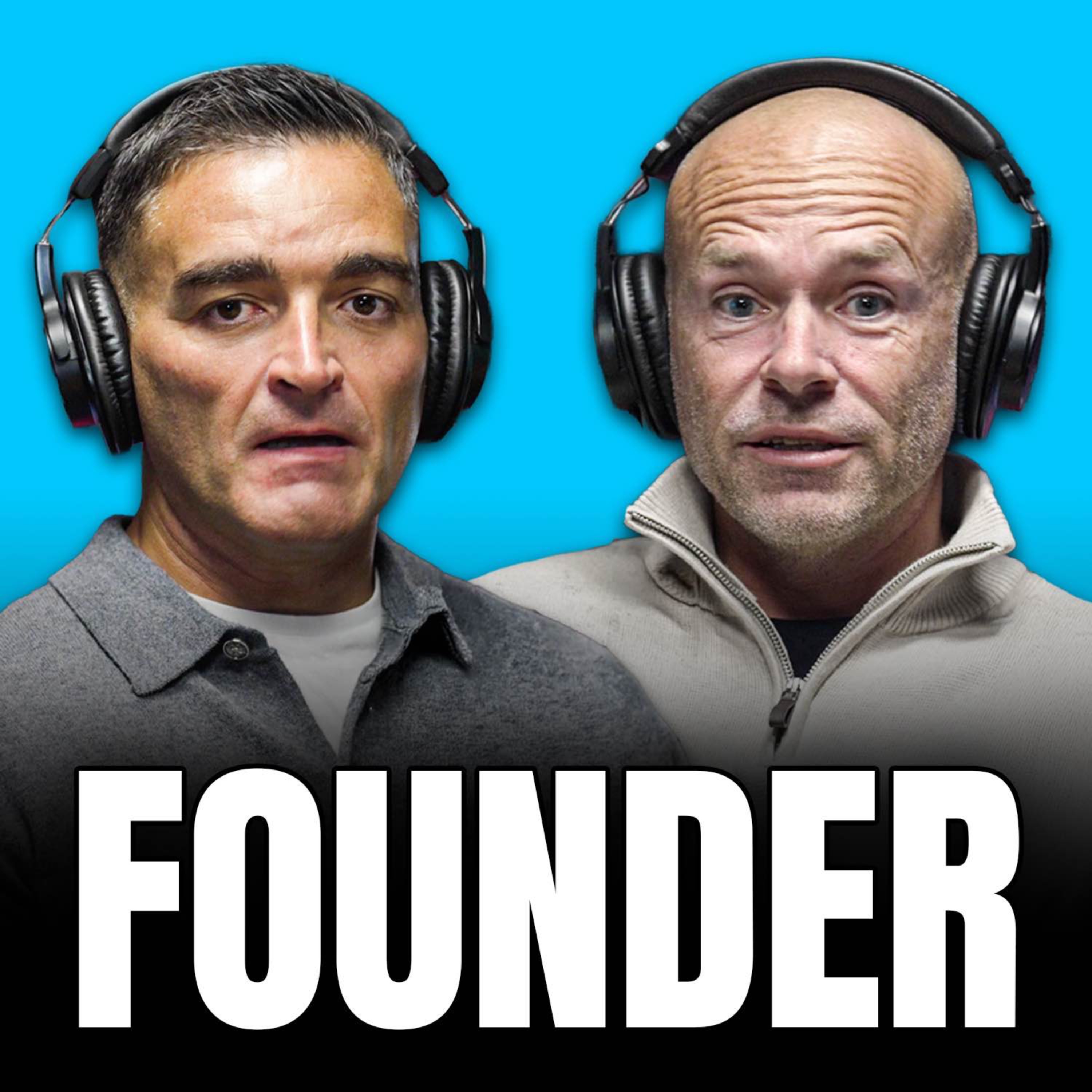
Chris Gore (Spore/SPORE) explains building a UK-based meeting-room AV and hybrid-working technology business from a first £800k deal to ~£10m revenue, then scaling into global managed services with proactive monitoring.
Chris Gore is a former military officer who left in 2013 after completing an MBA. His business partner Chris Spence previously sold AV at AVISPL (US-based, ~$1B/year). Their team grew to 35 full-time staff in the UK plus freelancers; they also hire internationally (e.g., India/Europe).
Written by AI. May contain mistakes.
Chris Gore shares his entrepreneurial journey and insights into his tech business.
“You're listening to this podcast, so I know you've got a curious mind.”
Chris Gore shares his entrepreneurial journey and insights into his tech business.
“That's what we're going to go out and do.”
Chris discusses how COVID accelerated the digitization of workplaces and his business growth.
“We've had some most amazing business guests on here.”
Chris discusses how COVID accelerated the digitization of workplaces and his business growth.
“We started Spore six months before COVID.”
Chris reflects on the importance of risk-taking and personal sacrifices in entrepreneurship.
Chris shares his transition from military life to pursuing an MBA and entrepreneurship.
“So if the screen goes down for whatever reason, you raise a ticket to our help desk, our help desk engineers go to site, they get the thing back up and run, the business is running.”
Chris discusses the challenges and strategies of starting a business from the ground up.
“So they ended up putting me through my MBA and again, brilliant.”
Chris explains how he identified gaps in the market and seized opportunities for growth.
“And I just said, nah, I think I'm, I think I'm done.”
Chris elaborates on securing funding, risks taken, and the launch of his tech business.
“So what I recognized, I was the account manager there and we were bidding on three million pound projects, four million pound projects.”
Learn how the entrepreneur set ambitious sales targets and secured initial funding.
“and buy all of it here and then we stick we still call the grand and then and then obviously had the house for the credit line with the suppliers.”
Discover the importance of building relationships with suppliers for business success.
“and because they knew us again we were lucky because we worked for the big company beforehand so you got the in So we had the in.”
Understand the challenges of scaling a business and hiring the right staff.
“And then you've got to deliver it, right?”
Learn about the significance of the first hire and its influence on company direction.
“So I think one of the things a lot of entrepreneurs have is they go out with this intent to like land a few leads and land a few deals.”
Explore how business operations evolved from freelance work to structured projects.
“I think that was a title or procurement coordinator or wherever, a girl called Steph, based in Farnborough.”
Learn how client expectations shaped the company's service offerings.
“Went up there, told her about Spore, told her what we're doing, showed her our procurement platform.”
Discover how a proactive support platform transformed client service.
“And so we were like, well, they're going to be good.”
Understand the challenges and strategies of scaling services to international clients.
“This episode is brought to you by Progressive Insurance.”
Explore the challenges faced in operations and the solutions developed.
“can you do zurich and we went yeah and then the client you've done this thousands of times we We went, yeah.”
Learn about managing crises in client relationships and maintaining trust.
“And, and you're, you're reporting into your PM.”
Explore the dynamics of managing a growing team and related challenges.
“We've recognised that the camera is out of warranty because we did the install three years earlier or three and a half years earlier.”
Understand how a direct management style impacts team dynamics and operations.
“Every time, every time there's an issue with that particular IP address, our help desk gets a ping.”
Learn strategies for addressing staff issues and maintaining a healthy workplace.
“And there could be politics, there could be hierarchy, there could be gossip or getting in the way.”
Learn about the importance of candid conversations in managing staff effectively.
“something happened on a night out and a staff do and you're going, I've got to get rid of that person.”
Chris discusses his business growth goals while balancing family responsibilities.
Insights on expanding a business through strategic acquisitions.
“We have the same thing in the AV industry.”
Explore how to evaluate companies based on financial metrics and industry standards.
“but we're going to utilize our own capital and then stage payments and earn out essentially.”
Discussion on the changing dynamics of office space needs in a hybrid work environment.
“I think there's going to be down, there's big companies that are there.”
Learn about the challenges and strategies in growing a tech business and managing investments.
“You don't go and sign a five-year deal if you want to rent a house.”
Explore Chris's past struggles and successes, and the importance of support in business.
“Flagging it, we've got some screens for you.”

Get the gist, explore an idea or ask about something said.
 Claude
On Dodge Woodall Network, what are the key points of this episode?
Searching your listeningAutomatic transcript. May contain errors.
0:00You want to get your backyard summer ready, but you don't want to break the bank? Wayfair gets it. Planning on dining al fresco or relaxing poolside? Wayfair has everything you need to prep your space. Shop now and save up to 70 % off during Wayfair's 4th of July clearance. Score huge deals on outdoor furniture, area rugs, and more. We're talking thousands of products for every style and budget. Plus, surprise flash deals July 6th. Don't wait. Shop Wayfair's 4th of July clearance now through July 6th at Wayfair.com. Wayfair, every style, every home. You're listening to this podcast, so I know you've got a curious mind.
0:33Here's a helpful fact you might not know yet. Drivers who switch and save with Progressive save over$900 on average. Pop over to Progressive.com, answer some questions, and you'll get a quick quote with discounts that are easy to come by. In fact, 99 % of their auto customers earn at least one discount. Visit Progressive.com and see if you can enjoy a little cash back. Progressive Casualty Insurance Company & Affiliates. National average 12-month savings by$946 by new customers surveyed who saved with Progressive between June 2024 and May 2025. Potential savings will vary. Monday.com AI agents took over my work.
1:08And I absolutely love it. Chasing deadlines, writing status reports, updating stakeholders. Agents handle the daily grind now. I stay in the loop only when it matters. Create your own AI agent in minutes on Monday.com. Our target is 250 grand jobs. That's what we're going to go out and do. We got pitched that and within about six weeks, we landed our first major job and it was£800 ,000. How would you explain sport to the listener? I want to do that entrepreneur thing, but I don't know what I'm doing. I don't have a father figure, I don't have a mentor. I don't know what entrepreneurship is. I don't know what kind of spellability thing.
1:40Again, the more risks you take, the luckier you become. I think one of the things a lot of entrepreneurs have is they go out with this intent to land a few leads and land a few deals and then all of a sudden you become operational. I would like to know the growth of how you've gone to a£10 million business from those first days of 800 grand deal to where you are today. This was all us on this, right? Are you doing the right thing by acquiring right now the way the world is? I've asked myself that question as well. 35 full-time staff in the UK. And then your freelancers on top of that. How does that feel?
2:10I think we were down about 400 grand. I'd feel uncomfortable. I think the thing is, right. Hey guys, we've been running this podcast now for five and a half years. We've had some most amazing business guests on here. Simon Squibb, Daniel Priestley, Barry Hearn. The list just goes on and on from billionaires to people who have built brands. If you want to come on the podcast and talk about your business and sit here with me in the studio and tell your story, go check out dodgewoodall.com forward slash guest and check out the three minute video. We've also left the link below as well. We started Spore six months before COVID.
2:45Some would say I was really lucky, you know, because then COVID happened and all of a sudden a lot of people needed this digitization of meeting rooms in their workplaces. People working from home all of a sudden. There's now a massive movement on hybrid working. So I think that over these past five years, COVID, you know, obviously not good things happen in the world, but from a digitization side of things, we exploded. Never waste a good crisis. It's true. it's true when people turn away and scale away I don't want anything to do with it to see what happens it's people like yourselves who are out there going right we need to make change we need to act now we need to act while everything's going down yeah you know be that salmon going up the stream we were just we were lucky right we started six months earlier we didn't have any furloughs it was me and my business partner we were still sat behind the kitchen table yeah the NHS came to us and said look we're really draconian in the way that we conduct our meetings everything's in person you need to come into our you know our various hospitals that we are you know our various trusts and we need to put video conferencing capability within these spaces can you do it and we're like okay so we end up doing seven trusts for those guys in 2020 and then it just went from there really okay so um how would you explain sport to the listener sport is a company which works with organizations to provide video conferencing collaboration technology capabilities okay so we we are the company you want hybrid working if you want you know to be able to conduct a meeting a zoom meeting or a team's meeting within your office within your boardroom that's what we do okay we sit with the client to understand what the requirements are we design those requirements based on the functionality that they're asking for and not based on manufacturers that we want to push we install all of the equipment, supply it, install it, and then we offer service, maintenance and support ongoing.
4:40So if the screen goes down for whatever reason, you raise a ticket to our help desk, our help desk engineers go to site, they get the thing back up and run, the business is running. This sounds like perfect timing. Six months before the pandemic. Oh yeah. My God. Yeah. We were running around, Spen and I, but Chris Spence is my business partner. We were running around doing all of this then. So we were like, oh crap, right. I've got these seven trusts. Yeah. Let's, let's crack on. But also don't forget, I mean, we'll go back to kind of the origins of it. Like this was all those on this, right? The house was on, you know, as a guarantee.
5:14Did you gamble the house? Did you? Well, I didn't spend all gambling. Did I? Yeah. Mate, it's funny, mate. Tell me, tell me what happened there because this is, this is important that listeners hear this because real businesses and sometimes it's not just our hand me down money or it's not just borrowing money from the bank. It's actually putting your plums on the line and going, I'm putting my house on the line here to give a gamble on something that I really believe in. Yeah. Well, let me tell you why we got into it because, and that will make sense as to this bit. So I left the military. What year?
5:42In 2012, what are we now? 2012, 2013, October 2013. So obviously, let me rewind a little bit further. To 2024, realised I kind of want to do that thing. At the age of 24? At 24. And do you know a minute ago where I said that once I realised I want to do something I'm in? Yeah. So I then got the military to put me through my MBA because I was like, I want to do that entrepreneur thing, but I don't know what I'm doing. I don't have a father figure. I don't have a mentor. I don't know what entrepreneurship is. I don't know what kind of spellability thing. Do you know what I mean? So what I want the military to do is they used to get education training credits, basically.
6:15When you leave, they give you that, don't they? And during as well. And during, okay. So they do enhanced learning credits and I think the other one's called standard learning credits. It's basically two levels of credits. Imagine it like SEIS and EIS. So they do that. And then I basically said to them, well I want you to put me on loads of leadership training courses which they do anyway to get you promoted and I want you to teach me business basically which is going to be helpful for me as a budget holder within the barracks because I'm going to understand how to spend the money and how to keep the budgets and stuff like this.
6:46So they ended up putting me through my MBA and again, brilliant. For people that are a bit lost or whatever, the military will do that for you. So they stuck me through my MBA. I finished my MBA when I was 30 and I was sat there having spent tens of thousands of pounds on this MBA with a theory knowledge of business, but no practical knowledge. And then I was like 30 years old, single, still teach people how to do press-ups with an MBA. And that was the reason I left then, going back to your question earlier. That was the reason I left because I was just a bit like, this is completely wasted if I don't do anything with it.
7:20And I need to do something about it now because I'm 30. If I leave it much longer, I fall into the trap of waiting for my retirement pay. Wait for your pension, yeah. Waiting for the pension. So I was like, I'm going to, I'm going to wing this and I'm going to leave. So my last base was just in North London. Loved it. And I got promoted and they tried to send me up back up North. And I just said, nah, I think I'm, I think I'm done. So kind of my notice in basically wrote my CV and just put MBA at the top of it. And, and all my military speak jargon, which nobody understood, but the MBA letters got me a bunch of interviews in London.
7:57and I'm like, brilliant, right, moved to Clapham. Did you? 30 year old lad. I moved to Clapham as well, I love Clapham. You Clapham North, Clapham South, Clapham Common? I was right next to Giggling, do you remember Giggling, the old, the Clapham Common? You Clapham Common, okay. There was a bar there called Giggling and all the Aussies used to go there every Sunday and we used to go there every Sunday as well and then turn up on Monday at work, just absolutely hanging out. But yeah, Clapham was epic. Yeah, there was a bunch of stories about Clapham but I ended up playing for a rugby club. I'm not a rugby lad.
8:29I played football. I'm not a rugby lad, but I missed that kind of like military lads, like culture. And somebody said to me, go and join a rugby club. So I went and joined a Rosslyn Park. Okay, nice. Like their social. Great club. I wasn't, I wasn't like their senior, I wasn't their social team. Brilliant. It's as close to the military as what the military was. So that was epic. But the NBA letters on the top of this CV was like, I'll just put this out everywhere, right? So threw it out all over the place. Excellent. Got a job. Somebody saw something in me. He saw, and I'm still friends with this guy to this day, but somebody saw, so he was a bit of a dime in the rough there.
9:08You know, I could see that you didn't have any industry experience. I could see you didn't have any business experience. I could see all of your chat and your mind was still military, but there's something, there's something there. And he hired me as a sales guy selling AV. Ah, so that was your foot in the door. And that was the foot in. And where were you at? How long were you there for to realize I want to do this myself? set this up myself it's about three years yeah and because what I recognised what transpired then which I didn't know at the time is it was the biggest AV company in the world so what was it called it's called AVISPL good bunch of guys right great great bunch of lads and big American company they do about a billion in dollars billion US dollars a year a year yeah yeah just in AV huge huge company the Tottenham Hotspur football stadium okay all this kind of stuff.
9:56So what I recognized, I was the account manager there and we were bidding on three million pound projects, four million pound projects. And I'm getting commission on this stuff, right? And this is like, great. But I'm also speaking to my clients and I'm going, the client's going, I've got 250 grand, Chris. Can you just deck out these 10 meeting rooms for me on 250K? And I was like, I can't. Because, well, I could, but we were pricey. We're a massive company. They've got huge overheads. I can't give my A-team, my installers, because the A-team are busy on Tottenham's football stadium and there's a deadline on that.
10:32We need to get the top. And anyway, that conversation happened. And I always had the entrepreneur itch anyway, right? But that conversation happened in the space of 12 months, about 10 times, that 250 grand mark. Me and my business partner, now business partner, Chris Spence, he was the biggest UK sales guy at that company. Okay. Doing 13 million a year, 14 million a year, decent commissions, doing really well but he always had a bit of an entrepreneurial itch he's very different to me and we'd have a beer and I was complaining about the fact that we couldn't do the 250 grand job because our A team's over there and I've had this conversation about 12 times or 10 times in the past 12 months there's two and a half million quid there beers beers six months later we were just like are we going to do something about this or are we just going to keep having a beer and complaining about it which brings you back to the house on the line job so I then went to my I basically said to my wife well she was my girlfriend at the time and I really liked her and things were going really well and I was I was earning half decent money and we'd um I'd moved out of Clapham at that point moved in with her so I was in her flat yeah so I couldn't put her but I kind of said to her look I've got this idea I've got this little entrepreneur which we'll together maybe two years at that point but it was long enough for me to be like I actually really like this girl she's she's sound and I just said to her where's this going like if I'm going to make this jump where's this going like are we like are we good it's like are you gonna be asking me for kids in in five minutes because i think i'm gonna need a little bit of time just to make a success of this business and she went look i'm not asking for kids at the moment and i'll cover the mortgage for two years she said to cover the mortgage i'll cover it for two years maxine massive respect maxine yeah so if it weren't for yeah legend but you need every good entrepreneur needs an amazing other half yeah because they're on the journey with you emotionally yeah 100 % you know and they're the one that heard me whinging about things when I get home or moaned about a project that we didn't win or whatever you know or they're there when I've when I've when I've got home pissed because I've been I've been networking with with potential internally so that that's them and she was like look I'll give you you've got two years make it work um and Speno then where we went out to the suppliers and distributors and opened up trade accounts and they went well we know you because we know from your past and we know the accounts that you've spoken to and you've worked for these guys and you know you know the industry and they said but we you know we've got no trading history so we need we need some guarantee and spent i went i'll put my house on it so was he married at the time he was married at the time he's not anymore but yeah there's a probably reason behind that mate so he whacked his house on the line to get the funding to help you as well or was it his half no and also helped me as well because i didn't have a house okay so when i moved i left lincoln when i got posted down to london when i was still in the military i had a place in lincoln and oh mate was doing my with rent and keeping on top how much did he have to put in the kitty so we ended up putting in what did we put in so i think i put 50k i had 50k and he put 50k okay and then he put it so we put 100 grand in it and then he put his house on that's guaranteed his house is for whatever his house 600 000 whatever this house is what did he need the house money for as a credit as a as a personal guarantee to go and buy what the screens kit yeah wow yeah fair play so you know and then the whole because we need to buy the screens right but you're selling a 250 grand job you've got to go and buy all of it here and then we stick we still call the grand and then and then obviously had the house for the credit line with the suppliers.
14:12And basically it was one of them where it was like, right, our target is 250 grand jobs. That's what we're going to go out and do. We're going to go out and pitch that. Went out there, 250 grand, 250. We haven't got the money. We haven't got the capital. We haven't got the credit rating or the credit terms to do anything more than that. And within about six weeks, we landed our first major job and it was 800 ,000 pounds. Happy days. Is that right? And we were like, happy days. did you have to go and buy 800 grand worth of stock that is yours that you then rent out no you sell it so pure sales was it okay yeah so we don't have a rental arm so give me an example if you had to go and buy 800 grand worth you've got 800 grand deal in how much did that cost you to go and buy oh you're looking at 600 ,000 600 okay and where were you getting it from 630 so we just had to have a conversation with the suppliers and because they knew us again we were lucky because we worked for the big company beforehand so you got the in So we had the in.
15:07Okay. And we had the in with the procurement director there. Okay, perfect. A girl called Louise again. Big shout out to Louise. But spoke to Louise and went, look, Louise, we've got PO here. Yeah. Here's the terms. Can we back off the payment terms? Yeah. You know, so that we don't - And was she good? And she went, you know, she looked after us and went, we'll back it off for you. I think that was on 45-day payment terms as well with the client. And we went, and we were on 14 days with Louise. Perfect. And I went, Louise, do us a favor. Back it off on the PO. She backed her off from the PO. We got paid.
15:38She got paid. And that was us. We were up and running. So again, it was another one of those moments where it was like, if it weren't for that, we knew her. She knew our little black box. She knew our clients. Sorry, she knew our capabilities and stuff. Again, the more risks you take, the luckier you become. Yeah. People say the harder you work, the luckier you become. But the more risks you take. Yeah. And that was a risk. Yeah, yeah, yeah. And that's a good risk. Yeah, yeah, yeah, yeah. I love the model, though. It's just being a good middleman, right? A hundred percent. And then you've got to deliver it, right?
16:02Yeah, okay.
16:06then you onboard the maintenance once it's signed off and you know everyone's happy it's all working yeah you then onboard it onto your service contract and the service guys then take over so you have like you know almost three departments okay in the company and how many people do you start you you and you and spence and then how did the business grow give me an example of how the business has grown over the last five years six years completely organically so um we that was our first job that 800 grand job they placed another couple of orders with us but what the building company that we did the work with on the job, they were like, actually, these guys are pretty good.
16:36They know what they're doing. They've designed it. All the drawings are all perfect. You know, the delivery is spot on. So the builders then contracted us onto another job. And that was a£260 ,000 project. And then it just then. It grows from there. And then it grew from there. And then it was a case of, right, okay, well, now we need some staff. And even that, I don't know how to hire. The MBA doesn't teach you how to hire staff, you know, or run payroll or anything like that. So I think one of the things a lot of entrepreneurs have is they go out with this intent to like land a few leads and land a few deals.
17:07And then they, they do that and they land these deals and then all of a sudden you become operational. And so we've had that a few times in the past where I've been so busy delivering operations that you just, you take your eye off the ball. Take you off the ball on sales or marketing. Yeah, I agree. And you've had to then, oh shit, right, Spenal, do me a favor. You look after ops for me. I'll just look after sales. I'll drive leads in and then you deliver it. And so, yeah, I think as a growing company, you kind of have that, those few moments where you're a bit like, right, I've been so busy doing operational stuff that we've not.
17:39What was your thought process on your first hire? Well, actually my first hire is an absolute gem. Yeah. So she's now our FD now. Brilliant. So she, so again, it all comes around in circles. It's weird our life works, right? It all comes around in circles. So in the big company, when we worked for the big company, there was a procurement assistant. I think that was a title or procurement coordinator or wherever, a girl called Steph, based in Farnborough. Absolute gun, like really, really good. And bear in mind, again, they're delivering four, five, six million pound AV projects. And she was in charge of the procurement of all of that kit.
18:18She married a guy who had some military connections and he got posted back up north. He got posted to Liverpool, just outside Liverpool, Southport. and she this is before covid she basically said to the company can i work remotely i'm a procurement assistant i can do all of this remotely can i work remotely my husband's moving up north i need to move with him and the and the company said no so um this is a 2008 17 18 they said no we missed her like almost from day dot yeah she ended up working in a care home right looking after you know older people when we started our company we landed the 800 000 pound project me and spenna went we need some procurement support here and again bear in mind at that time we were winging it really we need some procurement support here do you fancy giving steph a call so we phone we phone steph this is how like basic it was we phone steph and i went steph what are you doing she went i'm still i'm still in the care home i said you want to get back in the procurement game she's like i'll rip your hand off for it yeah i'm like right i'll be on a train i'm on my way to Southport, I'll see you there tomorrow, whatever.
19:23Went up there, told her about Spore, told her what we're doing, showed her our procurement platform. We used to use Zoho in the early days. Right, here's a procurement platform. Do you want a job? And that was it. So the first hire was literally just, there was no, at the time there was no contract. It was just like, do you fancy being off your career, your carer role and coming and getting back? How much did you pay her? Do you remember? I can't remember. It must have been... I don't know, 35K maybe. But your first signing, was that daunting on you? Or did you know you had the money in it? Well, we knew we had the money.
19:59Coming in to prepare. Okay, perfect. Yeah, so we knew we had the PO there. Yeah, okay. I think we'd issued our first invoice. So the days countdown was on as well. And it was a bank. Okay. And so we were like, well, they're going to be good. They're going to be paid. They're going to be good for the money. And how have you grown? Show me. I would like to know the growth of how you've gone to a 10 million pound business from those first days of 800 grand deal to where you are today. So in the early days, again, we were basically, I used the terminology like we were basically carrying a van. We were buying a bunch of this kit, putting the drawings together, issuing it to the builders, and then we're rocking up to site and we're actually installing this stuff, right?
20:34But that's a carrying a van, like it's a freelancer job, right? And it was like that for the first year where we were just winning work, delivering the job, and then our service maintenance offering was, give us a call. If you have an issue in that room, give us a call. We'll come in and fix it. That was it.
21:20Wayfair.com. Wayfair, every style, every home. This episode is brought to you by Progressive Insurance. Do you ever think about switching insurance companies to see if you could save some cash? Progressive makes it easy to see if you could save when you bundle your home and auto policies. Try it at Progressive.com. Progressive Casualty Insurance Company and Affiliates. Potential savings will vary. Not available in all states.
21:46and then we then started getting some really well-known clients under nda on a few of them so i can't mention them but we then started getting some very well-known logos and really well-known clients one in particular we delivered london uh and they went look guys that was cracking can you do zurich and we went yeah and then the client you've done this thousands of times we We went, yeah. And then we go, right, how the hell do we do that? Yeah, look at our later. So, you know, we were gone and delivered Zurich. And then we delivered Zurich. And then the same client then went, he was the VP of real estate across the world for this particular company.
22:22And then he went, can you do Paris? And we went, yeah, we can do Paris. And then can you do Luxembourg? Anyway, fast forward to today, we look after 16 of their sites now across from UK, Ireland, right away across Europe. We've got Singapore, we've got Sydney, we've got Hong Kong and just about to get Japan or with that one client. Unreal. And what, what basically was happening was we were, we were putting together, putting together the standardized designs, management and procurement process, managing the project management, the drawings, the engineering, and then hiring the local resource to go in and do it.
22:56And basically giving them an Ikea pack and going, that's how you put all of this together. Here's all your programming code. Here's your drawings. And there's your money. And, and you're, you're reporting into your PM. Yeah. and there's our PM and there's your money. So that's how we were doing it. The challenge then, this is kind of like how this journey's continued now. That approach was still very much kind of Gary in a van. The challenge then was how do we then start differentiating ourselves to be a company that is like an ongoing service managed company. And actually the challenge came from the client.
23:28So the client was like, look, Chris, we like you. You know, we like you. You've got 16 of our sites. but we had a situation in Paris where the boardroom camera was down and you're then flying somebody over there and by the way the boardroom we only know the boardroom camera's down because we went in to try and start a meeting and the camera wasn't working and you've got 12 people sat around a board table you've got the CEO stood there you've got people dialed in remotely and they pressed the button to start the meeting and the boardroom camera doesn't work it's a it's a it's a drama yeah absolutely and so the client came to me and went you know then you've flown somebody out there from the UK.
24:02We've recognised that the camera is out of warranty because we did the install three years earlier or three and a half years earlier. At that point, you're then sending me a call for another camera. The room's offline. I've lost that room. The room's offline for three weeks. I'm then buying a new camera and I'm sending somebody else out there again three weeks later. By that point, I've lost, you know, five grand in fees to get it fixed. Plus I've lost all the output from the meeting room. And his challenge to me was, we like you we've always liked you we work with you we've grown you make that better fix that bit and so we we've now developed what we call our sport track platform which basically means every single device that we now deploy right the way across the world gets onboarded onto our platform and we can see it yeah so we can see the monitors we can see the ip addresses okay we get we get a ping if the camera goes offline the ip address goes offline for whatever reason our help desk gets a ping on a Thursday at two o 'clock and we can then proactively go and make interventions.
25:01Overnight? Overnight. Okay. Every time, every time there's an issue with that particular IP address, our help desk gets a ping. Okay. And then we then proactively carry out whatever needs to be carried out as opposed to one minute before the boardroom happening, the boardroom meeting happening. And then you're not working. And then going, oh crap, now what do I do? So that one guy who you're dealing with has opened all these doors for you. What happens if he leaves? well he's actually not far off of retiring so he's not far off of leaving well with those guys we're actually ingrained now so they're owned by a larger group so we're actually ingrained now at the group level brilliant so really what happens is the next person takes over right and we've worked with these guys sometimes the next person's saying it's over he might want to bring his friend to the family and go hold on we don't want to use you thank you but we're not looking at it that's also why the kind of proactive monitoring piece is so important because yes look anyone can start start an av company yeah you buy a few screens you go and hang it on a wall you plug it in you make sure it works that's the gary and the van pieces the spore track police the piece the monitoring and maintenance and ongoing support piece that's when your account managers then go and have a qbr every quarter with the account and then go did you know you had all of these issues raised and we sorted you didn't even know about it perfect that's that's how many staff have you got today 35 now 35 okay four in india four in um in europe um so yeah 35 full-time staff in the uk and then your freelancers on top of that how does that feel having 35 staff because if i had 35 staff i'd feel uncomfortable i like to keep i like to keep businesses under 10 staff yeah that's just me lifestyle i like to do that whether it's yeah any of our three companies but when you get into anything more than 10, 12, 15, 20, 25, sometimes you're too big to be small, too small to be big.
26:51And there could be politics, there could be hierarchy, there could be gossip or getting in the way. How do you manage that? Do you know what, mate? And this is, this is just being truthful and honest. I still struggle. Yeah. Because I've still got that military mindset where I'm just like, just do it. Just crack on. Just crack on and get it done. Come back to me when it's done. And I think this is awful, right? but I think civilian, the civilian way of managing is slightly different to what I'm, the way that I manage. And I'm not saying that I'm, my management style is still quite direct. I'm like, look, this is what I need to do.
27:26Come back to me when it's sorted or, or if you can't sort it, come back to me with a solution on the thing that you've, that's the way that I am. So I still struggle. I think in my, the way, the way that I try to answer that is I try to put people in management positions below me and let them do it. So Steph, for example, who was our first procurement girl, she's now the FD and head of operations. So any right stuff, deal with it, please. How do you deal with this staff troubles? Someone's called in sick for too long or someone's, something happened on a night out and a staff do and you're going, I've got to get rid of that person.
28:04Are you a person who's like, bam, I need to get rid of it. I'll make it happen. Or do you keep them in for longer and longer? No, no, no, no, no. I don't stew on it. So there's a great book, comment of the author, Radical Candor. You may have come across it, but it talks a lot about direct, direct, you know, candid conversations. And that can be candid, which is a positive candid, or it can be a negative candid. But the important part about Radical Candor is that you're having the conversation. The worst thing that, in my mind, the worst thing that you can do is like let it, let it by. It's fine.
28:37You'll end up losing loads of stuff by doing that. You'll lose it. Other people would be like, why are they not getting rid of that? Why am I clearing up that person's mess all the time? Who's that Wally? Yeah. Honestly, we've made so many mistakes, man. You know, I'm not a recruiter. I'm not a psychologist. I don't know, you know, I don't know anyone, anyone interviews and it's pretty great. You have a great interview and then they rock up and you're like, where's that guy that I interviewed? Because this isn't that person. We've kissed so many frogs, mate. And we've just had to make decisions on, and we're a small company.
29:06You can't hide. Right. You know, it's not like a big enterprise company where you've got layers and layers of management and you can kind of hide and stuff. We're not. Every single person in our company, apart from a couple of positions, but most people in our company, you're the only person that does that job. And if it's not done, it's on that person. You have to have radically candid conversations. And where do you go? Where do you go with your company? Are you looking like, well, it's 35. I want to go to 100 staff. Or do I want to be bought out? Or are you looking for investment? or are you looking for someone over your shoulder going, do you know what, hopefully they buy us one day and we go into their big company and it's taking all the pressure off.
29:42We'll get a nice chunk to put away for the family and we'll carry on within that business. That's the goal eventually. Yeah. Yeah, I mean, I'm 40, right? So I'm sat there going, I'm not fishing for the rest of my life. I don't like fishing anyway, but I enjoy my golf and enjoy my cycling, but I'm not golfing and cycling for the rest of my life. I'm 40. You know, my kids are two. I've got twin girls and they're two. Twin girls? Twin girls. it's pretty carnage amazing though that's why I'm keeping busy amazing yeah how nice is that having twin girls oh it's carnage right yeah Maxine is a we've already mentioned her haven't we but she's a rock star man she's really really good but the end goal is yeah you know the end goal is to is to have an exit not just yet I think the most immediate need is we want to we want to actually acquire so we've grown oh you're looking to acquire someone else okay so you want to grow the business by yourself we want to grow the business yeah we want to grow the business So we're going to require, I've listened to James Sinclair's podcast with you where he talks about acquiring other companies and complementary companies around, you know, he buys like supply chain companies so that you can then have this kind of ecosystem of leveraging everything within the company.
30:51We have the same thing in the AV industry. I provide meeting room AV solutions. This is what I provide. what goes into this is you've got architects you've got design and build teams you've firms you've got um you know strategic consultants who talk about the strategy of workplace they talk about hybrid working and the way that an office needs to be optimized to best utilize space and stuff like that so you've got all of these different things that are involved in that and then you've got av so you've got av companies that are a billion pounds so an audio and visual company that's turning over a billion pound is that american i take it american avi spi they're absolutely monsters in this space you found a nice niche though well they're jumping in that 250 250 grand niche where they're they're going that's too small for us we don't want that actually you spotted and you spotted an angle there and jumped all over it and we got involved yeah we got involved and um and i still speak really highly of the avi guys the ceo john zell great like top lad like it's one of those ceos i'm sure you come across these guys i'll see him at industry events and they'll go, Chris, how are you doing?
31:55I was an account manager. He was a billion dollar company. He had no right to know my name, frankly. Why? Well, this is what I'm saying. This is management, right? Yeah, but I don't think that about anyone. In what sense? In light, I don't care if you're a billionaire or I don't care if you're a CEO of the stock company and you're a dinner lady or a cleaner, everyone's the same to me. I agree. Everyone's the same. And I treat everyone the same. Yeah. And I feel everyone should be treated the same. 100%. So when I see some CEOs giving it the big and wearing a, the double-breasted suit and marching around and do you know when I really notice it I really notice it when you go on holiday you're on a beach and you've got a fat cat there and you're just in his beach shorts you've taken away all the suit away from him and all the watches and da da da it's just him in a pair of beach shorts like then you're having proper shirts there's no hierarchy then I love it and again even if I rewind again Maxine again I mentioned a couple of times I was a has she paid you to say this by the way I'm going to make sure she sees these clips.
32:53By the way. This is for you, Maxine. Have a look at this. She bloody loves Born of Sevens as well. Does she? I told her I was coming on this. Has she been, is she? Oh, every year. Has she? Every year. Amazing. Every year until she got to about 33. That's stop. Tell her to come this year. You look after the kids. Maxine, come as my VVIP guest. She loves, I told her I was coming. She was like, oh my God. Anyway, so she's a privately educated school kid. Yeah. Right? I was a counsellor state kid. She was a privately educated school kid. And her kind of, you know, her peer group, if you like, she went to school with the Rothschilds, right?
33:31So her peer group is that kind of peer group. And yet Maxine herself hates the fat cat thing, hates it, sees it within the family peer group and stuff like that, but absolutely hates it. And I'm with you. There's no reason why John Zettel shouldn't know the warehouse guy or all this kind of stuff. so that is a little bit of the thing that always sticks to my mind I'm like you shouldn't really know me I was just one of your account managers but yeah every trade show he comes up how are you doing Chris great to see this good for him you guys blah blah blah so where are you at the moment then regarding wanting someone for you to go and acquire have you got someone you've got an eye on at the moment are you mid conversations at the moment oh yeah we are we're mid to late conversations how long do you reckon you've got left until you could acquire that company it'll be this year and are you taking a bank loan to acquire it or are you using your own funds no no no So we're going to utilize, this is a little bit early, but we're going to utilize our own capital and then stage payments and earn out essentially.
34:28You've definitely been listening to James and Claire, haven't you? Yeah. James is a good friend of mine, right? And he's one of the best entrepreneurs for me in the UK. I agree. And he needs more exposure. For some reason, he doesn't get that exposure he should be getting. I think he's tremendous. I think he doesn't get that exposure because he's so, like his niche is real business owners. Real physical businesses, yeah. He's not an influencer. He's not sat there going, come and buy my course. Yeah, he's a creator. Yeah, I think he's absolutely, I think that's. Founder creator, that's what he is.
34:59Yeah, I think he's brilliant. And, you know, I think he needs a voice higher up in like government and stuff like that, really, because, you know, people need to hear some of that sort of stuff. Won't catch me near government. No chance. I've got way too many scotters. not even that I just couldn't handle the headache of speaking yeah you can't you've got to tell the party line you sat there going I don't believe the party line I can't tell this line at all because I'll lose the back bench so many liars around yeah that's what it is so what's the process now how long are you until someone until you're acquiring that company so we're in discussions with them now fingers crossed you know we'll get to heads over the next few weeks and then and then we'll be into due diligence then so due diligence it depends this company is around one point 6 million revenue.
35:44Okay. So I can't imagine. How many staff? 12 staff. Okay. Perfect. I can't imagine the due diligence is going to go on that long on a 1.6, 1.7 million revenue. And then we'll see, right? So that the plan is if we can get that off the line, that'll be the first one. And then what we'll try and do over the next four or five years is consolidate not, not, not the hardware supply chain, but more like the supply chain in terms of like strategic workplace consultants. So will you go again then? Now, if you acquire your first business, Will you go again? So I want to acquire another one to build this business up.
36:15So you're excited about that, are you? Are you? Absolutely. I haven't done it yet. No, good for you, but this is your first time, right? Yeah. I might come back in six months ago. That was a terrible idea. Good for you. But I'm buzzing. So again, and how do you, being on the other side of the fence, I've sold a couple of companies, but I've never gone and acquired a company. How do you work out the EBITDA multiple? Because your EBIT, your net profit multiple in your mind is very different to what they want. Yeah. Yeah. Yeah, well, they want the highest they can possibly get, right? Mine is, like, I've done everything in my whole life.
36:46It speaks to the experts in the field. So I've got really good accountants, got a really good lawyer. My accountant is like, you know, golf type. You know, we go and play golf once a month and all this kind of stuff. I'll speak to my accountant and I'll say, can you do me a favor and look what the industry standard is on a company of 12 people doing this much revenue, doing this much EBITDA with the ad backs and stuff like that. So we take that off. What's the general consensus? with this particular purchase, they had a buyer drop out about 12 months ago. And we spoke to her about 12 months ago.
37:20We held off back then because Rachel Reeves' national insurance changes all came into effect. And we said, let's just see what the market does here. So we held off. They had a buyer come in about 12 months ago. They were in due diligence. And then the buyer got into financial trouble and dropped out the process. This particular selling company then contacted me back again and went, our buyers dropped out during a conversation that's a better conversation so that's a way because I kind of said to them at the end I went look we're just going to hold off and see what the national insurance thing does because we've got 35 staff and that affects things so we're just going to hold off so if any listener out there the national insurance is like an employer's tax and before Rachel Reeves changed it it was 13 % as a business owner you'd have to pay 13 % on that salary that yearly salary of your member of staff and Rachel Reeves then moved to 15 % so Chris here who's got 35 staff that makes a big difference massive do you remember how much that makes a year at the end of the year roughly can you remember I think we were down about 400 grand off the top of my head but we got we got done more so we had a client and this is I mean I can't mention the client's name but we had a client who did about 3 million with us the year before and in Q1 of last year they didn't place they didn't ask for a quote in Q1 of last year why well we phoned the client at the end of Q1 and went, what's going on?
38:40Like you did, you know, three million with us last year. Like there's loads of work there. This is a big, this is a big name company. You know, there's loads of, you've got loads of facilities, you've got loads of real estate. Well, you haven't even asked for a quote. And he went, Chris, our partners are on a bonus based on our EBITDA number. And he said, the national insurance change has put us in the whole 50 million quid. My God. And our partners have turned around and said that we want our 50 million back because we want to get paid our bonus. So there's a complete spending freeze on everything.
39:09bear in mind we were we're just one of their one of their small one of their hundred I was like what's going on and he went Chris I'm having this conversation with everyone you know the HVAC company who we did 500 ,000 with last year I'm having the same conversation with them so they had to claw back there all on that one national insurance chain so we're in the whole 50 million quid nuts isn't it it's nuts and again we're probably gone are you doing the right thing by acquiring right now the way the world is I've asked myself that question as well.
40:06Planning on dining al fresco or relaxing poolside? Wayfair has everything you need to prep your space. Shop now and save up to 70 % off during Wayfair's 4th of July clearance. Score huge deals on outdoor furniture, area rugs, and more. We're talking thousands of products for every style and budget. Plus, surprise flash deals July 6th. Don't wait. Shop Wayfair's 4th of July clearance now through July 6th at Wayfair.com. Wayfair, every style, every home. I think the thing is right people are always going to have offices they need it you know we've got hybrid working and flexible working we hope they this has been around I'm massive I'm massive everyone should be in the office because you're learning from people you're communicating you're understanding you're helping and bonding and that whole thing but there's a lot of companies out there who don't want to be back in the office I agree because of the overhead yeah I agree and then the people overheads and stuff like that but I think I'm with you.
41:02I think there will be downsizing. I think there's going to be down, there's big companies that are there. But then if you look at London now, there's a massive supply and demand issue. The demand for London office space is huge. Well, the demand. The demand, the supply is struggling. Is that right? A hundred percent, yeah. Because the supply was massive a few years ago. Yeah, because no one was taking their spaces, were they? But now what you've got is you've got landlords now who are then saying, well, I'll tell you what, I'll give you another. On a freebie. I'll give you another year break. Yeah, okay.
41:29I'll give you a sign another five years. Okay. So you've got all that going on. So you've got the landlords fighting the tenants saying, we want to keep you in, giving really good deals to try and keep them in. You've got this hybrid working thing, which I don't, like the world's not going to go to fully remote. It's just not, you know, despite Daniel Priestley, you know, talking about single person, billion dollar companies, which will happen. But I think on the whole, when you talk about these enterprise size clients, offices are needed and they need to work. Do you know what I find annoying with offices is signing a five-year deal.
42:00You don't go and sign a five-year deal if you want to rent a house. No. Do you know what I mean? You want a six-month-er. And then you get the deal apps. And then we got stung. We left our offices last year thinking, you know, we put it back as perfect. There's another 50, 60 grand. We're like, what? Yeah, yeah, yeah, yeah, yeah. You had to, like, I can see why business owners are not wanting to commit to a five-year deal. Yeah, yeah. And on top of that, you've got the business rates. Yeah. So if it's costing you 50 grand a year to have that office, the local council want 25 grand a year off you on top.
42:27Yeah, of course. Before you earn a pound note. Yeah, yeah. It's wild. It's a transaction tax, isn't it, as opposed to profit tax? And utilities is all crazy. You've got travel to try and get into town. It's nuts. You know, you spend two hours on a bloody tube. How long would you want to own this company for before you go again? Because you've obviously, you're switched on lad. You've actually looked at it and go, strategically that works. I've got 10, 12 people slotted in there. Yeah. I don't know what you're going to do. You might trim that back a bit or you might trim whatever. Yeah. When's the next step?
42:56we can build that for another 18 months, two years, and then I've identified that we should go and own that company there. Yeah, I think, so the way that our industry works, you've got kind of five big players in our space and they're doing, they're doing in the UK, they're doing a hundred million, you know, down to 60, 50 million in AV. And there's, there's five big guys in our space. The truth of the matter is if I'm getting above 15 million in AV, I'm getting into the tender world. Yes. And I'm, and I'm fighting those guys. Yeah. And you don't want to be fighting. I don't really want to fight.
43:24The whole point of starting sport in the first place was, You guys do what you do. We'll do what we do. Go under the radar. There's enough money there for us to be happy. Yeah. So really the plan is to try and get the AV piece to about 15 million. That makes us a nice company, profitable. What do you work on? 10 %? Net. Yeah. Net 8%. 8, 10%. Okay. So you get to 15, it's probably varied at, okay, one and a half, maybe 1.2 EBITDA. Okay. Yeah. Works on that. And then if I've got the other complementary businesses that work inside of that as well, then you know if you can get to 15 million of AUV and then bolt on the other ones and get to maybe 20 million as a group then we can have some conversations at that point then those numbers are actually quite exciting yeah do you own 50 % of your business yeah yeah so me and Spen are on 50 % we didn't initially we had we brought an investor in in the early days again going back to my comment earlier which is around this is probably some advice I'd give other people is always try and work with with your circle of people you know so my wife is obviously privately educated, you know, has a nice circle of people that have done well for themselves.
44:29And I'd started Spore and I was a bit like, I don't know. I don't know what I don't know. Right. And that was the big thing. I was like, I don't know. I don't know how to hire someone. I don't know how to. Did you ask for an investment from someone? Well, I had a coffee. Basically, every month we'd have a coffee with a guy called Mark. And he was one of Maxine's family friends, basically. Maxine actually worked for him when she first left Juni. He owned a recruitment business, sold his recruitment business, lives in a nice big mansion in Beaconsfield. Lovely fella. And we were having a coffee every month basically.
45:05And I was going, tell me about this. How do I scale this? How do I set up a sales process? How do I set up a CRM? How do I set up a marketing campaign? How do I hire people? How do I create culture? How do I create culture? So that was my coffee chat with him every month, which probably lasted five, six months or so. And he'd sold his business. So he had the capability to do SEIS and EIS investments, which is basically a tax efficient way to invest in. That's about the only good thing we've got in the country. At the moment, yeah. So basically EIS is that you can invest into a company as long as your money's kept in that company for three years and that company gets sold, you can take out all your money, profit, tax free.
45:47Correct. Yeah, correct. Enterprise investment scheme. Yeah, and then the small enterprise investment scheme is the level below. So I think it's up to 100 grand, small enterprise investment. And then anything above 100 grand is enterprise investment at tax rates and stuff like that. And we were having coffees with him. And basically, I said, he went, look, I've got some money here. You guys are probably ready to start scaling and bringing some staff in. Why don't I give you some cash? You give me some shares. You use the cash to hire these bunch of people operationally, and then you can start delivering this stuff.
46:19so how much did he put in he put not much about 160 grand still a chunk I mean we were 12 months old ok and did you give him the tonne 60 back and more yeah and you gave him a drink on top yeah he got a couple of gin and tonics on top of it so he earned a tonne 60 back in dividends within within 3 years really what was the conversation like going back to someone who invested in the company and what shares did he get what percentage did he give him 20 % he gave him 20 % and what was the conversation thinking we don't need you anymore mate. It was that. Yeah. Like radical, radical condo, mate. It was like, look, I've got a lot of time for Mark.
46:56It's a great switched on blog. When you, when you said, oh, we'll give you a tonne 60 back. Did he like, well, did he cut a deal with you? Or was he very like, you know, I've earned a load of money. Good luck to you. Give him a tonne 60 back. Give me a drink on top. What was it? Okay. It was, it was, I want this much. And I said, no. As you do. Yeah. And how did you end up meeting to, how did you, How long did it take to you actually met a figure you were both happy with? Probably took us six, seven months or so. Okay. Yeah. It wasn't the easiest conversation. I bet. Did he double his money? Oh, yeah.
47:28Yeah. And then we had him in as a Ned as well. So we, you know, so we, non-executive director. Yeah. How much did you pay him a month to be a, it was 30k a year. Okay. As a Ned. So, and then he was like sat on the board and doing the board meetings and stuff like that. So he put his capital in, took his 20%, sat on, sat on as a Ned. and then dividends, net salary and then exit. So you had a nice number out of that. You've done all right. And to be fair, you had a nice number because he gave you the 1060. Well, it's the thing I said, even now I say, it's a really good thing that happened to us that, you know, it's expensive, right?
48:03But it's a really good thing that happened. I didn't know. But you've got your 50 % back. Yeah, yeah. Which on the bigger scheme, have it. Thank you very much, Mark. You were fantastic at the time. Yeah. Massively appreciate everything you've done. But now we've got 50-50 with Spence, growing the business and you're in total control. Yeah, and we're all good again. But Mark definitely took us from like a bunch of guys, two guys who were like running around going, we've got some screens for you. Flagging it, we've got some screens for you. Yeah, yeah, yeah. To, look, I've done this before. I've exited as well, which is a large part of it.
48:32So here's what an exit to the company needs to look like. Here's how you structure it, blah, blah, blah, blah. Here's how you hire people. And he was a recruiter, right? So he was from a recruitment background. And then that's how you hire people. And so he was really instrumental. in those 18 months, two years. And then after two years or so, I mean, again, you know yourself after two years or so, you start going, actually the value that you're bringing isn't as valuable as what it was two years ago. And, you know, you kind of just then start saying, okay, maybe there's a, maybe there's a conversation here around the next.
49:03So, but, you know, I don't begrudge him. No, it's a, it's a, he's a businessman, right? Absolutely. Absolutely. A great deal for him and a great deal for you as you sit today. Yeah. Yeah. Chris, where are you right now in terms of how many years do you want until you want to sell the business? You can put a big chunk in the money for you, Maxine, and your two beautiful daughters to go, do you know what? I'm done with that business and I'm a bit of breathing space. Oh, what I'm 40 now. There's no timeline on it, really. So one of the things we did with Mark when Mark exited the business is we then set up an EMI scheme for the management team.
49:46So we've now brought them in and given them some shares. So they're now fully on board with - They're locked in. With what the future looks like. So we're probably looking at, we will take a look at the map, if you like, the journey map in five years and then go, where are we? Like, where's the EBITDA number? What is the market doing? You know, what are US, a big thing that happens as US AV companies want to expand into Europe and they buy a UK AV company. So we'll kind of look at what the market dynamics are. But I think the EMI guys have been in for six weeks. Literally signed legal paperwork for six weeks ago.
50:26So EMI is... Enterprise Management Investment. Yes, Investment. So that's for basically staff who you can give shares to so they don't get stung with a high amount of tax when they sell. Yeah. That's an investment from you and so it's about six grand. It's about five, six grand. Seven thousand. Seven thousand each employee. Yeah, yeah, yeah. And they can leave tomorrow. Yeah, yeah, yeah. Yeah, so it's a big investment, but the guys that we put on it are part of the management team now, and they're like Steph. Would you ever, would you ever, I'm throwing something at you here, you said you've got the five years, would you ever wrap it up in two years and go, do you know what, I'm seeing the way the world is going, this might be a good time to get out.
51:01I don't think I would have like, I think, look, I'm. No one's got a crystal ball. No one's got a crystal ball, no. So I don't think I would ever go, oh, you know, let's, let's, you know, let's worry about the world's doing, and I think the world's going to take a massive nosedive in terms of meeting room technology solutions. I don't think I'd make an exit based on that. I would make an exit if someone came in with a big, bloody double bag of cash and went, not cash, I can't do anything with that. But you know, I don't have those contacts anymore. But yeah, so I mean, look, I'm an entrepreneur, right?
51:33I'm a business owner. If someone comes in and goes, I'm going to give you this much. And I go, oh, Jesus, 10 times multiple. All right then. yeah so what if someone come in at seven times multiple you'd have to look at the sum of the parts yeah you know if someone comes in at seven times multiple and they're and they're you know a big company and there's you know you'd have to look at the sum of the parts yeah we had we had a conversation with private equity last year who who stay away yeah stay away yeah and we did and we did stay away they they um they put a provisional offer forward and we just didn't sit right with me really but um you know and what the big thing that that kind of stopped us in those tracks like i thought it was quite attractive to like right private equity they can come in they'll bring us into this bigger group and i'll ride on the coattails of their exit in five years time and then i'll keep 33 percent in there i'll get rid of i'll get rid of my shit keep 33 percent ride on the coattails and get another exit later that that to me sounded like quite a logical thing to do and then it was actually again max we spoke from maxine loads here haven't we she's like you chris you're completely unemployable.
52:37You know, you can't, you can't be sat there reporting into some CEO because you just can't. So, so I think, and then I think to answer your question, I think I'd struggle with, I'd need to see the sum of the parts. If someone comes in at seven times multiple and goes, well, we want you to sit on the executive team but report into Bob. Yeah. I don't know. I don't know if I could do it. I'd have to see it out for like two years and then go, right, Bob, I'm done. Mate, I see, I see a lot of people go into sell, sell shares of their company and going to another company and actually leave their shares on the table because they can't handle it.
53:10I don't want to be speaking to him and I don't want to be managed by that person but you're in lockdown for two years and a lot of them actually push you out. So the key to it is getting as much money up front as possible. I've been lucky enough to sell two and I've had 100 % payout up front. Wow. No earn out. Wow. Well you have a management team in place. Yeah. That's the thing isn't it? So you can just moonwalk out like Michael Jackson and put the team in place away you go. Yeah. You know and that's the key. I think yeah you need to have that management structure in place I've really enjoyed this good really enjoyed it it's been a real nice show it's nice to hear the journey you've been on from tough times in Liverpool to going into the army and then jumping into the RAF and then going do you know what I've got something inside my belly to make something work and what you've built and created today with 35 staff that's a boy done good yeah it's well it never ends it does never end but I can see the journey you're on it's fantastic you and Spence and your missus Maxine yeah she's a she's a rock you're a gentleman mate I thoroughly enjoyed that thank you I really appreciate it nice one Chris take care mate cheers hi guys I really hope you enjoyed that as much as I did can you do us a favour and leave us a review as it massively helps us grow the show cheers guys
54:24you want to get your backyard summer ready but you don't want to break the bank Wayfair gets it planning on dining al fresco or relaxing poolside Wayfair has everything you need to prep your space. Shop now and save up to 70 % off during Wayfair's 4th of July clearance. Score huge deals on outdoor furniture, area rugs, and more. We're talking thousands of products for every style and budget. Plus, surprise flash deals July 6th. Don't wait. Shop Wayfair's 4th of July clearance now through July 6th at Wayfair.com. Wayfair, every style, every home. This Monday.com ad was created by a team of people and AI agents.
54:59The agents wrote the copy and manage the timelines, while our human creative director made sure it all made sense. Easy. Create your own AI agent today on Monday.com. Is your cost of home insurance increasing? Get a quote online today with Arizona Home Insurance Company at ArizonaHomeInsurance.com. Arizona Home Insurance Company is a direct, local home insurance company, is A-rated by AM Best, and has an over 90 % customer satisfaction reported. We are Arizona-based since 1990 and part of the Regional Western Mutual Insurance Group, which has been insuring homes for over 80 years. That's ArizonaHomeInsurance.com.
55:37Direct. Reliable. Affordable.
If you're a Founder and would like to come on the podcast, then you can apply on the link here 👉 https://dodgewoodall.com/guest
Chris Gore opens up about a life built on discipline, risk, and the relentless itch to build something of his own - from the barracks of the British Army to the boardrooms of London, Hong Kong, and beyond.
What started in the military - press-ups, postings, and a thirty-year-old lad sat in North London wondering what on earth to do with an MBA - became a decade-long obsession with proving that two blokes with a van, some screens, and the right contacts could carve out a business the big boys didn't want to bother with. The two-hundred-and-fifty-grand jobs. The ones too small for the billion-dollar giants, too good to leave on the table. He saw the gap, and he jumped in feet first.
From his kitchen table to thirty-five staff. Behind the growth was a man who never forgot where he came from - a council estate kid who married into a world of Rothschilds and Beaconsfield mansions and never once lost his own compass in the process. He talks about the business partner who carried equal weight and equal risk, the wife who covered the mortgage and told him he had two years to make it work, and the early investor who helped him understand what an exit actually looks like - and what it costs to buy one back.
Chris now reflects on what it means to build something real - with your own money, your own name on the line, and no safety net below you. Still grafting, still learning, still treating the dinner lady and the CEO exactly the same.
This is the eventful life of Mr Chris Gore
All Enquiries - [email protected]
Website: DodgeWoodall.com
YouTube: Dodge Woodall
Facebook: Dodge Woodall
Instagram: @Dodge.Woodall
TikTok: @DodgeWoodall
LinkedIn: Dodge Woodall
Hosted on Acast. See acast.com/privacy for more information.