Ask ChatGPT
 Dodge Woodall Network
29 Jul 2026 · 1h 13m · 30 chapters
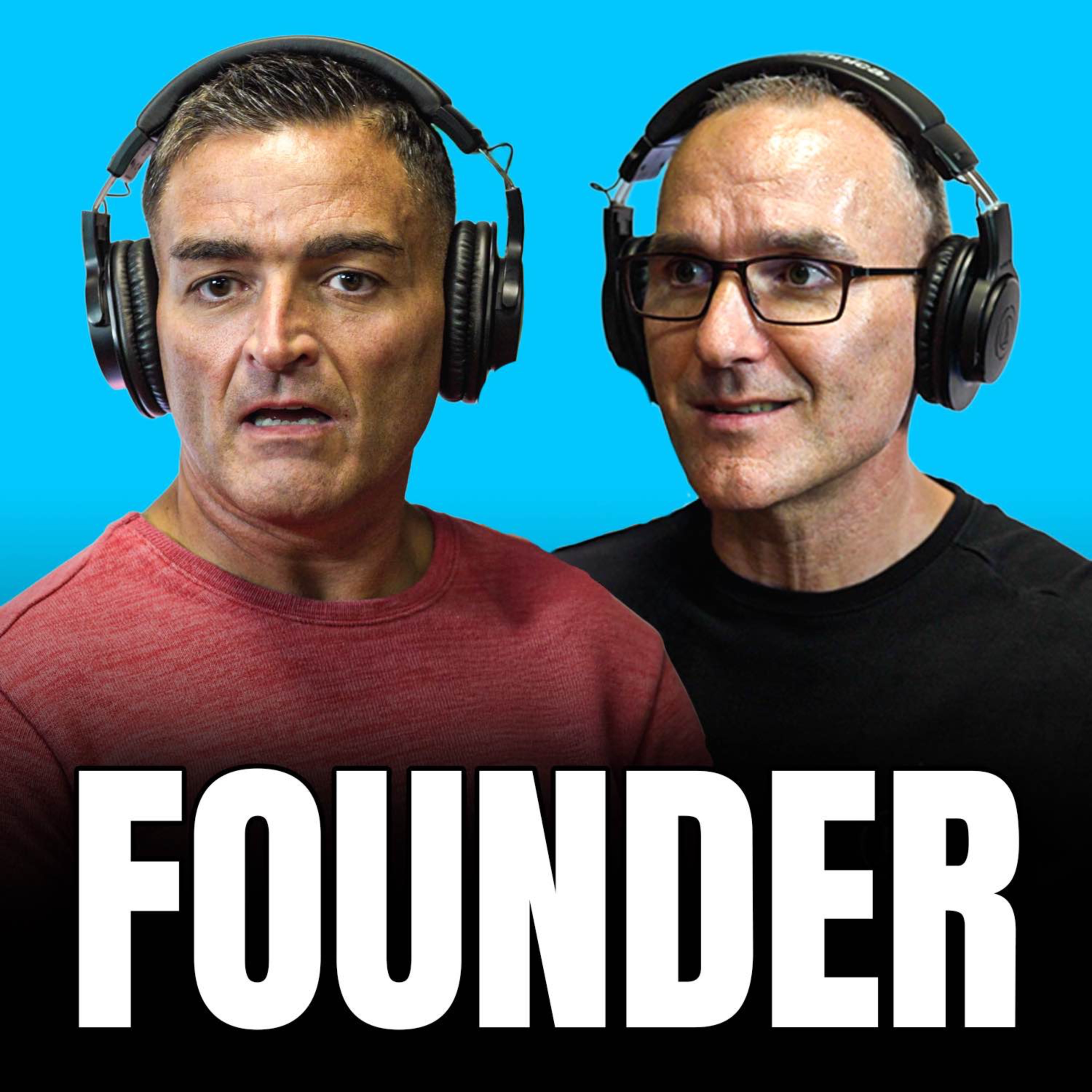
Al Barratt, co-founder of Grenade sports nutrition, explains how the brand scaled from a £500 startup loan in 2010 to a £611M valuation, focusing on hiring strategy, retail distribution (especially petrol stations), product pivots, and when to take investment deals.
Al Barratt is the former co-founder (with his ex-wife Jules) of Grenade, a UK-based sports nutrition brand. He spent 20 years in sports nutrition before starting Grenade.
Written by AI. May contain mistakes.
Learn about the founding story of Grenade and its initial challenges.
“Yeah, because we were running so lean and mean.”
Al discusses how Grenade scaled from a small team to significant revenue.
“one of the motivating drivers for starting the brand.”
Discover Grenade's journey to substantial revenue and product evolution.
“And then we could work with retailers, but the retailers then would buy like Holland and Barrett.”
Explore Grenade's position in the market and consumer feedback.
“And what profit margins are you working on then?”
Al reflects on the importance of focus and the drive behind Grenade's growth.
“We came in and we dominated one category and a specific segment of the population with very much that military, the branding, the iconic branding.”
Learn about the journey to reaching a significant profit early in the business.
“and you're working on EBITDA with only six stuff, you're looking at like a 2 mil net profit?”
Understand the challenges and risks that come with running a startup.
“and we just didn't feel comfortable taking a salary.”
Discover the rationale behind taking a significant investment deal at a pivotal moment.
“to get people to approach us about investing and valuing the business.”
Explore the nuances of knowing when to accept investment offers and the art of negotiation.
“So I think I genuinely know founders who've got businesses that I know categorically are worth in the hundreds of millions.”
Learn about the motivations that kept the founder focused and dedicated throughout the journey.
“You know, why wouldn't you take half and roll half?”
Understand the significance of building a product that benefits consumers in the market.
“It doesn't matter what day of the week it is.”
Discover how the company aimed to transform the protein bar industry with innovative products.
“2015, you're looking at creating the bar.”
Learn how Al Barratt scaled his protein bar business in competitive markets.
“Now, again, petrol stations, for instance, to pick on petrol stations for a moment, are much, much better than they used to be.”
Explore the challenges and strategies Al faced entering retail markets like Tesco.
“Download it today and find your outside.”
Explore the challenges and risks faced by entrepreneurs, particularly in cash flow management and market dynamics.
“I had a conversation with someone on a podcast the other day.”
Discuss the journey of securing funding and how valuation impacts business decisions and equity stakes.
“I know he's joked with him and missed the opportunity to invest in Grenade.”
Learn about the dynamics of choosing the right partners for business growth and the investments involved.
“Do you remember how much you and your wife at the time took off the table in 2014?”
Understand the complexities of hiring and maintaining company culture during rapid business expansion.
“So leading up to 2017, roughly how many staff would you reckon you had on that 2017 period?”
Examine how running a business together can strain personal relationships and the importance of balance.
“What was your relationship like with your wife at the time in 2018?”
Examine how running a business together can strain personal relationships and the importance of balance.
“So why waste time sending important documents the old-fashioned way?”
Discover growth strategies and the importance of backable founders.
“The agents wrote the copy and managed the timelines, while our human creative director made sure it all made sense.”
Understand the complex emotions involved in selling a successful company.
“Yeah, but for me, it falls apart then because let's say I don't really drink.”
Learn about the impact of investors on company direction and governance.
“But when it's more in their interest than ours, why would you do it?”
Explore the strategic considerations during the acquisition of a business.
“Did you ever feel that they wanted to change the vibe and change the setup and actually just use you as a front man rather than heading it up?”
Listen to the personal reflections and lessons learned from selling Grenade.
“You know someone's hovering on 170 and on 200.”
Discover the unexpected feelings that arise after selling a business for a significant sum.
“Richard, oh, congratulations, building a business.”
Learn about the pride entrepreneurs feel in seeing their brand thrive post-sale.
“You're expecting people to come out of the cupboards of balloons.”
Understand the importance of collaboration and mentorship in business success.
“So, you know, we met Tom in 2014 with the GrowthPoint deal.”
Explore how mentoring can transform startups and share insights from experiences.
“You know, and I have to get myself in the mindset from 15 years ago where it's just them.”
Gain insight into the lessons learned from various business transactions and their impact.
“I can't remember what it is, but it's like, really?”

Get the gist, explore an idea or ask about something said.
 Claude
On Dodge Woodall Network, what are the key points of this episode?
Searching your listeningAutomatic transcript. May contain errors.
0:00Hello, hello, this is Brooke DeVard, host of the Naked Beauty Podcast, and I want to talk to you about Lexus. At Lexus, master craftsmen called Takumi are involved not just in physical craftsmanship, but in all of those sensory details. These masters evaluate things like how a door closes, the click of a switch, the acoustic feedback of controls. Instead of just instruments, Takumi craftsmen rely on human perception and intuition to create what sounds and feels right. Out of all of the tools that Lexus uses, the most powerful one is understanding what will make us feel something. Because a car that doesn't make you feel something is a car that stops short of amazing.
0:40Experience amazing at your Lexus dealer. Hi, this is Monica Reinagle of Nutrition Diva. Today's show is sponsored by Nature Raised Farms. Grocery shopping can be a little overwhelming, especially if you're reading labels. And in my opinion, chicken shouldn't be complicated. Which is why I appreciate Nature Raised Farms' It's Chicken That's Just Chicken. And their lightly breaded chicken nuggets are free from gluten, dairy, and soy. Look for Nature Raised Farms on your next grocery trip and feel more confident about your choices. Still waiting in line? Again? That's time you'll never get back. Save time and money with Stamps.com.
1:22Over 4 million businesses have skipped the line with Stamps.com. Join them to save up to 90 % off carrier rates from your computer or phone right now. Print postage for certified mail, registered mail, and packages in seconds. Then schedule a pickup right from your home or office. For a limited time, go to stamps.com and use code podcast for a free welcome gift. Taxes and fees apply.
1:55You know, where they're building extreme value. Last valuation of Grenade last year, 611 million. So anyone can start a brand. Most people, as you know, don't start a brand because most people actually never get started. How did you scale and actually sell Grenade over the last 15 years? It's a great story. 10 million of revenue, six staff. What, in 2014? Yeah, because we were running so lean and mean. We could have sort of 50, 60 % gross margin. We were driving tanks through London, you know, tanks into shows in Vegas. Any founder out there that's listening to this, I hope will agree with me.
2:26It's not about the money. I think that's easy to say now you're super wealthy. What do you hire? Who do you hire? Because we're doing every single job you can think of. You could pretty much lose your business overnight if you're just selling social media for a whole variety of reasons. You know, being cancelled, platforms changing, TikTok being thrown out of the US, UK. I mean, there's a hundred ways you can lose your business. When was it when you're like, oh my God, we've broken the back? So I can answer this several ways. One of which is...
3:14Cheers.
3:18I'm Al Barrett. I am the co-founder. formerly the cei stepped down last year of grenade the sports nutrition brand we're known for starting the business in 2010 with a 500 pound startup loan from uk ti last valuation of grenade last year 611 million so took the business from 500 pounds to nearly a billion dollars um and i'm sure get into the detail of all the bits in the middle um at some point during the chat how did you scale and actually sell grenade over the last 15 years it's a great story because actually lots of people well anyone can start a brand most people as you know don't start a brand because most people actually never get started there's one thing getting it started and then having the vision i think to um scale a brand as we did and take it up to a to a monstrous evaluation um is actually pretty pretty rare i'd spent 20 years in sports nutrition um at the point of starting my own brand and uh we just had this vision to do something that had never been done before um to create something that people could feel a part of.
4:20There was never really a vision to actually create extreme value per se. Obviously, making money is the icing on the cake, but that was never really one of the motivating drivers for starting the brand. We wanted to do something that we enjoyed, hadn't been done before, couldn't really replicate it, which hopefully could become quite iconic. And I think the most important thing with my now ex-wife, because Jules and I divorced in 2018, still great friends um we never had children just never had them for us so grenade was always our baby so i think where people have kids and develop those families we actually put everything into into our brand and we've always thought of grenade as our baby um again i'm sure we'll get into it but we always get asked you know why did we we sell it um but why not if you don't have children and i've got no living relatives um you know what was the point of creating a billion dollar business and then leaving it all to Rachel Reeves or Rachel Thieves.
5:18We won't get too far down that one. Let's talk about scalability then. So when you were scaling, so if you started in 2010, there's obviously two of you. When was it when you actually started employing staff and when did you get up to the point where you were employing a lot of staff? Yeah, and this I think is probably the hardest bit. I mean, I was actually chatting to someone last week and they were saying they're in a particularly hard phase. They'd got 30 staff and I said, look, I'll save some time. Every phase is hard. It's hard for different reasons. so i think you know going back to um the first phase you've got to have an idea and you you start and then you know there's kind of one customer me um then you get sort of the the next person to believe in the journey in which case it was jules you know my wife at the time so there's two of us against the world um the next thing then is what do you hire who do you hire because we're doing every single job you can think of so we actually found our swim lanes fairly quickly i was doing all sorts of stuff with regard to sales and NPD.
6:15NPD? Yeah, new product development, so global distribution. And then Jules was kind of marketing, admin and finance and sort of anything else in between. So she was the proper brains behind it. She was the real brains. Yeah. You're the front man. Tosh, but fair. Yeah, so we divided out our roles like that. And actually it was quite good because the stuff that I was really good at, she wasn't and vice versa. So again, it actually organically worked really well. And then for the first couple of years, we deliberately set the business up in a way that we didn't need that many people. So to give an example, you know, we were selling one product and we had two customers for our one product.
6:52And then if you wanted to buy the product, we did nothing online. If you wanted to buy our product, you'd buy it from one of two distributors. So we basically had two customers and it filtered down from there. We'd only sell goods that were palletized. We were working from home at the time. So, you know, getting a pallet into a car, onto a truck, you know, was one thing we could do all that. And again, you know, we could sell thousands of items and it would take us literally a few minutes because of how we palletize the goods. So we had this wholesale model where we dealt with as few people as possible.
7:21And then once we made the product, then we could actually go out and sell this wholesale to various countries. And then we could work with retailers, but the retailers then would buy like Holland and Barrett. They buy from one of our two distributors. And that was how we set up. So very, very lean and mean. We didn't actually take a salary for the first four years. So we're looking at like 2014 now. How many staff would you roughly have by then? By 2014, I think we had about six. Okay. And the first member of staff as well, because you've got to figure out what do we need? And you think, well, we don't need one in a warehouse.
7:54We haven't got a warehouse. Working from home, do we want someone working in our house with us? No. Do you need sort of a sales guy? Well, no one's going to sell it probably like me. Do you need a marketeer? Well, Jules is doing the marketing. So we couldn't actually work out what we really needed. That was the toughest part. In 2012, then, we actually took a very small premises on. And then we hired Jules's friend from the gym, a girl called Sarah, to come in and sort of run the office. Because the first problem we bumped into was if we need to go and see Tesco's or Holland and Barrett, we need to go somewhere.
8:23No one can hold the fort. But we didn't need a warehouse person. There was really nothing to do. So we got Sarah in to come and do office admin. She was also really organized. And actually, these admin roles, they're the ones that are probably easiest to recruit for as opposed to the campus of sales or marketing or NPD, something like that. So Sarah Cameron is employee number one. And then, you know, you slowly start to bolt people on from there. I think really by identifying what you don't want to do and what you crap at and then finding someone who's better at that role and you start to cherry pick various roles.
9:02But it was quite clunky to about 2014 because we weren't really sure what we'd got. I think by then we'd got sort of two or three products. What were those products in 2014? Weight loss product was our first product, Therma Detonator, which is our weight loss product that comes in the grenade bottle. 2012, we launched a pre-workout called 50 Calibre. Then we had a multivitamin called Ration Pack. And it was all very much sports nutrition. It was all sold. It was a fairly expensive product that was all sold with some assistance. What I mean by that is, you know, you weren't really necessarily going to walk into a Tesco and buy a pre-workout.
9:37You certainly weren't going to walk into a petrol station and buy us because we were like 50, 60, 70 pound products. And those products don't exist within petrol stations. That will explain really how we got onto the next product to scale. Because I think the first eye opener for me about 2014, and to give you a sense of valuation at this point, we were doing probably 10 million of revenue, six staff. What, in 2014? Yeah. 10 mil turnover. Just with a handful of products. So because we were running so lean and mean and, again, selling expensive products. And what profit margins are you working on then?
10:12I mean, to take capsules, for instance, we could have sort of 50%, 60 % gross margin on a capsule product. But then we were pumping a lot of money into marketing, advertising. That's a serious business. 10 mil after four years. So just to have a wreck your brain here, I know it's not going to be totally accurate, but if you were to say year one turnover, year two, year three, year four, what would you say? Year one, we did 250K. Year two, I think we did 950, something like that, because I was disappointed it wasn't a million. I think then year three, we did 2 million. And we were pretty much doubling year on year.
10:53But of course, we were picking up so much international distribution. and that the whole uh model really was just to a bit like the pepsi coca-cola red bull type model just have one product and sell it to as many people as possible but most importantly get them to come back um so many products just focused on selling it once and selling it once is one thing but selling it over and over again is really where you can really start to build uh loyalty and figure out you're onto something so um yeah by the time uh sort of 2014 rolled around we got probably i guess quite a valuable business this is because i'm bonkers but it didn't feel valuable to us it still felt like we'd got a lifestyle brand to be honest because we knew we could do so much more um and all the places at that point all the places that we could be certain in the uk we were pretty much there you know we were in holland and barrett gnc we were the number one selling products on on amazon which again amazon back in you know 2012 2013 you know wasn't like it is now but we were the most searched item in health and beauty um number one number one selling weight loss product in in the uk um but then that was pretty much it you know the other retailers we were talking to um saying because i think we did actually get a listing in sainsbury's but it was it just felt like we could do so much more and it was around the 2013 2014 time period really i thought actually people were coming up to us and they're actually they were saying two things and this is probably important in terms of scale, in terms of knowing your consumer.
12:22We came in and we dominated one category and a specific segment of the population with very much that military, the branding, the iconic branding. And then talking to consumers at shows, people were saying one or two things. I'd love to buy your product, but I can't because I'm not in the military. That was the first one. And then the second one was, I'd love to buy your product, but I can't afford it. and I thought okay so we've probably doubled down on the military too much here we've probably pigeonholed ourselves nothing wrong with that but as you know with scale you want to make your product as broad as possible.
12:58Accessible for everyone. Exactly and we knew there was a lot of benefit to taking sports nutrition for mass market but then I guess you know certainly 15 years ago and I guess even today you know tablets, powders, capsules probably still scary to most people not as much as it was but it still felt very much like a hardcore sports nutrition brand, something you buy at the local gym. It still felt like a bit of an underworld type business, I think. Not to us, because I've been in the industry for 20 years at that point. But my point is there, what was the mindset? Like after year four, you're turning over 10 mil or 4 mil?
13:36Let's have a think. Because if you went 250 year one, then 900, then 2 mil. It could have been 4 mil, I apologise. It could have been 4 million now. Yeah, it could have been 4 million. I think we had a valuation of 10, which probably sounds about right. So I think it was, and I think then literally, I think that was the next year turnover we jumped from four to, so that was probably year five. So year four, say if you were on your 4 mil and you're working on EBITDA with only six stuff, you're looking at like a 2 mil net profit? Yeah, pretty much. Yeah, pretty much. That's unreal, by the way. So we, so in 20...
14:09Let's just take a moment, anyone listening out there, to get to a 2 mil net profit after four years, that's unreal business. Yeah, and I guess for me, that just, I probably don't stop and think about that enough, to be honest, because I think with, you know, entrepreneurs need saving for themselves, don't they? I think we're so driven with these businesses. We weren't really thinking too much about the numbers. We were looking at all the work there was to be done and where we thought we could take it. And remember, like I said, we're not really thinking about the money. You know, I mean, four years in - Well, in the back of your mind, you'd be thinking, hold on a minute, we've just done two million now.
14:44Well, I'll tell you what we were thinking about, though. For the first four years, like I said, we never took a salary. So although you could have a good gross margin, we were doing big fitness shows at the time, so we'd go and drop$100 ,000 in a fitness show, for instance, and we just didn't feel comfortable taking a salary. Everyone else was getting paid, and we do now, but at the time we weren't really paying market salaries. We genuinely couldn't afford to. So even at that four or five year period, I actually put a post on LinkedIn about this the other day. Genuinely, for that first four years, despite the numbers, which I'll agree with you are very good, as a founder, I'd still be waking up after four years and I'd be glad we hadn't gotten bust overnight.
15:28Now, we didn't really owe anyone any money, but you could lose this at any point. These businesses are fragile, really fragile. and at any point if people stop buying your product or someone comes out with something better or something's happened, you have a product recall or something like that, things go wrong. So you've always got to have that buffer and a safety net if something does go wrong. And around that 2014 time, we were starting actually to get people to approach us about investing and valuing the business. And in 2014, the business was valued at 35 million. so um and and actually to back it up slightly the very first valuation 2014 it was valued at 35 mil yeah we had growth point capital invest at that valuation on a two on a two mil net profit uh at that point so back end of 2014 um we'd have been valued so we've got 35 we'd have been i think it was about yeah 17 16 17 times revenue something like that that's unreal um 16 17 times profit sorry so and we're doing this 17 times that's that's that's that's unreal oh we and actually we took that deal oh you took it did you same yeah we took that deal so we we actually took investments at the valuation of 35 million that was our first uh deal that we ever did and actually backing up one we didn't do which we would have done to be fair we'd had it valued at 20 million slightly earlier by glambia um glamb we'd have taken that deal glambia didn't do it because to use their exact words, and this is the important part with scalability, they said, oh, we love you and we love your business, but it's just Alan Jules and four cats.
17:07That's what they said because we actually had four cats at the time as well as having four members of staff. So they just felt like there weren't enough of us, husband and wife team, we weren't taking a salary. And again, if something goes wrong, you know, there's not enough substance. What made you go, we're varied at 35 mil. come on let's take some money off the table and get some money reinvested into this business a number of reasons actually that's a great question because to be fair if anyone finds themselves in this situation and i hope a lot of your listeners actually do um it's a really good eye open and now things are different now than say 2014 the world has changed um i would like to think now this is going to sound crazy but a lot of people now would sort of sniff at that kind of valuation we were actually making money we were making millions of pounds a year and we got a valuation to suit nowadays you could get values in the hundreds of billions and we were just hundreds of millions rather or actually even in the billions and we were talking before we filmed um there are plenty of businesses out there that make no money whatsoever and they're just literally just in in more and more debt and they borrow more money and they they amplify the debt and and actually they're just scaling up a loss and yet somehow they're worth more um especially in the world of AI and tech.
18:23So I think I genuinely know founders who've got businesses that I know categorically are worth in the hundreds of millions. And they're not happy with that because they want it to start with a B. It's got to be starting with a billion, which I think is actually quite a shame because I've known founders have actually turned down significant offers for the business. And then two years later, that offer has not been there and they've ended up taking a significantly smaller one. So I think, you know, knowing when to do the deal is really the art of business, isn't it? What percentage did you give away for that 35 mil?
18:57Yes, it's pretty much half. So what I've done, just to quantify what I've just said as well as knowing when to do the deal, who knows, you know, these businesses, okay, we went on to grow a business that was significantly bigger than that first deal. We couldn't possibly have known that. Remember as well, the thing that's made us famous is that bar that bar didn't exist in 2014 we launched it in 2015 okay it wasn't actually on the cards did you know that you were about to launch it in 2015 and did you think well let's take the money off the table and let's use their money to launch this yeah i um not in so many words i was working on the bar i started working on the bar in 2013 i actually didn't tell grove point that there was a bar in the in the pipeline because actually they didn't really want to do it they were very much wanted to double down on what they'd invested in which is a support nutrition business, which is a great business and it still is.
19:45But I just had a feeling that the business was going to pivot over the next few years. And actually, I didn't want to come across as confused to a potential investor because they want to know that you know exactly what you're doing and you're very backable. And you're focused. Yeah, exactly. You're focused. But as an entrepreneur, I reserve the right to actually change my mind and pivot very quickly when I see something coming many, many times. Because also, look, I don't... I mean, I still don't know where this is going to a certain extent. But we know probably where the very far destination is, and you'd be a good example of this.
20:17But you probably don't know how you're going to get there, but that's fine because broadly every decision you make, but you're doing this convoluted route towards an exit. So to answer your question in terms of do you do the deal, do you not do the deal, we're sort of four years in. We've got a valuation of$35 million. It's real money. Is that a pound note? That's a pound note. so um pound notes um you know i'm working on a bar but we've got no idea if the bar is going to sell or not a lot of places we can be with sports nutrition we already are so we know we can expand internationally and also there's a lot that we don't know so in terms of you know i'm an unqualified fitness instructor from birmingham and i'm running a business you know that's that's just had a real valuation of 35 million and we've not taken a salary for four years and we're quite tired so So it's quite attractive.
21:07You know, why wouldn't you take half and roll half? I hear you. And that's what we did. We could have taken more. We could have taken less. I can see why you did. Thank you. Do you know what? I've never regretted that. No. Even, you know, last year's valuation, 611 million sterling. So whatever that is, I know, near enough$900 million. Yeah,$900 million. dollars um the even knowing what i know now um like i said it's not about the money you really people probably any founder out there that's listening to this i hope will agree with me it's not about the money if you're just running a business to make money um you know it depends what you're doing and how you're doing it but i think that's easy to say now you're super wealthy I think if you really thought back at 2014, it is about the money, but it's not about the money.
22:00But it is about the money. It's the icing on the cake. I'm not saying it's not important. I'm saying it's probably not in the first three things that would get me out of bed in the morning. Yeah, I get that. But also that money protected you for life. Absolutely, yeah. And why wouldn't you? So there's a part of me going, well, it is about the money, really. But deep down, you were so embedded into your baby and building this brand, you knew this could be a global brand and the excitement of going forward. I think it's the same thing as, you know, I mentor a lot of people and it's the same thing when you go, yeah, work-life balance.
22:32Listen, when we're growing brands and business, there is no work-life balance. Don't listen to anyone out there who's saying there is a work-life balance because when you're building brands and businesses and you've got your house on the line and you've got PGs and whatever you're doing, there's no work-life balance. It's only people who have now got money talk about work-life balance. I agree. If there is a work-life balance out there when you're building some of these, and we're talking about probably exceptional businesses here. So Grenade, Jim Shark, Brewdog, Huel, falls into these exceptional businesses where they're building extreme value.
23:09you know this isn't this isn't just you know a chain of hairdressing businesses not there's anything wrong with that but you know we're talking about building a global fast-moving consumer goods brand you know at scale putting product in every retailer in multiple countries you know so the yeah you know I agree I've never ever found that work-life balance if it exists if we were awake we were working we're grafting yeah it was just that simple like my wife says Why are you working Saturday Sunday? Because I love what I do. I love what I do. It doesn't matter what day of the week it is. You just crack on.
23:42And this is the other point, you see. So I said about my top three things that would get me out of bed, one of which is having a sense of purpose, scaling something, growing something. And actually, this is going to sound a bit… So that was number one? Yeah, probably. Yeah, probably would be number one, actually. And I don't think this would be a number two. Probably is, actually. Making something that consumers get benefit from. I'd worked in a gym for 10 years. I've been in the fitness industry for 20 years. You know, if I'd had a pound for everyone that asked me how to lose weight or asked about diet, you know, I probably could have made 600 million that way.
24:17And there's no such thing as a magic pill. But to actually create something where consumers get a benefit, you know, as a founder, I actually think is incredibly important. I really do. Number three? Number three. I still don't think it's pound note. Shut up. I can't tell you what number three. I know four words of pound note. I can't tell you what. no no i'm gonna say that you know i think again enjoying the journey and doing something that hasn't been done before remember i've been in the fitness industry for 20 years i worked walked into a gym when i was 14 years old on work experience so i don't know how to do anything else i've always been sort of fairly disruptive you know we were just having so much fun and i know it you know looking back you think actually it was really quite hard was it fun it was it was fun you know we were driving tanks into fitness exhibitions we were driving tanks through london you know tanks into shows in vegas you know we were just literally genius marketing we were just having so much fun and honestly that they're having they're having fun the sense of purpose and they're making something that consumers loved and got benefit from all those but to me were were really ahead of of generating you know um you know becoming ultra wealthy let's say where Where was it on your journey where you really thought you broke the back of this business?
25:38So we're up to 2014 now. 2015, you're looking at creating the bar. When was it when you're like, oh, my God, we've broken the back? So I can answer this several ways. One of which is I'm not sure we still have. I still think there's a lot more to do. I still want to make this the number one selling protein bar in the world. Is it not today? No. Who is? I would say because of the US market, it's probably still Quest. Okay. It'd be Quest in the US, just because they're in every US retailer and we're not. Now, again, you won't get a Quest bar in Europe. I've not seen one in Europe for years. They used to be, though, didn't they?
26:12They did. I mean, we pretty much locked them out of Europe, not intentionally, but combination of ingredients. And I think that we were just, again, you know, we were born in the UK. To the market share. Yeah, I think we had so much market share. You might see, and again, you know, there's a lot more protein bar brands now. I mean, again, you could, depending on the data you use, you could probably find 800 different protein bar brands, especially in the US. And look, we didn't invent protein bars. We invented good ones. You know, that was the difference. How good are your protein bars? Because when I see the branding, I go, wow.
26:41When I taste them, I go, these are fabulous. Yeah, you get a double wow. But my thing with it is when I look at the back of the packet, there's loads of words that I don't know what's in it. And that's the bit for me when I look at it and go, oh, what am I putting in my body? Yeah, so labelling regs are a nightmare. And it does, yeah, it can read as quite a complicated ingredients chart. It doesn't help in terms of sort of font and languages and the fact we have to break everything down, analogy and information and whatever. So it actually sounds a lot more complicated than it really is. But remember, you know, we're not selling a health food.
27:18I'm not selling you a plain chicken salad and rice. We're disrupting chocolate. But, you know, the whole point of Grenade was I'm in a petrol station. I'm hungry. I've been to the gym or I've not been to the gym. But, you know, I'm in a rush. I've not made lunch. And I'm going to buy a bar of chocolate or I'm going to buy a pasty or a Red Bull or, you know, a manky sandwich. Or I could have a protein bar. It's 20 grams of protein and no sugar. And it's going to fill me up. Yeah. That's what got us all, though. Yeah, exactly. Because straight away you're going to go, Twix, no, I don't want the sugar.
27:53It's too much sugar. going to marsupon no manky sandwich no grenade bar what's it three quid i've got that'll do fantastic it's a it's a really good choice you know is it a bag of carrots no but you're also probably not gonna take a bag of carrots when you go to the cinema on a saturday night and you want to sit and have something you know not that you won't enjoy carrots but personally i've just had one in the car coming over at a salted caramel grenade bar you feel like you've had a bar of chocolate um i had some chicken wraps and stuff as well but and i kind of have it like a dessert But if that makes sense, you know, it's better than having crisps or ice cream or, again, one of the other many choices.
28:27Now, again, petrol stations, for instance, to pick on petrol stations for a moment, are much, much better than they used to be. Again, we're backing up 10 years here. You know, you can now get better choices everywhere. Good. But you couldn't before. You know, I remember trying to force this product into our first petrol station chain, which was Rontech. Rontech had a share in Grovepoint. growth point around first investors you know this was a strategic way of getting us into a petrol station because again just to reinforce what i said before all the places that we could be with sports nutrition we pretty much were there were 60 gnc stores at their peak we were two percent of their entire turnover with two products um so but there are 10 000 petrol stations and we weren't in there and then there's 10 000 petrol stations so your scalability 120 000 in the us Okay, so your scalability in 2014, you created your protein chocolate bar.
29:22How did you scale that? And what sort of numbers of staff did you have at that time? Yeah, so which year we're talking about now specifically? So I'm talking about 2015, when you created the chocolate bar, the protein bar. Yeah, so 2014 GrowthPoint Invest, 35 million valuation. They take 50 % of the company. Take 50 % of the business, yeah. I then say, ta-da, I've just made this protein bar I've been working on for two years. They say, it's a terrible idea, please don't launch that, and I do it anyway. Right, so 2015, we launch, the bar sells out. We then probably got 12, 15 staff, maybe something like that.
29:52We cannot keep this bar in stock. We've got like a two or three month lead time. Even the suppliers didn't believe us when we said the numbers that we needed. And then this was the very deliberate segue into much more, you know, many, many, many more locations because I think this is the real, one of the most important points about scalability is everyone nowadays, I think just focuses online and social media. Fine. I get it. But then...
30:47to try stamps.com risk-free for 60 days.
31:17Download it today and find your outside.
31:47local shop so and i used to work in a shop so sort of understand how shops work so when everyone was just focusing online we knew that that was important but actually everyone was ignoring physical retail which is actually much harder to do to be perfectly honest they'll have buying windows once every six or twelve months it's hard work um you know there's a lot of forms and again you're only really renting shelf space you know if it doesn't sell you're probably going to get it back so that was the model that that we chose um and then the the point i was going to make up about scalability is for the for the first time then in probably two or three years we had white space ahead of us because we got every petrol station in the uk we could go after as opposed to just focusing and doubling down on sports nutrition which we've been doing for the first four or five years and i'm glad we did and it's super important and it's the you know probably the most 10 or 13 percent of the business that's that's that's critically important because it's your real core users um but we ruin all of those and a lot of businesses they run out of places to go so um for the first time we've got new investors good valuation and i'd describe it as hitting the reset button and going again yeah um again with actually then just people who didn't know the industry and dare i say didn't even know necessarily that much about business per se They were actual ex-Investec bankers, but they were just super nice, helpful, supportive, intelligent, hardworking people that could just help professionalize the business and take it to the next stage.
33:21And I think this is the thing now with having scale is if I just do the leaps just from, you know, the£500 to£35 million, Grove Point took us to Lion Capital in 2017 to value the business at£72 million. So again, doubled again. So 2014,£35 million. Then in 2017,£72 million. £72 million. Yep,£72. And then from 2021,£200 million. Just so you can kind of keep doubling in these like two, three year leaps. I want to delve into a bit deeper then. So you've got varied at 35 mil, 2014, 2015. You're building the chocolate bars. Yeah, the buck-to-bar launches. It's going crazy. Tell me where and how you got into all the petrol stations around the UK.
34:03That was hard work. Again, that was probably one of the hardest things we did. A number of reasons. We're still a fairly young brand. You know, we're five years old at this point. And we've got bars that are selling well in specialty sports distributions. So, you know, Tropicana and CLF and our special distributors, gyms, Holland and Barrett, GNC, you know, specialist stores. And again, we got them into Tesco at that point. And again, one thing you can't control with business is timing. You are where you are. So you have to make the most of what you've got. Timing at this point as well, coincidentally, was when Tesco were taking sugar away from Teal Points and they've got nothing to put in its place.
34:43Say that again, Tesco were taking sugar away from... They were taking sugar away from Teal Points. You know, you don't get cigarettes at till point. There's a specific kiosk. So they were starting to take sugar and chocolate bars away from the till points. So they didn't want sugar there. They wanted healthier options at till. To stop the temptation. Yeah. This was part of government legislation really around sugar and sugar tax, sugar tax on drinks, which didn't apply to us at the time. But we knew there was probably going to be a sugar tax coming potentially on bars and chocolate and on health.
35:10so we just you know through more luck than judgment we had a good alternative to put at till point in in tesco and they said they'd trial it and it was actually quite a dark looking gray grungy type wrapper at that point because we're still in our sports nutrition phase and also developing the brand as you go along absolutely yeah i mean you know that brands brands evolve you know a brand is never finished you will never ever finish your brand if you're working on a brand you'll be working on it like you're working on yourself exactly so you don't just do a brand that it's dirty ticker box and move on it's constant development and i think that's why it's always hard work for different reasons so did you go banging on the door to tesco you personally or did someone open a door for you within the business we already had thermodetonator and our sports nutrition stuff in tesco okay so that's an easier conversation it It was an easy conversation with the buyer for sure.
36:03It was just putting a product in a different place in store. And actually the CEO of Tesco now, Ashwin, who I know very well, he was actually head of buying for health and personal care back in the day then. And again, he was actually really supportive. He just said, I see where you're going with this. His concern was we were too expensive because they're taking chocolate away from till points and it's 50, 60 pence. really, I'm going back now, aren't I? You know, 60p for a chocolate bar, we're£2.50. So we said, you're just too expensive. People won't make the leapers. You're missing the point.
36:39You know, don't compare us to a chocolate bar. Compare us to something people are going to have instead of a chocolate bar, but it's more like a meal. So is£2.50 expensive for a chocolate bar? Yeah. Is it expensive for lunch? No. So, and actually they trialled it. And again, it went absolutely gangbusters. and again this leads to back to the scalability point this leads us to we can't make product fast enough there's not enough members in the team um you know we we want to be in every petrol station in the uk okay how do we do that who do we need for that where are they so you know we we took someone on to work on petrol stations we got a list of every petrol station in the uk i said to him all right you know you start one end i'll start the other end i'll meet you in the middle That was literally the conversation.
37:23And whether they had 500 petrol stations, you know, like Rontech and Eurogarages, and Moshe owns Eurogarages, become a great friend of mine, who now owns Asda as well. Or they had one petrol station we were coming to see, and we literally just ticked them off. And like I said, we have that white space. I think that's what people get with the internet. They're literally sitting there. They've got the whole world they can sell to. It's not quite that straightforward. forward. But I had that, but with retail, you know, we were looking at the UK and beyond, and we were thinking we need to be in all these locations.
37:59How much was a bar costing you back in the day? Oh, I mean, roughly a quid? Around about a quid, yeah, pretty much a quid. And you were selling for 250s. What deal would you cut with Tesco's? Remember, we're not selling them for 250. Yeah, that's what we're selling for 250. So what deal would you cut with Tesco's for that? Yeah, so retail is, you know, between 30 and 50 % margin, depending on the category, where it sits how many they're buying who the retailer is how many stores there are how many you know locations they've got so it's not um but you know broadly they'll want sort of 30 to 50 margin okay um so they'll break that down for the listener so if something's costing 250 you're bringing it in for a pound what are you left with roughly would you say i mean out of that if we'd have made 20 25 gross out of that we've done pretty well what are we talking in pennies here 30 pence so 30 pence a bar okay yeah and then you're then you're working on and then tesco's would want roughly do you think that what they would want per bar i mean tesco's could pretty much be making that sounds like picking on tesco's but you know a retailer could be making pretty much one pound 50 i mean this was an this was incredible for the retailer yeah because again they had actually we didn't really know these we'd done them a big favor yeah um they were making much much much smaller margins on chocolate bars we came in with our sports nutrition margins and introduced sports nutrition margins of products that were 50 or 60 pounds.
39:21And we introduced that into the chocolate category because we didn't know. So retailers could be making 13p on a Mars bar, literally, because they've been sort of everyone had beaten everyone over the years, over 50 years. They're coming in at a pound 20 maybe with you guys. And all of a sudden, yeah, they're making 120 to 150. and we're out selling Mars, let's say, 10 to 1. So I was having conversations with... So you can see everyone liked us. So I was having conversations. But there's a really important point to this as well, actually, because the nice thing about taking Grenade and this bar, we've made a product that existed, but we've made a much, much better one.
40:02We've already agreed that we've given someone an alternative to something else they probably would have eaten that's worse for them. we've helped the retailers because we've put something at their till points because they're not allowed to sell sugar at the till points anymore. They're also making more money every time they sell us. Everyone's winning. Yeah, everyone's a winner. Everyone's a winner. Did you think you were a winner getting only 30p out of the£2.50? You make it for a pound, they keep it£1.20, and you're left for 30p. Could you strike a harder deal? Yeah, and to be fair, it depends on the retailer.
40:36And look, you know, this again is one of the hard things about doing business in retail. You know, who's got the power? Who has got the power? Now, I'll give you an example. No one else will ever give this example. But with Amazon, Amazon came to us in 2012 because we've got one product and we're absolutely killing it. We've got the number one selling product in weight loss in the UK. And, you know, the Internet's a thing, obviously, but not like it is now. Amazon were new to the UK, if you can believe that. That, you know, they've been around a couple of years. instagram didn't exist facebook had been around five years this was a very different time and grenade was the most searched item on amazon in the uk and we didn't sell it to them we wouldn't sell it to them so it's an interesting that wouldn't happen now would it really because you know they would have more power so i and actually the buyer's name was michelle she's she's long gone um but michelle would ring me and she she rang me the one day and we just we just couldn't we just wouldn't do a deal they were just after they were after you know much bigger margins we give them marketing support 60 days credit terms which we probably couldn't really afford to give you know remember when you're scaling a business as well and let's say you if you pick up every retailer quite quickly and they all want 60 days terms how do you how do you find it's absolutely you know i don't know i don't know why that's allowed i always feel sorry for you with borne the sevens where you you know you get your receipts almost like probably a few weeks before the event.
42:00You've got to fund it the whole year. It must be horrible for cash flow. I had a conversation with someone on a podcast the other day. We work all year round to earn all your money. On two days. So it's a three-day event. Three days, yeah. You earn all of your net profit in the last six hours of the event, of the festival. 30 ,000 people in sports. Who'd be an entrepreneur? That is the most riskiest. I'm used to it because I've risked all my life and we're entrepreneurs. But I'm coming to year 19. my wife after the last 10 years like can we not just sell this place it's too much risk and you get to a point now you're like yeah i think you're right i think it's too much and that's and again to be fair if someone came to you the right offer i'm sure you probably would i mean again that's something that's a decision that's the thing and i think fancy it not really no nice try though um but you know and again i won't go off i won't go off topic but i think that's the frustration of where we are at the moment in the UK and with this government where, you know, business owners and, you know, I was a small business at that point getting absolutely hammered.
43:02There's no incentive. Let's not go into it because we could have a whole hour on that. We will have a whole hour on that. I want to go, I'm loving this journey. 2014, valuation 35, sell 50%, going into 2015, create the bars. You then sold in 2017 again. What revenue were you doing roughly per year in maybe 2015, 2016 and 2017 before you sold again? I'm going to get this wrong now, aren't I? So this is how a genuine millionaire was. We never bothered about the numbers because I should really know this off the top of my head. We don't have to know specific, but if you'd like, give us a rough. We'd have been doing, I think, about 30 million in revenue by 2017.
43:32I think something like that because the valuation was 72. So we kind of got two times revenue. What would our EBITDA have been? Oh, EBITDA maybe six to eight, I guess. Yeah. Yeah, we've got a 72 million valuation. We actually had. So this is, I actually knew Richard Branson prior to this. but we actually had Richard's team look at this back in 2017, late 2016, in fact, because I remember I was in South Africa with him, and there's a really nice picture of – I was having a chat with him, and he was saying, tell me all about Grenade then. I know he's joked with him and missed the opportunity to invest in Grenade.
44:06His sweet spot then was about 60 million US dollars, and we got 72 million pounds. So he was way off. Would I like to do the deal with Richard? No, probably not, because I've got a really nice relationship with Virgin and stuff. So it's actually quite nice to not have been in business. And I think it would have been a nice story, but I'm not sure how helpful it would have been. When you went from 35 mil to 72 mil, you had 50 % shares. What were your shares dropped down to after that? So I think we pretty much halved again. To back down to 25. Yeah, so we probably about 25. In fact, actually what happened was, and again, without getting sort of too much into detail on the deals, we'd sort of sell half the shares, but then we put a clause in where we could, by hitting certain targets, we could actually earn some shares back.
44:48So we'd done that with GrowthPoint actually where we sort of went into minority, then we sort of crept back into majority, but by hitting numbers. When GrowthPoint came in, they always had a vision. Is GrowthPoint the first one? That was our first. And the second one was Lion? Lion Capital. So GrowthPoint were our first PE fund and then Lion were our second PE fund. So GrowthPoint must be laughing. What, three years of double their money? Yeah, absolutely. So they had an ambition. If they could get between 55 and 75 million, they would have been very happy. They were all ex-Investech. This is one of their very first, I think it was actually their first fund, one of their first investments.
45:24And they exited at 72. Wonderful. Extremely happy. Wonderful. We earned some shares back. So we then had some more shares to go into the next deal where, yeah, line came in 72 million. And we had Oakley Capital looked at us. We had, which is Arthur Mornington, Duke of Wellington. We had Glamby look at us again. Richard's team looked at it. a couple of other sort of private equity funds. But actually then we really liked Lion. And the thing that was different with Lion versus Grovepoint, this comes back to my point as well. You need different people for different stages of the journey, both working in the business, but also working on the business.
46:04Because then we were starting to then as a business worth 72 million, you know, doing 30 million of revenue. We were then in the realms of starting to be more of a serious FMCG business. and Lyons investments were sort of quite impressive. So they'd invested in Kettle, the potato chips, so the crisps, Weetabix, GHD, Jimmy Choo. They got brands. Their thing was brands. All Saints, they still own actually. I'm trying to think what else. They bought Lenny and Larry's in the US. That was later. But just consumer brands. And actually, Grove Point's investments had been sort of petrol stations, biotech.
46:44It was kind of, it wasn't brands. Time to move on. Okay, perfect. Time to move on. And I think, you know. Good partner. Yeah, do you know what? They were a brilliant partner. We still talk to them to this day. They were a fantastic first partner. Do you remember how much you and your wife at the time took off the table in 2014? I think it would have been after tax, probably about 10 million. I think something like that. In your own pocket? Yeah. And then on the 2017 one? oh god misremembering now could have been i actually can't remember it could have been 20 million 30 million i can't remember to be 30 i should know i shouldn't hold on a minute was it 20 or 30 million all kind of blends because you know the thing is as well it's not hold on no i'm not even getting away with this at what point when you went happy days this is about the money well i was happy in 2014 do you know what though i'm not surprised with 10 i was happy when i started the business yeah i've always been happy i i guess you know It's nice to have nice stuff.
47:43Don't get me wrong. I mean, you know me pretty well. I've had helicopters and planes and all this stuff. And it's nice. It's the icing on the cake. The Brummie Bond. The Brummie Bond. Yeah, Alan Bond. You know, it's great. But if you're not happy waking up on a nice winter's day, you know, going for a walk on a beach or going for a walk in the woods. So if you're not just happy in you, honestly, it's all for nothing. It really, I know that sounds really, you'll hammer me probably for saying this. She's like, oh, I don't believe you. But there's a lot of truth in that saying, you know, money doesn't make you happy.
48:18It buys you nice things. What about does money bring happiness? I think, well, do you know what? Look, I've been wealthy and I've been poor. I don't know what I prefer. Yeah. Obviously, I'd much rather have. So does money bring you happiness? I was happy anyway, so I would say no. And I would definitely say, I'd cover it as this. it creates a lot more problems than it actually solves it solves certain problems i don't worry about my electric bill yeah i don't worry about my mom and what you worry about now is protecting it you worry about protecting wealth losing wealth um you know there's it gives you all sorts of options that frankly a lot of people just probably couldn't cope with and if you use the lottery as example where people suddenly obtain incredible life-changing wealth overnight and they're not I'm used to it.
49:08There's multiple problems with that. You learn how to manage wealth in the acquisition of wealth. So you learn stuff as you make money. And that stands you in good stead when it comes to managing money. If you skip that step and then you're just wealthy, you're in for a rough ride. I can promise you. Friends, family, stuff, you're in for a rough ride. So 2017, Lion come in, did a 72 million pound deal. Grow point exit with big smiles on the faces. Yeah, I'm sure. I'm sure. I'm sure they're very, very happy. But what a deal. Whoever's got behind that who backed you at the first one, amazing deal what they've done.
49:41I'll say again, Grenade has been good for everyone. I mean, there are hundreds of people that work there today who, yes, would all have other jobs. But, you know, we created something with Grenade where people can be themselves. A lot of brands don't do that. So leading up to 2017, roughly how many staff would you reckon you had on that 2017 period? We'd have been in the 30s, probably 40s, something like that. So still a tiny team, really, isn't it? Think about the valuation. Still a tiny team. And again, another phase that's really quite difficult. no matter how many people you have, you never feel like you've got enough because everyone's running around, they're busy.
50:12People start bumping into each other's roles as well then. We were the first few staff. You need people that can wear multiple hats. This is the first, you know, the first 10 staff at Grenade all doing multiple jobs because you've got the set number of jobs. That's what we have to do, isn't it? Exactly. Lots of generalists until then. Did you find along that journey, like when you get to a point, you're going, well, I need to go and employ a CEO. I need to go and employ an MD. but they don't know the culture. Have you found you made some bad decisions on hiring? 100%. Yeah. And again, look, I think if you were to say what's the hardest thing about business, most people I think would probably say it's got to be staff.
50:51It's got to be hiring. Hiring and firing, you know, getting maybe the right people at the wrong point, getting people who, again, are just lovely people but can't do the job, people who can do the job but you just you just don't gel with them you just you know you just just doesn't work so you've got to have the ability to do the job and the cultural fit you've got to be able to afford them um it's a fine line isn't it's a real fine line and over the years we've tried it all we've employed friends the first few people you employ are always friends i'd say to everyone now never employ your friends you know it generally doesn't work funnily enough actually the first member of staff with sarah i mentioned that she was julesy's friend actually that did work sarah was with us for over 10 years she actually left about a year and a half ago so So she was pretty much our longest member of staff.
51:35That actually worked really well. And then, as we said, you know, the business changes. Then it went from three of us at that point to 160 staff. You know, things change. So 2017 onwards, you've been going, this is a really short period of time to grow a business from 2010 to 2017 for two large investments for you to take a nice chunk off the table. Then you come into 2018. What was your relationship like with your wife at the time in 2018? Yeah, 2018 was probably a low point, to be fair, for both of us. This was the best and worst thing about the business, was the fact that it was Jules and I, this was our baby, we were working all day and all night.
52:15If we were going abroad anywhere, it was to do with the business. We weren't taking a day off, so we didn't take that salary for the first four years. Even then, this actually, to give you a specific example, this caused a real issue in the Grove Point deal in 2014 because it was only until the very end of the deal, like days before it was being signed, they picked up on the fact that we weren't paying ourselves a salary. So the deal was kind of done. We'd agreed on the valuation, but then we weren't being paid. So clearly we weren't going to move forward with not having a salary because we were no longer the principal owners of the business.
52:47So that had to be addressed. So they had to come up with sort of what was a kind of a fair salary that was going to be subsidized because obviously businesses subsidize the salaries of the founders because that's not you know it's not a tax effective way of taking money out of your business just paying 50 tax on everything so you know you'll always you know you do a lot for free when you're a founder you've got no choice um they then agreed on a market salary for for both of us which actually we thought was was was fair but we were still being paid you know less than other people in the business but you know that was absolutely absolutely fine because we were still major shareholders in the business and other staff members weren't so you know that that was a that was a tricky thing but yeah 2018 um i think you know jules and i just needed we we actually needed some holiday holiday and some time apart really not apart from each other necessarily but just apart from the business because i think this is why and this is why you know i can't remember the numbers that specifically in terms of when you're in it day to day you're not really taking that helicopter view back and looking at the business.
53:52They say, don't they, you can't see the wood for the trees. You're in the business and everyone always wants to know what you're doing next year, the year after, the next three years, you know, growth point coming, right, this is the three year plan. This is the two year plan. Line coming. This is our three year plan. When you take, you know, serious private equity investment and, you know, you're an investor in businesses yourself, you're not a charity. You want to obviously grow your investment and you want an Exit. If you never exit, you never crystallize what you've gained. If you've gained anything, it's not an investment.
54:23It's just you've just given away money. So everyone is thinking about what they're buying at and what they sell out at. And they want to know how you're going to get from A to B in that time frame. There must have been a lot of pressure. There is a lot of pressure. There was a lot of pressure. But I want to get to the point because it's interesting for people out there who are founders. Myself and my wife have built these businesses over the years. We take two different roles. There must have been a point where you've gone, I've had enough of Jules. and Jules has had enough of you. Who made the decision to part?
54:52Well, that's a good question, actually. It was mutual, really. It was mutual. I think we'd probably... Would we have separated earlier if it wasn't for the business? I don't know. Did the business keep us together? You know, was it the best or the worst thing that happened to us? I don't know. I definitely think that, you know, we never would have built this business independently. You know, Jules and I would have had different skill sets. And again, you know, my wife, but my best friend, you know, do I think we could have done it on our own? No. I'd got the specialist sports nutrition skill set and knowledge, which Jules didn't have.
55:30Jules was a geography teacher just prior to when I met her. So she wasn't an entrepreneur. She married an entrepreneur. But then Jules had got this ability to sort of turn her hand to almost anything and just this unbelievable work ethic. I mean, honestly. Both of you are. Well, yeah. Yeah, but I mean, Jules makes me look lazy. Okay. I mean, like, she'd make the Terminator look lazy. Yeah, okay. I think actually as well, Jules probably had it worse than I did. We were both in a lot of pressure. You know. You say pressure, like.
56:02Shipping, billing, admin, payroll, marketing. You're managing all the things. So why waste time sending important documents the old-fashioned way? Mail and ship when you want, how you want with stamps.com. Print postage on demand 24-7 and schedule pickups from your office or home. Save up to 90 % with automated rate shopping. That's why over 1 million small businesses trust Stamps.com. Go to Stamps.com and use code PODCAST to try Stamps.com risk-free for 60 days. This Monday.com ad was created by a team of people and AI agents. The agents wrote the copy and managed the timelines, while our human creative director made sure it all made sense.
56:42easy create your own ai agent today on monday.com
56:49there's always pressure to grow a brand and grow a business did you ever just go right i've taken a lump off the first one i've taken a beautiful lump of the second one i know what you're gonna say with this yeah is there no one and take walk drop drop back and go do you know what someone else can take this forward now i'm out not really no we're the type of people that we say we'll do it we'll do it but also they're not going to invest in you if you weren't in they're not going to say it's actually you and Jules are the front and the face of this you've got to stay in on your 25 % and grow this so I would like to know what the growth was from 2018 to where we are today 2025 was there any other people investing in that period uh I mean so yeah I mean we the Lion Capital took us from 2017 to 2021 when obviously you know we got through we got through COVID and then that's when Cadbury came in Mondelez so Cadbury come in 21 yeah we actually had it was actually Ferrero that approached us first we're going to miss a whole phase out if we're not careful but yeah that that was the next big exit was was 20 and how much was that valued at that was 200 million sterling at that point so quality so lion have jumped from 72 to 200 linden's very happy as well unbelievable but but this is as well that we're unusual you know i think with um a lot of people think they've got valuable businesses as well but and i invest in quite a few business myself now my my my second i've got five six criteria but my second one actually my first one is i want a product that i would buy a product brand or service that i buy and use myself that's my number one criteria criteria and then the founders yeah that's number two so backable founders so is that and i think if you do you want i'd go backable founders is the most important but what if you've got a backable founder but you wouldn't buy the products or the service.
58:30I wouldn't even have that conversation. Yeah, but for me, it falls apart then because let's say I don't really drink. But if I was investing in a company, I would know what the company was before I got there. The first most important thing for me would be the founders. Yeah, I get approached a lot. You probably do. I get approached a lot. So give an example. You know, I don't particularly drink. So if someone comes to me and they've got a, you know, whiskey brand or a vodka brand or something like that, those are great brands out there. I couldn't tell a good one from a bad one. And so the founder can be an absolute legend.
58:57I'd love to work with him. He's going to swim the Atlantic and make this work. But I can't actually tell if the business is any good because I just don't have the passion or the skill set about the product. And if I wouldn't buy it, I can't put myself in a mindset of a consumer. So for me, it's just always product first, to be honest. When you sold out for 200 mil, how much did you take off the table that time? Well, Lyndon got 108. And who's Lyndon? Lyndon was the owner of Lion Capital. So remember at that point, you know, we've got then a sort of a 30 % share in the business at that point, of which, you know, half's mine, half's Jules's, because Jules carried on being a shareholder.
59:33She left Grenade in 2018. I stayed on. But she carried on being a shareholder. So, and obviously, you know, there's tax in the UK. So, yeah, and I remember that Lion Capital's gross share was 108 million, because I think I only met him about four times. so to be fair he had a hell of a deal as well but again I got great with London you know he's had it off everyone's done well if he's listening mate you've had it off I'll send him this everyone's done well with Grenade but also as well do you remember how much you took off at that time roughly about 23 I think I took out personally I'm loving this this is genius so I remember that one back in the day though was that the time when you could earn it'd be 10 % on the first 10 minutes no we used that in our first deal so the entrepreneur's relief was taken away so we used our entrepreneur's relief because what's it now 14 % for the first mil and then 24 % or something yeah so for thereafter I want to say it's higher than 14 is it higher than 14 is it I want to say it's north of 20 no I think it probably is I'd like to find out it used to be 10 % on 10 million 10 % on the 10 mil it was 10 % on 10 mil it dropped to a million it's dropped down to I think it's 14 % for the first mil okay don't quote me on this I'm just I think anything after that It's still crap compared to what it was.
1:00:52It's still crap. And then after that, I think it's 24 % for the other mills gone. You know what's bizarre? I'm going to go off topic again. You know what's bizarre? When you take these incredible risks of building these businesses, which you know we have and we do. I know what you're going to say. And the government take a big lump of it for doing nothing. And we almost get the smallest piece. I'm not complaining. I'm really not. But when it's more in their interest than ours, why would you do it? That's why for me, it can't be about the money. If it was about the money, we'd have set this up offshore.
1:01:20years ago and just the government wouldn't have got a penny in tax we've paid full uk tax what's been your journey now from 20 2021 setting out for 200 mil what's been the journey from 21 up to where we are today with investments and because this is really really important for sort of scalability you know the whole point of the podcast for someone to come in and put money in they're backing you you know see if i invest in bauma sevens and i'm backing dodge you know and why wouldn't i because i think you're a fantastic guy but what if dodge gets it by a bus you know does bournemouth sevens carry on um so you have to have you know key man insurance but you you basically want succession planning and you know line capital were really the first people to say look you know if something happens to you we think you're great but we want an md we want a chairman we want a proper board they want to professionalize you which i get this is where i think a lot of businesses kind of run into trouble because for the first time then you have like a professional board and then you sort of start getting told what to do and you can have a really clunky relationship and to be fair in the end um we had more governance from 2014 to probably about 2019 um then you know obviously we'd had prior to them but even with the um when mondelez um came in for the first thing that they did really was actually quite smart they just pretty much left us alone if you're not careful investors sort of get stuck in they they were all quite passionate about grenade but then they're saying well you should do vegan product you should do this you should do that they start getting excited about what the brand could do what it can be and it starts diluting your thoughts and again you know you it's easy to get taken down a rabbit hole and do something that you don't want to do or there's not right for the business because you don't let the investor down or you want to try certain avenues that you might not have explored for instance so it just leads to probably more questions than answers when you start getting these professional boards.
1:03:11Did you ever feel that they wanted to change the vibe and change the setup and actually just use you as a front man rather than heading it up? Just try to push you out gently? You know, as I said before, you know, I'm an unqualified fitness instructor from Birmingham. You know, I've crashed planes and I've, you know, I've done some fairly bonkers stuff. So although, you know, the numbers would suggest I've been incredibly investable because everyone's done really well by backing, you know um our barrett and grenade that's great but you know am i the easiest person to work with no you know does it make me wrong no um but it's because you're passionate about your brand i think that's the thing when people are coming in and vc money coming into they're passionate about the numbers yeah and i i couldn't give a monkeys about the numbers i care about product quality i could tell you every iteration of grenade you know that we've made all the stuff we've done the products that we've done, where we've sold it to, the consumers we've met, the countries, the distributors.
1:04:08I could tell you everything. Could I recite the turnover the last 10 years? No. Because to be fair, then you have a finance team and they look after that. If I make good decisions with the brand or the team make good decisions with the brand, the numbers look after themselves. It works anyway. You can't get it all wrong and then have fantastic numbers at the end. They're just an output. So where are we today then? When I invest in businesses, my first question is, what do you want to do? do you want to keep this business for the next 100 years or do you want to scale it and sell it either's fine i don't care but it's a different plan so what do you want to do most people now that i talk to they want to scale it and sell it um because yeah they don't want to keep something for the next 100 years but you know they're both very different if you're and actually to be fair linden from line capital taught me this where we had tough decisions to make for the brand And he said to me, treat the brand as if you're going to own it for the next 100 years.
1:05:05Brilliant. Thank you. So, yeah, we don't do that deal with whoever in that case because it's a short-term deal. It's not good for us in the long term. So that was actually the best advice he ever gave me. So that's my two steps back. In terms then of scalability, let's say then those are your two paths. Keep it or sell it. Okay, we're going to scale it and sell it. Right. Who are we going to scale and sell this to? because a lot of businesses or brands will have very specific buyers. And a lot of brands that are probably being scaled today don't necessarily have an obvious buyer at the end of them.
1:05:39It's going to be a private equity buyer. So we did sort of two rounds of private equity investment, then two rounds of trade. That's a fairly sort of typical route. Generally speaking, you wouldn't scale a business and just sell it straight to the trade. By trade, I mean, you know, we sold it to Mondelez, our own Cadbury. But, you know, we had investments before to kind of get you to that stage. so um a lot of businesses nowadays probably you know they won't necessarily have an obvious trade exit so for us we were disrupting chocolate that wasn't something we actually intended to do we were just making product that we were selling well we knew people enjoyed we didn't you know wake up in 2014 go hang when i you know i'm gonna go head to head with cadbury's that wasn't the plan at all because we were the exact opposite you know if you were you know you're high sugar low cost we were high cost um you know low sugar so we're the exact opposite so um we always had a sneaky suspicion because we were disrupting chocolate from sort of 2017 onwards where we'd made this uh you know the number one selling chocolate bar in the country not just protein but chocolate bar in the country so i think mars was fourth at the time you know we were number one um kinder bueno got knocked from number one to number two so gets on giovanni ferrero's radar he's no longer the best selling chocolate pie in the country because we are he's never heard of us what's going on here this is the richest man in Europe you know doesn't want him to number two so you know he says to his team you know find out about Grenade and all of a sudden then and this really I think is probably the most important part of the podcast because we've said about the journey but then when someone starts looking at you to make this acquisition this is when you can't have skeletons in closets things get very interesting here because for Ferraro to say come in.
1:07:21And at the time they were looking at about 170 million. It ended up being 200. But because Mondelez got involved and Cadbury wanted to divide as well. I mean, we had a dream. That must be a lovely feeling. You know someone's hovering on 170 and on 200. It was, yeah, it was. But is it nervy? It was very nervy. In the lead up to it? Yeah. Do you know what? It was probably, I'm going to make quite a big statement here. It was probably about the worst three or four months of my entire life before the 2024 sale but why you've made your money you've had a 10 there you've had a 20 there or 30 there you've had another 23 there okay you paid your taxes you've got everything you want what was what was why was that more nerve-wracking for you so this this is kind of the grand finale isn't it this is a this is a trade exit this is does that mean you out fully not necessarily okay no so not necessarily potentially um but you know it's it's the forever home of grenade isn't it so um as yeah so it could mean me being out and that's it you're done um if they walk away or change their mind or don't like it where do you go from there okay you know so you it's a it's a it's a horrible blend of emotions of waking up one day and you desperately want to get it done yeah and and that's it and just you know get that deal done and the next day thinking that's it i'm kind of out of a job and i've built my bit and you think i've i've sold my baby yeah it sounds bonkers but you flick between you know this incredible potential elation and then just unbelievable sadness because it's kind of like losing an arm it's really weird unless you've been through it no one would understand and weirdly you'll know james benham or actually i quote james on this all the time he probably hates it um james benham was a friend of mine he was the founder of amigo loans really good guy and he's billionaire yeah billionaire British billionaire from Bournemouth from Bournemouth exactly super super nice guy I met him on Strive in 2018 I'm seeing him again actually in a few weeks in India and I get all we do the deal in 2021 you know Cadbury I've missed a load of chunks that but Cadbury buy us we announce the deal it goes on Sky News at 8.30 in the morning Grenade gets bought you know by Mondelez blah blah blah parent company of Cadbury's Cadbury have made two investments in the UK well Mondelez sorry Cadbury and us so I think Cadbury was 2012 so you know Mondelez don't buy a lot like they own Oreo and Belvita and Philadelphia, you know, huge, huge US consumer brands.
1:09:49And they bought Grenade. The deal goes out and everyone's congratulating me. You know, your phone's going mad all day. You know, it's a bit of a whirlwind. You did press releases. I did an interview with the Financial Times and Sky and whatever. Mark Lyman rang me actually from Sky at 8.31. I was like, no comment. And my first DM was Richard Branson. Richard, oh, congratulations, building a business. It's so valuable, you know, well done. and whatever. And then I was unbelievably sad, to be honest. It felt like a real low point. And literally, I went out for a walk on the night and James messaged me.
1:10:23I got a text and he went, Ali, if you're feeling a bit flat or a bit low at the moment, I've still got my phone. He said, don't worry, it's normal. I was like, oh, thank fuck for that. I honestly thought there was something wrong with me because you think I've just sold my business for 200 million. Why am I fed up? Yeah. And I'd got a job. It's a weird feeling when you sell a company. It was a really weird feeling. You do the deal. You go and open a bottle of champagne. You have the champagne, you're like, oh, life just carries on. You're expecting people to come out of the cupboards of balloons.
1:10:49I know, like a marching band. Yeah, exactly. I know, you do. It doesn't happen. Yeah, a band of marching majorettes goes past. But you have that pride as well that it's probably gone in good hands. You've taken it on a journey from 2010, just for an idea. I was so tired. So 2024, you were probably drained. You've gone through everything you've gone through. Yeah, a divorce as well. A divorce in that. how much did you take off the table in 2024 at the back end of 2024 when you were out yeah probably about 10 million okay and did that did you feel comfortable then go my time's up i'm done because you came to balma sevens grenade had a wonderful um they just had a wonderful experience big setup and what have you and you came and you weren't involved in the brand yeah but you were so proud i know it's great like i saw on your face you're like i'm so proud dodge i'm so glad we're working with you this is unbelievable and i just saw you still as the owner but but you know i was dealing with the man the ceo called what's the ceo called oh tom yeah my best friend yeah tom's like he's my best friend six or ten or six six eight yeah you can't miss him but wonderful and then but i just saw he was super proud but i just saw that glint in your eye how but how proud you were to be part of this but you've just reminded me of another one of my things that's in my top five why you run these businesses that's more important than money working with amazing people.
1:12:09Yeah. So, you know, we met Tom in 2014 with the GrowthPoint deal. And again, you know, Tom's done really well out of Grenade. Thank God, because he's worked unbelievably hard. You know, one of the nicest people you'll ever meet. But again, you know, working with you, just working with nice people. And again, you know, I've now invested in Thrudark and I'm at Thrudark board meeting tomorrow. Just lovely people. I love working with amazing people, amazing founders. It's absolutely addictive. And to invest in them. Yeah, it really is addictive. It's infectious. It's infectious. I hear you. And again, that's an entrepreneur.
1:12:40Founders love founders. But yeah, just backing up, sort of doing that deal. I love mentoring. I'm a mentor for Virgin Starter. I love mentoring. I've got this. I mentor people to scale and sell the business. I love that. Because you feel like you've got so much to give and offer them. So this is the journey you're about to go on. I know. This is the emotions you're going to go through. This is what's going to happen. This is the money you're going to spend on lawyers and accountants to get it over the line. And before you get it over the line, it might not sell until the money's in the bank. I love doing that, but when the business is a certain size, because I'm mental for Virgin Startup, which I love.
1:13:14And I said I'd do it for Richard, and he always asked me how it's going. But these are businesses that haven't actually launched yet, or they've got like a real shoestring of a few hundred quid. It's an idea. And then they might be sitting there with an idea. I'm the mentor. I rock up on the phone, and I've just made nearly a billion dollar brand over here. You know, and I have to get myself in the mindset from 15 years ago where it's just them. And, you know, you know what I'm like for talking anyone. I can probably give them 100 things to do. And a lot of the time it just blows the minds to be honest.
1:13:44So I've learned. It's nice to help that startup entrepreneurial mindset. But it's also nice when someone's doing between one and five mil plus turnover to then give the advice. It reminds me how much I've forgotten as well. And also. Which is nice. Yeah, and how valuable, how powerful certain things can be where I can say something that's just unbelievably simple. One conversation can change someone's business overnight and save them 200 grand or 250 grand and can save them three years. I had a conversation with someone on Virgin Startup and he said, I feel you've just shown me fire. Brilliant.
1:14:18You've just introduced fire. I can't remember what it is, but it's like, really? But it was quite basic. But I think this, you made a really important point earlier as well about, you know, doing that deal into the 2021, you know, the Cadbury deal and how you feel. But this comes back to my point of where how you acquire wealth, you learn certain skills and certain emotions and that stands you in good stead for managing them. Remember, that was kind of, you know, one of the, actually, you know, it wasn't the finale for Grenades. I stayed on a CEO. But, you know, each deal you've done, you learn something different.
1:14:58And they're just different stages, you know, of the game. And you enjoy or hate each stage, you know, for very different reasons. And the thing in 2021 was they actually, they would only do the deal if I stayed on. That's actually always been a critical part of each grenade investment is me staying on a CEO. Now, although I'm a risk and, you know, I could list my bad points. It'd take me too long. You know, I've got a few good points and lots and lots of bad points. And although they've always wanted succession planning around me of another MD or a CEO or whatever, and again, having me involved, they've never wanted me to stray too far from that business.
1:15:38Because entrepreneurs and certainly founders, we just know stuff. And I can't quantify how I know it. And we get bored quickly. Yeah, we do get bored really quickly. And we see opportunities that other people don't see. and we think differently. And I think that was the thing with GrowthPoint who came along. And actually, every PE investment we ever had, and certainly the trade investments, they probably all think the same way. Thank you so much for your honesty. Likewise. With numbers and figures. And thank you. I really do appreciate that. And I think the listeners and people on YouTube will love that as well.
1:16:07No, thank you. And the journey you've been on from such a short journey, I know some people may look in, well, it's 15 years, to do what you've achieved from 2010 to 2025 or even 2024. That's some business model you've created there and some brand you've created. And I just want to say thank you for coming in. I've really enjoyed it. And I wish you all the best on your estate. Thanks, Dodge. My pleasure. Always welcome. Cheers, brother. Thank you. Good man. Cheers. Hi, guys. I really hope you enjoyed that as much as I did. Can you do us a favor and leave us a review as it massively helps us grow the show?
1:16:38Cheers, guys.
1:16:44Hi, this is Monica Reinagle of Nutrition Diva. Today's show is sponsored by Nature Raised Farms. Grocery shopping can be a little overwhelming, especially if you're reading labels. And in my opinion, chicken shouldn't be complicated, which is why I appreciate Nature Raised Farms. It's chicken that's just chicken. And their lightly breaded chicken nuggets are free from gluten, dairy and soy. Look for Nature Raised Farms on your next grocery trip and feel more confident about your choices. Shipping, billing, admin, payroll, marketing. You're managing all the things. So why waste time sending important documents the old-fashioned way?
1:17:23Mail and ship when you want, how you want with Stamps.com. Print postage on demand 24-7 and schedule pickups from your office or home. Save up to 90 % with automated rate shopping. That's why over 1 million small businesses trust Stamps.com. Go to stamps.com and use code podcast to try stamps.com risk-free for 60 days. This Monday.com ad was created by a team of people and AI agents. The agents wrote the copy and managed the timelines, while our human creative director made sure it all made sense. Easy. Create your own AI agent today on Monday.com.
If you're a Founder and would like to come on the podcast, then you can apply on the link here 👉 https://dodgewoodall.com/guest
Al Barratt shares how he built Grenade from a £500 startup loan into a business last valued at £611 million, disrupting chocolate aisles and petrol station shelves across the UK before catching the attention of the world's biggest confectionery players.
Alan explains how staying lean in the early years, refusing to pigeonhole the brand into one niche, and deliberately choosing physical retail over social media dependency played a central role in scaling Grenade from two people working out of a house to a company courted by Mondelez.
He also reflects on the emotional weight of building something with no salary for the first four years, the discipline of dividing roles with his then-wife Jules as co-founder, and the strange, nervy months leading up to finally letting go of a business he calls "our baby." Alan discusses leadership, timing, mentoring the next generation of founders through Virgin StartUp, and what long-term success actually looks like once the exceptional wealth is no longer the thing that gets you out of bed in the morning.
This is the eventful life of Mr Al Barratt.
All Enquiries - [email protected]
Website: DodgeWoodall.com
YouTube: Dodge Woodall
Facebook: Dodge Woodall
Instagram: @Dodge.Woodall
TikTok: @DodgeWoodall
LinkedIn: Dodge Woodall
Hosted on Acast. See acast.com/privacy for more information.