In short
```markdown
Podcast Episode Summary
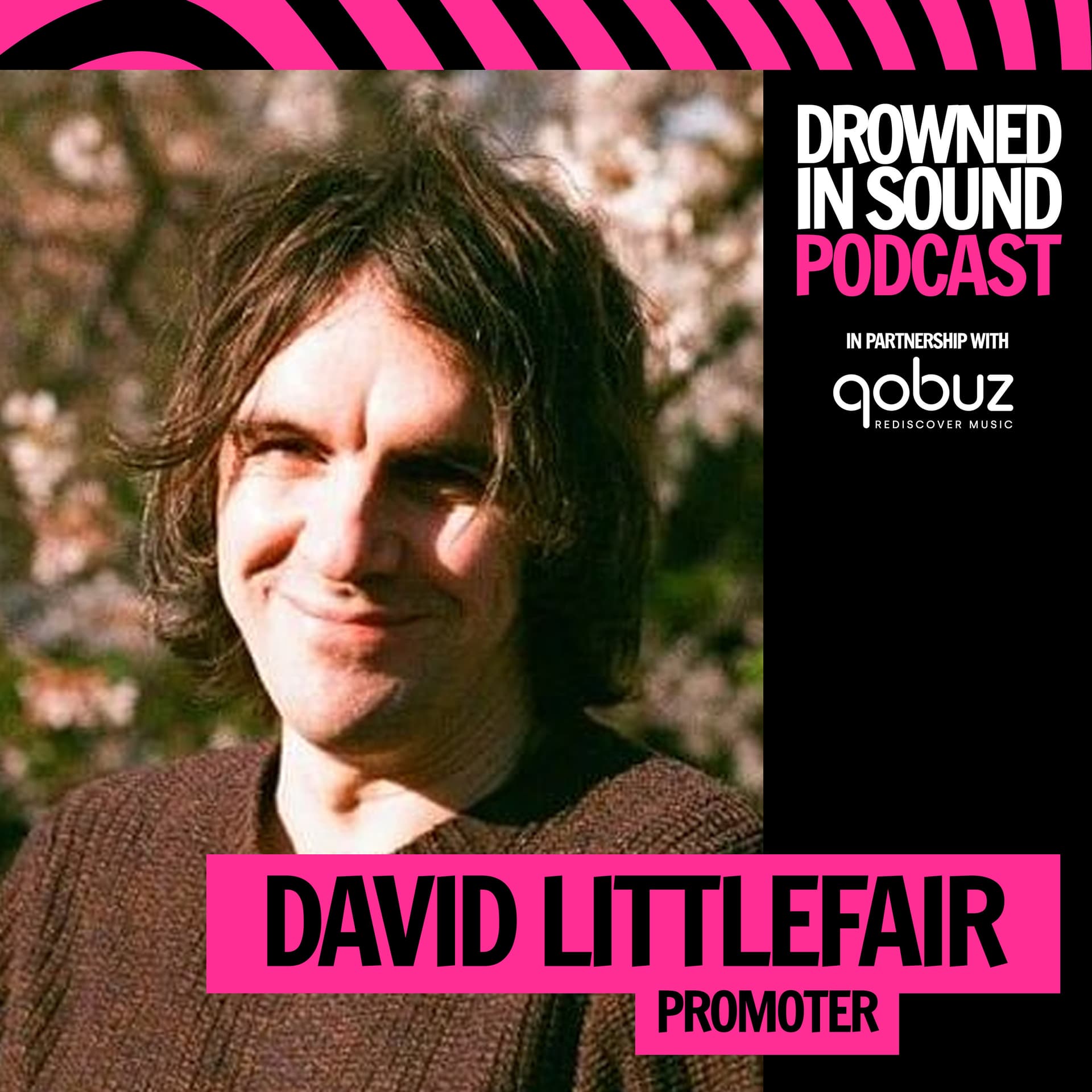
The Grassroots Pledge: Wrestling Instagram, Spotify, and the Arts Council with David Littlefair
Overview In this episode of the *Drowned in Sound* podcast, host Sean Adams interviews David Littlefair, a grassroots music promoter from Northeast England. They discuss the current state of the music industry, including the challenges faced by grassroots promoters, the significant shift in funding priorities within the Arts Council, and the implications of social media in promoting music.
Key Themes and Discussions
The Grassroots Pledge
- David's Commitment: Littlefair has made a grassroots pledge with Marrapalooza, a DIY festival, which includes:
- Redirecting advertising spend away from Meta (formerly Facebook).
- Refusing to book artists based on their social media follower counts.
- Investing in local music scenes rather than offshore platforms.
Funding Issues in the Arts
- Disparity in Funding: 85% of Arts Council funding is allocated to opera and classical music, while genres like folk and brass bands receive only 0.6%.
- Spotify's Impact: Spotify has extracted millions from British artists over the past 15 years, highlighting the need for fairer revenue distribution.
- Call for Change: The discussion emphasizes a need for funding structures that support grassroots artists and venues.
The Role of Promoters
- David's Experience: With over 20 years of experience, Littlefair shares anecdotes from his early days as a promoter and discusses the evolution of the role.
- Community Engagement: The importance of building community around music events is emphasized, revealing how local engagement can shift the dynamics of music promotion.
The Influence of Social Media
- Algorithm Begging: David critiques the reliance on social media for artist promotion, describing it as "algorithm begging" that detracts from genuine artist-audience connections.
- Alternative Promotion Strategies: He advocates for paying individuals to flyering gigs and promoting through local media, enhancing community interactions instead of relying solely on online platforms.
Long-term Vision for Music Promotion
- Community-owned Venues: Littlefair discusses the idea of transforming working men’s clubs into community-owned venues that foster local music culture.
- Cultural Investment: Highlights the importance of investing in grassroots music infrastructure to create sustainable ecosystems for artists.
Closing Thoughts
- The episode wraps up with a discussion of the upcoming Marrapalooza festival, emphasizing the importance of supporting local artists and building a thriving music scene.
- David reiterates the need for a cultural shift in how society values and supports the arts, encouraging a collective effort towards systemic change.
Recommended Resources
- Festival Information: [Marrapalooza](https://marrapalooza.co.uk)
- Youth Music Report: [Youth Music](https://www.youthmusic.org.uk)
- IPPR State of the North Report: [IPPR](https://www.ippr.org)
- Liz Pelly's Book on Spotify: [Liz Pelly](https://lizpelly.info)
Podcast Details
- Host: Sean Adams
- Guest: David Littlefair (Marrapalooza / Portions For Foxes)
- Production: Edited and mixed by Tell Studio
- Music Streaming Partner: [Qobuz](https://www.qobuz.com)
*This podcast episode provides valuable insights into the challenges facing grassroots music promoters today and offers a vision for creating a more equitable and supportive music industry.* ```
Written by AI. May contain mistakes. Listen to the episode to check what was said.
Chapters
Tap a time to open that second in VOFunding Disparities in Music
0:45 to 1:15
Discussion about the financial disparities in arts funding across different countries.
“and where different pots of money can be found to support music currently and maybe the sum of the things that we need.”
Meet David Littlefair
1:15 to 2:18
Introduction of David Littlefair, a grassroots music promoter and festival organizer.
“companion playlist I've compiled some of my favourite songs of the first two months of 2026.”
David's Journey in Music Promotion
2:18 to 3:54
David shares his experiences promoting shows and festivals over the last 20 years.
“But I've been putting gigs on in the North East for over 20 years now.”
Sam Fender's Early Days
3:54 to 5:19
Discussion on David's involvement with Sam Fender and his advice to artists.
The Role of a Music Promoter
5:19 to 7:10
Exploration of what it means to be a music promoter and the skills required.
“Some of them were about Dranin Sound could have a presence somewhere.”
Promoting in Different Cities
7:10 to 9:10
Comparison of promoting music in Sunderland versus London and the challenges faced.
“So, you know, how the sound that comes off the stage is going to go through the PA and who's going to do that and who's going to do all those jobs.”
The Changing Landscape of Touring
9:10 to 11:03
David discusses how touring has become more difficult for artists today.
“And I think there's like growing up in Weymouth, we just put the night on, on a Friday night, there was a band in the middle of a club.”
Innovative Promotion Strategies
11:03 to 13:55
David shares creative strategies used in promoting gigs, including physical marketing methods.
“I mean, we put this band, Swedish hardcore band on called The Smackdown in 2005 at this gig.”
Nostalgia for Concerts Past
14:03 to 16:00
Explore the evolution of concert experiences and bands over the years.
“Yeah, who've just reformed and I managed to get some tickets to see them this year, which is amazing because I first saw them in 2004 in Manchester with Bright Eyes and Modest Mouse.”
The Grassroots Levy and Its Impact
16:00 to 19:05
Discuss the grassroots levy aimed at supporting artists and local venues.
“But also wasn't bombarded with things like that, you know, the greatest minds of a generation have been spent trying to squeeze an extra millisecond of attention out of you with all of these various different apps.”
Show all 26 chapters
Redirecting Advertising Budgets
19:05 to 21:40
Learn about the decision to move ad budgets from social media to local media.
“It's so few that I pretty much can name the artists who booked an album campaign with us.”
The State of Music Promotion Today
21:40 to 24:15
Examine the challenges musicians face in promoting their work in the digital age.
“So some of the other things in your pledge was that you won't book an artist based on their social media presence, which I thought was a...”
Rethinking Artist Discovery
24:15 to 28:01
Discuss the importance of music over social media metrics in artist selection.
The Challenges of Festival Promotion
28:01 to 30:52
Learn about the pressures and complexities of promoting music festivals in today's market.
The Impact of Spotify on Music Industry
31:35 to 33:30
Explore the negative influences of Spotify on the music industry and artist compensation.
“Like there's, I can't remember what the name of the author wrote the book is, but there's a book about Spotify out at the moment that sort of - The Liz Pelly one.”
Arts Council and Funding Inequities
33:31 to 37:42
Examine the disparities in arts funding between different regions and demographics in the UK.
“Was extracting money, which leads me on perfectly to my next question.”
Cultural Attitudes and Class in the Arts
37:43 to 42:06
Discuss the impact of social class on participation in the arts and the perceived value of artistic careers.
“yeah yeah yeah yeah or you can sign on to universal credit which is like poverty wage and will also just will not see you as a legitimate professional if you're an artist kind of thing.”
Understanding Inequality in Arts Funding
42:06 to 44:46
Explore the disparities in arts funding and its impact on different communities.
Rethinking Arts Council Spending
44:46 to 47:36
Discussion on how arts council funding disproportionately favors classical music over grassroots initiatives.
“So if I had that 500 million, you mentioned before this, I think it's worth just drawing a contrast.”
Reviving Grassroots Music Infrastructure
47:36 to 50:26
Ideas for transforming grassroots venues and community spaces for cultural events.
“And they have this project, 21st Century Social Clubs.”
Challenging Elitism in British Culture
50:26 to 53:01
An examination of the elitism in British arts and culture and its effects on representation.
“And the winners out of this are the sort of posh elite opera goers who mostly go and watch Italian operas.”
Promoting British Music on Global Platforms
54:05 to 56:01
Discussion on how to better promote British music both domestically and internationally.
“And also to flip that around, if Six Music was marketed as a global radio station to listen to the best British music and music from around the world.”
The Economics of Cultural Subsidies
56:01 to 58:16
Discussion on the financial challenges facing grassroots arts and culture.
Bureaucracy in Arts Funding
58:17 to 1:00:44
Insight into the bureaucratic hurdles in arts funding and their implications.
“And it's worth, like, it turns over, like,$5 billion a year.”
Defining Success in Music
1:00:45 to 1:04:24
Exploration of what 'success' means in the music industry and its subjective nature.
“I think one of the decent things in the Hodge Review is that they talk about just how bureaucratic the arts have become, and I think that would be good to see the back of.”
Art for Art's Sake
1:04:25 to 1:08:28
The value of art beyond commercial success and the importance of creative expression.
Transcript
Automatic transcript. May contain errors.0:00Drowned in Sound Hosts:How does the government address some of the big issues in the live industry? There's a lot of money that flows around in the arts and culture, and in the UK it's nowhere near the same size as the sums that go into music in Norway, in Canada, in even Australia and Estonia, and all sorts of places where the music scenes maybe are not as notable as the UK's with the Beatles and Adele and Ed Sheeran and all those people making huge sums of money. on this week's episode of drannan sound podcast i meet someone who's a promoter we talk a little bit about what that means what he does the festival he runs and the pledges he's made to change the way they operate as a festival i thought it was a really interesting choice of conversation because he knows lots about how things like the arts council fund music and where different pots of money can be found to support music currently and maybe the sum of the things that we need.
0:55Drowned in Sound Hosts:So this conversation is much more about the solutions and some of the bigger challenges that maybe as a music fan you're not aware of, things that the live industry does and doesn't do in this country but does in others. This episode of Drown and Sound Podcast is brought to you in partnership with CoBuzz, the ethical music streaming platform and on this week's companion playlist I've compiled some of my favourite songs of the first two months of 2026. there is unsurprisingly if you're a regular so if you're a Zella track on that she had a new song out she keeps releasing extraordinary new pieces of music so I thought I'd drop one of those on there's a track from our recent guests PVA and Gurley and of course there is going to be lots and lots of things that you have heard before and loads more that you haven't some ambient tracks, some arctic monkeys all sorts of things so if you head to dranninsound.org forward slash playlists you can hear our weekly companion playlist that goes with this podcast.
1:51Drowned in Sound Hosts:Anyway, this is my conversation with David from Portions for Foxes, who's involved with lots of other projects, and we'll get into that in this episode.
2:09David Littlefair:So my name is David Littlefarer. I'm a grassroots music promoter in the northeast of England. I run a music festival called Marapalooza. That's in its fourth year this year. But I've been putting gigs on in the North East for over 20 years now. I first started at my sort of college arts center and like music hall room. The first gig I ever put on, I was 16. Me and my friends decided that we were going to have our pop punk covers band play at the local arts center. And we sold tickets for it in the school hall in like lunch breaks. And it sold out really quickly. And I just thought, oh yeah, this will be that easy.
2:49David Littlefair:this is this is how music promoting works yeah and uh i can tell you 20 years later that was very naive um so in that kind of era i did a lot of kind of emerging bands of the 2000s that were like like caribou for instance who is a band that i've still been putting on in the northeast since um i did a bunch of uh of gigs in the early period for like a lot of punk and hardcore tiering bands from around around the world we were me and my friend steve we were 18 and we managed to hook up an email with a swedish tour bugger and then you just started to land swedish hardcore bands
3:29Drowned in Sound Hosts:and did you put on sam fenders first show or one of his early shows i organized probably some i
3:34David Littlefair:think it was his second gig and it was um it was like the largest gig he'd done at the time it was written up in like local music press like busker lad becomes a musician and uh yeah um it's really interesting because this is very good for a guy called willie mason yeah and sam was like the opening tour support and or like the like local opener and he's kind of added last minute and it was really obvious at the time that he had a lot of like songwriting cloud however he used to sing in like an american accent and um i remember saying i mean this is probably like a podcast exclusive but I have also mentioned it to basically.
4:13David Littlefair:Was this pre Future Heads though? No this was after the Future Heads yeah yeah so this is after the Future Heads kind of demonstrated that you could sing in your own northeast accent yeah it was palatable um but yeah I remember saying to him backstage like you've got a great singing voice but I think you should try and sing in your own accent yeah so yeah and I've never had a never had the recognition that is there for that.
4:33Drowned in Sound Hosts:And he probably thought you're an arsehole and ignored you for at least a year but it probably be stuck with him somewhere i think also when people when artists find their feet a bit more yeah you start to see they start to define who they are by who they are not what they love yeah and i think that the confidence that people get and i think it's interesting when you're a solo artist you can't really change your name yeah and like the amount of people that start out in bands and then they realize actually this is what i want to make yeah and you're able to change your band name but if you're a solo artist you're sort of like still connected to that early person that we're still figuring out who they are yeah i think it's i think it's a bit odd now that like if you go back to when we were starting out people couldn't put their music out online yeah so a lot of that like who they were when they first started and they were still finding their feet it's not kind of out there as much and but so the one of the reasons well there's several reasons i wanted to talk to you today but on this podcast for the last few episodes we've been talking to kelly lee owens about what it's like being out on the road pva about what it's like kind of for a very grassroots artist kind of getting there applying their trade and trying to kind of have a footing that's sustainable um we've talked to different people about the crisis with venues but as a promoter you don't own a venue you put shows on and i feel like one we're losing the number of promoters that are out there as someone that has been a promoter like drannan sound like when i very first started out when i was 17 i was putting gigs on in weymouth and then I moved to London and we were putting on gigs at the windmill which now sounds a lot cooler than it did back in like 2000 we put on like Biffy Clyro's early shows like we start promoting gigs at 93 feet east we had a regular night in Nautical Arts Club where we had like Guillemot's played one of their first shows 65 Days of Static like we were doing loads and loads of gigs we had a regular club night at the Barfly we put the Maccabees on our six tips for 2006 gig so I've promoted quite a lot of shows but I wouldn't say I've been defined by being a promoter because most of them were just about covered their costs.
6:41Drowned in Sound Hosts:Some of them were about Dranin Sound could have a presence somewhere. So I just mentioned to you before we started chatting, I put one of, we had a regular night at FOP and we put Laura Marling's EP launch on, which meant that not only we'll be writing about her, but we could invite people along, come see these artists we're excited about. and like that was really kind of like great thing so i guess to begin with like as a promoter because you just explained because obviously our audience are music fans they have a sense maybe what promoter is but could you kind of just talk people through a little bit about what you actually
7:15David Littlefair:do yeah i think that's really interesting because i guess i've had a conversation about what it takes to be a promoter a lot because i've i've been like a mentor for other promoters on a grass um a music venue trust scheme called grassroots promote fight back and and it's really interesting to have conversations that start with like it's not hard to book your own gig and organize a pa and things like that but i guess if you're the promoter of the gig you have to you have to negotiate with an artist or their agent or whatnot what what you're going to pay them to appear at a place at a certain time sort the ticketing out sort out all of the kind of technical requirements and things like that.
7:57David Littlefair:So, you know, how the sound that comes off the stage is going to go through the PA and who's going to do that and who's going to do all those jobs. From doing gigs in the back of a pub in Sunderland, which is where me and my friends started out, we used to run a night called Bad Scenes Are Everyone's Fault, which is like a niche reference to a Joe Breaker song, which made me feel very cool. Very dronin' sound. Yeah, it was a massive music snob.
8:22Drowned in Sound Hosts:And was that at the Clooney or somewhere?
8:24David Littlefair:It was originally at a pub called The Borough and then it moved to a pub called Bar Pure. Bar Pure doesn't exist anymore. The Borough's changed, but it used to be the kind of pub that loads of late middle-aged, old 70s punks would hang about in. Again, it used to be a quid on the door. And the guy who ran the bar there had no qualms about selling loads of pints to people who were quite blackly in the reddings. so yeah we had a but also like that was where we kind of cut our teeth and it was pretty low stakes and then we started to book bands from around the world into Sunderland it's interesting you were talking about Sunderland versus kind of doing gigs in London because Sunderland is such a hard territory to make work as like a music promoter because the audience just doesn't exist in the way that it does in other places so you know that you certainly if you're like a London artist you're in the kind of epicentre of where like cultural life is in Britain but Sunderland's kind of like a post-industrial city that's kind of I don't know, doesn't have the economy that it might have once had.
9:36Drowned in Sound Hosts:But romanticised by field music. Yeah, yeah, yeah, yeah
9:38David Littlefair:I mean obviously an amazing place
9:40Drowned in Sound Hosts:And I think, well you've got the flip like putting shows on in London there's so much there's like 60 shows a night you're competing with and everything else that London has to offer. And I think there's like growing up in Weymouth, we just put the night on, on a Friday night, there was a band in the middle of a club. So people were kind of subjected to my music taste through both my DJing and the acts we booked. And I think that there weren't many other options of places to go endorse it. So I was kind of lucky in that way. So yeah, there's like, there's two different, because obviously like having worked for a booking agent when I first moved to London and I sort of got to learn about rooting, tours and like when you see all those comments like why doesn't your band come to insert place it's like well if you want to play glasgow you've got to find a show that's on the way between leeds and glasgow so you can say sunderland might pop into a show there or like or if you're going to play hull and it's like okay we can root it so that we do something in the middle but as the kind of amount of money artists are getting for shows the number of nights you can afford to be down the road and not at your day job.
10:46David Littlefair:Yeah.
10:47Drowned in Sound Hosts:It's like, it makes it hard, imagine a lot harder.
10:50David Littlefair:I think it's probably harder to tour the wider breadth of the UK than it was when I was younger, just because all of the extra costs attached to it are probably higher now. And the fees probably would just not go as far. I mean, we put this band, Swedish hardcore band on called The Smackdown in 2005 at this gig. And they were a wrestling themed hardcore band, which doesn't sound like amazing with like the Mexican masks yeah yeah yeah and songs called like songs with names like I don't know like suplex or something so yeah but I remember them saying to us like oh the fee that you gave us in Newcastle has basically saved our tour which kind of seems really unlikely now because it's just I think what you were saying before about there being like a lot of competition in in london there wasn't really much when i first started in sunday newcastle and now there are a ton more venues and it's it's an amazing thing but it also does mean that the the rule that i used to play in the city is probably not like it's it's not singular anymore because there's
11:57Drowned in Sound Hosts:just tons of other people doing so so just to jump back a step so you said as the promoter you organize the venue the pa who's turning up when all those kind of things and obviously the act of promoting the show making sure people are aware of it yeah it's a bit harder than just telling everyone at school to come back ticket yeah as your first experience was so what's i guess what have you learned about that and how different is that now because it's a kind of world apart and then we'll get into your grassroots pledge which was kind of yeah so the i the festival that we
12:29David Littlefair:run is very like started out very i run it with my friend hannah who promotes under the name flat four who's significantly younger than me and uh and it's just uh it has all of the kind of um crazy attitude towards taking risks to put bands on that i had when i was her age and um i really admire it about it but the world has changed a little bit in the sense that i guess when when me and my friend started out there it was just kind of in the emerging days of my space there wasn't really any kind of you didn't apart from going on like local music forums that wasn't really how a gig was promoted it was like um sorry uh to use the internet it wasn't really the way a gig was promoted i used to stand outside of other people's gigs with flyers in my hand and and hand them out to people and even for you know a gig that you would pay two quid for because i guess i was a student had a ton of time on my hands um flyering is still a really impactful
13:25Drowned in Sound Hosts:way of building an audience like when dronin sound first started i used to hand out pretty much printed on my computer at home and cut out flyers yeah like if you enjoyed the gig tonight we cover we're going to be reviewing it come to our website yeah and like and we handed out for some reason we made lighters at one point i think we realized people wouldn't throw them away yeah and we like used to hand out lighters outside gigs even though i'm like really anti-smoking it was kind of like uh like because they weren't that expensive i think someone was like oh i'll chip in 50 quid if you want to go get like a thousand lighters made and just hand them out it shows that's interesting badges as well like the often like hardcore gigs always used to have like a badge bucket yeah and you could put a badge in and take a badge out so we'd always put like a
14:08David Littlefair:load of handful of badges in and they travel the world yeah amazing yeah yeah i guess we didn't i didn't think hard enough about i guess i thought about how i could merchandise my like promoter name over the years and i guess i just never really worked that hard at it we have skipped
14:24Drowned in Sound Hosts:the fact that your promoter name now is Portion Foxes after the Rollo Kylie song.
14:30David Littlefair:Yeah, who've just reformed and I managed to get some tickets to see them this year, which is amazing because I first saw them in 2004 in Manchester with Bright Eyes and Modest Mouse. I've never seen them since.
14:43Drowned in Sound Hosts:That's like peak 2004 lineup, isn't it? Yeah, it very millennial. Was it like it probably wasn't even at that big a venue?
14:50David Littlefair:No, it was at one of the academies. It was pretty small.
14:53Drowned in Sound Hosts:Yeah, yeah, yeah. I remember seeing Modest mouse around that time and the shins opened for them i'm like to think now that all those bands like and that was as shoots to an arrow it was out yeah yeah yeah yeah well like oh inverted world had just like blown up and i was like they're still opening the scala i think something's really
15:09David Littlefair:different about that kind of thing in the sense that i i think because record sales are basically collapsed um like there's a bit more of an audience for certain types of bands more people might turn up to see them but the touring costs uh i i wonder how a band like that could have or a band like when i was younger a band called 100 reasons were really big and i i never saw them at a venue bigger than a thousand people and they were like in the top 10 charts kind of thing at the time so
15:37Drowned in Sound Hosts:but they were also on tour with muse and yeah some other big big acts so yeah it was like and they would and they would be in a record company subsidizing that yeah in fact in the episode i just recorded with um ella from pva like the loss of tour support i think is one of the big things which makes everything harder and um but i think let's talk about the pledge that you put out because that was when i first met you going this is great we should talk about this on the podcast and the one thing that really struck me was moving your ad budget away from instagram because like there's going to be this grassroots levy which is going to fund a lot of the ways in which artists get some tour support and venues get saved um which is a pound on arena and stadium tickets the royal albert hall have signed up to it we've talked about it on the podcast a bit so hopefully my listeners are familiar with it but my big thing is well if people are taking that money and then spending on instagram ads that's not helping grow audiences yeah it's not building that infrastructure that's needed and like there's a media ecosystem out there of infectious passion for music that gets you excited to go see a band that got you driving from Sunderland to Manchester to see Rolo Kylie like and I wonder to what extent that active movement of the money from an offshore billionaire owned platform to local media is essentially where you've put you've moved the budget for the festival anyway I'll let you explain what you've done and why you've done it
17:02David Littlefair:um I think I was probably looking as well at my own kind of social media use at the time and thinking that I was a really late adopter of social media and still don't really use it very much and there's tons of sort of stats out there especially around kind of zoomers and things is in terms of growing up with social media and how much it kind of affects things like your attention span your self-esteem things like that we live in a really sort of unique era of the species because I think for my dad's generation he didn't have to log on to the internet and see how much more successful every other person was than he was and see a highlight reel of everyone else's life.
17:38David Littlefair:But also wasn't bombarded with things like that, you know, the greatest minds of a generation have been spent trying to squeeze an extra millisecond of attention out of you with all of these various different apps. And I don't think it's done any good for culture whatsoever. So there's a bit of like a personal values thing in there in the sense that I just thought, do I really want to spend like my enterprise time is contributing to a system that I just think is really, really, like, has fewer sort of, isn't as positive as maybe it could be. And I don't think does culture a lot of good. I mean, if you look at, it's sort of a plethora of things in terms of social media.
18:17David Littlefair:So obviously I don't like Instagram partly because, like you say, money that I would have previously spent going to see a band and hand out flyers is now getting spent on just putting ads on social media so our part of our pledge was every you know every rather than spend a lot of money on instagram we will pay people to go to flyer gigs and we'll pay the promoter of that gig as well by buying the ticket so you know that is just redirecting even if it's not as effective it's like it's the attempt to redirect the money into a local economy rather than spend it on what might on paper be a more effective way of advertising which would be to throw it sort of marks like a bug shareholders well i also don't
19:00Drowned in Sound Hosts:know whether anyone opens up instagram looking for a gig to go to next week or looking for a gig to go to tonight even when there's panic kind of promoting yeah um and i think that when you think about like there was a magazine called crack magazine in the north east wasn't there yeah it still is yeah um because not to be confused with the crack magazine that's based in bristol yeah yeah yeah it's the crack magazine and like i'd imagine an advert in there is going to reach a lot more of the audience and if they've got a regular income then they've got regular reporters and they've got regular distribution and an ability to kind of get it in front of more people yeah like to me that feels like a much more part of the ecosystem way of spending money And I mean, I've said this a few times, but I can count on my fingers the number of record company and promoter adverts Drannin Sounds had in 25 years.
19:56Drowned in Sound Hosts:It's so few that I pretty much can name the artists who booked an album campaign with us. And that shouldn't be the case. Like the music industry, like when I did a print title, every independent label wanted to buy an ad because they wanted to support it. and they also know it was available in all the venues because we did like 10 ,000 newspapers that were in record shops and venues and like I think there's something broken in the system when I mean I had a bit of a back and forth with Ed from Grizzly Bear once because he was really upset like understandably the websites you go to like Pitchfork and NME were covering Stranger Things more than they were covering indie records or it might have been a different series.
20:43Drowned in Sound Hosts:And I was like, well, Stranger Things have got ads all over the website. Hollywood and TV series spend money promoting stuff and there's an audience that are interested in it. And that's then funding the new music editor to go out and do stuff. And it's like, so if there's not the editorial, and I said, Ed, look, I've covered your band for over a decade. you've played huge shows you've done you don't need to advertise on our website because we promote your band for free but that's an ecosystem choice like I'm seeing ads for your record on Instagram and like yes I could I know Ed it wasn't like we were having an argument but it's like I think that we have to think about it as an ecosystem and I just thought the fact that you made that pledge hopefully it will inspire a few other people to think oh okay we're running an independent festival what if 10 of our budget went to
21:45David Littlefair:independent media yeah yeah well so previously we've spent most of the money on that we would have potentially spent on instagram ads on press ads and and also i guess the local media gives our local bands coverage in a way that the national media never never would really it's much more difficult i think to get but also i think sometimes like the press coverage that I know people who are sort of touring musicians who have the kind of press coverage that 10 years ago would have given you like a guaranteed leg up in the music business who are still completely struggling even though they've got rave reviews from, you know, the Mojo's Uncut's NMEs.
22:23Drowned in Sound Hosts:Well, film music has spoken really openly and like there's a really great interview, I'll link to it on the YouTube and in the show notes with Justin Hawkins from The Darkness chatting to the film music and it's like you're a really acclaimed band had loads of singles on six music and like they were like embarrassed about starting a covers band yeah yeah and it's like and they had such a love like justin hawkins i really love what he's doing this youtube channel and like i really like the fact that yes he's had global success as an artist and they're still doing pretty big shows yeah and he's really interested in ensuring that there is another generation that can come through and that things are sustainable and all the things that would have been barriers for him are like three times higher now to try and jump.
23:11Drowned in Sound Hosts:So some of the other things in your pledge was that you won't book an artist based on their social media presence, which I thought was a... I mean, you're a promoter, you pick stuff because you like it and you want to put it on. And it shouldn't be something you'd have to write, but I completely understand why you have.
Read the full transcript
23:31David Littlefair:I think it's partly because if you look at the way that schemes in Britain work now, so there's various different, if you're a musician and you're trying to get some state support or something like that or some kind of funding grant, which is ever more important than it was when I was younger, you look at the likes of the Performers' Rights Society as a set of grants, like Momentum Fund and things, or Help Musicians has one. and it's like what's your spotify account what's your instagram account show us this show us this and there's almost no room in there for like what is your vision as an artist and and i think this
24:15Drowned in Sound Hosts:oh how many albums have you sold on bandcamp yeah yeah yeah like i've had those conversations like one of the artists i work with yankoresh she sold loads of physical records yeah and you can't quantify that because you can't see it on a monthly listeners on spotify yeah that's people actively buying something it's that's such a deeper connection i think with what i'd hope
24:37David Littlefair:that we could potentially achieve with this festival it's going to sound super naive and maybe a bit um i've never been very good as a as a businessman would be to like uh to sort of say like trust us that we'll put good bands in front of you and pay the money on the on the ticket and also when you know we most like festivals now do some kind of an artist call out i think often they're they're not really serious about listening to the various different artists that they do and we try and listen to everybody that applies but i've i mean i've got i've got like a blanket rule for the next set of things that's going to be like don't i don't want to see any of your like social media links or anything like that i want you to write me a description of your music and what you want to achieve and various other things and what your influences are and drop us in a few um some like direct links or like upload a file or something like that and we listen to it like that partly because i just don't there's something about the way that musicians now have to sort of beg the algorithm with videos for um for like different bits of coverage like constantly and i just feel like most of the sort of younger musicians i know now are spend more of their time thinking this would be good for instagram i better share this on instagram or i better make a video that kind of demonstrates that my music's this or that or tries to get a few more hits or whatever and it's just a it's such a constant
26:03Drowned in Sound Hosts:algorithm i call it algorithm begging yeah and also you see people investing in vanity metrics yeah and like and if you're from wealth that's an easy thing to do yeah we're seeing this reciprocal system um like kelly leowans did something similar with her support she put a call out out there yeah she listened to all of them she found some really great stuff yeah like and i think that she knows how hard it is to get a footing i don't remember her talking about checking their stats to make sure they can sell tickets yeah it's and it's like would those stats matter anyway like i remember being at latitude festival being really confused by this band that were quite high up on the second stage yeah i was like i've not heard of them and i looked online they had millions of plays but were those plays in the UK?
26:46Drowned in Sound Hosts:The tent was not very busy was suggested maybe not and I think there are a lot of artists that can spend money and get bot farms and all those kinds of things to generate plays and it's like you can at one point people were buying followers on Instagram it's like you've also got people who've got a lot of followers on Instagram but what you don't know is they're actually like in Emmerdale or something or like in they've previously were in this massive band or they've like might be a famous photographer or something and it's like there's any number of reasons why people have got good numbers on their instagram accounts and i think that as a journalist like as like and as someone that's written about music for 25 years it's about whether i like it or not yeah and like and the fact that i like stuff that can play arenas and i like stuff that probably is struggling to sell 100 tickets like it's just about how much i like it and like anything else in between that the data points it's like i don't know i feel i feel like a lot of what spotify has done to music is sort of how like top of the pops gamified the charts yeah and you have people putting out like three versions of a single at one point to try and get in the top 40 so they could get on top of the pops and anyway this is a separate but i think there's always been that like metric pushing kind of chart positions matter type of thing and i think now it's a different sort of ongoing every day like hiding stats or bumping up stats and it's like really what you can do is connect with people and for you you want to sell festival tickets yeah and if glastonbury can sell out without announcing the lineup why can't you yeah yeah yeah i mean
28:30David Littlefair:i i we're not quite there yeah um but i would love but if someone went last year and they enjoyed it
28:36Drowned in Sound Hosts:and they went the year before and they enjoyed it and they should trust that they're going to see some good stuff again
28:42David Littlefair:yeah I mean we definitely have regulars now which is great, people don't buy tickets nearly as early as they once did though which is a bit tough
28:49Drowned in Sound Hosts:I don't think fans understand why that makes a difference it's like one is stop you panicking oh my god, the lead up to the festival
28:58David Littlefair:this year I woke up on the Monday the festival started on the Friday I woke up on the Monday, I'd worked till 5 in the morning the night before, I woke up 2 hours later thinking right just get through this last bit of prep and putting riders and everything everywhere we did it really like in a really tight time scale last year and uh and i and i remember saying um like oh i i just can't see out my right eye for some reason and it was like there's just the level of like stress and exhaustion because i'd been looking at the ticket sales and thinking like Jesus we still have to do like another 200 to break it in and then it happened which is like feels like a minor miracle it's just that that's changed so much that you really like putting on gigs when I was younger was not did not demand being able to hold your nerve quite as much as it does now
29:47Drowned in Sound Hosts:because there was probably a point on that Monday you're like we probably have to pull this or else we're going to lose a lot of money be embarrassing for the artists if there's not a big crowd like I don't know maybe you didn't go to there but like when I've I've been involved in shows over the last decade or so and you suddenly like whoa hang on a minute what's going on here there's like we're like a few weeks away and you're like this is this is going to be a loss for everyone because obviously like if there's not a big crowd you're not selling merch so you're not like yeah there's all those other things where just like the end the human endeavor involved and yeah I think that as a promoter it's probably harder than ever and if you also own the venue and you're reliant because obviously the venue's going to get that hire fee and you're going to be out of pocket because you're paying to hire the venue and all those things.
30:33Drowned in Sound Hosts:You're always the last person
30:34David Littlefair:to get paid if you're putting the gig on. That's definitely changed since lockdown. You see more bands saying oh we're just going to cancel these days and I think that used to be really taboo and now I think there's a general understanding that sometimes I guess that has to happen.
30:52Drowned in Sound Hosts:Hi there, it's Emma here.
30:54David Littlefair:I'm gay crashing the podcast to quickly tell you about the Drowned in Sound newsletter. Every Wednesday, I invite myself into your inbox, with permission, of course, to share opinion writing and resources, tell you about cool things that you should be involved in within the world of music, activism, etc. I also bring track of the week and a little bit of hopeful news for you, because we all know that the news cycle can be grim at the best of times. Drowned in Sound newsletter every Wednesday in your inbox. Sign up now.
31:34now.
31:35David Littlefair:The other thing is, is that I said like, we're not gonna be sharing our artists on a Spotify playlist or any of that stuff, which I mean, might seem a little bit extreme, but I think Spotify has had a really, really negative influence on the music industry in Britain. Like there's, I can't remember what the name of the author wrote the book is, but there's a book about Spotify out at the moment that sort of - The Liz Pelly one. yeah liz pelly um and it's um it sort of demonstrates that spotify has made music consumption much more of like a background music thing it's made it into something where the variety of music even just down to the chord progressions has been steadily more simplistic and i think if you buy into it i mean this is before you think about the fact the ceo spends all his money in the arms industry or invest in the arms industry um but i think if you actually value art and music as a form like it's it's it's sort of morally wrong to be complicit in something that's so obviously demonstrably bad for the medium and also think about um just how badly people are paid for the amount of players they get on it um which is it is crazy in terms of the sort of british state's failure to protect our music business from spotify has been chronic and And so before I was talking about if you apply to PRS, you're asked to put your Spotify in.
32:52I just can't believe that PRS, the Performance Race Society,
32:57David Littlefair:so the people who pay out all of your music royalties and things like that, would encourage the use of Spotify in proving that you're a good artist. Because if anything, Spotify is completely... It took PRS for a ride for the best... I don't know how long it's been going, for like 15 years now. Yeah, I think it was about 2008 Spotify first
33:16Drowned in Sound Hosts:kind of propped up with the licenses.
33:18David Littlefair:So that's all money that if the royalty rate had been more sort of fair, you know, at this point, it must be hundreds and hundreds of millions that have been pulled out of what should have been music towards artists and have gone almost entirely into the American stock market instead.
33:35Drowned in Sound Hosts:Was extracting money, which leads me on perfectly to my next question. If you had the 500 million pounds that Daniel Ek has spent on war technology, how would you spend it to address some of the problems we've been discussing?
33:48David Littlefair:Should we talk a bit about the Margaret Hodge review of the Arts Council in this? So there's a think tank called the IPPR. They have this report called State of the North. And it's like part of it, part of the more recent one was about arts and culture, like access and spending and whatnot. And they said that to bridge the gap between the North and South in terms of arts access and spend and whatnot would cost 450 million. So this is kind of like the ballpark that we're looking at. But also, if you look at Margaret Hodge, I think she used to be an MP for, I don't think it was Barking and Dagenham, but it's one of these two places.
34:23David Littlefair:And now she's in the House of Lords and she's been doing a big review of the Arts Council, which is like our big state arts body that was set up in the post-war period by, amongst others, the economist John Maynard Keynes, to kind of distribute the arts into every part of the country. Had a very like egalitarian mission. and um that sort of that review points out that in britain we spend less on the arts as a percentage of gdp than basically any other country in europe wow apart from greece and i don't know about maybe she might have ignored the sort of baltics but certainly less than like the likes of italy france
35:01Drowned in Sound Hosts:germany spain portugal all of the nordic countries the baltic countries are spending more i've been to some really amazing events in Estonia and Bulgaria over the last couple of years. They've got really good interconnected scenes and they can definitely see that they're starting to, like, do the investment that you sort of see in Canada and places that invest in its arts and culture. Like, I'm always so jealous of seeing how the French invest and seeing how media and all the different things are interconnected.
35:31David Littlefair:Whereas in Britain, I think we're very, like, just compared sometimes i use this example of there was in the sort of mid-2000s there was this program called like the hundred greatest britons and it was franchised to like every european country and the hundred greatest britons as voted by british people were like isanbard kingdom brunel churchill a bunch of other people that were like it or like of the engineering military and royal kind of elite caste and i think shakespeare might have been in there who's like the one artist and in the french it's all like philosophers and playwrights and artists and stuff it's not less and maybe napoleon um so like i just think there's a really different ingrained attitude towards the arts in britain which is just in inherently dismissive that's kind of and i mean i encountered that at school you know it's like oh you could do like drama class and stuff like that but it's not a real job you know we need to get you sorted out for the
36:23Drowned in Sound Hosts:real world and now all those drama kids are the ones that are winning on instagram because they're
36:27David Littlefair:all so good at talking on camera yeah well i think that's probably but also they you know the actual arts provision and skills over my lifetime is basically totally collapsed yeah there's a i'm trying to think of the report that goes into this but it's um it's like it's really obvious that the amount of arts provision in terms of like music and drama at schools has been being cut since that's sort of 2010's coalition government and it's never really recovered.
36:56David Littlefair:And it's just to put our kind of arts funding in a context. I said we spend less as a percentage of GDP. Britain as a whole spends less than Germany spends just on Berlin. So it's like, you know, we could be spending tons more and the deal that we give to like arts organizations and to artists and whatnot is much worse than it is in somewhere like France. in France they have like an out of work insurance scheme but it's basically like a state led recognition that if you work in music or theatre you're going to have periods where you don't work and so they subsidise that with like an unemployment insurance and you get that if you credit enough work within a period of time you can claim it again
37:38Drowned in Sound Hosts:whereas the most you can do over here is over three years you can spread your tax return
37:44David Littlefair:yeah yeah yeah yeah or you can sign on to universal credit which is like poverty wage and will also just will not see you as a legitimate professional if you're an artist kind of thing. They'll try and get you to get a different type of job. So we have these massive kind of structural inequalities. The Music Venue Trust put out this report in 2022. I don't know if this has changed, but they said 93 % of venues are owned by a landlord or like music venues by a landlord that isn't the like proprietor that puts the gigs on and things like that and does the music there and you see this all over like music venues that i've probably presumed would last forever have been closed because the landlord wants the rates or things like that and we've lost a fair few to that but it also just demonstrates that loads of british culture in in terms of music just is there as a means of like extracting wealth to somebody else and you see that as well in the way that people talk about like arts and culture and from the sort of bureaucracy is they'll go are this and they're much more transparent about this than when I was younger because when I was younger the idea of like gentrification was a bit taboo um but now it's like I went to this um event um in Bristol about like involving arts in um development and whatnot and the presenter was like oh yeah we put this ballet school in the bottom of um of our like uh new building estate and every one of the buildings went up in value by like 20 because of the ballet school's kind of cool ethos that it and like inflicted on there so people are very like people know the value of like the arts and culture industry very well but they just make sure that it never stays with the people actually make the art and um and obviously if you work in the arts in britain a lot of your experience certainly i i help people to like write applications to the arts council of various other things and often that is about persuading like a bureaucrat who's never made anything to like to give you money um to do something creative and the arts council now has this strategy called let's create which is like how it assesses all of its applications and my big bugbear about let's create and my big bugbear about the hodge review is that they don't mention class it's like social class isn't a thing so they'll talk about diversity a lot um which is like a good thing and a step forward from a generation ago but the main evidenced thing that's all over literature and the work of there's two academics that I really really rate on this one's called Mark Taylor who works out of a university in Scotland I think it's Glasgow and Ewan McKenzie who plays drums in the band Pigs, Pigs, Pigs, Pigs and he's also an academic who works on this concept of hope labour which is like unpaid work like exposure work where you might get paid later if you do this for free and how those things like annihilate working class participation in the arts.
40:40David Littlefair:So there's no acknowledgement of that stuff in the Hodge Review, which makes me think that probably the, you know, the current government doesn't really understand the fact that working class participation in the arts has been going for like a generation. And that started when I was a teenager. You know, I don't want to like to be mean spirited about it, but you mentioned the Maccabees before. All of the guys in the Maccabees, my understanding, went to a private school in London. And so they're pretty, and that was the same with a lot of the bands that I used to know when I was younger, like the Horrors and things like that.
41:15David Littlefair:And that trend has only kind of, I think, continued to bed in. Like, it's really difficult to work in the arts if you're not from wealth. And working class parents don't push their kids towards it because they think that they're not, and rightly so, that they're not going to succeed. And so some of the stuff around, like, let's create idea of what inclusion looks like, because it's not based on sort of whether or not you've got a lot of money and your parents have and whatnot. It's like it's spread a concept of diversity that's inclusive to middle class people of various different sort of ethnic backgrounds.
41:51David Littlefair:But that hasn't really addressed the fact that sort of working class participation has been on the downswing for like a generation.
41:59Drowned in Sound Hosts:it's also like when i was at the bbc the diversity form i filled in i think it was about do your did your parents earn under 20 000 pounds when you were 14 or 20 i don't know what age it was and it's like well if they lived in london that would be very different to someone living in the west country yeah yeah but also to be really different if because i was like 10 years older than some of my colleagues yeah of how much like inflation's changed what that means as well and um like we're seeing with like the changes in um council tax in like properties that have not been reviewed of how much they're worth and i just wonder how poorly we understand the inequality in this country because i think one of the other things you mentioned before we prepped for this was like where that arts council money goes yeah because it's going to opera houses and it's going to ballet and it's like the the fact that the department of culture media and sport oversees all of those different topics yeah and we've got a booming digital industry where there's loads of money we've got people in sport that like there's funding for grassroots football despite the fact footballers make millions yeah we've got like this the funding for the olympics well no one could say that the olympics were a bad thing yeah but does the average swimmer need the same funding that someone that's like learning guitar yeah like there's not like we've defunded like the music classes where someone might have learned music theory to then go and learn guitar on their own or learn a synthesizer or any number of like crossover skills because someone like the amount of people i know who learn an instrument but that's then meant they've got into coding yeah like the guy that rebuilt drannan sound at one point like he's his knowledge of like how to build websites came from his obsession with synths and like being into like using different like audio interfaces and things like so i guess like if we go back to the question of like how you would spend that 500 million do you have like a wish list of how if you could recalibrate how the country was
44:07David Littlefair:run yeah so i mentioned the start about um venues so i think if there's a theme in in some of the things that we've talked about i think it's about like rentierism so spotify is a way of kind of extracting the creative endeavor of a lot of musicians and taking it away and venues that are owned by a landlord that doesn't actually do any of the like art scene contribution an ai that
44:34Drowned in Sound Hosts:doesn't have the consent and the ownership of what it's trained on all of these things are um
44:38David Littlefair:are ways of kind of taking things away from the people that make the stuff and giving it to some somebody else. So if I had that 500 million, you mentioned before this, I think it's worth just drawing a contrast. So artists, council and music spending, historically 85 % of it went to classical and opera and the vast majority goes to opera. It's like 68, 70%. I think if people knew that, they'd be scandalized, but it's very like swept under the carpet.
45:06Drowned in Sound Hosts:Often to put on free events for people that can afford to pay for digging.
45:09David Littlefair:Yeah, yeah, yeah, yeah. And if you contrast that with like what are traditionally working class art forms in the uk so brass bands so i i come from like a a mining area and the brass band culture is really deeply embedded um but it's a voluntary culture so i guess maybe the our higher ups think that oh funding a brass band somehow isn't as important as funding a professional cellist to be the seventh cellist in orchestra or something like that yeah because they probably
45:36Drowned in Sound Hosts:don't even get an mu fee for the appearances oh yeah definitely yeah definitely not so um so these
45:41David Littlefair:brass bands they get um they're managed by an organization called brass band england and uh
45:47Drowned in Sound Hosts:and sorry i'm just picturing my parallel life as a manager of brass bands yeah i think it'd be a really fun life but that's like the fact that it's i know that i've heard mark david from music venues trust talk about the funding for some of the big arts institutions versus where the money was going for grass like when the music venues trust first started that was one of his like why are you putting all this money into the opera house when you could be putting it into four venues in London to make sure they don't have to close their doors?
46:16David Littlefair:There was an opera house in London that got 50 million to redo its roof. And it's like, nobody buts an island.
46:22Drowned in Sound Hosts:And they didn't put solar panels on the roof either.
46:24David Littlefair:Really?
46:25Drowned in Sound Hosts:Well, I don't know. I'm just working on the assumption that they could have put renewable. I literally was just talking to Ella from PVA and she works for Music Declares Emergency. Oh, yeah. And we were just talking about how all of these venues could literally be powering the grid.
46:40David Littlefair:Yeah, yeah, yeah. And like how the energy is like,
46:44Drowned in Sound Hosts:energy bills is often one of the things that's, because business energy rates are not the same as household ones. So when the war in Ukraine started, like venues were being hit by these huge energy bills. And it's like, I've been into venues when you arrive at three o 'clock and it's minus one outside and it's minus five in the venue and the heating is rattling away. because they couldn't leave it on from 10 a.m. because it would just would have been to get it warm enough.
47:12David Littlefair:It's really interesting that I think like what you're saying about it sort of comes back to this idea of freeing up the infrastructure from like rent.
47:18Drowned in Sound Hosts:Yeah.
47:19David Littlefair:So I mean that opera house 50 million, it's like nobody bats an eyelid for that. But if you spend 50 million out in the wider economy, you could probably convert most of Britain's grassroots touring infrastructure into something that was like community owned. Yeah. So I have been looking at a project with a group called the Democratic Business Alliance. And they have this project, 21st Century Social Clubs. And we were looking at how can we turn some of the old kind of working men's clubs around the country into like the kind of, have the prestige in the cultural life of Britain that they once did.
47:54David Littlefair:So obviously like social clubs back way back when have been this site of like democratic organizing, creating culture, participating in it for a local community, that kind of thing. And I think when I was -
48:04Drowned in Sound Hosts:Also cheap drinks?
48:05David Littlefair:and cheap drinks yeah and I mean the main thing that and other countries in Europe don't have this like the main thing that you know these were like real kind of class based institutions that were kind of it was like we don't want to pay a landlord we're going to set up our own like venue and we'll all own it and we'll all vote on what happens and things like that
48:23Drowned in Sound Hosts:and also it became like the third space if you didn't afford a living room and like when people had three generations living under one roof social clubs were really crucial for people to have somewhere to go and to be themselves and to like the can i just ask a question in amongst all of that have you been looking at how you can replace like the we work like the more people working remotely yeah like the idea of being able to go somewhere and having a social space from 11 a.m until six o 'clock and like and it's not about drinking in a weatherspoons it's about somewhere with decent wi-fi a printer like because people go to their local library sometimes to do that and like like i've seen in like the amount of times i've had someone be like oh i can meet you at this time but you know
49:07David Littlefair:anywhere nearby where i can have a quick zoom call yeah and you're like even around here i'd be like
49:12Drowned in Sound Hosts:i don't know where you could take a call because you're gonna have music you're gonna like and actually a social club with like oh there's just a dedicated meeting room there if you want to book
49:20David Littlefair:it for yeah half an hour and i think that's really interesting as well but i think the like the bigger barrier that i think exists with stuff like this is that people see social clubs as inherently old-fashioned and they don't understand really what they represent in terms of the culture so i my understanding is mainland europe does not have this culture at all when i've spoke to people from there i've been like oh working men's club they'll be like what and i'd be like are these kind of democratically like cooperative businesses that were set up by people like the kind of labor movement and whatnot they're like uh that isn't really a thing in mainland europe but it's somehow it's been made to seem like an old-fashioned archaic idea now and i'd really like to challenge that as hard as i could and i guess it's not just sort of we work or gigs as well it would be like or like gig spaces there there's something like three and a half billion pounds worth of unshown art in britain so like paintings and various other things that are just in council lockups and things like that you know they could these could be places where you could tour exhibitions and various other things as well but because we have such an elitist institutional mindset in britain that those kinds of thoughts just never percolate into the the mainstream because the sort of british mentality is like large institutions prestige high status bricks and mortar will spend so we were trying to trying to get around at this point 85 percent of arts council music spending is on opera and classical music 0.6 percent goes to folk music which is like a working class tradition and 0.6 % goes to brass bands so those kinds of things are seen as low status and not worth funding even though they're like really fundamental part of our country's
50:59Drowned in Sound Hosts:history and culture and probably for the mental health of the people that do them like a really essential cog that keeps them going yeah yeah and much more participatory like you say
51:08David Littlefair:like you don't have to be an elite musician to to be in a like a folk sing-along group or something like that and we've like if you contrast that to a country like romania uh romania has like six folk music music channels on its like mainstream and they're all just like it's it's if you imagine i mean i don't think britain should do the same thing but if you think about um like what it would be like to have six channels dedicated to morris dancing or something like that that's what it's like there because they see that as a real like valuable part of their cultural history where where it was kind of like we see it's a bit naff and a bit lame and a bit embarrassed about it which which I think is really, really tragic.
51:45David Littlefair:And the winners out of this are the sort of posh elite opera goers who mostly go and watch Italian operas. And obviously I think it's great that we have this world-leading opera stuff in. It's not my thing, but it's great that we do. But it's just that I think if people were more aware of those structures, they would think it was really scandalous. And I guess the other thing about this kind of elitism as well is that, so in Newcastle, where I'm from, we have this really large culture institution, the Glasshouse, used to be called Sage in Gateshead. And that has had the lion's share of northern music investment for decades.
52:29David Littlefair:And what tends to happen is if you build these gigantic institutions that are expensive, they suck up all of the investment money for donkeys afterwards. and if I had 500 million to spend, yeah, I'd probably buy up half of the grassroots music infrastructure of the UK. I'd try and ban Spotify and create like a BBC alternative that played proper royalties and that really emphasised our kind of, like our own grassroots music culture.
53:01Drowned in Sound Hosts:This episode of the Drowning Sound podcast is presented in partnership with Cobus, the platform that pays artists four times more than the industry standard that has high quality audio that has human curation which as a human curator is something that I truly value over the kind of algo slop that you get on some platforms you can really hear the difference I know lots of places talk about the audio qualities and as soon as I moved across it sort of felt like I was rediscovering music which is one of the platform's slogans if you're worried about your playlists you can use sound is it's a really good tool that's part of the sign up process when you join cobuzz it just transfers everything across if you'd like a free trial of this platform that's independently owned and made for music enthusiasts head to drownedinsound.org forward slash playlists where you can hear not only our playlists but get a free trial you can also find these details in the show notes to this episode and now back to this episode of the drowning sound podcast brought you in partnership with kobuzz we mentioned sweden before like swedish radio does not play
54:19David Littlefair:does not play like international artists my understanding is like their radio one is like 90 swedish music because in france it's like 50 50 or so yeah and i don't i think we don't do enough in in respect of that kind of i don't know it's like maybe it would seem a bit perogial but But you kind of do need to do that because you're in competition with Spotify and they don't care if it's all American stuff.
54:41Drowned in Sound Hosts:And also to flip that around, if Six Music was marketed as a global radio station to listen to the best British music and music from around the world. Like I love World Service. Like you can see World Service is great. But I'd love like a radio station that was essentially set up as an export. Like we'd be able to dominate the world in a whole different way and like open the world up to different artists. and like, I don't know, every time I hear Nigel Farage or Tommy Robinson or any of these racists talk about British identity, I don't hear them talk about brass bands. I don't hear them talk about kind of Sam Fender.
55:17Like I hear them talk about like basically white supremacy. And I think so much of the taboos around talking about being working class
55:29Drowned in Sound Hosts:and funding working class culture, which is 50 odd percent of the population. Like, there's loads of different ways of measuring it. There is a lot.
55:39David Littlefair:And like statistically, most people think they're working class now as well, which is so...
55:43Drowned in Sound Hosts:But lots of people think you have to grow up in poverty to be working class. Yeah, yeah, yeah. Not that you have to work to earn your money. Yeah, yeah, yeah. And like the difference of someone that's middle class whose job is like there's lots of different ways like middle being middle class is actually not like i'm not going to talk about the telegraph stories of people complaining they can't afford child care yeah and they're on 100 grand a year but like the majority of people earn up to about 38 grand a year like that's the average wage and it's like it's something like 10 of people are in the top tax bracket and it's like those are really the top 10 yeah and it's like well who's who can afford ballet lessons opera lessons on top of everything else like and then who then gets subsidized for their work and their jobs and it's like when you look at it as an ecosystem it's like british culture like to me it's the silly gaming reviews i read of charlie brooker yeah who then went on to have a career making things like black mirror like and that's i don't know what his background is i'm sure he's probably reasonably well off or something but like the music journalist that i know that have gone on to do anything from like some of the drowning sound staff like they've gone on to edit kerrang magazine yeah like become features editor at deadline like which is getting big jobs in journalism and media but i wasn't subsidized yeah to give people those opportunities and we couldn't really afford to pay people yeah and like i would love to pay for every single word that we publish to pay people for the skills they've got and like and like for is today we're recording a podcast i've had to learn how to do audio i've had to learn how to do the video like and then i've had to go okay well i can just about justify paying someone to do this but nowhere near what they should be getting paid to do these kind of roles yeah and like to then create a space where someone might be able to promote their shows or promote their new record and like all these things like we're building an audience and from that audience we're building there's the benefits to the things that we recommend and like we subsidize the opera and it's like and when you actually think about it like well actually we also subsidize i think it's 80p on every pound of a barrel of oil in the north sea which goes to a norwegian company that profits from it like we subsidize we bailed out the banks we don't bail out grassroots venues yeah yeah like who what is it that is this country and the people that make it up and like i'm sure we could list and rant and this is a really good point as well because i guess when
58:21David Littlefair:you were talking about 500 million i guess the point that i was trying to make about the glass house or the sages is like it's it's it's really easy for people to make a case for bricks and mortar infrastructure so one of the things in this review that margaret hodge has made was to devolve more of the arts council spending to local mayors which i'm uh really skeptical about because well especially in teesside where the local mayor
58:46Drowned in Sound Hosts:seems to be caught up in the businesses that profit they're also going to put a data center
58:50David Littlefair:in teesside because it's a freeport is what i've oh right yeah yeah well the i've never met a politician that was like in the so in the 60s jenny lee who was uh i can't remember i think she was culture minister she was also nye bevins wife obviously um had her own identity but also like i'm mentioning that because they were like the the labor movement power couple kind of thing
59:14Drowned in Sound Hosts:and he did the nhs and she did all of it whereas i know his name and not hers which says a lot
59:18David Littlefair:but she wrote uh i think it's 1961 or 1966 like this um treat eyes on the arts about how it's a right for everybody and whatnot and she laid the like the concrete at the beginning of the national theatre and politicians used to be real patrons of the arts as well and uh and now i just you know the most of the politicians you meet now are philistines really and the and so the idea that they would be the best people to distribute this money also sort of like the there's like a values question as well so in newcastle we just spent one and 1.8 million on uh uh a council did on like renovating a studio space for Warner Music, which is, again, an American-owned company that makes$950 million from streaming every quarter.
1:00:04David Littlefair:And it's worth, like, it turns over, like,$5 billion a year.
1:00:07Drowned in Sound Hosts:Who just did a partnership with Suno, the AI company.
1:00:09David Littlefair:Right, yeah, yeah, yeah. And they are, like, they're getting this huge amount of money. And all of the kind of grassroots studios that I know and whatnot have had no patronage like that. And yet, you know... Well, they probably wouldn't have the time and the bandwidth
1:00:22Drowned in Sound Hosts:to apply for the funding.
1:00:23David Littlefair:Yeah, well, that's it as well, because, again, the funding is really... I applied to try and get some funding from our festival, and the amount of paperwork that I had to do to prove that putting a load of bands on for the fourth year in a row is a valuable thing, it's just mental. And it sort of demonstrates that this kind of sceptical attitude and that so much of... I think one of the decent things in the Hodge Review is that they talk about just how bureaucratic the arts have become, and I think that would be good to see the back of. but there's always this preference like you were saying you know it should be much easier to get something like a podcast or an online magazine funded but but there's just tons of money for buildings and endless amounts of building maintenance and things like that but also if
1:01:08Drowned in Sound Hosts:i became a charity or a not-for-profit i'd have to stop having opinions about certain things yeah like and then have to kind of kowtow to like for instance i couldn't say if we look at instagram what percentage of the arts council budget is spent by people on instagram ads yeah potentially what percentage of the grassroots levy is going to be spent on instagram google twitter all these other places like that to me is like we need a system break yeah and like if you say like remove spotify well what replaces it it should be something like daniel leck doesn't even like music you can i've scrolled i've scrolled two years worth of his twitter feed and his linkedin feed so i was like i must be like making this up but if i'm gonna say that he doesn't like music anytime he talks about music on his channels it's always about the data point so it's ed sheeran has just reached the record number of streams yeah not i really love this new song by the knife be amazing if more people listen to it yeah like he's got a playlist that hadn't been updated for 10 years on a platform that he literally could have a comms person making a playlist for him that's a complete like bluff of like this is the music i'm into it's just a little bit of
1:02:17David Littlefair:personal management to make you look less like a sort of soulless tech but if you run a music
1:02:22Drowned in Sound Hosts:company to not have any glimpse of passion for music yeah passion for data was all you can see on his feed and i'm not saying that someone that loves music as much as i do would be a great person to be running something like spotify because i wouldn't yeah i'd be constantly giving money and time and attention to things which probably are not in the business's best interest there's a reason why Drowning Sound is not as kind of profitable and hasn't been bought by GQ like Pitchfork it's like the there's a reason why as a promoter we got to the like putting on like I think the biggest show we did was at Coco with Amnesty with Chick Chick Chick oh yeah um and that that was a not-for-profit show yeah yeah um and it's like i didn't go into putting on shows because i wanted to make money out of it it was like okay i want to do this stuff that's fun yeah and it's like and if i can make a little bit to justify the five days i've spent on it and the like the entire day you spend when the show's on yeah well i've kind of paid for the day when i was working at the show sometimes and it's like the it's so important to think about stuff like
1:03:30David Littlefair:that in terms of like because the music business is really ruthless um but it's also like uh there's a few things in terms of like british music funding that are so predicated on are you going to be big are you going to be a success which nobody can really actually ever see well
1:03:47Drowned in Sound Hosts:also because go back to the arty monkeys the kids all dream of making it or whatever that means it's
1:03:52David Littlefair:like no one knows what making it means in music yeah and like the definition of success is something
1:03:58Drowned in Sound Hosts:that's not talked about enough and i think i've talked about it on this podcast a bit but like what does making it big mean yeah because for a brass band that might mean that you can tour the baltics yeah yeah for an opera it might mean that the opera does it like the thing that gorillas have done like that's that to me seems like a success but about it's on most people's radars it's like it's toward huge huge things around the world like the fact that field music is still making records like 15 20 years into their career yeah like that should be success yeah like just because it's not you've not topped the charts and and i think we also like don't talk enough about how the entertainment industry has become the music industry or the music industry has become the entertainment industry because actually if you looked more at art and the ways in which like we value art in this country like someone can understand oh that painting is worth millions yeah it doesn't it's only because it's worth that to certain people that got lots of money yeah it's not because culturally it's as famous as manchester united or something it's like so anyway i feel like we could talk for ages but is there anything else you wanted to say that we've sort of touched upon and we're not any half finished thoughts i feel like there's
1:05:10David Littlefair:probably quite a few i think one of the things that i think that that made me think of is like i would love to scrap all of the arts funding for music in terms of the way that sort of it's approached by the likes of prs where it's like seen as a means to create financial success and try and create an ethos of like we do this for its own sake but also like i've had conversations with sort of friends of mine who i know are really amazing musicians like incredible and would have in a different era would have quite clearly been much much better known than they are and are just battling with the fact that they're from the northeast of england instead of like somewhere like london where they'd have picked up much more like interest and i i i know to think about like
1:05:58Drowned in Sound Hosts:or if they were from iceland where the music seems smaller and there's some support yeah or
1:06:03David Littlefair:they're getting support or whether they're from france or something where it was seen like um you know this is just an integral part of like what makes a human being and a human life valuable instead of like oh this is a good way of increasing property prices but um like i was having conversations with them thinking do you know what's really important is is that your new album is better than your last album you're still developing as an artist the stuff that you make is really unique and singular maybe that's part of the reason why your tours aren't doing as well as they could do because you're this kind of niche artist and um and that's like a massive shame and sometimes like psychologically really uh damaging because you probably think how do i keep this up how do i keep this going like people don't appreciate it but i'm always a bit like you know the art that you make is is fantastic and even if it wasn't the best thing you'd ever made anyway it still be worth doing if it's if it's inside you i am like i i had this really sort of i've got a lot of kind of weird esoteric niche interests and one of them is like the gnostic texts right which are like this uh um set of scrolls that were found in like turkey in like the 60s for this like sort of as offshoot christian religion and they've got like extra gospels in them like unofficial fanfic gospels one of them is the gospel of thomas and it's got this quote in it that's like something along the lines of like bring forth what is within you and you will thrive or don't bring forth what is within you and what is within you will kill you and it's like if you're gonna sit and think i only appreciate the things that are within me if i can see a load of commercial success or if i see a load of critical acclaim or whatnot then you know then that what you know life itself sometimes is just a test of how much faith you have in yourself and how much resilience you have in the face of complete indifference and i take the same attitude towards my festival we have this slogan on the festival now which is um it's taken from kez uh and it's like um hannah was like oh let's um let's take this quote where um the lad in kez is like talking about the book the kestrel and he's like um it's like loud and uh and fierce and not bothered about anything and we use that as the festival slogan now because it's basically like look this is what we think great artists.
1:08:18David Littlefair:We don't give a rat's ass about like what social media thinks about it and come or don't come. We don't care.
1:08:27Drowned in Sound Hosts:Well, on that note, I think a bunch of people listening to this are going to have a quick look at the trains and the dates and figure out if they can come. So hopefully, hopefully you'll have an intake of foreigners. Yeah, fantastic. Thanks so much, David. Thanks.
1:08:48Drowned in Sound Hosts:Well, thank you for listening to that conversation I just had with David Littlefair. And I should probably say that his festival, Marapalooza, is in a few weeks, well, a few months, depending when you're listening to this. It's June 5th to 7th, 2026, in the northeast of England. And they have Los Campesinos on the first night, playing at Northumbria University. Then on the Saturday, the 6th of June, they have Yasmin Forti, Soak, Milkweed, loads of other artists that are playing that night. And on a Sunday, they have loads of shows across the city at The Grove, The Cumberland Arms, The Cobalt Studios, an old coal yard with artists like The Chisel, Military Gun, Mandrake Handshake and all sorts of other things.
1:09:30Drowned in Sound Hosts:So yeah, if you head to the description of this show, you can find lots more information about the festival and read their full grassroots pledge. what I really liked about David's approach to things is that whilst we may have grumbled a bit about some of the issues he's got quite a lot of ideas about some of the solutions and I hope that other promoters look at what they've done with their grassroots music pledge and consider doing something similar this has been the Drowning Sound podcast brought to you in partnership with Cobuzz if you head to drowningsound.org forward slash playlist you will find this week's playlist which is a selection of my favorite songs from January and February 2026 and all that's left to say is that I've been Sean Adams this podcast has been produced by Tell Studios and you've been you I'll see you next time bye for now
From the publisher
What does it actually mean to be a grassroots music promoter in 2026? David Littlefair joins the Drowned in Sound Podcast to discuss the grassroots pledge he's made with Marrapalooza, the DIY festival in Newcastle's Ouseburn Valley - redirecting ad spend away from Meta, refusing to book artists based on follower counts, and putting money back into the local scene instead of offshore platforms.
We also get into the bigger picture: why 85% of Arts Council music funding goes to opera and classical music while brass bands and folk get 0.6% each, how Spotify has spent fifteen years extracting hundreds of millions from British artists, and why the grassroots levy risks being offshored by Instagram ads.
David speaks from twenty years of promoting in the North East - from £1-on-the-door pub nights in Sunderland to putting on Sam Fender's second ever gig, to building a festival with a clear political philosophy. He talks about "algorithm begging," the case for community-owned venues modelled on working men's clubs, nd what he'd do with Daniel Ek's £500 million.
The Drowned in Sound Podcast is presented in partnership with Qobuz - the ethical music streaming platform for music enthusiasts. Start your free trial at drownedinsound.org/playlists. This week's playlist (Jan/Feb 2026 favourites) + Qobuz free trial https://www.drownedinsound.org/playlists + Subscribe to the DiS Newsletter https://www.drownedinsound.org/newsletter
Links:
🎪 Marrapalooza 4: Wild and Fierce and Not Bothered — June 5–7 2026, Newcastle https://marrapalooza.co.uk 📄 Youth Music — "Just The Way It Is?" report https://www.youthmusic.org.uk 📄 IPPR — State of the North (arts and culture spending) https://www.ippr.org 📗 Liz Pelly — Mood Machine (Spotify book) https://lizpelly.info 🎵 Portions For Foxes (David's promoting name) — named after the Rilo Kiley song
Credits: Hosted, engineered, edited, researched, and produced by Sean Adams. Edited and mixed by Tell Studio. Recorded at The Shure Experience Centre, London. Guest: David Littlefair (Marrapalooza / Portions For Foxes).
For 25 years our publication and podcast has recommended music. We now also spark conversations and create resources to help music fans discover their collective power.
Mentioned in this episode: Marrapalooza · Portions For Foxes · Los Campesinos! · Soak · Milkweed · Lande Hekt · Jim Ghedi · Gwennifer Raymond · The Chisel · Militarie Gun · Mandrake Handshake · Sam Fender · Field Music · The Futureheads · Rilo Kiley · Caribou · Hundred Reasons · Kelly Lee Owens · PVA · Ella Harris · Gruff Rhys · Benefits · Ex Vöid · Justin Hawkins / The Darkness · Liz Pelly · Music Venue Trust · Arts Council England · PRS for Music · Help Musicians · Featured Artists Coalition · Democratic Business Alliance · Brass Band England · Qobuz · Spotify / Daniel Ek · Youth Music · Music Declares Emergency


