 Ask ChatGPT

The episode of The Intelligence covers three main topics. First, Israel’s election results: early exit polls initially suggested Netanyahu’s coalition would lose badly (opposition 70 seats vs coalition 50), but updated counts improved Netanyahu to about 55 seats and made Likud the largest party. Key claim: Netanyahu won’t accept defeat because coalition math is blocked—opposition parties are split between Jewish and Arab blocs that can’t cooperate, and Netanyahu’s rivals can’t form a government with Arab parties either.
Anshul Pfeffer, Israel correspondent. Second, Georgia midterms: Rebecca Jackson, Southern correspondent, profiles Democrat Sen. John Ossoff’s campaign at Emanuel’s Tavern and argues Ossoff’s constituent service and bipartisan appeal could help Democrats beyond the midterms; she contrasts him with opponent Mike Collins amid white-supremacist ties allegations. Third, film criticism: Doug Dowson, Economist data journalist, says critics and audiences have historically agreed on ratings (correlation ~0.6), with alignment rising again post-pandemic; example given: A24 documentary You Can See Everything (98% on Rotten Tomatoes).
Written by AI. May contain mistakes.
Exploring the uncertainty surrounding Israeli elections and Netanyahu's history.
“and why film critics and audiences don't always see eye to eye.”
Analyzing the latest election results and their implications for Netanyahu.
“Back in 1996, exit polls predicted that he had lost the vote.”
Discussing why Netanyahu's expected losses did not materialize as predicted.
“And it looks like Benjamin Netanyahu and his coalition will not have a majority in the Knesset in Israel's parliament.”
Understanding the implications of the election results on future governance in Israel.
“it hasn't happened anywhere near what the polls were predicting.”
Examining Netanyahu's tactics in response to election outcomes and his narrative.
“but it was in no way a speech admitting defeat.”
A look at John Ossoff's rise and the Democratic strategies in Georgia.
“role within three months of graduating and the returns continue beyond today.”
Explore the strategies and challenges Jon Ossoff faces in the upcoming elections.
“to make sure my grandson knows that he has somebody in his corner.”
Discuss the anticipated atmosphere and voter engagement on election night.
“Yeah, do you think there's a chance they'll come by?”
Examine the historical disconnect between film critics and general audiences.
“Except sometimes their reviews can look quite different from the comments section.”
Discover the trends in how critics and audiences rate films over time.
“So we found that the biggest difference actually between critics and audiences isn't how they rate films, but actually what films they decide to rate in the first place.”
Assess the role of film critics in influencing box office performance.
“Doug, give me an example of when critics and audiences have agreed recently.”

Get the gist, explore an idea or ask about something said.
 Claude
On Economist Podcasts, what are the key points of this episode?
Searching your listeningAutomatic transcript. May contain errors.
0:00To grow beyond limits and even beyond your aspirations, you need the London Business School MBA. Ranked fourth in the world by the Financial Times, the programme delivers academic excellence and unlocks access to leading global businesses and a network of over 58 ,000 professionals. 86 % of the most recent class accepted a role within three months of graduating, and the returns continue beyond today. Search Discover London Business School MBA to find out more. This Economist podcast is sponsored by Apollo.io. In a fast-moving business environment, finding the right people to connect with takes time.
0:40For sales teams, prospecting, outreach, and follow-up can mean juggling multiple tools and workflows. Apollo.io brings these activities together in one platform, helping sales teams find the right buyers and spend less time on scattered, manual tasks and more time building relationships. Apollo.io. Sign up for free at Apollo.io.
1:03The Economist.
1:10Hello, and welcome to The Intelligence from The Economist. I'm Ore Ogumbie. And I'm Jason Palmer.
1:20Today on the show, our American midterm series continues from Georgia, and why film critics and audiences don't always see eye to eye.
1:33But first.
1:48Israel is getting accustomed to unpredictable elections. So has Binyamin Netanyahu. Back in 1996, exit polls predicted that he had lost the vote. And by the morning, he had won. Last night, the exit polls painted a similarly bleak picture for him. Israel's longest-serving prime minister had been denied a majority, it seemed. And the main opposition candidate, Gaddy Eisenkot of the Yasha party, sounded triumphant.
2:24Record turnout, especially of Arab voters, appear to have dealt a blow to the ruling coalition. But as more results come in, it has become clear why Mr Netanyahu, famously a political survivor, is not accepting defeat just yet.
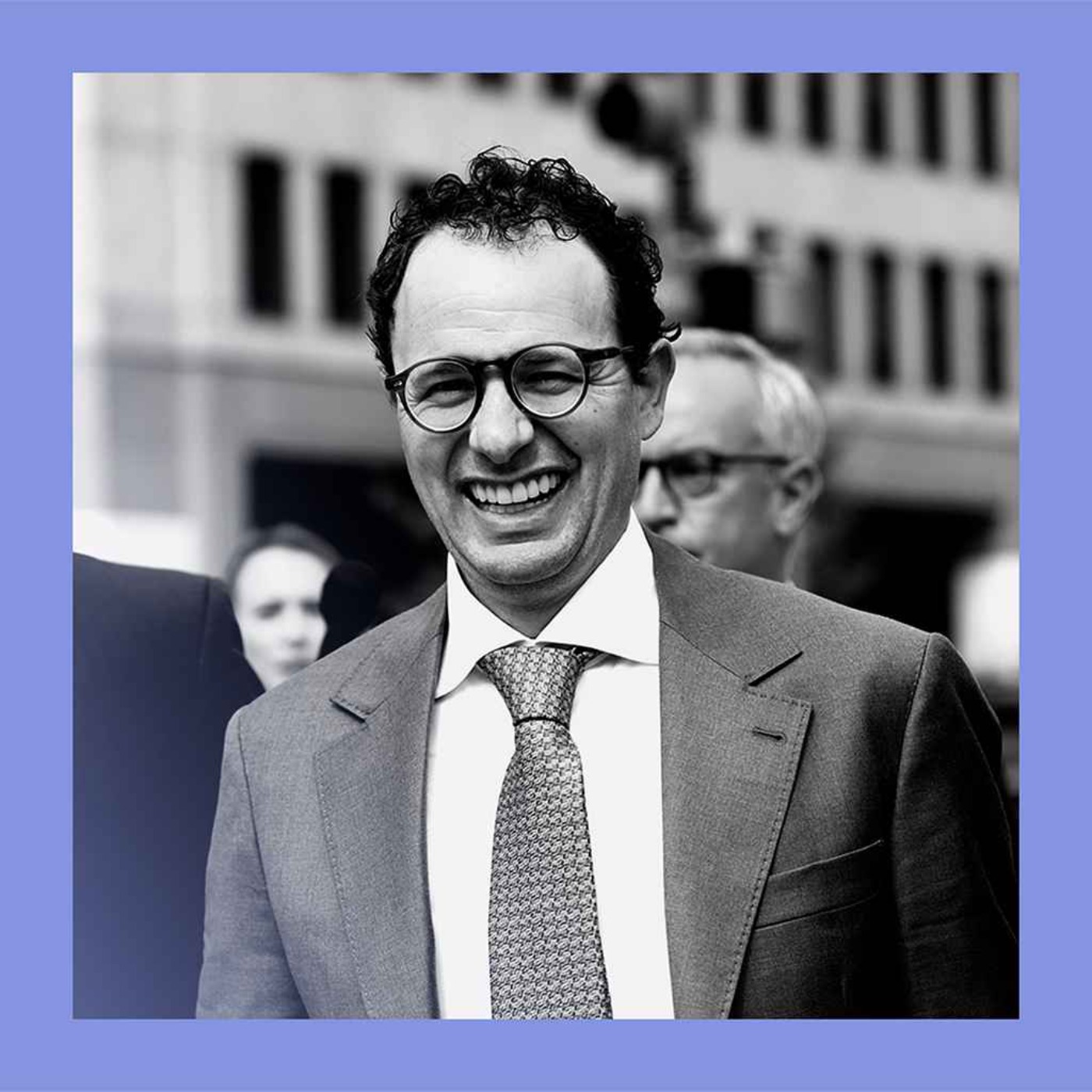
2:41Anshel Pfeffer: It's 9am here in Jerusalem, so we're 11 hours after the polls closed. About half of the votes have been counted. And it looks like Benjamin Netanyahu and his coalition will not have a majority in the Knesset in Israel's parliament. Anshul Pfeffer is our Israel correspondent. However, even though the opposition, on paper at least, will have a majority, they are split between a block of Jewish parties and of Arab parties, and they simply can't cooperate with each other in forming a government. Anshul, talk us through the results that have already come in. So when the polls closed at 10pm, the first exit polls were actually quite encouraging for the opposition.
3:24Anshel Pfeffer: They showed the opposition with a total of 70 seats and Netanyahu's coalition with only 50 seats. And that created an atmosphere, at least for a short while, that Netanyahu had lost big time. However, the exit polls were adjusted and more actual votes were counted. Both Netanyahu's position improved and we're now seeing him around his coalition, at least around 55 seats. But also the narrative changed. Likud, Netanyahu's party, emerges the biggest party. Now, that doesn't have to mean anything in a coalition system, because it doesn't matter how big your party is, it matters how big your coalition is.
4:01Anshel Pfeffer: But that change in the narrative allowed Netanyahu and his outriders to totally dismiss the idea of an alternative coalition, which will rely on Arab parties. Anshul, why did people expect Mr Netanyahu to lose? Well, the simple reason is the polling was much worse for Netanyahu than the actual results seem to have been. I mean, he's been punished by the voters, but nowhere near to the extent that most of the polls were predicting. The other reason is that in the aftermath of October 7, the biggest tragedy to befall Israel, the massive strategic and intelligence failure, everyone else, all the intelligence and security chiefs have already resigned.
4:40Anshel Pfeffer: And Netanyahu, the last man standing, the man who was at the top of the pyramid for so many years, was expected to finally be held accountable. While that seems to have happened to a degree, it hasn't happened anywhere near what the polls were predicting. It seems that his constant propaganda, accusing his political opponents of being in cahoots with the Arab parties, of planning to form a coalition with them, tapped into the fear and hatred of many Israelis of the Arab minority, a fear that has intensified since the October 7 attack.
5:16Anshel Pfeffer: Stoking Jewish-Israeli's fears of the Arab minority has been a constant throughout Netanyahu's campaign. And on election day, he released video after video on social media, blaming the Arab parties and the left-wing for trying to steal the election. So what does this mean for Israel after this election? The Israeli parliament is now divided in a way where neither side can form a coalition because there's a majority of parties and Knesset members who are against Netanyahu forming another coalition. So Netanyahu will be prevented from forming a new government. On the other hand, there's a majority against forming a government with Arab parties.
5:57Anshel Pfeffer: So that means that Gadi Aysenkov or any other opposition leader can't form a government either. Now, Netanyahu is caretaker prime minister. He remains prime minister until a new government is formed. So for there to be a new government, one of those taboos has to be broken. either the taboo against having another government with Netanyahu or the taboo in having a government with other parties. So if no one can form a government, Anshul, what happens next? Well, we're still waiting for the final results. I don't think with half of the vote counted from the projections, I'm seeing that the overall picture will change very much.
6:30Anshel Pfeffer: But if it does, then that can change the calculations. But assuming that we're more or less where we are now on Wednesday morning, that the actual results are similar to what we've seen so far, There's a series of consultations next week. The various party representatives will meet with President Isaac Herzog. They'll be expected to endorse a candidate for prime minister. Once Herzog has spoken with all the parties, then he'll have to think who he thinks has the best chance of forming a government. But even when he does confer that mandate on one of the candidates, it's hard to see how either candidate, assuming it's either Netanyahu or Eisenhower, succeed until some of the parties break their election promises and either agree to sit with Arab parties or either agree to sit under Netanyahu.
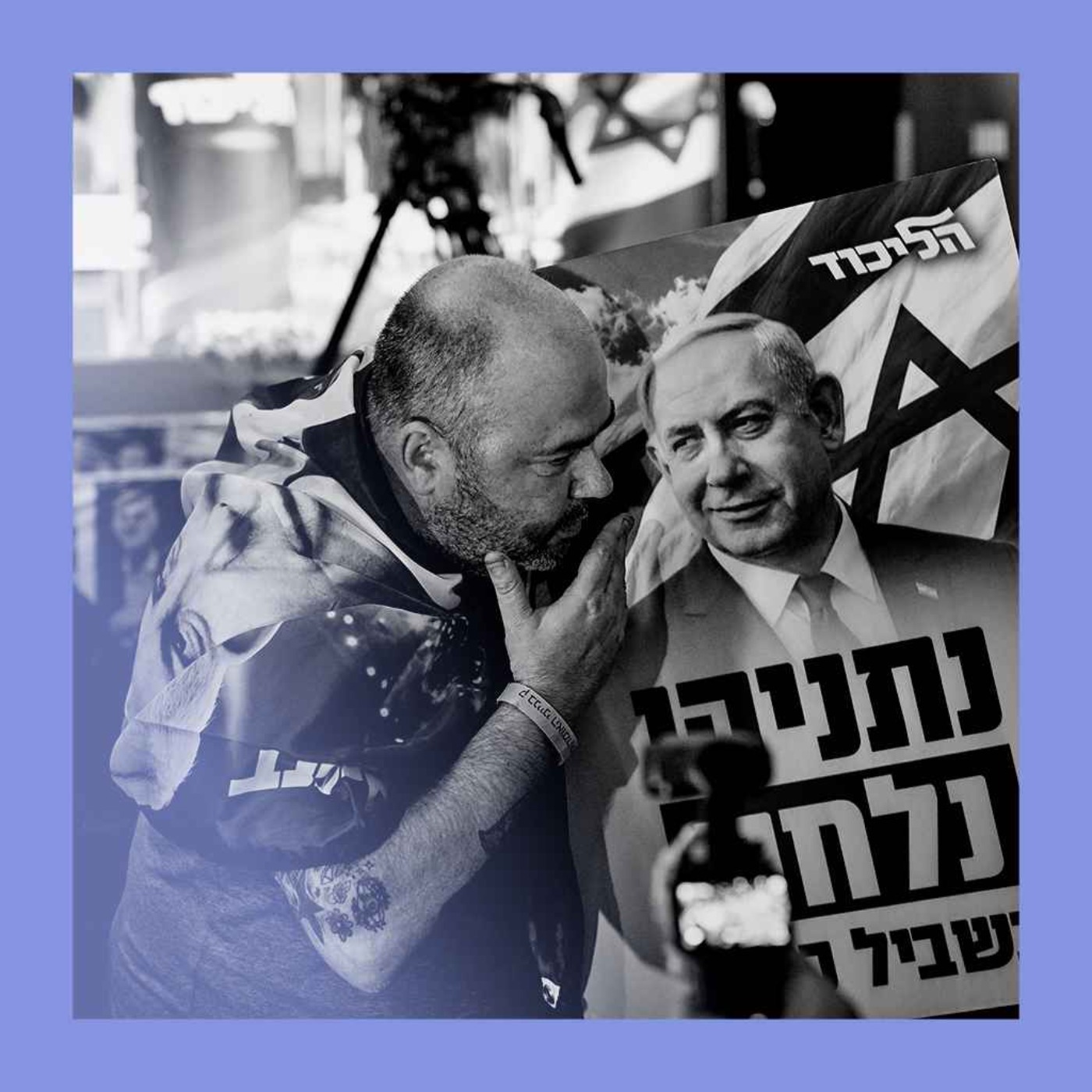
7:17Anshel Pfeffer: Unless that happens, if the parties stick to their commitments and don't break those election promises, then we can expect another election to be held in early 2027. So it doesn't look like Bibi's going anywhere just yet. No, Netanyahu made not quite a victory speech because I think he realized that he doesn't have a majority, but it was in no way a speech admitting defeat.
7:48Anshel Pfeffer: He was very clear that he is the only person who can still form a government and that any government that his rivals would form with the Arab parties would be morally repugnant and totally against Israel's Jewish and Zionist character. So what we're seeing here is basically Ntaniyao is now embarking on a very vicious delegitimization campaign against any possibility of forming a government with the Arab parties. And in effect, this is basically the launch of a new election campaign. The next election campaign may have begun on the night after the previous election. Anshul, thank you so much for joining us.
8:24Anshel Pfeffer: Thanks for having me, Ori.
8:34Here's a feeling you might know. You come out of back-to-back meetings, open your inbox, and there are a hundred new messages. Somewhere in there is the thing that actually matters, and you're not totally sure what it is. That low-grade worry that something's slipping through? I've tried AI for this. It helped, but it lived in another tab. Too much time spent copying, pasting, and trying to write the perfect prompt, and too little time doing the work I actually needed to get done. Then I found Superhuman Go from the makers of Grammarly. It works where you already work. Reading a dense thread? Highlight it.
9:08Ask Go for the key points and you're already up to speed. Not sure what you owe after those meetings? Ask what was decided and get clear action items. Before you hit send, Go flags a number or name that doesn't add up. It's right there when you need it, on the side of your browser, without switching apps or losing your place. And you're always the one in control. Try Superhuman Go from the makers of Grammarly. Find out more at superhuman.com.
9:57role within three months of graduating and the returns continue beyond today. Search Discover London Business School MBA to find out more.
10:10Rebecca Jackson: So this is Al Gore, Bill Clinton and my grandpa, Jimmy Carter and my grandpa. This is a little note that Bill Clinton wrote, Jimmy Carter. Wow, dear Manuel, I'm pleased to join your family and friends and wishing you a happy 70th birthday. Cool. Over the years, a lot of famous politicians have visited Emanuel's Tavern, a neighborhood bar at the end of my street in Atlanta, Georgia. Rebecca Jackson is our Southern correspondent. Around here, it's known as the Democrat Bar, a place for people to meet to talk politics. You mentioned John Ossoff. Tell me about the first time he came in here. In his first run for office, it was this sweet little fundraising event.
10:51Rebecca Jackson: And the general manager, Megan Maloof, and her family, who have run the bar for decades, may have the clearest vantage point for observing the rise of John Ossoff, the senator running for re-election in Georgia. It was tiny, and it was behind a curtain. We have this, like, room that holds about 20 or 30 people. And he filled it up, and he was talking very passionately about what he thinks that Georgia needs. And like Megan has since watched Ossoff become the first millennial to serve in the Senate and transform into a leading Democrat who many hope will run for president in 2028. It's very cool to see him stand up to the big bully.
11:32Rebecca Jackson: I would challenge him like on the stage and see all these Republican politicians just not be there in the way that Georgia needs them. And then to see Ossoff actually challenging that, it's such like a little gossipy thing where it's like, ooh, like, I wonder what's going to happen.
11:56Rebecca Jackson: The convention center was packed at an Ossoff rally I attended last week. In a swing state Trump carried by two points in 2024, Ossoff currently leads in every major poll. and has raised more money than any other candidate across the country this cycle. The Americans are a race for a people, united not by ethnicity but by shared convictions, and that is what makes us exceptional and a beacon to the world. This is what small men like Donald Trump and Mike Collins will never understand. Republicans' weakness in the state makes it easier for him to shine. His opponent, Mike Collins, has been dogged by continued revelations of his ties to white supremacists.
12:39He personally himself has promoted neo-Nazi propaganda.
12:44Rebecca Jackson: But as Democrats consider how to succeed beyond the midterms, Ossoff offers one answer. And national Democrats are paying attention. Last week, Pete Buttigieg came to town. Tonight, Barack Obama will rally in Atlanta with him.
13:06Rebecca Jackson: The Democratic Party is wrestling with its identity. Will it revert to the moderate camp or follow the populist left? Ossoff straddles the two worlds. When it comes to governing, he is deeply uncontroversial. But when it comes to his rhetoric, he's a firebrand. For one thing, he's just good at his job, particularly constituent services. We were brought to the Capitol and met Senator Ossoff. And from day one, he has been the most genuine. Shanette Williams is the mother of Amber Thurman, a woman who died in the hospital after she fled Georgia to get an abortion in North Carolina, a state with looser abortion laws.
13:50Rebecca Jackson: Shanette was at a campaign event that I attended last week. And everything he said to me in that meeting, whatever we need, don't hesitate to call him. And he will do everything in his power to make sure my grandson knows that he has somebody in his corner. I told him, yes, Amber's son, every birthday he calls to tell him happy birthday. He calls himself every time it's his birthday. Yes. John Ossoff. Yeah. Even Republicans admire how much Ossoff shows up. In August, two Republican mayors from rural South Georgia endorsed him. One of them, Julie Smith of Tifton, told local press that there are times when a person exceeds the party.
14:33Rebecca Jackson: Ossoff's Senate record is uncontentious. His focus has been on things like reforming foster care and making military housing safer. His only controversial vote was against blocking federal funding for schools that let transgender women compete in women's sports. Thank you, Senator. What can National Democrats learn from your campaign? Well, look, my team and I are working every day to earn every vote and taking nothing for granted. We are relentlessly focused on the unmet needs of my constituents here in Georgia. As a campaigner, Ossoff is sharp. He writes his own speeches and his team is adept at splicing them into clips that go viral on Instagram.
15:18While he fruitlessly drains our munitions and oil reserves, the president sleeps through his meetings. He golfs and trades stocks. See, he doesn't want to do the job. He wants to build his ballroom and travel with Natalie on their apparently defenseless flying palace gifted by the emir of Qatar.
15:43Rebecca Jackson: And his speeches pack a one-two punch. First, he calls out the corruption of the people in power. You see this scenario and you look at the state of our politics and it shakes your faith in the future. I get it. Then, invoking his mentor, the civil rights line John Lewis, he outlines a vision for a better America. Because Georgia, our power's right there just waiting for us to pick it up. Freedom's guaranteed at our founding. But picking up power isn't just about mobilizing the base. Running in Georgia, a state that is still more red than blue, Osip will need the support of Republicans to win, even in a cycle that favors Democrats.
16:23Rebecca Jackson: What do you think it's going to be like here on election night? Oh, we're fully prepared. We're fully staffed up. Back at the bar, Megan is getting everything in order for November 3rd. We already have our game plan and ready. Where all of our servers are going to be, we have all hands on deck. It's going to be crazy. Given that, you know, you saw Ossoff when he was holding a small 20-person fundraiser, what would it feel like if he beats Mike Collins by big margins? What do you think the energy here will be like? Oh, it would be off the walls. It would be so nuts in here. If Ossoff overperforms compared to Democrats in other swing states, more eyes will turn to Georgia.
17:03Rebecca Jackson: The senator, who has already said he has no interest in running for president, may face new pressure from a party hungry for someone who knows how to win. You should also just sort of come by. Yeah, do you think there's a chance they'll come by? I don't know, but I would like it to happen. That would be very cool. These midterm elections will be shaped by issues big and small. All week, we're offering you a peek into the races that will determine control over both chambers of Congress. Tomorrow, we'll look at Kansas. The End
18:07Except sometimes their reviews can look quite different from the comments section. So critics and audiences have never agreed on everything. Doug Dowson is a data journalist at The Economist. Looking back at some of the biggest films in history, you can even see that they sometimes don't agree. Star Wars was dismissed by some reviewers as childish. The Shining, one of the most famous horror films of all time, got mixed reviews. But today there's this idea that professional critics and moviegoers are increasingly disconnected, that critics are out of touch. So I decided to kind of look at the data and see whether this was the case.
18:54And how did you try and figure that out? So we collected reviews on more than 10 ,000 films over two decades. And then we matched those up with box office data. And matching these up together, we could see how closely critics and audiences were aligned and whether this mattered for success at the box office. And what did you find? What did the data reveal? So we found that the biggest difference actually between critics and audiences isn't how they rate films, but actually what films they decide to rate in the first place. So critics, for example, tend to favor documentaries, foreign films, low-budget movies.
19:36Not exactly surprising there. Audiences prefer action films, sci-fi, much more than critics do. And when it comes to how they rate these films, it was surprising. Reviewers and moviegoers actually have historically agreed. Between 2005 and 2016, we found that the correlation between critics and audiences, So the correlation coefficient, meaning like how closely they matched up with zero being sort of they didn't agree at all, and one being that they matched up perfectly. So that correlation was about 0.6. So to give you an idea of how high that is, the correlation between parents and children's height is about the same, 0.6.
20:18So it's pretty high, but not perfect. And then around a decade ago, we found that this correlation started to drop. What happened in the last 10 years that might explain that?
20:55this may be because critics during this period were suffering from franchise fatigue. So it's just too many big superhero Marvel movies. But then around 2022, post-pandemic, this relationship started to go back up. We found that critics and audiences started to agree more. And actually today, they're more aligned than at any point in our data set. So that goes back 20 years. And we think that this may be because the pandemic was a big shock to the industry. It nearly killed off the industry as far as seen films in cinemas. And with box office revenue still down compared to before COVID, critics might realize that if they're too snobby, then they may be out of a job.
21:42So that was our speculative best guess at why the agreement between critics and audiences has tended to go up in recent years. Doug, give me an example of when critics and audiences have agreed recently. Sure. I mean, this latest A24 documentary, You Can See Everything, by Nathan Fielder and Lance Oppenheim, about Elizabeth Holmes. You really feel you did nothing wrong? I did not. So where did things get lost? Like, how are you where you are right now? I wish I knew, you know. Rotten Tomatoes is given at 98%. Fans are lining up around the block to see it, sitting through three hours, apparently just not moving or leaving the theater for a minute.
22:28This is a really good example of a film that has just really resonated with both groups. How much of this disagreement impacts impacts what people actually then choose to watch at the cinema? Well, you know, I spoke to a few industry experts. Several of them claim that critics are kind of irrelevant. Success at the box office depends a lot more on word of mouth or social media buzz. But our data actually showed that critics matter quite a bit. We found that higher critical scores are associated with significantly higher box office sales. moviegoers have spent around$25 billion at the box office this year, that's globally, up by about 13 % compared to last year.
23:10So regardless of what critics are saying, people are still keen to go to the movies.
23:17Doug, thank you so much for coming on the show. Thanks so much, Ori.
23:34That's all for this episode of The Intelligence. We'll see you back here tomorrow.
23:56With no fees or minimums on checking accounts, It's no wonder the Capital One bank guy is so passionate about banking with Capital One. If he were here, he wouldn't just tell you about no fees or minimums. He'd also talk about how most Capital One cafes are open seven days a week to assist with your banking needs. Yep, even on weekends, it's pretty much all he talks about. In a good way. What's in your wallet? Terms apply. See CapitalOne.com slash bank. Capital One N.A. Member FDIC.
Binyamin Netanyahu has underperformed but so has his main opponent, Gadi Eisenkot. Who will form a government? We decipher what the messy results mean for Israel. Our American-midterms series heads south to Georgia. And how film critics and audiences have agreed to disagree.
Guests and host:
Topics covered:
Listen to what matters most, from global politics and business to science and technology—subscribe to The Economist.
Hosted on Acast. See acast.com/privacy for more information.