 Economist Podcasts
16 Nov 2026 · 24m

 Add vo to ChatGPT or Claude to ask about everything you hear
vo listened to this episode to put together the overview and transcript, so there may be the odd mistake.
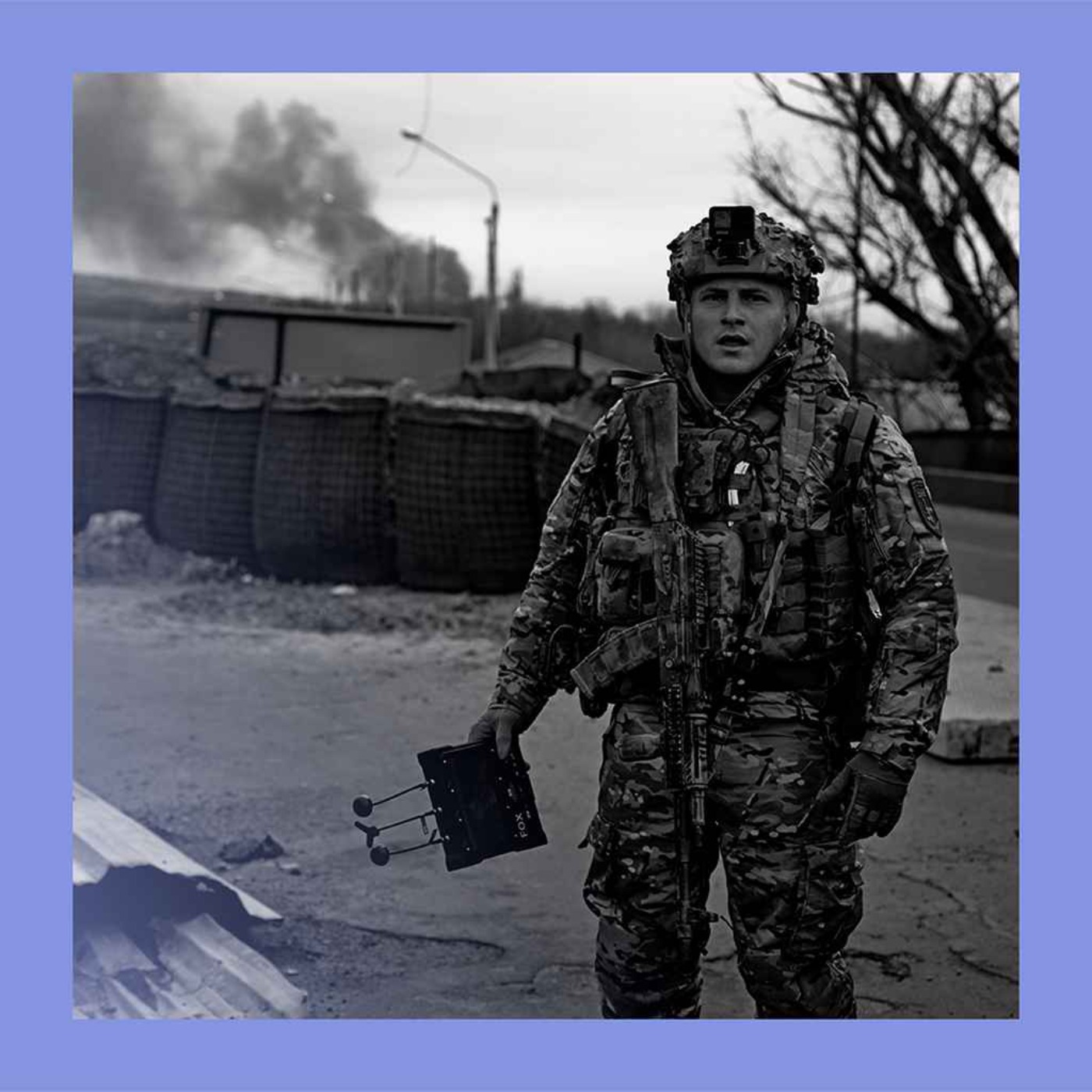
Talks over ending the Ukraine war, focusing on a reported US/NATO offer: Ukraine could join NATO if it cedes eastern Donbass territory; broader security-guarantee discussions (Article 4/5-like) and European inclusion in future talks; plus a separate segment on US politics (divided government after midterms) and AI/critical thinking classroom lessons.
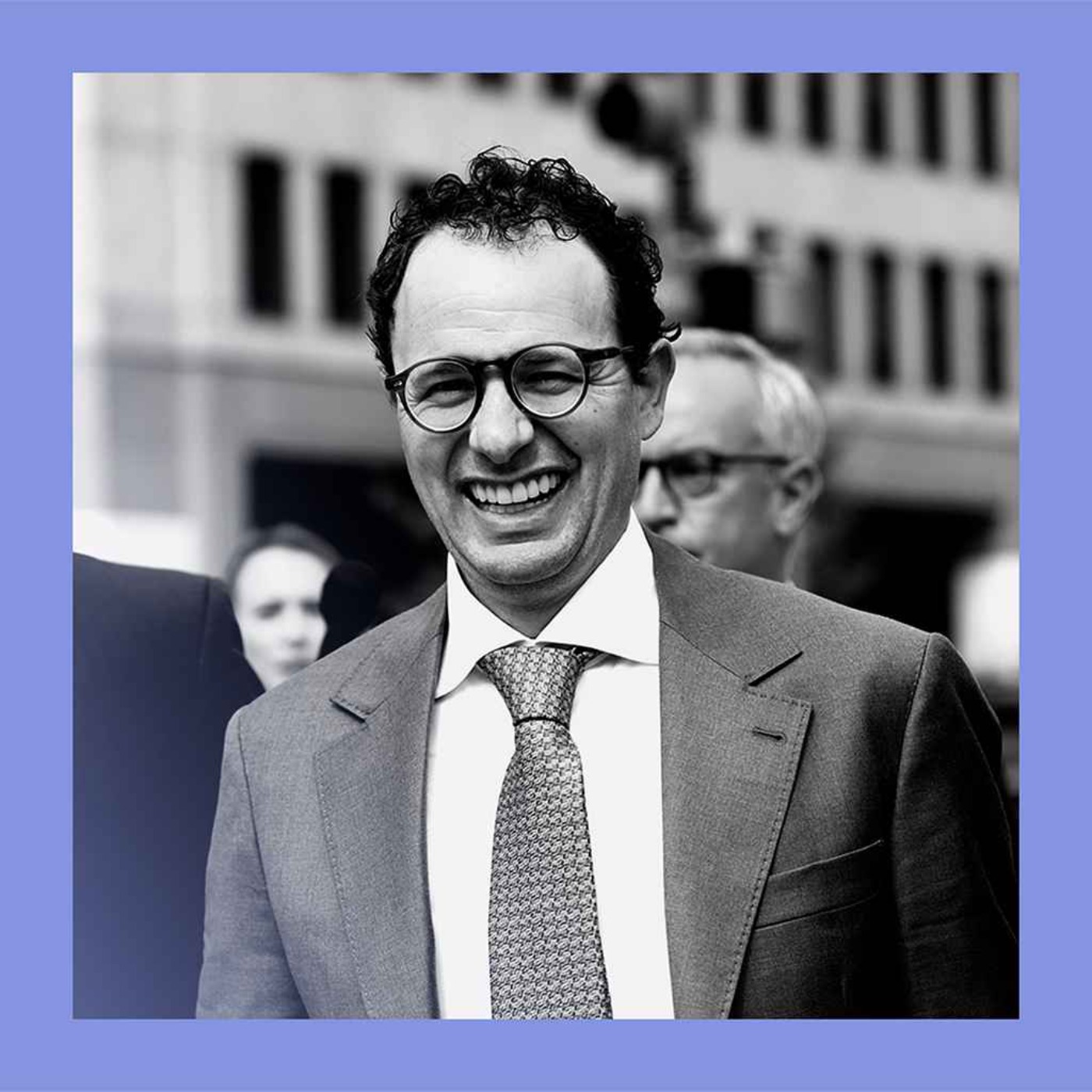
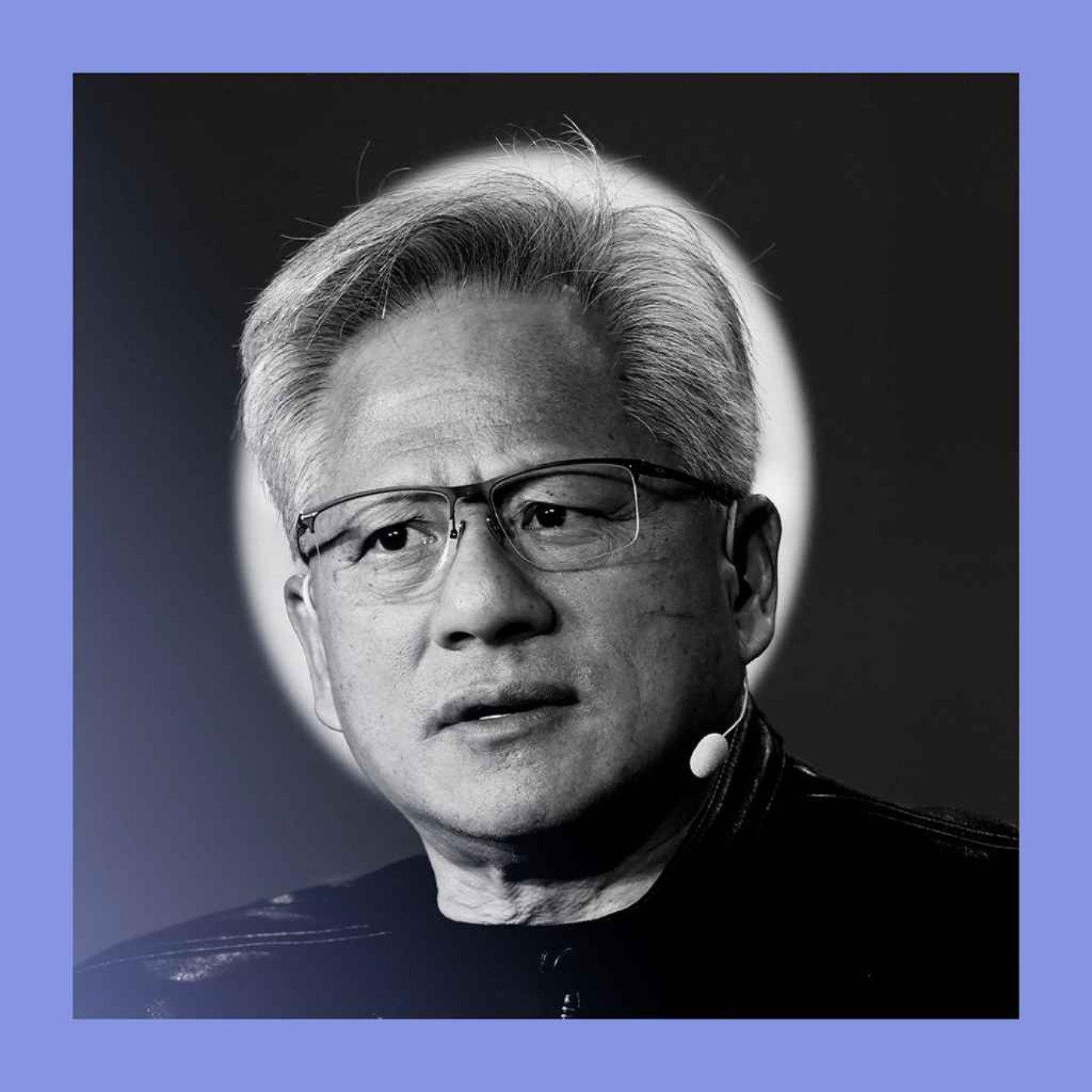
Oliver Carroll (Economist Ukraine correspondent). Alex Domash (Economist economics correspondent). Robert Guest (Economist deputy editor; Chairman of the Economist Educational Foundation). Lorna Clifford (Year six teacher at Parcher Primary School). Also mentioned: President Volodymyr Zelensky; Donald Trump; Vladimir Putin; Steve Wyckoff; Jared Kushner; Hakeem Jeffries.
US wants a deal by December; NATO membership offer is “improbable” and Putin hasn’t agreed; security guarantees are “watered down” and could weaken NATO deterrence; Russia’s war strategy targets making Ukraine unlivable in winter.
Donbass “fortress belt” cities; prisoner swap; energy ceasefire (Russia stops hitting energy infrastructure); Russia missile production figures; drone attacks in Kyiv; trilateral Trump–Xi–Putin meeting without Ukraine on the agenda.
0:00Grainger knows if you're a procurement manager at an industrial manufacturing facility, you're balancing inventory and budget while sourcing critical supplies across the operation. Too much inventory? Costs climb. Too little? Production slows. Grainger's$2 billion in on-hand inventory helps you get what you need when you need it. So you can help keep budgets balanced and lines moving. Call 1-800-GRAINGER, click grainger.com or just stop by. Grainger, for the ones who get it done.
0:32This Economist podcast is sponsored by Apollo.io. In a fast-moving business environment, finding the right people to connect with takes time. For sales teams, prospecting, outreach, and follow-up can mean juggling multiple tools and workflows. Apollo.io brings these activities together in one platform, helping sales teams find the right buyers and spend less time on scattered, manual tasks and more time building relationships. Apollo.io. Sign up for free at Apollo.io.
1:34First up, though.
1:43A surprising proposition emerged over the weekend after talks about Ukraine's war. President Volodymyr Zelensky said that American negotiators floated the idea of NATO membership for Ukraine if the country ceded its eastern territory in Donbass. There's a lot about the very suggestion that should raise eyebrows there, but it speaks to a wider truth about the position of American negotiators and their boss. Donald Trump and his men are in a hurry to get peace done. Vladimir Putin, unfortunately, not in the same place. Oliver Carroll is our Ukraine correspondent. The Americans have told the Ukrainians that they want to get this war done and dusted by December and they're dangling new security guarantees in front of Ukraine and promises in front of Russia.
2:32But it's not bringing us closer to a coherent deal. And in trying to get the process moving, the US has agreed to Russian demands that basically open up a Pandora's box of European security. That's made Ukraine very guarded and the Europeans terrified.
2:52Let's talk first about what emerged over the weekend, this offer perhaps to join NATO. What do you make of it? What did the Ukrainians make of it? This is the most interesting new developments of these talks. The Americans basically said, what if Ukraine joined NATO? Would Ukraine withdraw from this fortress belt in the east in the Donbass? Now, Russia's been pressing for this for quite a while. Two reasons. Political, they've basically told their people these are Russian territories. and military. These are really fortified cities in the eastern front and they haven't been able to get past them.
3:22Don't look like they're going to get past them anytime soon. Now, it's important not to get too excited by this because the news came in a briefing that I was at by President Zelensky and he said, yes, they dangled this in front of the Ukrainians, but there was really important context. I mean, basically, he doesn't believe they can deliver it. Now, I can tell you more. I mean, my sources indicate very clearly that Putin hasn't agreed to any of this. It would be madness if he did, because everything he has done from the start of this war has been about limiting Ukraine's ability to exist as an independent, secure state and giving them NATO membership.
4:03That would seem to fly in the face of all of that. And this offer at the weekend was a kind of improbable capstone to some negotiations that were going on last week. What's the bigger picture here? What was discussed or indeed agreed? Yeah, I mean, a lot of iterations on security guarantees, the idea of this Article 4 or Article 5-like guarantees. In truth, as Zelensky himself said, no one really understands what they mean. Article 4 would mean some obligation to consult. Article 5, some obligation for collective defense. There was talk about them coming from NATO from America and from Germany, France and Britain, as I understand.
4:43Again, you know, there is no indication that Mr. Putin would agree to anything other than something, a very watered down promise. But the value of a sort of watered down promise from Mr. Trump's America, not underpinned by law, for some consultations in the event he invades again, I mean, it doesn't really bear too much scrutiny that. And this is the crux. What they're after, and basically the reason why we've got to this conversation, is the Americans have decided to open up the whole aspects of the negotiations. Essentially, this is how they got them started again, but basically to agree to a Russian call, understanding a demand that it comes together with a discussion of new security architecture for Europe.
5:23And in a way, ultimately, that weakens the NATO deterrence. This was a demand that Putin made in 2021 before starting the war. And there is no indication he's moved from this. And it's difficult to see how it furthers peace. Zelensky thinks it's outright dangerous, but I do know that the Americans have kind of accepted it and they believe that it needs to be dealt with before there's a chance of peace in Ukraine. Now, Europe disagrees with that, but that's the position. So from what you were saying, it sounds as if the talks only produced some more improbable ideas and not anything concrete. In terms of concrete things that happened, it's almost a sort of ritual to say that the talks ended in agreement for a large prisoner swap, and that's exactly what happened here.
6:05In truth, it's a fig leaf to cover up the lack of progress elsewhere, and it could have been decided without going to Abu Dhabi, frankly. I know that the Ukrainians had been pressing for an energy ceasefire, so Russia agreed to stop hitting their energy objects and infrastructure in exchange for Ukraine doing the same, but that wasn't for discussion. So one big change is that Putin has apparently agreed for the Europeans to be at the table next time. That's a welcome change. They were in the next door room before. But it's the scope of these new talks that is troubling. And Russia's wish list is long enough to spin them out indefinitely.
6:43What do you make of that inclusion of the Europeans or the idea that other negotiators could get in on what we've kind of always treated as the only game in town in the form of Trump's men? Yeah, I have been speaking to people around the White House and further away from the immediate negotiation group. There wasn't a sense that these talks are going anywhere, anytime soon. And yes, of course, Trump's midterm defeat has created a new kind of urgency and desperation, perhaps, into the talks. But there was a sense that in order to get some kind of change, it would need a reformatting of the talks.
7:21Perhaps with the input of the Europeans, and you can't really come to a deal without the Europeans speaking directly to Putin at some stage. But also, my sources were saying that maybe eventually the time will come for inclusion of the Chinese. Only perhaps with them, another important player, without their industry, without their support of Russia, it's hard to see how this war would continue. I mean, even in terms of producing components for Ukraine as well, they are the manufacturing powerhouse behind this war. Now, this week there's going to be this first significant trilateral meeting between Trump, Xi and Putin.
7:57But interestingly, Ukraine isn't on the direct agenda. And that non-inclusion is a sort of agenda item in its own right. Because the Kremlin has long tried to compartmentalize the Ukrainian war, to allow it to engage with the world and return from isolation at minimal cost without having to end the war. And that's basically what they've done. And you mentioned a new urgency for the American side here after the midterms. What do you mean by that? It's certainly been communicated to the Ukrainians that December is a deadline. And you can certainly say that for the two main negotiators, Steve Wyckoff and Jared Kushner, who are accused of conflicts of interest, doing deals with the Russians in a way that isn't wholly pursuant to peace, that the arrival of democratic majorities in Congress in January basically is a last chance.
8:50And for Russia too, it's the last chance to deal with the Trump administration in this current iteration before the new Congress. But as I say, I think the fundamentals of Russia's war effort mean that this would never really be the window. It's far too early. And as this drags on and things look barely more tractable than they've had during this entire war, what do you see ahead for Ukraine? I know you've had a rough night with some drones yourself there in Kiev. What do you see for Ukraine in winter? The adage that tomorrow will be worse for Ukraine is going to be the case for some while. Cities are basically right now naked from the Russian ballistic threat.
9:34Russia has a huge stockpile of these missiles. 700, produces 110 a month, and is going through this campaign of making Ukrainian cities, city by city, concentrating on one city at a time, but chiefly Kiev, trying to make them impossible to live in. And they're getting closer and closer. They're destroying bridges. They're destroying sewer systems, water systems, power grids. So yes, it would be quite odd for Putin to stop now. And no one is expecting him to. Oliver, thanks very much for your time. It's great to be with you, Jason.
10:27Airwallex moves money at agentic speed. Take an e-commerce startup that just went viral, orders land in pounds and yen, and Airwallex pays the Toronto factory in Canadian dollars at bank-beating FX rates and flags anything over the startup's spending limit. That's an Airwallex agentic global business account in action. More than 675 ,000 businesses already trust Airwallex, directly or through their platform customers. Head to airwallex.com slash go global to get started. That's airwallex with an X dot com slash go global. Airwallex US LLC is a licensed money transmitter in most states and not a bank.
11:06Terms and conditions apply. Grainger knows if you're a procurement manager at an industrial manufacturing facility, you're balancing inventory and budget while sourcing critical supplies across the operation. Too much inventory? Costs climb. Too little? Production slows. Grainger's$2 billion in on-hand inventory helps you get what you need when you need it. so you can help keep budgets balanced and lines moving. Call 1-800-GRAINGER, click grainger.com, or just stop by. Grainger, for the ones who get it done.
11:47The results of America's midterm elections are still not final. One thing, though, remains certain. Washington is preparing for a divided government. The presumptive next Speaker of the House, Hakeem Jeffries, has said he hasn't spoken with President Trump since the election. We recognize that we don't work for Donald Trump, we don't work for J.D. Vance, we don't work for the Supreme Court, we work for the American people. And the days of the House of Representatives functioning like a wholly owned subsidiary of the Trump administration are over. House Democrats are going to lead a Congress that does serve as a check and balance on an out-of-control executive branch.
12:33To get things done with that out-of-control executive branch, Jeffries will have to talk to the president at some point, and maybe even work with him. For the first two years of this term, Republicans in Congress gave President Trump what he wanted. And when he could, he ruled by executive action, end running the legislature altogether. together. He'll have more trouble pursuing his tariffs and tax breaks with Democrats in power. But if you squint enough, you could just see an opportunity for compromise on some of his economic agenda. So much of what Trump did during his first term, he did via executive action without actually needing Congress.
13:15If you think about the tariffs that he imposed, the deportations, a lot of the non-regulation around artificial intelligence, these were all decisions that were coming directly from the president. Alex Domash is an economics correspondent at The Economist. So he'll continue to have that executive authority during the last two years of his term. The question will be whether a Democrat-controlled Congress can do anything to rein in that executive authority, which it seems unlikely.
13:46Republicans will remain in the majority through the end of the year. What might they try to accomplish in this lame duck period? So two issues that have near-term deadlines. The first is that the government is set to run out of money by December 11th. And the second is that Congress needs to raise the debt ceiling, which is something that they might do over the next few months. These are issues that both parties historically have used to try to extract concessions from one another. And so there is potential that it leads to compromise. But more generally, with such a short time period between now and when Democrats take control over the Congress, there is little expectation that much is going to be done during the lame duck session.
14:32Now, Alex, voters clearly rejected Donald Trump's tariffs at the ballot box, but he imposed them without Congress's approval. Can it rein them in or might Congress actually work with the president here? Exit polls after the midterms showed that two thirds of voters said that the tariffs hurt the economy. So these tariffs are incredibly unpopular. It's been quite dramatic sort of how the public has shifted on tariffs and how quickly the public has been able to connect the price rises that they are seeing in grocery stores, in retail stores with the tariffs that the president has been imposing. And the Supreme Court has struck down Donald Trump's Liberation Day tariffs.
15:14But the president has been quite malleable with finding new executive authorities to use to impose new tariffs. So you can expect much the same process to continue over the next two years. This is going to be a priority for Democrats, especially as they are concerned with their affordability agenda. is going to be how to prepare new legislations that curtail the authority for the president to impose new tariffs on his whims. Whether they'll be successful or not is hard to say. Even if the courts do strike down certain tariffs, there are plenty of different authorities that the president can use to impose new tariffs.
15:54So there is an expectation that we'll continue to see this. Striking one tariff down and having new tariffs imposed will continue to happen. The question is how much the president will react to the public discontent over these tariffs. And there is a little bit of expectation that he will be sensitive to that. Some of the more non-strategic tariffs on things such as coffee from Brazil, the president has already started to create carve-outs for. So I think you can expect to see more of those over the next two years. And it wasn't just tariffs. Another big issue for voters was the proliferation of AI and the data centers that power it.
16:31Donald Trump's approach has been quite hands-off. How might the Democrats handle things any differently? So this is an area where Democratic governors have real power. They were elected in states such as Texas, in Ohio, places that haven't elected Democratic governors in decades. And they campaigned against the spread of data centers, and in Texas in particular. But here, too, there's a little bit of a public misperception. A lot of the discussions at the local level are not for permanent bans on data centers. There is more a desire for data centers to have certain regulations and to have certain standards.
17:11The most obvious one is that there's an expectation that data centers aren't going to require so much energy use. It is going to drive up the electricity prices for the citizens that live near the data centers. So you can expect that there's going to be some discussion around this. What about Congress? How might they get involved with AI regulation? So currently, there's a bipartisan bill in Congress reforming the permitting process, which, among other things, makes it easier to build energy infrastructure, but also contains clauses that will put standards on data centers to make sure that they are accountable and will have to pay the cost for new energy infrastructure involved with powering the data centers and also to cover the cost of any electricity price increases that citizens living near the data centers will have to pay.
18:00And so this has been a bill that has bipartisan support. It actually has the support of the president. It seems unlikely that it's going to actually pass during the lame duck period. And part of the reason is that Democrats actually might hold out to try to extract more concessions from Republicans. Whether they will be able to do that once they take over Congress is up in the air. But it does seem an area that Democrats and Republicans do want to work together. And how likely is it that both parties work together in any of this? Are Democrats really going to give Donald Trump any kind of win in his final years?
18:34So this is certainly going to be something that is going to be among the biggest debates within the Democratic Party regarding how much they want to work with the president versus how much they want to go against him. They will need to show voters that they've accomplished something. And of course, many of them campaigned on this affordability agenda with promises to lower prices. And this will mean that they will need to work with the president to some extent. It is unclear whether President Donald Trump will want to work with the Democrats. Immediately after the midterms, he posted on Truth Social a red MAGA cap that had the words veto on it instead of MAGA, signaling sort of how he was going to approach the last two years of his term.
19:16But then over the next couple of days, he did strike a more conciliatory approach and said that he would be willing to work with the Democrats on certain issues. And there is reason to be somewhat optimistic that there's some common ground regarding spending policies. The Republicans do want more military spending. The Democrats want to find ways to put more money in the hands of the American people. And so there certainly are areas where you can imagine that both the Republicans and the Democrats will be able to strike a deal. But at the same time, President Trump did double down on the agenda that voters really rejected by elevating the arch conservative adviser, Stephen Miller, to chief of staff.
20:00So if that is a sign of where things are headed in terms of immigration and deportation policy, it is hard to trust Donald Trump at his word. Alex, thank you so much for coming on the show. Thank you for having me.
20:30A little while ago, I found myself crossing the playground of a primary school in South London. Dangerous stuff. I managed to move between two little football games, but then nearly got smacked with a skipping rope. We were there to take a peek at how the school was using topical talk, lessons provided for free to schools by the Economist Educational Foundation, an independent charity. So, yes, I said that we were really fortunate, so we are really fortunate, to have some guests joining us this afternoon, and they want to hear some really good conversations in our classroom on the topic of AI and critical thinking.
21:14But first, I thought... Maybe I shouldn't have been surprised, but when asked if they'd used AI, every single one of these 30 kids, aged 10 or so, raised their hand. The topical talk lesson was all about AI in the world, like who stands to benefit most from it. And there was talk of what kinds of questions were suited to AI answers. So what would you put into AI so that you get the right output? Yeah, give me a direct test and a word or two for an age range for 10 to 11. Lovely. Mostly the lesson was about when to use AI's answers, when to check them, amend them or reject them outright. This is kind of core to the topical talk mission, developing classroom resources in collaboration with The Economist's journalists to teach kids not what to think, but how to think.
22:08about the news and stuff like AI that's perpetually in the news. For me, typical talk is another way for you to give your opinion. I like how every time when we do typical talk, it's like a different subject because we're learning about news. I feel like it gives a strong sense of communication, help you interact with others and to say what you actually believe in because you're just allowed to put your hand up. You also need knowledge for critical thinking skills because you need to know what questions to ask and how to debate about it. Why are you so convinced that your critical thinking skills are better?
22:46Before, my debating skills weren't very good. I didn't know how to agree with terms or disagree or state why. It was incorrect, but typical talk has given me an environment where I can talk freely and say my ideas. Hi, my name is Lorna Clifford and I teach year six at Parcher Primary School. I just wanted to get your thoughts on how this fits into your lesson planning, how it fits into your teaching, how it fits into the way you think about kids are learning in this school. We feel it's really important for children to have that opportunity for developing skills in their critical thinking, their problem solving, and also speaking with different children.
23:26You know, in class you'll see this really encourages them to be speaking with children who have different experiences to them or different opinions. it builds respect, it builds knowledge. We heard from one of the children, and I know this is the case for many of them, they are going home and continuing these conversations at home, which is brilliant. So it's encouraging discussion with families. So our families are really delighted that we're part of it too. Children who are perhaps less academic like these kind of lessons as well because it allows for that discussion that you don't have time for in a classroom.
24:05Topical talk makes that happen. In all honesty, it wouldn't happen if we didn't prioritise topical talk in our curriculum. I think it's great watching the kids do this because the lessons are structured so that they have to keep thinking. Robert Guest, I'm Deputy Editor of The Economist. I'm also the Chairman of the Trustees of The Economist Educational Foundation. One of the most important challenges the world faces, there's a lot of misinformation out there and there's a lot of polarisation. So people are hearing facts that are in fact not facts and they're feeling that if they disagree with someone they have to hate them.
24:47What Topical Talks does is it teaches the kids to base their arguments on facts and to disagree with each other without being disagreeable, to listen respectfully to the other person's argument. and that's not only good for their relations with each other and the world, but maybe helps them understand their own arguments better. With that part, I couldn't agree more. I've seen for myself year after year what kind of leg up it's all giving these kids. Kids all over the world, more than a million in nearly a hundred countries. And it isn't expensive. So before this episode ends, take a minute and go to economistfoundation.org and give$2 or$20 or$200.
25:33Every$2 puts one more child in the classroom with these lessons. Children who take part make seven times the progress of their peers in essential skills. That's economistfoundation.org. We'll put the link in the notes of this episode. Go on, push pause. Seriously, we'll be here when you come back.
26:01That's all for this episode of The Intelligence. We'll see you back here tomorrow.
26:32We'll be right back.
26:36climb. Too little? Production slows. Grainger's$2 billion in on-hand inventory helps you get what you need when you need it, so you can help keep budgets balanced and lines moving. Call 1-800-GRAINGER, click grainger.com, or just stop by. Grainger, for the ones who get it done. I'm Jake Stouck, co-founder and CEO of Serval. Your IT team is full of builders who understand how your company works, but too much of their day goes to password resets, app access, and repetitive tickets. We built Serval to give them that time back. It's the AI-native enterprise service management platform that automates the work legacy tools only track.
27:15Tell Serval what you want automated in plain English, and its AI agent builds it. No drag-and-drop workflow builders, consultants, or lengthy implementations. Then, our helpdesk agent resolves employee requests using the tools IT has approved. Your team stays in control, and your builders get to build. Companies including Fox, Live Nation, Notion, Ramp, and Lucid Motors run on Serval. Whether you have 200 employees or 20 ,000, your team should be building what's next. Start a free pilot and we guarantee you can automate 50 % of your IT tickets during it. Go to serval.com slash automate. That's S-E-R-V-A-L dot com slash automate.
27:53Serval.com slash automate.
Reasons abound for scepticism about America’s Donbas-for-membership gambit. The truth that it reveals is the hurry the administration and its envoys are now in. A veto-loving president confronting Democratic majorities in Congress might spell interminable deadlock; our correspondent outlines the reasons to expect some compromise. And a field trip to see The Economist Education Foundation’s good work in practice.
Guests and host:
Topics covered:
Listen to what matters most, from global politics and business to science and technology—subscribe to The Economist.
Hosted on Acast. See acast.com/privacy for more information.
Scan the code with your iPhone camera
Listen in the app.