In short
How the Iran–US conflict could trigger a gradual global food and fertilizer crisis, worsened by likely El Niño weather later in 2026; plus separate reports on India’s anti-conversion laws and Britain’s slowing veterinary-services market.
Guests (backgrounds)
Katrine Braik, The Economist environment editor; Avantika Chilcotti, global business writer.
Key claims
Strait of Hormuz disruption and attacks on fertilizer/gas plants could block ~30% of traded fertilizer from reaching markets; unlike Ukraine’s grain crisis, there’s no coordinated global fertilizer/food reserve to offset shortages. El Niño typically hits poorer regions; the 2023–24 El Niño caused a 100-year southern Africa drought and ~30 million needing food aid. Short-term risk is humanitarian aid bottlenecks (World Food Programme: enough supplies for 4 million people for a month), with aid budgets slashed.
Notable examples
targeted fertilizer plants; southern Africa drought (2023–24); Christian burial-site violence in Chhattisgarh tied to “Ghar Vapsi” anti-conversion laws; Britain’s vet sector slowdown after competition watchdog scrutiny and falling pet spending.
Written by AI. May contain mistakes. Listen to the episode to check what was said.
Chapters
Tap a time to open that second in VOGeopolitical Impact of Iran's Conflict
1:23 to 2:55
Explore how the Iran-America conflict affects food supply and global shipping.
“When there's war, hunger is often not far behind.”
The Role of Fertilizer in the Crisis
2:55 to 5:55
Discuss the implications of the fertilizer market's disruption due to conflict.
“Avantika, let's start with you on geopolitics.”
El Nino and Food Security
5:55 to 10:46
Understand the potential effects of El Nino on global food production.
“South Asia produces some fertiliser, but it relies on gas from the Middle East to do so.”
Religious Tensions and Political Climate in India
10:46 to 14:01
Examine the rise of religious nationalism and anti-conversion laws in India.
“Avantika Kat thank you very much thanks for having us thanks Rosie In the tiny village of Bharatidva, which is in the central Indian state of Chhattisgarh, mobs gather to protest at the site of a Christian burial.”
Exploring India's Anti-Conversion Laws
14:01 to 18:22
Understand the implications of new anti-conversion laws in India.
“So just explain these new laws to me, what do they actually involve?”
Shifts in the Veterinary Sector
20:02 to 24:28
Analyze the changes affecting the veterinary care industry in Britain.
“So if you ask most people, what's the difference between a donkey and the horse?”
Transcript
Automatic transcript. May contain errors.0:00This message comes from Jackson. Taxes aren't something you can only think about once a year. With investments, planning for tax days year-round. Fortunately, Jackson offers tax-efficient products. Visit jackson.com for more information on how our products can make your tax bill a little bit less painful. Jackson is short for Jackson Financial Incorporated, Jackson National Life Insurance Company, Lansing, Michigan, and Jackson National Life Insurance Company of New York. Purchase New York. With no fees or minimums on checking accounts, it's no wonder the Capital One bank guy is so passionate about banking with Capital One.
0:32If he were here, he wouldn't just tell you about no fees or minimums. He'd also talk about how most Capital One cafes are open seven days a week to assist with your banking needs. Yep, even on weekends, it's pretty much all he talks about. In a good way. What's in your wallet? Terms apply. See CapitalOne.com slash bank. Capital One N.A. Member FDIC.
1:00The Economist
1:07Rosie Blau:Hello and welcome to The Intelligence from The Economist. I'm your host, Rosie Blore. Every weekday, we provide a fresh perspective on the events shaping your world.
1:22Rosie Blau:Religion has become more political in India since Narendra Modi's BJP party came to power New anti-conversion laws are now resulting in horrific scenes at Christian burial sites And Brits are known for being miserable about almost everything other than a firm devotion to animals But there are signs that could be changing Our correspondent lets the cat out of the bag.
1:59Rosie Blau:First up, though.
2:07Rosie Blau:When there's war, hunger is often not far behind. The ongoing conflict involving Iran and America is no different. Though a ceasefire was agreed last week, hundreds of ships remain stranded in the Gulf, and America is now blockading Iranian ports. Disruption to global shipping means that food and fertilizers aren't getting to where they need to. As well as the geopolitical impact, geophysics could make matters worse. This year, an El Nino is predicted. Can a food crisis be averted? And can the world prepare? To answer that, I'm joined by The Economist's environment editor, Katrine Braik, and global business writer, Avantika Chilcotti.
2:53Rosie Blau:Thanks for having us. Hi, Rosie. Nice to be here. Avantika, let's start with you on geopolitics. We talk about oil a lot with regards to Iran, but how else will the current conflict affect food? Yes, the energy crisis that makes headlines, but a few people I've spoken to for this from think tanks and researchers keep talking about food as a long-range weapon. I think it's really, really appropriate for this conflict because when global shipping more or less grinds to a halt, it's not just oil and gas that's stuck. The Gulf, by some calculations, is more important to agriculture. It's more important to the fertilizer market than it is to energy.
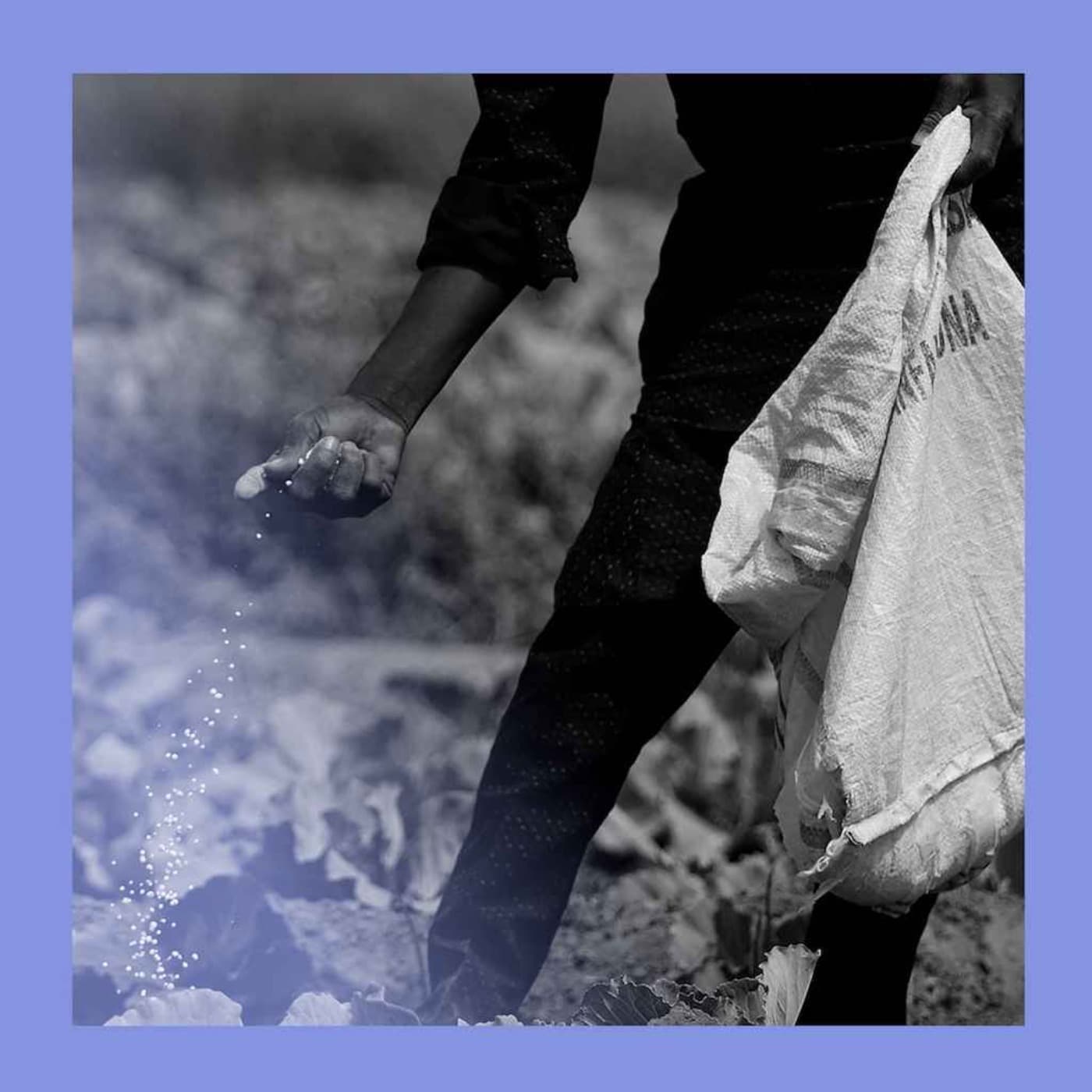
3:36You need gas to make fertilizer and the Gulf is a huge producer of key fertilizers. About 30 % of traded fertilizer goes through the Strait of Hormuz and that just means it's not reaching people who need it right now. You see fertilizer plants and gas plants that supply them being targeted in attacks as well. So this isn't going through to food prices quite yet, but you have a sense that food and fertilizer is being used as a weapon. And if an El Nino emerges later this year, things could get worse.
4:08Rosie Blau:So what you're saying is that the current conflict is affecting stocks of food, future supply of fertilizer, and all of that's going to have an effect. Sadly, we always have a link between war and hunger. So tell me how this conflict is different from other ones. The most recent parallel crisis I reported on was Russia's invasion of Ukraine in 2022. And the threat of the food market was very clear. Russia and Ukraine between them produced something like 12 % of the world's calories at the time. We're talking basic things like wheat and vegetable oil. Very quickly, the price of these staples spiked and governments were really quick to act.
4:52So when sanctions were negotiated, stuff that affected agricultural goods was left out of them. There was relatively quickly a deal to get grain flowing out of the Black Sea. And the reason this time is more pernicious is that the impact on the food market is going to be gradual and less direct. The countries in the Gulf are very arid. They're not massive food producers. Food prices and stocks of food so far have not been hit immediately. However, energy prices have been hit. And this is a huge impact on the agricultural sector because by some estimates, up to 50 % of farm costs in the rich world are energy.
5:30On top of that, you see fertilizer costs rising. So it's not food prices yet, but it is fertilizer costs. And this isn't like oil. We don't have a globally coordinated stock of reserves that we can release to bring these prices down. It's also coming at a time following the Russia conflict where we don't have other producers who can plug the gap. Russia, that's a big fertilizer producer. Their plants are also being targeted in Ukrainian drone strikes. South Asia produces some fertiliser, but it relies on gas from the Middle East to do so. So those plants are also being shuttered.
6:03Rosie Blau:So we've got a pretty gloomy picture there. And Kat, you're here to pile on further gloom, I think. Evantica mentioned the possibility of an El Nino, and that's in fact what climate models are currently forecasting for later this year. El Nino is something that takes root in the Equatorial Pacific. It's a big band of hot water that may seem relatively benign, but there are global consequences to this. Having this band emerge every two to seven years on average, ripples around the globe in extreme weather events, more rainfall in some places, less rainfall in others. It's this big, massive global pattern of weather events.
6:46And unfortunately, El Nino typically hit some of the poorest regions that Avantika is talking about with weather events that negatively impact their food production. The last El Nino in 2023-2024 brought one of the worst droughts in 100 years to southern Africa. And as a result of this, something on the order of 30 million people required food assistance. That's not to say that that's exactly what's going to happen this year, but what we do know is that there is an El Nino likely to build up later this year. It's going to stack on top of already extreme climate impacts. And all of this is an extra strain that is brewing.
7:31Rosie Blau:So which parts of the world are most likely to be affected by El Nino? And is there anything that they can do to prepare? The impacts of El Nino vary hugely, not just from one El Nino to the next, but also across regions. In terms of what can be done, once the seasonal forecasts firm up, there are things assuming the crops are still being planted, such as you could distribute drought-tolerant seeds. But it's a bit early right now to be doing that. And of course, the nature of agriculture is that some regions will see that window of opportunity pass. Just how urgent a problem is this? Is there still time for a full-on food crisis to be averted?
8:16The timing of this couldn't be worse. If you look at when planting season is, because that's when fertiliser needs to be applied, the Northern Hemisphere and parts of Africa are already in planting season. In South Asia, farmers are preparing for their planting season, which occurs when the monsoon rains begin. So this is when they would be buying up fertilizer. But yeah, some of the damage is basically already done. So if you haven't applied fertilizer when you plant your crop, you can't just add it later. You can't swap one fertilizer for the other. They have very specific nutrients. Some farmers I spoke to have said they just left their land fallow because the maths didn't make sense.
8:53Now, fertilizer is more expensive, yet food prices haven't gone up yet. So if they haven't planted, they can't do that later. In terms of food, the short-term problem really is humanitarian aid. People who are most affected are those who are already on the margins, people in the poorest corners of the poorest countries and people in conflict-ridden areas. They very often rely on humanitarian aid. And I spoke to the World Food Programme and they said to me, the amount stuck in their supply chain is enough to feed 4 million people for a month. So until this aid can reach those people who need it, we have a short-term crisis, forget about a long-term one.
9:28The point of aid is really important here. And the fact is that aid budgets have been slashed. And a lot of the kind of relief that you would see in previous years, either pre-El Nino or post-facto, came from aid budgets. And so this could not come at a worse time. Long-term, I think there are some things that can be done. Some of the experts that Avantika has been communicating with point out that there's a lot that can be done, for instance, to increase soil health. And if you do that ahead of time, then it just builds in this cushion of resilience for crises, whether that's fertilizer shortage or an El Nino.
10:11These sorts of crises will occur again. And so that long-term preparedness is also really important. By definition, the people who are suffering, perhaps even dying because of food shortages, they're in remote areas they're not people who are well accounted for but by most estimates more people have died as a result of hunger in east africa caused by the war in ukraine than on the battlefield itself and that's incredibly indicative if we have an el nino this year and aid agencies aren't able to step up and there isn't a deal to reopen the strait this could be even worse Avantika Kat thank you very much thanks for having us thanks Rosie
11:06In the tiny village of Bharatidva, which is in the central Indian state of Chhattisgarh, mobs gather to protest at the site of a Christian burial.
11:16Rosie Blau:Kira Huyu is our Asia correspondent. Some of these vigilantes are holding sticks, others are torching homes. They are not letting the family whose relative is buried enter the site.
11:37I later spoke to a member of the Christian family that was under attack. Her name is Lolita. She says that the mob hurled a rock at her head that left her unconscious, which in some ways may have been a saving grace for her because she didn't witness what came next. Later, police returned to Chandram Salaam's grave and to quell these tensions in the village their morbid solution was to dig up the body and drive off with it. And exhumations of this kind are actually becoming more common across the state.
12:14Rosie Blau:Kira, these are just extraordinary scenes what's behind these violent clashes? So there's actually a deceptively welcoming term for the movement behind these clashes, Ghar Vapsi, which is Hindi for homecoming. And this is the Hindu nationalist idea that all real Indians were originally Hindu. And so conversions to Islam or Christianity denies this real, true Hindu identity. And so in disturbing the peace of the dead, there is this attempt to bring them back home even after death. In Bhatadevda, by the way, the scare tactics worked. Seven Christian families have come home to Hinduism since Salam's corpse was kidnapped.
12:56And increasingly, homecoming is becoming a matter of actual law.
13:02Rosie Blau:So just fill some context in for me here. How many Christians are there in India? Christians are a tiny minority. They make up about 2 % of Indians. The other religious minority that comes up in these conversations are the Muslims. They are only about 15 % of the population. And then Hindus make up about 80 % of Indians. But religion has become more overtly political under Prime Minister Narendra Modi. His Bharatiya Janta party of the BJP, which professes Hindu nationalism, has been in power since 2014. And that party does not have a great track record on religious minorities, which are often presented in Hindu nationalist lingo as a threat to these 80 % of Hindus in the country.
13:48And that is the context against which new anti-conversion laws are being passed. They are essentially there to make it harder for Indians to convert to anything but Hinduism, although obviously if you were to convert to Hinduism, it wouldn't count at all because you'd just be coming home.
14:05Rosie Blau:So just explain these new laws to me, what do they actually involve? So there's been a wave of new anti-conversion laws since 2017 in states that are governed by the BJB, which rules nationally. We had the strictest one come into force just now in March in Chhattisgarh. It's an anti-conversion law, but in Aurelian fashion, it is actually called a freedom of religion law. Maharashtra also passed one just a few days before Chhattisgarh. So it seems like these bills are really picking up pace. And that brings the number of anti-conversion laws to 14 out of 28 states. And these laws invite significant government and police intrusion in questions of faith and conversion.
14:52They set harsh penalties for so-called forced conversions. And then they define force extremely broadly. they do things like making it very hard for people to marry who they want to marry one key measure punishes allurement to convert and that definition of allurement can basically be stretched to cover pretty much all forms of proselytizing you're not for example currently allowed to promise potential converts a better lifestyle under your religion the context for this is that a lot of Dalits and lower caste Hindus try to flee Hinduism's caste system by joining other religions. But in order this religion becomes a sort of public spectacle, would-be converts are now asked to give months of notice before they are allowed to convert.
15:44There is a public registry that is put up online where you have to showcase your name and then fellow citizens are invited to object to your conversion and if they object then there will be a police inquiry officially to check that you have not been coerced. But again, because coercion is defined so broadly, it's very, very tricky to convert under these new laws. In Chattisgarh, the penalties for conversion are also pretty extreme. So a forced conversion can actually get you a life sentence, or it can get you a fine equivalent to almost$27 ,000.
16:19Rosie Blau:And why do the authorities say these laws are necessary? Well, the authorities say that these laws are there to protect vulnerable communities from pressure and trickery. In Chhattisgarh, they say that the danger is Christianity, and that the victims are members of tribal minorities. The state's police chief, Arun Devgottam, actually thinks that conversions to Christianity are the biggest emerging security threat in the state. Elsewhere, if you look, for example, in Maharashtra, the worry is something called love jihad. Now, love jihad is a very imaginative term, which is basically a Hindu nationalist conspiracy theory.
16:57It alleges that Muslim men trick gullible, love-struck Hindu girls into marriage in order to convert them to Islam. And all of this courting apparently is done to tip India's demographic balance in Muslims' favour. And to stop love jihad, Maharasha's laws ban unlawful conversions through marriage. They allow third party complaints on marriages between two consenting adults. And then they decree that any child born out of an interfaith union must adopt their mother's religion.
17:30Rosie Blau:So essentially, laws that claim to be about protecting people are actually prompting violence. They're prompting violence in that they invite the sort of vigilante justice that we have seen in Chattisgarh. But they also more broadly put religious minorities under permanent suspicion that somehow they are committing a crime, simply marrying who they love or talking about their faith and its perceived benefits to others. And because there are these pretty significant drawbacks to these new laws, they may soon face legal trouble. So India's Supreme Court is currently considering whether they flout rights to privacy and the freedom of conscience that are in fact enshrined in India's secular constitution.
18:17But for now, India's freedom of religion laws will continue to make an absolute mockery of the very concept that they claim to protect.
18:24Rosie Blau:Kira, thank you very much for talking to me. Thank you for having me, Rosie.
19:04Thank you. Terms apply. See CapitalOne.com slash bank. Capital One N.A. Member FDIC.
19:36N-O-O-M dot com. Noom. Micro changes. Big results. Noom GLP-1 RX program involves healthy diet, exercise, and support. Individual results may vary. Meds and personalization based on clinical need. Not reviewed by FDA for safety, efficacy, or quality. No affiliation with Novo Nordisk Inc., the only U.S. source of FDA-approved semaglutide. Not available in all 50 U.S. states.
20:02Rosie Blau:So if you ask most people, what's the difference between a donkey and the horse? they'll say it's the big ears. OK.
20:10Carla Subirana:I recently went to the London Vet Show, which is Europe's biggest gathering of vets.
20:17Rosie Blau:Carla Superana is a news editor at The Economist.
20:24Carla Subirana:And if you spend enough time around vets, you realise that no two days in this job are ever the same. Mary, a horse vet I met in the conference, remembers one in particular.
Read the full transcript
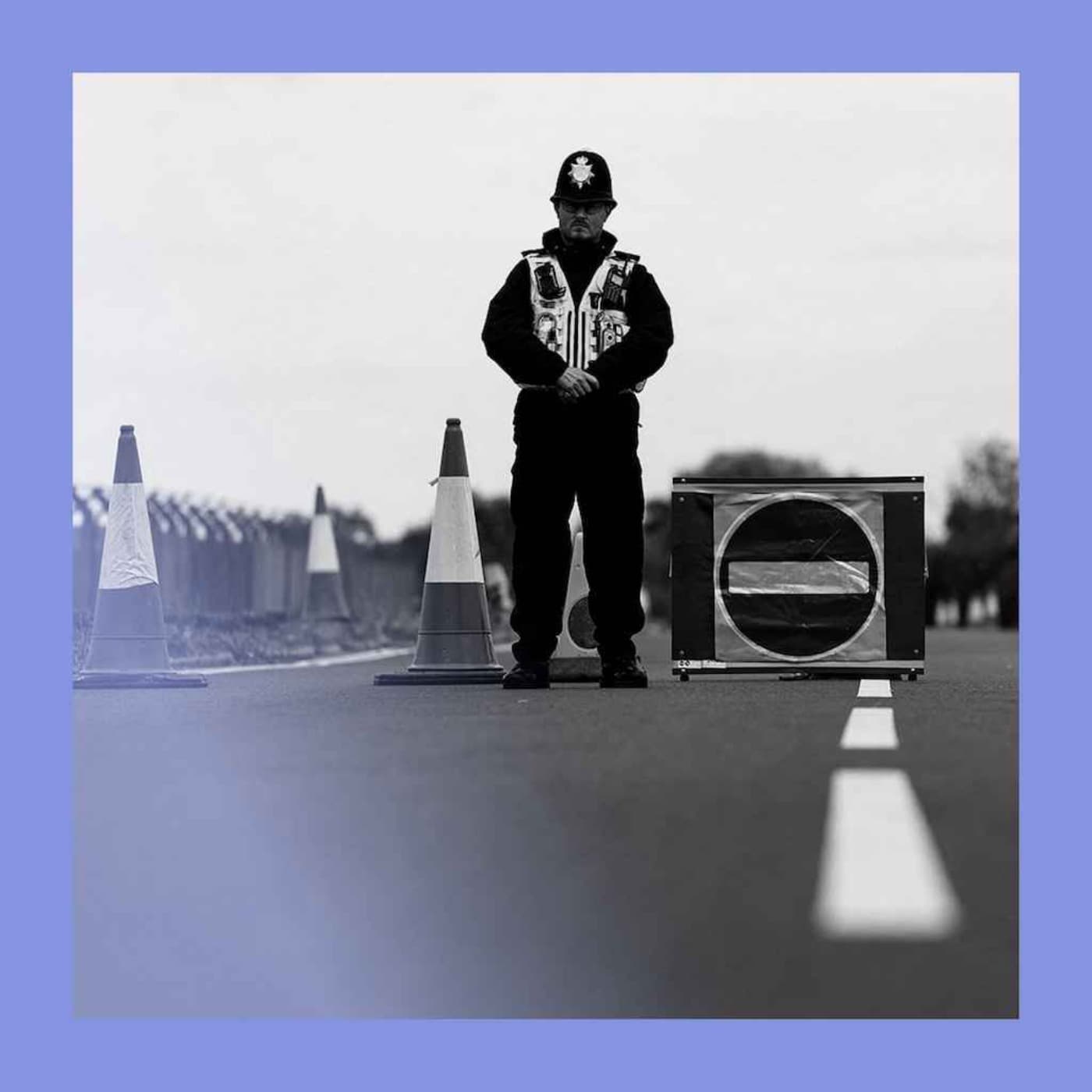
20:37Rosie Blau:So one of my police horses once ate marijuana, so they did a stop and search outside King's Cross. I used to be the vet for the Metropolitan Police Mounted Branch. No! Yeah, and so the police horses are under my cap, and one of the horses they stopped and searched a suspect outside King's Cross.
20:52Carla Subirana:The London Vet Show is in many ways a window into Britain's pet obsession. The country has one of the highest rates of pet ownership in Europe, and the pandemic supercharged this trend as people who were stuck at home went in search of company. Britain spent about£6.7 billion a year on veterinary services. And as spending on these services surged in the years after the pandemic, investors poured into the sector. But now that momentum is fading. Household spending has dropped over the past two years and investor enthusiasm is cooling. There are three main reasons why this is happening.
21:41Carla Subirana:The first is regulation. So in March, Britain's competition watchdog ended a two-year investigation into the sector, which it started after it received thousands of complaints about high prices and opaque billing. This follows a decade of very quick consolidation because, as I mentioned, investors have poured into the sector. Most of those were private equity firms who bought up small independent clinics and turned them into large chains. The regulator is worried that this is bad for competition and some vets agree they welcome the probe.
22:22Rosie Blau:I think the CMA have been balanced and fair.
22:25Carla Subirana:Others think that this is a bit exaggerated.
22:28Rosie Blau:I don't think that there has ever really been a problem. And I don't think that it was an unnecessary investigation.
22:35Carla Subirana:Because private equity firms have actually done a lot of good to the sector.
22:42Rosie Blau:For consistency, it's driven salaries higher, which has been good.
22:46Carla Subirana:The remedies that the regulator has proposed are not very radical, but still the scrutiny has brought a lot of uncertainty into the sector. and as a result, private equity deal-making has dropped sharply.
23:03Carla Subirana:A second factor holding the sector back is that fewer new pets are coming through and that is partly because they've become a lot more expensive to keep.
23:14Rosie Blau:It is, definitely. During COVID and the year after, there was a real spike in pet ownership, but it's definitely plateauing. And often the charities are reporting huge relinquishment numbers because people have been forced to go back to the office. Well, not forced, but, you know, lots of people...
23:27Carla Subirana:Pets tend to need more care when they're very young. But then during their middle years, they need less. And then costs rise again in old age. So what is happening now is that the animals that were bought during the pandemic don't need as much care. And with fewer new pets coming through, demand for veterinary care has fallen sharply. And then there's a third factor holding the sector back, which is that owners are becoming a lot more cautious with money. As household budgets are under pressure, spending on the extras, fancy leads or premium foods has fallen a lot as well.
24:13Carla Subirana:Britain is still a nation of animal lovers. Demand will probably pick up again as the pandemic cohort ages into its later years. And greater regulatory clarity could tempt investors back into the sector. But for now, the treat-filled days are over.
24:48Rosie Blau:That's all for this episode of The Intelligence. See you back here tomorrow.
25:11With no fees or minimums on checking accounts, It's no wonder the Capital One bank guy is so passionate about banking with Capital One. If he were here, he wouldn't just tell you about no fees or minimums. He'd also talk about how most Capital One cafes are open seven days a week to assist with your banking needs. Yep, even on weekends, it's pretty much all he talks about. In a good way. What's in your wallet? Terms apply. See CapitalOne.com slash bank. Capital One N.A. Member FDIC. Investing with Schwab is like spending a Saturday at a great farmer's market. You can fill your reusable tote with a bit of everything.
25:49Maybe you go for some free-range, self-directed investing. Or perhaps you pick up a few farm-fresh trades while you peruse. You can even get help from a dedicated advisor. That's full-service wealth management. Mix, match, and change your mind whenever you want. Because at Schwab, you can invest your way. No matter your goals or appetite for investing, Schwab has everything you need, all in one place. Visit schwab.com to learn more.
From the publisher
The Iran conflict and blockades in the Strait of Hormuz are slowing supply not just of fuel, but food and fertiliser. Geophysics could worsen the approaching hunger crisis: an El Niño weather event is predicted for this year. Anti-conversion laws are resulting in horrific scenes at Christian burial sites in India. And why Britain’s vets are struggling.
Guests and host:
- Catherine Brahic, environment editor
- Avantika Chilkoti, global business writer
- Kira Huju, Asia correspondent
- Carla Subirana, news desk editor
- Rosie Blau, host of “The Intelligence”
Topics covered:
- Iran conflict, oil, food crisis, fertilisers, El Niño
- India, Hindu nationalism, Christian conversions, Modi
- Britain, pets, vets
Listen to what matters most, from global politics and business to science and technology—Subscribe to Economist Podcasts+
For more information about how to access Economist Podcasts+, please visit our FAQs page or watch our video explaining how to link your account.
Hosted on Acast. See acast.com/privacy for more information.