Ask ChatGPT
 Economist Podcasts
13 Nov 2026 · 22m · 7 chapters
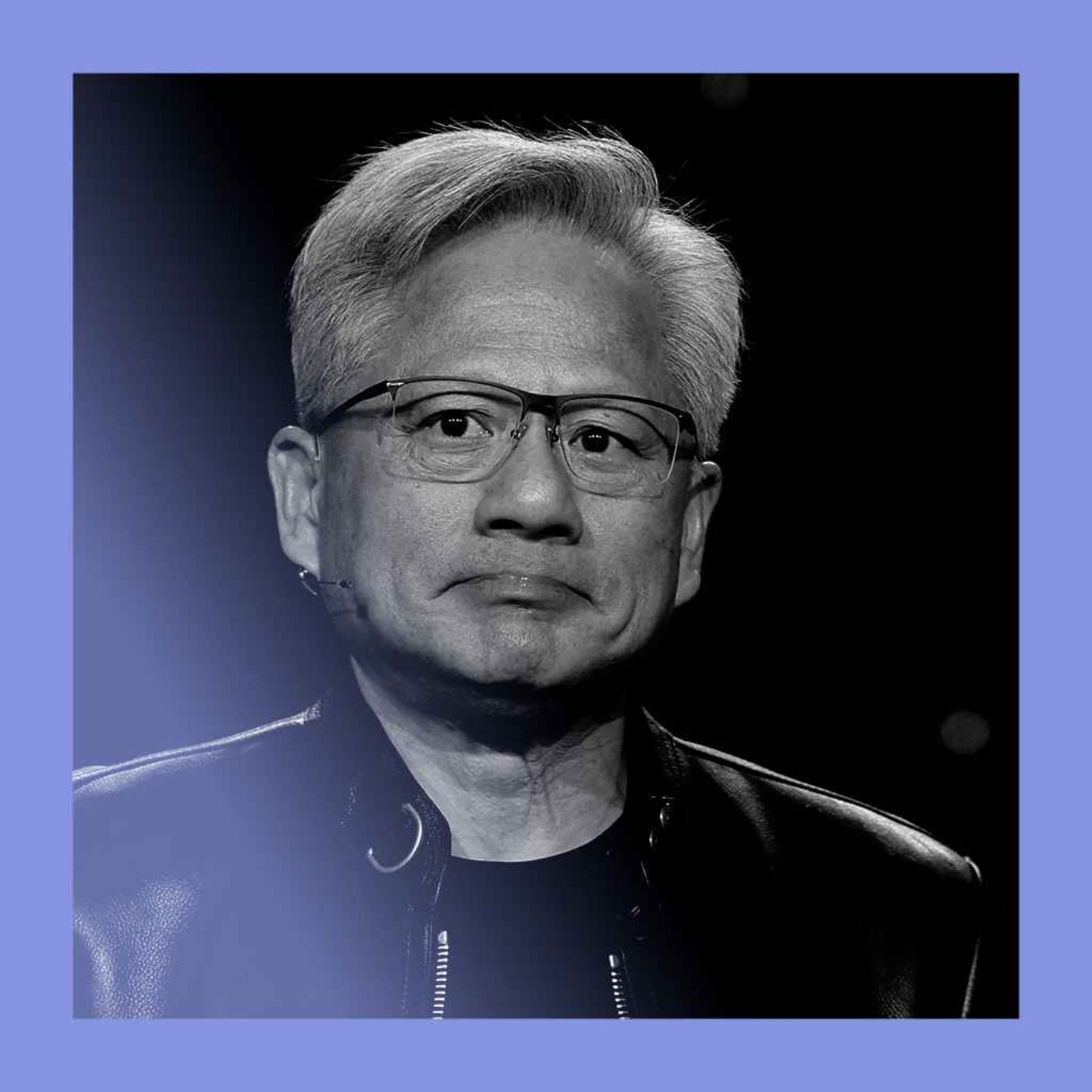
The episode of The Intelligence from The Economist covers two main stories. First, it discusses NVIDIA’s leadership crisis after Jensen Huang’s resignation and alleged scandal fallout, including his forced or voluntary departure and Congress testimony. CFO Colette Kress becomes interim CEO.
replacing Huang is difficult because he had nearly 60 direct reports and personally managed manufacturing, design, sales, and policy; NVIDIA’s complex supply chain depends on partners like TSMC and SK Hynix; markets are reacting via “key man risk” and uncertainty about future growth deals.
investors’ assumption that NVIDIA couldn’t exist without Huang; possible successors mentioned include Lisa Su (AMD), Renee Haas (Arm, former NVIDIA executive). Second, it examines Russia’s propaganda in Africa via Russian houses, media partnerships, journalist training, and AI-generated fake experts, plus a tribute to Jack Prager, “doctor to the destitute” in Kolkata who treated about half a million people for free and founded HIV clinics.
Shailesh Chitnis (Economist global business writer) and John McDermott (chief Africa correspondent).
Written by AI. May contain mistakes.
An analysis of the recent events surrounding NVIDIA and Jensen Huang's resignation.
“What a nail-biter of a week it's been since we last talked about NVIDIA on Tuesday.”
Discussion on the difficulties of finding a successor for Jensen Huang at NVIDIA.
“Yeah, so subsequently, it also emerged that Mr.”
Exploring market reactions to Jensen Huang's resignation and NVIDIA's future.
“I think it's going to be a very tall order for a few reasons.”
Speculating on potential candidates to succeed Jensen Huang and their qualifications.
“How do you think that looks in his absence?”
Examining how Russia is expanding its influence and propaganda in Africa.
“At the latest Russia-Africa summit, President Vladimir Putin addressed more than 20 leaders who had come to Moscow.”
The discussion focuses on Russia's propaganda efforts and influence in Africa amidst the Ukraine war.
“They may host liturgies by the Orthodox Church, which has massively expanded on the continent in recent years.”
A narrative recounting the life and impact of Dr. Jack Prager, a medical professional dedicated to serving the poor in Kolkata.
“The strangest thing happened to Jack Prager when he was out driving his tractor.”

Get the gist, explore an idea or ask about something said.
 Claude
On Economist Podcasts, what are the key points of this episode?
Searching your listeningAutomatic transcript. May contain errors.
0:00With no fees or minimums on checking accounts, it's no wonder the Capital One bank guy is so passionate about banking with Capital One. If he were here, he wouldn't just tell you about no fees or minimums. He'd also talk about how most Capital One cafes are open seven days a week to assist with your banking needs. Yep, even on weekends, it's pretty much all he talks about. In a good way. What's in your wallet? Terms apply. See CapitalOne.com slash bank. Capital One N.A. Member FDIC.
0:32This Economist podcast is sponsored by Apollo.io. In a fast-moving business environment, finding the right people to connect with takes time. For sales teams, prospecting, outreach, and follow-up can mean juggling multiple tools and workflows. Apollo.io brings these activities together in one platform, helping sales teams find the right buyers and spend less time on scattered, manual tasks and more time building relationships. Apollo.io. Sign up for free at Apollo.io.
1:04The Economist.
1:10Hello and welcome to The Intelligence from The Economist. I'm Jason Palmer.
1:20Today on the show, a peek into how Russia is spreading its propaganda across Africa and a tribute to Jack Prager, doctor to the destitute of Kolkata.
1:34First up, though.
1:42What a nail-biter of a week it's been since we last talked about NVIDIA on Tuesday. It was, and is, as juicy a story as they come. a swashbuckling chief executive's extramarital affairs, now in the alleged plural. Espionage and spycraft, also alleged. Hundreds of billions of dollars of market cap being shaved off in one lurch after another. The slipping of the world's most important technology from one superpower to another. Maybe. Yesterday, it all came to a head. Jensen Huang resigned from the company he built from the ground up, and was swiftly summoned to testify before Congress about the whole mess.
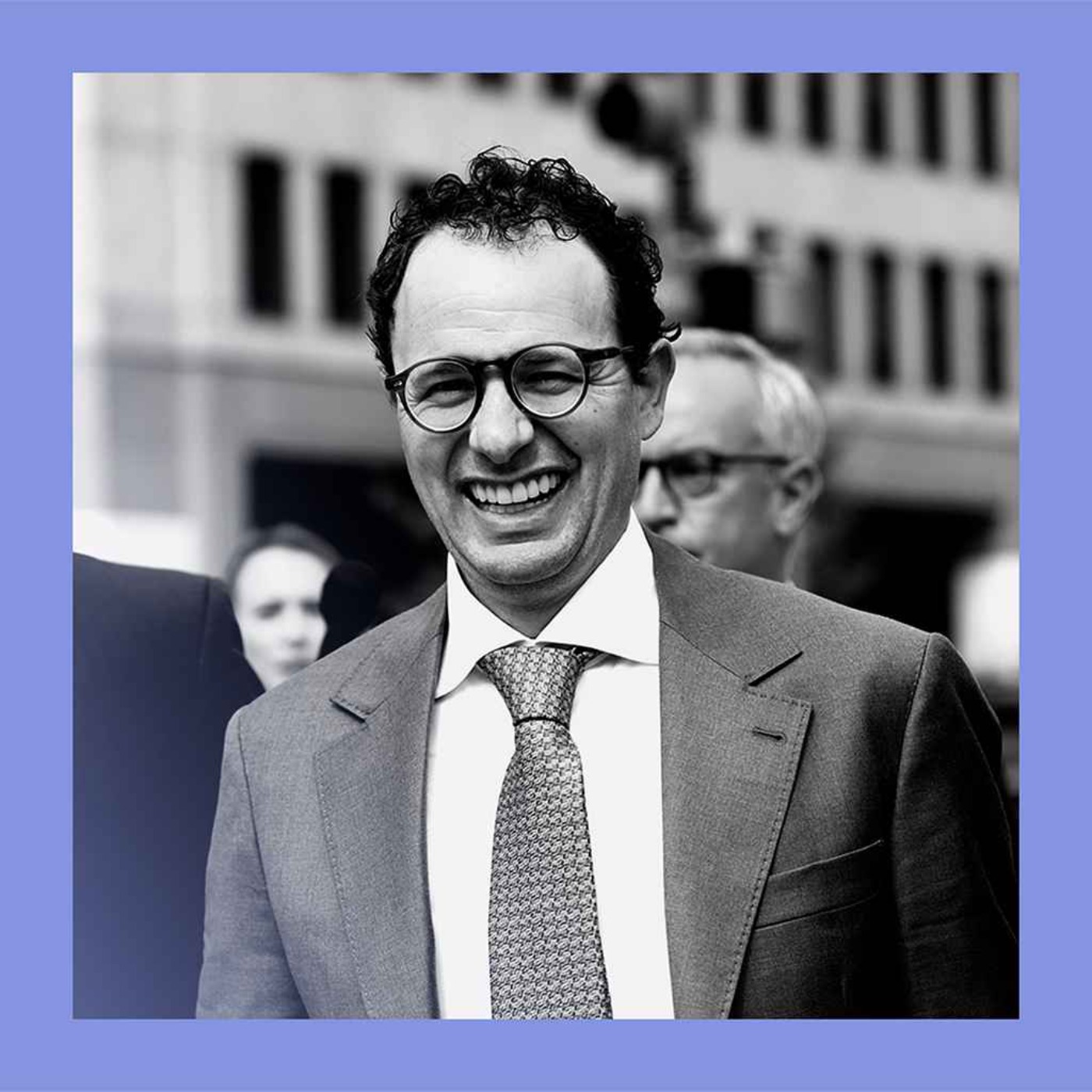
2:24And now the daunting search for his replacement must begin. Colette Kress, who's the company's chief financial officer, has been put in place as an interim CEO. Shailesh Chitnis is a global business writer for The Economist. But I think most would agree by any measure, replacing Jensen Huang is going to be a tall order.
2:48Now, Shalish, we spoke earlier in the week about the growing mess that Mr. Hong was in. Talk me through how we ended up where we are now. Yeah, so subsequently, it also emerged that Mr. Hong had a relationship with one of his direct reports. And from my conversations with some of the folks in the company, the feeling was if it was just the first set of allegations, which itself were quite devastating, there maybe was a way to wait it out. But I think the second one is the one that just broke the back and there was no way for him to continue it in video. So there had been a question as to whether or not the board would be obliged to get rid of him or wise to get rid of him.
3:25In the end, they didn't have to make that decision. Well, we don't know exactly whether he resigned or forced to resign. So that part is still not clear. We're still learning more about it. But I think you're right. The board has not covered itself in glory in this particular incident because for a long time they've essentially given him a free reign in terms of how he runs the company, which has worked really well, until it didn't. And I think when you look at the composition of the board, at least half of them have been there for more than 15 years. And so there was a feeling that the board was not really incentivized or doing its job as it was supposed to.
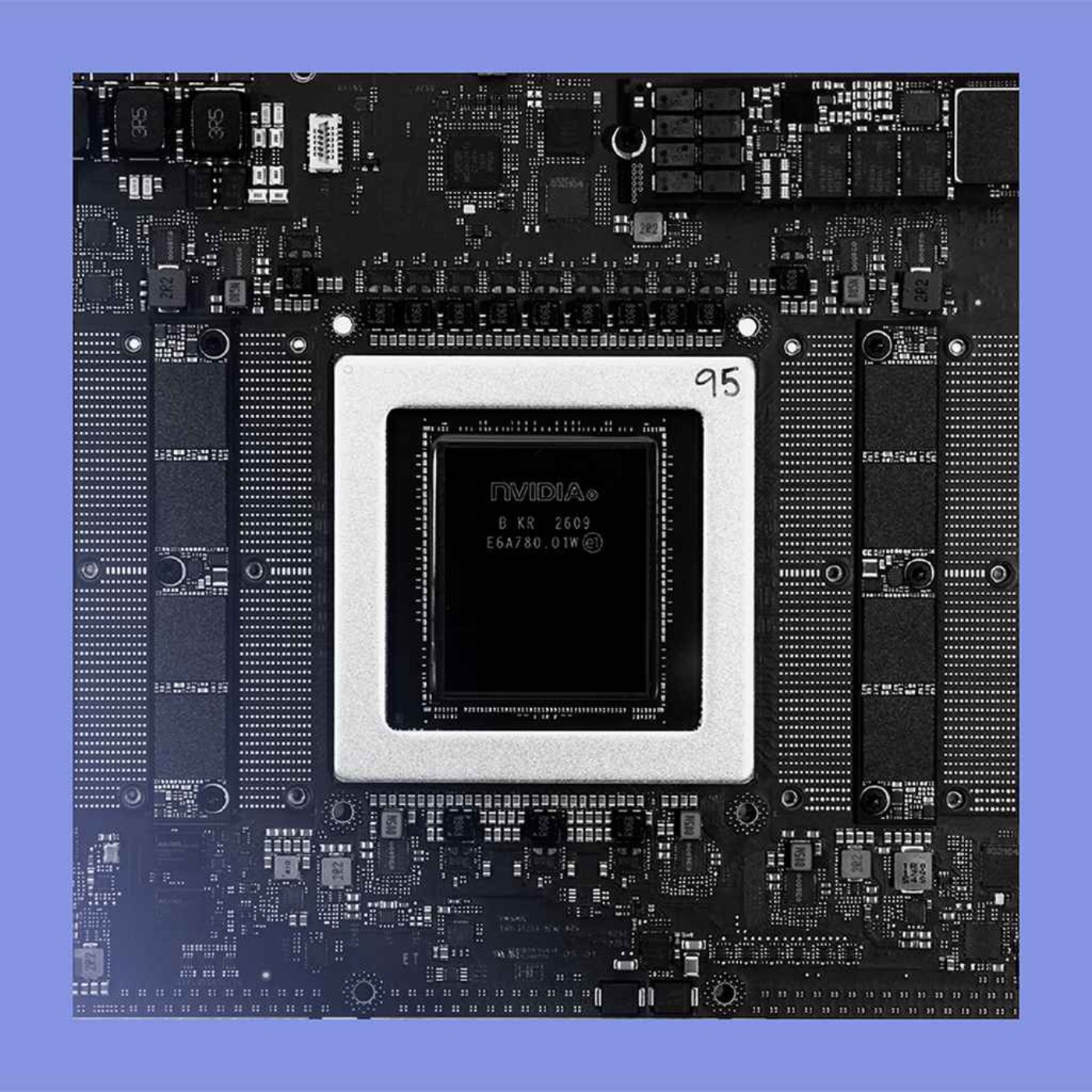
3:58And in the end, the board appointed Colette Kress as a sort of caretaker leader. You said that Mr. Huang will be difficult to replace. How do you think she'll fare in the job, even if it's for a short while? I think it's going to be a very tall order for a few reasons. First and foremost is just the way NVIDIA is structured. Jensen Huang had almost 60 direct reports. He was involved in pretty much every aspect of the company's operation, right, from manufacturing, design, sales, policy. He had his fingers in every one of them. And so for a new person to come in with 60 direct reports, I would imagine is quite intimidating.
4:33So that's number one. That's the first challenge is just how the company has been structured. But I think a bigger challenge is NVIDIA's products are quite complex and they require a very intricate supply chain to build them, build them at scale, to be able to meet the kind of volumes. And that requires working with suppliers such as TSMC, which is a chip manufacturer in Taiwan, SK Hynix, which makes memory chips, and almost dozens of different suppliers. And that is where I think Mr. Hwang really excelled in terms of his ability to be able to build these relationships. That, I think, is going to be a tall order to come up to pace that quickly.
5:07So there are very real and immediate challenges facing her. And it seems that throughout the week, markets have responded to those risks. What do you make of what the markets have done? Is that a question for investors in terms of doubts around leadership or around the ability of this company to ride out this scandal? Yeah, I mean, typically in most financial documents, you'll have something called a key man risk, which is what happens if particular executives in a company leave. And the thing was in NVIDIA, there was just one key man risk, and that was Jensen Wang. And investors knew this really well, which is why I think you're seeing the reaction you are seeing right now, because it was basically inconceivable to the market to imagine a future of NVIDIA without Jensen Wang.
5:46And so I think right now the market is just trying to figure out what does that look like. But I think people are going to be twitchy for a while to come because it's just completely uncharted territory. So what's your take then on whether NVIDIA can weather this storm, keep all of those relationships up, keep supply chains unbottlenecked and so on? Yes, I think first and foremost, it's really important to remember that NVIDIA's balance sheet is like a fortress. It is one of the most profitable companies, one of the biggest cash generating companies in history. So there is no danger of NVIDIA going down anytime soon or anything like that.
6:18And if you look at the demand for its chips, they are basically sold out well into next year. So I would say there is no immediate or near-ter impact to NVIDIA as such. However, the challenge with NVIDIA has always been that investors have expected breakneck growth year on year, 50%, 70%, which is insane for a company with a valuation of almost$5 trillion. And to meet those kind of numbers, it has to grow at a breakneck speed. That, I think, is going to be the biggest challenge because a lot of that growth was hinging on financing deals, the partnerships that Jensen Wang was announcing basically on a daily basis.
6:55That, I think, is going to be a big question mark, what happens to those kind of deals. And that directly links to the long-term growth trajectory of NVIDIA. But some of what's kept NVIDIA where it is, is its position in terms of national security, the fact that it had one big friend, if perhaps a few smaller enemies in Washington. How do you think that looks in his absence? Well, I think on that front, it's actually a good thing he's moved on. The reason is, I think Jensen Huang was becoming particularly toxic in Washington. after the midterms, the allegations around the spying scandal. So I think he would have found it very difficult to continue advocating for NVIDIA in the same way that he was doing before November.
7:33So in that sense, I think it's good there's a new face there. Now, to what extent that person is effective in pushing NVIDIA's agenda, that remains to be seen. As does the eventual boss. Who do you think the runners and riders to formally replace him would be? And many strengths and weaknesses there. I'm in San Francisco this week, and this seems to be the favourite game right now. everybody's coming out with names that they can think of people are gaming it out so just to give some names out there it has been suggested lisa sue who is the boss of amd could be one doji has not given any indication that she's interested in something like this renee haas who's the boss of arm which is a chip designer he used to be an executive in nvidia a long time ago he's also been mentioned i don't think we have a clear idea so far and you have to realize that what you're trying to replace is not going to be possible.
8:22Basically, a founder who grew a company for 30 years who understands every part of it. So the board will have to make some choices in terms of certain strengths that they're looking for and not try to replace Jensen Wang because I don't think that's going to be possible. Shailesh, thank you very much for joining us. Thank you for having me.
8:41There's still a lot to unpick about this oh-so-juicy story. And lucky you, that's what my colleagues did this week on Insider our video series that brings our editor-in-chief and our experts around the world together to make sense of it all find Insider on our app or website if you're a subscriber you've already got access if not well I hope this gives you one more good reason to become one
9:16With no fees or minimums on checking accounts, it's no wonder the Capital One bank guy is so passionate about banking with Capital One. If he were here, he wouldn't just tell you about no fees or minimums. He'd also talk about how most Capital One cafes are open seven days a week to assist with your banking needs. Yep, even on weekends, it's pretty much all he talks about. In a good way. What's in your wallet? Terms apply. See CapitalOne.com slash bank. Capital One N.A. Member FDIC. Hey, we're Nick and Jack hosts of The Best One Yet. Behind every episode, there's research, email, spreadsheets, and our shared Google Doc, the headline hammer.
9:55With Google Workspace with Gemini, Google's AI is built right into the premium versions of tools we already use, like Gmail, Docs, and Sheets. No new tools or extra logins, just personalized AI for the way we work. That means less time on the work around the work and more time finding the stories worth talking about. Get AI tools for work. Upgrade to Google Workspace with Gemini at go.gle slash workspace with Gemini. That's go.gle slash workspace with Gemini.
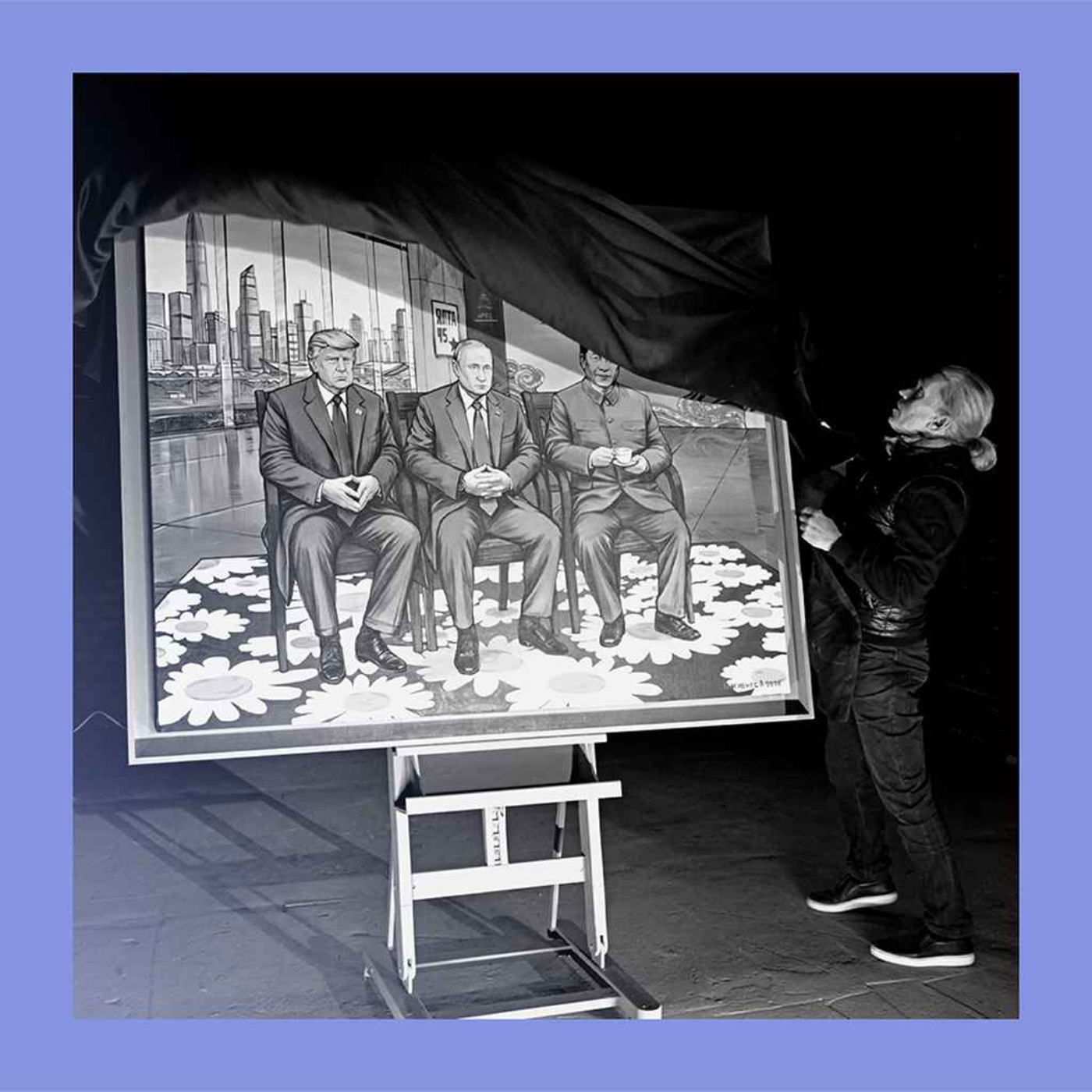
10:30At the latest Russia-Africa summit, President Vladimir Putin addressed more than 20 leaders who had come to Moscow. He's pointing out how Russia used to import wheat from America and Canada. But thanks to Russian-led development of Africa's agriculture, that money is going to the continent. As with previous summits, this is all a fairly convenient framing for Mr Putin to put across. Russia as your trusted partner. Ever since Russia invaded Ukraine, there's been something of a Russian pivot to Africa. John McDermott is our chief Africa correspondent. It has been redoubling its efforts to win hearts and minds across the Global South, especially in Africa.
11:22So when you say win hearts and minds, what are you talking about? There are institutions known as Russian houses, and they are charged, at least ostensibly, with promoting Russian culture wherever they are. As it happens, on a recent trip to one of Africa's smallest countries, Sao Tomi in Principe, I managed to wangle my way into one of these houses. Here we are. We're now pulling up. On the face of it, these Russian houses are innocuous. Sorry, I don't speak Russian. They are like British councils or Instituts Francais. is they try to promote the culture of the home country in the place where they're based.
12:08So tell me about the one that you saw or what they're like in general. In the case of the one in Saitomi, it was almost absurdly unassuming. It was a low-rise building by the coast, the office of a former physiotherapist of all things. It's right in the avenue here, so it's like in a really good location. Can I have a look inside? When I walked in, I was greeted by a barrage of cultural paraphernalia. I was given one of those very furry hats, which made my head rather sweaty in the humid conditions. I've never seen a map of Africa in Russian before. And my tour guide showed me lots of pictures of cosmonauts and famous Russian authors and scientists and the like.
12:53It's a little bit of the Russian story, basically. The Russian culture, space exploration, athletes. It was fairly banal. But then when I kind of meandered my way through the ex-physiotherapy office, I found myself staring up at a picture of Vladimir Putin, who in turn was staring down at a group of young Sartomeans who were studying Russian with a view to perhaps going to Russia, to university one day. And that gave me at least a glimmer of how it's not just about selling the works of Polstoi or promoting the achievements of Yuri Gagarin, but it is also about trying to change the views and the behavior of Africans on the continent.
13:40But how? Through learning Russian language? I mean, what else goes on there? The intention is clearly to make these hubs for propaganda. You have movie nights that show essentially war propaganda about either what's happening in Ukraine or indeed what Russian mercenaries and other soldiers have been able to achieve apparently in the Sahel. They also act as gathering spaces. They may host liturgies by the Orthodox Church, which has massively expanded on the continent in recent years. If you believe Ukrainian intelligence, it argues that Russian houses are even used to recruit some of the hundreds of Africans who have gone to fight for Russia in the war in Ukraine.
14:28It's interesting that there is this sort of physical locus as compared to other misinformation campaigns we know about, which is, you know, hardly traceable effects on the world's media. Right, and there's that too. But a few years ago, a new Russian-backed news agency emerged. It is involved in a growing number of joint ventures with African media houses. So they share content, and therefore they become a channel through which the Kremlin can push out its propaganda. They're also training African journalists in production techniques. But alongside that, the material they're using inculcates the reporters in a certain way of looking at the world.
15:07They're not only trying to change the minds of real-life journalists, but they're also creating entirely fictitious ones. There's been some fascinating investigative work led by Code for Africa, an NGO, which shows that Russia is behind the creation of dozens of fictitious journalists and other pseudo experts who, with the help of AI, are quote unquote creating lots of articles that align again with the Kremlin worldview and then pushed out often through genuine media outlets on the continent. It is clearly a full spectrum push on Russia's part. I guess the question is, is it working? Do we know whether it's working or not?
15:50We can't know for sure. And there's always a big danger to exaggerate the impact and also to neglect African agency in all this. For example, at that most recent summit, there were more than 20 African leaders present. That doesn't mean they're all signed up to their Kremlin worldview. On the hearts and minds front, look, I don't think the vast majority of Africans are tuning in to Russia today. They're certainly not watching movies at the local Russian house. And even if there are now more African students than there have been in a long time in Russia, it's still a fraction of those in the US, the UK, or even China.
16:31However, I don't think we should necessarily take comfort from all that because not only is it trying to promote an incredibly warm worldview, it's also in many cases trying to undermine social cohesion in these countries, because ultimately Russia knows that the more fragile society is, the easier it will find it to exploit the situation. John, thanks very much for joining us. Thanks, Jason.
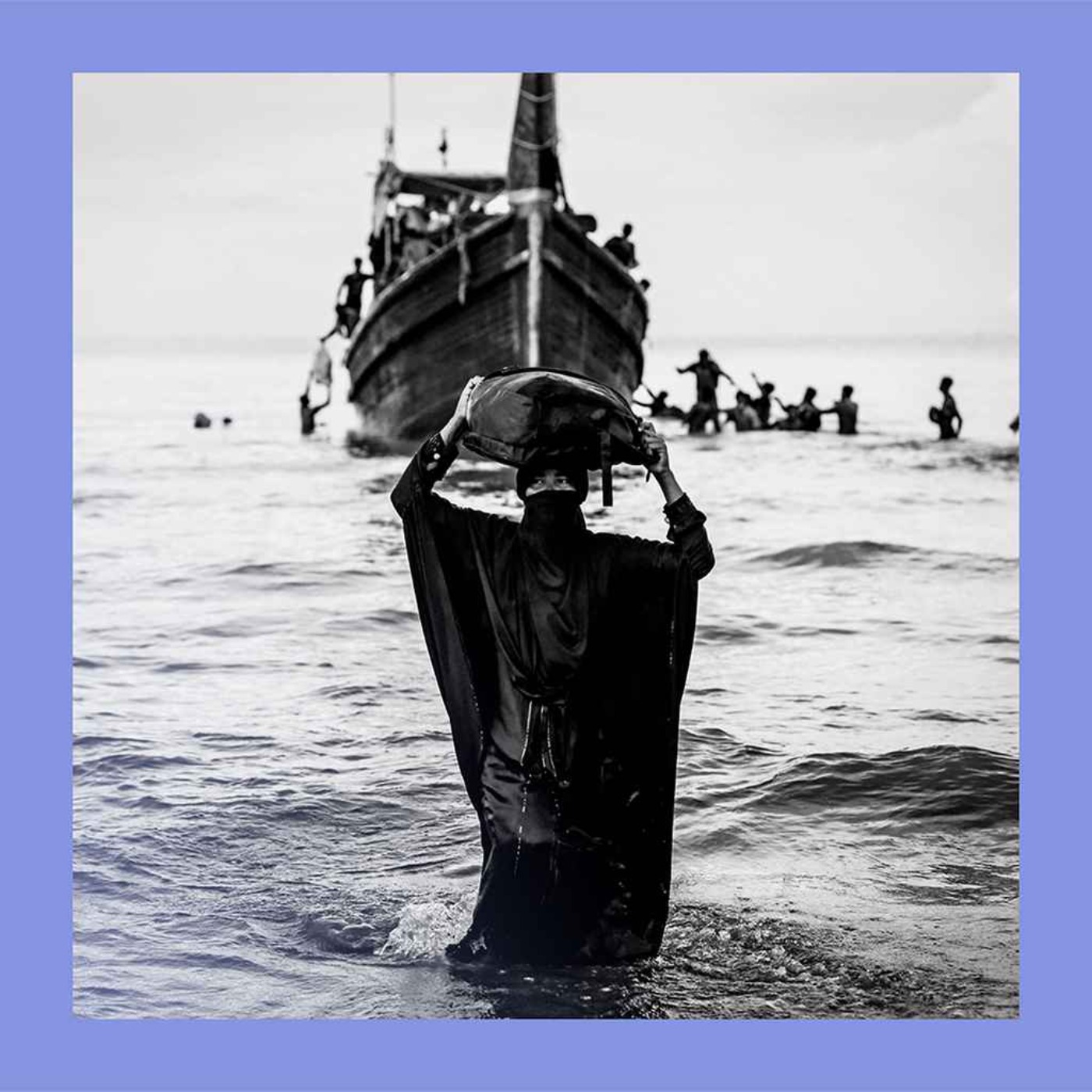
17:13Ann Wroe: The strangest thing happened to Jack Prager when he was out driving his tractor. Anne Rowe is The Economist's obituaries editor. He was spreading manure on his farm in West Wales, a very stony, poor place, although he loved it, on the coast, where on a fine day he could look across right to Ireland. Suddenly it seemed that his skull was opened and words were put inside it. They said, become a doctor. So that night, he sat up and tried to draw up a list of medical schools that might accept him. He wasn't a very good candidate. He had no scientific qualifications. He'd read politics and economics at university.
18:03Ann Wroe: And he was old, too. He was 34, which is very late to be starting on a profession as a doctor. Nonetheless, he found a place in the Royal College of Surgeons in Dublin. And when he left there, he was all the more convinced that his mission was to serve the poor of the world.
18:31Ann Wroe: He began this in Bangladesh, where he heard an appeal on the radio and went out to help in the refugee camps. They were awful places, just swamps that were teeming with orphans. He also got under the skin of the government by accusing it of having links with an adoption racket. And so the government threw him out. In 1979, he had to find somewhere else to go. So he made for Calcutta and worked a little bit for Mother Teresa and then decided that he didn't agree with her principles all the time. It seemed she was relying on prayer rather than on soap and clean needles. and so he went off on his own and all he had was a medical bag and he opened it up on the pavement just under the flyover that goes over to the Howrah Bridge over the Hooghly River and there he just waited to see who would turn up.
19:31Ann Wroe: So many people did eventually turn up that suddenly by 2000 He was known as Dr. Jack. He was famous all through Calcutta. He had helped probably half a million people. And he treated everybody free. He made no distinctions between them. You could go if you were a Brahmin or Dalit or if you were Hindu or Muslim, Christian. It made no difference to him. what he was offering was medicine and for the children of patients education and also a free lunch in the schools that he'd founded and also he was providing ID cards which were the only proof that these people really belonged to society because they were extraordinarily destitute his clinic moved first of all to a very long wall by the side of a presbytery Delft of Park Street, which is a very gracious, elegant street in Kolkata.
20:32Ann Wroe: And there he actually had a clinic that was 30 meters long and well shaded with tarpaulins. And there at daybreak, these tarpaulins would be erected. And then at dusk, they would be taken down again. And the reason for this was that he didn't have a license to practice medicine in India. and therefore his clinics were illegal. So he fought for more than a decade to have them recognised and in the end he decided to register his own organisation called Calcutta Rescue and when he did that in 1991 he was a lawful resident. He could be a doctor.
21:19Ann Wroe: He felt his greatest success in India was to set up the very first clinic for HIV patients in West Bengal. He was especially motivated because he lived himself in the heart of the red light district in Calcutta. There were brothels all around him and there were mosques too. It was the most extraordinary noisy atmosphere that he was living in. And he himself had the most frugal life, right at the top of one of the schools that he'd founded, in one room with his washing hanging up and a table, a chair, a bed, not much more than that. And he lived on hardly any money also, a very, very frugal life.
22:03Ann Wroe: His one luxury was Irish whiskey. When he left Colcadae, he was 88. He felt his strength was fading a bit. he was going to return to England. But assessing his work, he thought that the terrible, huge needs of Kolkata hadn't really been addressed by what he'd done. They hadn't really been reduced. But it was better to do something rather than nothing. And then he still had the question playing in his mind how he had got into this work at all. What on earth had happened on that day when he was spreading manure on his tractor. In public, he denied that he had any religion at all. But two phrases had lodged in his head.
22:49One was, become a doctor.
22:52Ann Wroe: The other from the New Testament. Words of Jesus were, whatsoever you do to these least of my brethren, you do it unto me.
23:07Anne Rowe on Jack Prager, who's died aged 96.
23:32Our senior producers are Henrietta McFarlane, Emily Elias, and Alize Jean-Baptiste. Our senior creative producer is William Warren, and our senior development producer is Rory Galloway. Our producer is Anne Hanna and assistant producer, Kanael Patel, with extra production help this week from Eleanor Sly and Katie Peterson. We'll all see you back here tomorrow for The Weekend Intelligence. This week, we tackle the mirror image of a problem the world is becoming ever more aware of. It's now common knowledge, uncommonly troubling knowledge, just how deadly violence against women is. But the flip side is a far trickier topic to navigate.
24:08Truth is that far more men die at the hands of women than you probably think.
24:28With no fees or minimums on checking accounts, it's no wonder the Capital One bank guy is so passionate about banking with Capital One. If he were here, he wouldn't just tell you about no fees or minimums. He'd also talk about how most Capital One cafes are open seven days a week to assist with your banking needs. Yep, even on weekends, it's pretty much all he talks about in a good way. What's in your wallet? Terms apply. See CapitalOne.com slash bank. Capital One N.A. Member FDIC. The holidays bring brand new gadgets, bigger spending, and even more on your to-do list. Good thing Verizon gives you more than just a great network.
25:08We give you a whole lineup of products and services. Like a protection plan for your family's home tech that covers everyday mishaps. A credit card that rewards holiday shopping with real savings. And a smartwatch built specifically for keeping up with your kids. Take the stress out of the season. Pick what works for you at verizon.com slash extras.
Nvidia’s micromanaging supremo is out and a caretaker boss is in. We ask how the AI-chip giant might survive the transition. We look at the careful effort Russia is making across Africa to portray itself as a benevolent partner in an uncertain world. And a tribute to Jack Preger, who dedicated his life to medical care for Kolkata’s poorest people.
Guests and host:
Topics covered:
Listen to what matters most, from global politics and business to science and technology—subscribe to The Economist.
Hosted on Acast. See acast.com/privacy for more information.