In short
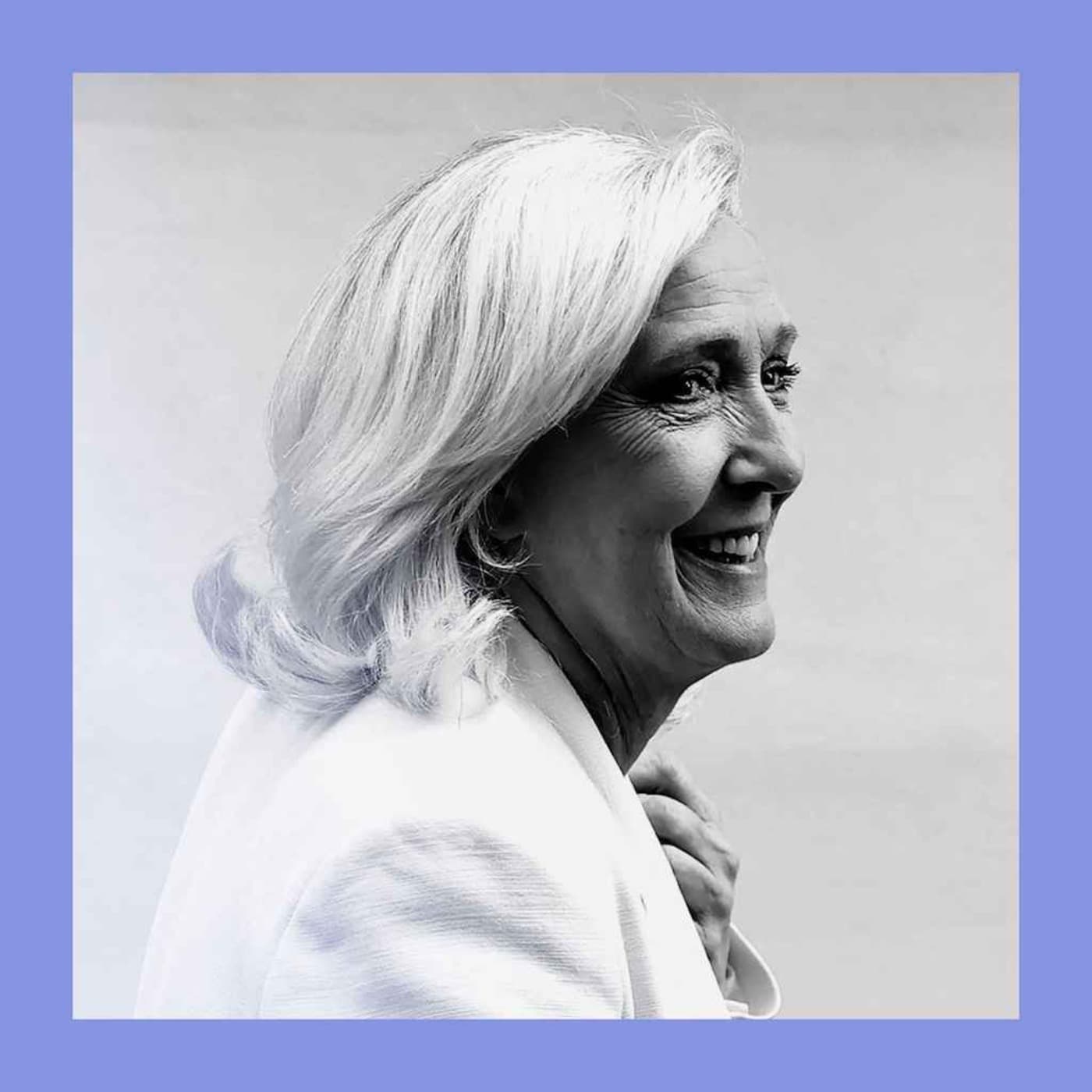
The episode has three main parts. First, Marine Le Pen’s presidential bid: after a Paris appeal upheld her conviction for misusing European Parliament funds, her sentence was lightened and her ban on running was shortened because she had already served the ineligibility period. She says she’s innocent and will appeal to the Cour de Cassation.
Key claims
her campaign starts now; her left-leaning policies (e.g., lowering pension age, protecting low incomes) are unusual for hard-right populism; she leads in first-round polls (~30% vs next ~20%) but second-round outcomes are tight (around just over 50%).
Guests
Sophie Peder (Economist Paris bureau chief) and Sam Colbert (senior producer). Second, Iceland’s whale sanctuary: belugas “Little White” and “Little Grey,” previously captive in Russia/Shanghai, are tested in a larger bay; stress and ulcers occurred, but short outdoor spells in 2023 looked promising. Third, Route 66: John Fassman (culture correspondent) and Lee Woods (American Giants Museum, Route 66 giant fiberglass statues).
Written by AI. May contain mistakes. Listen to the episode to check what was said.
Chapters
Tap a time to open that second in VOMarine Le Pen's Presidential Run
1:02 to 1:12
Discussion on Marine Le Pen's recent announcement to run in the presidential election.
Marine Le Pen's Presidential Run
1:26 to 2:38
Discussion on Marine Le Pen's recent announcement to run in the presidential election.
“And our journey down Route 66 takes us into its commercial history.”
Legal Challenges and Political Landscape
2:38 to 4:04
Analysis of the court ruling on Le Pen's conviction and its implications.
“It sets France up for a very unusual election campaign because the candidate has now been convicted twice in the first and second instances, although she's appealing.”
The Le Pen Legacy and Campaign Strategy
4:04 to 5:42
Exploration of Le Pen's family legacy and political positioning.
“Her father, Jean-Marie Le Pen, co-founded the National Front, as it was known then, in the 1970s.”
Potential Rivals in the Election
5:42 to 8:00
Overview of other candidates expected to contest the upcoming election.
“And Sophie, what happens to Jordan Bardella, who was expected to run if Le Pen was barred, who has been Le Pen's protégé?”
Polling and Election Dynamics
8:00 to 8:51
Insights into current polling for Le Pen and the challenges of the second round.
“The first round, she has a crushing lead.”
The Plight of Captive Whales
9:25 to 10:40
Introduction to the subject of captive whales and their living conditions.
“Even on weekends, it's pretty much all he talks about in a good way.”
Shifting Attitudes Towards Captivity
10:40 to 13:05
Examination of changing public opinions on whale shows and captivity.
“And what happens to them could determine the futures of thousands of other whales and dolphins still living at theme parks and aquariums.”
Innovative Solutions for Captive Whales
13:05 to 14:00
Discussion on potential solutions for the future of captive whales.
“Those bans on captivity make no provision for what happens to existing animals.”
The Journey of Little White and Little Grey
14:00 to 18:41
Explore the challenges faced by belugas in transitioning to a sanctuary.
“Another idea is to send them to parks that are still open in other parts of the world.”
Show all 14 chapters
Future Prospects for Whale Sanctuaries
18:41 to 20:09
Discuss the future challenges and potential for whale sanctuary projects.
“Is it ever difficult to hold on to the conviction that the bay is the best place for them?”
Route 66 and Quirky Americana
20:09 to 23:07
A look at unique roadside attractions along Route 66 and their history.
“What's the weirdest museum you've ever been to?”
The Nostalgia of Travel
23:07 to 26:07
Reflect on the nostalgic aspects of traveling along historic routes in America.
“It connected the Great Lakes in Chicago with the Mississippi and Arkansas rivers in St.”
The Nostalgia of Travel
26:11 to 26:35
Reflect on the nostalgic aspects of traveling along historic routes in America.
“It's called Chat Concierge and it's simplifying car shopping.”
Transcript
Automatic transcript. May contain errors.0:00With no fees or minimums on checking accounts, it's no wonder the Capital One bank guy is so passionate about banking with Capital One. If he were here, he wouldn't just tell you about no fees or minimums. He'd also talk about how most Capital One cafes are open seven days a week to assist with your banking needs. Yep, even on weekends, it's pretty much all he talks about. In a good way. What's in your wallet? Terms apply. See CapitalOne.com slash bank. Capital One N.A. Member FDIC.
0:32This intelligence podcast is sponsored by Backmarket, the leading global marketplace for refurbished tech. When the kids need phones, laptops, or tablets for school, buying refurbished tech makes sense for families trying to save money without sacrificing quality. At Backmarket, tech costs up to 50 % less compared to new. All devices have been professionally refurbished and come with a one-year warranty and 30-day return policy. Start saving money. Visit Backmarket.com or the Backmarket app to shop now.
1:12Sophie Pedder:Hello and welcome to The Intelligence from The Economist. I'm Rosie Bloor.
1:21Sophie Pedder:Today on the show, the world's first sanctuary for captive whales. And our journey down Route 66 takes us into its commercial history.
1:36Sophie Pedder:First up, though.
1:49Sophie Pedder:Last night, Marine Le Pen, leader of the populist right National Rally Party, said she will run in France's presidential election next year. Back in 2025, it looked like Le Pen's political career might be over. She was convicted of misusing European Parliament funds for her party and banned from running for elected office for five years. Yesterday, a court of appeal in Paris upheld Le Pen's conviction, but crucially, it lightened her sentence, freeing her to run. The vote in April 2027 may be nine months away, but the presidential campaign has now started. Le Pen's decision to run ends 15 months of uncertainty for her party, the national rally.
2:38Sophie Pedder:Sophie Peder is our Paris bureau chief. It sets France up for a very unusual election campaign because the candidate has now been convicted twice in the first and second instances, although she's appealing. A lot of twists and turns in the day, but at least now the campaign proper can begin. Sophie, it's been something of a saga getting to this point. Just talk me through the details of exactly what happened yesterday. Yesterday, the Court of Appeal in Paris upheld her conviction. It handed her a three-year jail sentence. Two of those are suspended and one is to be served with an electronic ankle tack.
3:19Sophie Pedder:But crucially for Le Pen, and this is what really made the difference, is that the court shortened her ban on running for office and ruled that she'd already served the ineligibility penalty. So that freed her to run.
3:38Sophie Pedder:Le Pen said last night that the ban had posed an enormous democratic problem and that she said it was now up to the people to decide. She continues to claim she's innocent, and she has said that she will now take her appeal to the highest court, the Cour de Cassation. Okay, Sophie, so that's all very complicated, but the main thing is that she is running. Can you just remind us why she's such an important figure in French politics? It's an extraordinary story. It's the story of a family. Her father, Jean-Marie Le Pen, co-founded the National Front, as it was known then, in the 1970s. He stood in elections from 1974 up till 2002, only one he didn't stand in.
4:22Sophie Pedder:So you've got over half a century of a member of the Le Pen family standing in French presidential elections. There's no other family that has represented anything of the sort. She inherited a party that was xenophobic, anti-Semitic, and she has really brought it closer to respectability. It's now considered by a lot boasters in France as a party like any other. She has been on a quest to sort of earn it, this mainstream quality. And that is why she, I think, wants to prove that now she can do it. And now that we know that she's running, how will that actually shape the campaign? Well, it definitely marks the start of the presidential campaign.
5:00Sophie Pedder:It is providing some clarity for her opponents as well. They know now who they will be up against. And that matters because up till now for the last 15 months, it hasn't been clear. It also enables her to really shape the policy direction that the party's going in. She has some fairly left-leaning views, which is quite unusual for a hard-right populist politician, on things like lowering the pension age or protecting people on low incomes. She has her base in the northeast of France. She's a deputy for the mining basin, and she very much bases her support on the working class electorate. And that is where she'll be concentrating most of her appeal.
5:43Sophie Pedder:And Sophie, what happens to Jordan Bardella, who was expected to run if Le Pen was barred, who has been Le Pen's protégé? Will they be able to work together now? Well, what a story for him. I mean, there he was looking at the prospect at the age of 30 of making a presidential bid himself on the assumption that the ban would still be in place for Marine Le Pen. And when I interviewed him in Strasbourg not so long ago, he was clearly preparing himself for that, mentally getting into his head the idea that it would be him. Now it's not him. That puts him back into second place. And it also brings into question, I think, the strategy he had been embracing, and that is one of trying to both use Marine Le Pen's working class base, but also widen it out to a more middle class electorate, which is more interested in a business friendly, fiscally responsible programme, slightly more liberal sounding at least.
6:34Sophie Pedder:That will now be up to her whether she wants to take any of that on board. The two of them say they're going to work together. And today they're off campaigning in a market together. They are definitely making those sounds. But I think there's inevitably going to be tensions between them. Now that it's Marine Le Pen, who's the boss. And Sophie, we're talking here about a presidential election in April 2027. Who else is likely to contest that race? Well, Rosie, honestly, if you look at the list, you wouldn't believe how long it is. There are at least 30, even 40 candidates who say they're going to run.
7:09Sophie Pedder:So it's very messy and very crowded at this point. I think what you need to focus on are the leading characters. And in the centre, that's the succession space to Emmanuel Macron. There are two prime ministers of his, Edouard Philippe and Gabriel Attal. Both have declared they're running and they are campaigning at the moment. We have Jean-Luc Mélenchon on the populist left, who has declared that he's running again. Then there's a candidate on the centre-right. And there's a bunch of candidates among socialists and one green. So too many candidates at this point. We don't know how that will filter out at the end.
7:44Sophie Pedder:But for now, at least they know who they are up against and what kind of campaign they have to shape. So a long list of candidates at the moment and far out. But is it possible that Le Pen could win? If you look at the polling for the first round, France holds a two round presidential election. The first round, she has a crushing lead. And these are polls that were taken before the verdict. So we'll need to look at how they look afterwards. But the lead in the first round voting is absolutely clear. And it made no difference whether it was Jordan Bardella or her. She's at around 30 % in the polls with the next place candidate.
8:21Sophie Pedder:No better than about 20%. That would be someone like Edouard Philippe. The thing about the French election is that it all hinges on the second round. Once you've got yourself a second round place, you've got to get 50%. And that's where it's more difficult. The polls are not clear at this stage. They were a little bit clearer for Jordan Bardella. But with Marine Le Pen, they're not so clear. They're always around just over 50%. So it's going to be extremely tight. But at this point, we are still nine months out from the election. And I would say polls in the past have often been wrong. So there's really everything to play for.
8:53Sophie Pedder:Sophie, thank you very much. Thank you, as always.
9:24One cafes are open seven days a week to assist with your banking needs. Yep. Even on weekends, it's pretty much all he talks about in a good way. What's in your wallet? Terms apply. See CapitalOne.com slash bank. Capital One N.A. Member FDIC.
9:56These are the girls. That's what their carers call them, the girls. Their names are little white and little grey. They are beluga whales.
10:06Sophie Pedder:Sam Colbert is a senior producer on our podcast series. Belugas are pale grey and chubby, with little black eyes, bulging foreheads, and big smiling mouths. They might look babyish, but they're incredibly intelligent. These two were caught in Russia when they were still small, then sent to a theme park in Shanghai. There, they grew up performing tricks for paying audiences. Now, they're the subjects of a bold experiment. They live here, in Iceland, at the world's first sanctuary for captive whales. And what happens to them could determine the futures of thousands of other whales and dolphins still living at theme parks and aquariums.
10:54Yes, sir, that's our baby, watch her. She swims like crazy Shamu. Whale and dolphin shows became popular in the 1960s thanks to SeaWorld's Shamu the Orca and TV's Flipper the Dolphin. They enjoyed success well into the 2000s. But then public opinion started to shift.
11:23Orange County Sheriff's Office. We need SO to respond for a dead person at SeaWorld. A whale has eaten one of the trainers. A whale ate one of the trainers? That's correct. We just need a ditty out there. More and more horrible incidents at parks like SeaWorld in Florida were in the news. And the darker sides of whale and dolphin captivity were dramatized in documentaries like The Cove and Blackfish. All whales in captivity have a bad life. They're all emotionally destroyed. They're all psychologically traumatized. Protests from animal rights groups grew. Social media exploded with calls for SeaWorld boycotts.
12:04Stop the torture and stop the pain! SeaWorld is too late! Stop the murder! If you were in a bathtub for 25 years, don't you think you'd get a little irritated, aggravated, maybe a little psychotic? Eventually, SeaWorld had to adapt. Faced with nosediving visitor numbers and increasing pressure from politicians and campaigners, the company says it's phasing out the performances.
12:35By the end of this saga, Western audiences had soured on whale and dolphin shows. In the last few years, several governments in Canada, Mexico, Belgium, and Switzerland have passed laws to phase out keeping them all together. Today, over 3 ,700 dolphins, orpuses, and whales live in captivity around the world. But as regulations tighten and attendance falls, some of the parks and aquariums that house them are shutting down. And that's led to a new problem. Those bans on captivity make no provision for what happens to existing animals. Marineland says they are bankrupt, out of cash, and could be forced to euthanize 30 of their beluga whales.
13:23At Marineland in Canada, 30 belugas have been living in decrepit pools, almost two years since any tourist has visited. At another park on the French Riviera, two orcas have been circling dirty tanks, still a year and a half after the place closed. Both species can live for over 50 years, so what should happen to them? Releasing them is not a viable option. Whales in human care lose their survival skills. Most scientists agree that if you left them to fend for themselves in the ocean, the animals would struggle to survive. Another idea is to send them to parks that are still open in other parts of the world.
14:04That's mostly what's been happening. But simply relocating their confinement doesn't feel like a real solution. Which brings me back to Little White and Little Grey. the belugas in Shanghai who moved to the world's only whale sanctuary, they found a third option. I traveled to Iceland to see if it was working.
14:35The sanctuary is on a small island off the south coast of Iceland. As you approach its harbor from the sea, you pass a bay formed by a horseshoe of sheer cliffs. In the world of Wales, this is a special place. As our boat enters the bay, Janice Arova, a conservationist and my chaperone, points out a metal plate fastened to the rock face. So that's the Keiko's chain? Oh yeah, and that's all that's left of it, is it? It's just a bit of metal chain. Keiko is probably history's most famous orca. He played Free Willy in the 1993 film. After retiring from the silver screen, he was brought here, and that chain once supported the underwater net that kept him penned in.
15:19For four years, a team here slowly rehabituated Keiko to life in the wild, and in 2002, they finally released him into the open ocean. It didn't go well. The next year, he developed pneumonia and died in a Norwegian fjord. Observers considered the project a failure. But what about Keiko's four happy years in Iceland? Maybe that was the model to replicate. So, nearly two decades later, a charity called the Sea Life Trust tried to build on that legacy. They brought Little White and Little Grey to the same bay in Iceland. The two belugas would receive round-the-clock care in a netted portion of the bay.
16:03They'd never be fully released, but they could live out their remaining years in this bigger and more natural setting. Well, that was the idea. When I visited the island this spring, the girls weren't in the bay. They were in another indoor pool, in the island's fishing village, about the same size as the one they'd left. It's been seven years since they arrived here. What happened? In the beginning, the team was waiting for a months-long stretch of good weather. The whales hadn't been outside in eight years, and their first taste of freedom should be a positive one. And when they first went out into the bay in the summer of 2020, Jana says the signs were encouraging.
16:48They would hunt fish around and swim after things. They interact with the birds. They try to snap at the little feet of the puffins, so the puffins would swim, you know, and they have the little legs. They're just messing with it. But the team also saw less encouraging behaviors. The whales showed signs of stress. Little Gray developed stomach ulcers and stopped eating. So it's something that they've been living with for a very long time and get set on by changing diet. Or it could be, you know, they get spooked because there's fireworks. It's different scenarios may set it off. So the girls returned to the indoor pool for the winter to recover.
17:26Then the pandemic set things back another year. But by the summer of 2022, the team had made some improvements and were ready to try again. But then... A boat sank two days before the move day. Gosh. Yeah. I see this oil spill from the boat and everything. So we had to clear up the debris because it just sank right here, right here. Another summer, gone. But then finally, in 2023, the girls returned to the bay. Gray went through the gate and then started to explore. and she was having such a great time out there. It was lovely to see. The first spell in the bay lasted four months and the second just four weeks.
18:06Each time, the whales seemed happier back in their indoor safe space. By one metric, this has not been a success. The whales are, after all, still in a concrete pen. But while critics wanted to declare this project dead, that conclusion feels premature. Exploring whether this can work while keeping these animals healthy is going to require patience. You want to give them the best possible life. So doing it right and doing it by them is the most important for us in this facility, definitely. Is it ever difficult to hold on to the conviction that the bay is the best place for them? You know, you kind of see them doing, you know, well in here and happy in here, and then they go to the bay and they look a little upset.
18:52But I still believe that. And why I believe that is because what I've seen in Gray when we moved in 23, she was just having a blast out there, like genuine blast with starfish and flatfish and just having such a great time with the team. And there were moments that I would just never forget for the rest of my life. And I think we can definitely do this. We just need to give them a really, really good chance. That's all. In the seven years they've been here, the team has learned a lot. They've been making improvements to the bay infrastructure to make it more comfortable for the whales and safe for the humans who look after them.
19:27And this month, they will try bringing the whales out again. Several other whale and dolphin sanctuary projects are now in development around the world. They'll all need funding, and staff, and workable locations. It won't be easy. But their biggest hurdle is here in Iceland. This summer, Little Grey and Little White will need to show everyone that whales can and should be set free.
19:58Sophie Pedder:And you can hear more from Sam and his pursuit of sea life on our recent episode of The Weekend Intelligence, The Last Whales at Marineland. You'll need to be a subscriber. I put a link in the show notes.
20:23What's the weirdest museum you've ever been to?
20:26Sophie Pedder:John Fassman, our senior culture correspondent, is spending this week journeying down America's Route 66. A few months back, I went to a sparkling water museum in Brooklyn. A couple of decades ago, I lived across the street from a musical instruments museum in Moscow. All I remember is dozens of goofy banjos under bad lighting. I'm still kicking myself for missing the Spam Museum the last time I was in southeastern Minnesota. But the American Giants Museum has them all beat. Okay, my name's Lee Woods at American Giants Museum here in Atlanta, Illinois. I'll let Lee explain what it is. Pretty much statues, fiberglass figures from the mid to early 60s in here that we found out in the wild and brought back in here to show people.
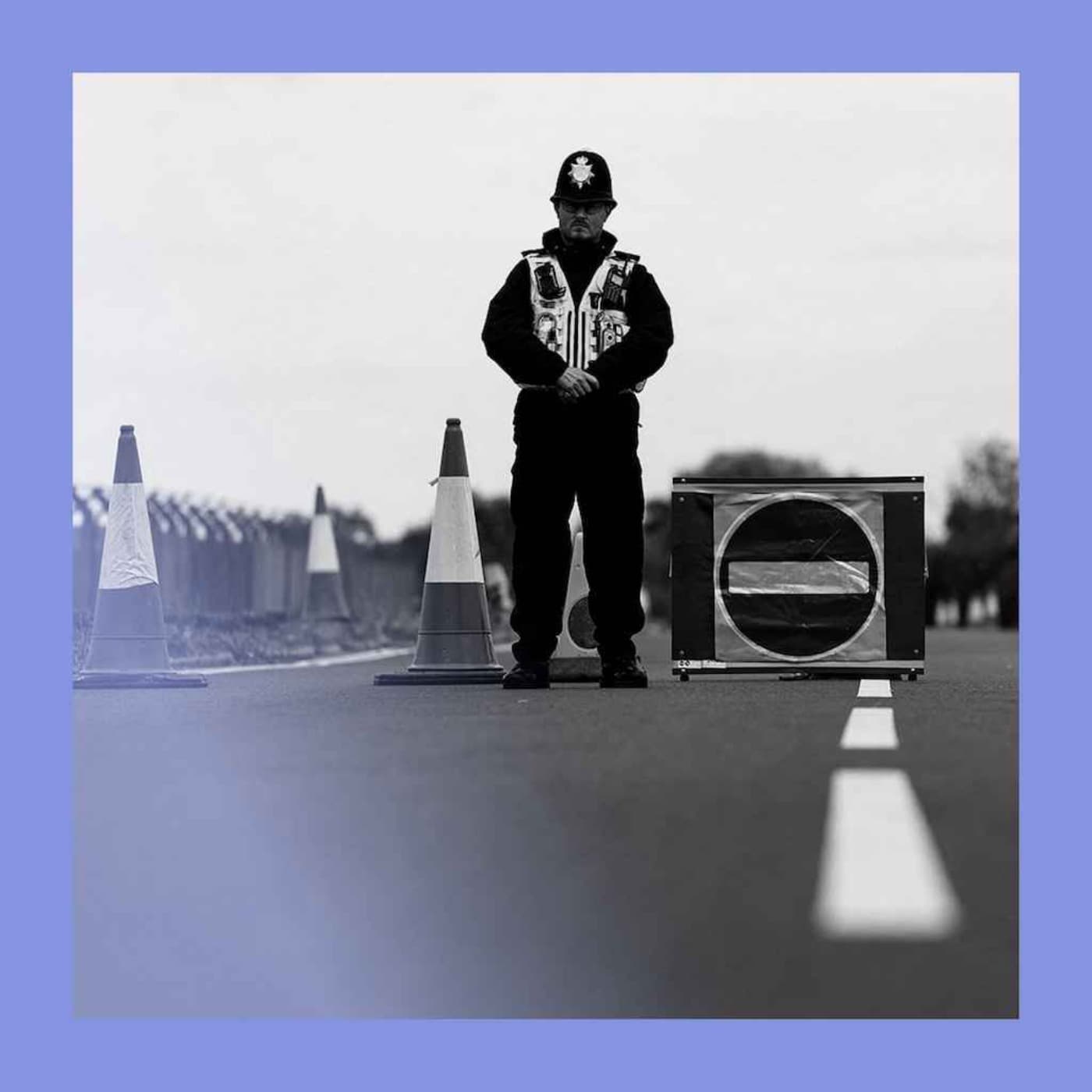
21:18These are huge fiberglass figures that businesses along Route 66 use to advertise. The museum is in a former Texaco station restored to gleaming white. On one side is a giant policeman, with his hand raised either in friendly greeting or about to absolutely wallop someone with a karate chop. On the other, a giant Viking, cowboy, astronaut, mechanic, and Native American stand in a loose circle. Across the street, another giant in blue jeans and work boots is either offering, or preparing to club passersby to death with, a huge hot dog. It's all charming, but a little creepy. It kind of feels like the bucolic pre-mayhem opening scene of a horror film before they come to life.
22:01And these statues were all to advertise. Advertise, yeah. The more kind of quirky or weird it was, the better people would pull in there and see what they had going on. So back then, they worked real good back then. So everybody was trying to get one and try to come up with something different. So like our mascot out there is a Texaco big friend. So Texaco ordered 300 of those in 66. The problem is they was putting them out on a cart system and rolling them out towards the street and everything, and they'd have winds or storms come. They'd fall over and fell on cars. People was getting hurt. They was getting sued, which I didn't even know people knew what suing was back in the 60s, but that's what happened.
22:52So Texaco deemed them all to be demolished and everything. So now there's only six known to exist, and we have two of them. Do you have a favorite one here? Their reminder that Route 66 hasn't always been just a quirky little byway. It was built for commerce. It connected the Great Lakes in Chicago with the Mississippi and Arkansas rivers in St. Louis and Tulsa and the Pacific Ocean in Santa Monica. It transported goods as well as people.
Read the full transcript
23:25But how did people decide where to stop? Remember, this was before the flourishing of chain restaurants and hotels, and before we could call up reviews on the supercomputer in our pockets. Owners competed for drivers' attention and wallets with eye-catching displays, like neon signs, painted billboards, and, yes, giant fiberglass statues, all of which blur the line between art and advertising. But they're not really advertising anything anymore. Now they're just kitschy art. And they highlight the extent to which Route 66 has become an incubator of delightful, specific, out-of-the-way weirdness.
24:02I stopped at one old service station in rural Oklahoma, and he said, you know, there's a guy you should talk to about 17 miles up the road. His house has a car coming out of its roof, and there's a big sign for UFO parking. And if his gate is open, it means he wants to talk about Route 66. Unfortunately, his gate wasn't open, and I had a schedule to keep, so I missed him. But I've done a lot of driving on modern interstates, and not once have I been excited to talk about the highway with strangers. But Route 66 is different. I'll give Lee the last word. That's what I like, is that you see everything's different.
24:36Everybody's got blinders on now, and I think when you travel Route 66, they come off. And you see how, I ain't going to say it was easier back in the mid-50s, because that's what I look at Route 66 is like 50s and 60s vibe, that it was simpler. You know, people went to drive in diners and everything. They ordered the food, took probably 30, 40 minutes to get made. They're out there socializing with everybody. But that's what I like about it. It's just every state's different. Every town's a little different, you know. Everything's a little different as the further you go.
25:44Sophie Pedder:That's all for this episode of The Intelligence. We'll see you back here tomorrow.
26:07This episode is brought to you by Capital One. Capital One's tech team isn't just talking about multi-agentic AI. They already deployed one. It's called Chat Concierge and it's simplifying car shopping. Using self-reflection and layered reasoning with live API checks, it doesn't just help buyers find a car they love. It helps schedule a test drive, get pre-approved for financing, and estimate trade-in value. Advanced, intuitive, and deployed. That's how they stack. That's technology at Capital One.
From the publisher
Last night, the populist-right leader announced that she will run in the French presidential election next year. Our correspondent analyses the Le Pen dynasty and explains how this decision will shape the campaign. The world’s first refuge for whales once held in captivity. And our journey down America’s Route 66 takes us into its commercial history.
Guests and host:
- Sophie Pedder, Paris bureau chief
- Sam Colbert, senior podcast producer
- Jon Fasman, senior culture correspondent
- Rosie Blau, co-host of “The Intelligence”
Topics covered:
- Marine Le Pen, National Rally
- Whales, beluga, animal rights
- Route 66, America
Listen to what matters most, from global politics and business to science and technology—Subscribe to Economist Podcasts+
For more information about how to access Economist Podcasts+, please visit our FAQs page or watch our video explaining how to link your account.
Hosted on Acast. See acast.com/privacy for more information.