In short
France’s April-May presidential election—polls show Marine Le Pen leading and the centre struggling to find a candidate who can beat her; plus a report on India’s India-Bangladesh buffer zone and deportation/pushback practices; plus why Argentina dominates modern polo.
Guests (and backgrounds)
Sophie Pedder, Economist Paris bureau chief covering French politics; Kira Huyu, Economist Asia correspondent reporting from Harkimpur, West Bengal border buffer zone; Hamish Clayton, Economist writer on culture discussing polo; Maximiliano Fernandez, Argentine polo player/manager.
Key claims
Le Pen is stable in low-to-mid 30s and wins all runoff scenarios in polls; centrist fragmentation risks a Le Pen vs Mélenchon choice. In India’s buffer zone, security checks and “infiltrator” policies trap locals and enable allegedly unlawful deportations, with Muslims treated differently from non-Muslim minorities. Argentina’s polo success is driven by horse resources, breeding/cloning, and a tech-friendly polo regulator.
Notable examples
Le Pen serving frites from a food truck; Philippe as Macron’s former prime minister; India’s proposed fence/curfew; Bangladeshis and Indian citizens detained in holding centres; polo’s Argentine dominance (27 of top 30 pros).
Written by AI. May contain mistakes. Listen to the episode to check what was said.
Chapters
Tap a time to open that second in VOElection Season in France
0:36 to 0:59
Explore the dynamics of the upcoming election season in France and its political candidates.
“Hotels.com makes booking work trips easy and rewarding.”
Election Season in France
1:20 to 2:28
Explore the dynamics of the upcoming election season in France and its political candidates.
“and why Argentina is so good at polo First up though It's election season in France, a time when politicians who normally wear suits and ties start venturing far from their usual habitats.”
Marine Le Pen's Rise
2:28 to 2:58
Understand Marine Le Pen's current political standing and her impact on the election.
“The election next April and May may seem a long way off, but it is absolutely a crucial moment for the French because for the first time in 10 years, Emmanuel Macron can't stand again.”
Polling Insights for France
2:58 to 4:52
Analyze the stability of polls and their implications for candidates in France.
“Now, she was in the north of France as well, launching her own presidential bid.”
Challenges for the Centrist Candidates
4:52 to 5:48
Discuss the fragmentation of centrist candidates and their challenges against Le Pen.
“And when I speak to people in the centre, I spoke, for example, to Clément Beaune, who was a former Europe minister from Emmanuel Macron's party.”
Traits of Successful Candidates
5:48 to 8:07
Identify key traits of successful candidates who have beaten right-wing populism.
“could actually unify around, what would they then have to do to beat Marine Le Pen?”
Future of the French Centre
8:07 to 9:19
Speculate on the future of centrist politics in France and potential candidates.
“to create the sort of momentum that he needs to to carry him forward as the most compelling candidate in order to get others to rally around him.”
Future of the French Centre
10:14 to 10:36
Speculate on the future of centrist politics in France and potential candidates.
“Meet tomorrow prepared with Zurich Insurance.”
Border Politics in India-Bangladesh
10:44 to 14:00
Examine the complexities of the India-Bangladesh border and its political implications.
“I watch as two girls in Berkha's wait for a border guard to search their rucksacks.”
Border Tensions and Deportation Issues
14:00 to 17:42
Explore the complexities of India's border security and the impact on citizens.
“are rounded up across India, bussed to border towns and literally shoved into Bangladesh.”
Show all 11 chapters
The Rise of Polo in Argentina
17:42 to 21:28
Learn about the evolution of polo in Argentina and its global impact.
“The Wintry Wintry weather notwithstanding, the great summer game is in full swing at Roehampton, where the Whitney Cup final brings the 12th Lancers face-to-face with the Panthers.”
Transcript
Automatic transcript. May contain errors.0:00This intelligence podcast is sponsored by Perk, the intelligent platform for travel and spend. Every person on your team loses up to seven hours a week doing the work behind the work, submitting expenses, matching receipts and booking travel. Using AI and automation, Perk can do that work, bringing travel and spend together in one place. Enjoy three months without platform fees when you sign up at Perk.com forward slash the intelligence. That's Perk.com forward slash the intelligence. New U.S.-based corporate customers only. Terms apply. This intelligence podcast is sponsored by business travel on hotels.com.
0:35Does booking business travel feel like another job? Hotels.com makes booking work trips easy and rewarding. It's easy because you can set your preferences once and get results tailored to your business travel needs every time. It's rewarding because with hotels.com's free rewards program, you can save instantly on your next work trip and earn rewards for future travel. Book faster with confidence at Hotels.com. Loyalty members 18+.
1:09Hello and welcome to The Intelligence from The Economist. I'm Jason Palmer.
1:14Sophie Pedder:And I'm Rosie Bloor.
1:19Today on the show, inefficiency and injustice in eastern India's buffer zone and why Argentina is so good at polo
1:34First up though
1:45Sophie Pedder:It's election season in France, a time when politicians who normally wear suits and ties start venturing far from their usual habitats.
1:57Sophie Pedder:A leading candidate from the centre-right recently turned up at a food truck in an apron to serve frites to passers-by.
2:08Sophie Pedder:Another one climbed to the top of a wind turbine. Yet another hopeful launched a tour of a thousand bistros. All of them are desperately trying to get closer to voters and make inroads on the candidate who's currently soaring ahead in the polls, Marine Le Pen from the anti-immigration right-wing national rally. The election next April and May may seem a long way off, but it is absolutely a crucial moment for the French because for the first time in 10 years, Emmanuel Macron can't stand again. He's constitutionally barred from running for a third consecutive term. Sophie Pedder is our Paris bureau chief.
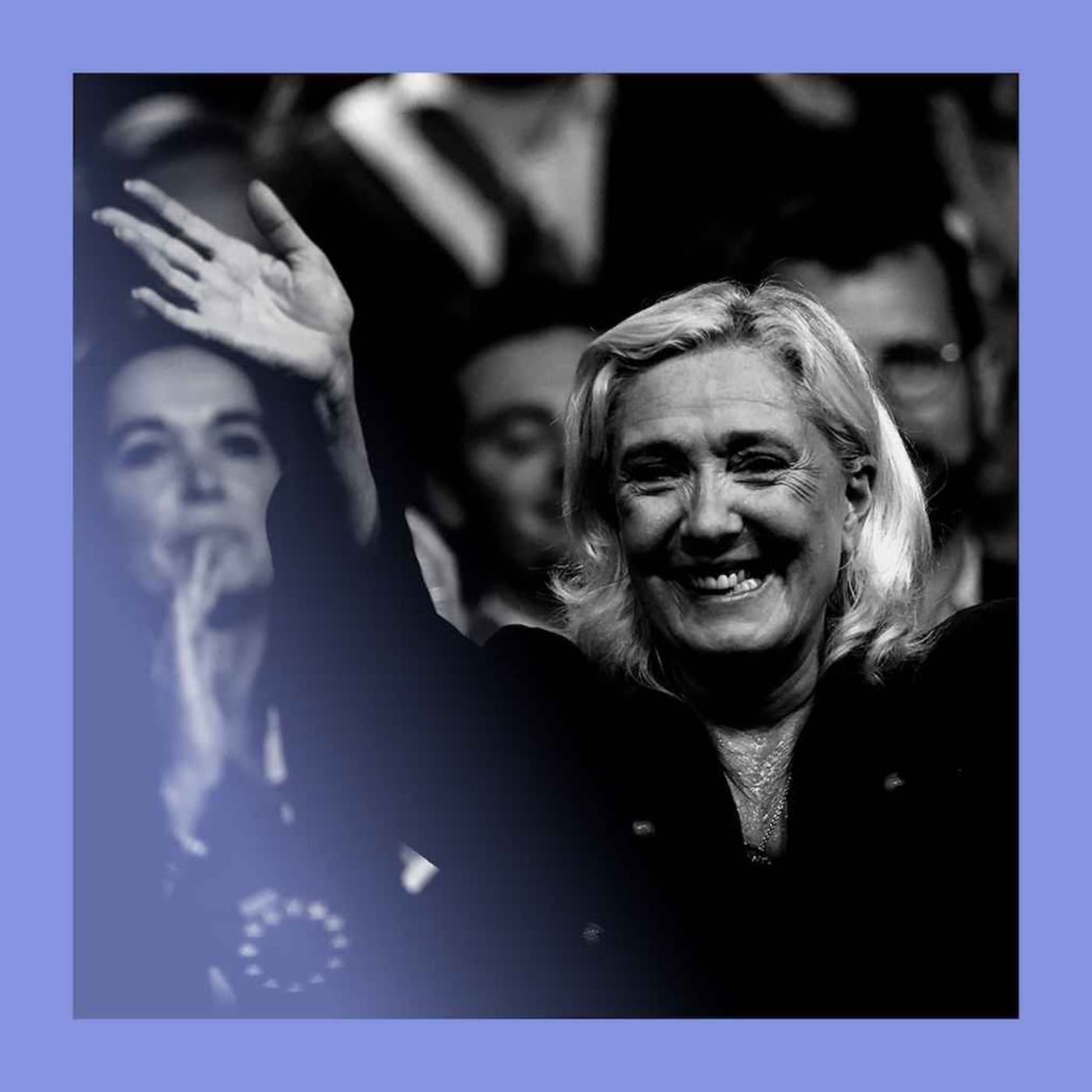
2:54Sophie Pedder:And the pole favourite for this election is Marine Le Pen. Now, she was in the north of France as well, launching her own presidential bid. With us, the French, whatever their skin color or religion, their origin or residence, whatever their region or their social conditions, will be prioritized at them. And with seven months to go now, the presidential race has turned into what seems like a single question, and that is, who can beat Le Pen? So what do the polls show at the moment? Well, the polls have been remarkably stable. They show Marine Le Pen with a commanding lead in the low to mid-30s for the first round.
3:39Sophie Pedder:It's a two-round election, so the important thing is to qualify. And that is a big lead, at least 13 points ahead of her closest rival. Now, at the moment, that's Edouard Philippe. He was one of Macron's prime ministers, the first prime minister, in fact. But in each of the three runoff scenarios, so the final round, Le Pen wins, according to the poll. If she's pitted against Philippe in the final round, she would win by 55 % to 45%, so not even close. Which means that the French centre is struggling to come up with someone that they can all rally around and someone who has a strong chance of beating her.
4:16Sophie Pedder:How reliable would you say that polling is this far out from the actual election? Well, it's an interesting one, Rosie, because actually, if you look back, polls have often been wrong at this time. Emmanuel Macron, for example, was hardly tested in the polls before his election in 2017. And there are some famous cases where candidates who looked like favourites, and I'm thinking of Edouard Balladio in 1994 or even Alain Juppé in 2016, they just crashed out. So over the past three years, if you look at the polls, Le Pen has only once come in at below 30%, extraordinarily high and extraordinarily stable.
4:52Sophie Pedder:And when I speak to people in the centre, I spoke, for example, to Clément Beaune, who was a former Europe minister from Emmanuel Macron's party. He said that the difference between this election and previous elections is that it is possible this time for her to win. So what is the opposition doing? Well, if you take the broad centre to mean a very wide space between the socialists on the left and the Republicans on the centre-right, there are at least 15 candidates. Some of those have already declared. Some of them are taking part in a socialist primary, so they're doing that in October. Others still have hinted that they will run.
5:29Sophie Pedder:But this kind of fragmentation is incredibly damaging because ultimately it means that none of them might qualify at all. And instead, the French voters will be handed a choice between two extremes, and that would be Le Pen on the far right and Jean-Luc Mélochon on the far left. Aside from finding a candidate that the centre could actually unify around, what would they then have to do to beat Marine Le Pen? Well, if you look at centrist candidates who have beaten populist right parties, and it has happened in a number of European countries, you could look at Hungary or the Netherlands or even Poland or Romania.
6:05Sophie Pedder:And I would say that besides some of the policy platforms, which on the whole have sort of drifted a little bit to the right, so the firm on immigration and crime, what these candidates share are a few traits. One of them is they have a huge amount of energy. So they really are out there talking to people, crisscrossing the country and showing how energetic and dynamic they are as candidates. The second trait I say was that they have a kind of rebelliousness about them. That's to say that they managed to present themselves to the electorate as outsiders, even if that's not strictly the case, they've managed to portray themselves as someone who's different, who can upend things and make a difference.
6:43Sophie Pedder:And I would say the third thing is a sort of ability to express things really clearly and really simply on issues that voters care about. So this means embracing up to a point slogans, TikTok videos, having an imaginative way to really capture the imagination of the electorate. In some ways, they actually borrow some of those techniques from the populace that they're trying to defeat. And can anyone in France do that, do you think? Well, the bad news for the French centre is that there are two candidates who are very good at all of these things, and that's the two extremes, Marine Le Pen and Jean-Luc Mélenchon.
7:16Sophie Pedder:If you look at the three leading candidates in the centre and the centre of right, all of them are either former prime ministers, like Edouard Philippe. He was the one who was serving chips from the food truck in northern France, Gabriel Attal, or a former interior minister like Bruno Retailleau. And the problem for them is that it's very difficult when you've served under Emmanuel Macron to then say that you are the best alternative to him. I suppose that the closest you've got to the sense of an outsider would be somebody like Raphael Glucksmann, who's standing at the socialist primary. He actually is standing on behalf of his own party.
7:48Sophie Pedder:It's an allied, much younger movement, but he trails at fourth place in the presidential polls. Up to a point, you could say that Edouard Philippe has a sort of outsider's quality because he was re-elected as mayor of Loire, which is a port in Normandy. So that gives him a sort of regional flavour. But he is not managing to create the sort of momentum that he needs to to carry him forward as the most compelling candidate in order to get others to rally around him. It sounds then, Sophie, like you're predicting a Le Pen presidency. I'm not predicting anything at the moment, Rosie, but I think one thing we can say is it can't be ruled out.
8:24Sophie Pedder:Another thing is that for the centre, they need to and can cling to the hope that polls are often wrong. It's very early and it is possible for some sort of deal still to be done among these centrist candidates. But it's a very difficult thing to achieve. There's already been a rejection on the part of some of them to even talk it through. And I suspect that we won't really get clarity about whether there is a single emerging figure until the end of the year or possibly even early 2027, which is why some people in the centre are looking to the saviour, the outsider, the grand figure who could come in and rescue the country from the extremes.
9:04Sophie Pedder:And people mention all sorts of characters from Christy Lagarde, the European Central Bank governor, or François Hollande, a former president. But at the moment, neither of those are running for the presidency and it leaves the centre in a messy and unsatisfactory situation, trying to find a single candidate and clarity of purpose for this election. Sophie, thank you very much. Thanks, Rosie. It's always a pleasure.
9:38This Economist podcast is sponsored by Scribd, the knowledge platform with more than 350 million documents shared by real people. Whatever you're working on, Scribd is where you go to find information, build understanding, and get it done. And if you're a student or educator in the U.S., a valid school email address gets you a discounted subscription plan. Head to Scribd.com to claim yours. That's S-C-R-I-B-D dot com. Must be 18 or over. This intelligence podcast is sponsored by Zurich Insurance. Helping businesses meet new opportunities prepared. Meet change prepared. Meet growth prepared. Because with experienced professionals who understand your industry, decades of risk engineering expertise, and one of the world's largest commercial insurance networks, Zurich Insurance helps businesses understand risk, build resilience, and move forward with confidence.
10:35Meet tomorrow prepared with Zurich Insurance.
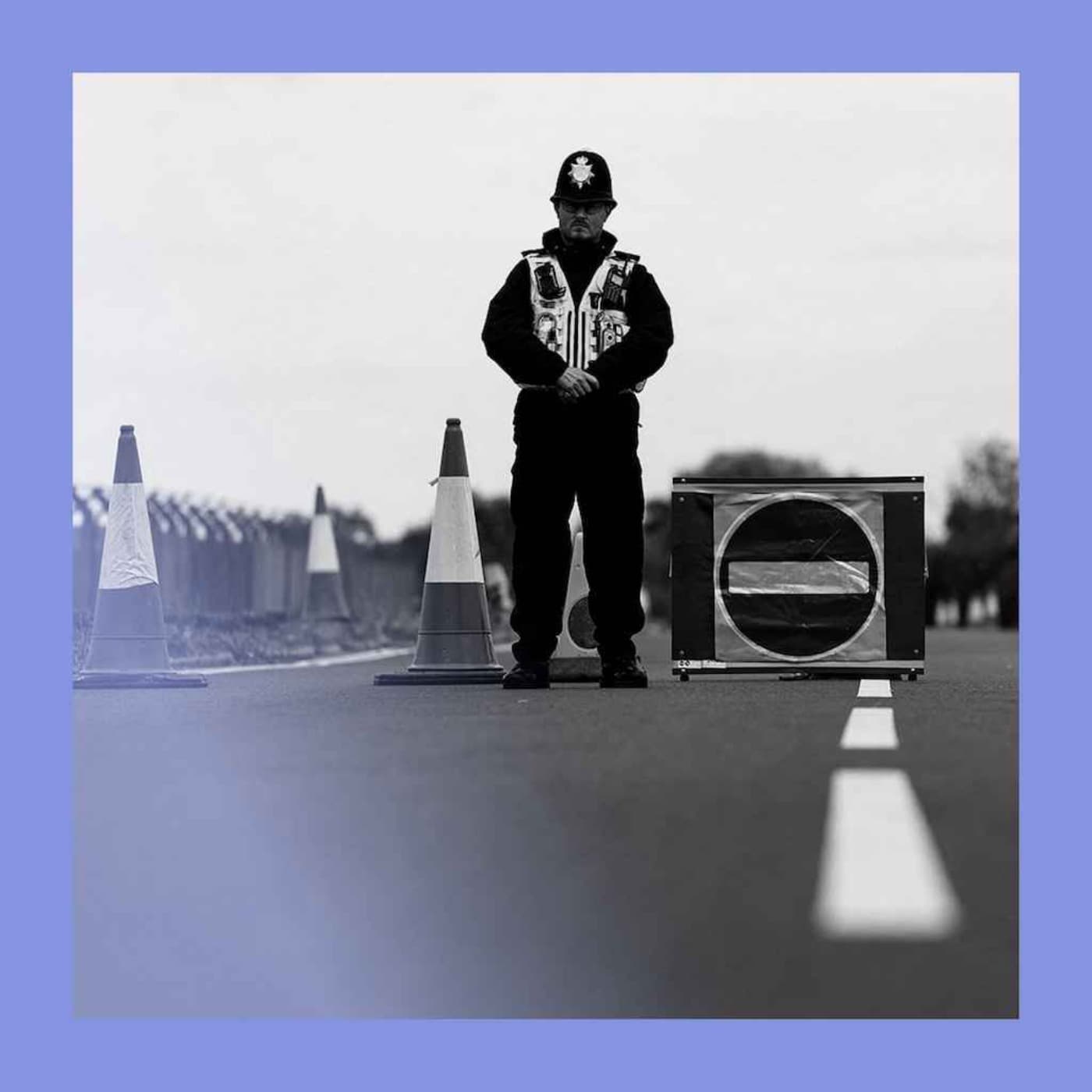
10:44I watch as two girls in Berkha's wait for a border guard to search their rucksacks. There is a makeshift checkpoint along this village road, which is holding up bikes and businesses and lives.
10:58Kira Huyu is an Asia correspondent for The Economist. We are in Harkimpur, in the Indian state of West Bengal, which borders Bangladesh. And behind all of us is an uneasy kilometre-wide buffer zone, still within Indian territory, but governed without its freedoms. Now, unlike many borderlands, this is not no-man's land. 25 ,000 inhabitants live in its seven villages. A crowd gathers very quickly to complain to me about the kinds of mounting restrictions and security checks that make life really hard in these borderlands. They are undeterred in their complaints by this moustached gentleman in a tracksuit who keeps hovering around us.
11:45I think by now they are used to plainclothes officers from India's intelligence bureau. So tell me about this buffer zone. Why is it there? It's supposed to be against so-called infiltrators from Muslim-majority Bangladesh. According to India's Home Minister Amit Shah, these infiltrators threaten India's security and its economy and demographic balance. Now, there probably are millions of Bangladeshis living without the right papers in India, but it's extremely unlikely that there are 20 million, which is the sensationalist government estimate. Either way, the Home Minister calls them termites and has promised to kick them all out.
12:26Last year, around three dozen Bangladeshis died at the hands of Indian border guards, according to a Bangladeshi human rights organization. But it's not just Bangladeshis that are caught by India's shrill border politics. That politics is literally trapping Indian citizens as well. And so why are matters at this particular border so tricky? The India-Bangladesh border is almost 4 ,100 kilometers long, and that makes it one of the world's longest. and it's also one of its leakiest. So colonial history split hundreds of millions of Bengali speakers into two separate countries, India and Bangladesh, but many still move back and forth across the border.
13:07There are actually houses along the border that have a kitchen in India and a bedroom in Bangladesh, but that's not something that the Hindu nationalist Bharatiya Janta Party, the BJP, which has been in power since 2014, is particularly happy about. And now for the first time, Earlier this spring, it got the opportunity to change something about it. How did that come about? So in a historic first, the BJP won West Bengal in state elections in April, which means that it is now in charge of the largest of the five Indian states that border Bangladesh. And it didn't take very long for the parties to start announcing all kinds of measures.
13:44In August, Shah's Home Ministry announced a big increase in intelligence units that will be deployed in border towns to keep taps on extremists and infiltrators and smugglers. The party also likes to talk up so-called pushbacks, in which Bengali-speaking Muslims who are allegedly Bangladeshi, not Indian, are rounded up across India, bussed to border towns and literally shoved into Bangladesh. Now, this is a very improvised method. It flouts due process, courts, diplomatic convention. And so we aren't talking about legal deportations here. But Suvendu Adhikari, the new chief minister, is undeterred.
14:23He has told police to hand detainees directly to border security guards instead of presenting them in courts. Since the election, Bangladesh has also massively beefed up its own border patrols on its border, which means that a lot of these people actually now end up in holding centres or get stuck in the buffer zone with Indian citizens. Along the way there, you used the word allegedly Bangladeshis. Why did you use that word? So virtually all those being deported are Muslims, and they are often suspected of being foreigners merely because they speak Bengali and have Muslim-sounding names. I spoke to the mother of an Indian citizen who was wrongly deported and has now been trying since July to get back into India.
15:14Other people have been picked up after this botched revision of voter lists just before the election that marked many residents as ineligible to vote, which then cast doubts over the citizenship. Even if a lot of these people, the vast majority of them, it seems, can actually present credible documents of citizenship. Conversely, locals told me that they've watched papalist Hindus surrendered to border guards only to be reassured that Hindus, who face increasing attacks in Bangladesh, are welcome to stay in India. And as of 2024, that double standard is actually the law of the land. Non-Muslim minorities from neighbouring countries can get fast-tracked for citizenship.
15:54But the buffer zone is not just a place of transiting. You're saying plenty of people, Indian citizens even, actually live there. Yeah, about 25 ,000 of them. And life is getting increasingly tiresome for them. Locals were telling me that some of them waste 45 hours daily with guards who dismantle their bikes. They stick rods or fingers into lunch boxes. In winter fog, apparently sometimes officers aren't really in the mood to man the checkpoint at all, which means that these dens of thousands of locals are stranded on either side. Rationing, which is meant to deter smuggling gangs, actually ends up depriving villagers of adequate food, baby formula, sanitary pads.
16:33And all of this is now just status quo. that is all set to continue. That's set to continue or get more difficult for locals. So along the buffers on an actual fence is now supposed to come up and that would permanently strand these citizens behind a literal lock. Curfew would then be from 6pm to 6am. And because life is getting so argy as most locals say, we are happy to have a fence here if that's what the government thinks is needed for national security. In fact, we are desperate to move out of these borderlands. But these aren't rich folks, and so the government would need to compensate them fairly for their houses and land.
17:09And so far, the government doesn't seem interested in doing that. And then on the diplomatic side, it looks like India's domestic politics will continue to sour an already really bad diplomatic relationship with its neighbor. Whenever you talk to Bangladesh's high commissioner here in Delhi, Riyadh Hamidullah, he talks about this South Asian term, ishat, which is respect or dignity. But it doesn't strike me that BJP's vocabulary of termites and infiltrators really leaves a lot of room for that. Kira, thanks very much for your time. Thank you, Jason.
17:58The Wintry Wintry weather notwithstanding, the great summer game is in full swing at Roehampton, where the Whitney Cup final brings the 12th Lancers face-to-face with the Panthers.
18:09Polo, which is basically hockey on horseback, is perhaps the world's oldest team sport. Hamish Clayton writes about culture. An early version was played in Persia in the 6th century BC, and the modern game was formalized by British officers in India. It soon became the sport of elites. But now a surprising place dominates the polo economy. Argentina.
18:44So why has Argentina done so well? To succeed in any industry, you need the raw materials. They already had plenty of horses which thrived in the Pampas region. These attracted gauchos, the local version of cowboys. So when the sport of polo finally arrived in Argentina, it was a natural fit. Soon Argentine players were reckoned the world's best and remain so. 27 of the top 30 professionals are from Argentina.
19:28Industries soon followed. Argentine polo families have created formidable breeding programs, pumping out the world's greatest polo ponies. Thousands of these ponies get shipped all around the world. Argentine breeders have also pioneered the cloning of ponies. Now many of them are copies of past Argentine greats, and some breeders now sell the foals of clones rather than the clones themselves to retain the intellectual property. It's the world, basically. Here is the best polo in the world. It's here. It's the top. This is the best. I caught up with Maximiliano Fernandez, a polo player and manager who's worked in the industry for his whole life.
20:18The breed in here is the top level. You play the highest goal of polo is here. It's the top, top. you can get better than this. He's seen a huge amount of change in the past 25 years in the area surrounding Pilar, just outside of Buenos Aires. Every scrap of farmland is being bought up and turned into pristine polo fields, clubs, stables and estates. Part of the success is down to regulators. The Polo Association has resisted red tape and embraced technology. and foreigners still bring plenty of money to Argentina's polo bubble. As a result of this, the polo world remains robust, even as Argentina's economy bucks and rears.
21:28That's all for this episode of The Intelligence. We'll see you back here tomorrow.
21:38Thank you.
Read the full transcript
22:08Even on weekends, it's pretty much all he talks about, in a good way. What's in your wallet? Terms apply. See CapitalOne.com slash bank. Capital One N.A. Member FDIC. Early detection can change everything, but early-stage colon cancer often shows no symptoms at all. That's why screening matters aunque te sientas bien. If you are 45 or older and at average risk, it's time to screen for colon cancer. ColoVar Plus makes it simple. It's a non-invasive test, without preparation, that you can do at home in about 15 minutes. This is something you can do on your own time. Your own rhythm. Talk to your provider or ask it online today.
22:49Let's talk about what is not said. Available by prescription only.
From the publisher
Marine Le Pen, party leader of France’s populist-right National Rally, starts her fourth presidential bid with a commanding lead. The country’s political centre is broad, fragmented—and flagging. A buffer zone against so-called infiltrators in India’s West Bengal state is making life miserable also for Indian citizens. And how Argentina’s supply of horses and cowboys led to world dominance in polo.
Guests and host:
- Sophie Pedder, Paris bureau chief
- Kira Huju, Asia correspondent
- Hamish Clayton, culture writer
- Rosie Blau, co-host of “The Intelligence”
- Jason Palmer, co-host of “The Intelligence”
Topics covered:
- French politics, Marine Le Pen
- India, West Bengal, Bangladesh, Hindu nationalism
- Argentina, polo
Listen to what matters most, from global politics and business to science and technology—subscribe to The Economist.
Hosted on Acast. See acast.com/privacy for more information.