In short
Emerging Brands Podcast: Episode Summary - "Boredom Kills Creative"
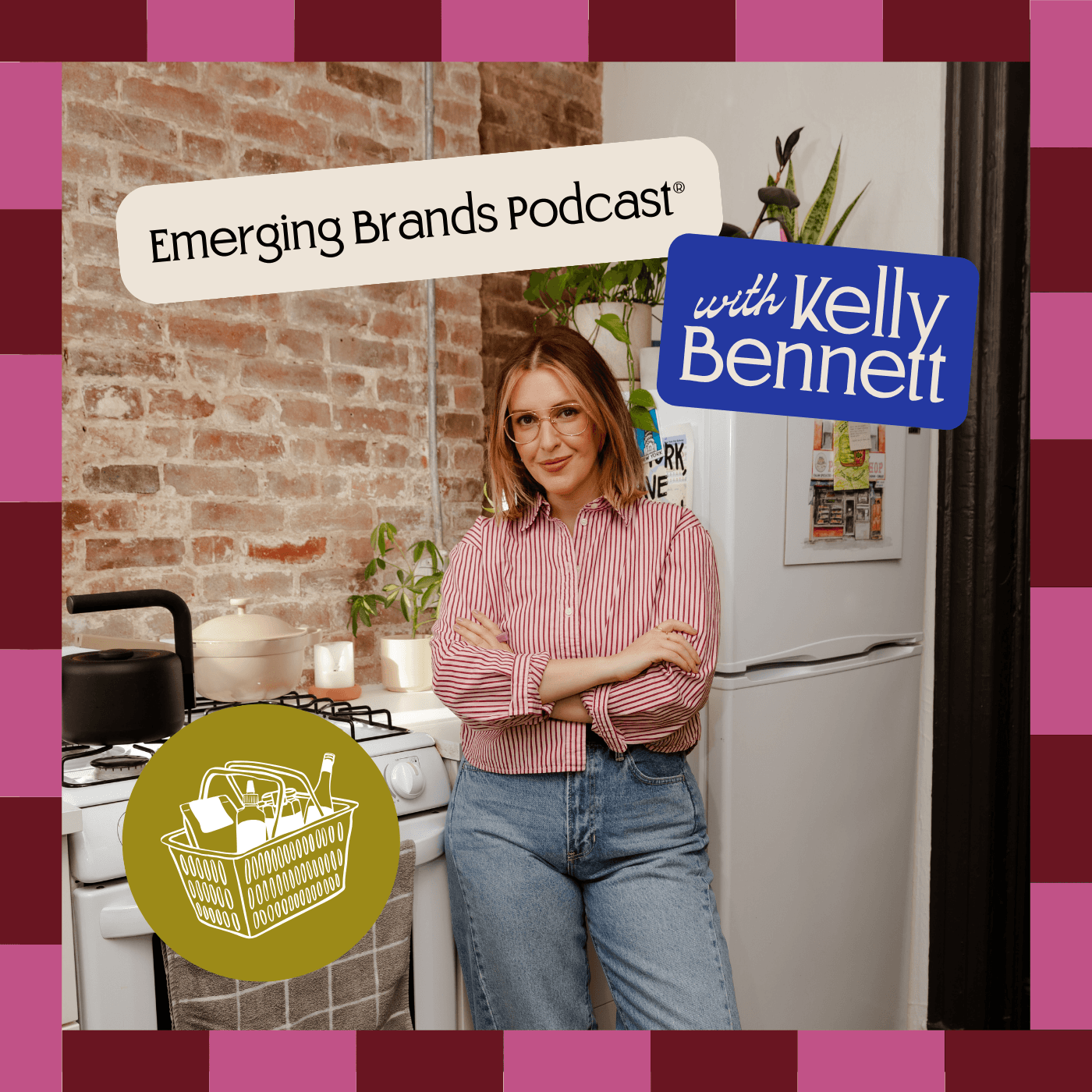
Podcast Overview Title: Emerging Brands Podcast Host: Kelly Bennett Description: This podcast explores the stories behind emerging CPG (Consumer Packaged Goods) brands, focusing on founder journeys, branding strategies, and market growth. It features discussions with industry experts, aiming to provide practical advice for emerging founders.
Episode Details Episode Title: Boredom Kills Creative Guest: Alex Adam, Founder and Creative Director of Boredom Kills Creative Episode Description: Alex discusses his journey from the music industry to branding, emphasizing the importance of strategic branding for CPG companies. His agency helps brands refine their identities to resonate with consumers and foster long-term loyalty.
---
Key Discussions
- Transition from Music to Branding
- Background: Alex Adam transitioned from the music industry, where he spent a decade touring as a musician, to founding Boredom Kills Creative.
- Creative Origin: He discovered his talent for design while drawing on an iPad during downtime on tour, leading him to develop skills in branding and design.
- Agency Philosophy: Boredom Kills Creative prioritizes brand strategy as a means of community building, rather than just visual aesthetics.
- Strategic Shifts for Scaling Brands
- Niche to Mainstream: Alex outlines the strategic changes CPG brands must make when transitioning from niche to mainstream markets.
- Understanding Consumers: He stresses that successful branding goes beyond visibility; brands must truly connect with their target audience.
- Long-term Relationships: Building identities that cultivate enduring consumer relationships is crucial for brand success.
- Brand Strategy Process
- Foundation of Strategy: The process begins with identifying the brand's strategic positioning and consumer pain points.
- Visual and Verbal Territories: Development of mood boards based on strategic insights to ensure that branding aligns with market needs and consumer understanding.
- Brand Essence: Crafting a concise brand essence that encapsulates the brand’s positioning, which then informs the brand expression and design.
- Importance of Collaboration and Trust
- Client-Designer Relationship: Alex emphasizes the need for a collaborative partnership between clients and designers, focusing on shared goals and open feedback.
- Common Mistakes: Many founders overlook the importance of strategy, leading to ineffective branding efforts. He advises investing in strategy early and having clear communication with designers.
- Practical Advice for Founders
- Tips for Early-Stage Brands:
- Invest in Strategy: Start with a solid strategic foundation to guide design efforts.
- Choose the Right Designer: Select designers who understand product branding rather than those who focus solely on aesthetics.
- Continuous Learning: Encourage a culture of learning and adaptation within the brand to navigate challenges effectively.
---
Key Takeaways
- Boredom Kills Creative's Approach: The agency adopts a strategic focus, prioritizing community engagement and emotional resonance in branding.
- Brand Strategy's Role: Effective branding requires a deep understanding of the target market, beyond just creating appealing visuals.
- Creative Problem Solving: Brands should approach design with a problem-solving mindset, ensuring their branding efforts directly address consumer needs.
---
Connect with Alex Adam and Boredom Kills Creative
- [Boredom Kills Creative Website](https://boredomkillscreative.com/)
- Social Media: Instagram handle - boredomkillscreative
Additional Resources Sponsor: This episode was made possible by [Glimpse](https://www.tryglimpse.com/trial?utm_source=emerging%20brands%20pod&utm_medium=podcast&utm_campaign=emerging_brands_pod) - an AI-powered deduction management tool designed to help CPG brands recover lost revenue from invalid retail deductions.
---
Thank you for tuning in to this episode of the Emerging Brands Podcast! For more insights and stories, be sure to follow the show and support the featured brands.
Written by AI. May contain mistakes. Listen to the episode to check what was said.
Chapters
Tap a time to open that second in VOIntroduction of Guest Alex Adam
1:18 to 2:15
Host introduces designer Alex Adam and his agency Boredom Kills Creative.
“Welcome back to a new episode of Emerging Brands Podcast with Kelly Bennett.”
Alex's Unique Origin Story
2:15 to 4:30
Alex shares his journey from music to design and branding.
“I definitely didn't start out wanting to do design, wanting to do branding, even understanding what any of those things really looked like.”
Creative Journey in the Music Industry
4:30 to 6:32
Alex discusses his experiences in a touring band and how it shaped his creative process.
“That is something that stands out to me about your work is that you're very much creating this world and how you think about all the little nooks and crannies of that world.”
The Birth of Boredom Kills Creative
6:32 to 7:47
The story behind the name of Alex's agency and its inspiration.
“it may have not been leading to anything at the time in your mind, you just wanted to do it.”
Transitioning from Music to Design
7:47 to 10:11
Alex explains the shift from a music career to focusing on design during COVID.
First Steps in the Design World
10:11 to 12:18
Alex talks about his early projects in design and the transition to CPG.
“I mean, that industry, your industry in particular, got hit so hard.”
Branding in CPG vs. Hospitality
12:18 to 13:54
Discussion on the differences in branding between CPG products and restaurants.
“working together in quite a big way for a couple years.”
Creating a Brand World: The Importance of Strategy
14:00 to 14:55
Learn about the significance of strategy in brand creation and how to establish a cohesive brand world.
“It's pretty easy to make a decision there.”
From Strategy to Visual Territories
14:55 to 17:42
Discover how to translate brand strategy into visual elements and the importance of mood boards.
“And as much as that can create something really great, we've been brought in to fix a million brands that were built on mood boards and vibes.”
Balancing Design Elements in Branding
17:42 to 20:01
Explore the balance between emotional and functional design elements in branding.
“The next piece is then what's the brand expression?”
Show all 17 chapters
The Dance of Brand Worlds and Packaging
20:01 to 23:07
Understand the iterative design process for brand expressions and packaging development.
“And there's a lot of distrust in better for you beverage, but this is a fermented beverage.”
Identifying Opportunities and Challenges in Branding
23:07 to 27:20
Learn how to identify key challenges and opportunities when working with founders and brands.
“because ultimately we have time to refine that later.”
The Importance of Strategic Foundations for Brands
27:20 to 28:02
Gain insights into the value of strategic foundations to prevent future rebranding needs.
The Importance of Strategy in Design
28:02 to 29:17
Understand why investing in strategy is crucial for successful design.
“There's a lot of different things that you have to think about and consider.”
Collaboration Between Clients and Designers
29:17 to 31:22
Learn how a strong partnership can enhance branding outcomes.
“Because I always try to emphasize with founders in the early beginning of you need to be able to tell the designer, this is who we want to sell to.”
Trust and Expertise in Branding
31:22 to 32:45
Explore the significance of trusting experts in branding projects.
Connecting with Boredom Kills Creative
32:45 to 33:54
Find out how to reach out for branding assistance and insights.
“What is the best next step to talk with you and connect to see if it's a project that would work for Boredom Kills Creative?”
Transcript
Automatic transcript. May contain errors.0:00Welcome to the Emerging Brands podcast. Sharing the stories behind brands you'll want to shop next. I'm your host, Kelly Bennett. I am a New York City-based brand strategist for CPG Food and Beverage Brands. In each episode, I'll take you behind the scenes of founders that are building better-for-you products and bringing them to market. it. Also, I talk to brand builders, retailers, industry experts, and tastemakers who help bring those cool products to your shopping cart.
0:30Alex Adam:You will hear stories of real-life founders, their launch strategies, and practical advice you could use to grow your own brand or simply discover what's next on shelf. And the best part is you could shop all the brands featured on the show. This podcast is brought to you by Glimpse. Glimpse is an AI powered deduction management tool that disputes and recovers invalid deductions, winning brands, thousands of dollars and hundreds of hours back to founders so that they can focus on what really matters most. If you're a brand selling in retail, go to tryglimpse.com backslash trial for 30 days free and let them know I sent you.
1:18Alex Adam:Now let's dive into the new episode. Hi everyone. Welcome back to a new episode of Emerging Brands Podcast with Kelly Bennett. Today I have a very cool designer who I love following his work on social and his approach to design. Alex Adam is here. He is the founder of Boredom Kills Creative, which is such a great agency name. And Alex, I'm so happy to have you officially on the podcast. Yeah, thank you so much. It's been a long time coming. And I have prepped by listening to many, many episodes of this. Okay, well, I am honored. Thank you so much for listening. I really appreciate it. Something that stood out to me when we first connected a while back was your unique background and how you got into design and the agency.
2:13So could you share with us a little of your origin story? Because I think it's a really cool one.
2:20Alex Adam:Yeah, yeah, absolutely. It is a strange one for sure. I definitely didn't start out wanting to do design, wanting to do branding, even understanding what any of those things really looked like. I came straight out of college and went into the music industry. So I was in a band for 10 years. It took off relatively quickly. So it became kind of, I didn't need to get a job straight out of college I kind of just was touring straight away um and that was really like everything for I would say maybe seven years it was everything it was the longest I'd be home at any one time was two three weeks uh and so yeah so it was it truly was everything to the point where even like it was quite difficult to have hobbies or to have relationships or friendships because we were just constantly away um and it went really really well for a really long time we signed record deals we had management we toured pretty much everywhere in the world um the downside being that music never pays the bills um so the origin story of BKC really is like we were the honest unfiltered origin story is that we were in LA recording an album and uh the other guitarist in the band had an iPad and I spent like six hours drawing um on his iPad and I'd never really been I drew a little bit at school but I'd never really been into it um and after all that time everyone looked at it and was like did you just draw that and it was quite good it like considering I hadn't done it before it was pretty good and that just kind of was like oh I got approval for something there so I should probably keep doing that so I borrowed my mom's iPad I drew on that with my finger for probably about a year and a half and took a little notepad on tour with me and would draw stuff in pencil and try and throw it into photoshop to color it it was all honestly so so bad and everyone around me was just kind of like yeah that's cool man keep going which is you know useful um but eventually i got good and then bands started asking me to do tour posters to do merch designs i was doing some of our band's merch designs I was definitely kind of to an extent art directing album campaigns that I didn't really realize at the time but when you release a new album there's so much design and brand world that goes into that that you know the music video needs to line up to the story of the album which needs to line up to the visuals of the album which kind of needs to be translated on stage and like there are constraints sometimes you don't have the money to do the backdrop you want to do so you're just gonna tie some balloons to the amps for you know so there's so much that goes into an album campaign that really i'm drawing on now in branding to to build these kind of immersive brand worlds as opposed to like, here's a logo, here's a color palette.
5:55That is something that stands out to me about your work is that you're very much creating this world and how you think about all the little nooks and crannies of that world. Like I just genuinely get that sense from your work. So I love your origin story because it totally make sense of how that's how your brain worked. Also, so cool that you just started drawing without even having maybe necessarily a passion for it before, but just was like, all right, I'll try this. That you also saw that you were just practicing, even though it may have not been leading to anything at the time in your mind, you just wanted to do it.
6:42And Like sometimes you just got to try stuff.
6:45Alex Adam:Yeah. And that's where the studio name came from. So the kind of unglorious side of touring is that you often turn up to a venue eight hours before the show. And if you're in the middle of nowhere in Germany in a warehouse and you can't afford an Uber or there isn't an Uber, you have eight hours in a room with a sofa and nothing else other than your bandmates. So there are two options. One is rot, which is just to sit on your phone and scroll and just become one with the sofa. The other is to do something creative and learn and kind of build a talent. And so that's where the name for the studio came from.
7:26Alex Adam:It was just like, I can't, I can't waste all this time sat on a sofa scrolling Instagram to then play music for an hour a day, have this kind of moment of like okay there's the thing that all of that kind of boring melting led up to right so I just repurposed that time and that's why it became boredom kills creative because it was like I can't I can't let that just be the thing that I do it's so good so when did you go into making this switch after close to 10 years of being in the band having this skill starting to really develop behind the scenes while you're waiting for a performance when did you start taking this part more seriously or wanting to then make the switch when we were touring the the kind of work I was doing was obviously just like tour posters merch designs kind of very simple things I started to get hired by uh like coffee shops and cafes that had found me online through the band specifically um and i around that time i essentially was like okay when i come back from tour i don't need to work now because i have something that is paying that is quite consistent now and it wasn't necessarily like the most financially stable thing but it was the alternative was work in a warehouse which is what i had been doing got it um and i think during the start of covid we were all in a place in the band where it was like this is starting to wind down like we've we've done three albums we're super proud of everything we've done we achieved a lot more than we thought we would achieve but we were getting to the point where okay if if at this level it still doesn't pay enough for us to kind of become adults because bear in mind we started when we were 18 if it doesn't pay enough for us to do that then we really need to start thinking about like is there anything else we want to do here or or have we kind of done it we did it at that point obviously I had this kind of lifeboat that was really interesting and exciting and I think more for me I'm driven by learning I'm very like constantly reading books about random stuff that makes no sense and I think the the driver was like oh I could like progress this thing now if that one stopped I could go with this so it was kind of a natural wind down COVID meant no one could tour anyway and we kind of started having these conversations of like do we go back after this is there an after this because obviously at first No one really knew whether you would.
10:18Yeah, especially touring, right? And live music and venues. I mean, that industry, your industry in particular, got hit so hard.
10:28Alex Adam:Yeah, I think the last tour we did, we were potentially a bit of a super spreader because everyone on the tour got sick. We didn't know it was COVID because COVID wasn't in the UK at the time or it wasn't in the UK at the time. It was. right um and yeah we all just got wiped out but obviously playing venues of of sweaty like groups of huge groups of people I think we probably spread it around a little bit right so it was during COVID you started making the switch yes yeah so so that kind of obviously halted all touring plans and allowed me to really like dial up what is it that I want to do with this How do I want to do it?
11:09Alex Adam:At the time, it was just me. So I was doing commissions for a lot of coffee shops, cafes. I made a really great contact in L.A. who knew a lot of different kind of restaurant industry people. So for a while, most of our work or my work at the time was just hospitality in L.A. We just branded out a bunch of restaurants, did a lot of merch, did a lot of kind of saying yes to everything. the very like early days of a business. I hear you. I've said a lot to a lot of stuff over the years. Now it's like, okay, this is my lane. This is what I own. Right. But to get to that point, you have to taste, you have to experiment to see what lane you really want to own.
11:52Alex Adam:Exactly. Yeah. So how did you get into then CPG? cpg so we were working with a pizza restaurant chain in la called prime pizza and they did a collaboration with zab's hot sauce they did like a hot honey no not hot honey like a i don't know a hot sauce pizza of some kind i did the design for it it was like a collaborative box design and merch design i think and miles at zab's really enjoyed the work and reached out and we started working together in quite a big way for a couple years. And again, he just started introducing me to new people within his space. And I found that, I think we've had this conversation before, but I found that the transition from hospitality to CPG was a lot more structured.
12:44Alex Adam:There was a lot more value on the work. Yes, we have talked about this because I came from a partner of a restaurant. yes and that's how I got into cpg cpg as well and I align with there's more structure people understand like okay this is what you have to invest in this is worth the money this is how things are done and there's like tighter parameters yeah I think actually helps with the creativity because it has to be able to be this actual contained product at the end consistent which my brain really resonates with as well yeah definitely I think like if you were to compare a CPG product in Whole Foods to a restaurant storefront and think about if you were walking past that many restaurants, you wouldn't be able to decide what to buy.
13:41Alex Adam:So they would have to invest in branding to the same level as those products in order to resonate with you in the first place, and then kind of back it up with the kind of pitch, right? But the reality is a restaurant, you just walk past, you see a bunch of people in there, there's only five on that strip, or maybe there's 10. It's pretty easy to make a decision there. So it's not as important, I think, in certain spaces to invest in that. Absolutely. So how do you go about creating a brand world from the visual branding to the packaging to just the collateral and making sure all those pieces are telling the same story?
14:25How do you go about when you're starting to work on a new client project?
14:31Alex Adam:We usually start with some element of strategy. So whether someone like you has referred us a project and we have your strategy to go off, which is great, or we are going to do some level of brand positioning ourselves, we'll start there. Because I think the early days of any kind of designer, design studio is mood boards and vibe. And as much as that can create something really great, we've been brought in to fix a million brands that were built on mood boards and vibes. Right. Absolutely. Yeah. So the strategy is super important. I think that can't be downplayed at all, regardless of what stage of business you're at.
15:18Alex Adam:If you're looking at rebranding or repositioning, there's a reason and there's a problem to solve. And if we're not aiming at that problem, we're just going to make something subjectively good that is you know yep I like that I like red my wife really likes the colors of this and the illustrations nice that's my brand um and what you find is that that then doesn't perform at retail or it doesn't perform at DTC or it like there's an element of communication that's missing or right there's an element of the brand that is not being felt so the first step is always strategy and again like I said we either get past a really great strategy from a strategist or we do it ourselves in a kind of brand positioning focus strategy phase once that's finished we move into what we call visual territories which is kind of visual and verbal territories it's essentially using the strategy how can we solve the problems and the friction that was uncovered in that strategy in a mood board right So, for example, it might be that this product, the flavor cues aren't reading enough and the hierarchy is wrong where we've prioritized the logo over the product name.
16:34Alex Adam:So from a distance at retail, the product logo, sorry, the brand logo isn't communicating a whole bunch, right? And if the flavor cues aren't there, no one's buying it. So that might be what the strategy uncovers. And then our mood boards are now targeting, okay, so we're going to dial up flavor by building photography on pack. And that's going to be the biggest chunk of our hierarchy. We're going to deprioritize the logo because actually at this stage, it's not super important. And when people pick up the product, they'll see it anyway. We have other opportunities for brand building on pack. We need to change the color scheme because actually it's not really building a sense of flavor either.
17:18Alex Adam:And if that's your issue, then this is how we're going to solve it. or at least one way we could. So we just kind of go through the strategy and work out what is it that really needs to be translated visually and what needs to be translated verbally as well. So what's the tone of voice? What's the kind of brand expression that we're going to use to communicate this positioning? So positioning for us tends to end in what we call a brand essence so a brand essence is like two to five words that really sum up that brand's positioning the next step for us is brand expression which is okay if the positioning we just finished a brand where the positioning was tomorrow's tradition right so they're they're taking cues from the past these health cues of fermented beverage and fermented foods and how good they are for you And they're trying to make it a modern tradition because we kind of lost touch with fermented foods.
18:18Alex Adam:So tomorrow's tradition is the essence. The next piece is then what's the brand expression? How are we going to make that essence, which is essentially your positioning, how are we going to make that felt? Because there's a balance between implicit and explicit in branding. Explicit is the easy way. We can just shout and say, it's tomorrow's tradition. Let's like get your gut health for tomorrow. People feel that as marketing and there's resistance to that. The implicit side of it is what did I see and resonate with on pack? What kind of imagery is there? What typography is there? What's the layout?
18:56Alex Adam:What's the system that is giving me a sense of the positioning? Because the conclusion you come to yourself as a consumer is the conclusion you trust. So if we can influence that, then you're going to trust the brand. And you're going to come to that conclusion and you're going to, it's going to resonate with you or it's not. But if it doesn't, that's the, that's kind of fine too. It's the point. I like how you broke that down. That's a really interesting point of view. It is something, I think there's just balance in everything. That's kind of our ethos in design is like, we have to balance both the emotional and the functional.
19:34Alex Adam:The emotional is the thing that gets it picked up off the shelf. The functional is, did I really quickly understand it in order to purchase it? If yes, then great. We've driven action and hopefully you're going to sell more product. And the other balance is implicit and explicit, which I think is kind of the more nuanced version of that. Right. That's what I mean. I like how you broke that down because it is more nuanced and things that you don't necessarily think about. um but from your perspective i i just like to get a sense of how your brain is putting all the pieces together too yeah yeah what is the next step from there so that essentially is like uh i mean we've talked about visual territories which is kind of our mood board phase where we're aligning like the the brand expression how are we gonna how are we gonna give those cues right Right.
20:26Alex Adam:So with the fermented beverage brand, Tomorrow's Tradition, the expression ended up being these like botanical journals, because what we're doing is pulling scientific references for something that is scientifically proven to be really good for you. And there's a lot of distrust in better for you beverage, but this is a fermented beverage. So we have to work against that distrust by saying, hey, science actually proves fermented beverages work. Um, and this, the botanical journal thing is like, how can we do both nature and science at the same time? How can we make something that's not cold and sterile and functional?
21:07Alex Adam:It's also super emotional and flavor driven. Um, once we've aligned on that, we'll move into design. So you can see there's quite a lot of foundational work before we even get into design. Right. Which I respect too, because I think a lot of people just assume like, oh, you jump right into it. Here's a logo idea. But I like how you're laying the foundation. So is that when you then start the visual? And then do you also, especially for CPG, because I know so many founders are listening to this, do you go into concepting packaging around the same time? Or is that like a whole other process that you go through?
21:49Alex Adam:that is a kind of chicken and egg situation that we it's always a funny dance yeah it is so at the moment what we're doing is we'll start with brand worlds so we're going to design two or three brand worlds that all kind of do a different take on that brand expression right so botanical journals maybe one super modern one feels quite old one feels kind of in between or ethereal and doesn't have a timestamp on it it's just an example of three different ways you could take that um and they will all contain logo color palette typography layout and maybe depending on the brand and illustration just to say hey this is the way that we would take this one um but ultimately there has to be a sense of packaging because the end point of all of these projects is that the packaging has to work so if we design a logo and a design system that's great and the second you try and put it on a can it doesn't really translate the job is a failure so right we kind of do a little bit of a dance where it's like here's a rough idea of how this might play out on pack but we're not really asking you to pick based on packaging right now because ultimately we have time to refine that later.
23:11Alex Adam:It's more what resonates with you as like the emotional kind of core of this brand. And which brand do you want to wake up every day and like champion? Because if there's a mismatch with the founder, it's very hard to be inspired by something that you don't love. A thousand percent. And I was just about to ask you, what are things that you're looking for from possibly the founder or the strategy or the differentiators or the market opportunity that really gets you and your team excited about the creative process or really inspires different creative ideas or just anything that like really you're like, ooh, that is something I want to work on.
23:57I would love to hear like what are some of those things that really catch your attention?
24:02Alex Adam:Yeah, there's a couple different categories, I think you mentioned at the start that having parameters is actually really useful for creative because otherwise, you know, all of that foundational work that I talked about is there to kind of give us parameters. Otherwise you're opening up a blank illustrator document and going, okay, guess I'll just create a logo and hopefully it works. So from that perspective, I think the thing that gets me going the most for a project is problems. Like what are we actually trying to solve here? Because if you don't have those kind of objective points, it's really hard to judge.
24:42Alex Adam:It's just, do you like this designer's work or this designer's work? Right. And if there's not a problem to solve, it's kind of completely open-ended. You could go around in circles forever. So, I think in the strategy specifically, I really like to see what are the customer points of friction like okay once I've tried the product I love it cool great that's good news but no one's trying it because on pack there's no imagery that speaks to flavor just to come back to that example right okay so that gives me like we need to just completely focus on flavor and texture maybe it is for this specific product and if we can give those cues like I said implicitly and some level of explicit like here's it's cookie dough or whatever the flavor is then we're going to solve that problem there are different ways to do it but there's we're focused on one thing we don't need to spend forever looking at the logo if the logo is working right right do you like working with brands from scratch or do you really love brands that have already been in the market and they really need to revamp their branding packaging and kind of start again from zero i like both but they're different processes and there's different problems in all of them so i think i think the the brands that have already been in the market have good distribution but have one problem that really needs solving i think we do really great work for them because I find it like, oh, how can you not see this?
26:29Alex Adam:Let's just change that one thing and do this and do that. And like, if there's a strategy to back that up, it just makes it, I find it so easy. I think that's the thing. It's like, you can objectively look at it from the outside and go, oh, well, if we fix these things and you're already doing really well, you're going to do incredible. So I think the rebrands from that point of view, there's more, there's often more defined problems right because when you were saying customer friction i'm like that is more usually for a rebrand um but is a specialty too because again that i'm taking on a rebrand is not an easy task as well like that it's its own beast you know a set of issues that you have to work through but i like how you think about a rebrand i do um is there anything that you would suggest to founders who are in the early days, maybe to help them not need to rebrand possibly in the future or just things that you see as maybe like a common mistake or things that you're like, damn, I wish this founder just thought this piece through more because we could have done more with their creative or anything again from your side of the table of how you're meeting with brands.
27:53Alex Adam:i think just to to kind of reinforce what you do the strategy is so important and even if it's day one i mean especially if it's day one because so many of the rebrands we work on is because they hired a studio or a designer who just made a mood board and then designed a thing and And I think there is a big difference between an agency or a studio that is designing and a studio that is designing for retail or for products. There's a lot of different things that you have to think about and consider. And it's not just this looks good. There's actually quite a lot in it that is heartbreaking at first, which is like, that looks absolutely amazing.
28:41Alex Adam:It's a work of art. It's not going to work. Right. And that's kind of a part of that tension and that balance of, okay, how do I hire for the first job, right? Because like you said, it's day one, maybe don't have the budget. I would say invest in strategy and then bring a freelancer if you have a low budget and work with that strategist. Because the strategy is the thing that means that that designer is not just shooting in the dark and creating nice designs that don't work. Well, thank you for saying that. Because I always try to emphasize with founders in the early beginning of you need to be able to tell the designer, this is who we want to sell to.
29:27These are the selling points. These are the PAC claims. This is what's going to be the differentiators. This is who we see consuming it to help them give you the best work possible, even if you're starting at freelance and then, you know, building up from there, having that direction.
29:45Alex Adam:So thank you for saying that. I'm always asked like, oh, are you a designer? I'm like, you would never want me to design anything for your brand. And that is not my place, but I always think about how can I be a great partner to a designer, right, of like helping flush out all the ideas that are swirling around and really make something concrete so that when it goes to design, a designer could look at it and is like, done, got it. I understand what we're going for here. Yeah. Yeah, definitely. I think that's super important. And I think the trust of a client is one of the most important things.
30:24Alex Adam:Like it really has to be from day one, we're on the same team. It's not us pitching an idea and you fighting us to get it to what you want. It's us pitching an idea. And if it's wrong, that's great. Why is it wrong? What's wrong with it? Why does it not resonate with you or who you think your customer is? Because we're all going to learn something here and we all have the same goal. If the client is successful, we are successful because our name's on it. Right. Exactly. That's how I think about it, too. When people ask, you know, about my work, I'm like, look up my clients. I'm sharing about them all the time, but they're the portfolio like their success is my success.
31:07And I very much resonate with that of it has to be collaborative. It has to be this partnership, especially for small emerging brands to have that foundation to really and have the right people around them. Yes. Right. I think that's a huge one, too.
31:24Alex Adam:yeah definitely I think there's more and more I'm speaking to people who have really like trusted a small network of CPG folks whether it's you um or uh some of the people that you work with on different projects for different aspects of that right and I think that always rings for me as like a massive green flag if someone says good if someone says we've got Kelly we've got um it I can't remember her name Danielle it's all happening yes yeah if someone's got her you uh and maybe there's like a copywriter on board and they just need design huge green flag because they're willing to invest in the right people they're willing to trust specific people it's not like I expect Kelly to design write the copy do the strategy do the website and I want it for a hundred dollars right like it's just a really yeah you you have to trust people and you have to know I think just business advice as a whole you have to know what your strengths are and hire against it and if you are in a position where you don't understand branding and you don't understand strategy don't go to chat GPT and ask because it's going to tell you the same as it told a hundred thousand other people exactly exactly well said thank you for that breakdown um when someone is listening to this podcast this will probably go out in about two weeks and they're like okay I'm getting my shit together this is the year I want my brand to look sharp either I'm already in the market and I want to expand in retail or I'm in the really early beginning stages ideally has their strategy in place.
33:14Now I'm ready for branding. What is the best next step to talk with you and connect to see if it's a project that would work for Boredom Kills Creative?
33:27Alex Adam:I believe any of the normal channels. So email is good. I think our email is on our Instagram. It's also on our website. Our website is boredomkillscreative.com. Instagram is also boredom kills creative and yeah i think that's it the email's on there perfect i'll link it in there and thank you again for sharing behind the scenes of just your creative process and point of view and and how you break down a project i found that really interesting and uh i just love hearing how creative brains work so thank you for sharing that yeah absolutely thanks for having me you're so welcome. Thank you everyone for listening.
Read the full transcript
34:09I'll connect Boredom Kills Creative in the show notes and I'll see you on the next episode. Bye. This episode was brought to you by Glimpse. As we know, building a brand is not as sexy and glamorous as it looks on social media at times. A lot of those unsexy problems come into play when brands start to scale in retail distribution. Founders are always incredibly excited to see their products on shelves at major retail chains, but they don't realize all the hard work that starts to begin. Retailers and distributors are known for their processes of deducting amounts from invoices. Most of the time, those are totally valid.
34:56Promos, slotting fees, free fills, and all the things that brands agree to to be part of the retail experience. But sometimes those deductions are invalid, costing brands thousands to millions in fees. Actually finding those needles in the haystack though and fighting to win back lost revenue, it's a costly, manual, and time-consuming issue. And that's where Glimpse comes in. Glimpse is an AI-powered deduction management tool that disputes and recovers invalid deductions, winning brands thousands of dollars and hundreds of hours back to founders so that they can focus on what really matters most, scaling their businesses.
35:45With a team of in-house deduction experts who come from some of the most successful and profitable CPG companies and custom built AI with 100 % accuracy and precision. You'll recover money that you never should have had leaked in the first place. If you're a brand selling in retail, go to tryglimpse.com backslash trial for 30 days free and let them know I sent you. Thank you again for listening to this episode of the Emerging Brands Podcast. It really means so much to me that you listen to this show, share it with your friends and support it. If you are a CPG food and beverage founder and you're ready to launch a brand, people want to shop, head to withkellybennett.com for the details.
36:38And as always, thank you so much for listening, shopping the brands featured on the show and following brands I'm working with. It means so much. See you on the next episode.
From the publisher
Alex Adam, Founder and Creative Director of Boredom Kills Creative, spent a decade in the music industry witnessing how powerful branding can build and unite communities across the world. This unique background gave him a deep understanding of market impact and emotional resonance, leading him to transition his expertise from the stage to the shelf. Alex now applies those lessons in cultural connection to the world of CPG, helping brands find their heartbeat and scale with purpose.
Boredom Kills Creative is a strategic branding agency that partners with CPG companies poised for growth to refine their message and identity. Alex and his team focus on ensuring the right people can find, understand, and love a brand for the long haul. By treating brand strategy as a tool for long-term community building rather than just aesthetic design, BKC helps founders transform emerging products into beloved household staples.
Inside the Episode:
-
The specific strategic shifts CPG brands need to make when they are poised to scale from niche to mainstream.
-
Why brand strategy is about more than just visibility—it's about being understood by your ideal consumer.
-
Alex's philosophy on creating brand identities that foster long-term love and cultural relevance.
This podcast episode was made possible by Glimpse — the AI-powered deduction management tool helping CPG brands recover lost revenue from invalid retail deductions. With in-house experts and custom-built AI, Glimpse saves founders time, money, and countless hours so they can focus on scaling. Try it free for 30 days at tryglimpse.com/trial.